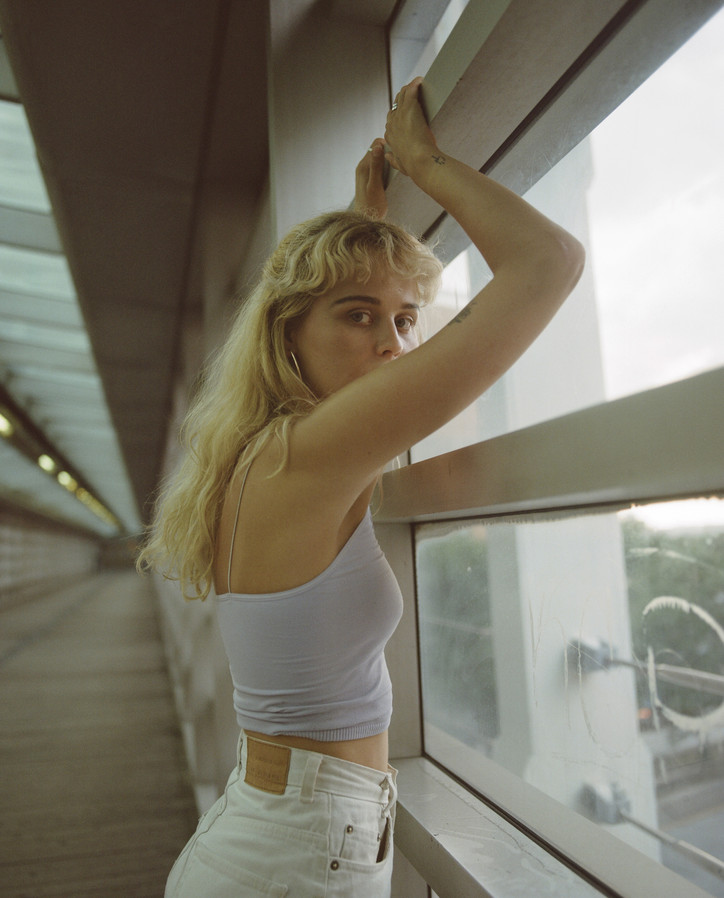
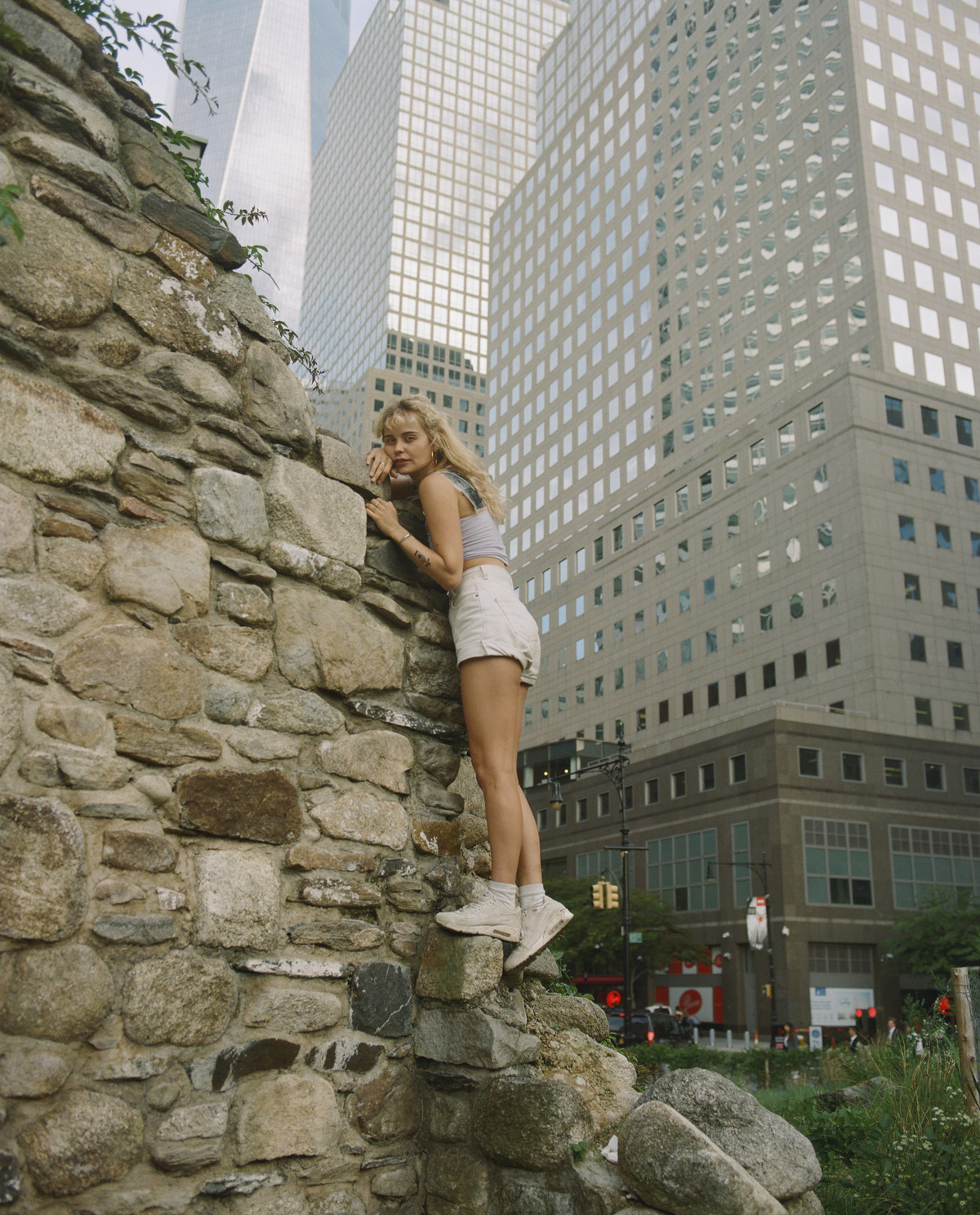
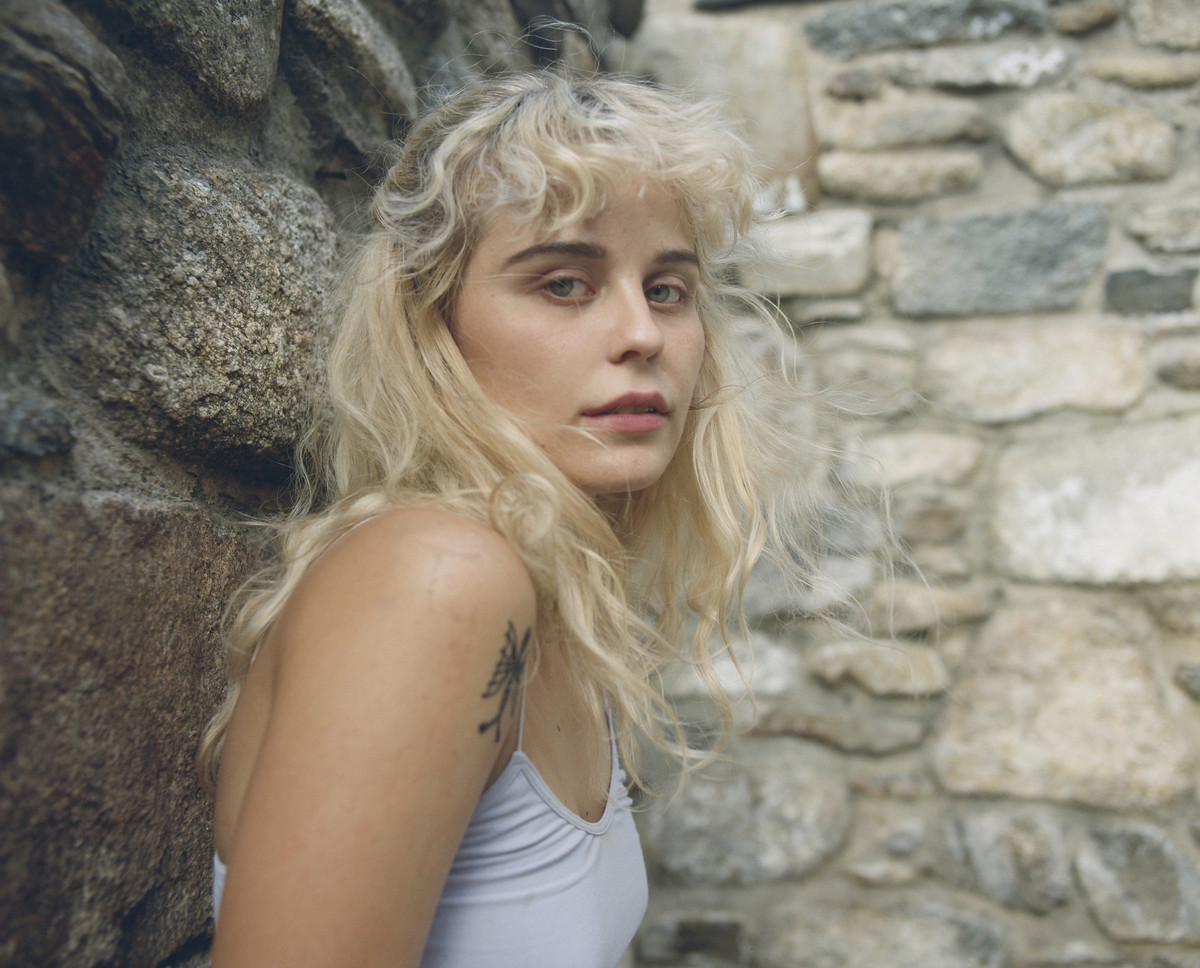
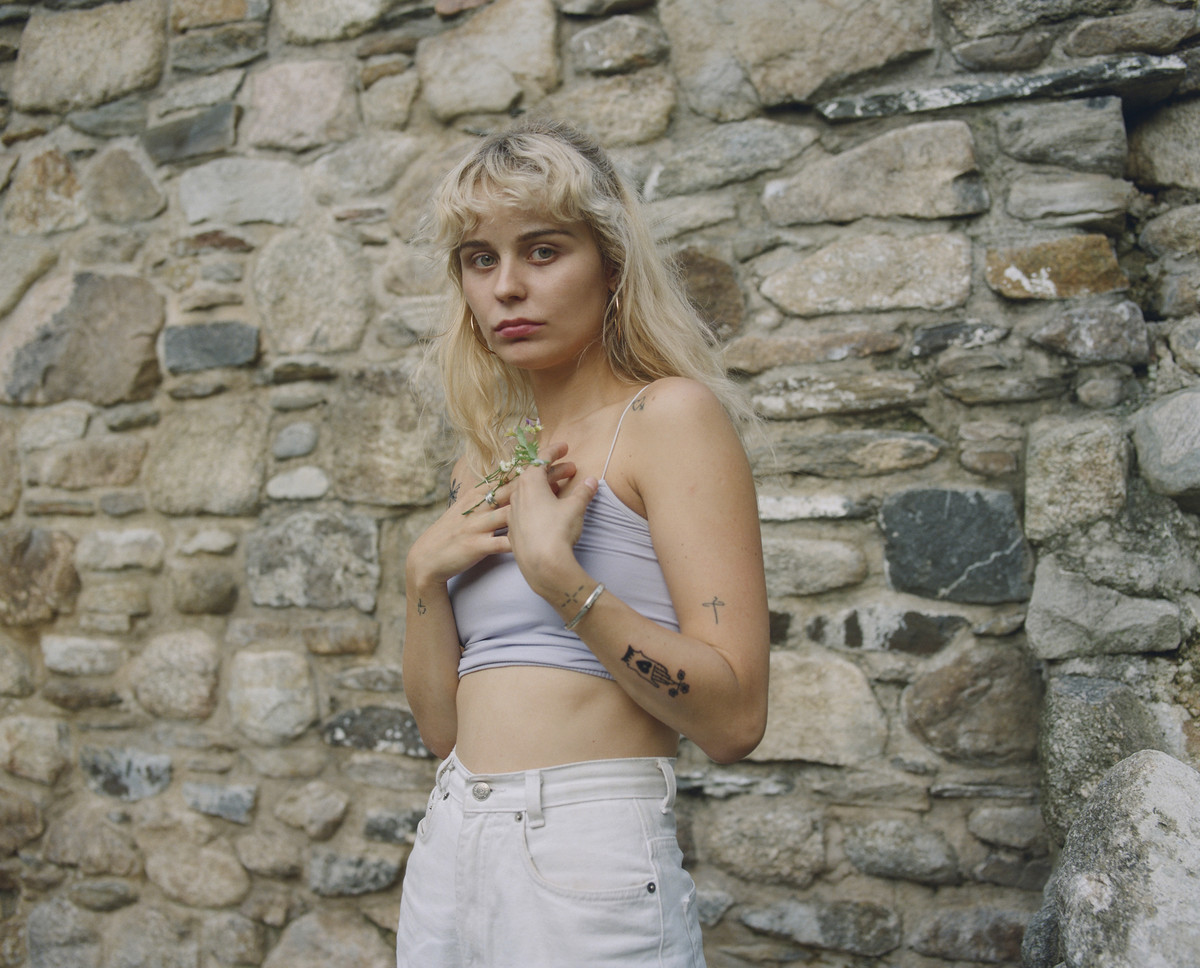
As she gears up to release her new LP—and an as-yet-untitled rap project—the artist told office what it was like growing up in Moscow, and how electronic music has helped her find her voice.
What’s an average day like for you?
My favorite part of the day is the morning, when my mind is fresh and clear. As soon as I wake up, I write down my dream so that I can analyze it. Then, I put on an album and make breakfast. Everyday I try to find some new music on YouTube or VK. It’s quite easy to get stuck doing that, but even if I find one rare gem, that means the day isn’t wasted. In the evening, I sit and spend time on my own projects. I usually get tired of trying to finish old ones and create something new. I’ll really get into it, just plunge myself into the vibe, or I’ll go to my friend’s place and do the same with them, and have a beer.
What are you working on right now?
Right now, I’m mixing my second LP, editing video for it and preparing the cover—just getting everything ready for the upcoming release. I’m also producing a side project with a friend of mine—we’re making rap. I’m not sure when it’s gonna be available to the public, but the process [has been] quite fascinating.
How did growing up in Russia influence your music?
The influence is quite strong. In a cultural sense, Russia was isolated from the rest of the world for so long because of the Iron Curtain. Because of that, the development of musical genres was delayed—we only started re-claiming that in the ‘90s [after the fall of the Iron Curtain]. So, Russian music has really started to discover its own language in the last five years. In the 2000s, young musicians were looking up to the West, because we just thought it was better. Our bands were singing in English and just copying popular foreign genres. They had a feeling of inferiority. But we, the new generation, don’t feel that way anymore, especially now that we’ve discovered our own unique voice—one that’s separate from everything we’ve been absorbing over the years.
It’s hard to explain, but I think my music captures something that is uniquely Russian. But it balances Russian culture and foreign influence, so that everyone who listens can relate. II think the electronic music is the most universal language—it can pretty much unite people from all over the world.
Do you have a favorite decade?
Different decades are beautiful and attractive from different standpoints. Talking about art and literature, I’m more fascinated by the 1910s through ‘20s, especially by the revolutionary years. There was a radical demolition in people’s minds; just imagine a total change in art language and the way people thought about it—architecture, fine art, design, everything. Incredible people came out of that time.
But musically, 1980s in the USSR, Germany, England and America. And the 1990s of course—there’s no way around that. It was just the most vivid in the context of worldwide fashion. We started seeing these really bold runway shows intended to change minds. Fashion became a powerful review of the reality. Nowadays, there are some designers like that, but mostly everything is focused on marketing and there’s nothing behind it.