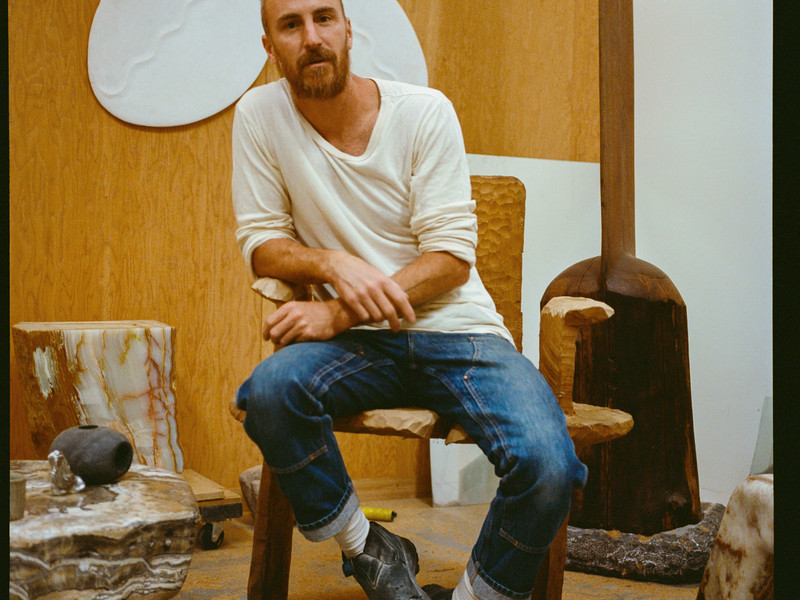
office spoke with the Haas brothers about their start in construction via cabinetry, their interest in sexuality and fancy furniture.
Tell me about your work.
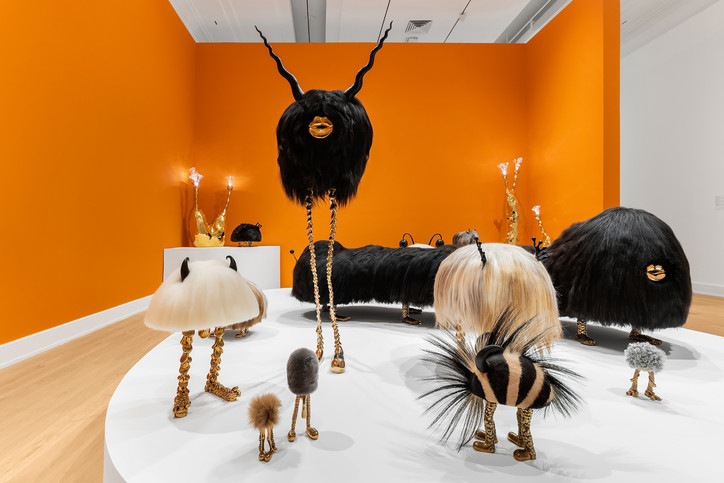
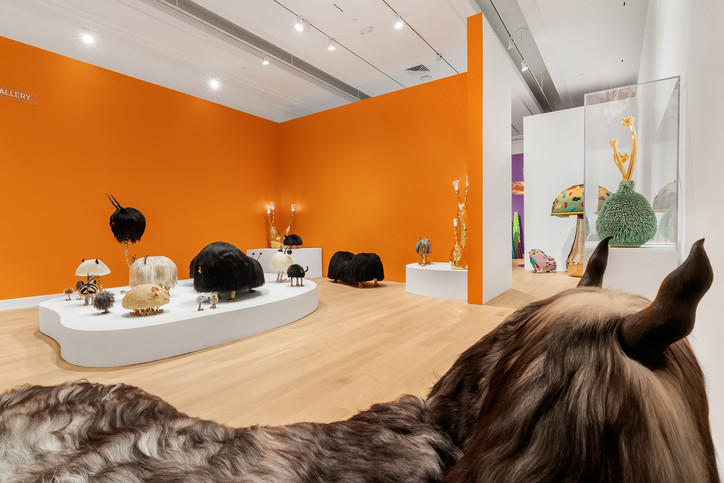
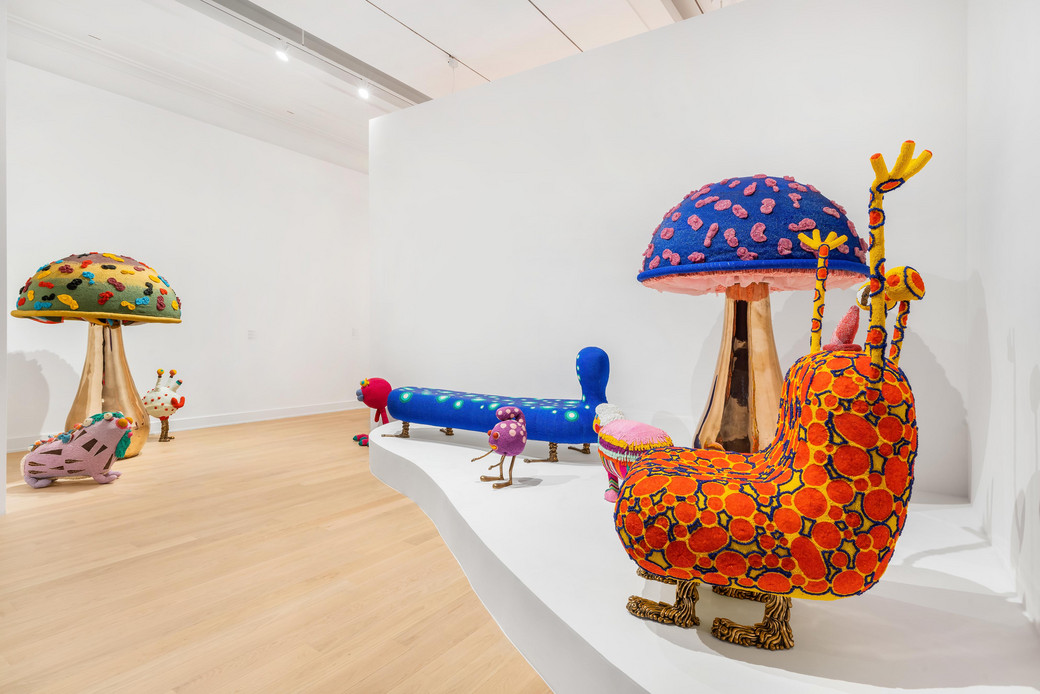
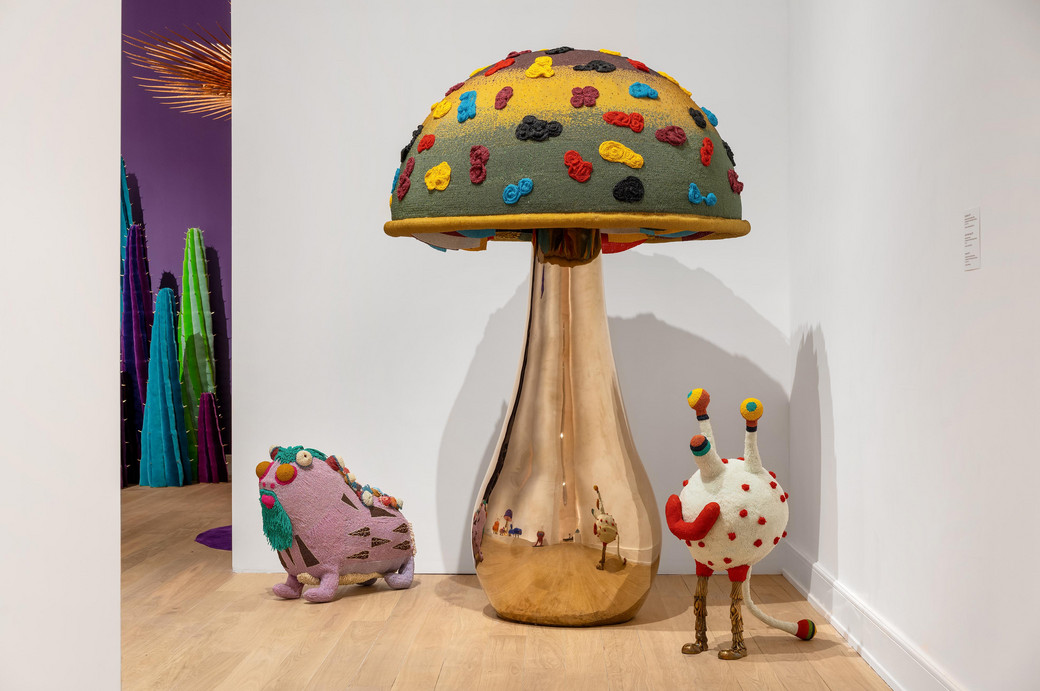
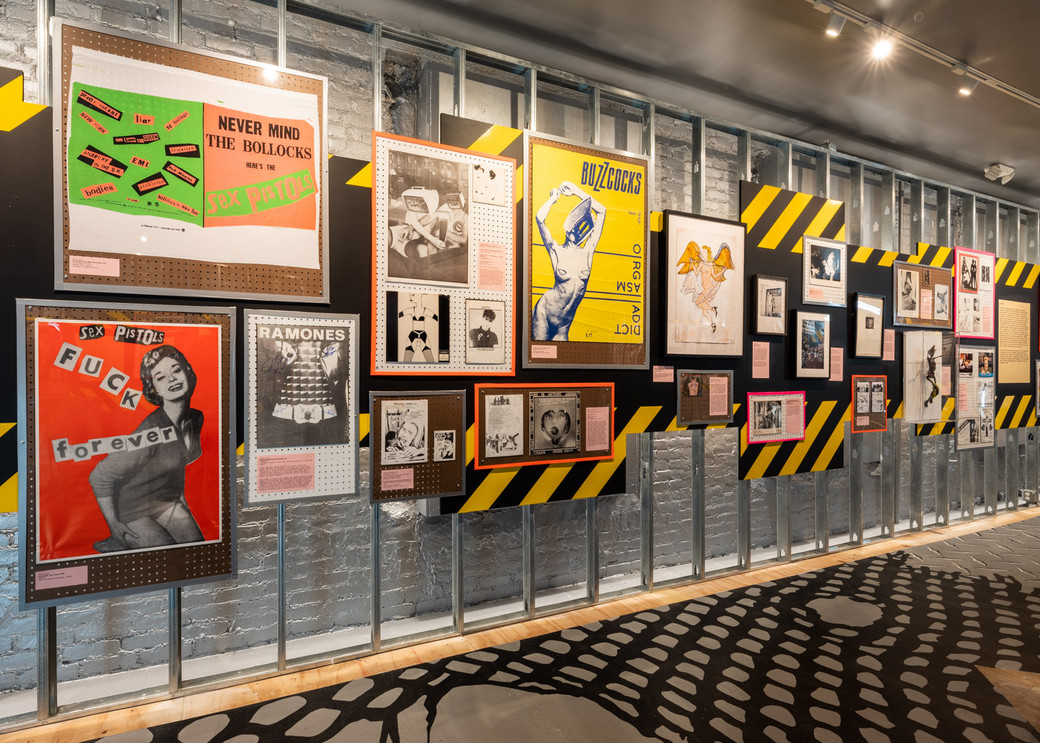
Niki Haas: The show is sort of an exploration of our childhood until now through the use of the pieces we’ve made throughout our career. When you walk into the show, you see the earliest things we made together; then in the middle, there’s a different body of work; and in the back, you’ve reached what we would consider the future of our studio, where we’ve made a couple pieces specifically for this show, and represent the way we want to make work from now on. The show is really about Simon and I, and our relationship—it’s about the work that our relationship creates. It’s nice now that we’re in our early thirties, and you can look back through our career and see how accurately the work marks time in our lives, from our viewpoint, and you can see, whether we meant it or not, exactly how we were feeling and what we were thinking at that exact point in time. This sort of this arc.
It’s like an autobiography.
Niki Haas: Exactly.
Simon Haas: It’s like a diary. The work holds a mirror up to ourselves, but I don’t know if anyone else will necessarily get that out of it. But our work is really influenced by how we’re feeling emotionally and psychologically at that time. So, when we look at them, we say, 'Oh wow, that’s what we were thinking then.' So, it’s a cool exercise for us.
Niki Haas: We had the opportunity to spend a bunch of time together recently, and over the past few years, we went to therapy to try and understand our relationship, and who we were as individuals, but also how we relate to each other. As twins, it’s obviously really important, the influence your twin has over your life. That’s where the title comes from—Ferngully—it’s because lots of pieces of the work in the show are loosely based on characters or things we remember from childhood. So, Ferngully is what that’s all about—diving back into our psyche, our childhood and who we are.
I only know the movie by that name, the cartoon—is that what you’re referencing, or is there more to it?
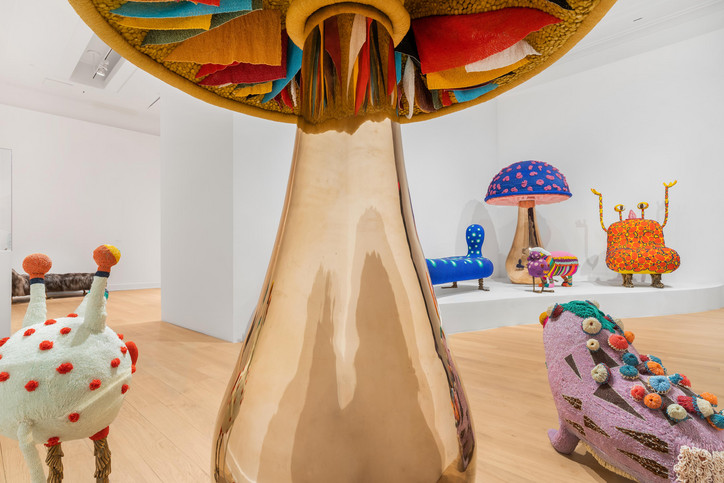
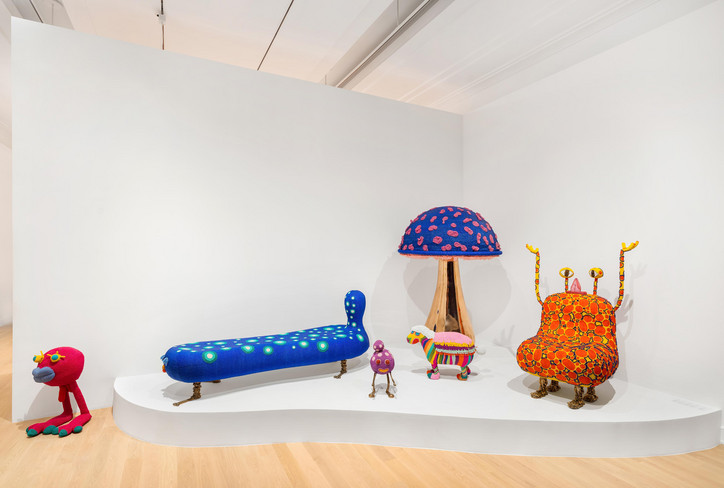
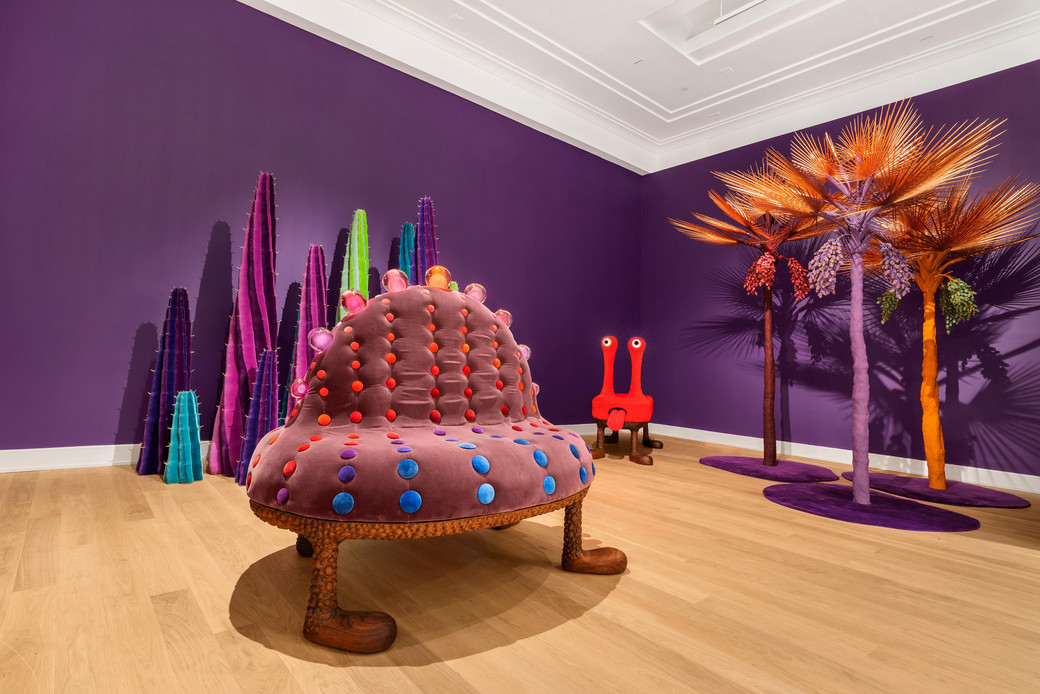
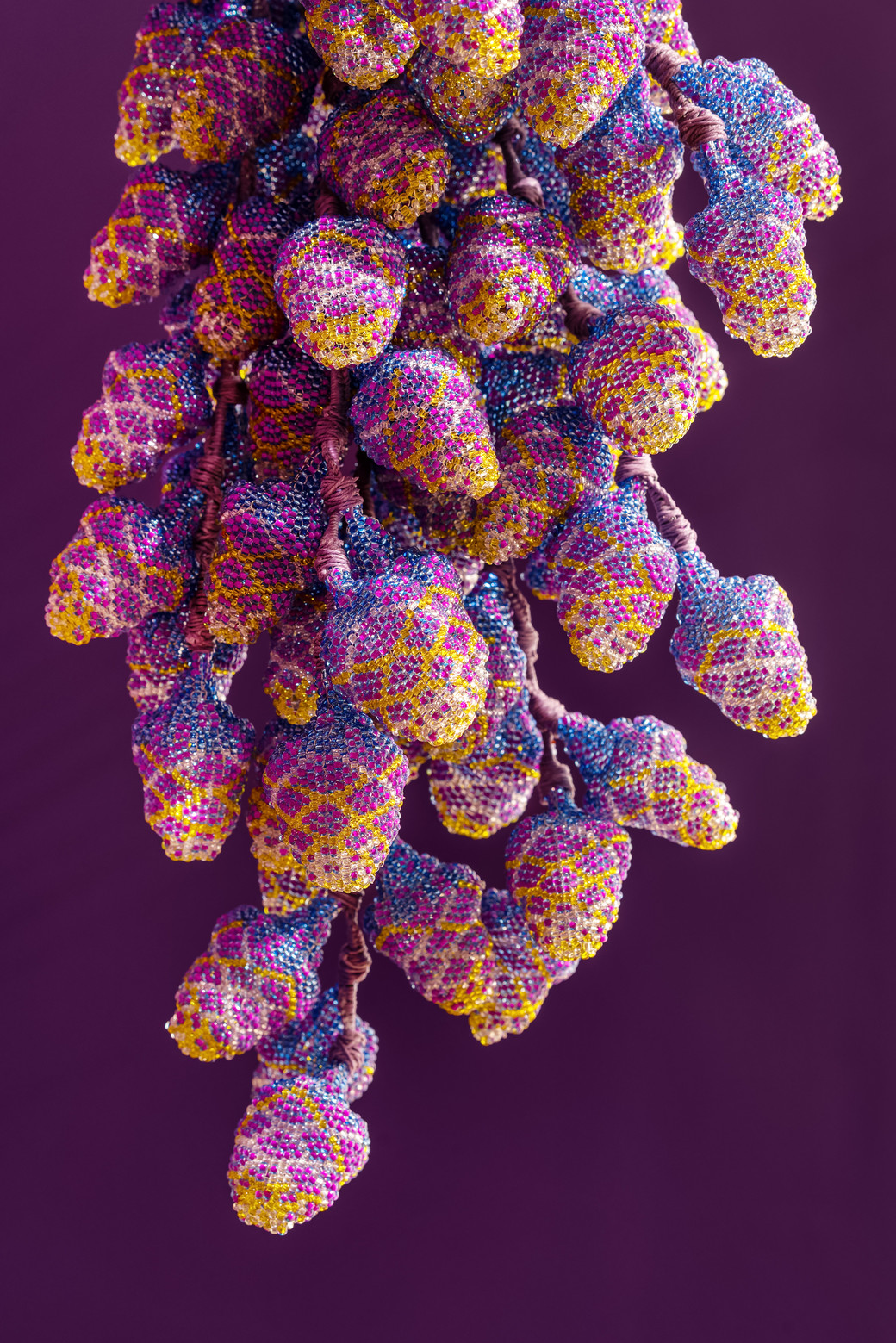
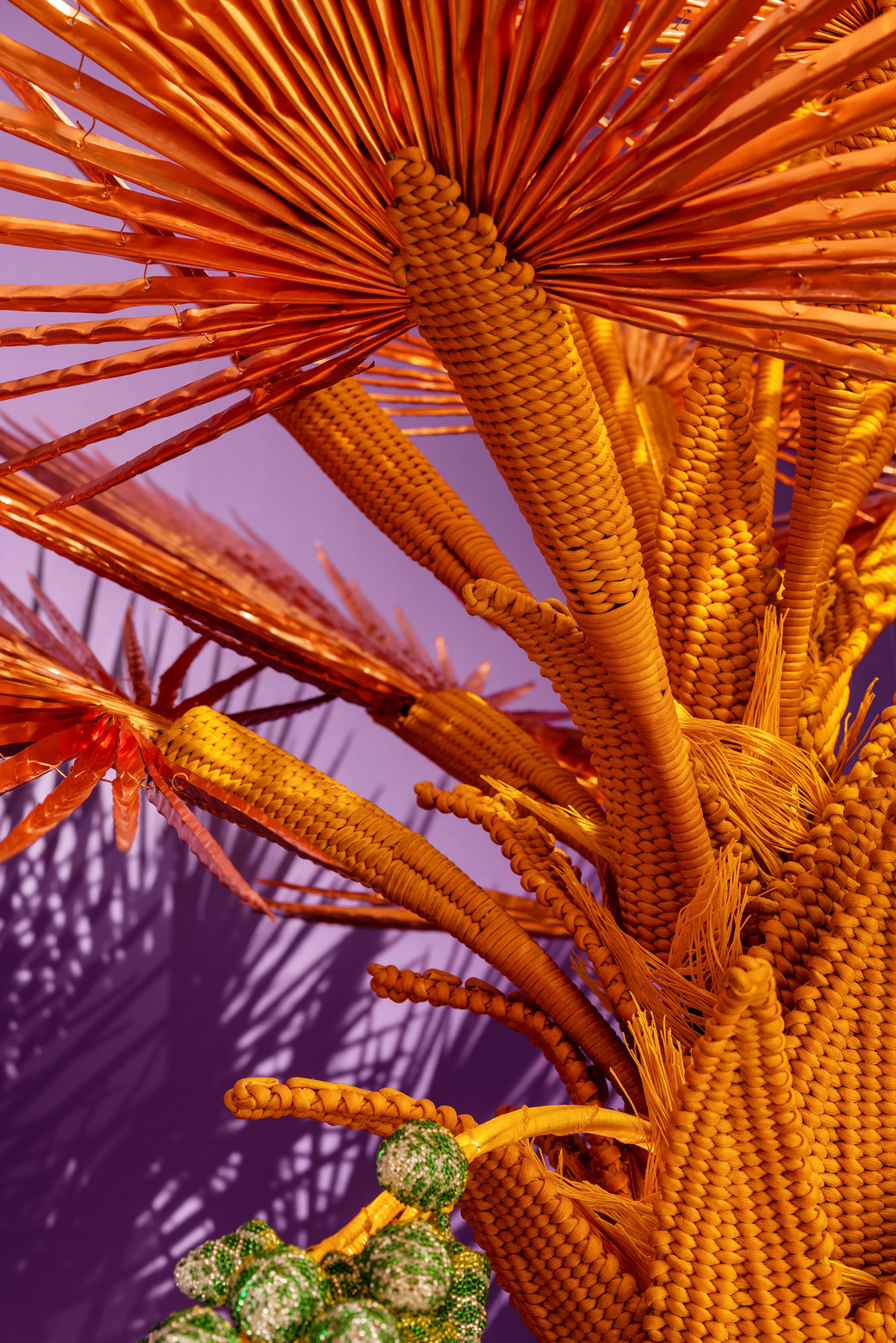
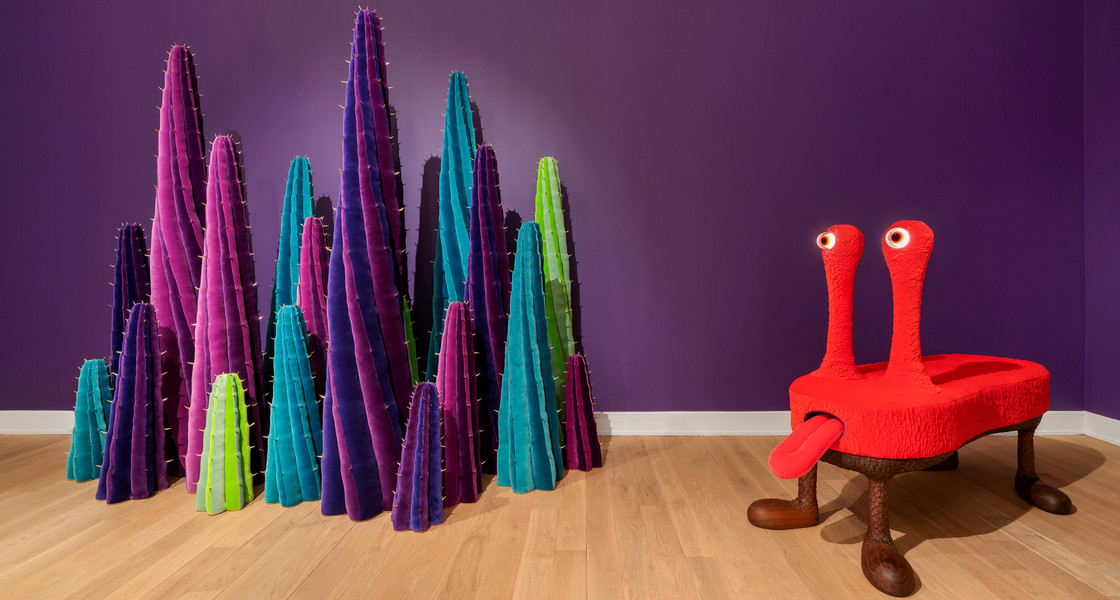
Simon Haas: No that’s it. We watched it a lot as kids and were kind of obsessed with it. We draw on it a lot as a reference, even the way we name things has a lot to do with Garbage Pail Kids, which were another big part of our childhoods. We bring our childhood influences in a whole lot, and Ferngully made sense for us because we’ve created a kind of small jungle scene in the back and we’re just really obsessed with nature, both plants and animals. It’s silly, but I think that we went through our own Ferngully moment—we saved ourselves from obliteration, if that makes sense, and then came out on the other side. The last few years have been characterized by a lot of struggle, but not work related.
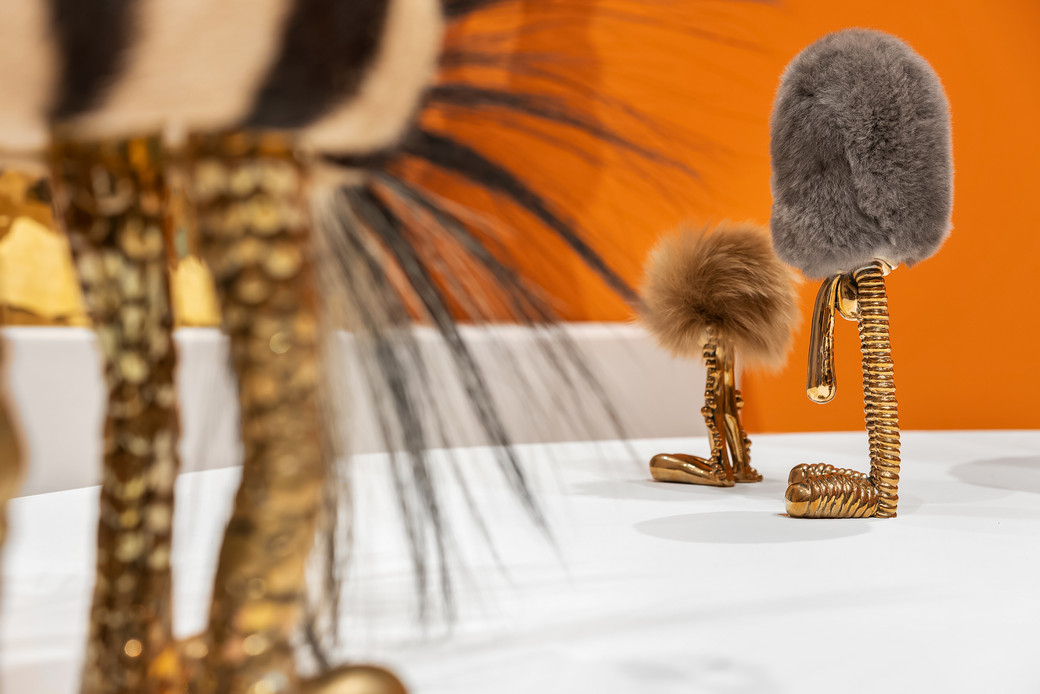
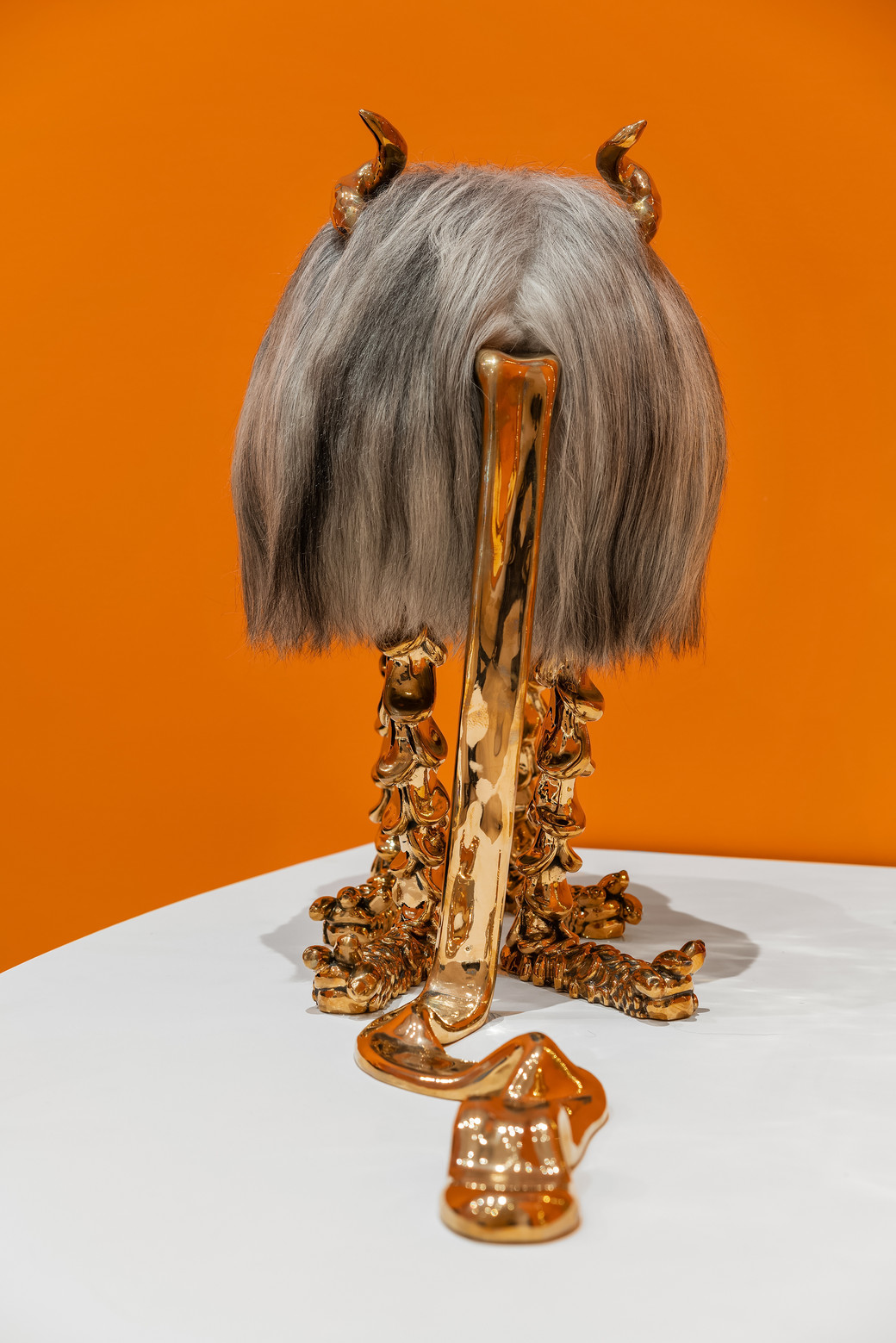
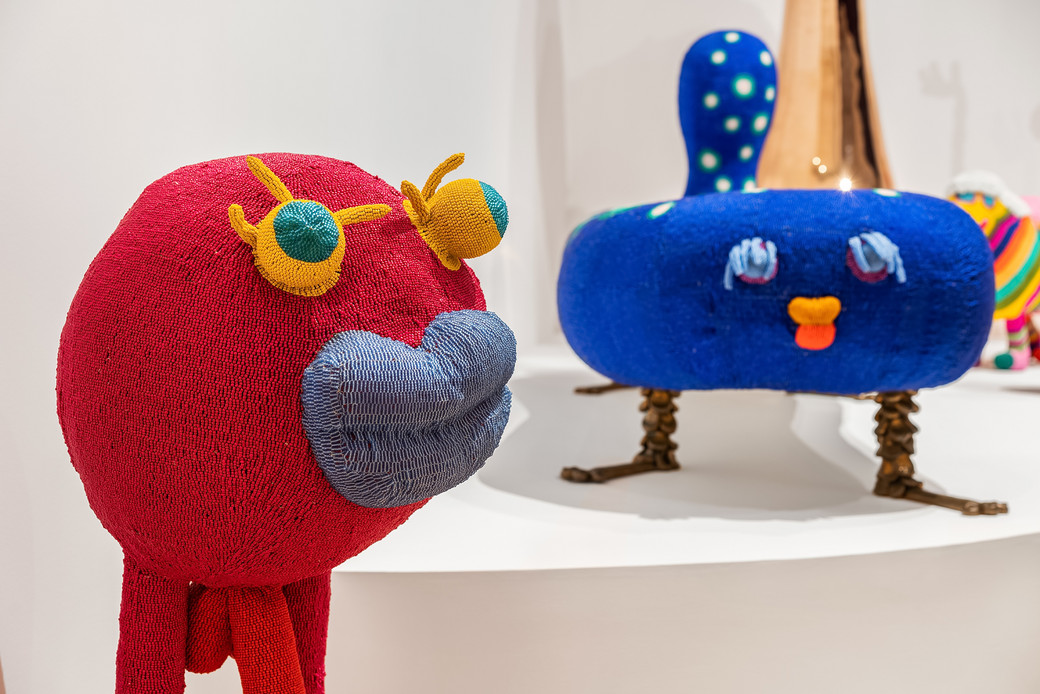
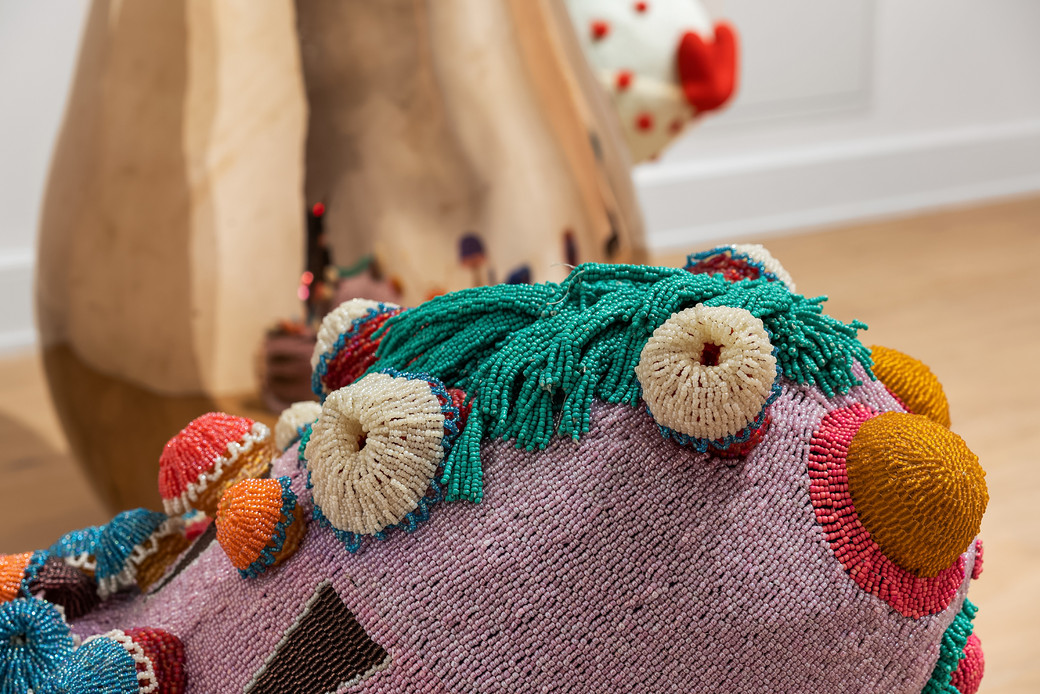
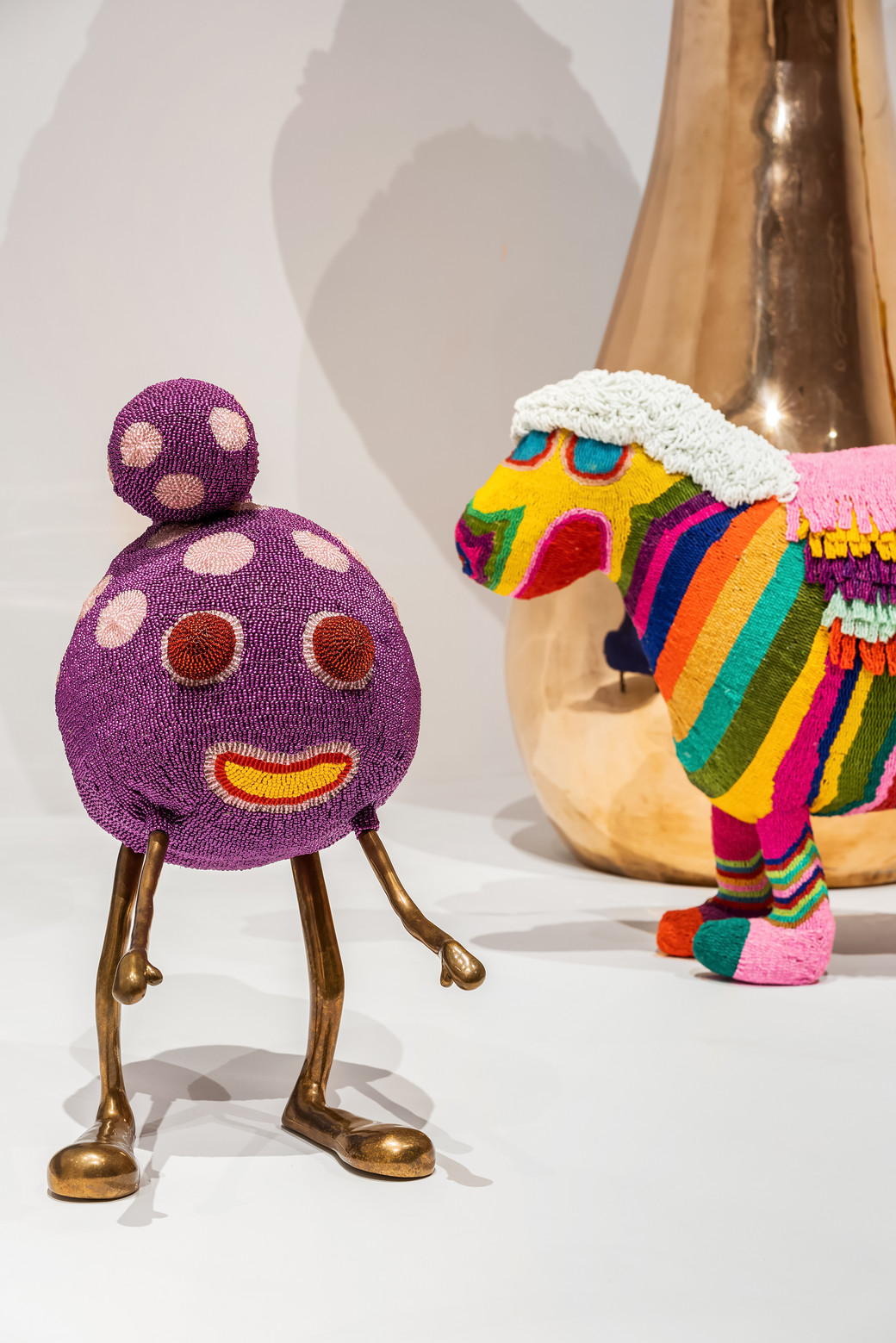
Niki Haas: For example, take a moment in your life—not something that’s necessarily embarrassing, but say a really bad fight that you had with a loved one you want to express out in the world, but the details wouldn’t even be interesting or engaging to somebody that was outside of your realm. So, for us, what we do is create animals, and plants, and environments that sort of act as parallel realities to what's really going on. Things inside of us just spring out. The idea is to create an alternate reality with things that don’t actually exist—none of the animals are real, none of the plants are real, but it creates an environment, a vibe that takes you where we were when we created the work. The point is to transport you into this realm of thoughts and feelings. We’re known for doing that, we’re always creating Ferngullys, and this is sort of the biggest version of that so far. It’s almost like our inner demons.
It reminds me of Big Mouth, have you seen that?
Niki Haas: Yeah, Big Mouth is great—the hormone monster.