


office will meet you there: below is the scoop on his new show at Sean Kelly.
Tell me about your work at the gallery.
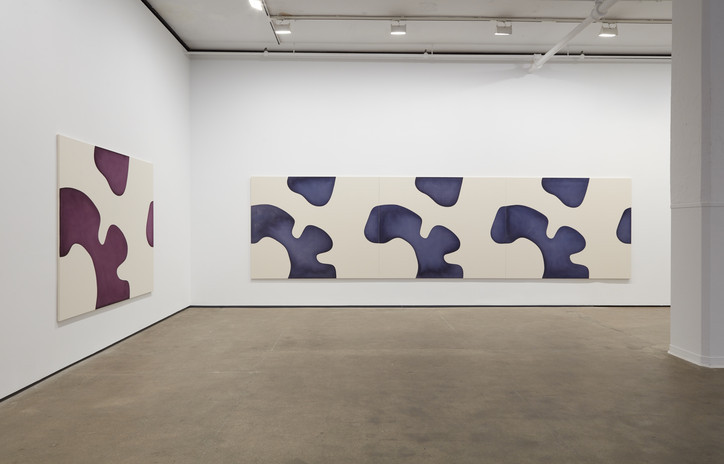
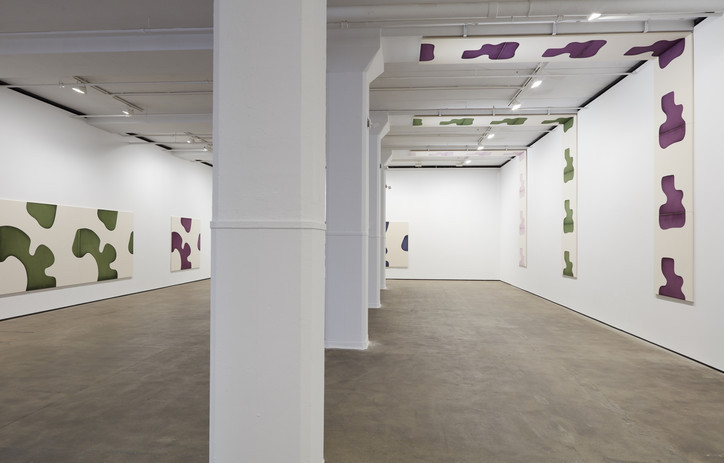
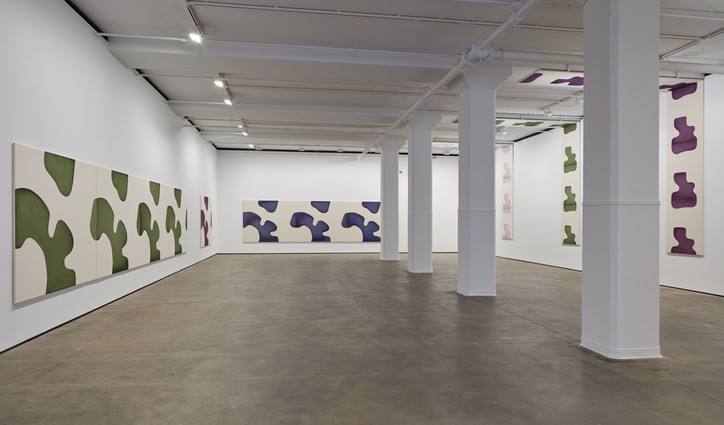
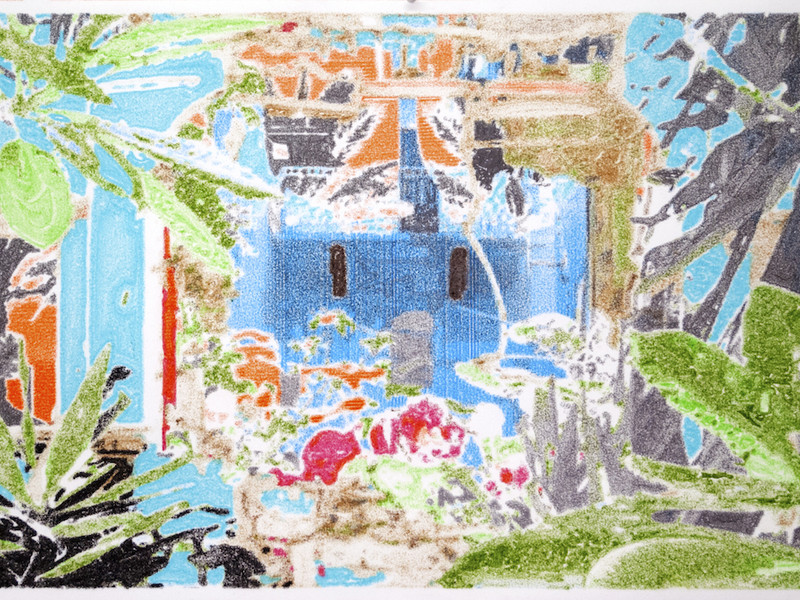
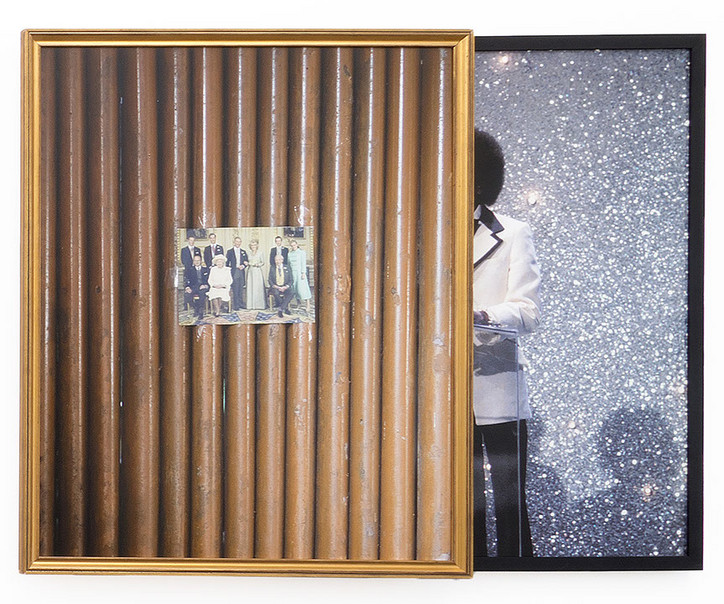
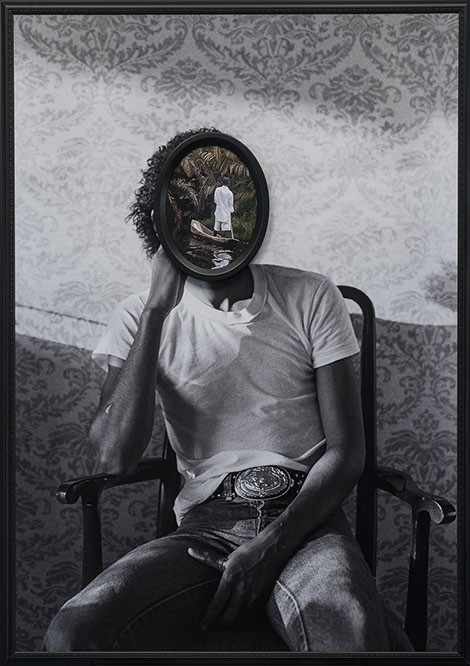
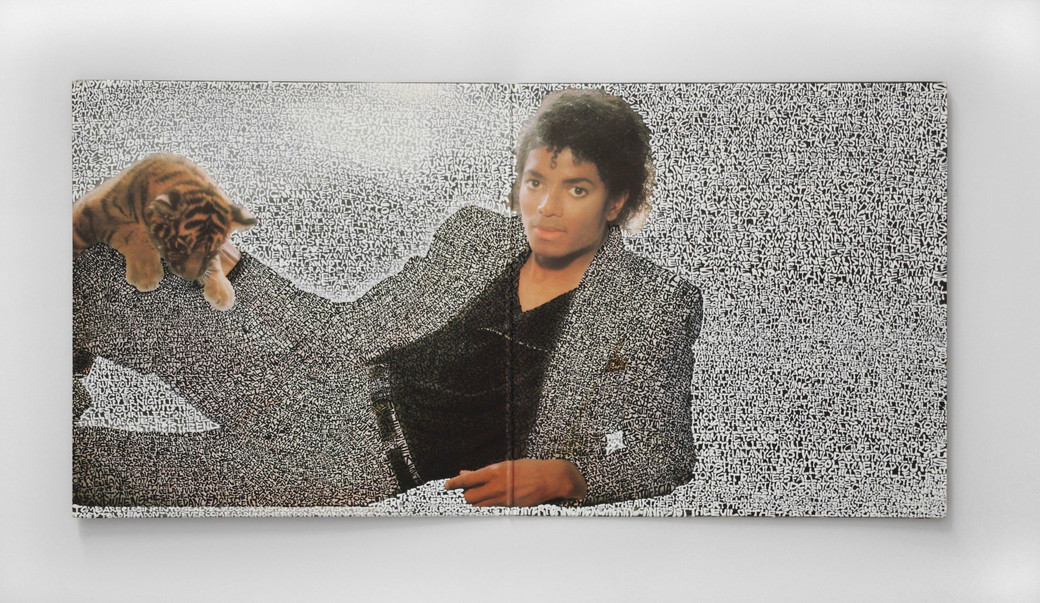
The show is kind of a continuation of a conversation that’s been happening for the past few years in my work. There’s a core of my practice that’s been based around this idea of dealing with authorship, and the role of a singular author versus these external constituents. I think a lot of the way that that becomes manifested in the work is through these acts of receiving or looking at the exhibition with an open and nuanced mentality. Physically, that takes hold in the work and creation through the materials. I use dye which sort of physically merges with the object. And the way those two mediums work together is they create their own vernacular.
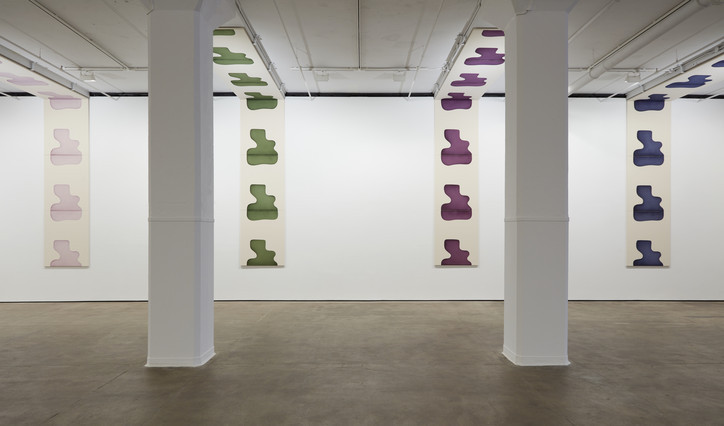
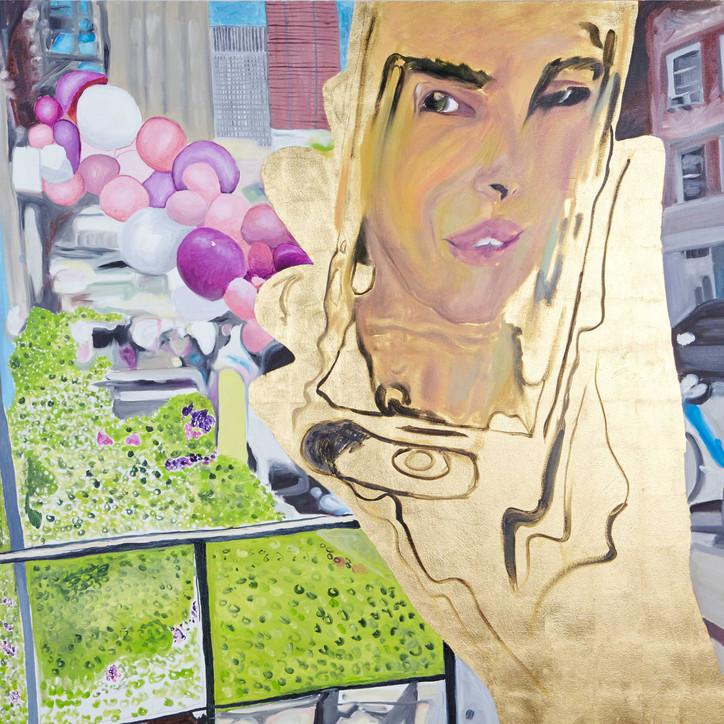
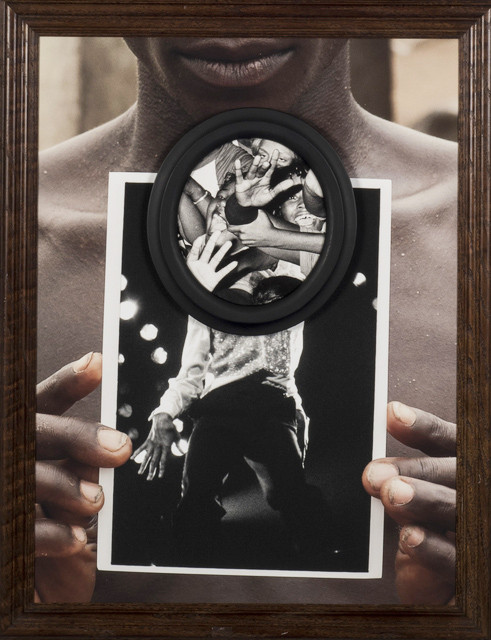
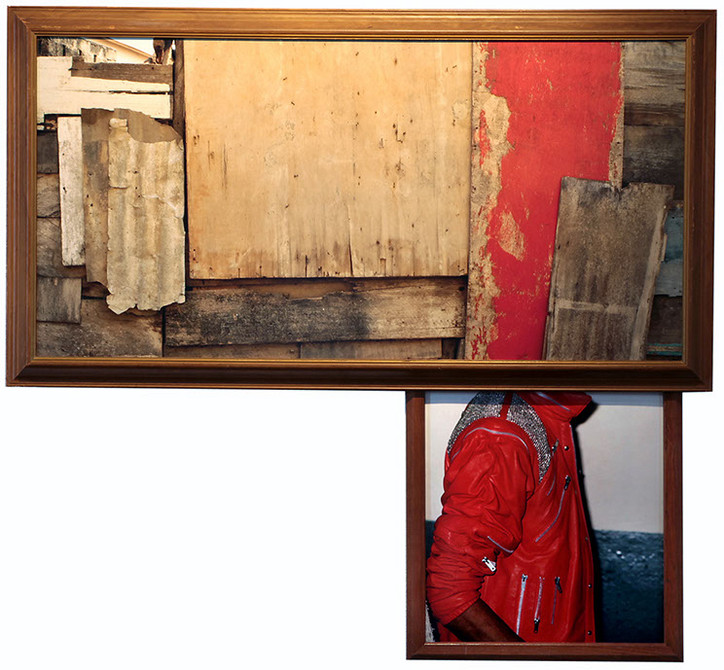
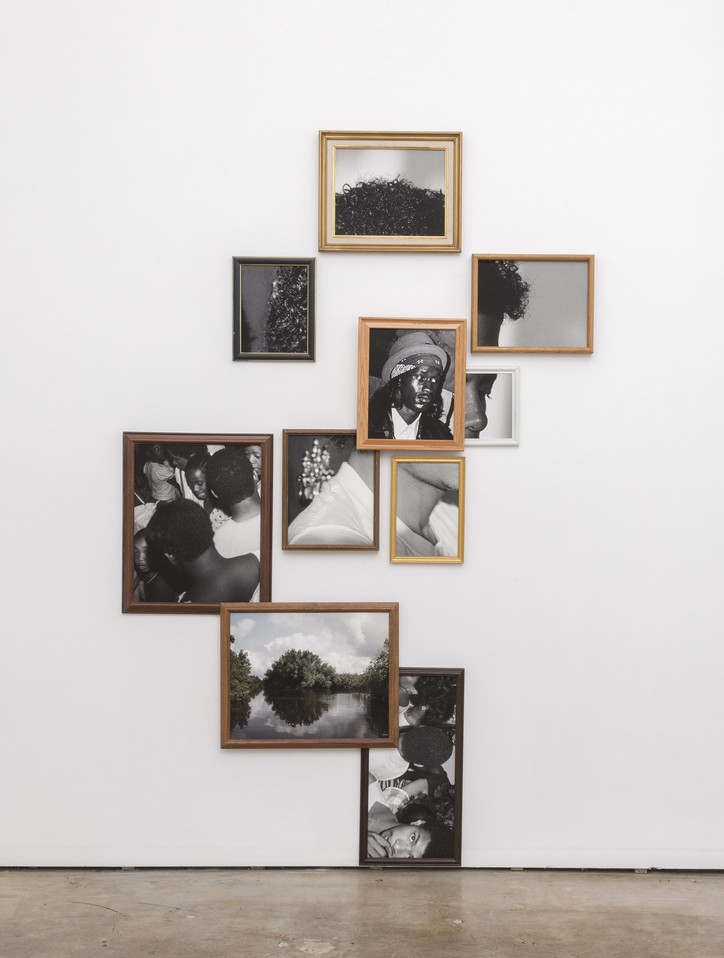
So, then there’s this relationship between the image and the object, where the image is quite literally dictated through the object, and that relationship is reinforced again through the breaking of the image through the panels. That relationship of image and object bleeds through into another sort of important narrative, which is the role of the viewer in the work. So, the image is never entirely created on my part—there’s always this sort of gap left between the panels, where there’s this automate, phenomenological process in the mind of the viewer, much like how film works through a series of still images.
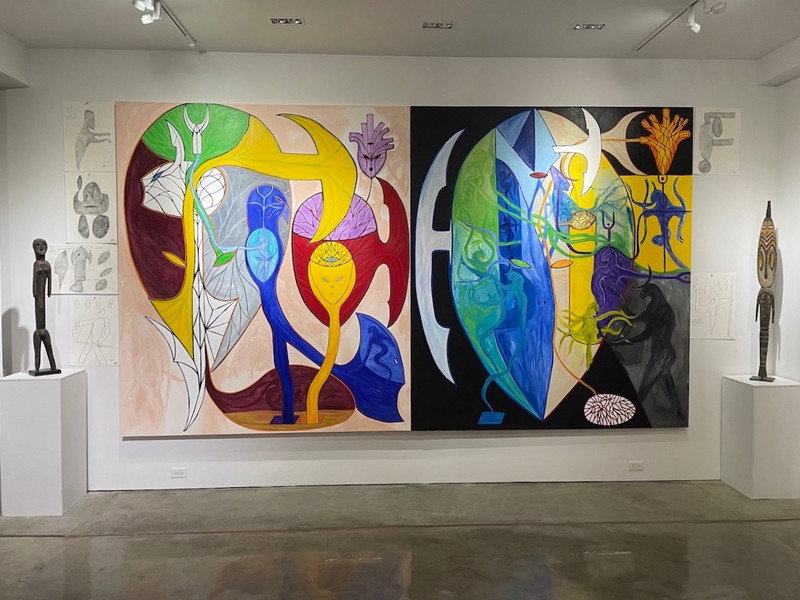
In both of those cases, there’s a sense of relinquishing control and authorship to the materials, and the way they function on their own terms, and the way the image and the object relate to one another, and the way the viewer has this sort of automated role, which comes a lot from Duchamp—the readymades as a creative act that doesn’t belong to the person who made it, but to the culture and the society that decide to perpetuate it. And then further, which directly relates to the show, is through seriality and repeated motifs across multiple panels, the work will articulate an environment. So, they often times are drawing attention to some sort of idiosyncrasy of a particular place or space, whether that be an expectation around the cultural condition of that environment, or even in this case, where quite literally some aspect of the gallery will become a unit of measure that dictates how the work unfurls throughout the exhibition space.