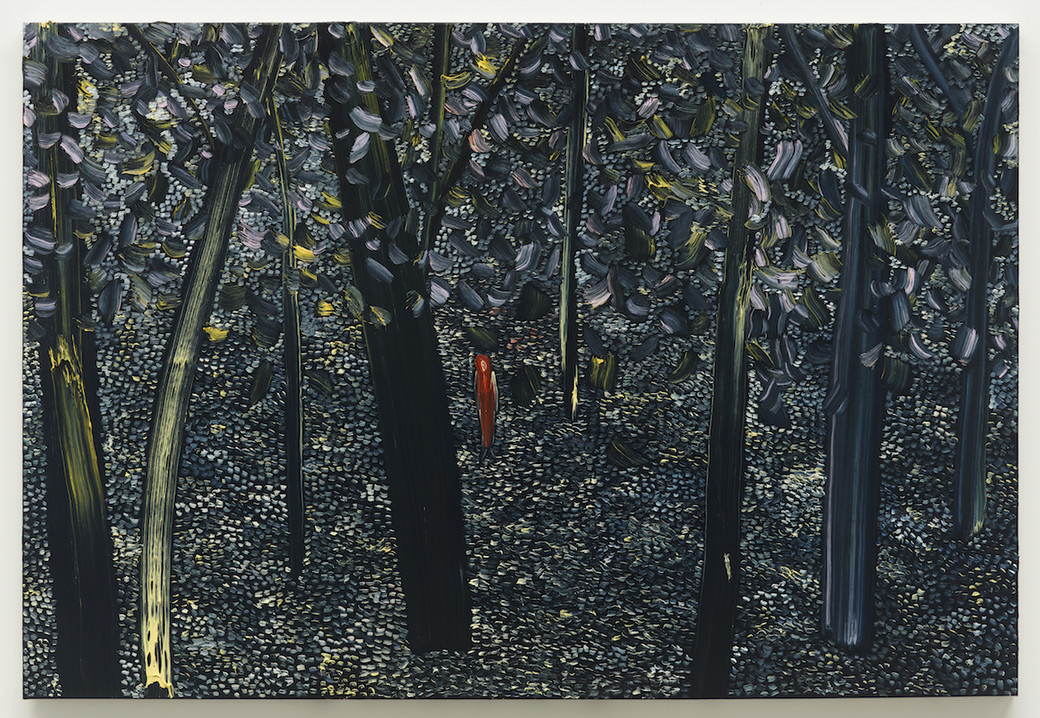
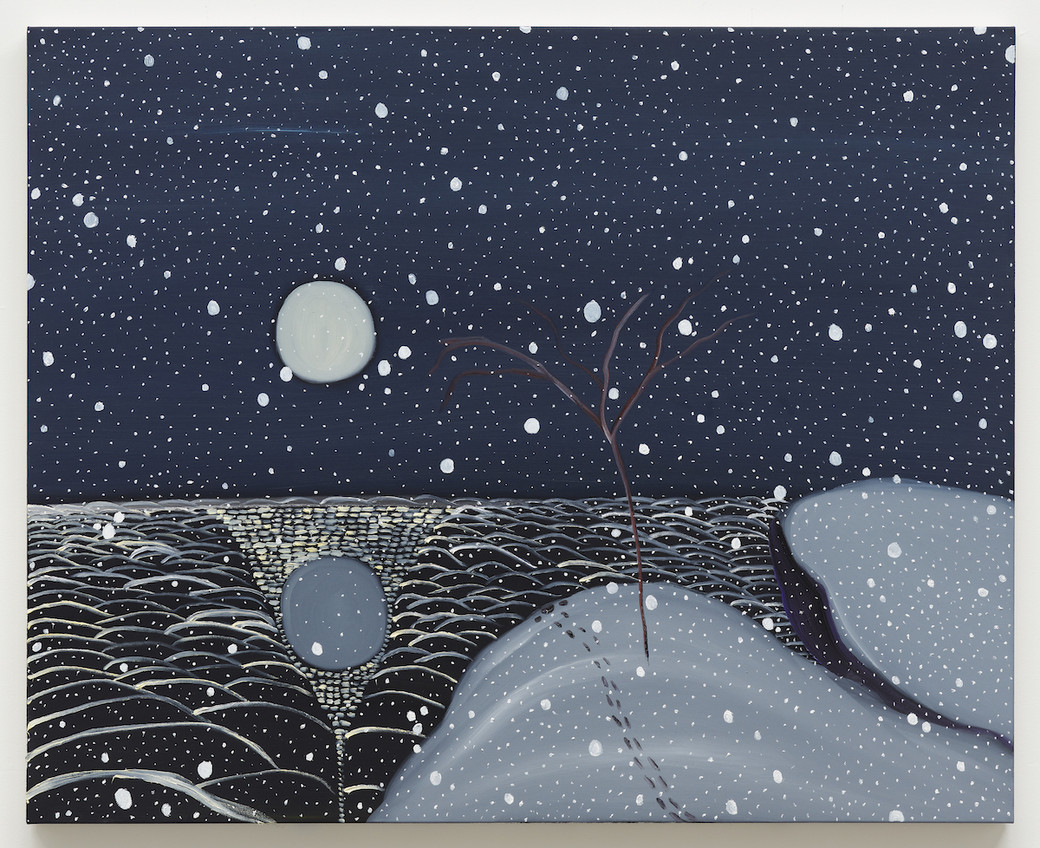
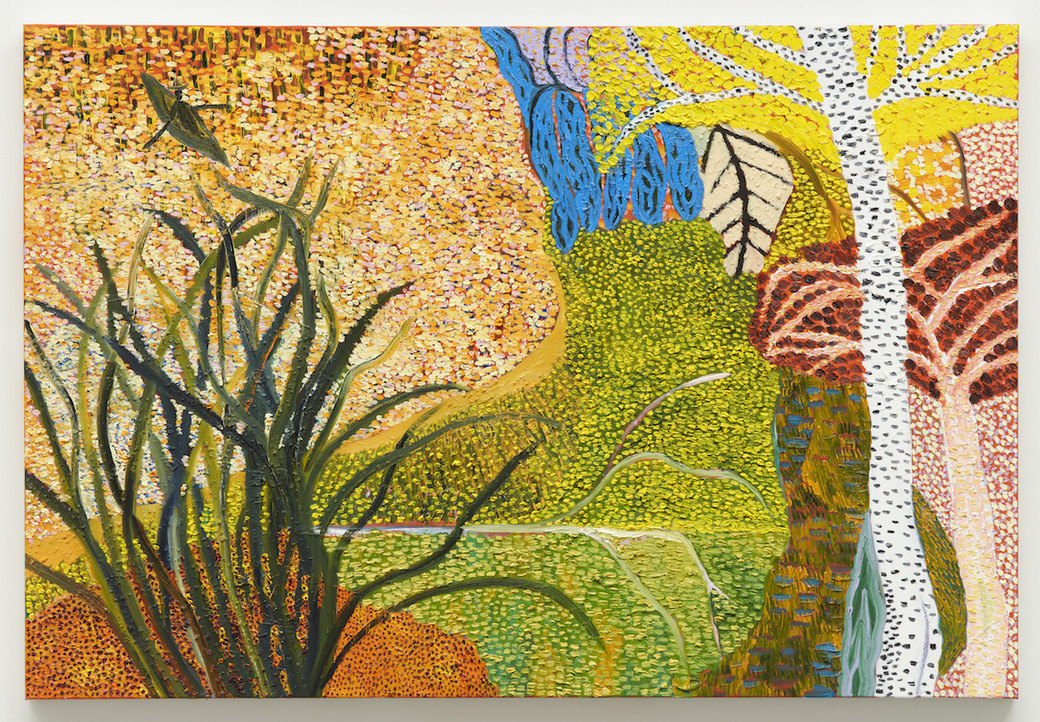
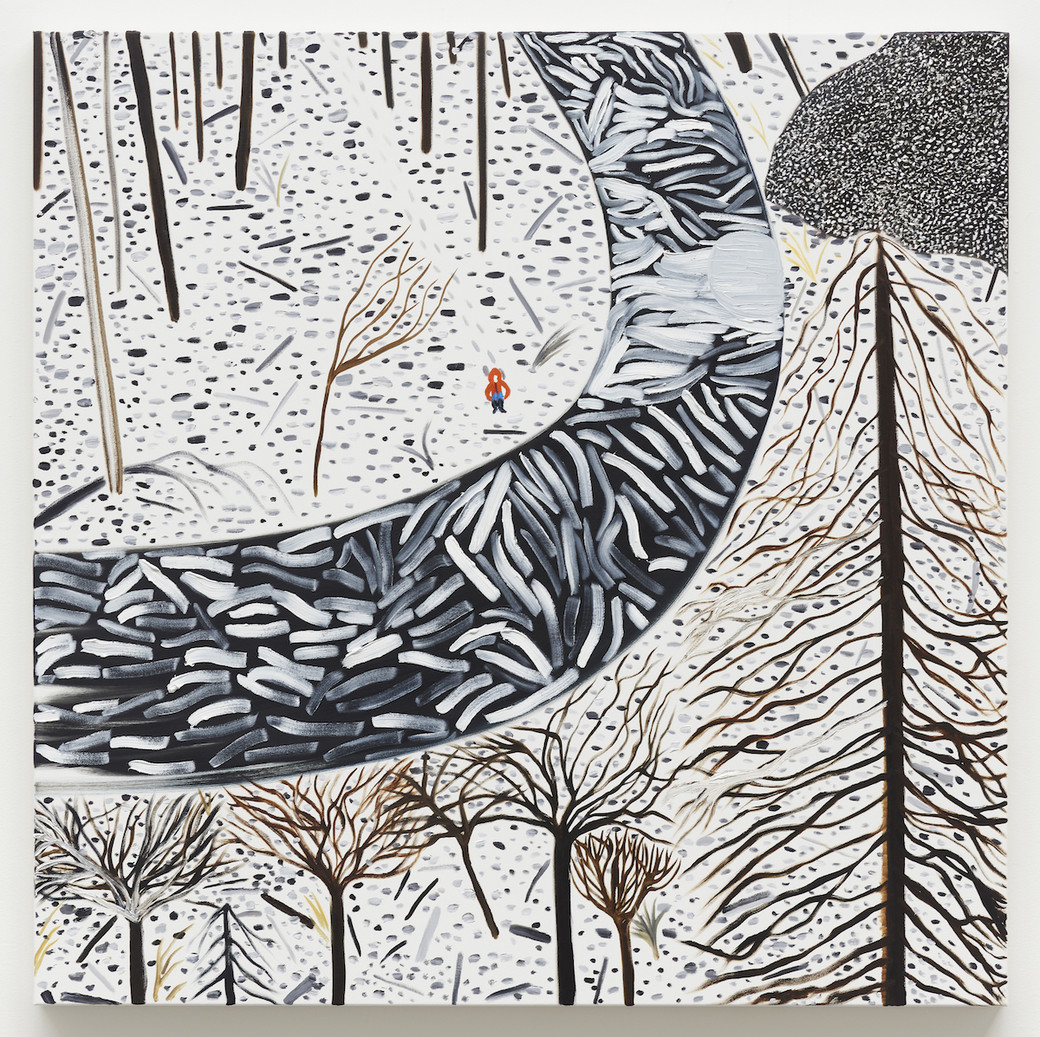
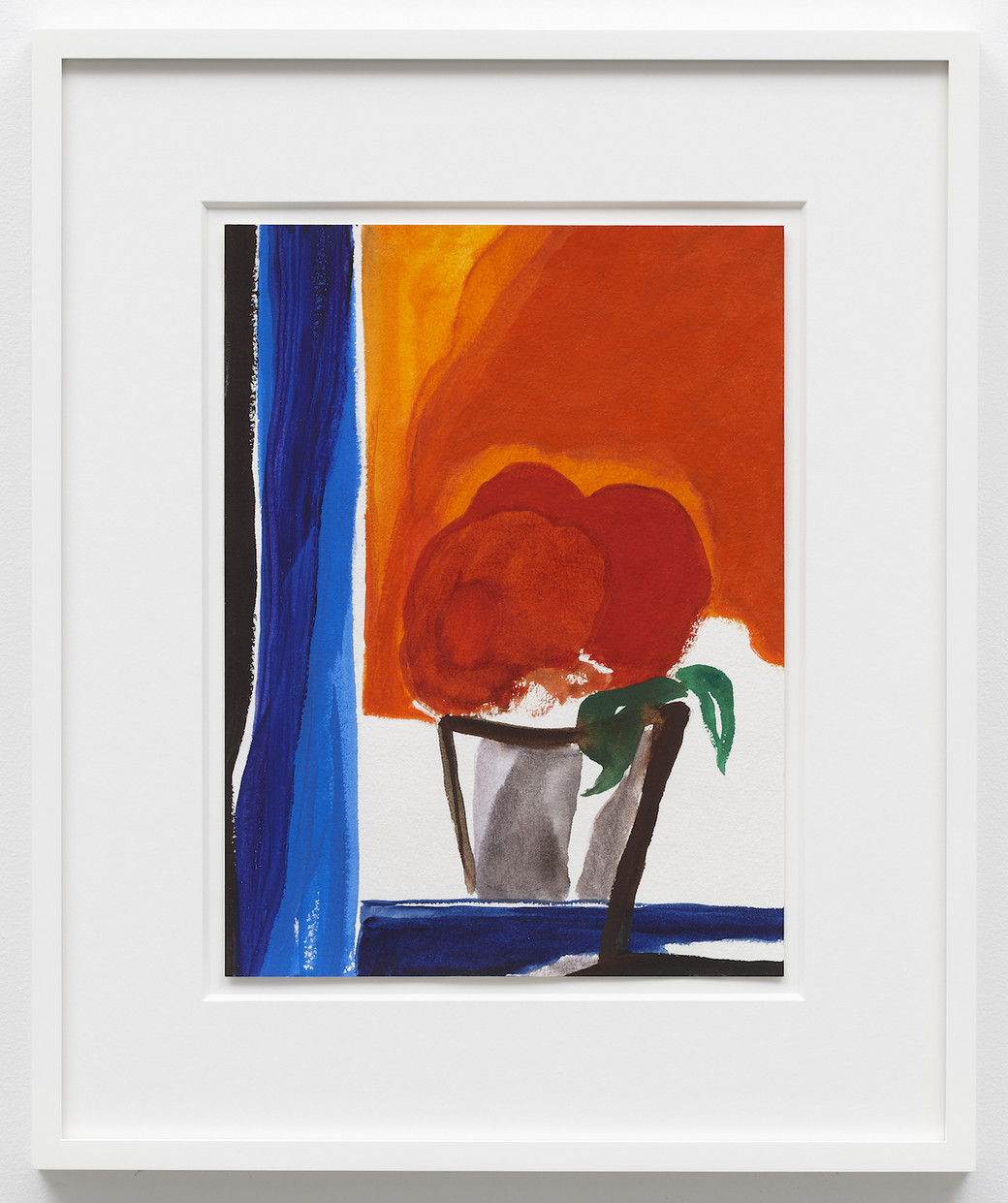
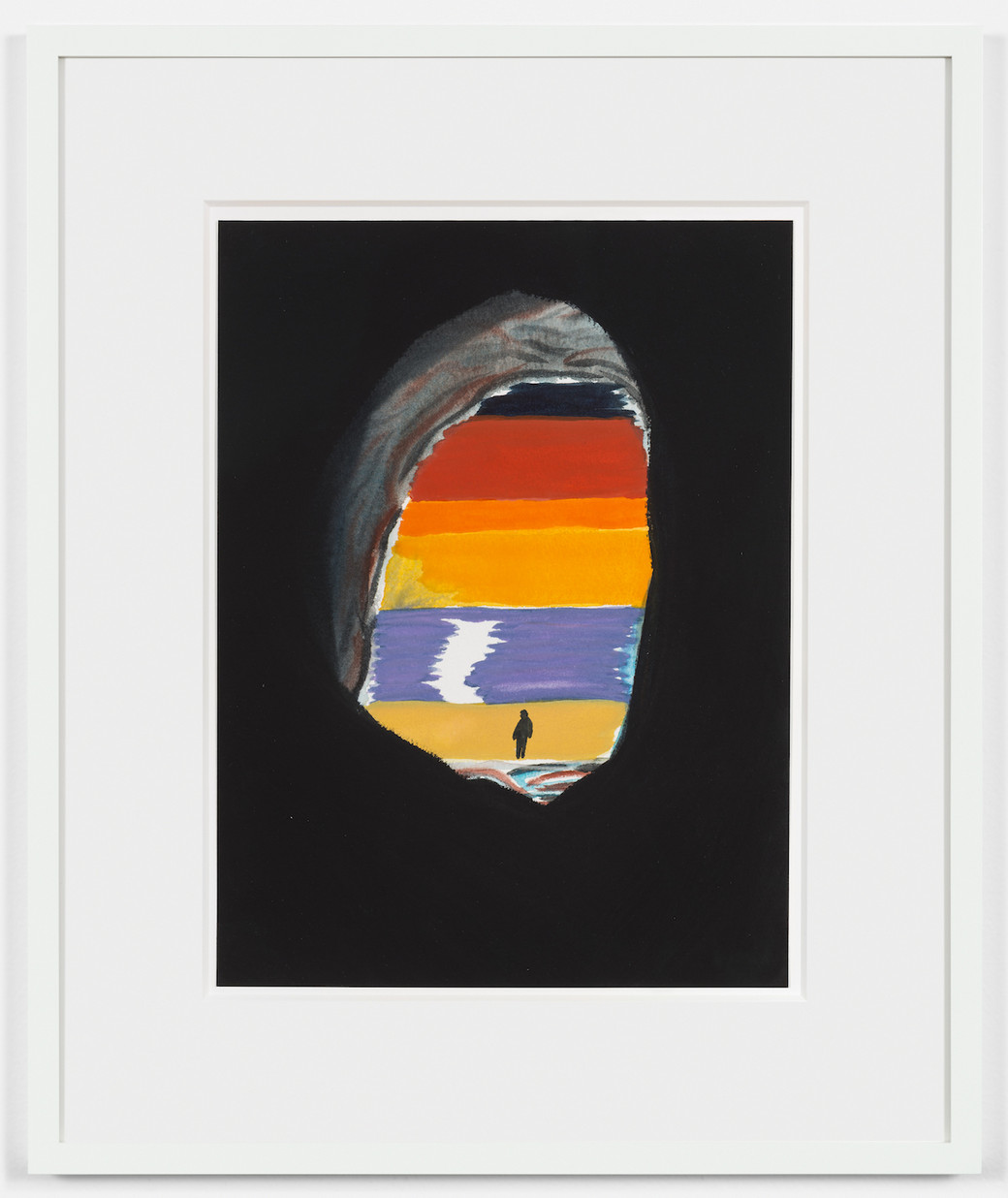
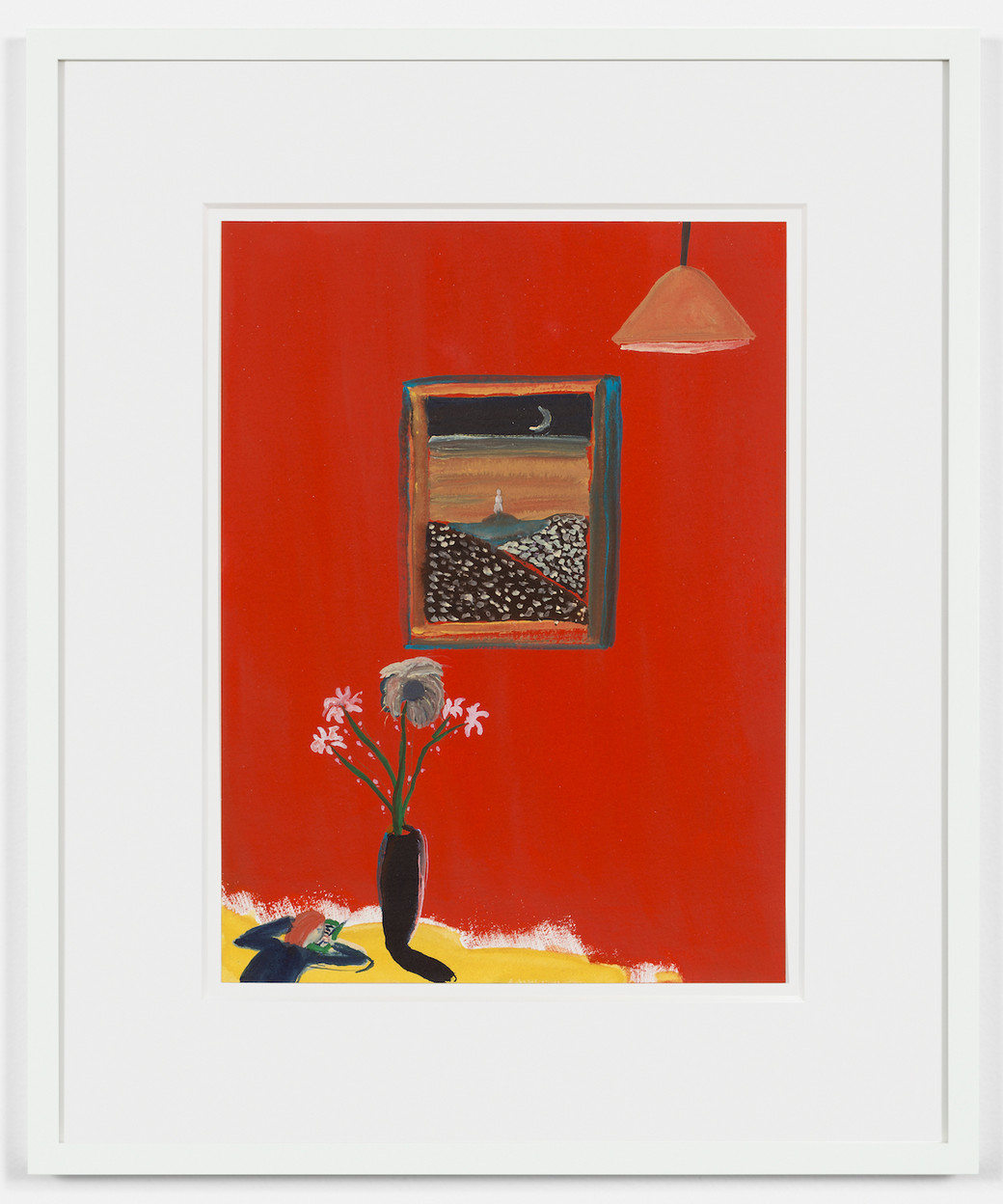
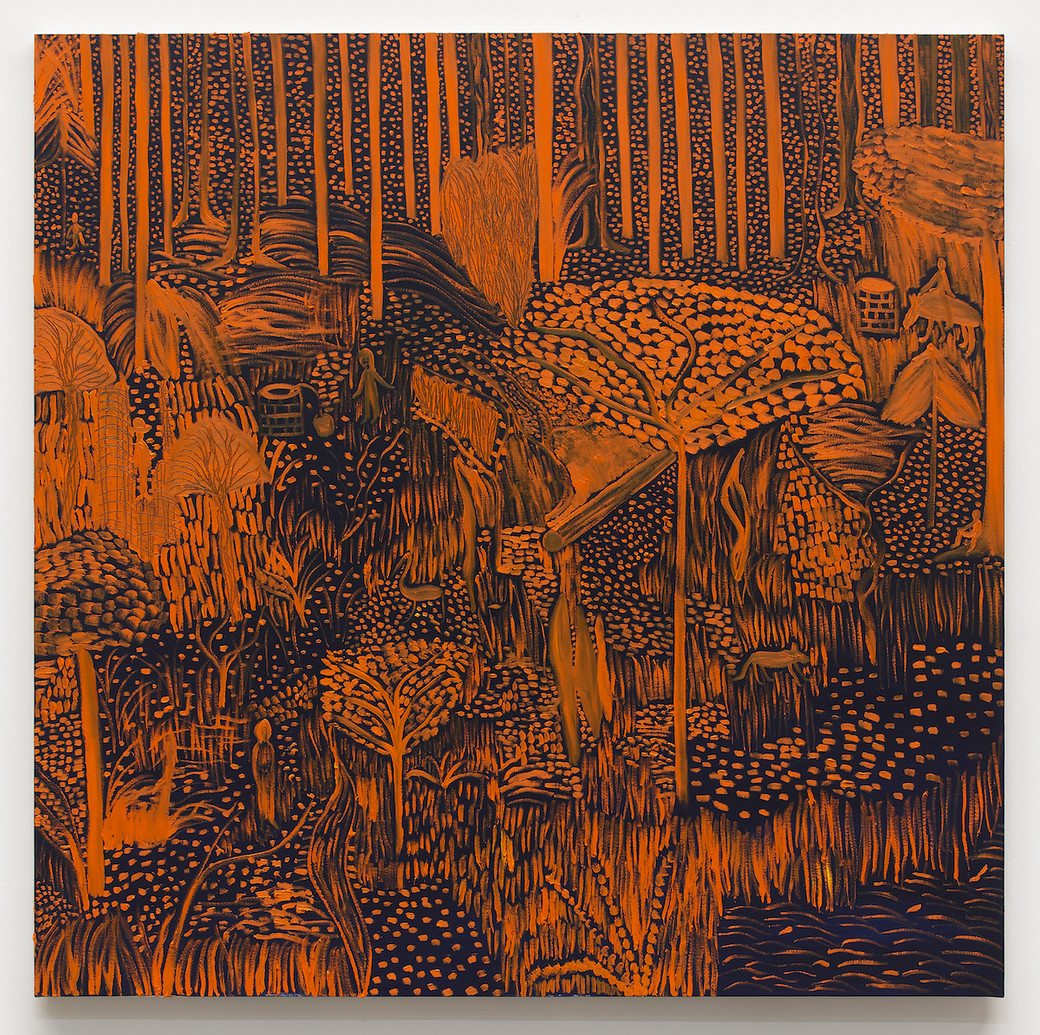
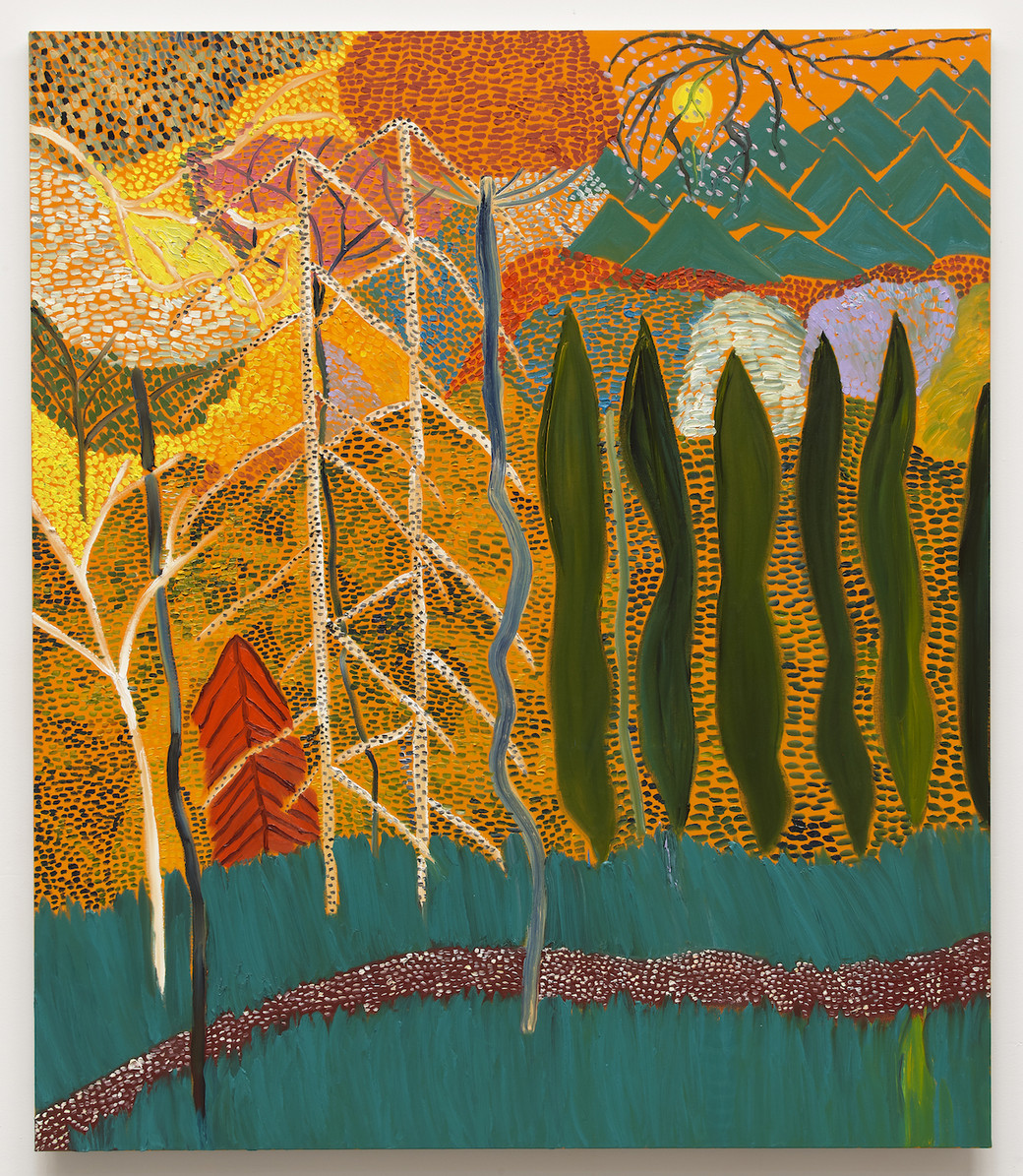
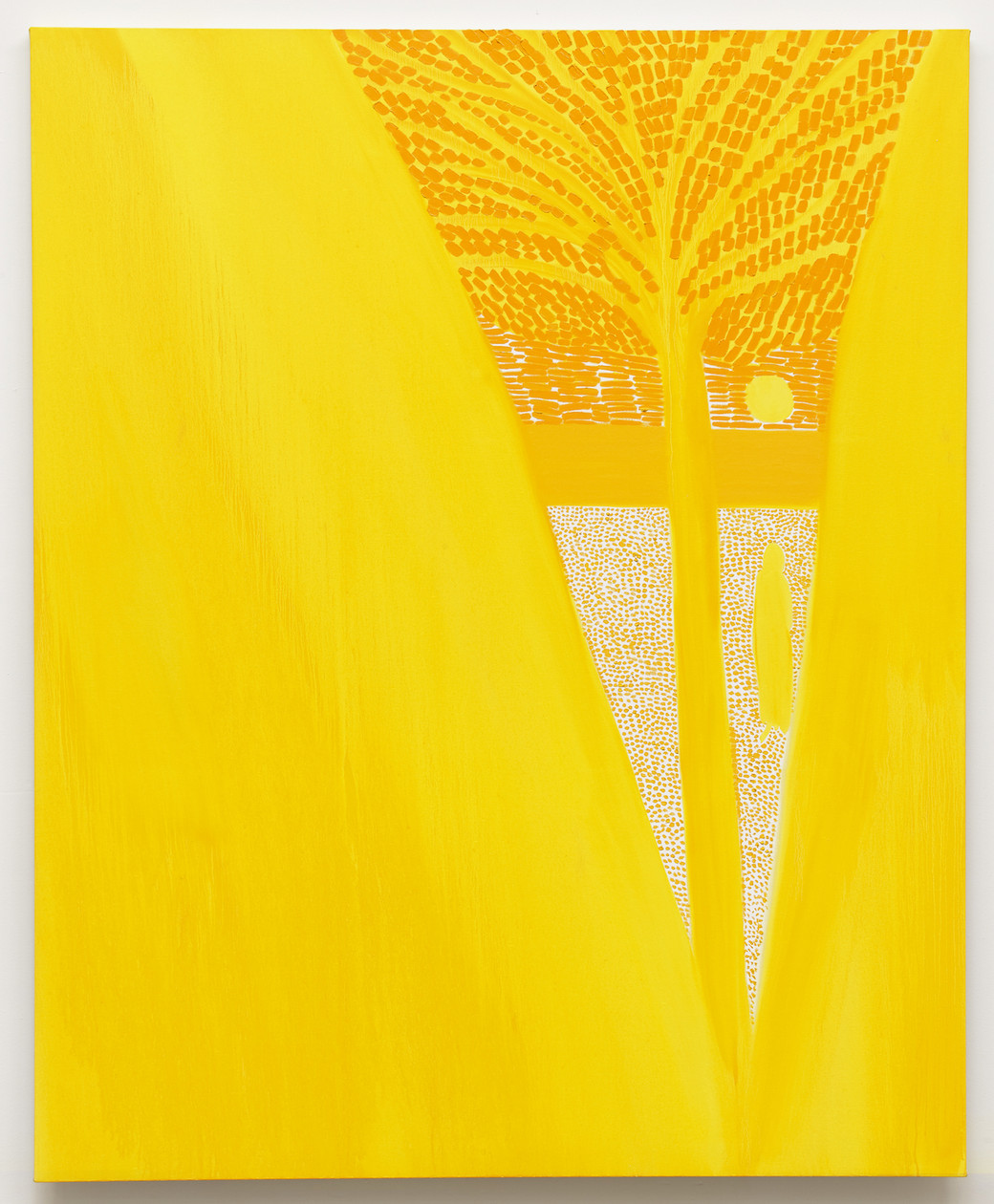
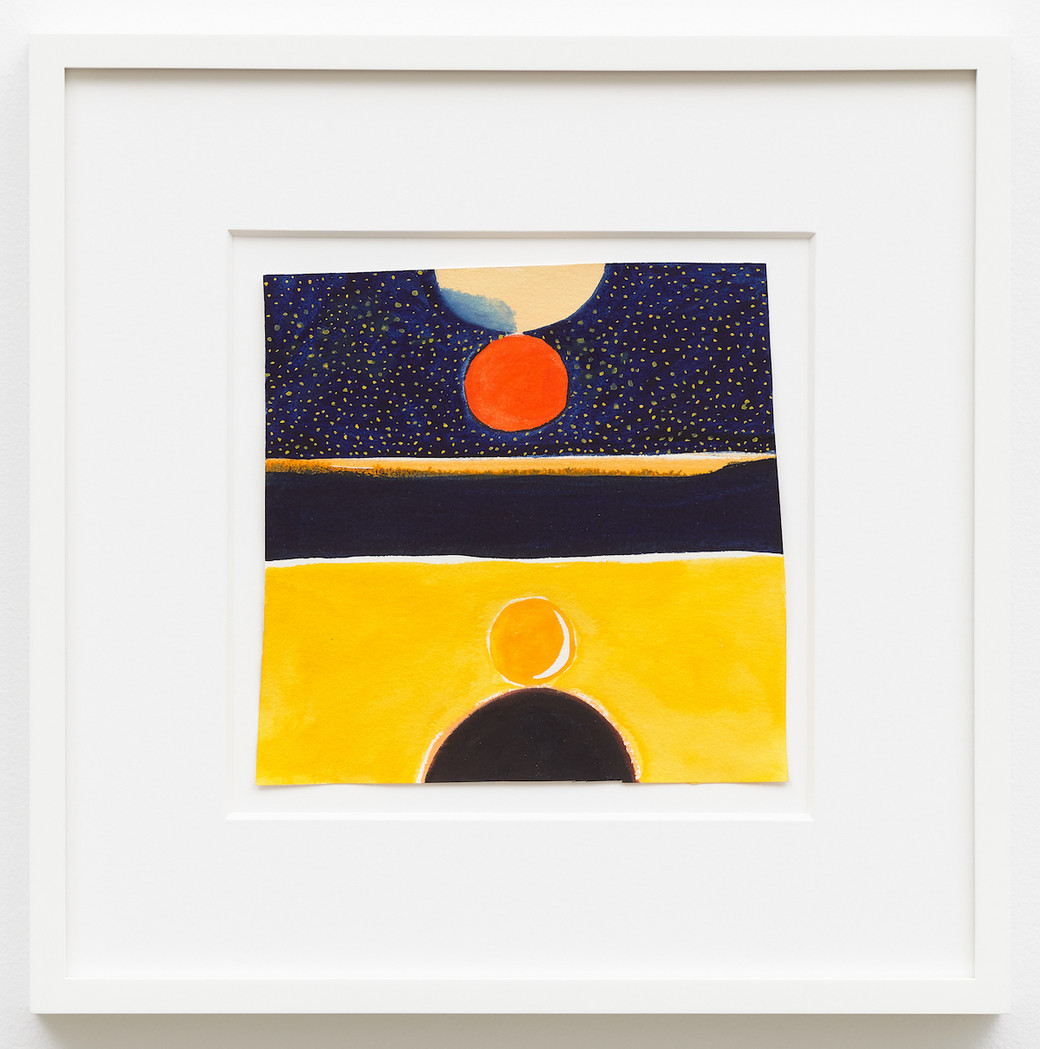
Don't miss Matthew Wong's exhibit at Karma, on view through April 29th, which features a 120-page book chronicling the artist's opus.
Stay informed on our latest news!

Don't miss Matthew Wong's exhibit at Karma, on view through April 29th, which features a 120-page book chronicling the artist's opus.

He's shown in countless solo and group exhibitions, but his creatures have also transended into the real world to become larger-than-life. He now holds a long list of locations — public parks, galleries, small businesses — around Australia where his characters adorn huge walls, bringing their otherworldly elements to the community.
And it is especially refreshing to see original work that displays an authentic self, with their honest freedom of expression radiating from within the world they created. Visual arts holds his focus as of now, but he has also been the lead singer of a band, a writer of short stories, an actor of sorts. He literally has a tattoo of Bart Simpson in high heels from the episode where Lisa is in the beauty pageant. There is a very unique energy and sense of self that Wills exudes. So, to gain a sense of who the real Martin E. Wills is, I asked him more about the Gayliens.
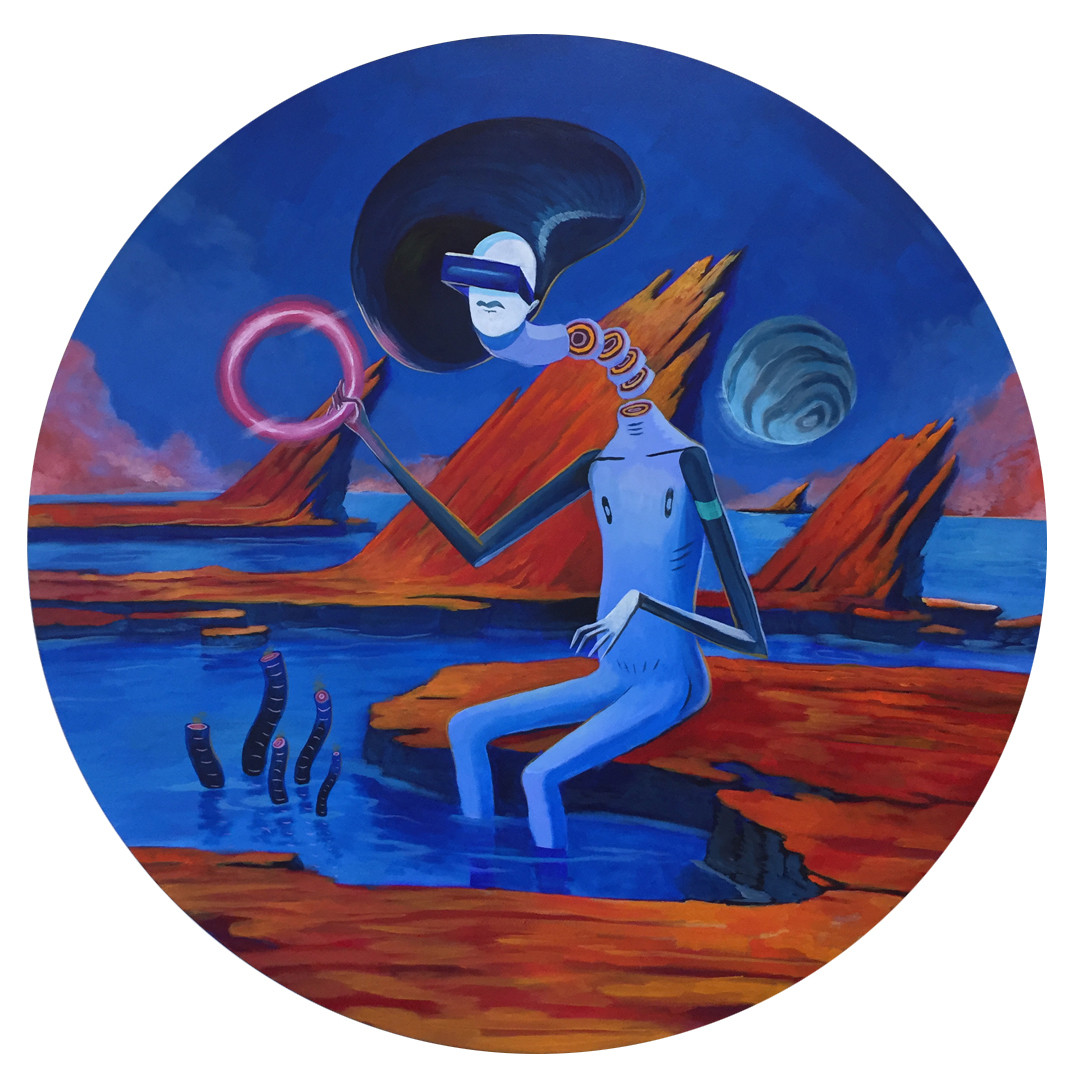
Do you remember the first reference that led you to thinking up these characters?
The kernel of the characters came when I started sketching really rudimentary, abstract figures that formed a sort of coded journal of my early sexual experiences. It wouldn't have made sense to anyone but me and I was super private about it all, but really wanted to document what I was feeling. That stuff was really wrapped up in a lot of shame and excitement and I felt like I had no one to talk to about any of it. I'm over that now but my paintings still allude to those experiences, but it's all pretty tenuous and abstracted now.
One day I looked through all my sketchbooks and a common thread was this kind of effeminate body language and nonsensical anatomy and bodies being sliced, so it was my third exhibition was when I started to get a little more overt with the idea of an androgynous harem of aliens. Literally one of the works was a large scale painting of a six shirtless effeminate figures with elaborate pompadours. Now they move between looking relatively human to having six pairs of eyeballs and impossible bodies.
Is there a name for them?
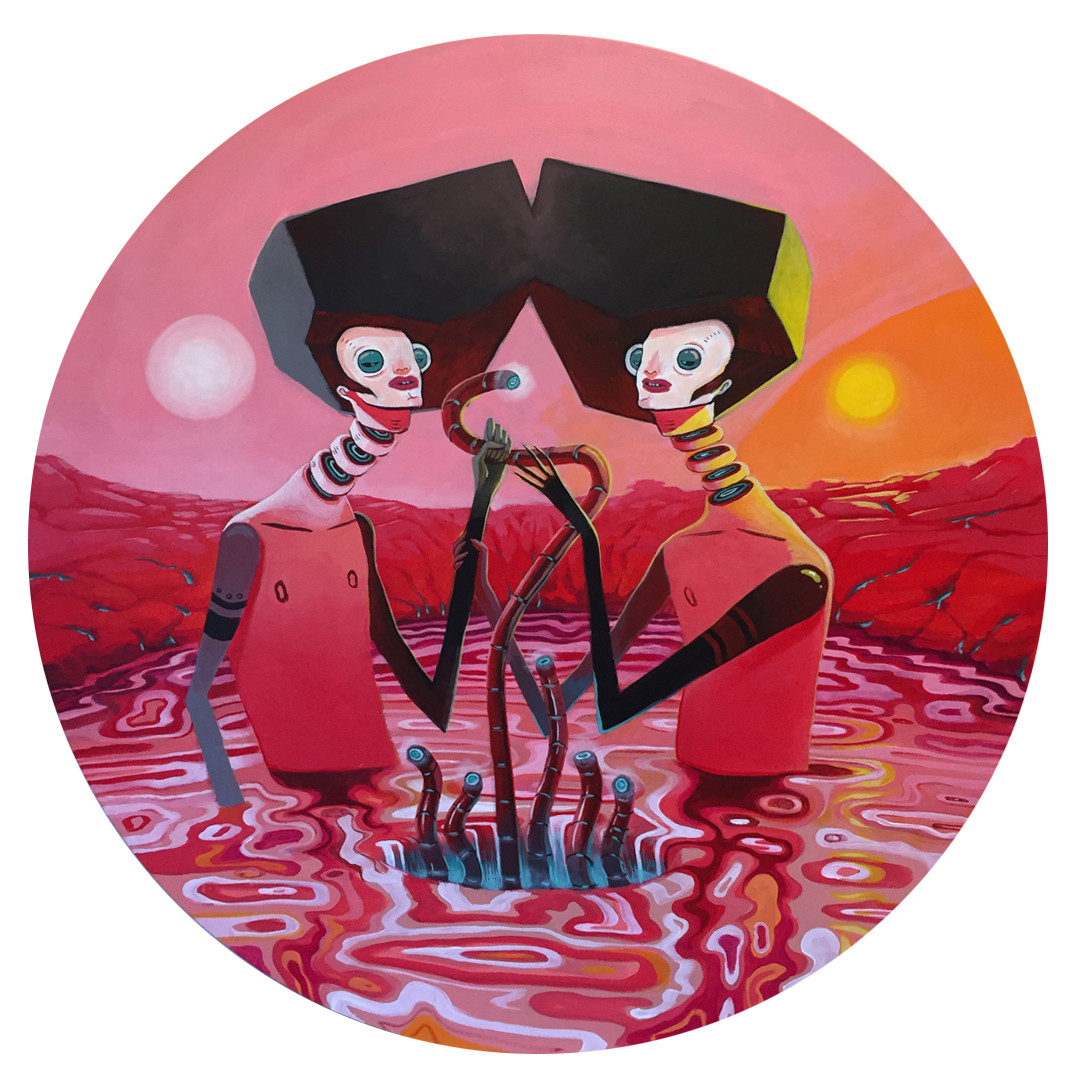
Well, they're twinky, hairless, disaffected humanoids with great hair bathing in tepid (but exotic) extraterrestrial waters, so I've settled on 'gayliens' as a short-hand description. If you named them individually they'd probably be called things like 'Terrance of Regulus IV' or 'Jim.’
Gayliens. That's a mood. So basically, they're a hodgepodge of various species both in and out of our world?
I feel like my subjects are from human stock, but from, say, 900 years in the future after being bio-engineered and interbred to thrive on other planets.
How many of these characters have you created since being an artist?
So many. But I don't really paint the same character more than once, though all the characters I paint look similar...if that makes sense. I used to paint figures that were much more human looking, or much more abstract. These characters kind of sit somewhere in the middle.

What are these objects they are holding?
Talismans, unknown technologies, artifacts and jazz cigarettes, because we'll still be smoking in a thousand years. They're all objects that have meaning within the context of that work, but not necessarily to me, or you, or anyone else. Is this too cryptic? I mean, it's all deliberately cryptic, I don't want any of my works to read as having a message as such, but I do encode meaning in to my work even if it's only for me.
We need oxygen, food and water. They need:
A new planet to build another bathhouse on. Or just novelty in general. Part of the head canon is that they're incurably bored and exhausted by everything they've ever seen, so they roam the stars looking for new experiences to blog about.
How do you come up with the titles for each piece?
I feel like each of my paintings is a single frame from a larger story, so I try to author titles that allude to a larger framework that the painting sits inside of. This absolutely relates to my problematic inside-out knowledge of Star Trek, of which I am both proud and ashamed.
Who would win in a fight: the Gayliens or humans?
These guys wouldn't fight; they'd just regard us with a blank stare, light another cigarette and casually lean on the big red button that detonates the Earth.

Fickle Goddess, shown at Venice’s Spazio Ridotto—there are a couple days left to go see it, if you happen to be in Italy—was curated by the venerable Antonia Marsh, who found Corbet’s words (which Lalita first encountered in a book of poems and songs about costume) inspiring, especially considering Venice’s “rich history of costuming and masking.”


“[That sentence] is super mysterious,” Marsh wrote in an email. “And I think even though it was definitely interesting to us that fashion was being described as a ‘goddess,’ by taking it out it leaves space for the goddess to stand for anyone. Leaving room for multiple goddesses, this position remains open, and therefore so does the title.”
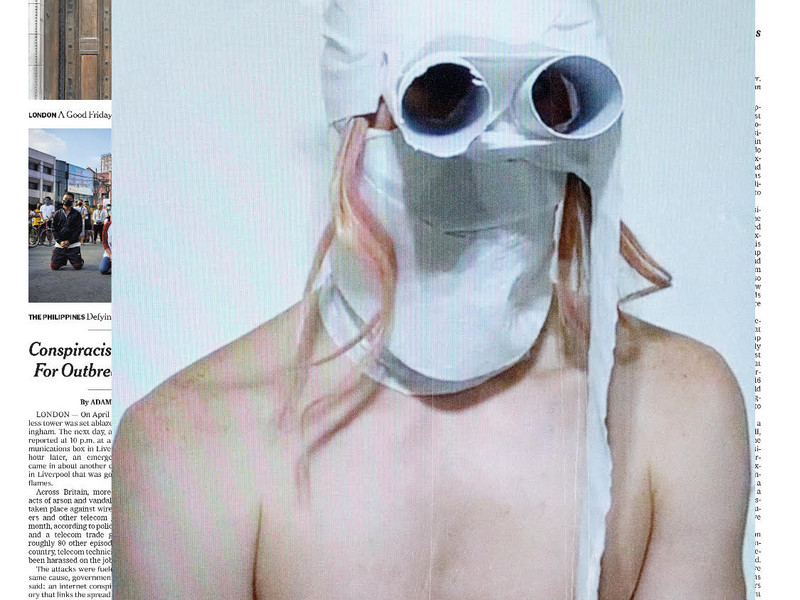
Mark and Lalita are both artists who conceive of unearthly creatures, and the exhibition mainly showcases video works redolent of their respective processes. Mark creates twisted, amusingly nightmarish sculpture and video works with a regular cast of characters, who, according to the Fickle Goddess press release, “allow the artist to explore herself as well as human nature more broadly;” last year, Lalita presented Madre: A Disruptive Environment, in which actors in elaborate costuming and distorted makeup repeated movements designed to reflect Jungian archetypes of the mother. Fickle Goddess features Warholian screen tests of Mark’s characters Tiger, Cake, and Gold-Bear, alongside a few of her characters’ prosthetics (including an image by Nick Sethi of the main figure from Mark’s horror short Know Nothing), and photographs of Madre shot by Rebekah Campbell.


As Marsh pointed out, there’s a great deal of crossover between Mark and Lalita’s respective practices, and they frequently collaborate—Mark participated in Madre, and Lalita co-starred in Know Nothing. But Marsh is more intrigued by their differences. “Carly develops characters based on what she sees on social media or what she notices around her and augments these to become caricatures that develop personalities and even lives of their own on-screen,” she wrote. “By contrast, Daniela’s monsters feel very dependent on one another. In Madre, each of her nine figures represent a different archetype of the ‘mother’ and as a result live in a kind of network with one another.”


“On a more literal level, their work differs in terms of display and audience perception,” she continued. “Daniela initiates performances and engages her viewership in this way off-screen, whereas Carly’s characters live in an IRL environment by becoming sculptures after the filming is complete. The viewer’s ongoing relationship to these characters is therefore completely different, which I think is interesting to note. Precisely how these artists take their characters offline and into our real, lived, physical experience of the world is perhaps something I’m concerned with thinking about in relation to this exhibition.”


The combination of Mark and Lalita’s work is designed to “signify ongoing inquiry into how we behave and enact learned behavioral archetypes both online and offline.” Through examining at their monsters, we make more sense of ourselves.