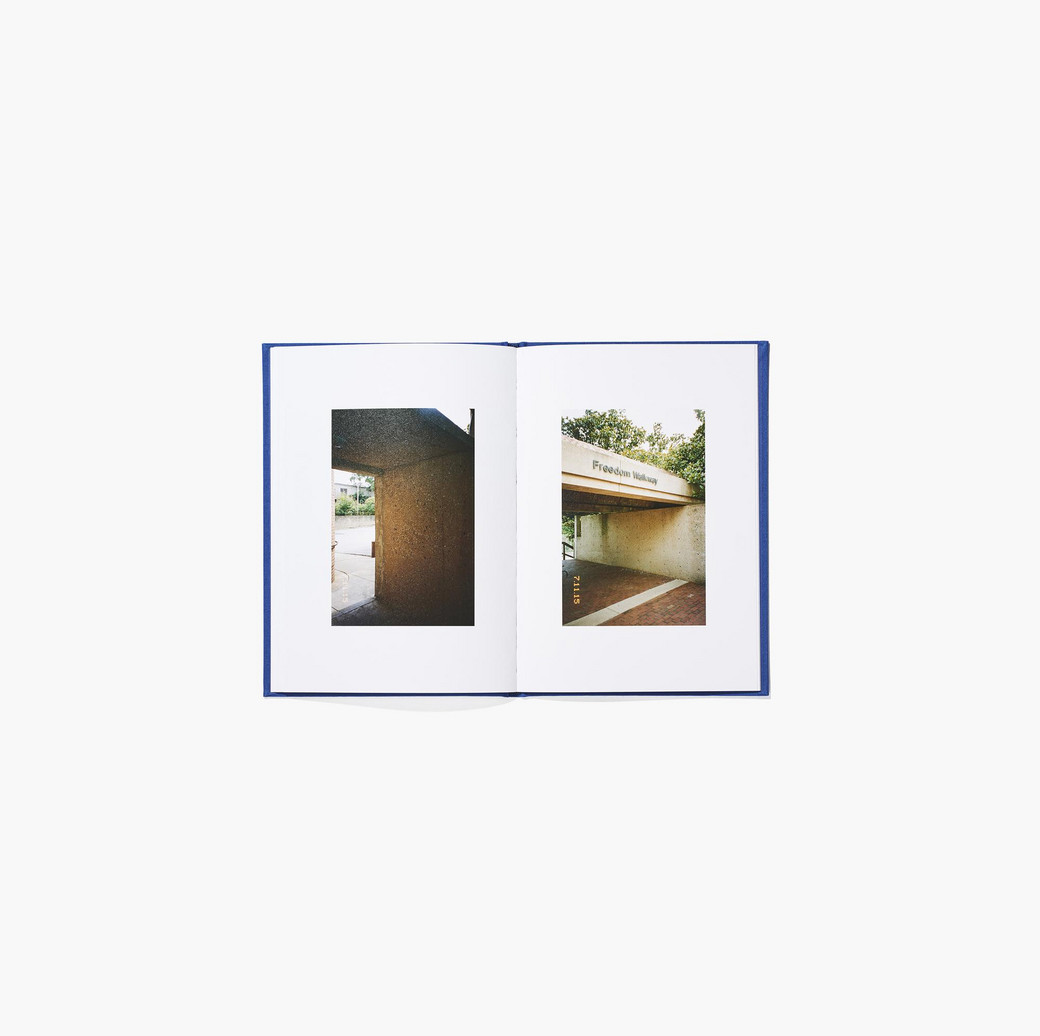
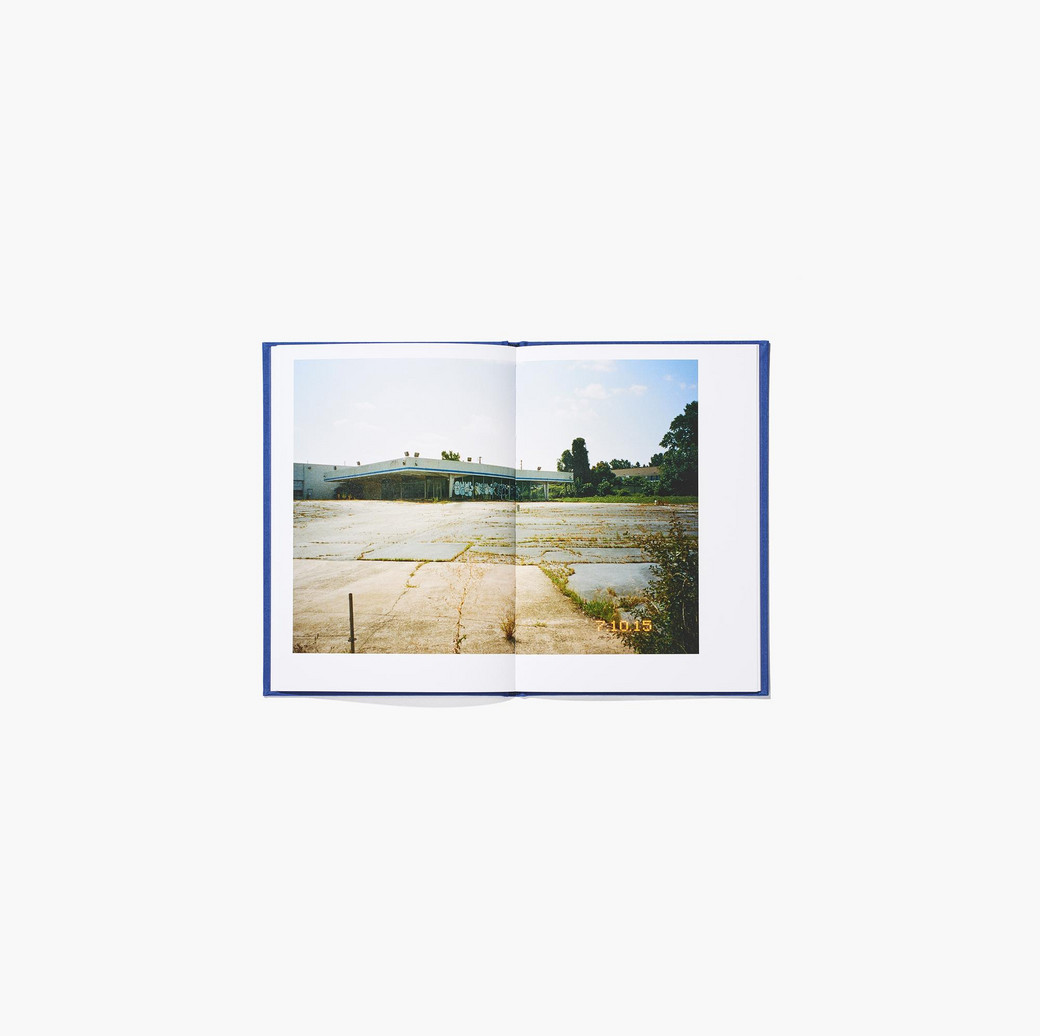
It’s interesting, though, because in discussing architectural ruins, the views can be twofold: where one might find beauty, and even the impossibility of “imperfection,” another might simply see dilapidation. With your project, there’s the suggestion that we might think of our own bodies in similar terms.
Exactly. The name was also meant to reference this idea of “ruining” your body with tattoos, which is something I find totally antithetical to the part they play in people's lives. My family is pretty eccentric, so they didn't put up much of a fight when my sister and I started getting tattoos, but with so many friends, there’s this real battle between their conservative family backgrounds and their choices regarding their bodies. It's important to be sensitive to these relationships, of course, but it's also important to help people understand that a tattoo does not ruin who a person is. I feel like this idea of maintaining “purity” is fucked. I think it's useful to keep wearing down those stereotypes.
It seems like many of these ideas translate directly to your designs. In developing your imagery, what have you been looking to as reference?
A lotof the work is totally original, but it’s always informed by work I see. I spend a lot of time at museums—I like to draw directly from sculptures, paintings, and artifacts. I tend to look at the little details, though, and draw from aspects that one might not notice at first glance. It's amazing to recognize what brilliant, weird and creative craftspeople have existed through history.
Where did this interest in historical imagery come from?
It very much stems from travel. From the time I was in high school, all I did was save money to go on trips. You can learn an incredible amount not only from exploring what’s there today, but also by looking at what’s been left behind. Our world is so overwhelmingly complex, yet the more you look at the development of various societies around the world, the better you understand why and how we are where we are. I think recognizing that different ideas of beauty, accessory, adornment, decoration, and design have always been a huge part of life for mankind is a really powerful way to connect back to history.
But with tattoos, there’s this back-and-forth in terms of translation. On one level, images can become personal icons; as with anything, their power resides in the meaning you instill. At the same time, though, icons can be reduced to images—which, though perhaps equally interesting, is also potentially dubious.
It’s something I think about a lot. I do find it funny that there’s this expectation that every tattoo “means” something to the person getting it. In my experience, that’s not always the case. Even with my own tattoos, my first few had elaborate personal narratives attached, but I've since moved on to a more decorative mode, which I think is just as valid. At the same time, though, you do have to understand where things come from and always be careful in how you use them—especially with icons, which I think hold real power. Evenwith something like the gammadion cross, it’s like, sure, it may be an ancient symbol of existence that personally resonates with you, but you know that everyone who sees it is just going to think, “Who is that fucking Nazi?” So it’s like, be aware, be respectful, and be prepared. Someone is going to ask you about every tattoo you get at some point. They always do.
What’s your own sense of ownership towards your designs? Do you feel like people are walking around wearing your art? Or does possession transfer upon inking?
It's all theirs. People choose what speaks to them and then live with it everyday of their lives. I have no claim on that. I feel like part of what made me so interested in going further with this practice is that it's art operating outside of a market system: pieces can't be sold, can't be collected, don't hold value beyond what’s placed on it by the beholder. I guess you could call House of Ruin a professional service, but I feel like it's more complicated than that. It's about our relationships with our bodies, our friends, our communities, our tastes, our secret lives and our public image. It's part of an ancient lineage of adornment, and it's a powerful way to renew and heal. I'm happy to be part of that process for people.
Last question: What are your goals for the coming year, art-specific or otherwise?
I still do a lot of other work outside of tattooing, but I actually want to start cutting a good deal of that out. The world is in a really fucking tough spot right now, and I want to have a clear head. I don't know what that means for my future, but cultivating these intimate experiences is valuable to me. I want to know what people are thinking and experiencing, and to stay connected to this extended community. So I hope to explore that community more—here in New York, but also outside it, and even outside the US.
Check out more from House of Ruin on Instagram.
Christopher Schreck is a writer, editor and publisher based in New York.