CC— I think it's important to be able to revisit your voice from when you were 20, and be able to hear it and project it now that you have the experience to do so. I now also find myself doing things in simpler ways, and it brings about the same feelings that I felt when I was 20.
MF— It's also interesting because you go through a period in your young 20s when you don't have the pressure of an audience, so you're just doing what you do, and then all of a sudden the world starts looking at you. And you then inevitably start questioning yourself. Then, eventually, you get to a point where you just are able to say, “Fuck it,” and you end up going back to where you started when the world wasn't judging you.
That's what I'm going through. I'm thinking, “Should I just have a tiny business, almost like a startup again?” There's an aspect where I need to provide for my daughters. But then there's another part where I'm like, “I miss the art and the craft of the discovery.” I think it becomes less about how good the work is, it's more about, like, your relationship with it, right?
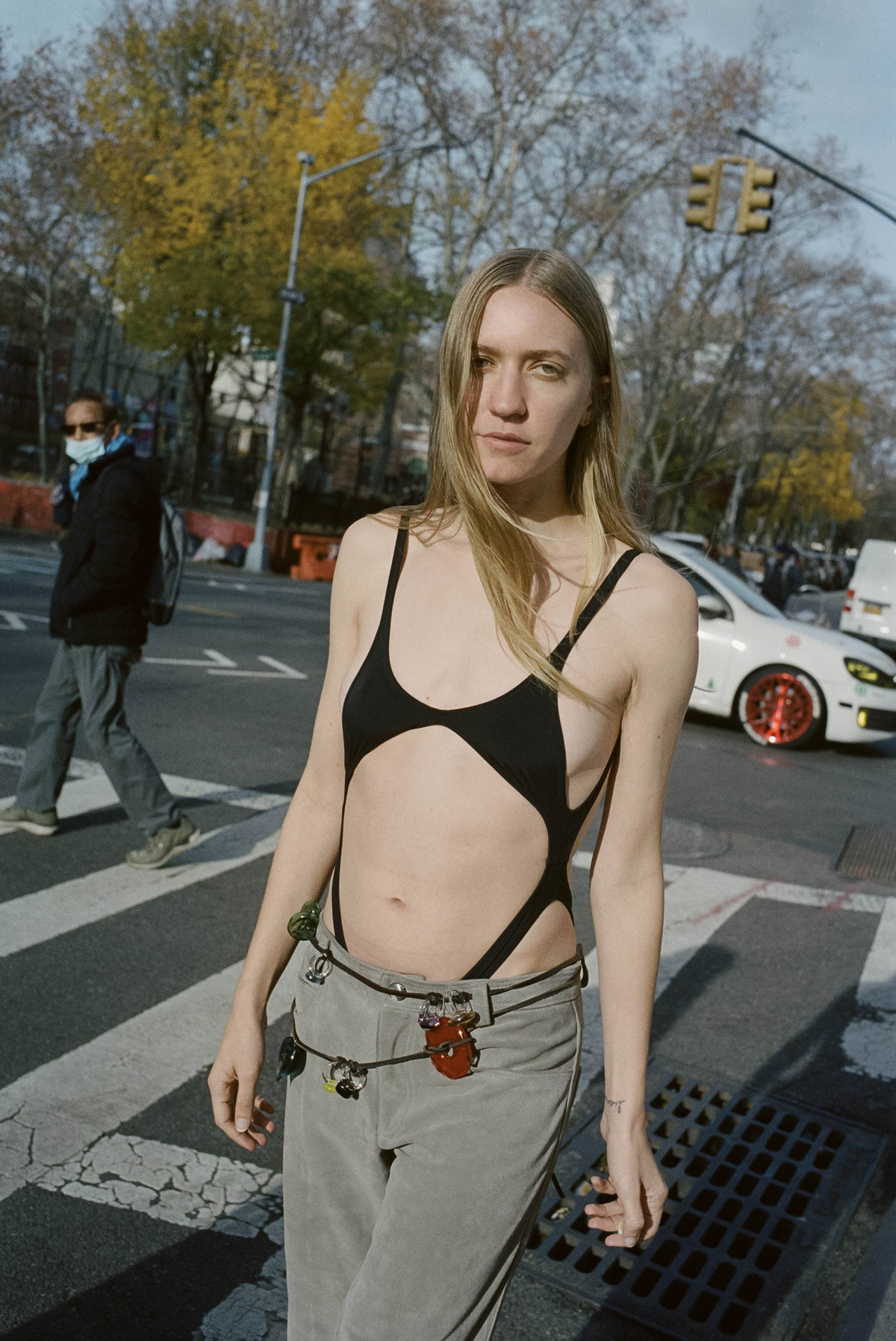
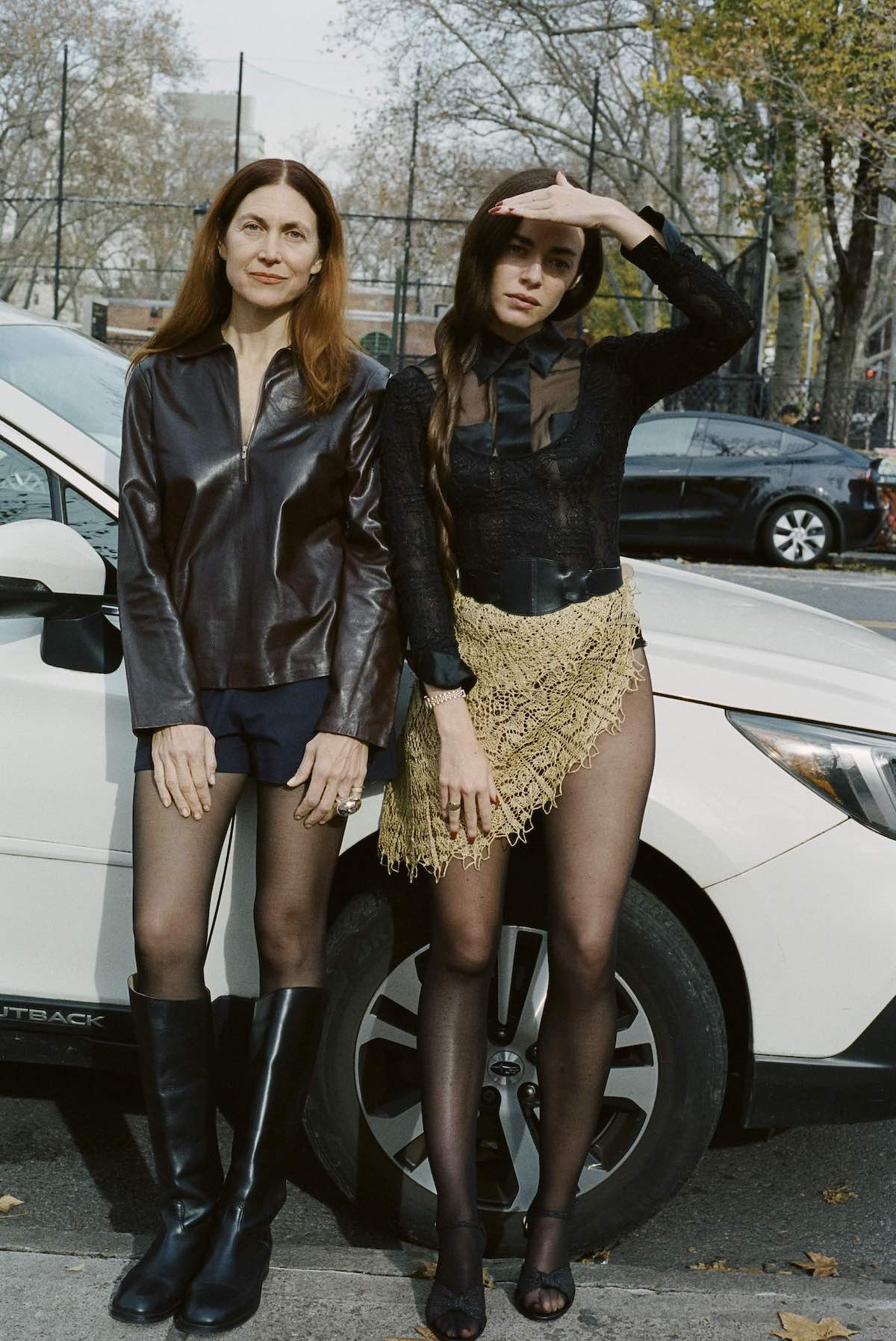
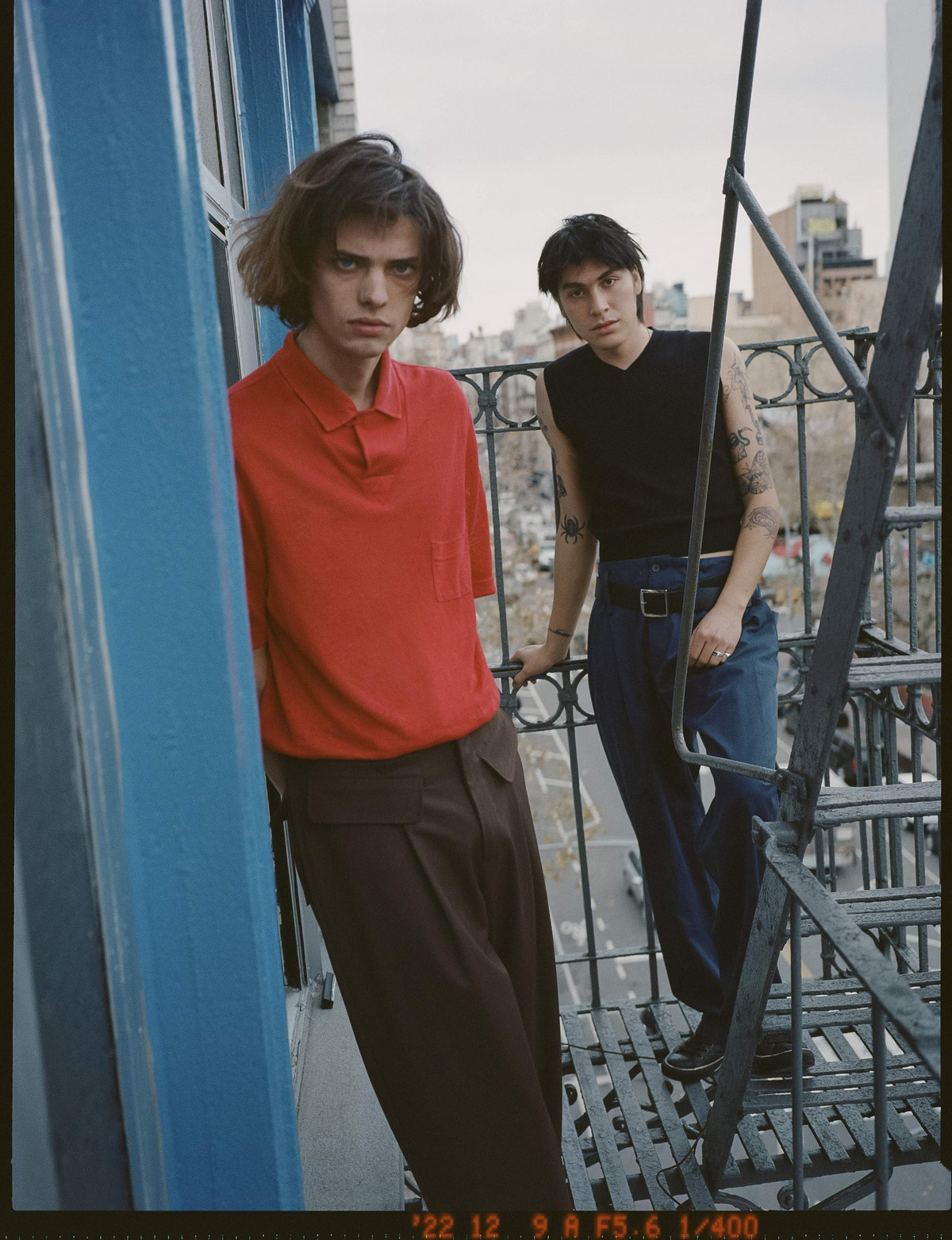
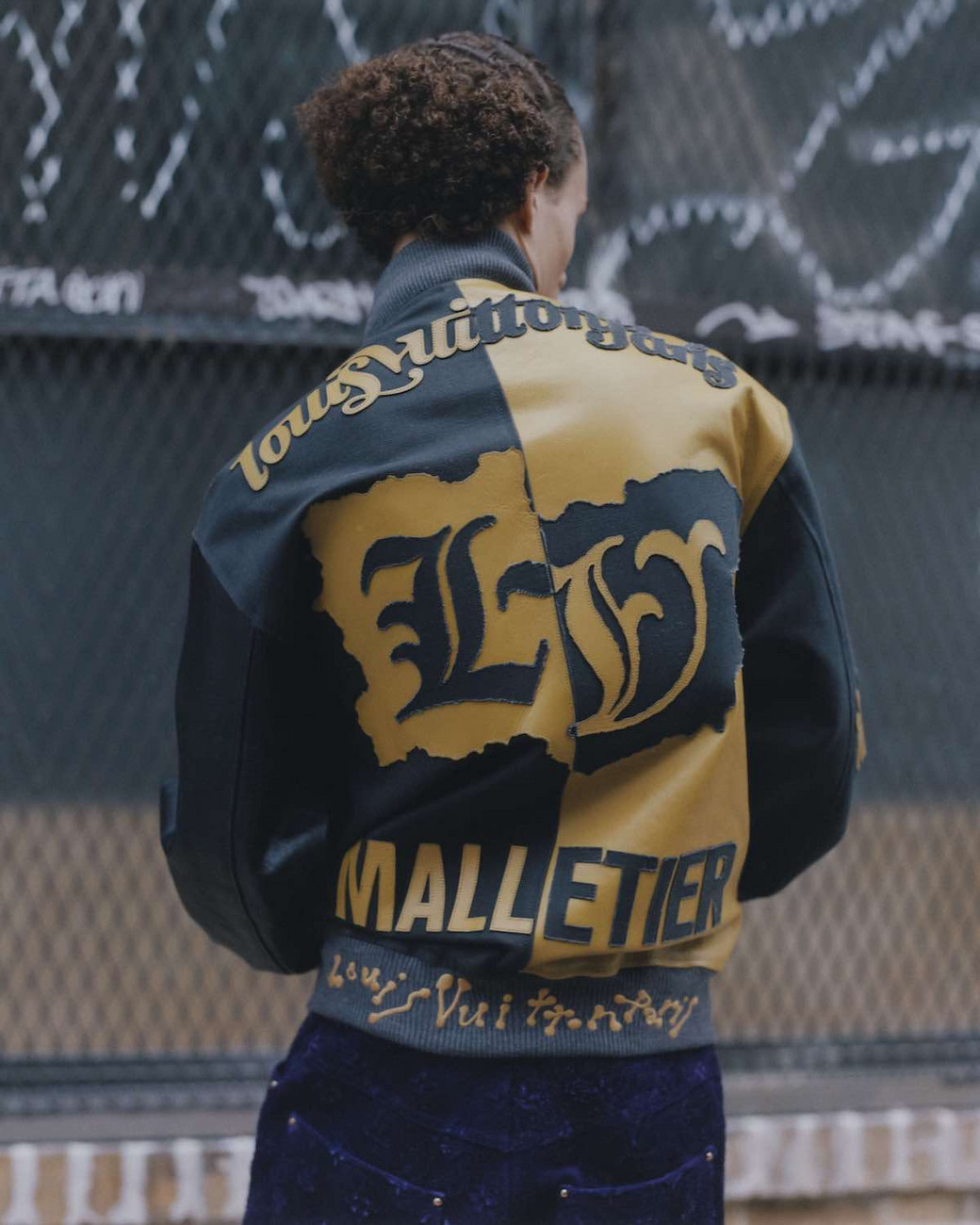
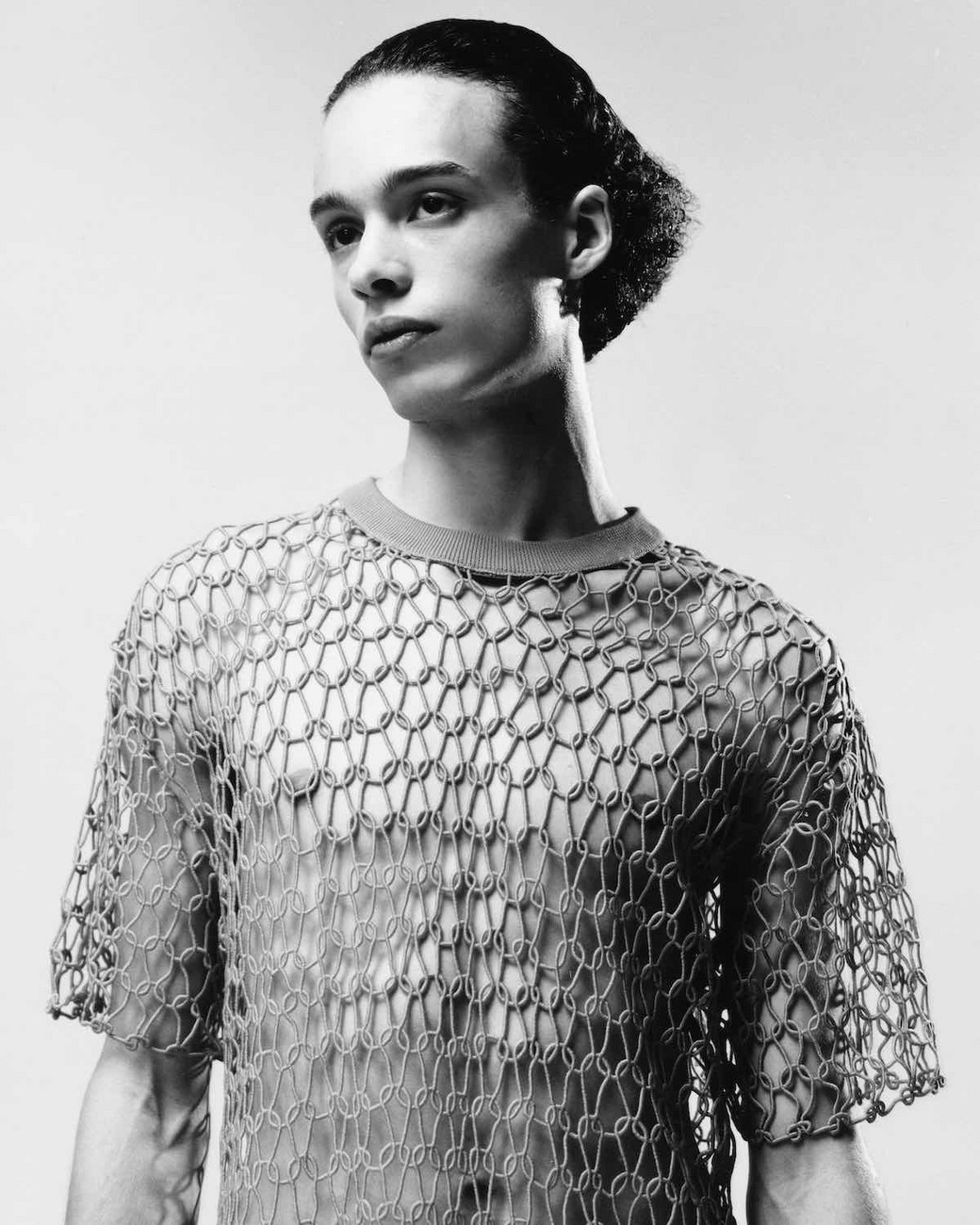
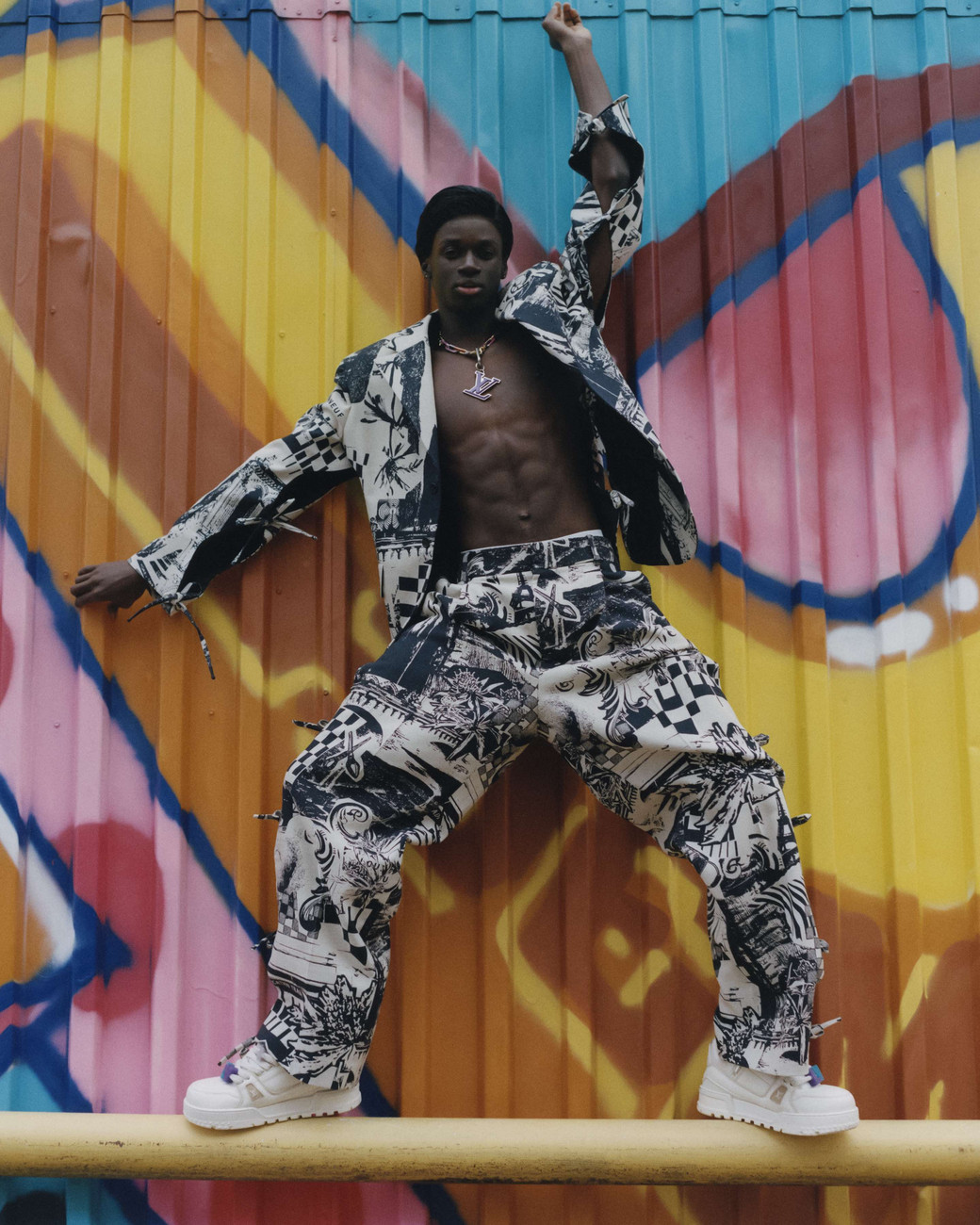
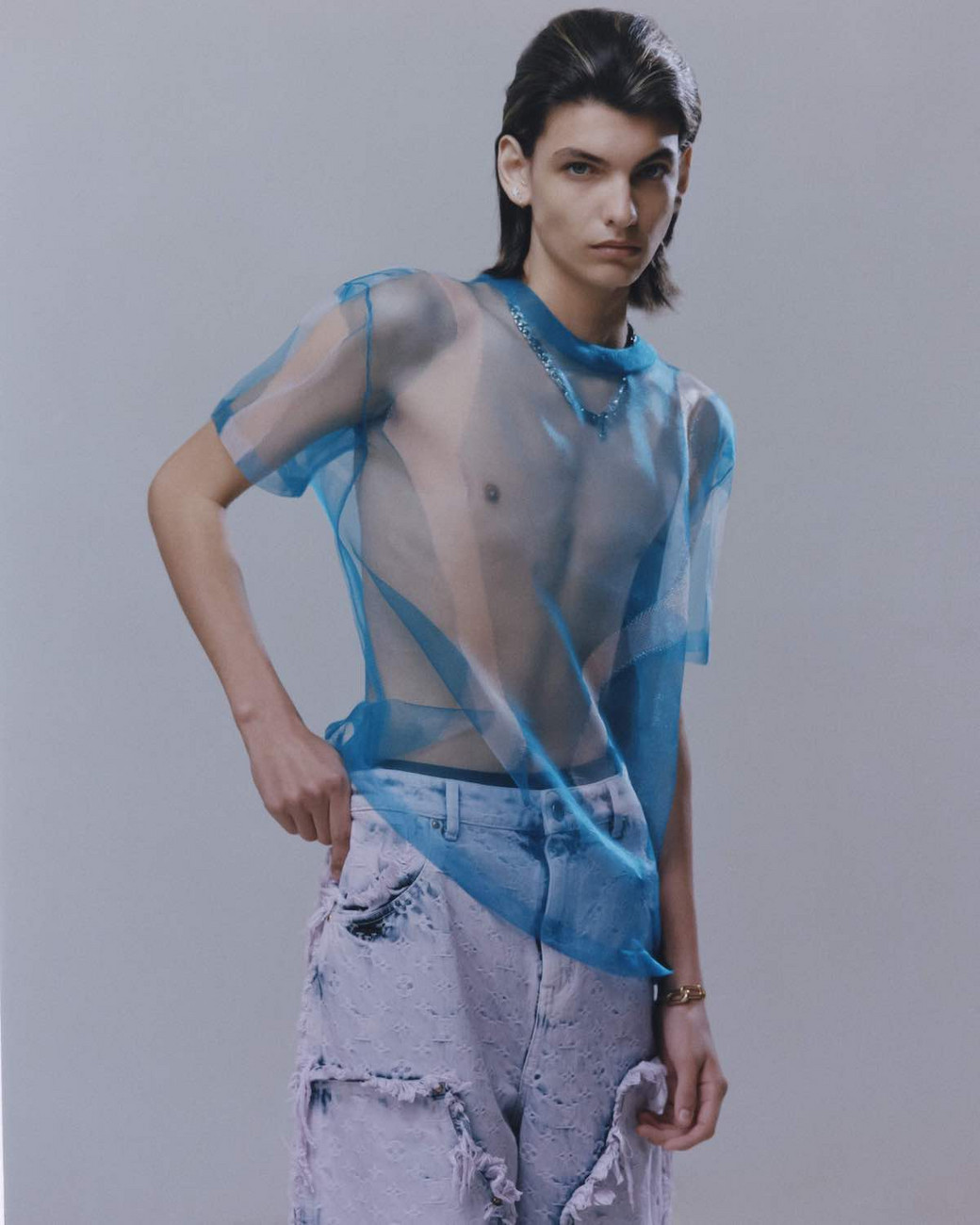
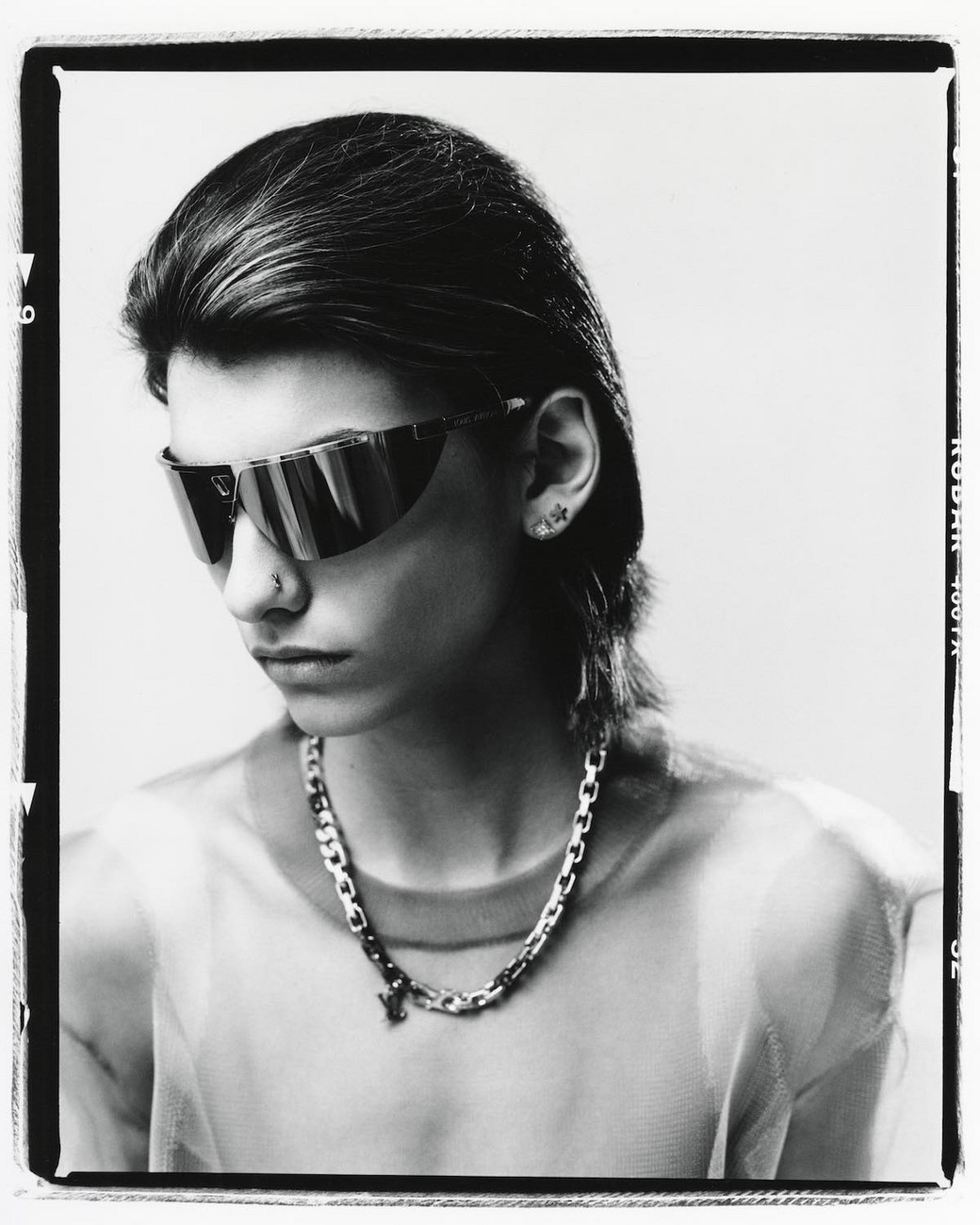
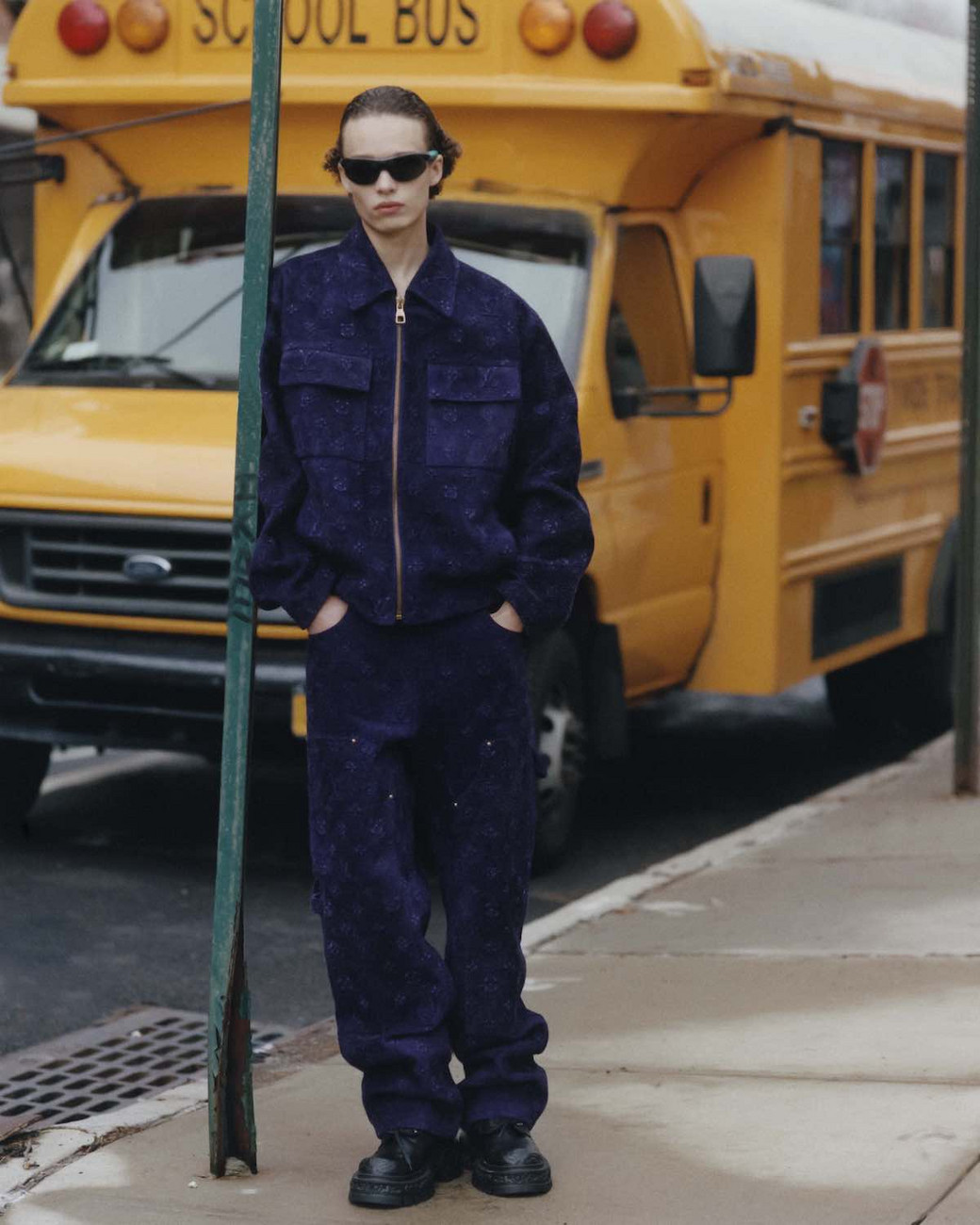
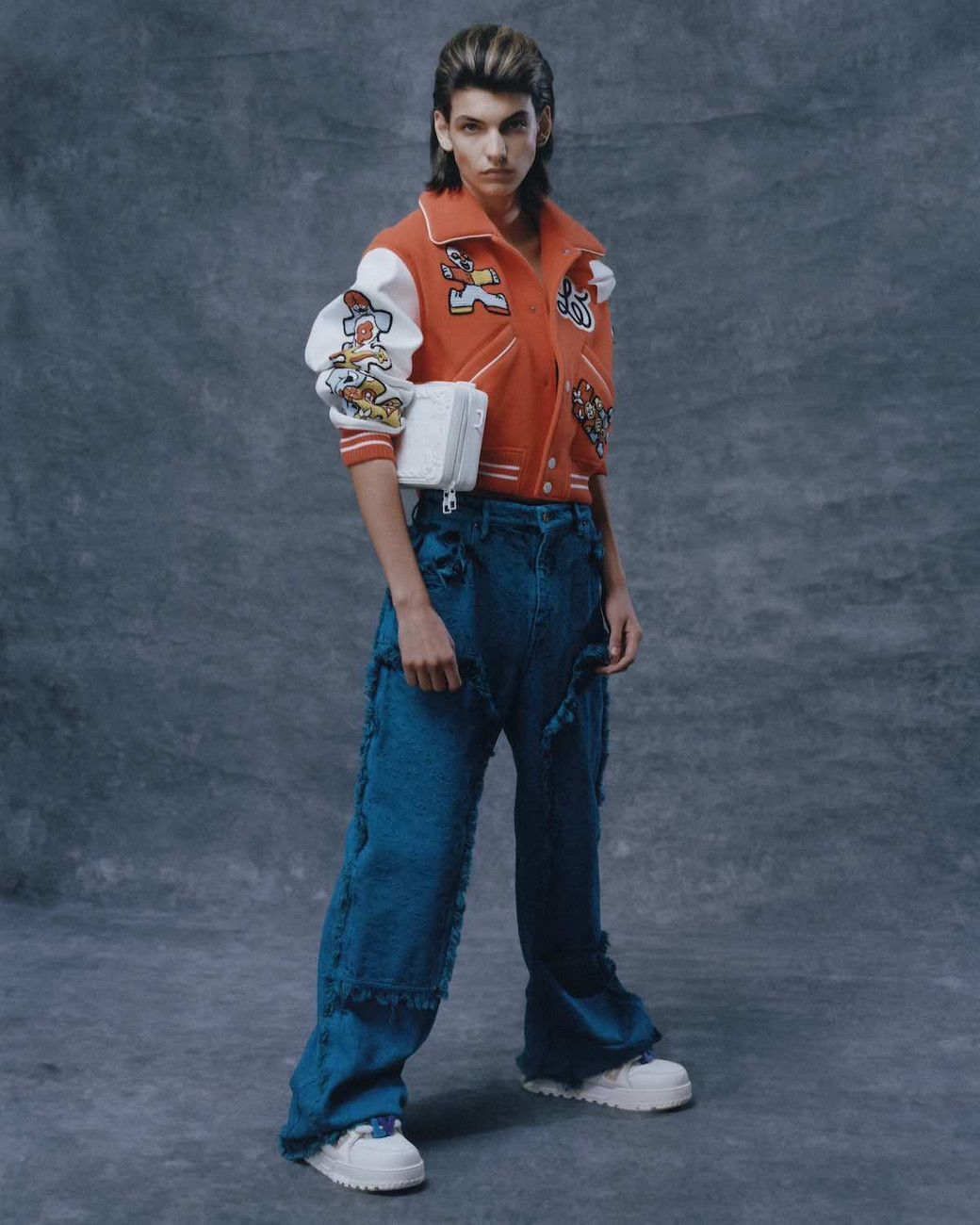
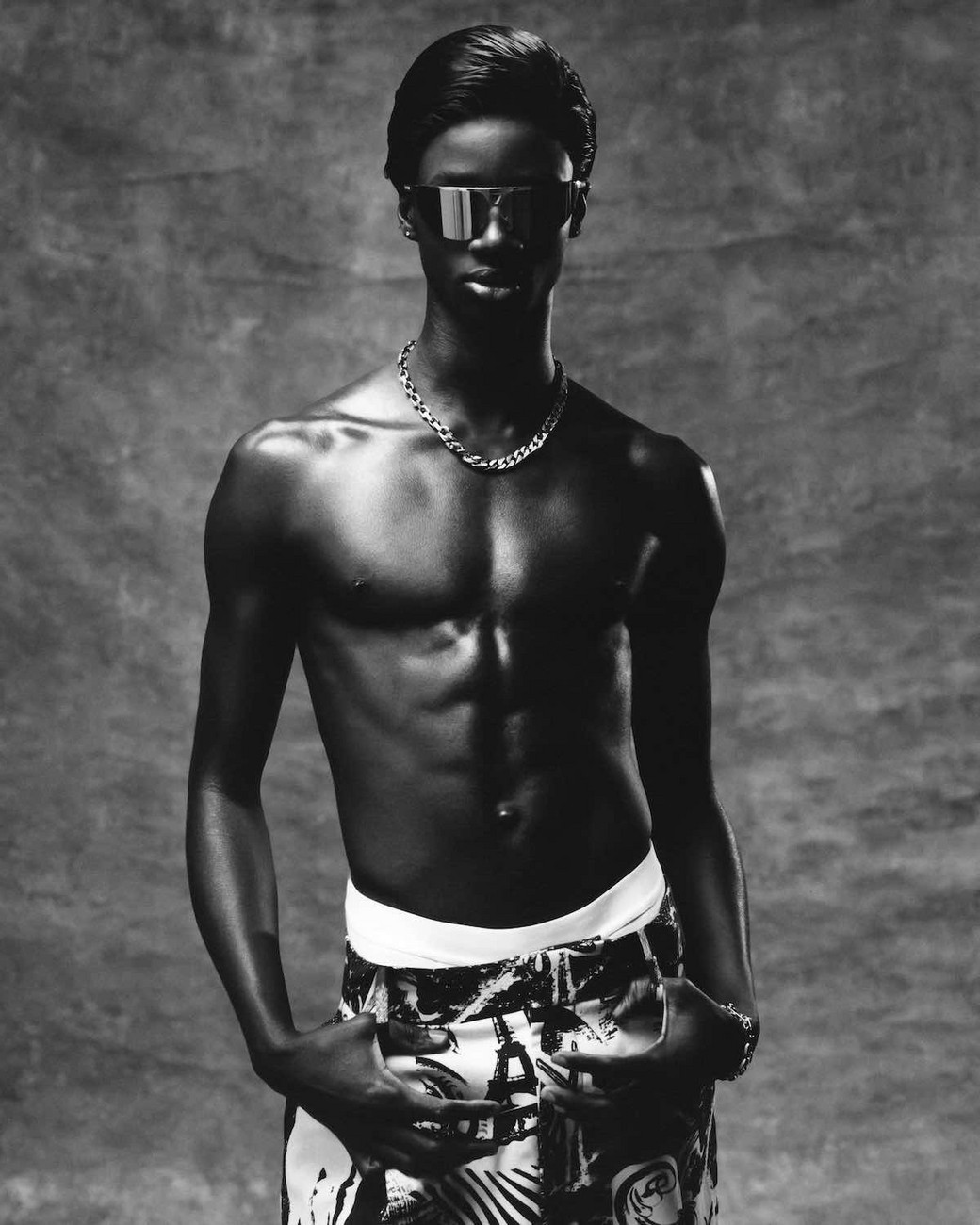
MF— When I was looking at your collection, I had this thought about how the composition of your clothes, and how you style them, is proportionately very similar to how you take photographs. There's something about the play between the totality and the fragment and the ephemeral. It's very consistent, even between mediums.
CC— There is a sentimentality in everything Maryam does.
MF— And a looseness. Compositionally, you deal with positive and negative space across mediums in a similar way. I think that you're interested in something that I'm really interested in as well, which is just this idea of gesture being what's important. This sort of ephemeral gesture that somehow mirrors the totality of experience.
It's natural, and it's real and it's capturing a moment in time.
MF— Yeah, and I think your clothes also share those qualities.
CC— And there's something to be said about the non-perfection of it all, as well.
Oh, definitely. When I think about what's precious to me, the sentimentality of the clothing isn't precious, but it's the respect and the reverence of something that you cherish, like a friendship, or an old piece of textile.