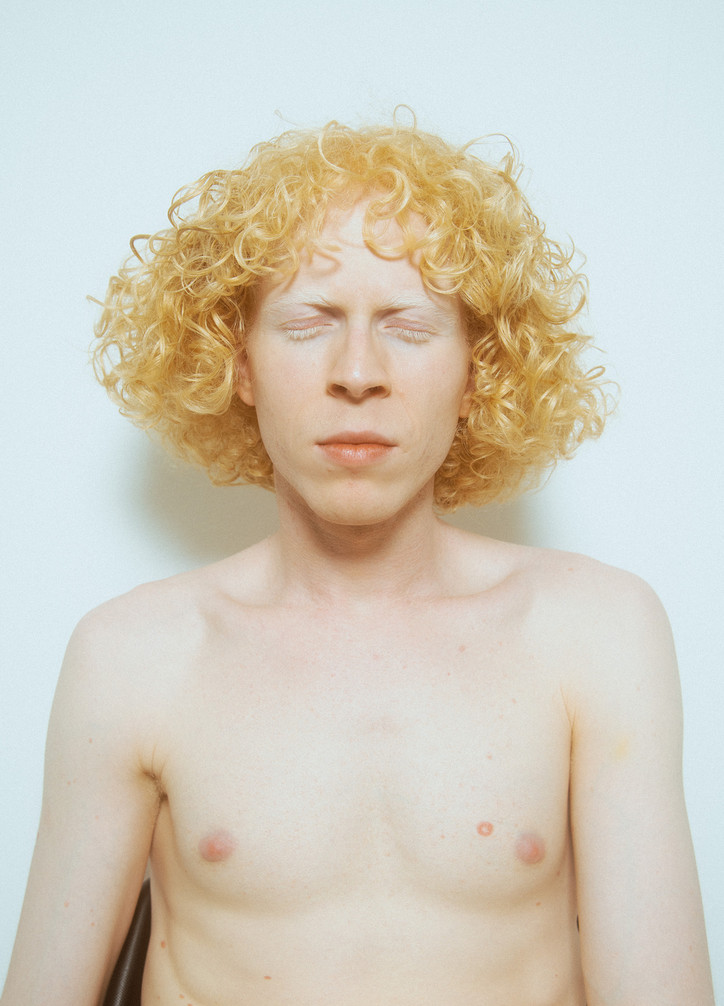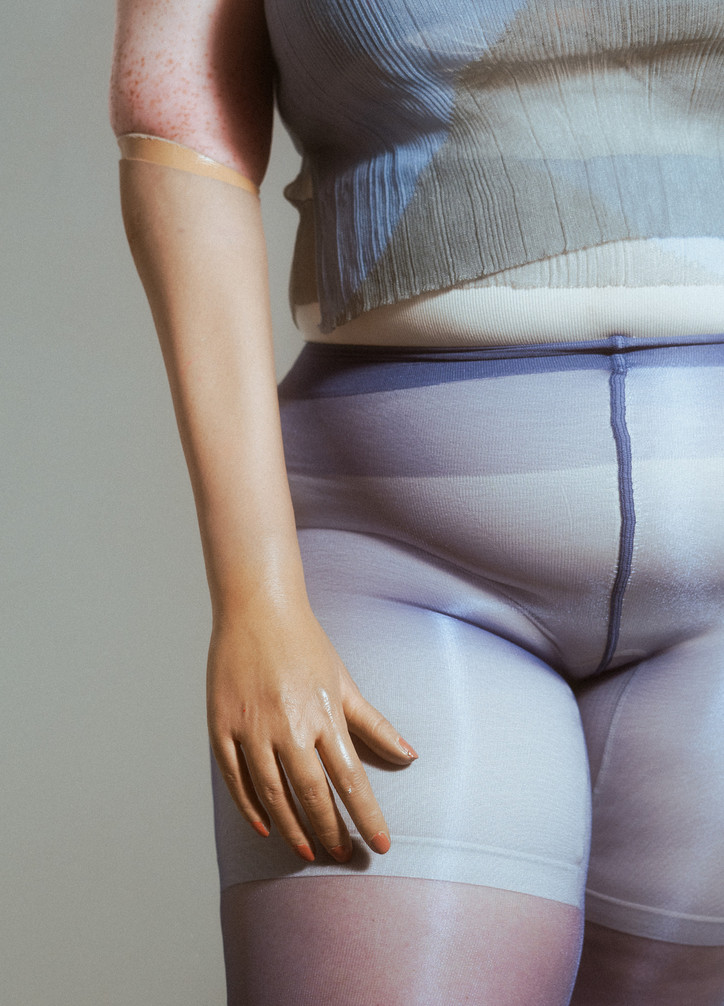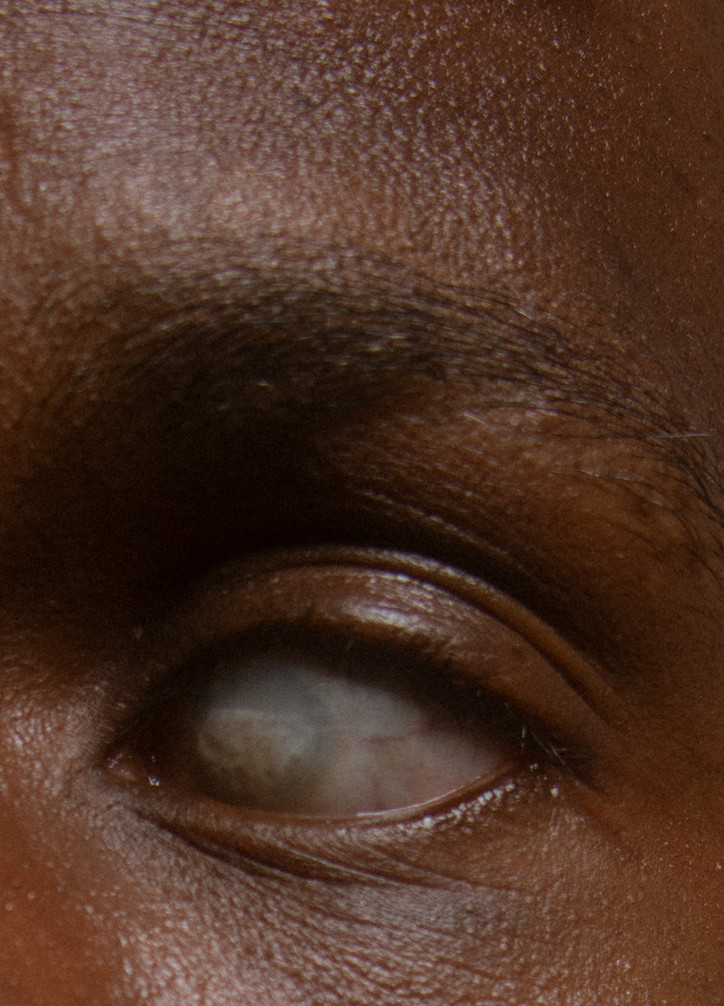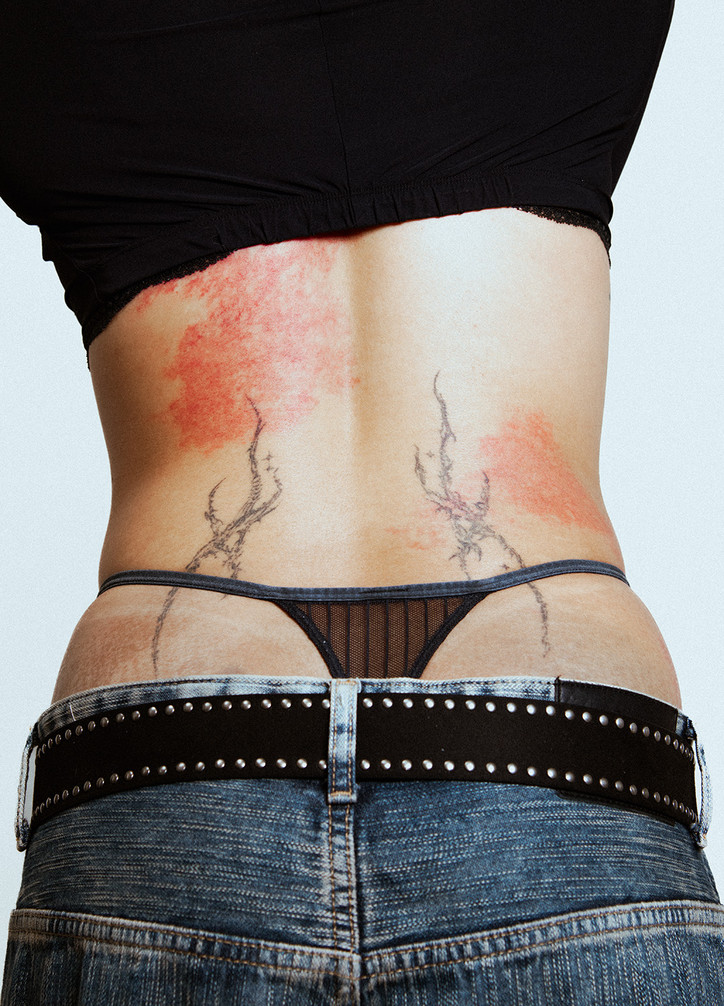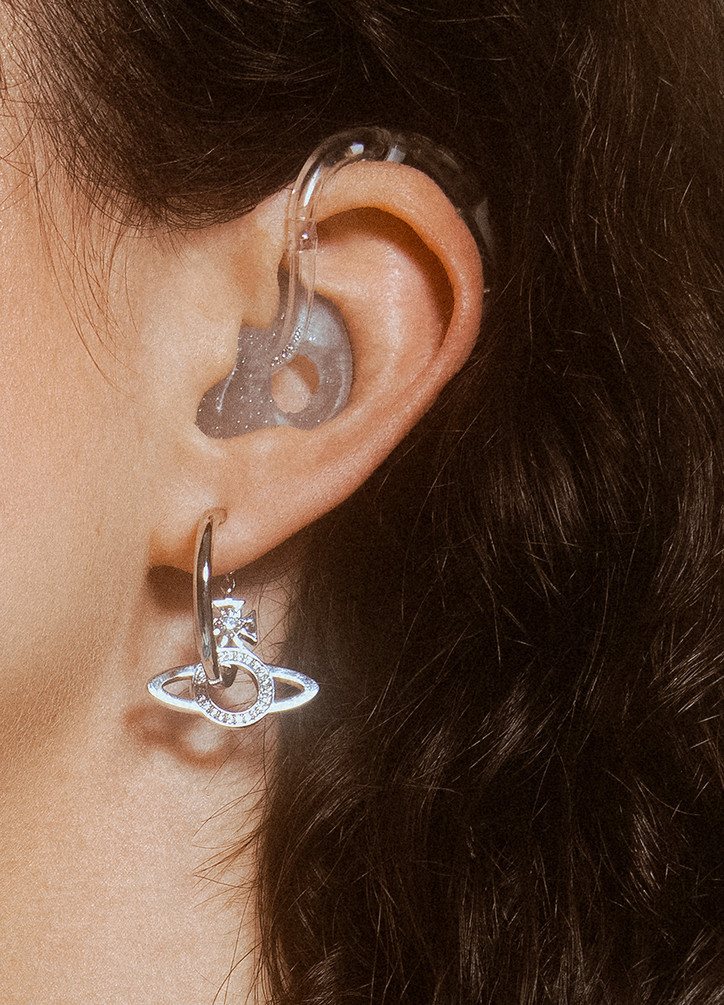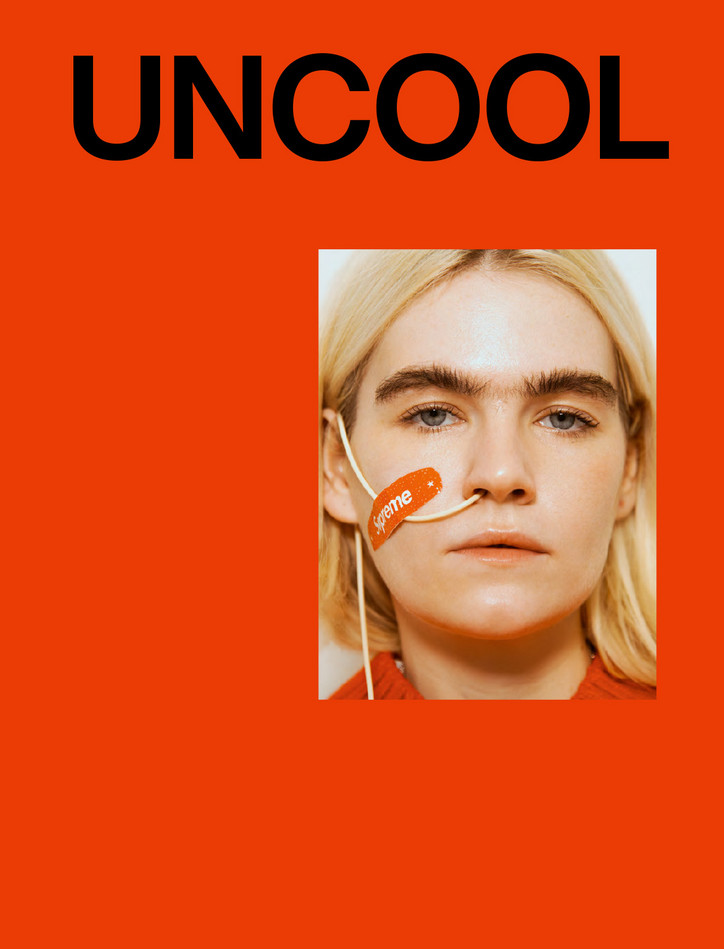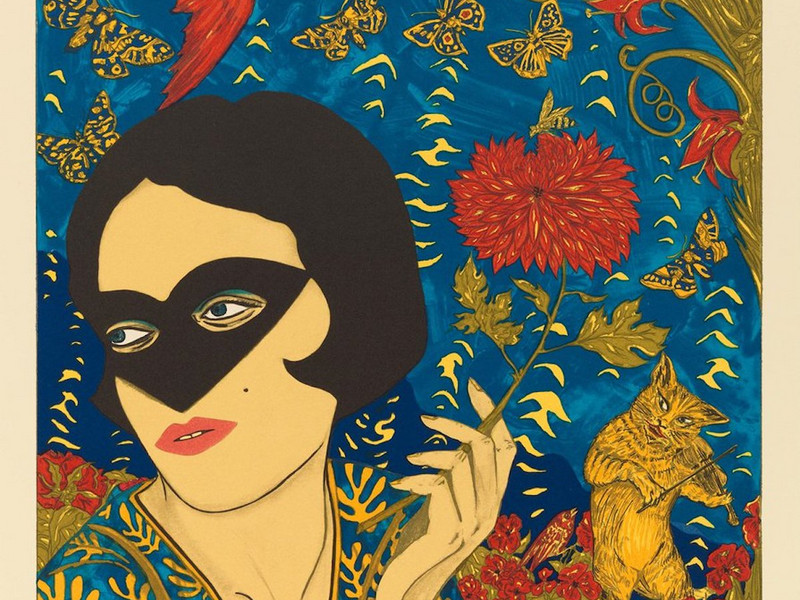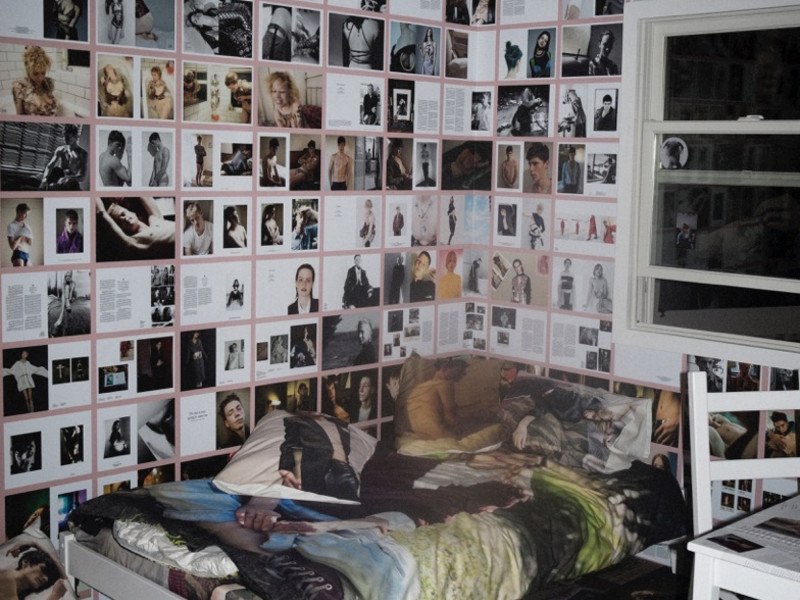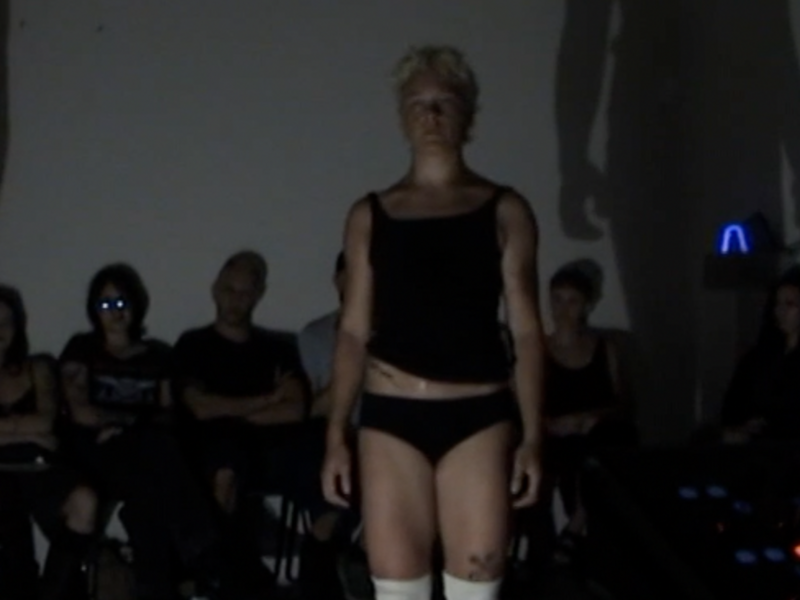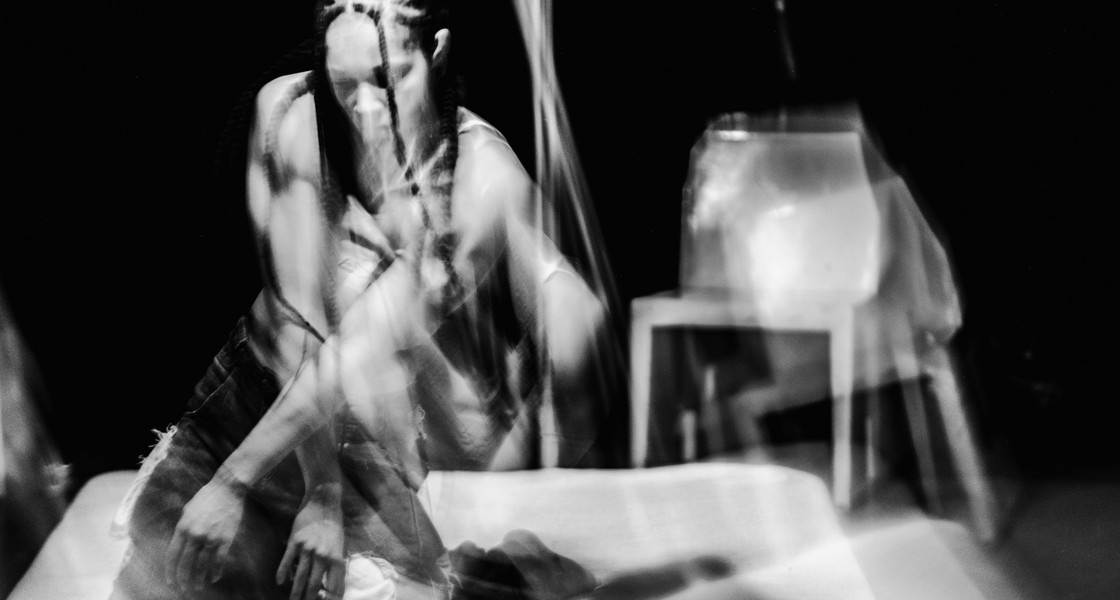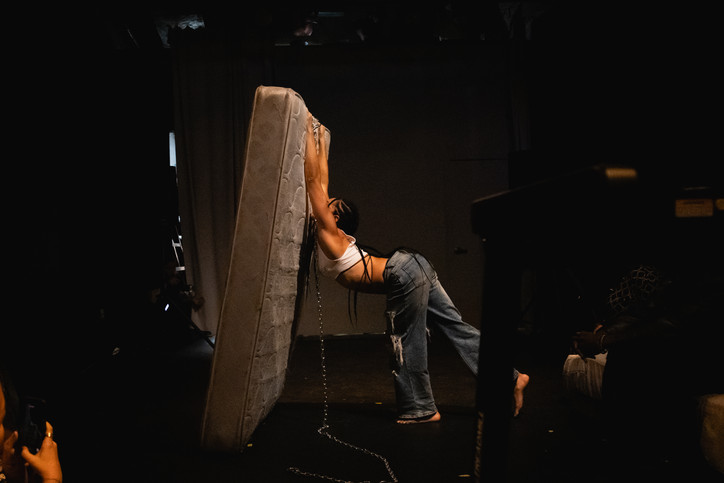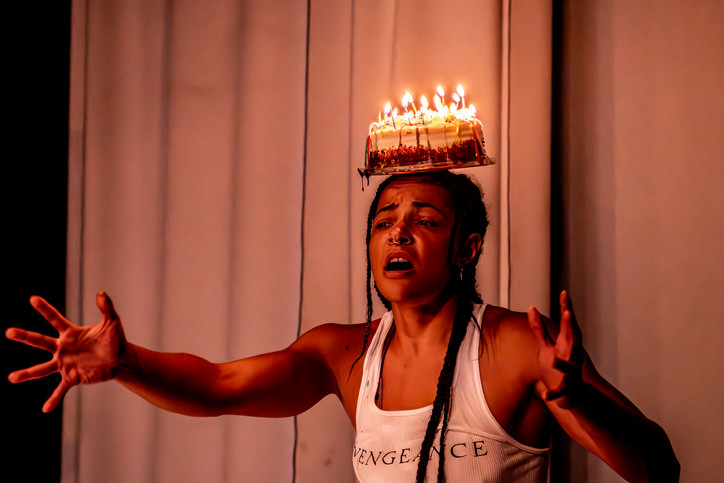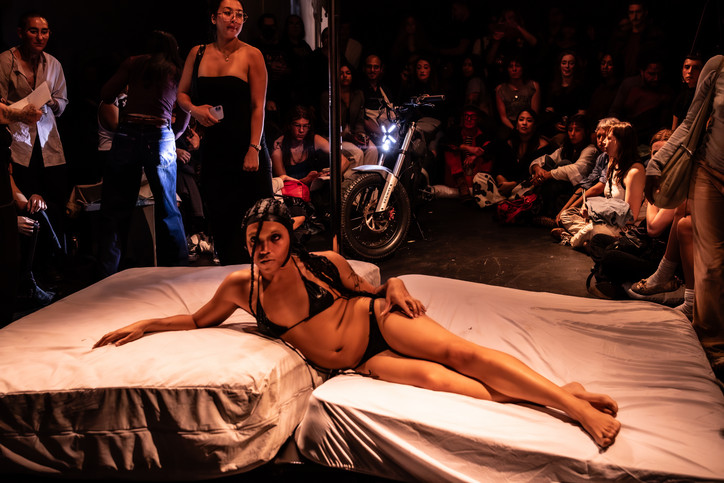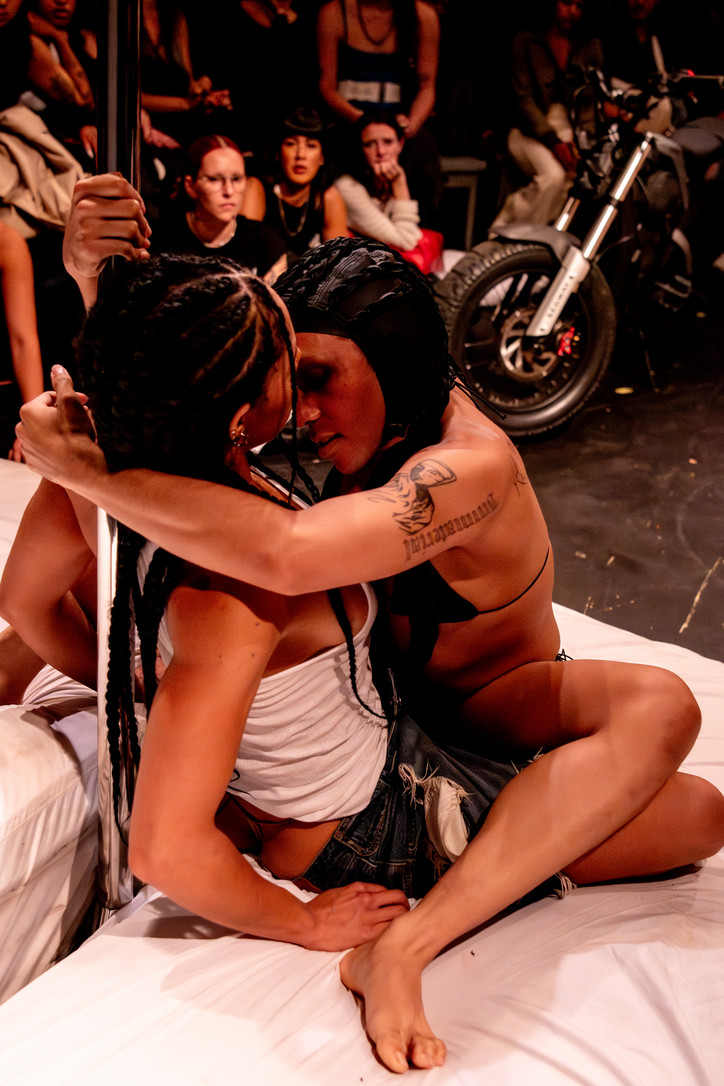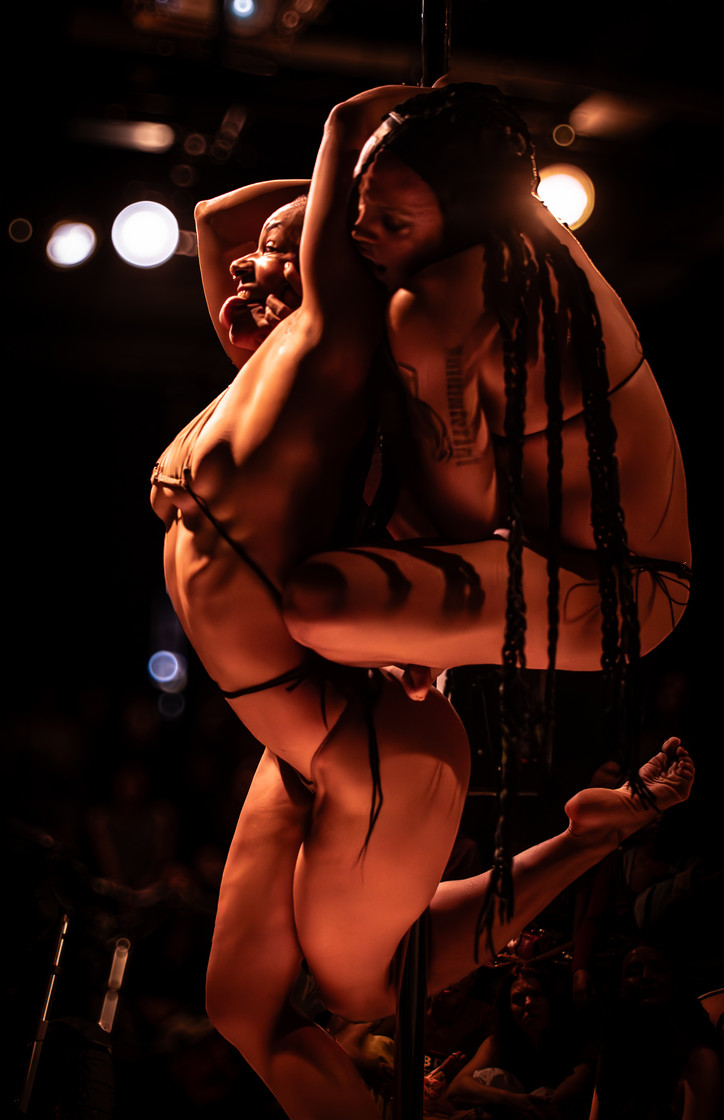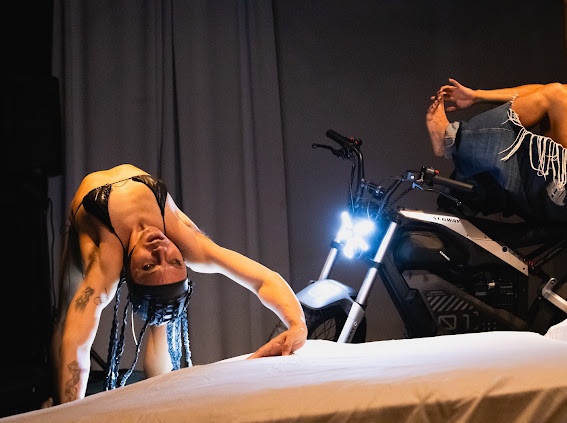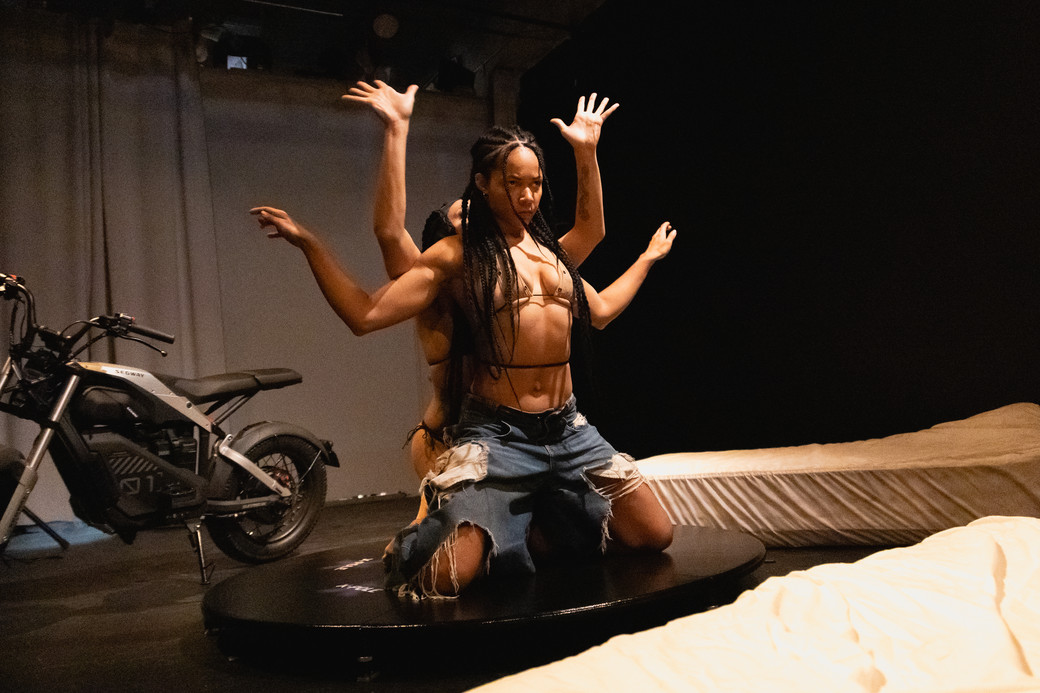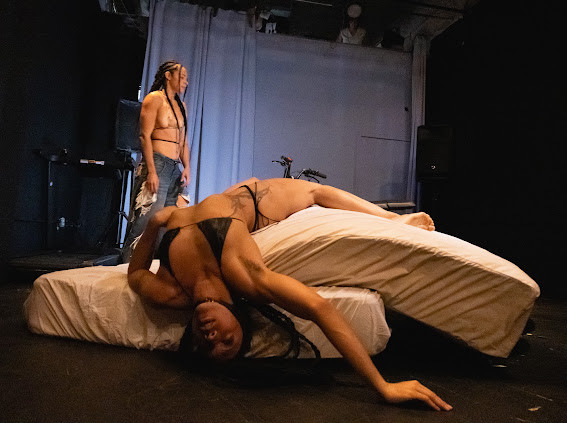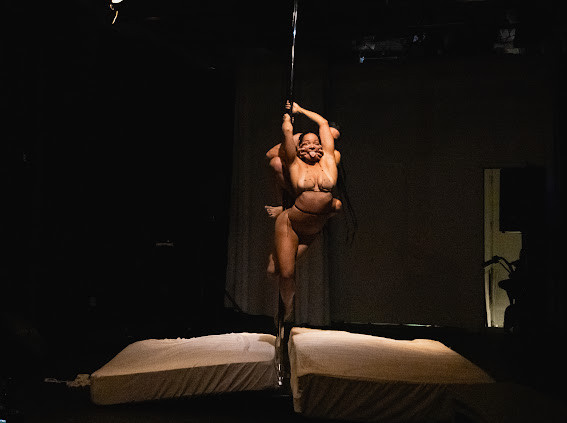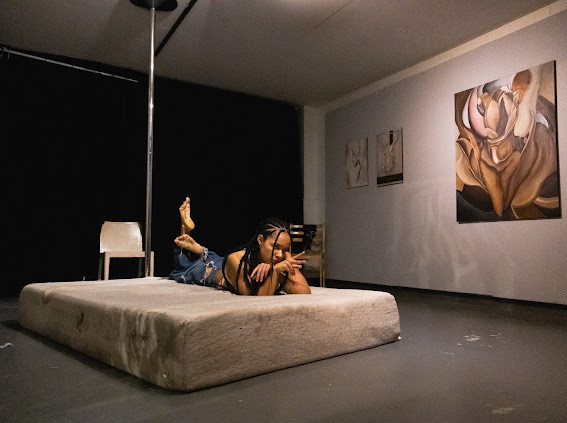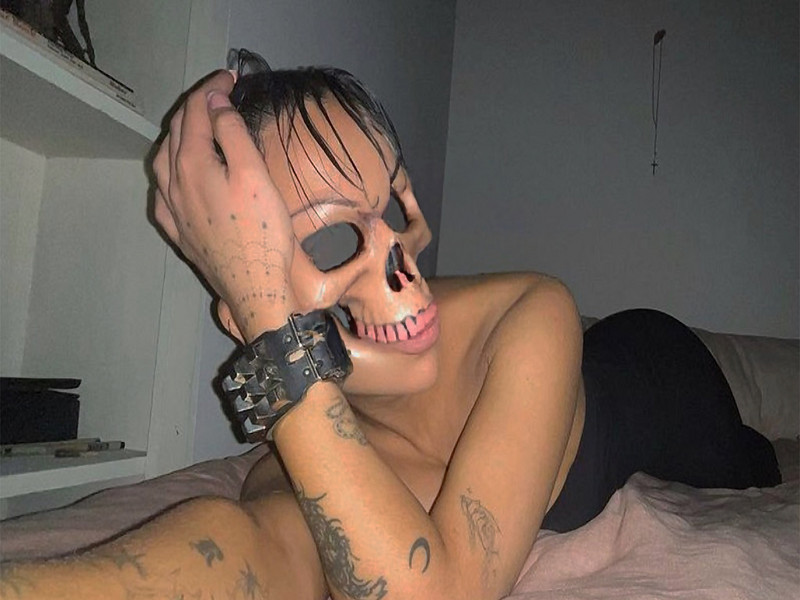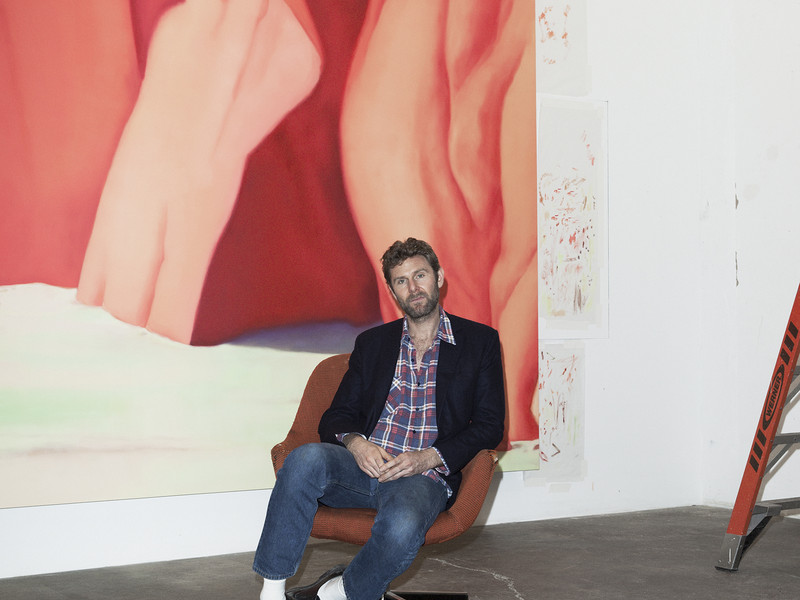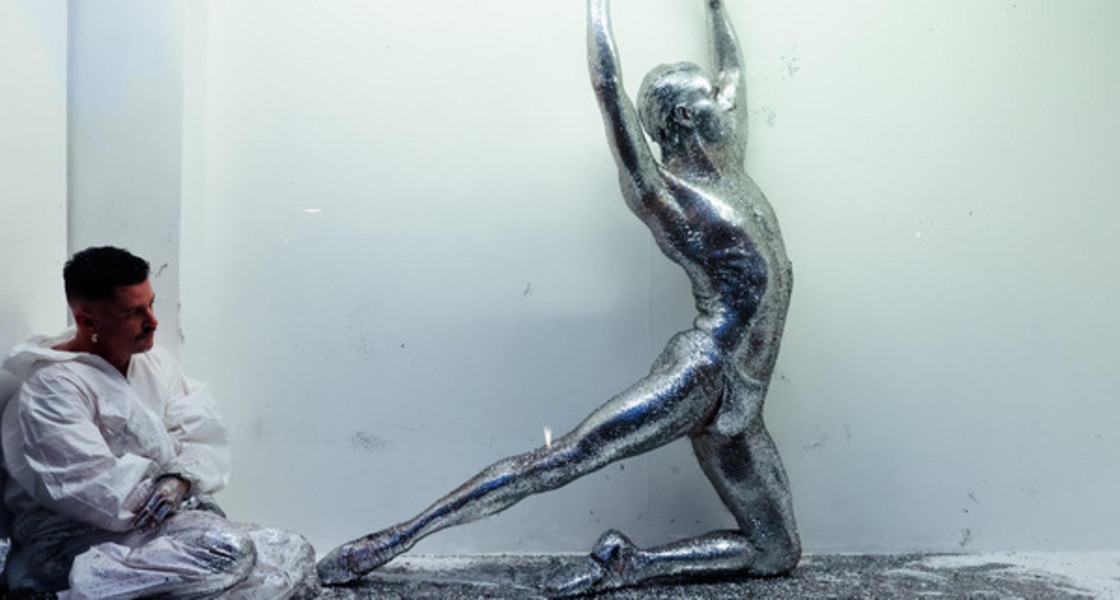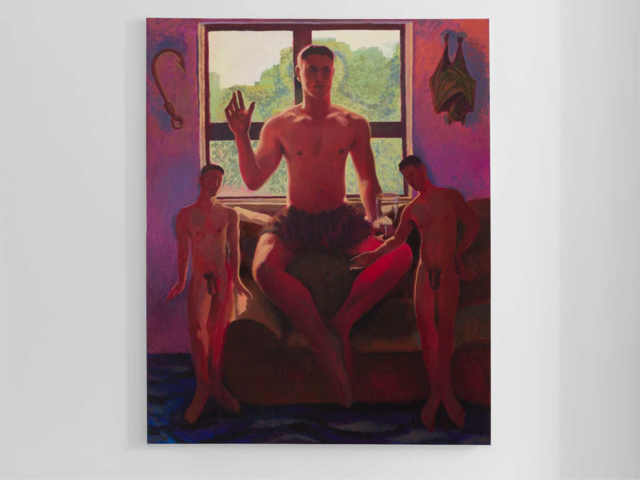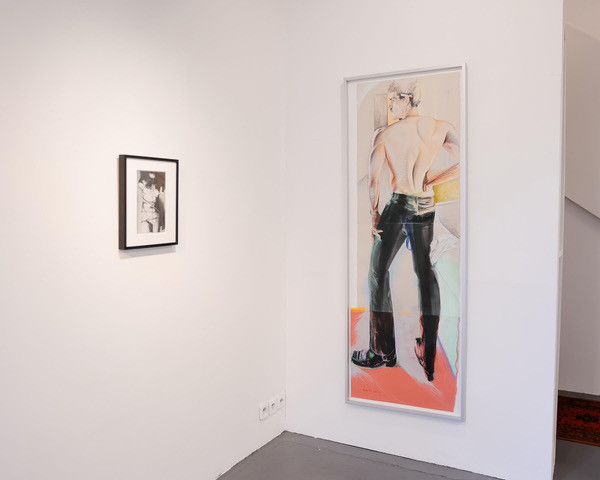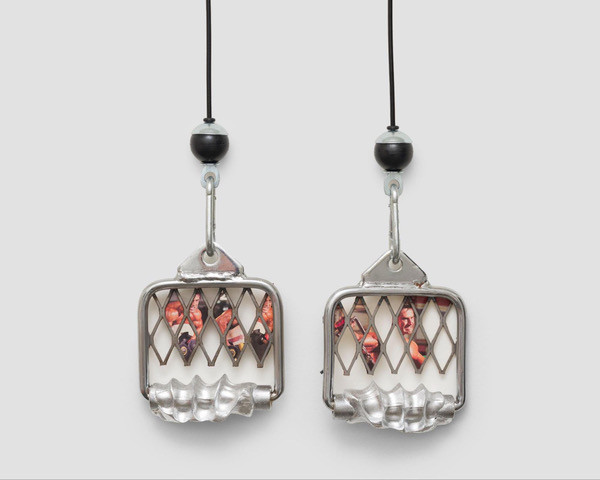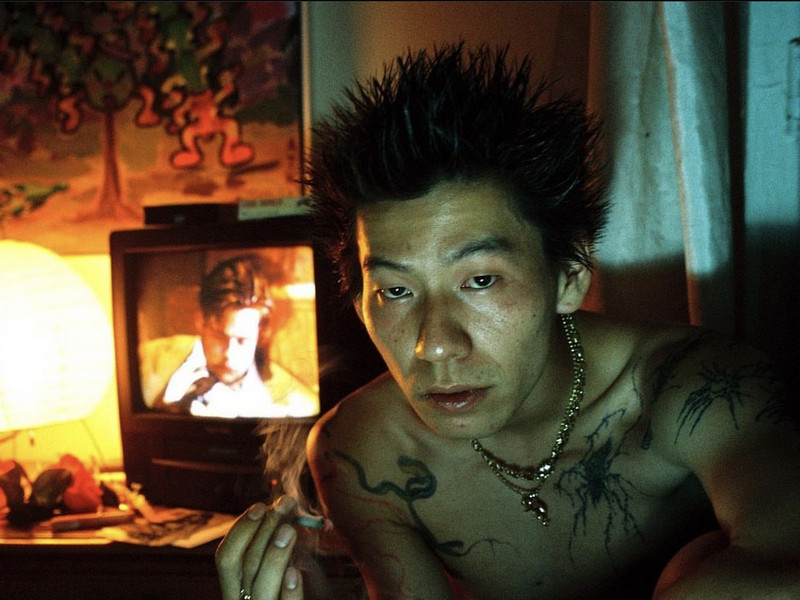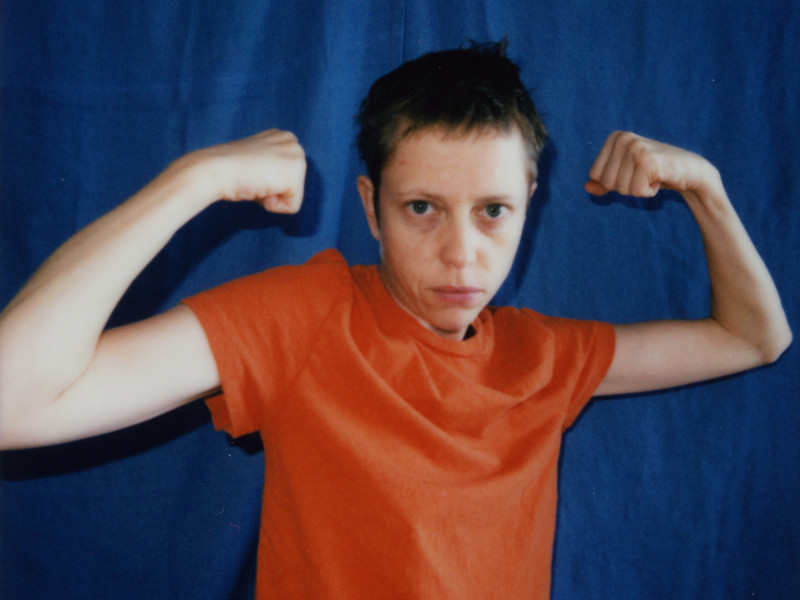
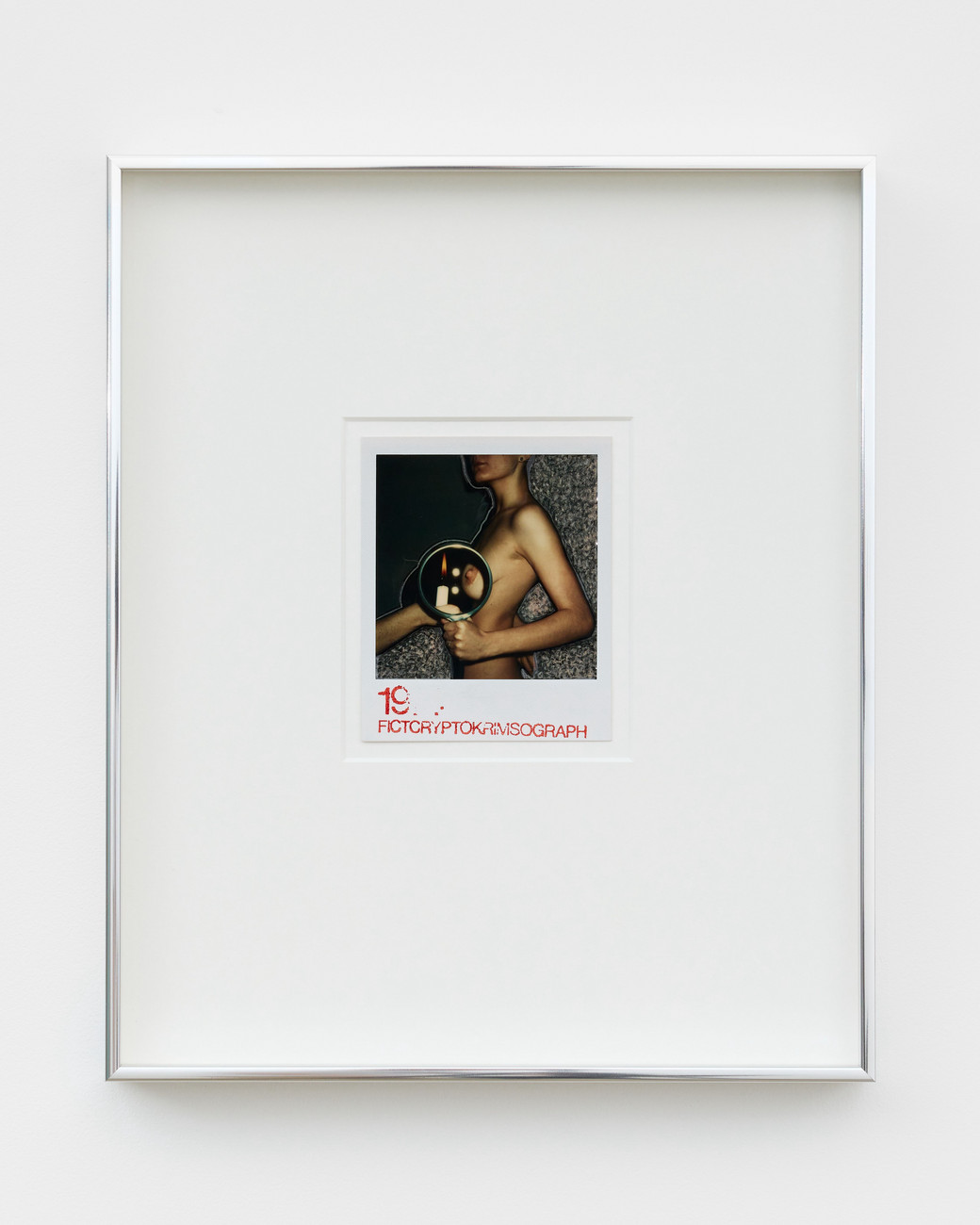
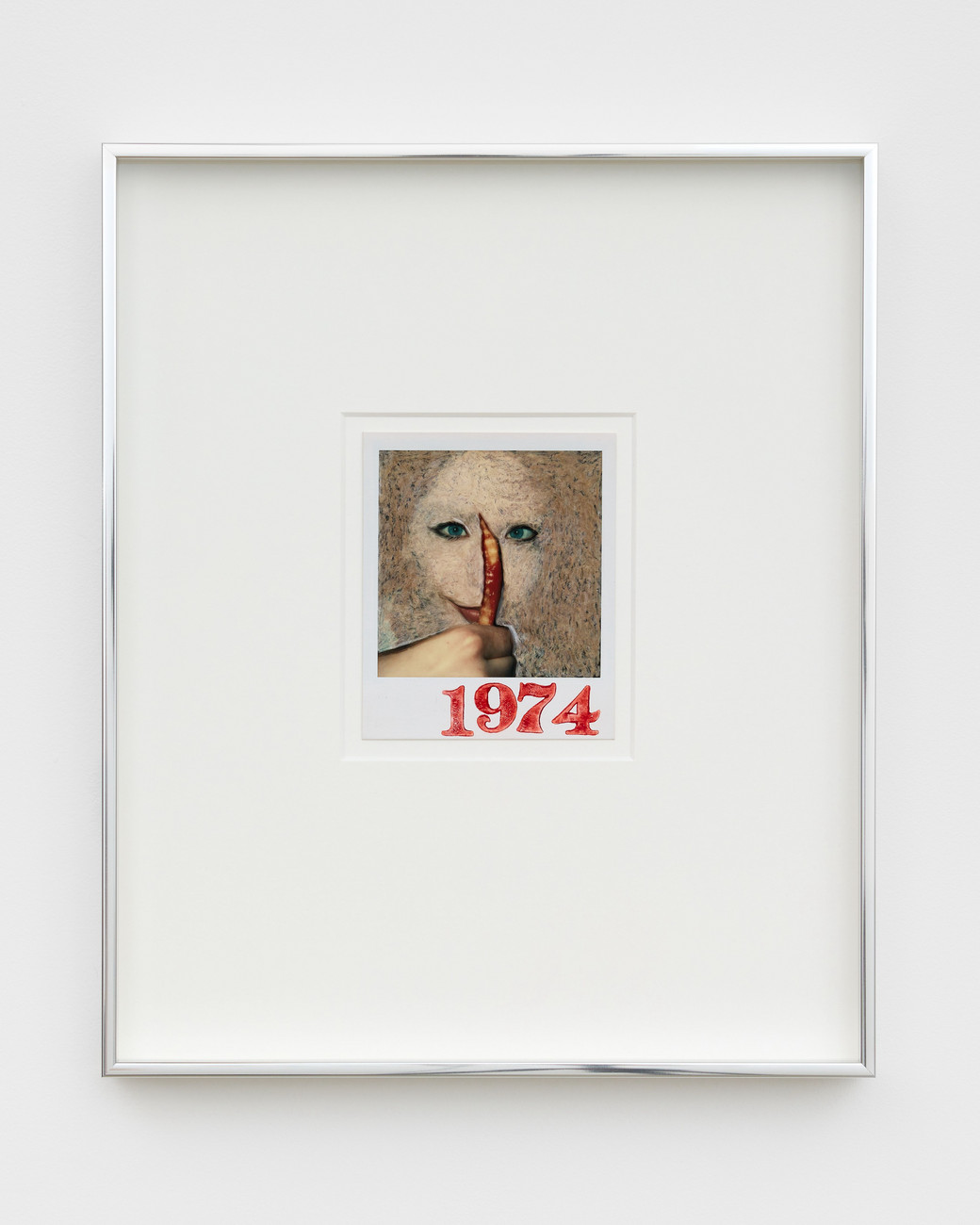
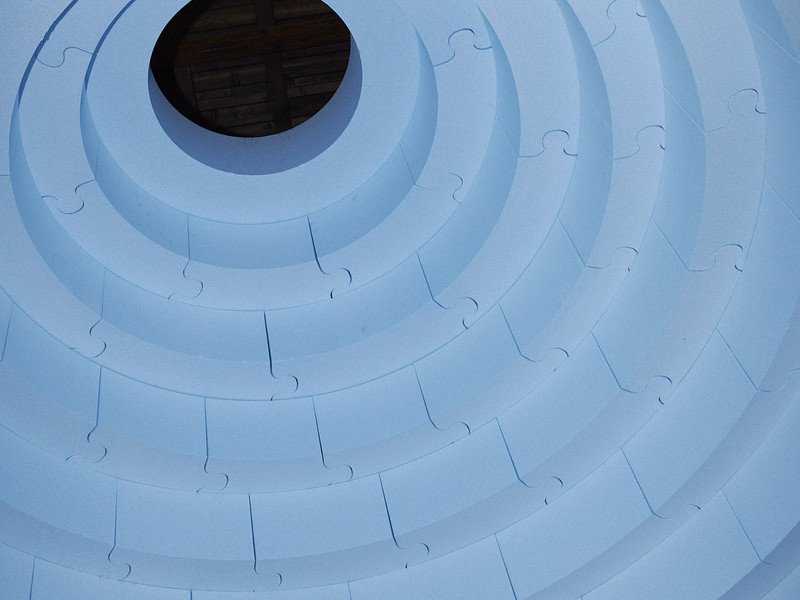
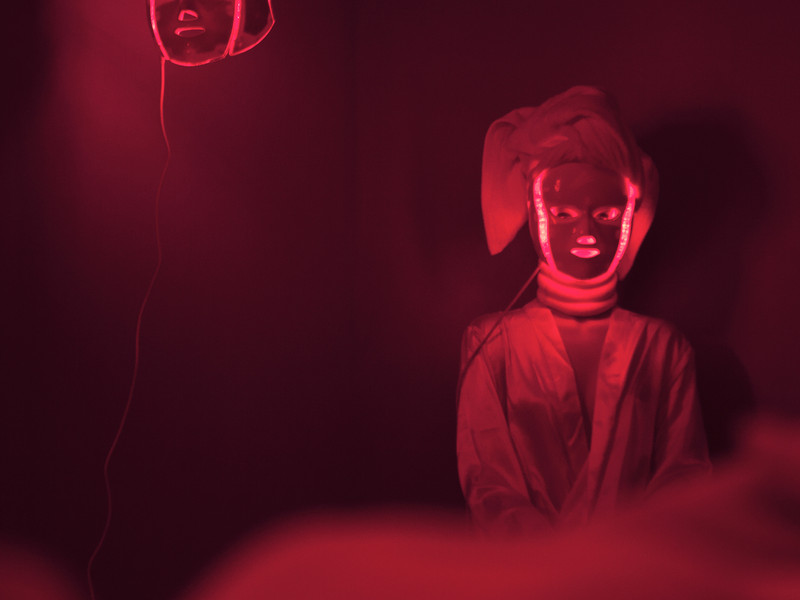
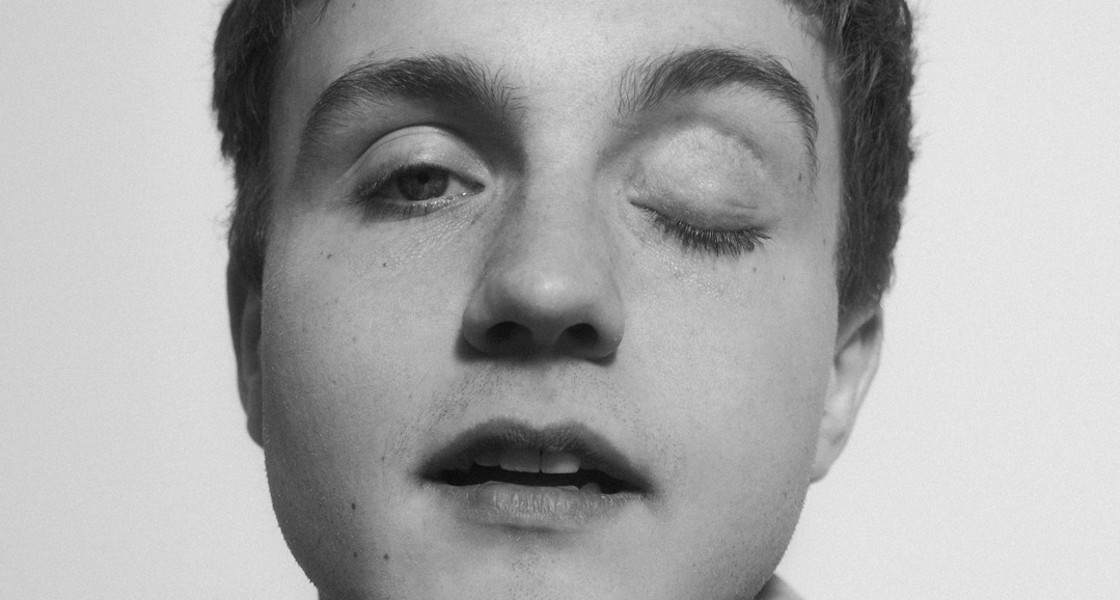
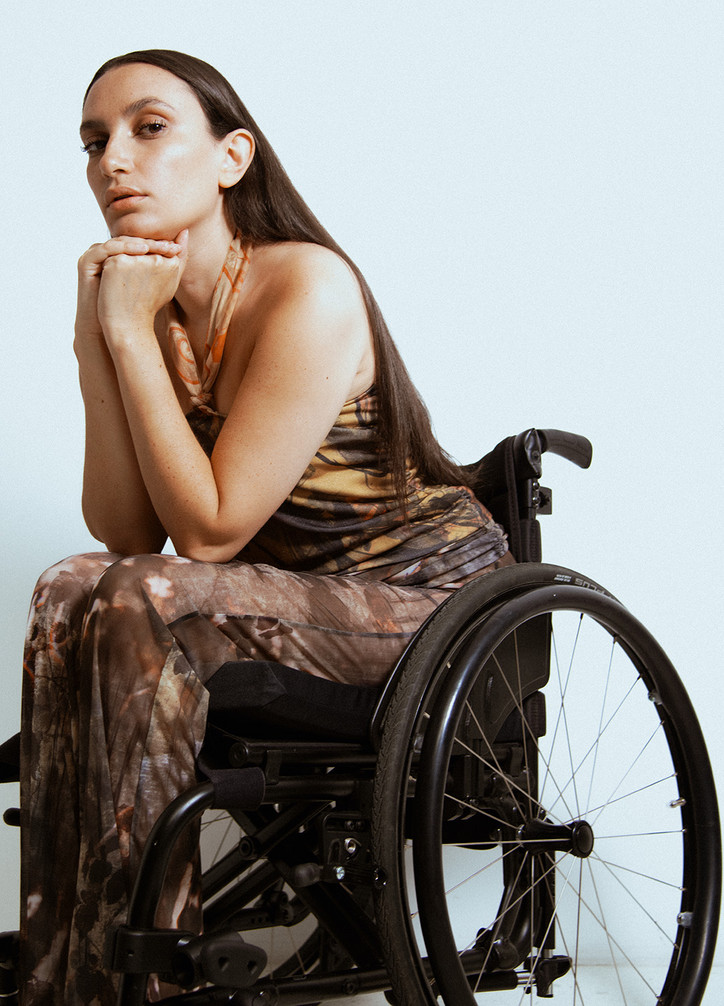
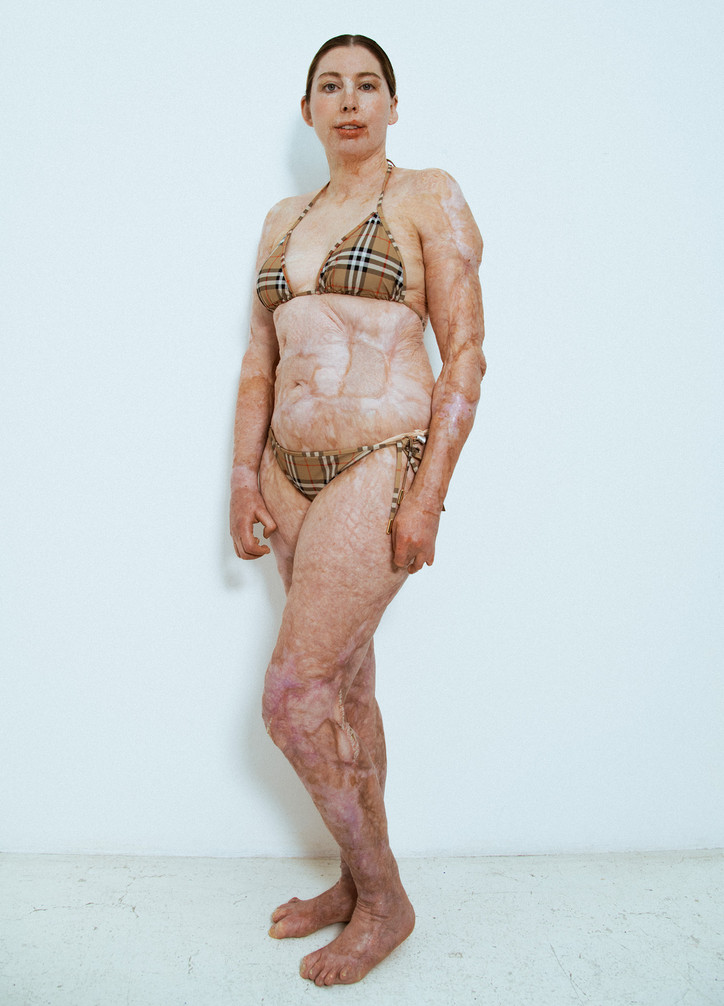
Uncool begins with a quote. “I no longer want to explain myself as a body.” To explain, rather than present a body, is a delegitimizing endeavor. It begs the question: which bodies necessitate explanation, and which ones are unquestionable? Tobin Seibers, one of the principal figures in disability studies, wrote in 2003 that “the disabled body provides insight into the fact that all bodies are socially constructed.” In the digital era, the most dominant form of social construction is image-making. Examining our current culture of images, especially in fashion, differently-abled bodies are hard to find. The conservative pendulum swing has left us back in a drought of representative figuration. So how can people left out of spaces of beauty define it for themselves? It’s a similar question to the structural one of access. Public spaces are often built without proper ramps. The cultural sphere tends to be devoid of people in wheelchairs, with port-wine stains, with albinism, with scars. Both of these gaps connote a wider societal detachment from people whose existence is a reminder that our bodies are constantly in flux, and access can always change.