The Love Witch, Ten Years Later
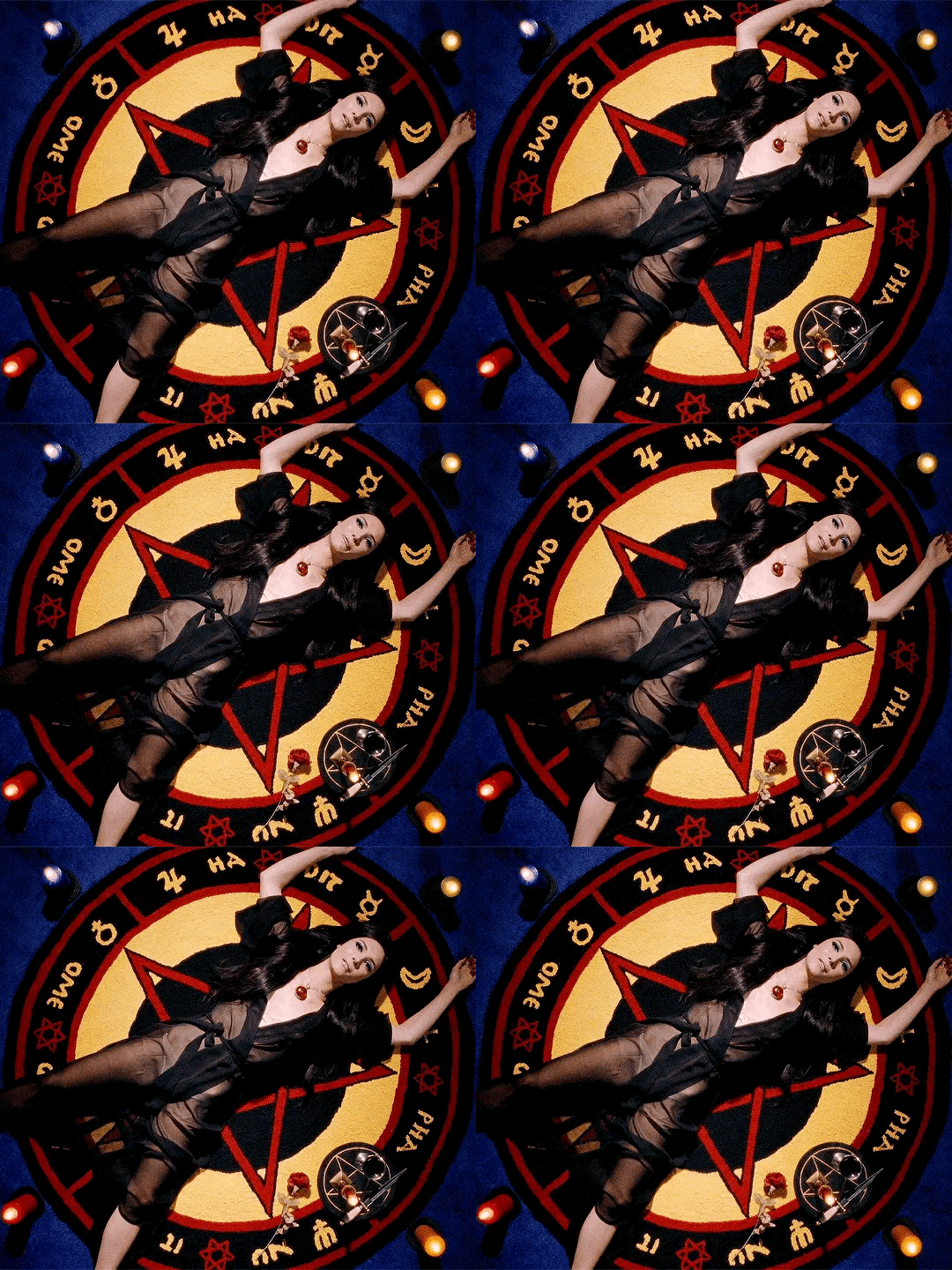
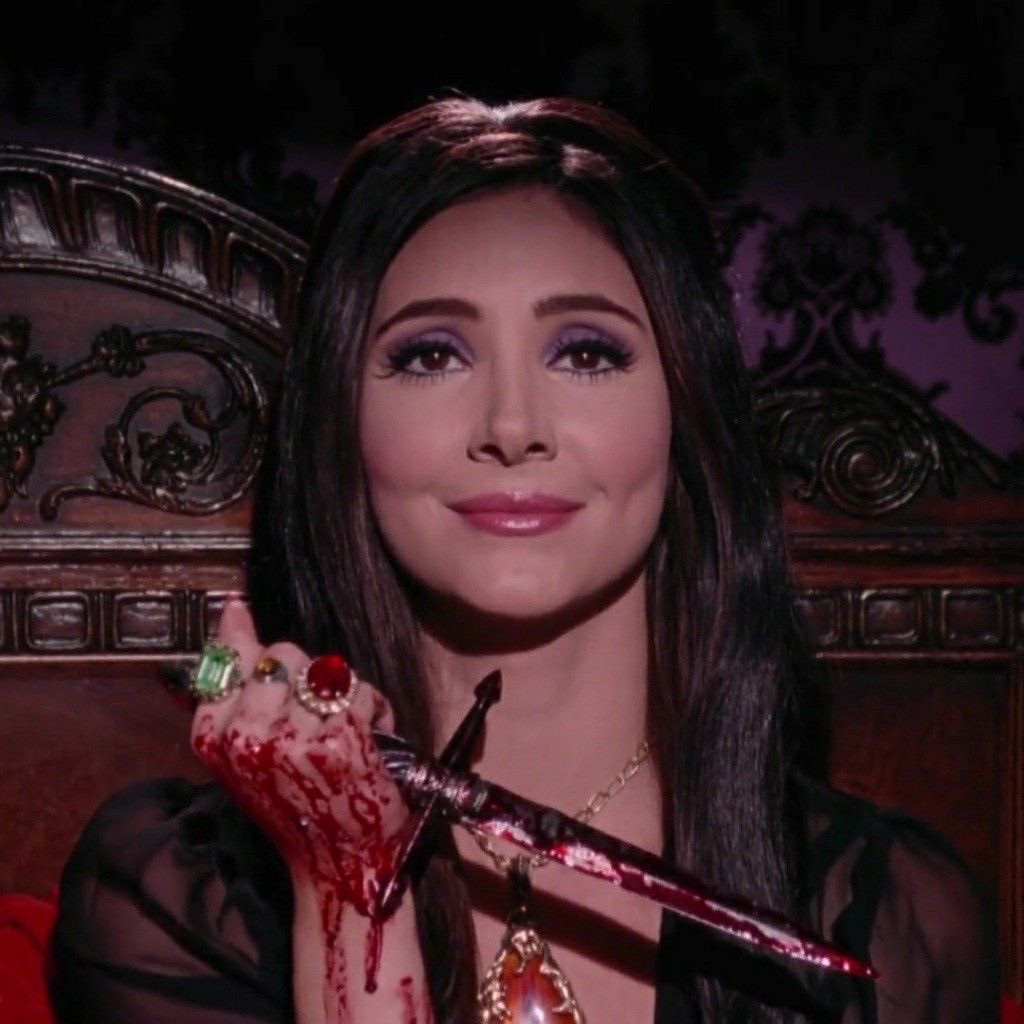
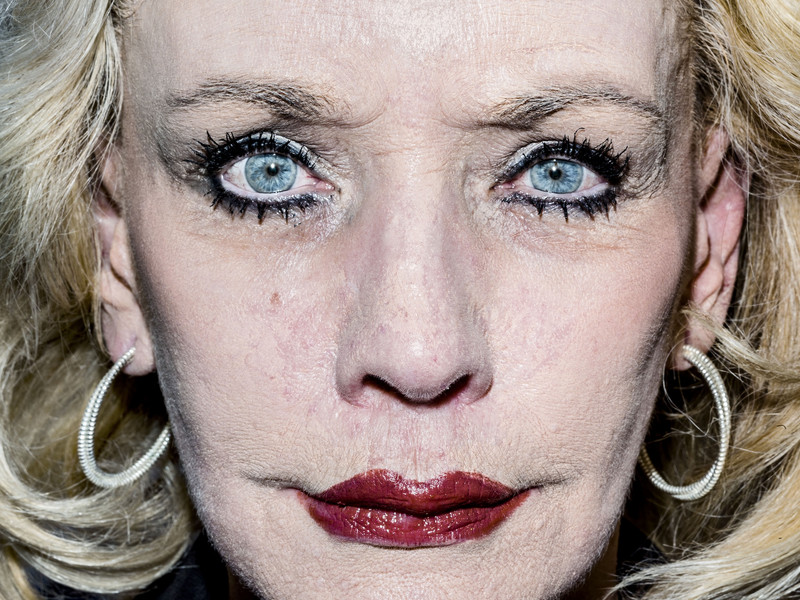
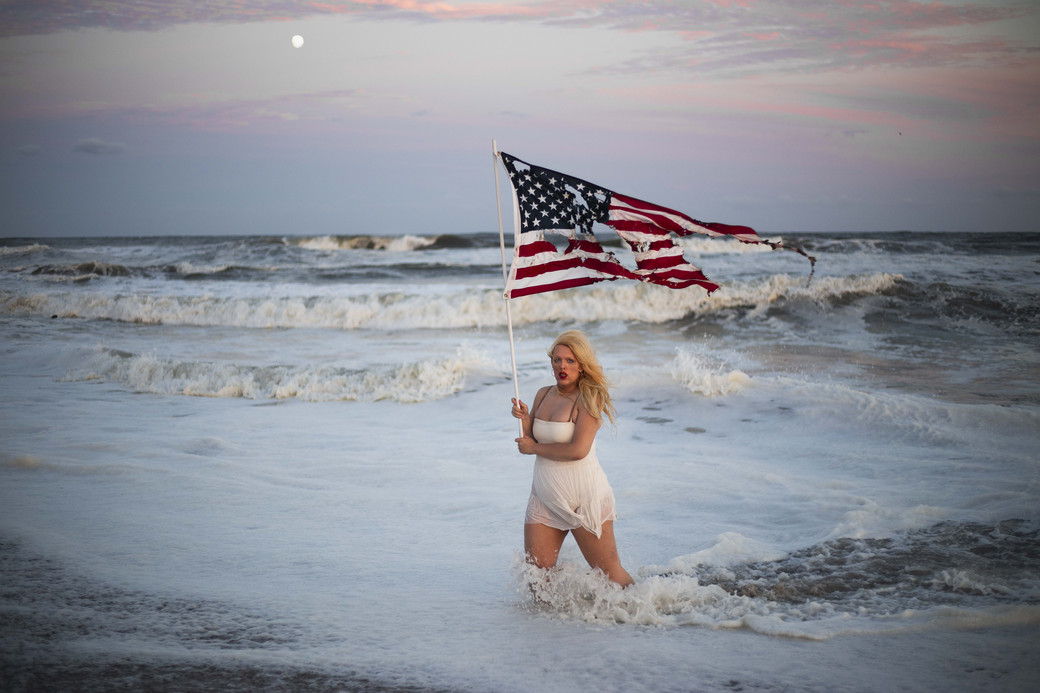
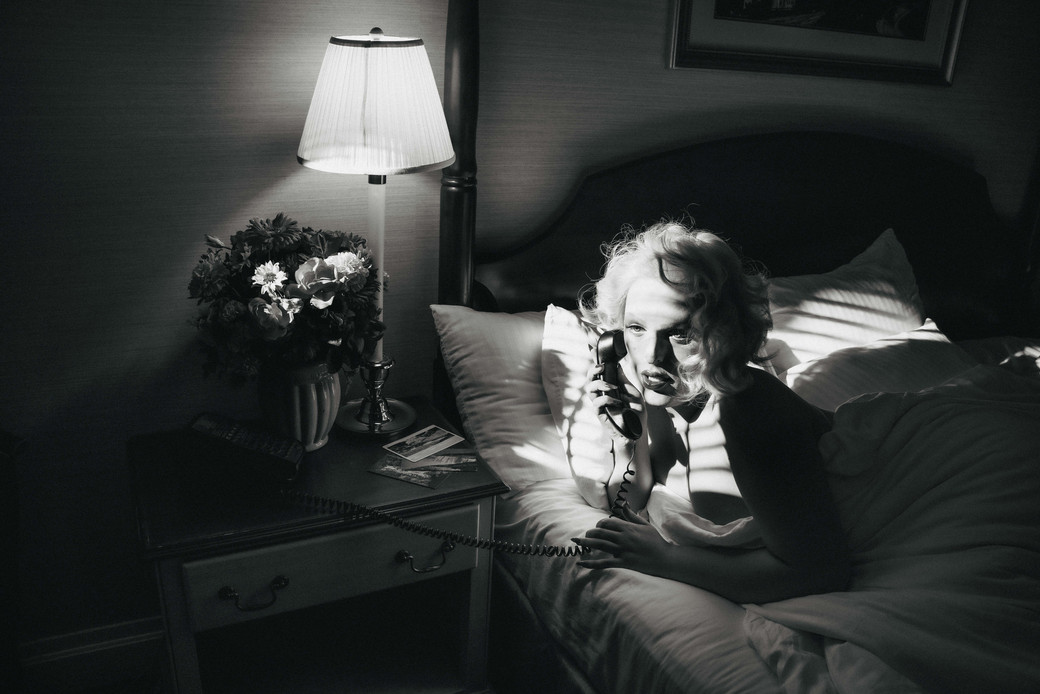
Years after its release, Robinson said she was “so grateful for the gift of playing Elaine,” adding that the film’s fan base continued to grow. She was right. The New Yorker would later name her performance among the best movie performances of the century so far, while The Love Witch continued to find new audiences and a new life through fashion, photography and contemporary visual culture. Ten years later, Elaine never really left. “Men are like children. They’re very easy to please as long as we give them what they want.” On the tenth anniversary of The Love Witch, Office speaks with Samantha Robinson about becoming one of modern cinema’s most distinctive cult figures, looking back at Elaine from a decade’s distance, and revisiting another chapter of her career: stepping into Quentin Tarantino’s world for Once Upon a Time…in Hollywood.
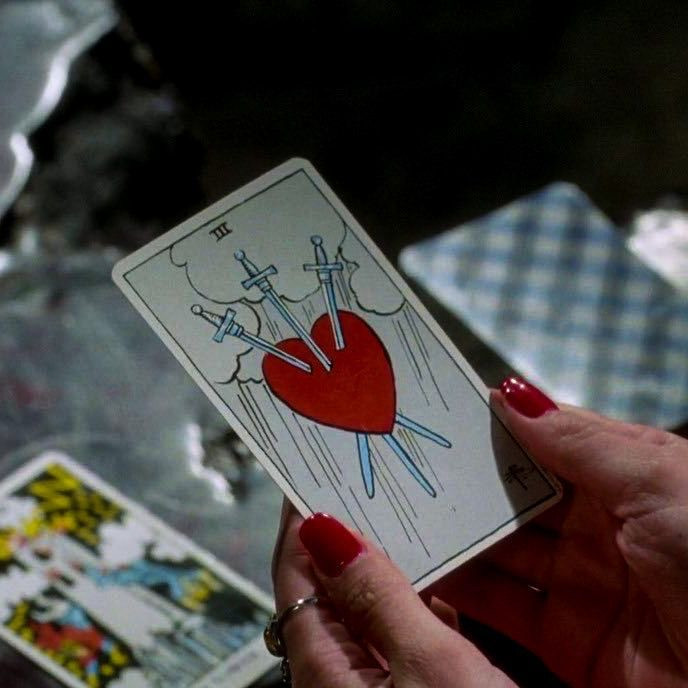
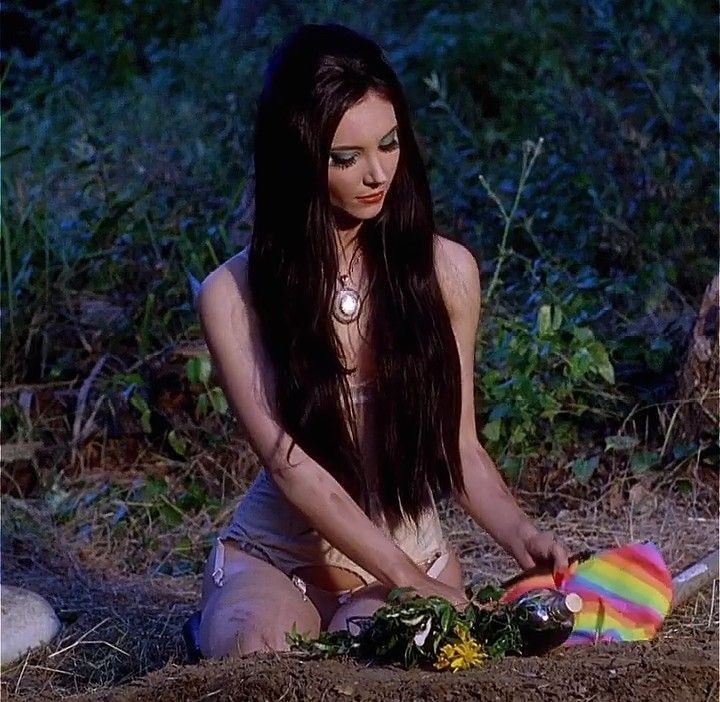
When you first read Elaine, did you see her as a dangerous woman, a tragic woman, or someone genuinely looking for love?
I saw Elaine more as a woman who had experienced a significant amount of trauma in her life. She was functioning in the world despite that trauma because of witchcraft, which was her form of therapy— a kind of Band-Aid for her internal pain. On the surface, she is genuinely looking for love, just like most people are. But her unresolved trauma doesn’t allow her to have healthy relationships.
Did you ever judge Elaine while playing her, or did you have to completely fall in love with her logic?
Objectively, I knew that her behavior was unhealthy, but I think I did have to completely inhabit her logic while I was playing her. As an actor, you can see where a character is being stubborn, selfish, or exhibiting other maladaptive behaviors. But the character herself doesn’t necessarily have that awareness. I have to understand the subconscious driving those behaviors and fully inhabit her point of view.
Did you create an inner life for Elaine that wasn’t necessarily written in the script? What did you imagine about her past?
Yes, I did. Honestly, I can’t really remember all of the details at this point, but I know I imagined that she had experienced significant trauma in her relationships with men. That’s why, although she is looking for love, I felt that deep down she actually hates men.
How much did the costumes, makeup and physical transformation change the way you understood her? Did you feel different once you were fully dressed as Elaine?
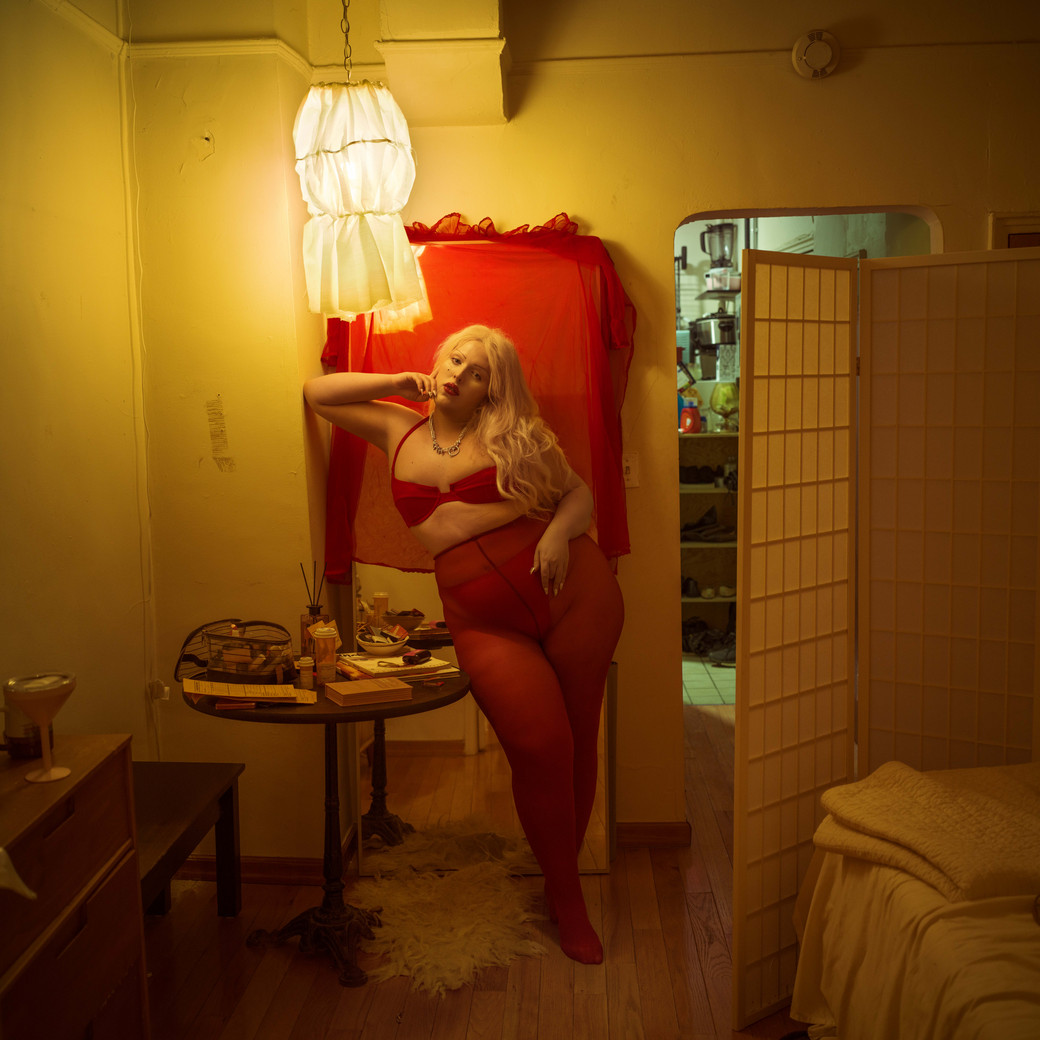
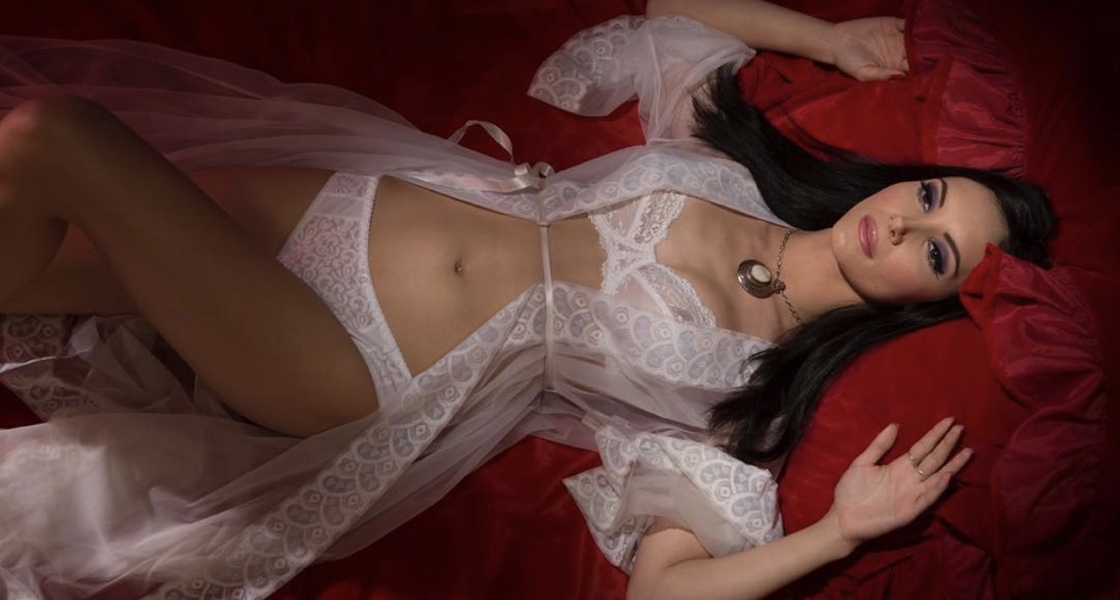
Absolutely. Costume and makeup make an enormous difference when playing a character, especially one as singular as Elaine. I was often on set an hour before everyone else with Emma Willis, the hair and makeup artist. Bit by bit, her look would come to life, and once the costume was on, I was Elaine.
Her voice, gestures and way of looking at people feel very precise. How much of that was developed with Anna Biller and how much came from you?
That was created with Anna. We had extensive rehearsals before the shoot where we developed who Elaine was. The character was built in rehearsal, and then I had to internalize her and bring her to life.
Was there a particular scene where you suddenly understood who Elaine really was? Elaine wants love so intensely that it becomes destructive. Did you personally see her obsession as romantic, pathological, or something in between?
I think it is probably pathological. Anna described Elaine as having narcissistic traits as well as Borderline Personality Disorder, and perhaps that helps explain her intense desire for love and some of her behaviors.
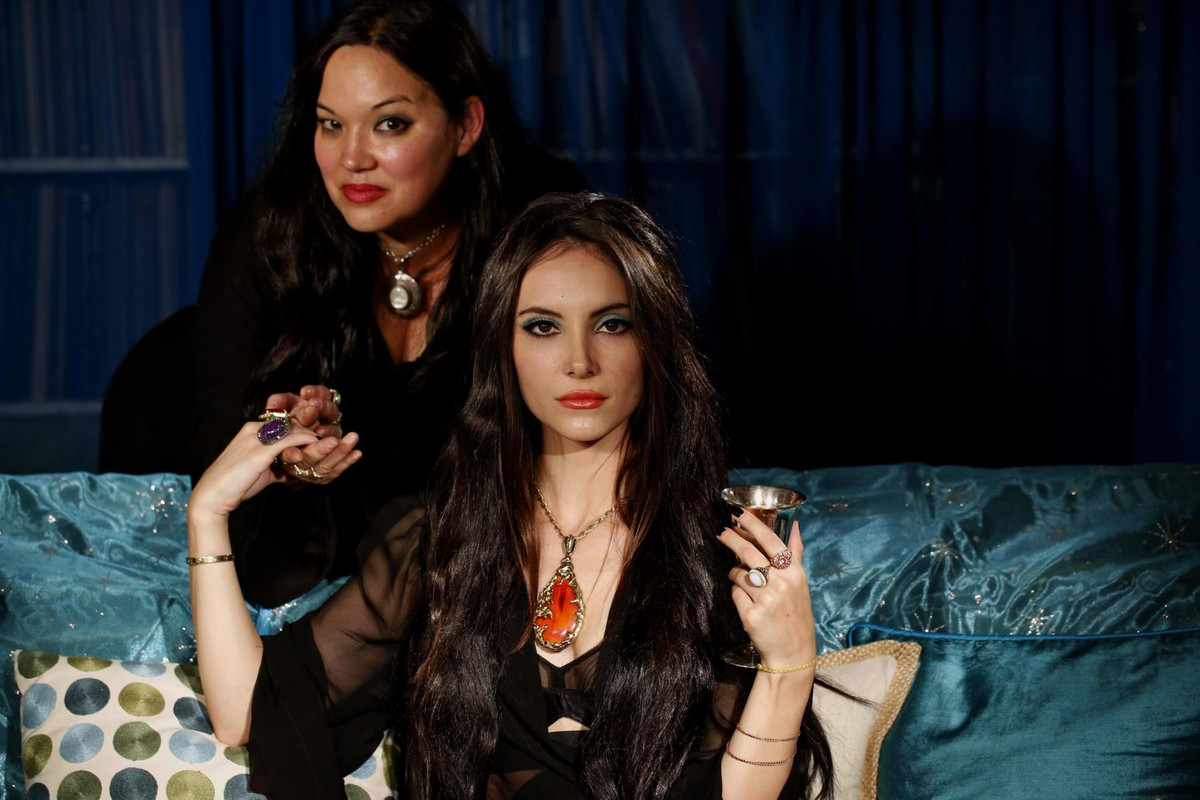
Do you think Elaine actually loves the men in the film, or does she love the idea of being loved by them?
No, I don’t really think she loves the men in the movie. She is actually repulsed by them once they start exhibiting traits she doesn’t like. I think you’re right— she loves the idea of being loved by them, and the idea of being in love.
Did Elaine stay with you after the shoot? Was there anything about her that was difficult to leave behind?
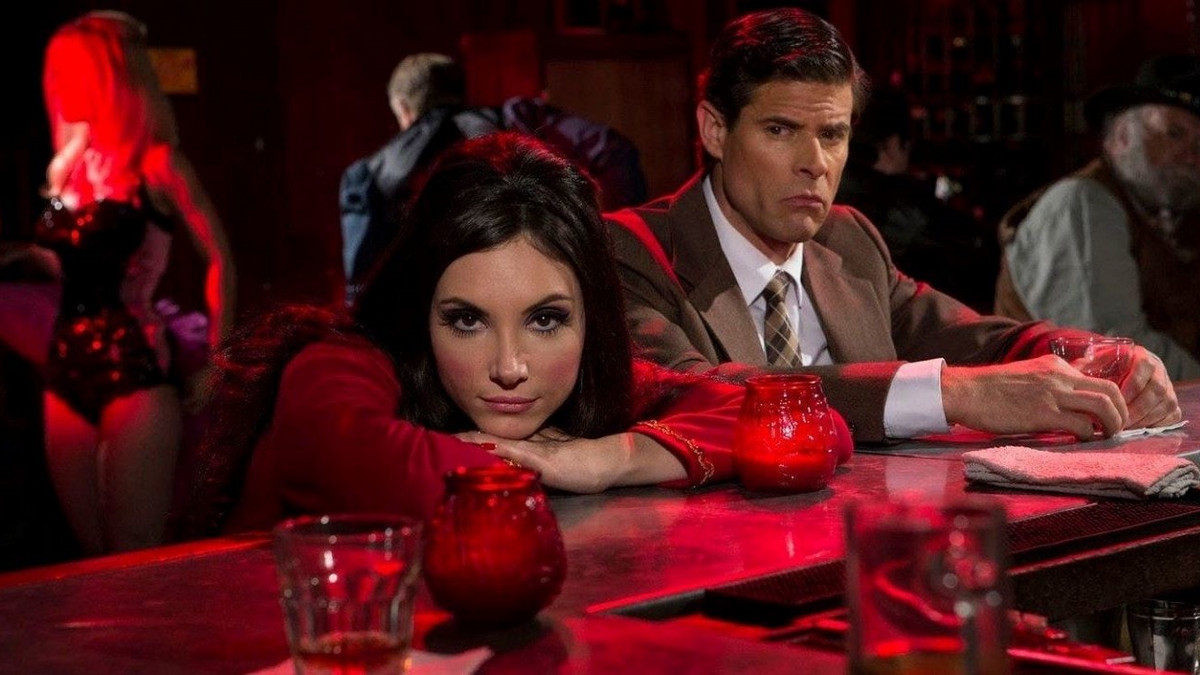
I think I was able to leave her behind. Usually, when I have a lot of emotionally heavy scenes, they can be difficult to shake off. The only scene that I think rattled me a bit was the attempted rape scene at the bar, as it was visceral and frightening to inhabit that circumstance as a character.
Do you think Elaine could ever have found the kind of love she was looking for?
Not in the state she is in when we meet her. I think she would first have to confront the trauma that is driving her behavior before she could have a healthy relationship with anyone. She wants love so desperately, but she hasn’t yet learned how to actually receive, give, or sustain it.
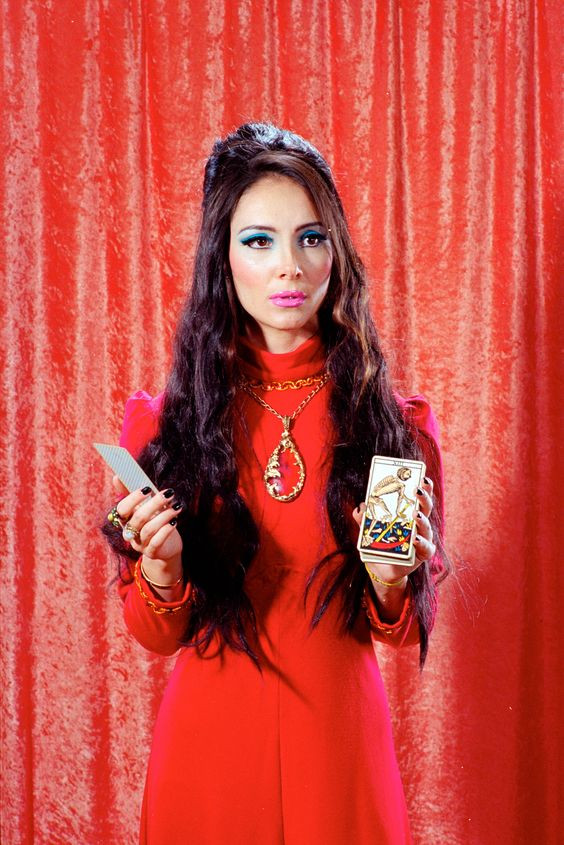
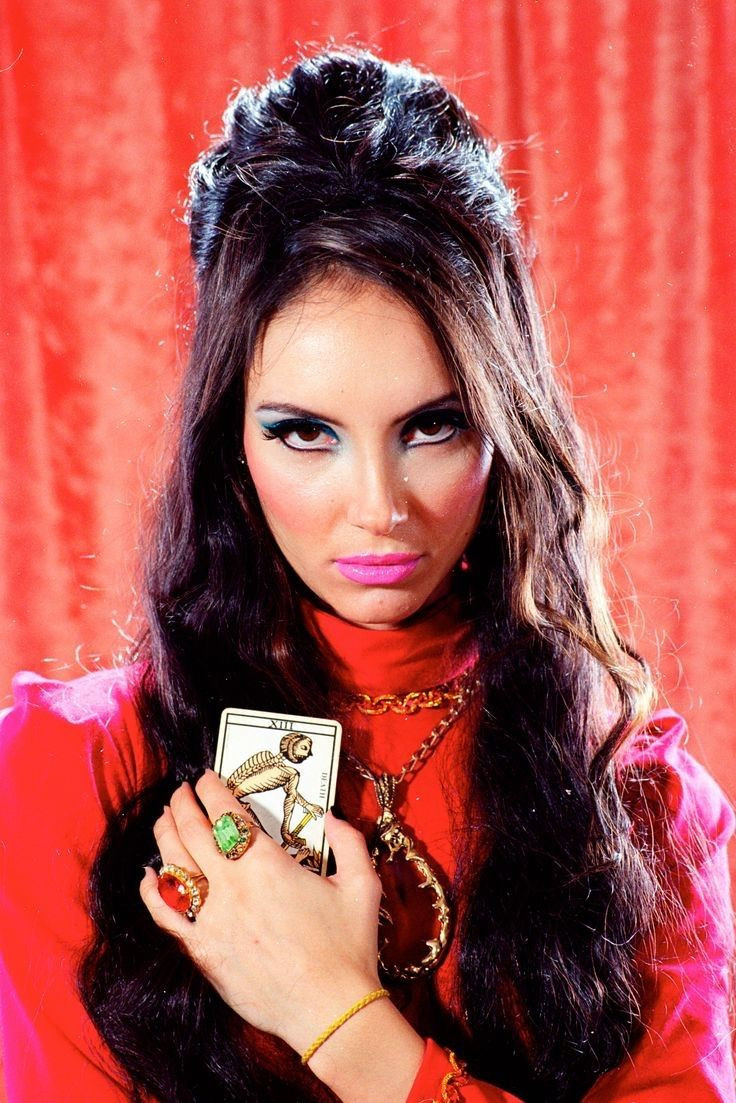
Were you ever frightened by how much you could relate to her?
I don’t think I was frightened. What I find so fascinating about people is that we all contain multitudes. There were many parts of Elaine that I understood, and parts of her that I recognize within myself. As people, we can all experience moments of narcissism, self-centeredness, excitement, or a desire to be in love. These are all very human internal states. I did have to exaggerate certain qualities to fit the mindset of the character, but the underlying feelings were things I could understand.
Was there a part of yourself that you had to exaggerate or suppress to become Elaine?
I think my natural inclination to be warm and friendly was something I had to suppress. Elaine has a very specific way of relating to people, and I had to resist my instinct to make people feel comfortable. I had to become much colder and more self-contained.
What was the hardest emotion to make truthful in a film that is visually so stylized?
I think something that was a struggle at first was my inclination to smile. Anna would tell me, “Stop smiling; it takes away your power.” As I mentioned, I had to fight the urge to be friendly and instead become colder. Another challenging part was switching between Elaine’s different “modes” so quickly. Part of what makes Elaine so unpredictable is how rapidly she moves between these different states. For example, she might go into “Stepford wife mode” for one line and then shift into “haughty mode” for another. I had to work to make those quick adjustments feel seamless and truthful.
When you first read the script, what was the thing that made you understand that The Love Witch was going to be completely different from anything else?
I didn’t have that feeling until we were a few days into shooting. That’s when I realized that we might have something really special on our hands, and that it truly was unlike anything I had seen before.
Did you immediately understand Anna Biller’s tone, or did it take time to find the balance between melodrama, comedy and sincerity?
I didn’t fully understand the tone just from reading the script. I had to work with Anna in rehearsal to really understand her vision for the character and the world of the film. Anna was clear from the beginning that Elaine is one hundred percent sincere. The fact that the film is comedic at times works because of that sincerity.
Did the visual style ever affect the way you performed a scene?
Not directly, because the role was pretty much developed in rehearsal, as I mentioned before. Just as with the makeup and costume, once I was on set, the visual style helped me further immerse myself in the character, but it didn’t dictate how I performed the scenes. Instead, it made the world feel more alive and real.
What scene was the most difficult to shoot emotionally? And which was the most fun?
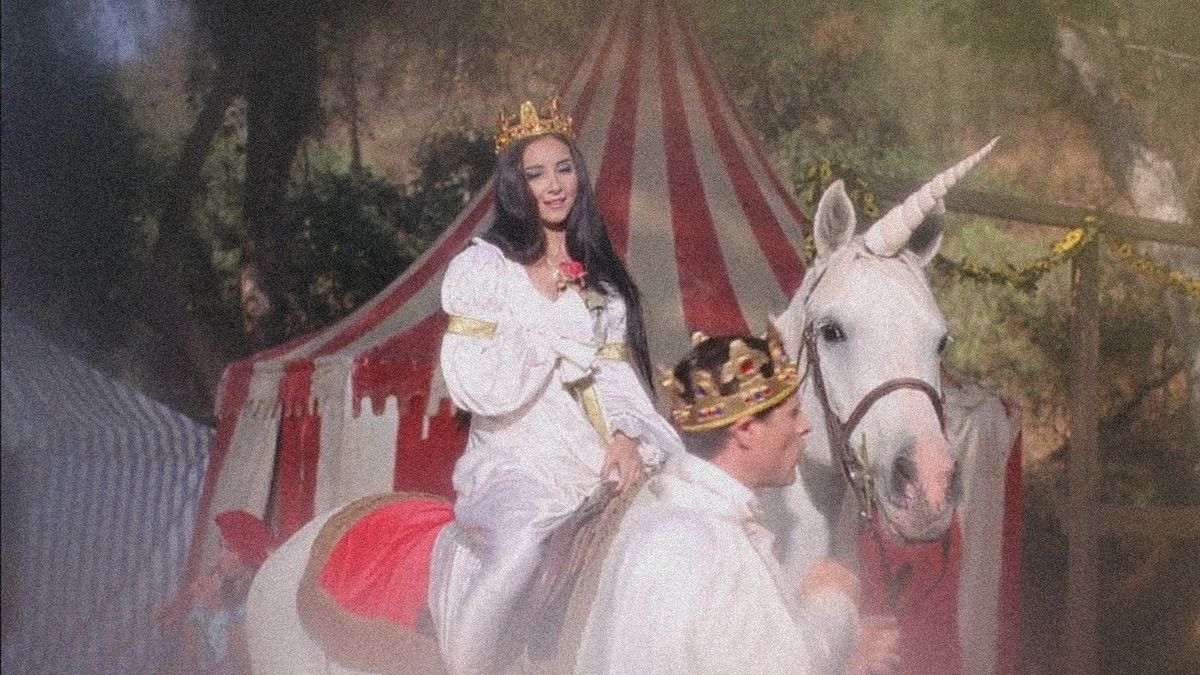
A scene that was difficult to shoot was the last scene with the horse. Initially, Gian and I were supposed to get on the horse, but the horse was not having it and essentially threw us off. Thankfully, we were both okay, and the scene was adjusted so that I was the only one riding the horse. The scene that was the most fun to shoot was the rear projection. We shot that in a studio. I felt like an actress in a Hitchcock film!
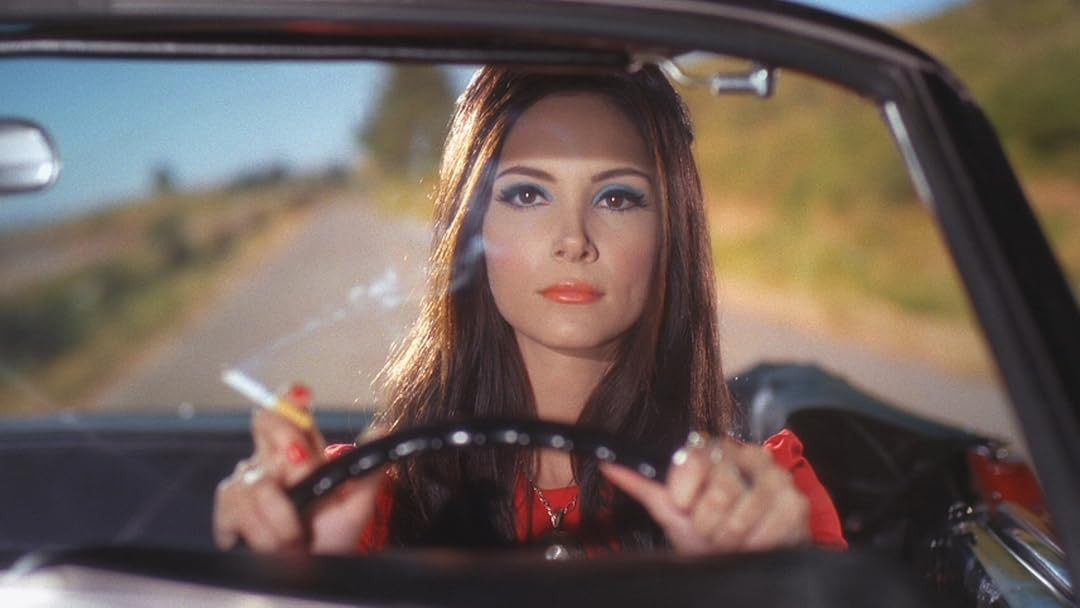
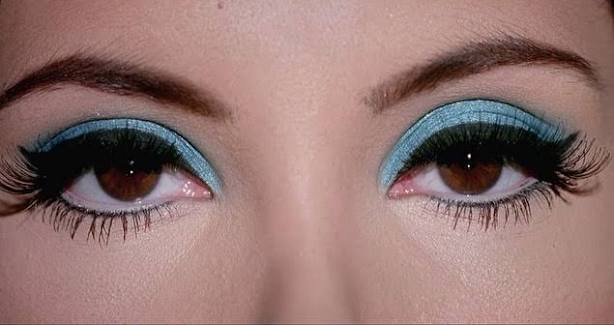
The Love Witch has become such a visually recognizable film. Did you have any idea while making it that people would still be recreating Elaine’s makeup, clothes and imagery years later?
I didn’t. I do remember Anna saying that people would be dressing up as Elaine for Halloween, but I truly never imagined that it would become what it has. It’s really surreal and gratifying to see people still connecting with the character and recreating her look all these years later. The movie has inspired so much fashion and imagery online.
Do you ever feel that its aesthetic has become so iconic that people sometimes overlook what the film is actually saying?
I do feel like the visual style is so unique and beautiful that it makes sense that it can stand alone. However, the fact that so many people continue to rewatch the movie means that there are clearly parts of the film that resonate with audiences. I think that’s a testament to the depth the film has underneath the aesthetics. The men in the film often seem much more emotionally fragile than Elaine expects them to be.
How did you understand that reversal when you were making it?
I understood it to be part of Elaine’s psychology. She wants a man who fulfills certain ideals. She wants them to be masculine, love animals, and embody a very specific set of qualities. When the men start falling short of her criteria, she immediately devalues them. The fantasy she has projected onto them becomes shattered, and she is genuinely confused because she thought everything was going so well and that they were going to be “the one.” She is more in love with the fantasy of who they are in her mind than with the real individual in front of her.
Do you see The Love Witch as romantic at all?
Yes, there are moments when the movie leans into the classic Hollywood idea of romance—the romantic kisses, for example. I think the romance is part of the fantasy that Elaine is trying to create for herself.
What do you think the film ultimately says about the difference between love, desire and fantasy?
I think the film is ultimately saying that they are all very different things, and that people can easily confuse one for another. Desire and fantasy can feel incredibly powerful, but that doesn’t necessarily mean they are love.
Do you think Elaine is searching for a man, or searching for a feeling that probably doesn’t exist?
I think Elaine is searching for a feeling that doesn’t exist. She is trying to fill a void within herself with the love of a man. She believes that finding someone who loves her will be the answer to her struggles, but of course, it never works out that way. She needs to learn to love herself rather than seeking a sense of wholeness from another person.
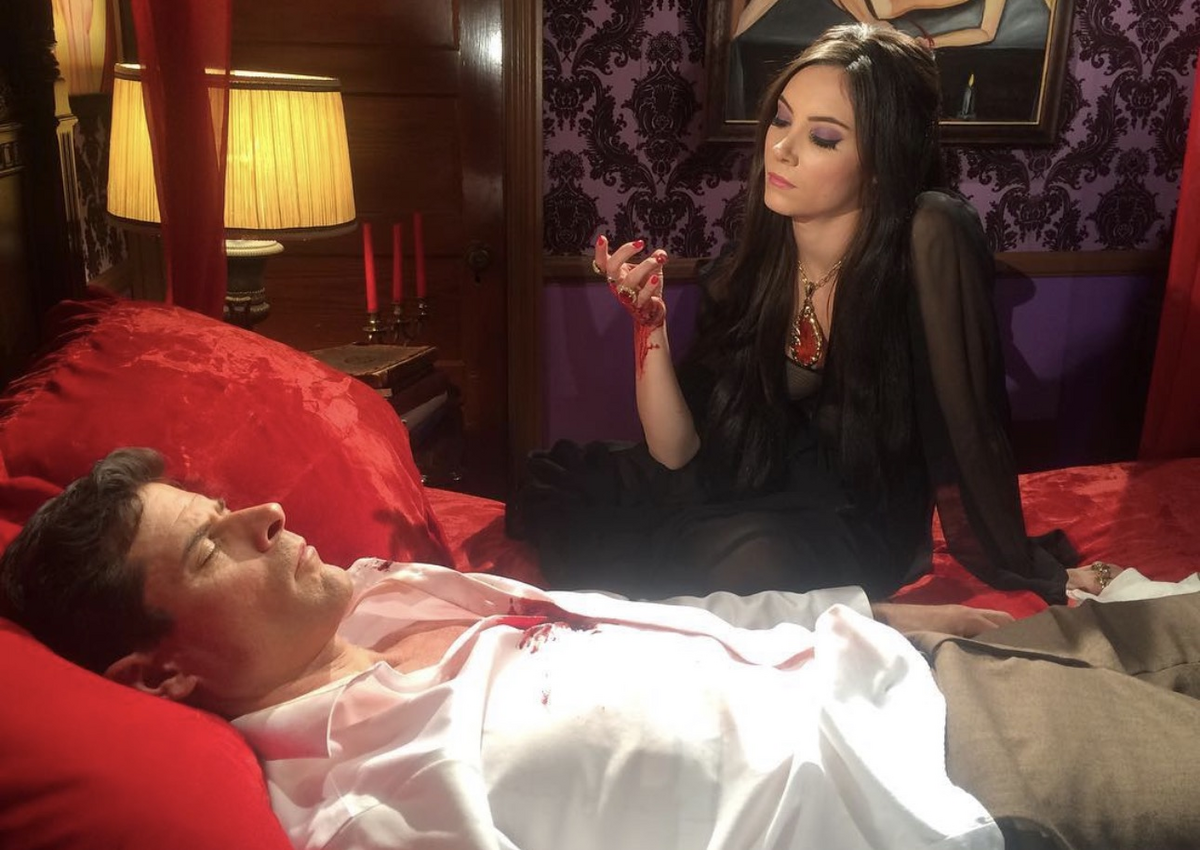
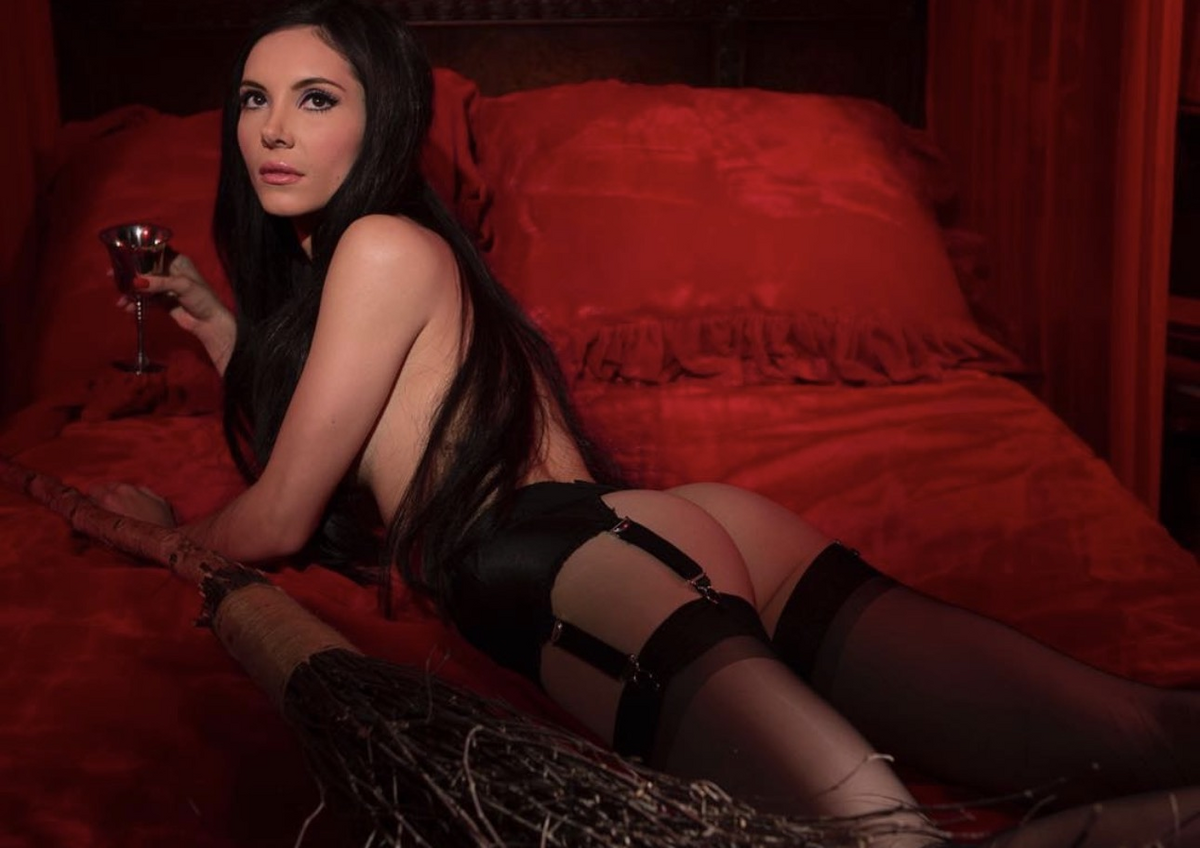
Looking back, what do you think The Love Witch gave you as an actress?
The Love Witch pushed me to play a role that was very different from myself. It allowed me to show my range and gave me more confidence in making bold choices and trusting that I could inhabit a character who was very far from my own personality. It also helped me realize how much I enjoy working with directors who have singular points of view, which is very much the kind of work I’m drawn to.
Would you ever want to play Elaine again?
I would absolutely play Elaine again. It would be very fun to see where she is now. And if you did, who do you think she would be today? I think, due to the genre, she would probably still be leaving a trail of destruction behind her. Perhaps she now has her hair blonde and cut short, trying to leave her past behind her. And I would imagine she is still looking for love.
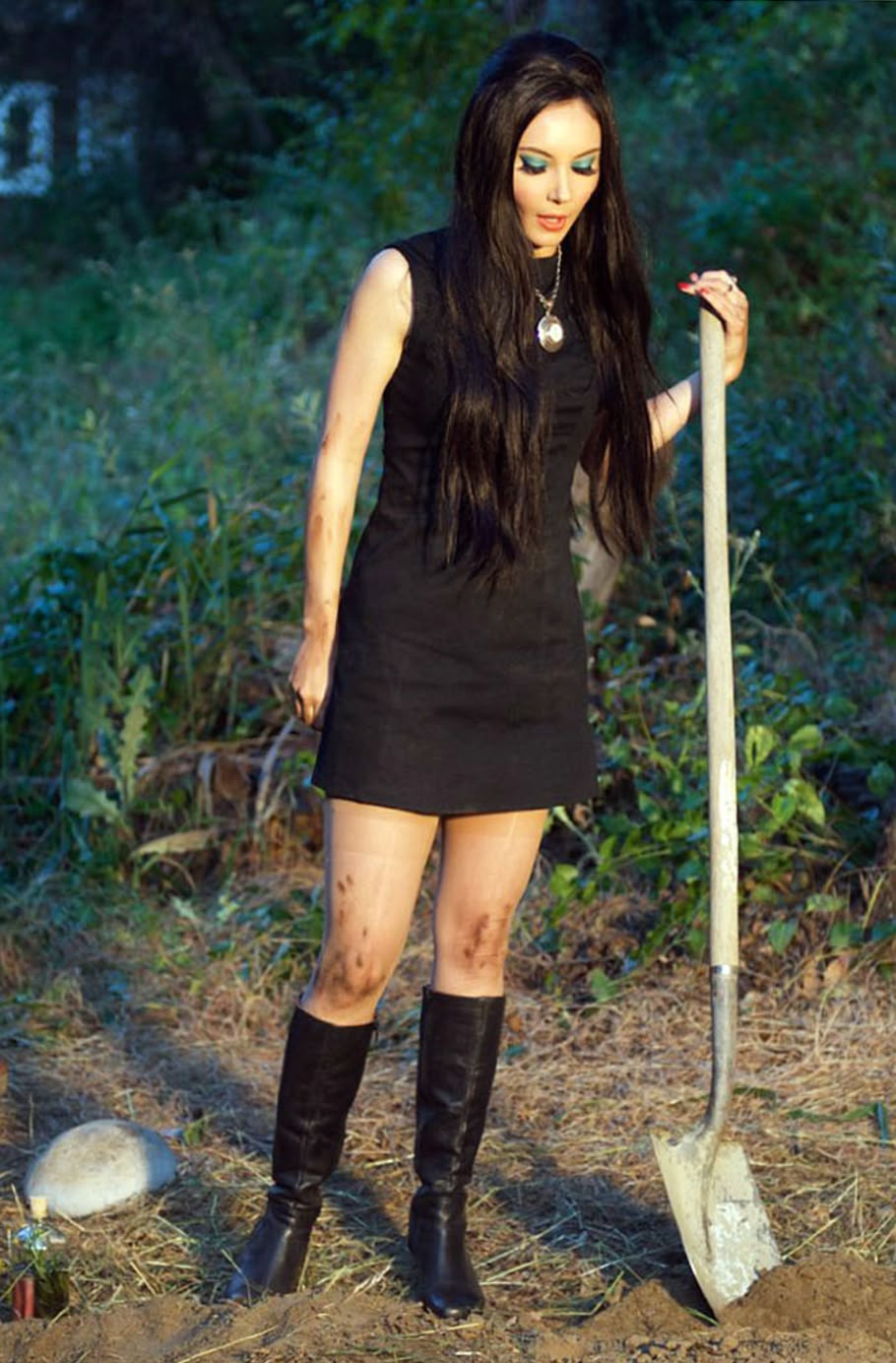
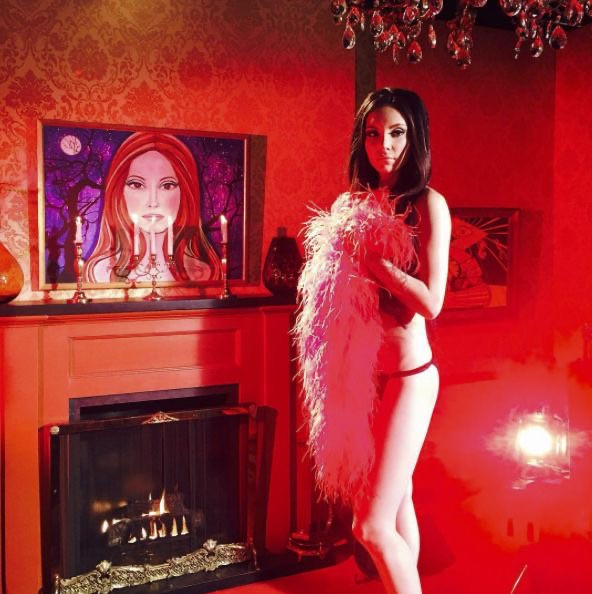
The wedding sequence feels like the moment where Elaine’s fantasy becomes almost completely real. How did you experience shooting that scene?
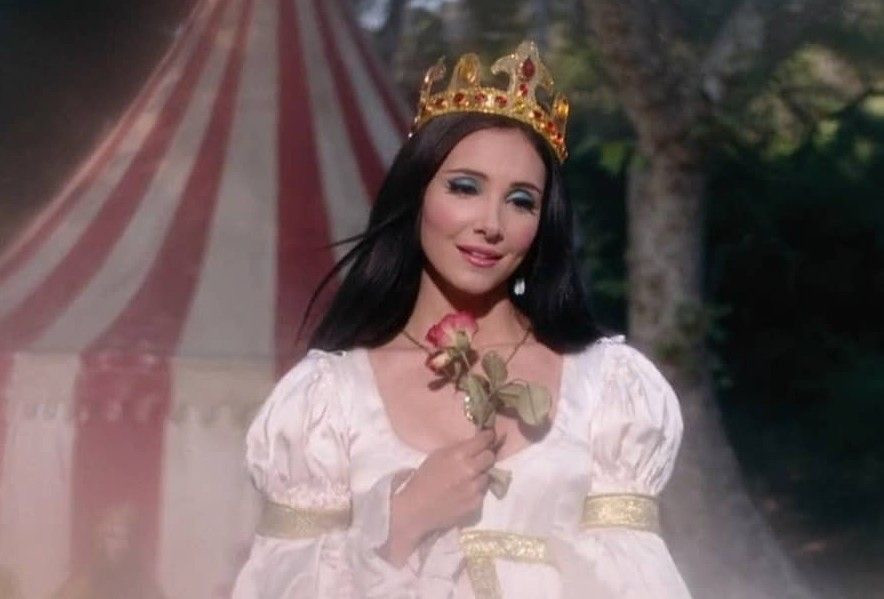
The wedding scene was really fun to shoot because the entire world felt like Elaine’s fantasy coming to life. There was something almost dreamlike about being in that environment, surrounded by all of those incredible costumes and visuals. It was also relatively low-stakes from an acting perspective, so I could really enjoy being in that world and let the visuals do some of the work.
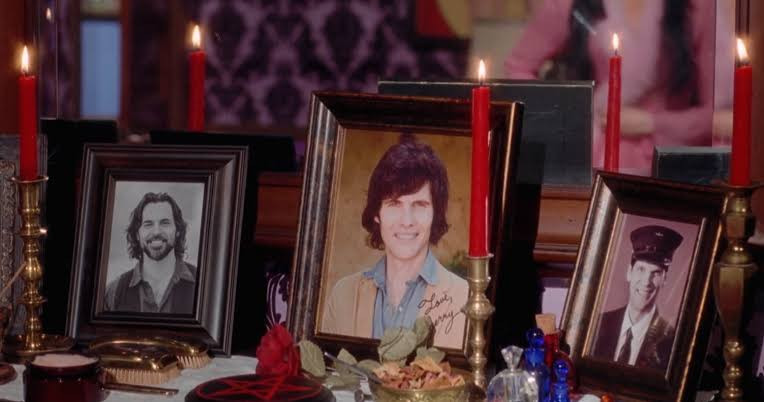
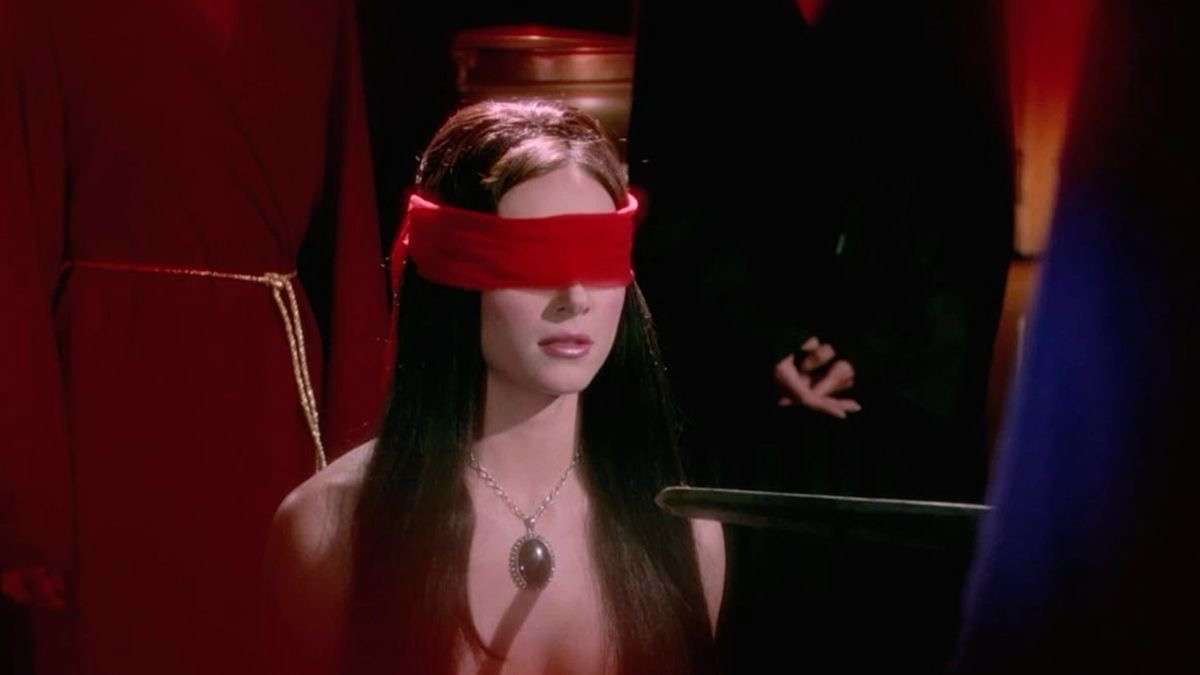
Elaine spends the entire film trying to become exactly what she thinks men desire. Do you see The Love Witch as a story about female desire, or about what happens when a woman learns to see herself through male desire?
I think it is both. Elaine is hyper-feminine, and a lot of women respond to that aspect of her. Some women genuinely enjoy engaging with femininity; it can make them feel good and powerful, and wanting a partnership can absolutely be a part of healthy female desire. The issue is that Elaine believes that if she is beautiful, feminine, sexy, and conforms to all the traditional expectations of what she believes men want a woman to be, she will make a man fall in love with her. It’s a twisted cautionary tale that cleverly shows that, of course, it doesn’t work that way.
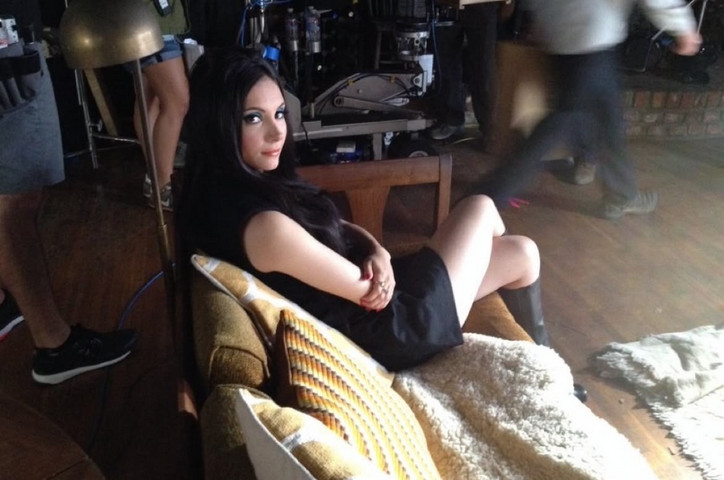
After The Love Witch came out, did you feel that something changed immediately for you as an actress?
No, it definitely took some time for the film to reach its cult status. I think that, over the years, the film has opened doors to collaborate with certain directors who felt I would understand the tone of their films— directors with more unique points of view. I’m grateful for that because it’s very aligned with the kind of work I like to do.
Elaine became such an iconic character. Did you ever worry that people would have difficulty separating you from her?
Yes, absolutely. I think because Elaine and the film are so singular, I worried that Hollywood might see the film and not have anything similar to cast me in, which is what so often happens. I also worried that some people might not realize that the stylized acting choice was intentional and might not understand what I was doing with the character. Thankfully, I think most people understand that it was a very specific artistic choice.
A few years later, you appeared in Quentin Tarantino’s Once Upon a Time... in Hollywood, another film deeply immersed in the late 1960s. What was it like stepping into that period again, but through such a completely different world and filmmaker?
That was an incredible experience. It was a total immersion into the world of the 1960s, and because of the scale of the film, it covered so much more ground. The roads were blocked off, and you would look across the street and see extras walking around in costume and vintage cars driving by. It was like being transported back to the 1960s.
What do you remember most vividly about working with Quentin Tarantino?
I remember his enthusiasm and his encyclopedic knowledge of everything to do with the era and the real people the characters were based on. I also remember how supportive and encouraging he was.
Going from a very intimate, singular production like The Love Witch to a huge Hollywood set such as Once Upon a Time... in Hollywood must have been quite a contrast. How different did those experiences feel as an actress?
Well, it was, of course, quite intimidating working with A-list actors and people that I so greatly admire. I think I almost fainted the first time I met Tarantino—I was so starstruck! But truly, it was such a great environment, and my castmates could not have been nicer. The scale was completely different, but both experiences were incredibly immersive in their own ways.
Looking at the films you’ve made since, what kind of roles excite you most now?
I’m attracted to complex female leads. Art holds a mirror to our lives, and I love having the chance to explore a character’s internal landscape— their motivations, contradictions, and behaviors. I feel like I understand myself better because of some of the characters I play. I’m interested in that psychological depth whether it’s a period film, a modern piece, or something a bit more campy and stylized.
Is there a filmmaker you would particularly love to work with now?
Oh, there are so many! I’d love to work with Chloé Zhao, Sean Baker, Yorgos Lanthimos, Pedro Almodóvar, P.T. Anderson… the list could go on and on!
If the Samantha who first stepped onto the set of The Love Witch could see where you are today, what do you think she would be most surprised by?
I think she would be surprised by my growth. When I was filming The Love Witch, I knew how special it was to be making a movie and playing the lead, and I still have that same gratitude for being able to do what I love most today. But what is different is that back then, I would have chosen having an acting career over almost anything. I would have made sacrifices that I wouldn’t make today. Now, ten years later, I still have the same passion and drive for acting, but I have other interests as well. My whole identity isn’t based on whether I have an acting job or not. I think my past self would be surprised by my current ethos. But I do think it is healthier this way.