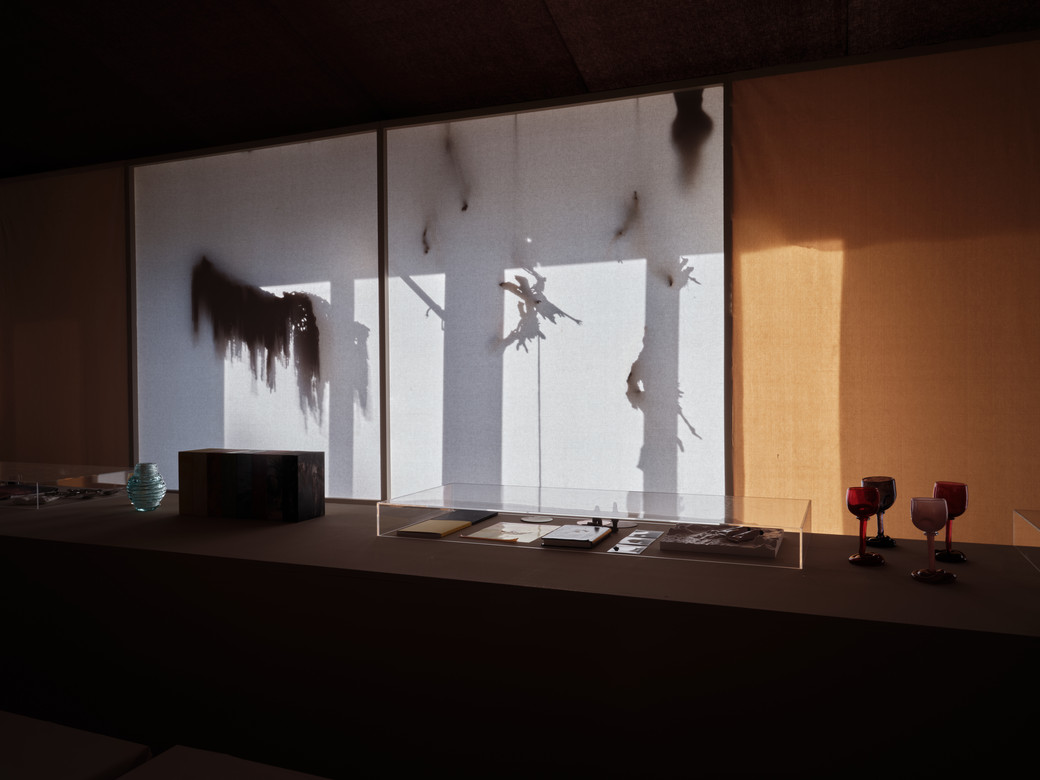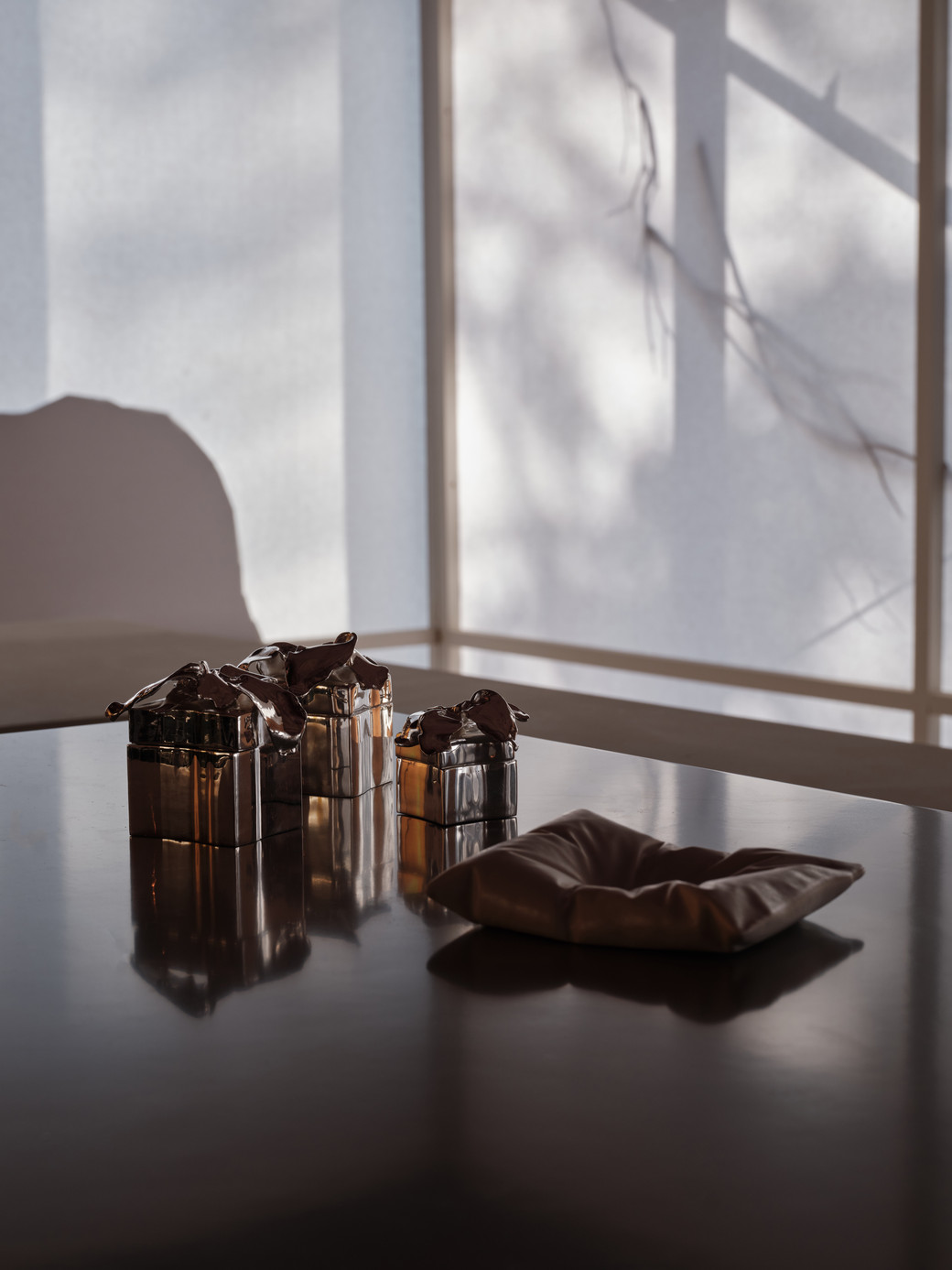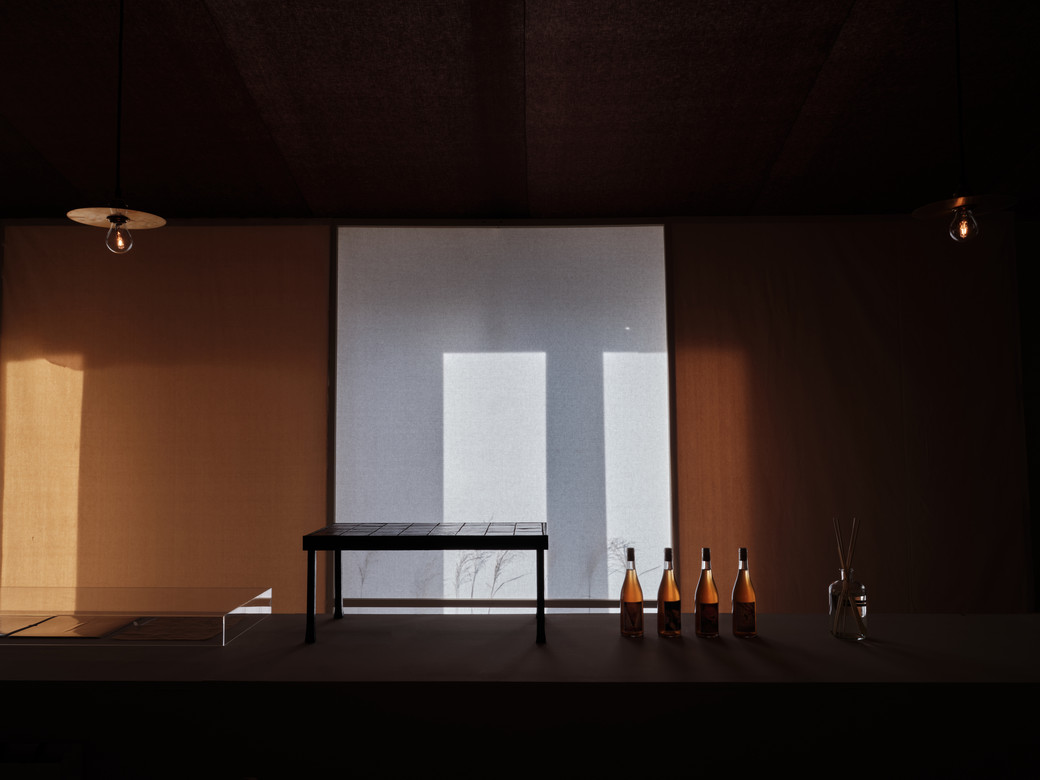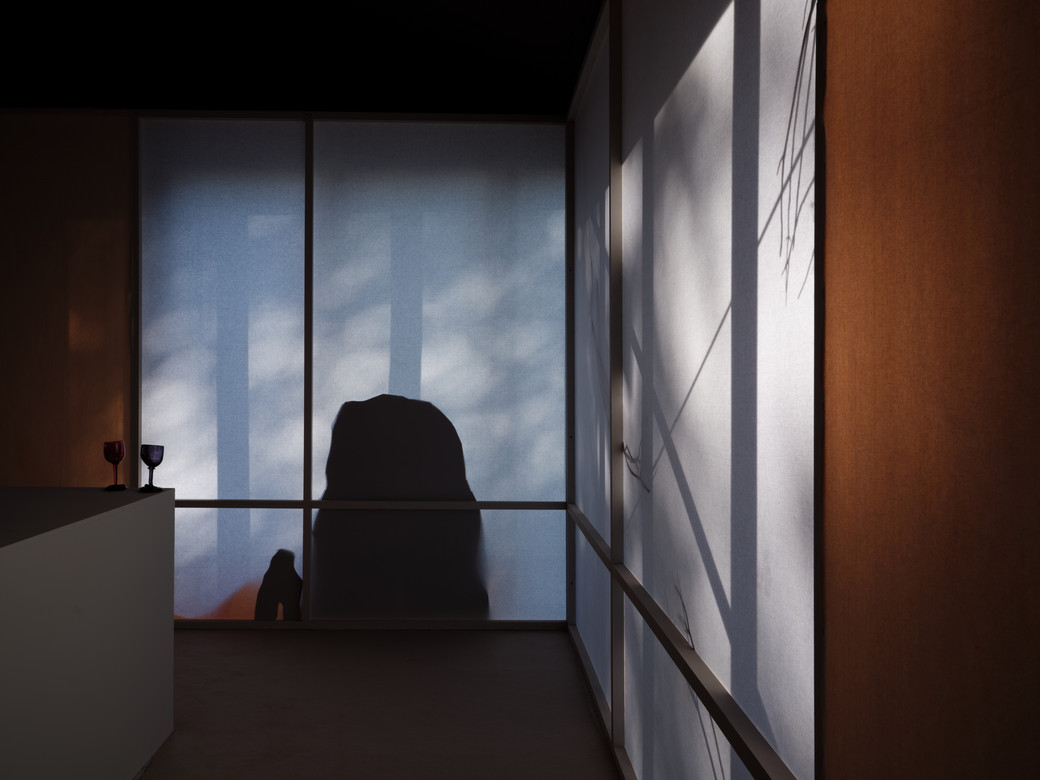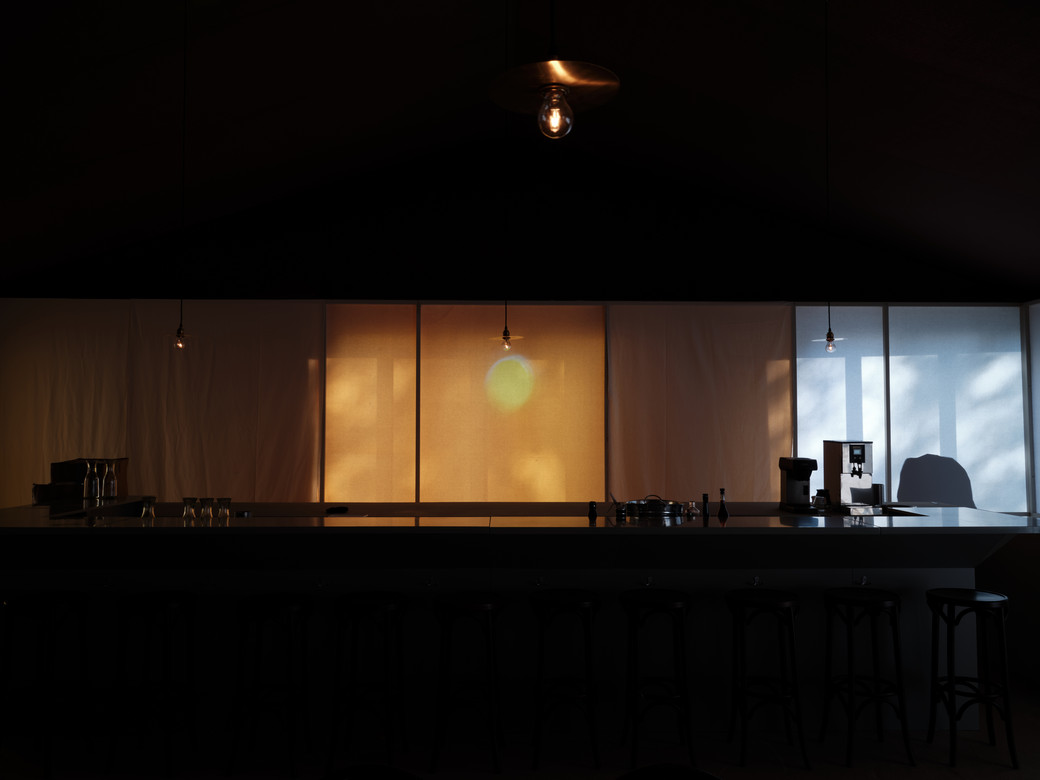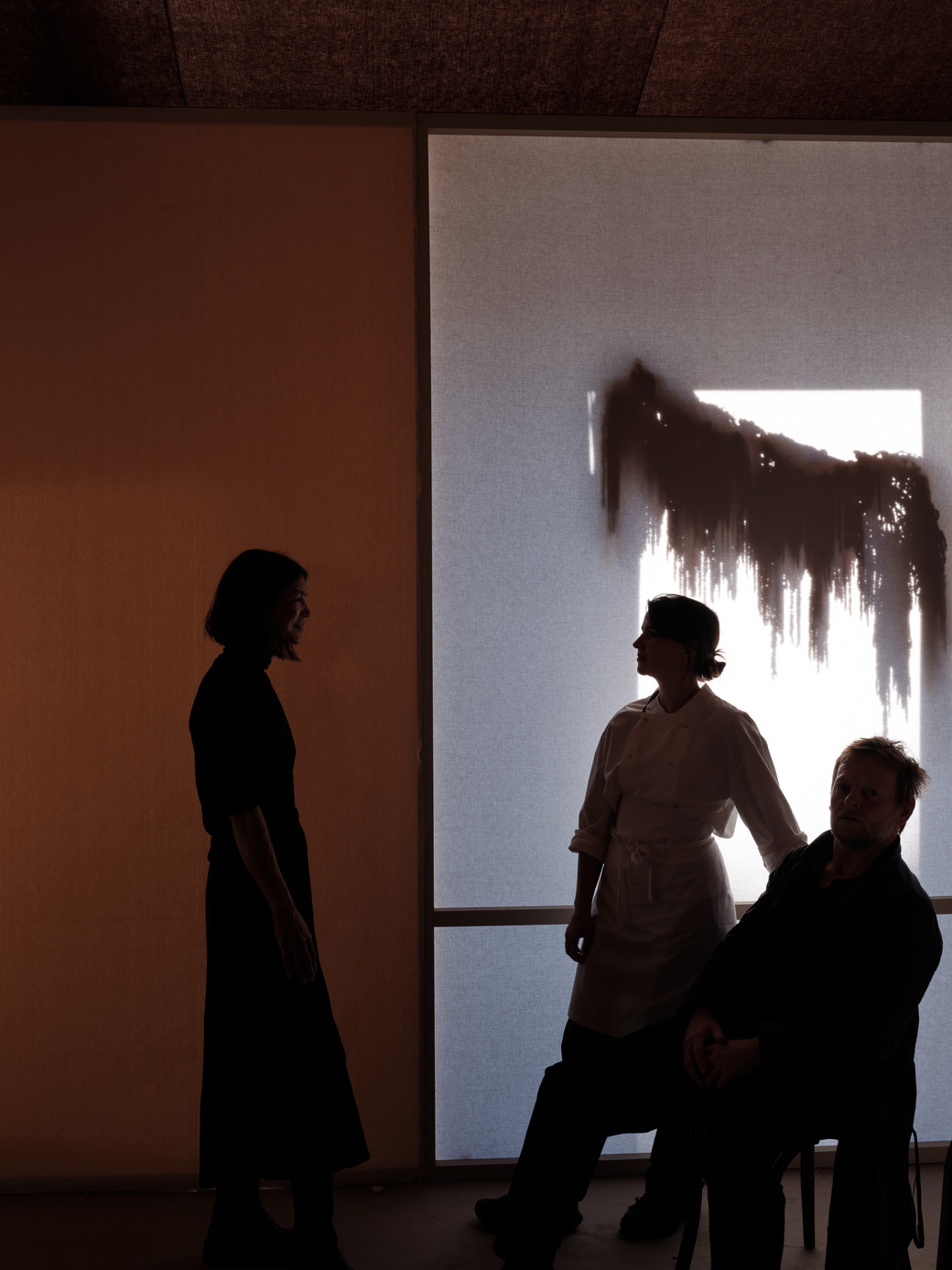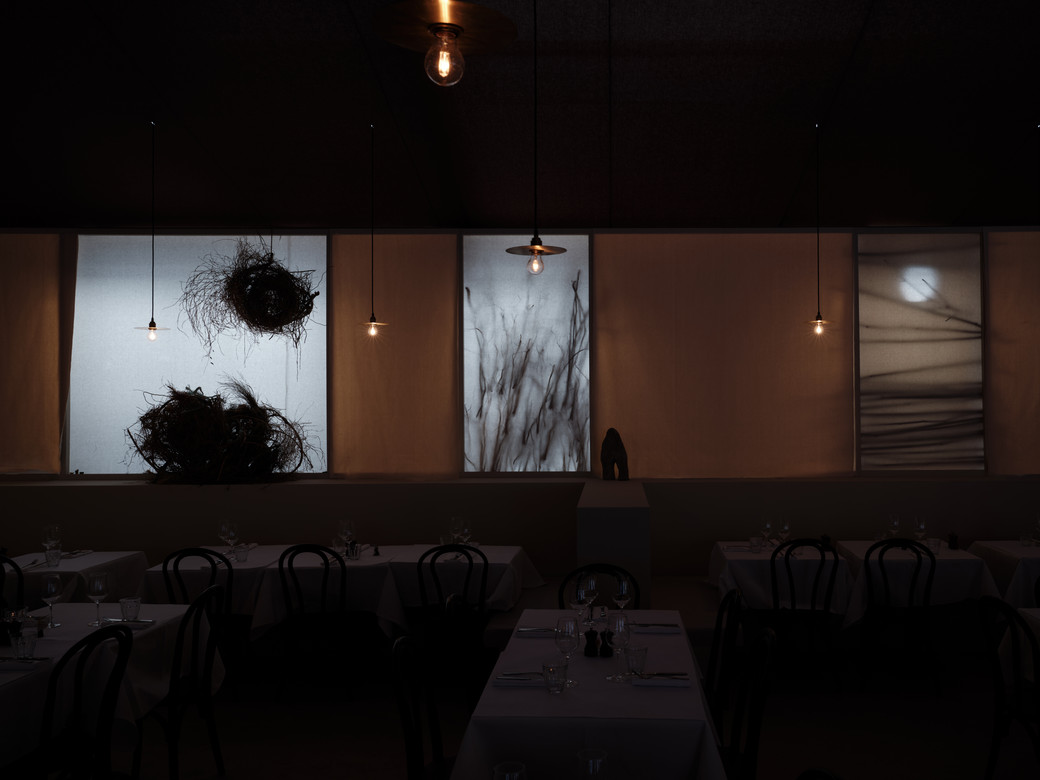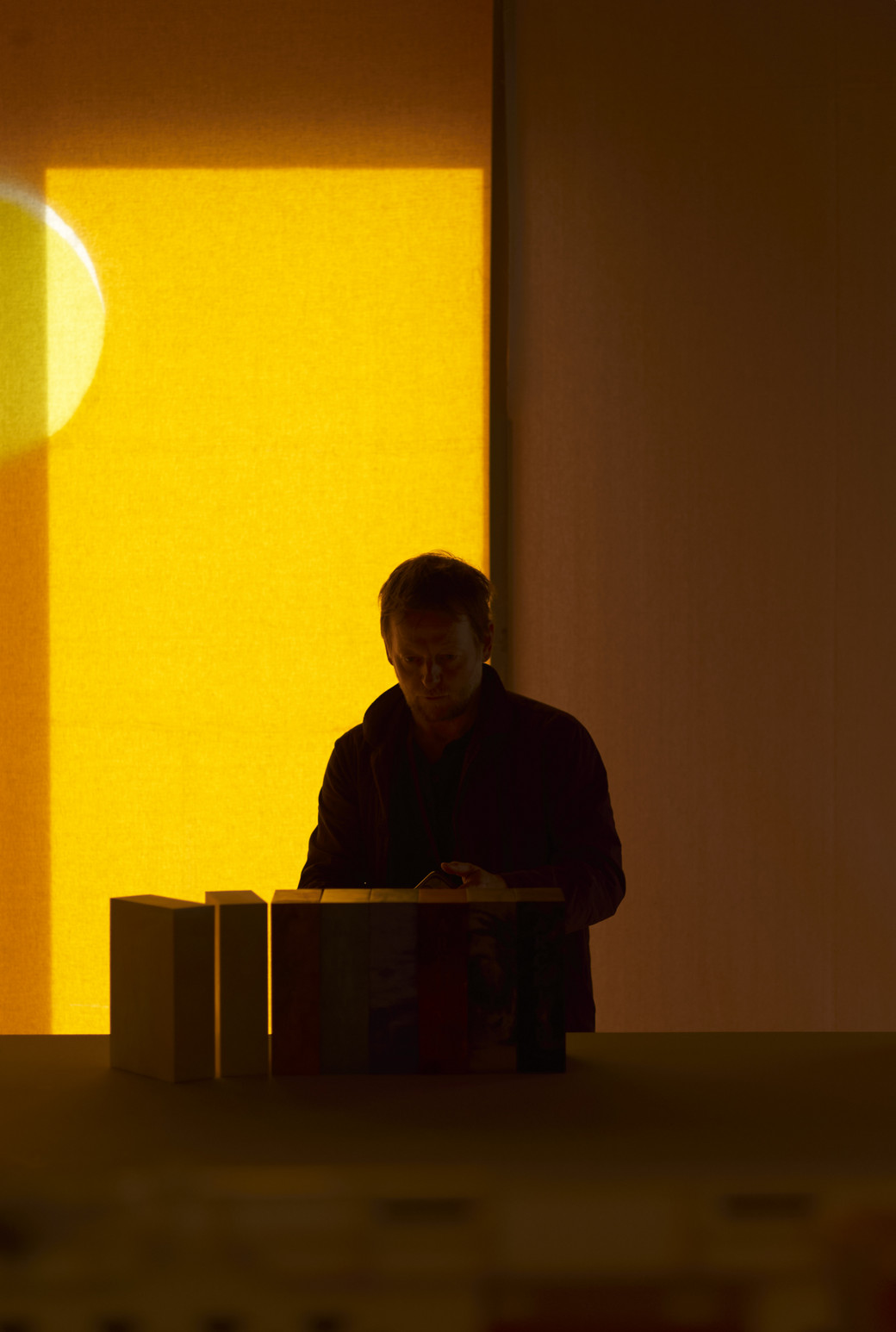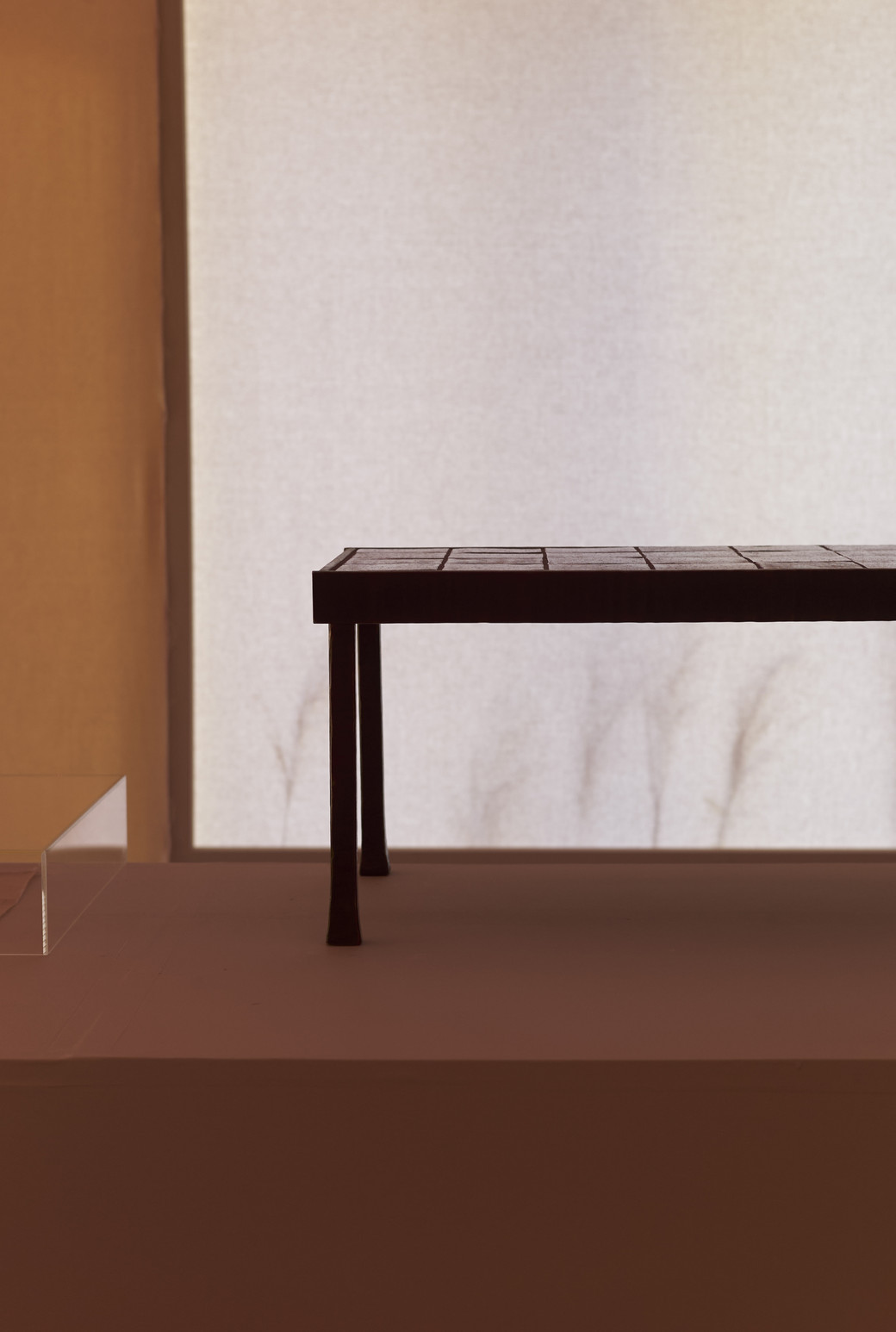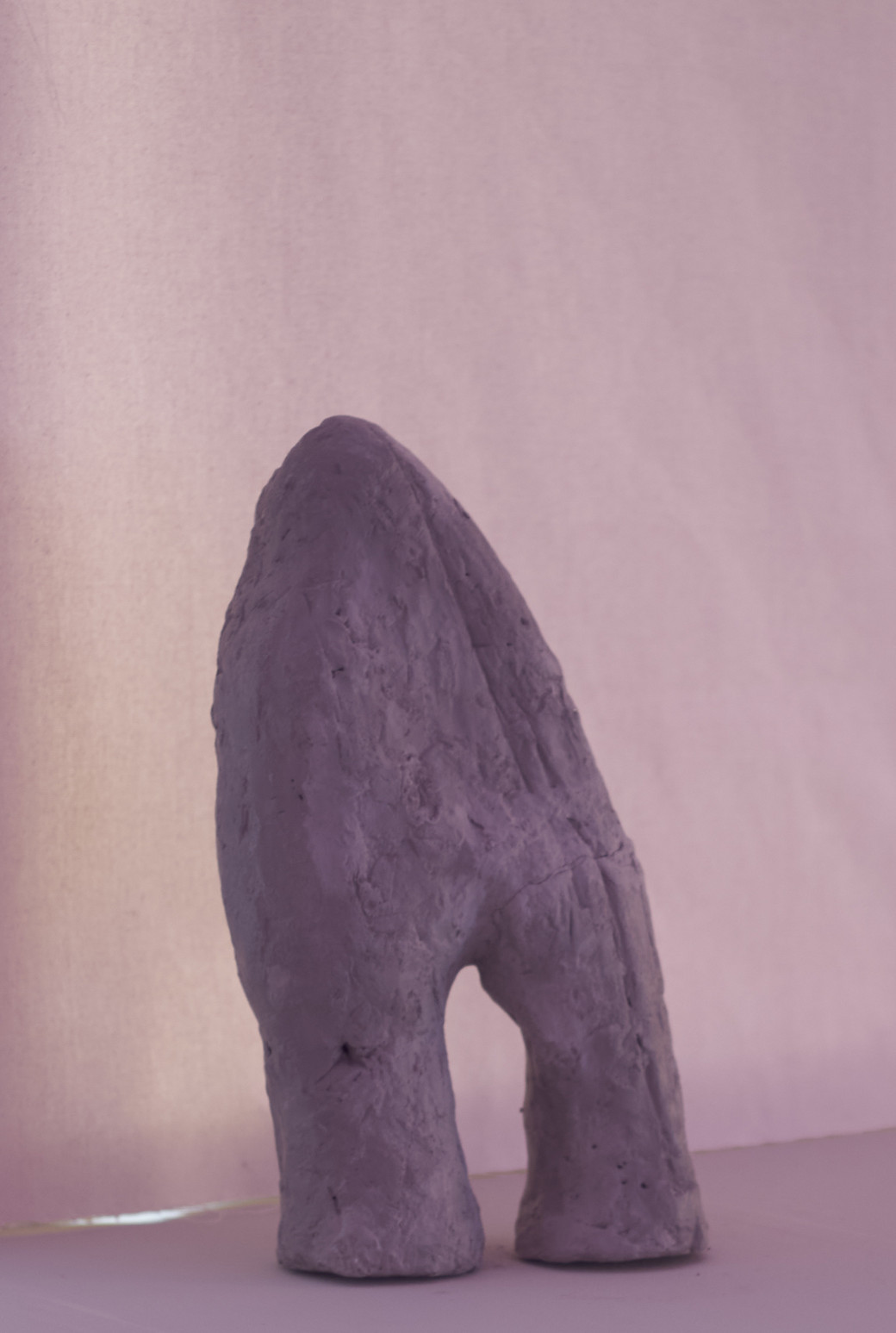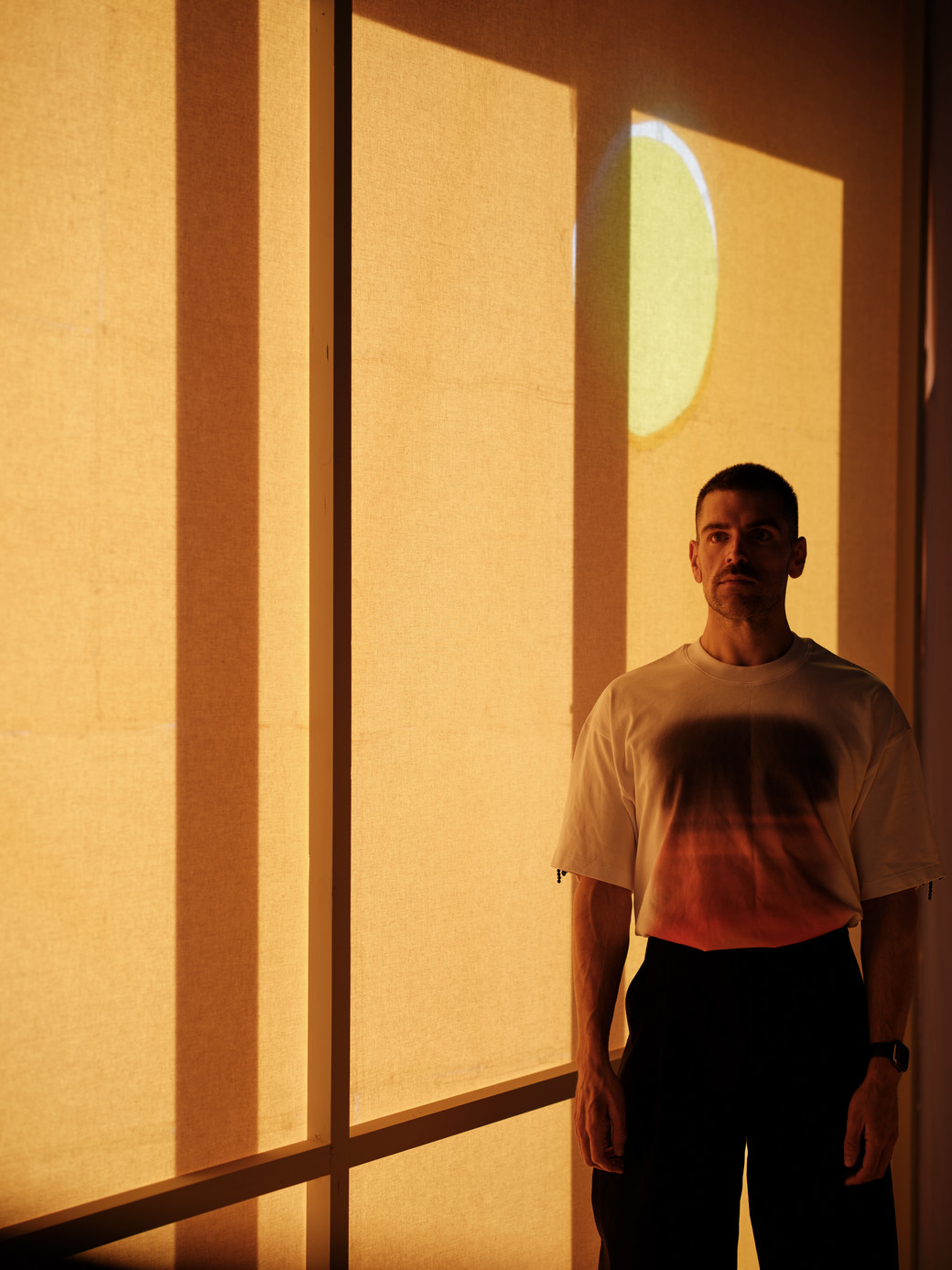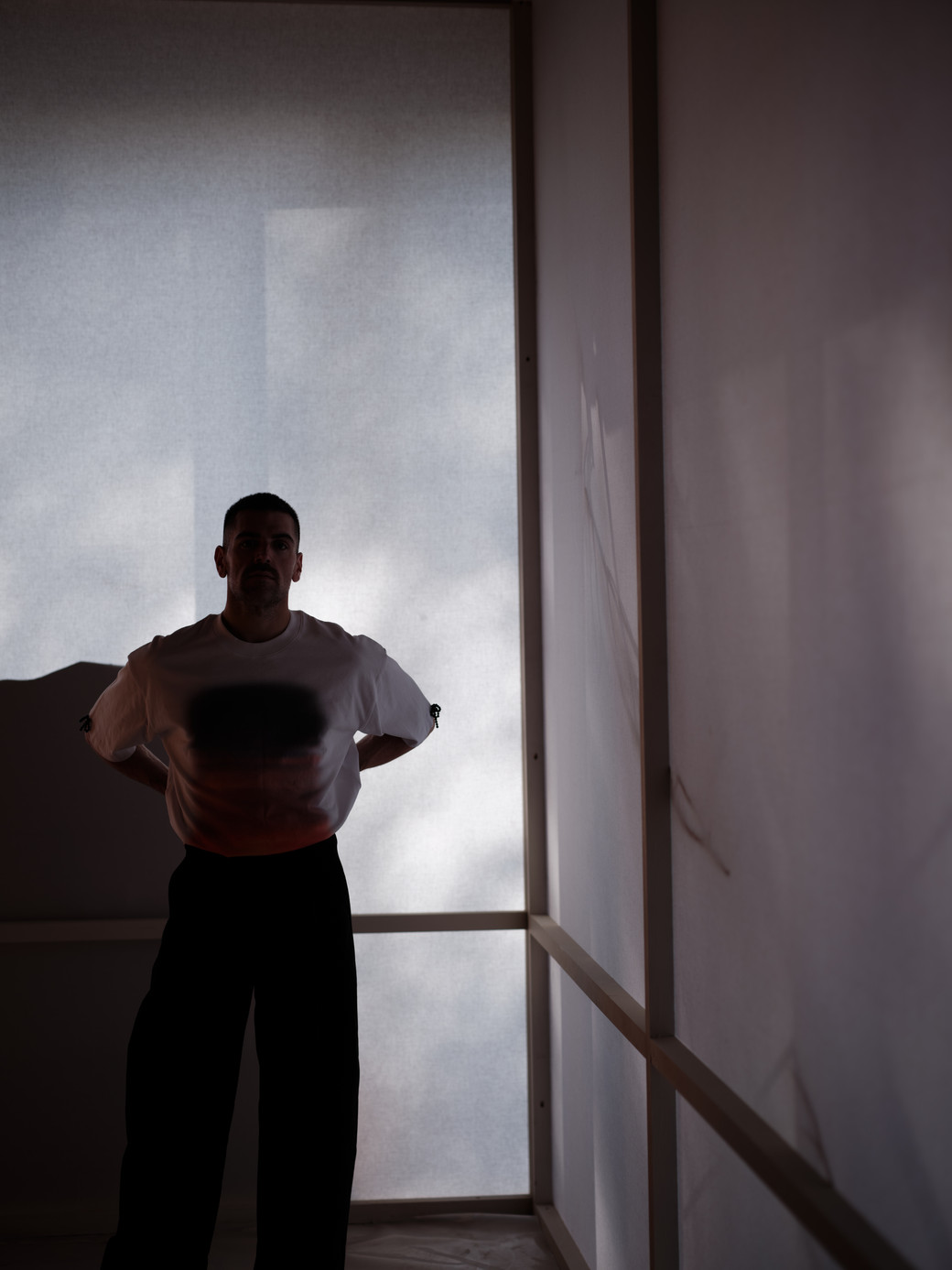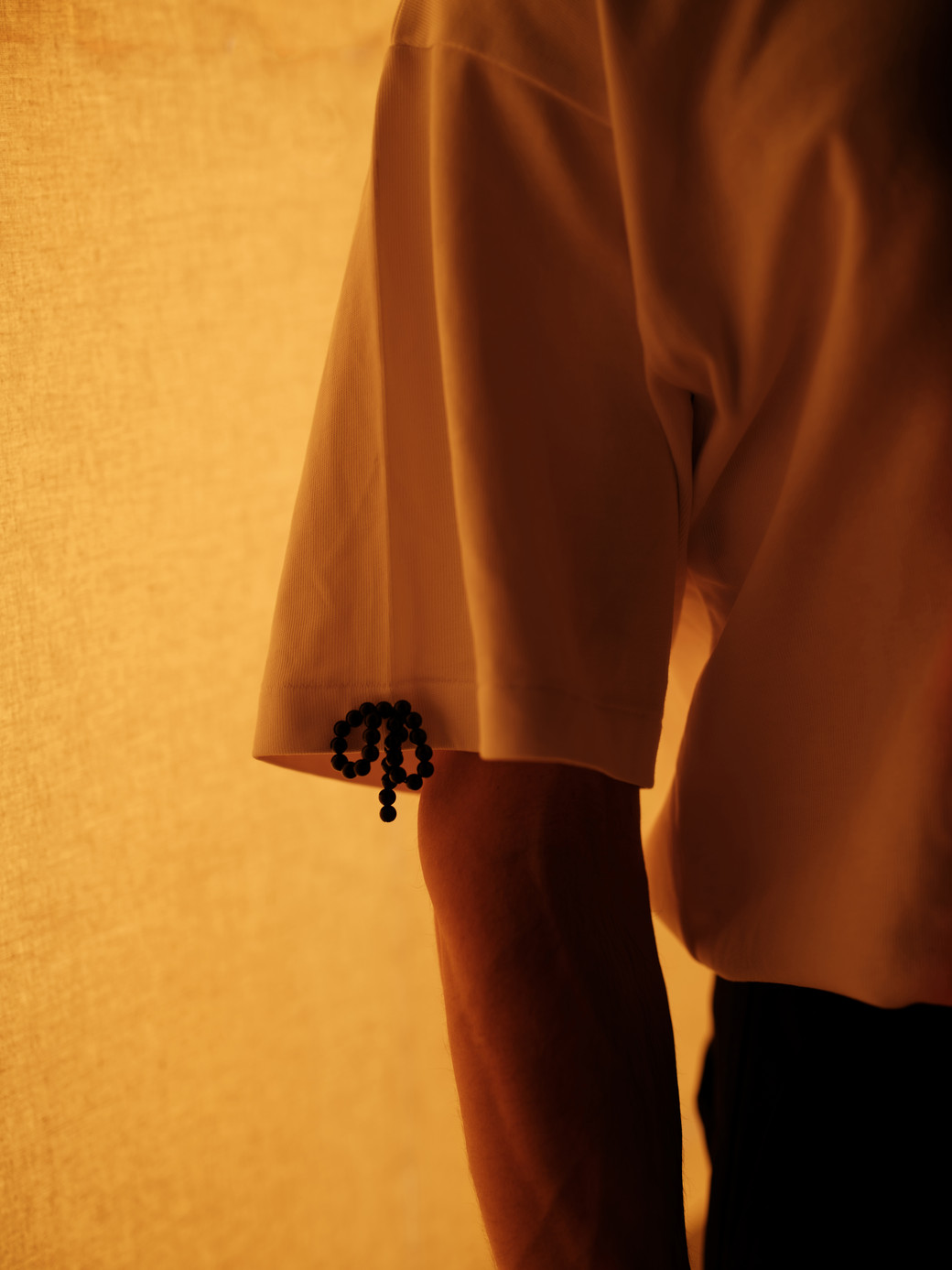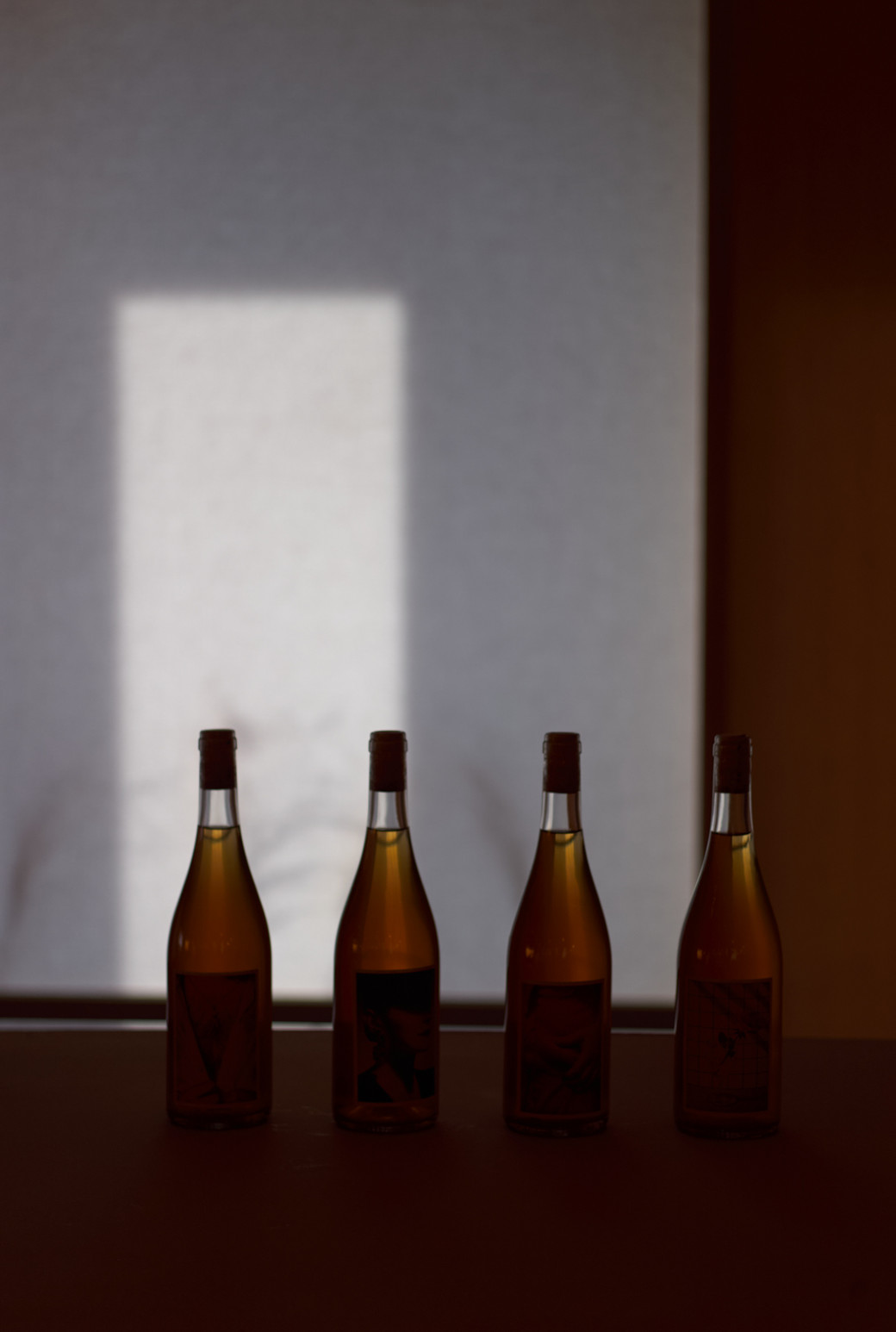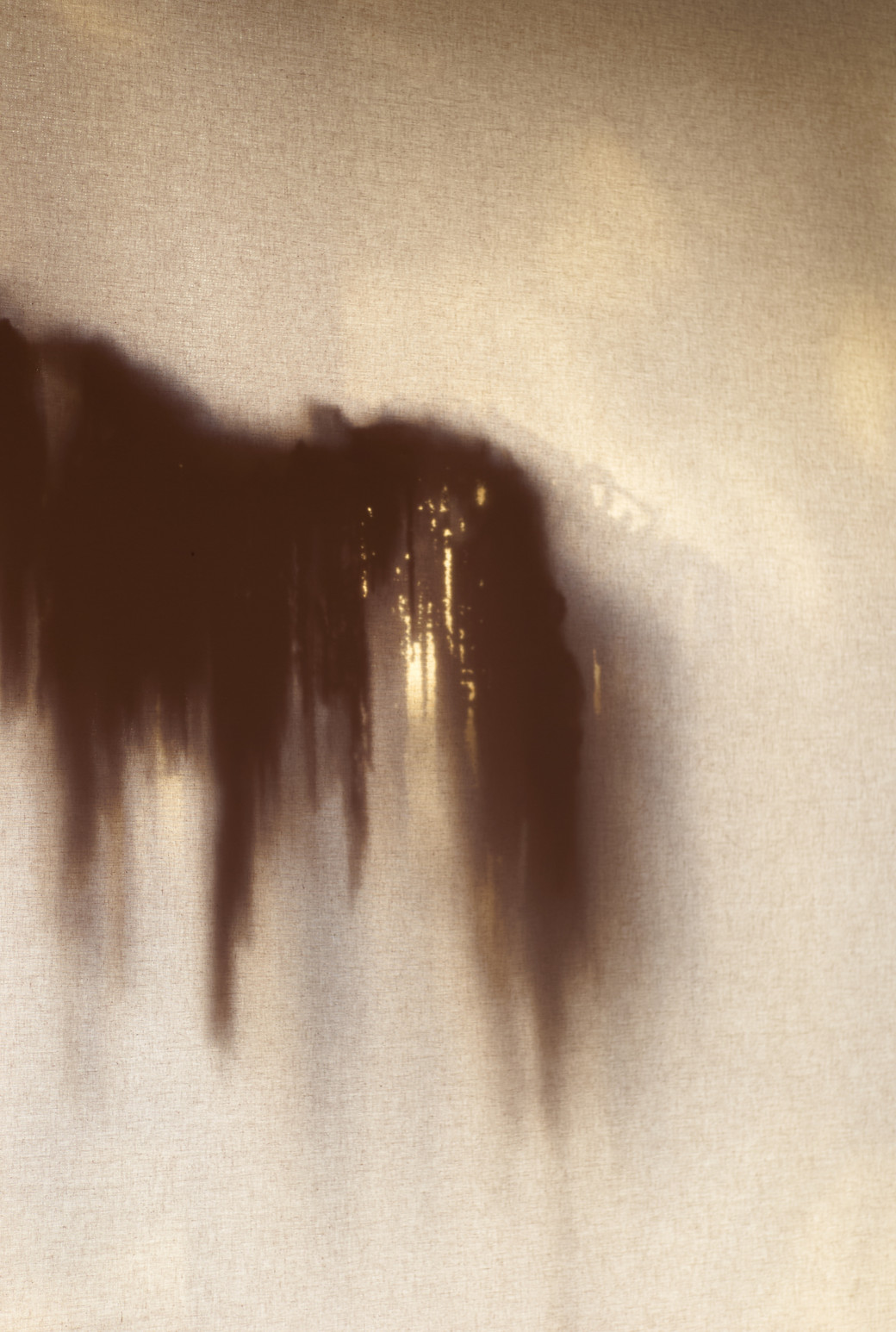







What was the starting point for Pilgrimage?
It began with a series of sunset paintings I made in the Scottish Highlands in 2015, and a book called The Way of Wyrd by Brian Bates, which explores an ancient relationship between nature, spirituality and the unseen world. Both stayed with me for years.
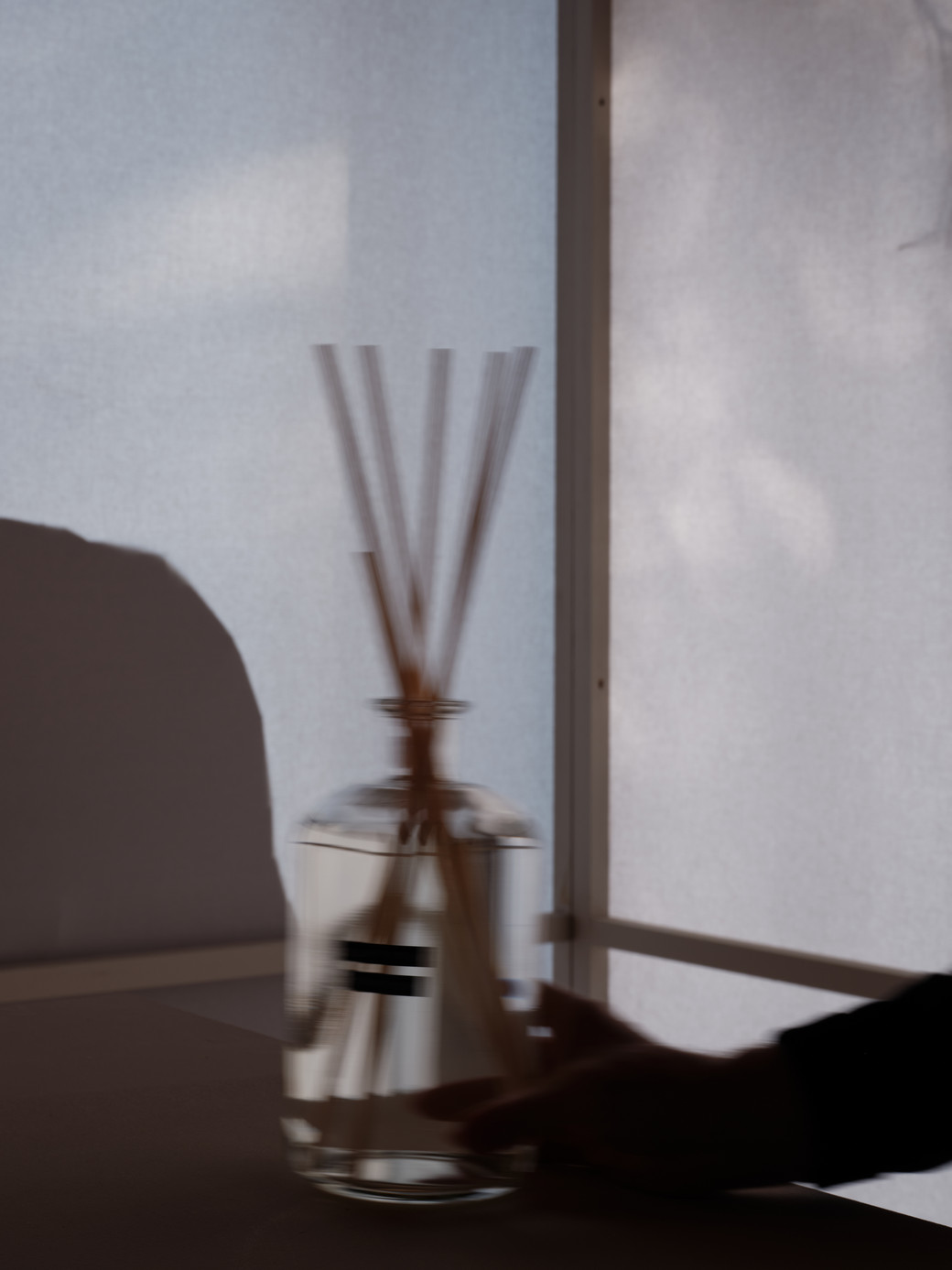
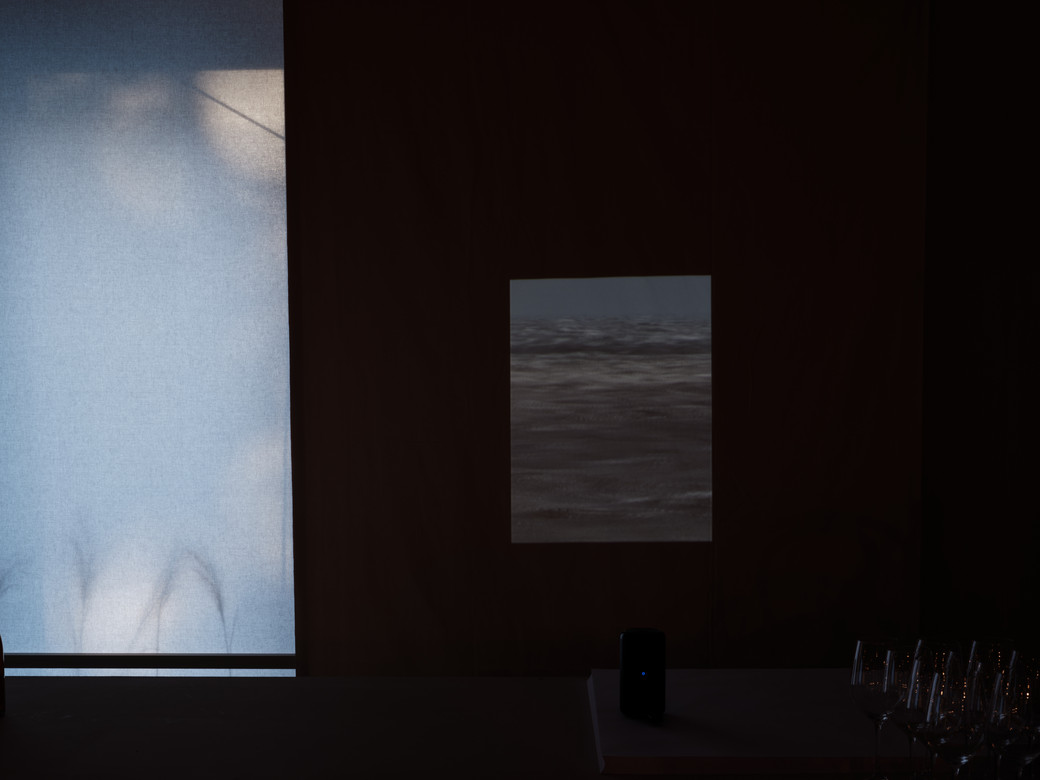
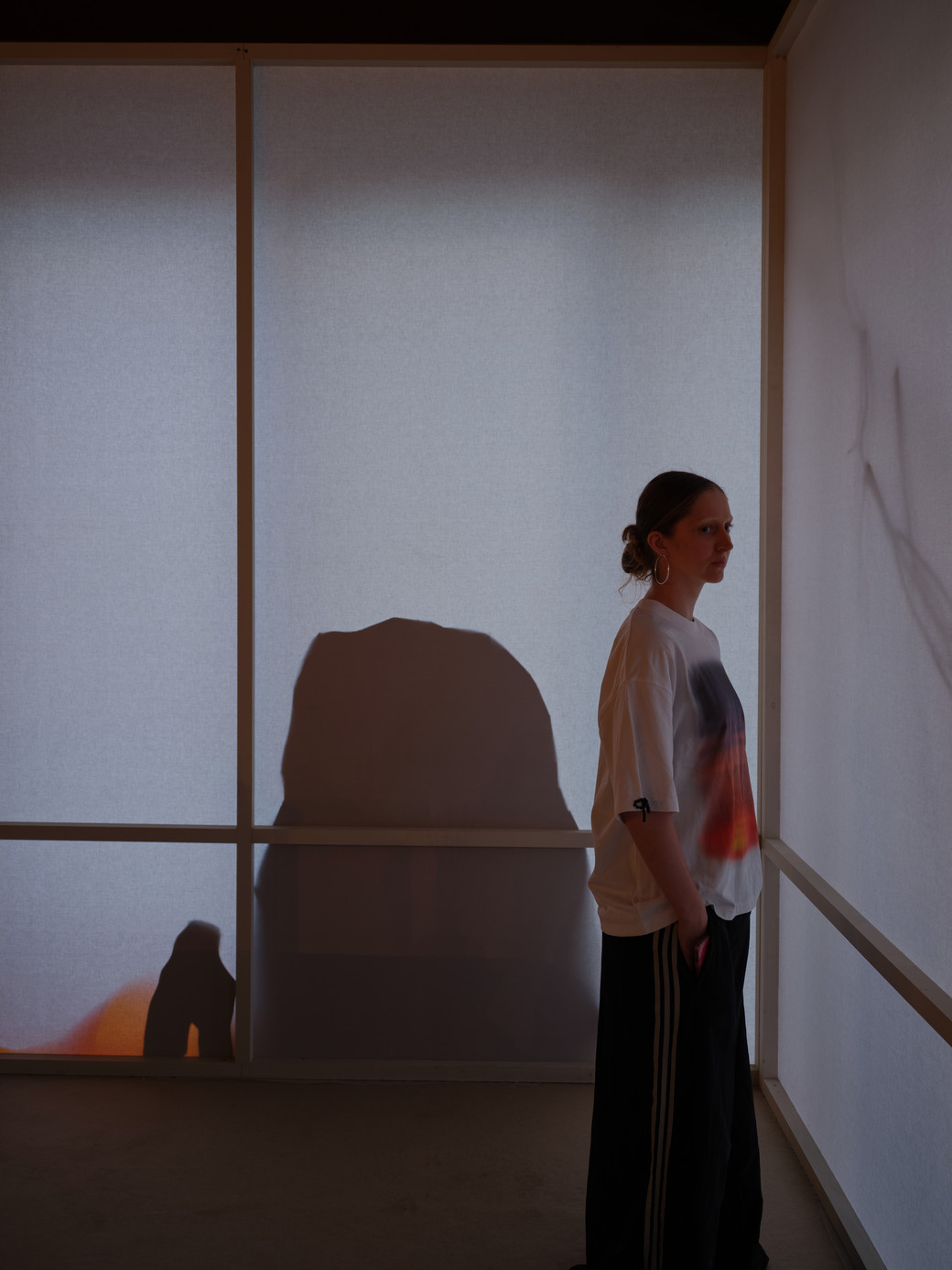
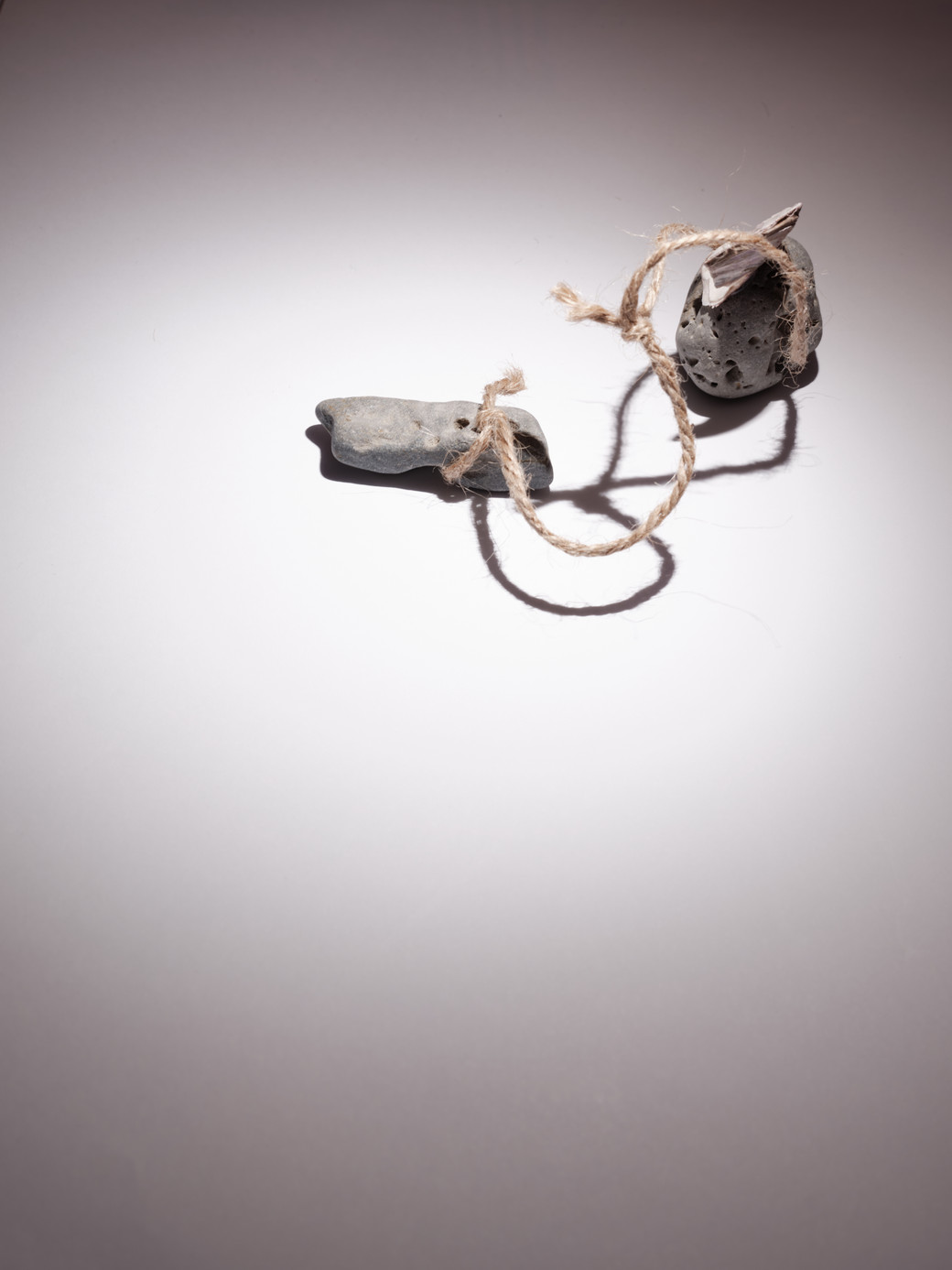
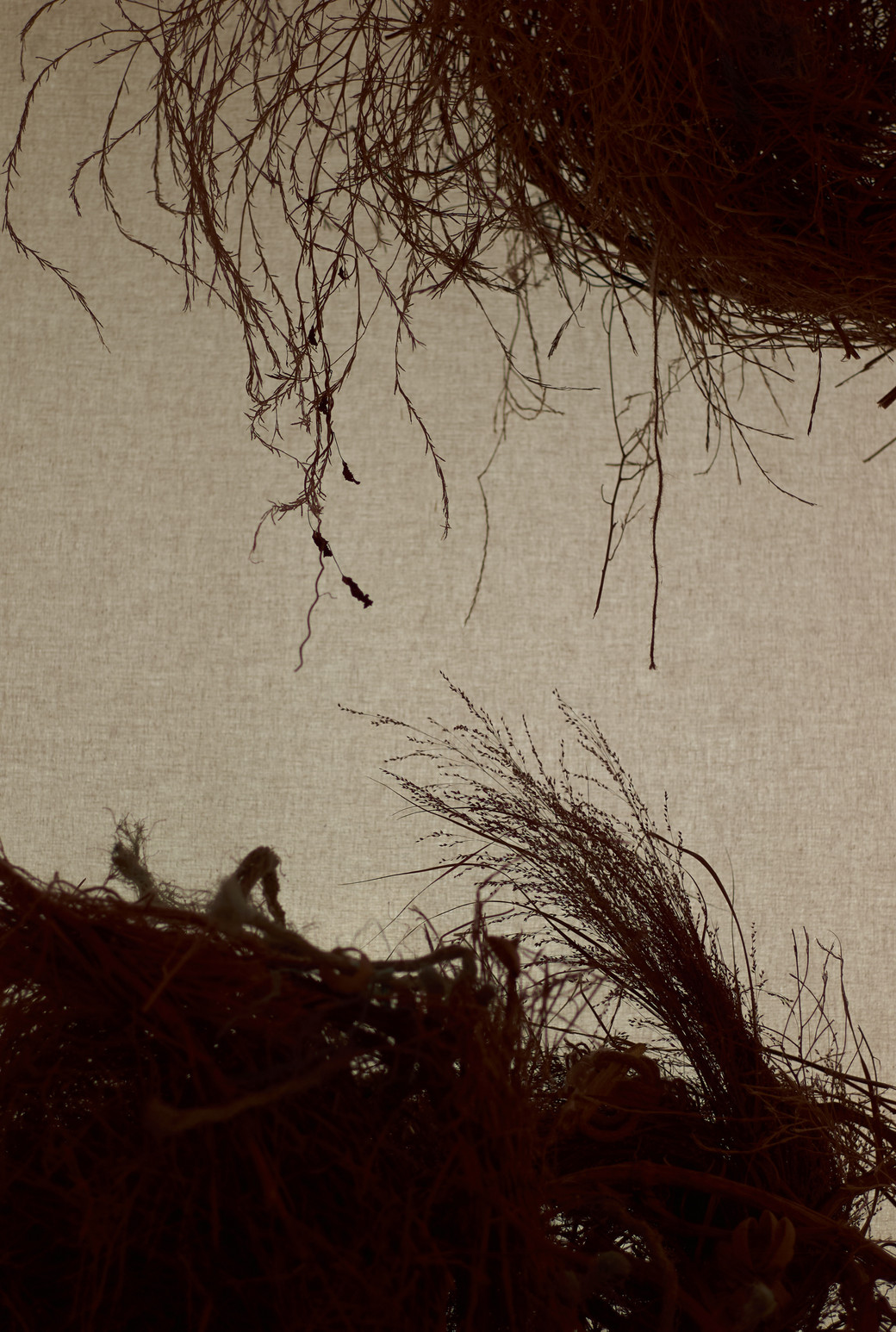
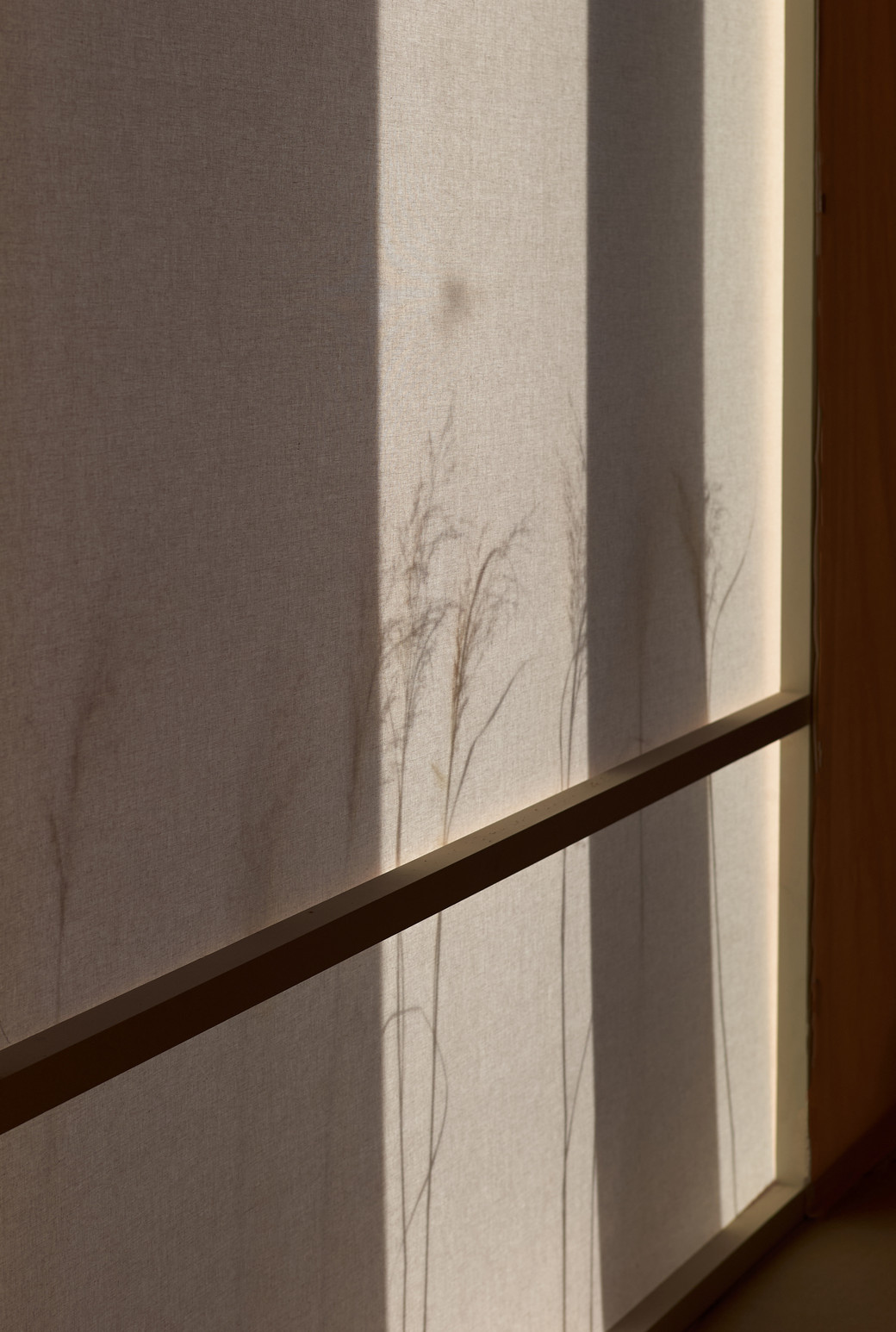
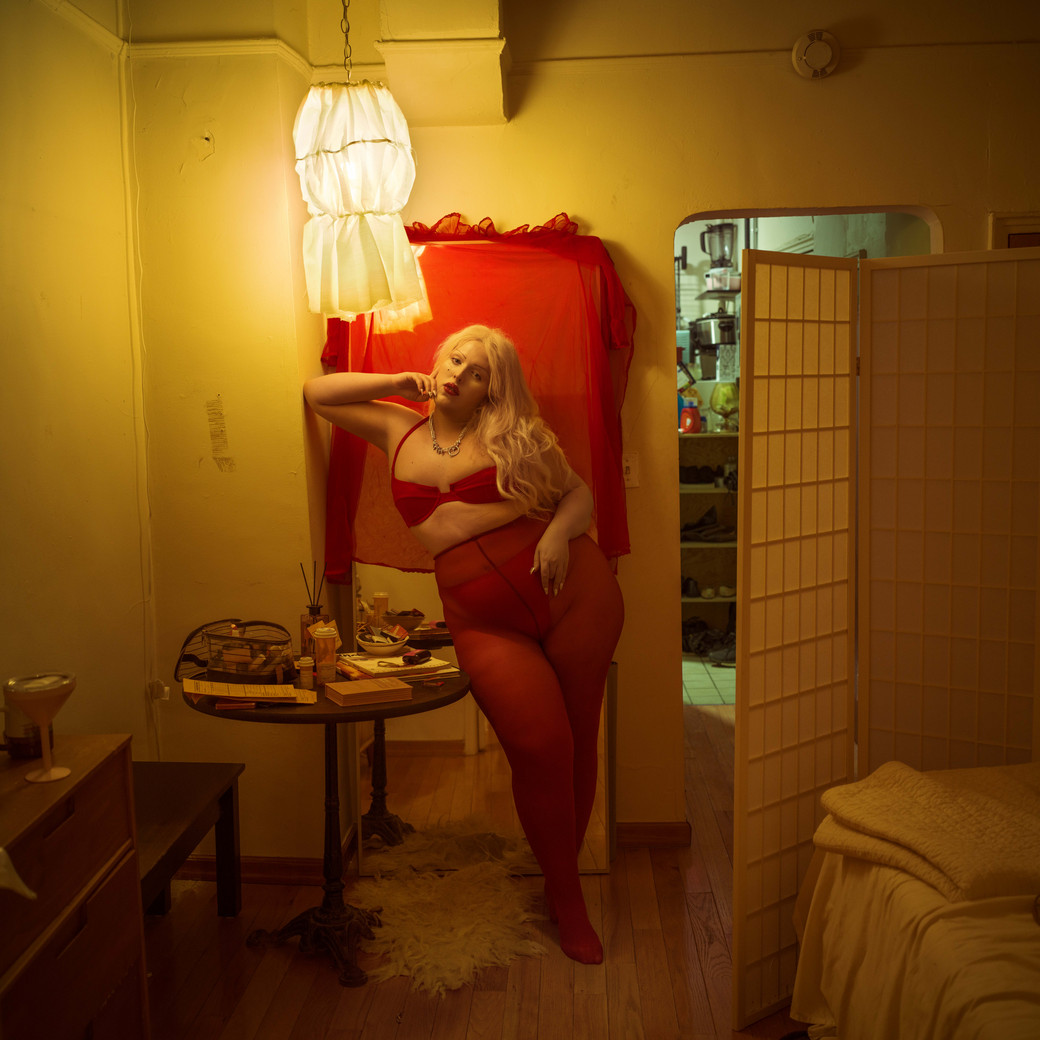
I’ve always been interested in the idea of a journey, not necessarily one with a destination, but one where the things you encounter along the way become the important part. Pilgrimage became a way of bringing together the four things that have always informed my creative life — art, food, music and supplies — and imagining them as parts of the same landscape.
With the space only being on view for five days, how did impermanence come into play when imagining this project?
At My first ever show in London at Hotel Gallery in 2004, I slept and drew on the walls of the gallery with a pencil for 1 month. There was nothing to buy.
I like things that exist very briefly and yet leave an impression. In many ways, that feels more natural to me than making something permanent.
A restaurant is already a temporary experience. You arrive, you eat, you talk, you leave. The room might remain, but that particular collection of people and moments will never happen again.
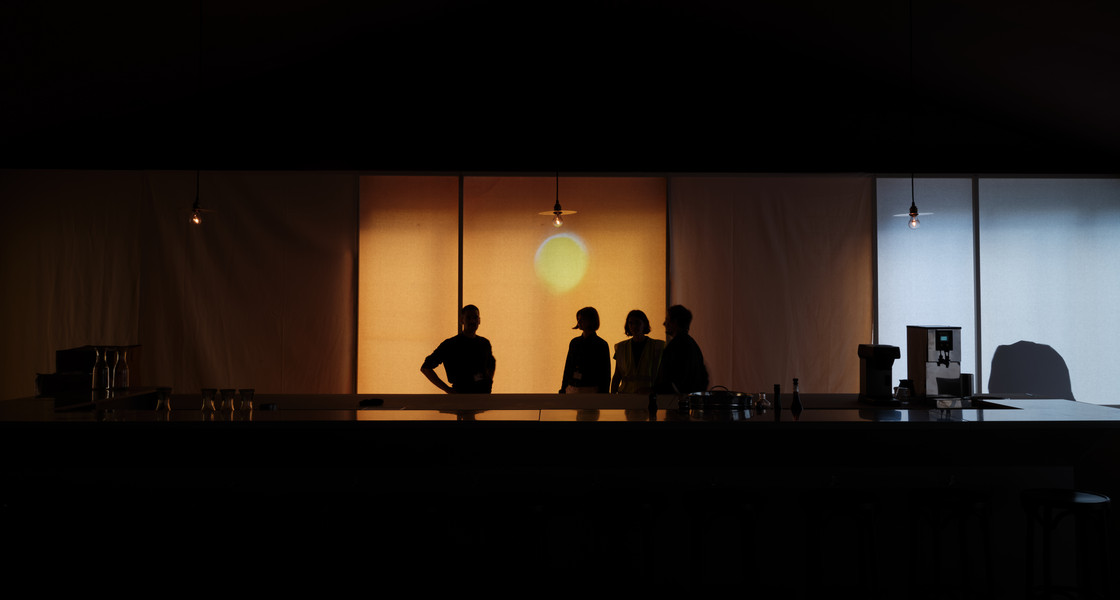
With Pilgrimage embraces that. To build a world that exists for five days and then disappears. There’s something romantic about the amount of work and love that goes into making something so fleeting.
How did your experience trekking and painting the Scottish Highlands impact this work?
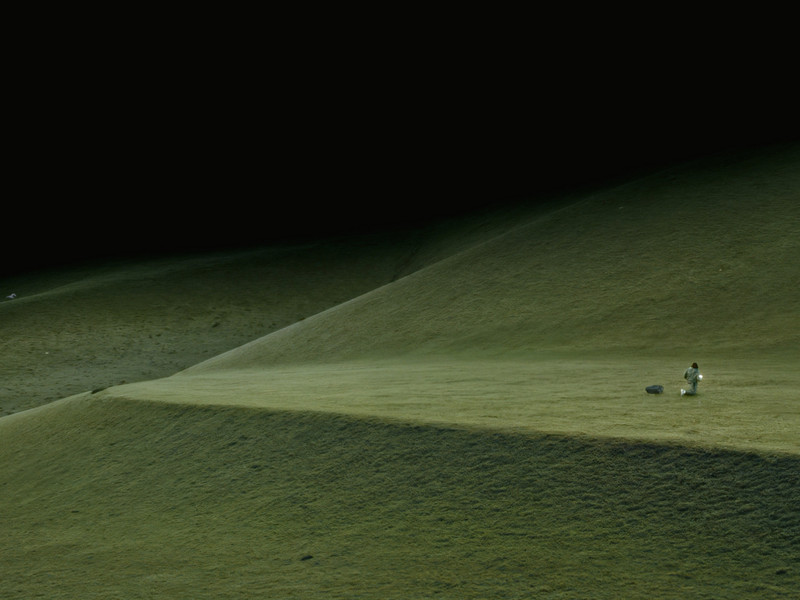
The Highlands have always had quite a profound effect on me. There’s something about being alone in that landscape, the scale of it, the silence, the weather changing around you.
The paintings or marks are less about capturing a particular view and more about a recording of a moment.
I think that experience sits at the heart of Pilgrimage. The simple notion that movement through landscape can change your state of mind, that you find something spiritual in very ordinary things.