For Lovers
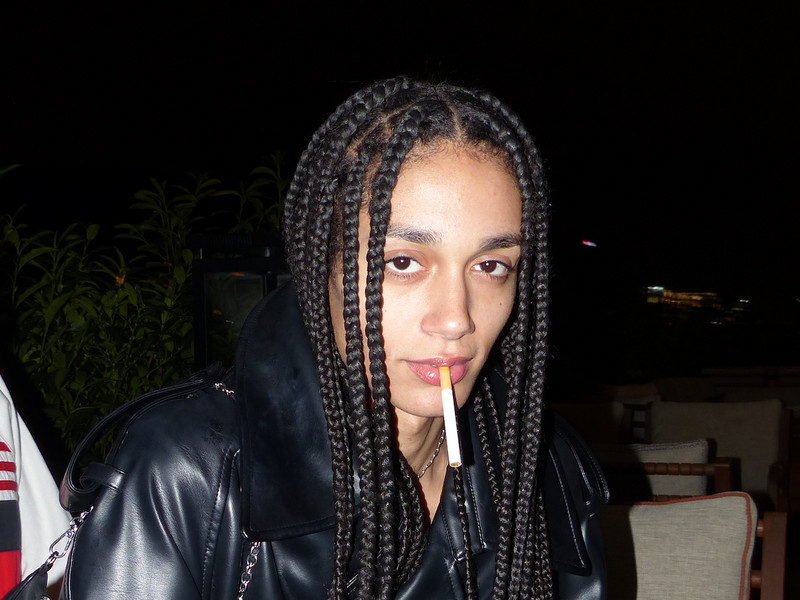
Lamar is a muse for the ages, a lens through which we can explore the love within both our hearts and others'.
Check out the video and photos below.
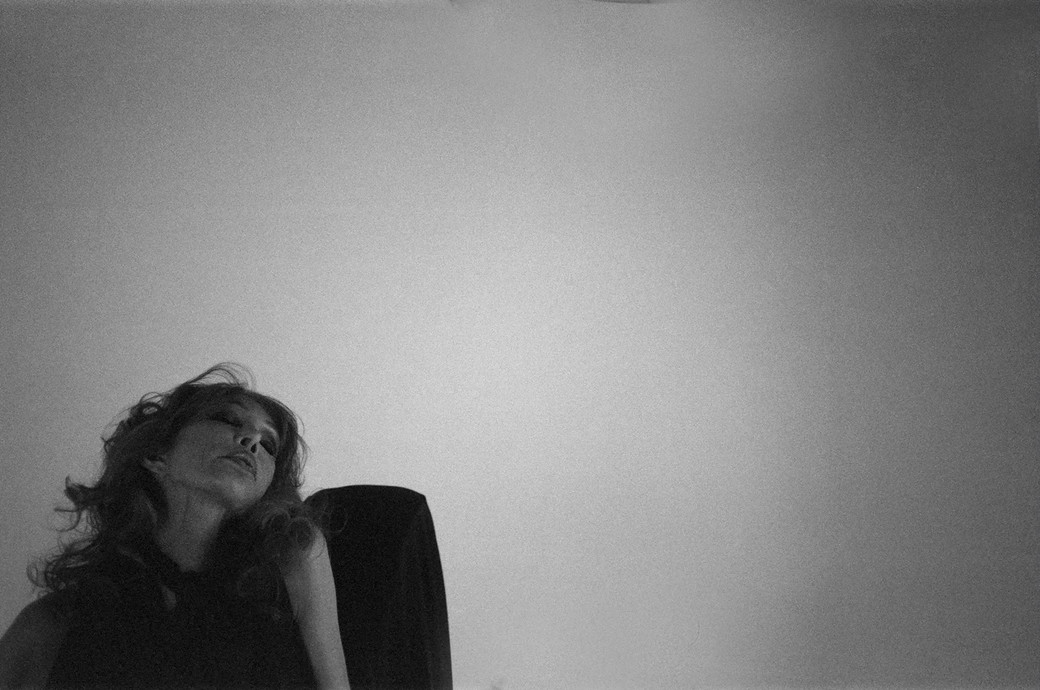
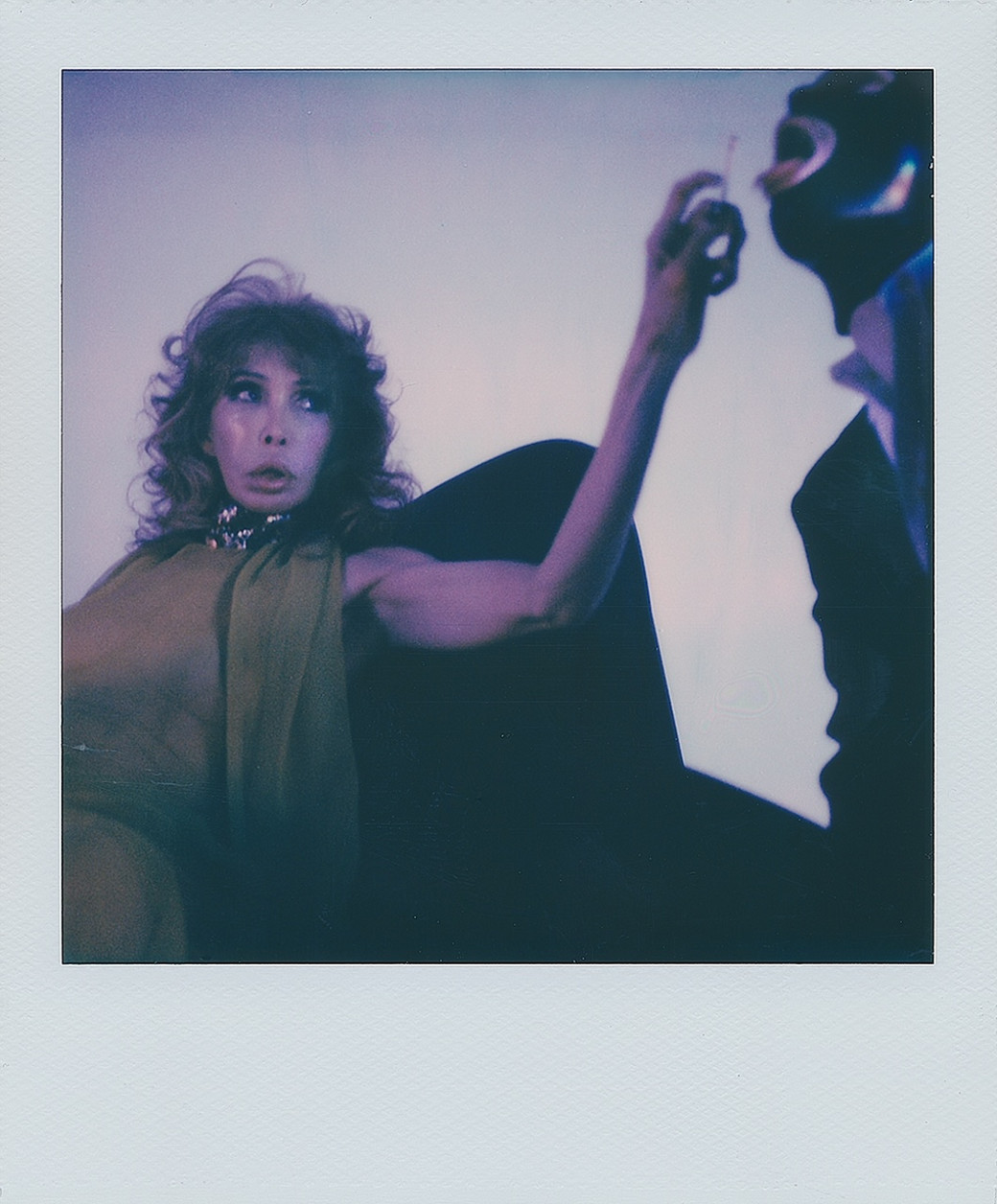
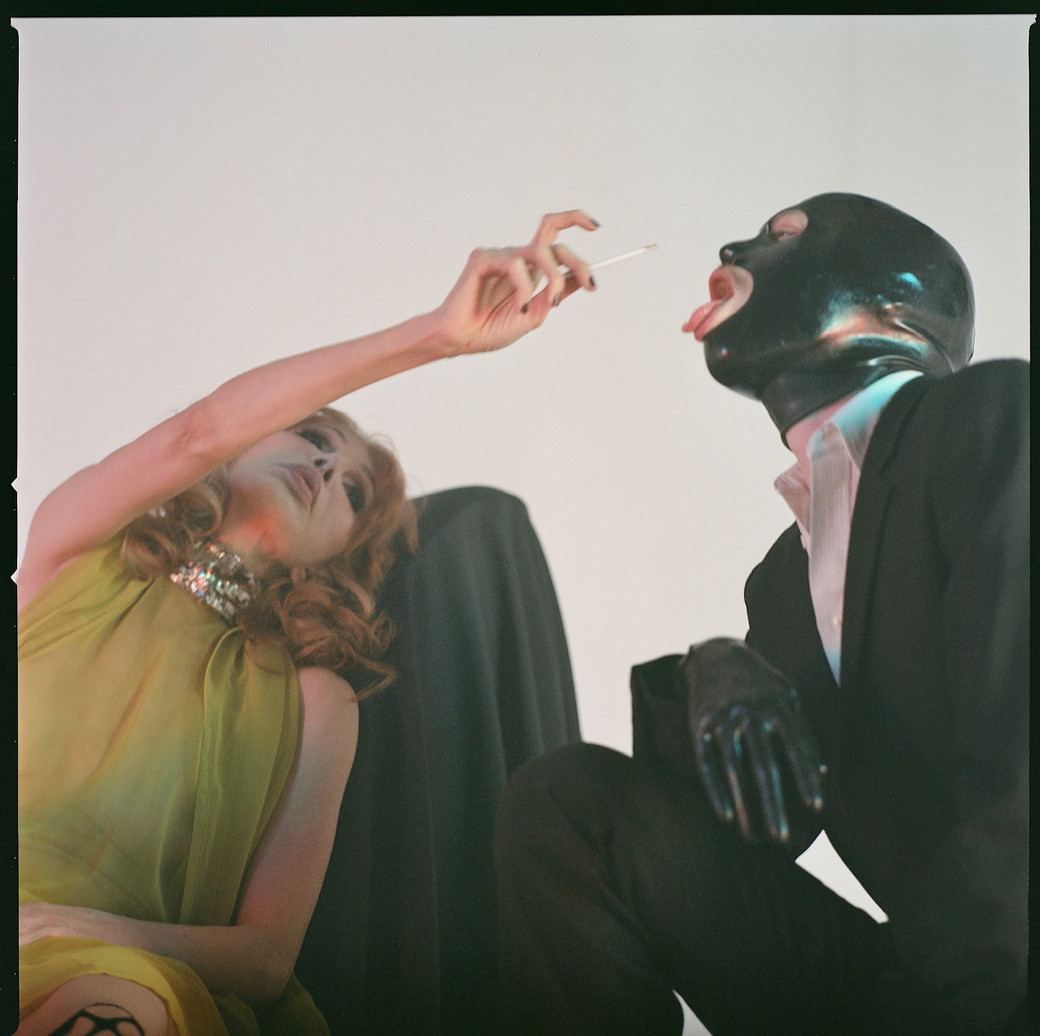
Lamar is a muse for the ages, a lens through which we can explore the love within both our hearts and others'.
Check out the video and photos below.

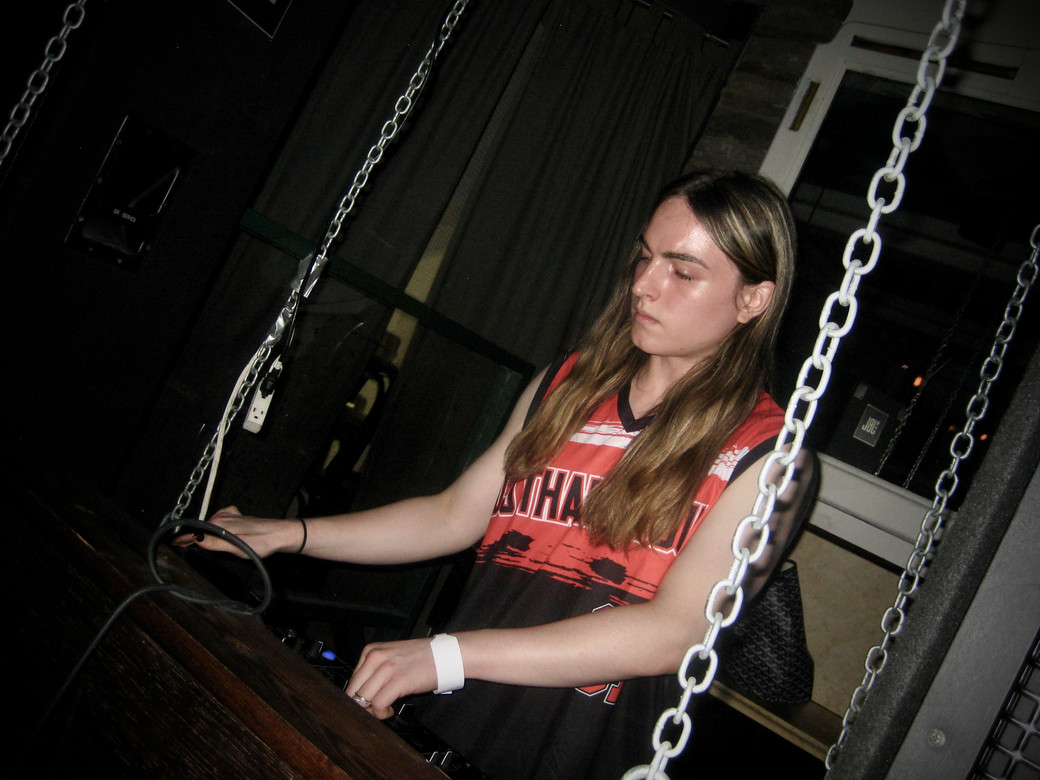
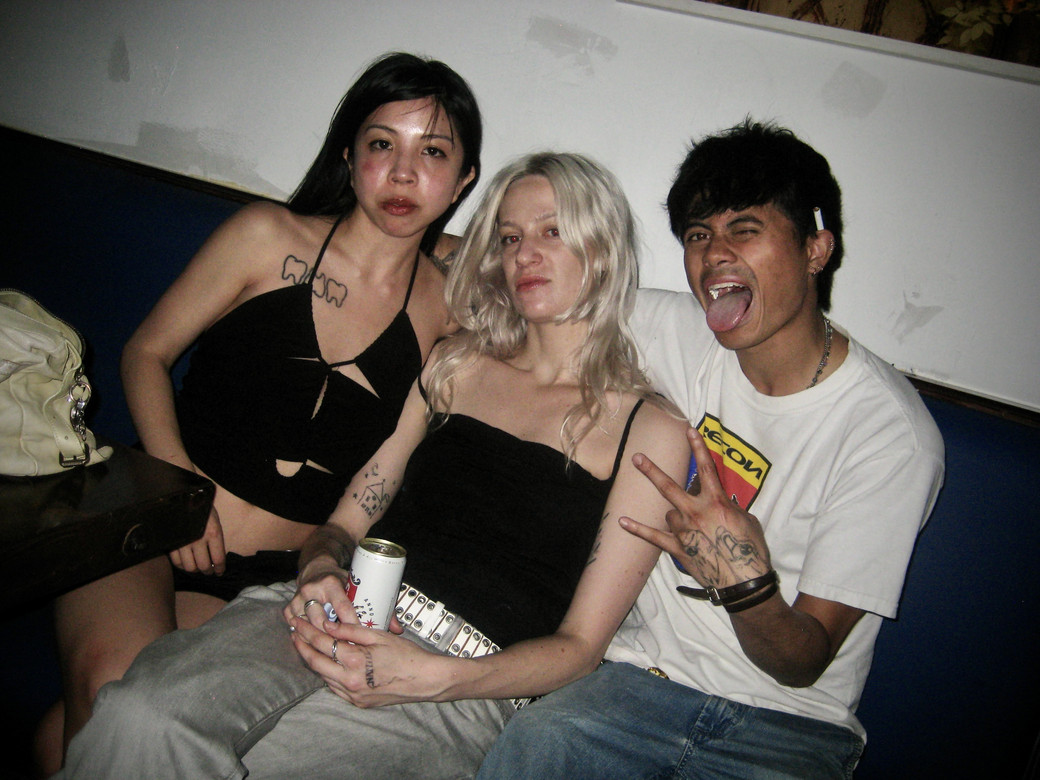
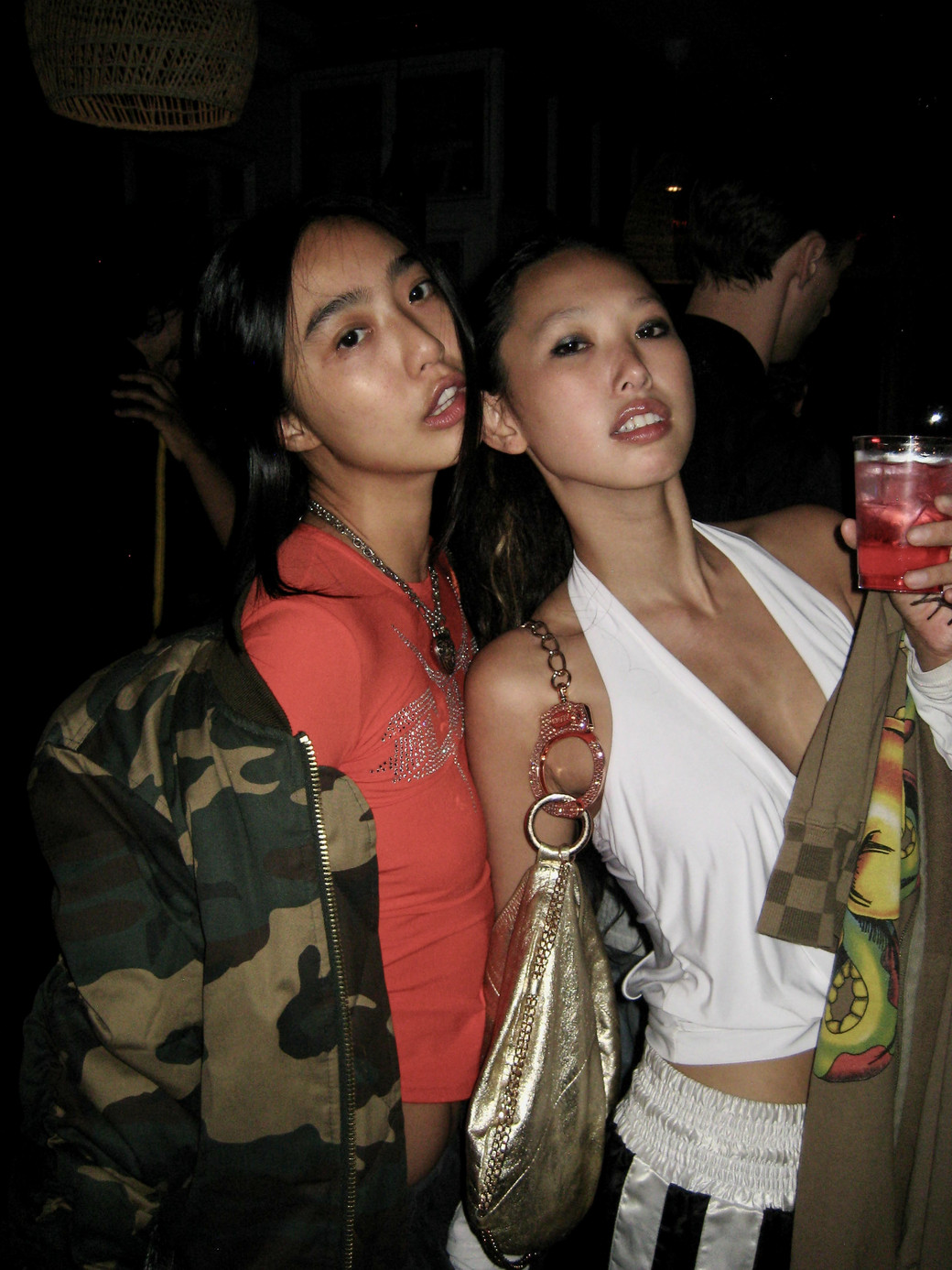
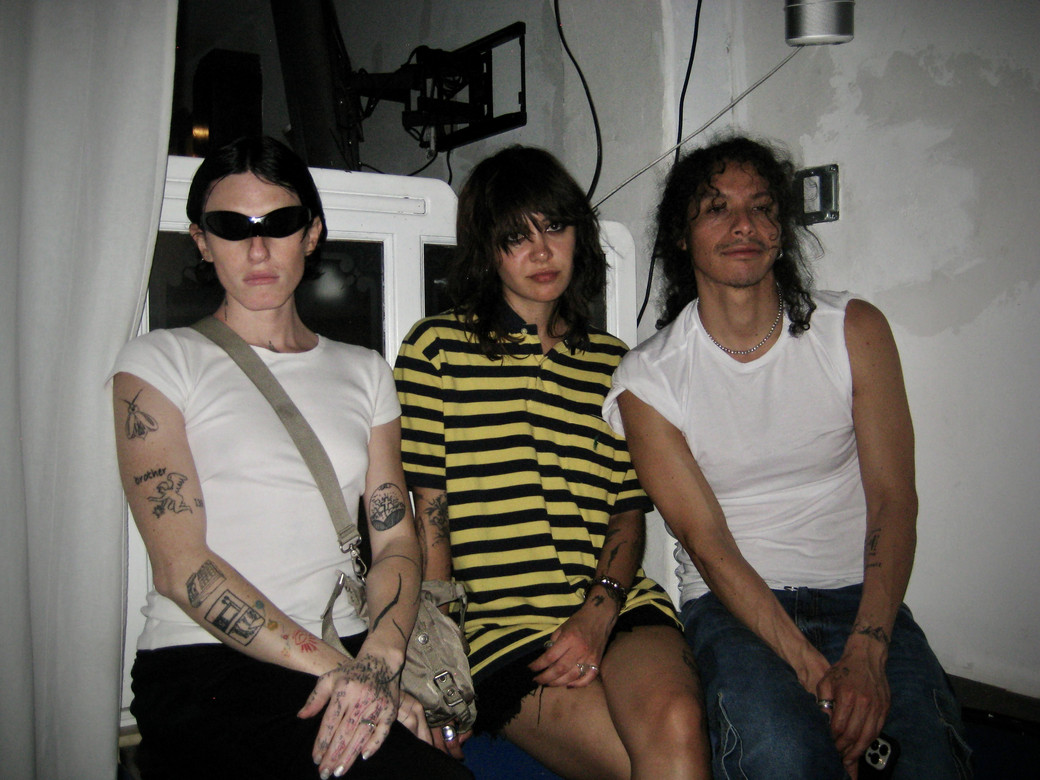
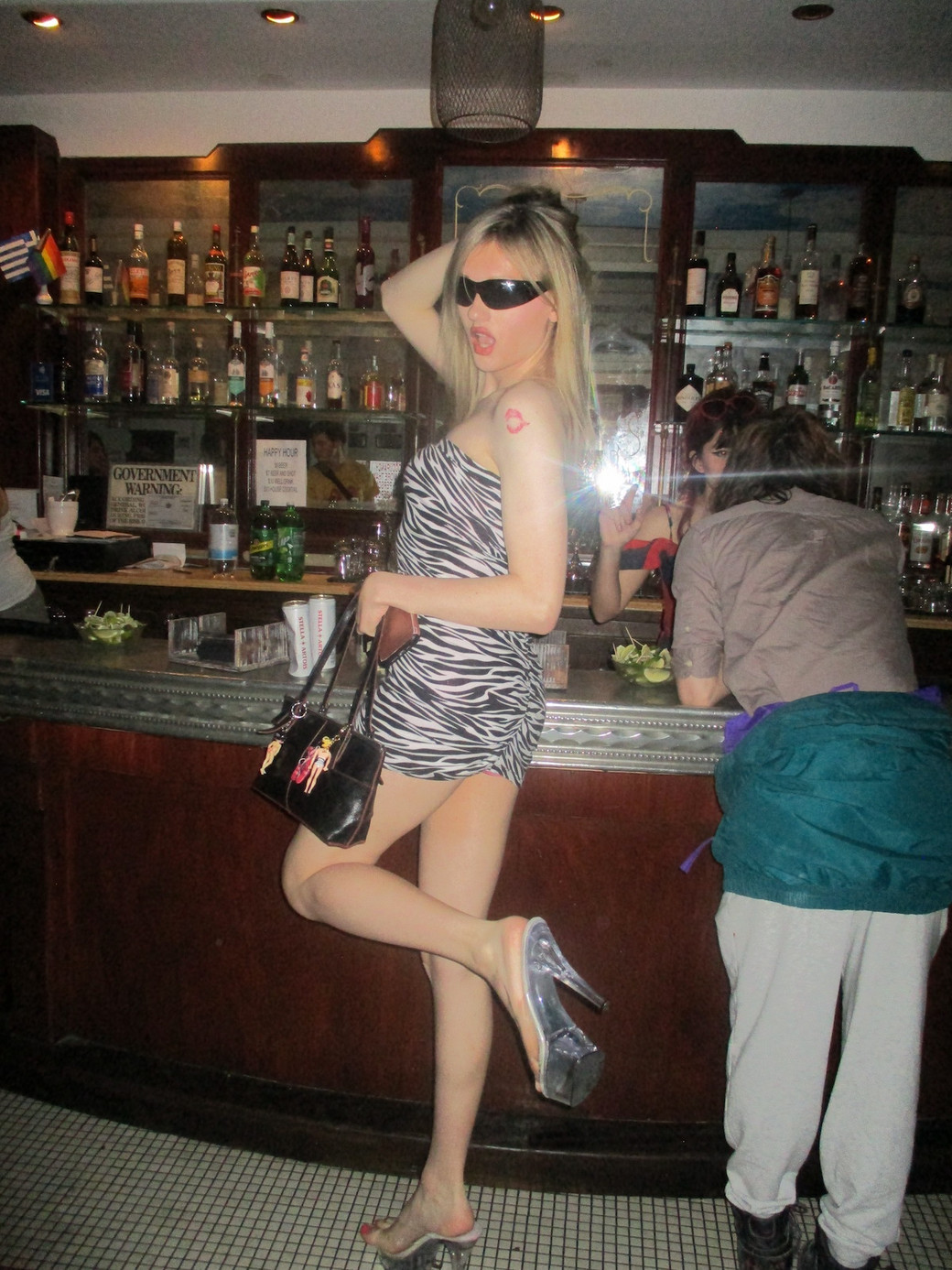
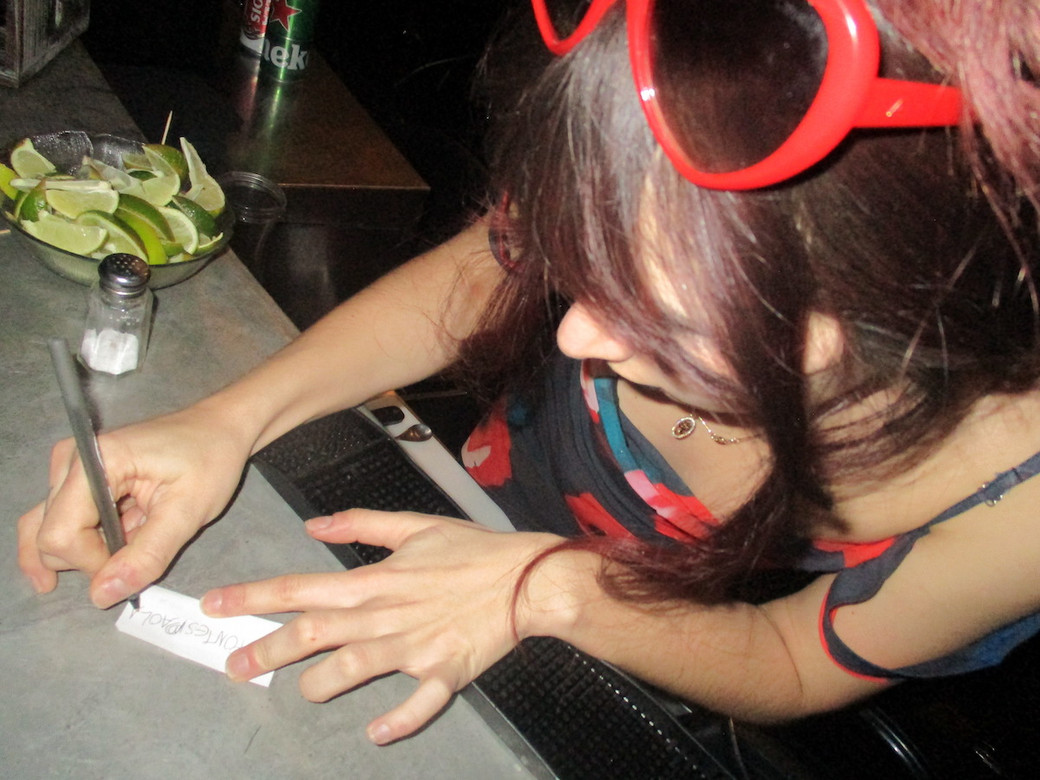
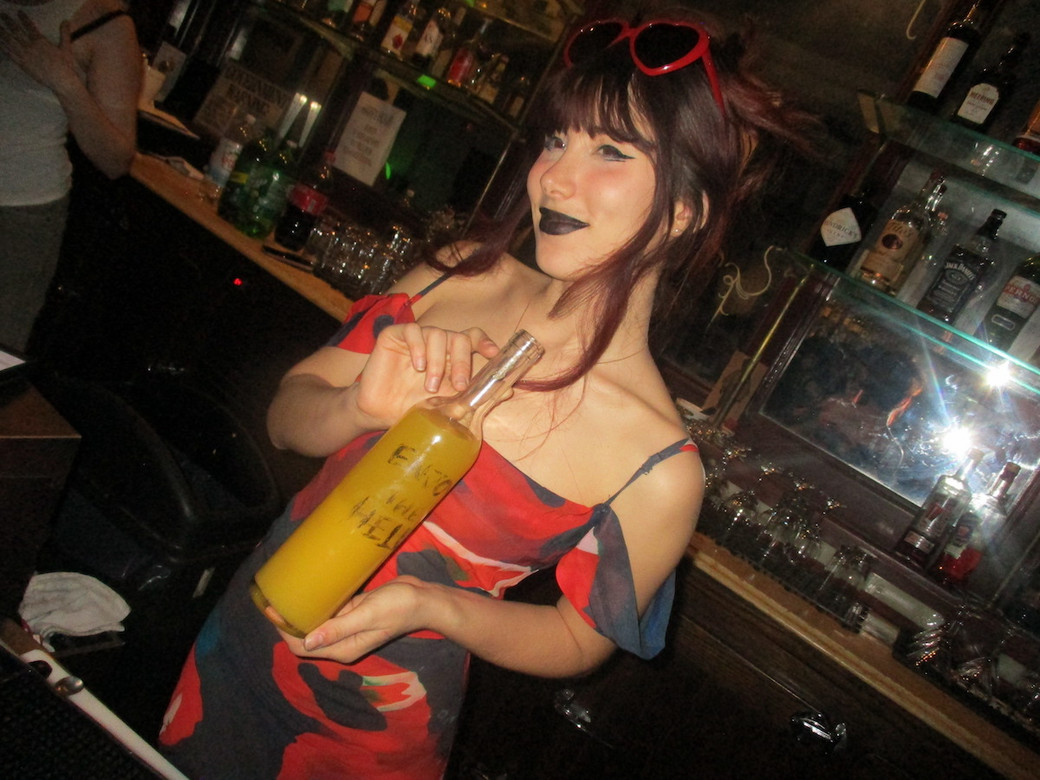
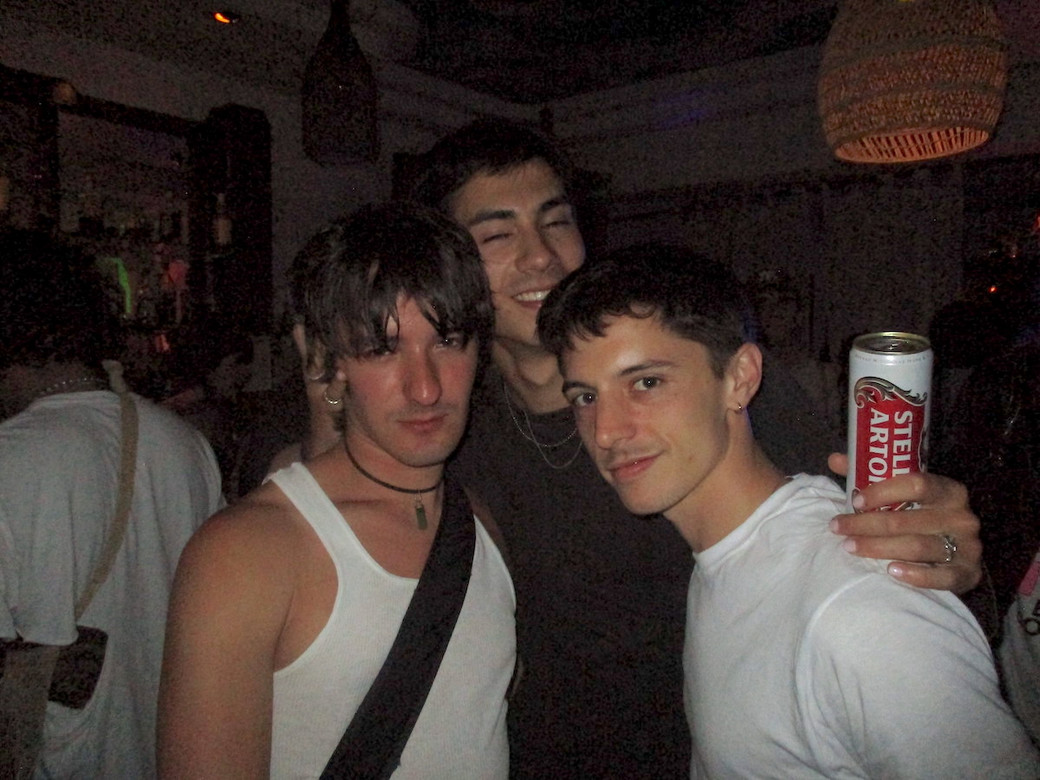
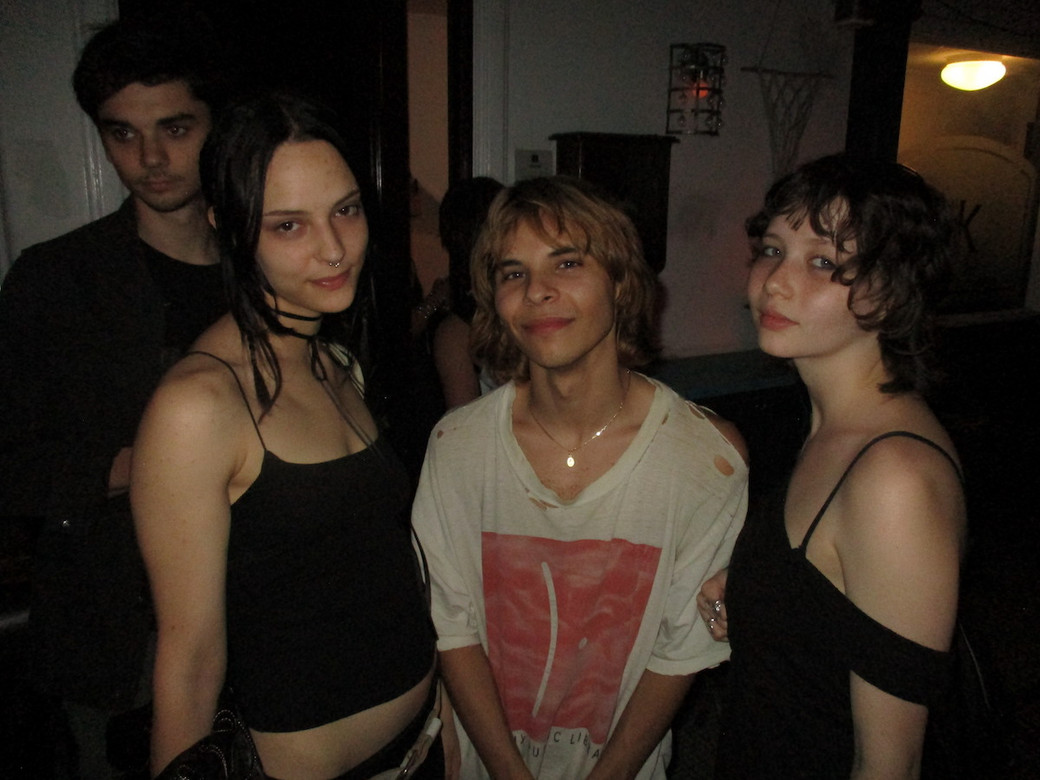
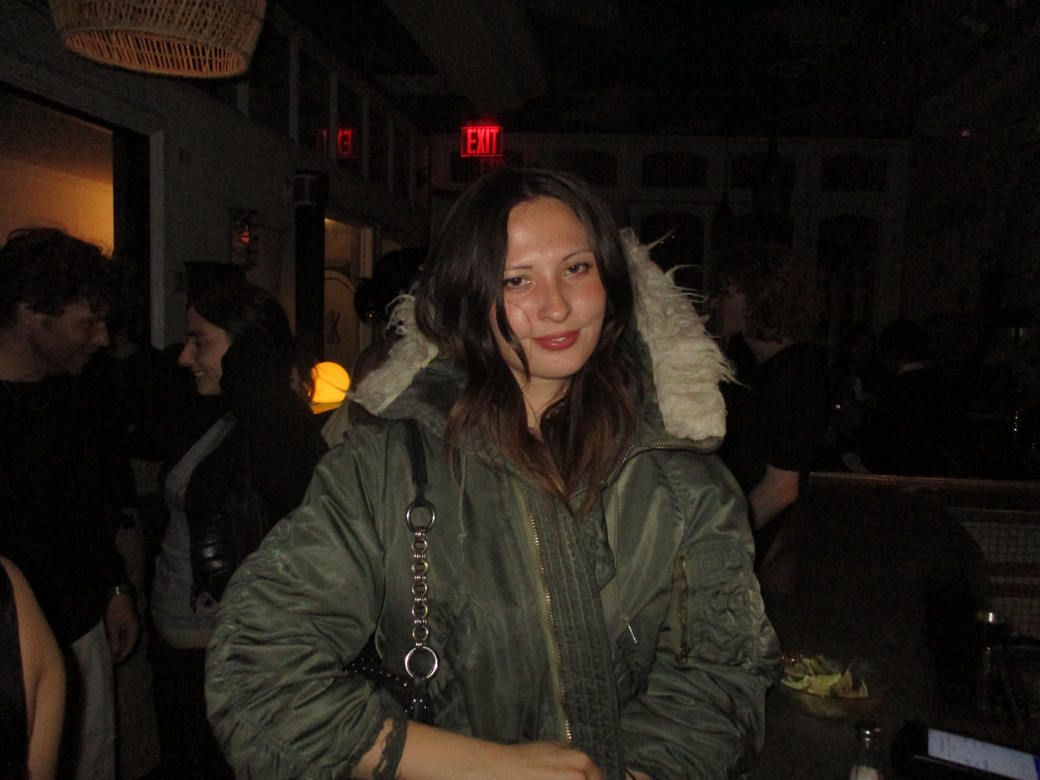
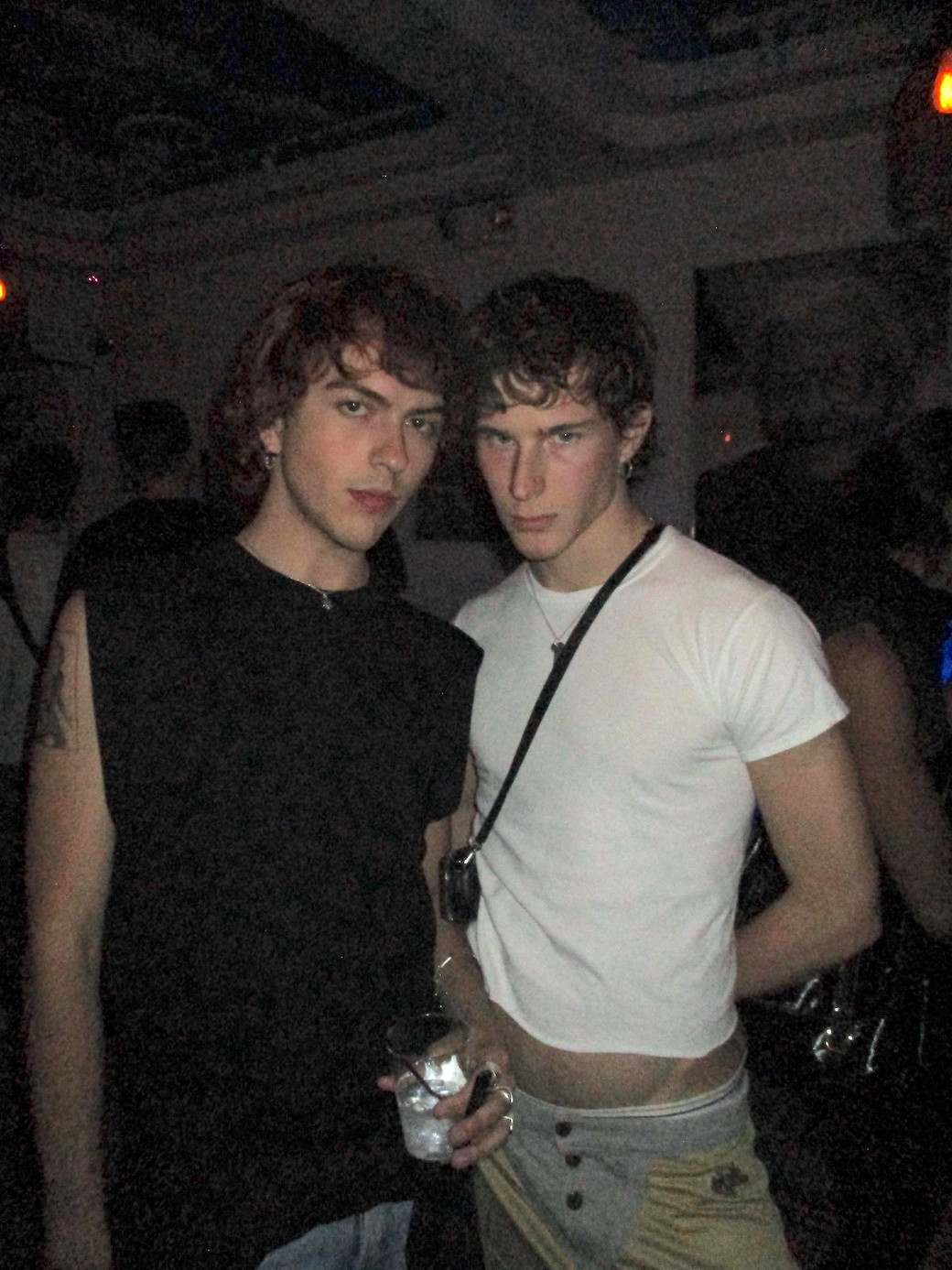
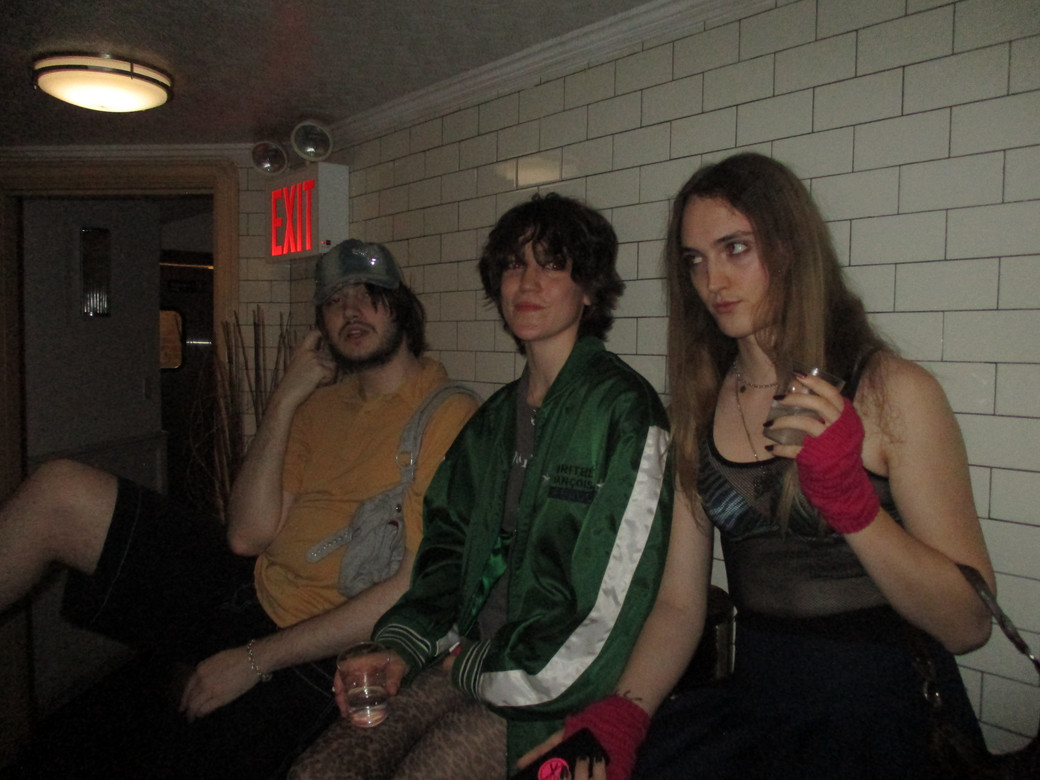
Thrown with Sofia Castillo, with a long list of hosts that included downtown favorite Dese Escobar, door legend Livthelurk, and DJ Sevyn, rumors of the party went far beyond New York City and Los Angeles, drawing out an amalgam of degenerates from every knook and cranny. Rightfully so, as there was really something for everyone. People vaped, danced, and many, unfortunately, just sat on their phones.Friends found each other by the bar or outside later on when looking for cigs to bum. Others crowded around the bar taking shots, exchanging instagram handles, and chatting.
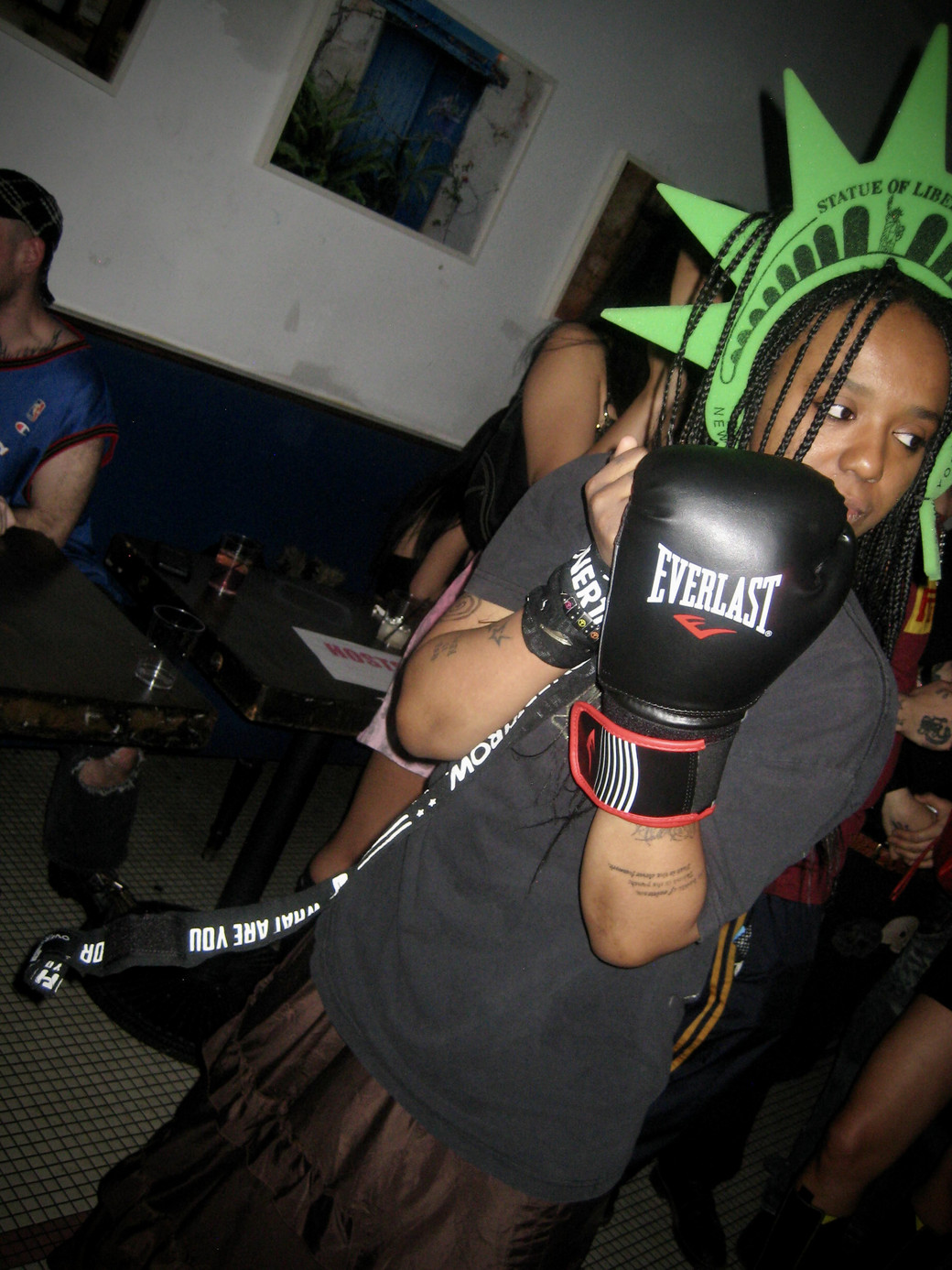
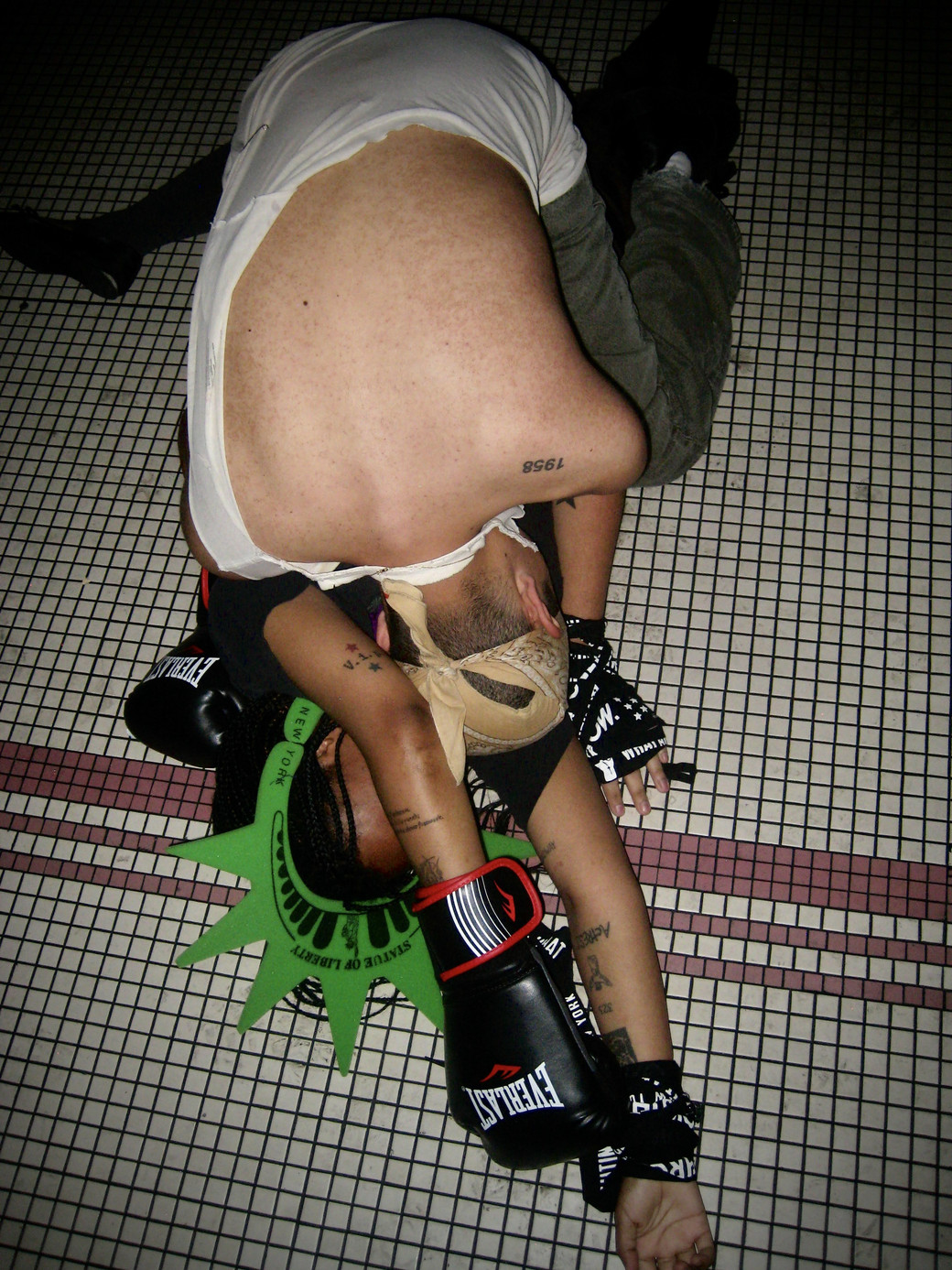
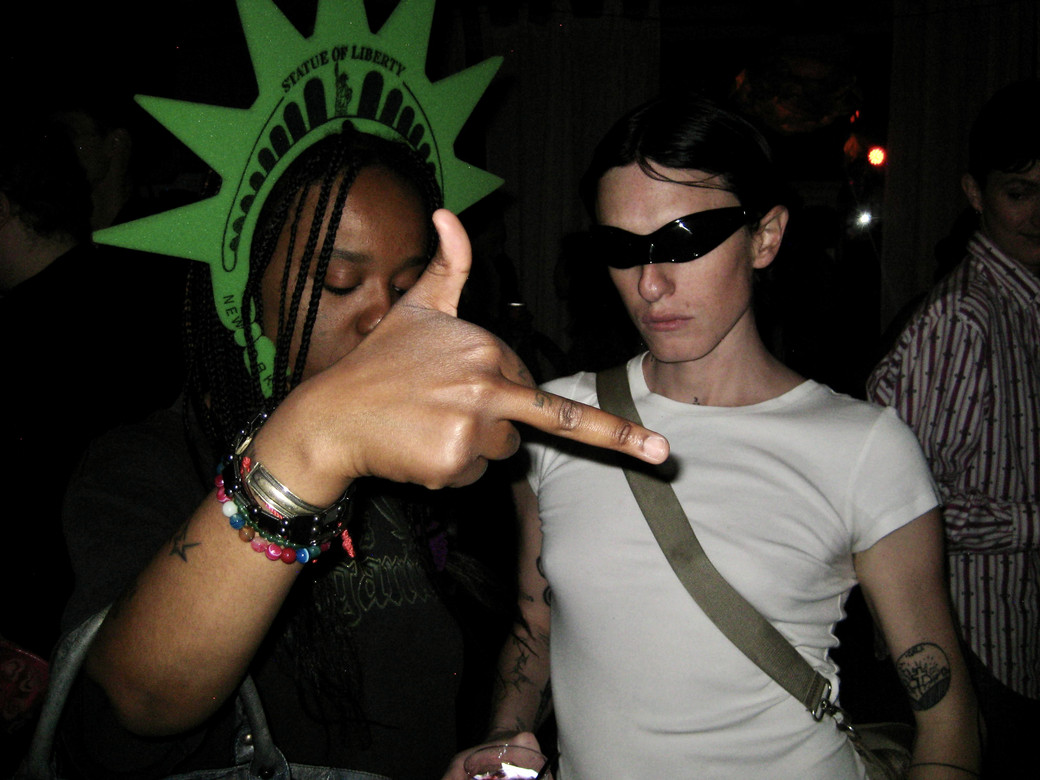
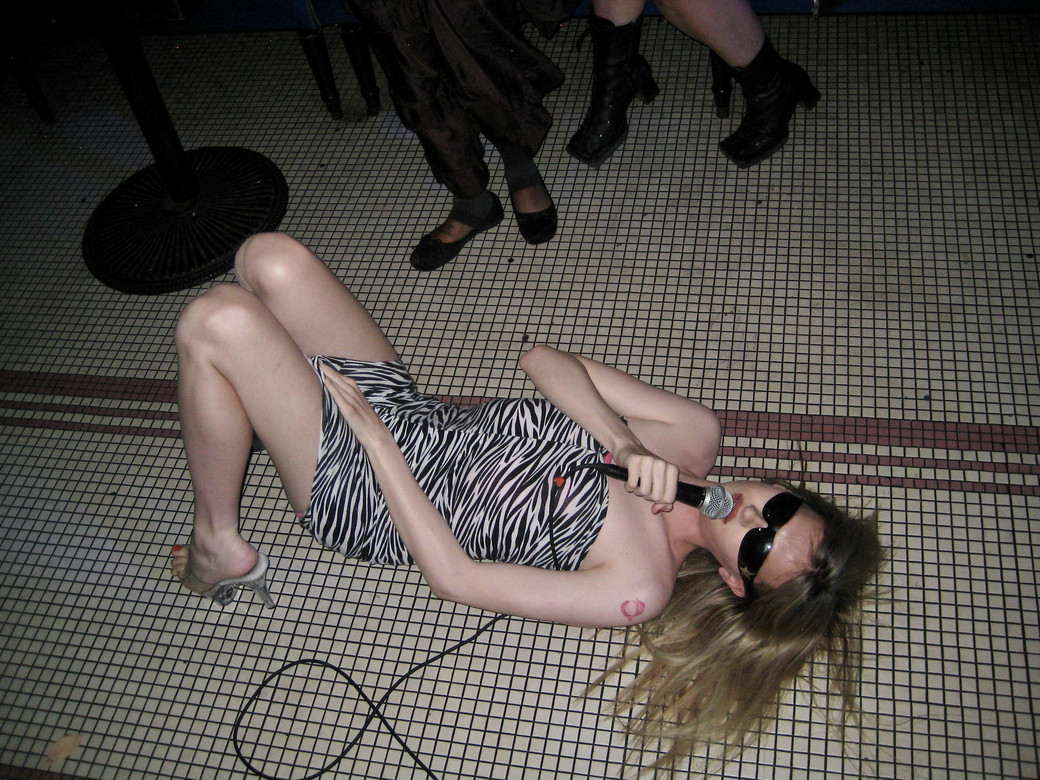
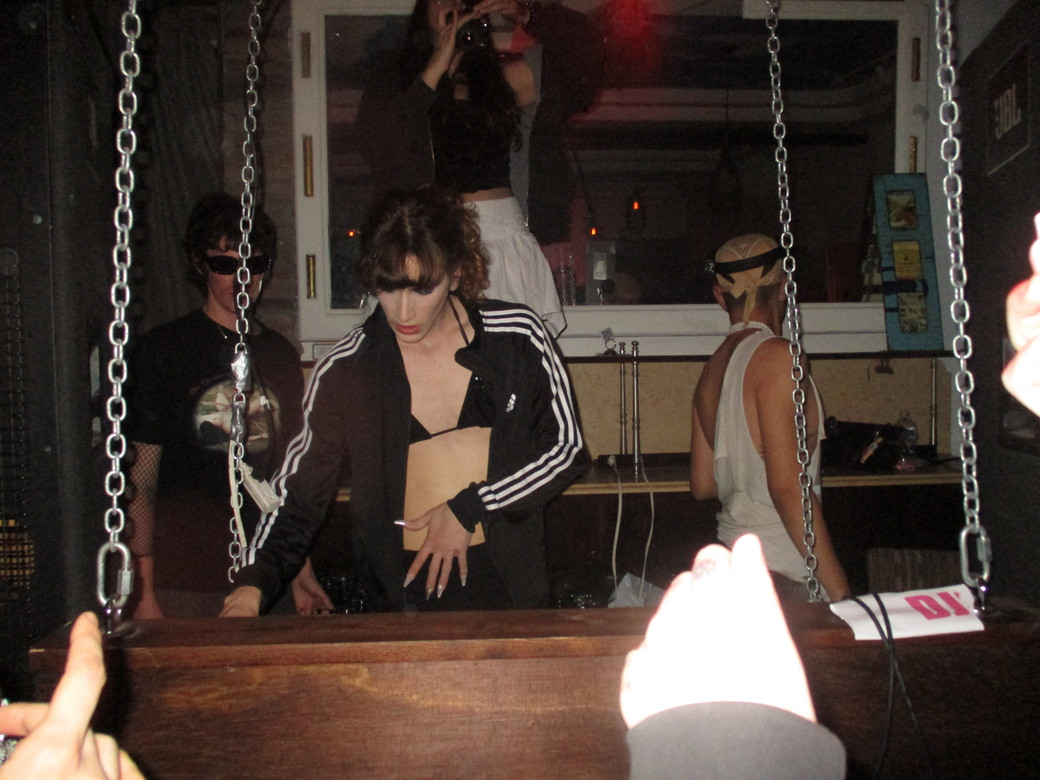
On the dance floor, the crowd swayed to sleazy club bangers from Boiler Room rostered Gbenga to The Lot Radio’s Djthankyou. FAGET’S very own Goldilux took to the floor for a sexy performance of her singles “SUGAR COOKIE,” “COKE WHORE,” and “FUCKBUCK." I'm sure it's still reverberating in the chained DJ decks suspended from the ceiling. At the end of the performance, came the true test of New York versus Los Angeles grit when Jacob and Jasmine took to the floor for a ringless boxing match — Jasmine, who repped L.A., ironically wore a headband that harkened back to New York's Lady Liberty. Jacob just dressed like Jacob. I don't remember who won but maybe that’s a good thing.
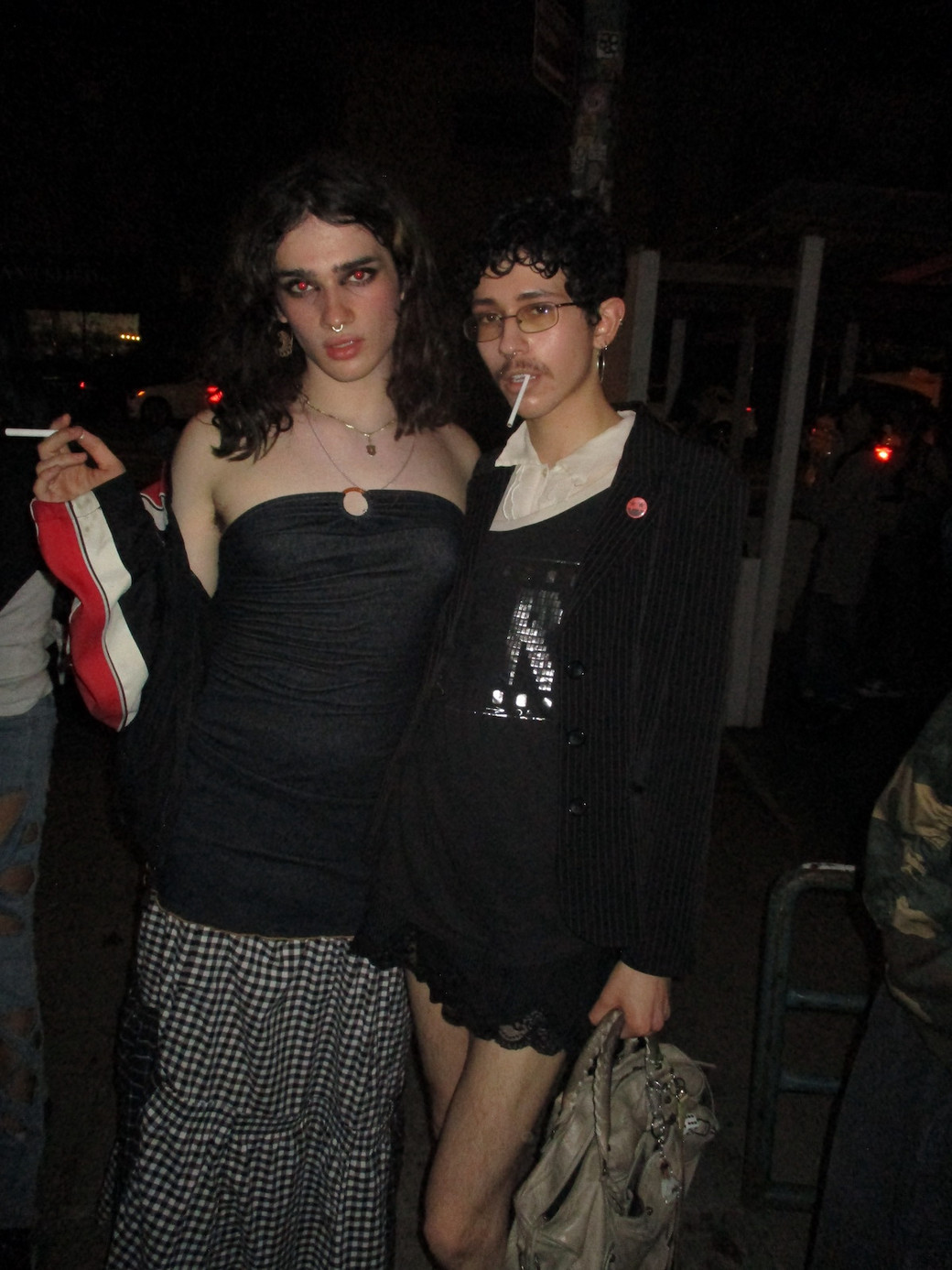

Short for the word promenade, the night is modeled after the debutante balls of high society, which served as coming-of-age ceremonies for young women from wealthy families. Participating in a debutante ball meant a teenage girl was ready to be introduced to society and meet her future husband. Until the early 20th century, proms were reserved for male college students and their affluent families. In the 1920s, the traditional was democratized and transitioned to high schools where they became a much more casual and inclusive event for boys and girls on the brink of graduation. In the 1950s, prom became an integral part of every student’s high school experience.
For the queer community, particularly in places where queerness is met with hostility, prom often brings about moral dilemmas, anxiety, and residual questions like, "Am I allowed to go with my partner?," or "Will I be allowed to dress how I want?" However, we respond with a resounding, "Fuck your censorship!" Prom is meant to be a celebration, filled with music and dancing, a time for young people to feel like royalty. And what about that doesn't scream queer?
This pride, office sat down with five queer people to dress up and reflect on what prom means to them — from experiencing hostility to using prom as an opportunity to pull a look and dance their hearts out.

What's your name, age, and pronouns?
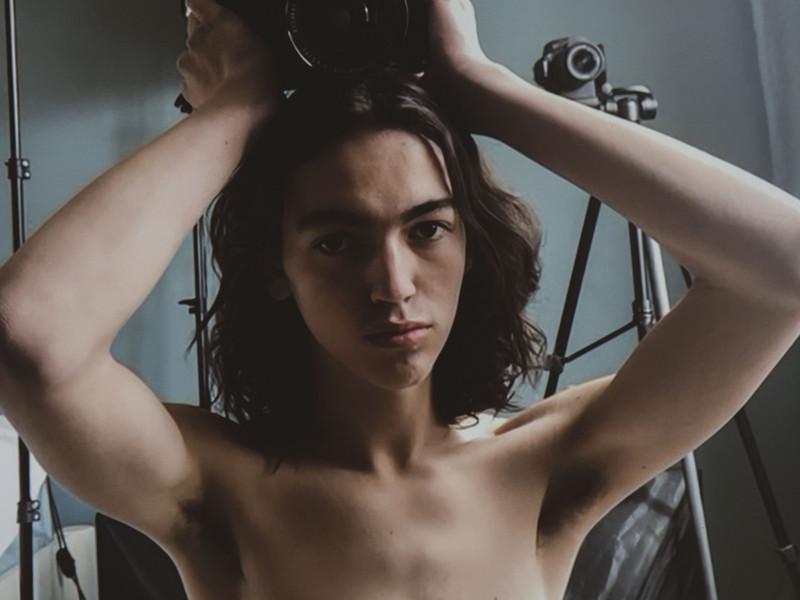
My name is Angel, I’m 23 years old and my pronouns are he/him.
How would you describe yourself?
I would describe myself as a very introverted person. There are a select few people who would say I talk too much, but that just means I am comfortable with you. I am trying to get better at being more talkative but I tend to observe first and then say my two cents.
What has prom traditionally represented in the queer community and how does it reflect society at large?
Prom is traditionally centered around heteronormative ideals, well at least from what the movies portray it as. There's usually always a prom queen and king but I think society has progressed past that now and I see more and more queer kids expressing themselves without judgment. To me, the idea of prom is just a silly celebration where you get to dress up/look cute, dance, and make memories. In high school I would have loved to have a boy accompany me as my date, but I had just as much of a fun time with my best friend.
How do you feel you truly express yourself in the world?
I express myself in this world by creating. I love expressing what is going through my mind with photos or my style. I don’t really speak much so I let my work speak for me.
What is authentic love to you?
Authentic love to me is being able to feel comfortable with whoever you are with and especially yourself. Love should never feel forced.
What drives your method of creation forward?
What pushes me to create is a person. My older brother constantly inspires me to keep creating and always wants what is best for me. I wouldn’t be the person I am today without him. There was a period in my life not too long ago where I had zero motivation/drive. He would check up on me from time to time but I would always create bullshit excuses because I just would not have the energy to start a project. Whether I am doing something big or doing nothing..he is always there to support me and I love him for that.

What's your name, age, and pronouns?
Jeffrey Armani Jackson-Perry, 20, he/him.
How would you describe yourself?
I am a fun, artistic person who loves to create.
What has prom traditionally represented in the queer community and how does it reflect society at large?
Prom was always the time for highschoolers to have fun with their friends and their dates, but traditionally these dates tended to be boy/girl. Society has pushed the idea that in most settings, boy/girl relations are “correct”. Who’s to say that it can’t be boy/boy, or girl/girl, or anything else for that matter? In all realness, it’s just a highschool party and I think prom is just about being yourself and having fun.
What is authentic love to you?
Authentic love is a love with no limits, a love with no boundaries. Authentic love is that deep connection you feel with someone and you love everything about them, flaws and all. That feeling when you just want to be around someone, and their presence is enough. Having the ability to be free with one another, expressing your true identity with one another, that’s authentic love.
If you were to give your younger self any advice what would it be?
If I were to give my younger self any advice I would say that it’s ok to be different. You’re cool just as you are and you don’t need reassurance from others to prove it. Just be yourself, unapologetically.

What's your name, age, and pronouns?
Koi King, 25, they/them.
How would you describe yourself?
I am an amalgamation of art, music, passion and freedom. A self constantly learning and evolving. An artiste.
What has prom traditionally represented in the queer community and how does it reflect society at large?
I think that prom has always been one of those things that’s unnecessarily nerve racking. I know of many queer folks that never went to prom because they couldn’t go with their partner, because it wasn’t safe for them to be out and attend in any manner that wasn’t the traditional cis-het expectation. Exclusion has always been something that people cling to for their own comfort and making simple things like prom inaccessible for queer youth is a reflection of what our society values. Exclusion in the face of difference. There are people that will argue against that, and so I ask what does our society think of our house-less population? The differently abled? The mentally ill?
How do you subvert binding traditions and normative structures?
I exist. And I do so loudly, and provide the space for others to do so. I am honest with myself, and the people around me. And I do whatever I want.
With so much of a celebratory nature surrounding Pride, especially by corporate America, many within the community have critiqued the lack of resources, collectives, and genuine opportunities that are shared during this time, in what ways would you like to see that combated?
I’d like to see pride for queer folks expressed all year round — not just during the month of June. I believe the best way to combat tokenism would be to include LGBTQ+ as you would cisgendered people. Whether that’s behind the scenes, on set, or in the office and not just project based. Providing a permanent seat at the table.


What's your name, age, and pronouns?
My name is Kye Quinlan, I’m 22 years old and I use she/her pronouns.
How would you describe yourself?
I would describe myself as a vibrant, genuine, and sexy person.
What has prom traditionally represented in the queer community and how does it reflect society at large?
I feel like prom means something different to everyone. I know for a lot of queer people that don’t have the safety to come out or openly express themselves, prom can be a source of anxiety. I would hope that in recent years, prom has transformed into a celebration for queer youth. I personally loved my prom! I was the gay prom king pre-transition vibes in Tampa, it was a gag.
What is authentic love to you?
Authentic love to me is love with no limits. For love to be truly authentic it needs to be unconditional through all the ups and downs of life.
What drives your method of creation forward?
My friends and the city inspire my creations into fruition. Being able to experience and love so many unique and beautiful trans people in the best city in the world gives me the imagination and courage to create authentically.

What's your name, age, and pronouns?
Hey! My name is Alex, I’m 22 years old, and my pronouns are they/them, she/her.
How would you describe yourself?
I'd describe myself as optimistic, lucky, hardworking and passionate.
What has prom traditionally represented in the queer community and how does it reflect society at large?
Prom to the queer community has always been a place to show off your authentic self in a safe space with not too much judgment. I wore a suit to prom and it was everything I had dreamed of since I first started high school. I didn't have to adhere to gendered clothing on a night I wanted to be free. I think society can be more accepting when it comes to what teens want to wear on a night that’s all about them. Wicked makeup and crazy cool hairstyles on a day that only comes around once. A chance to be more daring.
What support do you feel during pride that you wish could extend throughout the year?
I wish the space that the queer community gets during pride month was year round, this aura of acceptance and acknowledgment that we’re here and just like everybody else. Not special, just different. I definitely feel uncomfortable when I’m idolized for my sexuality and appearance so it'd be nice to feel the normalcy that I feel during June all the time.
What is authentic love to you?
I feel the most authentic love when I'm truly being an embracing individual with all of my ever-changing flaws, I improve myself everyday and with that comes challenging topics about self. I love myself the most when I'm truly accepting of all my traits, good or not so good, they make me who I am.

[Sam Ozer shot by MI Leggett / top Official Rebrand x Raspaditos]
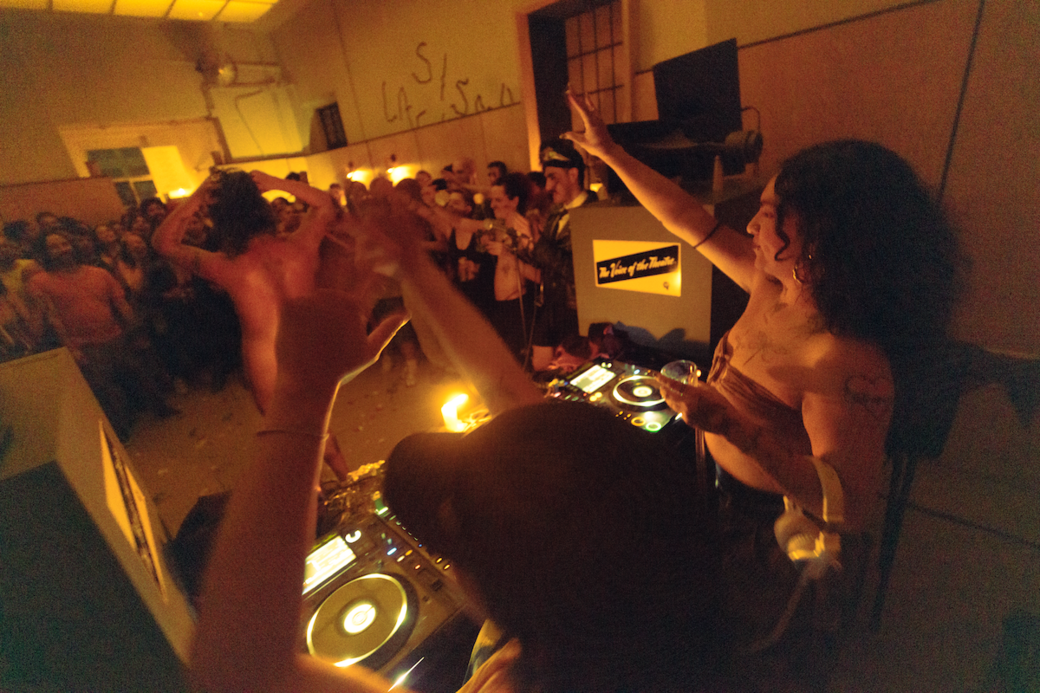
The thought of interviewing Sam seemed a bit intimidating — a young beautiful intellectual who had just reached a new height in her already impressive career — but, to my relief, what greeted me was a sweet smart person crashing at an artist residency while recovering from food poisoning.
“Thank god for this food poisoning,” she said, self-deprecatingly to the photographer that had joined me. “I’m going to look snatched in these photos.”
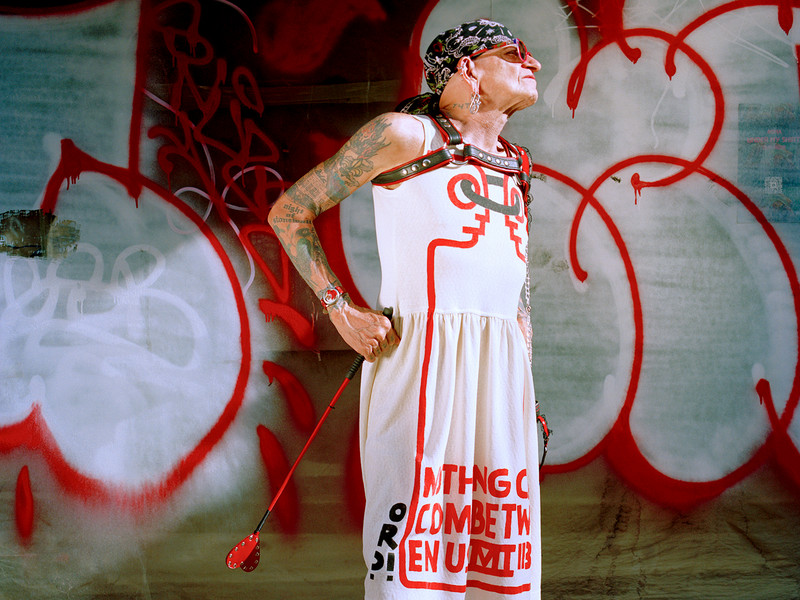
After the shoot, we settled ourselves in a private area of the apartment. Changed out of the OR?! designer PJs she wore for the shoot — selected to symbolize her ability to finally rest — she now wore her actual PJs, an old knit sweater, comfortable shorts, ankle socks, and her signature pair of Lindberg glasses. How this person, a normal relaxed person, could have put together what I had just experienced was baffling.
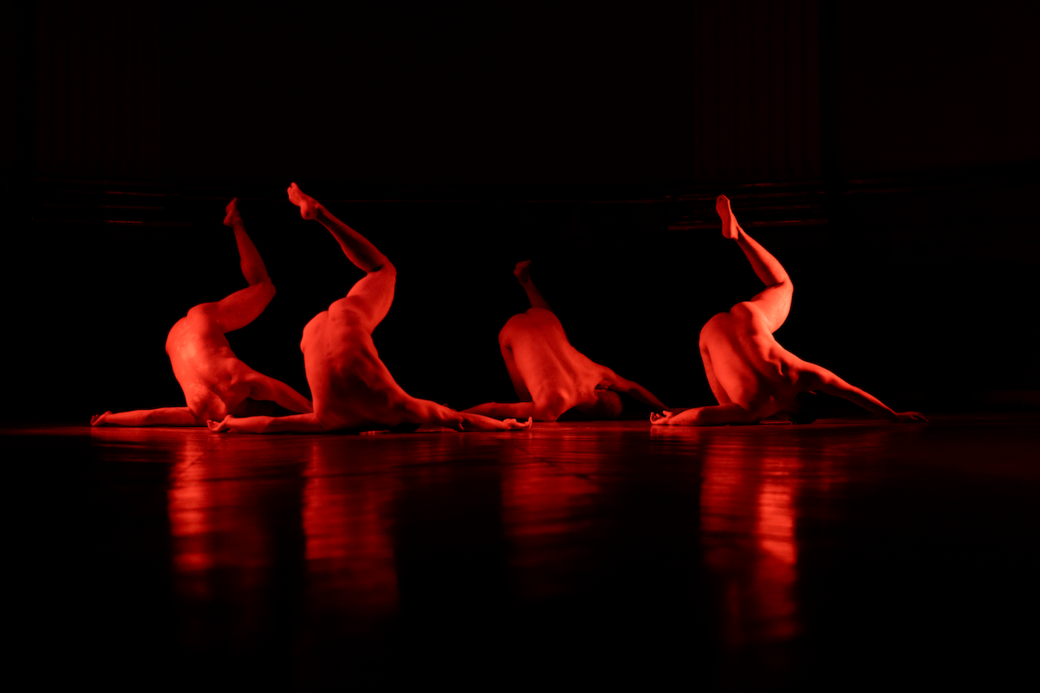
According to Sam, TONO came about organically, resulting from conversations with the Mexico City artist community that began when she moved there in 2021. Despite its scale, the planning process for TONO was relatively brief. “I started formally planning it in August,” she explained. “Nine months; TONO is my baby. Well eight and a half months, so I guess, my premature baby.”
This tight turnaround had some benefits, as it forced the project to move diligently forward. “I reached out to almost every museum in the city that engages with modern or contemporary art,” she said. “The final list is an amazing group of museums. For performance works, there was more flexibility and museums were more amenable to the shorter timeline… The city has some really interesting architectural sites that are naturally part of the museum landscape and in some instances allowed artists to make more site-responsive works. At the Museo de Arte Moderno, Osías Yanov presented a new performance piece and Lotte Andersen, Alonso Leon-Velarde, Max Manzano, and Naima Karlsson presented a music commission; both works responded to the museum’s marble rotunda.”
For a project this grand and improbable, it is ultimately Sam’s confidence that made TONO happen. “My attitude is solution based,” she explained. “That’s the reason my projects are possible. If someone says, ‘I don't know, we haven't done this before...’ I’m like, ‘well, what if you did?’ To some people it can feel very assertive, but it’s necessary for things to get done.
She explains that “as it was the first year, I was fundraising while organizing the project so I had to be very careful with our cashflow and I didn’t want anyone working for free. This meant I was very physically involved–from hauling cans of Perrier, checking people in at events, to installing floor mats for the final performance.”
Her phone next to her on the couch erupted in a flurry of messages and she turned it face down and politely slid it away.

[Sam Ozer shot by MI Leggett / pants Official Rebrand / top Raspaditos x Official Rebrand]
Tying TONO together, with its myriad of locations and multiple mediums, was a sustained focus on time-based work. “Time-based work is generally defined as work that addresses or suggests a duration of time,” Sam explained, and that the term usually refers to video art, sound art, and performance. As this is very expansive, she elaborated that she “is specifically interested in work in which the artist has dictated the amount of time a viewer spends with it. So if a performance is thirty minutes, the artist has asked you to give this much time to the work. Of course you can leave but the artist and work itself have given a set of parameters for how to view it. Whereas, with a painting you could spend five minutes or five hours with it. As a curator, I find it interesting from a perspective of control.”
The diversity of the venues and artists, then, when all focused on this specific prompt are forced into a discourse with one another. “I wanted TONO to be a way to connect several museums, around the city, with different specialties, in a conversation about time-based art. Also, it’s not just performance, not just sound art, not just video art, but all of them together in one project. Having one discussion.”
In this moment of unbridled creativity and nightlife and art in Mexico City, there is also rapid gentrification. I had to ask this New York-born curator how she grappled with choosing this specific city to project her vision.
“I welcome any critique that anyone has,” she said without blinking. “This project developed out of a series of projects I had done with galleries and museums in Mexico City and grew naturally from spending time here. For TONO, my partner venues were all equal collaborators, headed by extraordinary women. I worked closely with Nadia Baram, Brenda Caro, Karla Niño De Rivera, Lucía Sanroman, Valeria Macias Rodríguez, and Monica Landa at their respective spaces, and some helped guide me in my process.” When looking through the catalog of featured artists, there was a diversity of nationalities represented; including artists from Armenia, Brazil, Peru, Colombia, Argentina, the United States, as well as many Mexican artists.
Sam holds a genuine love and respect for both the city and the community she’s found there. “People are incredibly generous here,” she said to me near the end of our interview. “With their resources, but more so with their time. You meet someone and they invite you to lunch at their mom’s house the next day.”
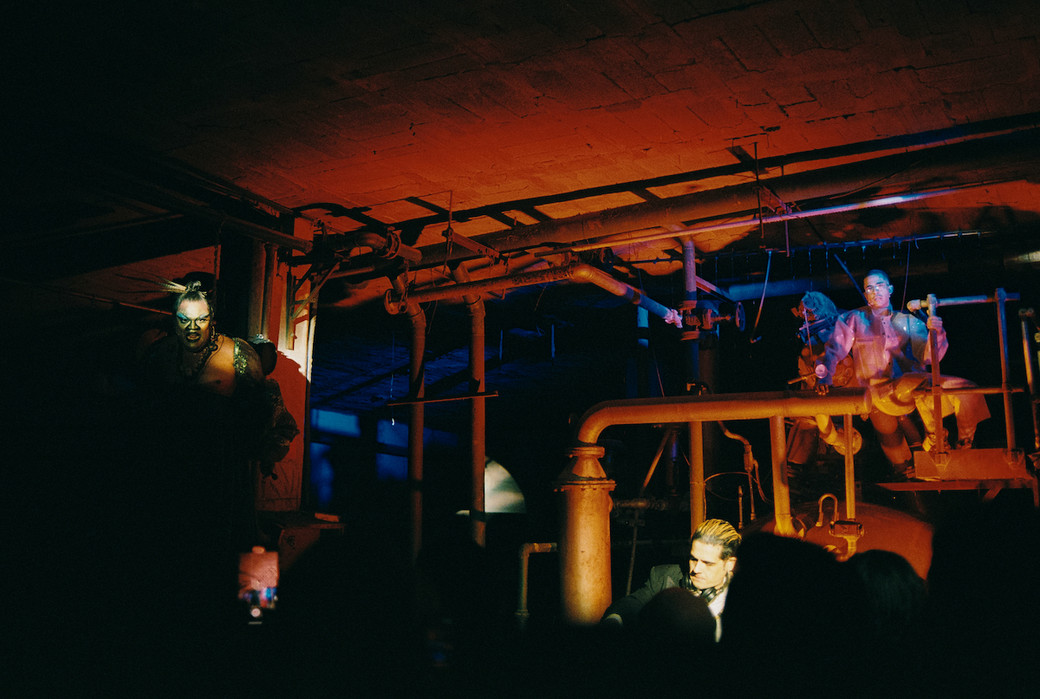
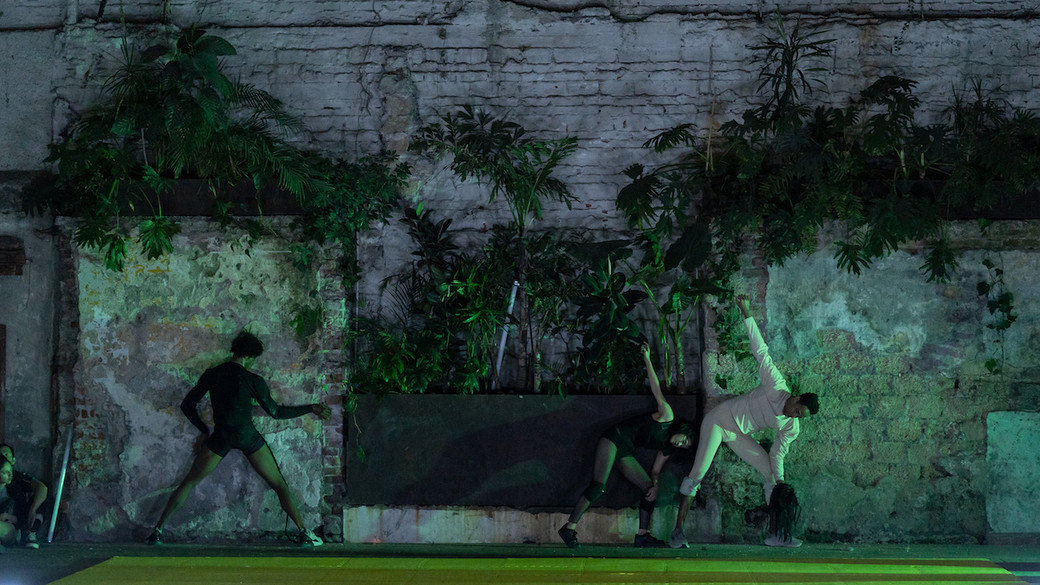
On my walk home, I thought back to the night of TONO's centerpiece opera, entitled Atlacoya: Agua Triste del Lago de Texcoco by techno label NAAFI. Presented in a former textile factory– which now serves as a cultural center and houses the NAAFI studio, amongst other creative projects–- the crowd milled into the cavernous space to find two seemingly separate scenes: a man digging a hole into a pile of rubble (Pepx Romero) and La Bruja de Texcoco applying makeup while looking into an 11-foot mosaiced vanity.
People wandered about, conversing and drinking, admiring the two pieces, but confused, as we had been told we were coming to an opera. The energy in the room shifted as La Bruja de Texcoco stood and the crowd fell silent. Bathed under blue light, sacred smoke emanating from her chalice, she began singing a song of gods and water and sex and rage. Pepx Romero began engaging in the performance, and the solo became a duet. The stage shifted moment by moment, as the crowd tripped over each other to stay out the performers’ paths. Plaster and concrete dust filled our lungs and dirtied our clothes. The performers climbed and danced and serenaded and maimed each other. Musical instruments dropped from the ceiling and were played mournfully by La Bruja de Texcoco. The warehouse itself joined the performance, with seemingly abandoned machinery transformed into devices of torture and death, and an industrial boiler rupturing, raining water onto the performers and crowd. The sense of loss and anger were palpable and it felt like anything could happen.
This spontaneity, this energy, was the core of TONO’s success; the thunder of witnessing something brand new and breathtaking.
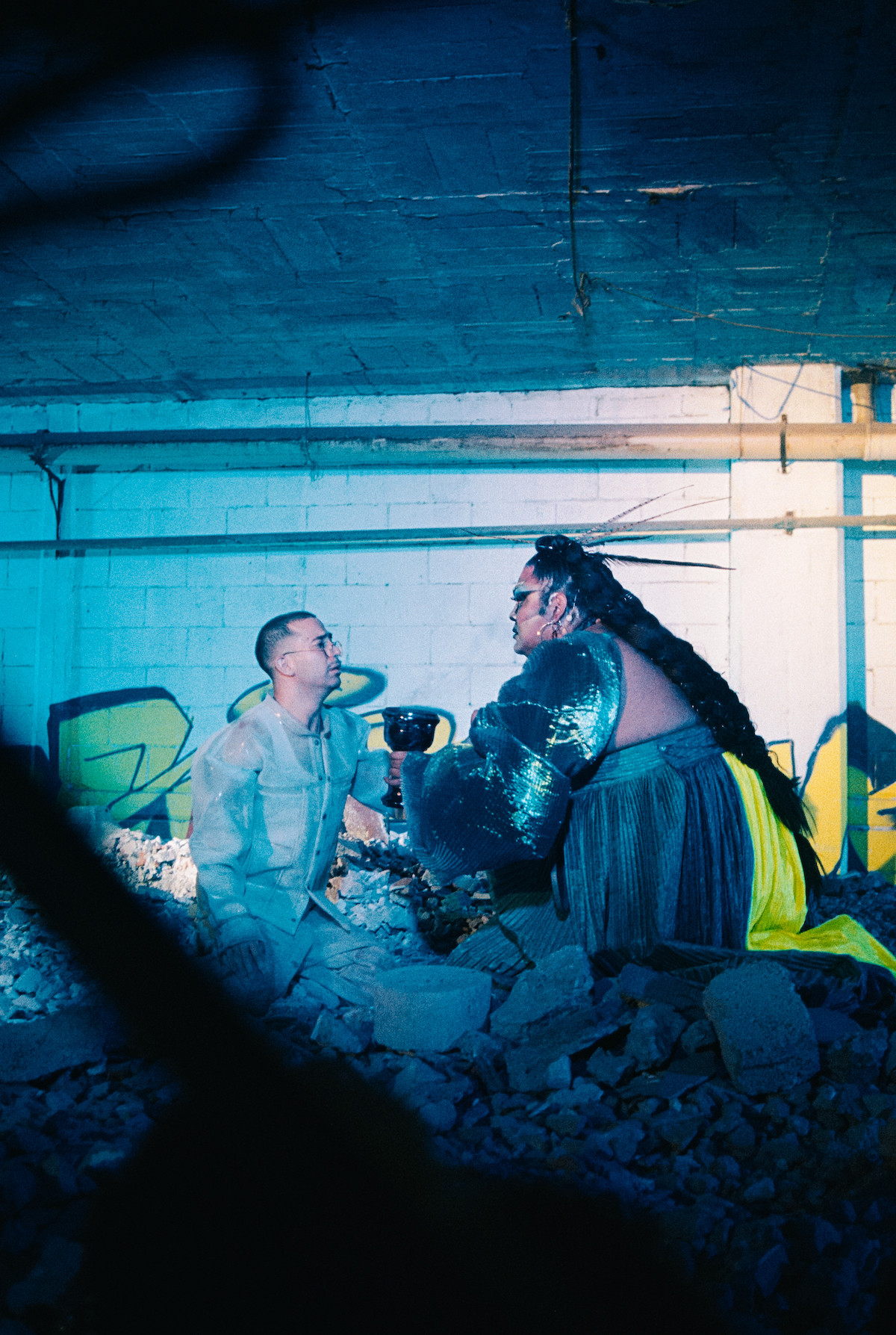
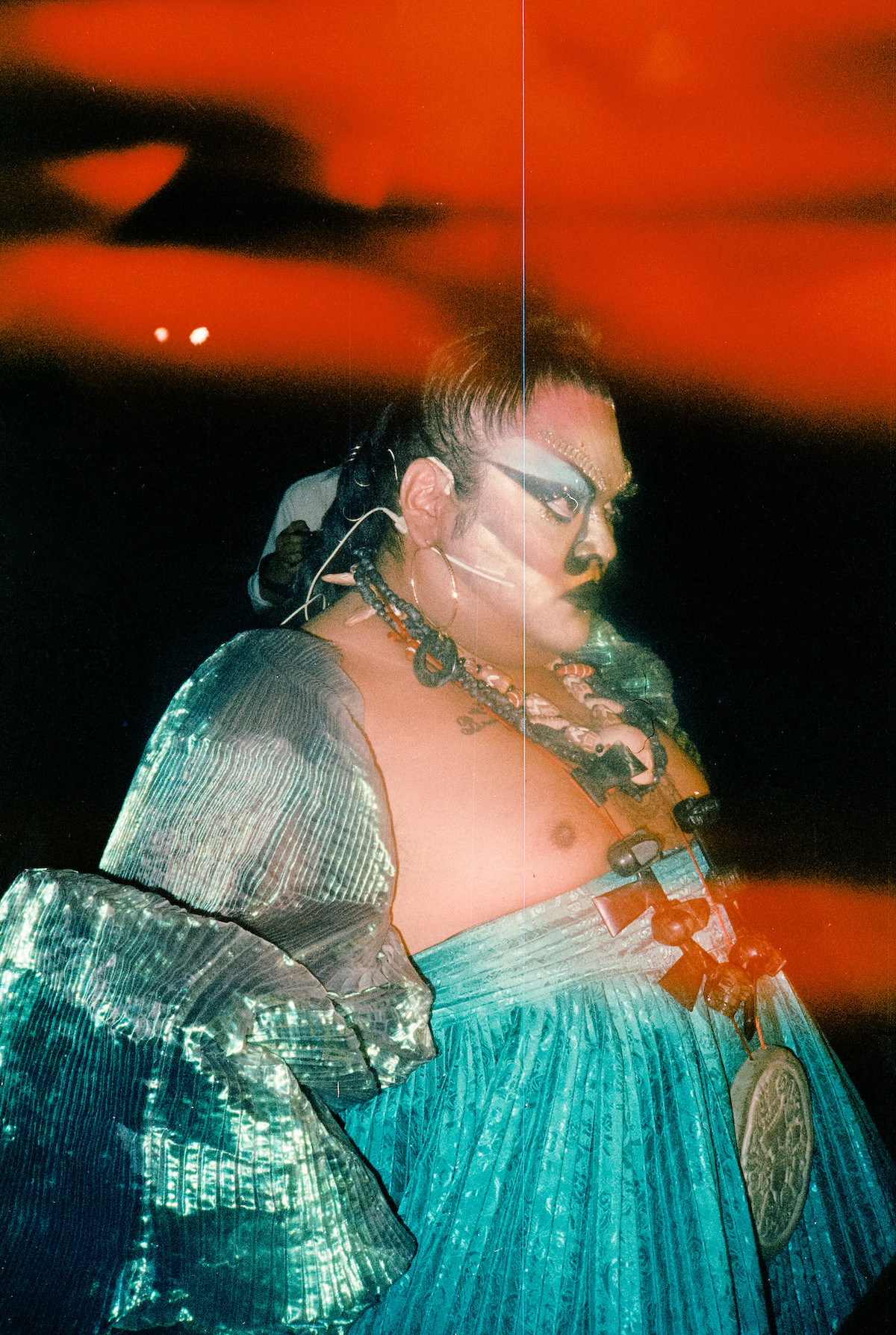
[La Bruja de Texcoco and Pepx Romero in Atlacoya: Agua Triste del Lago de Texcoco at Zyanya, photo credit: Rodrigo Álvarez]