For Lovers
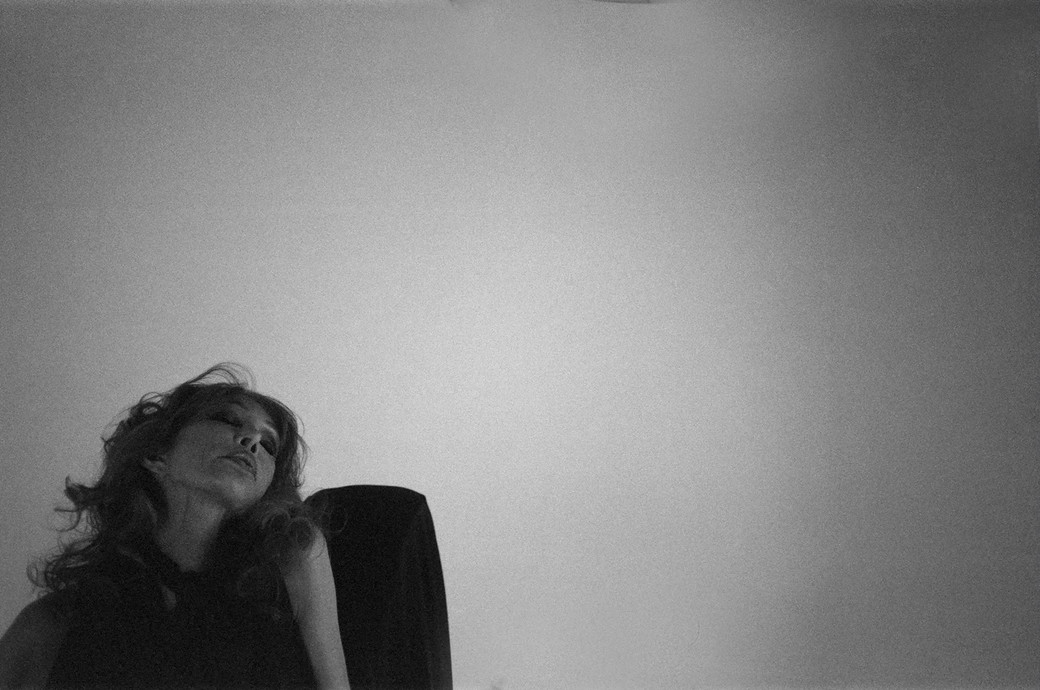
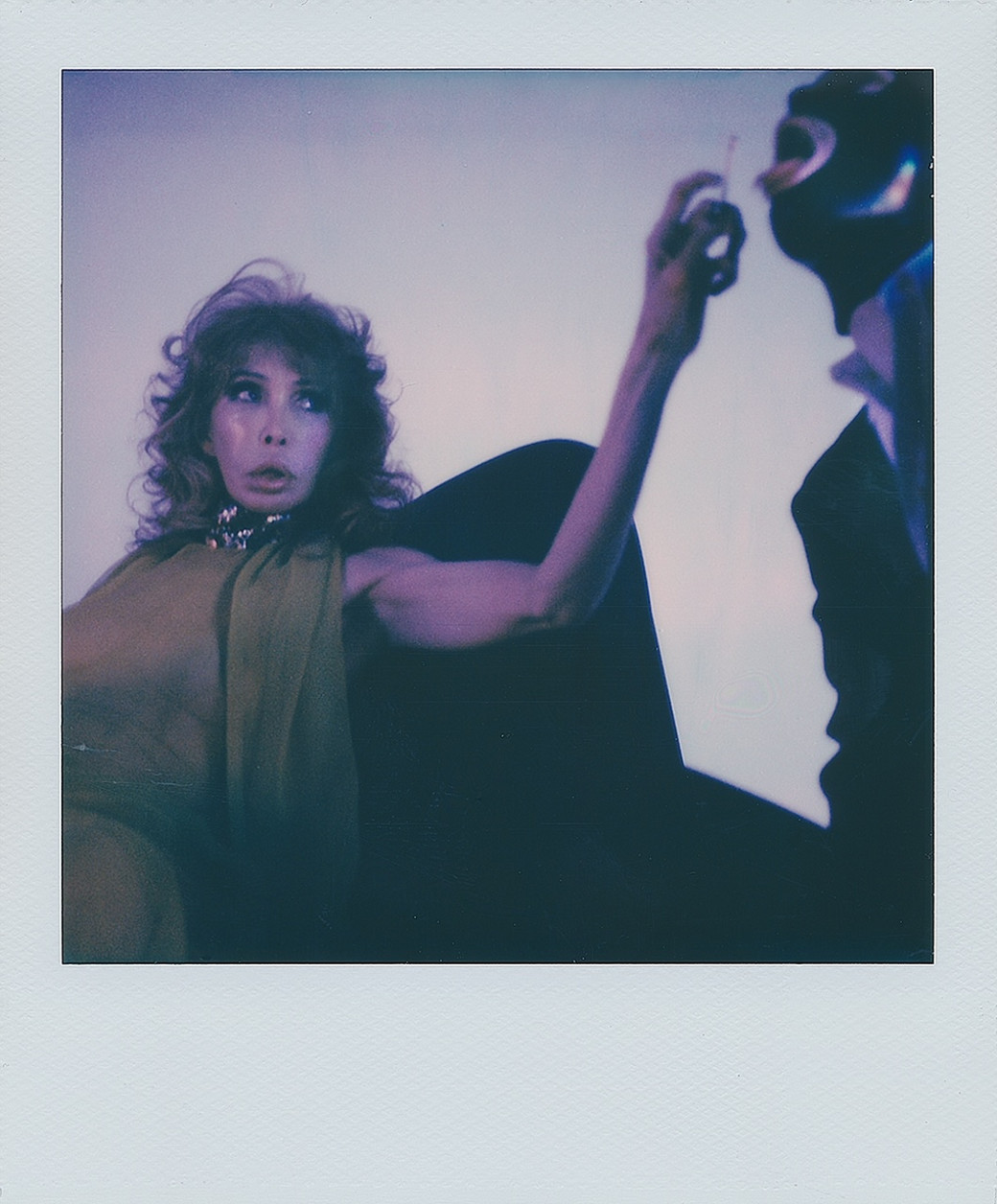
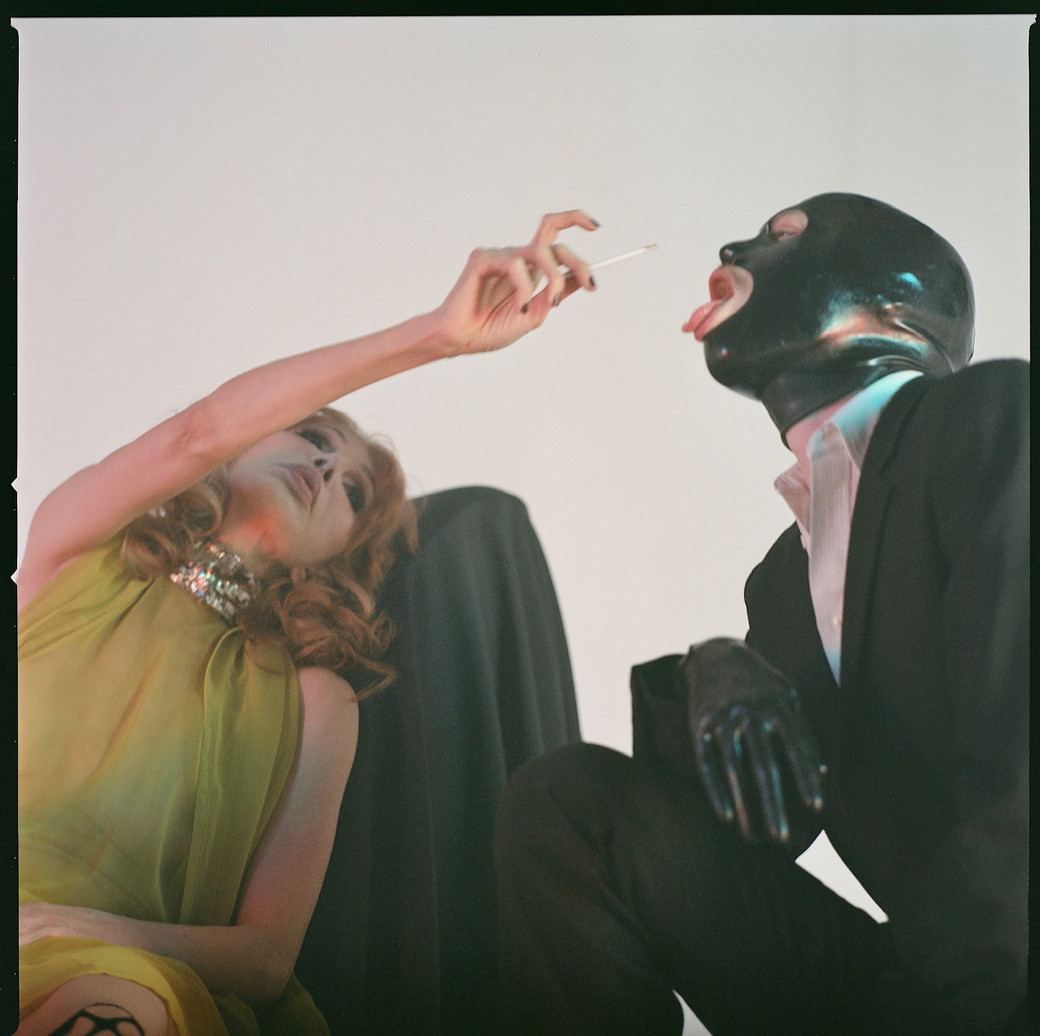
Lamar is a muse for the ages, a lens through which we can explore the love within both our hearts and others'.
Check out the video and photos below.
Lamar is a muse for the ages, a lens through which we can explore the love within both our hearts and others'.
Check out the video and photos below.

Cassie Jekanoski— So how are both of you guys? Are you excited for tonight?
Yoe— Yeah, I'm really excited about tonight. It's cool to host a Red Bull Dance Your Style event in LA because it's where we're based out of, so I feel like we're going to see a lot of people that we know, and a lot of familiar talent. So, I don't know, we're not from here, but it's been our home for a long time, so I feel like we're home doing this event, so it's going to be cool.
SHEOPATRA— And I'm super excited. I have to agree. I think we're going to see a lot of people that we know, and there's just a lot of high-level dancers here in Los Angeles, so it's always a really great turnout spot, so really excited to be hosting.
Cassie— How long have you lived in LA?
SHEOPATRA— I've been here 13 years.
Cassie— Oh, wow.
SHEOPATRA— Yeah.
Yoe— Eight years.
Cassie— So this is home for you guys right now?
SHEOPATRA— Yeah, we're officially residents of Angeles.
SAHIR AHMED— Is there anyone specifically you're looking forward to seeing?
SHEOPATRA— I'm interested in seeing somebody I don't know. I'm interested in being wowed by someone. A lot of the people I know are amazing, and so some of the people that I know that will be performing are super dope. So... I'm excited to see them, but I'm also super inspired by people that are unexpectedly amazing, and that bring something new. It's inspiring.
Yoe— And it's cool to go to an event in your hometown, essentially, whatever, and you think you know everyone, and then you see a person and you’re like, "Where did you come from?" So I'm going to steal your answer.
Cassie— What would it be about somebody that has that ‘wow factor?’ What do they have about themselves that will blow you away?
SHEOPATRA— For me, individuality, creativity, I think the more a person looks like someone you've never seen the better for me. I think in this culture it's easy because now it's teachable. It's easy for a thousand people to look like one OG. So even though you do it at a high level, it's really exciting when people are just doing new things since that's just kind of the root of our culture, of black culture, and what we do. So I'm always really excited for a new thing. So I'm like, "What's that? I've never seen a person move that way before." So that's what stands out to me. Just saying whatever it is you want to say.
Yoe— I like when people really connect to the music so much so that it looks like it's kind of pouring out them, and it looks like it was based on their body, that almost instinctual, innate connection. You're like, "Oh, you made this song before you came here."
SHEOPATRA— Yeah. It's not them dancing on top of the music. It's them with the music together. I think that's always really cool to watch, especially because all of this is freestyle based. So, for those people to be able to connect so quickly, it's like that's a God-giving gift.
Sahir— What does it mean to you to be hosting a dance competition with such a diversity of talent? Considering how much of your work focuses on uplifting LGBTQ voices, and BIPOC perspectives?
SHEOPATRA— It's really dope. I think it's not new. I think that a lot of businesses and corporations and things are now taking an interest. So I think that's amazing. But I think it's very normal.
Yoe— It's very normal…
SHEOPATRA— ...For us to be in situations like this. I think it's nice that other people, who don't know much about the community, get the chance to see this. I think it's really dope that they don't have to watch Pose or Legendary on TV. They get to really go and be in the space and hopefully be inspired to learn more, advocate more, be out if that's something that you're afraid to do. I think that that's really cool, that it allows people not in this world to have a moment to step in and go, "Oh, this is what you are doing."
Yoe— Yeah, because at our events it's usually just other dancers and then maybe DJs, other artists, but Red Bull, I don't know, it gives a chance for someone who gets off of work to walk by the event and be like, "What is this?" And "I'm going to go in." It just gives people more background on what we do. We're not just going out there and step-touching. People devote their lives to this, so you get to see a competition. People go all the way from 16 rounds to the top. It makes you have more appreciation for it, and I feel like we need that.
Sahir— How does it resonate with the work you do with The Council?
SHEOPATRA— I think it's very similar in the sense of the openness. The Council's such a specific group- It has such a specific point. It's kind of like–
Yoe— It's a niche.
SHEOPATRA— ... "This is me." But I think that I can compare this space in a sense of some collective like the council can come into this space, and I don't feel limited on how I need to be, or how I need to be. I think that I can very much be me, be she, be gay, be black, be outgoing, be all these things, and not necessarily feel like I have to dial it back, and so I can appreciate that in this space. I still get to show up as Sheopatra, and for anybody that knows me, I'm a pretty wordy person. I'm a pretty opinionated person, and I don't really fear anything, so I think that being able to be in this space and still hold that and not rub people the wrong way, I think that is a cool thing. I think that all of us in The Council are pretty much that way–
Yoe— Yeah.
SHEOPATRA— And so I think that this space and providing that for women like us, and voices like ours is something that I find relatable. In the council you can be who you want to be, move how you want to move. I'm supported. If you go outside, and you throw a fist, I'm going to throw it with you. I feel like in Red Bull Dance Your Style, I think that you pretty much can be yourself. I mean, outside of maybe don't boo people and things that aren't traditional battle rules, but I feel like they want people to feel loved because this is a heart thing that they're doing.
Sahir— Essentially giving that safe space.
SHEOPATRA— Yeah, I think it's cool.
Cassie— I feel like we kind of asked a few Red Bull Dance Your Style-based questions, but now I kind of just want to get into just about you guys. How did you two meet, and what is it about each other that inspires you?
Yoe— We met at an audition. I wasn't living here at the time. I was still in Florida, and the audition fell on my college spring break. So I was like, "I'm going to come to the audition, I'm just going to explore, and live my life." But the audition was damn near 24 hours long. It was such a long day.
Cassie— It was "So You Think You Can Dance,” right?
Yoe— Yes. It was such a long day, and you were just with the same group the whole time. Going to interviews. Going to this. “All right group A, go here.” So, she was in my group, and as soon as I met her, we hit it off. And I saw her audition, and I was like, "Oh, she is one of the coldest dancers I've ever seen in my life." So she blew me away.
SHEOPATRA— So this is how we met. She saw me dance, but I didn't see her dance.
Yoe— And I was just like, "Wow, she's crazy," and when she got to see me dance, that's when she was thinking about starting The Council and getting this collective together. She was like, "Hey, when you move to LA let me know. I would love to have you be a part of this collective I'm trying form," and I don't know, I feel like the extra gooey feelings kind of tipped in maybe a year later.
Cassie— So what is it about each other that fuels that inspiration?
SHEOPATRA— I think that I was super inspired because she was, at the time, heavily a contemporary dancer, and she was morphing a lot of popping into her style, and at the time I actually was dating a girl who was a contemporary dancer, and I kept telling her like, "I feel like contemporary dancers have the perfect style to do popping. I just think they have this range." So in my brain I had been imagining this person, and I knew my girlfriend at the time wanted to learn popping. So she was learning a few things here and there. Then I saw her dance, and it was kind of something artistically just came into fruition right before my face, and I just kind of obsessed. I'm a geek about movement, and I feel like more than seeing her as a person. I think I was obsessed over her movement for a great deal of time. And I think that was really inspiring to me. Just seeing somebody with a different range and taking this hitting style and pushing it. I think I was a fan, kind of fangirl.
Yoe— I was a fan.
SHEOPATRA— And I think that was the whole inspiration. Initially, I started fangirling, and then I was like, "I'm going to take a risk and ask her to be in this group, but I know she could say no." So I think that originally was the thing, and then as I got to know her, I think her personality, in general, is what I've learned to be Virgo traits. I learned that I'm very attracted to it. Just working hard, go-getter. Anything she doesn't know, she'll figure it out, and make it happen. So I think now it's more of those things, the little things, the simple things that you have to really get to know a person.
Sahir— Well, considering the hip-hop world, it's tough, hard-hitting, and primarily male dominated, what was it like when first navigating that, and then what advice would you have to women and LGBTQ people who see similar trajectories down the line?
Yoe— When I first started coming up in the freestyle scene in Florida, I was one of three in Central Florida. Even though we were in the same crew, our crew kind of pitted us against one another, and they were like, "Oh, well if you do contemporary, you know so and so says she does contemporary too. So you got to smoke her." I'm like, "Dang, is this my crew mate, or my competition?" So if that still happens today don't let anybody pit you against another female. We should be reaching out to each other, connecting with each other, empowering one another, and really taking up space in this community because we can do things that are impossible. I feel like we're just blessed with different ways of thinking, different ways of moving our weight, and our centers in different places. So we have superpowers that male identifying people cannot access.
Yoe— Any advice for the ladies in the world? Go crazy.
SHEOPATRA— I would just say know the goal. Focus on the goal, and pretty much block everything else out. Every part of life has obstacles. We experience obstacles, but I mean no matter what you do, who you are, you're going to experience obstacles, and you're going to have to decide who you're going to be when the storms happen. I think that building up your foundation is the best thing you can do before you do anything because the moment you start taking that journey, you'll start being pulled in so many different ways. The whole root of being an artist is internal health, mental health. People think it's outward, but it's really mostly inward.
Sahir— Energy.
SHEOPATRA— The last thing would be just truthful to yourself. I think that a lot of people are in a lot of spaces based on a lie, and the lie starts early, and then people stick with that, and they never get better because they become content with mediocrity and not really seeing who they are as a person or an artist. So, I would say find that foundation. Stay grounded. Be honest about your growth, and be honest about what you're giving. That way when other people come to you and say, "I think you can do more," it's not the end of you. Sometimes being given advice or constructively criticized can end people's whole everything.
Sahir— See it more like a new beginning.
Yoe— Yeah.
SHEOPATRA— I feel like the culture's built off of this. In the beginning people had no problem. People that came before you, your OGs being like, "You're hard, but you can go harder."
Cassie— It all comes from a place of love.
SHEOPATRA— Yes, because we want to see the movement get better and continue to evolve.
Sahir— Keep the whole culture alive and see where it can go.
SHEOPATRA— Absolutely, and especially just as a woman, a lot of people lie to women. I'm going to be honest.
Yoe— Oh my gosh, yeah.
SHEOPATRA— They lie a lot.
Yoe— They'll just be like, "You're good. You're good."
SHEOPATRA— Because they already see that the bar is low for a girl. And so you kind of have to look at yourself and go, "No, I don't look like him when he's sliding and I'm gliding. Somebody's lying."
Sahir— It's different.
SHEOPATRA— To truly be the best, you can't really look at the handicap. You got to go for it.
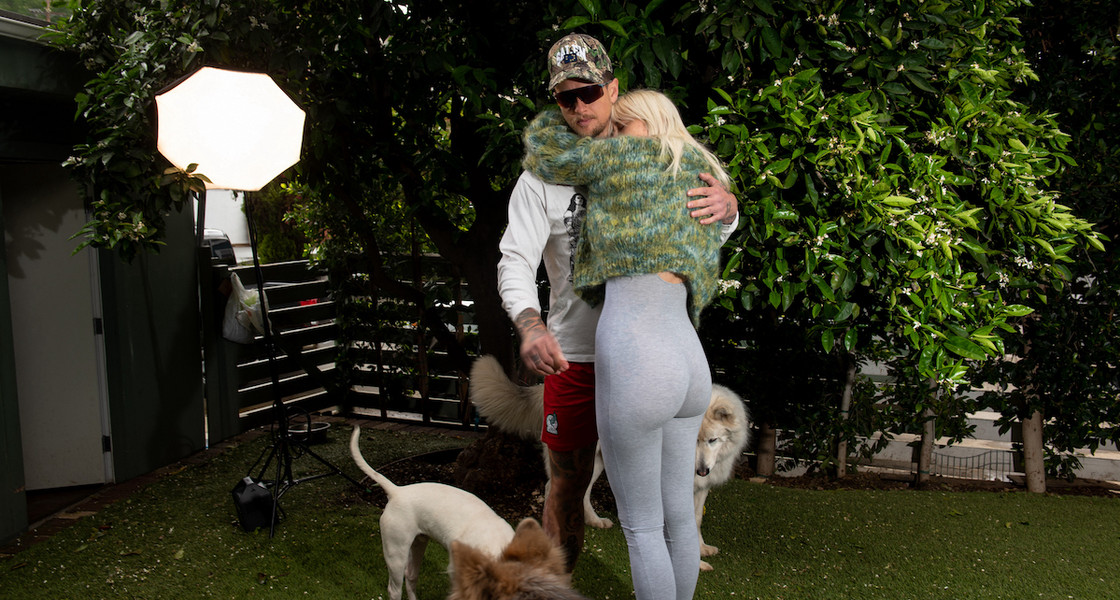
Between a lonesome and challenging (to say the least) childhood with nobody watching out for her; a whirlwind romance with an actor who became her husband, the father to her daughter, and then her ex-husband, business partner, and co-parent; and a grueling cancer recovery that kept her from holding her infant child, Steak has earned the strength she exudes.
Her story tells us a great deal about who she is as a person and what has transpired in order to form the “it girl” we know and love today, but is also so raw and real that it represents her as a work in progress.
“The memoir” as an art may suggest a certain book ending to a creative’s life and career — I have accomplished XYZ, and this is my life story. But the art form is shifting and changing as discussions of what it means to be a person become more nuanced and complex. In Nobody Ever Told Me Anything, Rachael is willing to bare herself, honestly, making it evident her story is not yet finished.
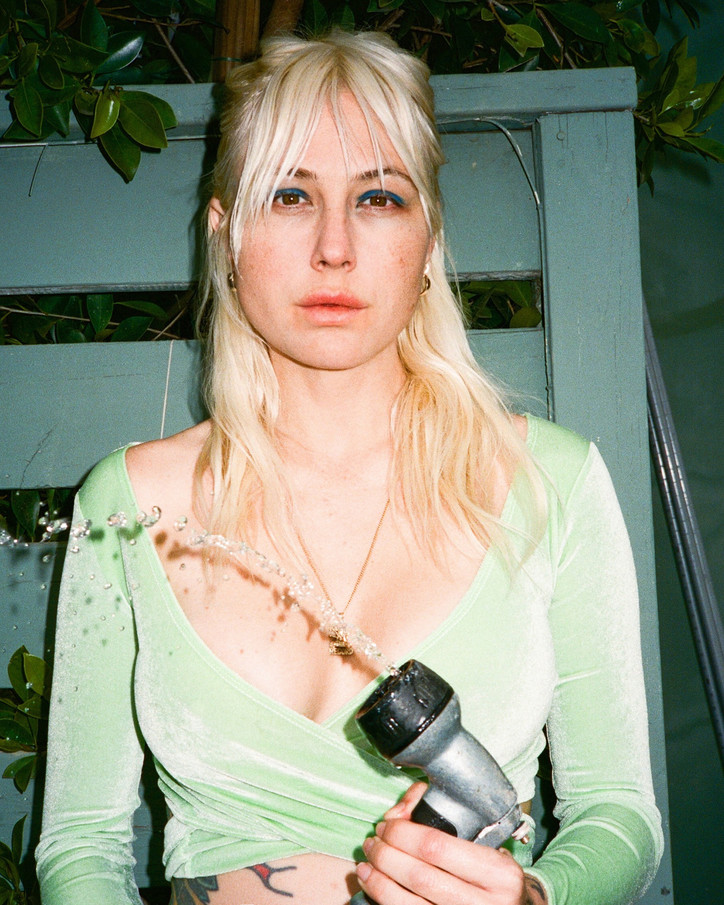
WR— How are you today?
RF— Straight off the bat, I had some work shit. It feels like I’ve been up for 10 hours already, but it’s been a casual Friday morning of pure catastrophe.
WR— Classic! Let’s jump into it. Why did you start writing?
RF— It was definitely the era I grew up in — LiveJournals, and then I was around for blogging. My first real job was social media, when I was 20. I worked at a record label doing their social — that was their blogspot and things like that. I’m an only child who grew up really isolated, so writing was an easy way for me to get things out of my head. I’m not really a journal-er though. When writing, even LiveJournal, which was private, I was writing as though I was broadcasting. I was definitely the kid in the mirror doing my own cooking show, or my own makeup tutorial. A whole world is in your head when you’re lonely. Writing started young.
WR— Did it become a passion of yours early?
RF— I don’t know if it was ever a passion, but sometimes I feel like I can get really emotional when I speak, and I was definitely the kid who would try to discuss being angry and then would cry. It has always been easier to express myself in writing, rather than speaking.
WR— Do you feel there’s any difference between who Steak is and who Rachael is? In other words, has Steak become a kind of alter ego?
RF— That’s a tricky question. In my mind, there is a big division. But, my real life people do call me Steak, and the people who call me Rachael do call me Steak when I’m not around. There are millions of Rachaels in the world, but not many Steaks.
It’s a blended identity, but when I think about Steak vs. Rachael as far as sharing publicly, before the book, yes, very much so, it was different. I’ve always been viewed as being very open and transparent, but you can be open and transparent without giving it your all. It’s still more so than most people are comfortable with, but there is a lot of me that I haven’t shared.
Even the book is heavily edited. That’s the funny thing about the book is I saw a lot of people saying, “Wow, she really said she wasn’t going to say anything, and she said everything!” And it’s like, no, I didn’t.
My sister, who I’ve actually known longer than anyone in my life, including my parents, and I were talking about this. There are so many things in the book that I watered down and made vanilla because they weren’t digestible in other ways. There will always be a difference between Steak, who I think of as the front-facing person, and Rachael. Rachael has a lot of things she’s still working on.
WR— I think it’s a skill in itself to make people feel like you’re giving them everything, when you’re not. Do you think you’ll ever divulge those parts of you? Do you think people will ever be ready, or have you decided to not go any deeper?
RF— In the beginning, when my platform started blowing up, I was really trying to fit into a box and be palatable. This is like 2010, 2011 on Tumblr. I was really trying to be digestible, and everyone was still reading me as very alt and very abrasive. I was like, Wow, I’m trying my best here. I kind of learned to dumb stuff down. When I wrote the book, that was such a freeing moment, because there was stuff in there that I never talked about online. How do you spend hours talking to people online for years, and sharing tidbits of yourself, but never really sharing the full dynamics? The book was a big deal for me. But now that I’ve done the book, I feel really untethered by the things I was so fearful of, and the parts of me I was fearful of sharing because of judgment, or feeling lesser than, or that I’d be too much to handle.
I started my podcast back up — we filmed the first two episodes yesterday. This season on my podcast, my sister is my co host, and I am talking about a lot of stuff I’ve never openly discussed before, in a tone that is more Rachael vs. Steak, I guess. It is really real, and a bit crass. As it was coming out of my mouth, it feels like a normal conversation that I would be having with Liz, but I kept remembering there were cameras there. Before, when I’d put something out that I felt was too much, I’d ask my producer to edit it out. But now, I don’t feel weird about it, and I think that’s because it started with the book.
WR— I do think people will really respond to that, because people respond to honesty and realness in that way. Even if it’s scary, I think it does a lot of good to let those things out.
RF— I always make this joke with my friends: A lot of life really felt like an SVU episode, but really it was just a Sex and the City episode, and it’s the same plotline, but it’s told differently. I just felt like that perspective change happened through healing and becoming more comfortable with the person I actually am. It’s not like I’ve lied to anyone, I was just always guarded. I was with people that I also wanted to guard from the repercussions of being my friend or partner. I realized through everything, all the people I was afraid of ruffling their feathers, they’re all still here and in my corner.

WR—Why write a memoir now? A memoir can suggest—
RF— Finality?
WR— Kind of. It doesn’t have to, but what in your life made now seem like the time?
RF— I tried to write this in 2012, right when my mom had passed away. It says a lot about processing grief, and all the anger and resentment. In 2016, I tried to take a stab at it, when I was going through my divorce. I realized, "Oh, I’m not writing for anyone else, I’m just angry writing. This is processing writing. It wasn’t clear-headed." I became very aware of my tone. In that moment, it was fucking piping hot. That was great for processing, but that’s not honest to the story. That was a blip of a feeling that can be included in the story, but that’s not an overall accurate capture of what was actually going on at that time.
I kind of knew I wanted to tell this story, mostly because, with the loss of my mom and it being just me and her for so many years, I think I was feeling like I was losing her a bit. My memories were fading of her. Once I started writing, I started remembering a lot of shit I’d forgotten, as kids do. That was really cathartic for my grief process. It just kind of started there.
I think you can read in my words that I’m angry for my mom. To go back to finality, like, I have accomplished the thing, and now I’m ready to write it — in the book, it ends, and this is a hard part I’ve seen people struggle with in reviews — like, Well, she was in a relationship at the end, and now she’s not in that relationship. That’s the point. It still goes. I tried to leave it there. You can see a very consistent pattern.
Full disclosure, my partner from the end of the book and I ended things officially the day of my book release. When I took myself out of my being, and saw this character that I’m writing, like, "Of course, she wouldn’t be in that relationship anymore." That wasn’t the point. The point wasn’t, "Now she has a boyfriend, and her life is perfect." You can still see the flaws. If I’m talking about it in a third person way, you can still see that she hasn’t yet healed the bullshit. She’s still doing this thing over and over again. I think it makes more sense that I’m not in that relationship. It wasn’t supposed to be final. It wasn’t supposed to be the end, or to be complete. It’s just supposed to be: this is who she is today.
WR— It makes the book that much more real. Life does go on. I don’t think it necessarily has to be thought of as a bookend. The art of memoir is changing from being such a rigid structure. I think your book subverts that idea.
RF— I hope so. I tried to write it as honestly as possible. How I was experiencing things. There are times in the book where you don’t like me, and that’s okay. I didn’t like myself at that point either, and it was hard to write about. I was a demon, I was chaos, and I was stepping on people’s heads, and that’s not okay, either.
WR— How has writing about your trauma affected how you perceive or process that trauma?
RF— It’s like an accordion. It ebbs and flows. Sometimes putting something into words can definitely make it feel analyzed. It’s there, I can look at it, I can say it in a sentence. But, just like I was saying, with emotions and anger-writing, tomorrow I might feel free of it, and today I might feel bogged down. I don’t think anyone is ever free of their trauma; I think it’s always living within them.
Writing it out definitely helped me get it out of my head. You’re in your own echo chamber. Even just my editor reading it, I felt very seen. In the most selfish way, the book is very much so for me. I needed to write that out, I needed somebody to listen to it, and be, like, "Yes, I see this shit, and this shit sucked."
WR— Looking at it on a page, were you able to see it as something separate from yourself? I feel it can be helpful to view trauma as not necessarily part of you, but something that happened to you.
RF— It definitely helps with that aspect. Seeing it as something that happened, versus stuff in your purse you have to lug around. It seems more processable, but tomorrow it might not feel that way.
WR— If the time since you finished writing the book in May 2022 was an added chapter, what would it be called?
RF— “HOLY SHIT!” If you follow me on Instagram you can see I’ve been going through a lot of changes. My photos I post without sweating too much about how my skin looks, I look less depressed. And, like, I’m getting married in June. I had known my current fiance for a long time, but for some reason, in the middle of this, I was like, "Yeah, I’ll go on a date." It was everything all at once, for me.
That was a very whirlwind situation. By January, I’m engaged, and then, you know, "Who the fuck knows what’s going on now?" Now we’re looking for another house! What’s going on? It’s definitely a "Holy Shit" moment.
Here’s one thing the book really brought me. I talk about not being defined by the men in my life, because that’s something that is consistently prescribed to women. It really irks me. There’s this piece I talk about, that I have no family. I have no one else. The people I’m closest to are the people I’m in the relationship with, so it’s hard not to tell stories or timestamp things with that.
WR— Those people become your family.
RF— Yeah, you anchor there. People will say that’s flawed, people will say that’s whatever, but everyone’s living differently.
WR— You can’t say that’s flawed. It’s your reality. Every single person’s reality is valid. You can still decenter men from your life, even when that is your case. You’ve done a good job of that in this book. I guess it is time stamped that way; you can measure time that way, and I think everyone kind of does. Our relationships define periods of our lives, right?
RF— With that, I want to say, through writing the book, it was the first time I realized this mathematical pattern with the types of men I’m dating, and what I’m doing. It’s whoever appears textbook safe, and got a job. Tattooed or not. But he’s got really repressed bullshit that he’s not working on. Then it’s like this other one is a fucking gangbanger. It’s a pendulum. At the end of the book, it’s almost a blessing that that relationship ended in such a poetic way on the book’s launch day. This pattern I’d been chewing on since June, that I realized when I finished the book, I could finally deconstruct. I needed to deconstruct my being and figure this out. I didn’t see it as a flaw, but I saw it as something that clearly was not bringing me joy. As far as titling this chapter, "Holy Shit!," I’ve really been fucking myself up trying to make myself go through all of that. What I’ve brought to the table in those situations — I’m not a victim — I was bringing in my baggage, as well.
WR— What else did writing this memoir teach you about yourself?
RF— I think I realized things I thought I was fine with, I really was not. Things that came out the most seething, and I had to edit down. Like the stuff with my mom’s family. I could’ve eviscerated them, and I did in the first version. But I had to come back to it and take all of that out, and make sure it wasn’t angry-lunatic-writing. I was in a headspace that they didn’t affect me, but obviously they did.
This is where I have compassion for myself. Obviously, I’m in a new serious relationship — I’m always in a serious relationship — so maybe that’s part of the pattern I’m willing to accept about myself. There’s parts of it I want to fight, and parts of it I actually enjoy. Sometimes things people deem as my flaws, I actually like myself.
WR— People are quick to pass judgements on people who fall in love a lot, or people who are in relationships a lot. I was just watching the Pamela Anderson doc, and she’s been married a ton of times. But is that actually a bad thing, to love to fall in love?
RF— Exactly. I’ve learned to have compassion for myself, and that I still have a lot of work to do. I’m not in my final form. It challenged my identity.
WR—Do you feel any less guarded after writing it?
RF— I don’t think I’ll ever be that person crying on Instagram, which is very vulnerable. I always give a beat before sharing. That isn’t representative of how I am in real life. In real life, if I have a feeling I’m talking about it before I’ve even thought it through. There’s still some fear in me about that.
WR— How do you balance co-owning a company with an ex, as well as co-parenting? Was he affected by what you wrote in your book about the relationship?
RF— I gave him the book before I put it out. I don’t recommend anyone ever work with their ex; it’s a terrible idea. Here’s the thing: we do it in a way that’s really crazy. We talk six times a day. Maybe it would be healthier for people to excommunicate exes, but the fact of the matter is: we were very entangled in each other’s careers, and we have a child together. There’s a level that you cannot untangle once a child is involved.
Blake and I are friends, you know what I mean? We talk all the time. I did give him the book before I published it. I don't know if he read it, if I’m honest. I don’t know if he really wanted to get into that. Blake and I grew up together. We were in our young twenties together. That is a stupid time to be co mingling with people. You go through shit together. What I wrote in the book — I get it’s celebrity, and there’s this tabloid-ish, clickbait-y nature of being like, "It was fucked up!" But that’s another case of, like, what I wrote was about how it affected both of us. His anxiety, which is very present. I wasn’t trying to write myself as a victim. We were both vastly misunderstanding each other because we were fucking twenty, and the whole takeaway of the book is that this is what happens when you have people around you, but not a community.
That’s what happened with my mom. She had no community. Blake and I had seven people on our payroll, we had everybody at our house all the time, we had house parties every weekend, we had people calling us all day to hang out. When our shit was not functional or one of us was struggling, we had no community. That’s what I was trying to write in the book. He ultimately understands that deeply. We went through that together. There were times when I broke his heart because I didn’t see his potential, that he was really trying to work on something and be this star. I fucking hate fame, and I was so angry. It was just stupid. We were dumb, drunk, and 24. In a lot of ways, it’s brought a softening to us.
At the end of the day, it’s 10am and I’ve already talked to Blake today. We are not enemies. We’ve been divorced for 8 years. We’re not the people we were when that happened, because we have worked through that. We’re the people we are today to each other. It’s also psychotic and I don’t recommend doing it — working with your ex.
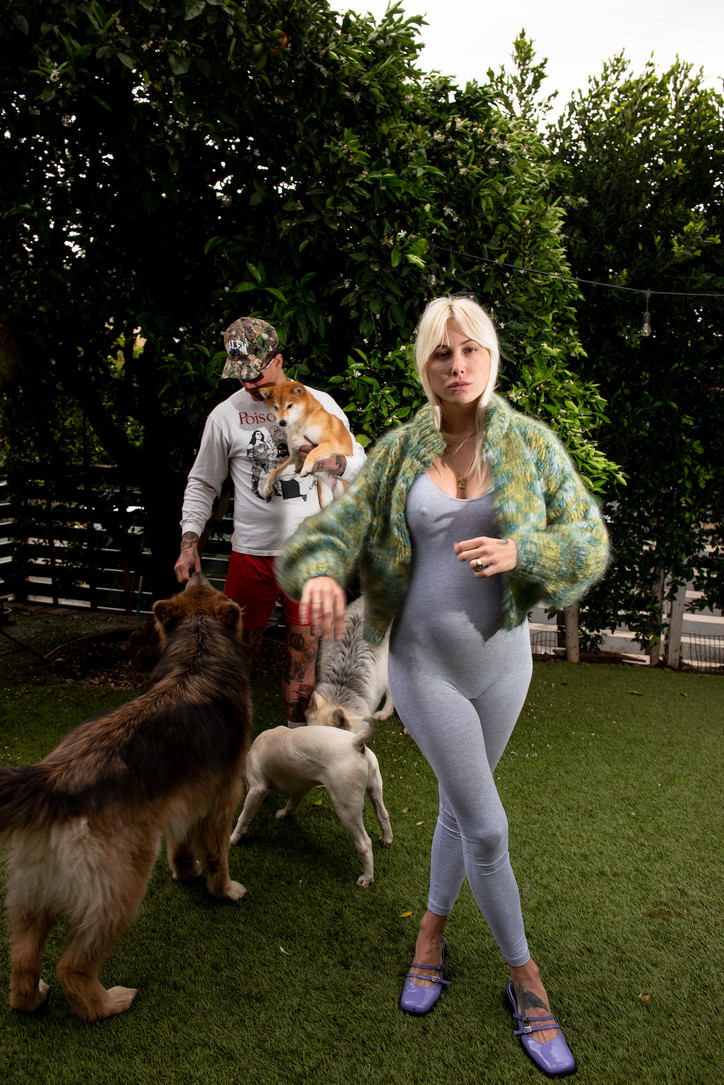
WR— You were going through cancer recovery and radiation with a newborn infant. How did that experience affect or change you? What do you think that gave you as a mother?
RF— Not being able to breastfeed her: one school of thought is skin-to-skin contact and you must breastfeed. Seeing my child at nine, thriving despite that, and realizing the devastation I felt over those things doesn’t define me as a mother. I feel really sad for the 26-year-old me, who was vomiting, going through radiation, wearing a hazmat suit, just trying to touch my baby. Being locked in a room terrified she’d grow up and not care about me, and we’d never be bonded. I spent months sobbing up in that room, thinking I’d ruined my little baby. Realizing that wasn’t real has offered me a lot of perspective, not just on motherhood, but in general.
WR— You’ve written about how you were very underparented. Did this give you the inclination to over parent? How did you deal with that?
RF— I still openly struggle with that. The other day, my daughter said, “Mom, you treat me like trash!” I, like, died forty-five times and called all my close people. Hearing that gutted me. Two days later, I was standing behind her. She was on Youtube watching something that was going, “You’re trash!”, “I’m trash!”, “You’re calling me trash!” That extreme guilt when she feels any sort of disruption or discomfort is something I’m still working on, actively. A lot of that comes from those radiation treatments and not being able to touch her and being a crazy person, locked in a room.
WR— I cannot imagine.
RF— If you have milk in your boobs, and you hear a baby cry — it doesn’t even have to be your own baby — your milk will soak your shirt. When it's your own baby, and you can’t touch her… I was trying to act normal, but having psycho thoughts alone in a room all day, vomiting and pacing around. It’s making me want to cry.
WR— It genuinely sounds like torture.
RF— It was truly torture.
WR— It’s primal.
RF— The most primal thing I’ve ever experienced. The suit I was wearing was essentially a medical version of dish gloves. It’s hospital blue. I held her in that, and I couldn’t feel her, because it’s rubber. I still tried to make the most of the moment. I could only hold her for timed intervals. A minute here or there. That went on for… probably the first three months. I couldn’t be around Blake either. I was alone.
WR— I’m so glad you got through that.
RF— Cancer while you’re pregnant does happen. If I'm going to give a shoutout to anyone, there’s a ward at Cedars Sinai for maternal cancer patients. If I hadn’t witnessed other women going through what I was going through, I would have thought I was insane.
WR— Who will your memoir help?
RF— Something I struggle with in the industries I’ve been in is that a lot of the people I’m surrounded by come from a lot of wealth. It’s not open wealthiness. It’s secret wealthiness; they don’t even admit to it themselves. It’s like those memes of art kids pretending they're broke. They’re all brand owners, and it’s like, "How the hell did you get 30 grand to run ads?" You know? It’s that. I mostly hope whoever finds my book in this world is somebody out there as an adult feeling less than their peers because they didn’t have the support their peers have. It’s not even financial support, it’s literally just somebody to call if you have a fucking flat tire. That’s who I want to find the book, and be like, "Oh, I can still move forward. Life can still happen for me. I just have to acknowledge I can’t compete with the people around me because they don’t have the same set up as me. So I just have to compete with myself."
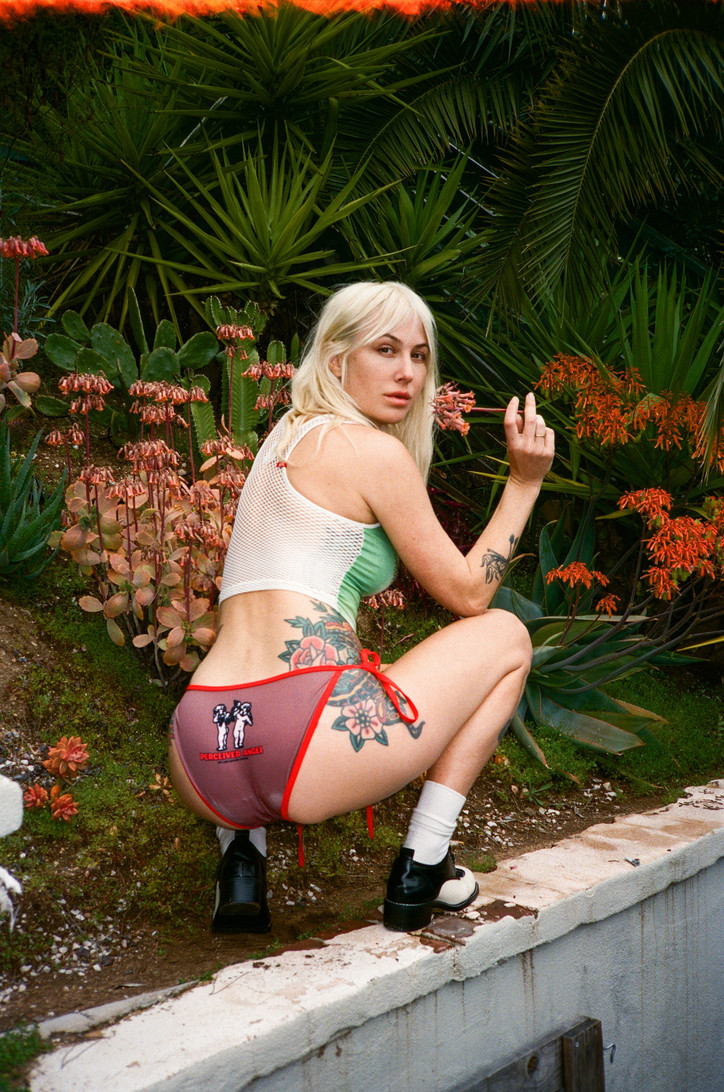
WR— How did you learn to deal with that?
RF— Everyone compares themselves to their peers. I’m not free of doing that, but when I started figuring that out and actually looking at stuff, and realizing people were more supported than I was, that’s why they were doing things at 25 that I’m doing at 35. It’s just time and experience that’s given me a little bit of perspective on that.
WR— How did you find your style?
RF— For years, when I came to LA and saw what was popular, I was trying to emulate the things I was seeing around me. I’d see pictures of myself and hate them, because I just didn’t look like me in the end. I was trying to look like the people surrounding me because they seemed put together and like they knew what was going on, when I felt I was, like, I snuck in here, and I just gotta be quiet so nobody notices me, even if I was invited. Like, "Holy fuck, they don’t know I was in jail last year!"
I had this really freeing moment when I was burning my life to the ground in 2016 because I was angry, and LA had really burned me for what I thought it was at that time. I started dressing how I did when I was 15. Big 3XL Sweats and big T-shirts. All that confidence that had been stripped away from me after a decade of being here came flooding back in. It was almost too much. I was like, I’m the fuckin’ boss. Just accessing my true inner self. Now that I’ve figured out who I am to the best of my ability as of now, style comes so easily to me. Now I just know what I would wear. Things don’t feel like risks, it’s just like, "I’m wearing that today, period."
I’ve always had this theory, when we’re teenagers, we are dressing in a way that’s like, "We’re About This." Your band shirts, your skate gear, struggling to identify with the people around you. When you grow up and realize who you are, you don’t have to prove yourself a part of some identity, because you are your identity.
WR— What is the brief origin story of Hot Lava?
RF— Hot Lava is an algorithmic experiment that I made up for my followers. My strength is in brand identity. That’s why people hire me. Hot Lava is based on a decade of my base telling me where they go to eat, the boys or girls they want to date, what concerts they’re going to, etc. Basically pumping me full of data. Hot Lava is what I did with that data. I made it for my base because that’s what they identify with. Very much so me, but I don’t consider myself a designer. Brand identity is algorithmic.
WR— How would you describe your brand voice?
RF— It’s very representative of my ties to skateboarding. Most of the girls that wear Hot Lava skate. It’s a skate brand that isn’t like the other girls skate brands. Granted, now there are a lot of really cool– like Glue is amazing and a really cool skate brand. In 2015, when I started Hot Lava, there wasn’t anything like that. It was just rebranded men’s brands on a slimmer fit t-shirt. Nobody wanted that. It’s very much so girls who are immersed in some kind of subculture. Art girls, girls who go to shows, they juggle, I don’t know! They all have a crazy hobby that’s a little bit different. Those are my people.
WR—Having worked in so many male-dominated spaces, how did you assert your presence?
RF— I’m a girl’s girl. That being said, I’ve primarily been brought up in male industries and by older foster brothers. It’s my main source of information, and the way I communicate in work spaces, I need to work on. Because men in work spaces don’t communicate well. They’re very emotional, honestly, they don’t read other people well. It’s not that I struggle to be heard in those spaces at all– I did not. I’ve more so had to soften and professionalize over time rather than scream to be heard.
WR— You were already assertive.
RF— Yeah, I’ve always been really assertive, but I’ve also had to learn to navigate the fact that I’m a bitch, but Tom over here has said the same sentence and he’s strong and powerful, but I’m an emotional bitch. A lot of navigating that, and making sure I’m not repeating cycles I’ve seen, heard, and experienced to other people, especially as an employer.
WR— How has your definition of LA changed over the years? What is sobriety like in LA?
RF— I had a terrible experience in the beginning of trying to get sober in LA. I was trying to get sober for the wrong reason, I was trying to prove that I wasn’t as much of a problem as the other people I was drinking with. That’s an ugly approach to sobriety, that’s angry. I went to some meetings and let some people I didn’t like define the program for me. I left meetings, and have been sober since. Maybe I’m realizing I’ve been sober without alcohol and without party scenes, but I still need to do a lot of work on myself, whether that be in the program or through trauma therapy, that I’ve been doing for a couple years.
Seeing the city as a sober person has made me completely relearn the city. This is not the LA it was to me when I was at the bar. I eat different food, I go to different places, I engage with different people. I get the fact that people hike now. I still don’t want to hike. Please don’t invite me, but I get it. It’s beautiful outside. I’ll be in a pool chair, though.
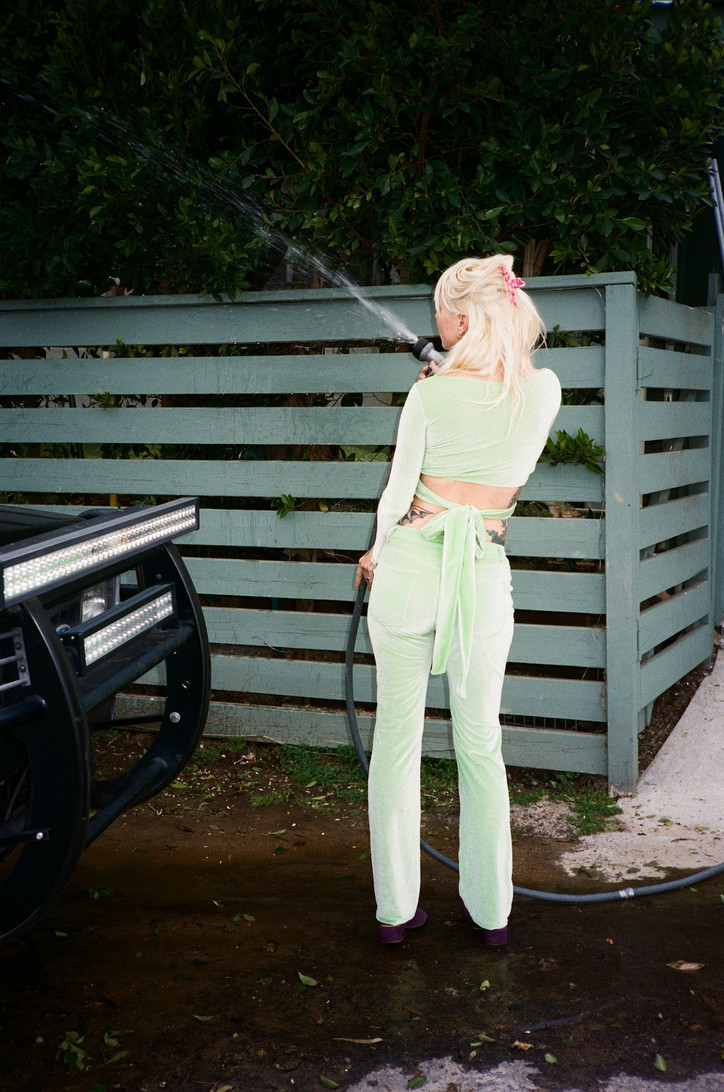
WR— As someone who is labeled as an “it girl,” what do you think makes an “it girl” an “it girl”?
RF— Everytime people write that I’m like, Really?! It’s a crazy compliment. I think one thing they have in common is at one point or another being the female villain. That was messy, that was yucky, she did a bad, but somehow they’re still letting her around. There’s gossip surrounding them. After that, I can’t really say. I don’t worry about it, because whatever I’ve accidentally done that’s gotten me this title, I’m just going to keep accidentally doing it. If I pay attention to it, I’ll mess it up. I’m such a boomer mom.
WR— Not at all. That might be one of the things — that they’re not trying to be an it girl.
RF—They’re scared to try, ‘cause they’ll mess it up. Only option is to just keep doing you.
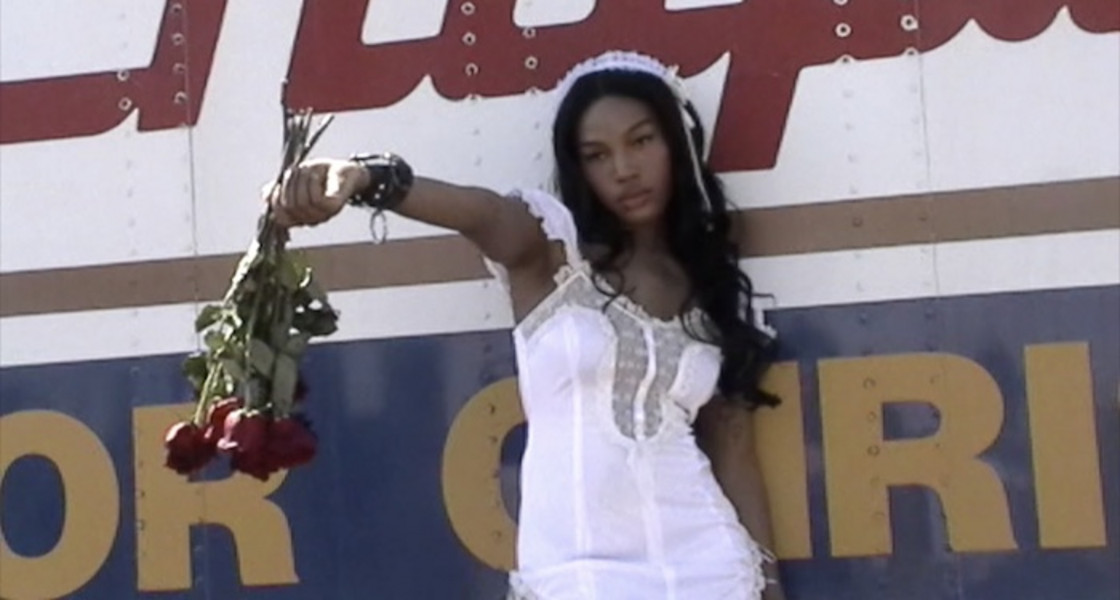
When the laughter dies down, we see how important Blackwell is to our generation. How often do we have Black women in the entertainment industry reminding the rest of us to stop taking ourselves so seriously? To stop living up to hegemonic expectations that force us to be receivable, attainable, and maintainable? We suppress our authenticity, comfort, and joy to ensure we are in line with confinement. When was the last time we recorded ourselves dancing across our bedrooms? Or showcased how much appreciation we have for our bodies? As younger girls come across the dinosaur vines and TikTok’s of Blackwell featuring Mike Tyson cosplay, crying videos, and absolute protagonist energy, they wash off the imposter syndrome, stepping into a new chapter of self-love and chaos.
As a victim of the ‘Taking Myself Too Seriously to Enjoy Anything’ club, the opportunity to sit down with Blackwell was a one of one experience. I probably had my head rolled back for the majority of the interview since Blackwell’s comedic timing may be powerful enough to stop an asteroid. We spoke about every topic possible, from our unspoken situationship with Twitter to the fender bender Tesla fiasco that caused her to miss out on her Starbucks order, to the infamous $100,000 couch, to her upcoming Podcast, and of course, how Black women are deserving the space to be extroverted, and loud, and extra, and all of the above because who is anyone else to bring us down a pedestal? For so long, we’ve had to move across industries, procuring a dainty and passive version of ourselves to obtain status.
Here, Blackwell has gathered a nation by being her original and boisterous self. There’s no PR or marketing when it comes to her influence. You follow her because you have no choice otherwise. You press play because you want to. You have dreams about her. You would do anything for her. And she thanks you for your service.
Read the exclusive interview with the future Hollywood starlet below.


What was the first video that you posted that let you know that you had gone viral? Did you believe you could be famous?
The first video I had that went viral was me doing a cheerleading stunt and falling off the chair and breaking the leg. And I mean, I was on the cheer side of the internet. So I was like, if this works on this side of the internet, I'm the best. There's like big children and Jamie Andries. And I was like, if I get as many likes as her, then I can do this as a career. And that video went more up than anything she's ever done. And I was like, Oh, I got this. Let me just keep posting stupid shit. And now we're here. And now I can pay my rent.
Exactly. And now, you can pay for $100,000 couches. So at what age did you start making videos?
Probably when I was nine. Which, I don't think that's a good thing for like a developing child brain. But you know, it could pay for the couch. So shout out.
As a black woman in comedy fashion and now modeling, did you feel as if there were expectations already set for you?
Hmm, no, I feel like there's no expectation set except for getting through the door. I don't know, the only expectation I feel is to make it easier for the next black woman to come and do it, too. I don't feel any expectation to perform blackness ever. I feel an expectation to carve out a space for other people.
Is that the expectation that you have set for yourself? Are there any other goals that you have in this industry?
I would say, the ability to not be categorized is kind of the expectation I have on myself. Just to be able to exist. So many people of different races are allowed to just exist without being categorized in some sort of stereotype. And I just think Black people should have that availability. The only person I've seen really be able to do that is like Donald Glover, probably. Or, Tyler, the Creator but I've never seen a woman truly do it.
You've definitely been able to set a standard to stay unexpected and unpredictable. Do you feel as if you've already allowed upcoming Black girls the ability to feel comfortable using social media?
Completely, completely. I feel like my presence on social media has changed things. It's just crazy to think about it because I'm only twenty-two. Right? So you would still think, that you haven't had an impact so far, but I see people coming up on social media that are like, using the formula I created. I didn't even know that I was creating it, but I'm like, "oh, this is sick." Even when I go meet with the new TikTok girls, or new Instagram girls, or new Twitter girls that go viral, they're like, "I've been watching you for forever. Like, I used to watch you when I was in elementary school." And I'm like, "what the fuck, I was in elementary school the same time?"


Would you be interested in any other forms of media or art? How serious do you want modeling to be?
I want modeling to be serious, but I don't want it to be my bread and butter. I really think I'm meant to be an actor. I feel like the internet does this thing with talent, where you have such a raw talent that the internet just gave you everything that you would get if you went and just grew the talent. Like, I feel like, if I didn't have the internet, I would have gone to theater class, and then to acting school and all this, but I had the internet and I got all these accolades so quick, so that it was like, fuck it, I don't need to learn anything else. But now getting to the point in my life where, I know for my craft, I want it to be acting. I spent so much of my time in my past seven years on the internet, instead of you know, learning how to act and go into these programs that there's people my age in LA right now that have been acting since they were like 10. And they are are all of these prodigies and I'm like, I'm a prodigy of just being fucking insane. So now that's what I want to get into, just figuring out how to get my foot through the door in a way that I don't want to be an actor because I'm Quenlin Blackwell, I want to be an actor because I'm a talented person.
Do you have any dream directors you'd want to work with or like a type of genre you see yourself in?
I just watched this movie called Risk Cutters. Okay. And it sounds fucked up. But it's about like how people kill themselves. They go through this type of purgatory, and but they still exist—like, they're modern day humans who have jobs and shit. And just the way the film was made, was like, it wasn't like a Marvel $300 billion budget film, it was like indie, I don't know I kind of just want to be in indie movies to begin with. And then go into like a big thing later on. I don't have a director in mind that I want to work with, just a director who wants to tell a story that hasn't been told before. That's kind of the stuff that I want to be involved with.
I think you'd be the next horror girly, for sure.
Right! I literally think I could be that, too. I think like when I'm 50, I'll be Viola Davis. But like, I've been making music for the past four years, I'll release some songs of course, like, why not give the world all my forms of creativity but it's not something that's like, "this is my craft." I feel like my craft is going to be acting, I just got to figure out an agent and stuff for acting and all these things. You know, someone who's interested in building a career instead of writing off my social media career and putting me in some cheesy shit. I'm down to be in something E-list as long as it is actually has meaning instead of just trying to pump out the next teen drama.
When it comes to like modeling, do you feel as if you've already worked with the people you want to or do you have like a set list of people?
Oh, I haven't worked with the people that I want to, because I kind of spent the past year and a half my life figuring out how to make myself comfortable when I'm overwhelmed, because I think I'm gearing up for a really, really big career. Yeah. So to meet these people I want to work with in modeling or acting, you have to go out and meet people and I have not gone out in the past year. I've been sober for six months, it's really hard to go mix and mingle when you're not drinking. So it's time for me to like, put my foot back out the door and be like, "who wants to take a picture of me?"
Even though obviously, in your videos, you'd be much more extroverted. But would you actually describe your personality as that?
Yeah, I feel like I'm extroverted around. I feel like I'm a completely extroverted, the only time I'm introverted is when I'm uncomfortable. I talk out loud to myself, I scream to myself. My boyfriend right now was like, "why do you—why are you always talking so loud and screaming so loud, and you just do so much?" And it's like, because that's the person I am. I've never been a quiet person. The only time that I'm quite uncomfortable is when people make me quite uncomfortable.
What's your favorite app out of like all social media?
That's like asking me, "what's your favorite drug?" Like, let me tell you which one I'm most addicted to. How about we do that? First, it's TikTok, and then it goes to Instagram. Twitter is like, Twitter is like— what's that drink called? A Four Loko. Like you know, you'll have fun, but you'll have the worst hangover the next day.
It's because you can't really leave it alone! It's like, once you're scrolling you'll end up doing it for four hours!
Twitter is an app that's like, "so do you want to panic? Have self doubt or hate on somebody today?"
Then, you'll end up doing all three at the same time. You'll find yourself in the comment section arguing with someone from Kentucky about a topic that isn't even about you! Here's my next question, as a lot of your teen hood or life has been documented online, what are some things you feel people don't know about you?
That I am an amazing writer. A lot of my friends say that I'm a poet when I read the my journal entries to be honest, and that I have way more to say when I'm not screaming than when I am. The internet is so based on our attention spans and getting the attention quickly that the louder I am, the quicker you'll listen. If you listen to me when I'm talking in a normal tone, I'll have much more to say. So, I feel that I'm actually a long form type of content creator that's been put in a short form world to which I have way more to say than people know. Except for just jokes, I can shoot a joke but I can speak a nice little paragraph.
Even though you've been put into short form, would you just want to go against the grain and force your audience to start to see you in more long form?
Oh, that's what I'm doing right now. Like, I literally just got my streaming setup, because t I don't leave my house, since I'm sober. And I love saying I'm sober, it makes me feel so much better than the bitches that literally get fucked up every day, like it really does. Anyway, I have my whole setup in the next room. And right now I'm working on my podcast. I just got a trademark and everything, it's called Public Indecency. So, I'm creating to replace different long form types of content, just the reason I've never done it is because I will not half-ass anything. I will sit and wait until I know I can give it my full attention and capabilities. So like, now I'm finally doing it. But yeah, they're (the audience) getting forced, they're getting forced to go to long form. I'm not making a YouTube. I'm not becoming a YouTuber. Fuck no, no, no, no, no,
I think you can skip over that phase.
Mama can skip over because she's been making and creating content since thirteen-fourteen. I'm twenty-two now, enough time to just speak and let the content create itself.
Truthfully, what are the topics that you'd want to have for your podcast?
I feel—you know, who really ate with their concept? Good luck, Charlie. When the day was explained, and then the takeaway from the day? You know, I mean, like, just going through and explaining what happened in my day, or what's happened in my life, in my career, my friendships and my family life, what I've taken away from it, how I've coped with it, how life affects me as a young adult. And just like little tips and tricks on how to not kill yourself every day because mama used to be depressed, anorexic, bulimic, you know? Like, I really used to just be out of my mind. And I found a way to come back into reality and just show my audience that it's possible, and that life is worth living. And it can be fun. You can laugh at the absurdity of life without feeling defeated by it. And just give hope in the podcast with a little laugh on the side.
I think it's important to know that others have a safe space within you to be like, this is someone who's usually out like outwardly laughing, but it's like, here's some like real topics that are happening.
And I could take this podcast idea and bring it to a big production thing and like, get a whole deal for the podcast. But I haven't done any of that because I feel like mental health hasn't been stigmatized, it's been commodified. And to de-stigmatize mental health, it has to get really ugly into like—the true ugly side of that shit. And I feel, the more honest I am with how I dealt with my life, and what I've done, is better. And sometimes it's not ad-friendly, but it's true. At the end of the day, I'm not trying to be like, I'm the mental health girl with mental health tricks. I'm not trying to commodify it. I'm just trying to be like, here's the part of my whole existence as a young adult, and it's okay to be a part of it.
How would you describe yourself like in third person?
Okay, how would I describe myself in third person? I would say I'm curious. I would say that I am joyful. Confused as fuck. Mmm hmm. I will say that I give good love. I am independent. Like, I don't fucking need anybody. But I'm kind of too independent sometimes. Like, I'll have a broken arm and if you call the ambulance, I'm like, "give me the fucking phone, I'll do it before you can tell somebody else that you called the ambulance for me. Fuck you." — Which I need help on. What else about me? I'm hopeful. I'm really hopeful for the future. I have not let the nihilistic nature of our society take away my hope for my future in our collective future.
Those are good descriptions, for sure. I definitely relate to the confused as fuck point.
Oh, like, nothing makes sense! But you know, this is what I say if the world is burning down, let's dance on its ashes. Let's make marshmallows off the char.
The best thing we can do is just be like, "I don't know what's going on."
RIght, so if you don't know what's going on, and if nothing makes sense, then there's no expectation. That's the most freest existence ever, genuinely.
Did you have to go through any rebranding when transitioning from like Vine to Instagram, Twitter and Tik Tok?
No, I feel like people think that I've done a rebrand but I've actually just aged. I was on the internet when I was a child, and then a teen, and now young adult so the rebrands have just been puberty. So, no, I don't think any rebranding has occurred, except for me. Coming into my womanhood, I don't think I've had to deal with marketing. There is not a pinch of a marketing dollar in any of this. This is me being like, "oh, wait, I'm hot!"
In one of your latest post, you said you could dance to anything. So what's in your music rotation right now?
Right now? Let me see. Let me tell you. My music rotation right now has The Strokes, I just got put on. I'm so late. What else? Sega Bodega is one of my favorite producers of all time. What he's doing with Björk right now is iconic. I love when the bass repeats, it's just, he goes right on the tempo of some shake-ass music and he's doing it on all the songs and I love it. If you were to put the song in a strip club, the Sega-Bodega-Shy-Girl weirdo shit, it would actually work. I've also been listening to Bree Runway because she is the next girl. Her and Doja Cat, like they both got it and they're gonna take it.
What was in your Spotify Wrapped?
Oh, I have no idea, I don't look at that shit because it'll make me insecure. Like, last year I can tell you my last year Spotify Wrapped was probably Mitsky, period. Okay. Last year was sad.
We don't— we don't talk about it. We just move on. How would you describe your style? What are your closet essentials?
My style is vintage. My style is everything, expensive earrings and not even expensive in the price because some of you bitches be paying—not you—but some of the bitches be buying shit that cost so much and has the shittiest quality. My closet is nice quality things that make them expensive. My quality is vintage, it gives my outfits personality. My closet is long skirts, of course, it's the era of long skirts. I will follow the trends, fuck all you bitches that are like, "oh, I'm not doing any other trends." That's why you look crazy every morning. I take a little bit of a pinch of a trend out the bed anytime. So I do a little long skirt. I love my baby tees, my big boobs. I love you know, a nice pretty bra with a sheer top. I like investing in good lingerie because it can turn into a good outfit. I love a chunky shoe, I love anything Japanese, those girls understand what's going on. The girls in Europe get it, they might not treated the world kindly, but they do get nice threads and nice fashion designers, like they do understand that one little thing so you know I get them. I like mismatching, like mismatching will always eat to me. The clothes don't have to match as long as the idea is there. Right? That's what I'm doing recently. And honestly, I've been starting with the hair, now I've been doing pink highlights in this brown wig. Like the hair makes the whole outfit.
That's absolutely true. The hair finishes off the outfit. Do you have any advice for Black fashion and comedic girlies like yourself who are trying to break into the industry?
I would say consistency. Don't let one thing working good make you get comfortable. Don't let anyone define you by what you may look like or how you may seem. Don't let nobody stereotype you. It's okay to be angry. It's okay to be mean. Have your heart in whatever art form you want to be in, be completely yourself. It might seem like you'll get far fitting into the categories that are already made in Hollywood, or in the entertainment industry, but you'll actually get further within your heart and in the industry, if you just be completely yourself. I mean—don't be crazy have a little bit of PR training you know, tucked in the vein, but like don't be a stock photo of a human. Be yourself. Be true. Be consistent. Be dedicated and regardless of the numbers, as long as you got your heart in it, it's gonna work.