For Lovers
Lamar is a muse for the ages, a lens through which we can explore the love within both our hearts and others'.
Check out the video and photos below.
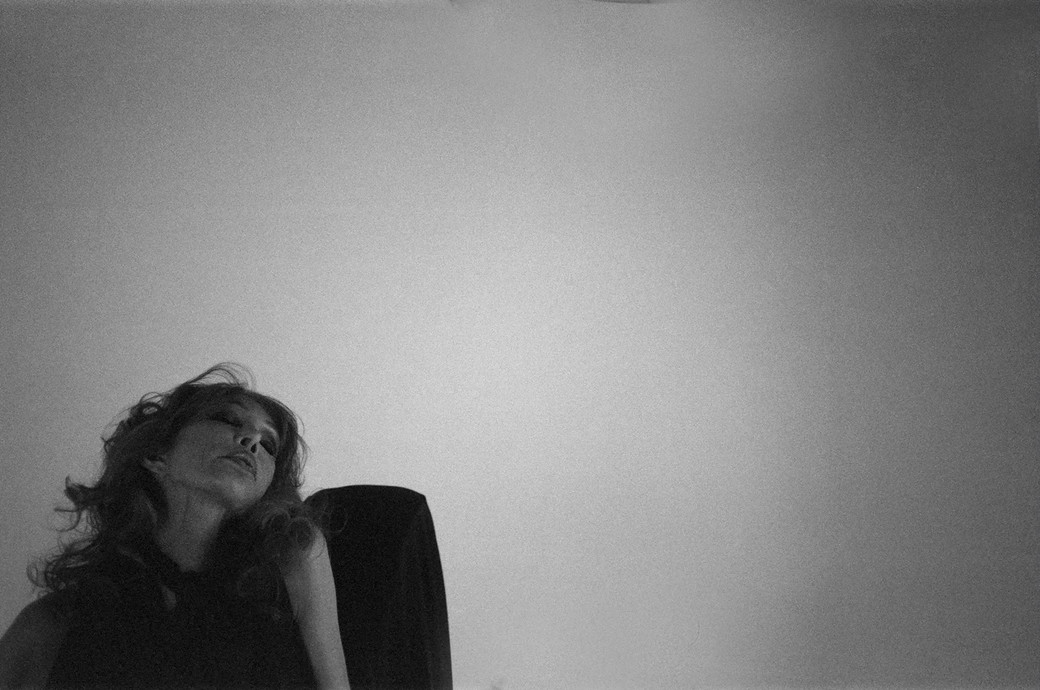
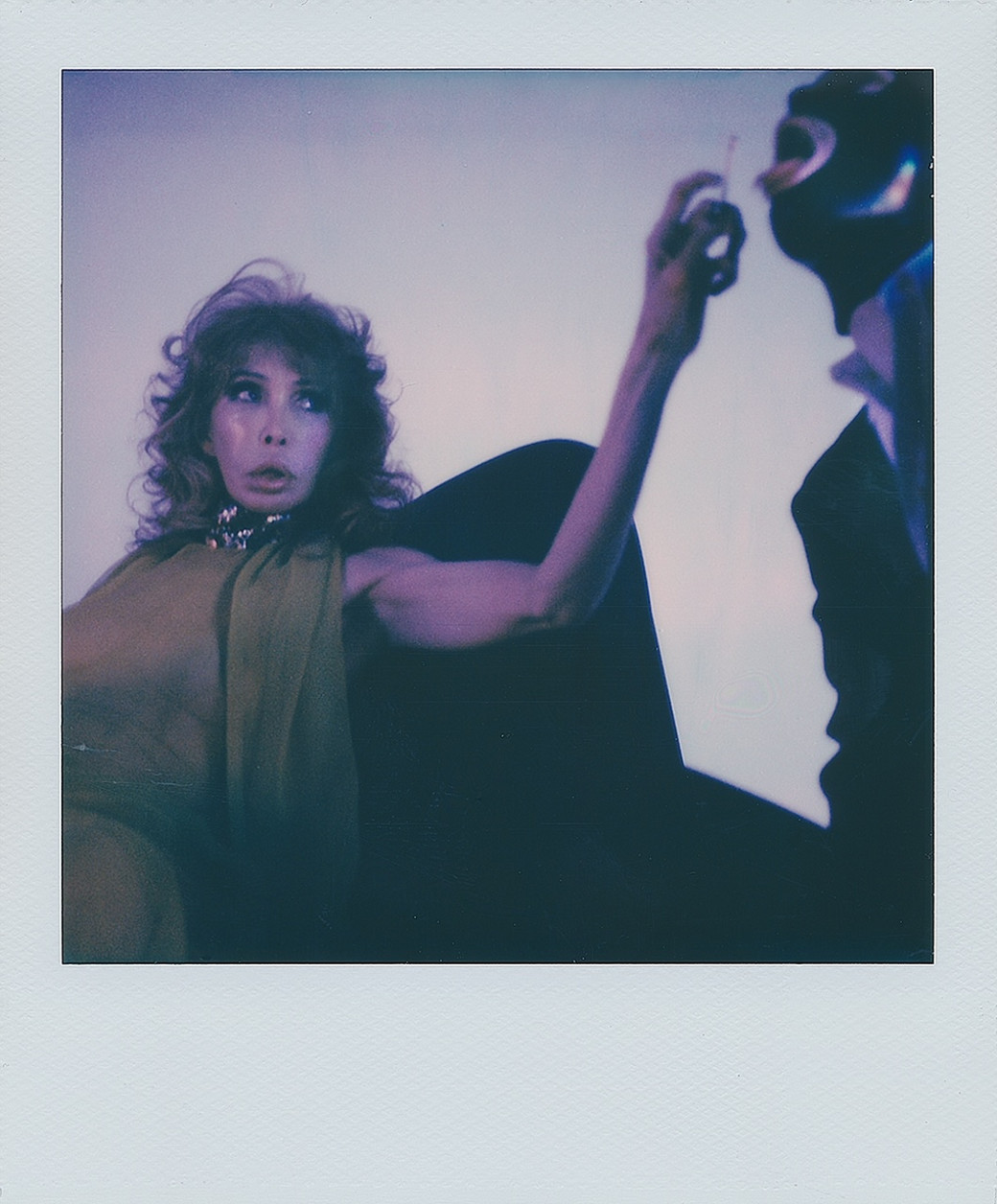
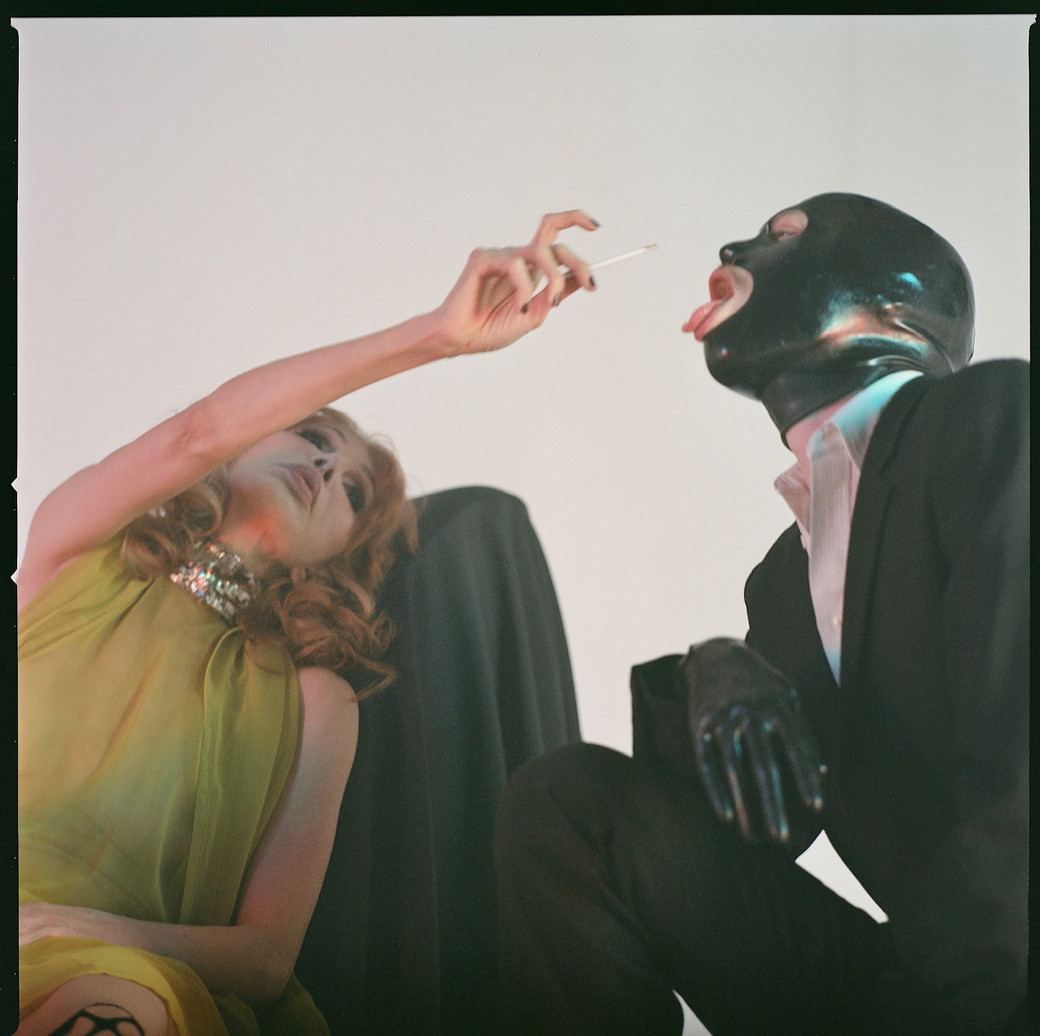
Lamar is a muse for the ages, a lens through which we can explore the love within both our hearts and others'.
Check out the video and photos below.
It’s hard to shake the reality that Black Trans folk are under attack, but it’s the truth. After losing 32 beautiful humans in 2022, we are also facing a wave of policy makers that aim to block affirming health care, criminalize drag as a concept, and label "non-cis presenting" wear as deviant behavior further implicating the LGBTQIA+ community as a whole. On top of this, our own nightlife spaces are still unprotected.
Trans awareness is about being open to understanding what it is we need to feel empowered in those spaces. It is about equity. It is about acknowledgement. And considering that the BIPOC Trans community deserves more than a month or a sole day to be celebrated.
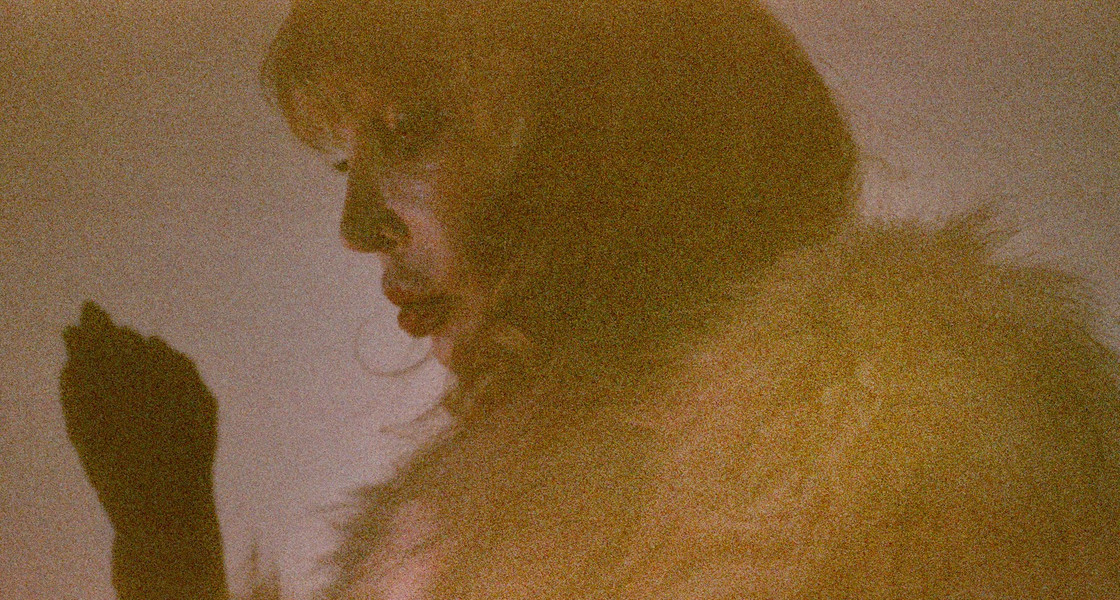
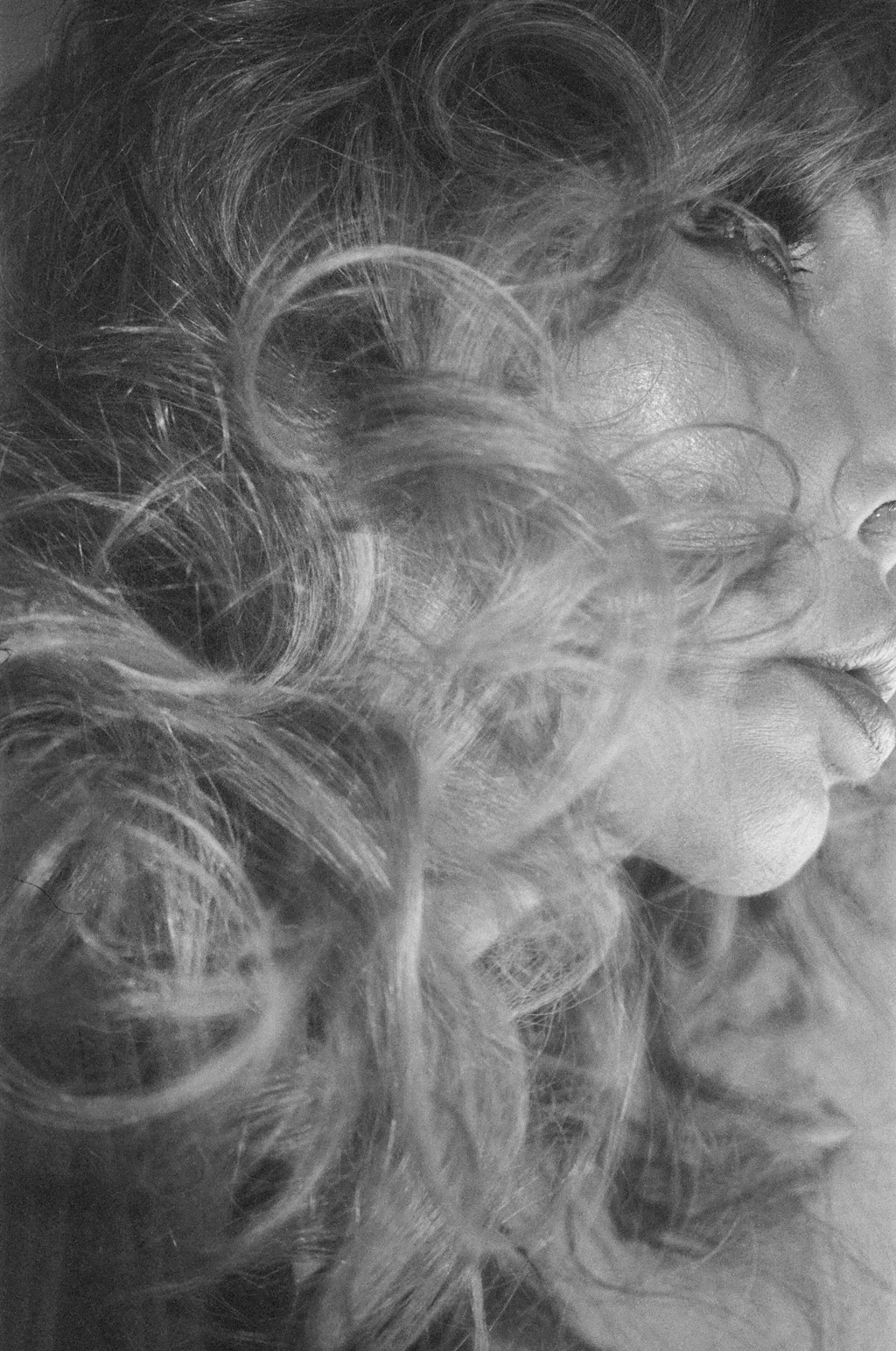
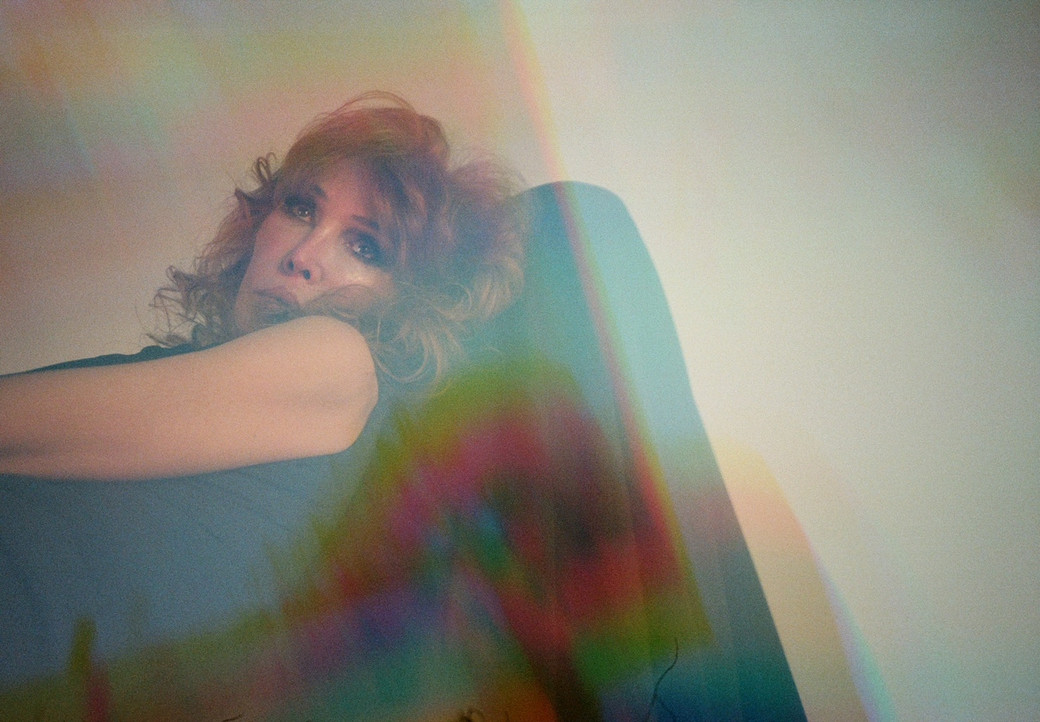
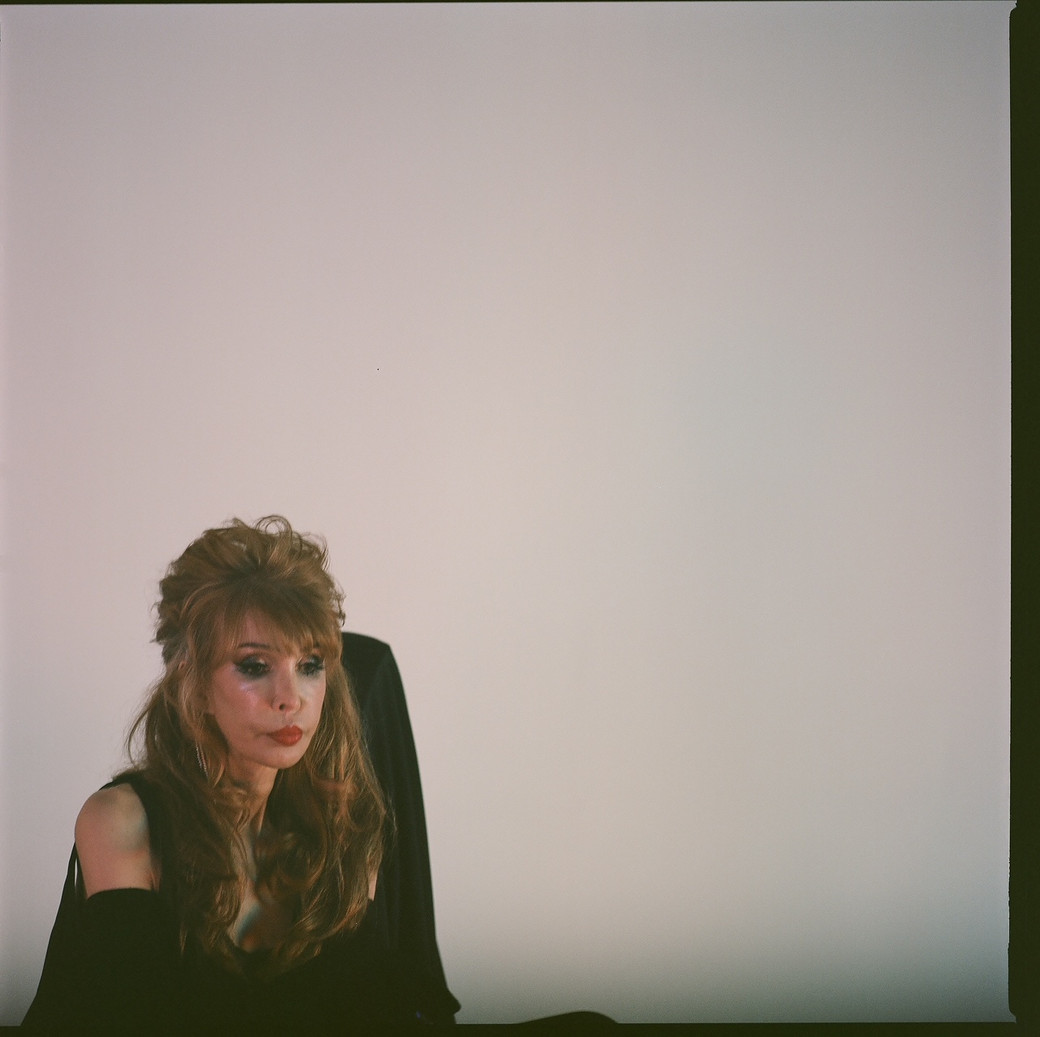
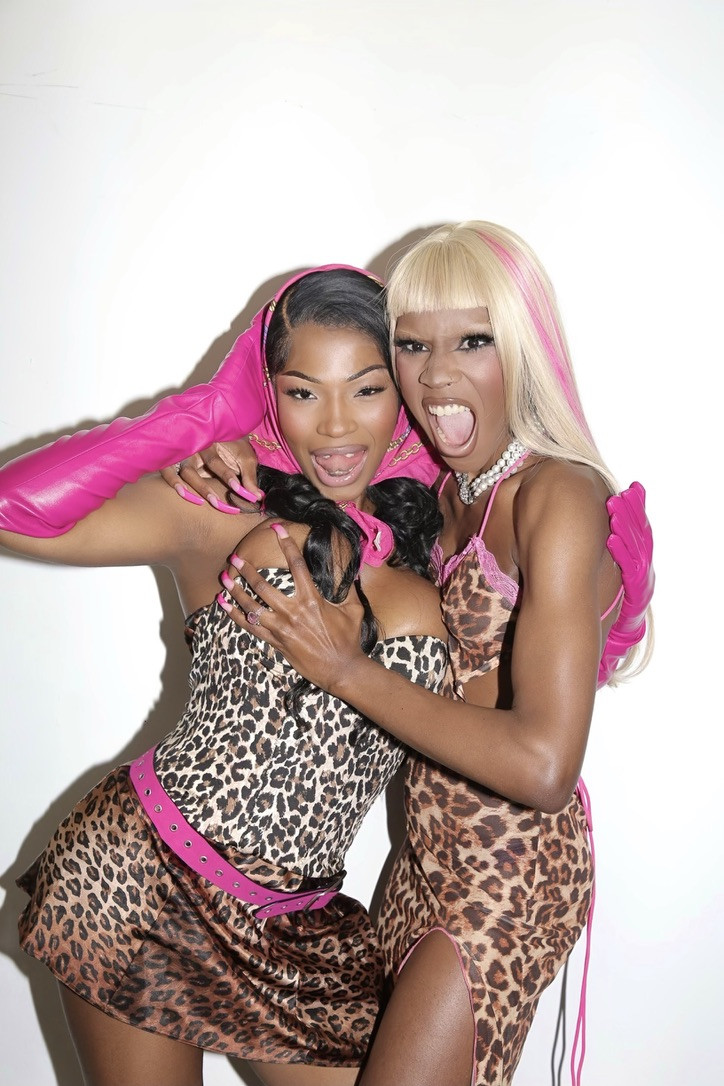
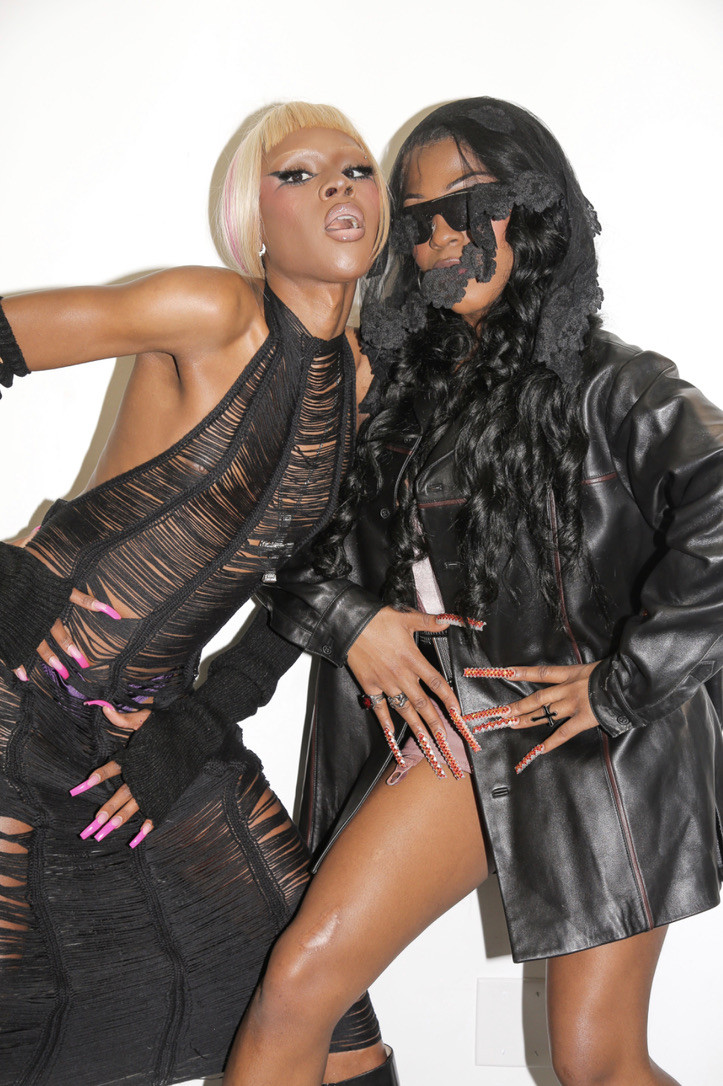
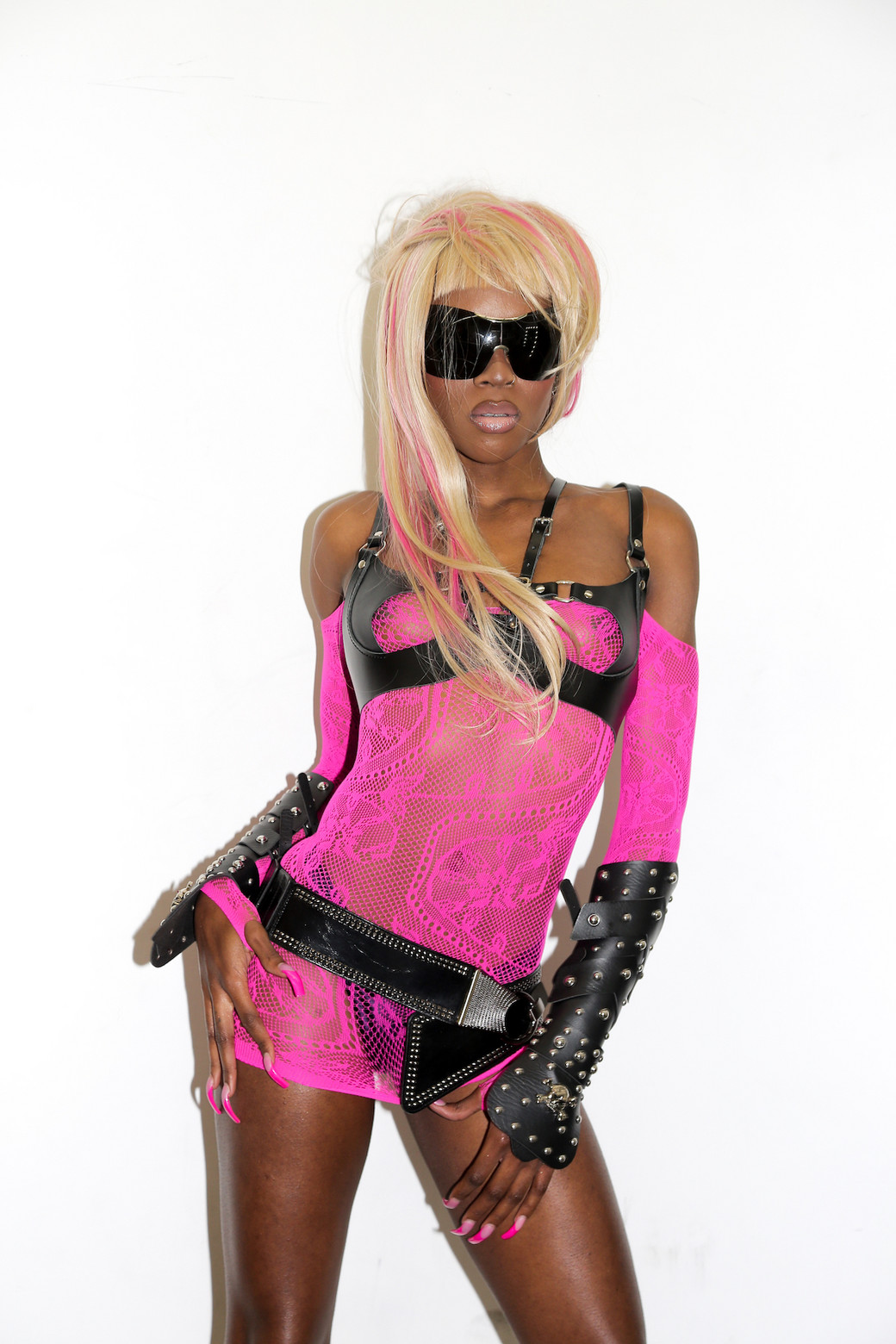
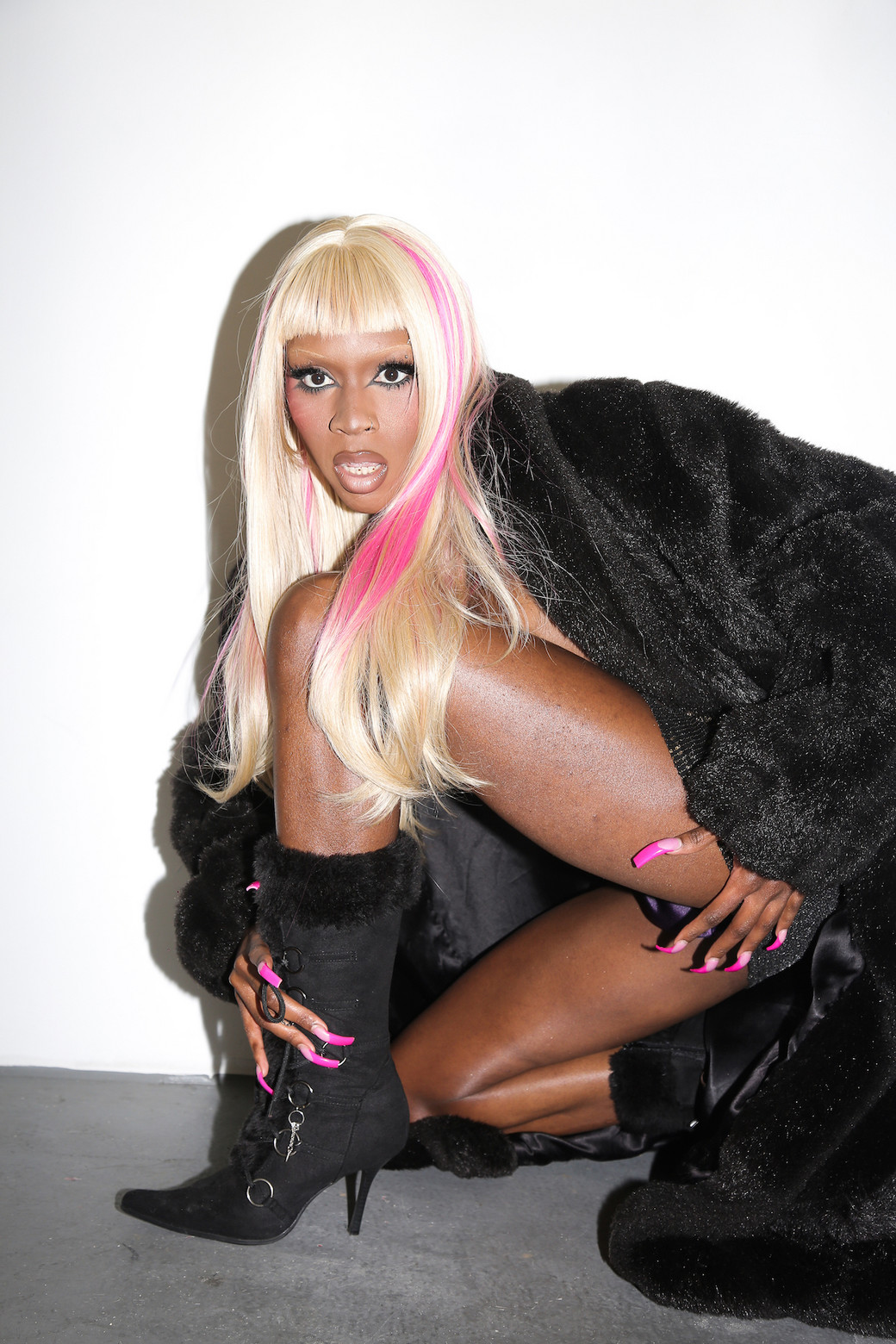
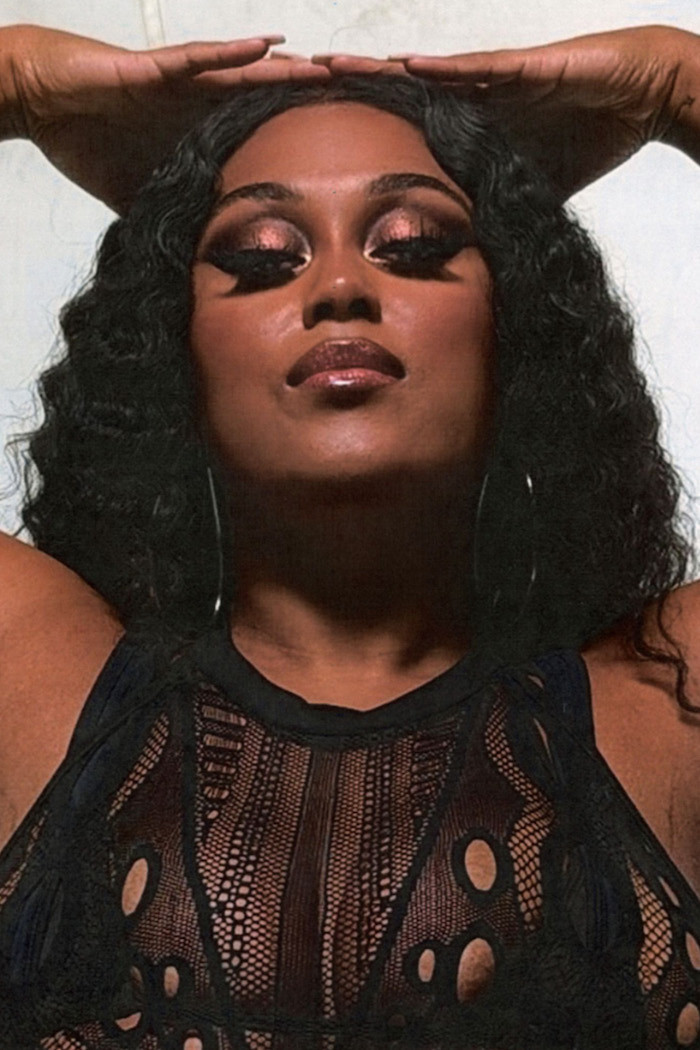
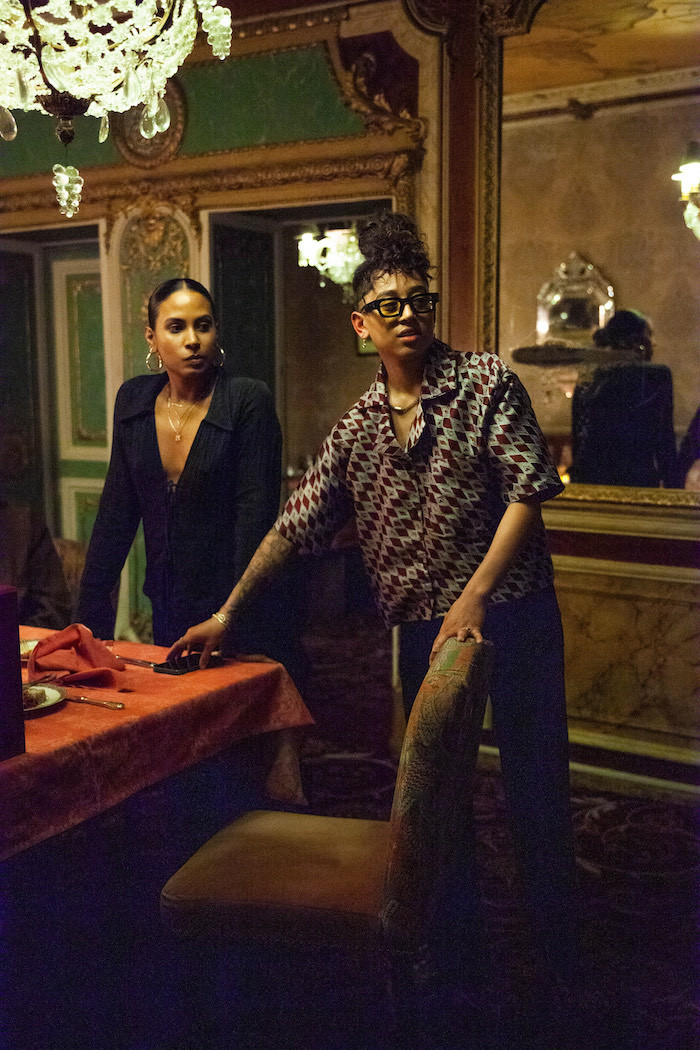
For Trans Day of Visibility this year, photographer Casey Wendel captured LA-based icons Diallo & Zepkins in their ultimate glory, embodying Black Trans joy and the self-love that stems from living authentically. Today, we celebrate them and the Black Trans pioneers that paved the way for the LGBTQIA+ community since the start. The impact that Black Trans Women have had on culture from music to fashion and cinema is a reality that is often overlooked, but Black Transness is a legacy, and to do this work, we must give the Dolls their flowers whenever we can.
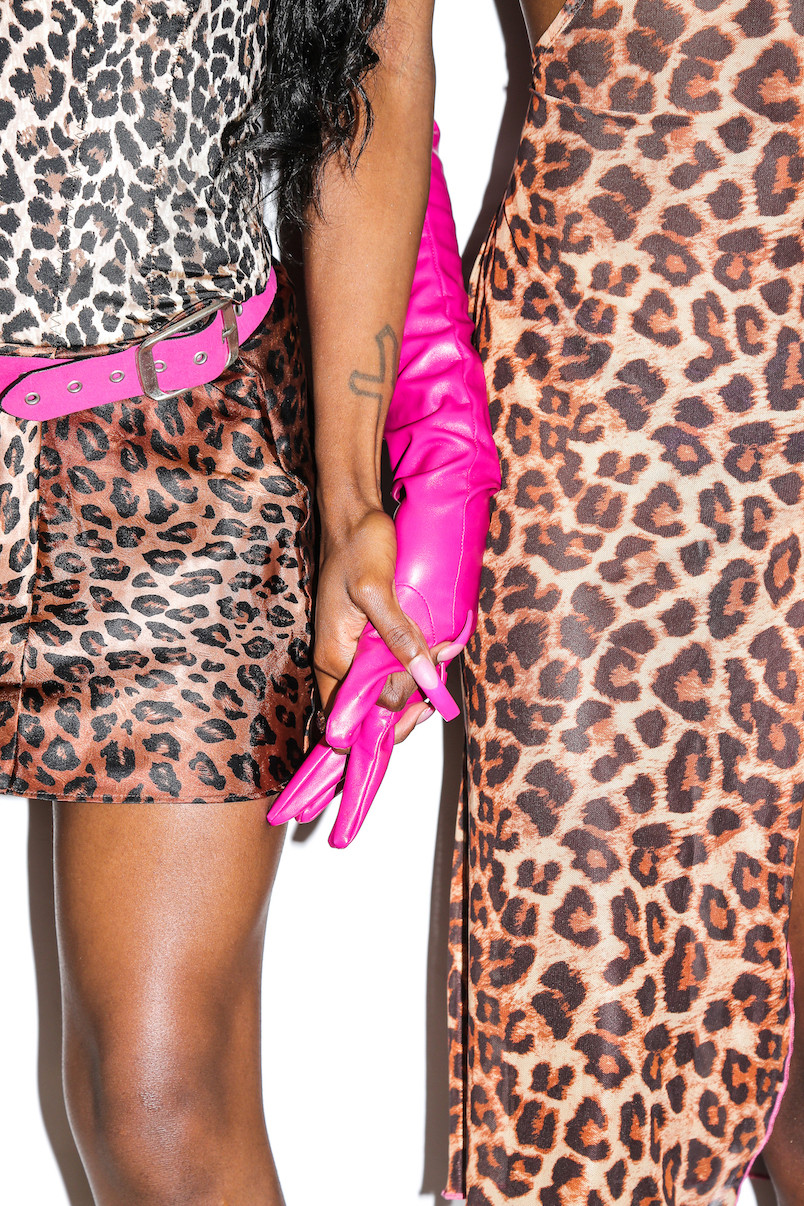

This last year Beyonce drew inspiration from the ballroom scene – a culture historically brought up in Harlem by Black Trans Women – for her Renaissance album. In Television, shows like "Pose" and "Legendary" were the first network depictions of Trans and Non-Binary POC narratives, blossoming superstars in the mainstream industry such as Mj Rodriguez and Dominique Jackson. Looking back even a couple decades ago, at Connie Flemming walking for Mugler, a staple of what a fierce catwalk should look like. Trans Awareness Day is an opportunity to remember those that have come before and to uplift the pioneers that still walk among us like Diallo and Zephkins.
It is a gift to see us shine and thrive, especially into our elder years. This shoot embodies the idea of living radically and finding moments of happiness in the everyday. As Transhumans pushing daily for visibility, a day of appreciation of the decades of culture-making is a minor step forward for these pioneers of our generation. However, our job is not to teach the world to love us. Hate often stems from a lack of understanding. And besides, we are already loved in the spaces we create for ourselves.
Love looks like many things, and even in a world full of hate, we Trans folk get to make our own reality with a love specific to us. Love can be that lipstick shade that makes you feel like a supermodel. Love can be that button-up that fits perfectly over your binder. Love can be a club where you feel yourself authentically. Love is internal and shines through us when we allow our inner royalty to lead us forward. We, as trans folx, cannot fix the brokenness of our world, but instead, learn to love ourselves and allow us to have the life we know is real. That's realness. This Trans Awareness Day, think of us not as a statistic but as a community of people who will live long and loud no matter the odds.
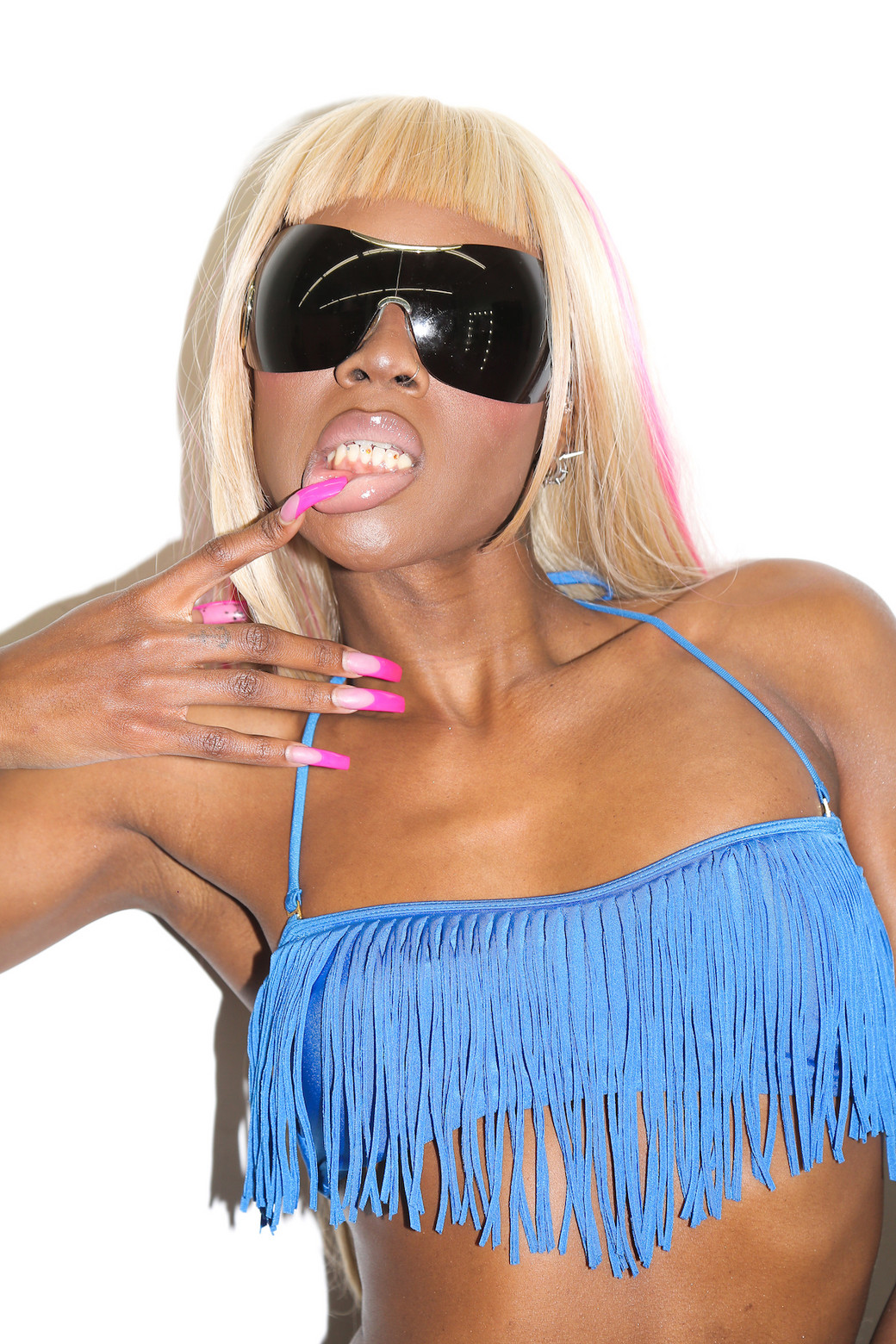
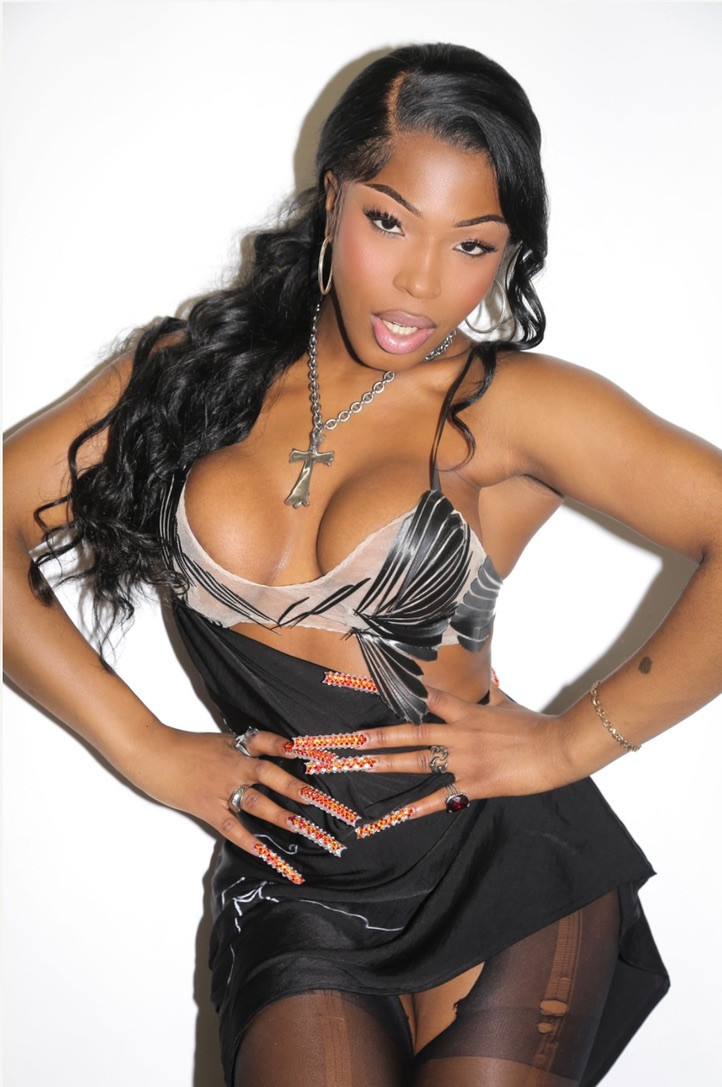
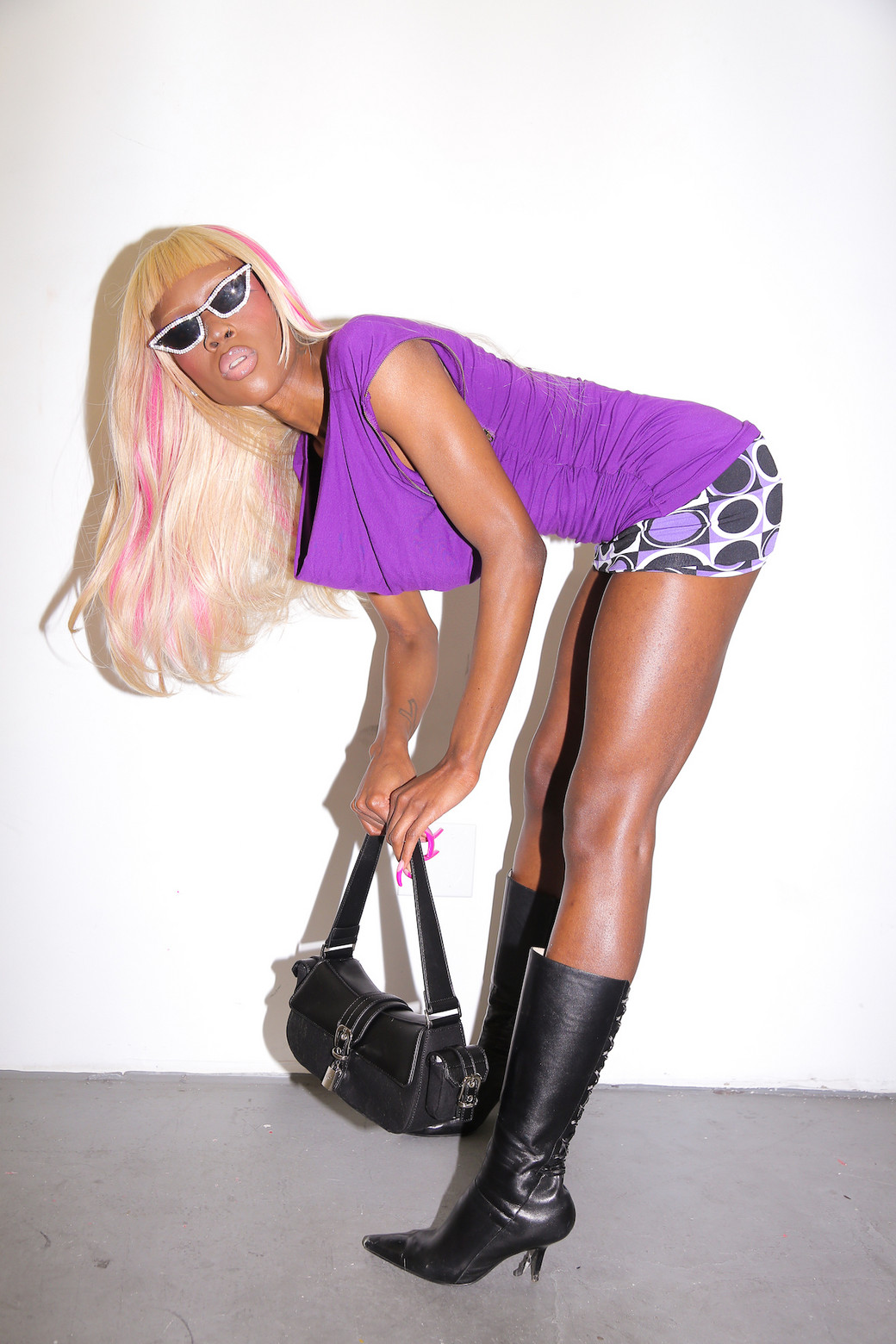

Myesha Evon Gardner is a photographer who explores the multiplicities of the female experience in her intimate works. On the legacy she is creating, she says, “I think that I inspire other women by just showing up and being myself while creating and holding space for them as well.” Her recent project was part of the latest installment of Creator Labs, a visual experience in partnership with Google Pixel and SN37 that aims to uplift emerging artists and showcase their moving works. Myesha’s photos showcased in Creator Labs: Season 7 show off common female archetypes and challenge the stereotypes many women are expected to uphold. “I love to portray women in a uniquely positive light while remaining unapologetic about who they are. My mother, my grandmother, my spiritual mother, my teachers, and my tribe, which includes my five sisters, all empower me in individual ways,” Gardner says.
Desyree Nicole and Gabriella Paulino of Todd Patrick and Elyse Candles
What better way to close out our list than with a two-for-one feature? Nicole and Paulino are not only partners in business, both overseeing luxury menswear brand Todd Patrick, but they are partners in life who bring out the best in each other. Nicole founded Todd Patrick in 2016 with the goal of blending high-end luxury techniques with a more approachable sense of street style. She had no formal background in fashion, but her authentic grit, passion for expressing herself freely, and support from Paulino allowed their relationship and passion project to thrive. When asked how the two set forth a beacon for other women in the industry, Nicole answers, “By living in that truth. A women-owned brand that makes menswear at that. I think we lead by example letting people know that we too, can create for the opposite gender at a high level. Women are BOSSES, women are where the cultivation begins, and the more women realize that — they can do it too! It will be a beautiful shift that occurs within our societal structure.”
Francesca Monaco of THEMOIRè
THEMOIRè’s co-founder, Francesca, believes in a world where beauty and ethics coexist harmoniously. The Milan-based accessory brand is informed by innovation (employing eco-fabrics such as apple-waste leather or recycled cotton) and conservation. “One of our messages is that every small step can make a difference, and this is what we want to share,” Monaco expresses. All bag linings are made of repurposed plastic bottles and fishing nets, inspiring their wearers to live consciously — each carefully crafted, statement bag being a reminder of our responsibility. “I’d like to think that there is nothing more important than being happy with yourself, doing what you love, and always pursuing what you believe in,” Monaco continues, “There are a lot of women who are great examples of this to me: Alexandria Ocasio-Cortez, who is an example of what bold, substantial leadership looks like for women’s rights. Then my mother, who taught me how equality must be pursued at any cost from day one, and, last but not least, Sara Maino, a pillar of the fashion industry who has always used her voice to support the new generations and emerging brands.”
Gabrielle La Mura of W 78 ST
W 78 ST is a hand-crafted accessory company based out of Los Angeles, which has gained the attention of Emma Chamberlain, Richie Shazam, and more. The brand’s founder, Gabrielle, concocts each piece from upcycled leather and sustainable resources. “Encouraging women, whether it’s reposting their business on Instagram, being there for them as a friend, sharing knowledge, sharing opportunities, and believing in them is so incredibly important. Those little things may seem like they are small, but they keep someone excited to continue to push themselves to take on their passion,” she shares. The label recently released the Corbielle, inspired by Jane Birkin’s infamous wicker basket. What started as a test clay sculpture by La Mura facilitated a convertible bag allowing different colors and leathers to be mixed and matched, emphasizing circular wear and encouraging longevity in the wearer’s closets. “Quality and sustainability are something I constantly consider and keep at the forefront,” La Mura elaborates.
Hirra Babar of WARP
Diverging from traditional design standards, founder Babar paves her own path in the leather goods industry with WARP. “While things have evolved a lot in the past, we still see gender disparity when it comes to women working in the leather industry in Pakistan, especially when it comes to running their own businesses,” she shares. Placing a spotlight on Lahore, a culturally-enriched city in Pakistan, the brand proves that high-quality pieces have no spatial boundaries. Many Pakistani women are expert artisans and WARP amplifies their talent and voices by collaborating with local women to create one-of-a-kind accessories. Each bag shows off avant-garde geometric leather stitching patterns, and many feature upcycled materials, from plastic to wooden fibers. “By keeping a women-dominant workplace I believe we have encouraged women to understand that if you don’t get a seat at the table, you can build your own table. I have been fortunate enough to be surrounded by loving and strong women from the start, including our brand’s sales representative agency owner Amal Sultan, our stylist Mehek Saeed, and the rest of our amazing team,” says Babar.
Lucia Caponi of Loretta Caponi
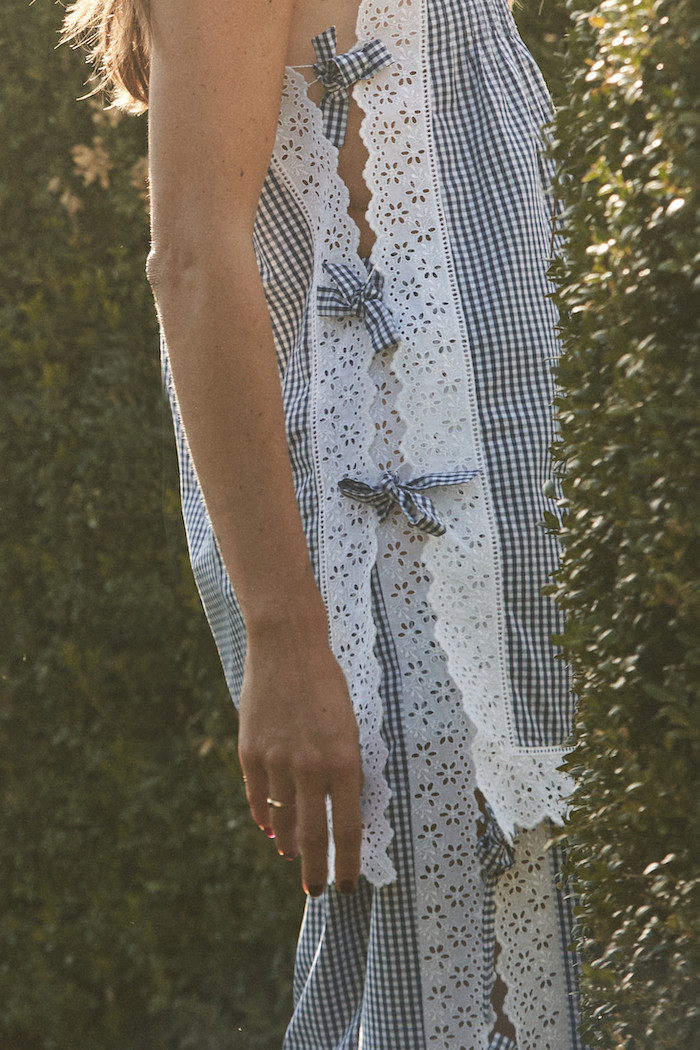
Loretta Caponi was an Italian embroidery master, born in 1924. Originally picking up the craft to help support her family, she paved the way for decades of artisans to come. By the ripe age of fourteen, she commissioned her first work and began taking orders for frocks, nightgowns, and silk slips, disseminating her talent. Now, over fifty years later, her delicate linen clothing, illuminated by vivid patterns, has traveled from Paris to the azure coasts of tropical destinations. Caponi’s family and daughter, Lucia, continue her heritage still today. “I hope the pursuit of beauty can always inspire new generations. Quoting Dostoevsky, ‘Beauty will save the world,’” Lucia Caponi says. On the journey her mother pioneered for her, she shares, “[My mother was] a woman far ahead of her time. A gentle soul with an extremely strong character. A humble but incredibly determined woman with an insatiable thirst for discovery and the curiosity of a child.”
Nina Khosla of FFORME
FFORME is for those who admire the elegant simplicities in life. On FFORME’s ethos, Khosla says, “To divorce ourselves from flash and celebrity culture, we need to remind women that there is something to be said for the return to something so pure — a reminder that substance and quality, in and of themselves, are worth celebrating.” The ready-to-wear label boasts collections of structured outerwear, simple tailored sets, and luxurious knits made to endure the tests of time. As far as women who uplifted Khosla, she points to, “My mother, who I have a deep appreciation for. Being a child of immigrants, it’s hard to forget how she left her own mother and her own life to create a new one for me that allowed me to do this.”
Olivia von Halle of Olivia von Halle
After studying Fashion and Textiles, Olivia von Halle began trailblazing in her career as a trend forecaster and luxury brand consultant, working with brands such as Louis Vuitton, Gucci, and more. “I’ve always been a strong believer in following your gut instinct and I think that’s what brought me where I am today,” she shares. When von Halle wasn’t working, she was attending opulent events and galas — each time returning home wishing for the ideal pajamas to slink into. She began concocting the perfect pair of silk pajamas, inspired by Coco Chanel’s elegance, and it wasn’t long before her eponymous brand was born. On women who inspire her, she shares, “Coco is the woman who first wore pajama-style trousers outside of the bedroom in the 1920s. I think there’s something about her and that overall roaring twenties vibe that I adore. Another woman that I always look up to is Amanda Feilding — she’s known as the ‘hidden hand’ behind the renaissance of psychedelic science and has been a brave and outspoken advocate in this field. She is my muse every day.”
Paule Tenaillon and Marine Braquet of Nomasei
Inspired by strong, empowered women, co-founders Paule Tenaillon and Marine Braquet started Nomasei as a love letter to the heritage and the landscape of Italy. The two met after working for major houses Dior, Louis Vuitton, and Givenchy (to name a few) — but they were both dissatisfied with the standards of the mainstream fashion industry. Nomasei incorporates slow production and ethical materials, refuting the fast-paced tendencies of the industry as we know it today. The brand’s recent loafer collab with Julia von Boehm emphasizes upcycled leather scraps and lead-free Bohemia crystals. When they think back to the women who informed their paths, they cited, “Our mothers, sisters, friends, and each other — we definitely paved the way for, and to each other! All the badass women in our lives, definitely inspire us, as well as Simone de Beauvoir, Colette, Gisele Halim, and Angela Davis.”
Poppy Lissiman of Poppy Lissiman
Poppy Lissiman is a West Australian-based designer who creates head-turning cruelty-free accessories. Her designs have been embraced by the likes of Justin Bieber, Bella Hadid, Billie Eilish, and more, but what really makes her brand shine is her reliance on creating 100 percent animal-free pieces. “As women, we are in a new age and there’s never been a better time to go after whatever path it is you want to forge. I have an incredible group of friends and colleagues who have been in my life for well over two decades — as well as my Mum!” Lissiman expresses.
Seulye Jo of CLED
CLED is derived directly from the word upcycled, as repurposing materials and breathing new life into discarded resources is at the heart of the jewelry brand’s mission. Seulye Jo founded the Los Angeles-based brand in 2018 with a desire to spread education about metal and glass waste and to show consumers that one man’s trash could be reimagined into something beautiful. “My constant reminder for myself is that there is no limit. Don't be afraid to try something new. Your experience or path will be different from others, but your unique idea can bring positive change in your life,” Jo reflects. Each of CLED’s unique pieces incorporate “eco-gems” crafted from discarded glass bottles, as she highly values the creative outlook of transforming waste to treasure. “My grandmother has been my inspiration from the beginning. Other women I've been influenced by are Stella McCartney and Eileen Fisher. I aspire to become like these women who had the vision to make sustainable fashion be in the mainstream,” she adds.
Sofía Sanchez de Betak of CHUFY
Sofía Sanchez de Betak, also known as “Chufy,” lives a colorful life, inspiring others to shed their inhibitions and parade their kaleidoscopic personalities with conviction. “So many women have inspired me. The idea that I could pass that on and inspire someone else is a tremendous honor for me,” she reflects. Splitting her time in New York, Paris, and Mallorca, Chufy soaks up her surroundings, channeling the vibrant energy into her passions. She has published a book titled, “Travels with Chufy,” and created her own ready-to-wear fashion brand which pieces together mementos from her life through hand-painted designs and circular materials. On who brought color into her life, she states, “My mother is my biggest supporter. Her belief is like an anchor. My first boss in NYC gave me a lot of confidence in myself. And, myself. I back myself. I've had a lot of inspiration and help, but ultimately, I got myself here. Without loving myself, that wouldn't have been possible.”
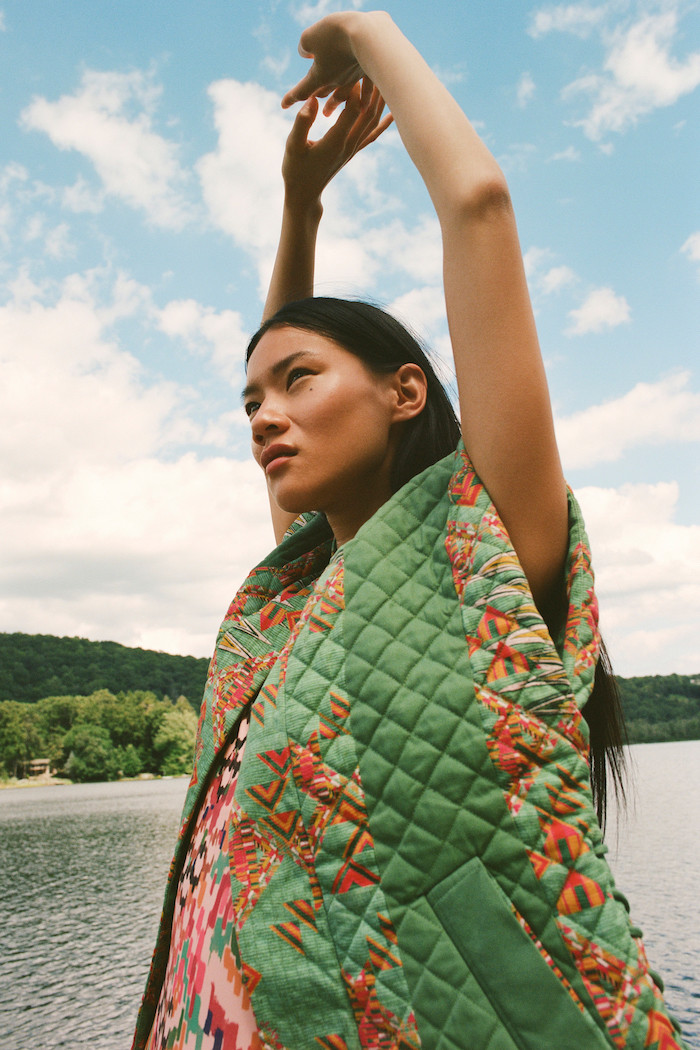




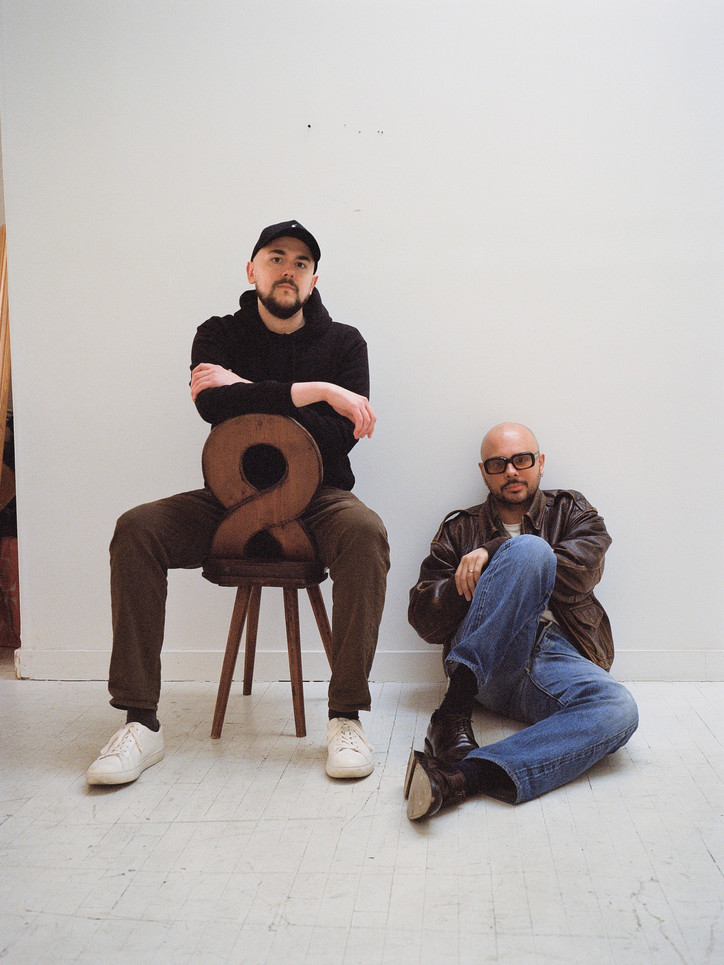
As the duo prepares to launch their second season, office sat down with Metz and Schreck to discuss their decade-long collaboration, their community-driven approach to podcasting, and their long-term goals for the project.
You recently wrapped up the first season of the podcast, but you two have already been working together for over ten years now. How did you originally meet?
Christopher Schreck— We were first introduced at an art opening in September of 2011. It was actually the same week that I moved to New York. Then we met up the next day at a Vietnamese restaurant in Williamsburg and had what still ranks as one of my all-time favorite conversations — this sprawling, several-hour dialogue on topics ranging from Joseph Campbell and John Cage to concrete poetry and contemporary painting and beyond. It turned out we also share a few things in common biographically: we both have family from Chicago, we each grew up playing music in suburban punk rock scenes, things like that. Following that conversation, I started visiting his studio pretty regularly, and the collaboration developed from there.
Landon Metz— I’d been in New York for a few years by that point, but I was still figuring out what I wanted to do, and the type of work that I was comfortable making and sharing, so meeting Chris was a really important part of my journey. So much of our friendship and our work together has been motivated by probing each other with questions, just seeing how far we can push our conversations and how much we can learn from each other. It’s definitely baked into the way we hang out, and I feel like the podcast is a natural extension of that.
So how did the idea for Abundance Zine come about?
CS— The project started coming together in the spring of 2020. On an editorial level, it’s always been about centering what we consider to be exciting and timely practices across a range of disciplines. In terms of format, though, the original idea was to have a text-based, dialogue-driven publication that lived primarily online, but which could also be translated to print as anthologies and one-off titles — which was an attractive idea at the time, since everyone was at home, staring at their devices. Combining the accessibility of a digital platform with the tactility of printed objects felt appropriate to the moment, but by the time we published our first round of online conversations that December, it was already feeling like familiar territory. So we started thinking about how the project could evolve, and we arrived at the idea of presenting audio alongside the text and photography.
LM— That was a really decisive moment. Podcasting felt like an interesting medium to explore because it bridges that same gap, where you’re creating digital content but offering something more intimate than an article you scroll through on your phone. It adds some humanity to the conversations, and allows Chris and me to maintain a little bit more of our colloquial nature.
How do the episodes come together? Is it just an organic thing, bouncing back ideas and people you’d like to talk to?
CS— Yeah. We’re constantly going back and forth about various things we come across, people we think are interesting. So we started keeping track of them in a shared Google doc, and when the time comes to decide on our next guests, we just whittle down the list until we arrive at people who feel like the right fit — which is to say, people who intrigue us, who occupy a unique place within their community, and who we think are going to be open and engaging in conversation. I don't know that we have any strict criteria beyond that, really.
LM— Right. From my perspective, being an artist and working alone in my studio, it can be a lonely endeavor to create things and share them under your own name. But having been in New York for fifteen years now, I’ve found a community and seen many of my peers flourish, and for me, Abundance feels like a way of engaging with this collective energy that feeds me as a creative person. I see it as a form of celebration — hence the name. It's celebrating the abundance of possibility, that I'm not the only person who cares about these things and is doing these things. It’s an opportunity to highlight the people around me who are helping to build this shared experience.
Christopher, what does the name mean to you?
CS— I think both words in the title are purposeful. Part of what interests me about “abundance” is its multiplicity: the way the word has been used by different groups of people to different ends. On one hand, it's gained a lot of traction in the wellness industry, where it's used in a kind of superficial way — which in itself speaks to many of the conversations we've had for this project, where we're talking about systems of care, patterns of consumption, and so on. But “abundance” can also take on more meaningful connotations. I think of the way someone like Adrienne Marie Brown frames it within her writing: this notion of transforming individual and collective mindsets, of exploring new strategies and manifesting change on whatever given level. It's a loaded word, but it seemed like an appropriate umbrella term for framing the project, which in a lot of ways is about looking at what's in front of you and deciding what to embrace while also considering what might be reimagined.
And then as far as the word “zine,” I think a lot of it goes back to what I mentioned earlier about Landon and I having grown up in punk scenes. Within that environment, zines were exciting for a few reasons: they were heartfelt, handmade documents of people's enthusiasms; they also confirmed communities while allowing people to take an active role in how media was created and consumed. We like to think of Abundance in similar terms.
LM— For sure. I think there's something casual and unfettered about a zine. It’s slightly unconcerned, but it's also enthusiastic and very earnest. It's meaningful because it's about something or someone you have a personal investment in — and not just your subject, but also the people and the culture surrounding that subject. Being a part of these artistic communities has been a huge part of my life, and it’s really the life force that keeps it all going: it creates this energy that I need, and it creates this larger theatrical stage that provides context for what I'm doing. So with Abundance, it’s about speaking with people we admire and trying to find a rich and genuine connection.
Looking back at season one, were there any overall themes that tied the conversations together?
CS— One that stood out to me was this idea of questioning what is and isn't “art,” of challenging oneself (and one's audience) to move beyond prescription and arrive at more expanded views of what a creative practice can look like. I feel like each of our guests does that in their own way, but taken together, they confirm the importance of following one’s intuition and exploring unfamiliar territory, in art as well as in life.
LM— Yeah. I think one of the most interesting and consistent narratives throughout the first season is this notion of breaking down the structural hierarchies within culture. Over the last decade, information has really flattened; it’s been hard to singularly define much of anything, and I think that has implications for creative output. This idea that what it means to be an artist — or a clothing designer, or a musician, or an actor — is less defined than it’s ever been, and there’s a cross-pollination that’s happening organically as a result. I think it’s one of the most contemporary and urgent narratives that we're dealing with — but I also think explicitly trying to nail these things down is counterintuitive, because so much of what I'm interested in with this project is learning from our guests. Whether these themes have come up by design or through some subconscious thing between us and our subjects, I'm not totally sure, but I think leaving space for it to evolve naturally through conversation is more interesting than trying to define it.
Any favorite moments from season one?
LM— I mean, meeting Laraaji was pretty epic.
CS— Yeah. That was a big deal for me — and it wasn’t even a single moment: he was the show's first guest, but he also performed at our launch party and then allowed us to release the soundboard recording as a separate episode. He was really a central character throughout the first season, and as someone who’s listened to his music for years and has so much respect for him, it was a thrill and a genuine honor for me.
I listened to the episode with his performance the other day, and it's just so beautiful.
LM— It was really special. He's just a very inspiring and open and curious and genuinely available human in a way that is super refreshing. It’s very uplifting to be around someone like that, in however small a capacity. Bringing people like that closer to our lives through the show has been a huge plus.
What are your plans for season two and beyond? Do you have long-term goals for the project?
CS— We’re close to launching the new season, so I don’t want to give too much away, but we have conversations lined up with guests from a range of backgrounds — artists, fashion writers, architects, chefs. As far as goals, though, I'm just excited to keep expanding this constellation we've built of interesting people and exciting practices. I also really like the idea of Abundance evolving as a platform and being able to take on different shapes: a podcast, certainly, but sometimes also a publisher, or an event series, or a record label, or a product design studio, or a mutual aid facilitator, or whatever else. I like the idea that this can be a malleable entity that adapts to reflect our interests and circumstances.
LM— Totally. I think as the constellation continues to grow, season to season, there will be room to engage with our guests and our audience in different ways — but whatever we do, the singular goal will always be bringing people back into the inner circle and nourishing this sense of community. I can't wait to see where it goes.