For Lovers
Lamar is a muse for the ages, a lens through which we can explore the love within both our hearts and others'.
Check out the video and photos below.
Lamar is a muse for the ages, a lens through which we can explore the love within both our hearts and others'.
Check out the video and photos below.
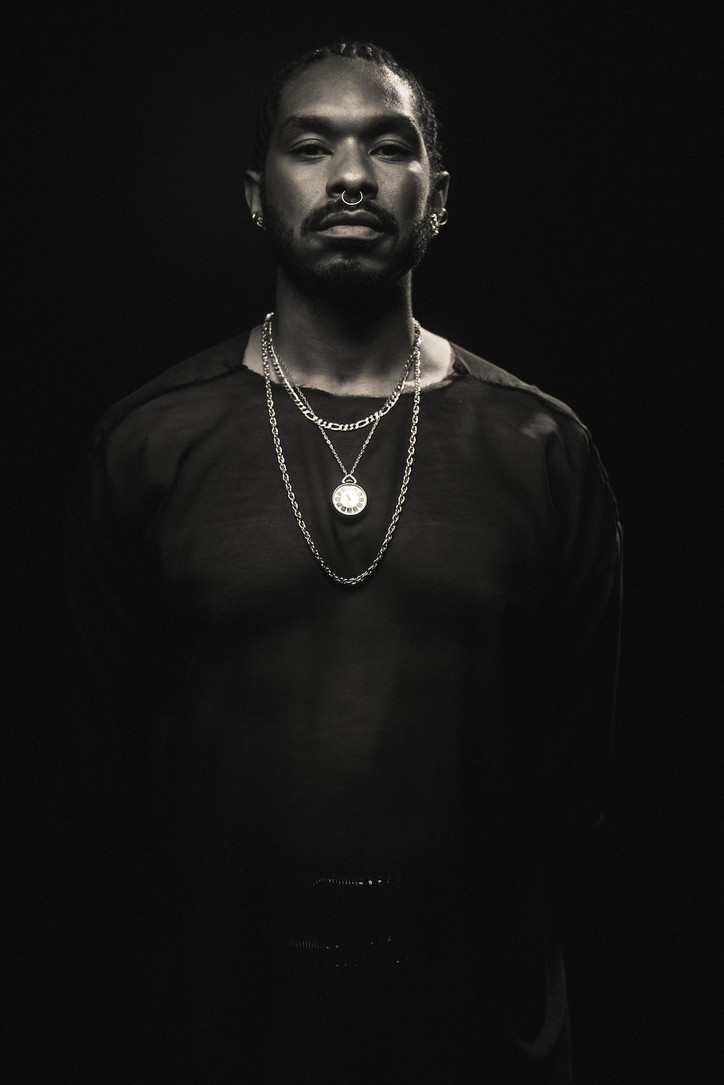
Emann Odufu — So one of the first things that came to mind when watching this new season of Random Acts of Flyness was that you departed from the framework of the first season. The first season, as you know, was composed of random vignettes that created a mood rather than taking the viewer through like a traditional linear narrative journey. I'm interested in why you decided to pivot the show's framework for this season and if there were any benefits to creating a more linear narrative.
Terence Nance — Yeah, it's a good question. Compared to the first season, Season 2 is more of a linear story, as you said. The story is told over six dimensions or episodes, but it doesn't feel like that's how people are reacting to it. People are viewing its language of cinema as being inside its own logic of time and space.The evolution is because, in my analysis of the format of season one, I realized that its format was derived from a feeling that for the show to say what it wanted to say, it needed to operate outside of any concept of a precedent formally. In season one, a form had to be created, but the form itself wasn't the thing we were obeying in season 2. We were obeying the necessity of creating a form that accommodated the particular prayer for this season.
The prayer for this season was to tell a parable, a story, a fable that has a divinatory utility or usefulness, and for that fable to have that specific type of utility that we needed, it had to be a story told across a certain amount of time. So the way to do that was to write this story about these two characters principally.
EO – I first became familiar with your work in 2015. Pursuing one of my own film projects, I met James Bartlett, who helped you start MVMT, your production company, and he told me about your film Oversimplification of Her Beauty. About a year or so later, I came across Swimming in Your Skin Again, and that project significantly inspired me. Delving deeper into your work, I came across The Triptych, your documentary with fine artist Sanford Biggers, and the short film Moon Rising. I see Random Acts of Flyness as growing out of all your previous work. Can you talk about the creative progression that led to the creation of RAOF? How did you fine-tune your skills and style, and visual language into becoming this groundbreaking series?
TN – This season feels like a distillation, culmination, and expansion of ways of working, processes, and ideas that I have been practicing and working with for many years. Oversimplification of Her Beauty is a document that feels like a prayer for a particular type of self-awareness to come into being in terms of my emotions or that character's emotions. It also made what space it could for her emotions in that moment. One thing that wasn't in it was a concept of how a spiritual practice is necessary to further expand that self-awareness of how one's emotions are moving through their body, especially when they are trying to love.
So I can track how one of the significant expansions from then to now is the idea of a spiritual practice and its unlanguagable usefulness in interrogating oneself, developing one's character, and surviving. Swimming in your Skin Again is, in some ways, the birth of that. The birth of figuring out a way to make a portrait of a spiritual practice coming into being through cinema. It is seen through the relationship to water in that particular film and through relationships with families, the city, and the Earth. It is also showcased through relationships with different types of spirits whose names were not known at that moment in that film. It starts with, "this film is not about any of these spiritual practices."
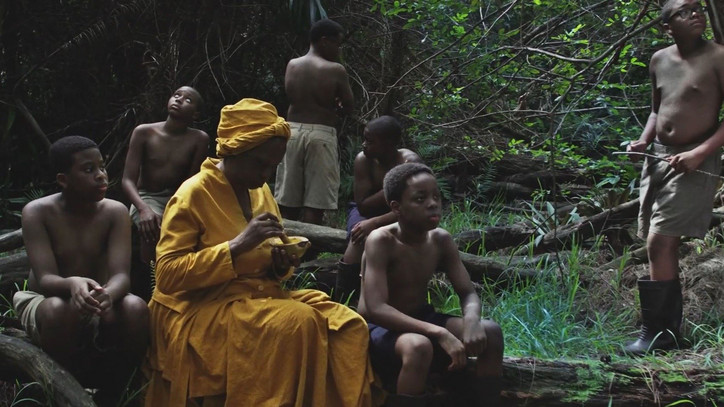
EO – I love the intro, by the way. It starts and immediately pulls you into a realization that this film will be nothing like anything else you've seen before.
TN – The intro exists as a pallet cleanser. It references the necessity of starting from zero in terms of spiritual practice. Then, after that zero point, the film strives to build something that feels useful in terms of connecting to these beings. Octavia Butler's Earth Seed series is channeled in that film. For me, it is maybe one of the most useful, expressive, and expansive imaginations of a spiritual practice that we've seen and may ever see in our lifetime. God is change.
I see how Season 2 is an expansion of those two films that you brought up. These films jumpstarted a process of me becoming more interested in those idioms around the healing and self-awareness and spiritual practices necessary to achieve a practice of love. I wanted to know how cinema as a language could encapsulate blackness as a cosmological space, thought system, history, and set of experiences and how we could express those ideas audio visually. All those ideas have been gestating for all those years and season two is a testament to where I'm at with them right now.
EO – What was the process of getting a television show like this picked up by a major network like HBO?
TN – I would say the most important factor in getting the show from my brain to on HBO, in this case, was Tamir Muhammad, who I believe you know, and that is an executive producer on the show, my brother, and in the parlance of the season, a king. One of the many things he's a genius at is translation. He's a genius at the interpersonal skills necessary to keep me outside of the translation process enough for me not to get annoyed by it. Because obviously, the translation process requires a lot of omission from what I'm doing and trying to do. It requires a lot of exaggerating things that maybe are not that important to me.
Something else that was really important was that it was green-lit off of a proof of concept that was already made. The season's pilot episode comprises many other clips and films, most of which I made, some of which are made by Nuotama Bodomo, Mariama Diallo, and Shaka King. That proof of concept meant that however the show was described was secondary to what you felt when you watched that and we're now able to imagine it on TV. Ultimately the show itself, while heavily scripted, is a cinematic and audio-visual exercise. I'm using sound and visuals to create an emotional impact, and that emotional impact can only be felt and judged for its merit or ability to be on television, if you see it.
I also think that it was just that time. The show owes a debt to films like Get Out and shows like Atlanta and Insecure, which were in their first season or second season around that time. There was a certain concept of blackness that previously existed in a gray area that was starting to peek through in the form of those projects in terms of tonalities and vibration. These shows were more opaque in terms of their blackness vis-a-vis; they didn't ultimately include images of the white body, especially after the first episode. It helped that a huge step was taken in 2016 and 2017.
EO – I want to delve deeper into this specific season of Random Acts of Flyness. It was called the parable of the Pirate and the King. I'm not going to lie, when you started your promo for the season with "Are you a pirate or are you a king?" for me, it was almost a little triggering because, internally, it's a question I had been asking myself for some time. My connection to thinking of myself as a king, I think came from just the culture of NYC/Jersey in the early to mid 2010's. In Newark, we had this graffiti collective that tagged the words "Poor Kingz" all over the city. For me, my connection to pirates was a little deeper. My background is partially from the Caribbean. Outside of carnival, the only other things we are associated with on a large cultural level are rum, pirates, and beach vacations.
TN – I don't know if that's true. (laughs)
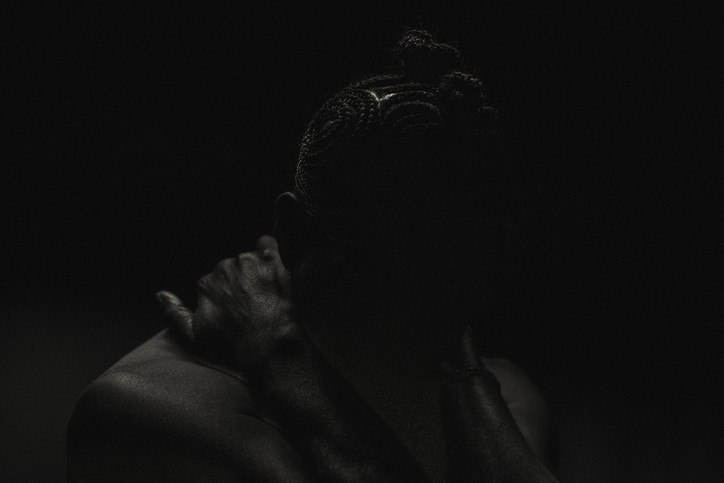
EO – I mean, kind of. Also, as I began to connect with the term more and research the history of pirates, I learned that in the time of chattel slavery, once a black person became a pirate, they were equal to all other pirates regardless of race. The pirates have one of the first "unions" ever in existence before the concept was even a thing. In fact, there were many Black pirates. To me, a king is responsible for a community of people or a kingdom. A pirate is just on a treasure hunt, which can also have spiritual implications when you think of alchemy as a quest for gold. My question is, what inspired you to name the show this? What is your connection to the archetype of the pirate and the king? How do these roles play into this new Random Acts of Flyness season?
TN – Every king needs a pirate; every pirate needs a king. It's very simple why I was inspired to tell the parable; spiritual guidance. This is what it had to be about. From a more on-earth perspective, the thing that continues to interest me is an interrogation of why I'm a storyteller. I started to think about when stories are most useful, and to me, they are most useful as divinatory messages. The information that you receive from the divine to understand your present circumstances. Not all stories have divinatory use. Some stories just have entertainment use, but to me, those stories are discardable, and that's not why I'm here. When I say divinatory use, I mean the story can stay the same, but how it lands on you and what it directs you to do changes depending on your circumstances in your life. The parable's format uses symbols; the pirate and king, water and Earth, crown and ship. These symbols have infinite signifying potential once they're organized into a story.
EO – One thing I love about this new season is that it is centered around the relationship between Terence and Najja. It was very complicated; both characters held within a lot of traumas, some self-inflicted, some inflicted on them by one another, or through familial lineages. Why was it vital for you to portray such a complicated relationship between two black characters on screen?
TN – The simple thing is that's my experience with relationships, so that's why it's layered and complex. Terence and Najja, they're both in a lot of pain and trying to make good progress at understanding it. They're interested in what their pain and wounds have to tell them as opposed to a perfectly acceptable western modality, which is more or less disinterested and numbing or escaping it in some way. They're turning towards their pain, and a lot will come up when you turn towards something as intense energetically as pain and wounding.That's not easy, and we're not taught to do that in our culture. I think it's important for people to see that in the story and see that it's possible and it's imperfect, and that's just the nature of relationships.
EO – Healing is one of the most critical themes through this new season. The idea that for Black people to heal from a long history of pain, they must be historically and spiritually rooted. The season encourages the viewer to go passed 3D or the physical world and begin to perceive themselves as multi-dimensional beings. I would describe the journey that your work sometimes takes the viewer as being spiritual work. Can you further expand on how spiritual healing is a part of your visual practice?
TN – I have understood that rootedness in a spiritual practice is necessary if any concept of healing oneself and one's community is possible. That rootedness that you spoke to is about creating a practice of maintaining a relationship with ethereal entities. Entities transparent to the eye, ear, and maybe to your body. Depending on your school of thought, sometimes those entities are emotions. Sometimes those entities are elements of the Earth. Sometimes they're angels, quote-on-quote. Sometimes they're orishas. They can take on any cosmological form. Then there's the western world, specifically America and Europe, that understands humans as a tabula rasa, a blank slate of a consciousness shaped by their instincts and environment into a set of behaviors. Specifically, that concept of the human antagonizes rootedness into the ethereal beings we just named before. So the first thing I've had to do is create a practice of turning away from that Western concept of the human. It's insidious and ever present in my consciousness because that's what you grow up with. No matter how much you are going back to the Earth or ritual or the spiritual practice of my ancestors and your ancestors, the tricknology of the human is still everywhere. Especially the violence that is expected of the human as a being on Earth. The overconsumption violence of farming or hunting. The genocidal violence that comes from a concept of tribalism. The conception of the human is intentionally violent. I've had to decolonize myself from that as the primary practice of creating a framework for my day-to-day life through which a creative approach like the show can be seeded and grow. This is what allowed me to yield a harvest sequentially of something like the show. One thing that also feels present is the basic concept of the artist as an observer of this sort of drama of human life. It's distillable into one of the only binaries that everybody agrees on birth and death. In the lens of movies and TV, it's seen through violence and murder on the dead side and sex on the birth side. You get these endless expressions of sex and violence. Essentially what I’m pushing for myself is everything in between, and that isn't easy. With this season I was trying to make something that is about birth and death, but it's also about everything else in equal measure.
EO – One plot point I wish I had more clarity on in season 2 revolved around the "Bitch Better Have My Money" app that brought the reparations conversation into the show. Can you expand on the reparations app and how did this plot point play into the season's larger narrative?
TN – I conceived of season two as an extension of season one, and the season one idea of "Bitch Better Have My Money" as an app that grants reparations by making genetic connections from white people who have uploaded similar data to ancestry.com or 23 and Me. It was an obvious speculation on how technology could enable reparative acts without dependence on an inherently white supremacist government. It imagines that there are white people who want to unburden themselves of the legacy of the blood money. The thesis of this show in season two is that one or two white people have gone rogue and wanted to do something that threatens the fabric of whiteness and the logic of white purity. Ultimately, I understand that the logic of the repair as a thing that happens in the realm of money and land is still consumed within the original problem of America, which is that it's a genocidal project. You're not going to escape that because it's happening on an app. I also just wanted to shed light on the inherent problem of the idea that within the system, there is a solution to the problem of starvation or homelessness or the pain of being stolen from our people and our lands a hundred years ago or to being lynched. A law can be passed, but there's no cathartic solution to that type of stuff from within the system. It just doesn't exist.
EO – So, is Random Acts of Flyness over? It seemed like you may have ended the series from within the series, which I thought cinematically was cool. Still, why did you stop the series at this point rather than continue making additional seasons?
TN – I wouldn't use the word end; I would say that we're doing is we are expanding into something called Black Matter, and you got to wait and see what that is.
EO – Ok, so it's not an ending. It's an expansion, is what you're saying.
TN – Yeah. There is a thing that is over. The concept of the title Random Acts is crossed out because it's not random anymore. In a way, it was over after season one. I wanted it to be obvious that that framework is no longer. In many traditions, you get a new name when you become an adult. When you go through an initiation, you get a new name. In a way, the show is sentient and has undergone an initiation; therefore, it has a new name.
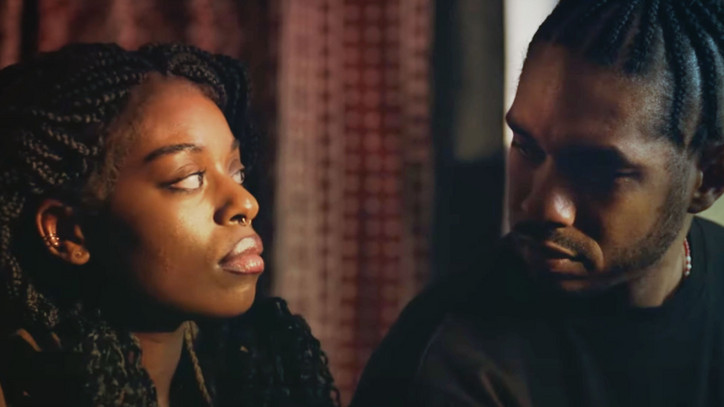
EO – Well, I'm happy to hear that. While watching the season, I was messaging with my friend, a filmmaker named Chester and we had this moment where we were both lamenting that the season was over and pontificating about whether there would be another show as avante- garde and unapologetically Black as Random Acts of Flyness for some time.
TN – I'm young and alive. I'm still out here firing. I appreciate that, but that has got to be false. You're here, and you're making things. Your sister Chelsea is making things. Chester is making things. Everyone is making shit. It's going to be way more than Black Matter, and we have to commit to that. Commercial television is whatever. It's all some shit on your computer. It's more, do we actually have the resources to do things? Where do the resources come from, and how can it afford creative freedom? That's a challenge, but my goal, and your goal, and all of our goals, is that prayers beget more prayers. That it goes forth and prospers and multiplies, and it will.
EO – Are you interested in having your work shown more in gallery and museum spaces?
TN – I've had a lot of work in different museums and gallery environments over the years. It's a less popular medium in the sense that fewer people know about it. However, I have my first solo museum show opening on March 10th at the ICA in Philadelphia. That'll be up through the spring and summer in Philadelphia. It's a retrospective and has some new work in two-channel installations and then some installations of my previous work. It's called Swarm.

Bling Empire: New York just debuted on Netflix. What have been the reactions so far?
It came out at 3 a.m. I really need to mute my phone. My friends are texting me, which is really sweet. It’s been an insane week. I’m normally on your side of the equation, so I’m concerned about how I’m presenting myself in these ways. We have absolutely no clue how it’s going to be perceived. I can only be myself–which is hopefully how I come across in the show.
Talk to me about being the only openly queer member of the show.
I’m definitely the only openly queer Asian person in reality shows. It’s a weird position to be in. I don’t necessarily imagine myself to be an activist. My queerness is just only a part of my identity–I don’t think about it. I don’t think about who I’m sleeping with or who I want to date. My work, my life and my friends; that’s what’s important to me.
How did you want to make that apparent in the show?
I wanted to make it clear with the producers as we were filming that the way they showed my story was as authentic, real and true to my story. I never came out nor had a coming out story. It didn’t really matter to people, I’m not super focused on it. I’m just gonna date whoever I want and be interested in whatever I want. I think that’s really important as a queer person and for the queer community. There are so many narratives that are fed around shame or confusion. I’m open to dating whoever and I’m really hoping that that is clear in the show.
Many older generations, especially in non-Western regions, are very traditional. On and off the show, have you ever had trouble being your true self?
Not really on the show. There were moments when Lynn’s husband, who is in his fifties, abruptly asked me, ‘Are you gay?’ Lynn said, ‘No he’s queer.’ You don’t really ask those kinds of things anymore. But reflecting on that, I guess it’s just different generations that might not get it. Sadly, it’s kind of our responsibility as young people to lead by example. My mom never questions, she just tells me to do my thing and tells me that she wants me to be supported and loved.
How do you balance the show with your acting, modeling and journalist careers?
Since it’s a reality show, we have to kind of live our lives as we live our lives and fit filming around it. I will not say I’m a model…well…I’ve only just recently been a model, I guess. I’m here for it. I write at the magazine and it’s my main gig as a journalist. I’m at-large so I have a really flexible schedule and there’s always ways to patch things together.
You played Thomas in China’s popular show Meteor Garden. How does this contrast to Bling Empire: New York?
Being a scripted show like Meteor Garden, you know what you’re doing the next day. You have to prepare, go on set, rehearse, film and retake. With Bling Empire, there’s none of that. They want to put us on ice. We don’t rehearse, but they say where we’re gonna meet and what we’re gonna do. Oftentimes with the producers, we’ll spend a few hours prior to filming, talking about our lives so they can really understand who we are, what point of view we come from and what kinds of things are coming up in our lives in the next few months so that they can play into what’s always going on.

You’re Canadian with a Chinese mother and Scottish father. What was life like growing up for you?
My dad passed away, which comes up in the show–he grew up in Edinburgh. My mom is Chinese and grew up in Hangzhou–an old capital of China that’s very beautiful. My parents both grew up in dire times. My dad was a lot older than my mom; 26 years older than my mom. He grew up during World War II in Scotland. He had memories of living off of food stamps. My grandfather was working class and I think it’s amazing that he had a painting shop and Sean Connery actually worked for my granddad at one point, which is really funny. My dad didn’t grow up with much because of the war. It was really shitty times in the ‘30s and ‘40s in the UK, but he was really educated. He was brought as an apprentice in a printing shop that led him to working in advertising. He worked his way up. He played professional soccer in Montreal in the ‘50s and ended up working for the Royal Bank and doing advertising for different special projects like the Special Olympics. My dad made his way to the upper middle class.
And your mom?
My mom similarly grew up with absolutely nothing in China. She grew up during the Chinese revolution; a time that was very difficult. It was the ‘60s, during the Great Chinese famine. My family grew up in a one-bedroom house–what every family essentially was given at that time. My parents really succeeded in their lives. My mom eventually met my dad when he went to China for work and he was insanely charming. My mom moved to Canada, opened a store and eventually got her MBA. You know, for someone who at one point had to quit high school to work in a factory was hard for a lot of people. Thankfully, my family wasn’t deeply affected as a lot of families were–like being sent to the country. My mom was forced to work in a factory and she literally opened light bulbs and took out copper filaments to be reused. I’m so appreciative of all the things they’ve done and it’s allowed me to afford a nice, comfortable lifestyle. I’m not a billionaire…let’s be clear.
Because you didn’t grow up a millionaire or billionaire like some of your fellow cast members, did you have any disconnect or any difficulty relating to them?
There are definitely nepo children, children heirs and people who grew up in a lot of wealth. That said, there are people that didn’t–or they did and then lost it. I don’t think we in Bling Empire: New York, and New Yorkers in general, talk about money. We definitely recognize that there are certain class differences. I’m part of the upper middle class. I’m not dumb; I’m educated. I have certain access that a lot of people don’t…some people are a little bit more princessy than others. Some people don’t know how to boil water, some people don’t know how to take the train or just don’t take the train, they don’t know where uptown or downtown is because they just get in cars all the time. That stuff frustrates me because if you’re living in New York, you should be living in New York. Living in New York is experiencing these things.
Can you see yourself getting more into brands and actually living the “bling” lifestyle?
I’m not here to say that I’m not materialistic. I like beautiful things…I love fashion but I’m more interested in smaller or independent brands and their different kinds of stories and perspectives. They’re closer to their producers, they know where things are being made. I also want my money to go to people I care about rather than to corporations ideally.
You’re very multifaceted. Would you ever have expected your life to be this hustling and bustling?
No–but growing up, I had no idea what I wanted to be. At moments I’ve wanted to be a marine biologist, a geneticist, a laryngologist; I was really focused on sciences as a kid. Then I realized I’d been singing my whole life and people would support me and said I should go to music school, so I did. Those four years were up, so I moved to Paris to sing and ended up being taken into fashion. I’m interested in doing amazing projects, working with incredible people, being inspired and constantly learning new things. I get bored easily, so it’s better to have my hands in a lot of spots now.
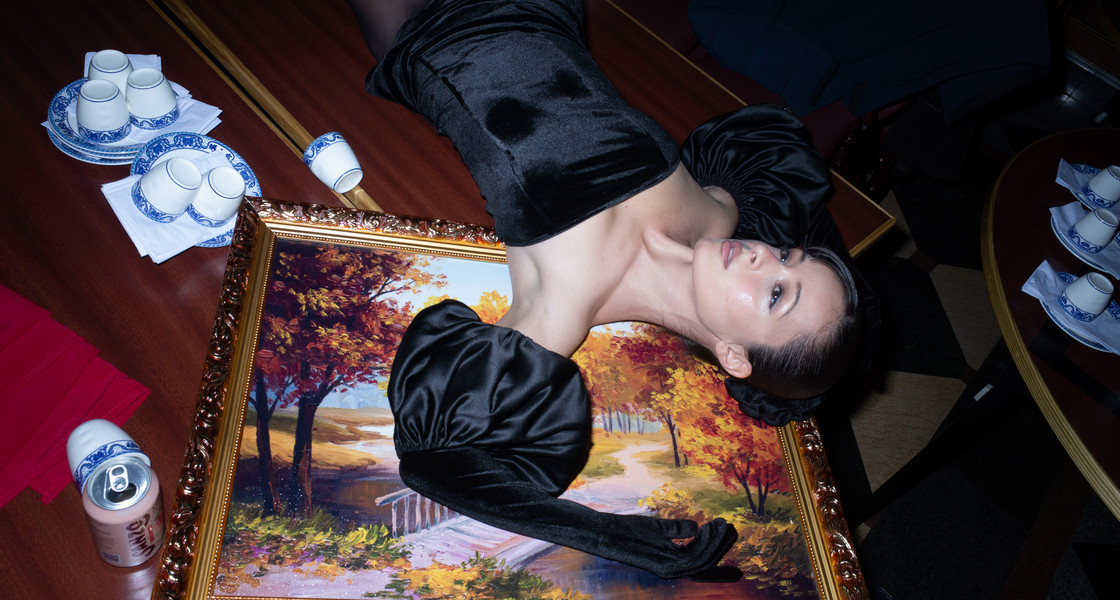
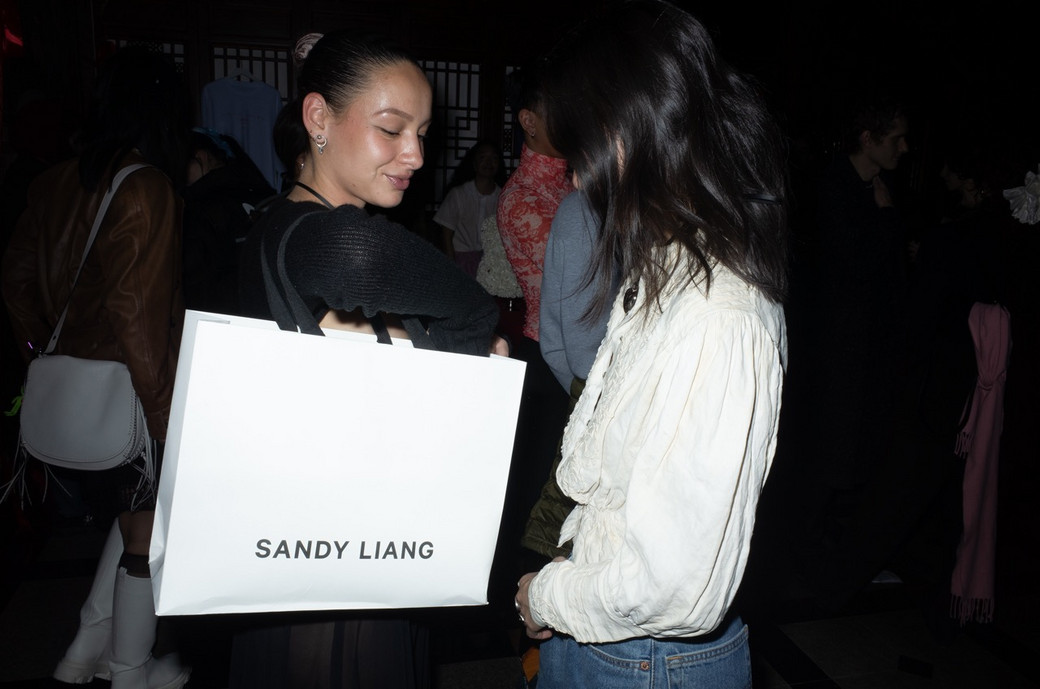
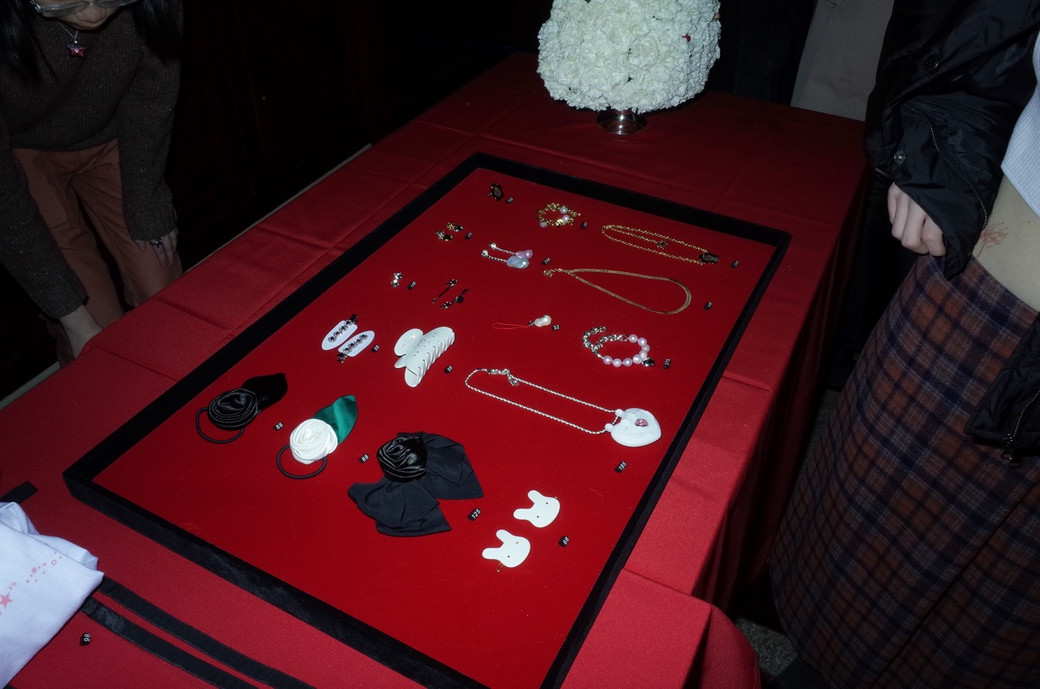
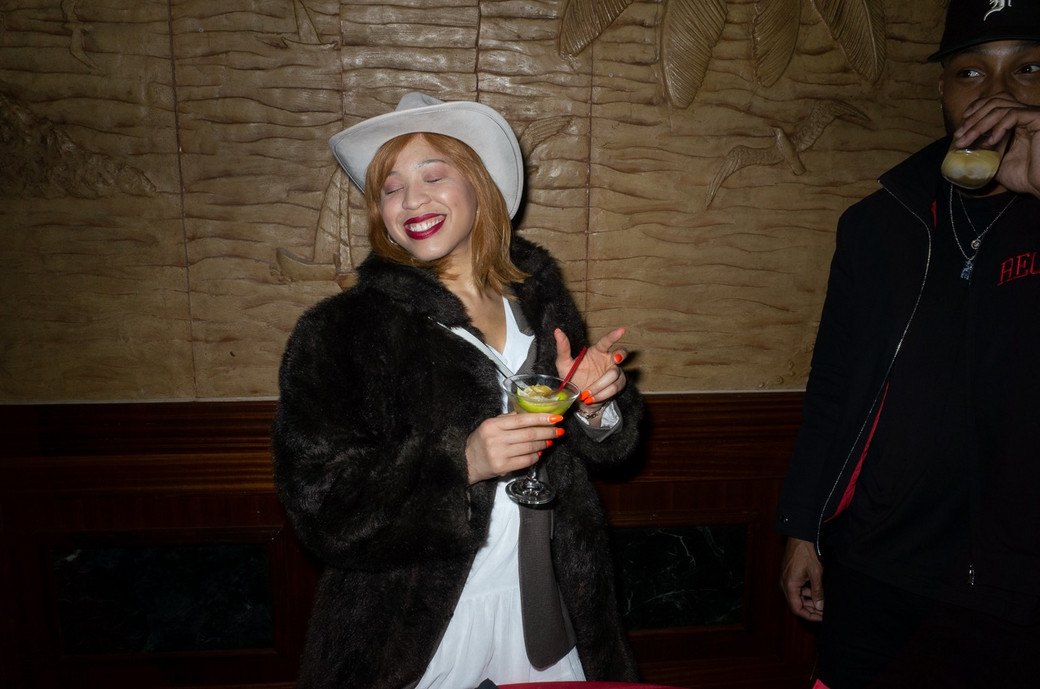
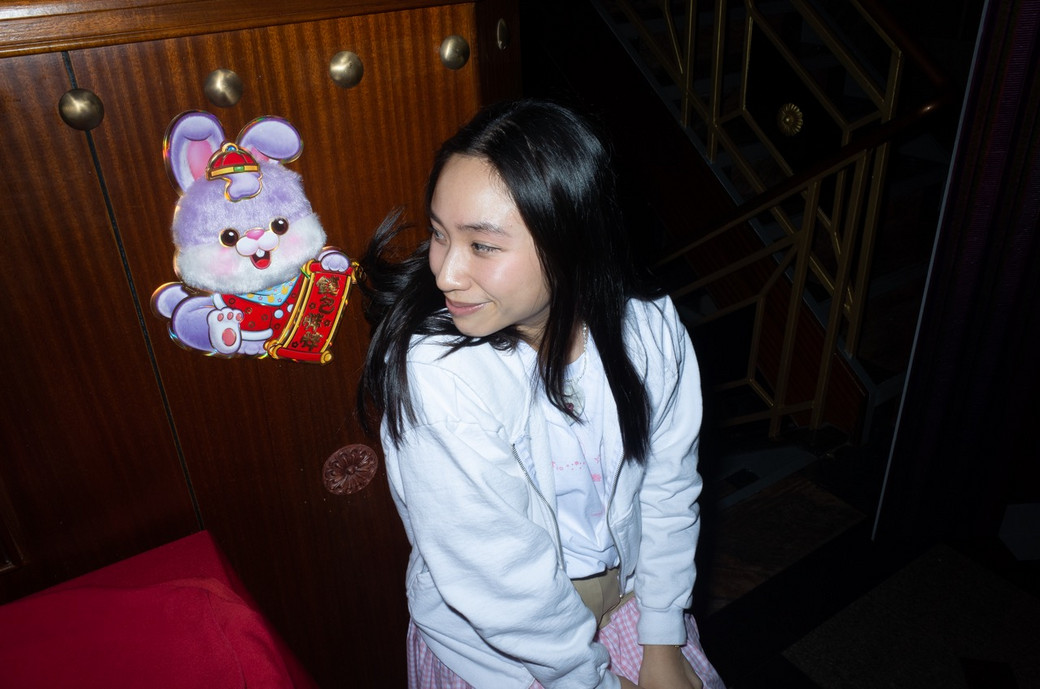
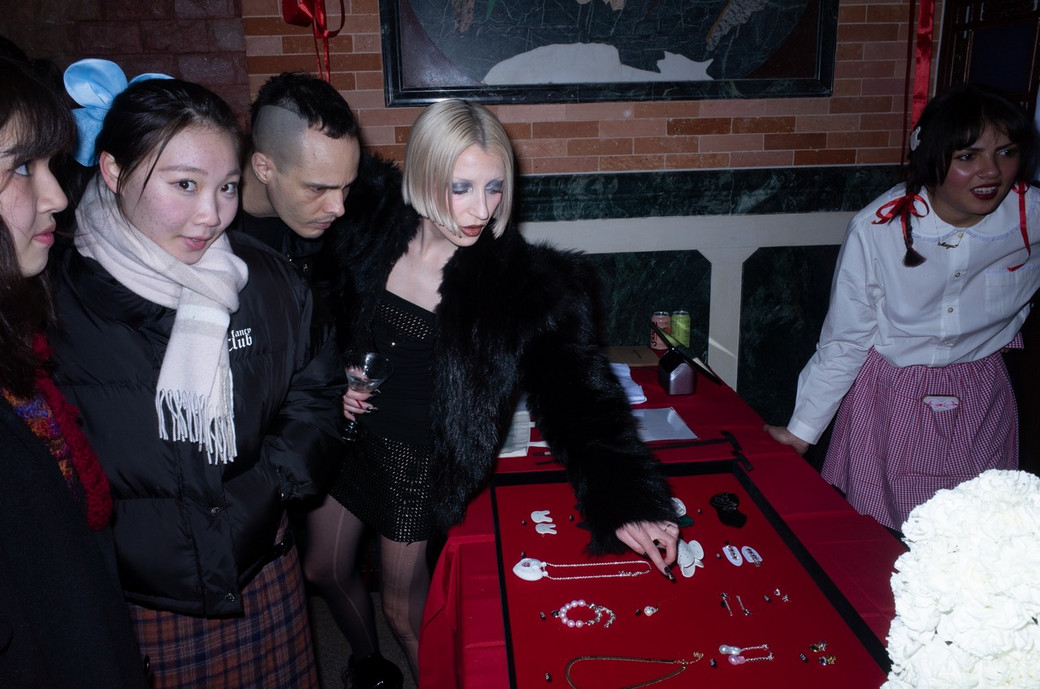
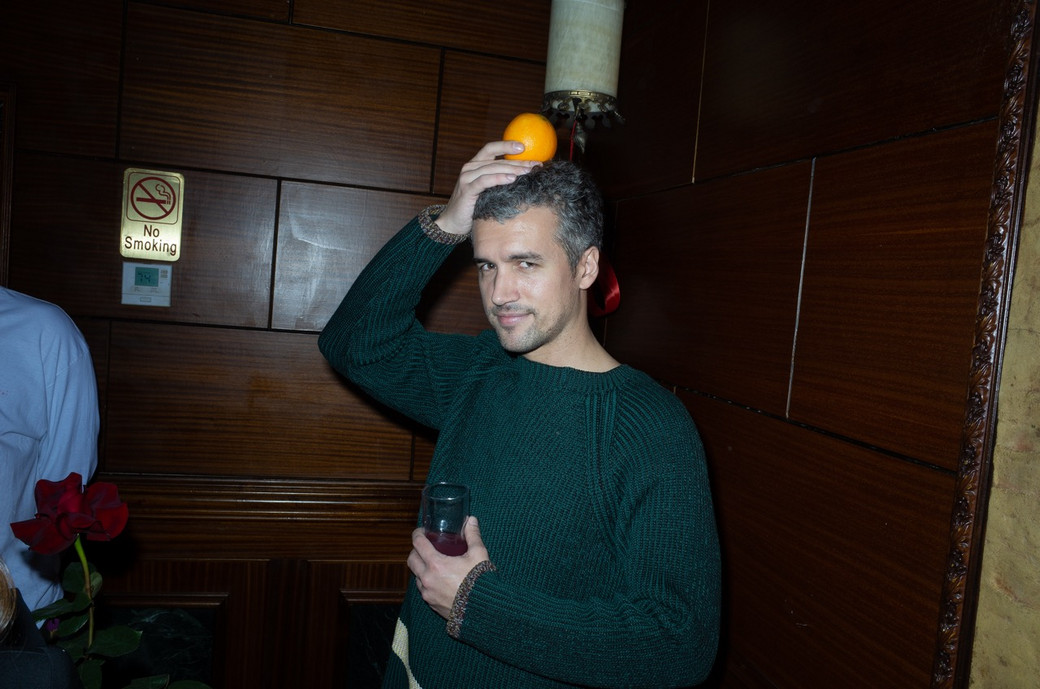
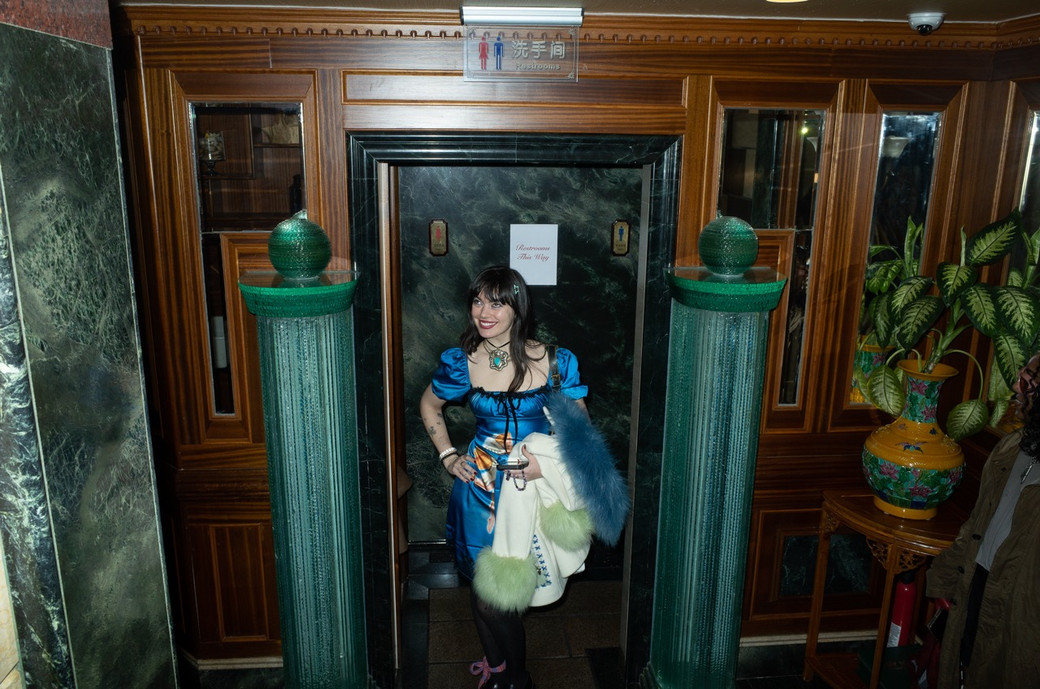
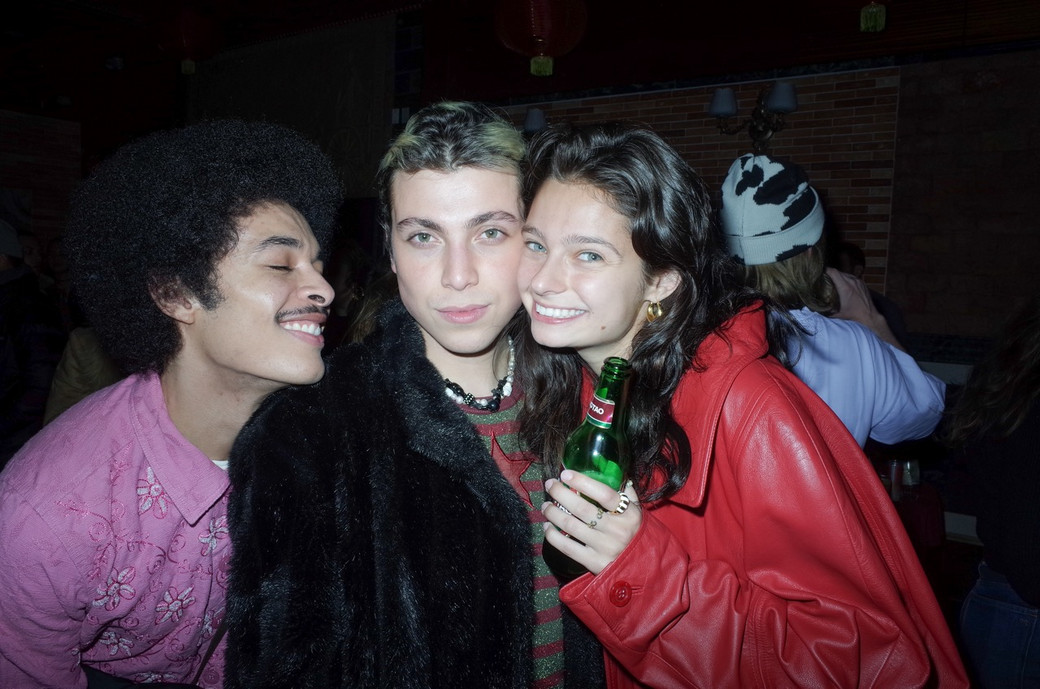
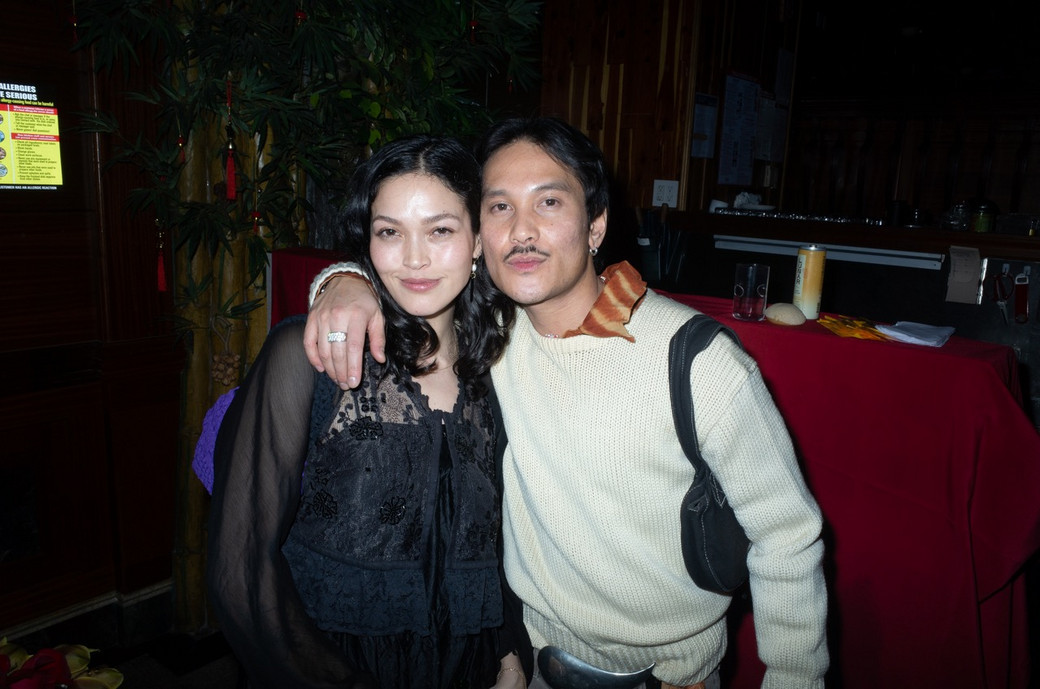
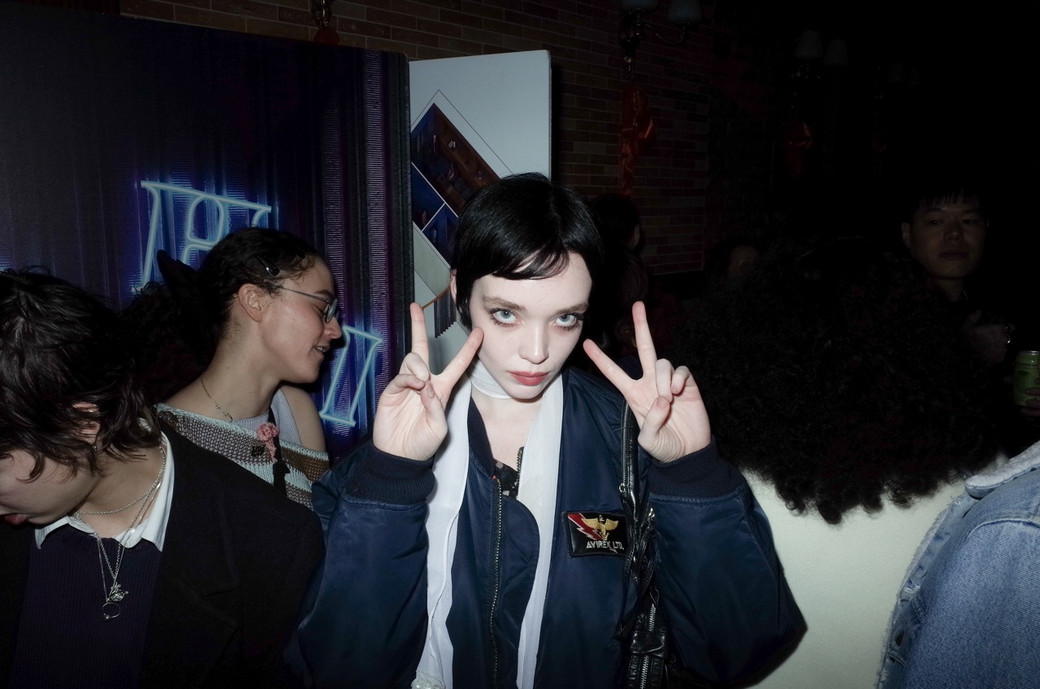
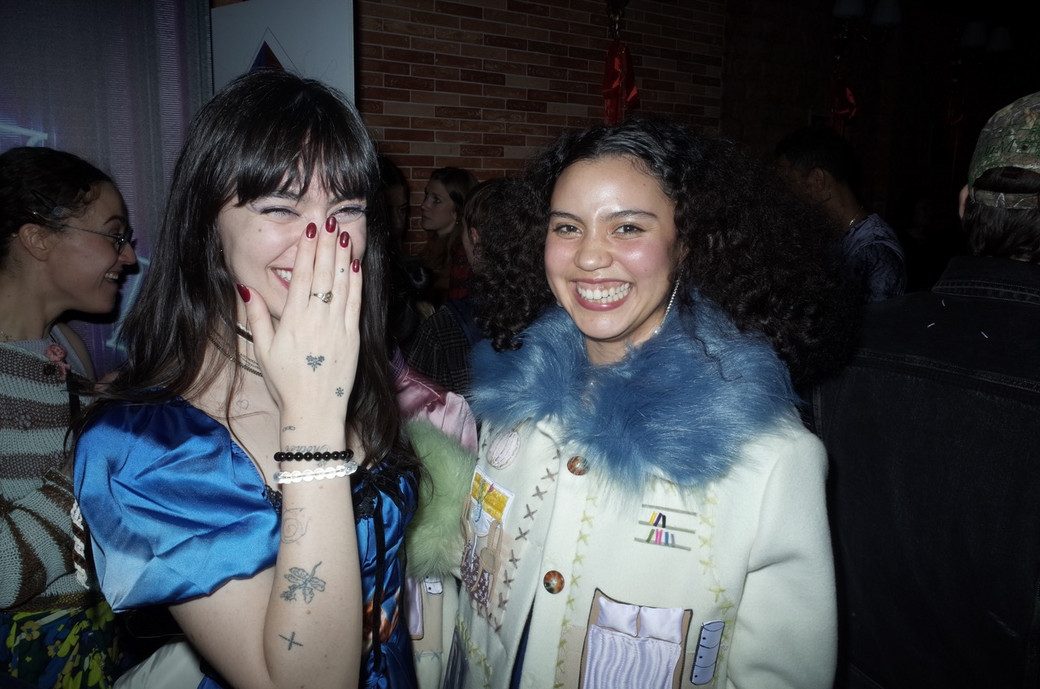
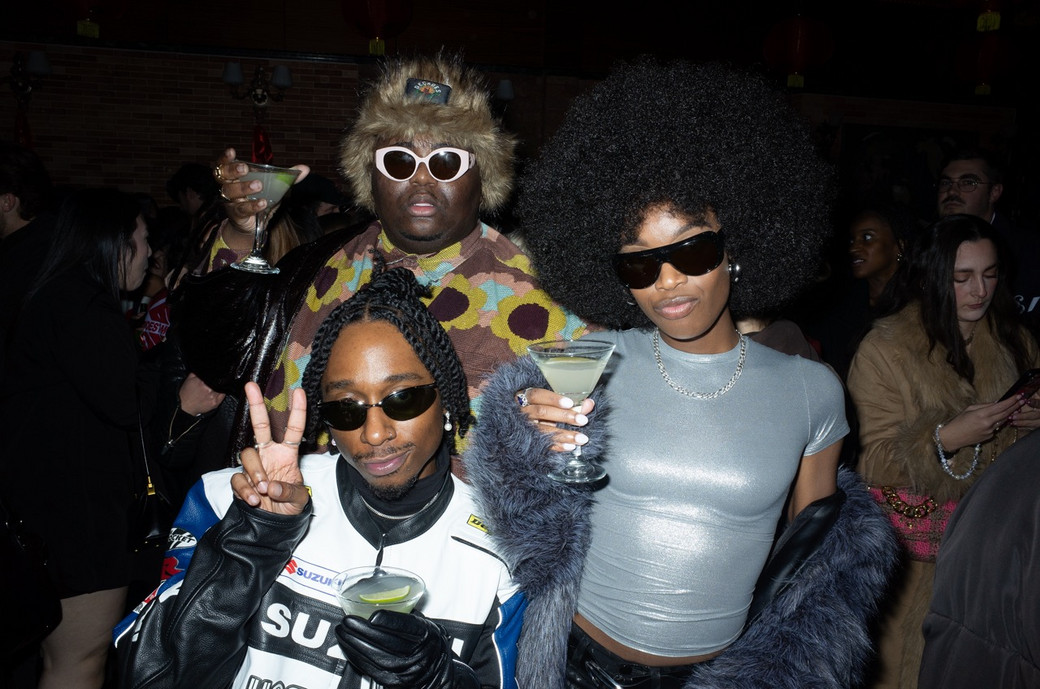
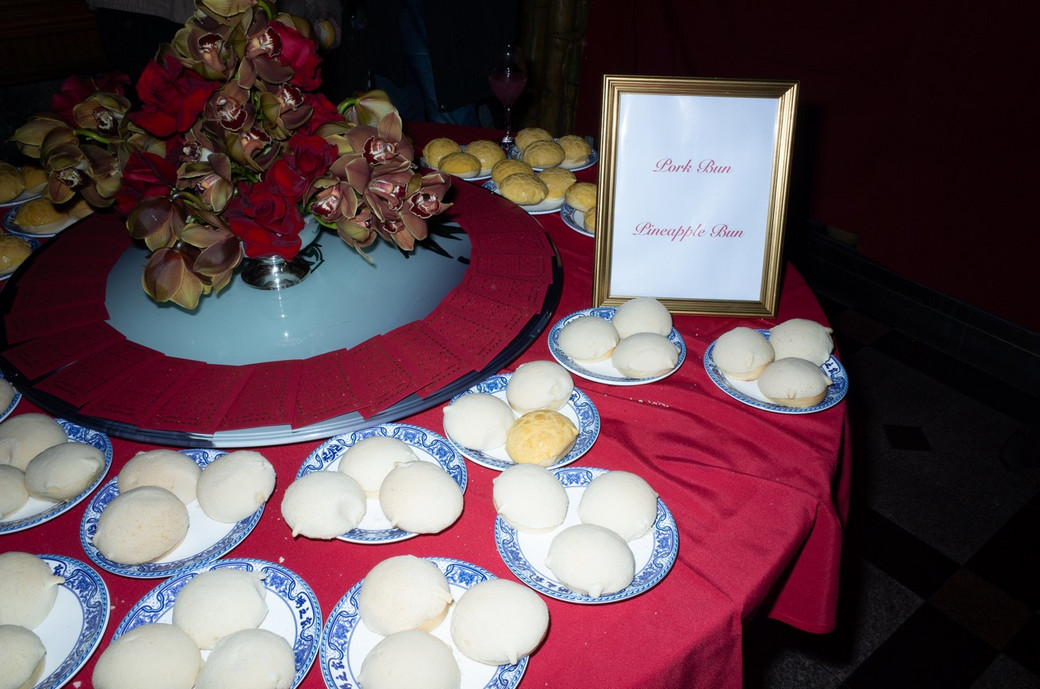
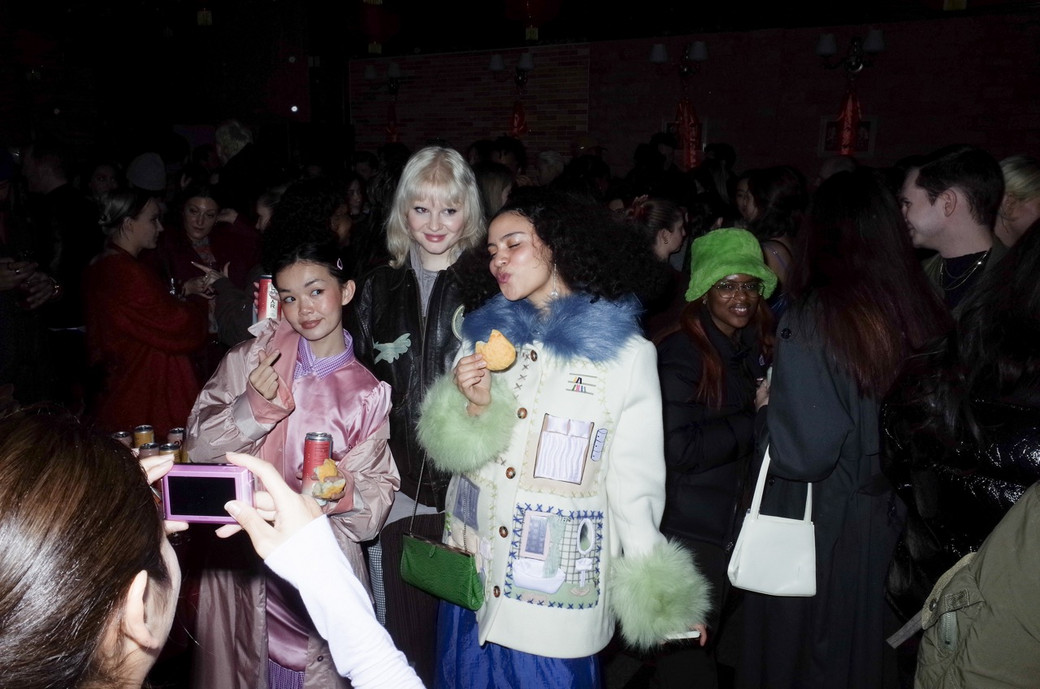
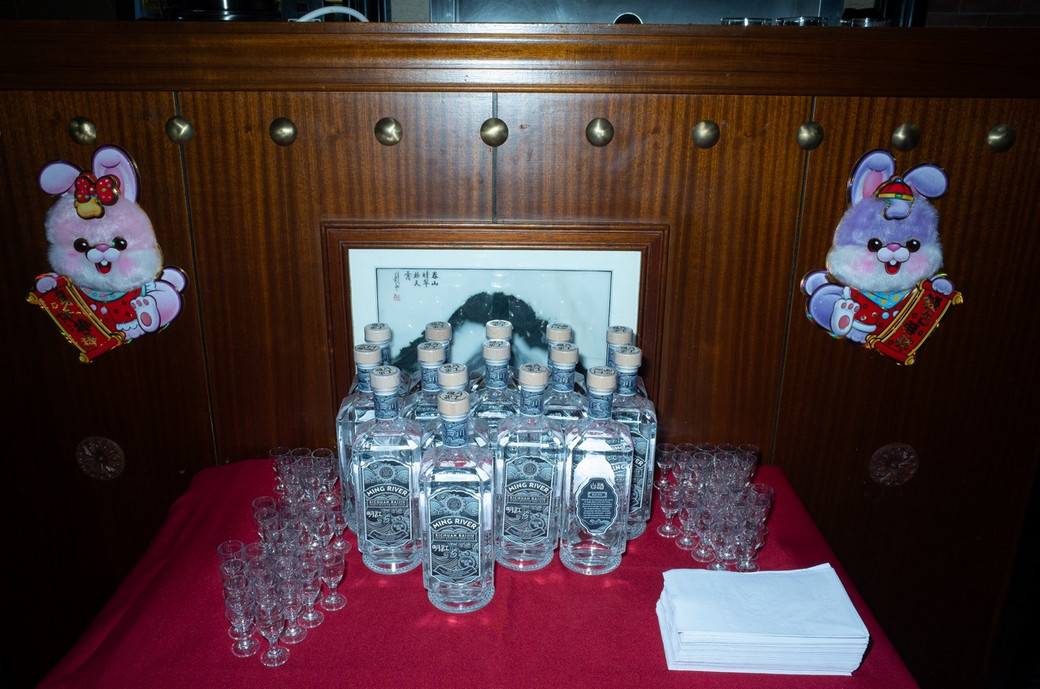
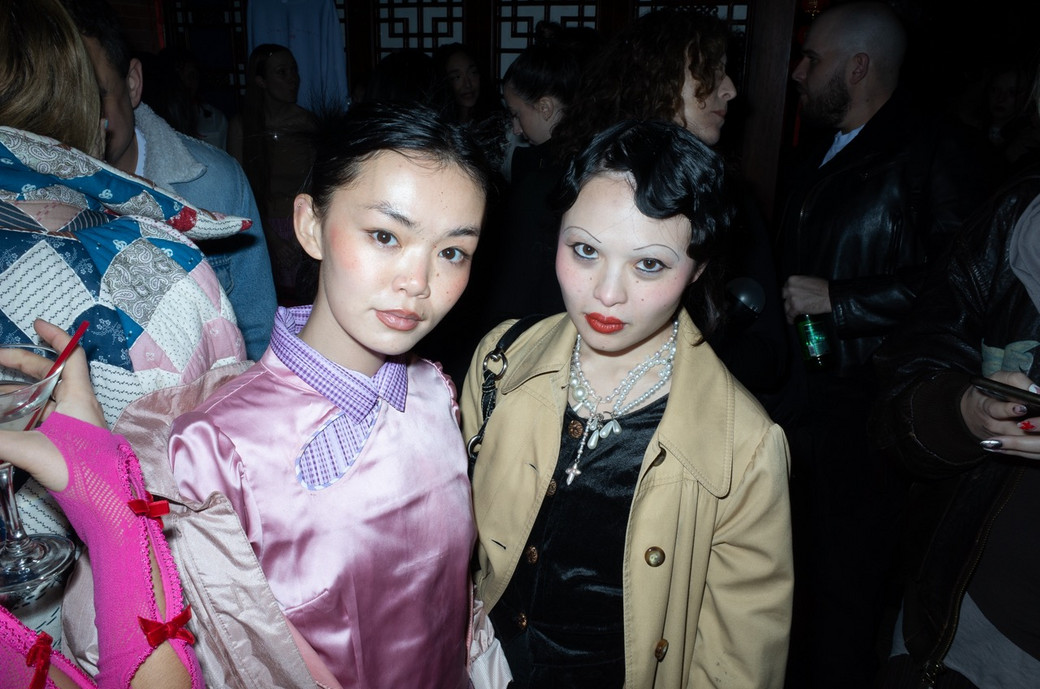
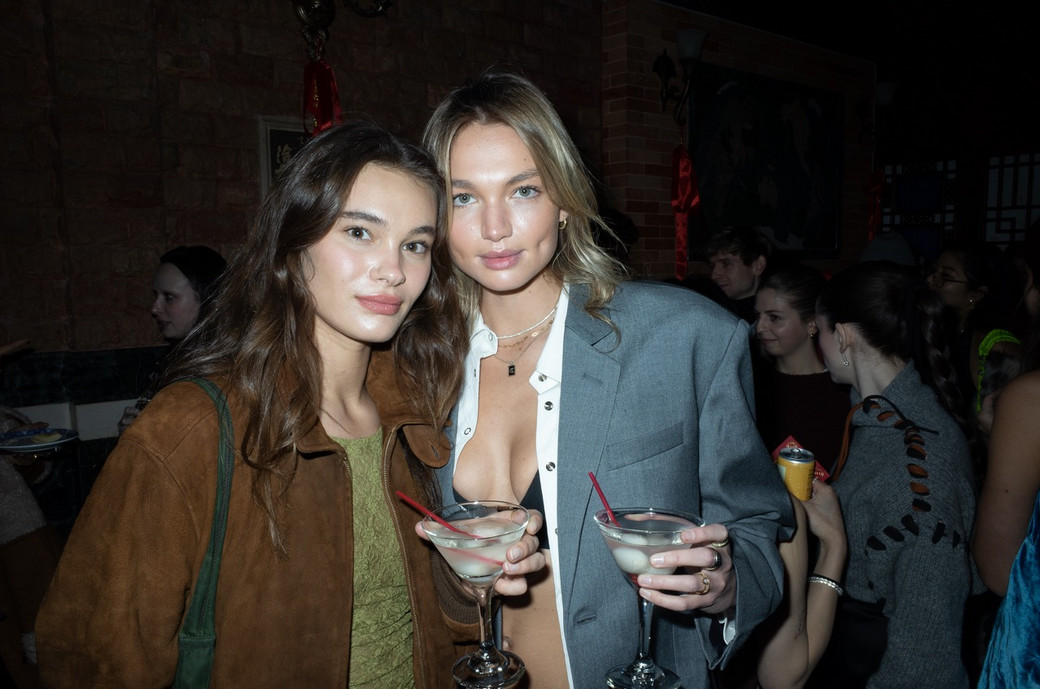
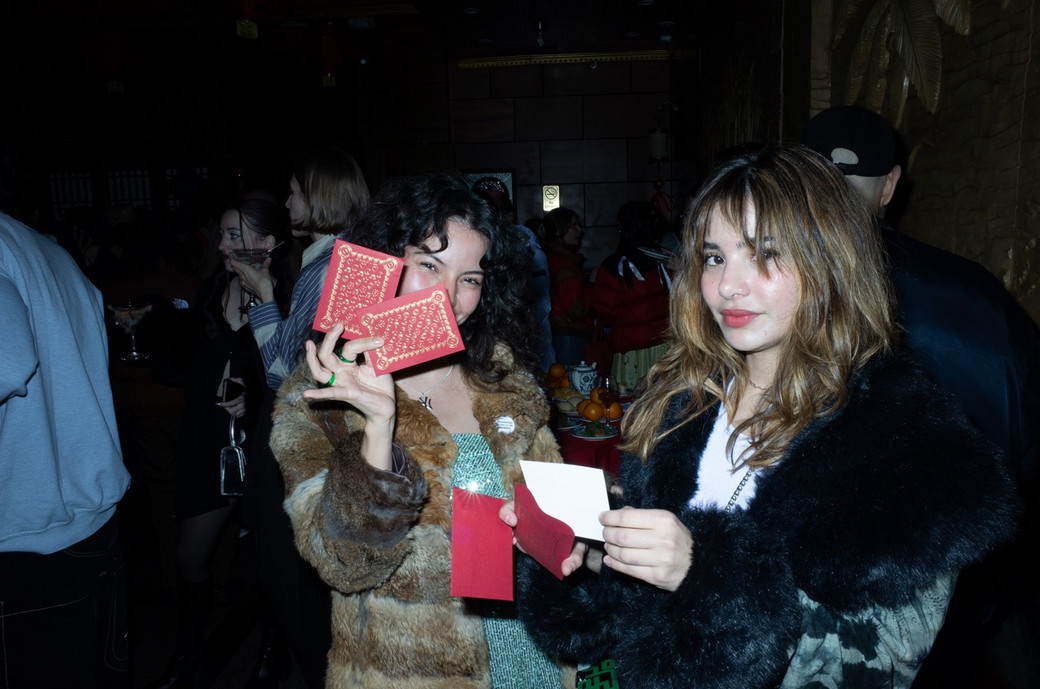
New York gathered in the Congee Dim Sum House to admire their latest line while enjoying Ming River beverages and food by renowned chef and restaurateur, Danny Bowien.