For Lovers
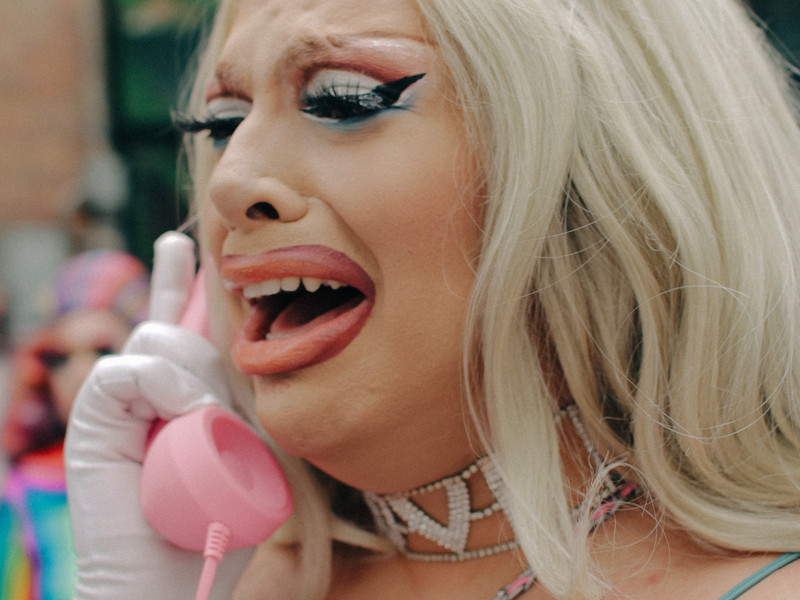
Lamar is a muse for the ages, a lens through which we can explore the love within both our hearts and others'.
Check out the video and photos below.
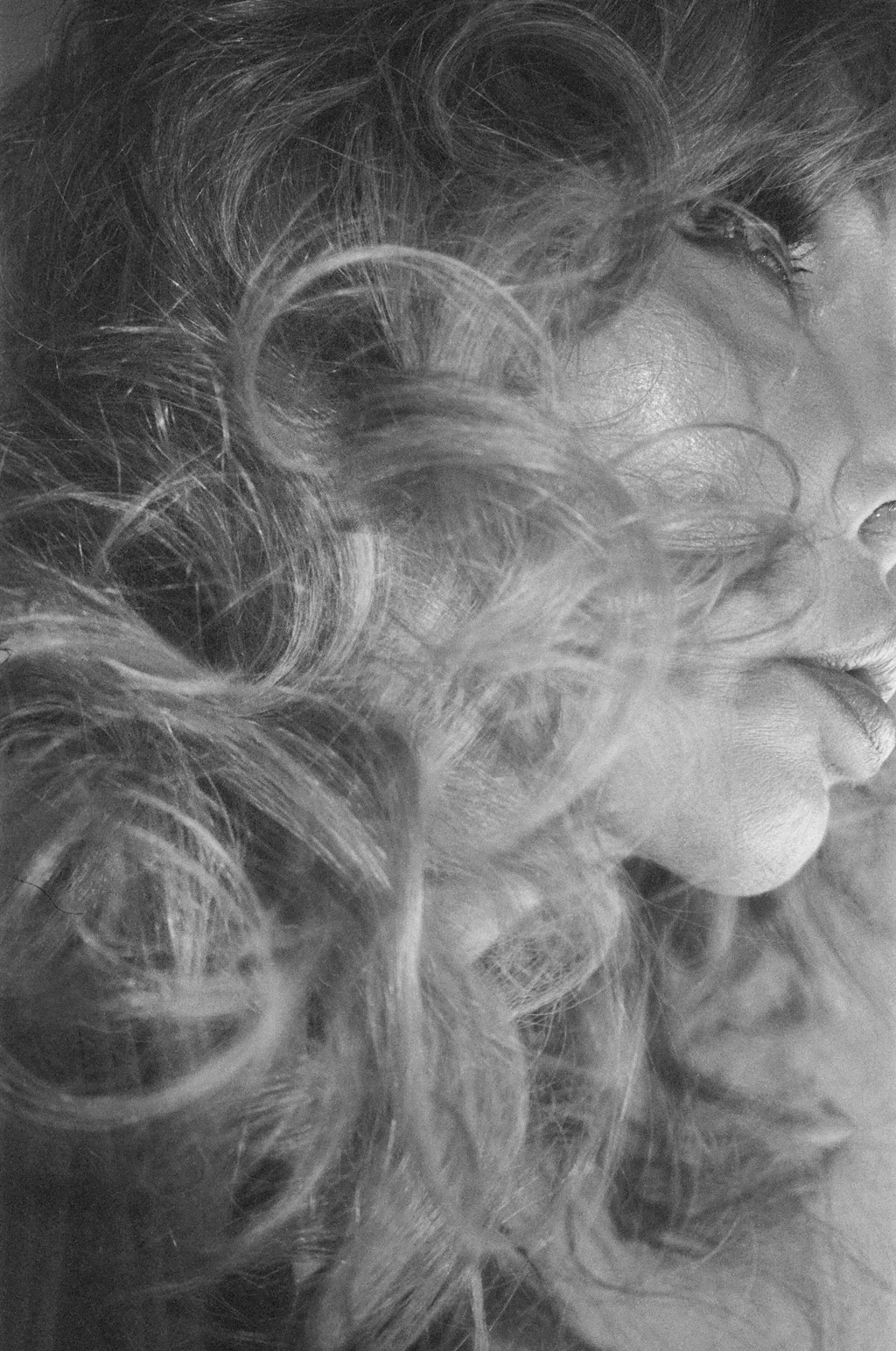
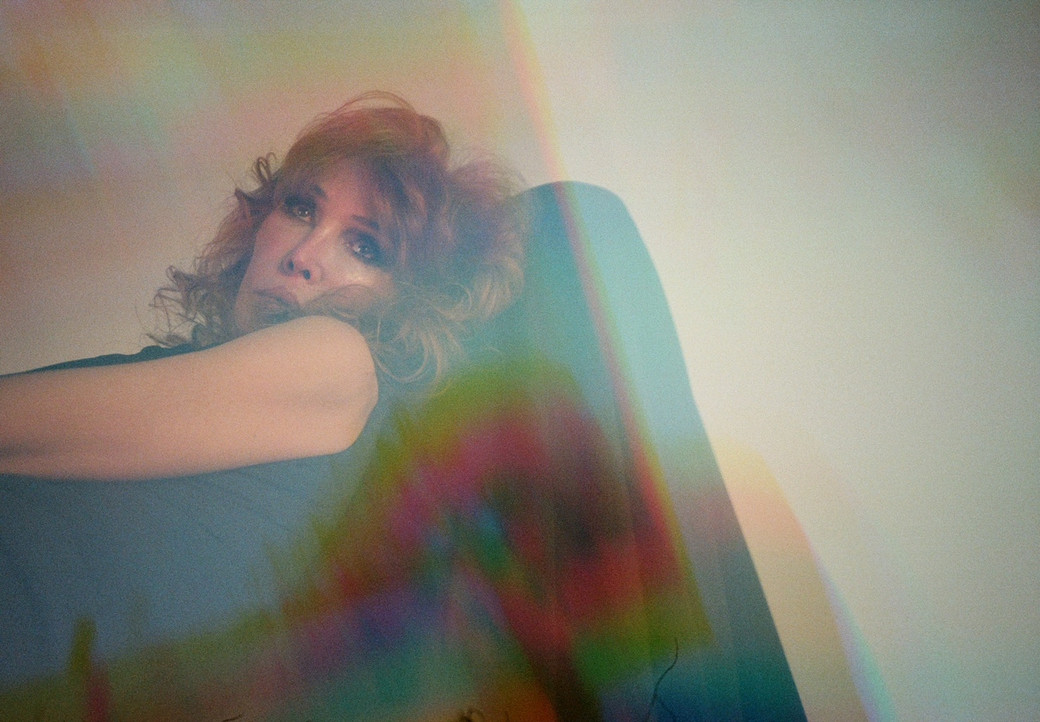
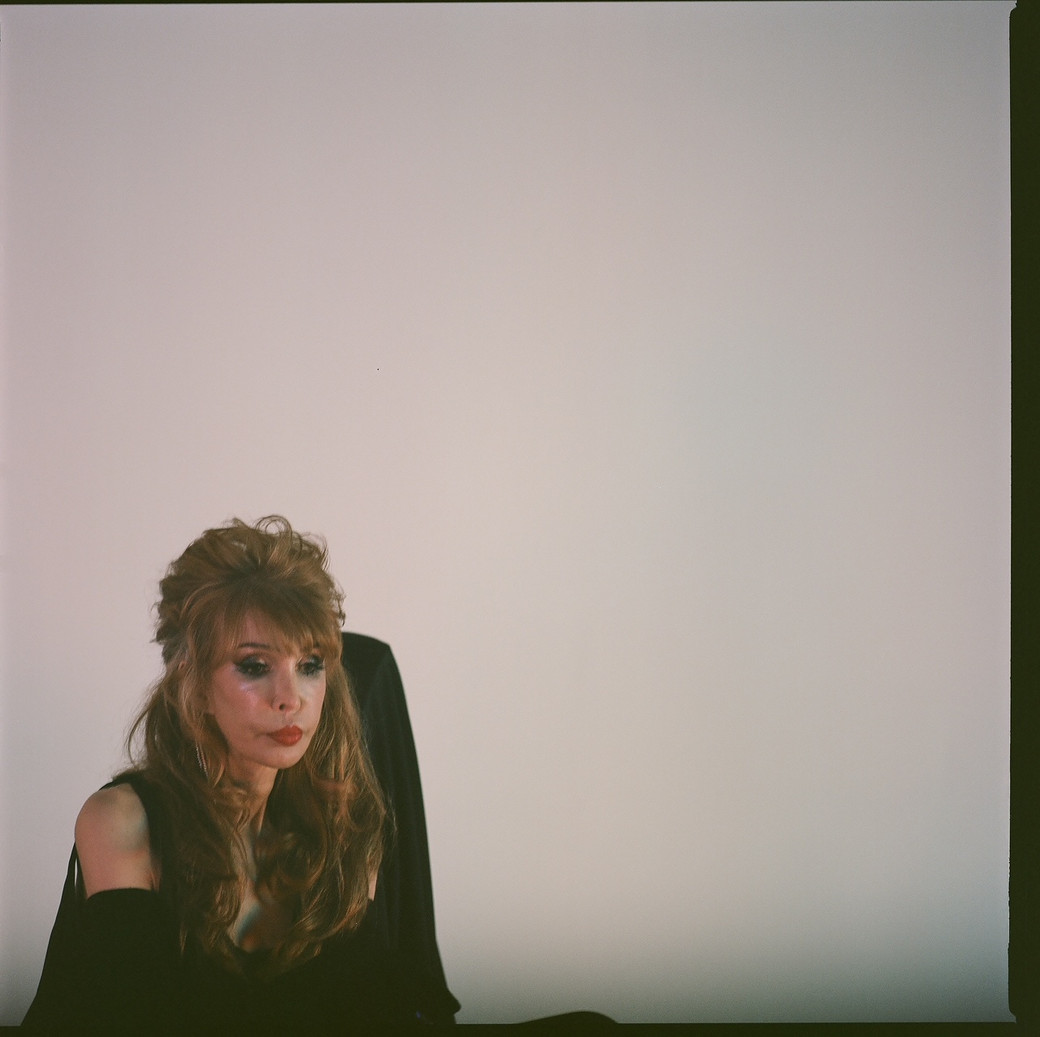
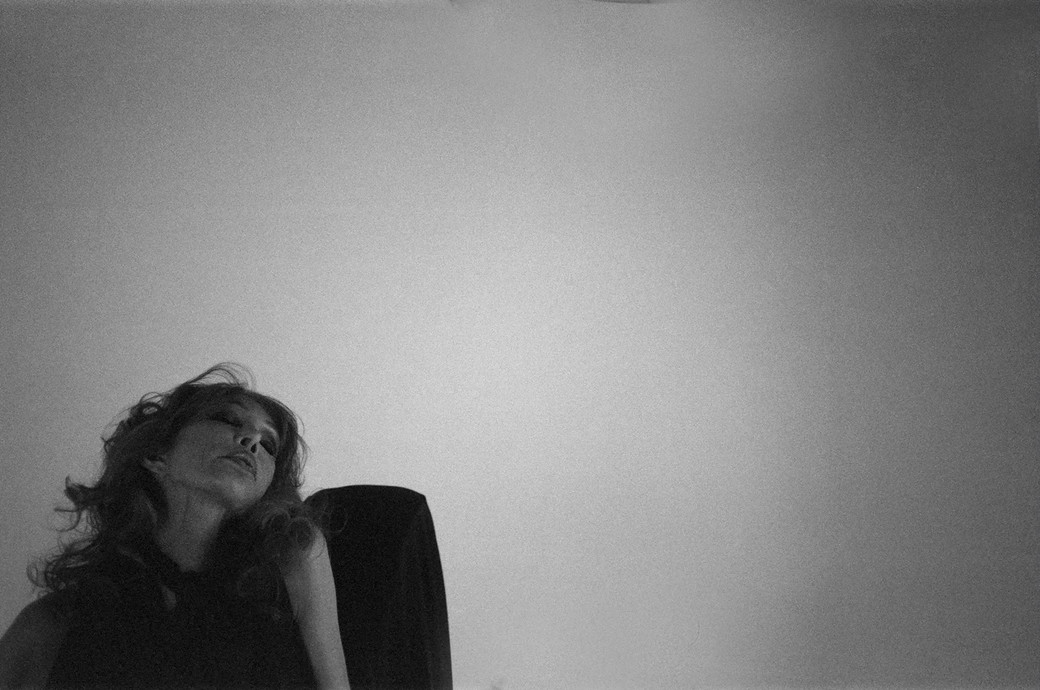
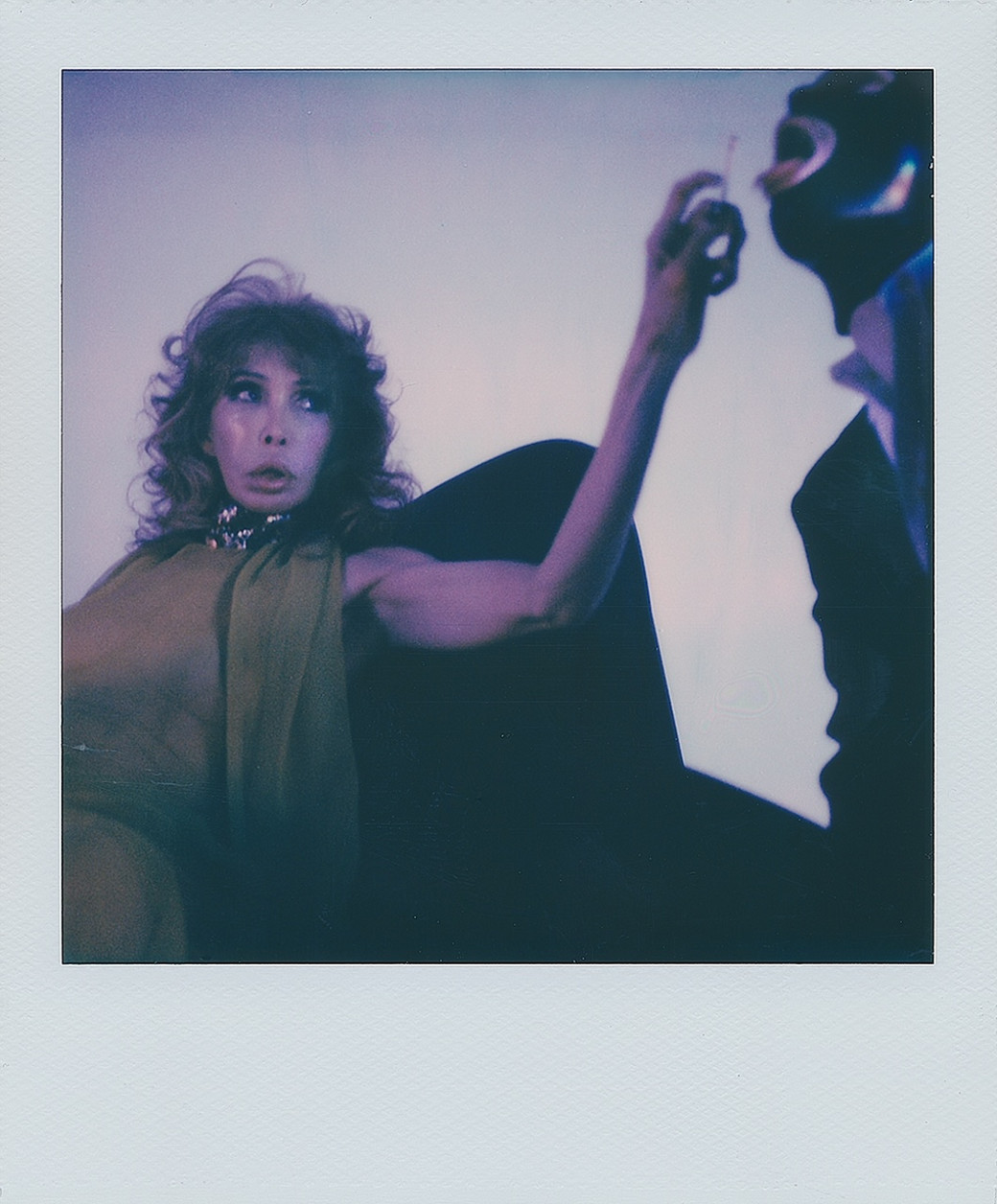
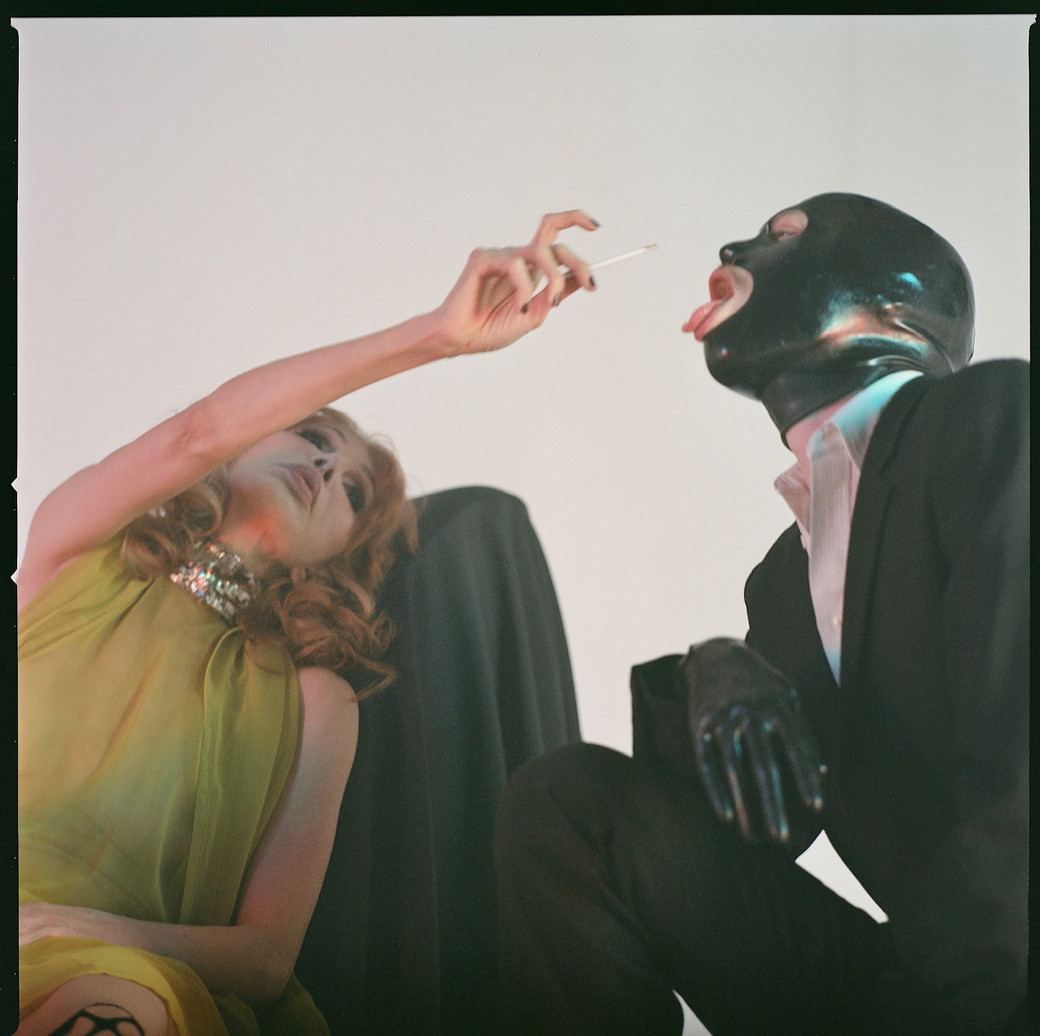
Lamar is a muse for the ages, a lens through which we can explore the love within both our hearts and others'.
Check out the video and photos below.
Tell me about the title of your book.
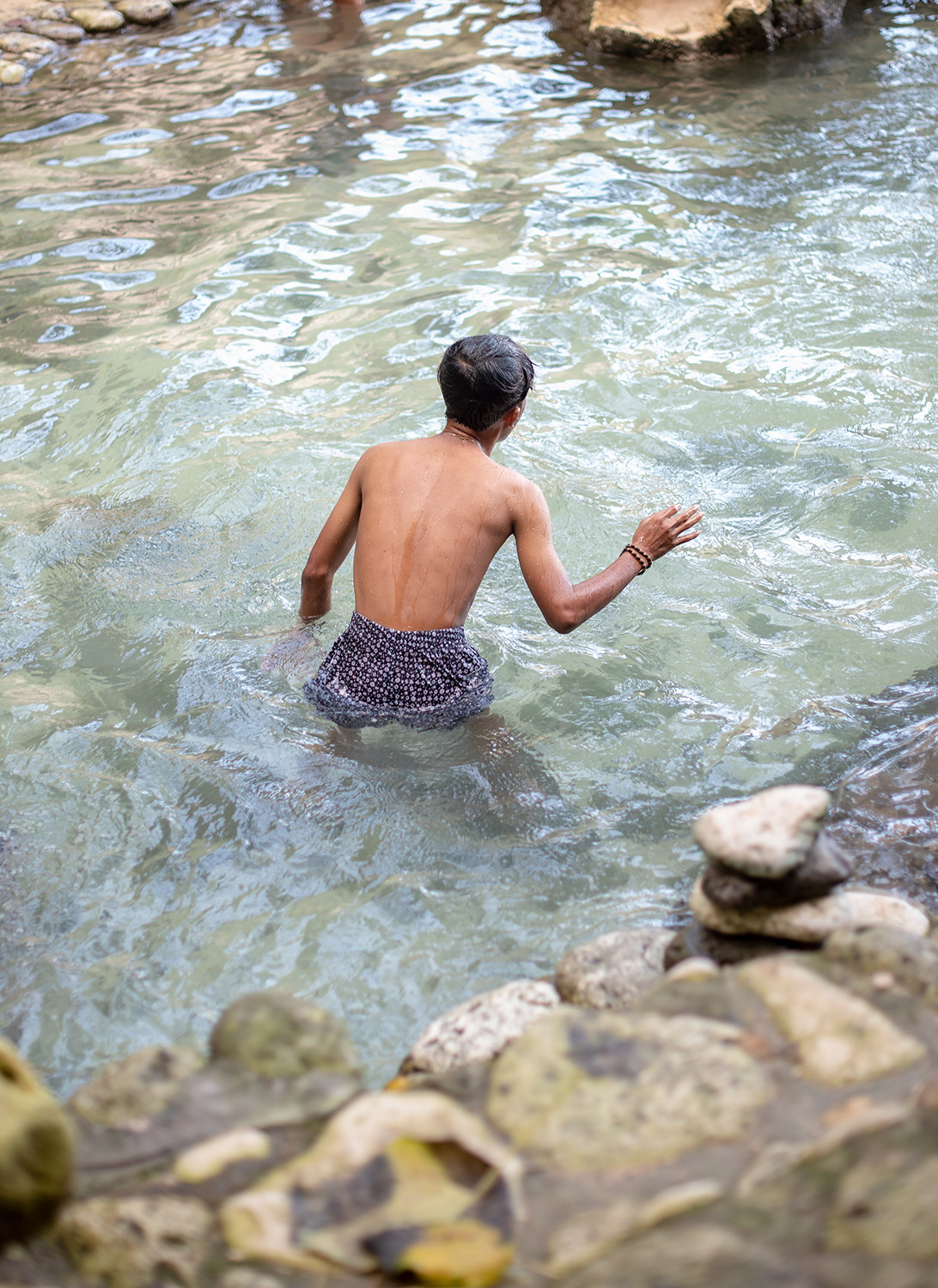
Tanpa Izin is Bahasa Indonesia for “without permission.” When I was first looking at the phrase, I thought it meant one thing and… I’ve been sitting on this work for about a year, so it started to mean some other things as well. But originally, I was looking at the notions of permission when documenting others—it’s very aggressive in certain places that are monetized by photography. This work is a meditation, not an answer, on otherness told by another source. And otherness is all relative and it speaks to that and the experiences I was having that summer. I was traveling a lot. So I was kind of looking at my own permission creating this critique and what came with that. I considered myself an other in a lot of ways, and realized in some other ways there are other others. Right? So we think about that, but especially as a black person sometimes, especially in American Western mindset, you think it’s like that. Your comparisons sometimes stop, and I really learned that past summer to go so much deeper. And it’s funny because I’m actually Ghanaian and American so I grew up in an immigrant household. I already had a lot of those comparisons where I realize so much like this divergence of otherness that exists and just thinking about that position and what it does.
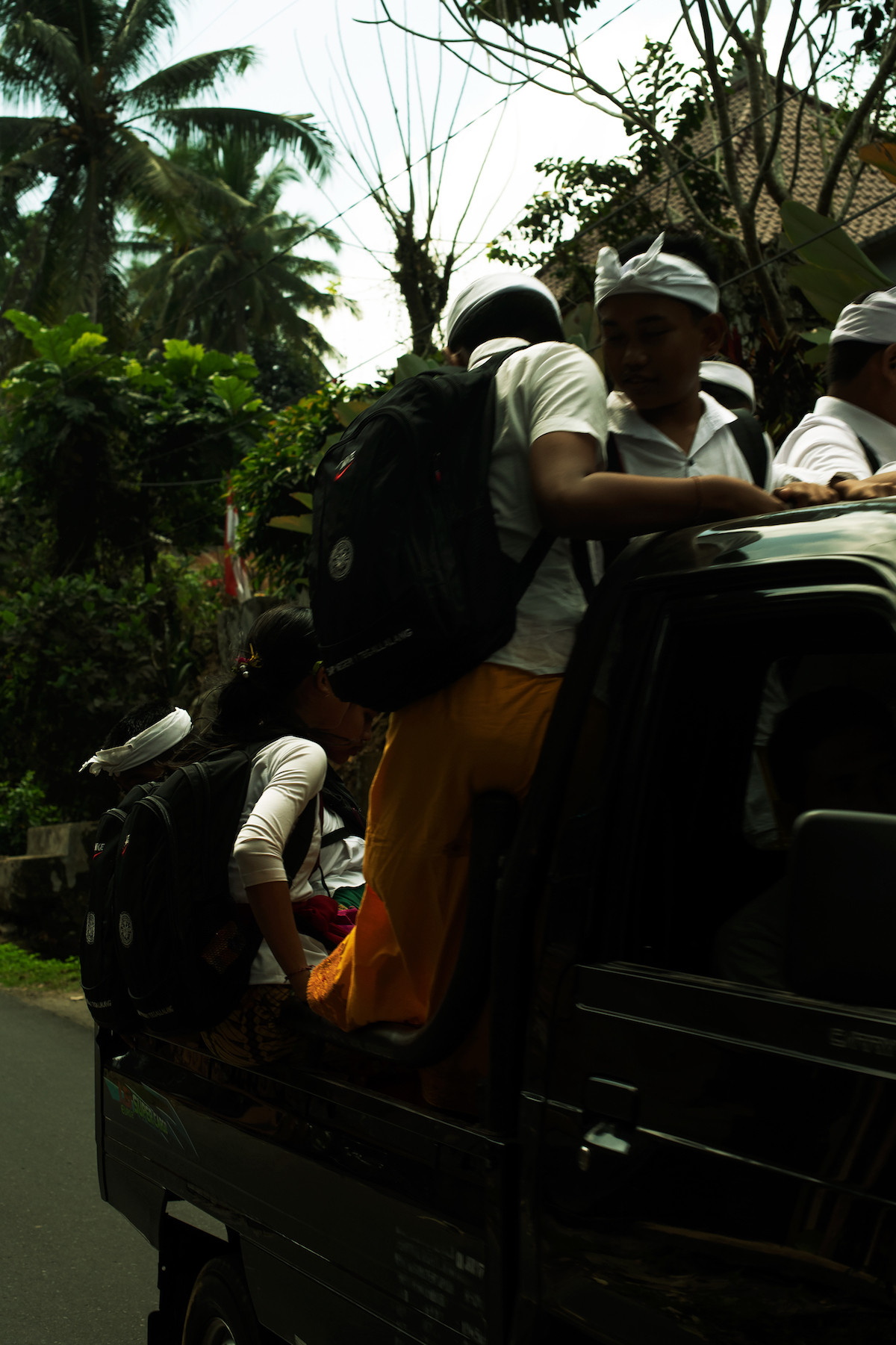
One thing you said that stuck out to me in your concentrated theme of otherness is that you like to be meditative rather than find an answer. It’s interesting to not want to get to the end of the journey, but rather just sit and see where it takes you. Would you say that this kind of meditative state is prevalent throughout all of your work?
Oh, I think it’s very critical to understand a lot of my work. But artists are not the answers to everything. We look at art as a way to enrich ourselves. Artists get put in this weird position of looking for an answer. One thing I like to welcome in my work is that it’s not at all anything… I am very much learning in my work. I don’t like to be thought of or be looked at or this is a definitive way to look at this. I welcome that dialogue, which is something I wish I saw a little bit more sometimes. There are so many viewpoints in life and I would never feel comfortable saying something is a full answer, but I’m happy to be a voice and through my inspiration when I make things being a way to visually express that and guide and inspire dialogue. I love to awaken dialogue in conversation because I think we’re kind of numb to a lot.
Absolutely, I agree. What drew you specifically towards Bali?
So that summer I had just set out traveling. I left in May to Italy, and then I was in France. I was doing some research and some writing on black art collection in post-colonial states. I had this experience there where I was viewing blackness as one monolithic thing. And the certain assumptions that I didn’t realize I was carrying and being there in a completely different environment and context really put me in my place as an American and what Western influences privilege is. I think that a lot of people forget the ways that privilege can exist, and one thing I realized was that predatory claw of Western mentality. And that really humbled me and brought me to a state of meditation. So the idea of Bali came from an ex-partner of mine. I was so excited, I had never been. I’m always curious about the footprint I’m going to leave on somewhere, how am I going to affect my surroundings. Like I said to you earlier, I’ve been on the other side of otherness. So, when I was approaching the idea of going to Bali, I did it differently than what I would presume a lot of people do. Most people have an idealized view of the island, which I think is very prevalent when you go there. It’s a lot of Instagram photo ops to the point where there are Airbnb experiences that are literally based on an Instagram picture. That to me is what started making me ask a lot of questions. Why is everything involving these specific photos? Like people waiting to take a photo on a swing—it’s dehumanizing. This island that is so beautiful and spiritual, and I’m not even from there, is being reduced down to this very palatable capitalistic social media-friendly way to digest something. And that disturbed me. And so I knew I wanted to work there because I knew I wanted to meditate there. The work kind of came second, a lot of the thoughts came first.
I feel like releasing your book during this point of time just amplifies the message even further. Was there a specific reason that you chose to release it now? If not, how do you think that this message gets amplified because of the exact time we’re living in?
You know, the truth is right now what happened was I was just linked. Me and Catastrophe Media, which is headed by Josie and Angela, have been linked for a long time, but they came to me and were like, “Do you want to publish your book?” I was like, “heck, yeah, I do.” I was waiting for the right people and time. And it kind of came about because we all have time right now. That’s the reality of it. I think it’s been a conversation for a while now, but it particularly became interestingly relevant when America got banned from all of those countries to visit. And why I say that was because I think it was one of the first times I think people checked themselves a little bit—myself included. I hold an American passport no matter what my two nationalities are or where I’ve been or my family’s from.
The feedback I’ve gotten on Tanpa Izin is just something quiet that makes you look at something in a completely different way. And the more and more you sit with it, you start to be brought to a meditative space, which is what I like, or what I’m interested to see. At this current quiet time it’s interesting to sit still with a book and to see how it presents itself to you. Not just with the images, but with the forward and with the annotation. There’s no title on the outside of the book. It’s not meant to be some intimidating giant monolith on your coffee table of dominance. This is kind of a quiet book, it sits on a bookshelf and you can go back and forth from time to time.
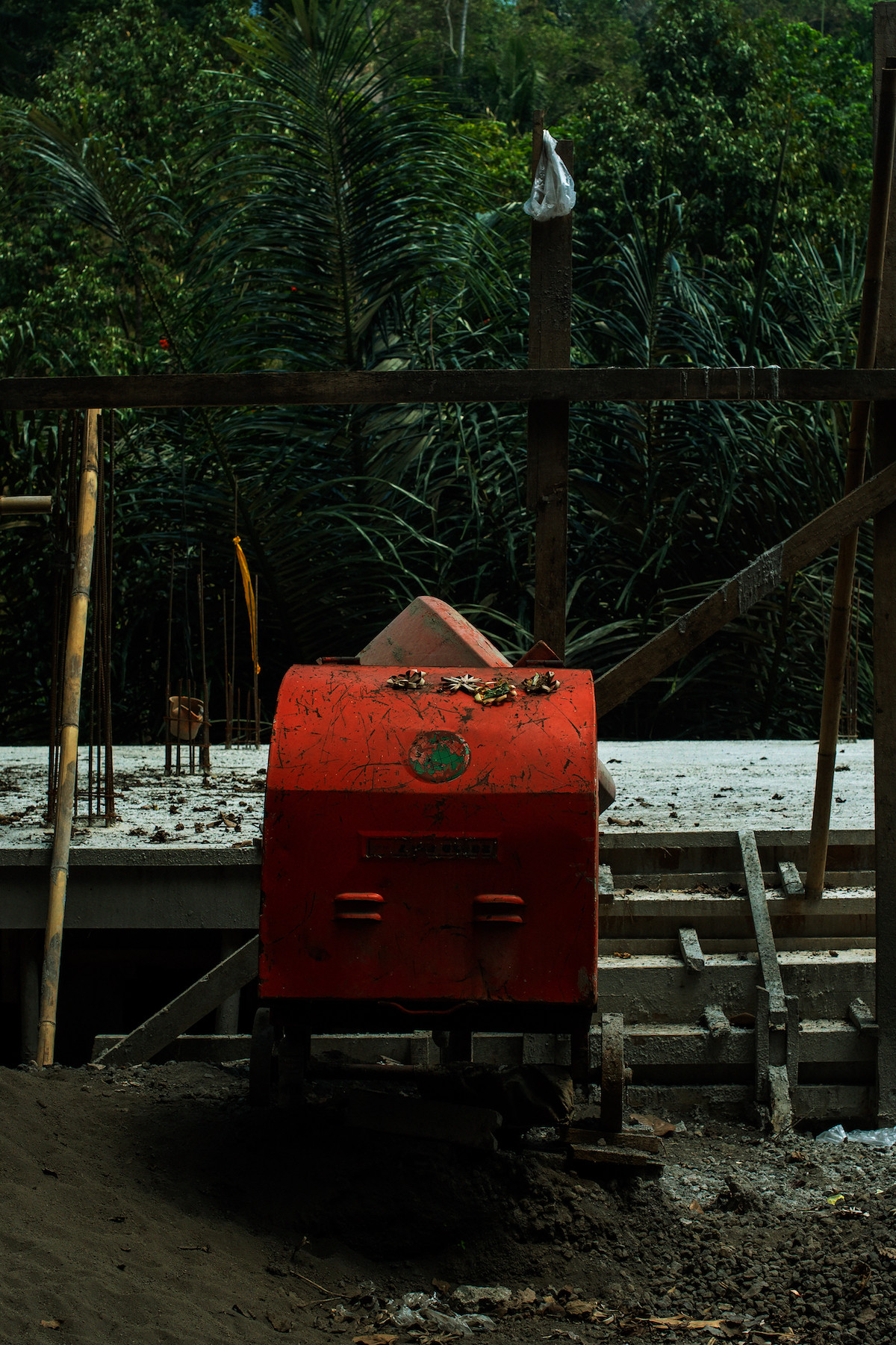
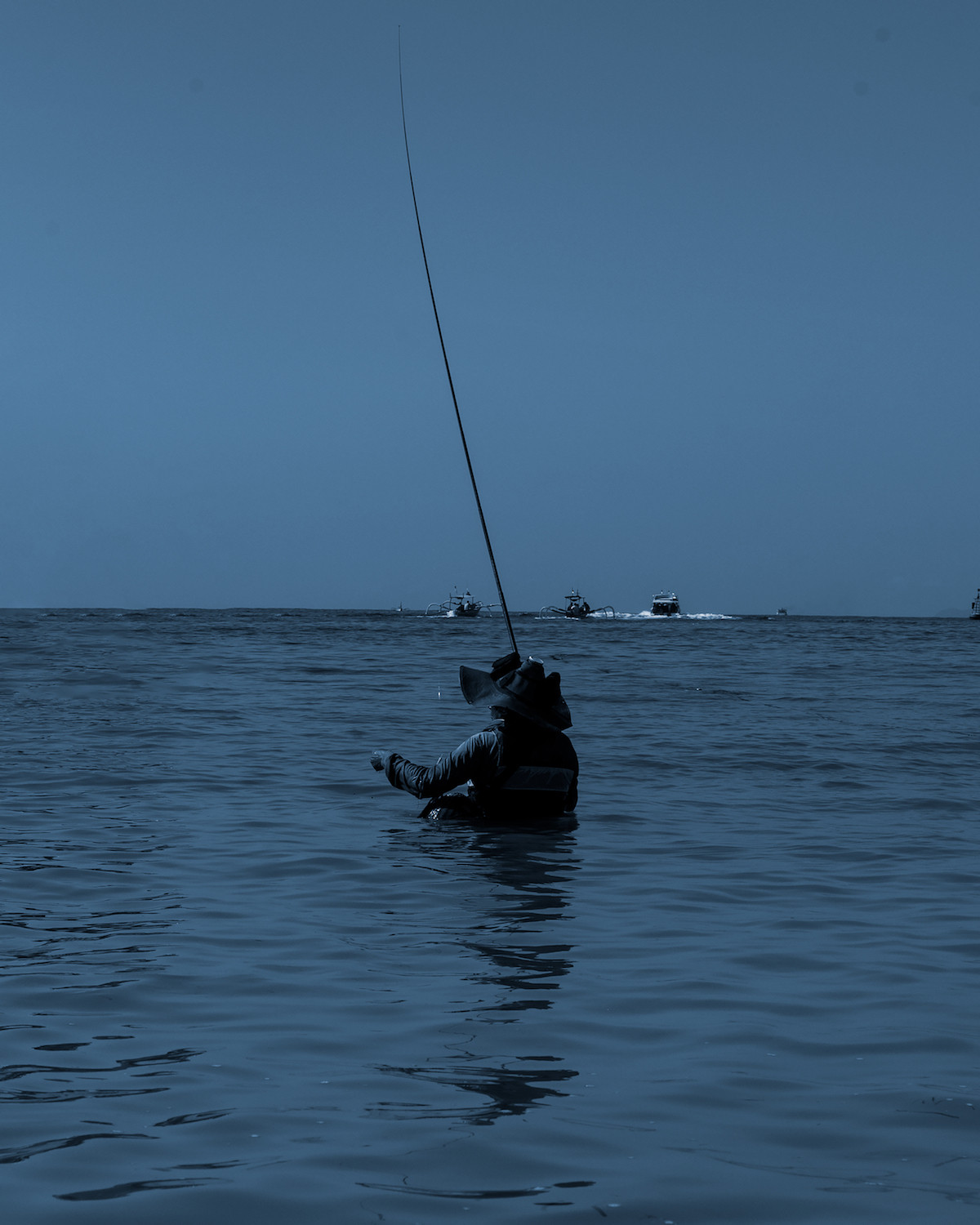
And there’s a need for stillness and reflection right now. We often push this lifestyle where it’s almost too fast to think, and that’s why people are going to these destinations and doing the photo ops and being almost like I checked something off my list. Like I did the vacation. Next. Why do you think that, especially as Americans, we fetishize destinations so much?
I would say it’s a weird form of a colonial mindset. I’m not sitting here thinking everyone is on that path, but it reminds me of things like that in a very distant way. And the fact that we look at these places to go conquer and post very immediately that you’ve gone there and that post is a representation of that. So looking at places as only ways to fulfill something. I look at that in terms of capitalism as well. Just where we always wanted output. We’re producing just to get an output, output, output. What is something that could benefit you and how does it benefit you immediately? And that immediate gratification is social media. And now social media when it’s monetized, what does that mean? Do you have your influencer picture? Do you have this, that, or the other? It sounds sort of bizarre to say this, but when you’re walking around a beautiful spiritual place full of amazing people, that has Instagram tours literally to go to spiritual sites, but to find the right place to take a picture, I think you have to start to ask how numb are we as human beings?
Yes. It is such a game, a competitive one, and it really is like an addiction of sorts. What kind of intimacy did you gain by traveling on the back of a motorbike?
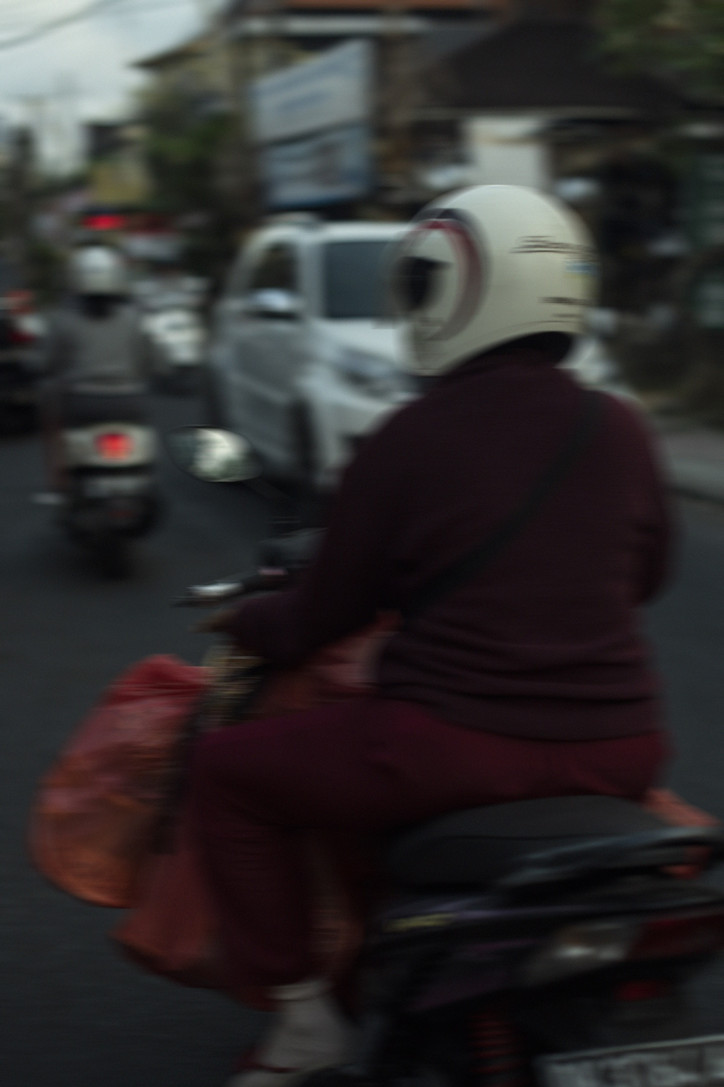
There are certain aesthetics in the canon of travel photography, certain aesthetics and things that are accepted or viewed. I think one thing that was always interesting was when you think of a travel photographer, you think about a big commission from National Geographic walking around with their nice camera, big telephoto lens walking around, cargo…. that kind of aesthetic. I was not that at all, and I did that very intentionally. I didn’t want to go up photographing kids blank in the face. I didn’t want to go and be a very disruptive force. And that intimacy was created because I was able to remove myself in a lot of ways and just be a passerby. I wanted to do that to exercise with myself. One thing I’m very clear about is that this book is not an answer, and there wouldn’t be an answer to what something may truly look like until someone from that place is making it. That’s an understanding that I have very clearly because I’ve been documented by another before, too. I’d like to start to go again, and this time remove myself and also just help with work there and get it to different audiences.I’m curious how this book would interact with let’s say a version that wasn’t photographed by me. That’s how I like to think of projects.
I kind of went off the question of intimacy, but I think that intimacy came from allowing me to kind of be a very quiet passerby. I think also as a black woman when I travel, one of the things I always feel is visible, incredibly visible. And very few places I feel non-visible. So I was curious in the forward… you’ll read it, there’s that question about invisibility. A lot of it was brought from that experience. Who wrote that forward is this amazing creative based in France, Britt Belo. She travels a lot as well. We went to the same program in Paris. We both know that feeling of just being gawked at, especially when you're a black woman and you’re traveling. It’s a feeling you’re all too familiar with. So I think I was attracted to that notion of invisibility in a lot of ways and what that invisibility brought in terms of what I was able to see.
So after experiencing both sides of otherness, what have you found is on the opposite side of the other?
The other comes from the existence of the mainstream. The other side of that, is just knowing that feeling of the other side. There’s a gentleness to the images and to the work and to things that are treated, and I think that comes from wishing things were more quiet when documenting people that look like me as well.
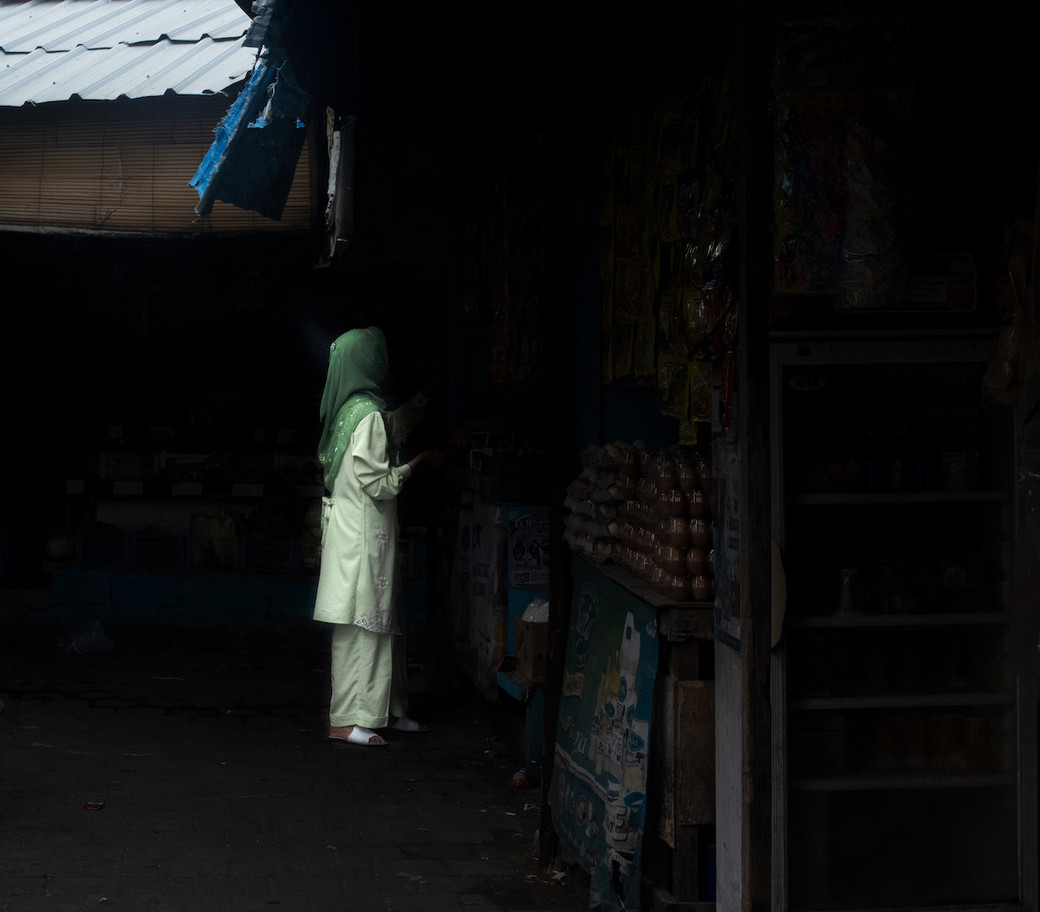
How do you define beauty?
Beauty is chaos. I went to Yosemite the other week with my friend and it was just so beautiful. We’re not supposed to be there at all, and there was this chaos that made this amazing ecstatic experience. Chaos does not necessarily mean frantic frenzy, but just the natural order of things that chaos exists in. I think sometimes people want to be this cookie cutter very clean, you know, avoid critique, avoid this, and I think that there’s so much more beauty in that chaos and that rawness that I personally am always attracted to. Of course, if you want to ask me what’s beautiful in other ways, there’s tons of things I could tell you that are beautiful. I think the ways that people’s eyelashes look when they’re up is beautiful. But in a larger conceptual sense, I would say it’s more so chaos because there’s so much to think and process about… that there’s never a perfect answer, and that to me is beautiful. The thought that we could have dialogue and disagree and learn is chaotic, which I believe is beautiful.
What are you up to next?
Right now the book is going to be on order until October 29th. There are some fun and exciting things in the work about that. And then from there, there’s a lot happening this fall. My last project 3436 has some exciting things happening that I don’t know if I’ll mention yet, but I would definitely just say to stay tuned as much as we can during right now. Also, I’m shooting a lot of really exciting work right now and getting back in my groove. I’m always sitting on stuff that is coming or that I’m finding new context for that I hope will be ready to share early next year.

Is the last name Peak all that fitting? Not quite yet for Whitney, but damn, she sure does have a soaring trajectory.
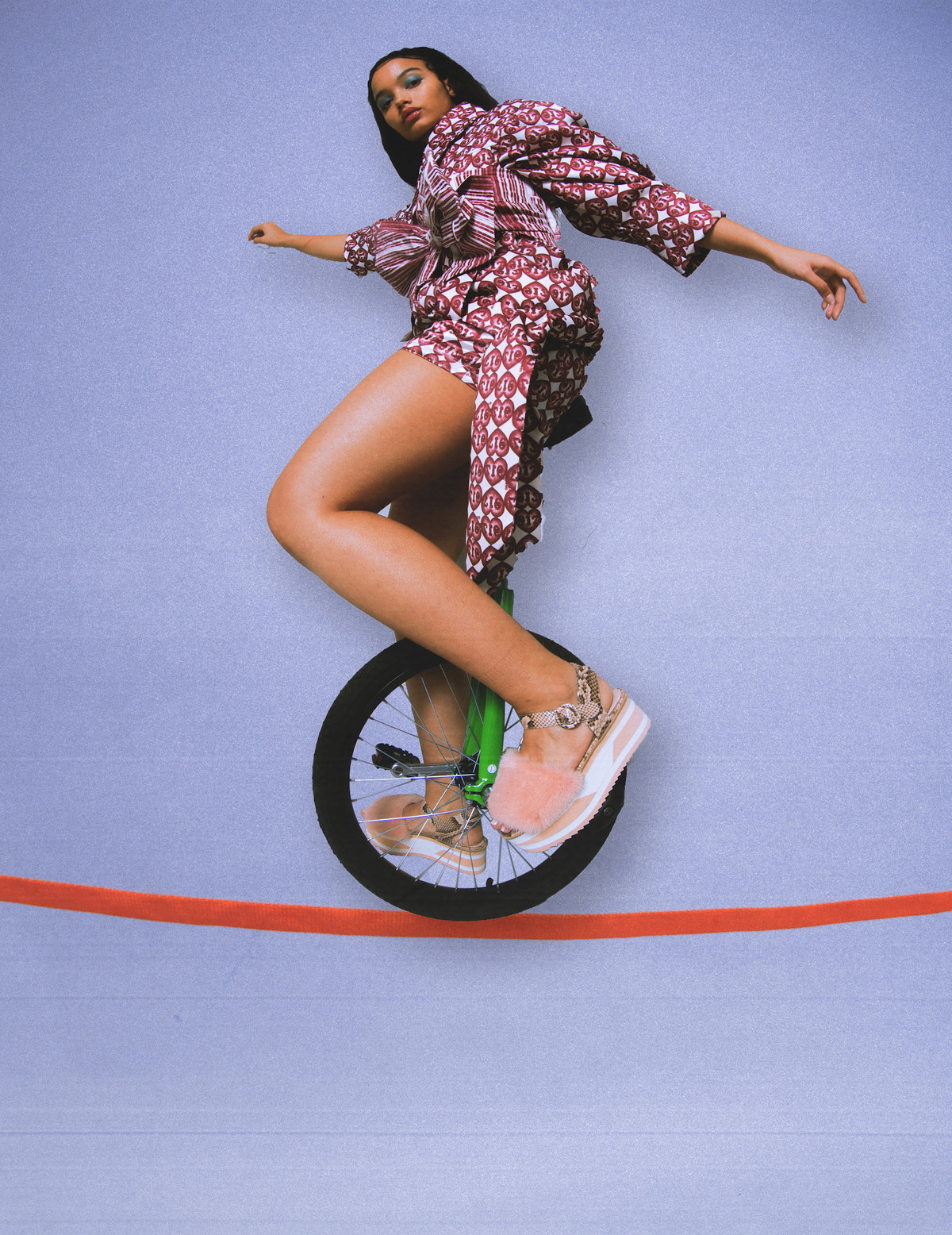
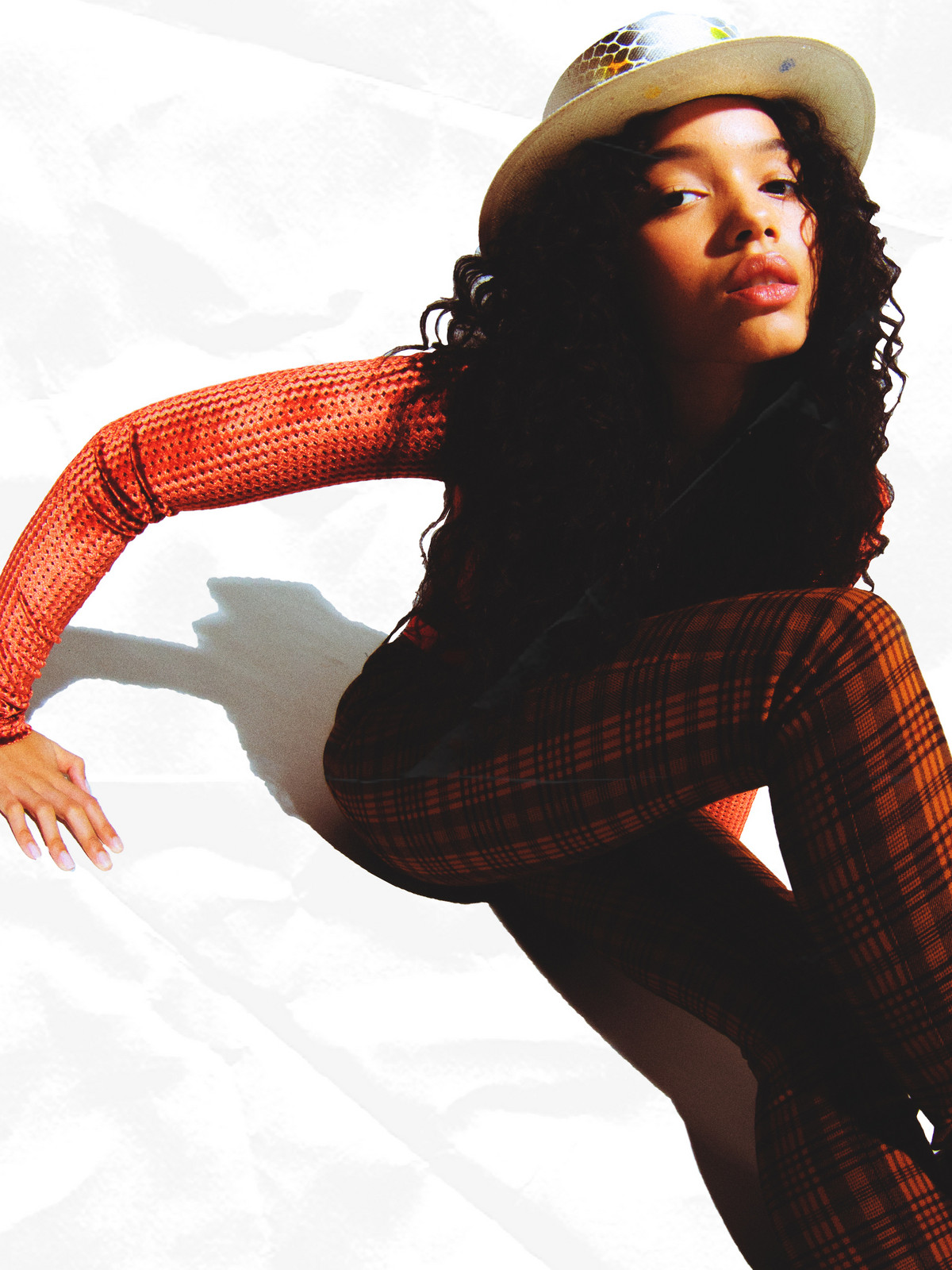
How did you get started in show business, or more specifically, acting?
Well, it was all kind of a big luck story. I did a Disney audition that I heard off the radio and it turned out to be a scam. Through that I went into background acting. While I was doing background, I got cast to play the younger version of the lead of the show I was doing background on. And then the man, Connor Lawrence, who played my dad on that show referred me to my now agency. I did a take and then got my agent.
So now we go from that humble beginning and fast forward to present-day where you’ve had a lot of recent success. I’m sure you’ve become very busy, so how do you practice self-care?
So, generally self-care looks like taking a step back, you know, to listen to your mind and to your body and spirit, just so you can activate the benefits of all wellbeing. For me, self-care just really looks like chilling, not having anything to do. Skin care. I know skin care is such a big, big part of self-care for me. It’s just so like, soothing? Just having a super chill, calm environment and being totally at ease.
How have you been keeping busy during quarantine?
Well, school’s been keeping me pretty busy. School, working out, reading, watching TV, Netflix, sleeping a lot too.
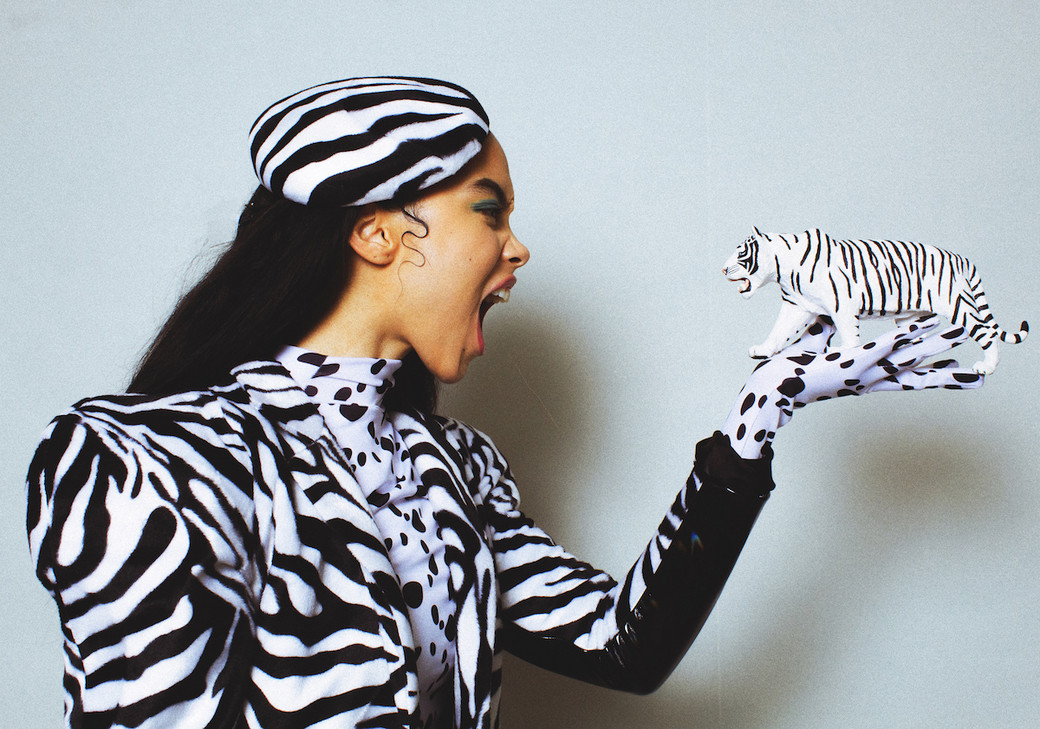
Yeah, that sounds very relatable. I’m sure lately you’ve been achieving a lot of your goals. What’s something that you want to achieve in the near future?
Well first I want to finish high school. That’s something very important for me to do. After that, I would buy my mom a house. That’s something I’ve been really, really itching to do, but that’s more of a long-term thing. The nearest goal that I have for myself would probably be to finish high school with good grades.
Yeah, well you’re almost there! You’ve only got a year left! So close! What’s a piece of advice you wish you had two years ago?
Actually, my acting teacher said this thing all the time. He said, "It’s not about you.” That’s probably the greatest piece of advice that I’ve learned and that I wish I knew a long time ago. It’s like in conversations and in arguments and stuff, most cases, the other person is going through something else that’s making them act in that way. It’s not really about you, it’s about doing justice to how they’re feeling. It’s the same in acting really. If you make it about you, then you’re not doing justice to the character they’re portraying, you know? It’s about their stories, their truth and their being and I think once you start making it about you, you lose the audience’s interest. It’s being really present in any moment and being out of your own head. It’s about making the person you’re talking to feel really heard and listened to and like you’re there with them. I think it’s really important in taking yourself out of the equation.
Yeah, that’s great advice. So Gossip Girl is a very big project for you, how does it feel to be waiting for the public to experience it at the same level you are now?
Oh my gosh. I don’t think I have experienced it, you know what I’m saying? It hasn’t really hit me yet. It doesn’t feel very real. I’m nervous to come and take it on and see how the audience takes it. More importantly, I’m excited. I’m excited to take on the challenge. I’m so, so eager to meet and work with the cast and crew and the material. Just this whole experience—just take it in. It’s not really something you can prepare for.
What’s something you’re watching right now?
I just started Good Time with Robert Pattinson.
What’s an album you’d recommend?
Oh, oh, OH! OnePointFive by Aminé, or anything by Erykah Badu, or Nina Simone… it’s amazing.
If you were the last human on Earth, what would you do first?
You know like in the Jungle Book, I would probably try to make homies with some animals.
Modern day Mowgli!
Yeah, exactly, and just kind of travel.
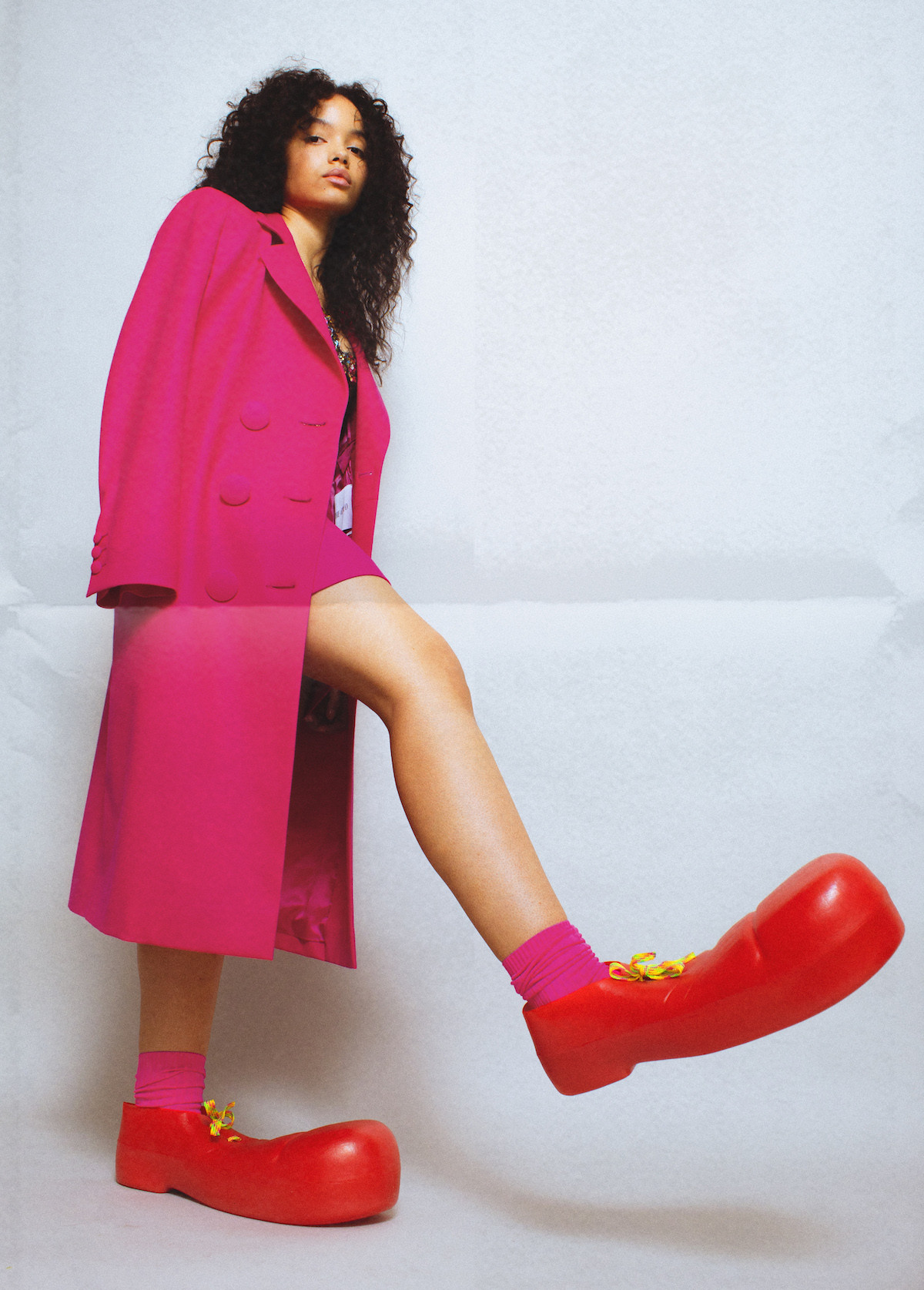
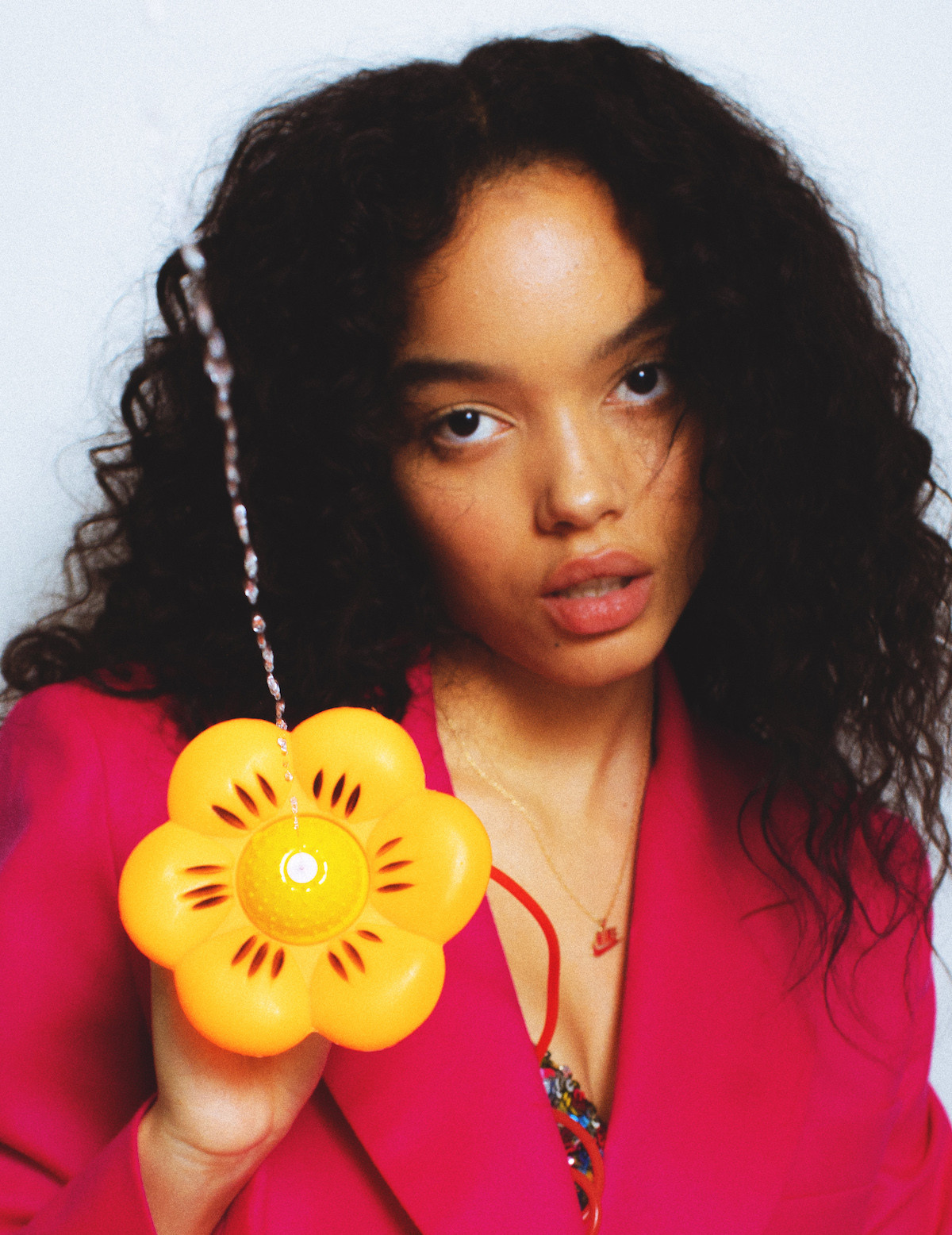
What’s your favorite designer or label?
I really love Chanel. So Coco Chanel, Vivienne Westwood, Rihanna, Fenty.
What should Elon Musk and Grimes baby actually be named?
I think they nailed it. It’s spot on. I have no idea how to even pronounce it, honestly. I think it’s a code and I think someone is going to have to crack it. Otherwise the child is going to have to spell their name their entire life. But it’s cool, I would expect nothing less from Elon and Grimes.
They really exceeded expectations there. Where’s your favorite place to travel?
My favorite place that I’ve been to is probably Dubai, but where I’d like to go to is Greece or London.
Beyonce or Rihanna?
No. No. No! Ah… can I say both? They each have different highlights.
Absolutely. Proudest moment?
Probably booking Molly’s Game, that opened up a lot of doors for me.
Last but not least, are you a good gossiper?
[Laughs] I’d like to think that I’m not.

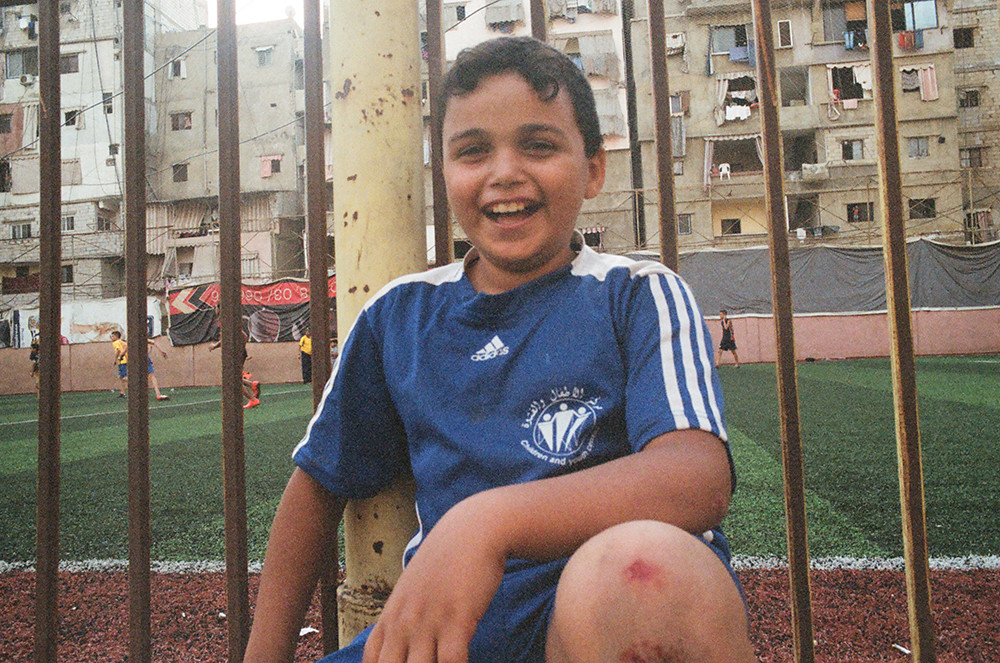
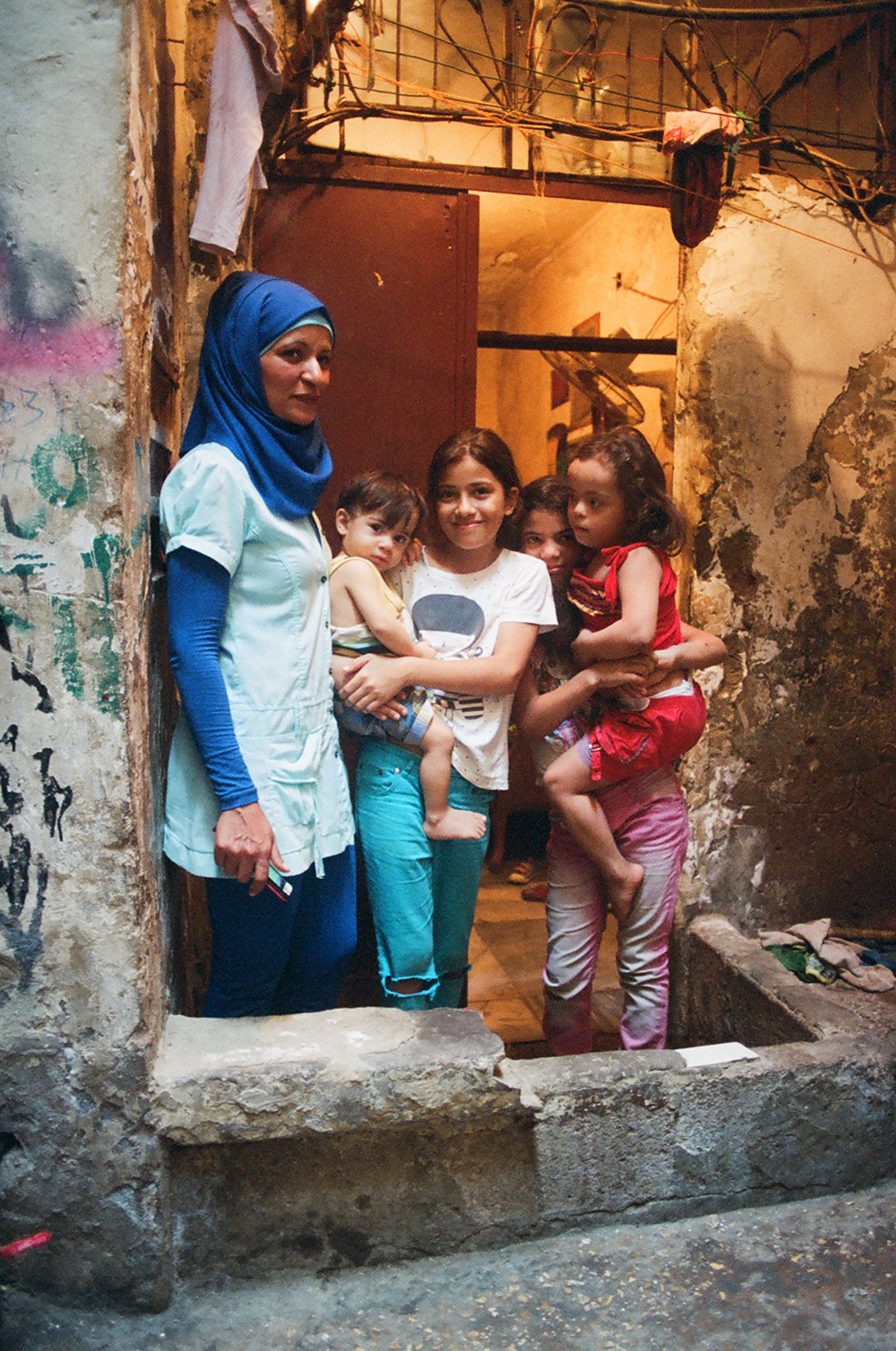
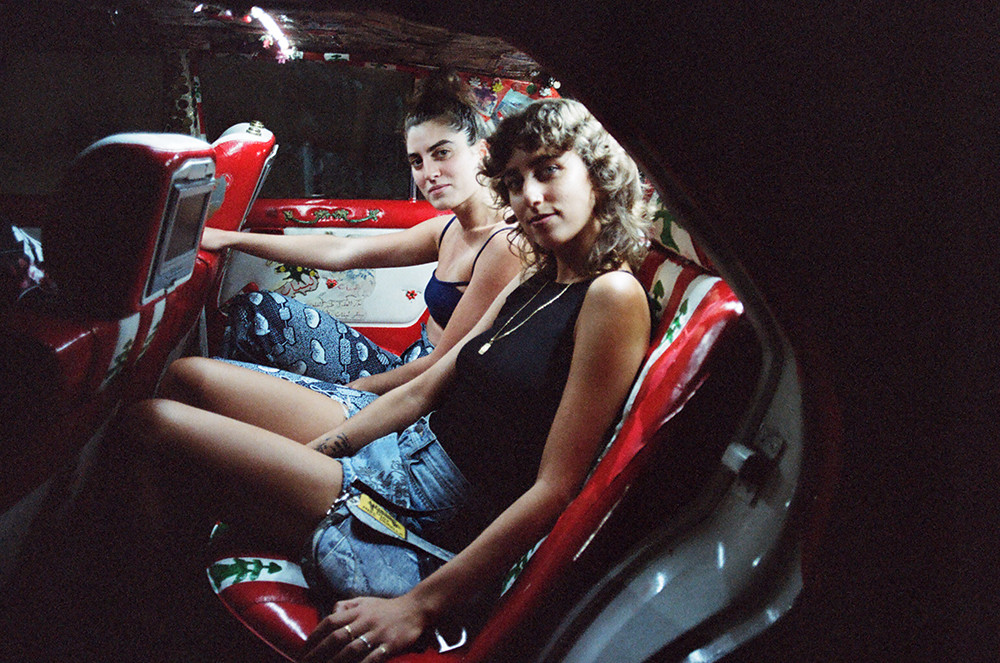
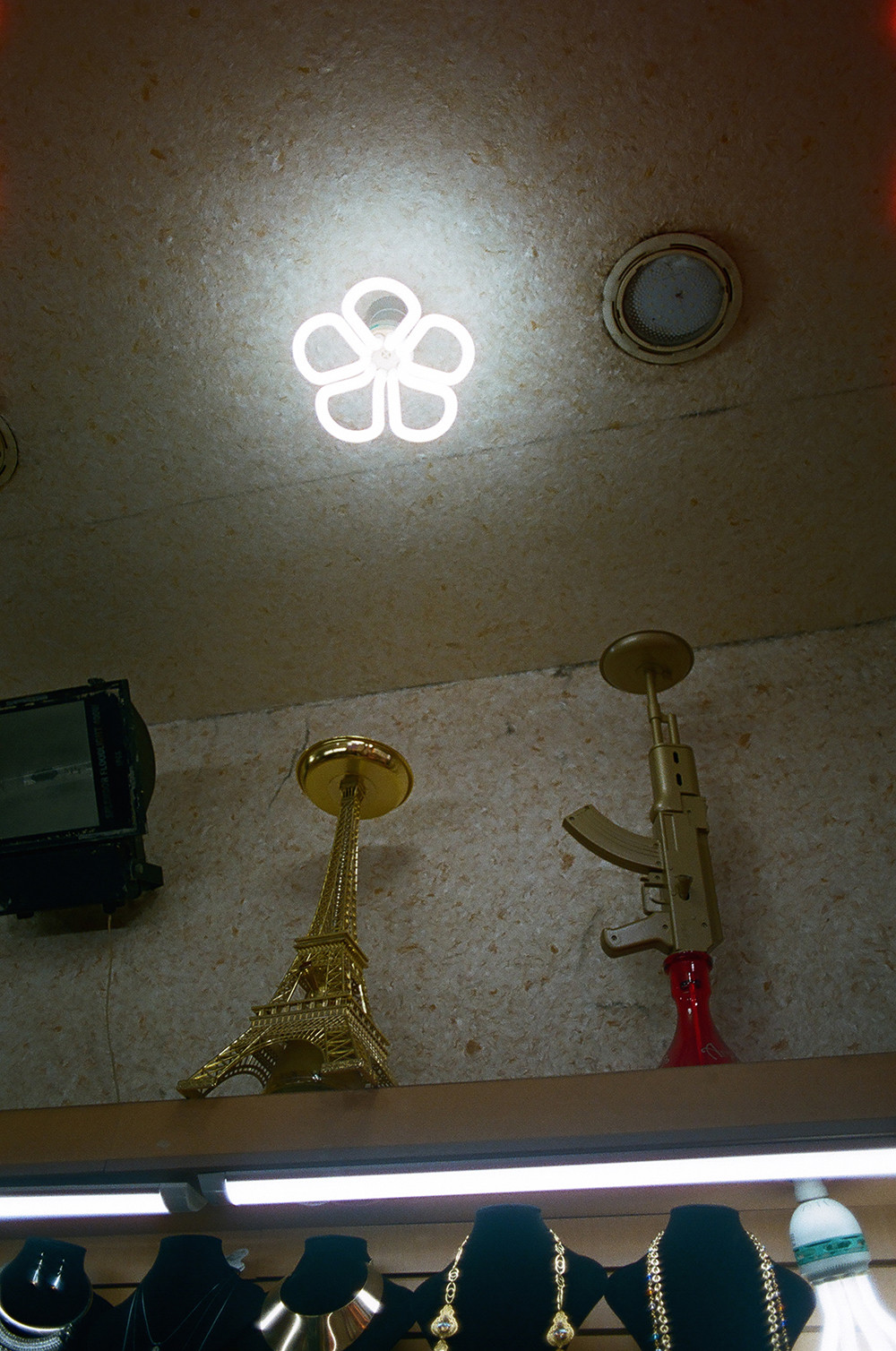
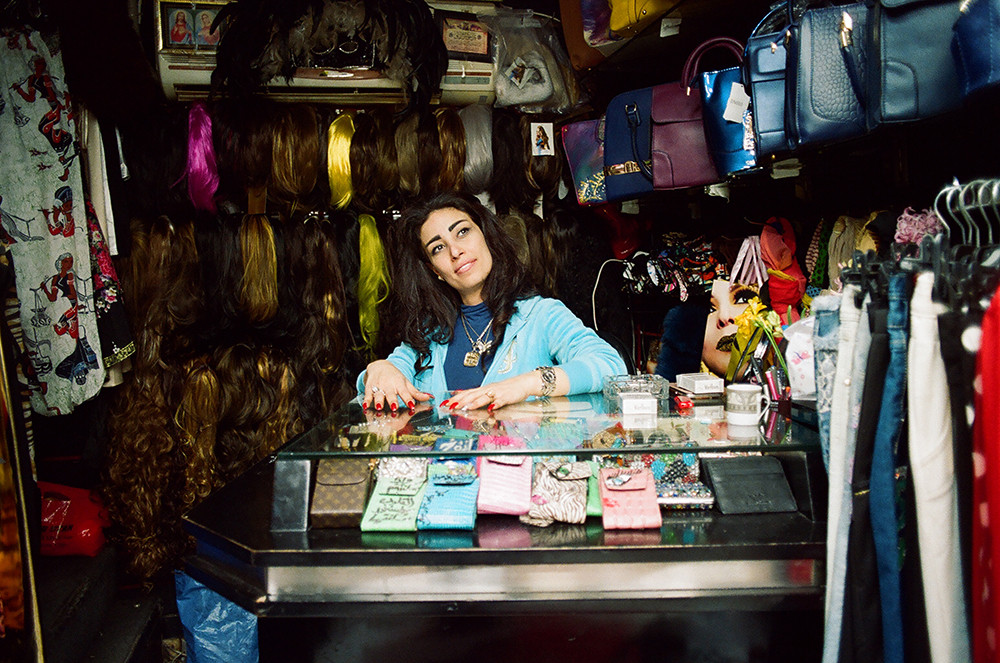
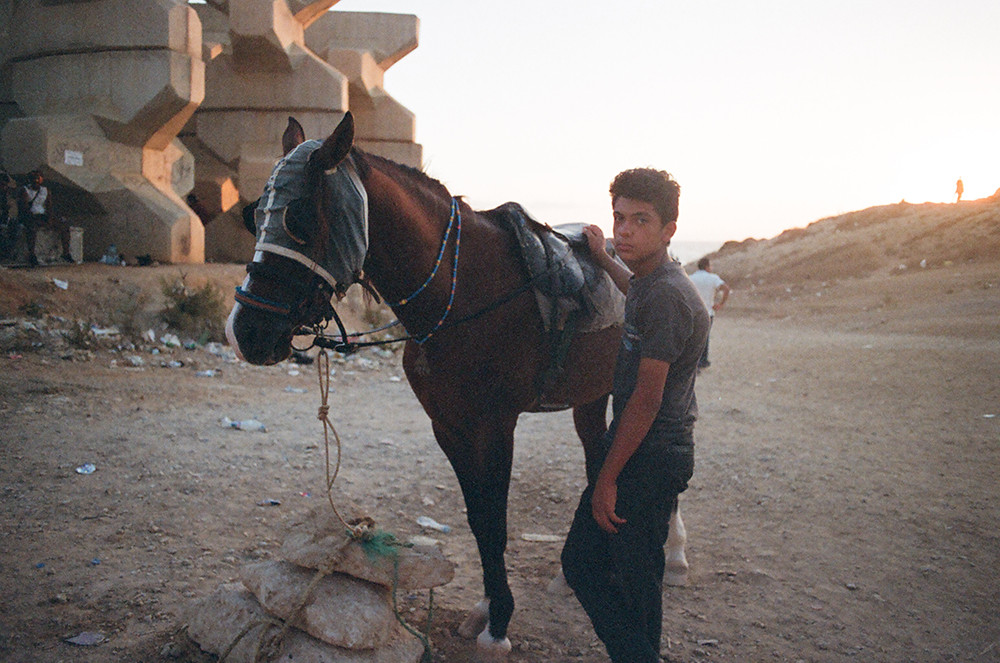
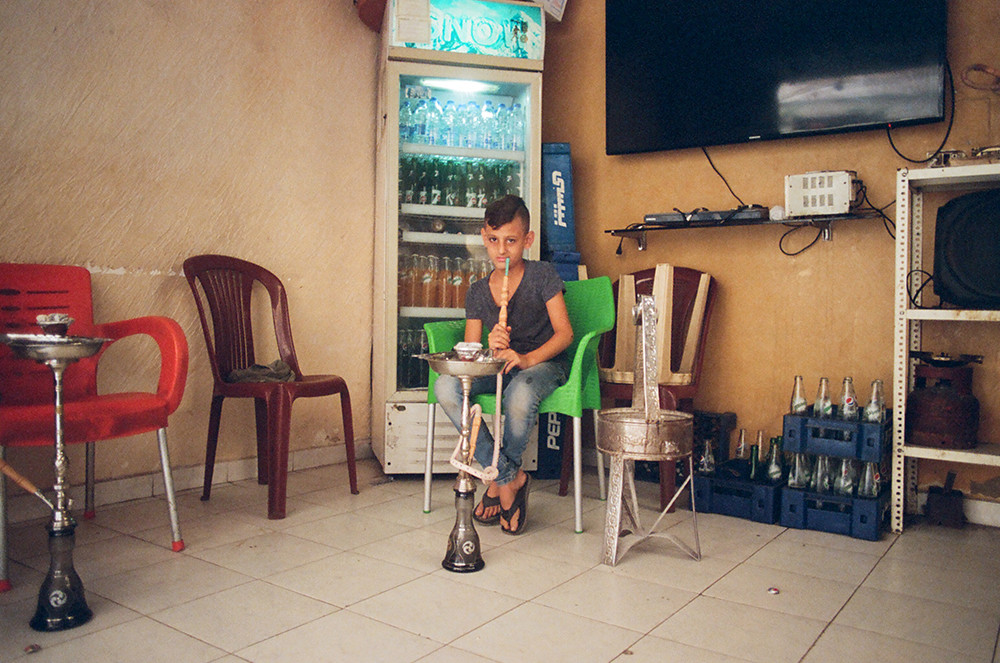
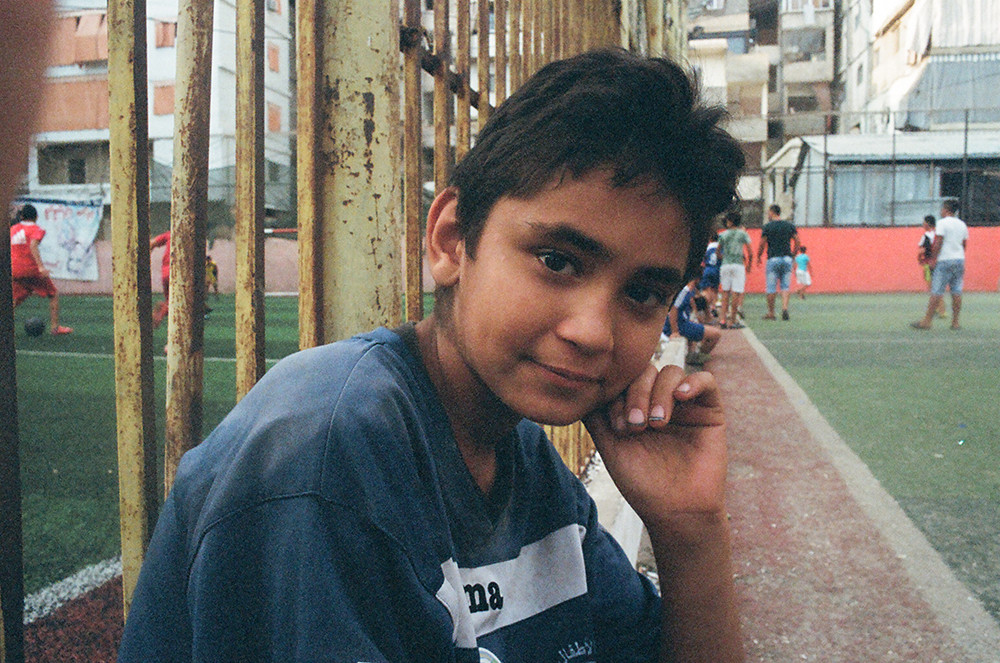
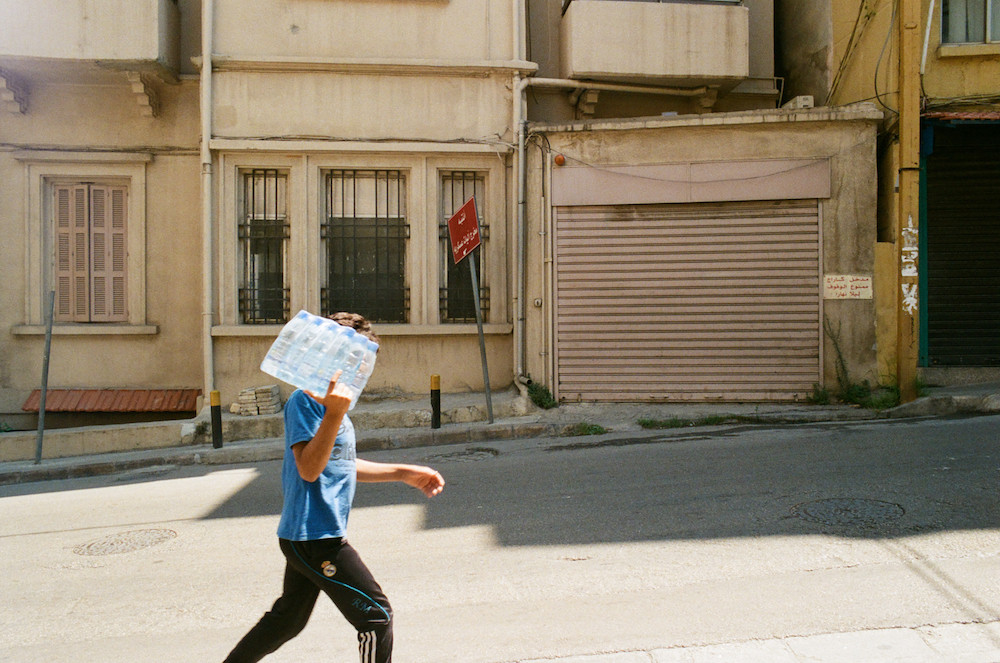
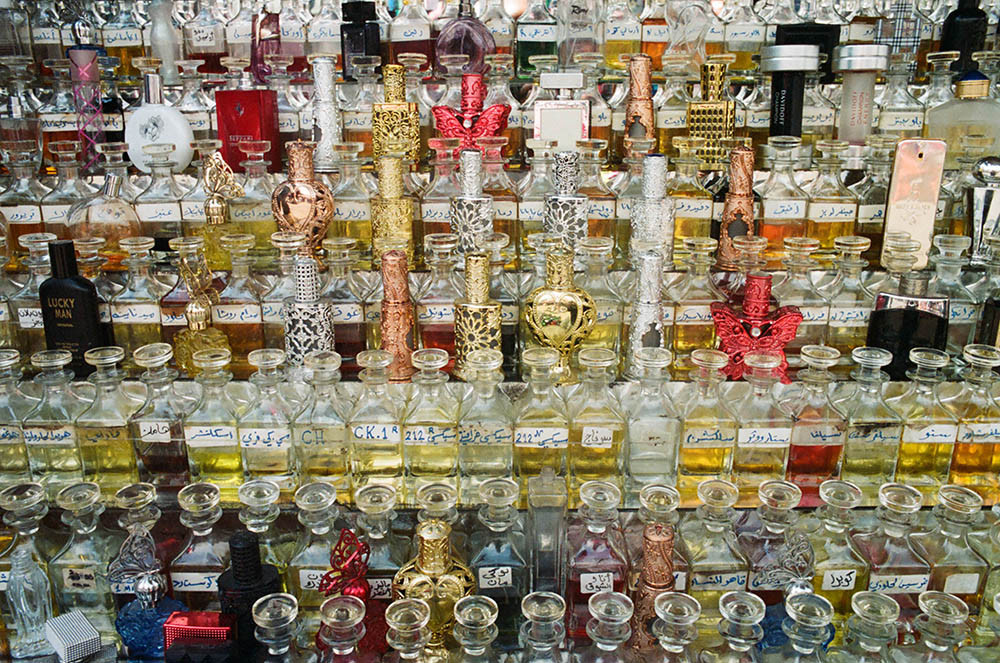
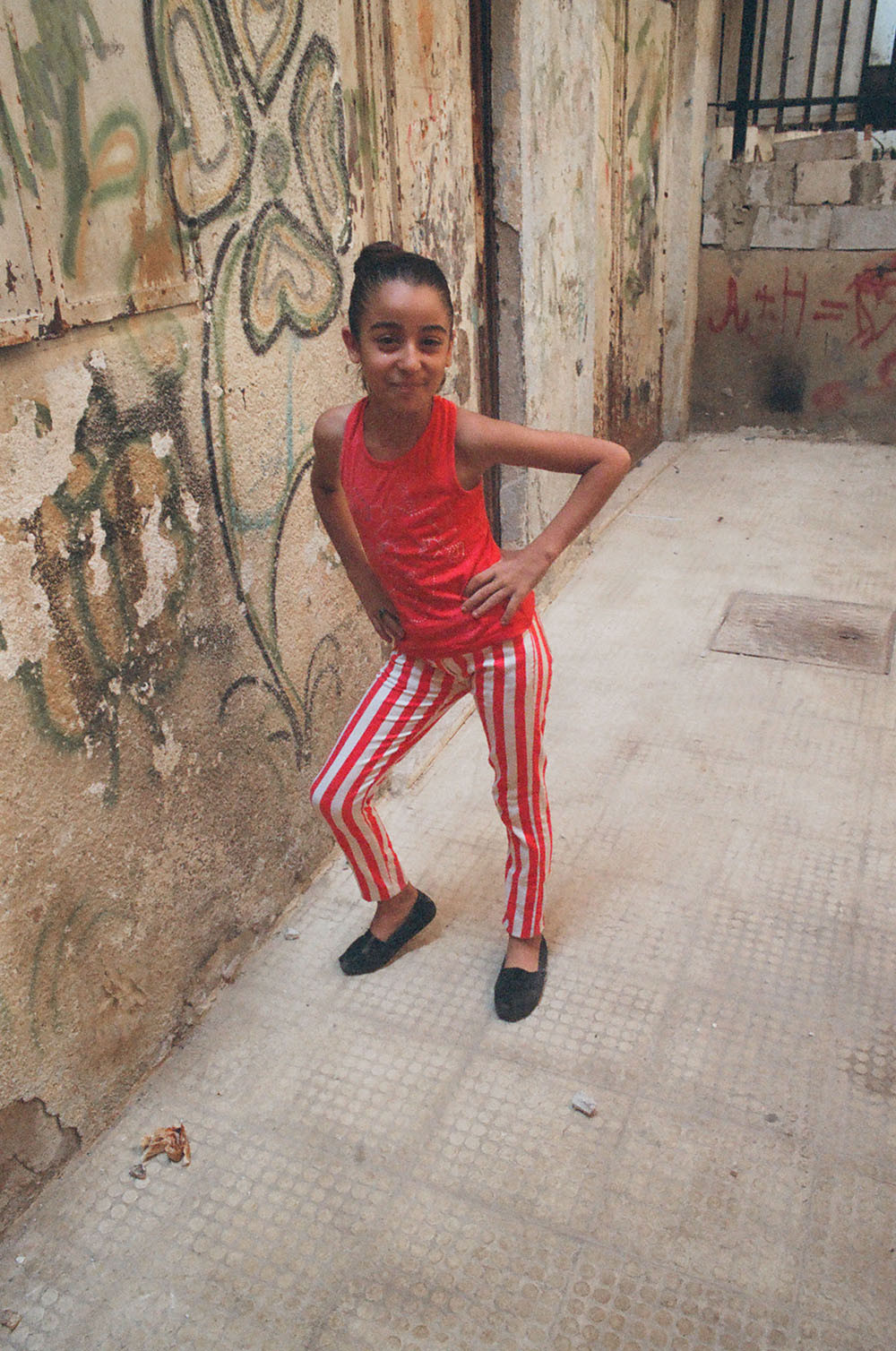
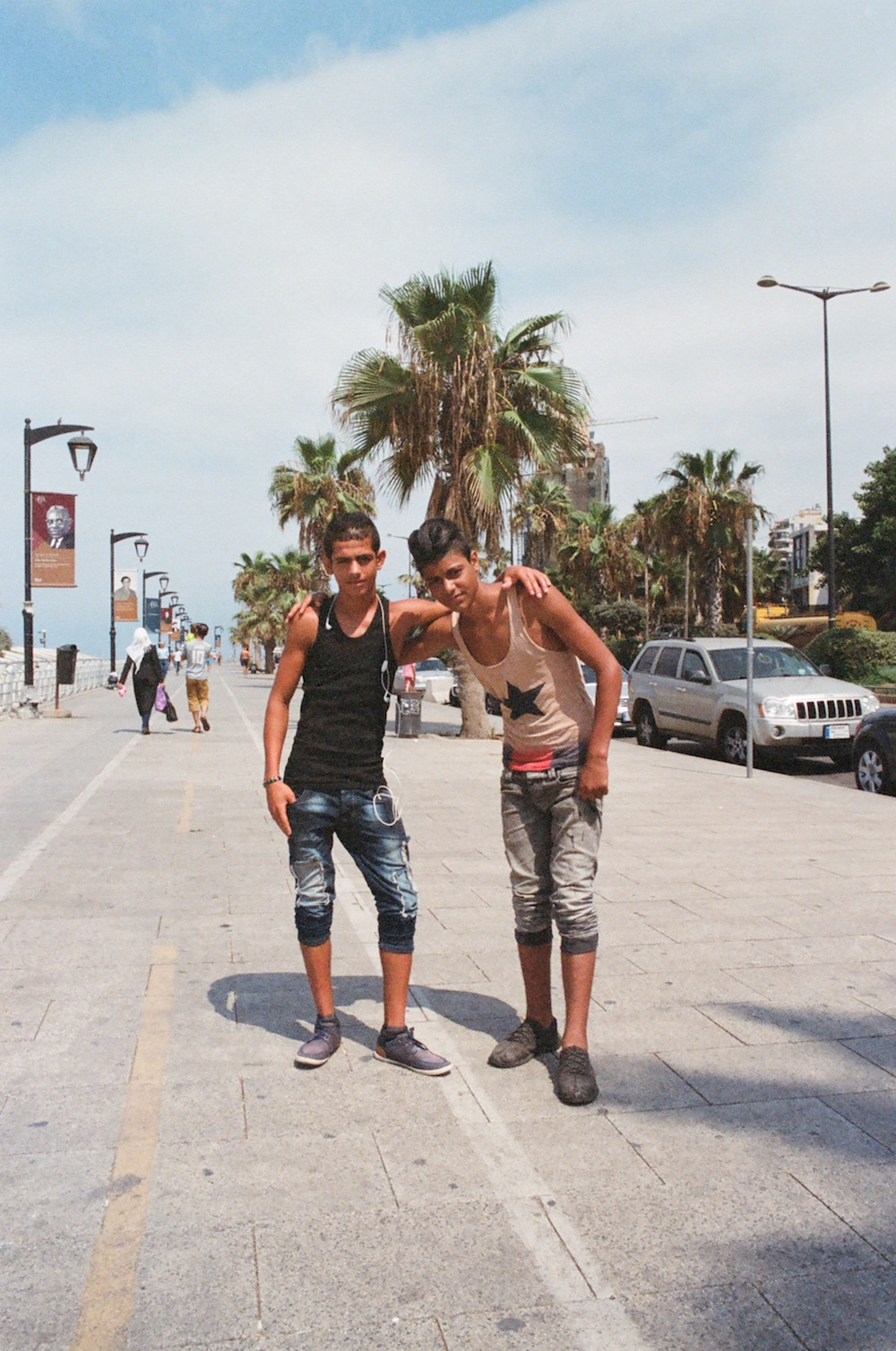
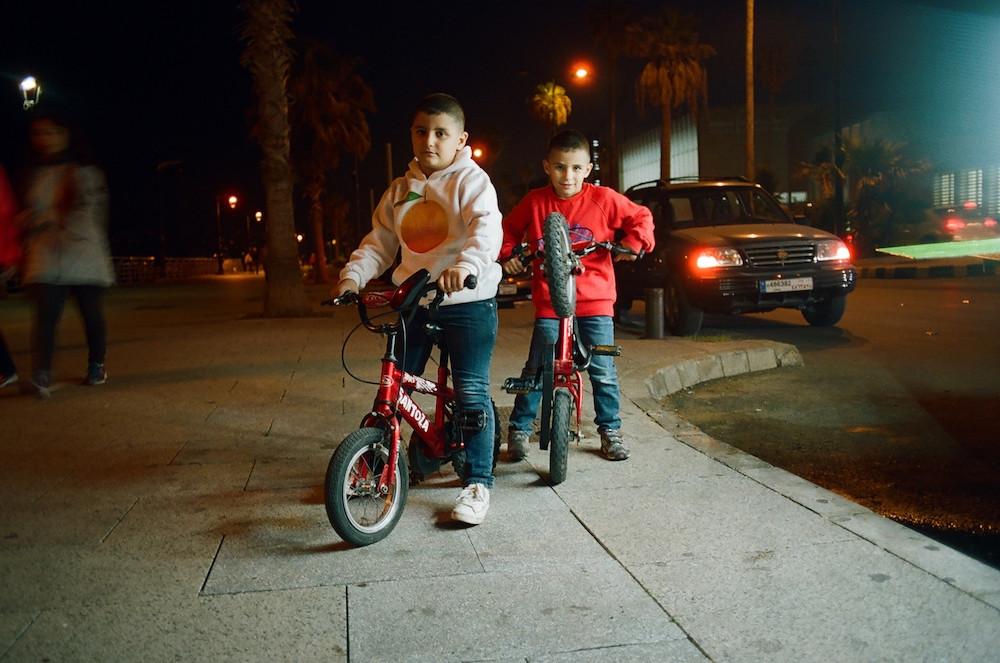
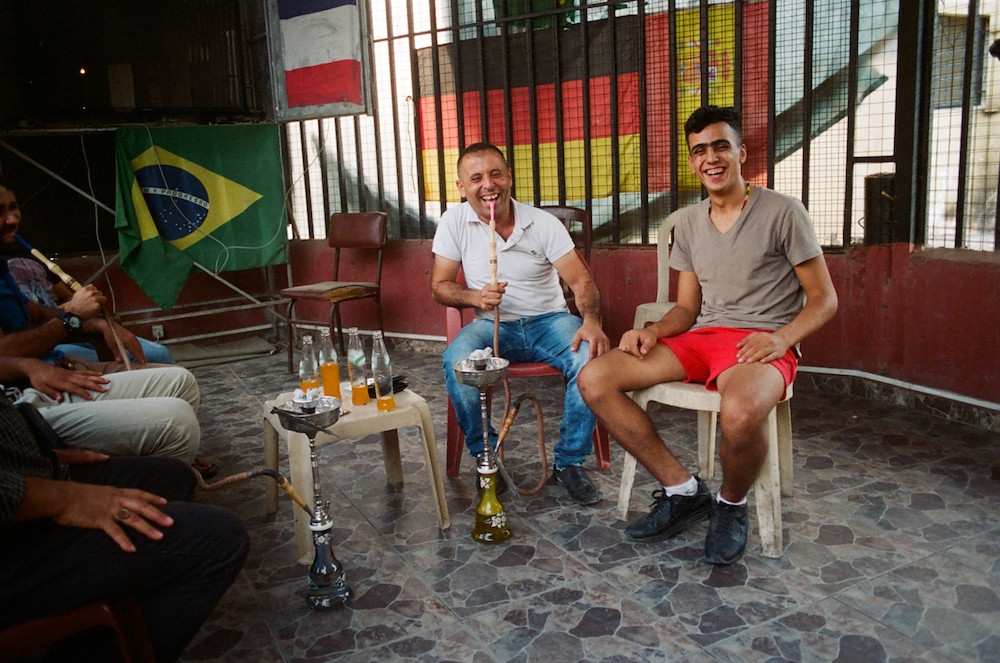
In response to the situation on the ground following the August 4th explosion, Esparza and Perie will be selling 8” x 12” prints from their Beirut Youth project at $100 each (domestic US shipping included), with 100% of the profits going to impactlebanon.org.
HVW8 Gallery in Berlin also has the artworks from the latest Beirut Youth exhibition and will be selling framed prints from the exhibition for €200, and its silk banners ranging from €500-€750. The pieces are available for in-person purchase and pickup, and 100% of the proceeds will also go to impactlebanon.org.