For Lovers
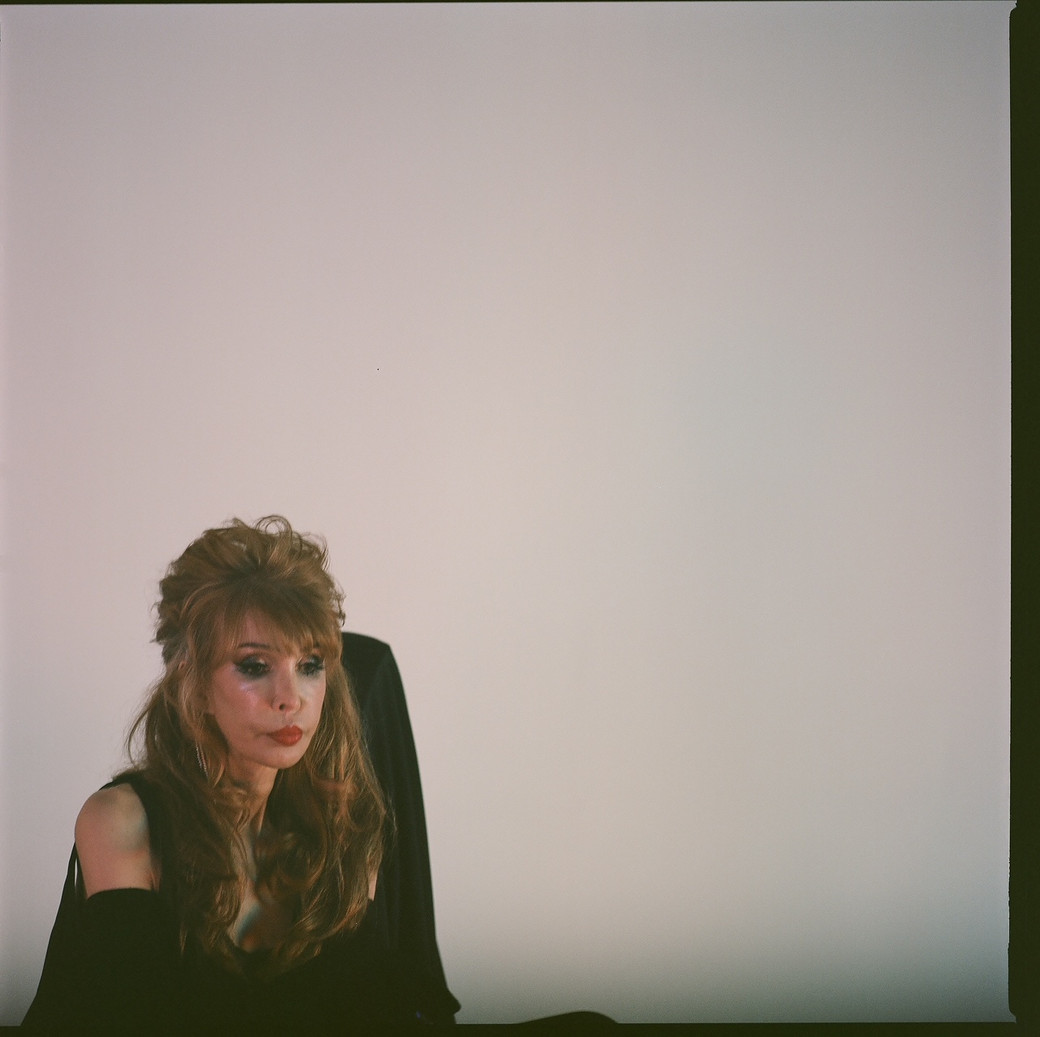
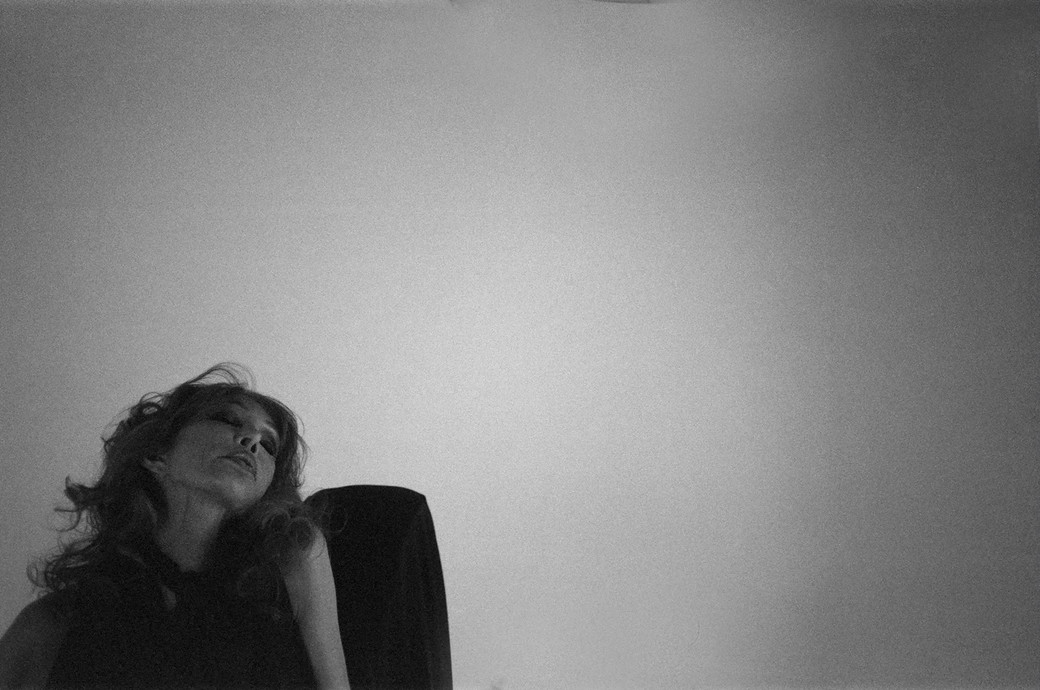
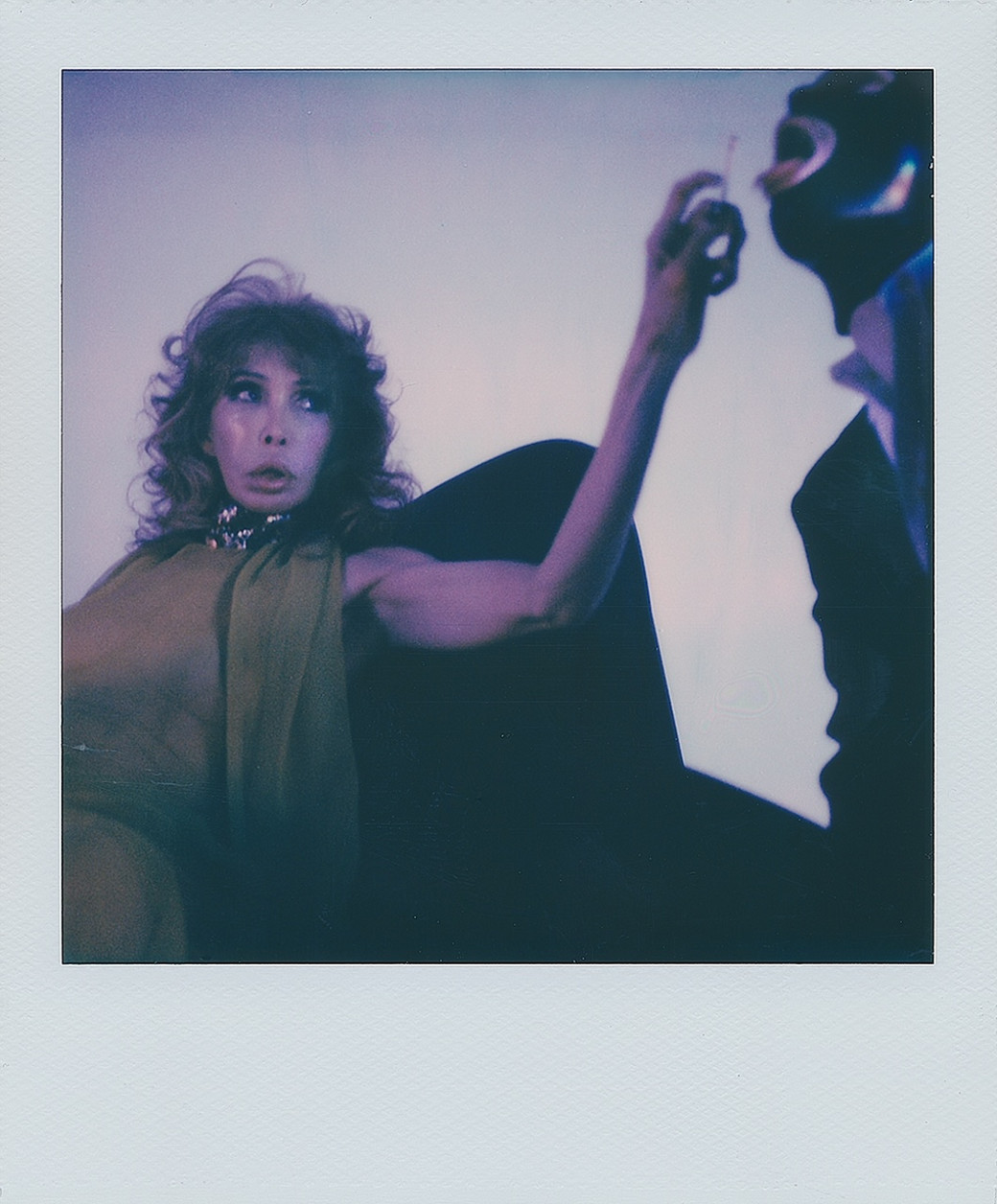
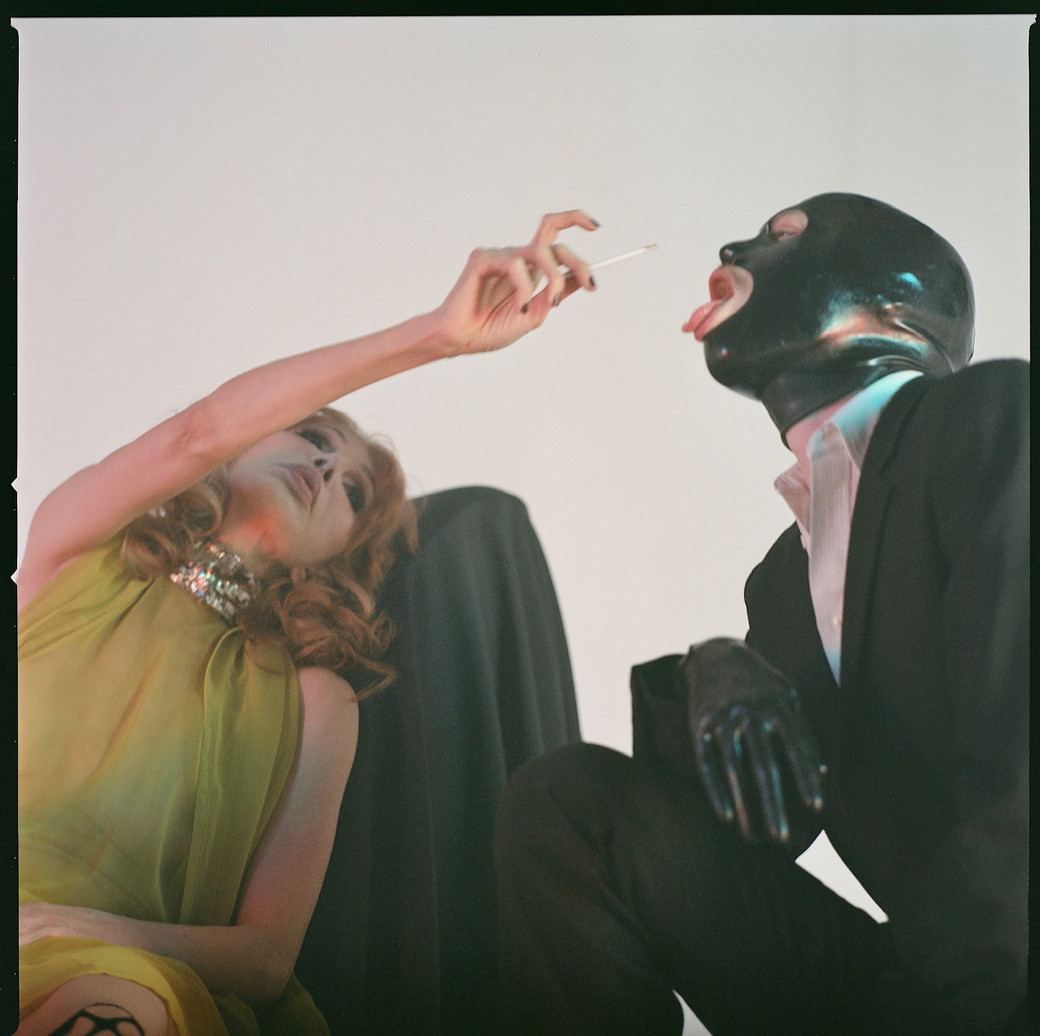
Lamar is a muse for the ages, a lens through which we can explore the love within both our hearts and others'.
Check out the video and photos below.
Lamar is a muse for the ages, a lens through which we can explore the love within both our hearts and others'.
Check out the video and photos below.
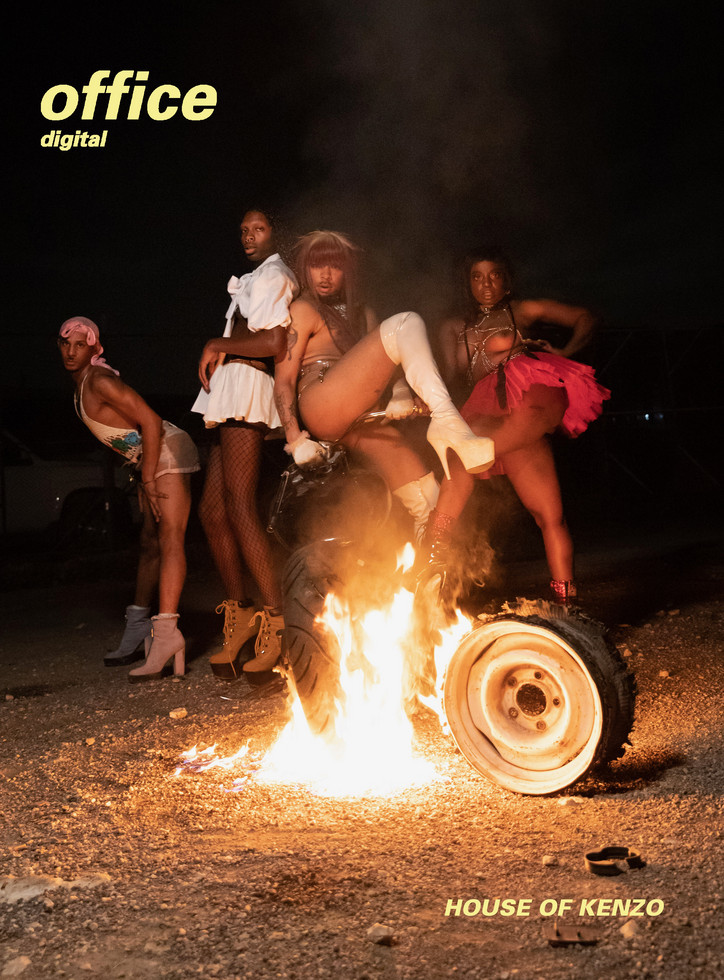
The collective is a reimagined ballroom house of the future. They're physical, having brought their subversive performance art and musical pieces to events and festivals around the world. But first and foremost, they're digital, an intuitive group of forward-thinking, Soundcloud era individuals who were raised by the internet and know its boundless reach.
But ultimately, there comes a point where online community naturally blends into real life. This is how the house was formed. "At their core, ballroom houses come together because of a need for organization, structure, platform, and for garnering power together," member Ledef tells me. "It's survival. That's exactly what we do." It's an added bonus that the group organically creates compelling music, performance art, and dialogues in the process.
Comprised of four core members—Ledef, Bobby Bearz, Brexxitt, and Josue—House of Kenzo utilizes the space of Texas as both their playpen and their battleground. Being queer and black automatically makes you a target, especially in the south, and the group has been forced to navigate this situation every single day. Their very first ball—the very first ball of its kind in San Antonio, for that matter—was raided by police, and house member Brexxitt was arrested and brutalized. "That just radicalized us off the bat," Brexxitt says. "We realized that we have to hit it hard every single fucking time now. Now it’s personal."
The self-proclaimed "doll gang" is here to inject the open space and ignorant mindsets around them with a contemporary consciousness, no matter what sort of violence is thrown back at them. As a "radicalized collective of fucking cunt," their message is clear: fuck with us, and we'll fuck with you back.
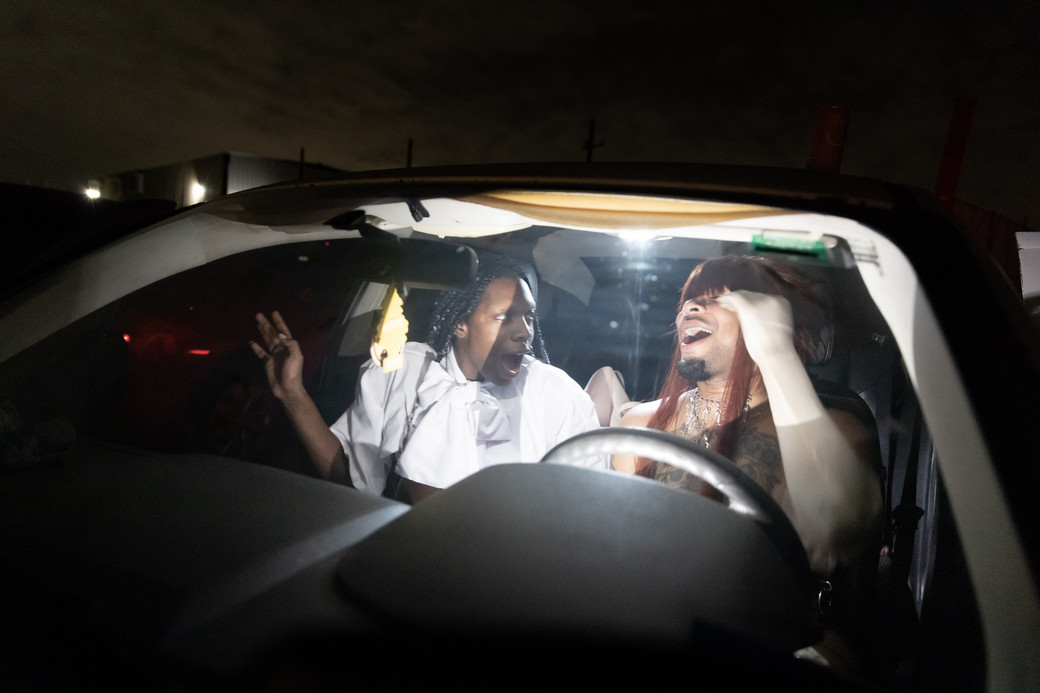
The crux of our June digital cover shoot revolved around a simple phrase: "DEFUND THE POLICE. ARM THE DOLLS." With rifle and bow and arrow in hand, House of Kenzo is armed and ready to dismantle any obstruction that may come in their way, and they always have been.
"We must destroy to build," Ledef says, citing one of the house's core philosophies. Touché.
Tell me a bit about this network you have in Texas.
Ledef—You came to the right bitches, for sure. The network in Texas, throughout all the cities, because Texas is basically its own country—each city has the dolls running shit. We all have a network between each other, and we have actually built really strong, organic, solid friendships and relationships between each other. We all link up every once in a while, share resources, and make sure all our needs are met, everything we’re searching for is found, and anything that we want is gathered. Period.
What is this underground queer scene in San Antonio like?
Ledef—Girl, there is not one! More like the lack thereof. The community we have, is the community. We really jumped out the gate with crazy style. Like, our first event was called RNBW Extravaganza. That was the first ever ball in our city. And it was raided by police. Breezy (Brexxitt) was brutalized and assaulted by three white male cops, three people went to jail.
Brexxitt—That just radicalized us off the bat. We realized, well, we have to hit it hard every single fucking time now. Now it’s personal.
Where was this event?
Brexxitt—It was at a dance studio in downtown San Antonio where I used to teach dance classes. That was where we got arrested and brutalized.
Ledef—I recently posted the video. I’d been sitting on it for years, but I thought in light of everything going on recently that it was really important to share our story and what happened to us.
It's pride month. As I was formulating this digital cover with all the racial injustice and social unrest happening around us, I was thinking about how you guys really do embody, like, radical queer pride.
Ledef—Exactly. We recently got interviewed by a local magazine in San Antonio, and they asked us what pride means to us. I think the conversation having to do with identity politics is so fucking fried and tired. We need to progress the conversation. So we were talking about anti-surveillance, anti-corporatization, and an anti-police state for pride. And I don’t think that’s what they wanted to hear because they just immediately stopped replying. We did all the work, sent them all the information and content that they wanted. But that’s just how it’s been. You see a group of queer black people, and these people want a certain narrative. These platforms always be like, “Meet the underground ballroom scene of San Antonio, Texas” or, “See who’s decolonizing the dancefloor now.”
Brexxitt—“Oh, can you vogue?!”
Ledef—So I think we transcend any specific genre or niche, because we’re really trying to be as radicalized as we can and push the boundaries in any way possible. Because, bitch, we’re bored. We’re bored with art, we’re bored with music, we’re bored with what it means to present. We’re like, how can we push this to the next level? That’s the only thing that we want.
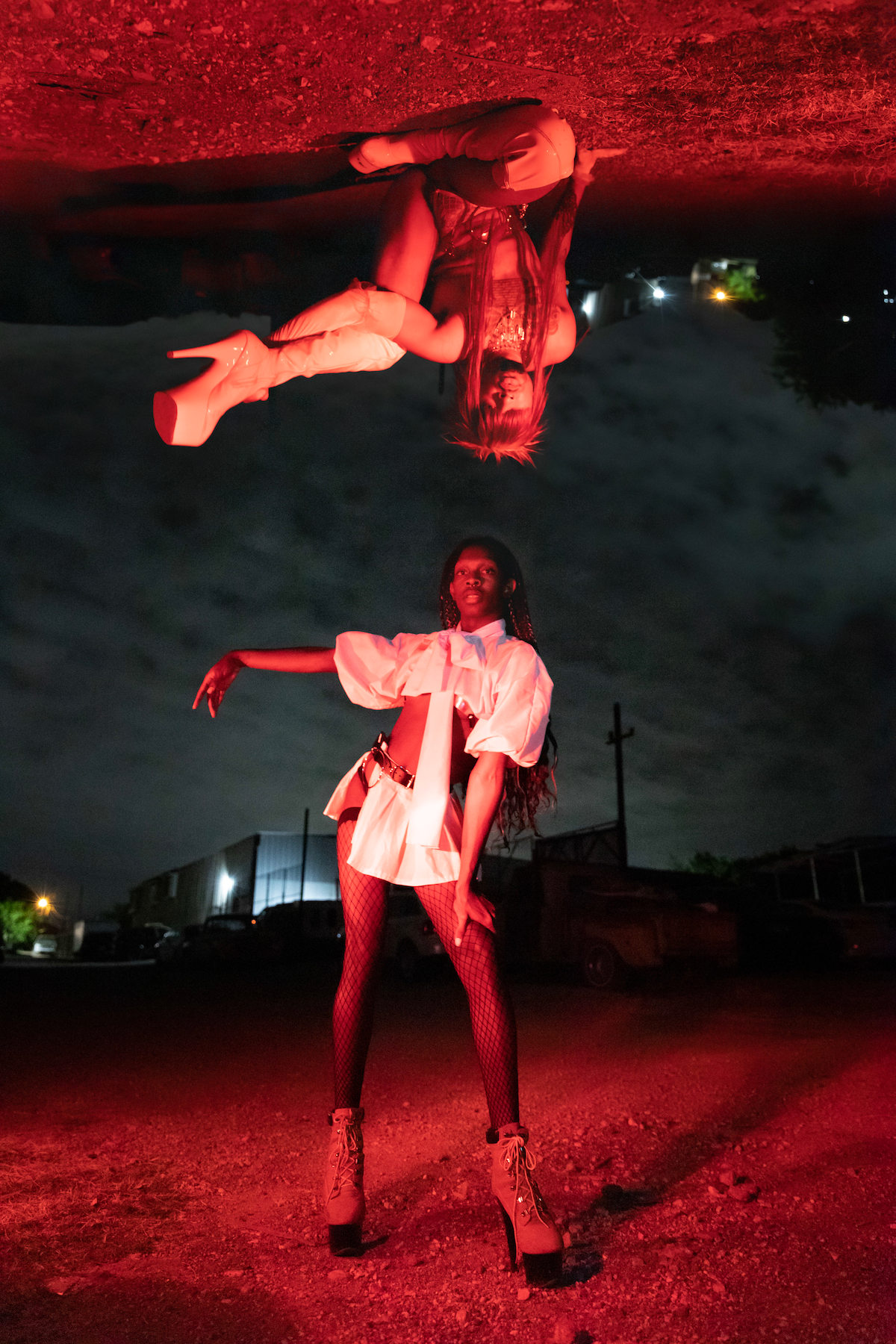
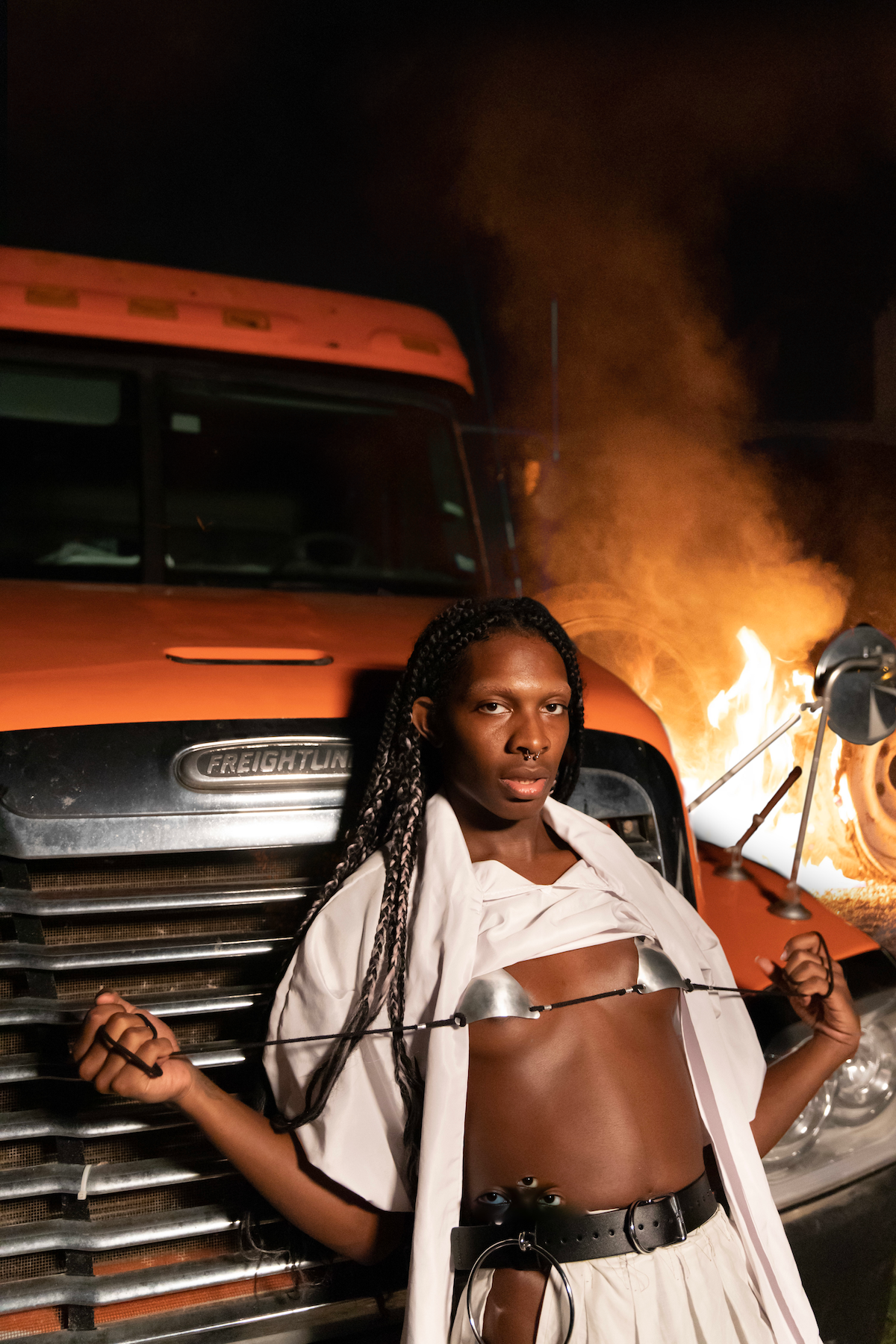
I was thinking about what pride means during a pandemic and while you’re being isolated. A lot of what mainstream "pride" consists of is white gays on Chase Bank floats, and Target selling rainbow tees.
Josue—And you said it right: gays, only.
Ledef—We got a bitch in every gender, period. So don’t try that identity politics shit with us, because we’ll collect you.
If a stranger asks you, “What is House of Kenzo,” and you only have 5 seconds to reply, what would you say?
Ledef—Doll gang. Radicalized collective of fucking cunt.
Brexit—Successful. Important. Black. Demonic.
Josue—Angels.
Yeah, what is the elevator pitch of House of Kenzo? Is it always evolving?
Ledef—Always. Like I said, we’re always bored, even with our own history. Like, bitch, we’re not gonna do that again. We’re not gonna wear that again. That concept, that show, clear it, darling. Let’s come in on glass boxes.
If House of Kenzo was a drug, what drug would it be?
All—Oooohhh!!
Ledef—Ketamine.
Josue—I’m gonna say mushrooms.
All—Noooo!!
Bobby—Drug soup!
The first time I saw you guys was at "Trust Me Daddy" in Houston. I feel like so much of what you guys do is dependent on physical performance and space. How do you think the space of Texas has formed you guys?
Ledef—First and foremost, being from San Antonio we are completely isolated from any sort of counterculture or any kind of big city, so we learned how to be digital girls first. We do not rely on physicality or being there in person. Our strength, before performance, is that we know how to navigate digitally. I do live streams, audio reactive visuals, we make music, we make 3D renders, we can do it all. It is not dependent on having a group of people physically there together, to get our point across. We have all mediums at our disposal, and we will use it accordingly.
Josue—I’d like to add, we’re also rarely together as a whole. I’m usually not around. We’re all jetsetting, doing our own thing, and when we come together it’s always cohesive.
Brexit—Every time. The color, the hair, the wig, the movement, the vibe.
Ledef—Curated down to the floor boots.
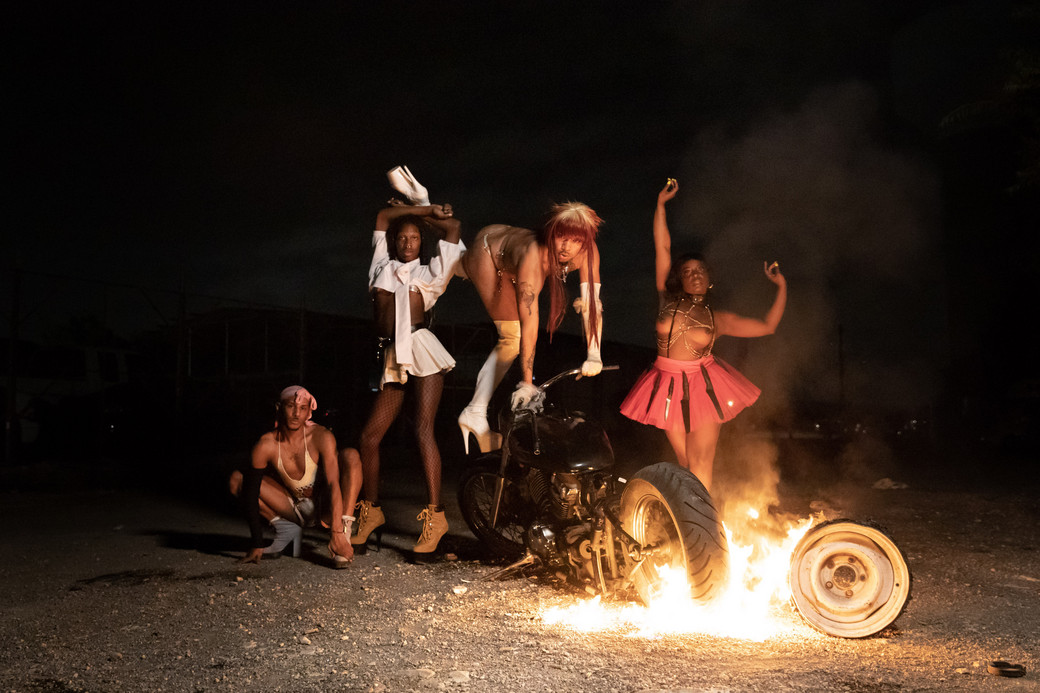
It’s crazy that the shoot happened when it did because you guys all happened to be together.
Ledef—It was really fun. I hit up my cousin because I just did something really intense for her last week. I called her and I was like, “Girl, remember last week? I’m calling in a favor. You have an hour to find a place for me to burn a motorcycle and bring assault rifles so we can shoot.” And it happened. We did it.
Where was it shot?
Ledef—It was a junkyard we used to party at. Me and Josue used to go to parties there, and it was real hood. It’s a chop shop, essentially. We used to go to parties there, and it would get shot up all the time. Real San Antonio.
I saw you guys set a violin on fire.
Brexxitt—Setting the violin on fire was so important. That was my violin, I used to play the violin for a very long time. My mother actually broke her back to buy this violin. And so throughout the years, I had been playing it and playing it, but I eventually lost the ability to play. And then it broke, and started deteriorating part by part. So I wanted to burn it, and now I’m gonna frame it when we get the cover of the broken pieces of the violin. It just goes full circle.
Ledef—Something that we’ve learned is to not put too much emphasis on what concepts mean upfront. If you do something, that means that there was a reason and intentionality behind it. You know, we’ll learn the reason why we did something later. It’s not so important about why we’re doing something. I think the academia of art really fucks up shit by trying to police the vocabulary or articulation of what art could mean. I really am proud of us for not falling into that trap. Later on, we’ll figure that out. It’s all about not falling into that trap, not falling into the academia and just focusing on destruction. We must destroy to build.
Can you give me a basic timeline of House of Kenzo? What sparked the idea to create the collective? How did you guys meet, first of all?
Ledef—It’s a lot. And honestly, that’s a boring question.
Brexxitt—[Laughter] We love you!
Ledef—We come from the same city, so of course we found each other, period.
Brexxitt—We’ve always been connected. And we would’ve found each other eventually.
How do you think House of Kenzo upholds the traditional structure and ideas of a house, and how do you think you guys push those ideas into the future?
Ledef—We’re a family. It’s not fake, we’re not just working together for clout or for art. We take care of each other down to our essential needs and wants and what we need to have in our lives.
Brexxitt—We do take care of each other, very much so. And we love each other so deeply, and you can’t fuck with that. You know, you can’t beat it down because it’s so deeply rooted within us. That’s a house. You have to have your bones in order to build this house, and that’s always what we’ve had. So it never was “a house.” It never was that thing. It was always just love and family.
Ledef—At their core, ballroom houses come together because of a need for organization, structure, platform, and for garnering power together. Survival. That’s exactly what we do.
So the theme of the cover is “DEFUND THE POLICE. ARM THE DOLLS.” Can you guys tell me a little bit about what this idea means to you?
Ledef—Bitch, we’ve been through so much both individually and together. We’ve all had to protect each other in so many ways. Violent ways. We’ve had to fight. We’ve had guns put in our face. Knife fights. We’ve been all up in it, and it’s not a game. It’s not silly, and it’s not a joke. There’s a conversation behind placing weapons in trans or black people’s hands, because clearly we all see what’s going on with the police. There’s a conversation to be had behind that, but at the front, I think it’s a very easy, simple message. At the core of it, I think trans people, queer people, black people need to have protection and the agency to keep them, their loved ones, their families, and anything that they care about, safe.
Brexxitt—Yup. There have been numerous times where we’re just out here, and it ain’t safe, and I’m scared.
Ledef—It’s not. I’ve had to get into at least five fights because of Breezy, or securities, or because of random people walking down the street after a show. I’ve had people pull up and point a gun at me. I’m just like, what now? Well, get out and fight me then! If you’re gonna shoot me, shoot! Like, what are we gonna do, run? But no, they drive off.
Brexxitt—Yeah, and the fact that no one shoots at you—it’s still an unruly situation, though. That really pisses me off as well. So it’s just all of these things combined into that message. It’s really dramatic. It’s such a battle out here every day. And I’m thirty-some and have been fighting for so many years, I cannot go through any more. It stops today.

Texas is crazy right now. It’s the COVID hotspot. Houston is basically on lockdown right now.
Brexxitt—People wanted it to open, bitch! People wanted to get out of the cage, girl!
Josue—Like, I live in New York, I know already. I already came for the girls.
Ledef—Texas is not looking out for the interests of people of lower classes. Clearly this is a class war. Obviously. They’re out for the production of money, the production of power, the production of class, and that’s what it’s about at the end of the day. They’re not worried about our lives, and the lives of people like us. And clearly you can see that within, like, the structure of society and our communities. People are trying to party, and it’s a whole bunch of—and, you know, no shade to my lightskins out there—but it’s always a bunch of white people out here not giving a fuck about masks and throwing fits. It’s like, wow, you really can’t be inconvenienced just the tiniest bit to keep our communities safe? That really says a lot about you and and your people and where you’re coming from mentally.
Brexxitt—That is Texas. It’s so, ugh, I just feel overwhelmed at some points because it’s just, like, I have to go through this every fucking day. It’s always a look behind my back, it’s always a snarky shift, and it’s always something so small, but it’s just like… why do I even have to give these things the time of day? Why are these things given to me every fucking day? Why can’t I just sit down and drink my coffee in a public place without people being like, “Ohh, did you see that black girl?”
Do you guys experience that a lot in San Antonio? Microaggressions and racist acts?
All—It’s just straight up aggressions.
Ledef—It’s in our face. I think we’re as strong and as ready to squad up as we are because of where we live and the way we have to exist. So we’re ready at any time. You can run up if you want it, sweetie. I will beat your ass in these heels and this wig, I don’t give a fuck. Pull out the pistol from the Telfar, bitch. Out the Telly. Out the boot.
Brexxitt—Imma shoot you with my bow and arrow.
Ledef—The tea is that my weapon of choice is a katana. So if you want me to pop trunk, if you want me to pop trunk, girl! We ready.
Do you think being from Texas separates you from performers or artists in, say, New York or LA?
Brexxitt—Fuck yeah!
Ledef—Texas is a lot of open space, open land, open property, and there’s not a lot of stuff going on culturally, as far as contemporary culture is concerned. So we have a lot of space to grow and manifest however we see fit, you know? Because there’s not a clear set path ahead of us, so we have to manifest it ourselves.
Bobby—We built our own agency, essentially.
Tell me about the mixtape from last year, Coochella.
Josue—It was a very collaborative effort for my sake. I abruptly decided that I wanted to have the surgery for myself, and everyone immediately mobbed in and was like, “I got you, I got you, I got you, bitch,” because, again, we’re a family.
Brexxitt—So with that, it just became this movement. Funding was being raised for Josue through it, and everyone just came through with a track. Everyone popped the fuck off.
Ledef—Rabit the icon—who I would call our legendary mother—submitted a track that she used for Hood By Air. Just for the contribution. She’s done so much for us. Rabit, you the realest, period.
Do you ever feel like people bite your style?
Brexit—Ha!
Ledef—Girl, we’re unbothered. We show love period. Art is there to inspire. But if you're acting shady and saying some dumb shit, you might get ran up on.
Brexit—I don’t know, I just don’t like when anyone copies what I do. I’m like, bitch, don’t copy me!
Ledef—Just don’t be silly. Don’t be silly with how you navigate. If you show love, it’s gonna be love. But if you acting weird, then shit might get weird. And some of these girls ain’t ready for weird! But we always ready.
If House of Kenzo was a social media platform, which one would it be?
Ledef—I don’t think it’s been built yet.
Brexxitt—I was gonna say Instagram, but mmm…
Ledef—Maybe 4chan. If 4chan was run by cunts, hello! Take out all the racism from 4chan, and maybe that. An ever-evolving thread of ideas, you know? That makes sense.
Brexxitt—Chaturbate! If Chaturbate was run by black queers.
Ledef—Website is coming soon. And then we need an app.
I feel like there’s so much cool tech collaborations that are possible for you guys.
Ledef—We love it, we love it, that’s our goal. When these investors come down to Texas, imma be in their inbox.
Brexxitt—H-E-B! We love H-E-B. Give it up for H-E-B! [Clapping]
I fucking love H-E-B.
Brexxitt—They’re a good one. They, like, fund locally and use local farmers from Texas, first of all. They uplift the community. They’re always uplifting their employees, for sure. They help the little ones. But above all, they start at $15. Period.
What is the future of House of Kenzo?
Josue—Undefined. It’s ever changing. It can go anywhere.
Brexxitt—Successful. Clearly we already got successful. But I just see a whole world, a whole building, a whole skyrise, a whole monument. I just see a building. A headquarters. Somewhere that’s really home for the house. I see us on a fucking skyrise, bitch.
Ledef—Fulfilling our every want, need, luxury and desire. And really just injecting contemporary consciousness with a little bit of that good shit from doll gang.
Bobby—The next decade of it-girls. Period.
The Station Museum of Contemporary Art is based in Third Ward, Houston. The institution focuses on showcasing local, national, and international art, with a focus on art that reflects the cultural diversity of Houston's communities.
Their current show, No Man’s Land, is a group exhibition that features artists and individuals from four continents whose work reflects on the legacy of colonialism and intervention, especially as it relates to migration and diaspora. In creating artificial boundaries and imposing foreign power structures, colonialism often generates conflicts which force people into new locations. Many of today’s refugee crises, whether driven by conflict, climate or economic opportunity, can be traced back to colonial imposition. This exhibition is a meditation on the complex legacy of colonialism as well as a starting point for conversations on the shifting layers of indigeneity and belonging.

How do you think your vision or gaze has changed throughout your career—from when you were a newer artist to now being so experienced?
I think that perhaps I am more confident now. Not in terms of that it will result into a better photo, but more directed into what I want to see in my work. Perhaps also my gaze is slower and more contemplative. Things have gradually changed over time but I still feel connected to my earlier work and feel that there’s still similar intentions.
What was it like being entrenched in 90’s skate culture in New York?
Entrenched is a verb that makes me think of World War I. It was more like hanging. For me it was exciting and I learned a lot about individual pursuit and group dynamics at the same time. I had never met a group of people so connected and cool with each other.
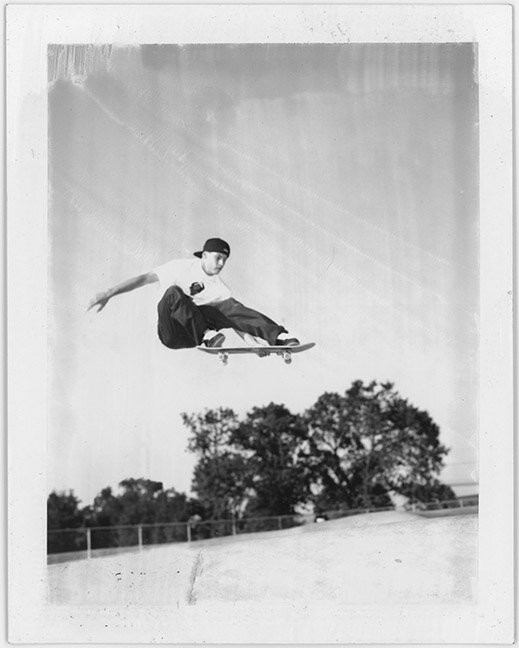
Tell me about the Brooklyn Banks. What was it like being around such legendary skaters? Were they your friends?
They weren’t my friends when I started taking photos. But they became friends after they saw some of the photos and saw that I was serious about making a document of what was going on. The banks was a grimy epic spot where skaters met up and had long sessions. The legendary part didn’t really play much of a role. Although, we all knew who was crushing it on any given day.
How did you find yourself being a voice for New York subcultures? Was it something you sought out or more so just found yourself in?
I am not sure if that’s how I would describe myself. I found something I was interested in and documented it. So yeah I sought it out. Some way or another we got along and I still hear from kids I knew back then.
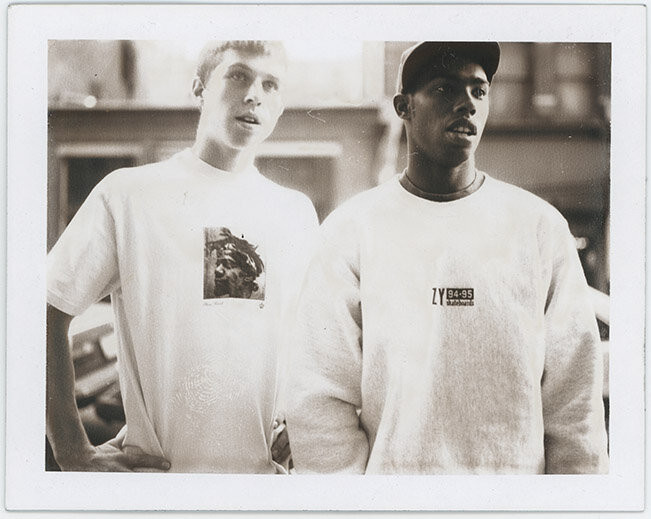
How do you think skate culture differed in the 80’s and 90’s between New York and LA?
Oh I'm not sure. First, the Cali pictures I took are from SF, Oakland and Santa Rosa all up in Northern California. But I think as New York is different in a lot of other things, the same goes for skaters. But kids from Cali would come out and skate NY or the other way around. And they all had the same goal: to just shred.
What was it like moving to fashion photography from skate photography? Because Supreme is a skate brand, was your method the same?
Method probably the same. Reasons slightly different. Photographing skating was a passion. Fashion photography is a check.
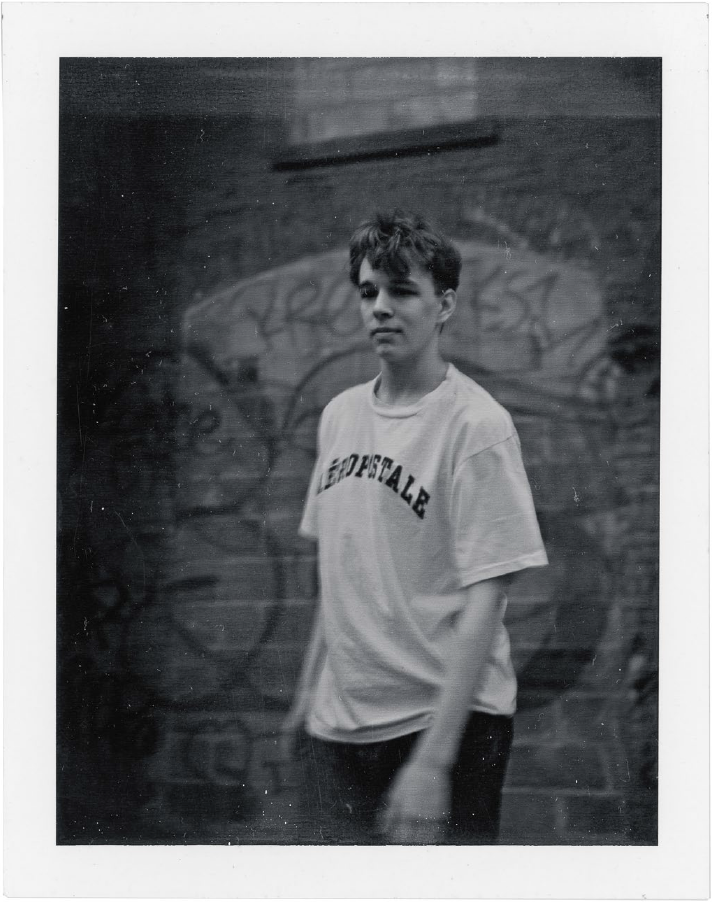
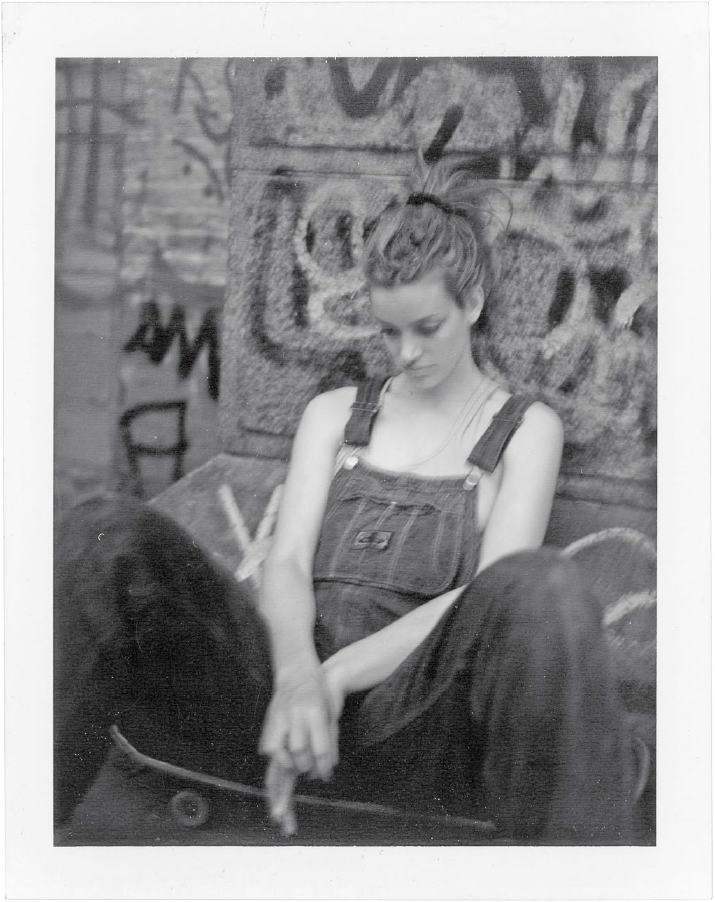
Your imagery was adopted by brands like Supreme and Adidas. What is it like to see a subculture you were such a part of become more mainstream?
It’s inevitable. Capitalism will commodify anything it can turn into profit.
What do these two new books mean to you? Why release them now?
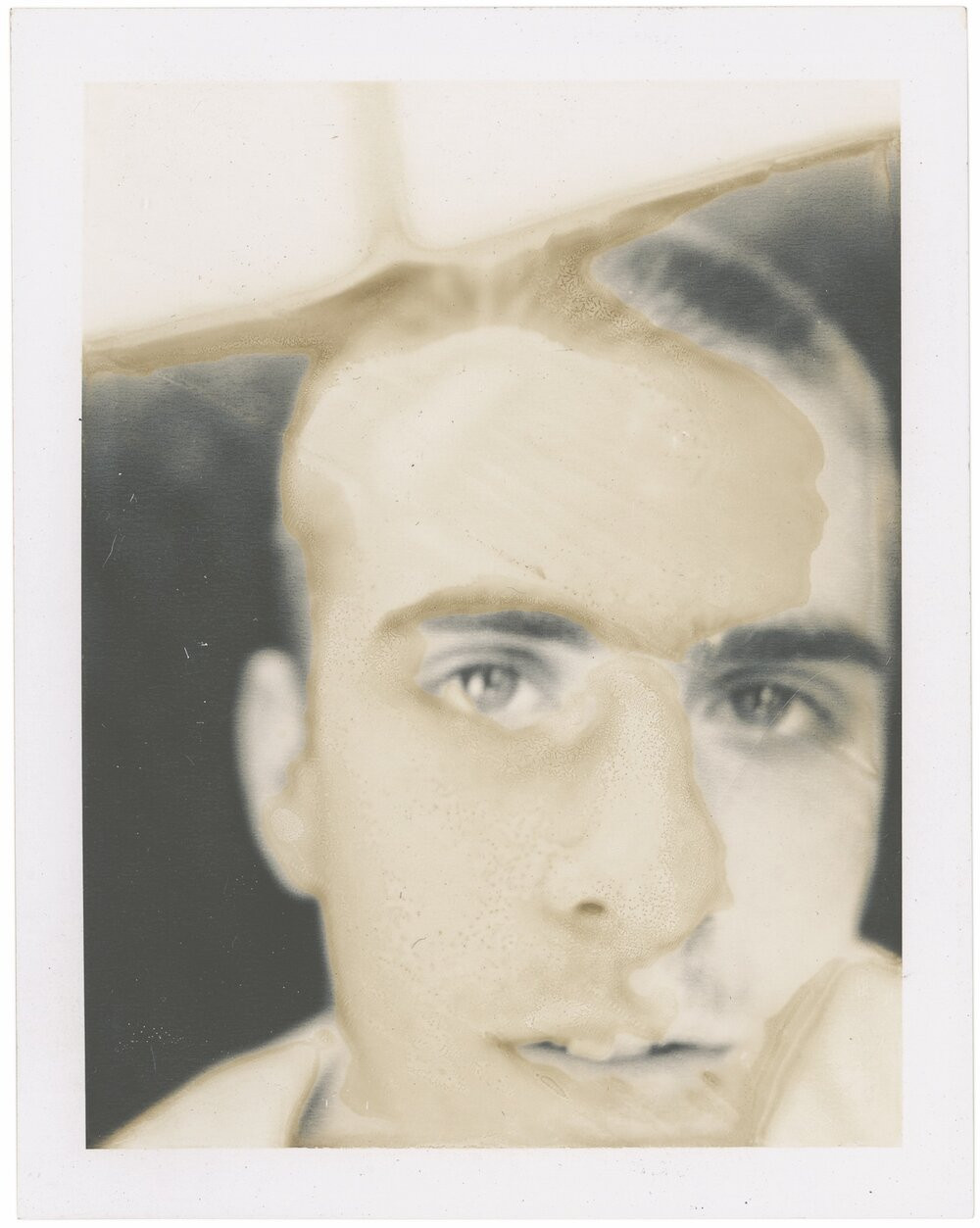
I found a box of Polaroids and started looking through them. It triggered good memories and I love the way they looked and I felt it was a good time to pay tribute to that time the skaters then. The books were ok annexed before and got delayed by the pandemic but now seems a good time to look back and actually also realize that skaters are really still the same as a unique group of individuals tied together by a shared passion.
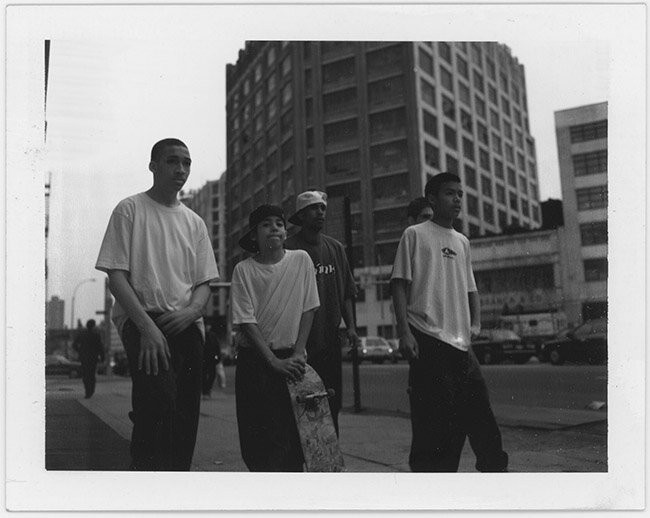
What picture do these two new books of polaroids paint of New York?
That’s up to you. That’s what I’m giving to the viewer.
How have you spent your lockdown?
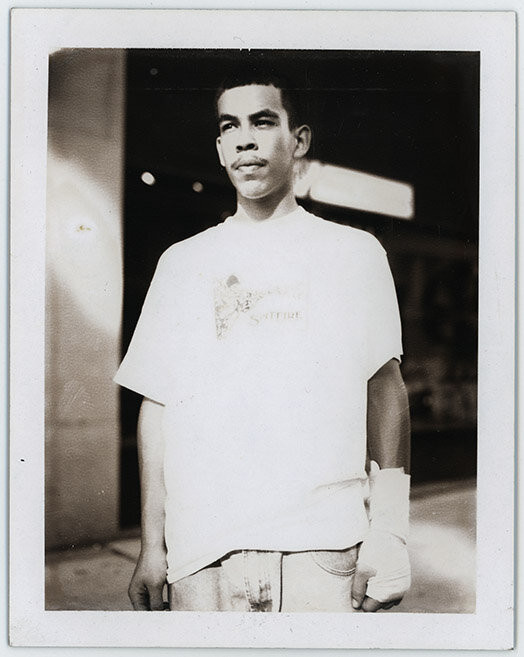
I edited 2 films that were waiting to be done. I took a lot of Polaroids in the beginning. Gone for walks taking some photos, not many. I laid out about 6 or 8 books.

Are you reading anything right now?
I’m reading Hegel’s Introductory Lectures on Aesthetics and Mumia Abu-Jamal’s Have Black Lives Ever Mattered?
New York is in a really odd and scary state right now. What has this been like for you?
Well the pandemic has laid bare the cracks in our society. Bad healthcare, bad social services, police brutality, racism. So it’s about time for change. That’s what I know and what I’m trying to work towards in the best way I know.
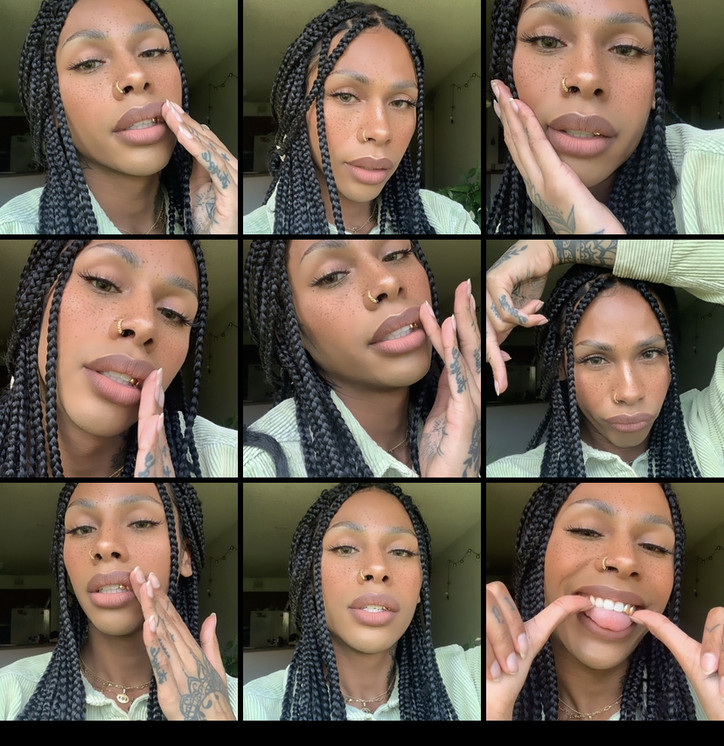
Whether that be yourself, your chosen family, or the lone rainbow cowboy hat in the corner of your room, it breeches themes of allyship and chosen family connection.
How do we feel safe? How are we using the parade to mask problems within our own community? How are we showing up for our community with intersection in mind? Who came before me and how can I honor them? These are all valid questions that meet the cancellation of pride hand-in-hand. There is no perfect answer that can complete these questions, only ideas and discoveries that open up that line of communication.
office is all about passing the mic and amplifying voices unheard, so we asked eight people across the LGBTQ+ spectrum to put those questions and ideas into perspective. Through their respected stories, standpoints, and ties with pride, we learn to redefine our relationship with expressing our queerness every day— through quarantine, war, isolation, and a hopeful reconstructed future.
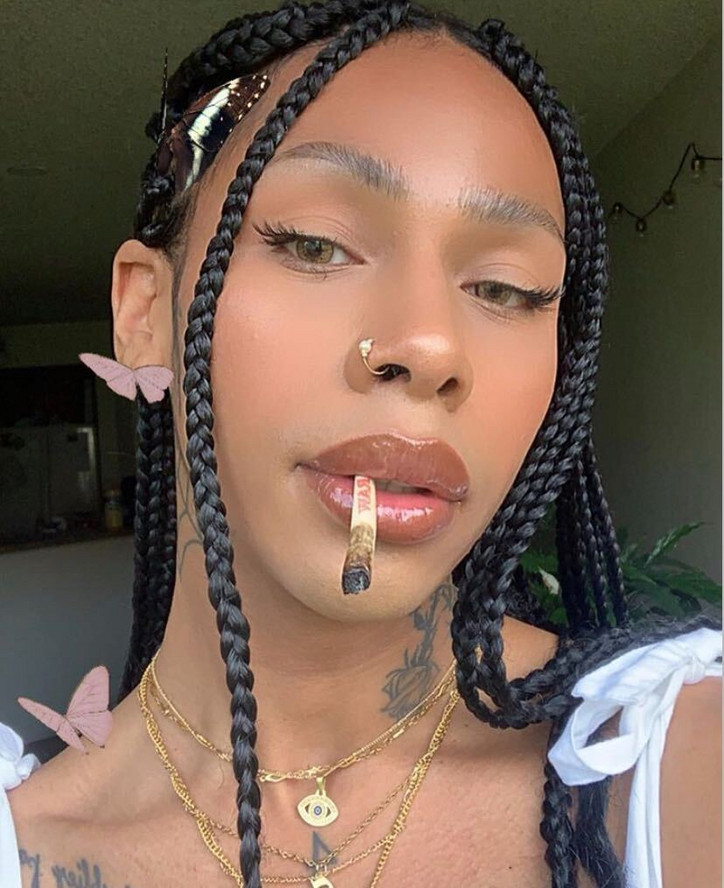
Sophia Hernandez (She/Her): Trans activist, model, and influencer
If pride wasn't canceled, like going outdoors, I believe I would just be gathering with my favorite people just at a pride festival. And every year, there is this event in Miami called Masisi hosted by this organization called "Fem power." Masisi is all about a brown and Black collective of people within a queer space to just be around their own and just feel completely and utterly free, just dance the night away, and just have fun. That's usually what I would do. And just make sure that around this time that I really look into my emails with people who need help or advice and make sure it's very detail-oriented, especially during pride. Because a lot of people come out during this time. It's very subjective to everybody and I think it's very hard to come out to parents. Because like my mom, she had a very hard time understanding. I think a lot of parents— when their child comes out to them, they're just nervous. They feel like they're losing their child. And that person that they created is gone and is erased. It's like, no, the person that you created is still here. We're just living here authentically versus who we thought we were.
I'm always an introvert. And I just started going to Pride events, I think two or three years ago. So it [Pride cancellation] sucks that you can't meet more like-minded people like you, or like a sense of community. But I feel like people online are still keeping that sense of community with the Zoom parties, and the calls, and all that. Overall, just staying connected with those people that you can call your family that are your friends. Those who helped you come out and who helped you be who you are. I know when I was transitioning, I came out to my friends first, and they were like, "You know, if you end up getting kicked out, we're here for you." I have a lot of people like that, luckily. So keeping in contact with them was very useful, and it helped me. And just reminiscing about that and just being like, "Wow, these are just people there from the beginning." I'm still happy to have them and just to have this sense of pride within this community. Right now, more than ever, I'm using my platform to show up for my community. On my Instagram, like as a highlight, I have LGBT organizations to support like the House Of GG and the Okra Project. And for example, the House Of GG is creating a safe space and transforming spaces for communities to heal and nurture them. So just sharing that and being open about that. I think when we think of the LGBT, we kind of just think of like the 'L' and the 'G'. We kind of do forget about the 'T' sometimes. So, just being more like, "Okay, donate to these organizations, these are the people who need it." And especially with trans people, especially when you're young, especially when you just know this is who you are, but you don't have the funds. So just making and giving them the resources to have the funds helps out the community a lot. And just being more open to looking through my messages and kind of going through to see who needs my help, and who needs me to talk to them, and who just wants that friend. And just being that shoulder to cry on.
As for the community showing up for me, it's been definitely reciprocated with people just being so nice to me. And just saying like, "You are someone I looked up to" or being like, "You know, you've helped me," and just telling me those things. Because it does keep me going. It definitely motivates me. Because I'm just like, "Is my voice doing something? Is what I have to say about my community doing something? Is me speaking out about how shitty dating can be with people doing something?" One of the biggest things I've realized with the trans community is that dating is a big part of transitioning. It's because as benign as it may seem, I feel like it can do a lot of harm and it could be good for you. I think part of transitioning is you want to live a normal life almost. You don't want to go against anything. You just want to live an authentic life and dating is always one of the main questions. I'm just talking about my experiences then going from there. When it comes to dating as a trans person, do not compromise. Compromising is the devil. Obviously, compromise about like the little things like, "Oh, I don't like when you talk to me in that tone." That's something very understandable. But when I say compromise, I mean do not compromise in the sense of — I've had people who say "Oh, I want to date you, but I can't be as open about you." Don't date someone like that. Don't compromise about that.
For next year's pride, on the surface level, I think people are going to be absolutely chaotic because they're like, "Oh my God, I'm free!" And you know, people are going to lose their minds because they're like, "Oh my God, I can party freely. I don't have to worry about getting sick. I'm going to go absolutely insane." But, on a deeper level, I think with quarantine and with everything that has happened, I think this has been a very reflective period for everybody. Because when you pause, what do you do? You're just stuck with yourself and your own thoughts. So you sit there, you reflect on your life. Like you question things, you question sexuality, you question gender, a career path, everything is put into question and you reflect. So at this point, when next year's pride rolls around, I feel like it might be even a bigger crowd because everyone's had the time to reassess who they are and who they support. And they might not even be part of the LGBT spectrum. They just might be an ally and they might realize, "Why did I put myself in a position where I feel uncomfortable about a person who is openly gay or openly trans? Why did I put myself in that position?" And they might just come around and be like, "I want to be an ally. I don't want to show hate. I want to be that person that helps other people like them too." So I think it might be a better turnout. In a very sick and twisted way, I think the panic brought on a little bit of good because it was a reflection period.
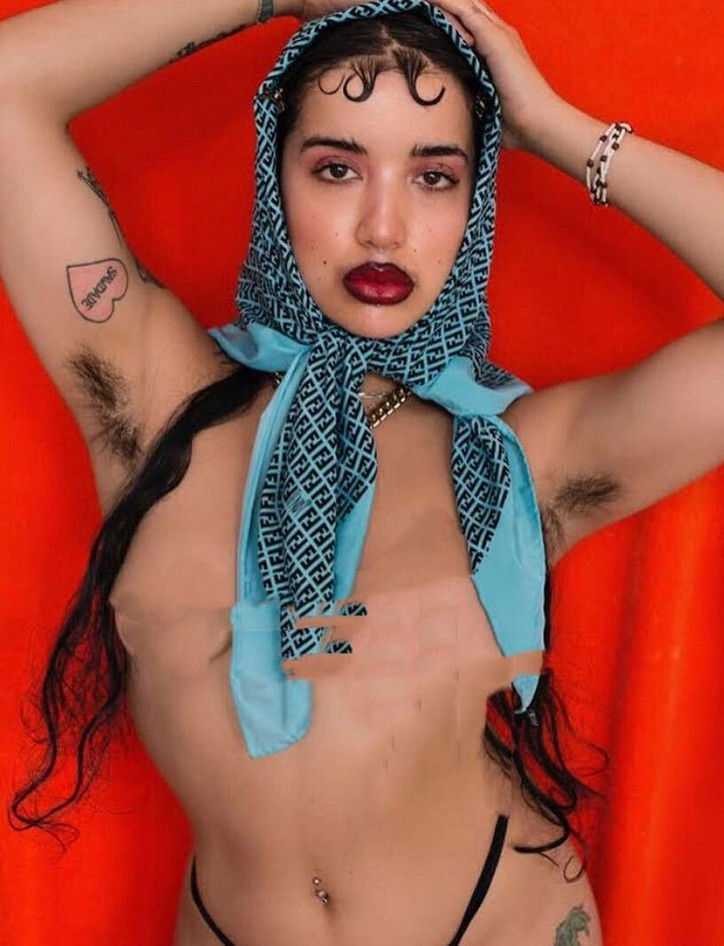
Pauli Cakes (They/Them): DJ, queer activist, and Discakes co-founder
As a queer non-binary person, pride is every day regardless of circumstance. I’ve been celebrating pride by supporting, holding space, and standing in solidarity with my queer and trans family. Pride was a riot started by black and brown trans people of color, there is no better way to celebrate by showing up for and in defense of black trans people. The rainbow capitalist bank-sponsored pride might be canceled, but that won't leave us with any shame. I’m expressing my queerness by radically loving myself and loving others. I’m expressing my queerness through exploring the radical possibilities of love, collectivism, and community. I’m expressing my queerness through abolition; abolishing the system and envisioning a world that uplifts and cherishes queer, trans, LGBT+ people of color. This “pride” month has been the best story I’ve yet to tell future generations. On June 15th, 15,000 folks, most of which were queer, danced down the streets crying and chanting in unison. Wearing all white, one of the most notable protests in NYC history took place. Pride is a riot and a love language of the unheard.
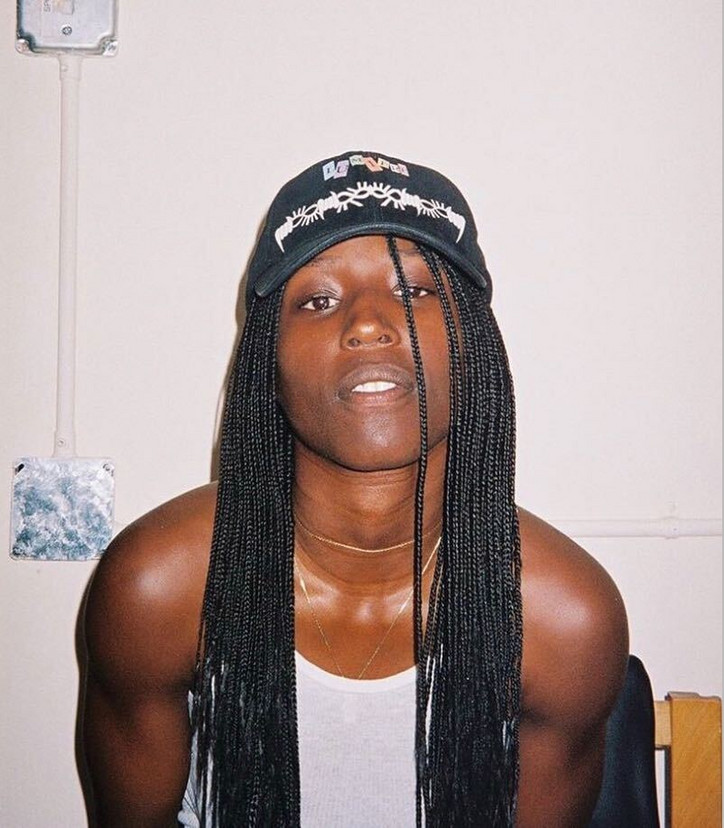
HAWA (She/Her): Musician
I hadn't been to a Pride march until like last year, so now, that's starting to get into my routine. I definitely like pride parties, or typically I'd be doing performances. So right now, I'm trying to figure out ways I can outline and praise the community but without having there be such a big group or having it be within a confined space. So, I feel like I've been doing that pretty much through my music. I'm just outlining the fact that I'm a proud lesbian black woman, you know?
I feel like I celebrate pride almost every day of the year. I feel like sometimes pride is so publicized and celebrated that we forget the actual meaning of the movement. So I feel like now that we really can't party for pride, it gives people a time to actually sit back and really learn more about the movement. We need to understand, reflect on how things can change, and how we can always evolve as a community and be more inclusive. Since it's been canceled this year, it's given a lot of people time to really reflect and actually learn about their gayness. I don't feel like it's affected me that much. I feel like it's actually helped me embrace who I am. You got to really learn about things and see some different perspectives.
I always just feel like with pride, before it became recognized in the word as "the gay community," people couldn't go out, celebrate, and party. People had to actually go strive. So now it's like this is a time to learn about those people and then learn how we can do what they did but take it to the next level where everyone's included. A time where there aren't laws that are being passed to discriminate against transgender women and men, you know? And these are things that are problems in the world. So, I feel like since it's a time away from celebration, it's time to try to focus and look at the problems that we still have, the problems that still exist in society today, and try to find ways to better it and make it no longer, you know? I express my queerness every day, all the time, 24/7. It's just who I am, no matter what. I try to get into more fighting for rights that some people in our community don't really have. I've been just trying to learn about things now. It's more for me right now as a time of reflection and self-growth. That's what I would describe as me embracing my queerness. And just learning about black history in the gay community and realizing that it's just not about white people who made it where we are. It's Black, it's Hispanic.
I've been donating. I've been definitely trying to do a lot for foundations that show up for black trans women. I have been marching my fucking ass off as much as I possibly can to make a difference. I've just been trying to use my platform anywhere that I possibly can in order to bring awareness to people about all social injustice in the world. And so, I'm trying my best, it's the best that we can all do. It's just to try our best to not be ignorant and try our best to open ourselves up to knowledge and trying to see other people's side.
I feel like by next year's pride, it would be something that people actually start to take a little more seriously. It's not just an event where people go to get drunk. I know there's certain people who go march just to have fun, but there's people celebrating who they are, who people told them they couldn't be. I feel like by next pride it's not just going to be like accepted among liberals. Like, it's going to be something that's more nationally accepted. Because it's like people are now showing up. They stand up and realize that these injustices are not going to go fucking unpunished. So I feel like now it's given more of a bigger perspective. And it's given people a pickup point of view and say that there's not only people who have been discriminated against, but people are being killed. So I feel like it's going to be more accepted on a bigger scale by certain parts and certain people. People are going to see what certain people in our community and the injustices that we all have faced.
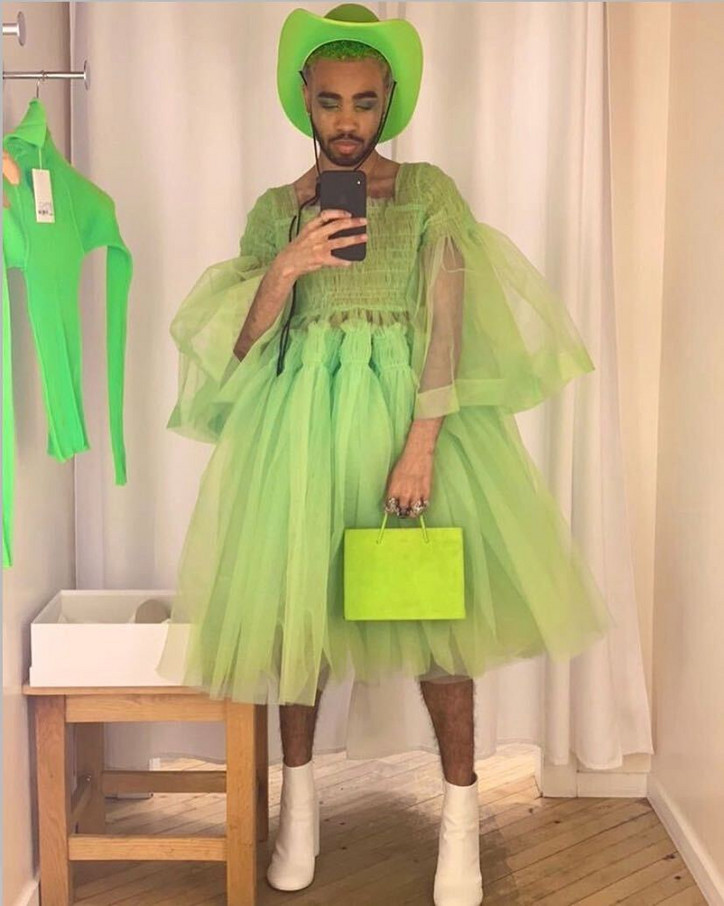
River Moon (She/her): Musician and Patiasfantasyworld contributor
I don’t usually go to Pride because I don’t always feel represented there. I like to spend my Pride with my gorl™️ friends. We drink wine and have a kiki. That’s where I feel safest. And because I didn’t usually go to Pride, it didn’t affect me as much. I feel like I don’t need an event, festival, or parade to make me feel proud of my identity and my queerness. I do that every day. Everyday I celebrate my queerness and my queer friends. I think it’s important to not attach “pride” to an event, but rather a feeling — an emotion. I can’t see my girls, but I am doing Zoom parties with them. DJ’ing from my bedroom, playing all our queer faves like Kelela, Azealia, and Rihanna. We have a ball no matter where we are in the world. I’m not a rainbow flag type of bitch, I feel like my queerness is expressed through everything I do. My music, my random commentary, my memes on Patiasfantasyworld, it’s in my DNA. I can’t express it, I just am. I just put my coins towards black trans women because that’s my immediate community. I also did a resource document with patiasfantasyworld. Alot of it is to educate people who may not come across a Black trans/queer person (which is bullshit because there are queer people all around us). It's about the things we experience, how to speak to us, what to say, how to help, etc. I still won’t go if black trans women are not centered, I don’t care for Pride. I met my first girlfriend at Pride when I was 14, and she actually called me by she pronouns before I ever even acknowledged myself as trans. She’s the first person I came out to and she was like “I know." It was so anticlimactic, but I also felt so welcome and affirmed because she didn’t make a big deal out of it. We’re still very good friends.
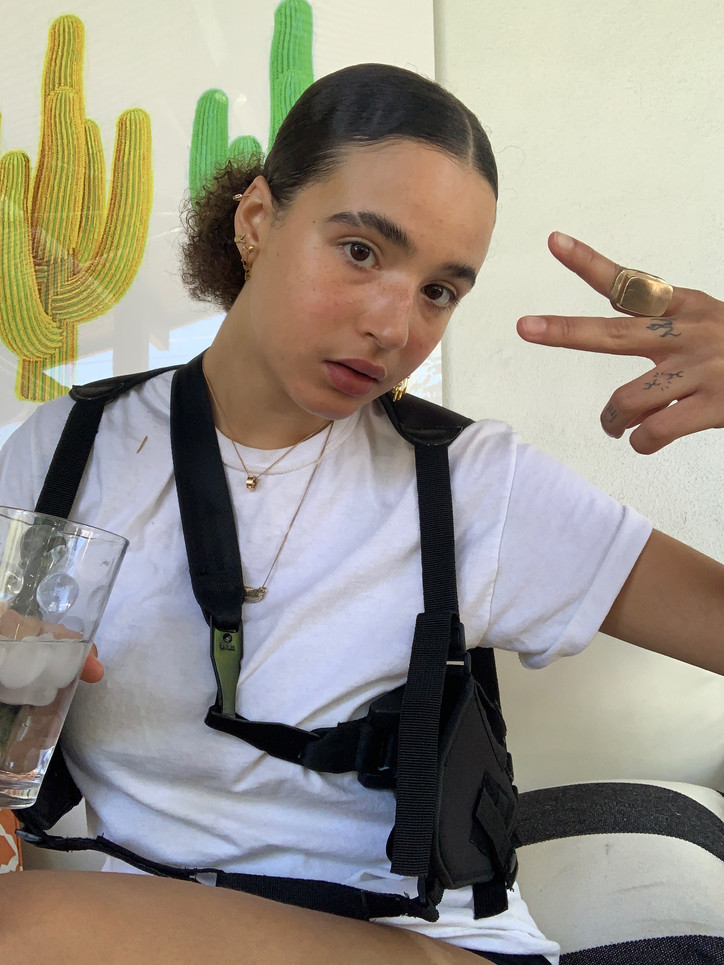
Marley Marl (They/Them): DJ, model, queer activist, and Discakes co-founder
I don’t really have a usual routine [during pride], I just let my gay-ass self exist. I give thanks to those who fought before me and resisted the cissystem so that I can be who I am today. I have a collective with my best friend called DisCakes, so if Miss 'Rona wasn't happening we would definitely be throwing a sickening rave. I honestly never cared for ‘pride,' I’ve never seen myself or the people I love reflected in these performative, elitist, corporate BS, and capitalist festivities.
To me, pride parades have always been a place for white cis gays to take up space (as they do best), and flaunt their privilege. A few years ago, some of my homies and I took to the streets, protesting pride. It’s completely disrespectful and irresponsible that these festivities are not centered whatsoever around paying respect to the trans women who continuously fought for our rights. Especially during the stonewall uprisings, Marsha P. Johnson & Sylvia Rivera. As a black queer human, I think the past few months have been extremely heavy. I know I'm not alone in that. I’ve been relearning rest as resistance and trying to decolonize my outlook on self-care. I’ve really just been trying to be kind and patient with myself. I think right now the solidarity is kind of unspoken, almost telepathic. We all are mourning and trying to transmute this trauma, pain, and rage into something... anything.
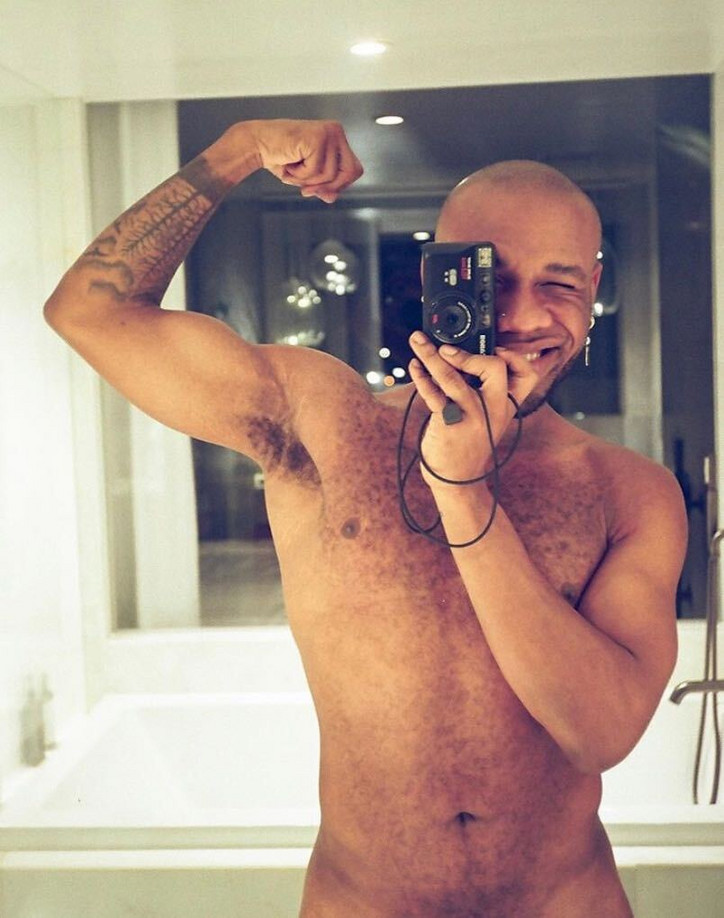
Kadar Small (He/Him): Digital artist
If pride wasn't canceled, my traditional routine around that time would be attending and shooting nightlife events, shopping for “risky” outfits, and just enjoying my friend's company. Pride being canceled is a huge bummer, but I have noticed and loved how much closer my Black queer community has gotten since prior unfortunate events. Redefining pride, for not only showing our true colors but protecting one another. I’ve been celebrating pride at home by attending Zoom parties like “Dick Appointment," taking nightlife to the screens, shaking my ass, whining my waist with my friends, and whoever else tunes in. During these times, celebrating my queerness can be a little difficult, but I do simple things like dancing on my roof listening to DJs like Byrell The Great and River Moon. Even though we’re not able to physically link, I’ve been showing up for my community by attending protests and donating, as well as informing others about the many different charities and individuals in our community that are in need of financial assistance. The cancellation of pride has made me even more ecstatic for what’s to come for next year’s pride. Last year was my first year attending the Pride Parade in NYC at 21 years old. It was such a great feeling finally being in attendance, not being a shame of being a Black bisexual man for once.
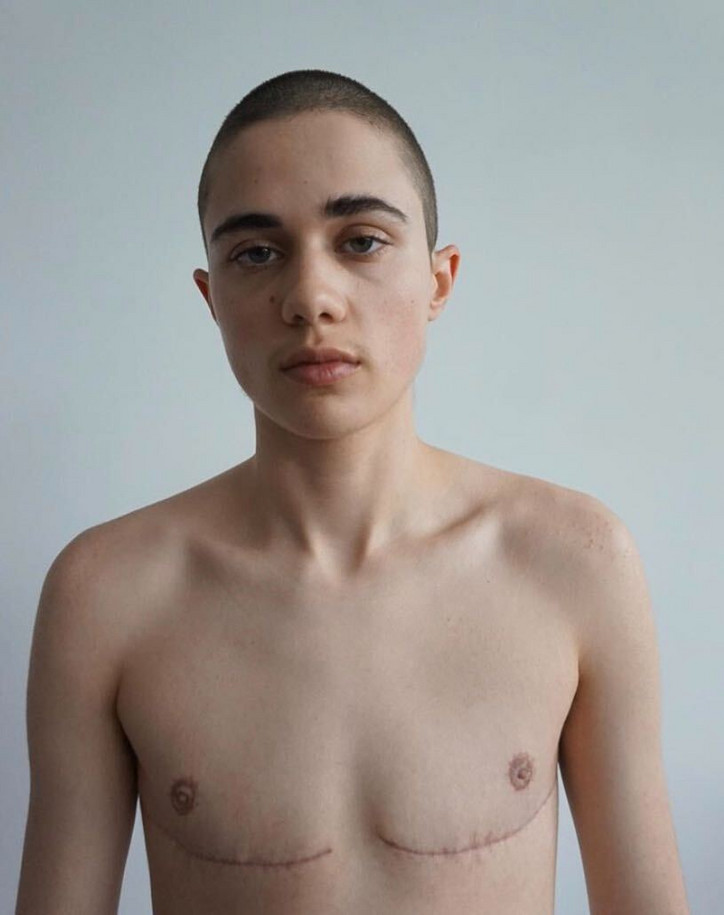
Franklin Ayzenberg (He/Him): Trans activist and model
When I first “found out" about Pride, it seemed to be a celebratory parade of white cis gay men and their cis straight friends who love having a “gay best friend." That’s at least how it seemed from the outside looking in. When I moved to New York after high school, I saw a movie called “Happy Birthday, Marsha”. The film is centered around Marsha P. Johnson and the beginning of pride, the riots at stonewall. Since seeing that movie, I’ve been eager to participate in pride parades now that I know the history of the movement. I know now that pride is deeply inclusive and is meant to celebrate all people that identify as queer or LGBTIA! That being said, this pride in particular should be about Black trans women. They are by far the most vulnerable sub-community in the LGBTQIA community. And the momentum we (young queers involved in BLM) have going cannot be sidetracked by white queers that want to use this month to celebrate their freedom while so many people in our community do not have those same privileges. This pride, let's hold off on those parades of freedom and instead make them Black Trans Lives Matter protests. Let’s use any money we would’ve used to buy rainbow merchandise and instead donate it to a bail fund for incarnated Black trans women. Side note: Let’s urge brands to stop spending 100k on a Pride campaign, and instead make clothes in sizes that actually fit trans women and trans men. We can’t applaud brands that don’t make shoes big enough for every trans girl to wear, just because they cast a trans girl in their campaign. Inclusion is very different than exploitation.
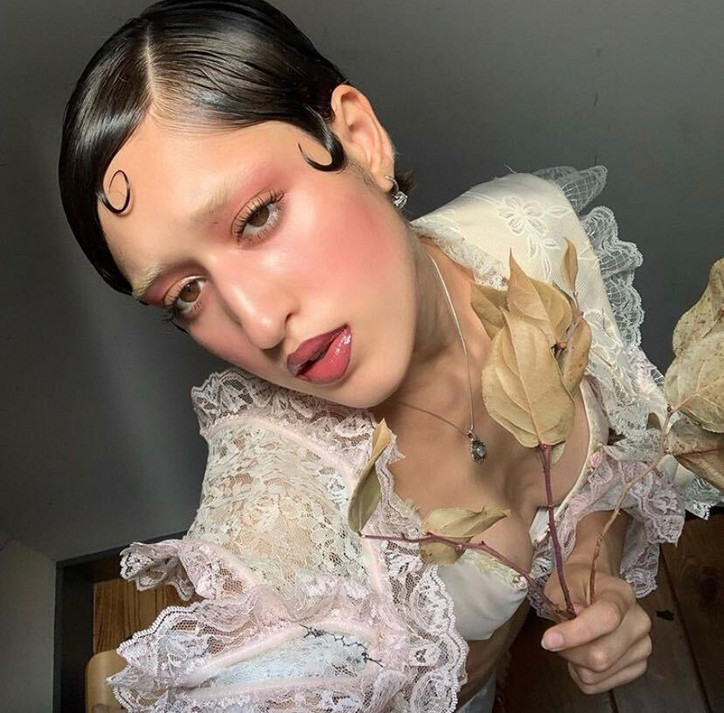
Kitty (They/She): Designer and model
My relationship with pride— I feel like it is slowly developing into something more. I feel like I didn't really know too much about it because before I came out, about two years ago, my first pride was last year. And I went to a pride parade to support one of my friends Joelle, back in 2018 or 17'. And I never really thought anything of it because I thought I was straight at the time. It was definitely a very loving experience. And then compared to the pride that I was able to go to for myself, meeting people, for example, it was such a loving environment. I just felt like I was like with people that I actually could relate to because growing up, it was very hard to be understood. Even though I had friends, I still always felt like the oddball out. But, I guess for this pride, what I noticed is pride to me now is about who you're with and the people you surround yourself with, like in the community. You can celebrate pride wherever, with your friends and hopefully supportive family. Like for example, here at the house that I'm in now, I really feel like these people are my chosen family. And living in this house, I've been able to be very fluid in my sexuality. There's like no limitations, there's no box, but I can be whoever I want to be. And I think it's a very liberating feeling. So while I am not really celebrating pride with the parades and all the events, I feel like here I'm still able to do that because i'm just in a really lovely environment. We have like mini raves in the living room. We tend to have like little parties together and stuff like that. So I would want to say lately that's how I've been celebrating. But also, we'll plan like little beach days together. As long as I'm with my friends, we're celebrating every day that we're together. Because it's like, while we are distanced from so many other people, we have a small little group here where we're able to share and spread love as much as we can.
Recently, I discovered that I was non-binary. I had no idea that I would come to this conclusion, but like being in this house we are just having a lot of personal talks. But for me, how I've been just celebrating myself is just doing everything that I've been afraid to do, doing things that people told me that I shouldn't do. And just expressing myself in a way that feels most authentic to me. I feel like a lot of people have also been able to notice that as well. I just feel how I'm celebrating is by just being unapologetically Kitty. I feel like I'm still discovering who they are and it's an exciting experience for me. I feel like in a way, I'm kind of always celebrating my queerness because I'm still on like a journey of discovery as well. I don't know if I'll ever be able to tell my mom about that because my mom is just not very supportive. But, we've been having a better relationship since I moved out but I feel like now is not a good time. It kinda makes me a little sad that I can't fully show my parents who I am because they're very old fashioned. And not that that's an excuse, But like, especially in Latin homes, like they're just very homophobic in general. So I feel like even bringing them into like these new terminologies, sexualities, and identities, I feel like they're not ready for that. And that's okay because I'm still discovering that.
I feel like one day when I'm ready, I'll definitely be able to talk to them, tell them who I am, and why I am this way. I definitely feel like I'm not ready to tell my mom that. I didn't tell my mom I was Bi-sexual until a year after I came out because I was really afraid, and it's still very rough for her. And while my dad is very supportive, it's just like my mom is definitely a harder territory. So I feel like I'm definitely going to take baby steps with my mom because while we've always had a really rocky relationship, I feel now that I am gone she's starting to understand that I am meant to be here. I went to go visit the other day to pack some other things as I was leaving, and she was crying. She was like "you're happier over there than you are with us." And it was really emotional because I started crying and I was like "you know, I love you. I know it's not something that you completely understand yet, but like I just need you to know that I'm willing to work together to help you understand. And you know, slowly able to still not lose this relationship." Because as much as my mom has really just been emotionally harmful towards me being queer, I still believe that we can find a way to be able to have a relationship. I definitely still would want to have a relationship with my mom. I don't want her to not be in my life, but if she doesn't work with me I know that those are the steps I'm going to have to eventually take. It's either you accept me for who I am or you can't be in my life because I'm tired of trying to —I just don't want to have to like adjust to people anymore. I want people to be able to work with me because in every relationship there's always compromises. And while you may not completely understand some people's points of view, if you want any type of relationship to work, you guys have to communicate. You have to be open-minded, and I feel like my mom is slowly starting to do that.
My chosen family has definitely been very supportive of everything. They really talk to me, they listen to me and we plan little family trips. I feel like I wouldn't say my perception of pride changed. I feel like this pride was very important in a sense to raise more awareness towards people of color and Black people, especially, Black trans women. I feel like a lot of people tend to push them to the side. And it means a lot to know that we're helping a lot of Black trans women meet their GoFundMe goals. And I just feel like it's good to know that this focus has been more about them and not about the typical rainbows and white gays. Because white gays tend to think they run pride. But, if it weren't for Black trans women, we would not be here. We would not be where we are. And while we still are progressing, nothing is a walk in the park yet. Still, it's very dangerous to be queer. But without them, I just know for a fact that we wouldn't be where we are right now. And I feel like, I hope in the next few prides we're able to show more support and show more appreciation towards them. I really feel like that's what's been brushed to the side and people definitely need to start learning their history. I feel like a lot of people, you know, they don't really do their research. They just assume all these different things. But I definitely think to me, this pride has been very loving in a sense. I feel like I've been able to appreciate the smaller things and give my love to the people who need it most.