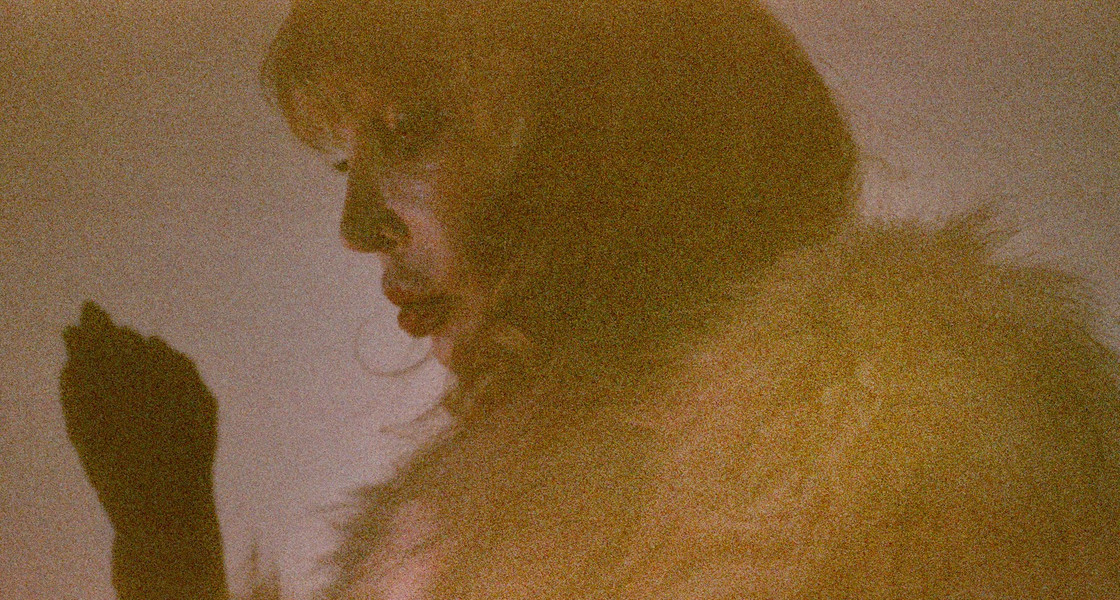
For Lovers
Lamar is a muse for the ages, a lens through which we can explore the love within both our hearts and others'.
Check out the video and photos below.
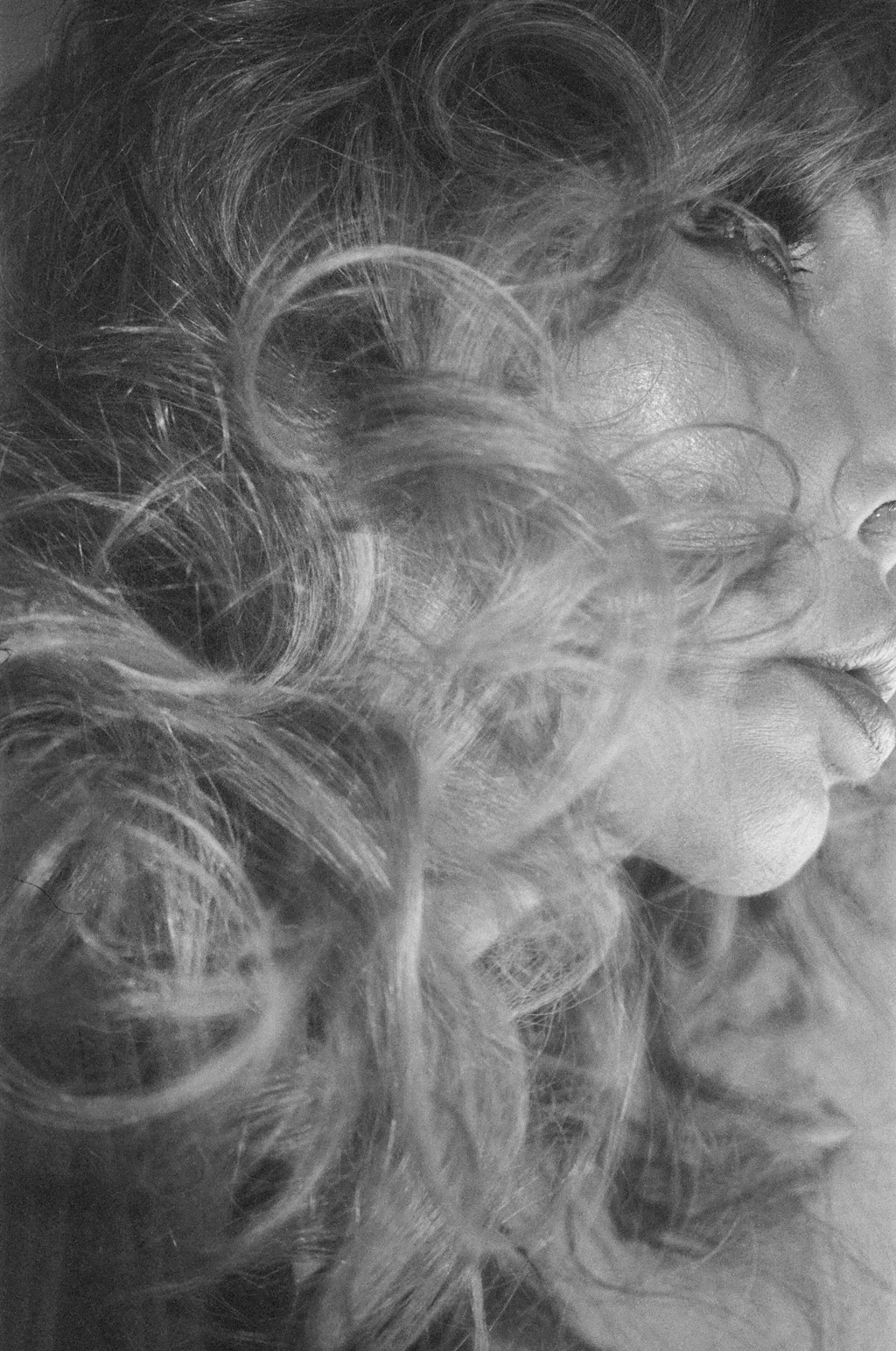
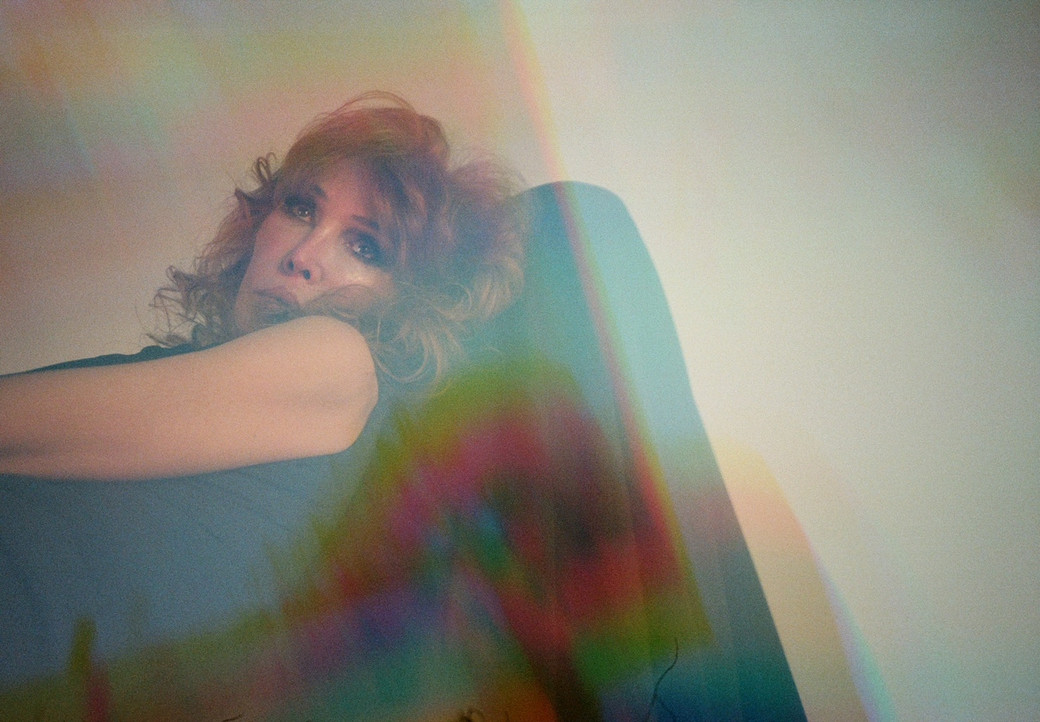
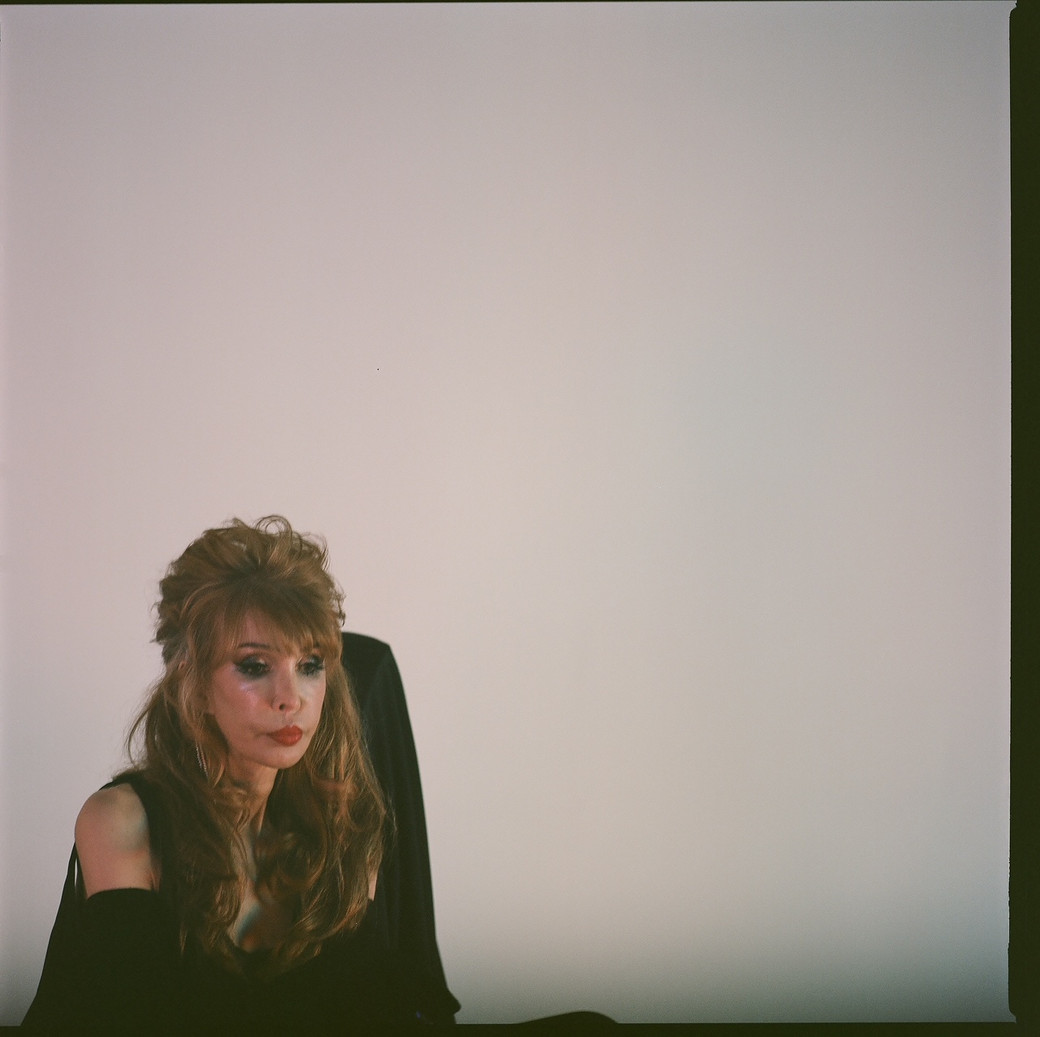
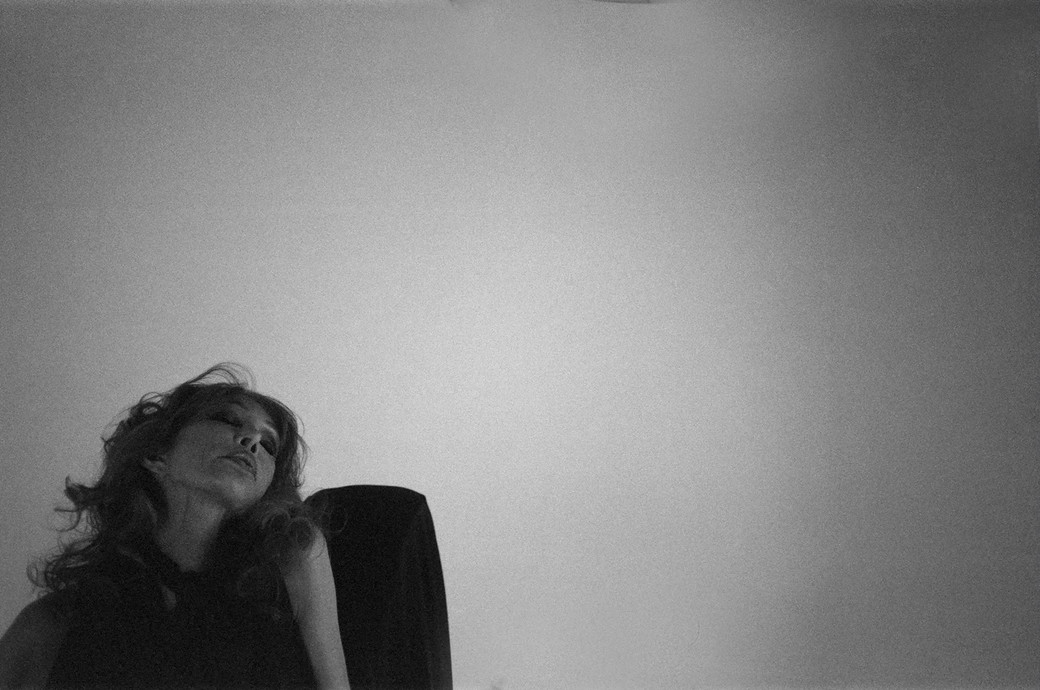
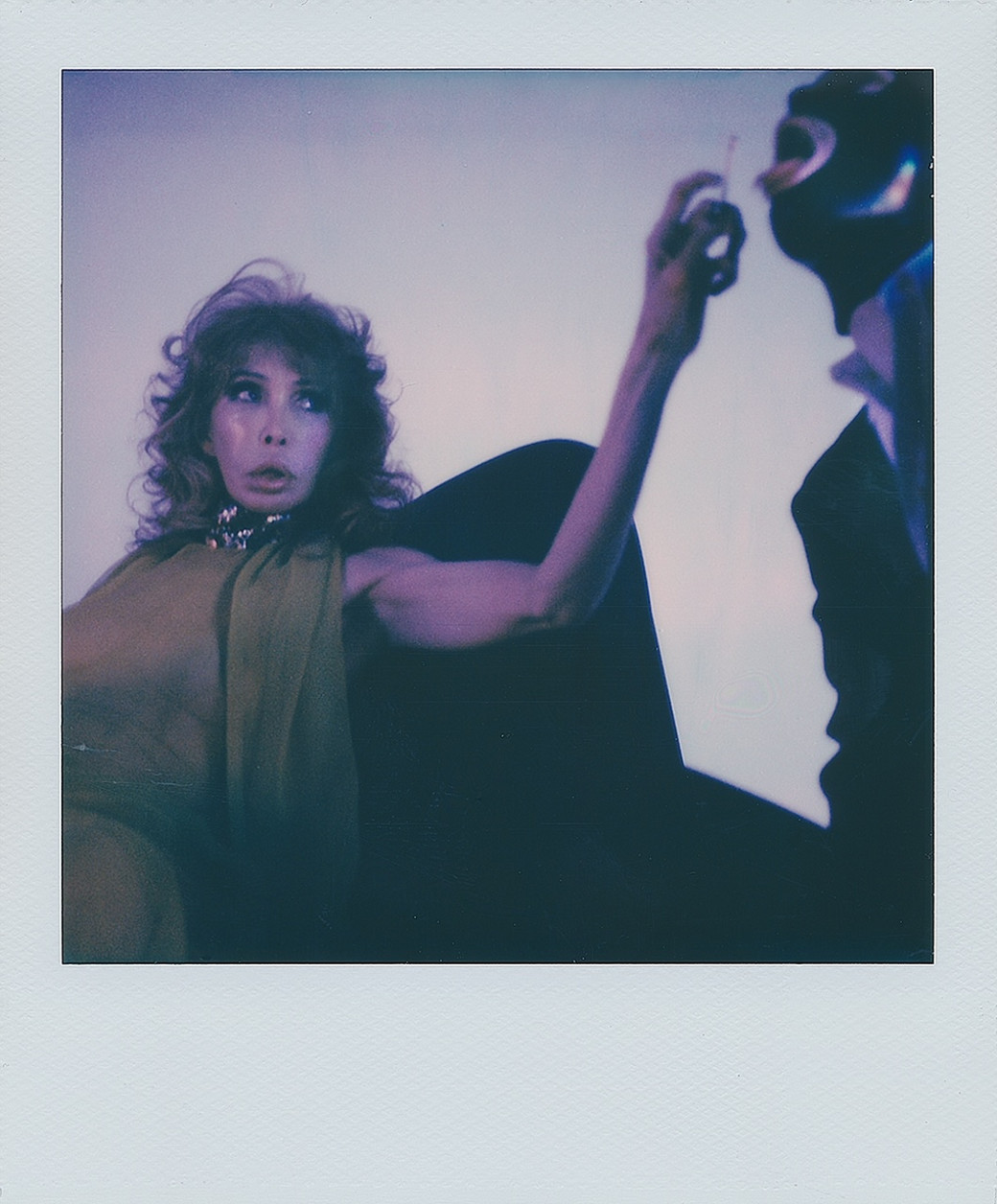
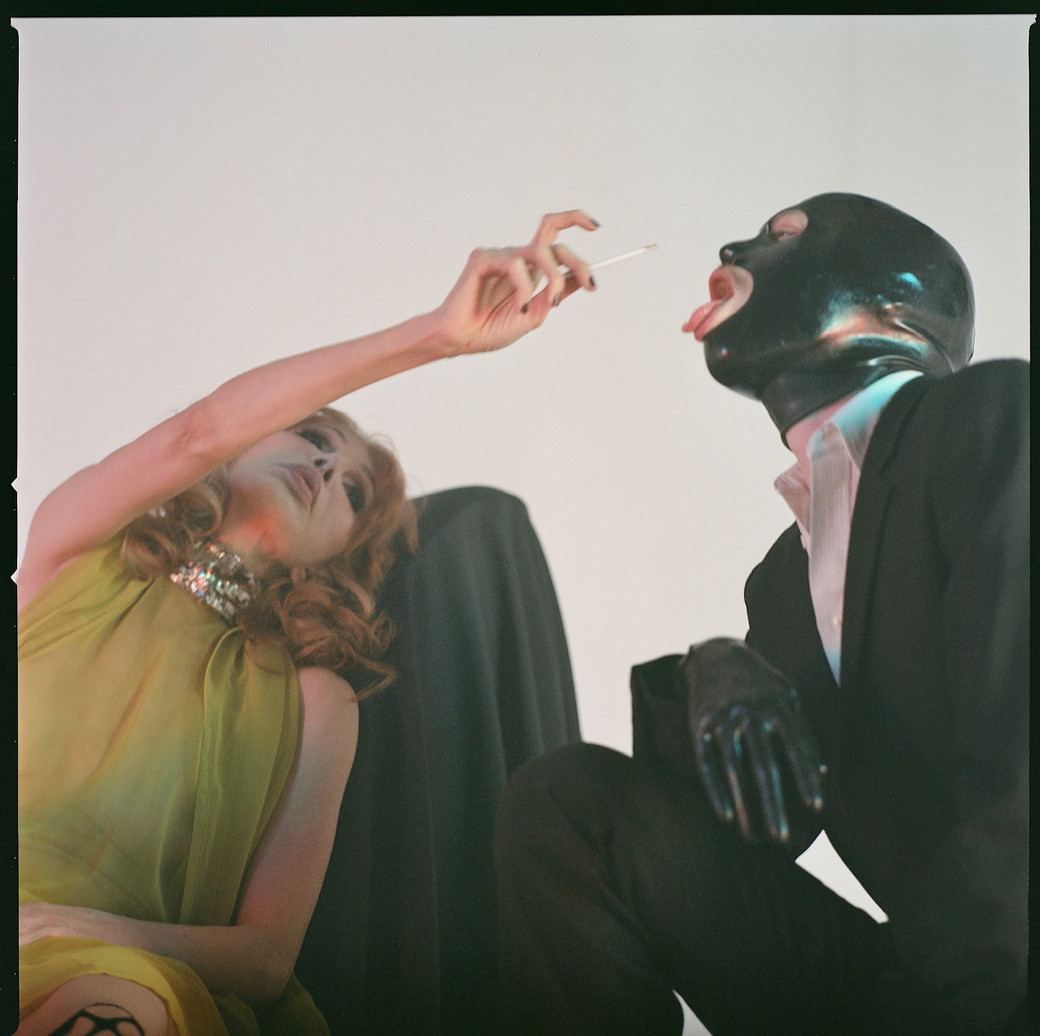
Lamar is a muse for the ages, a lens through which we can explore the love within both our hearts and others'.
Check out the video and photos below.
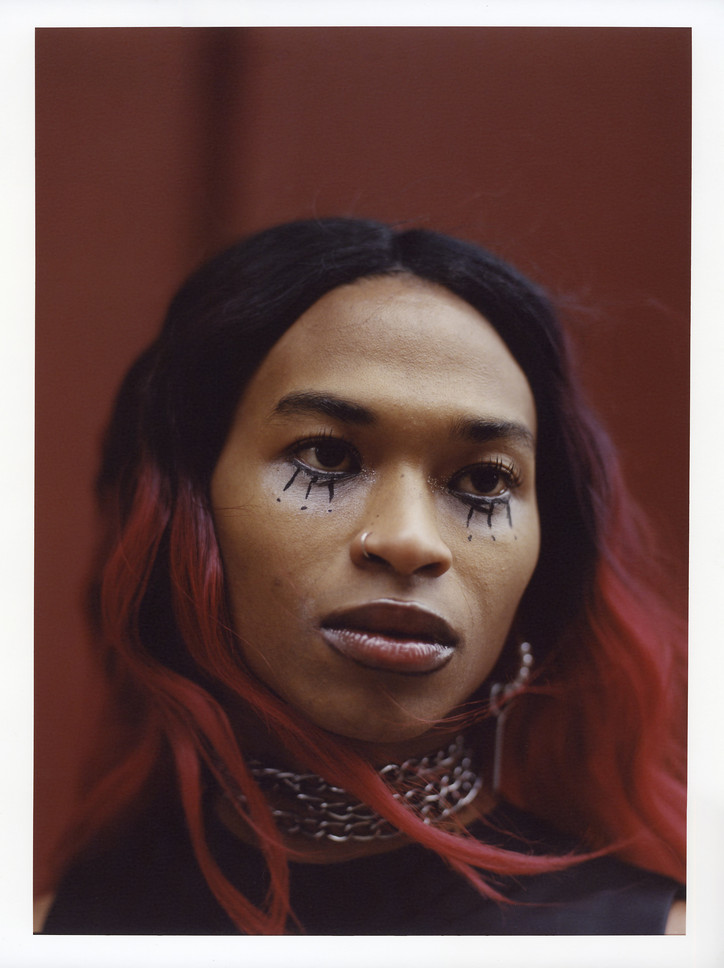
Before we get started, what name do you currently go by?
My name is Tom Cat.
Has your name changed throughout your life?
Yeah, from Thomas to Tom around high school. I stopped wanting to sound like a dead white guy. I had to change my name – it just doesn’t fit me. People see me and they don’t think my name is Thomas.
What are your pronouns?
She/they.
How do you identify?
I identify as an androgynous trans-feminine person.
Could you speak to what was your transition process was like?
It’s fucking annoying. It’s really inaccessible. I have to redefine what transitioning means to me, so that way I can be okay with saying that I transitioned because on a financial level—it’s just like the small things, like laser hair removal or wanting to get my sperm frozen before I start taking hormones. All these things that people don’t talk about is a lot of money and work. For me, transitioning has become more about accepting myself and presenting myself the way that I feel comfortable with, rather than worrying about the medical aspects. And I’m privileged because I get to live in a world and time where people are also encouraging that.
That’s why I identify as trans-fem because I don’t feel like I’m transitioning into manhood or womanhood—I’m just transitioning into myself. I started doing hormone therapy, and had to stop because it requires a lot of disciple and a lot stability that I just don’t have right now. I definitely had to redefine transitioning for myself.
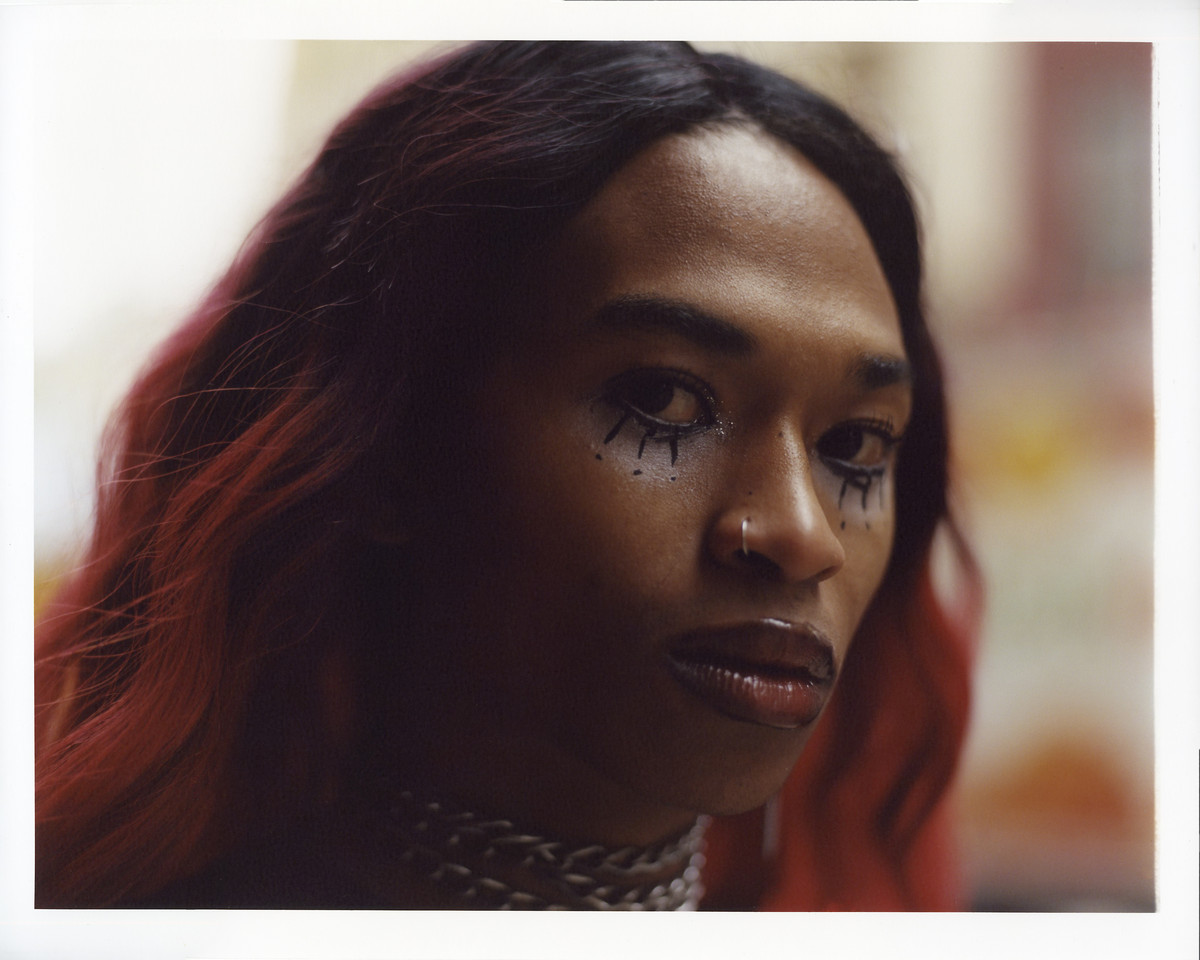
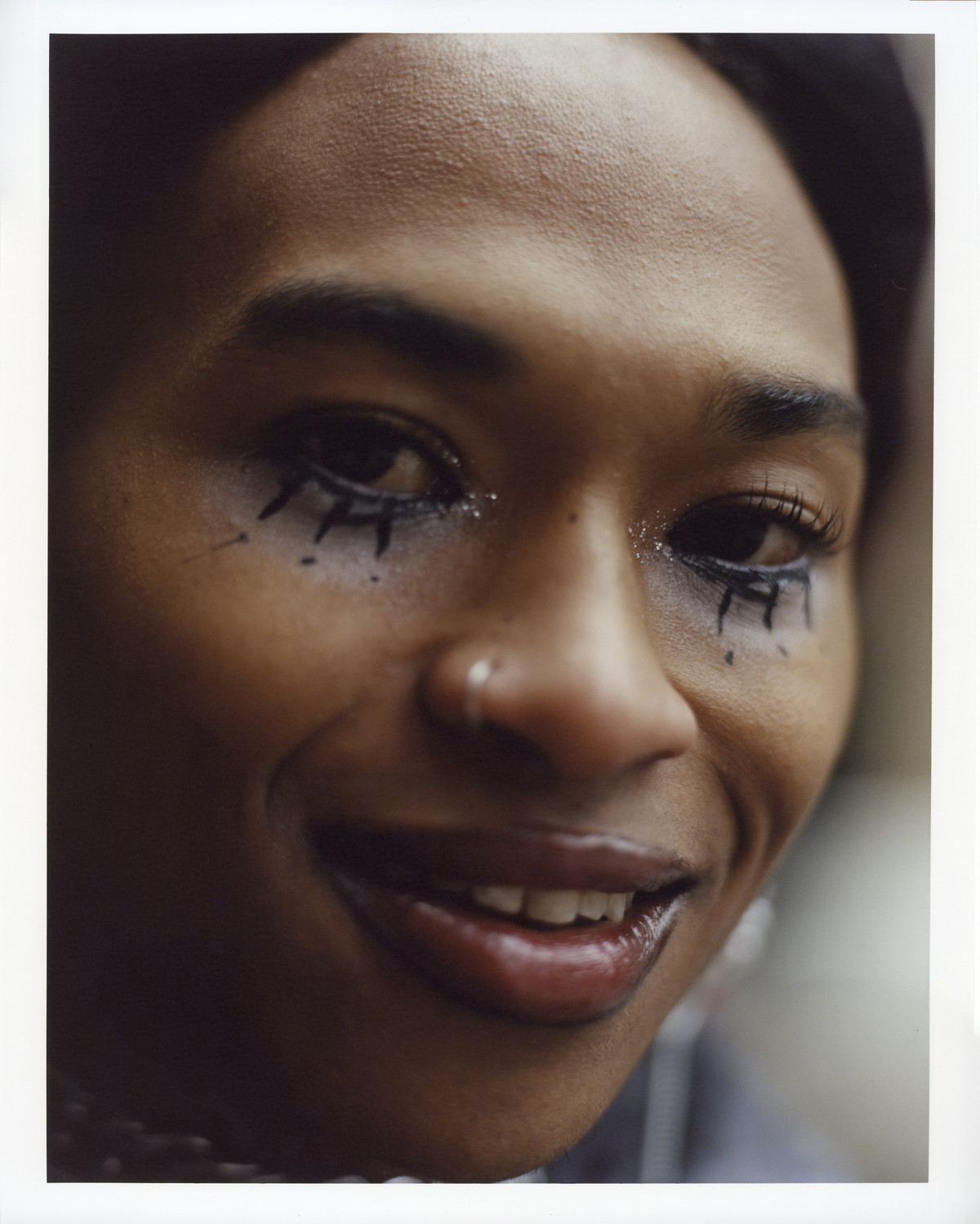
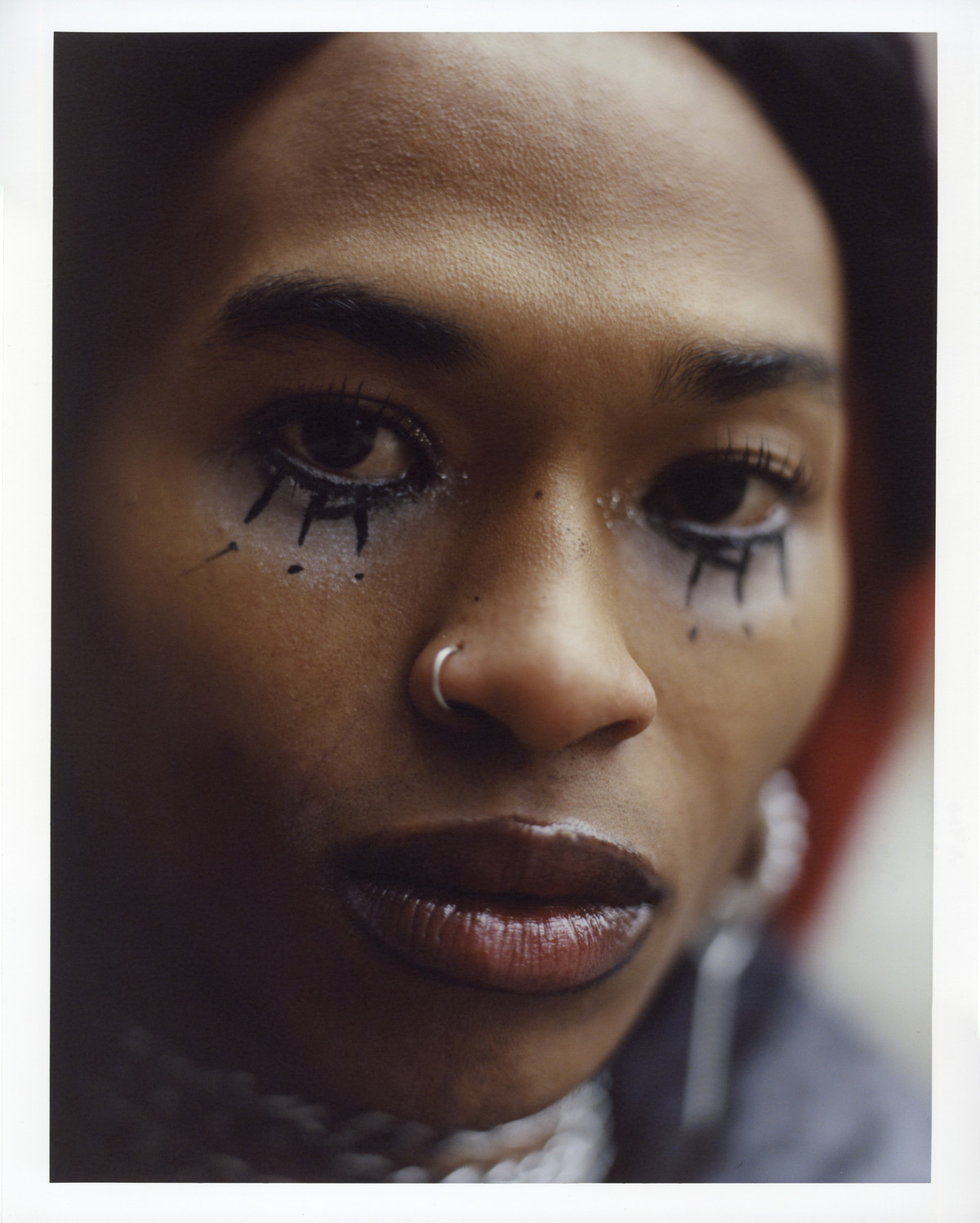
What’s the most exciting thing that’s happened to you in the past month?
I took my younger brother to Homecoming. That would be it. I don’t go home often; my parents are both pastors so it’s very weird, but I had to go home recently and I got to take my little brother to his first Homecoming. He’s a freshman—the light of my life! Me and my parents have issues, but my younger brothers are my support systems for me still.
Who or what influences your writing?
Toni Morrison is the only author for me—her and James Baldwin. I come from D.C. where they’re really hardcore about black literary excellence. I want to write things that prove that we were all here and that I was here and people like me were here. Right now, the real goal and inspiration is making sure that queer narratives are not [only] validated, but respected and understood in the publication world. The publication world is so elitist and there isn’t space being made for these queer narratives and that’s why I want to write.
When I’m Go-Go dancing I have a notepad and I’ll just write. People always make fun of me for going back and forth between the bar and writing stuff, but I just want to prove that we were all here.
How has performance become apart of your practice as a poet?
It has always been a thing because I was on the D.C. Slam team, so as a kid it was kind of required. I didn’t know a separation. And when I came to New York, I said I wasn’t going to do poetry for the first two years of school, but I had a mentor who blew my mind when they were like everything you write has to be performed. So I spent my first two years without going to any performances or open mics, and now I’m able to blend the lifestyle that I have created for myself here in New York with the tools of classic spoken word. There’s a great picture of [my friend] Brandon pouring wax on me while I’m on a rooftop; he's pouring wax on my ass and I’m doing poetry about white men bloodying me. It’s become more performance-art based.
A lot of my work now is formed by real life experiences rather than slam poetry culture which gives kids three minutes, has a lot of rules and sociopolitics behind it—not to mention that it also boxes artist in. As of recently I’ve been like, fuck this it’s all performative, and not profitable for the most part. But it makes me feel really good.
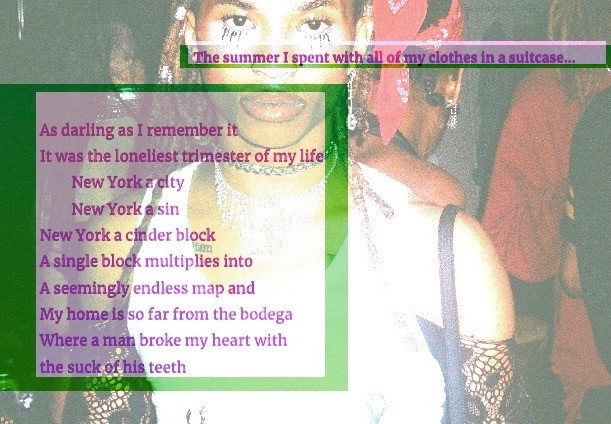
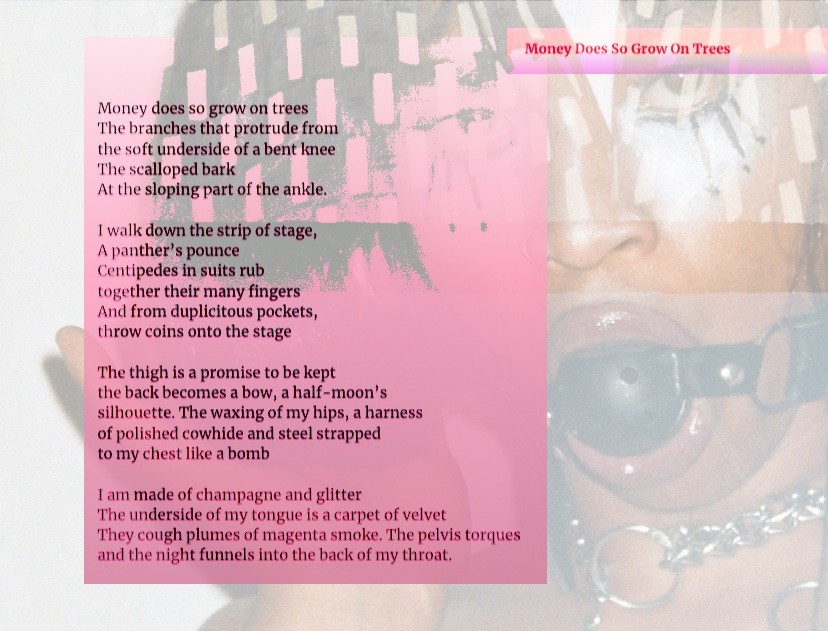
On your Instagram we noticed you’ve rocked so many looks, how has your style changed over time?
I stopped giving a fuck. I started wanting to please myself and the amount of confidence I’ve had from being in a community of people who are like–minded and who will also support me has been amazing.
Truth is there are a lot of people who look different in the daytime then they do in the nighttime. And I got the privilege to live in queer housing where I could just be myself 24/7. To be able to know that I am in a room full of people where I can dance with my eyes closed and my ass out and I’m still safe, that means the world to me! I’m not going to get objectified by some random dude. Being able to find a community that I feel comfortable with changed my style so much. The expression of being to able to be ‘you’ and not having to worry or fear is something that I have never really known and something that I’m very grateful for.
What scares you the most?
Not getting ‘it’ done... whatever the ‘it’ is. There’s a bottom line for me. I feel like I’m moving towards something. There’s so much heavy lifting and work to do within this community. I want to document the fact that we were here. I want to create the first hardcore black queer publication house, so other queer writers can get their stuff published without it being as difficult as it is for me. Just not getting it done scares me. I’m really happy with the way I live my life. That’s one thing my mentor has driven into me—I live a life I’m proud of, uncompromisingly. My greatest fear is not death—it’s being inept at what I want to succeed in.
Any parting words for any younger people who are embarking on a similar journey/struggle to understand their identity and where they fit in their lives or in specific industries?
Write. Write about yourself, so that you can know yourself better. All that matters is being yourself, that really is the bottom line. Life is like your movie and everybody else has to be, at some point, outtakes or extras.
If you don’t think that way as a trans person, it’s dangerous. If you don’t love yourself the right way and you go looking for that love and validation in other ways, you can put yourself in dangerous situations. Getting to know yourself, preferably through writing and art would be great, and then moving through that with confidence.
How can everyone do their part in helping the trans community?
See us. People see what they want to see and that doesn’t necessarily mean visibility. I really want to abolish the idea of "passing," and androgynous people are doing a lot to dismiss the notion of passing. There’s trans people everywhere all around and in all different class sets. Just making space for us to have equal opportunities or better opportunities! At this point, equivalency is not what I’m looking for. I need more than that. My sisters are dying! I come from a place where, Baltimore has had three black trans women die this year! People need to just see us and acknowledge that we're here and make space. So much space.
In one word, what does the future look like?
Exciting. I think so even if it's bad, I’m still excited to see what happens. I guess not exciting when I say it out loud. No, I feel apprehensive about the future.
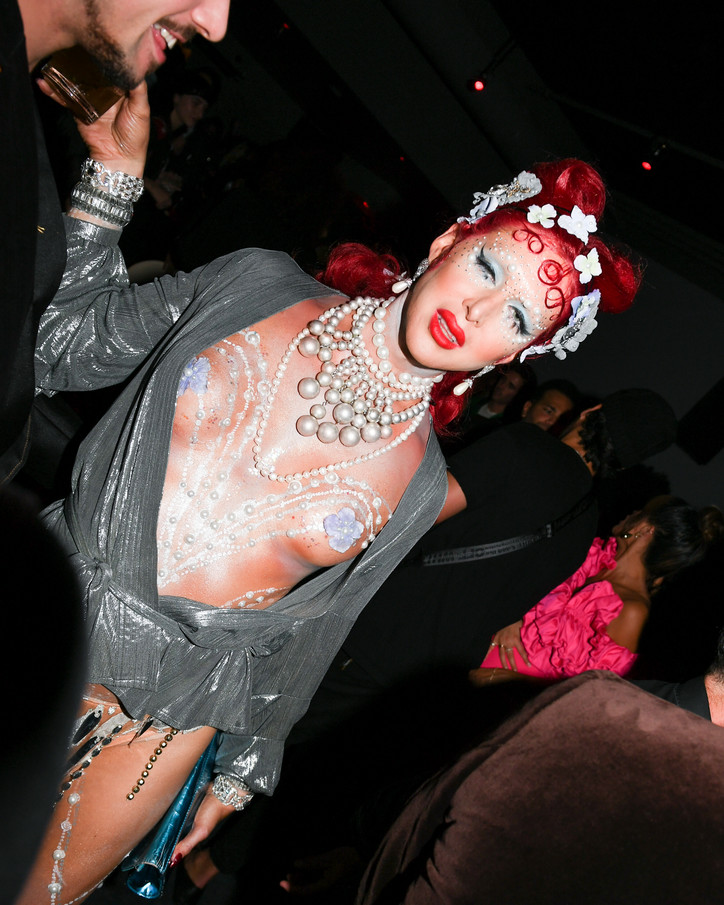
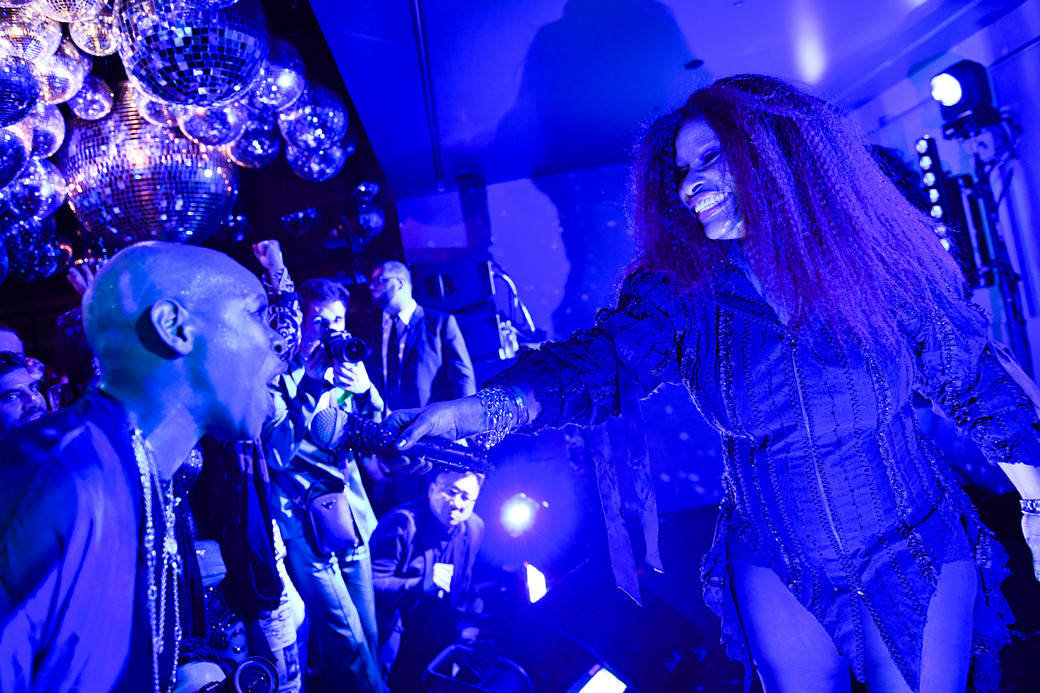
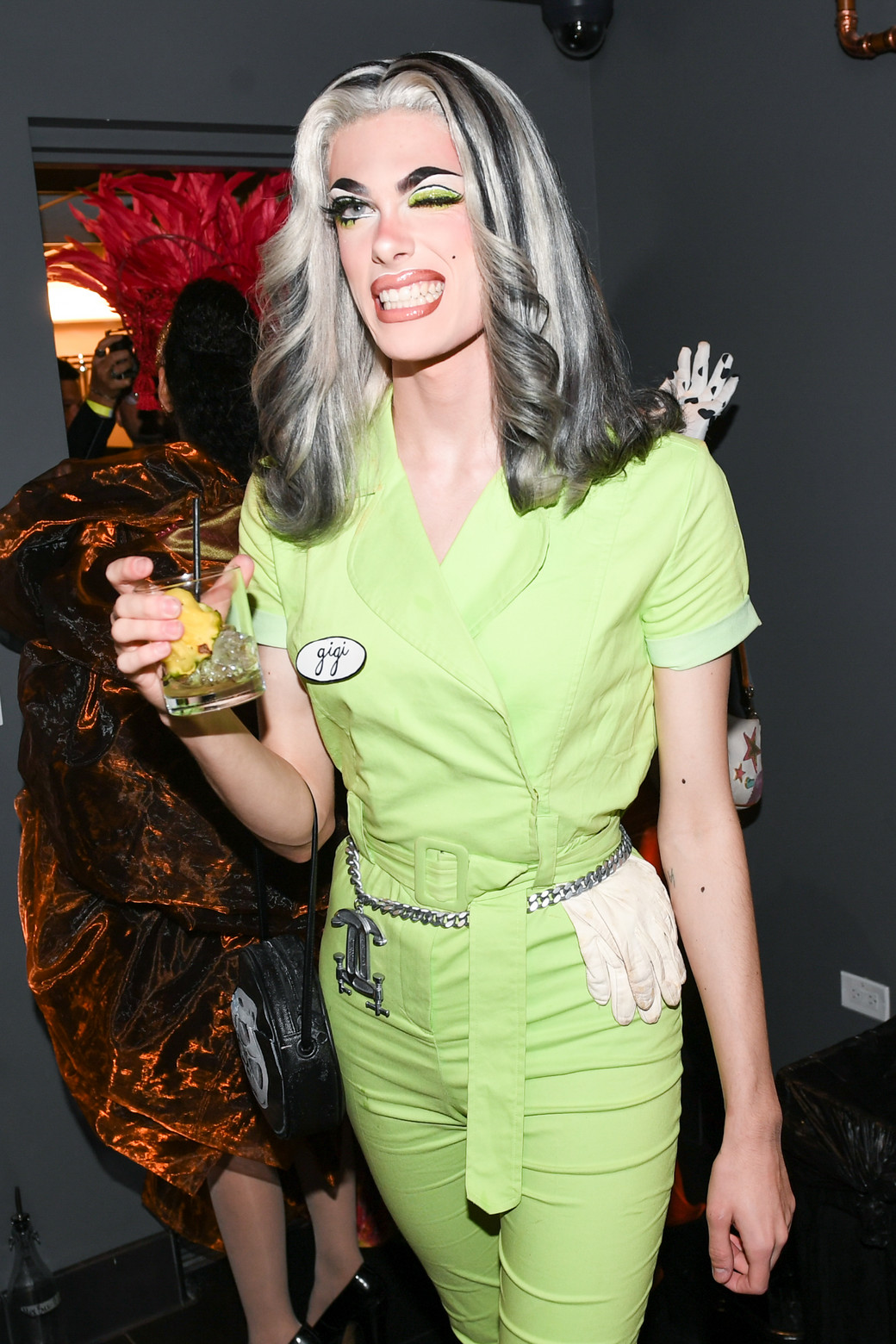
In partnership with Mariott International, Schrager has built and branded a space that epitomizes his story—located on the Sunset Strip, he hopes to resurrect the nostalgic glitz and glam of the area, altered for the modern Angeleno. And he did so with grace. The hotel is luxe and the night was loaded with celebrity sightings, a surprise show by Chaka Kahn and sprinkled with sublime drag queens, courtesy of Susanne Bartsch. In light of this, as a fan of his work and an excitable NYC transplant yearning for some new york style nightlife, I was thrilled to sit down with Schrager and discuss The West Hollywood EDITION.
In what ways (if any) are you drawing inspiration from Sunset Strip and it’s historical, cultural significance?
I’m drawing all of my inspiration from Sunset Strip, which was the soundtrack of a whole generation. In the 60’s and 70’s, it was packed with kids from all over the world and there was music blaring out from about 30 or 40 of the night clubs that were here. It’s one of the only places in LA that has a street life and what came out of here in the 60’s and 70’s was the music of the whole generation—the soft rock genre. It was just a very culturally significant time—as culturally significant as Studio 54 was to New York in the late seventies.
How are you hoping to update and modernize that?
By capturing the energy, exuberance and magic that Sunset Strip had and whatever was attractive about it that attracted people from all over the world. That alchemy that happened…we’re trying to encapsulate that in The West Hollywood EDITION.
In which ways is this project similar to your other iconic hotels, and in which ways is it unique, and/or altered by its location being LA?
The similarities are this relentless drive for excellence, to try to blow the customer away and present them with a whole array of different entertainment facilities and nighttime options, along with a very sophisticated, refined room with great service. What’s not similar is that we’re trying to manifest the time, place and location of LA, which by definition makes it different than the other hotels.
How do you feel this will stand alone against the LA spread of hotels?
I’m in a product consensus business. There are a lot of hotels in LA and a lot of hotels opening, but there’s a lot of hotels in every city that I’ve ever been. I rely on the strength of the product to carry the day—there’s always room in the market for a very strong, unique and original product.
What is your favorite element of to this project?
I like the way all of the parts work with each other to tell a complete narrative. So when you enter, go up to The Roof, or go down to Sunset, you are experiencing a part of a whole. When they are all put together, the totality of the experience is more than the sum of the individual parts.

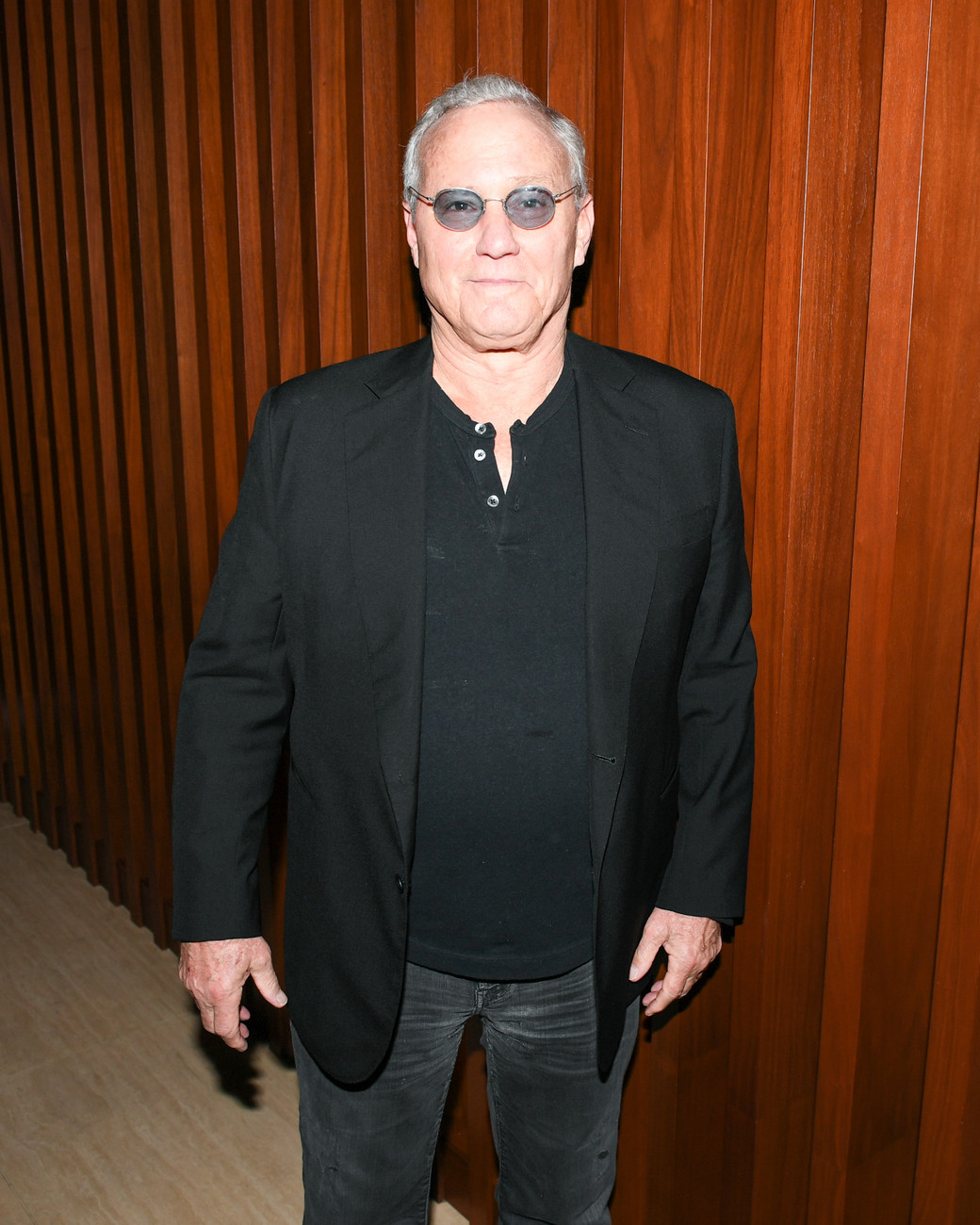


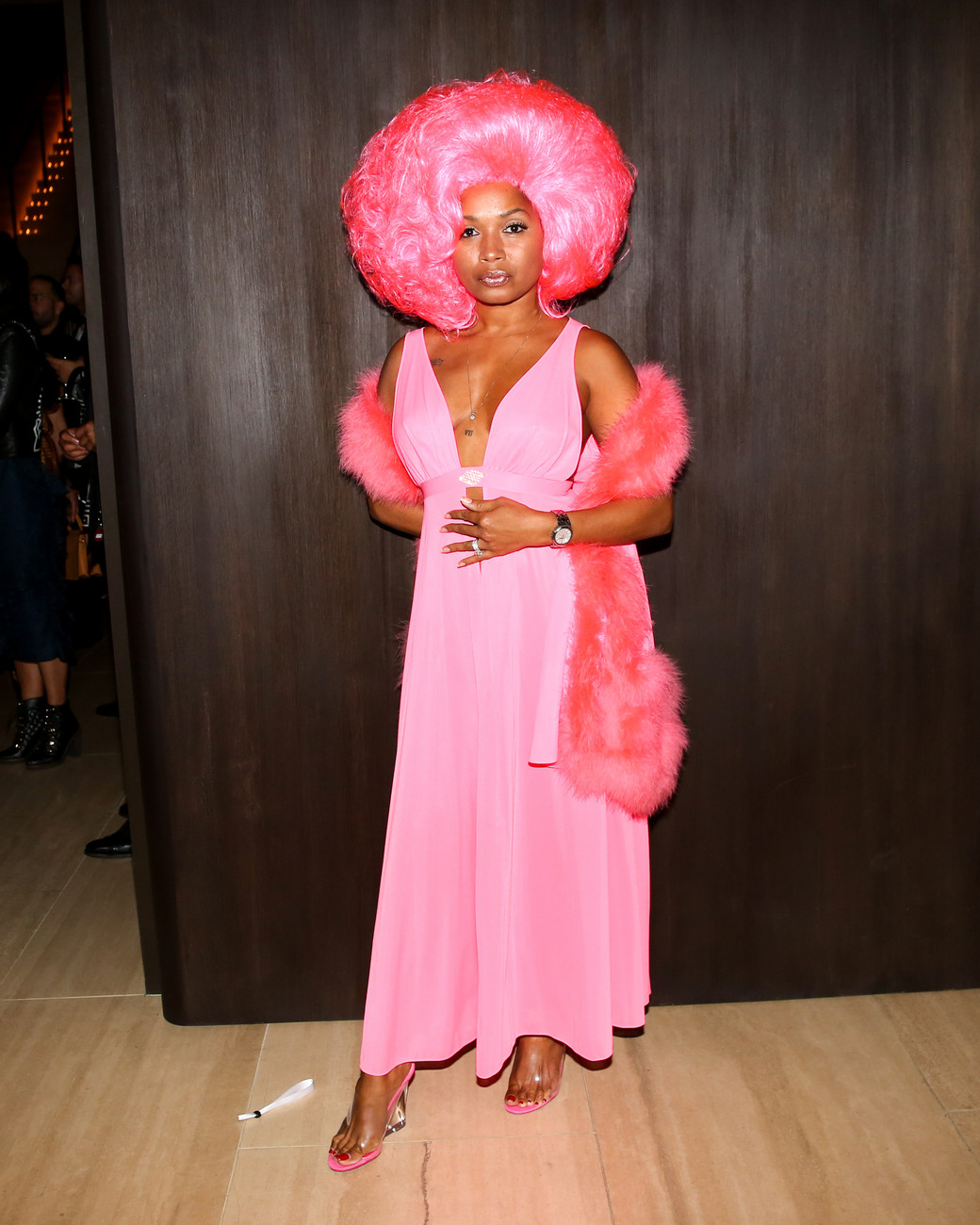
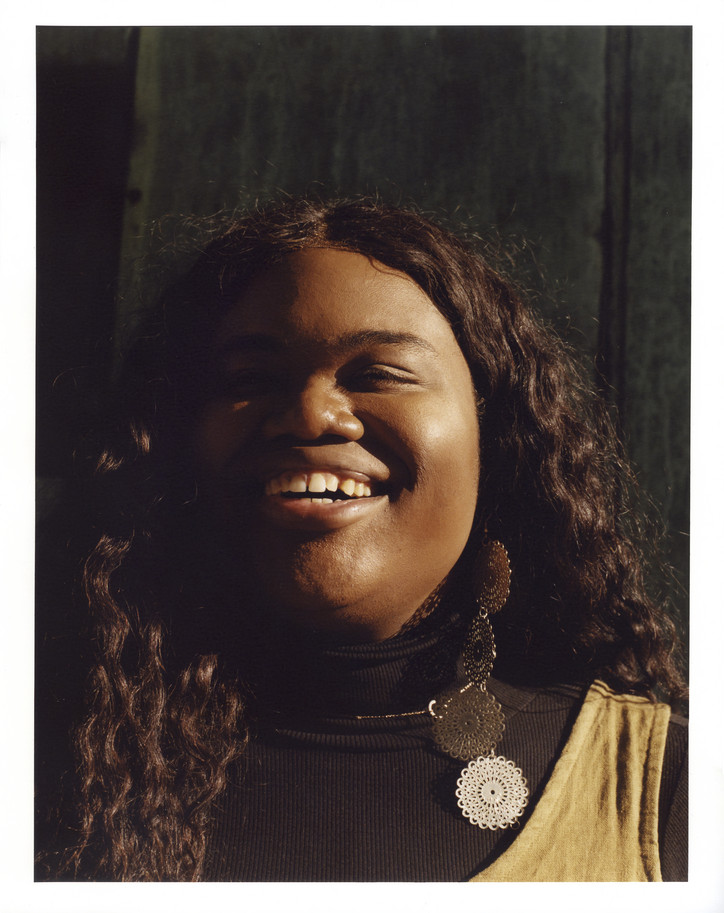
Before we get started, what name do you currently go by?
Jari Jones
Has your name changed throughout your life?
Oh, most definitely. This is the biggest change I think I've had so far. The name I previously used just didn't feel right for me anymore. I know a lot of people use that term of a dead-name but, I don't see it as a dead-name. I just feel that I've evolved more into the person I am, so I just choose not to use that anymore.
What are your pronouns?
She/her. Well I use she/her in spaces that are very cis-driven, but in more queer spaces––and as I dig deeper into my queerness––I prefer to refer to myself as transfem. So I still use she/her, it's just in a different context.
How do you identify?
I identify as a transfem or in more uneducated spaces, a trans woman most definitely. But transfem is starting to feel more right for me.
Could you speak to what was your transition process was like?
So I think at a very young age I was definitely more feminine than most people were. I feel like I know I used to come out to my parents when I was younger. Or express that I was not feeling what labels people were putting on me. I never had body dysmorphia as a child, I just thought I was a different little girl. I just had different things; and I've always kinda had that growing up. It wasn't until femininity stopped being cute for everybody else.
As a child I used to be considered a momma's boy, and I used to love wearing long T-shirts and pretending they were dresses. I used to put pillowcases on my head and pretend it was long hair; I loved all those things. Then, like most of us, we start to get policed for our gender. People in your environment, especially older people, start to police those things, so it became less acceptable that I wanted to express myself in a feminine manner.
So that's how it was until I got very policed in and put in a box, and I was like, 'Okay, in order for me to survive this I need to shut it all off.' I was never really masculine. I could never ever be masculine, it just wasn't my thing. So I found ways to be artistic or be nerdy, which can be blurred lines for some people. It wasn't until college when I socially transitioned. I did that for awhile. I came out as non-binary for a little bit, then as I found more and more language I came out as a trans woman maybe a year after that. Now I am living my life as best as I can and packing more of what I think about womanhood, instead of reaching for the goal that society puts on us, and creating it for myself.
Very well said. In your recent Dove commercial you speak on those same issues regarding womanhood. Can you expand on that?
Yes, especially for trans women, we come out and people have already given us this checklist of things we have to check off before we can be a woman, you know? You must be feminine, you must have these body parts, your hair must be this long, you must wear this length of heels. When I detached myself away from that, it freed and liberated me. It made me see my womanhood in such a different way, and how I interact with people, and how I love and how I love myself. Which encompases womanhood more for me than just what you see or what people in society think that you should do or role you should play.
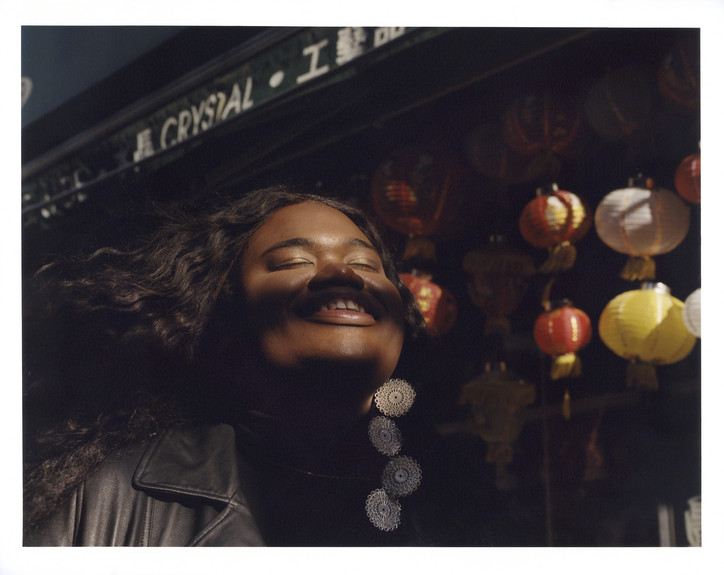
In the film Port Authority that debuted at Cannes earlier this year, you were a cast member, script consultant, acting coach and even a producer. Did you expect to be as involved as you were in the project from the beginning, or was it more organic?
It was a mixture of both. I've known the casting director for a while now. This is actually my second film that I've casted with them. I also did the film Goldie. I casted that as well, so I know there process. They don't normally like to throw people, they like to take care of the people that they find and really make sure our voice is being heard in this film.
The director and writer of this film said she's been following me for awhile before that. So I knew it was gonna be a more collaborative effort, but once I got on that set I saw that community was being represented and celebrated and put into this film. I knew that I had to make sure I was taking care of the people that have taken care of me.
Working with Leyna Bloom who is now my sister, like that's my heart now, and really making sure that she's able to feel safe on set and be able to be vulnerable. This is a story of a lot of us so allowing those emotions to be portrayed onscreen and TV; and then the people that are in it, it’s very important especially for me that black queer men are portrayed in such a beautiful way on film and television. So often they're villainized or made to be the butt of the joke so I wanted to make sure they were taken care of and shown in a beautiful way as well.
That film is a really powerful intersection of the creative work and the activism that you take part in, and you’re an exemplary role model for so many people. Do you have anybody who inspired you to do what you do?
A lot of people. I always have my handful of groups. My wife [Corey Kempster] most definitely, she's also a trans woman and watching her navigate in a world that's not built for us is beautiful and we encourage each other daily. She's doing the same, being a role model for trans and queer folks, and us representing a new kind of queer love and making that more mainstream. There are so many more people that are out there that are like us.
Also my grandfather, who was one of the industry's first black male models. I grew up hearing people in my family close to me breaking barriers so that's always what I wanted to do. He's always told me, 'If you don't see it, go do it.' I didn't see black trans women or black trans plus-size women in the media the way I wanted to see them, so I decided to do it myself.
Whether it's TV or film, magazines or portraits, it's about creating those blueprints that you didn't have. I say this a lot, but the only time I saw trans people was on the 'Maury' show or 'South Park' or stuff like that in such a negative light. So to be able to be those new standards of what success can look like and where you can go beyond, as well, is amazing to me and my community.
I love black people, I love queer people, so much, so much. Literally the life I get by just seeing us win is enough to fuel me for ages to keep doing what I'm doing.
One of our favorite quotes you’ve said in the past is that “We have to affirm each other until it overflows.” How can people affirm other people in their own lives regardless of what they’re going through?
I think showing up and being there. So often society puts us in these lanes that we're not allowed to cross and that's how we all start to compete against each other. I feel like sometimes if you're winning I'm winning. If that door is open for you, it most definitely will be open for me. I stopped the comparison and I stopped this idea that we need to claw or pull each other down in order to get up.
I know one thing that always reminds me of this is every time I'm in a room or walking down the street or in an elevator with another queer person we're always like giving each other the eye instead of saying 'You look fucking great today.' It happens so often. Why are we afraid to tell each other that and uplift each other in public? But it all comes from the idea that I need to be better than you instead of supporting and loving you from across the room,
So if I'm walking down the street and I see somebody looking great I let them know. That's why I lift until it overflows. I give so much love because it's so overwhelming. I pour that into my relationships, into my friendships. I pour it into my family, my chosen family so that's the idea of pouring all this love into everybody else when your filled up so much.
Any parting words for any younger people who are embarking on a similar journey/struggle to understand their identity and where they fit in their lives or in specific industries?
Take your time, it's so important that we know ourselves better than anybody else. I feel like queer and trans folks, we are so self-aware but it takes time to build to that. I think that's why when we come out we're so fierce about who we are, which I love. I think it's so beautiful we know ourselves to the T, and that takes time just brewing. You don't have to adhere to any labels or any one specific category; it's always gonna change. Transition is not from one thing to the other. It's always going, it's always moving; same thing with being queer. Queer allows space for you to move anywhere, not just across or up and down, you can go in a circle if you want to. So take your time and embrace everything that you are living in. Your identity now may not be your identity tomorrow, so don't stick to one thing. Embrace it all.
What scares you the most?
What scares me the most is that I'm not afraid of anything. I think that's what frightens me the most. I'm so headstrong and fiercely loving about my community. So I think there's a fear of me not being able to determine when I need to chill. If I'm in the streets and I see some shit going down with people in my community, I'm going to stick up.
I did a film recently and the set was mainly queer and transfem folk and this guy off the street started bothering one of the people that was with us outside and he continued to bother her, and I stepped and said 'I don't feel like she's feeling it,' and he turned to me and said, 'That's what's wrong with you bitches, you don't know when to shut the fuck up. One, I felt affirmed because he said 'bitch,' and I was like yes. And two, he then threatened us like, 'I should pull my gun out,' and I was standing there like, 'Do it, do it.' People would usually back down. Most of the people on set where white and saying call the cops.
Don't call the cops, then we both dead, but yeah, I'll go toe to toe, bat to bat and that's just how I was raised by my family. if another queer or tans person gets attacked on the streets I feel like I'm getting attacked as well, because I could be the next one or that's gonna hurt me mentally. I try to nip that in the bud as much as possible. It does scare me how off the wall I can be.
How can everybody do their part in helping the trans community?
Support in the most passionate ways. In ways that make you feel uncomfortable. I always say as an ally you have to be willing to be broke, you have to be willing to be hurt physically and mentally. So give your money to support trans people and their endeavors. Support them to gain resources.
When you see us being attacked, be ready to get hit. I think that's a true ally. We are in a state of emergency. We are in a moment in time where people aren't afraid to hurt us and they're doing it publicly, and they're not afraid to do it publicly. So as an ally you have to be willing to stick up for us, you have to be willing to take a punch for us, and do that all the time. It can't just be a Facebook post or an event. It has to be apart of your daily language, vocabulary and your daily actions you know. Stop being surface allys.
In one word, what does the future look like?
Unrestricted.