For Lovers
Lamar is a muse for the ages, a lens through which we can explore the love within both our hearts and others'.
Check out the video and photos below.
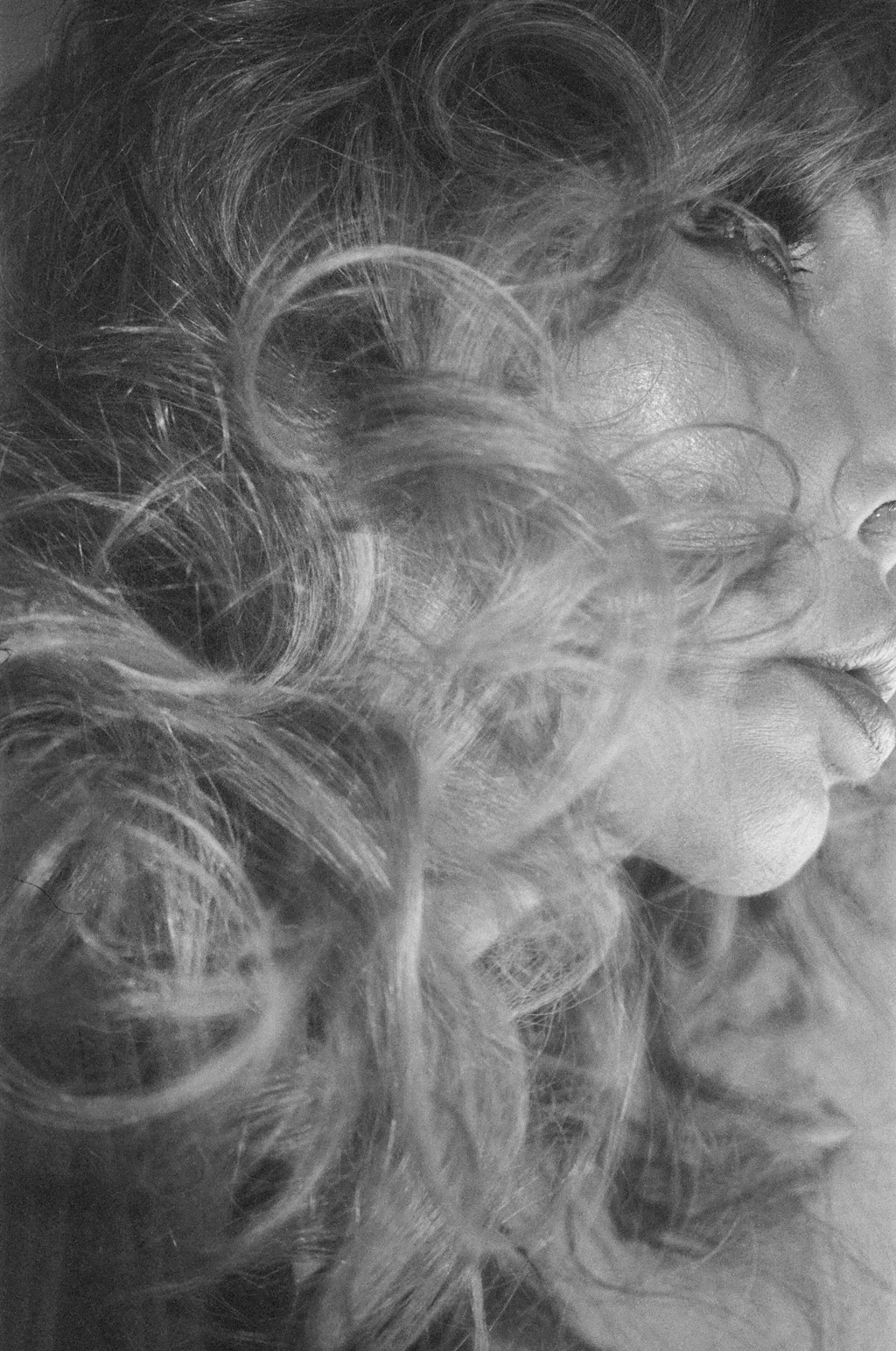

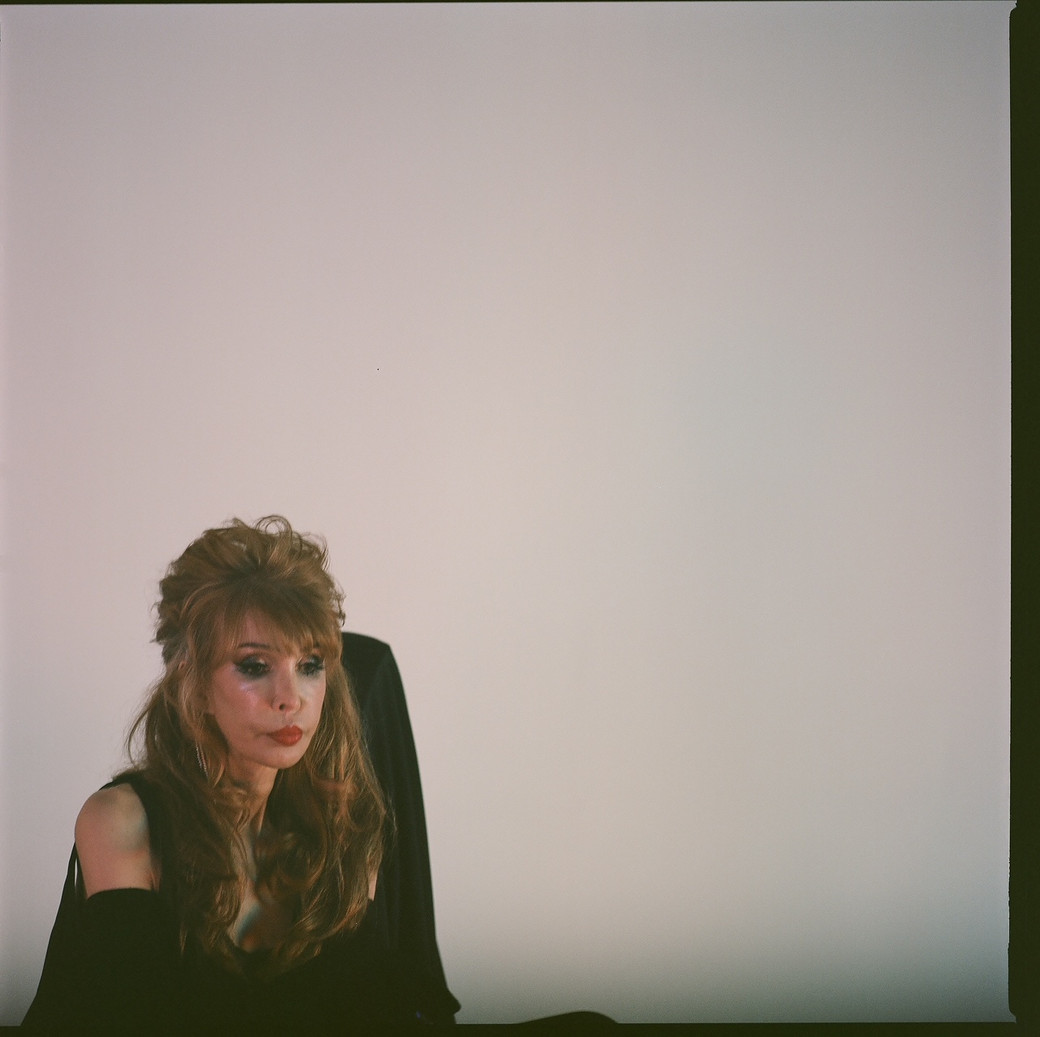
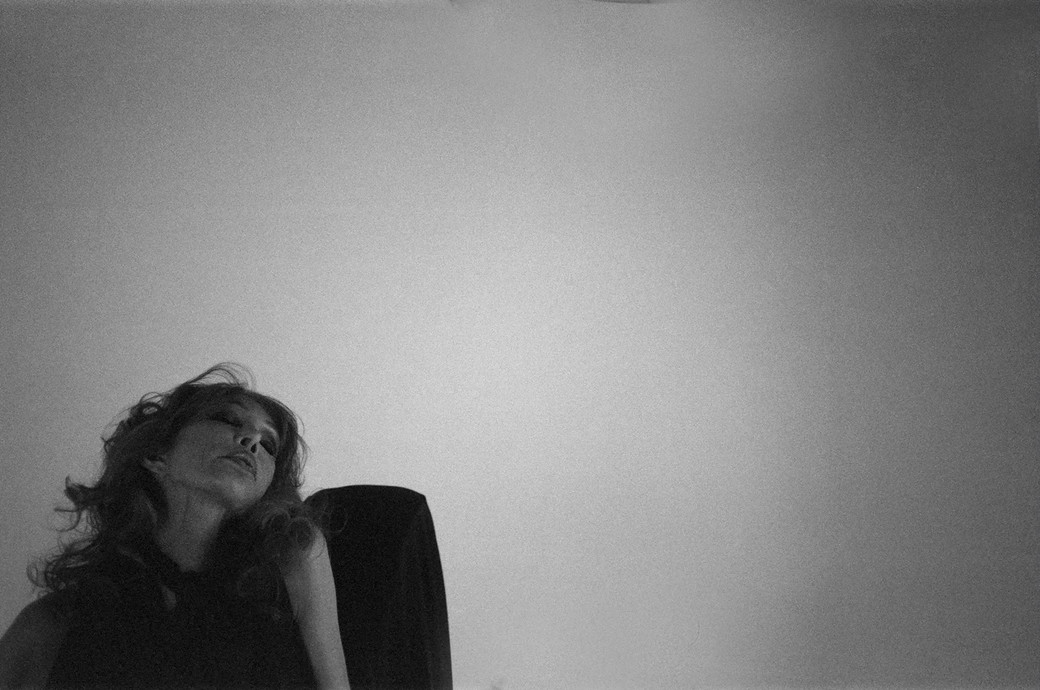
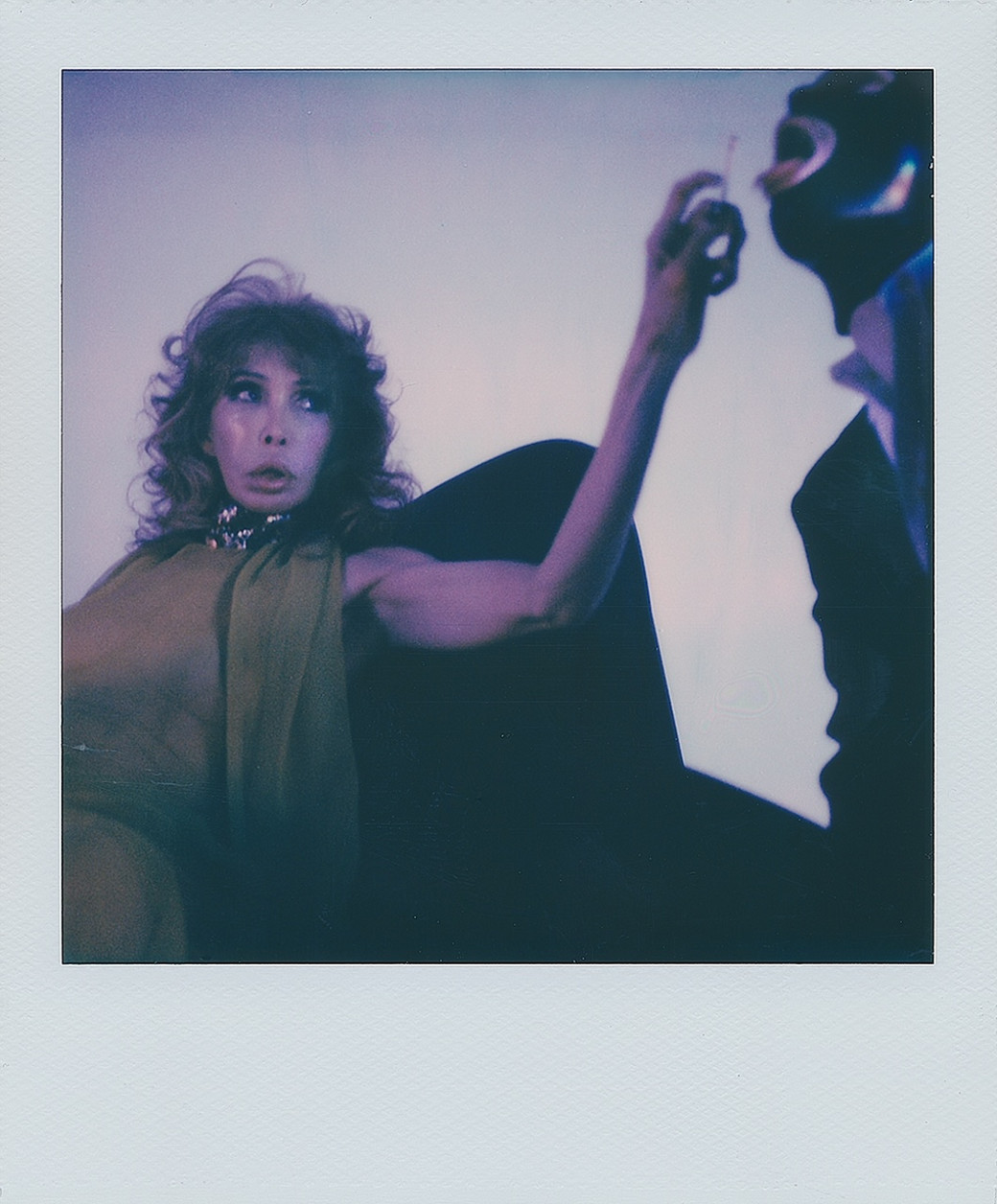
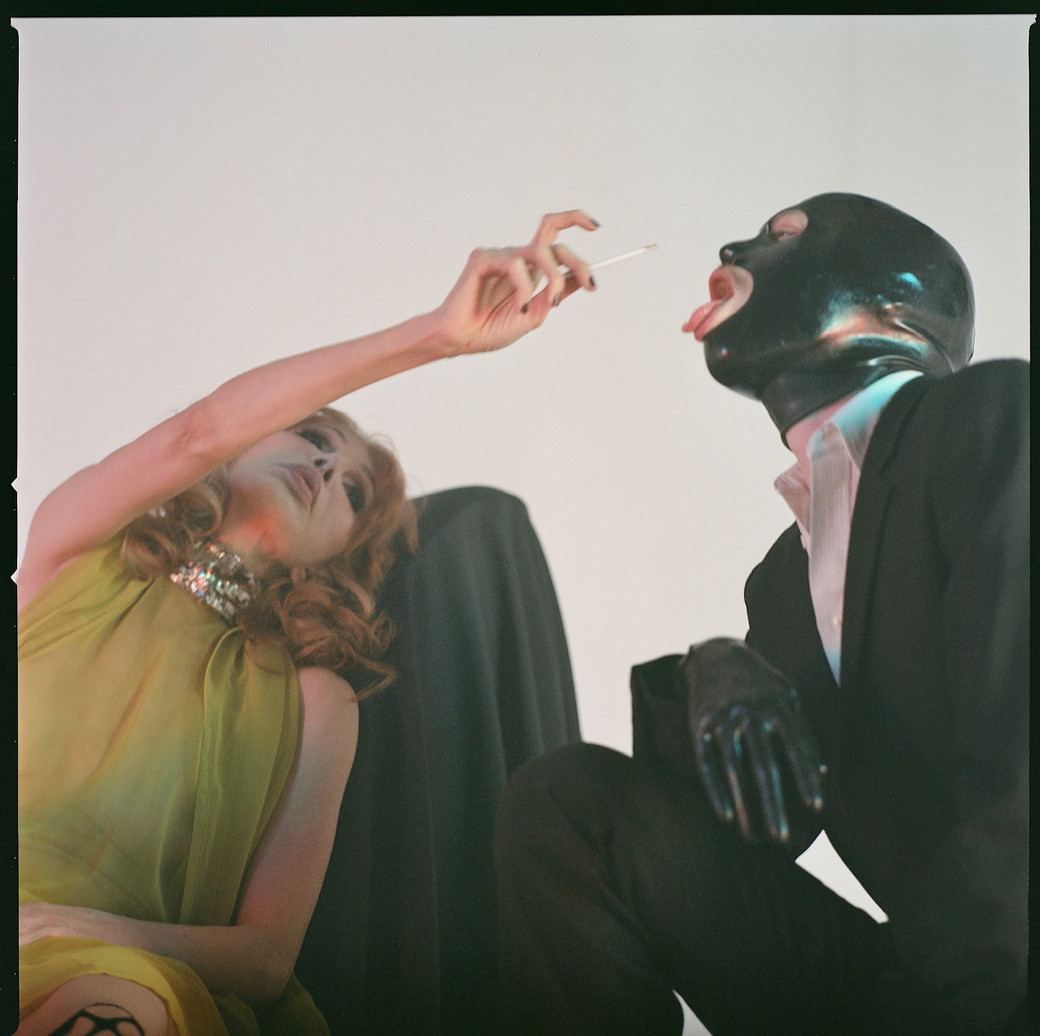
Lamar is a muse for the ages, a lens through which we can explore the love within both our hearts and others'.
Check out the video and photos below.

First picking up a camera aged 16, it wasn’t until he moved to New York to study at the International Center of Photography on a scholarship, that the prospect of engaging with photography without a technical pedigree seemed at all possible. Being in New York opened his eyes to a world and style which later informed his own, confessing to having succumbed to the work of greats such as Richard Avedon, Joel Sternfeld, Martin Parr and Eugene Richards during his tenure. Before studying photography, Salvans studied Biology in Spain, admitting that it was there he was able to birth his own visual language — “That’s why I take photos of my own culture, people and landscape. I have to have a physical connection with the landscapes and an emotional connection with the people,” he explains.


Shot between 2006 and 2014, the series illustrates a generation of vacation-goers eager to unearth truth in the rhetoric of their (then) king, Juan Carlos I (1975–2015), whose rhapsodic assurances of ‘a better life to come’ tested a nation during economic crisis. In addition to the slew of ironic nationalist captions seen throughout the body of work (printed in a font mimicking the disingenuous text read by Carlos from teleprompters), Salvans has included an accompanying booklet containing extracts of fervent speeches by the likes of Kennedy, Mussolini and Churchill. Not political enough? Salvans goes on to explain: “My Kingdom not only refers to the territory over which a king reigns, but also the personal kingdoms we fight for; our car, our friends, our holiday apartment, our credit card, our body,” echoing much of what we see and hear today.


In its simplest form, Salvans describes the book’s initial concept as nothing more than a mere fascination with how people like to spend their free time. Almost as if it were an extension of his first book Nice To Meet You, “I decided to keep working with the same territory and activity (how people manage their free time). But I decided to change my point of view, so I decided to change from a 35mm camera to medium format” he explains. It was only as the project began to develop that Salvans decided to boldly politicize the work, explaining that he saw an opportunity to talk about more than just Spaniards on vacation. “I decided to politicize the work in a clear way — a work that talks about power.”
Most striking about My Kingdom is Salvans’ ability to lens a heartening sense of camaraderie and utmost relaxation among his fellow Spaniards, whom, despite their nation’s economic turmoil, were determined to relax. Beach towels pictured atop car bonnets, sun-chairs insouciantly sprawled throughout carparks as if they were the top-deck of a five-star cruise liner — scenes illustrated frequently throughout the body of work — showcase the optimistic resilience of Salvans’ compatriots at the time, as well as his own fascination with ‘the pursuit of happiness.' Meanwhile, with much incongruence, imagery of Spanish royals inhabiting Mediterranean mansions and enormous yachts frequented the front pages of European media outlets, while 39.5% of the nation’s population couldn’t afford to take a week’s holiday.


With a playful unembroidered visual commentary, Salvans is able to discerningly unpick the political paradox of an era while delivering an ethereal series of intimate documentary photographs – guiding his audience through a candid journey far-removed from the contrived.

Did you both grow up in the suburbs of Orange County?
Ed: Yes. I was born in the shadow of Disneyland, Anaheim, California. And bounced around Orange County before ending up in Huntington Beach as a 10-year-old.
Deanna: I was born in Huntington Beach, and aside from a 5 year excursion to the next city over, Fountain Valley, have lived there my whole life.
How did this come together?
Ed: The publisher Chris Pichler (of Nazraeli Books) and I were talking at the LA art book fair a while back - he was telling me about a different accordion book he was doing and sort of kvetching about the paper that ends up getting trimmed off and wasted. He was saying that he needs to invite artists to make books on the specific small size that would fit on the trimmed portion. So the genesis of this book was as a paper-saving scheme! He asked if we were working on anything that might fit on a rather small accordion book. The accordion style begs for a his/her style design on each side. Deanna and I have been documenting our hometown and suburbia for a long time now, so we started playing with some ideas and layouts and it just fell into place rather organically.


Above left: Caused by Obama from car, by Ed Templeton; above right: Yucca with writing on them, by Deanna Templeton.
How is the neighborhood changing? How does the change affect people who grew up there and their attitude toward their own surroundings?
Deanna: Huntington Beach is changing quickly, but mostly on the coast, where developers are building new resorts and malls like crazy. It’s turning into Miami! But the tract houses where we live haven’t changed too much. In downtown the small summer cottages that originally people from Los Angeles kept are being torn down and these tall skinny 3 story houses are going up on the lots. Our attitude hasn’t changed too much. We evolve with our environment, and we joke about the changes, the dirt lot we played in as kids is now a parking lot, etc. we travel a lot and I think that has trained us to look at suburbia with an outsiders eyes. This place is so weird, we try to absorb it like a tourist coming for the first time might.
Your subjects are often peeking over walls and around fences — why is that?
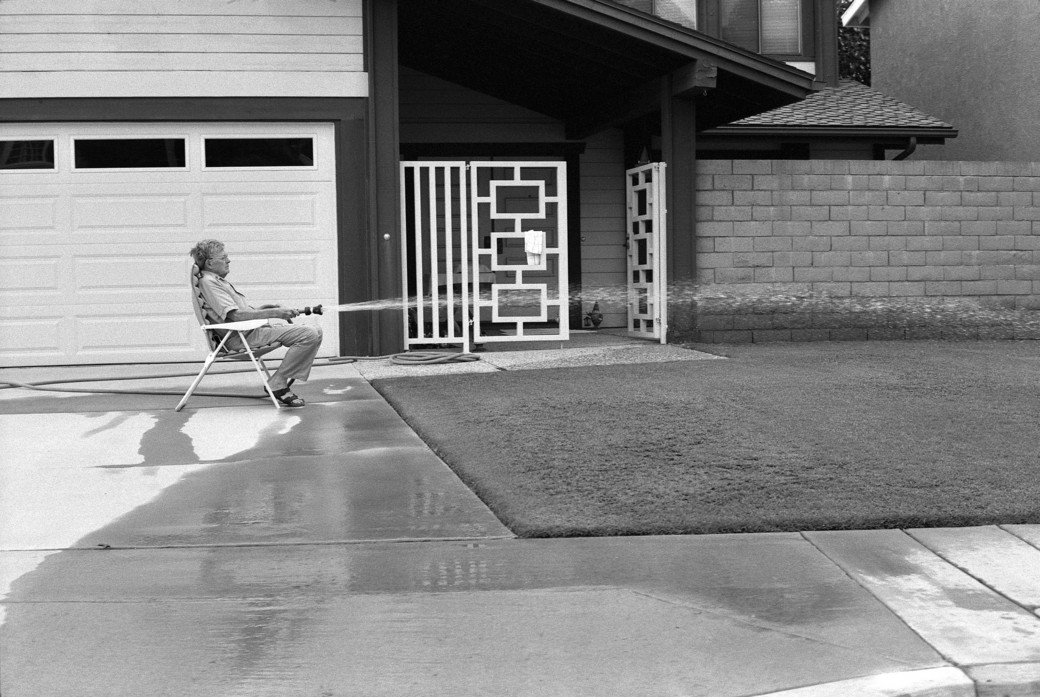
Ed: That’s the first thing an outsider notices, the walls and fences. Each tract is completely walled in, and when you drive the boulevards all you see are walls for miles. So the cinder block wall is one element that really speaks about our particular Southern California suburbs. From the car or our own backyard, everything is seen with the ubiquitous wall as the backdrop. Everything is hidden behind them, or exposed on the outside of them.


Above left: Drifter man lies on sidewalk, by Ed Templeton; above right: Girl with dri shirt by teddybear, by Deanna Templeton.
Do you think the camera steals people’s souls?
Ed: No.
Deanna: That’s like taking a picture of a ghost.
Ed: In public, one's “soul” has no expectation of privacy.
How do you define nostalgia? gentrification?
Ed: A photograph, the moment it’s made is immediately a nostalgic object. It’s a memory of the past. I think photos get better with age. The further the distance from when it was made to when you are looking at it the more nostalgic it gets. We try to make our photos timeless, using black and white helps, and avoiding things that would date the photo in an unseemly way...
Deanna: ...almost to a fault.
Ed: That way, at least we think, the photos will age gracefully.
Deanna: Gentrification is a whole different idea. It’s an inevitable side effect of the economic divide in this country in action. It is happening in Huntington Beach, and the edge of this place has been dulling in our opinion. But like I said, we evolve with our environment and the changes are slow and incremental.


Ed and Deanna Templeton will be signing copies of Contemporary Suburbium Thursday, August 23rd, 2018 from 5 - 7 pm at Dashwood Books, 33 Bond Street. See you there, teddybear.