For Lovers
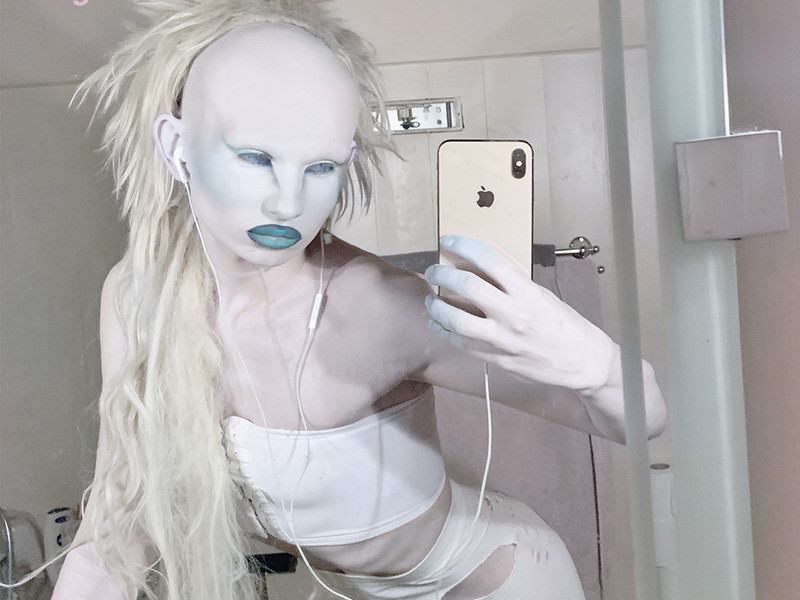
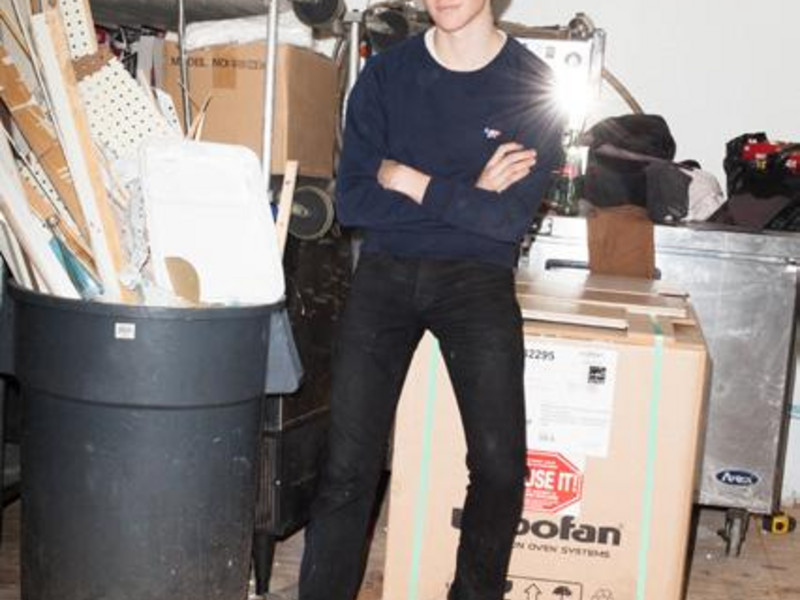
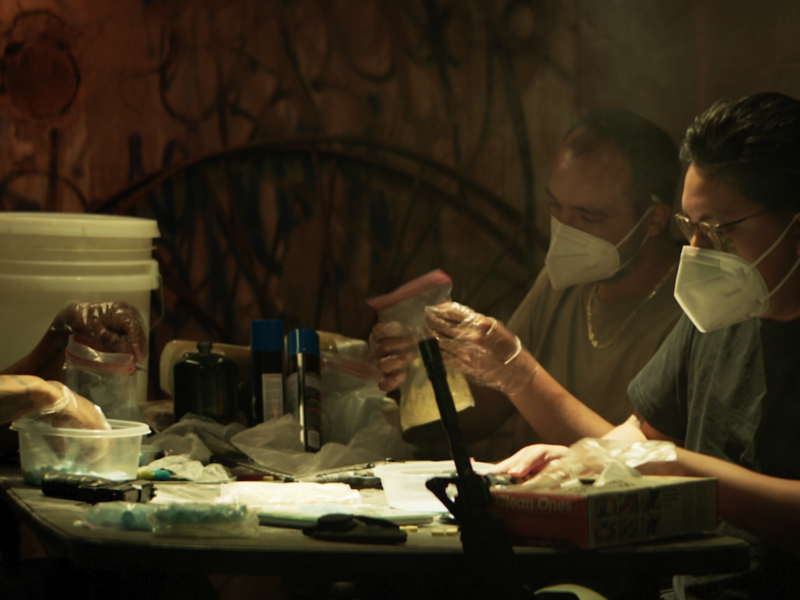
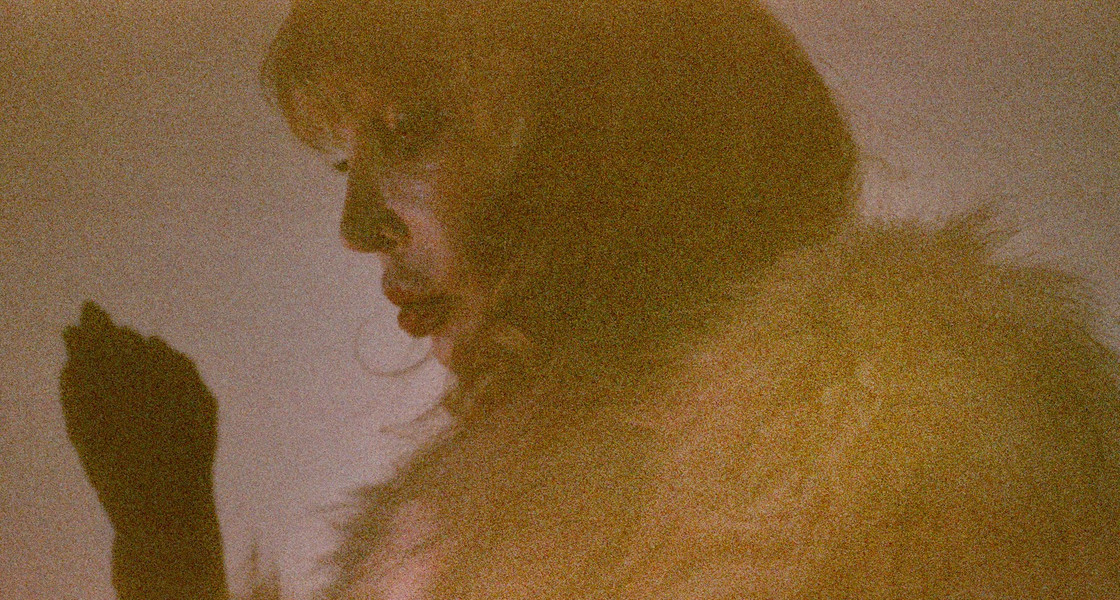
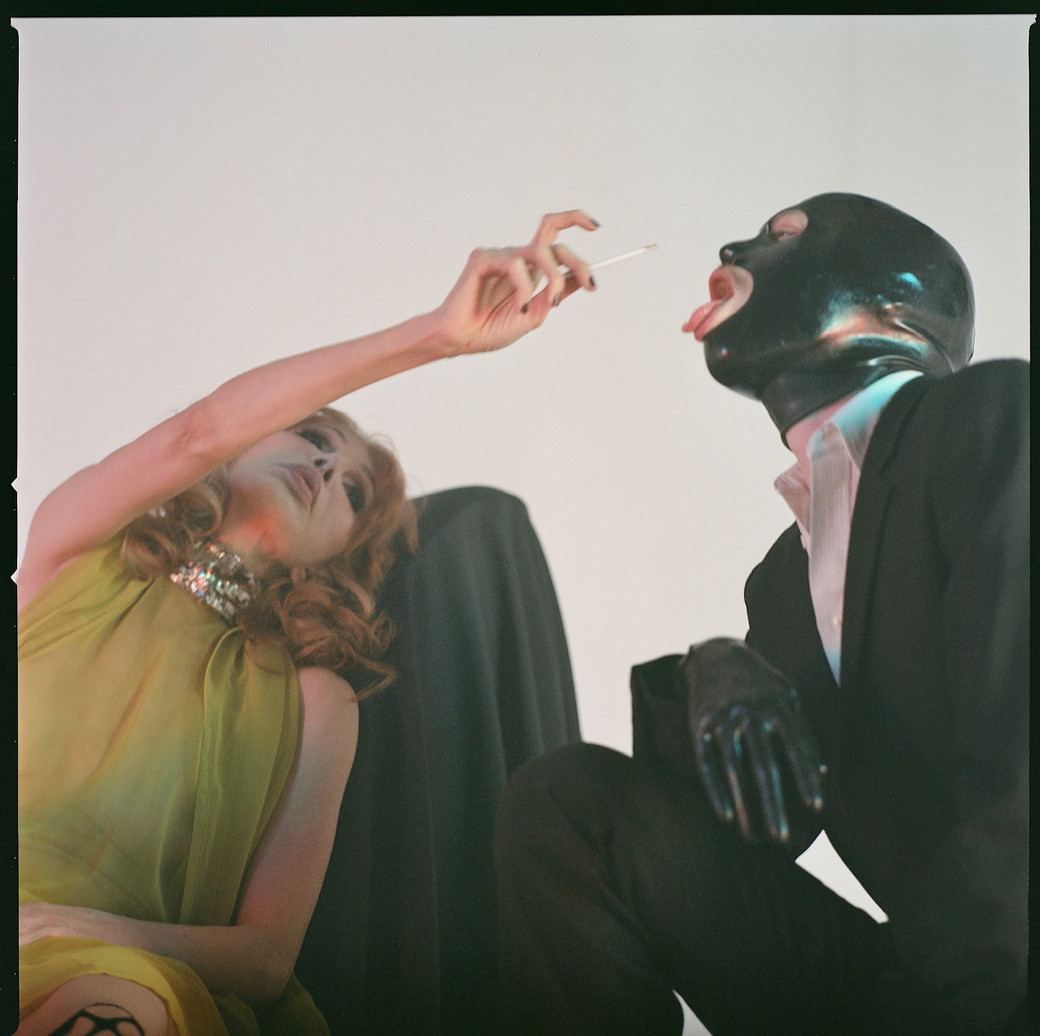
Lamar is a muse for the ages, a lens through which we can explore the love within both our hearts and others'.
Check out the video and photos below.
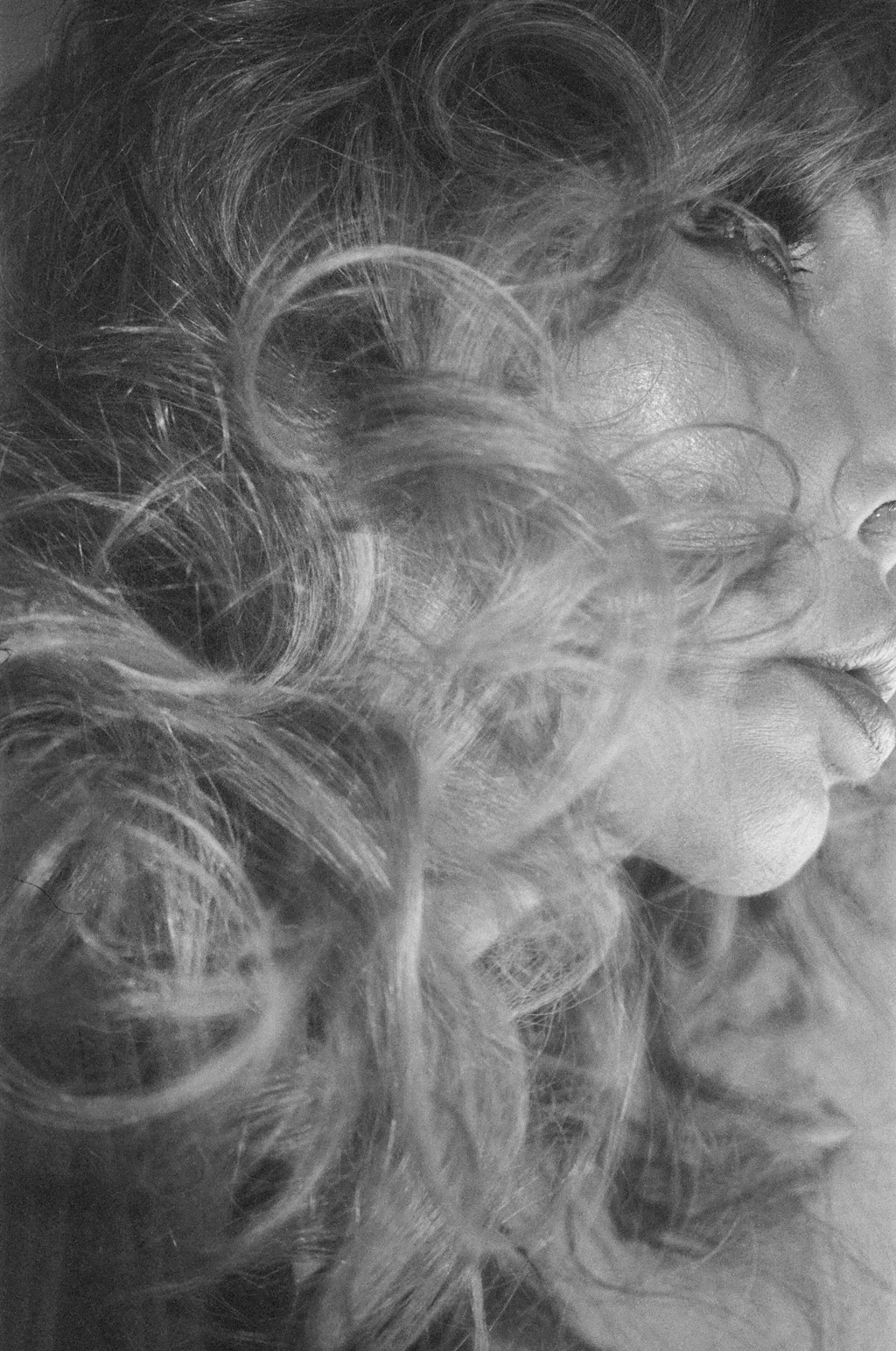
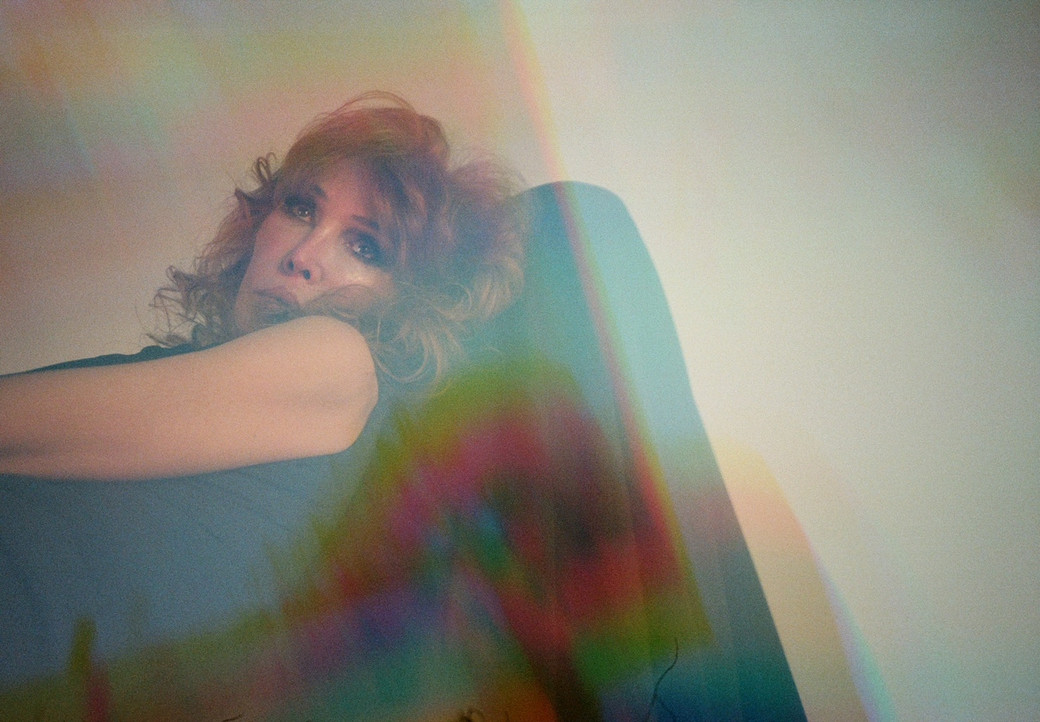
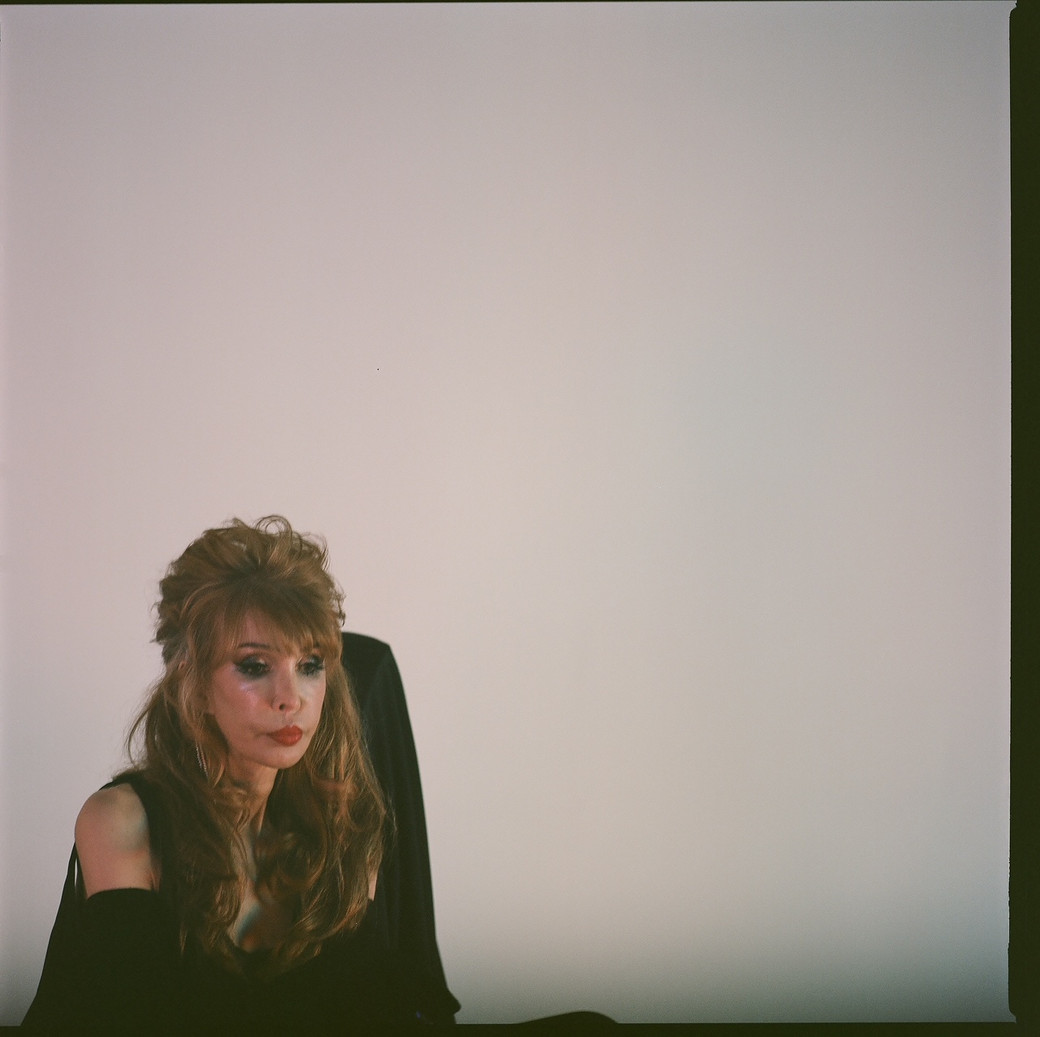
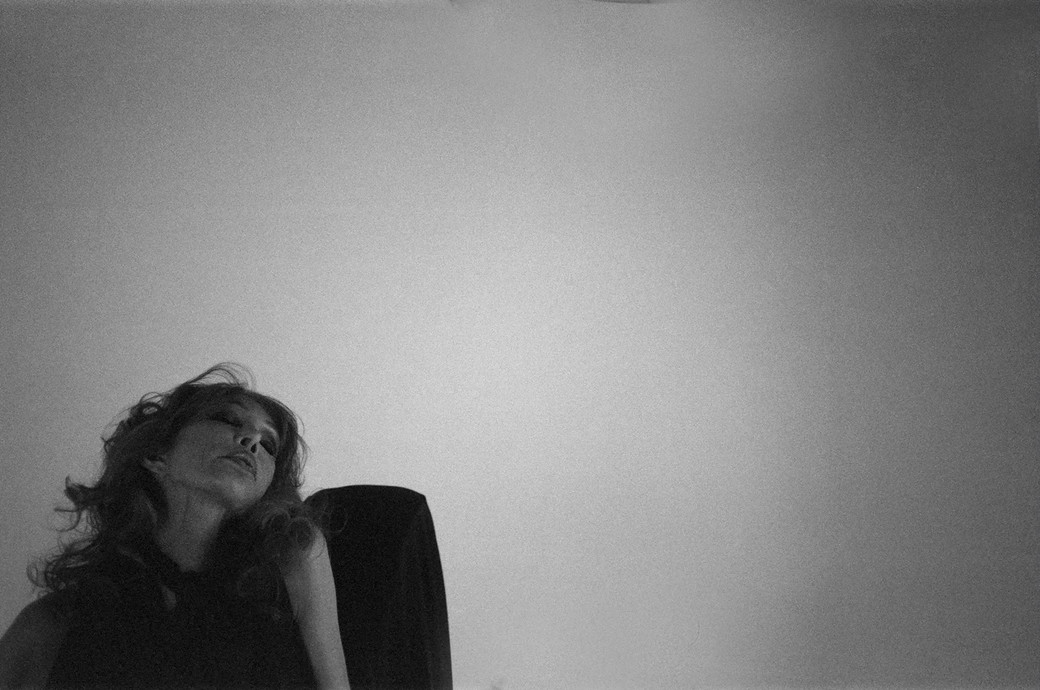
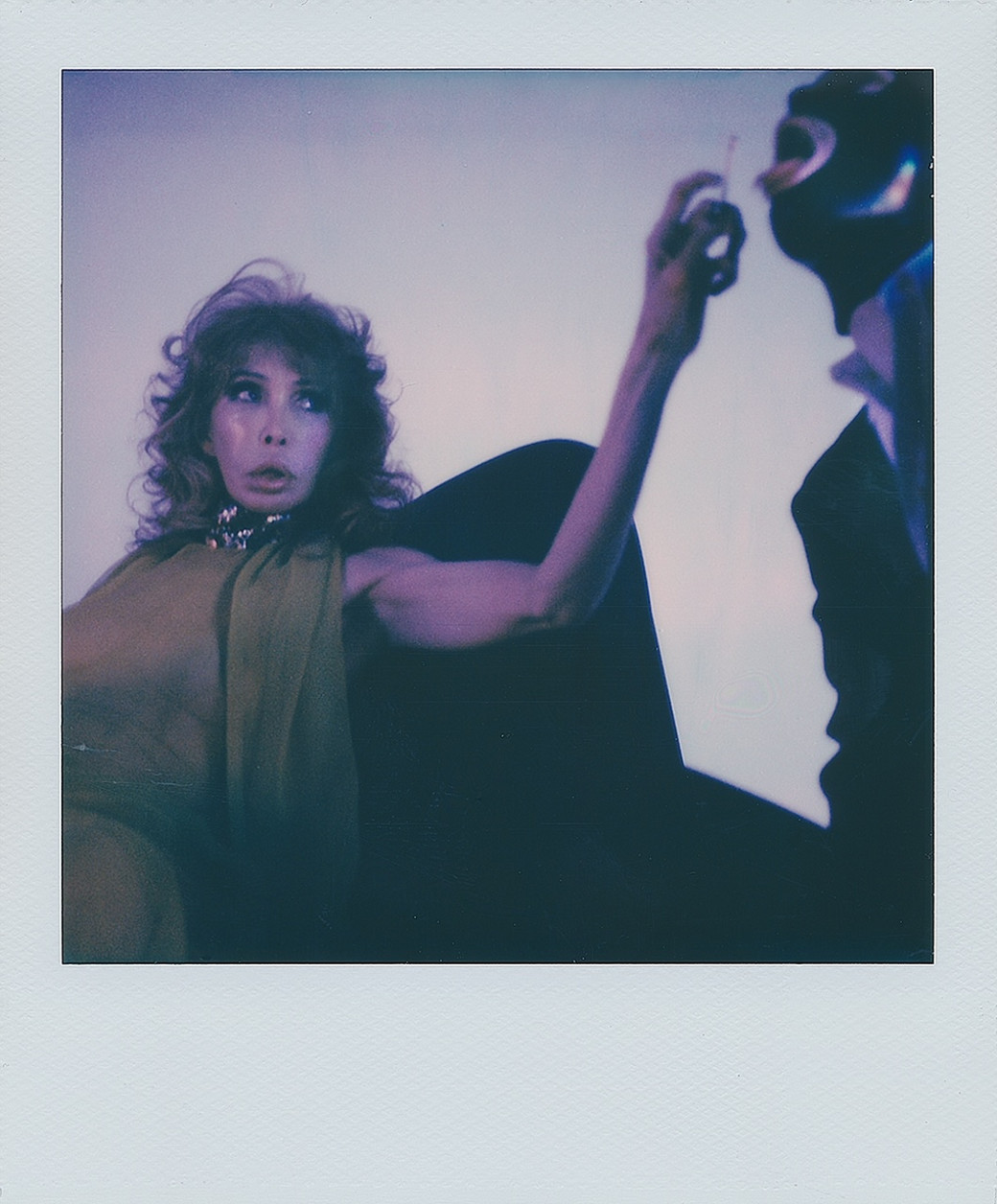
Lamar is a muse for the ages, a lens through which we can explore the love within both our hearts and others'.
Check out the video and photos below.

Mela is soft-spoken and confident, “Everything in my career and all that I have learned throughout the years have been leading me to this moment. Not the glamorized version– the emotional side, the exhaustion…everything that comes with single motherhood. I’m trying to convey it in this film because there hasn’t been anything, from what I’ve seen…nothing has been created like this on film about single motherhood.” She studies from time to time, her daughter, Amethyst, who patiently takes in her surroundings, contemplative, as if interested in what her mom is saying. Amethyst is a reflection of her mother—bold with eyes full of curiosity and life. This child, at not even 2 years old, is petite, yet so obviously mighty.

Mela was a product of a very young mother who had multiple children and was never without employment, working to make the ends meet. She struggled in motherhood, most likely silently, unaware of another way— a better way. “My upbringing was a bit bugged out, but full of love.” Mela is determined to break the cycle for her own life, but it seems, even more importantly, for others. Mela has created safe spaces for single mothers to gather and discuss their experiences. She has labeled these workshops, “Let’s Talk.” Mela has held workshops in New York and London, with plans for Los Angeles. She says, “The whole point of “Let’s Talk” is to let women know they can come forward, to vent, let go, and to know they have a support system.”
I think about the women and mothers who were inspired and forever changed–just her presence as she gently cradles Amethyst, has opened my heart. “I’m so happy for you,” she expresses to me. “This is such a transformative time. It’s major. Your life is about to change. You ready?” I know I am ready because of women like Mela. I had been watching her journey unfold on Instagram during her pregnancy. Fearlessly–posting videos of her and Amethyst’s father doing dance routines, pregnant belly and all. Dressing up for photoshoots or bearing her natural, naked body depending on her mood. Mela was very candid about her dissolved relationship with Amethyst’s father that segued into her new life of single mom-hood. Whether she knew it or not, Mela was an example of strength for soon-to-be-mothers; even Mela’s mother was inspired. Mela looks out of the window, proud and content, “She had never, ever been to Europe. I don’t think she believed it was able to happen. So now she wants to go to Italy. She wants to go to Scotland. She wants to see the world! …and I think it’s beautiful. She’s worked her whole life. She deserves it.”


After coming down from the elation of the Oscar nomination with The Florida Project, composing for Richard Russell’s latest album, Everything is Recorded, gaining an agent, constant traveling, auditioning for roles, short film directing, new-fangled matriarchy, and carving out a moment for herself–begs the question. How does Mela juggle it all? She just does. Love of your child will do that.
Special thank you to Maryam Nassir Zadeh, Carhartt WIP and adidas for providing clothing.
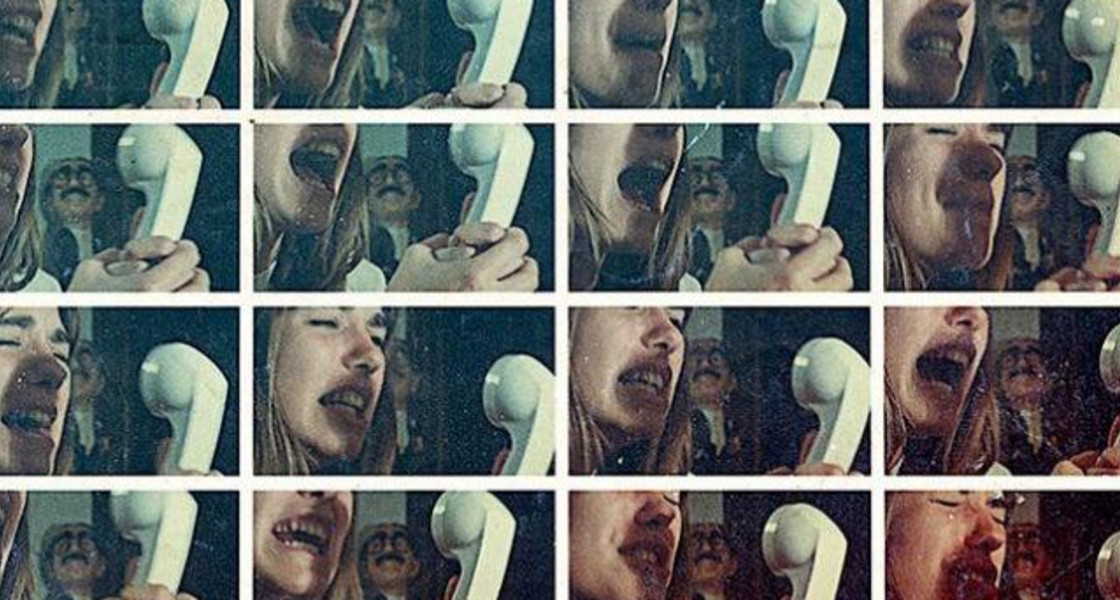
Classes at the Miskatonic Institute of Horror Studies embody everything you liked about college without the homework and mandatory group project BS. Offering up of-the-moment topical lectures like Black Horror: The Revolutionary Act of Subverting the White Gaze, (led by Dianca London Potts) alongside biographical explorations of true crime mainstays with classes like L.A. Despair: Chasing Death with John Gilmore, (led by Remy Bennett) the school endeavors to delve into the horror genre from all different expert perspectives.
Founded by writer Kier-La Janisse in 2010, the institute has grown from a one-off workshop for teens in a Canadian bookstore into an inclusive international community for horror lovers and scholars alike. Janisse’s inclination to cultivate a school for horror criticism was born of the fact that there simply weren’t any around before Miskatonic. And growing up as a major devotee of the genre, she found that most film critics didn’t take horror as seriously as they did other genres, like drama. So it was difficult to find scholarly discussion of her favorite works that didn’t condescend to the genre as a whole, which is sad for two main reasons: horror has always been a “women’s genre” as Janisse calls it, a place in film where “the female actor gets to shine the most, has the most to do and has the best lines,” and its producers have always pushed cultural boundaries before mainstream Hollywood producers dared to. So we’re stoked that Janisse had the gall to subvert the status quo, and create her own academy of terror.
office sat down with the founder to talk about horror’s charms and ignorance in the industry.
What made you open the Miskatonic Institute of Horror Studies?
As a teenager I grew aware of this disparaging attitude people had about the horror genre, thinking all the people who watched horror films were sadistic idiots –– that we didn’t have the intellectual faculties to be critical of what we were watching. And I didn’t find that to be true based on the horror fans I knew. All these things came into play when we were creating Miskatonic. We wanted to build a place where horror fans and people who were curious about horror could come together and talk about the genre from all different angles.
Aside from being a longtime horror fan yourself, what’s so important about the genre that you were motivated to create a school for it?
I’m interested in the historical aspect of it. Whenever I pick classes or teach classes myself, I pick a specific genre, director or era and run through the minutiae of it, because I’m really interested in how horror interacts with non-horror. Horror doesn’t just exist in a vacuum. There are experimental and documentary filmmakers that work with horror, and there are many people that collaborate across different genres.
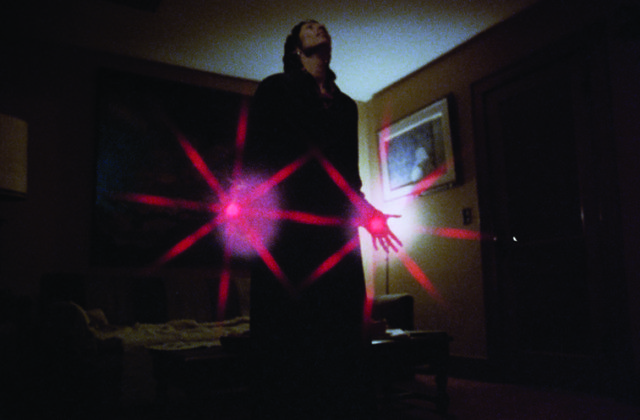
Horror affects things and is affected by things just as much as any other genre. What credentials do instructors need to possess in order to teach at Miskatonic?
They have to have written a book, be writing a book, or written extensively about their topic for a couple of years. I do require real expertise from the instructors. So I won’t get people to do a class just based on their being interested in their topic. Even regular universities are not valuing expertise the way they should be –– students are paying to be taught. They’re paying admission. So I require proven expertise in the topic.
What kinds of lectures does the school offer?
Some teachers are theoretical and get very deep into academic writings on specific filmmakers. We just had a class in February about black horror. There haven’t actually been a ton of black horror films since the beginning of cinema. But Dianca Potts, who taught the class, covered about 50 films and talked about how black characters are often so marginalized in horror, and how refreshing it is that that seems to be changing. We’ve had way more black directors and characters in horror over the last five years than there have been in awhile.
What about women in horror?
Looking at the shortcomings of the genre is part of what we do, too. I feel like racially the genre has always been a bit behind, but in terms of gender, it’s the only genre that always surpasses the Bechdel test. It is the only genre that has women just being female characters who aren’t relying on male characters, or talking about male characters or having anything to do with male characters. It is a women’s genre.
How has the success of Get Out affected the horror scene?
Hollywood studios for years were saying mainstream audiences would not go see movies about black and women characters –– and then last year all of those preconceived notions were just blasted out. People will go see black and women-fronted movies. So I think it really made people realize how much of a bubble they were living in, how they were not considering so much of the audience. That’s just white privilege and male privilege right there. They had to have those records broken right there for them to finally go, “Oh shit.” It took Blumhouse Productions doing Get Out, and they’re still relatively independent. But they’re taking chances on smaller budget films. They just proved that all these ideas Hollywood studios had about audiences were false and were based on white male privilege.
What’s your favorite horror movie?
I say Possession a lot of times, but that movie is so many different genres, not strictly horror. I’d probably say Carrie. It’s such an influential story to so many other films.
Miskatonic Institute of Horror Studies has branches in Brooklyn, London and forthcoming, Los Angeles. Individual classes at the Miskatonic Institute cost $12 in advance.

The idea— inspired by The Guardian's statistic that the average office worker spends around 9,000 hours in meetings during his career lifespan, in which 50% of the time is squandered— was ultimately put into action by Diesel founder Renzo Rosso’s experience and ethos: “The best decisions I’ve ever made were quick.”


Diesel has come a long way from jeans. Now a "lifestyle brand," they are branching out into scientific endeavors. Specifically: a space-age looking pod designed to increase productivity by cutting out distractions and adding a time limit. Sounds bleak? The minimal space is not just for aesthetic purposes. According to Rosso, the imposition of a time limit minimizes drawn out descision making and forces groups to "get right to the point." Inside The Capsule, hour long meetings are condensed into 15 minutes, the maximum time for occupancy in the pods. With descisions being made more quickly, workers can spend more time enjoying life, or simply working on something else.
Planned to set up shop at Wired Next Festival in Italy this month, participants of the Capsule will be recorded and published throughout the event. How participants will react to the sterile aesthic and minimal natural light is to be determined. And what's stopping pod users from reseting the time limit? Here at office, we're always looking for the next great idea. Who knows, maybe Diesel's new Capsule will be responsible?
Diesel's The Capsule is produced by Publicis Italy and is on display at Wired Next Fest in response to this year’s theme of Time. The Festival will take place in the Indro Montanelli Gardens in Milan’s Corso Venezia from 27 to 29 May.