For Lovers
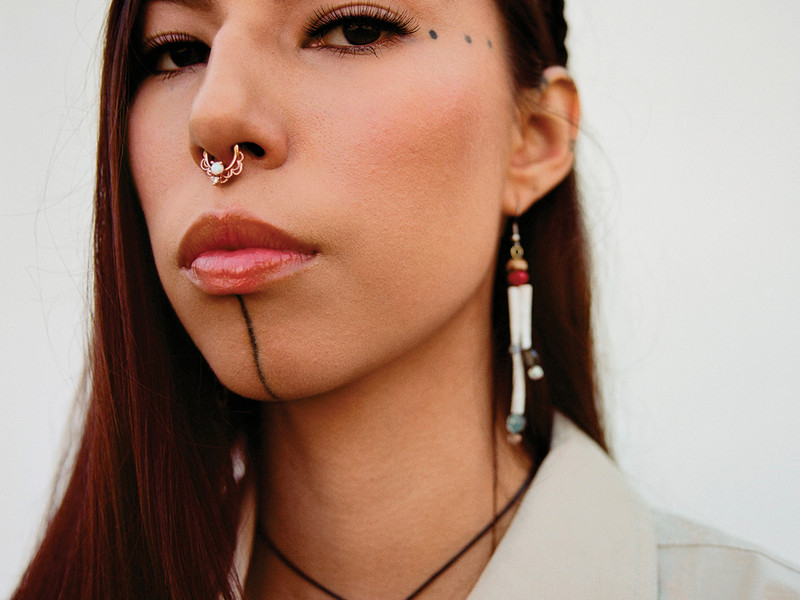
Lamar is a muse for the ages, a lens through which we can explore the love within both our hearts and others'.
Check out the video and photos below.
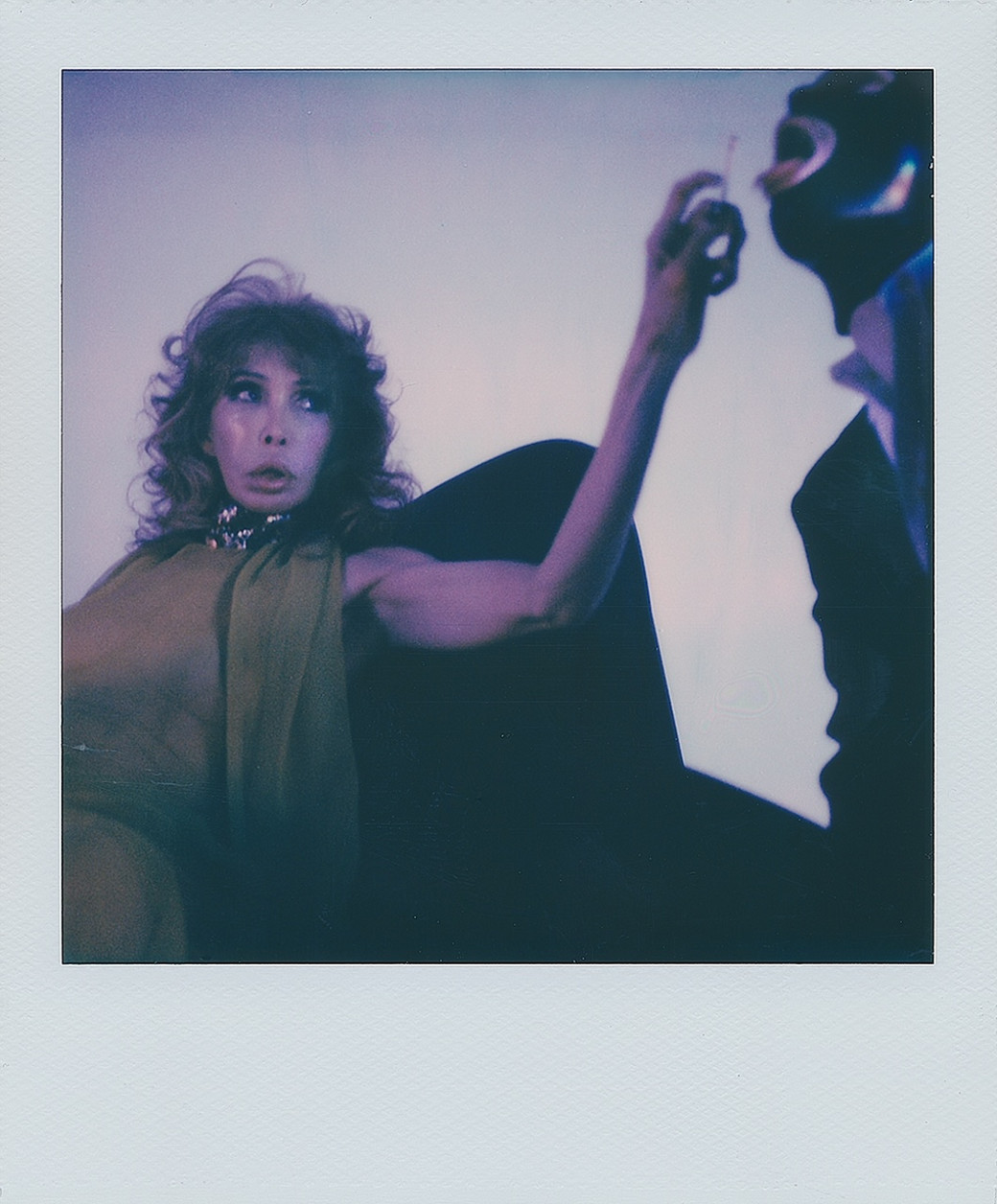
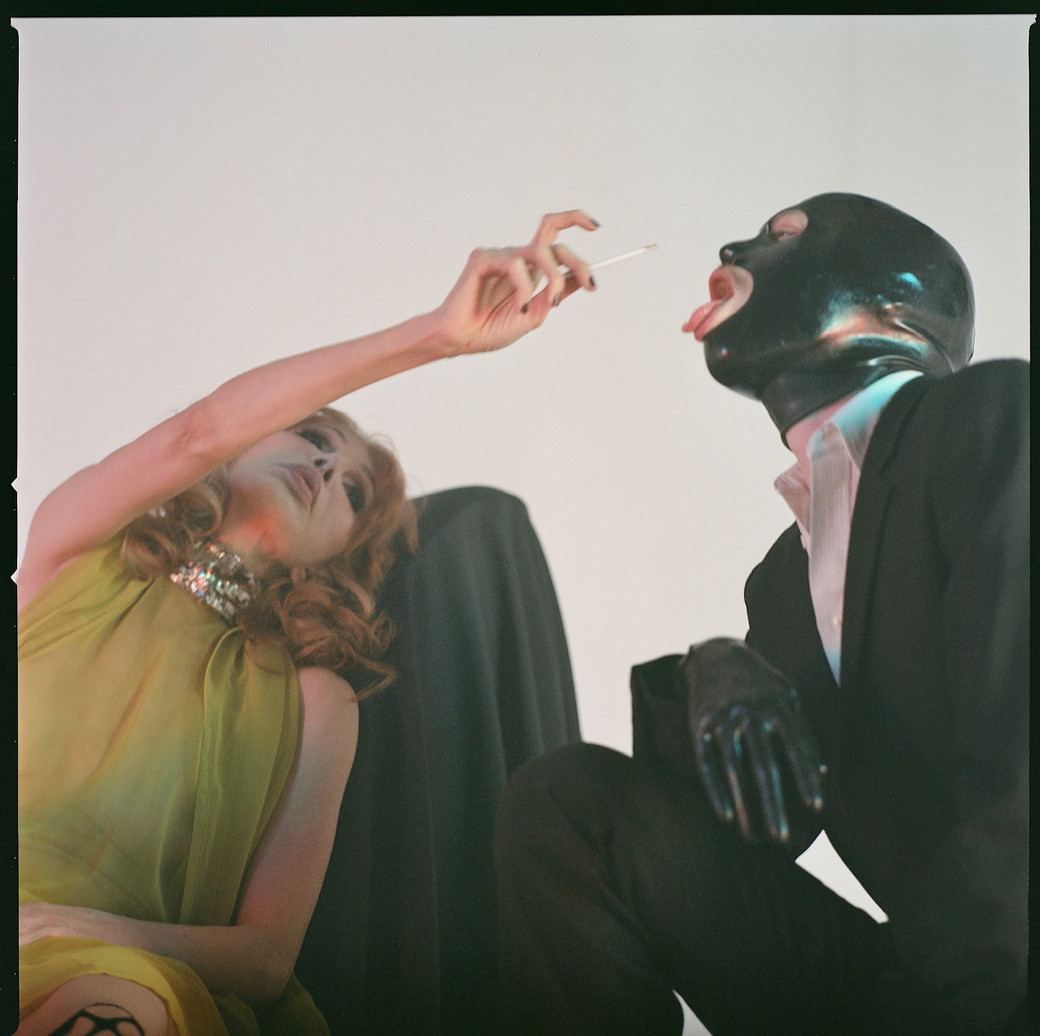
Lamar is a muse for the ages, a lens through which we can explore the love within both our hearts and others'.
Check out the video and photos below.
How did you come up with the concept of visual meditation?
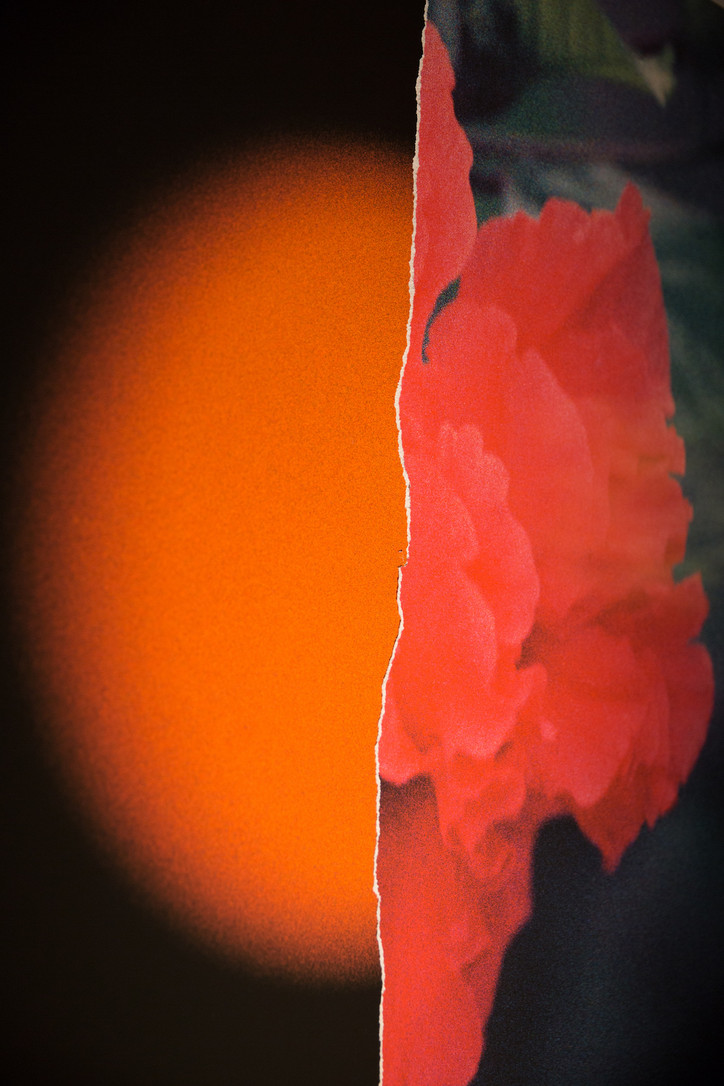
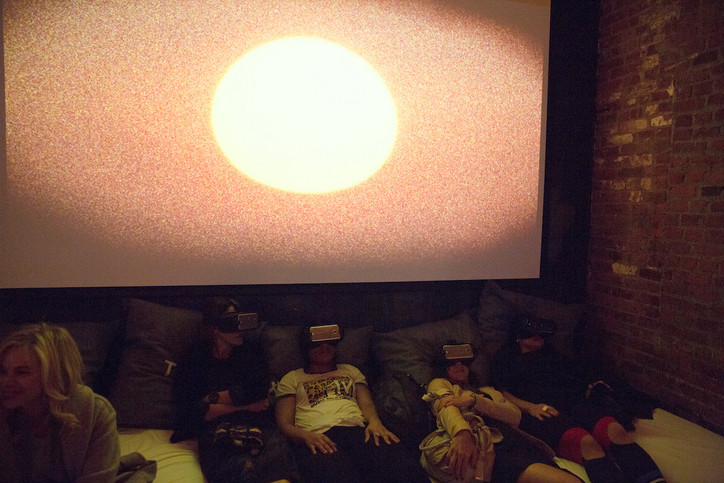
I was convinced there was room for minimalist art in the virtual space, and embraced the opportunity to begin working in a new medium. In my early experiments I aimed to create - a sense of peace and quiet from all the noise I felt I could we can barely escape on our phones, in our eyes, in our thoughts. It is hard to find digital content that genuinely attempts to connect with the human spirit and a deeper, more abstract sense of beauty. I decided to give it a shot. It was the first time I had to come up with a theory before I made the work - most of what I do falls under the umbrella of documentary photography, which means I have to see the moment right before it happens as opposed to making work with a physiological and/or psychological impact. I spent a lot of time thinking about brain games and perception - how the brain reacts to color, light, texture and then, crucially, sound. In order to make sense of the work, I create very, very basic stories in which the various images take on a character. For my first VR visual meditation “Light Has Memory”, the story was about a light particle gaining consciousness from passing through other collections of light. The best way to describe the work is as a visual meditation. The visual meditation in my exhibition is essentially an animated version of my new book, Yucatan.
Does VR help you present your work in a way that feels more suited to it than other forms? How does VR influence your work as you are in the process of making it?
I wouldn’t say that it feels more suited, but it is certainly different to look at a photograph on a wall versus being inside of a photograph, which is what the VR translations allow me to do. I think there is an intimacy in VR that is further than flatscreen. VR is one of the many mediums used for the output of my images.
What does augmented reality/the space in between mean to you, and why is it important?
Augmented reality indicates when a digital artifact is projected into your reality, merging the two. This could be on your phone or in hologram form. Part of the exhibition exists in an interactive virtual gallery space, which will live on, past the physical exhibition. I think it is more fascinating than important, but I do think that virtual spaces will grow as our physical space continues to deteriorate.

How did you find out about the energy vortex in the Yucatan Peninsula?
I’ve been to the Yucatan peninsula several times. It has a particular vibe. There are pretty wild parts of the area, and within them I feel I have the space to think differently. Once I looked up at the stars and I felt I could see millions of them. I had never considered it, but it dawned on me that they are very much alive and communicating with each other. That part of the world was run by the Mayans, and the Mayans are known to have a fetish for energy vortexes. The Yucatan is essentially the land of the Maya, who were obsessed with energy vortexes. They claimed that the cenotes (fresh water holes) in the region led to the heart of the Earth.
Would you consider yourself a minimalist? How does your work relate and diverge from that movement?
I wouldn’t consider myself a minimalist fully, but I do find peace and a certain amount of ego-death in and from minimalism that I cannot get from human subjects and our increasingly fast paced world. The work relates to the movement because it is deliberately simplistic, asking the viewer to take a step back and slow down. From a tech standpoint, I’m trying to do the most I can with as little as possible. How can I make a rollercoaster with two analog photographs of clouds? The biggest divergence is that my minimalist work is in the virtual medium.

First of all, tell me about yourselves!
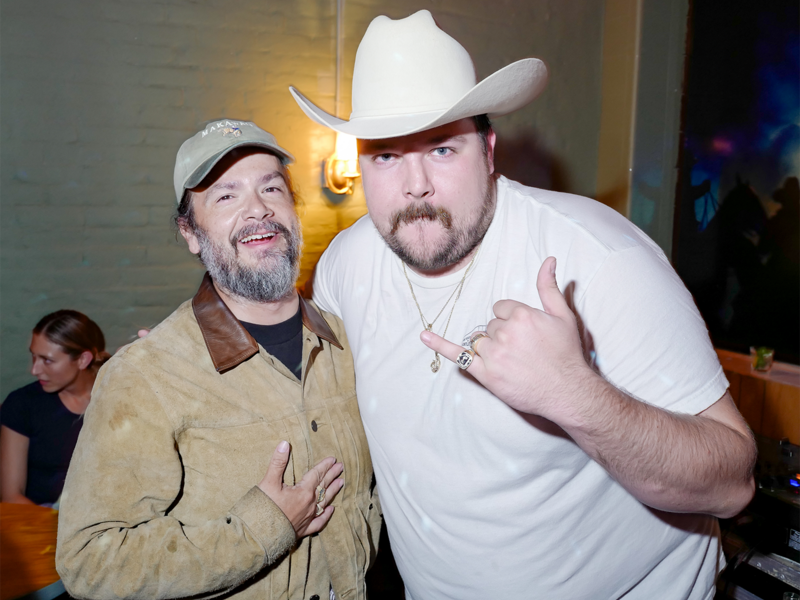
Emi Nishani I was born in the capitol of Albania, Tirana .After communism fell in 1990, my parents and I moved to a city right outside of Detroit. I went to college in Detroit at Wayne State University for environmental science. I currently work for an environmental consulting company monitoring air quality on deleading projects to acquire data on lead, silica, and dust levels in the surrounding communities. I have a dog named Pablo, he’s my baby.
Stephen Mcclintock I’m from Camden County New Jersey but after my dad got home from a vacation we moved to Jupiter where I went to high school. After that I kinda just couch surfed for most of my twenties living between Miami, San Francisco and New Jersey. Now I live and work in Brooklyn NY and I’m the owner/creative director for GX1000.
How did you guys come up with the concept behind this show?
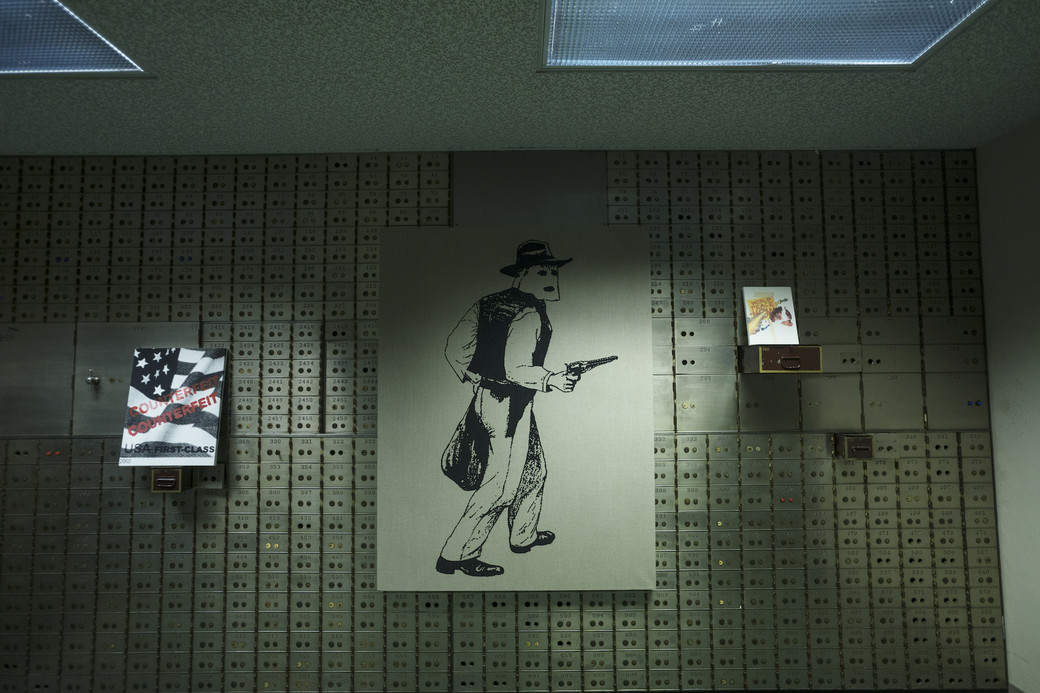
SM I worked a construction job at the Wilson Building in Camden in 2009 for a couple months to get some money to go to France. While working this job I met some crazy dudes who would come and go. I worked with these guys Nate and Reggie who just got out of jail. They use to rob banks and armored cars in Philadelphia in the 90’s. They would tell me all these insane stories about where they hide money, cars they bought and how they got caught. Those stories were always in the back of my mind. Reggie would drive me around to show me the sights of Camden in his pick up truck on his way to buy viagra from the corner store.
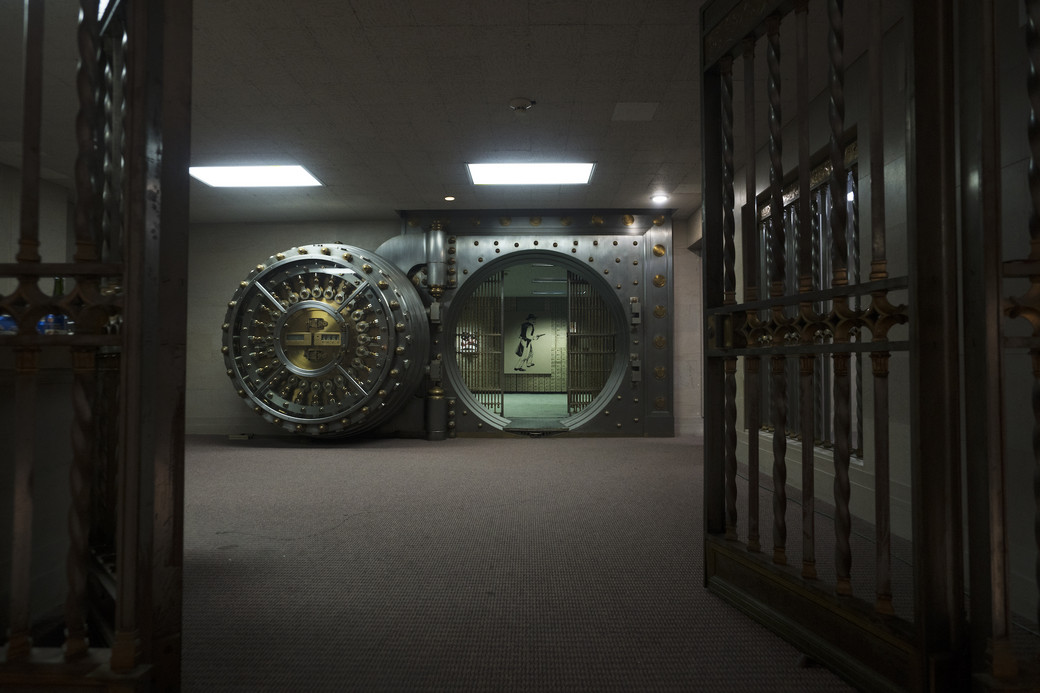
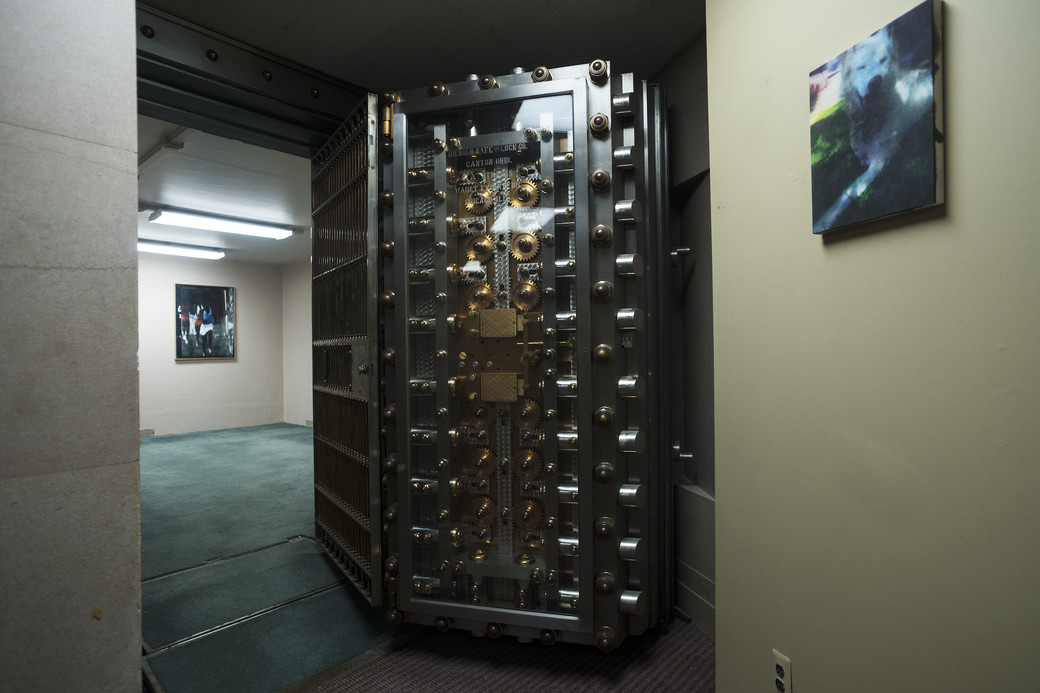
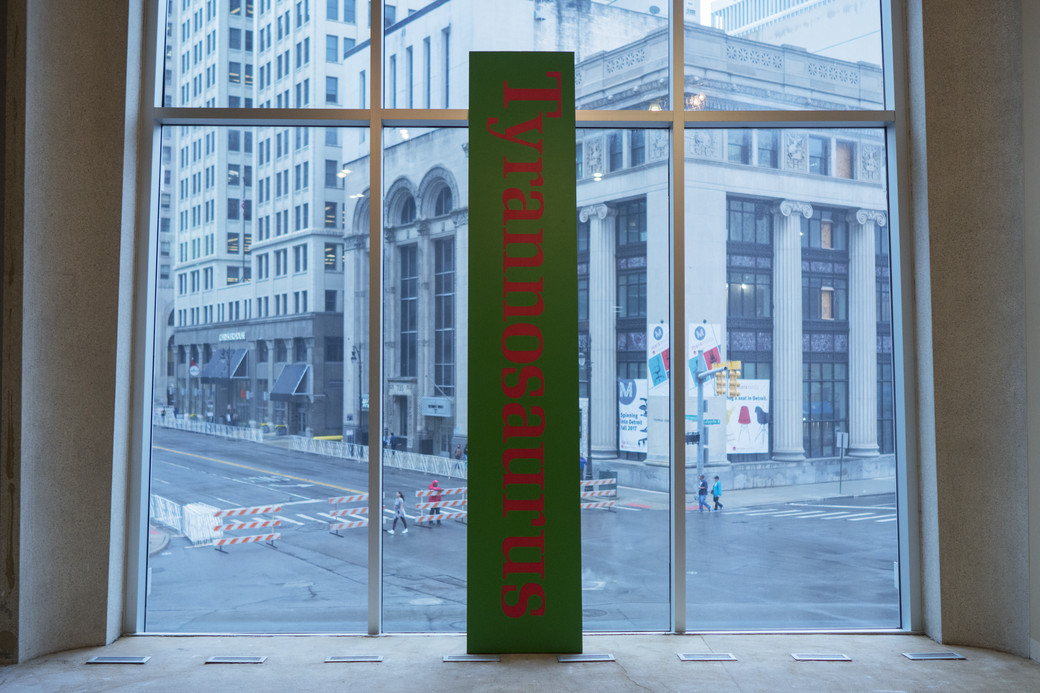
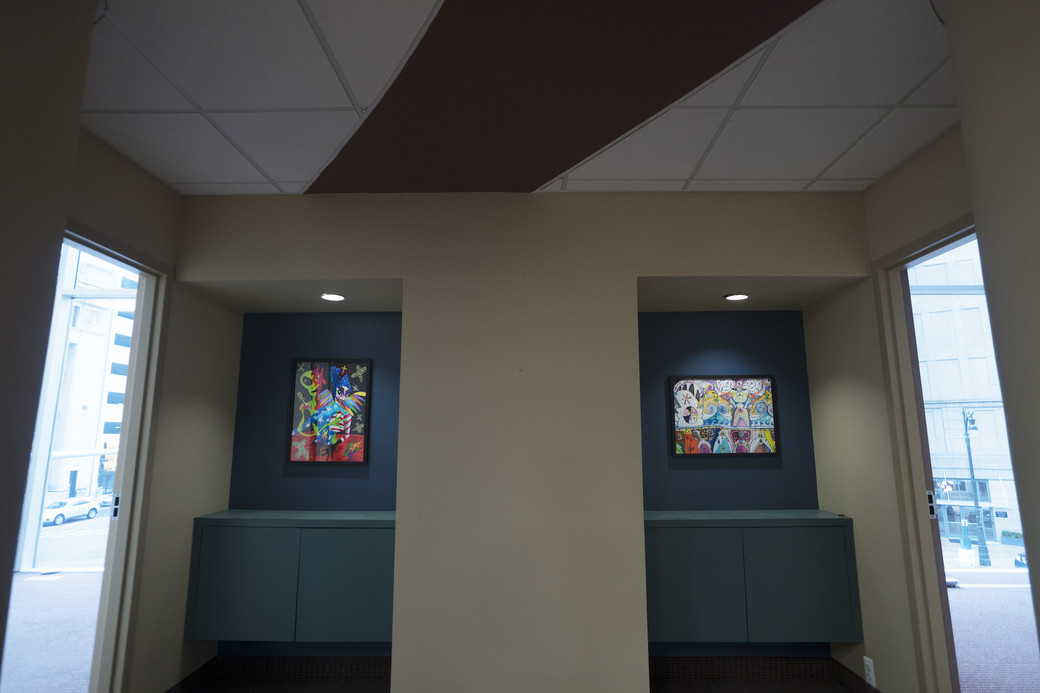
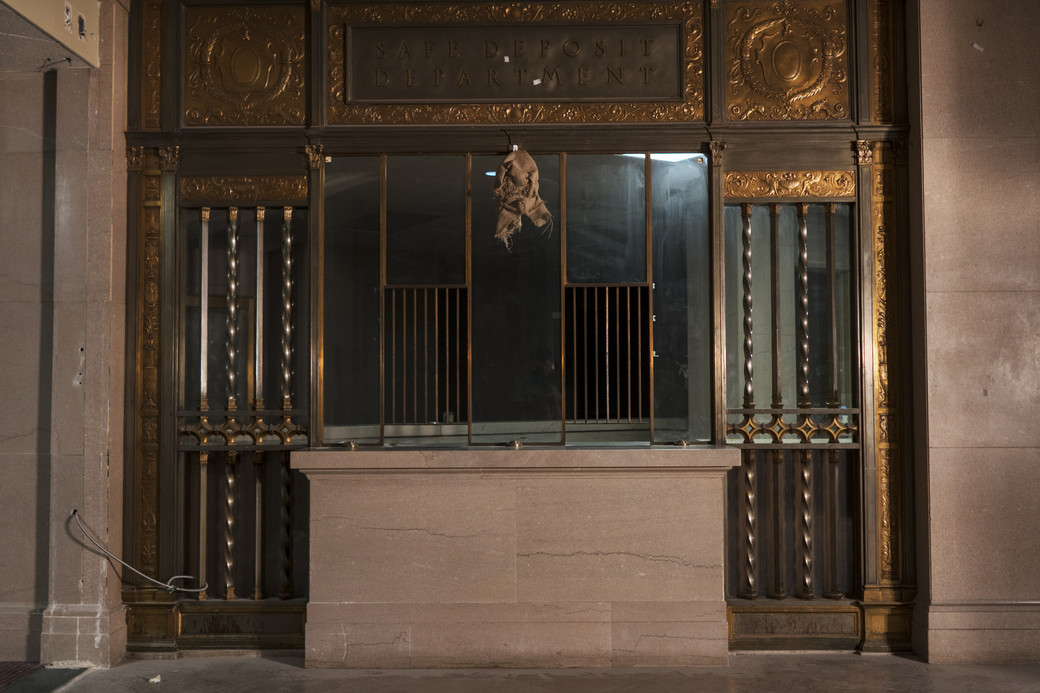
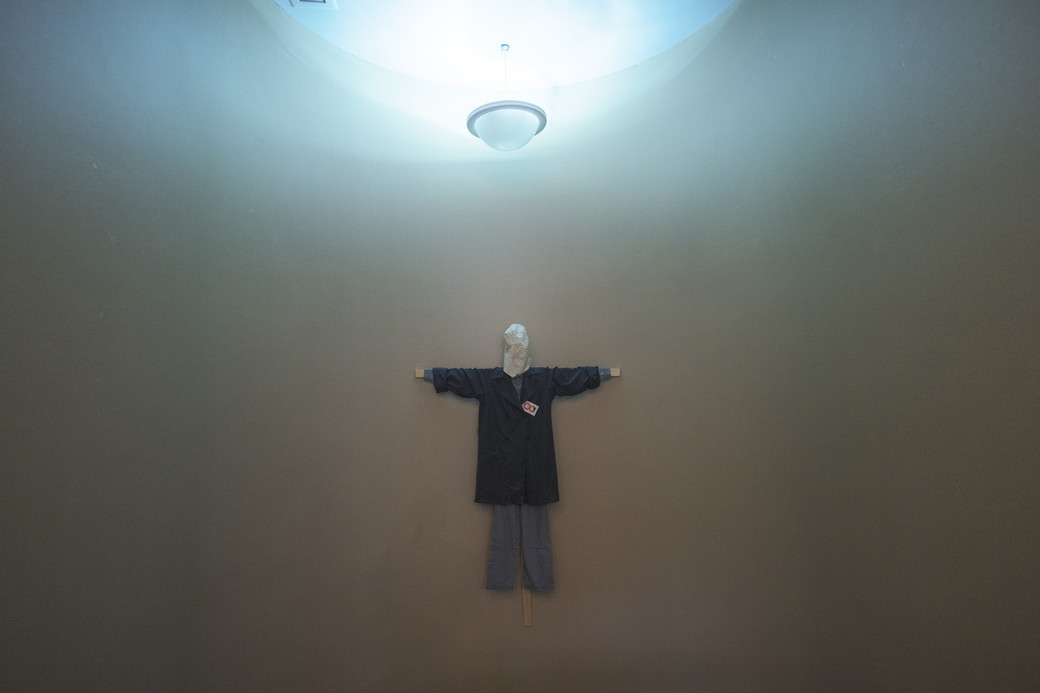
EN The concept began with Stephen’s bank robber paintings on linen. He thought it would be cool to show them in a bank. Once we locked down the bank in Detroit, we decided that proceeds would go to Flint. Flint is important to me on many levels, especially due to my education and line of work, as well as being from Michigan. The water contamination crisis was brought on by negligence, budget cuts and mismanagement of funds. So while we were having an art show in a bank, toxicity and currency kind of organically became part of the concept. We called the show “This Is A Stick Up” because artists are taking over the bank…
A lot of these artists including yourself are somewhat involved in the skateboarding community. Is that a coincidence?
SM Skating has a huge network of people, especially if someone used to skate. Some of the artist involved may have skated at one point in there life. Other artists in the show make work like they skate or are some punk kid hanging out behind an IGA shopping center all day waxing curbs but have never touched foot on a board, I think that’s pretty cool.
Detroit is an extremely interesting city in terms of art, how did you guys even go about getting this space?
SM Google Street Views
I’ve read about some pretty ridiculous bank robbing stories and it seems to be something that has always been somewhat romanticized…Do you think it's still worth doing?
EN Perhaps
SM If you can get away with it
You have an interesting mix of artists working in a range of mediums, how did you go about curating this all?
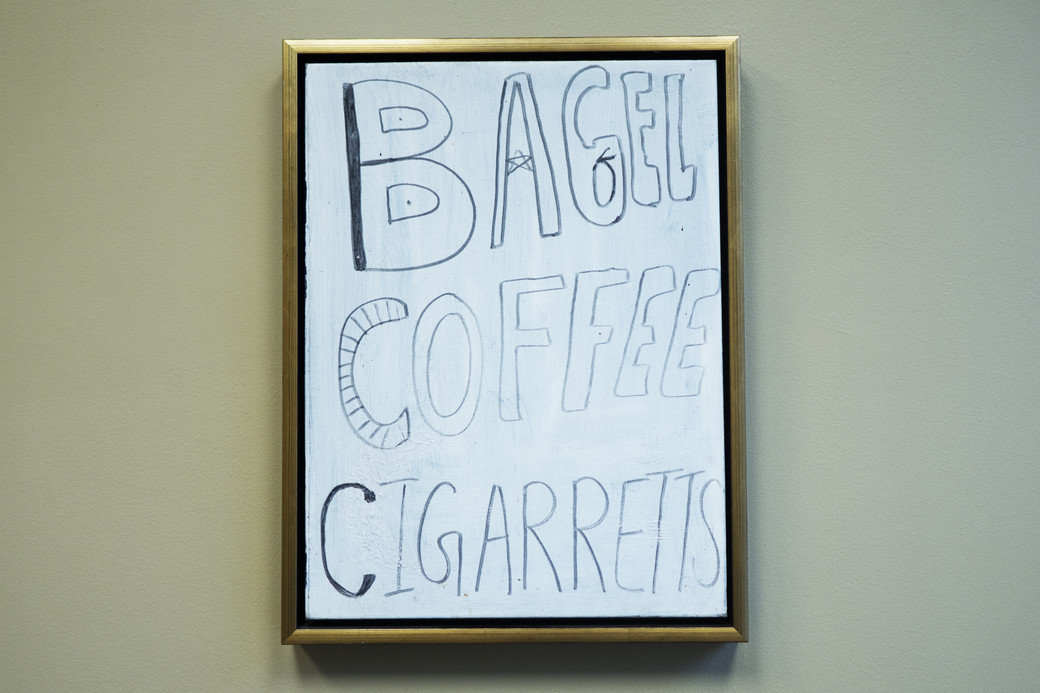
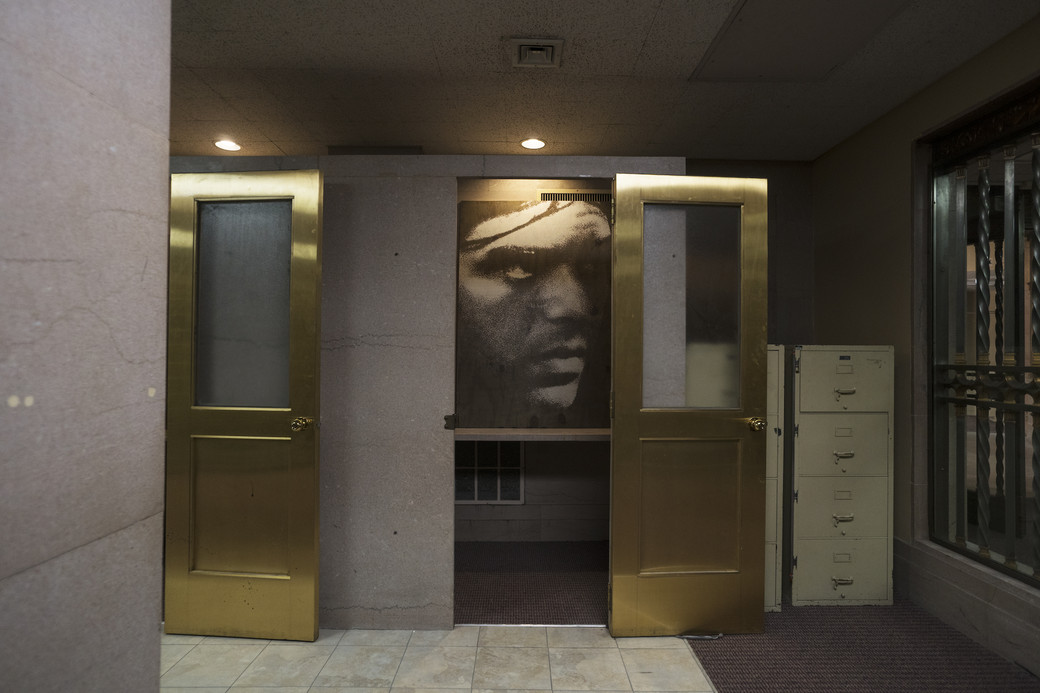
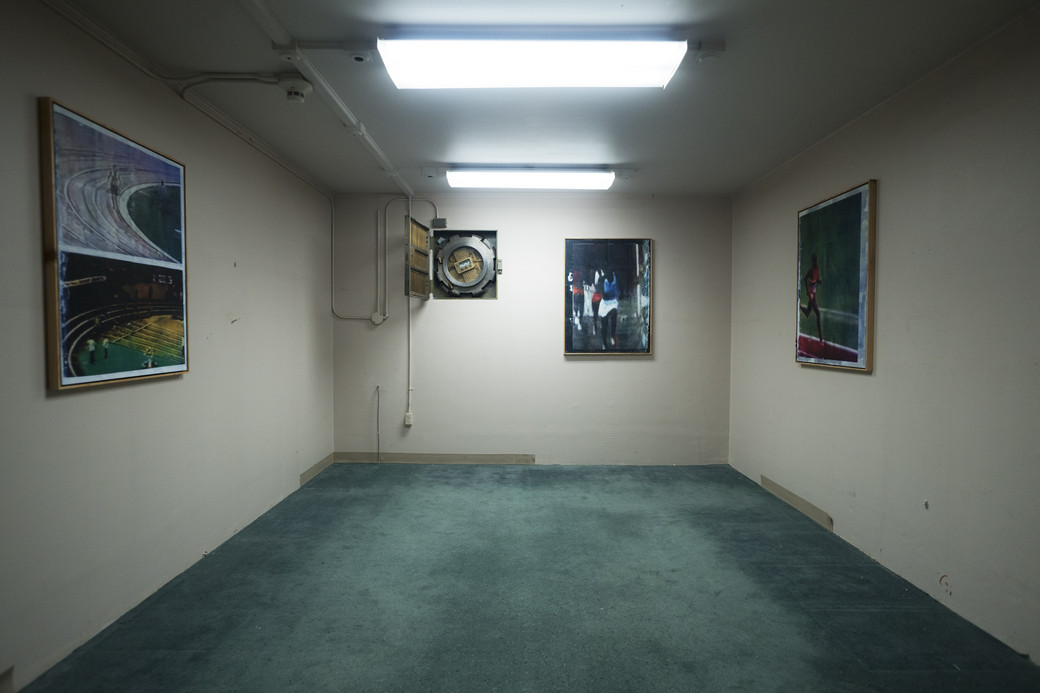
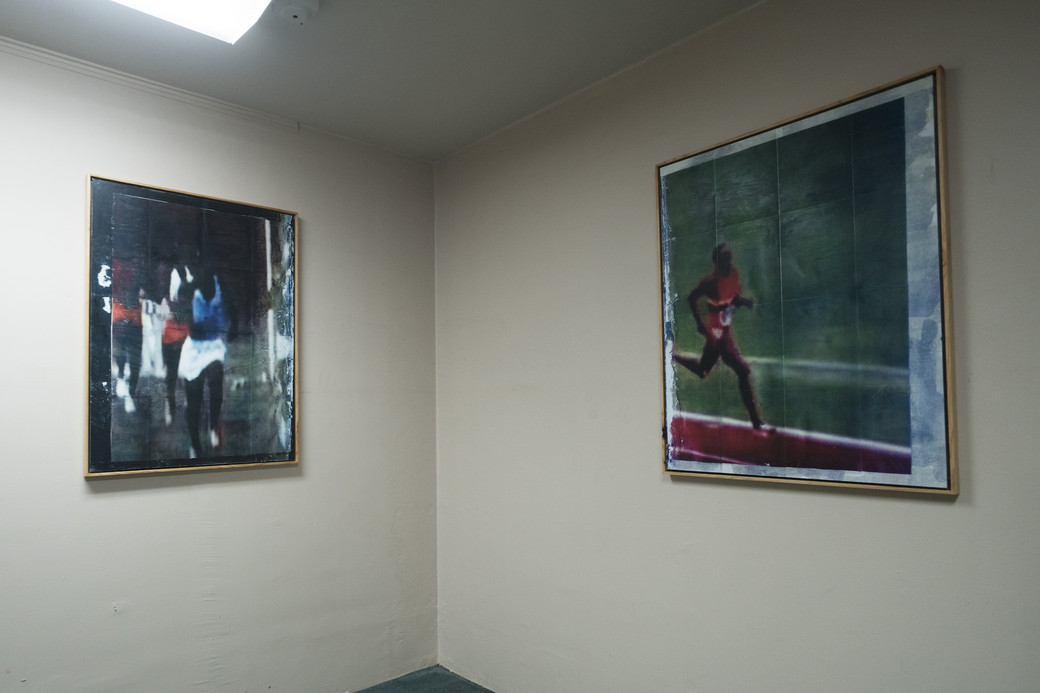
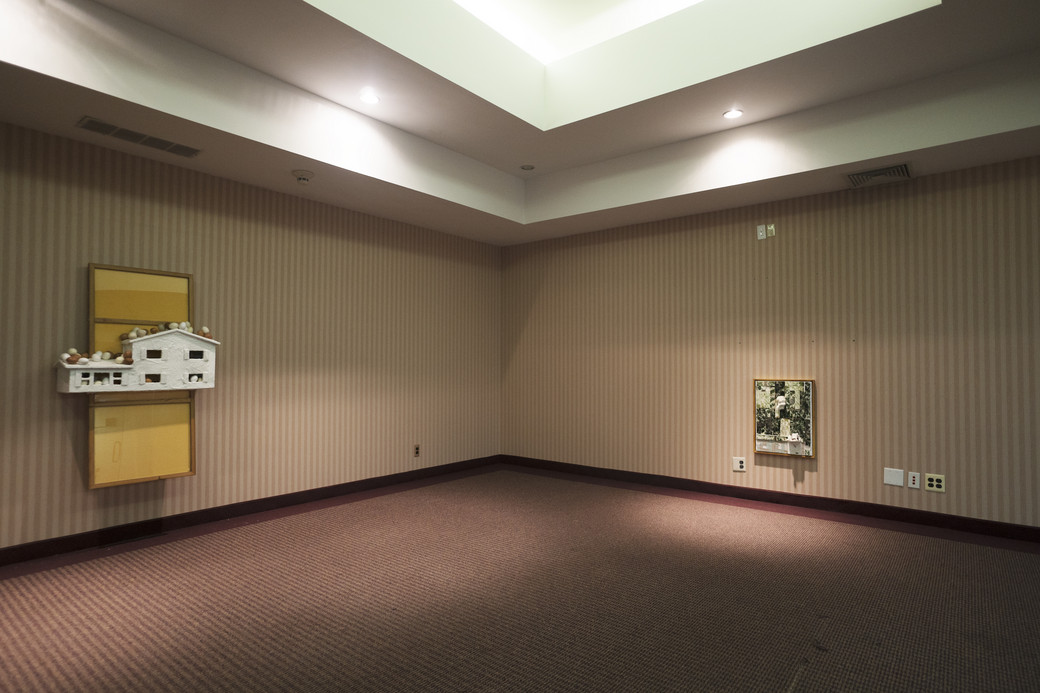
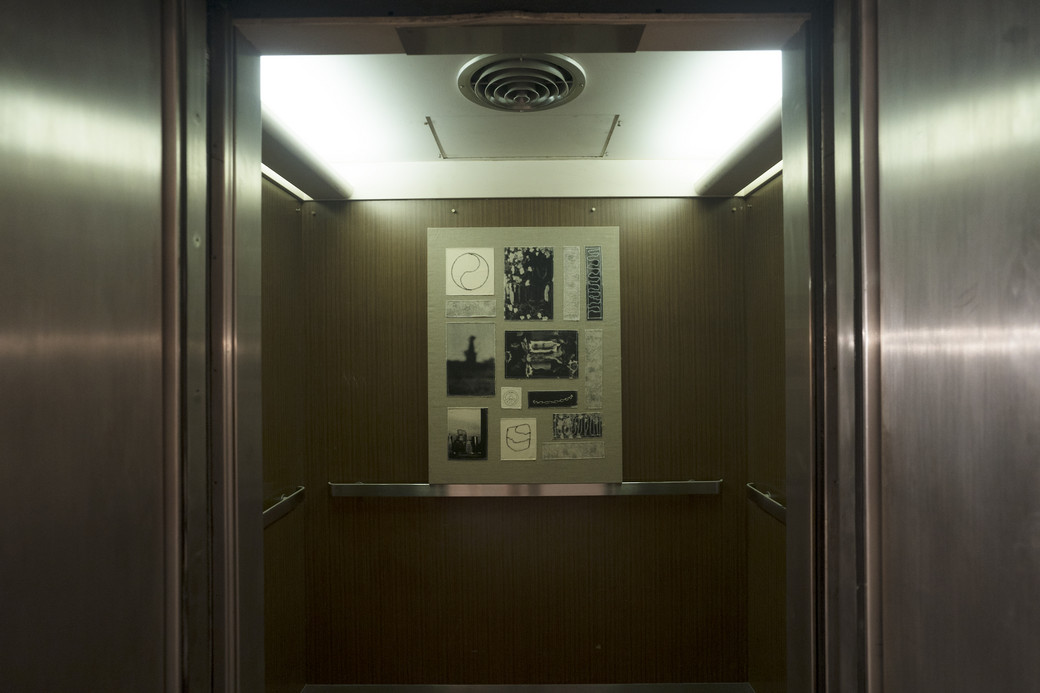
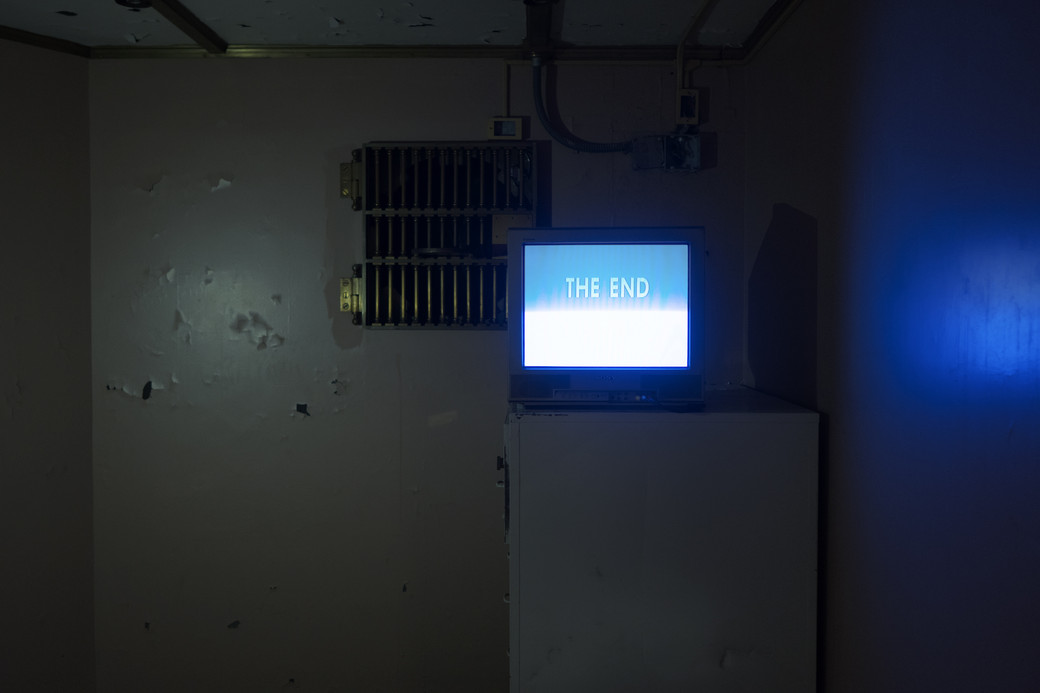
EN Curating was the most fun. The range of mediums made it even more interesting since there were so many unique attributes in the bank. We hung or placed work in vaults, tellers, elevators, and offices. Once we locked down the space, we selected artists whose work we thought would fit into this eerie setting.
SM Lots of emails
What scares you the most and why?
EN Bigotry and more animals and plant species going extinct. Bigotry because it’s like a lack of compassion and empathy, which is part of my definition of evil. And extinction because once they’re gone we cannot bring them back. They are innocent and add so much beauty to the world and also play necessary roles in our/their ecosystems.
SM Somnolence.