For Lovers
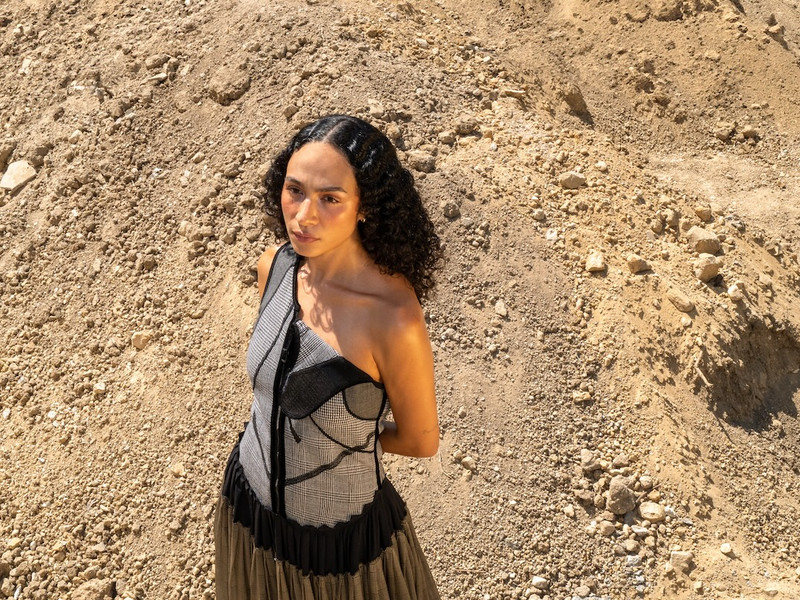
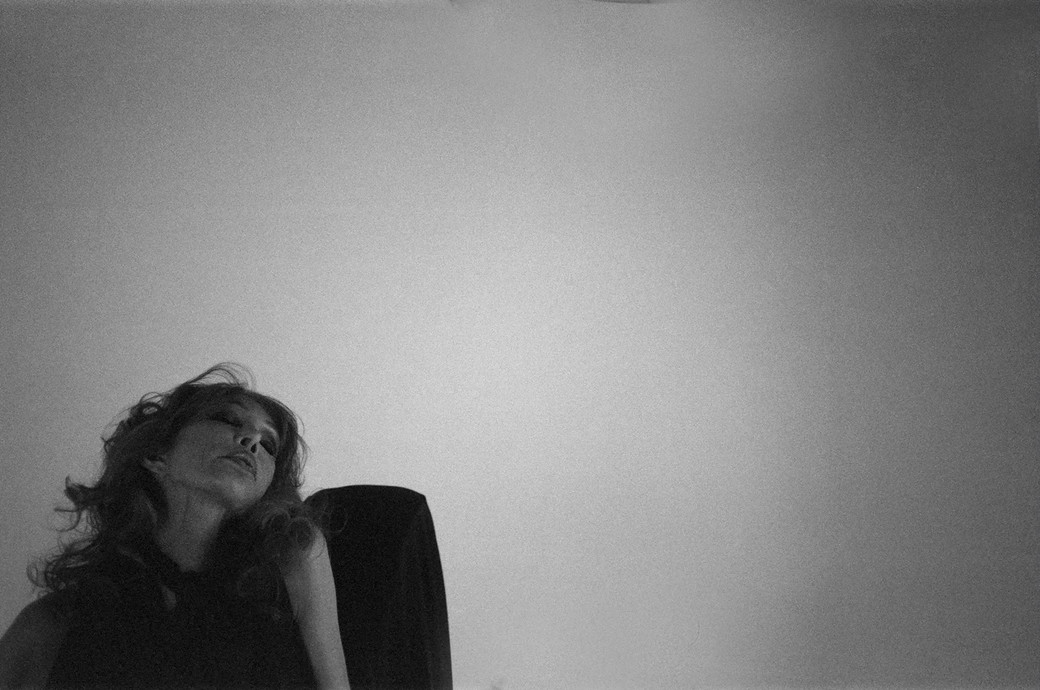
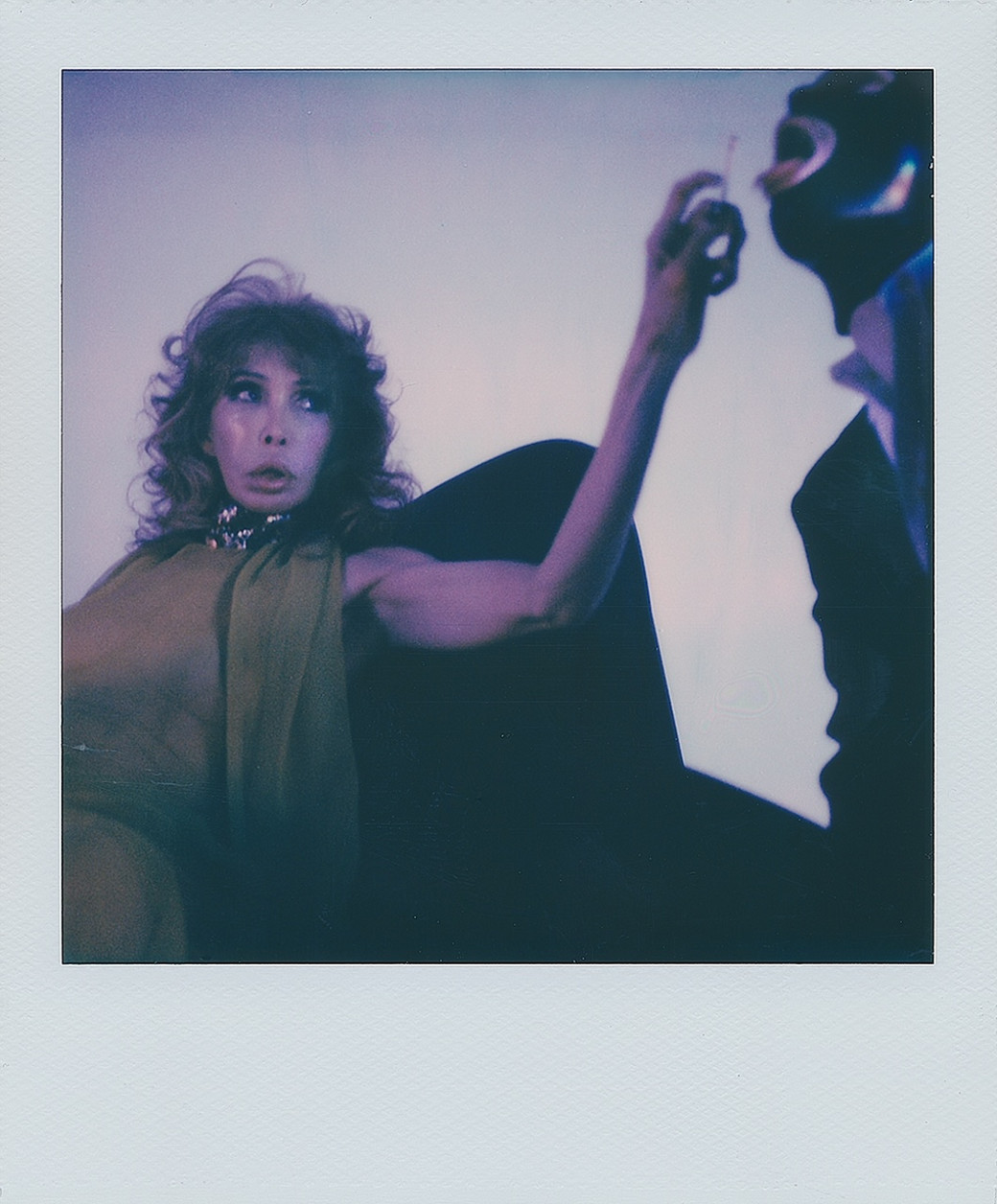
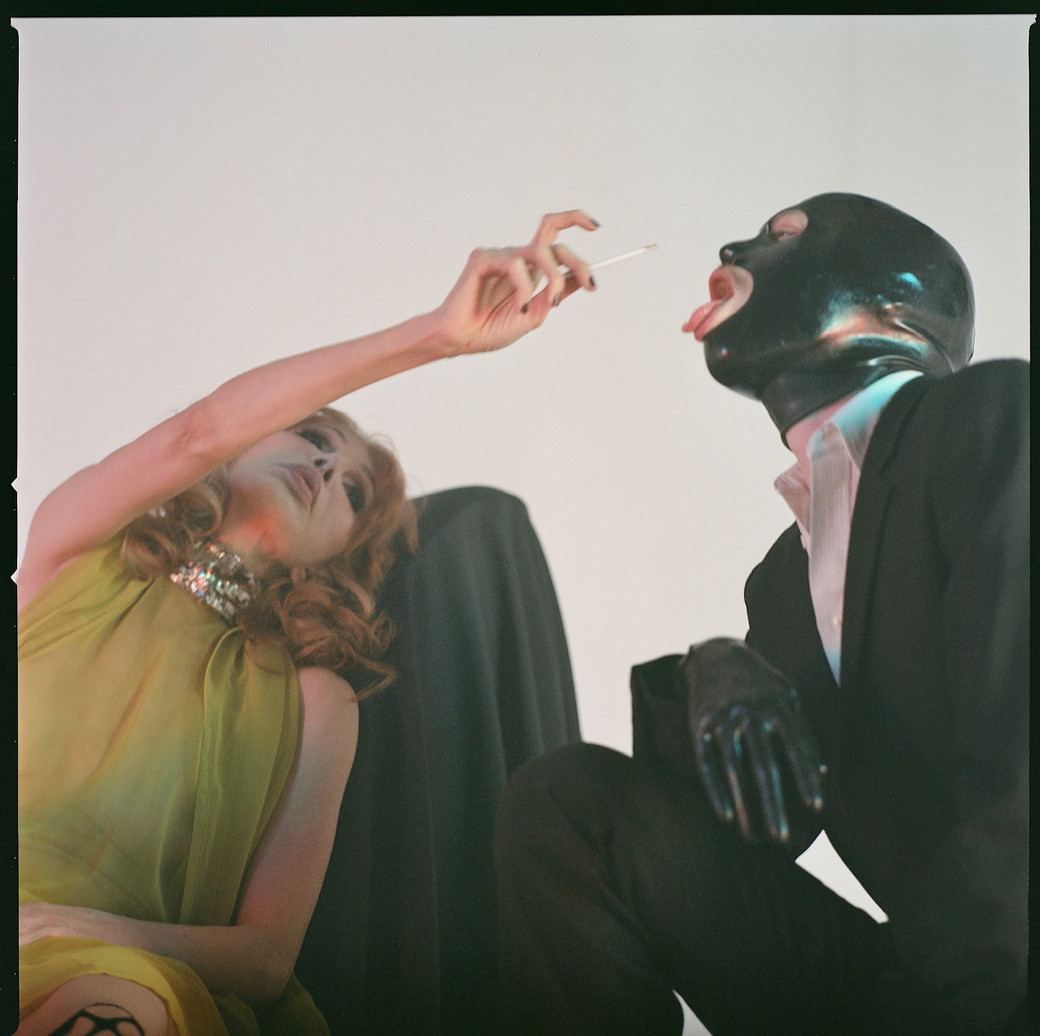
Lamar is a muse for the ages, a lens through which we can explore the love within both our hearts and others'.
Check out the video and photos below.
Lamar is a muse for the ages, a lens through which we can explore the love within both our hearts and others'.
Check out the video and photos below.

What’s the story you’re trying to tell with this picture book of your childhood?
I’m trying to show people where I come from through a perspective most aren’t familiar with. I’m trying to say something about my surroundings without talking.
How has it shaped your life?
My upbringing and the things around me shaped my perspective and how I look at the world today. My Father and I are opposites as far as our lifestyle’s are concerned.
When and why did you decide to make a picture book?
My Father and I didn’t really have opportunities to directly connect when I was young, so I wanted to make something special for my Father’s Birthday. I didn’t have the resources I needed to bring the project to life, that’s when Juston Tucker at Diamond Supply Co. stepped in and helped me curate the book.


Does your dad know about the book? What does your family think?
Yes, my Father knows about the book. I’ve tried sending a copy of it a few times, but it keeps getting rejected. My Dad is currently helping me on my next project by sending more content from prison. We’re working on compiling photos from his time in prison, gifts he’s received, drawings, all of that. My Family on my Dad’s side doesn’t know about what I’m working on because they don’t keep in touch with us.
What are you trying to give/say to the public with this book?
I’m just sharing life as a prisoner, showing you something pure and real. It’s like my Dad says, “You can’t fake the funk when it comes to doing time”.
Did you collect all these pictures yourself all these years or how did you got a hold of them?
My Mom collected these photos because my Dad wasn’t around, but now I’m in a position to do something with them. I’ve had access to all of these photos since I was a baby, but I’m only getting to work on this since last year.
How was the process of deciding what pictures to include?
A lot of the photos spoke for themselves, I was limited to what I could include due to the nature of who some of them were intended for. My Mom didn’t want any part of the book, so I had to make sure she wasn’t included in any way.

Is there any special meaning behind the name of the column? If so, what does “elsewhere” mean to you?
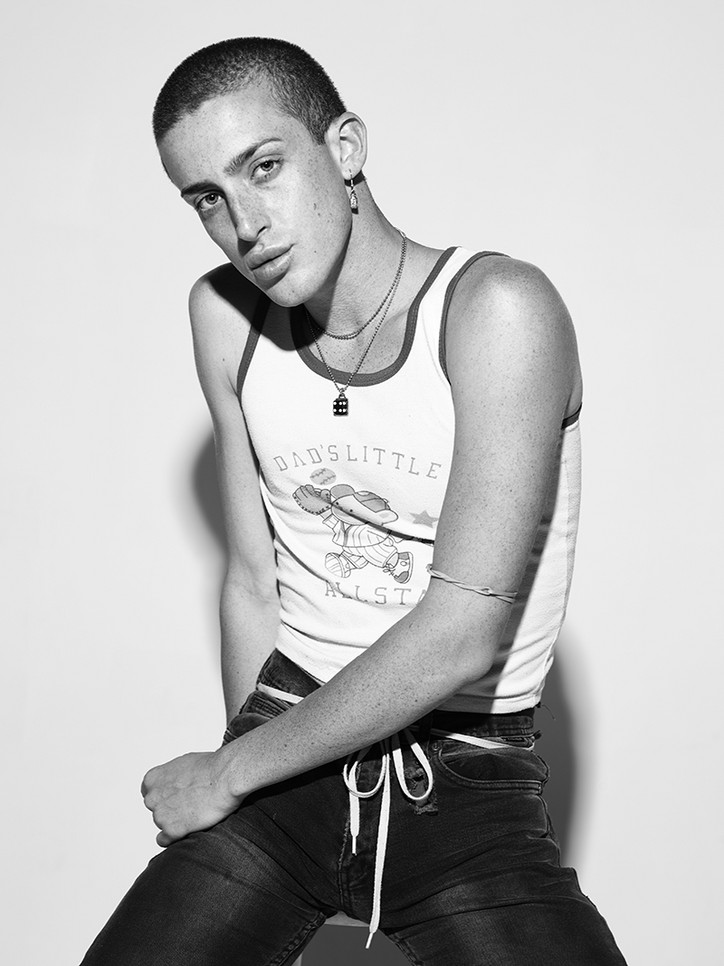
The original idea was to write a series of essays about my relationship with escapism. My writing has always been about risky behavior, but I wanted to focus more on the motivation behind it. Escapism was the first word that came to mind, then “elsewhere.” I’ve used all of those behaviors… the sex, the drugs, the issues with food… as way to escape my own brain, however momentarily. It’s super unhealthy. I know that now. But it’s been a huge part of my life.
#ELSEWHERE is being referred to as a “clinically depressed sex column.” What inspired this byline? Do you believe mental illness influences and/or impacts sexual behavior?
I was seeing a new therapist around the time I started writing the column, and he diagnosed me with major depressive disorder. The diagnosis up until that point had always been “unspecified depression,” whatever that means. It made a lot of sense and I felt it really applied to everything I was writing about.
And yeah, I totally do. I’m sure it’s different for everybody, but depression has had a huge impact on the way I deal with sex and intimacy. I’m still working on that.
Why did you choose to release these essays as an online column? Why not just write another book?
Ever since the release of my books, I’ve received messages online from kids who want to read them, but can’t because their parents refuse to buy them, which I totally get. I’m not exactly a great role model or anything like that. But these kids are usually going through some pretty heavy stuff and can really relate to what I’m writing about, so I always find a way to send them the PDFs. This time around, I wanted to release a body of work they could read right there on their iPhones without having to ask anyone for permission.
Do you ever worry you’ve created a “bad” reputation for yourself by writing as openly and honestly as you do? The stigma surrounding mental illness is still very real. Does it ever affect the way you write?
I don’t care. Just because I write about personal shit doesn’t mean anybody reading it actually knows me. It is funny, though. I meet people sometimes, and they’re really thrown off by my presence in person. They expect me to be some belligerent mess or some mopey Eeyore-like character, but I’m not. I mean, some days I am, but not every day. Real life isn’t so two-dimensional and one-sided. That’s what Instagram is for.
And fuck the whole stigma thing. It’s just stupid. If everyone in the world living with mental illness raised their hands at the exact same time, I think we’d finally be able to get over it. Silence rarely leads to progress. It usually just makes things worse.
Your sexual escapades increase drastically toward the end of the column, but the first few entries are relatively devoid of any sexual interaction at all. Why did you choose to include them?
Where the column starts off, back then, I still wasn’t “out” yet. I was drinking a lot and experimenting with drugs and stuff like that. It wasn’t until I came out that I began using sex as a means of escapism. I chilled out with the whole drug thing. Because I found a new way to cope, I guess. I thought that was relevant to the overall story, that shift in the way I was escaping and self-harming.
But the substance abuse does make a return in the final entry, prescription drugs and alcohol in particular. Where do you stand now in regards to recovery?
Most things do. It’s tricky to talk about. When you’ve got an artillery of self-destructive tendencies, it can feel like you’re playing Whack-A-Mole, sometimes. You get rid of one, and two others pop right back up. I’ve been trying really hard though. In my own way, at my own pace. I’m finally taking therapy seriously. I’m not drinking as much as I used to. I’m on ADHD meds, but they’re extended release and I’m not abusing them. Baby steps.
Did the (court-ordered) recovery program you mentioned in the column help you in any way?
I was 21 when I went through it. I’d just been arrested for a DUI. I wasn’t really listening to anyone’s advice at the time. I do think it gave me a sense of perspective, though. I found myself being really judgmental of everyone else and had to check in and remind myself that I was sitting in the exact same room as them. I fell off my high horse pretty quickly after that.
You made a bold move with the ending of #ELSEWHERE, specifically with the last two sentences. What was the significance of ending the column this way? When did you decide you were done?
The events in that last essay, at least while I was writing it, were very, very recent. I was still trying to process them. There wasn’t really an ending in sight in that moment. No real closure. I thought about getting rid of it entirely at first, but I decided ending it that way actually made sense. I’m 23. I have no idea what happens next. I don’t think you’re supposed to have a whole lot of closure in your early twenties. You don’t have to have a happy ending yet, and that’s okay. It doesn’t make anything you’re going through any less relevant.
Needless to say, the content of the column is controversial. What has the reaction been throughout the weekly release of these essays? Any DMs?
Divisive, I guess, but mostly positive and supportive. Lots of DMs, which is cool. I’ve been able to talk to the people who’ve been reading it. All mental health issues aside, growing up can be super isolating and confusing. It’s been really rad to read all these messages from kids who relate to the column and feel less alone because of it. I’ve even seen a few of them talking to each other in the comments and I think that’s great. I’m happy to know they’re feeling connected.
Most of the negative feedback has been from older people, which I think is just a generational thing. The rest is from people who think my comedic tone is mocking serious issues. And it is, sometimes, but they’re issues I’ve lived through and dealt with, so I feel I’ve earned the right to talk about them however I want. Life is funny even when it isn’t. I think it’s really important to be able to laugh at yourself. I don’t know what I’d do if I didn’t.
What is your response to people who believe you’re “glamorizing,” or otherwise “glorifying,” those serious issues?
I’m just bored of hearing about it. I’ve stopped paying attention. There’s nothing glamorous about anything I’ve written. It just so happens that I live in Los Angeles and sometimes work as a model. A lot of my writing is set against that backdrop because it’s where most of my life has taken place. I can’t change that, and I don’t see why I should have to censor myself or apologize for it. I think people just innately see that world as glamorous. That’s not my fault and it’s not my problem.
Now that #ELSEWHERE has come to a close, what’s next for you?
I’m stepping away from nonfiction, for a while, at least. It took two books and a column to do it, but I feel like I’ve finished telling the story I wanted to tell. I also think stepping back will help me with the depression and everything. It’s difficult going back and unpacking all that trauma to write about it. Exhausting, actually. I don’t regret any of it, but I think I’m finally ready to move on. I’m at UCLA now, workshopping my first novel, which I’m excited about.
But like I said, I have no idea what happens next. And I’m fine with that.

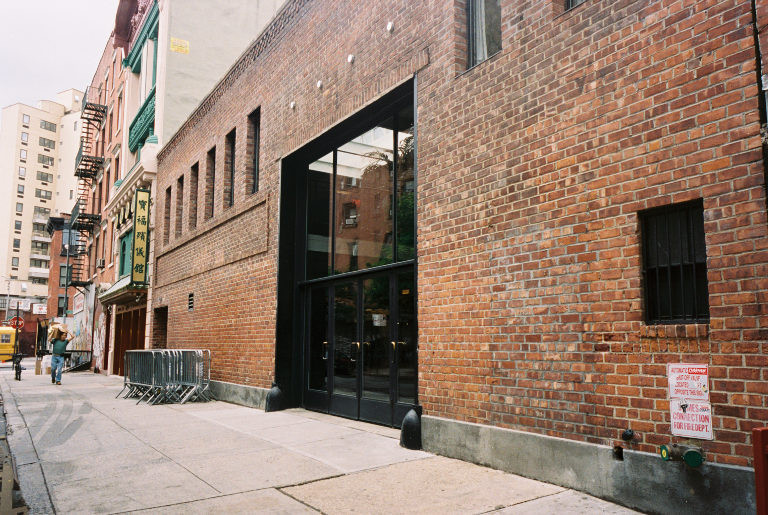
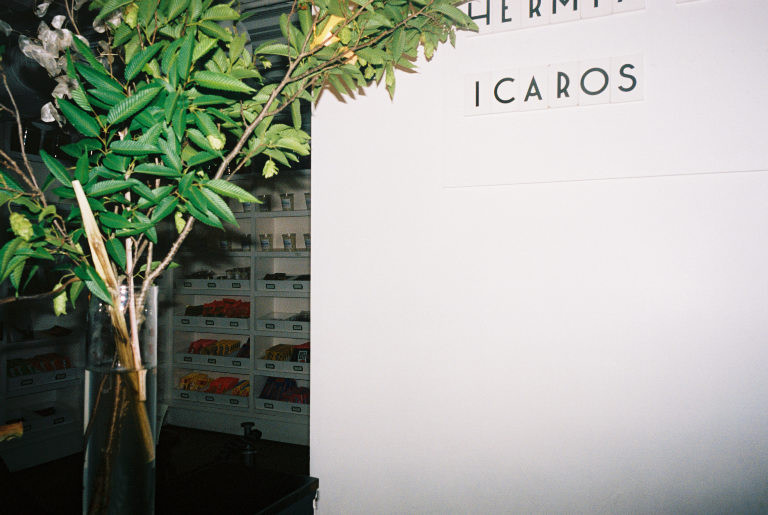
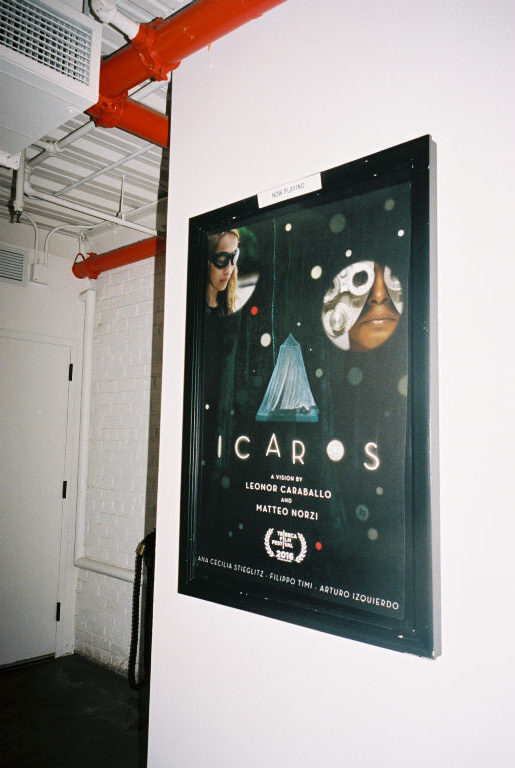
To finish up the month of May, alongside a Marlene Dietrich marathon, Metrograph was host to the 2017 film ICAROS : A Vision, based on the true accounts of one woman’s experience in the Peruvian amazon at an ayahuasca retreat. The weeklong run of the film was accompanied by lectures from the director, writer, and various professionals who have studied the psychoactive plant.
The screening and lectures included talks from the director Matteo Norzi, writer/producer Abou Farman, and Ivy league professors, as well as doctors who study psychoactive drugs and sound therapy, and notorious philosophers, sociologists and ecologists.
Somehow the film was surprisingly subtle and beautifully restrained in any sort of ‘trippy’ overkill— I was not reminded of ‘Yellow Submarine’ even once, and even for a skeptic of the entire concept, the film and overall experience was astonishingly mind-altering in itself. With zero personal experience and/or interest in ayahuasca, I left feeling open and curious.
You can expect that here, the lectures that Metrograph sets up are consistently dynamic and deepen the experience of whatever film you might catch, as was proven true with their curation of the ICAROS screenings.
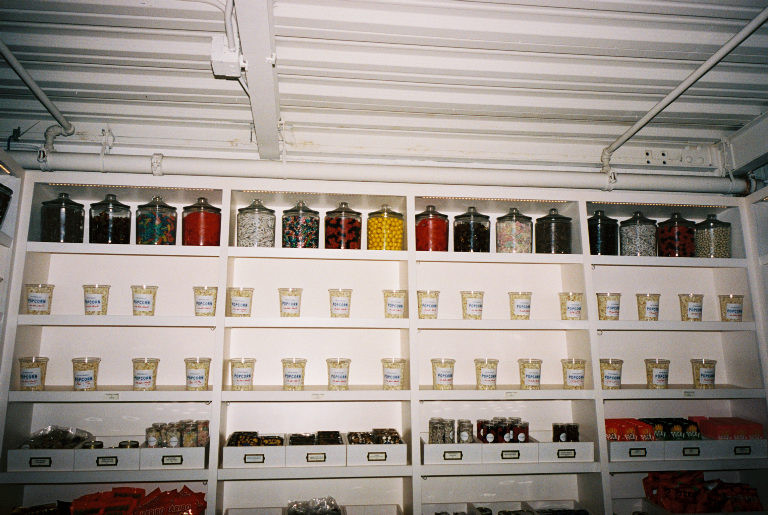
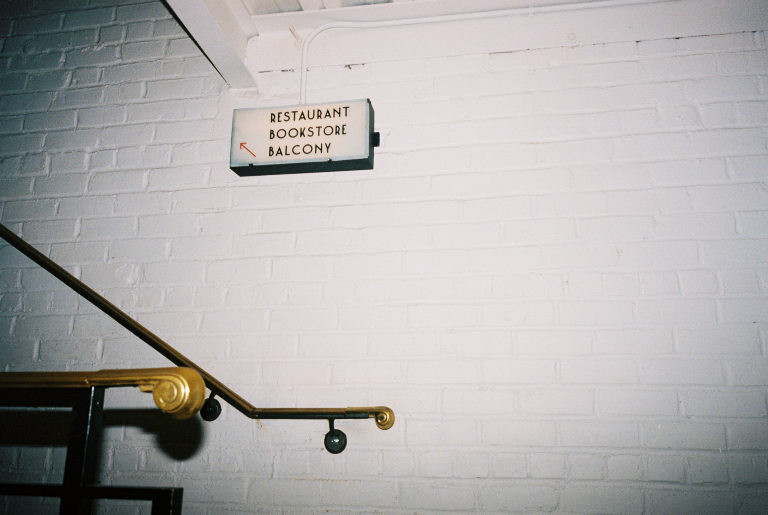
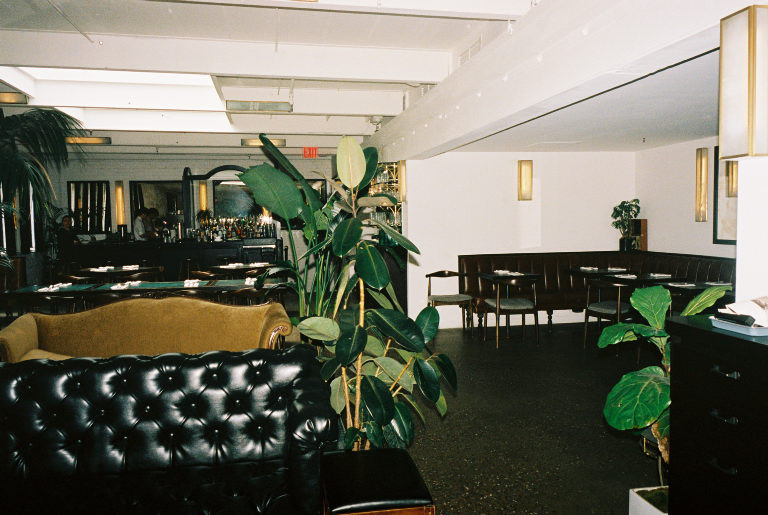
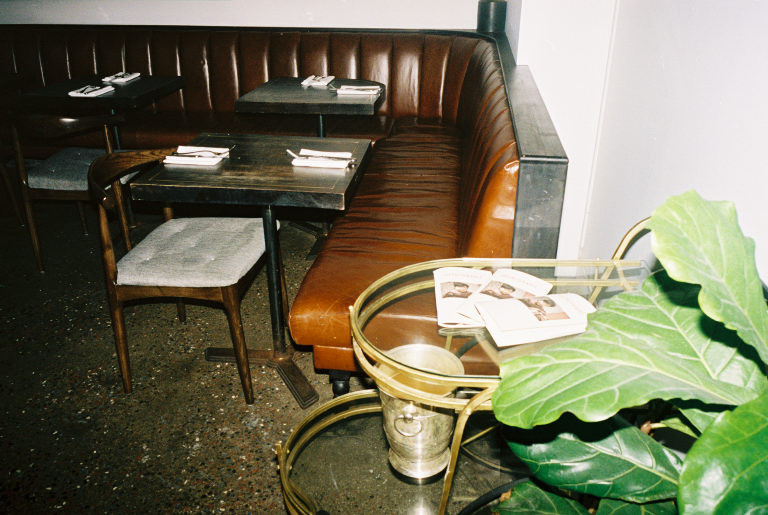
Not only can I now always seem like the cool friend with the ultimate date night suggestion (Metrograph has a killer restaurant and bar, because who really wants to watch Freaky Friday sober and/or without a stomach full of fancy cheese), but I have a movie to tell you to watch, after which I will sound very intelligent as I lecture you with big words like anthro-philosophy.