From Minneapolis with Power

When D’Banj’s ‘Oliver Twist’ debuted in the top 10 of the UK Singles Chart back in 2011, it felt quietly historic at the time. Less than a decade prior to that milestone, attaining access to Nigerian music prior was far from straightforward prior to streaming. For example, I can hardly recall how ‘African Queen’ by 2Baba (then known as 2Face Idibia) came into my life—perhaps I downloaded it from Limewire—but I remember how remote it felt. Like something from another world.
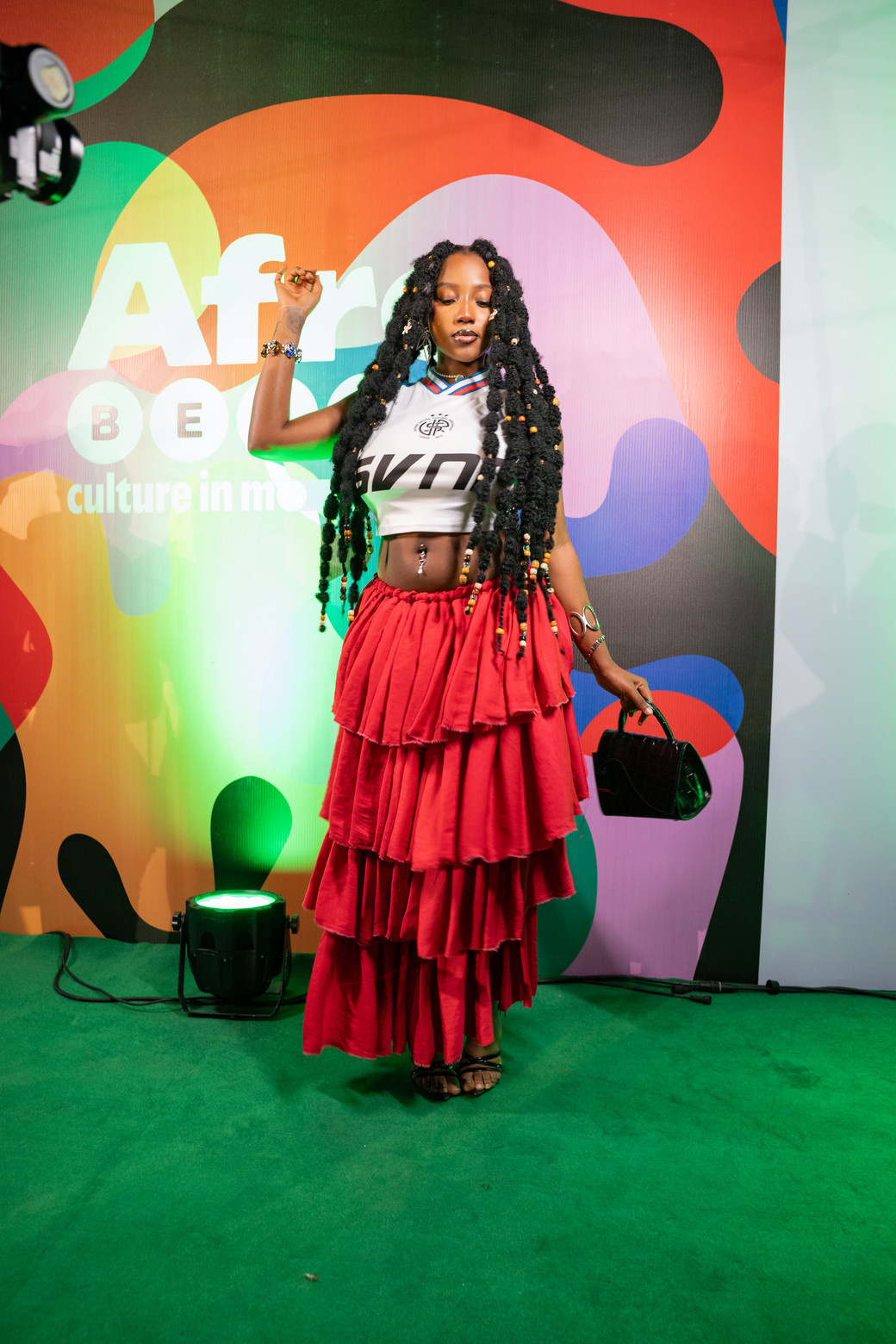
When Spotify invited me to Lagos for their ‘Afrobeats: Culture in Motion’ excursion—a week-long programme of events, activations and performances across Victoria Island and Lekki—it felt like an opportunity to witness the genre’s evolution up close. Designed to capture the genre’s impact over the past five years, the itinerary promised a rare behind-the-scenes look at the artists, institutions and traditions that have shaped Nigerian music both past and present.
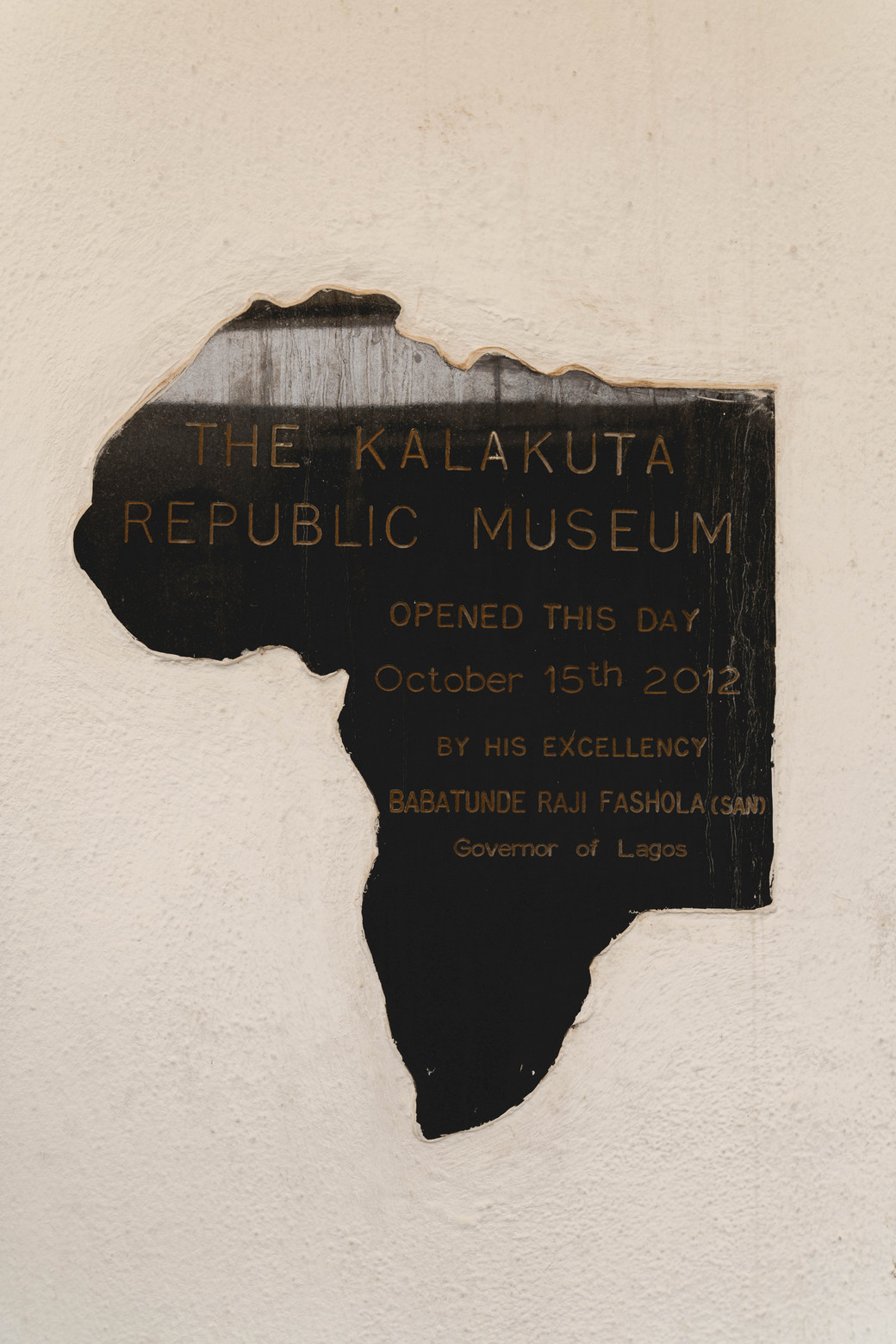
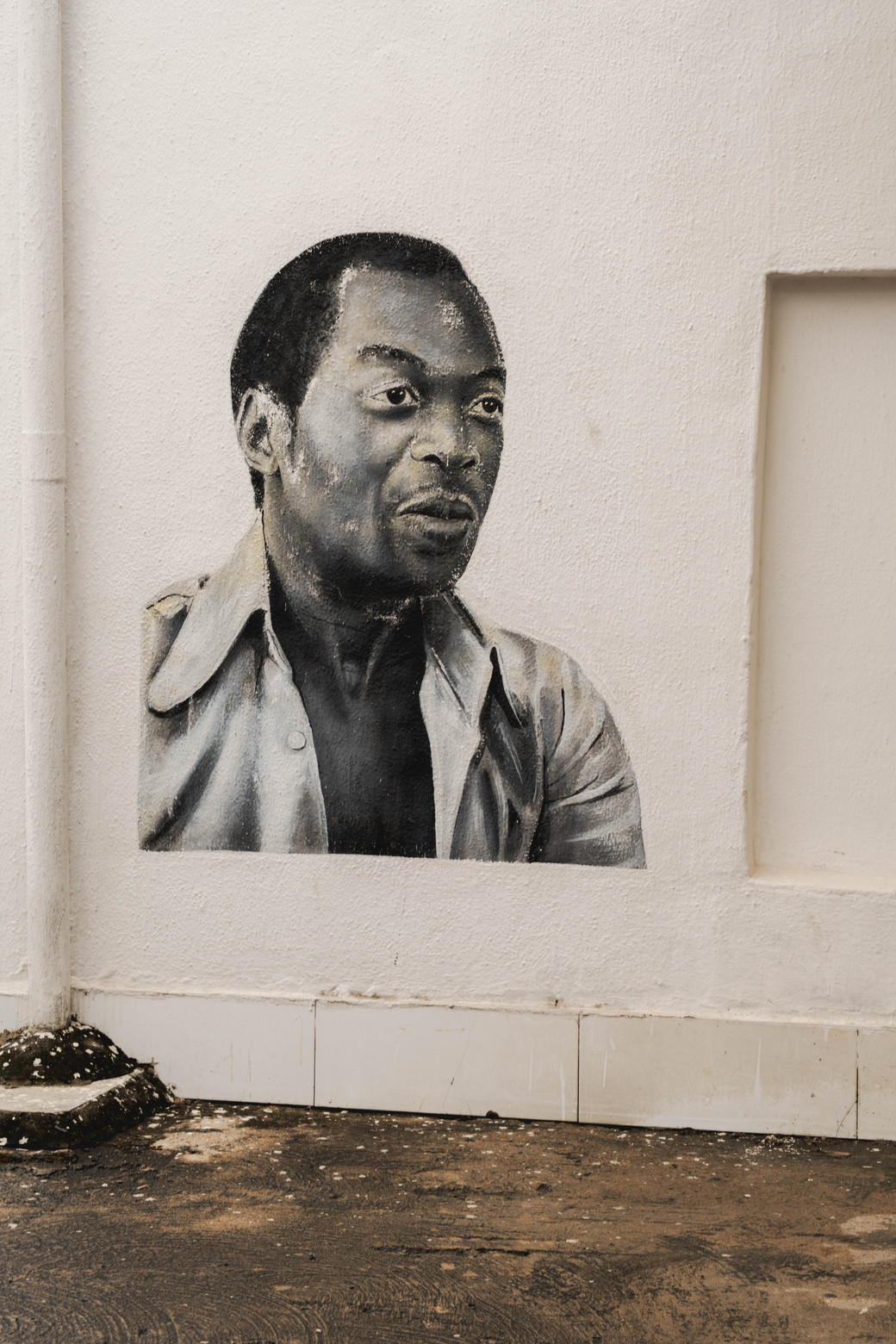
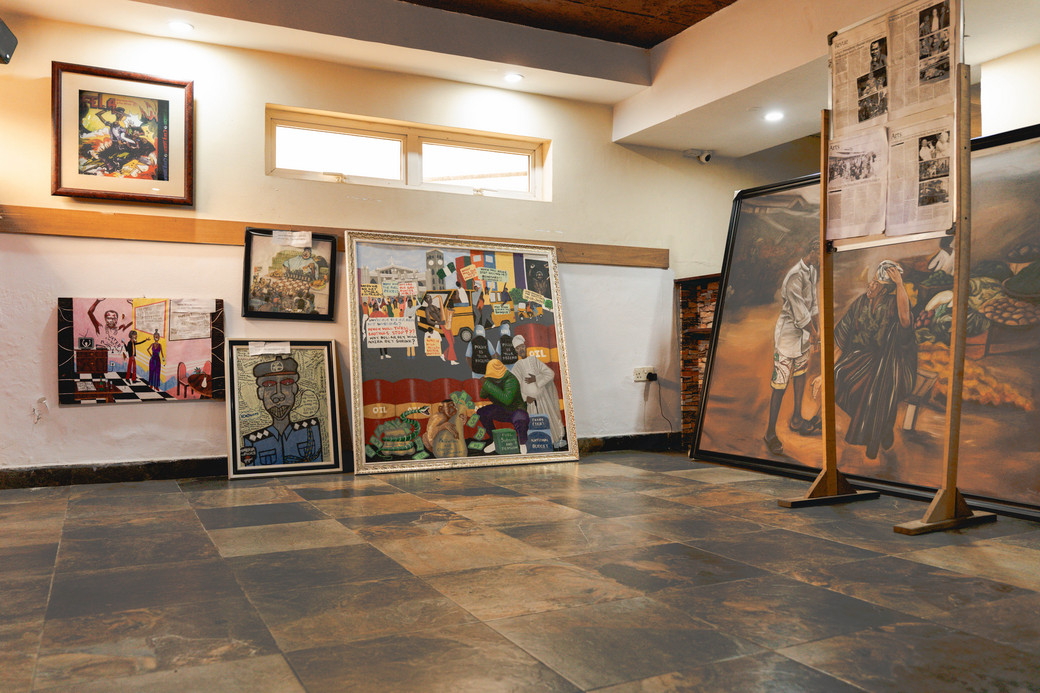
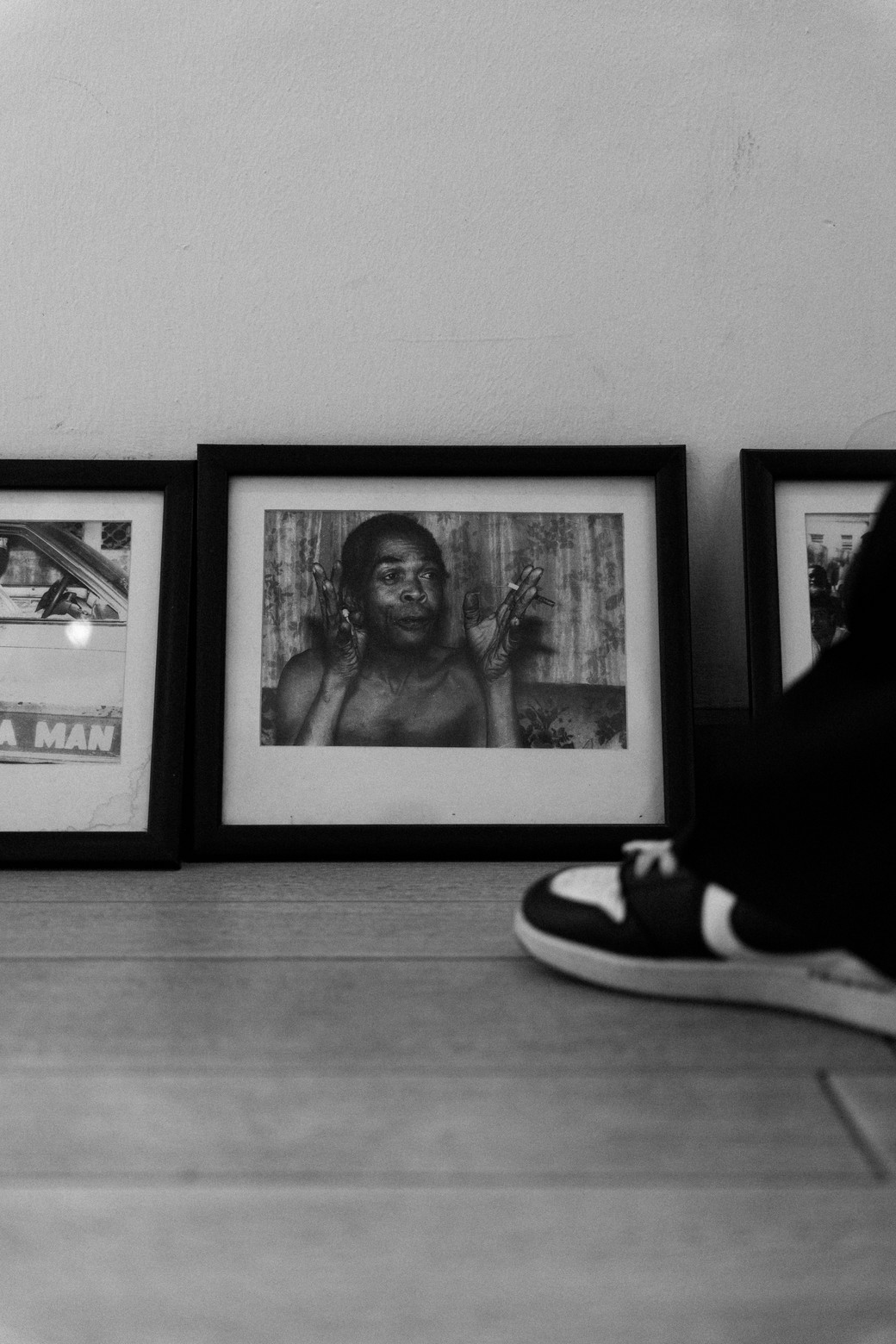
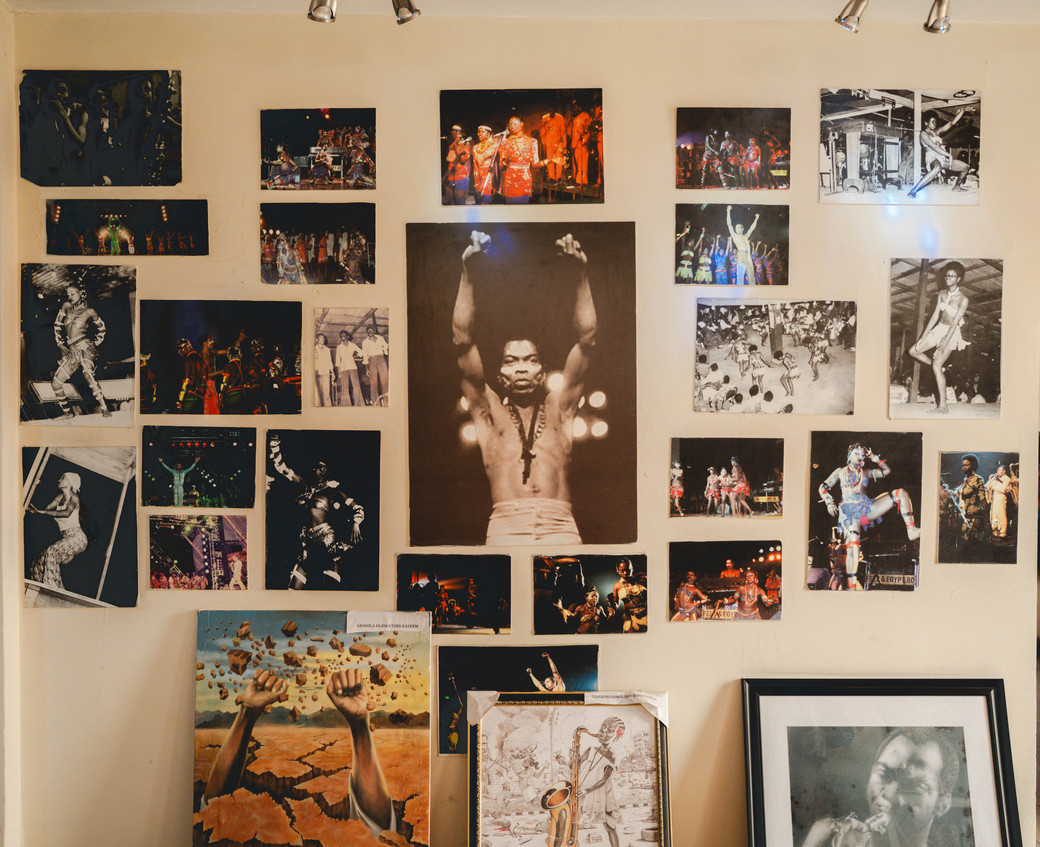
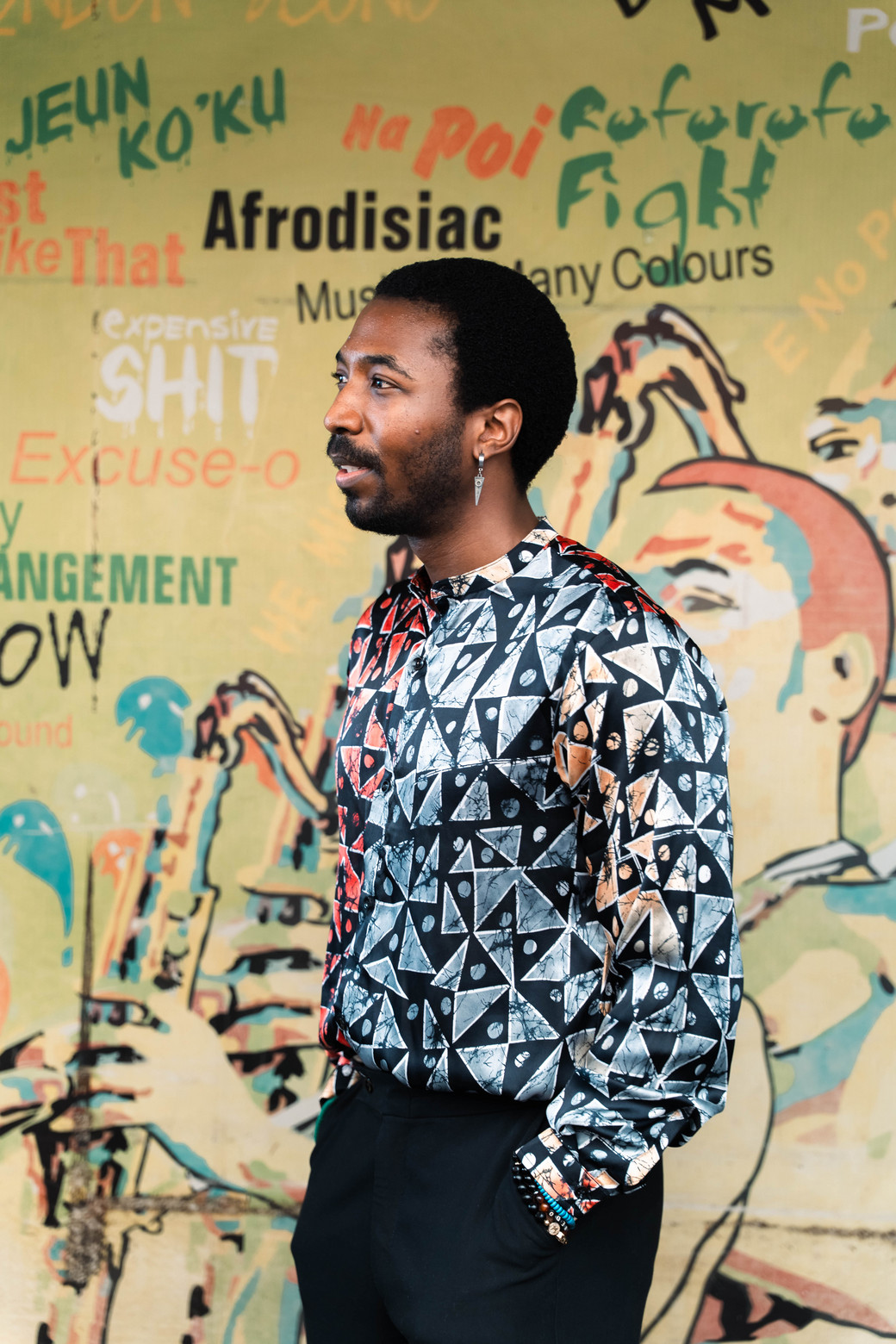
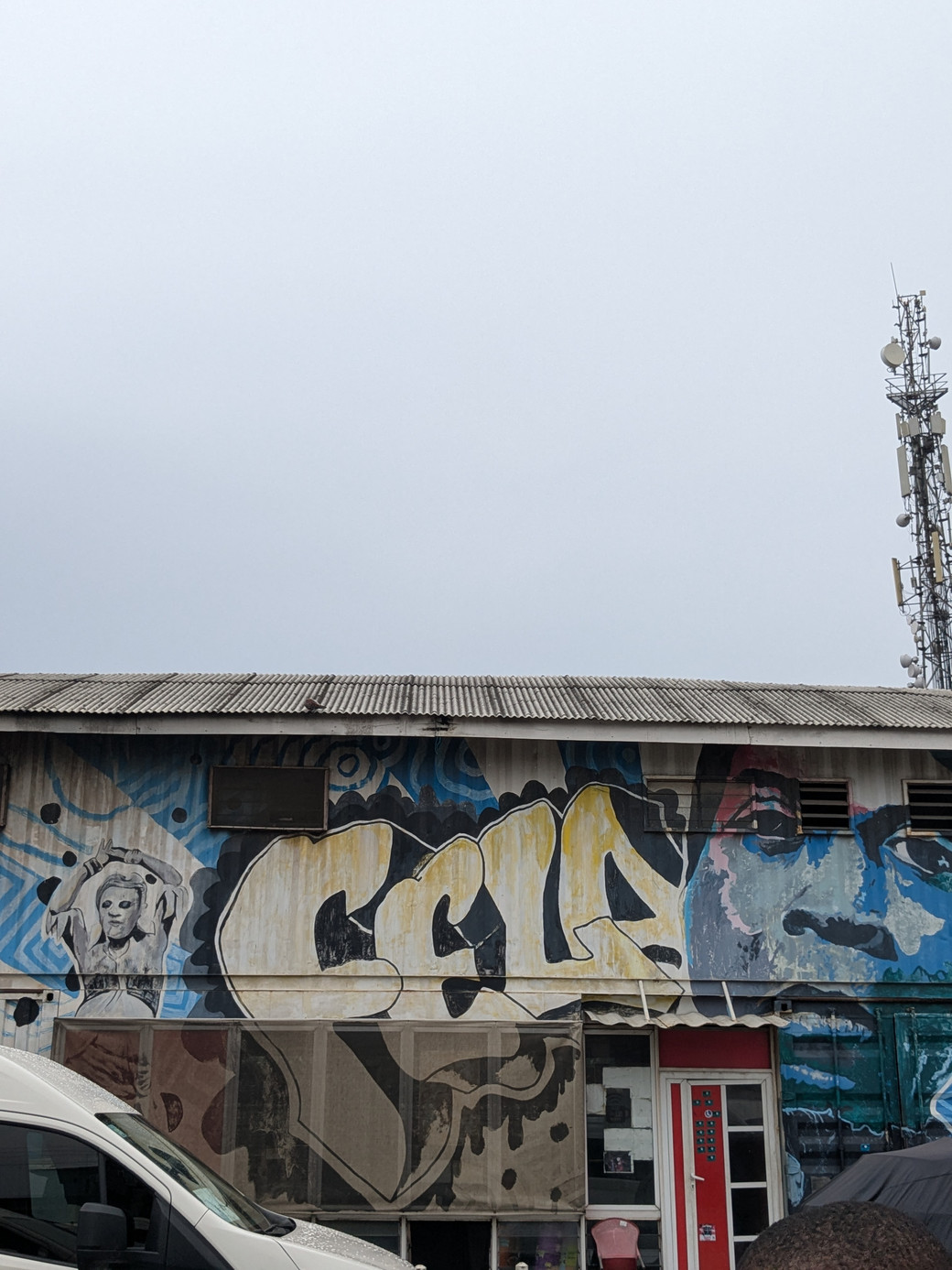
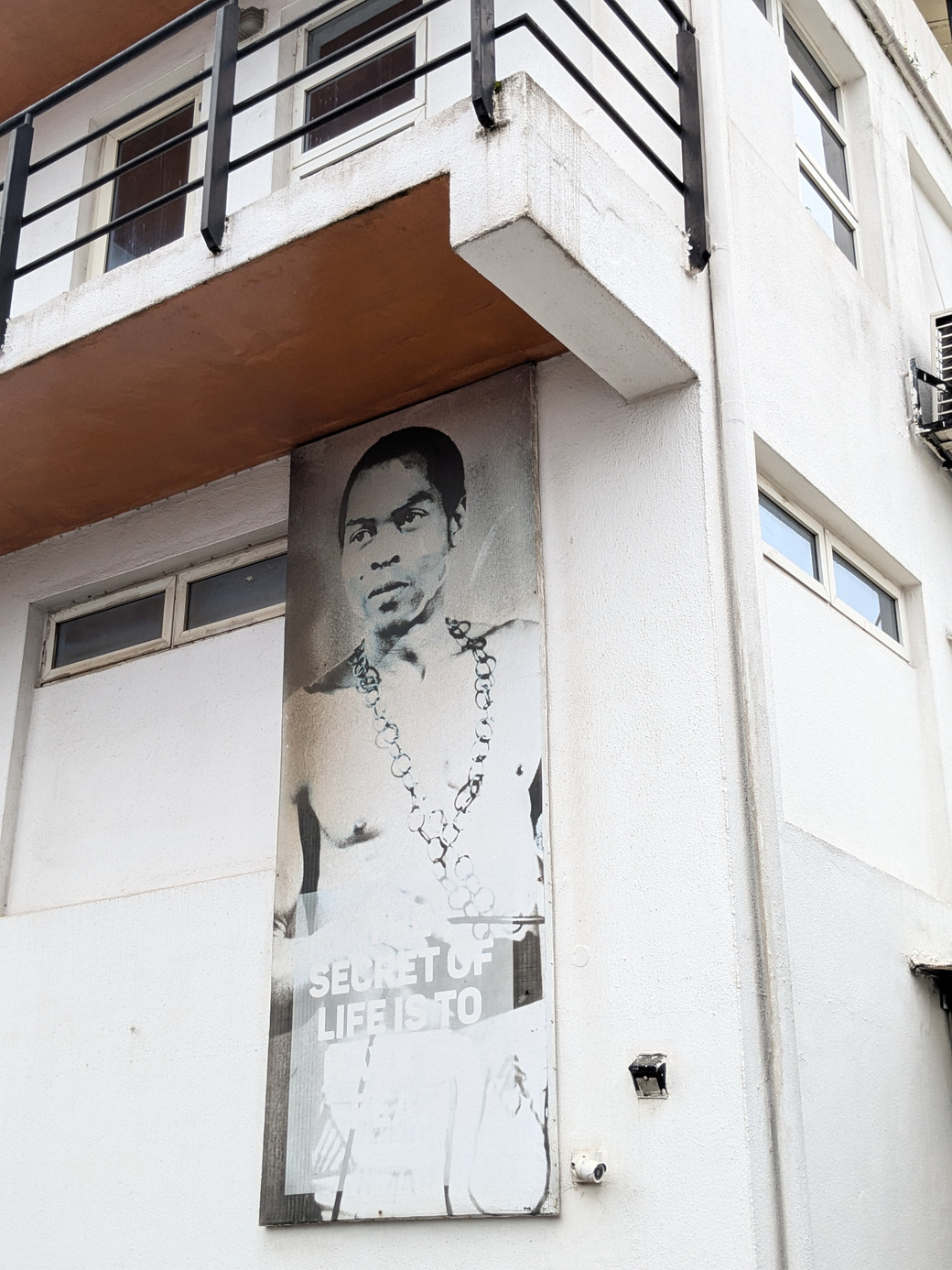
Guided by the Akan principle of Sankofa—the belief that one must understand the past to move forward, it was fitting that the trip began with a visit to the home belonging to the man who started it all: the ‘Godfather of Afrobeat’, Fela Aníkúlápó Kútì. After his death in 1997, the residence was preserved and re-opened to the public in 2012 as ‘The Kalakuta Museum’.
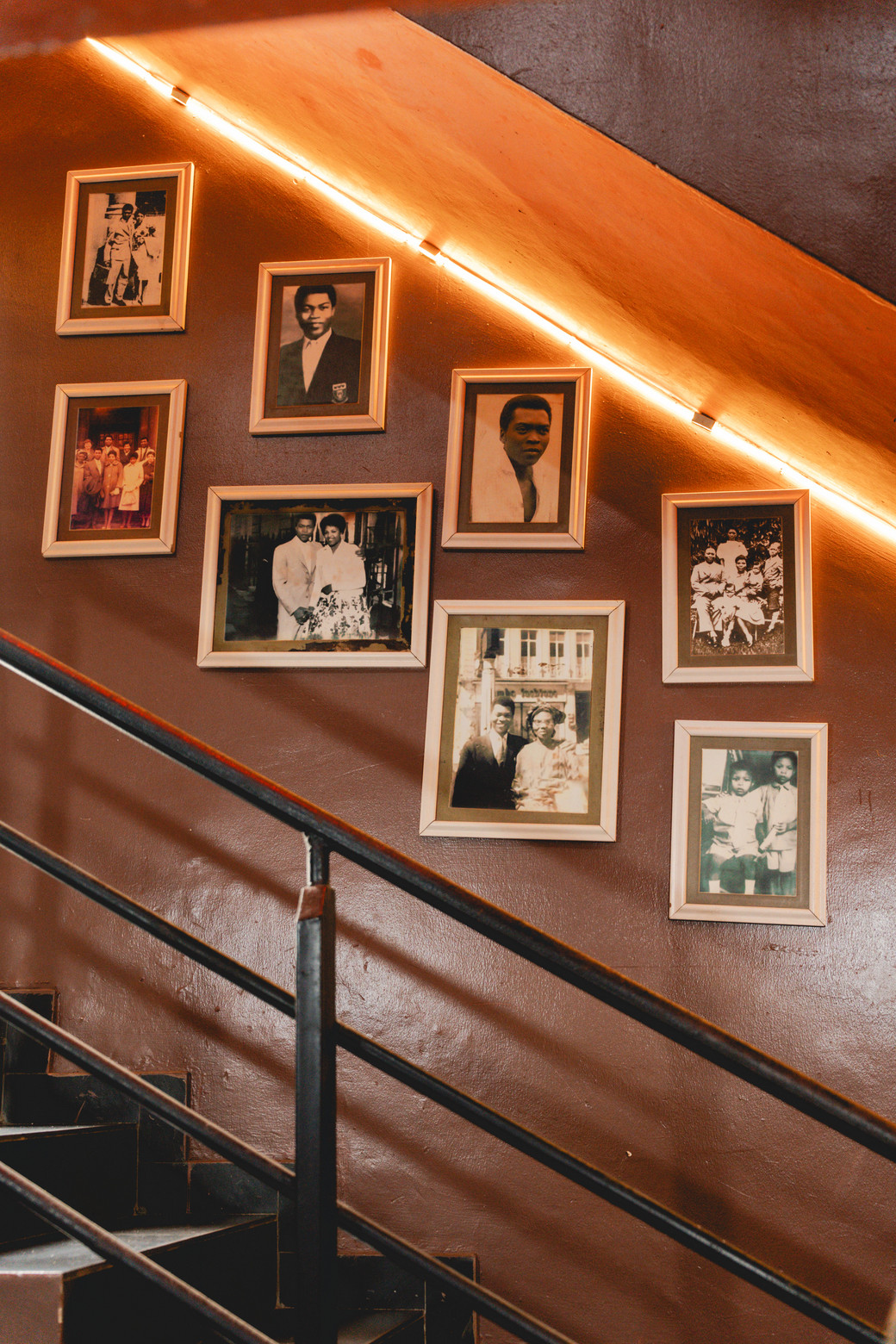
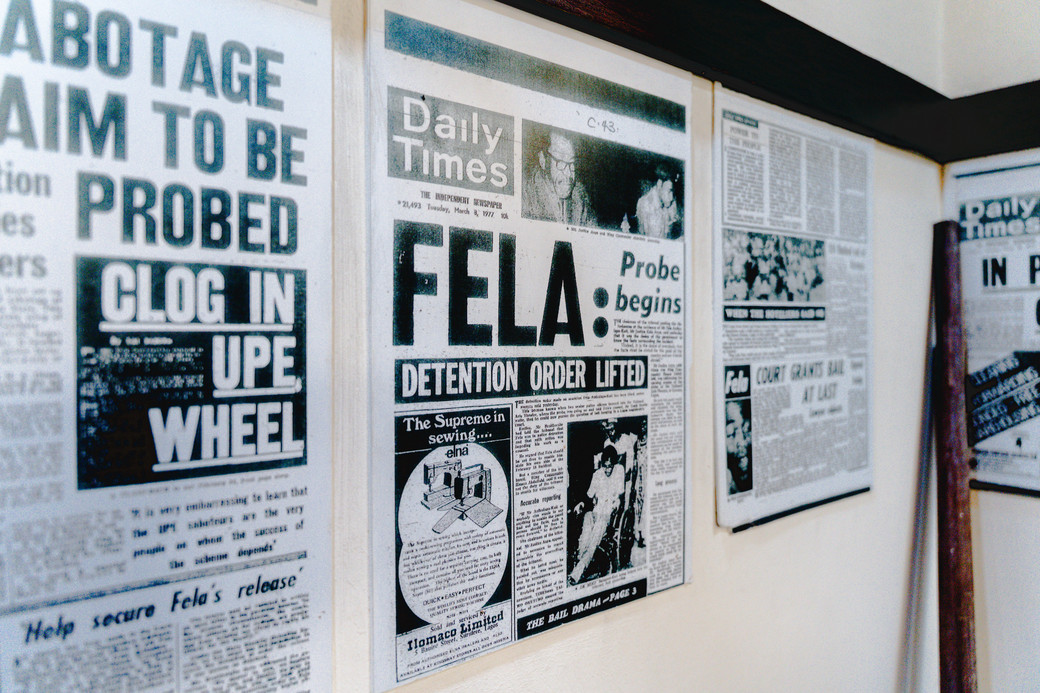
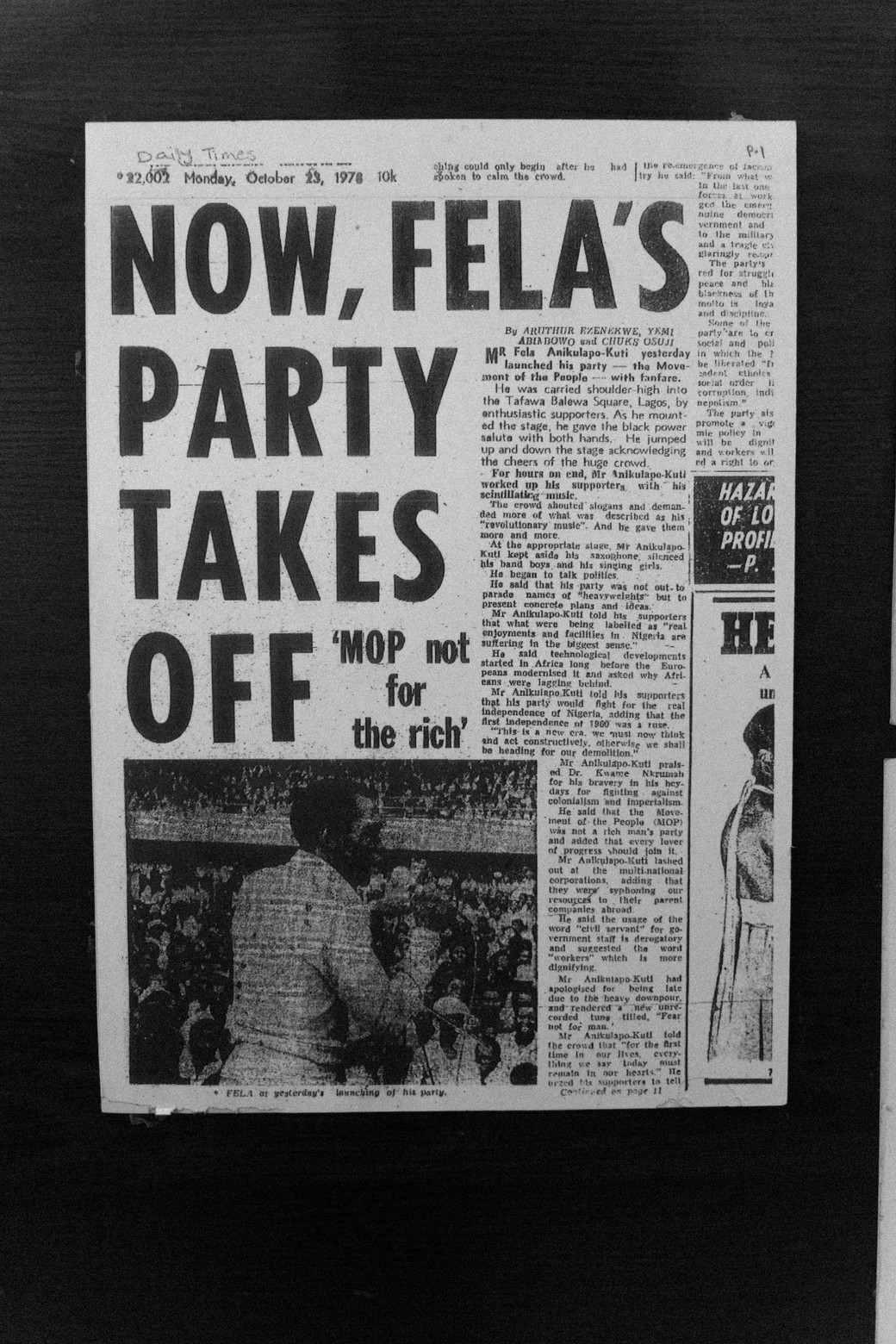
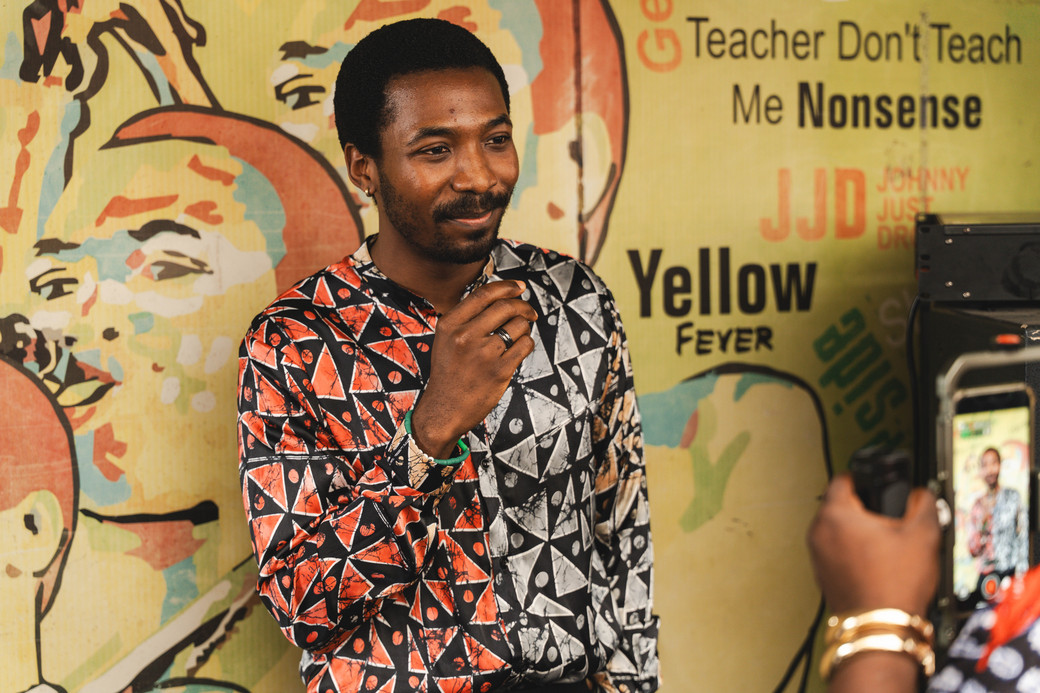
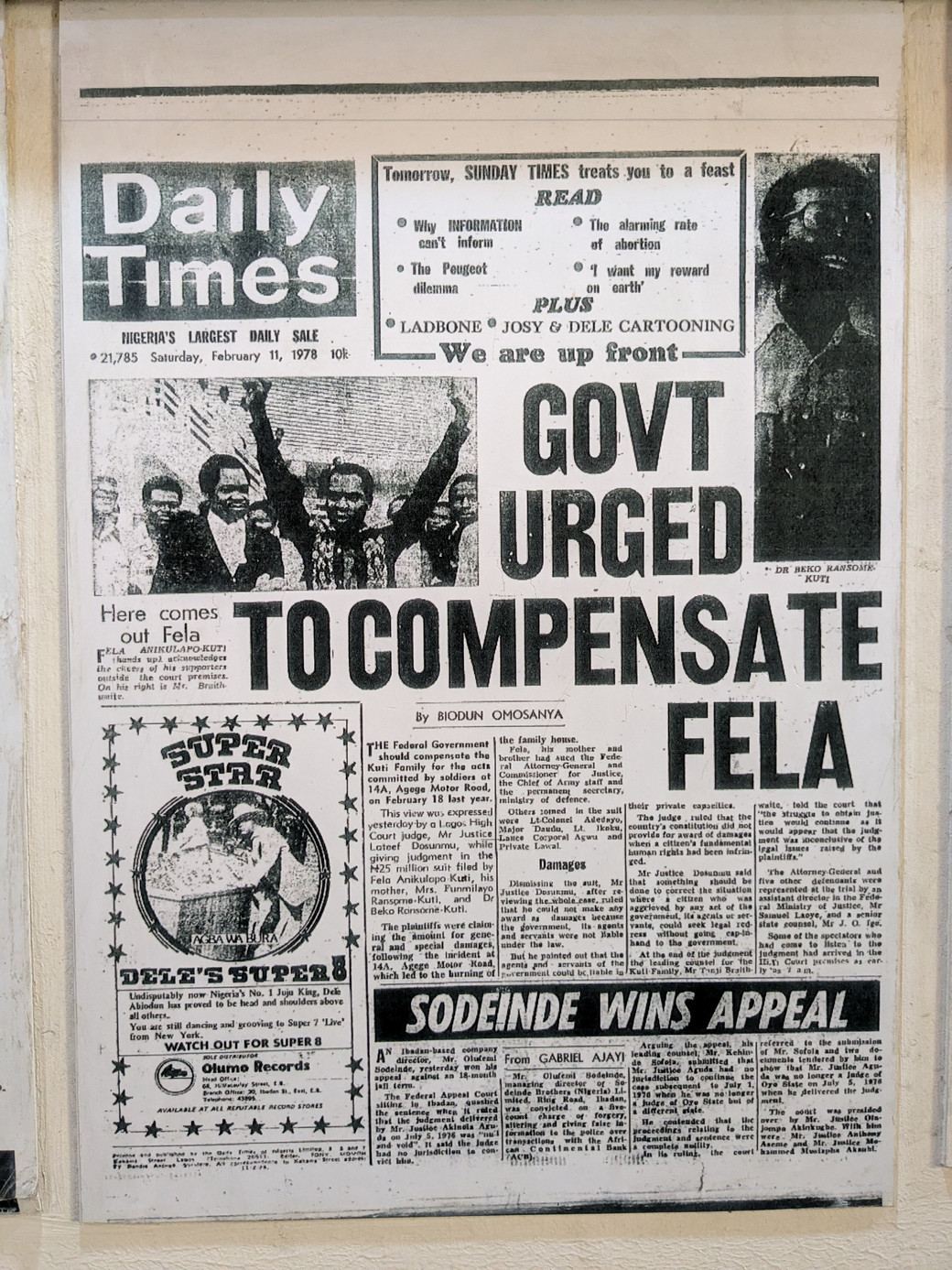
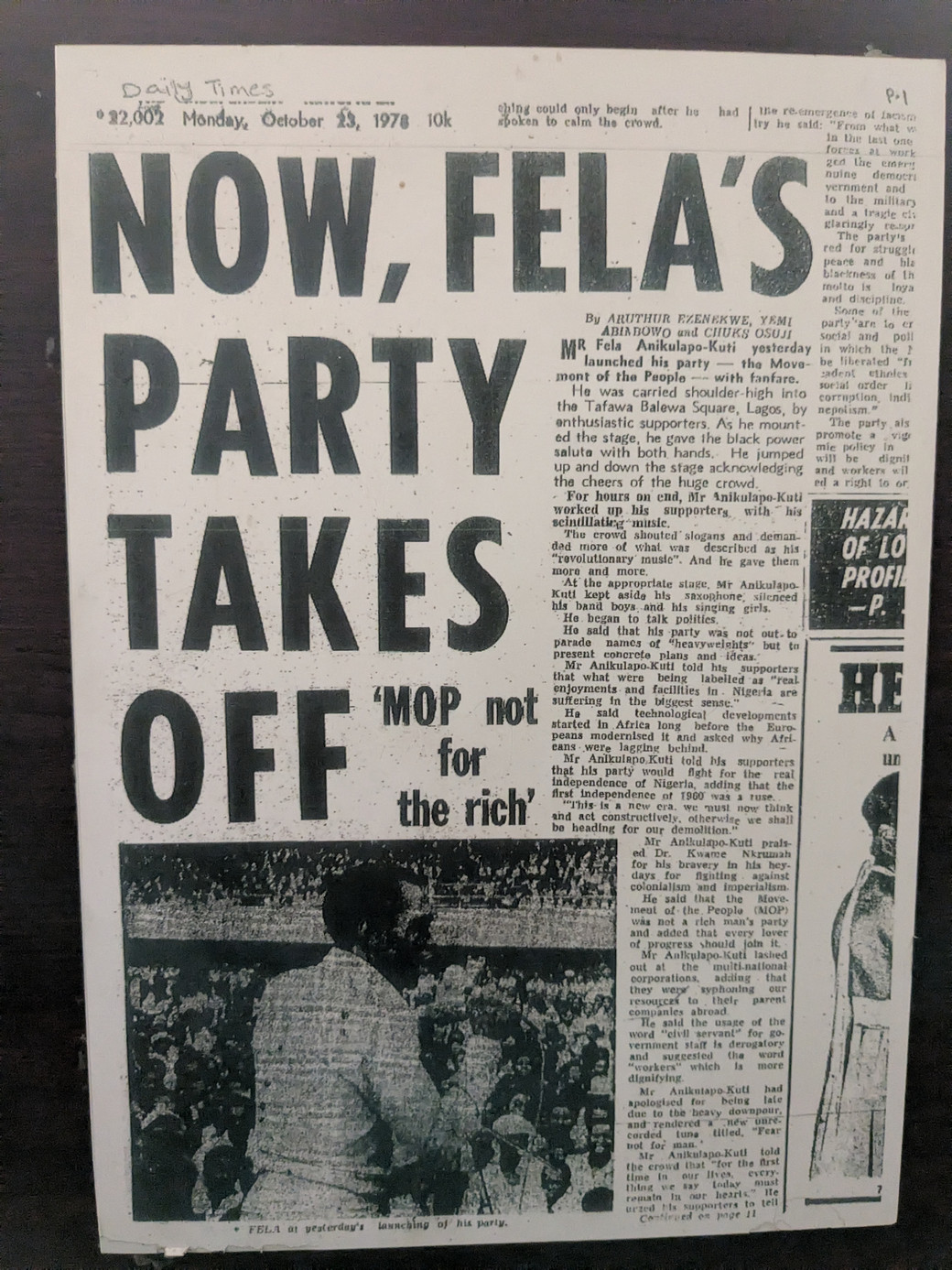
Adorned across one room were print outs of iconic album artworks like ‘Zombie’, ‘Yellow Fever’ and ‘Ikoyi Blindness’. All evocative of the music itself; arresting, confrontational, expressive and colourful. Another room was lined with newspaper clippings detailing his famously turbulent relationship with the Nigerian government, as well as his own political manifesto. The most compelling element of the museum was the collection of personal family portraits, spanning his own childhood through to his children and the successive generations that followed. Nobly, the very room where he would sleep was off limits to the public. A reminder that despite how much Fela has become deified in memory and tribute, there’s still a sacredness being honoured.
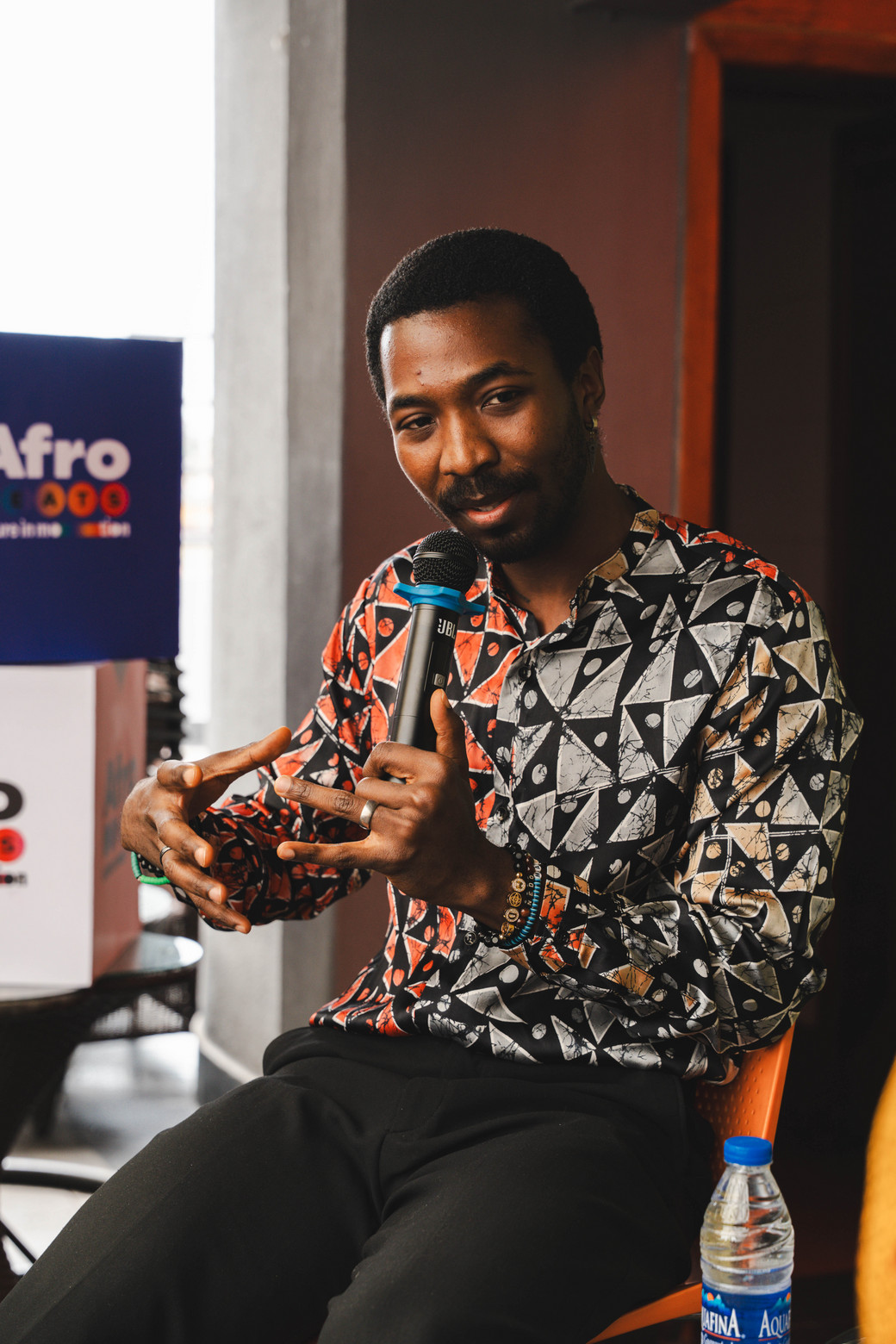
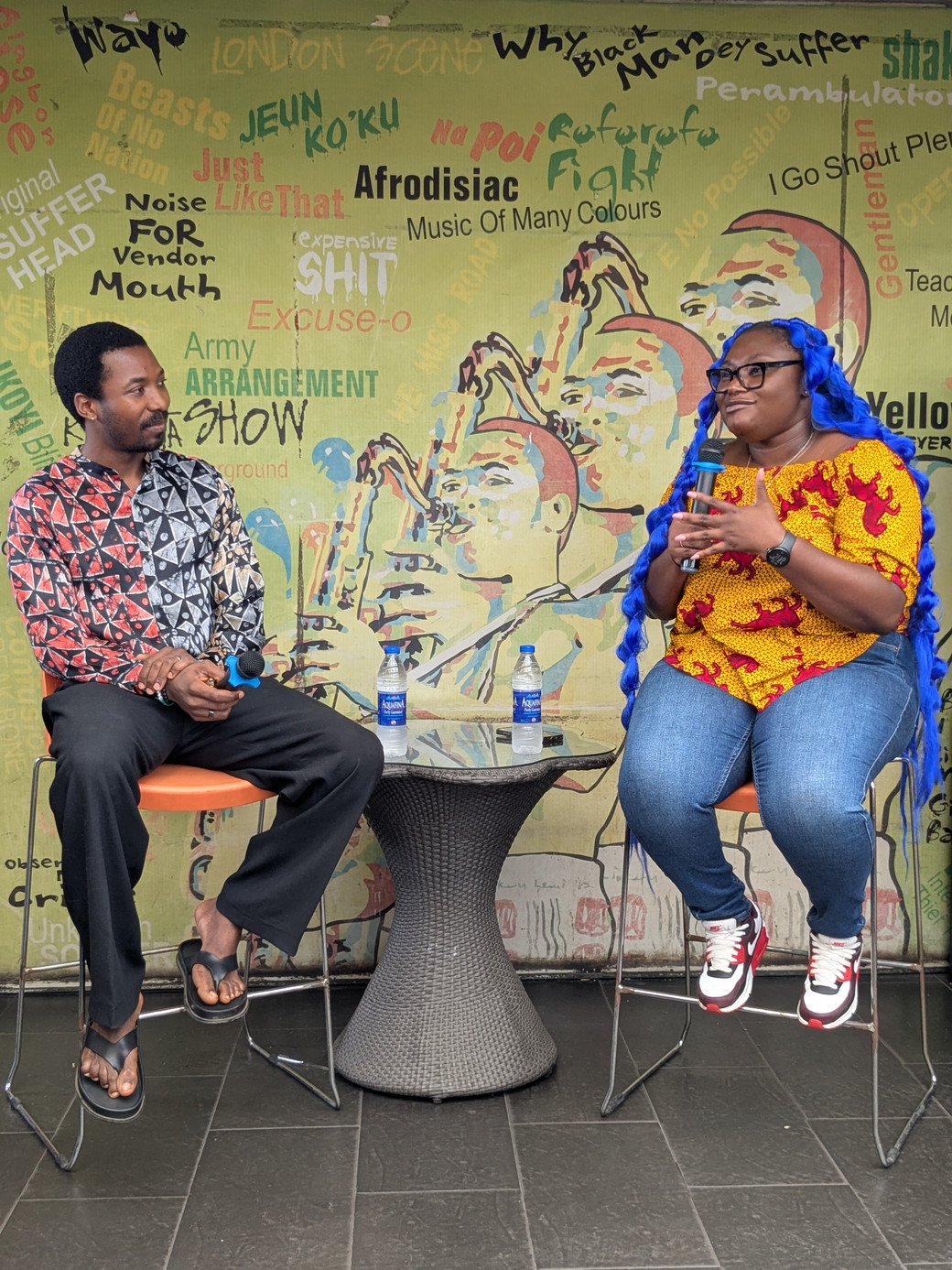
Leaving the interior behind, we ascended to the building’s rooftop for an ‘in conversation’ with Fela’s grandson Madé Kuti led by Spotify Africa’s Head of Communications and PR, Miche Atagana. Fatefully, if not ironic, this was unfolding on the 65th anniversary of Nigeria’s independence from Britain. Offering a tongue-in-cheek remark about the country’s ongoing sociopolitical shortcomings, Madé hinted that there was little cause for celebration. What ensued as he spoke were chilling reflections on the stark difference in the cultural pride Nigeria now has for Fela compared to when he was alive. “There was a shift from him being represented so negatively in the media to suddenly being an icon that everyone should measure up to, whether it be musically or philosophically. I remember when it was uncool to be a child or grandchild of Fela”, Madé remarked. Illustrating that the foundations Fela laid for generations of succeeding Nigerian musicians, were borne from fraught and complicated circumstances.
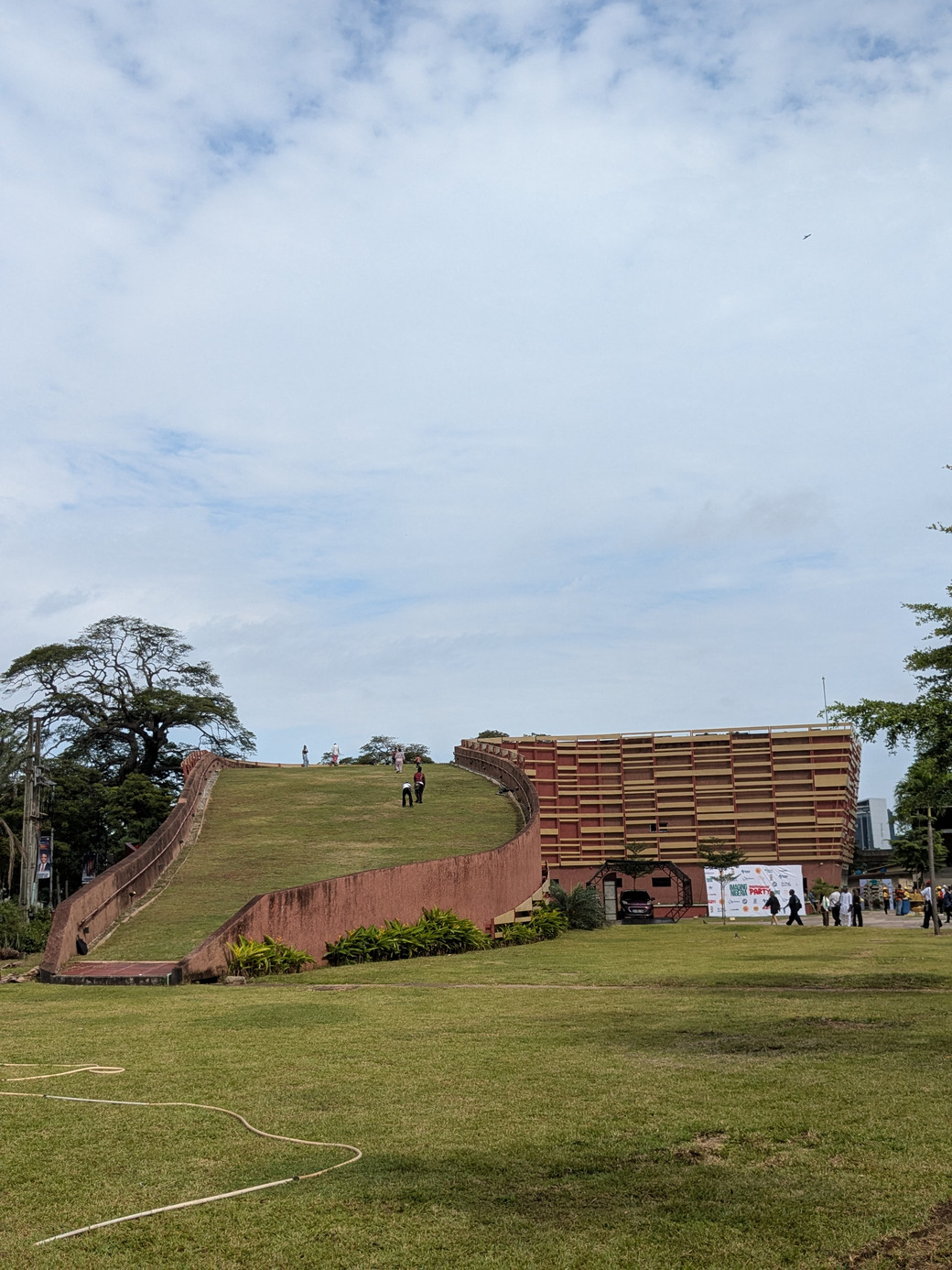
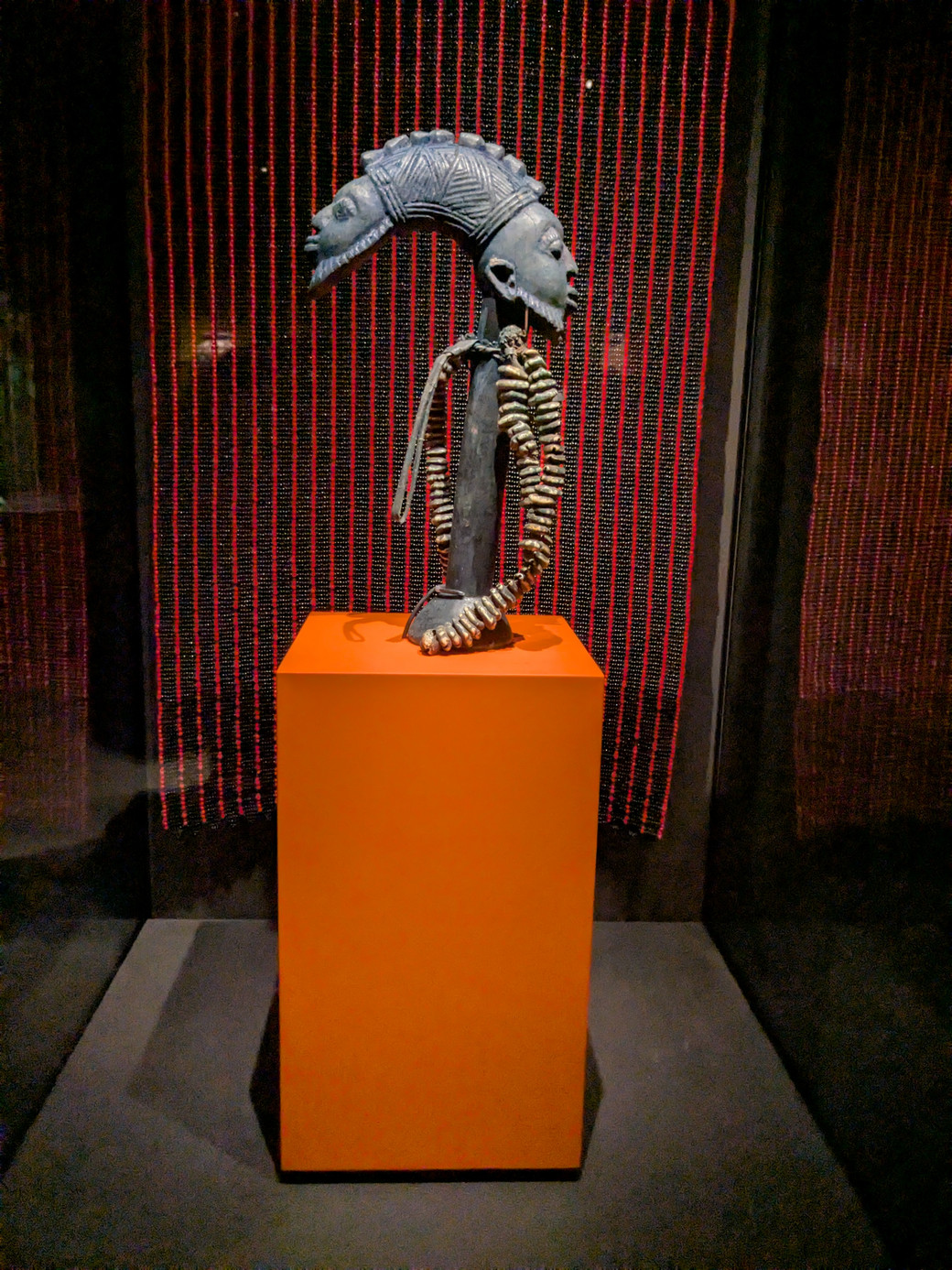
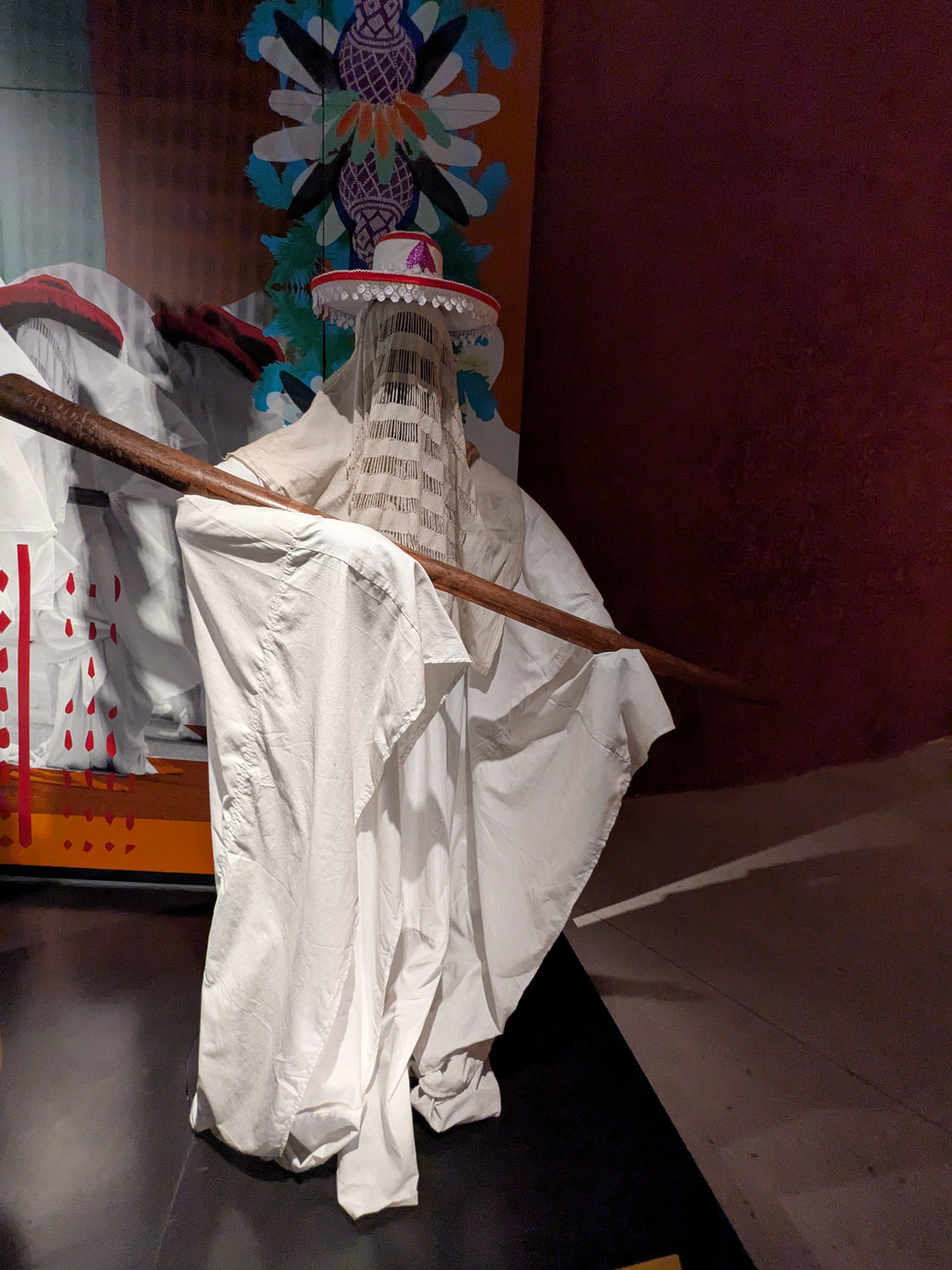
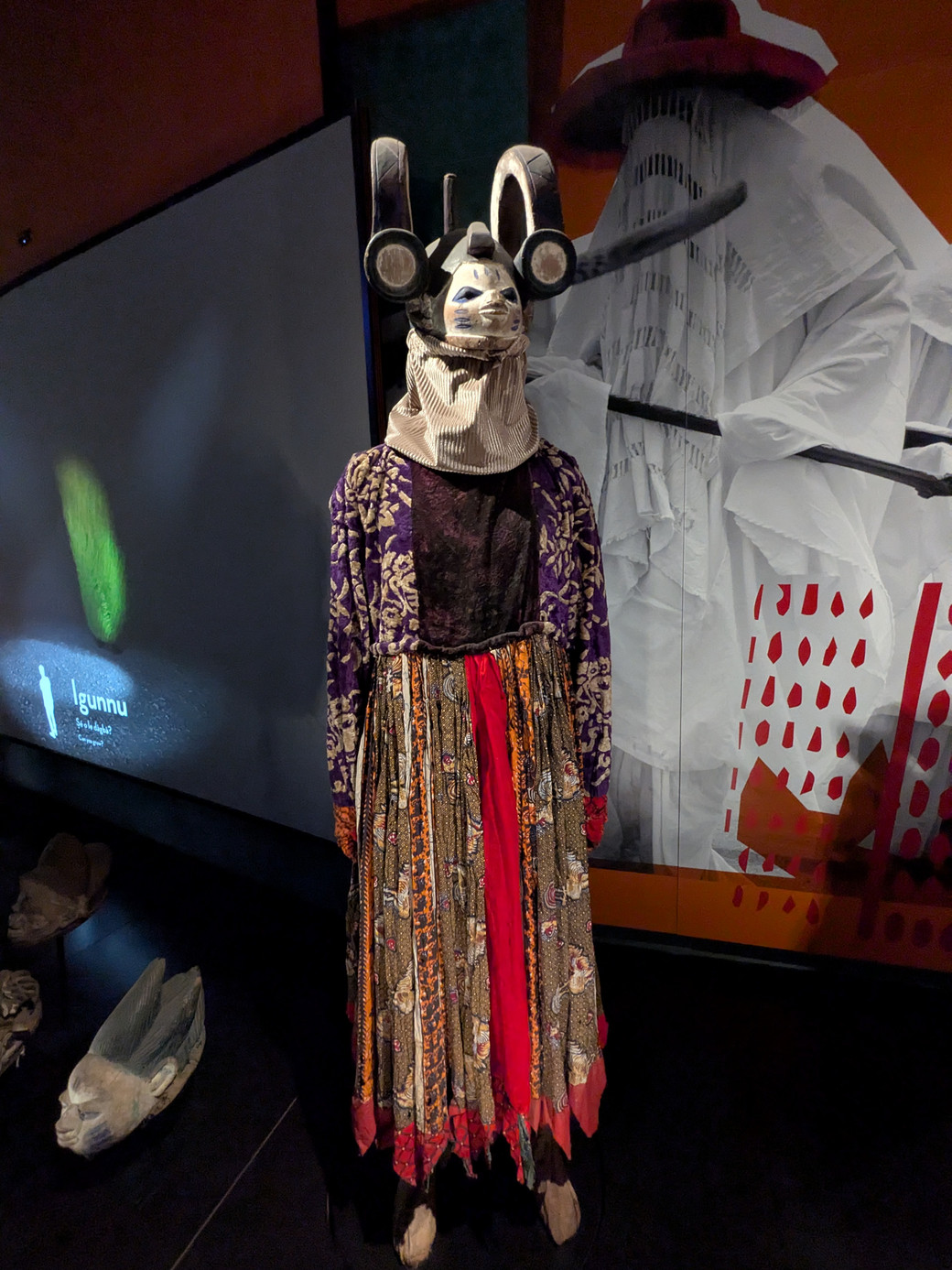
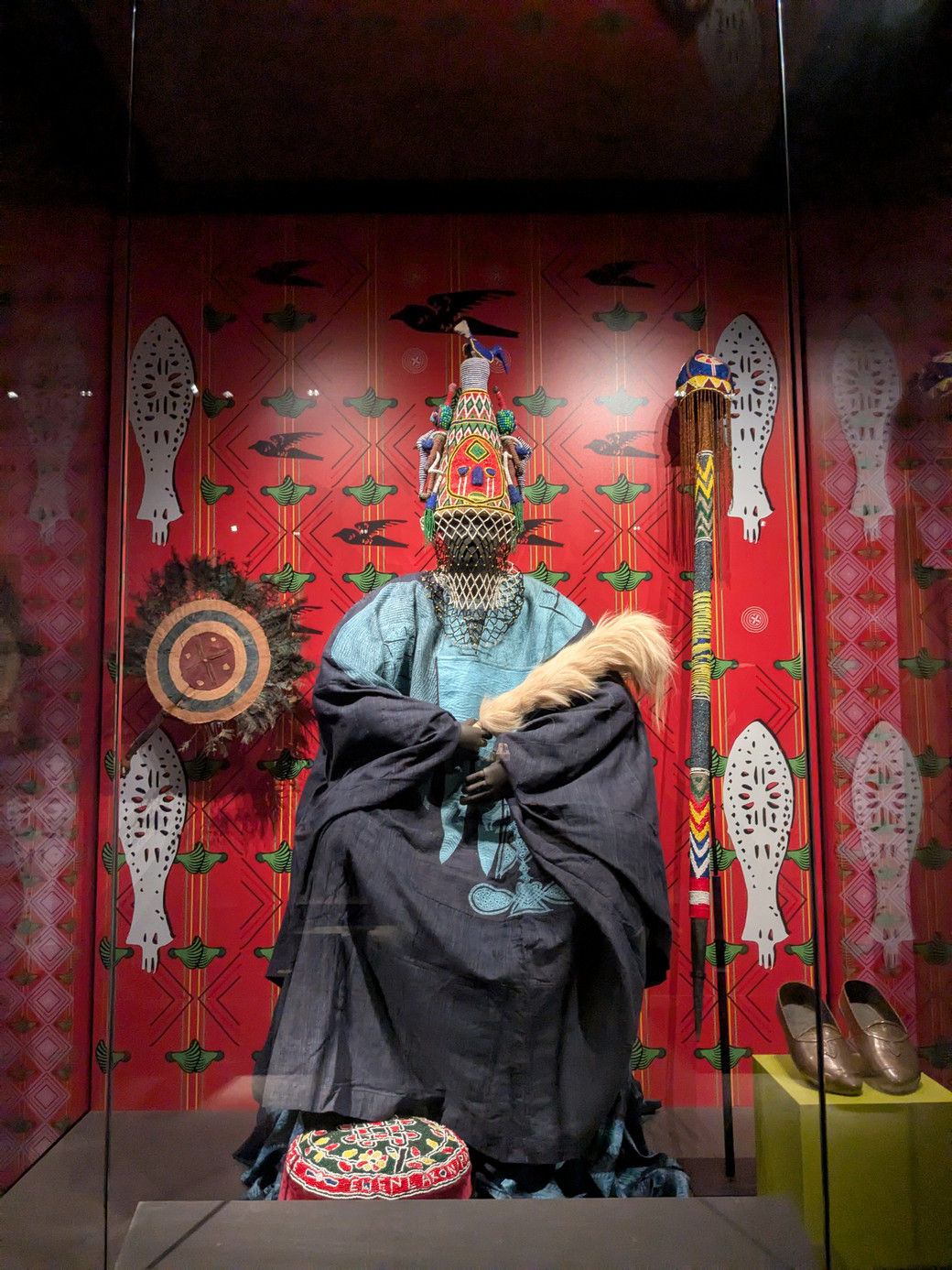
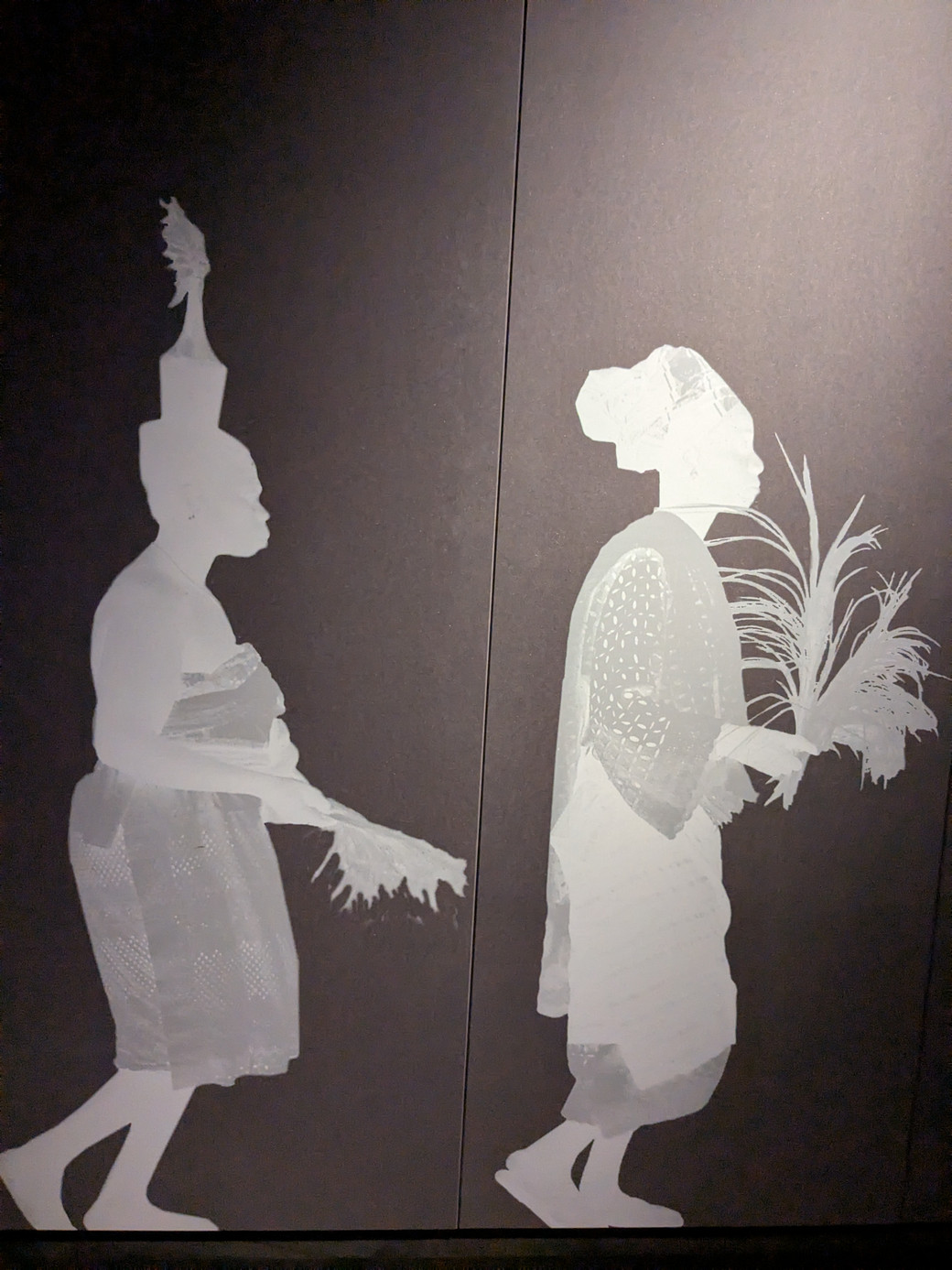
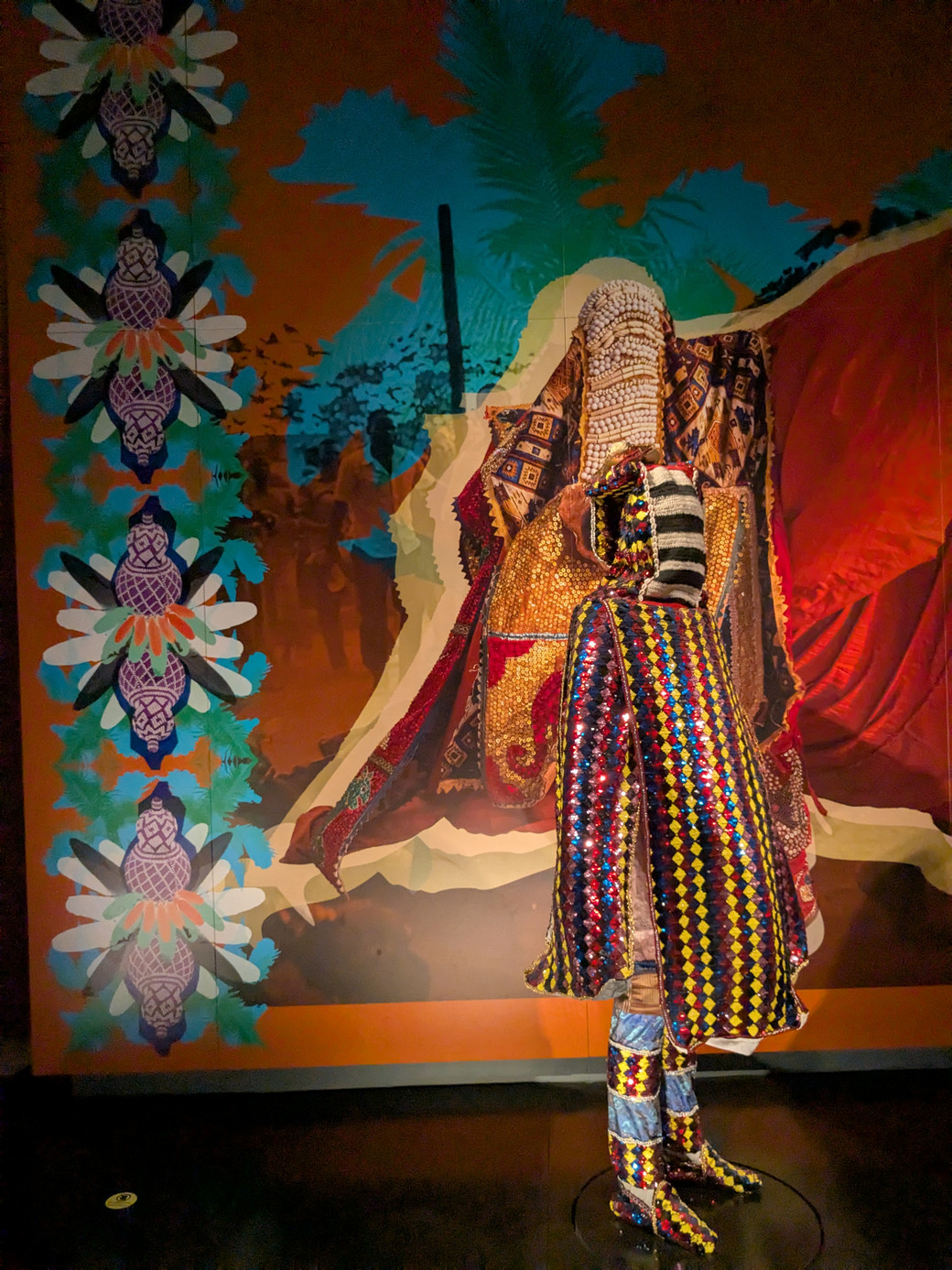
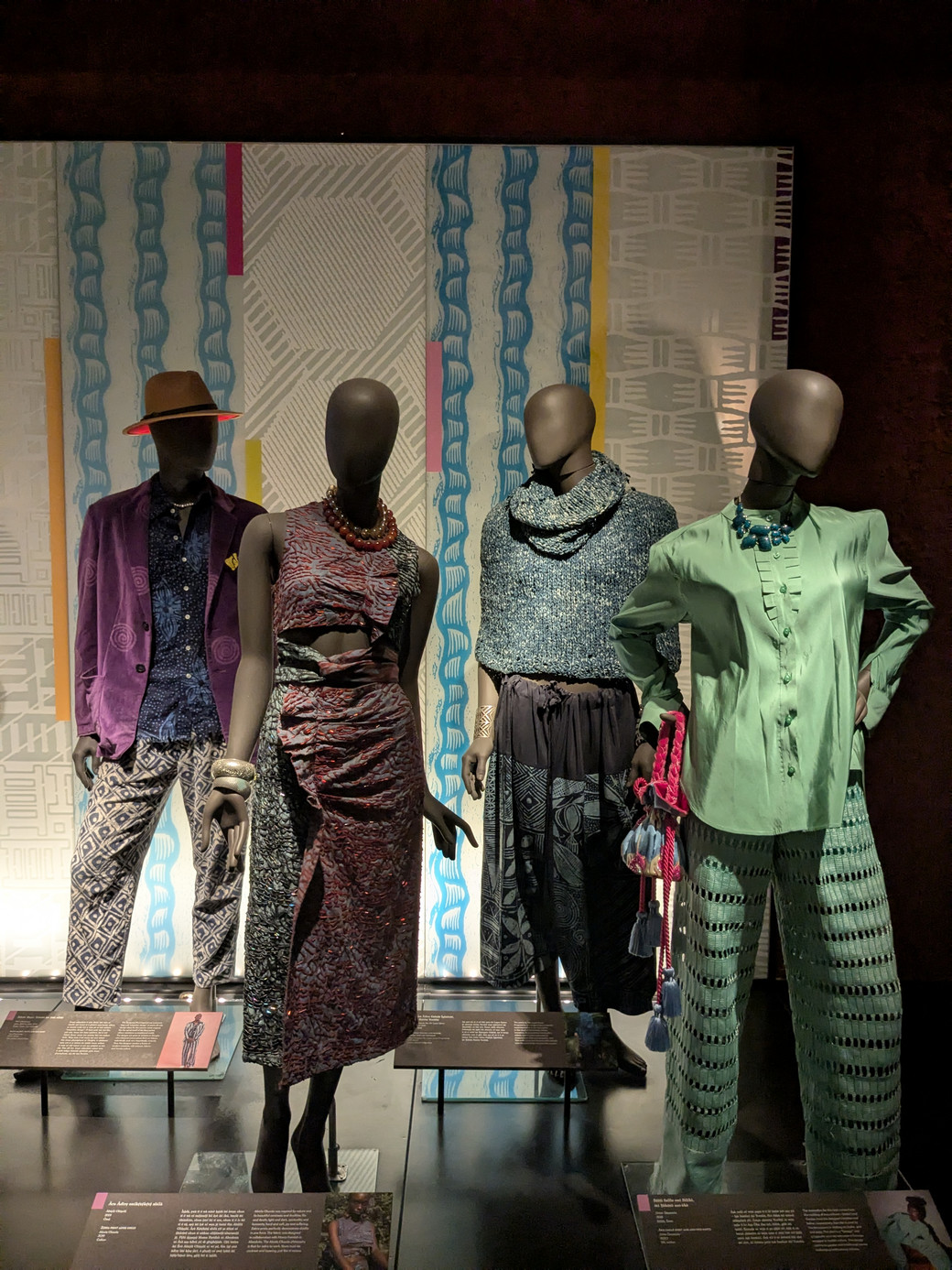
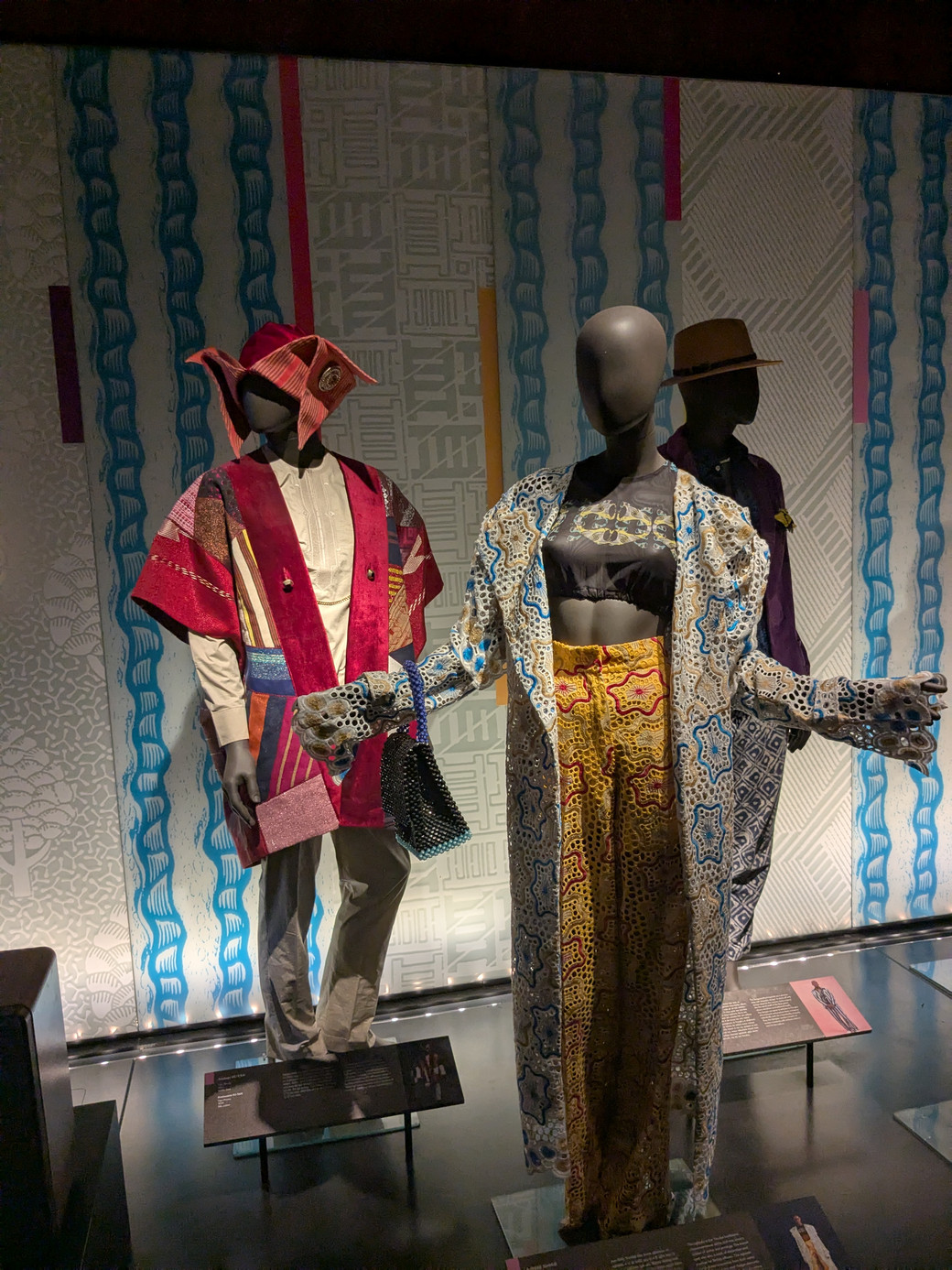
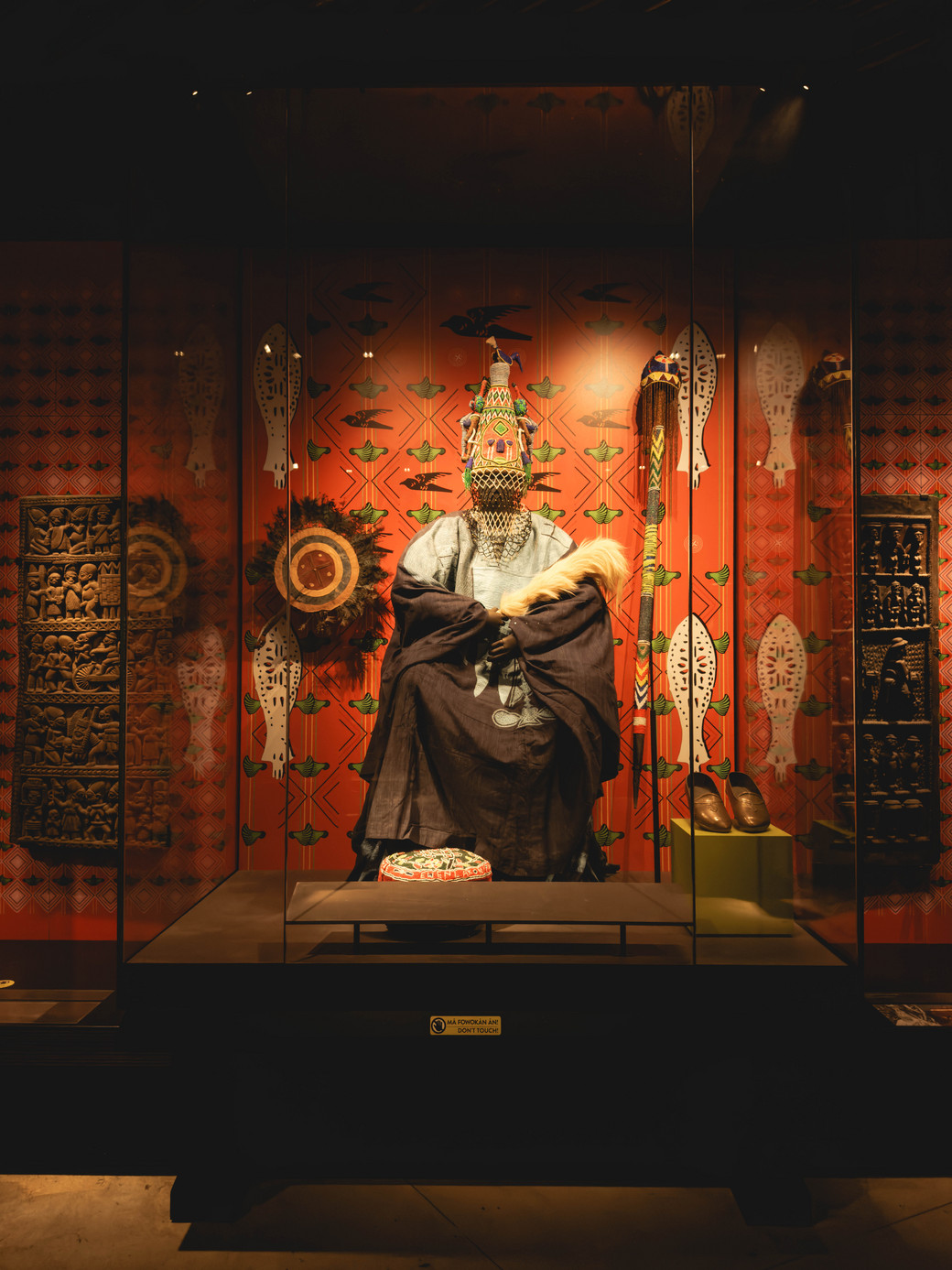
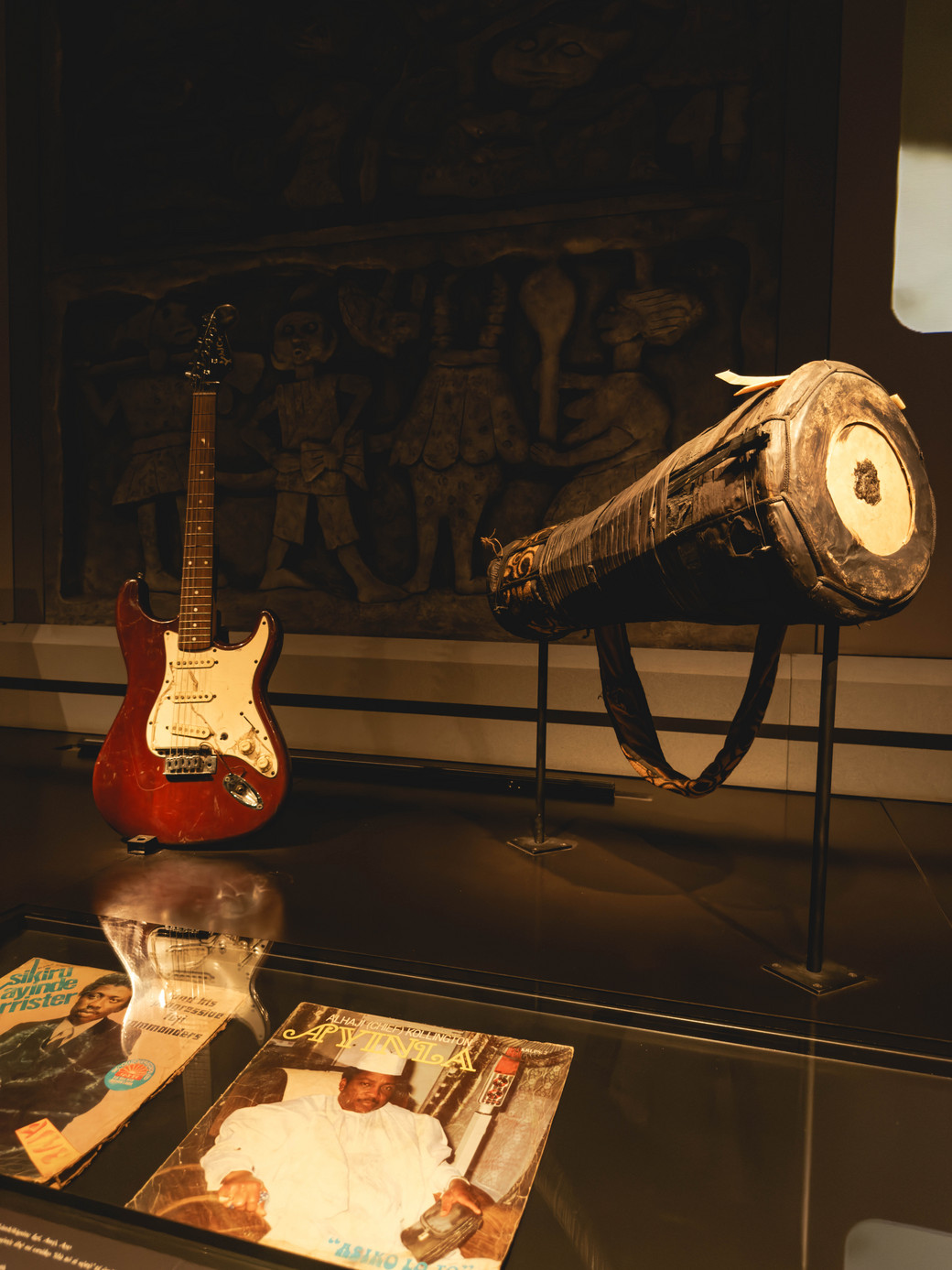
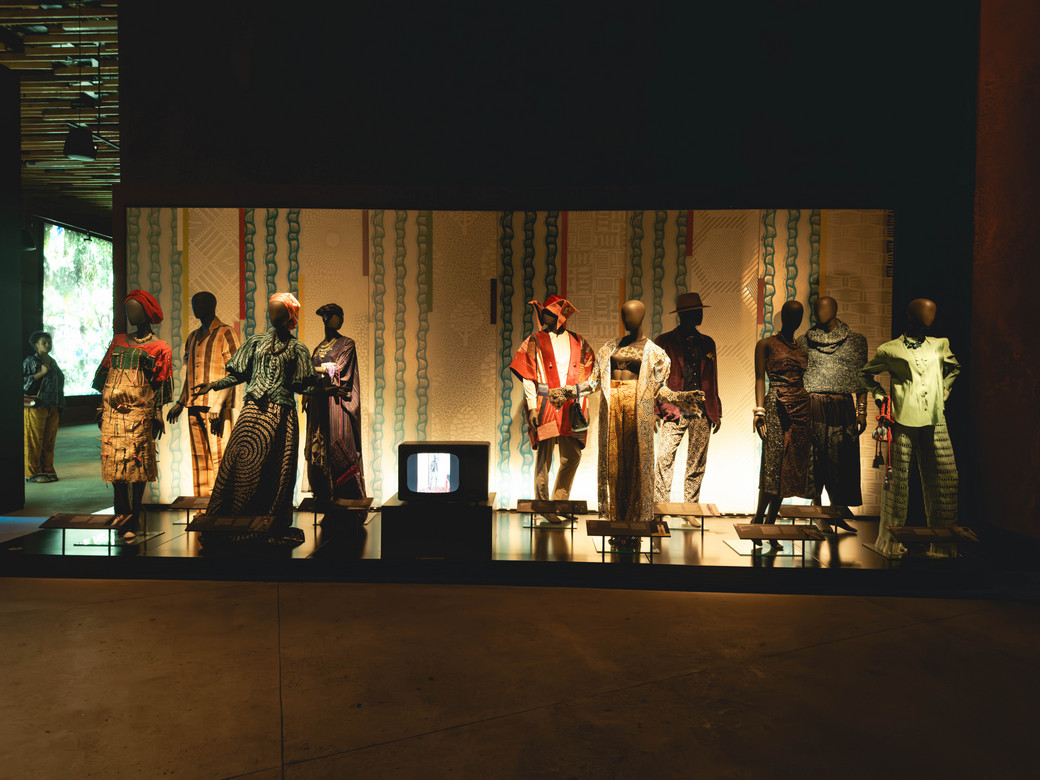
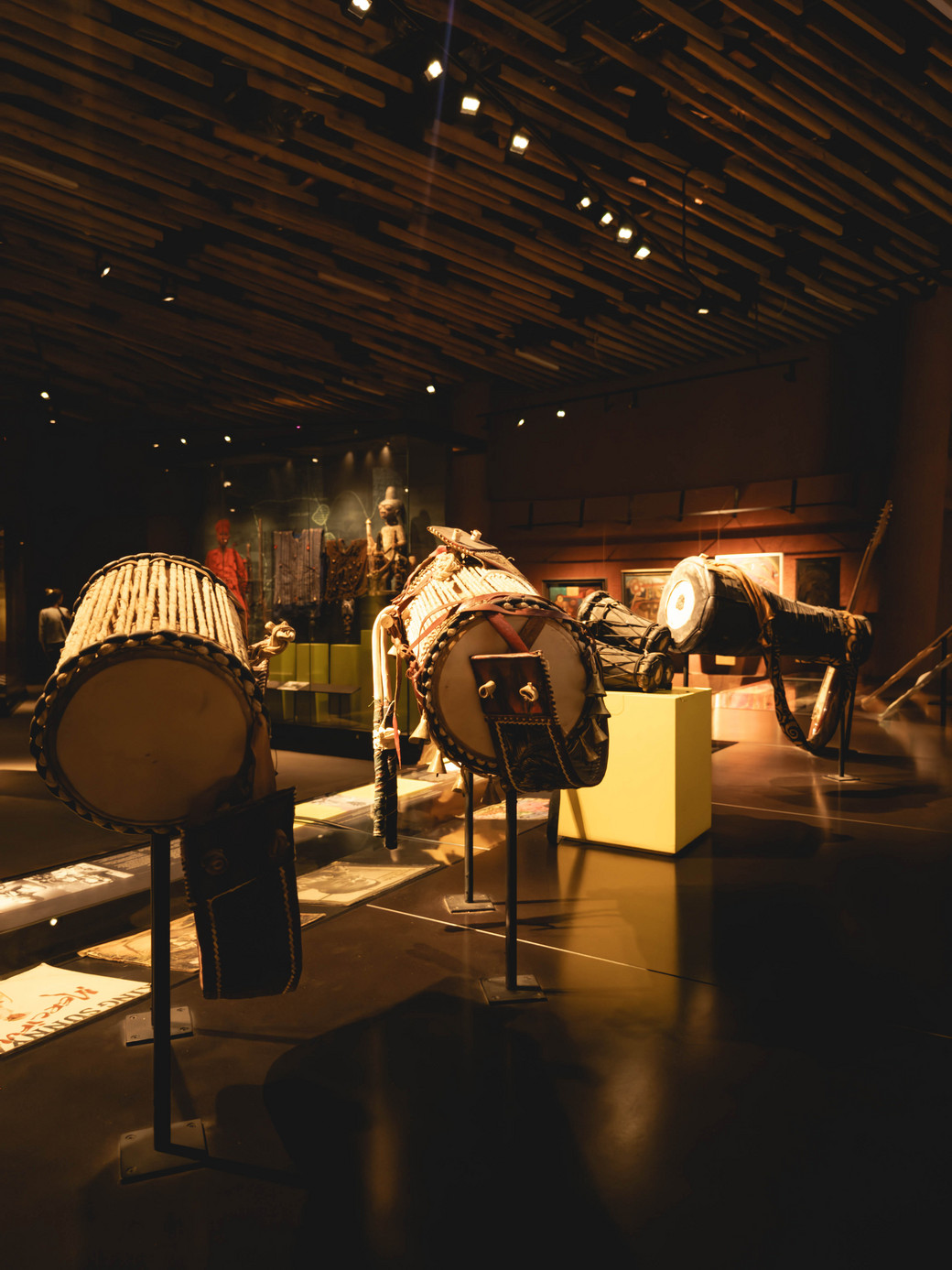
The remainder of the first day aptly ‘Afrobeats History’ culminated with a too-brief visit to the Museum of Yoruba Culture. Its vast collection of artefacts, installations and texts situated the raw soil that the genre came from within a broader context—spanning Oriki tradition, Eyo masquerade culture and Gelede festivals, through to the rise of juju and fuji.
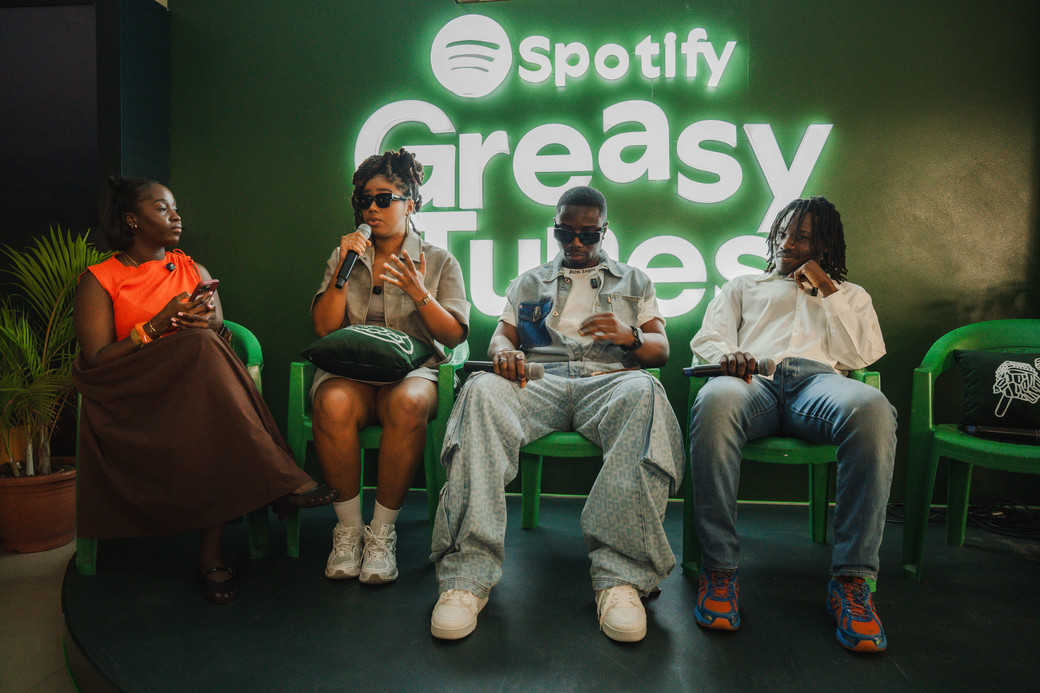
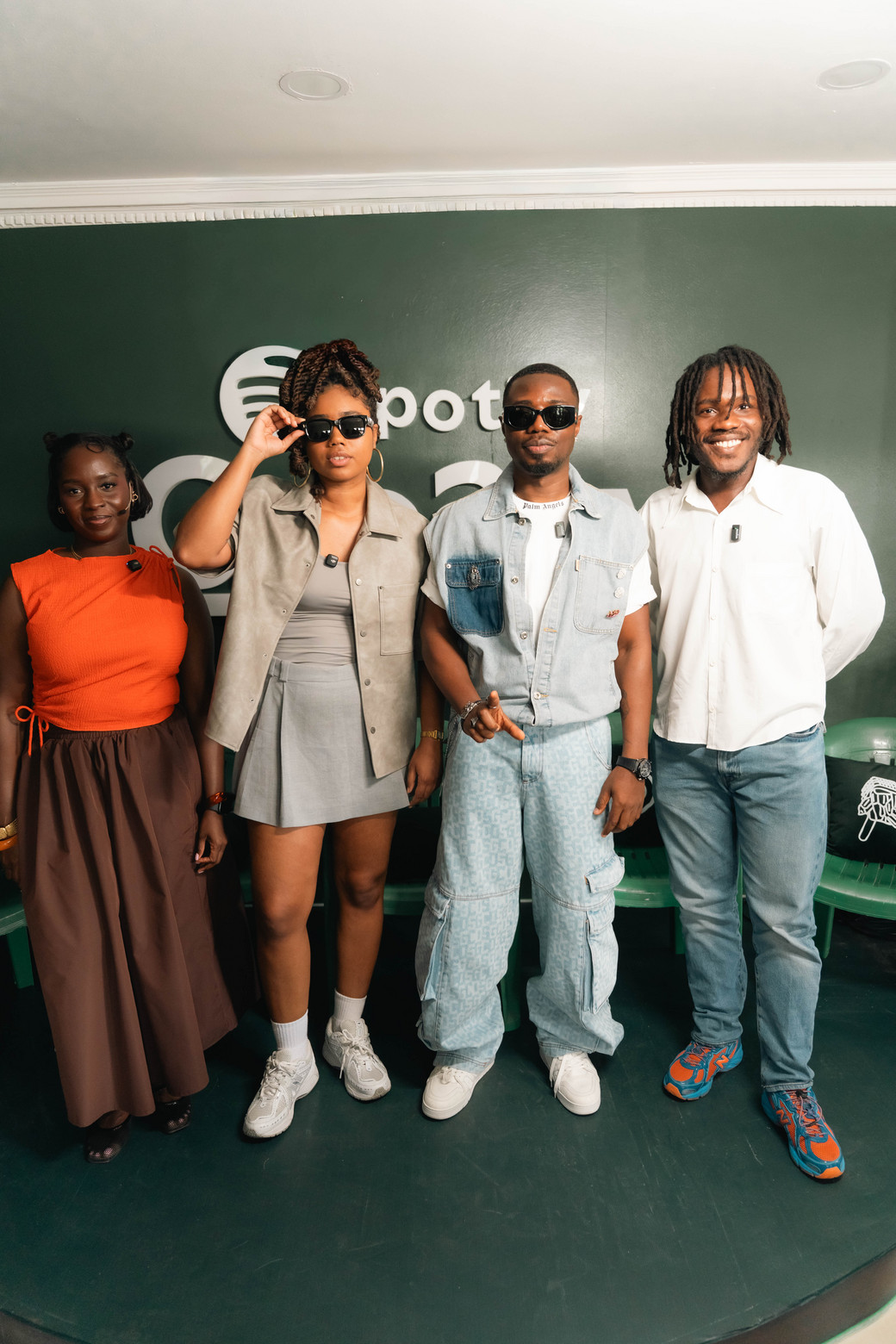
The second day’s program christened ‘Welcome To The 2020s’ transported us back to the present day. On hand to assist in deciphering the many factors influencing the genre’s current momentum was a panel comprised of Andre Vibez, Melly and Braye.
Andre Vibez brought the perspective of a super-producer at the heart of Afrobeats’ international crossover success. Credited with helming tracks for Ayra Starr, Ladipoe and Mr Eazi, he’s best known for producing Rema’s ‘Calm Down’. The commercial juggernaut which currently sits as the most streamed Afrobeats song of all time. Braye, by contrast, approached the conversation from the vantage point of a genre-blurring singer-songwriter whose output encompasses afrobeat, soul, reggae and Zamrock. Offering a transatlantic counterpoint was Melly. Hailing from Salvador, Brazil, her music weaves MPB and samba into a hybrid form drawing from Afrobeats and R&B.
Melly’s inclusion on the panel added a nuanced dimension to the conversation. Noting how a lot of Nigeria’s pre-colonial spiritual practices have remained more visible in Brazil than in many parts of Nigeria today, her borrowing from Afrobeats is less a sonic experiment but more an act of reclamation. “I honour my history but I’m also honouring things I don’t entirely know because they didn’t teach us. I just know its within me”, she noted.
The assembling of such disparate artists was a reflection of just how expansive the landscape has become. Their discussion ultimately intimated that “Afrobeats” has grown into a term too broad to contain everything happening within it. Summing up the tension, Andre Vibez said, “Before the rise of “afrobeats”, music in Nigeria was so diverse. The moment it became “afrobeats”, it boxed and caged us into a certain kind of style and image. And if you weren’t doing that style, it wasn’t going to work for you”.
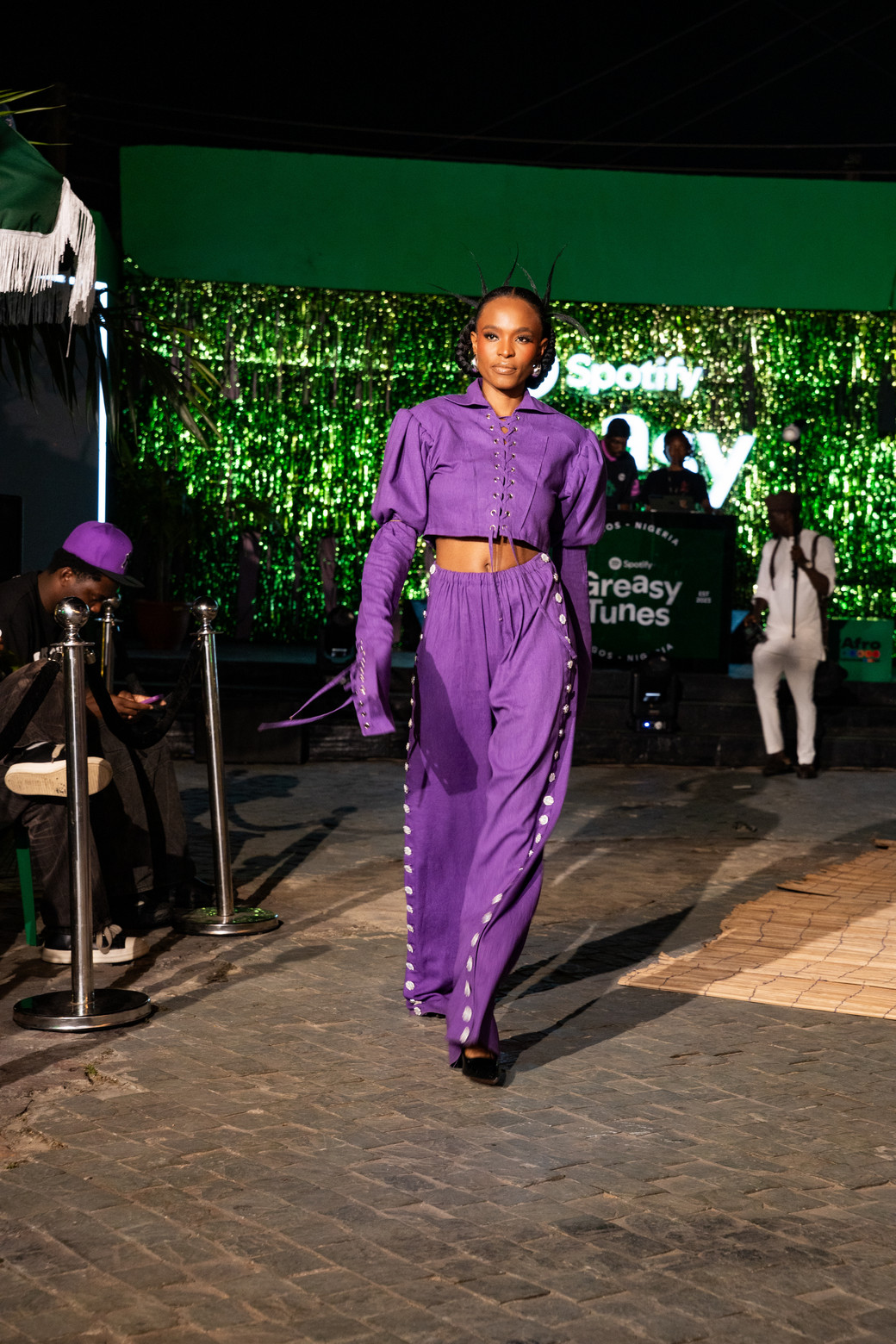
Indeed, as Afrobeats has risen in omnipresence, there’s been the proliferation of a homogenised sound that has come to define its mainstream characterisation. Leaving artists like Braye who exist on the sidelines bereft of the support and push afforded to those less interested in innovating newer sensibilities. Musicians of that ilk are often branded as “alte” – coined for artists like Amaarae, Lady Donli, Odunsi (The Engine) and Cruel Santino whose output is non-linear and more experimental. Recognising that the use of the term “Afrobeats” may have worn out its welcome, Andre Vibez remarked “I think we should leave Afrobeat as Afrobeat, and name what’s happening now as something else”.
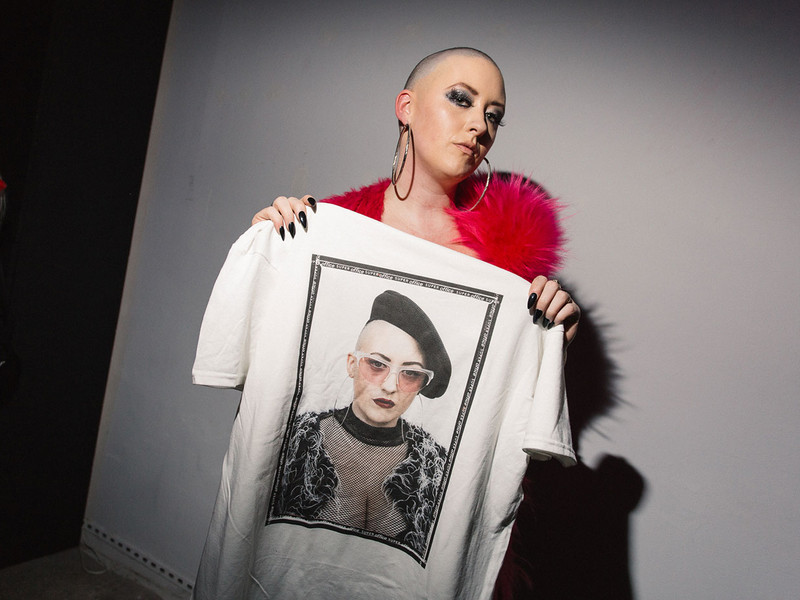
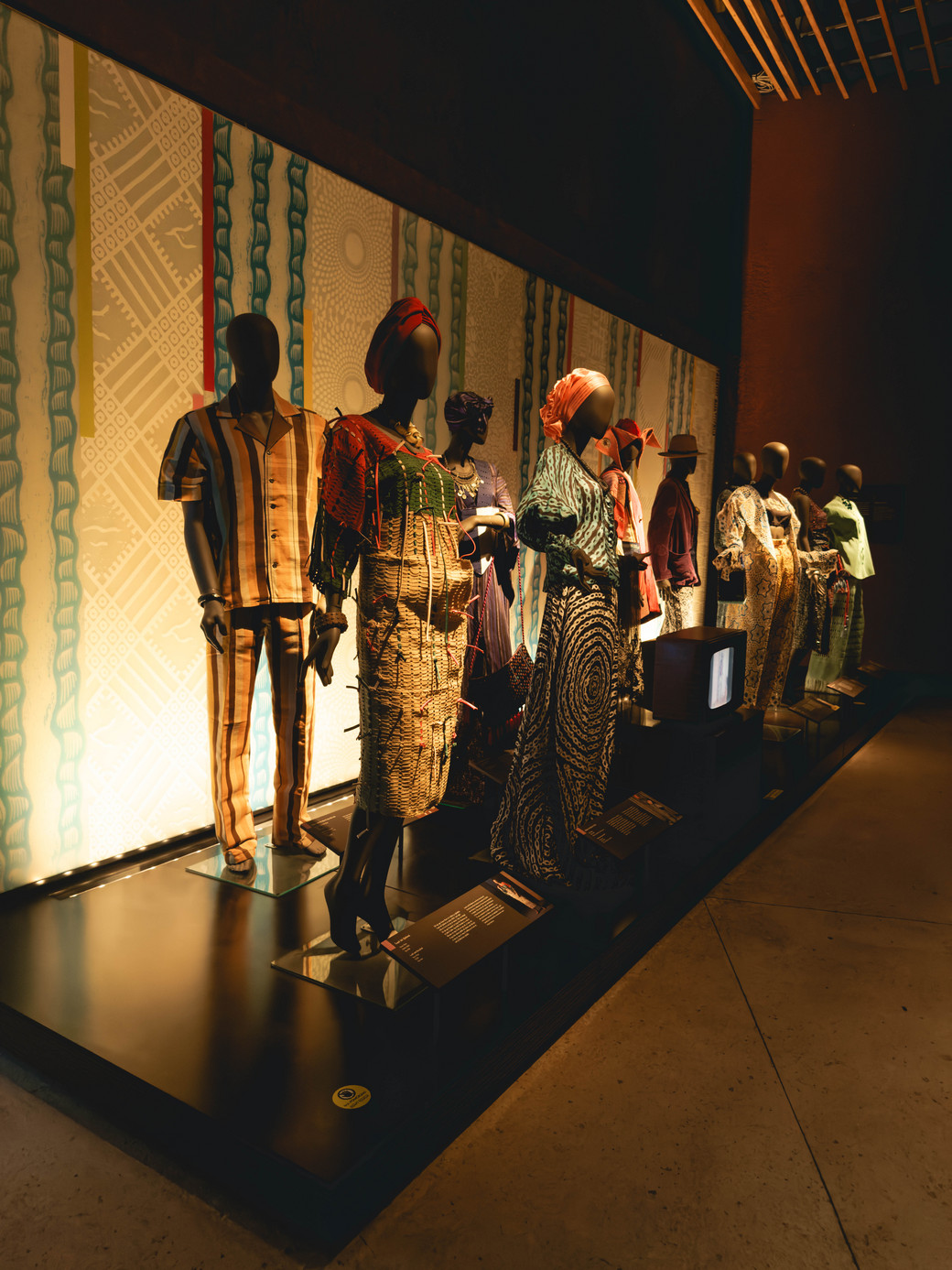
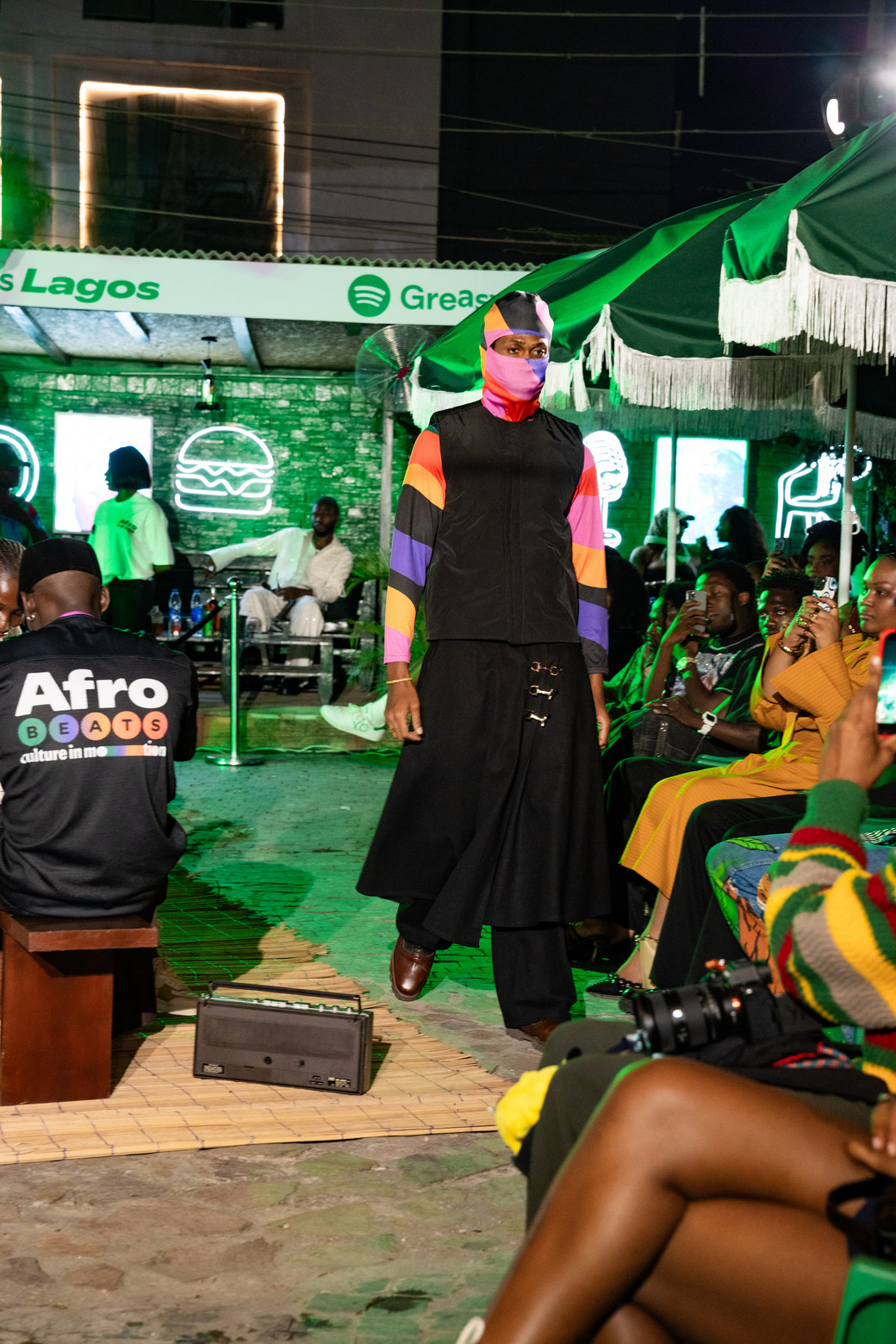
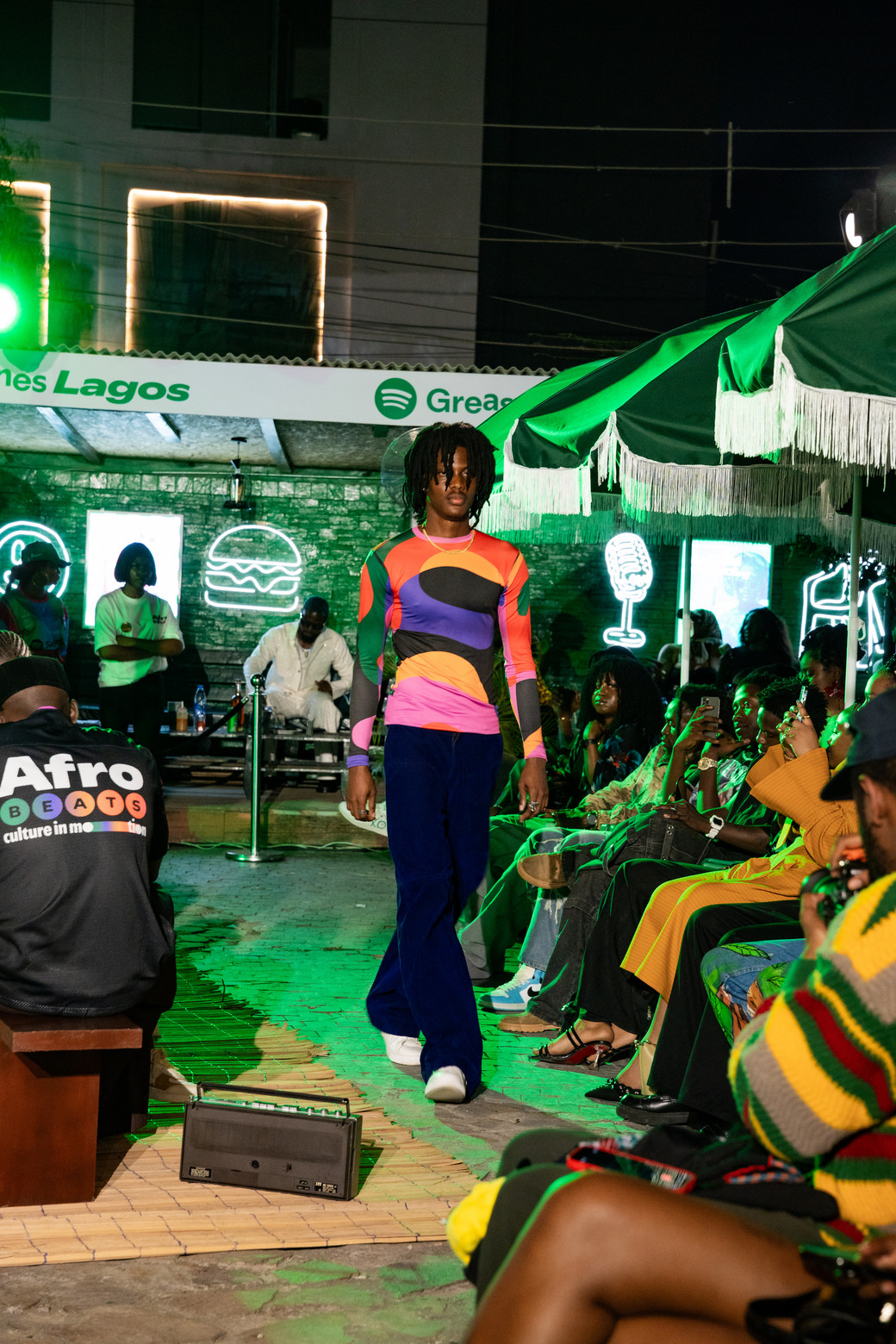
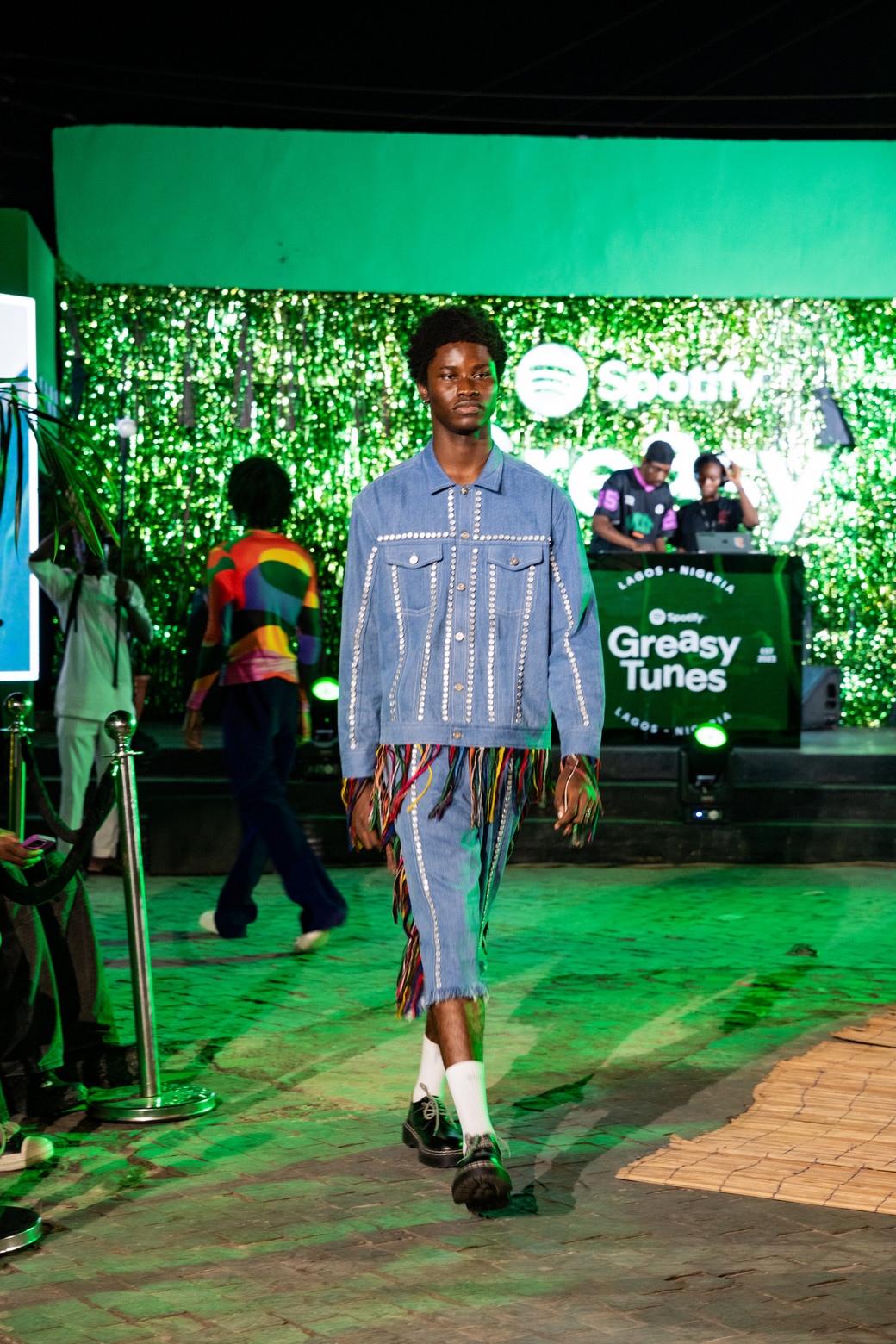
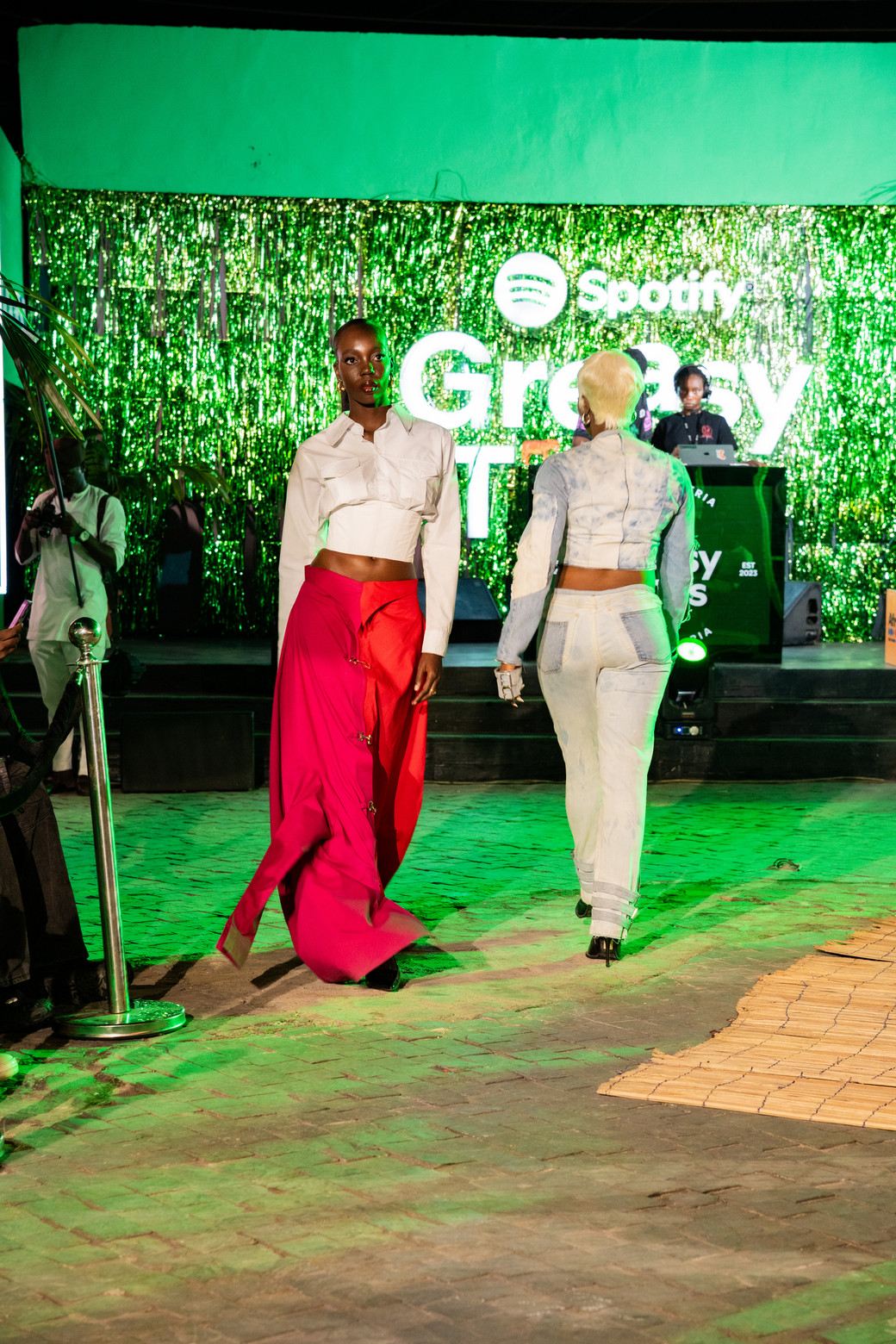
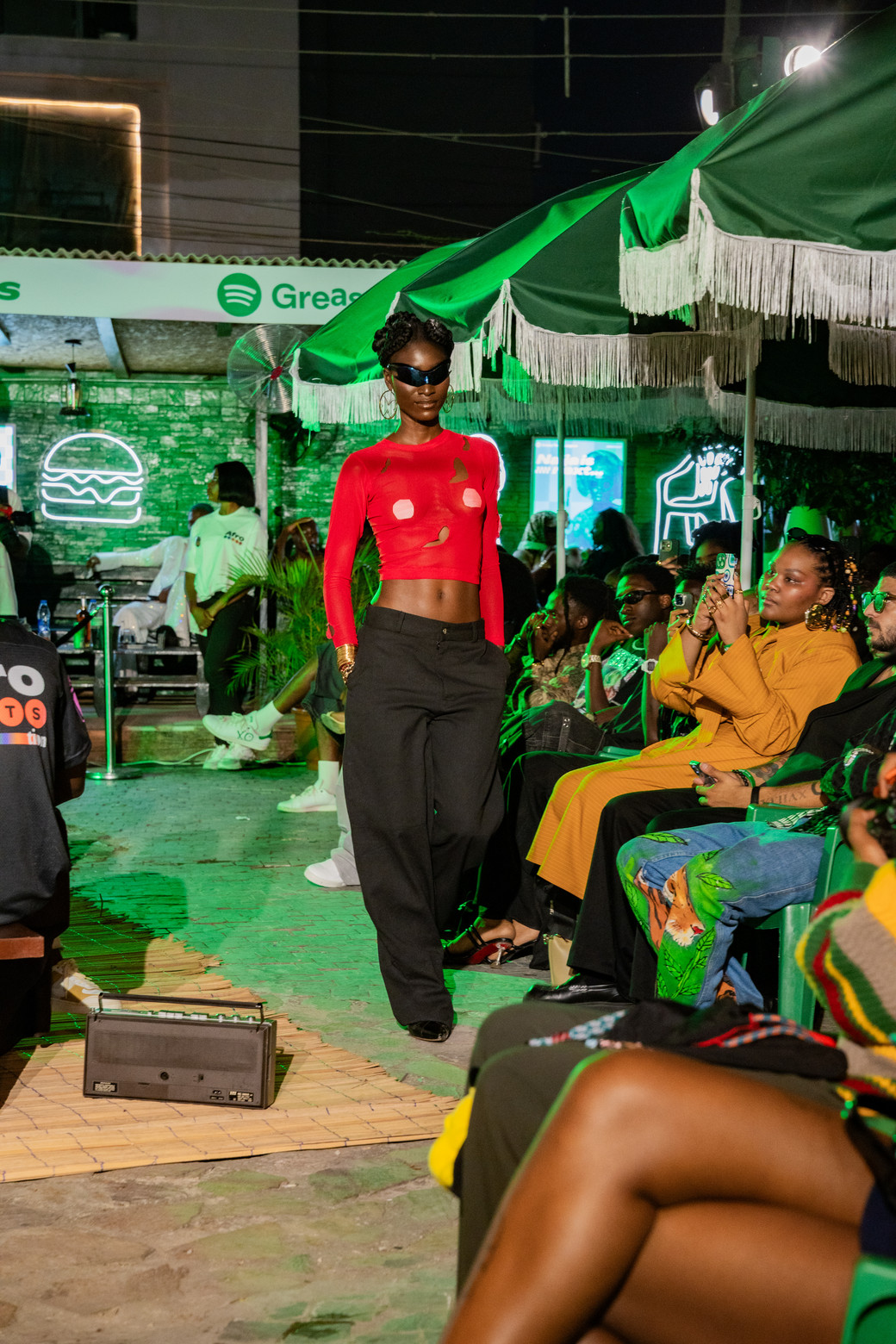
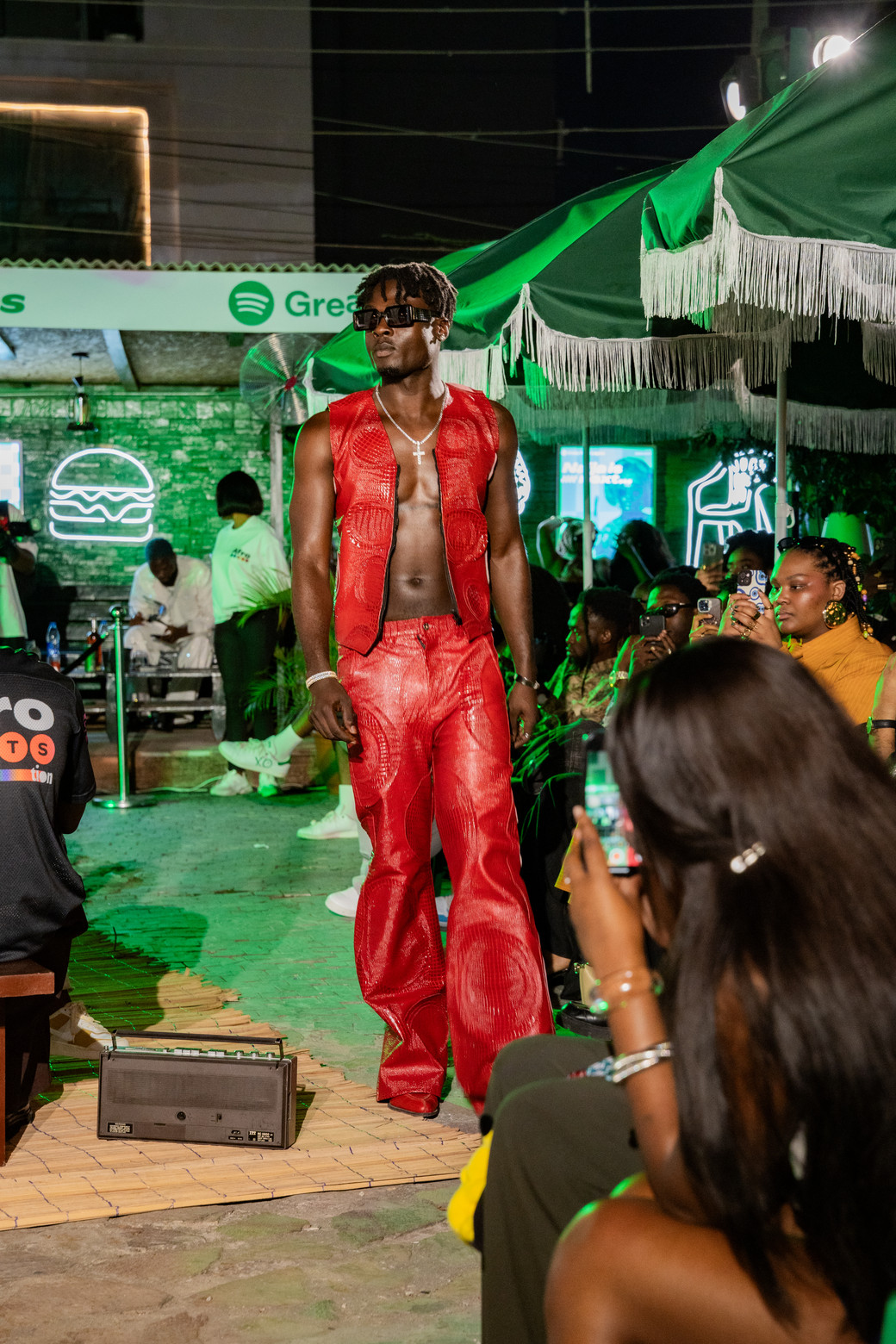
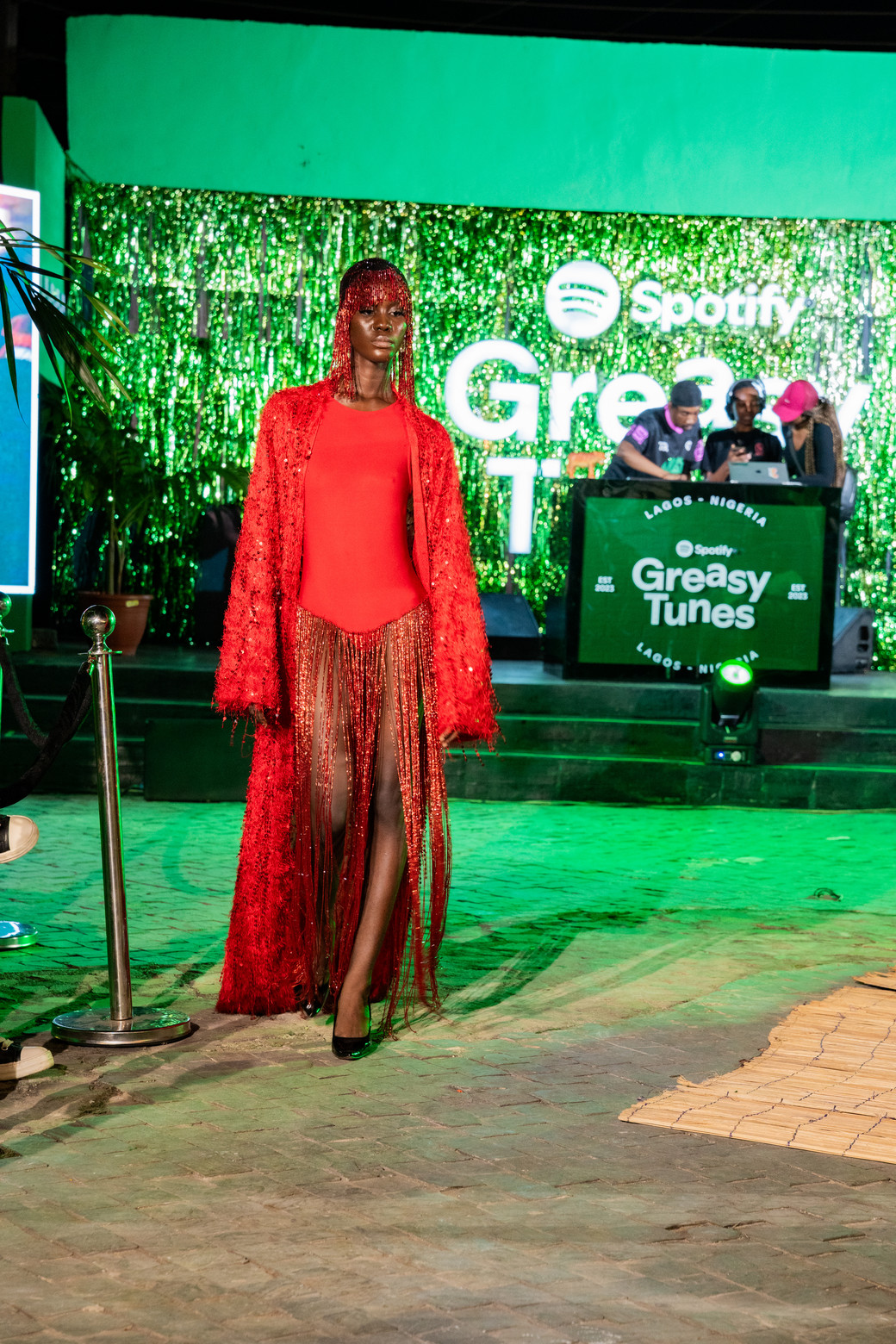
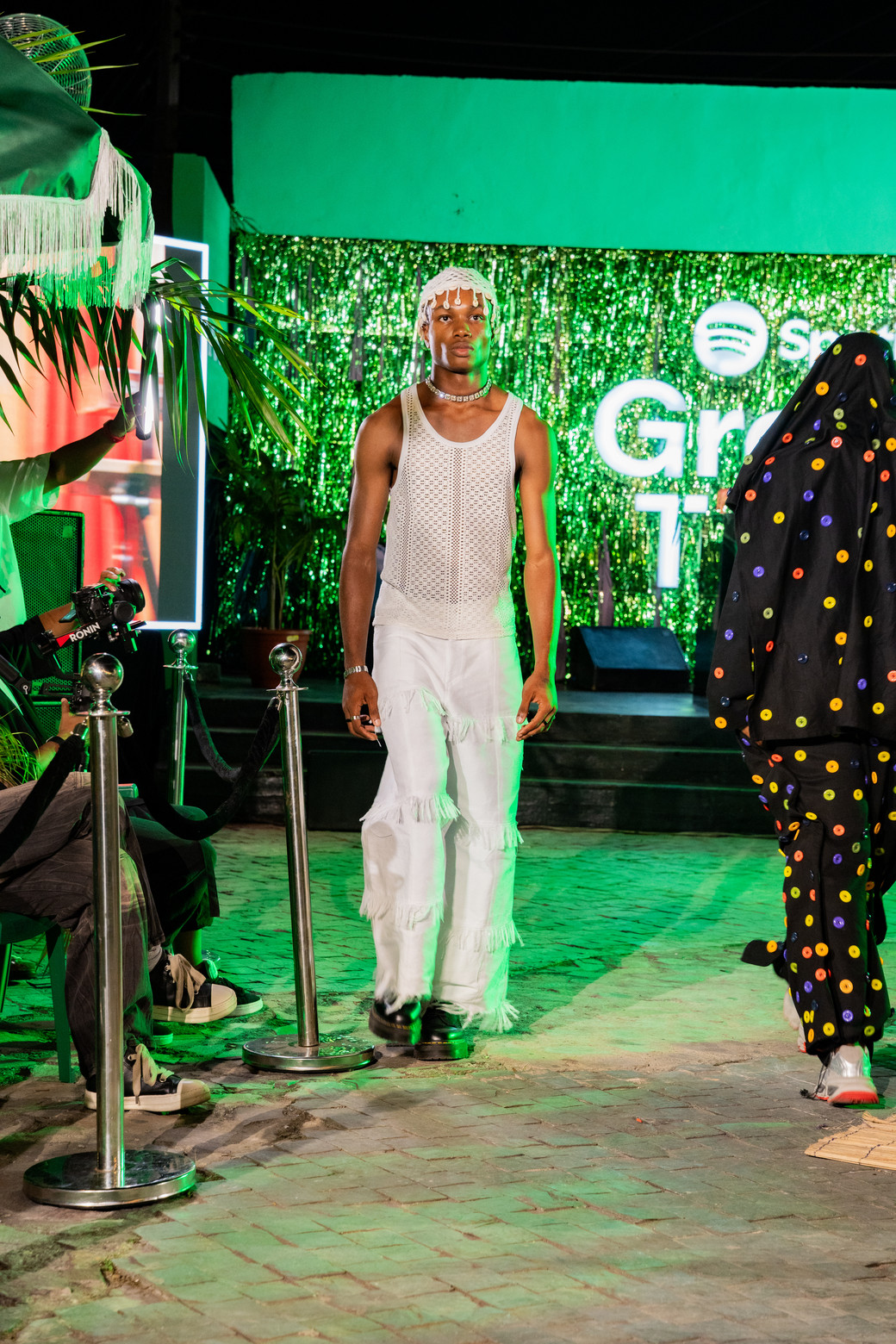
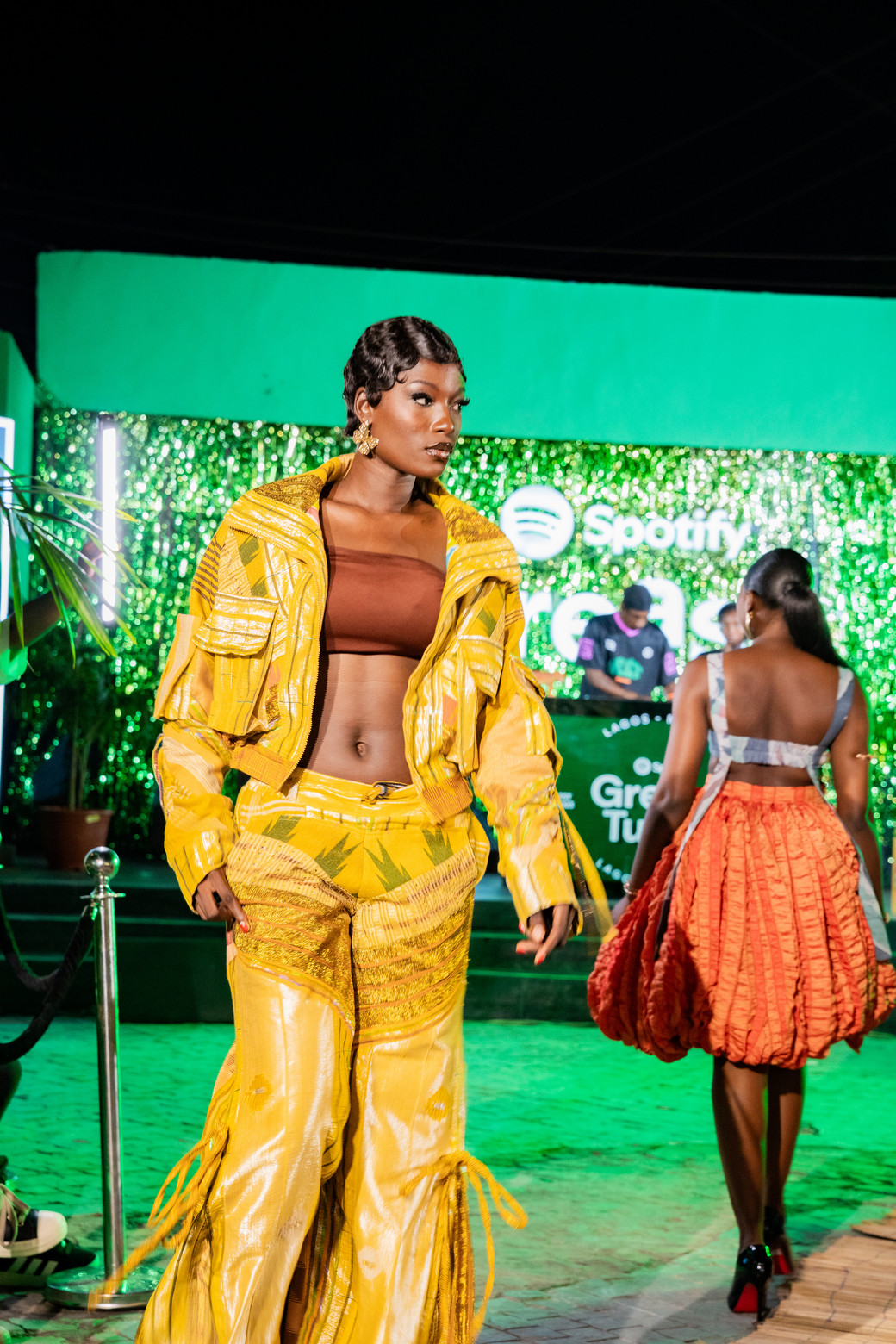
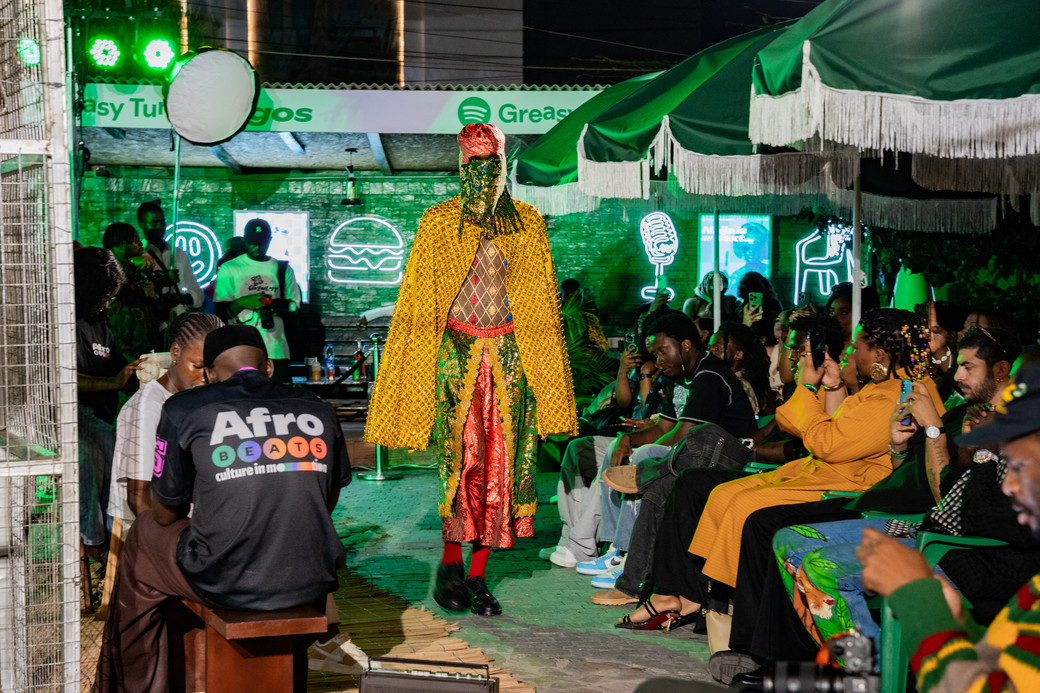
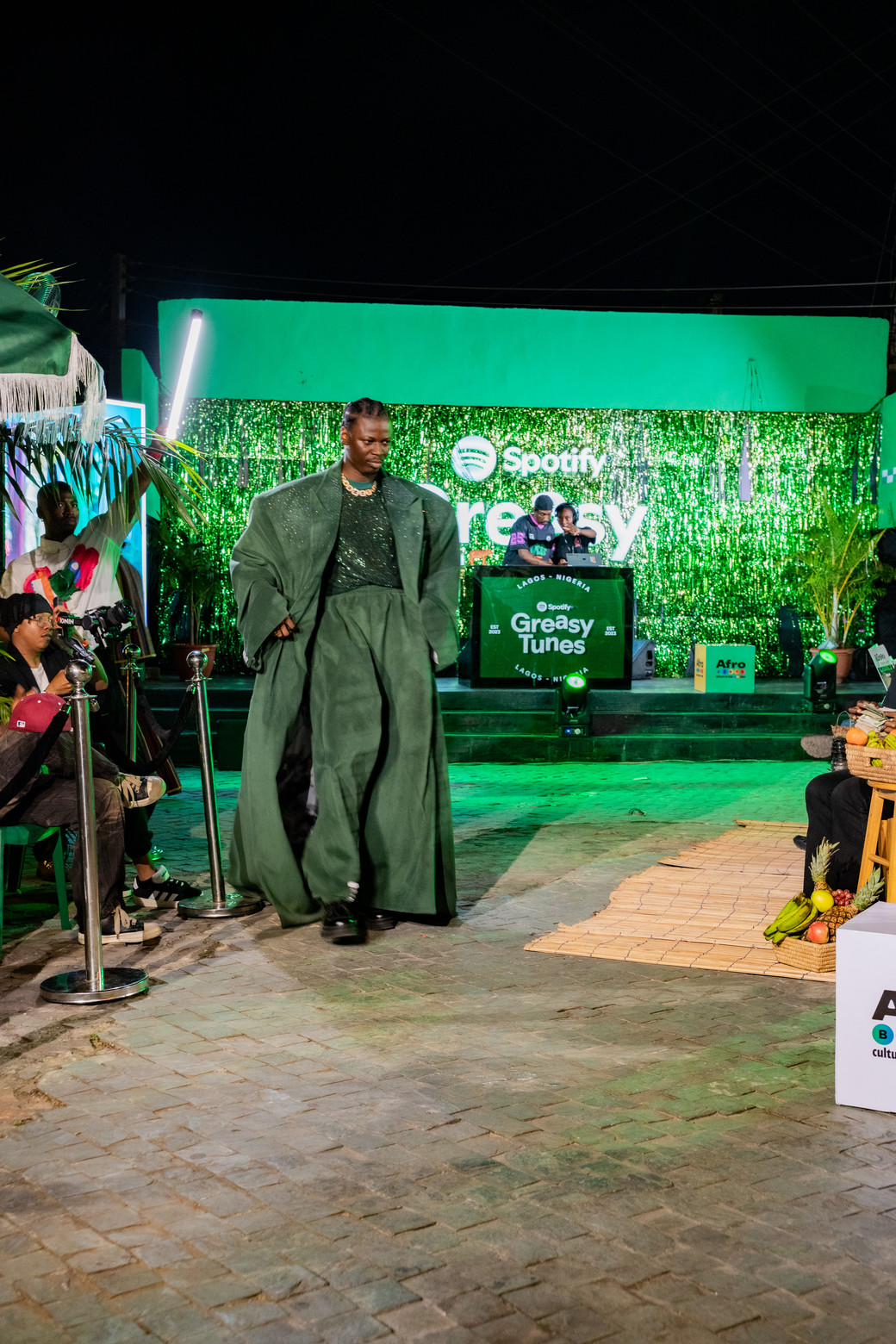
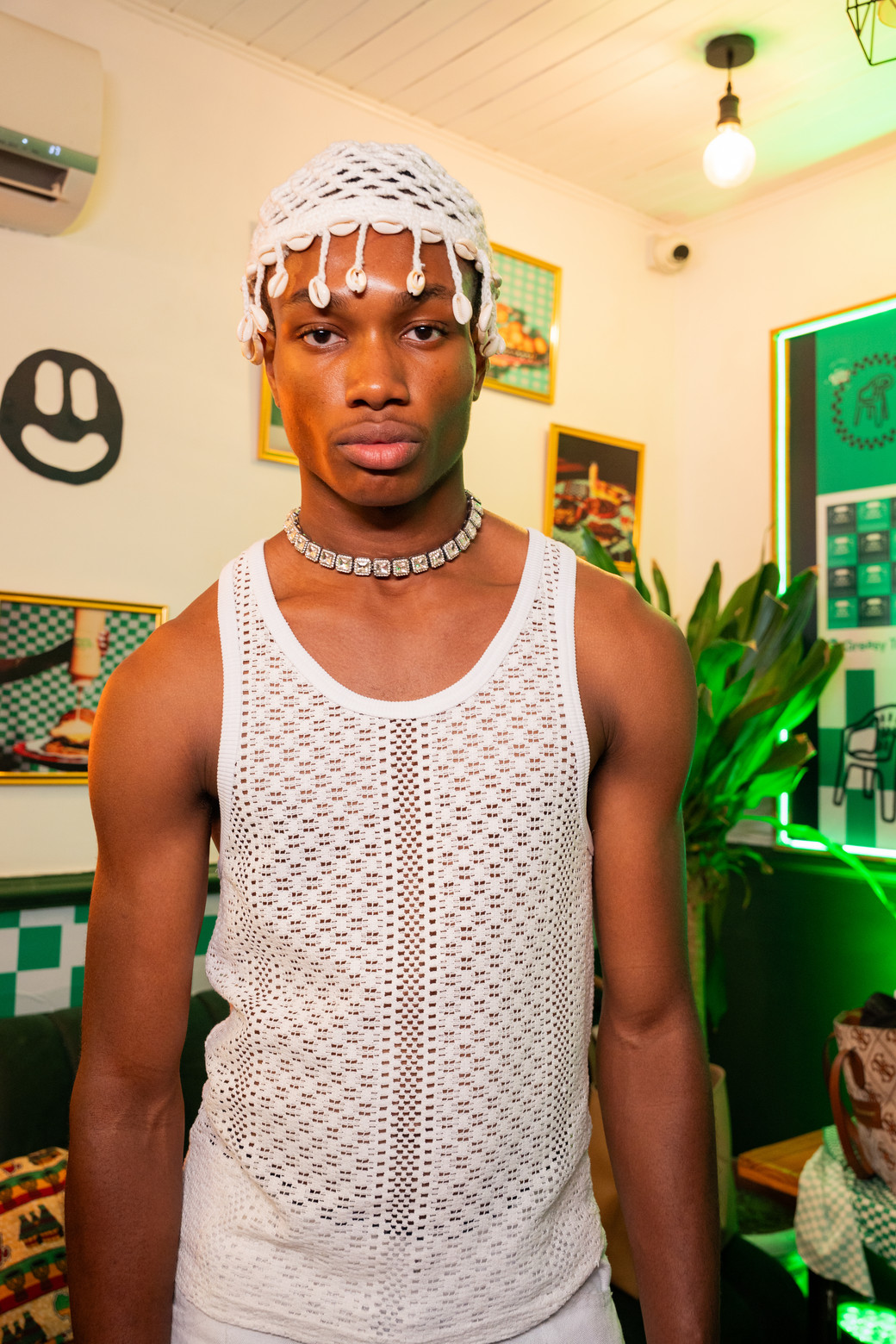
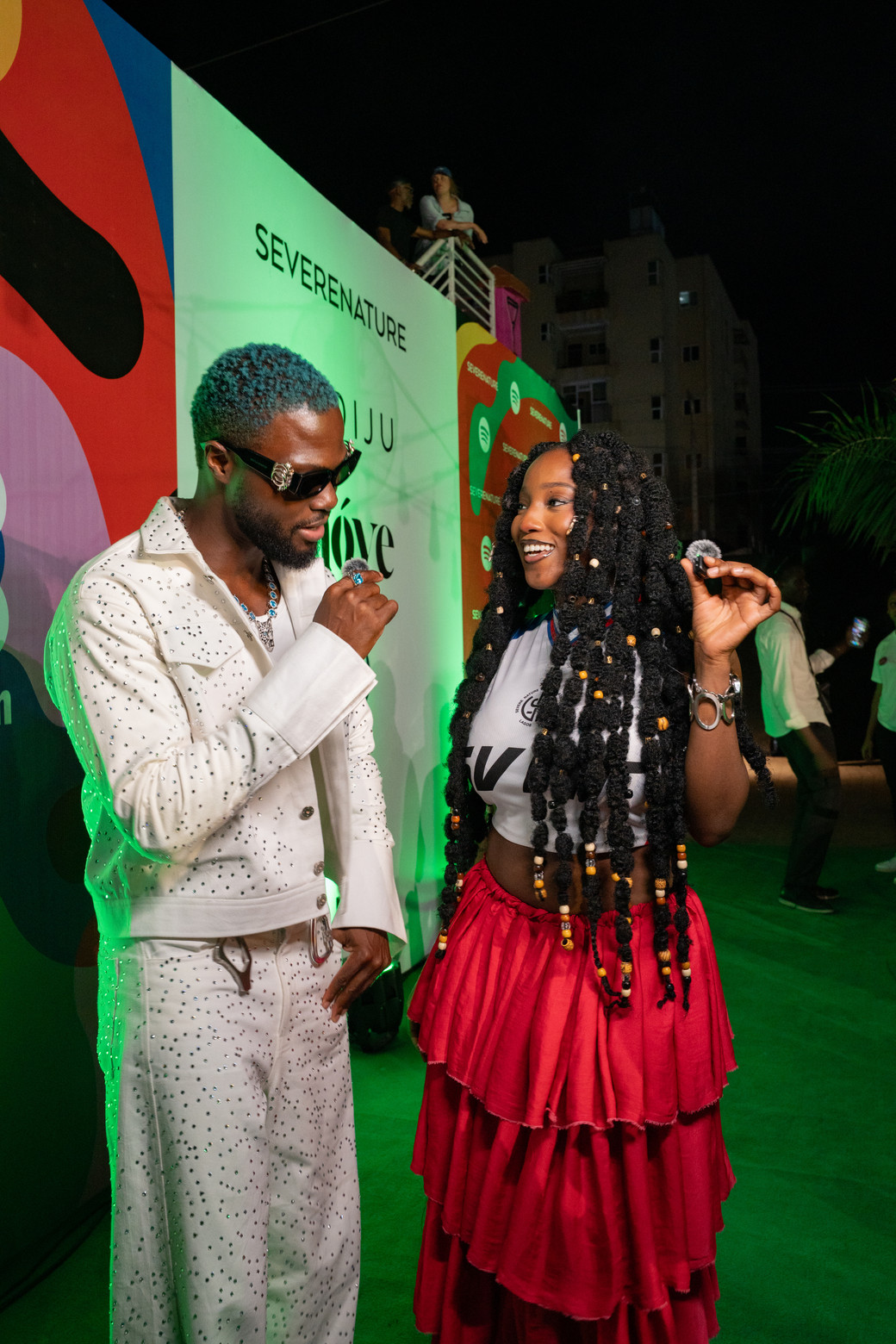
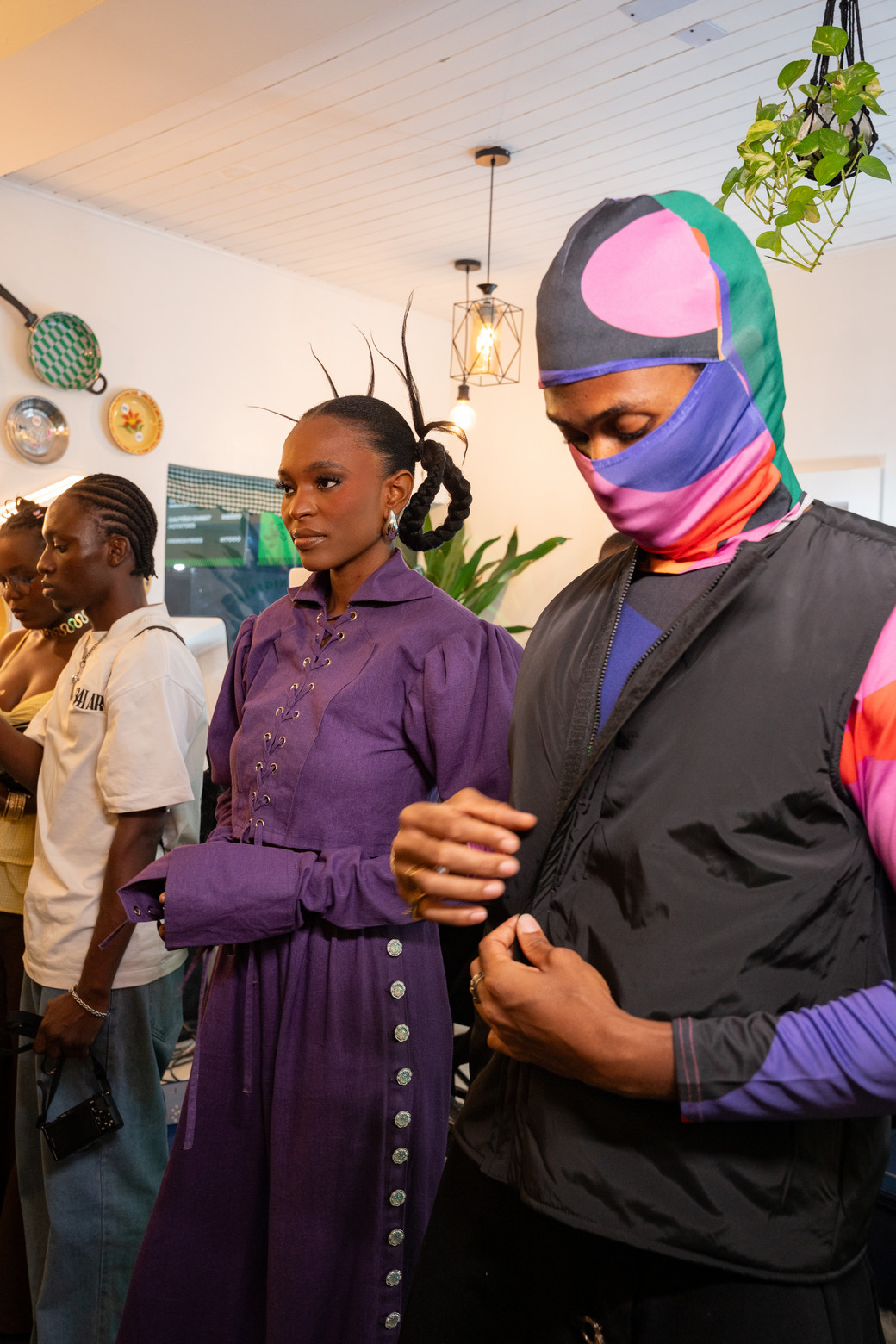
While the genre’s artists, creators and musicians continue to debate and re-frame whether “Afrobeats” is a term that serves them or limits them, the fashion world has chosen to adopt its multiplicity as a muse. In response to this plurality, Spotify produced a fashion show in collaboration with streetwear brand Severe Nature, charting how each studio-born divergence has given way to a distinct aesthetic. Each with their own set of sartorial hallmarks and characteristics. With sections inspired by alte, highlife, street-hop and “the big 3” - meant to signify artists at the epitome of the genre, the runway showcased 19 looks created by Severe Nature alongside emerging brands Móye Africa, I.N Official, KADIJU, and Pièce Et Patch.
The runway show made it abundantly clear that “Afrobeats” isn’t solely a sound or genre anymore. It’s a cultural ecosystem that has parlayed into wider curiosity about Nigerian culture and creativity at large. Commenting on this phenomenon, Severe Nature’s co-founder and creative director Christopher Afolabi said: “There was a time when nobody cared about what was happening in Africa. Now everybody's looking at African brands. Brands in Nigeria get to have more of a presence and build an audience. We now have brands showing in Copenhagen, London and all over the world”.
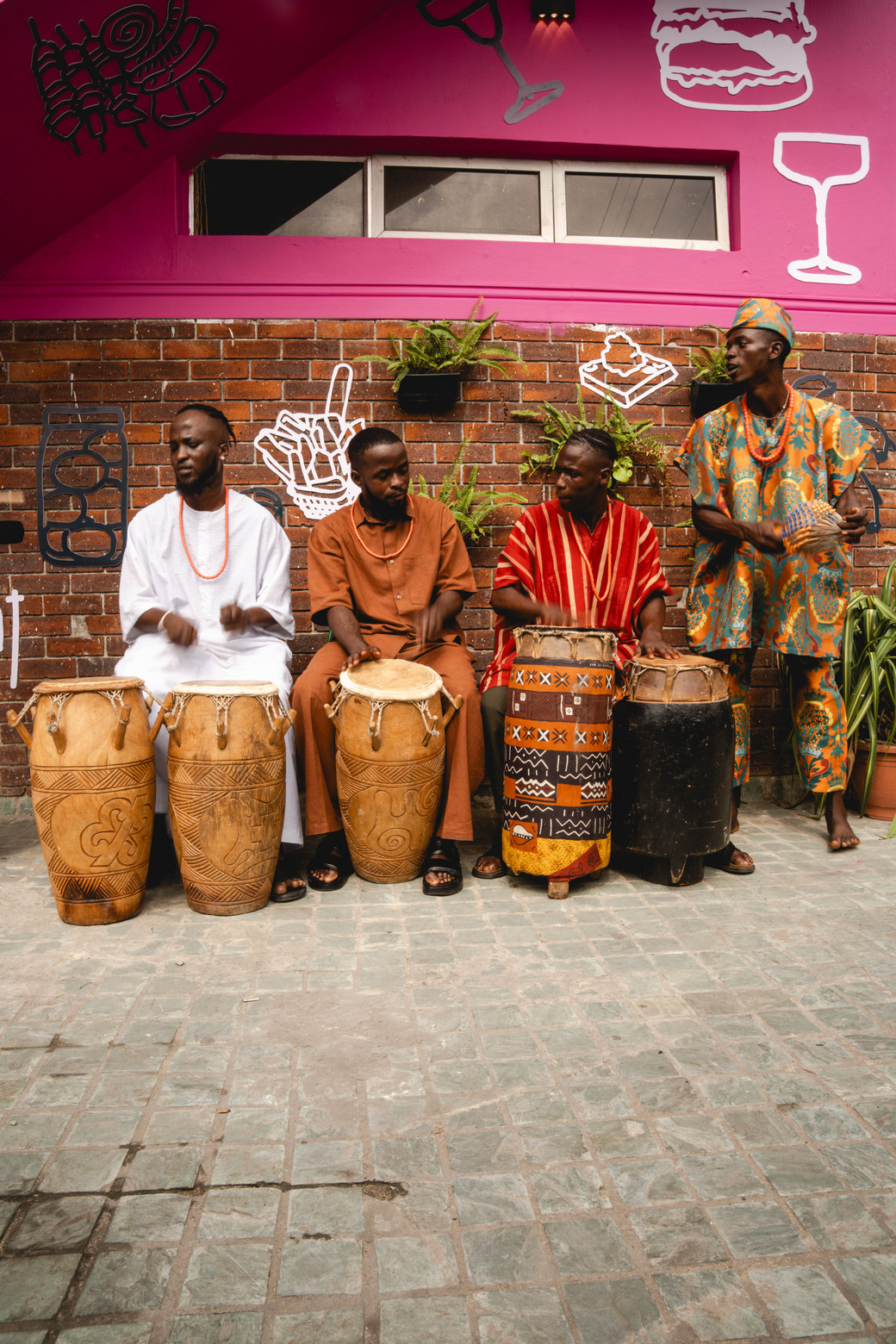
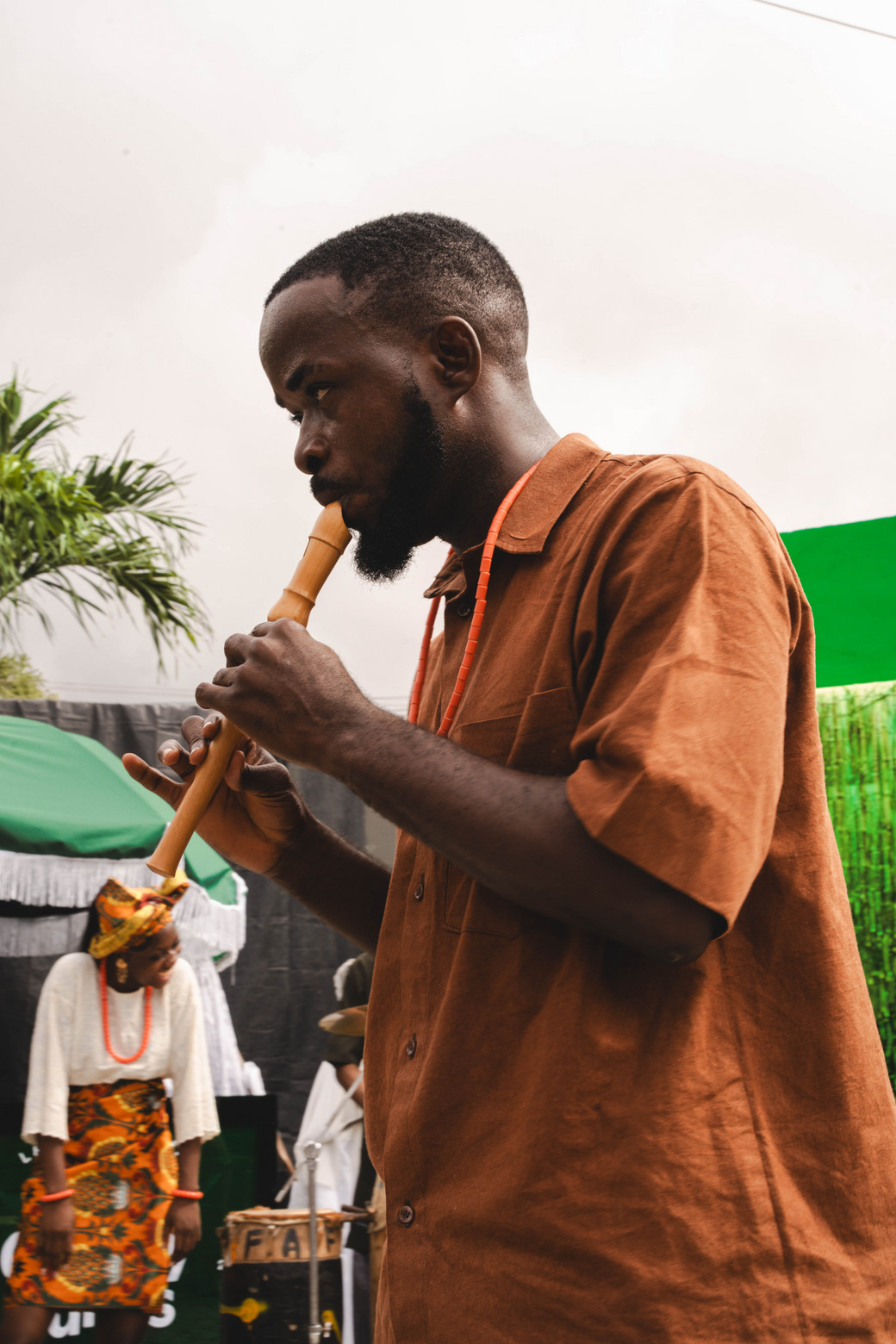
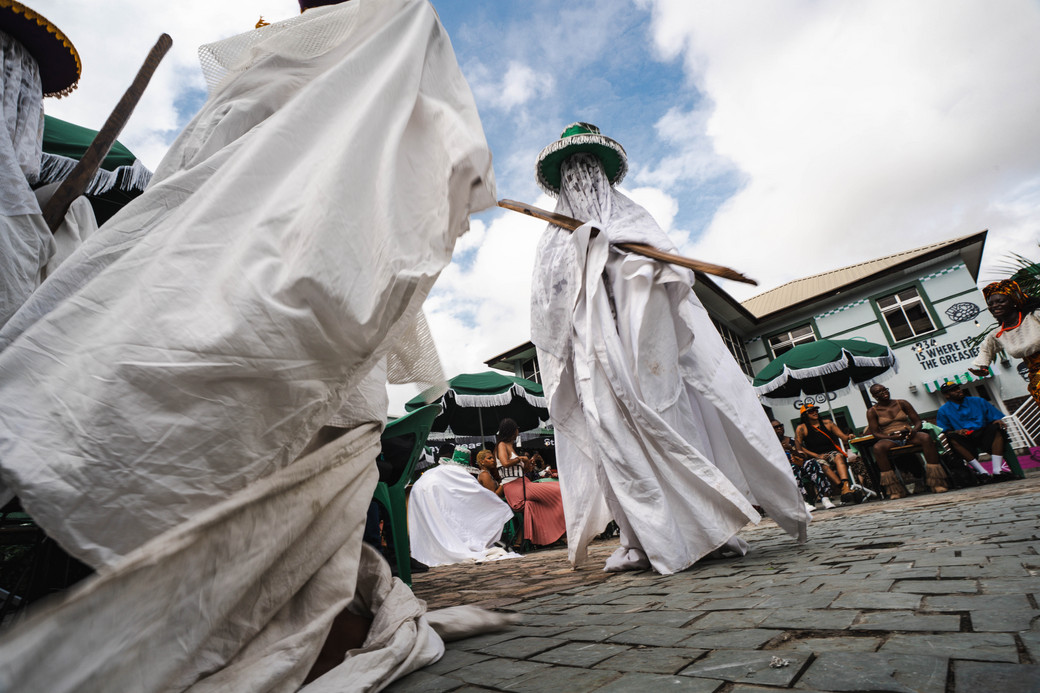
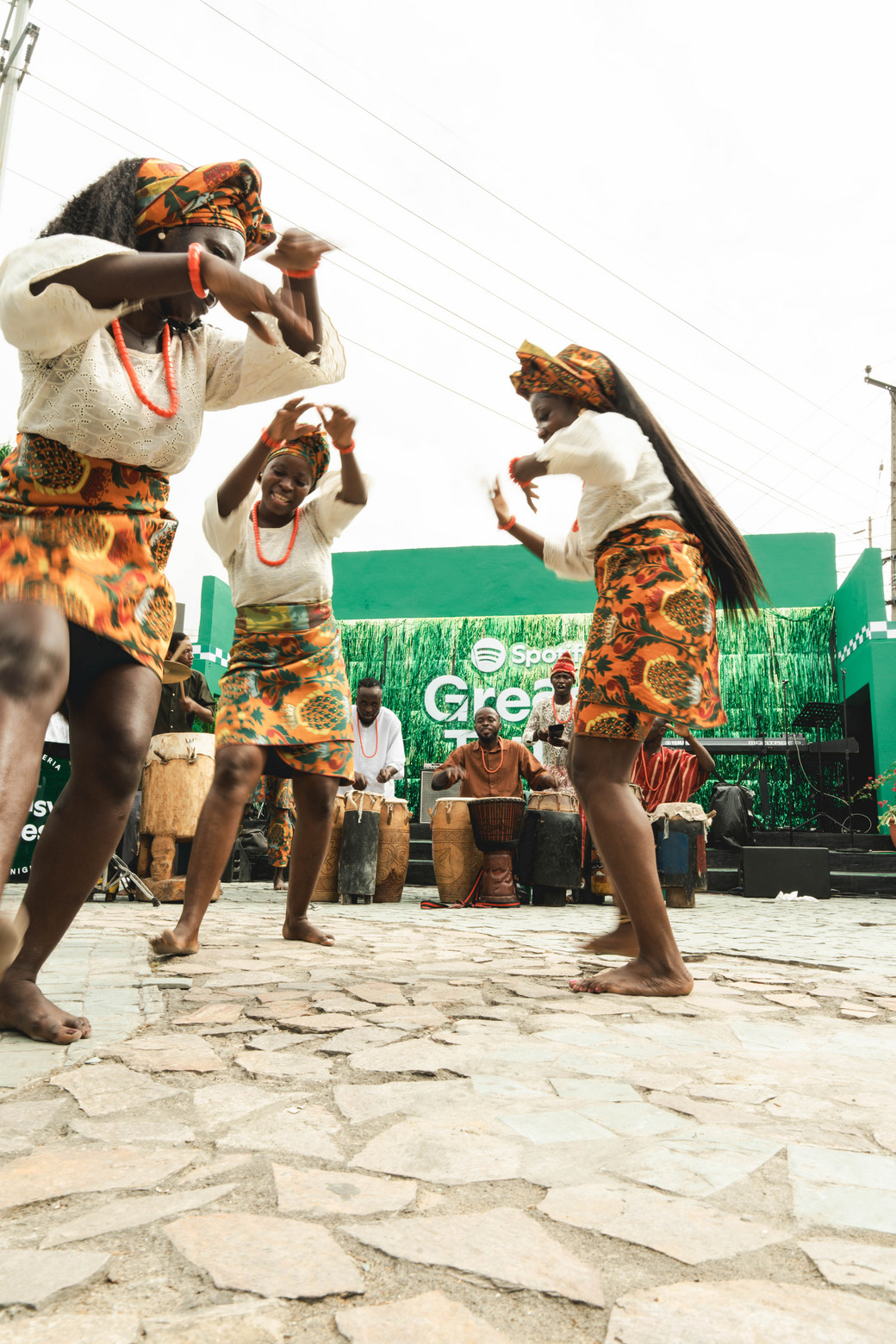
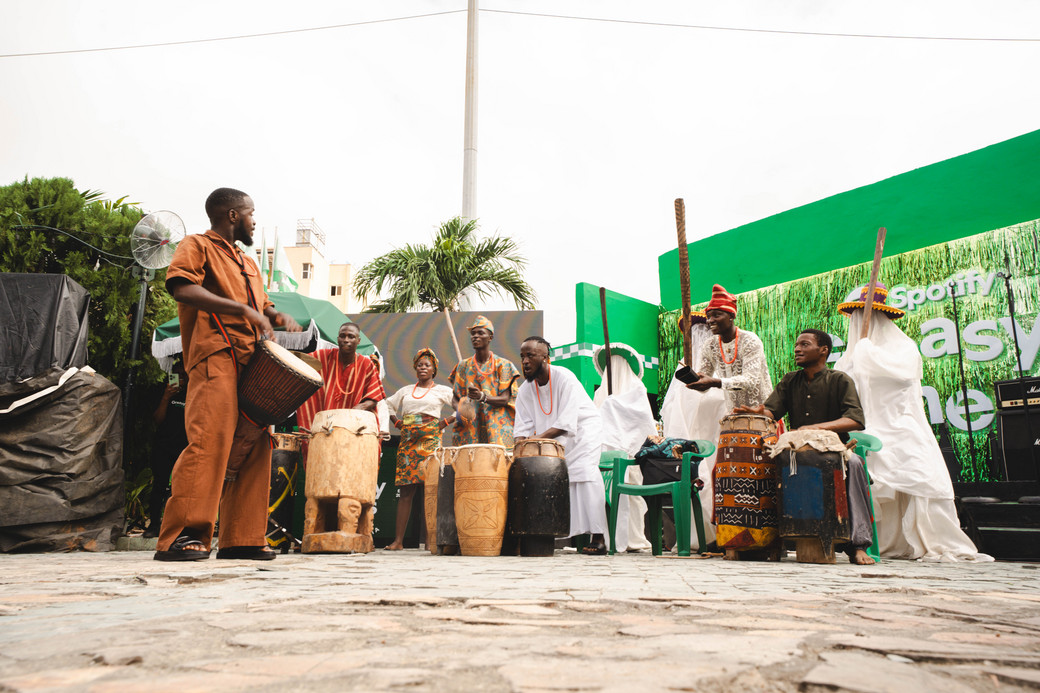
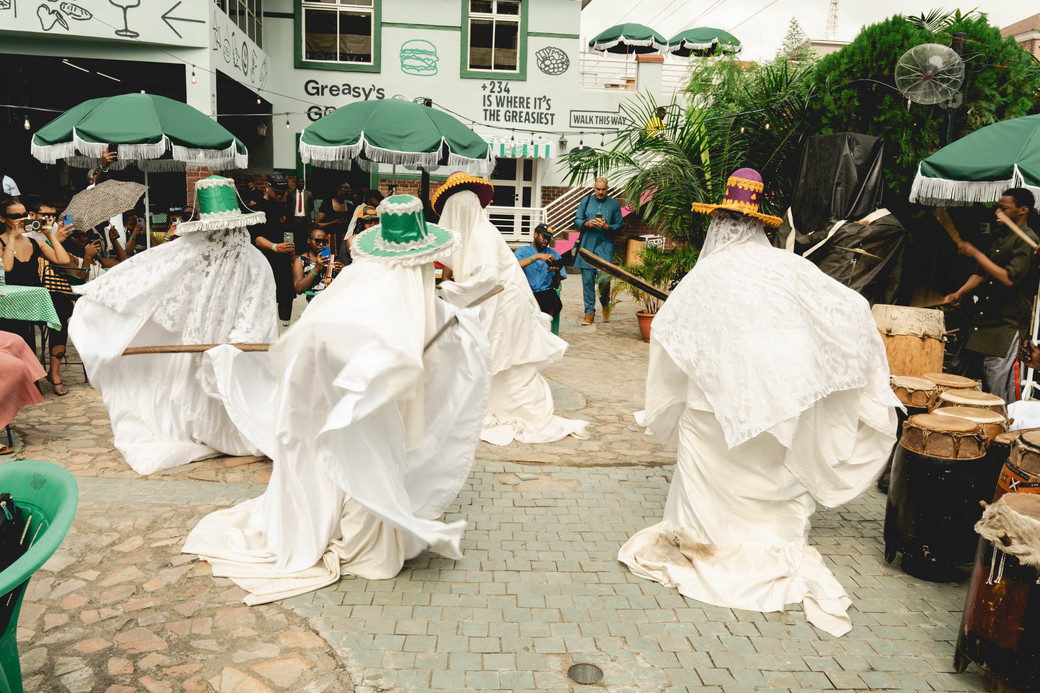
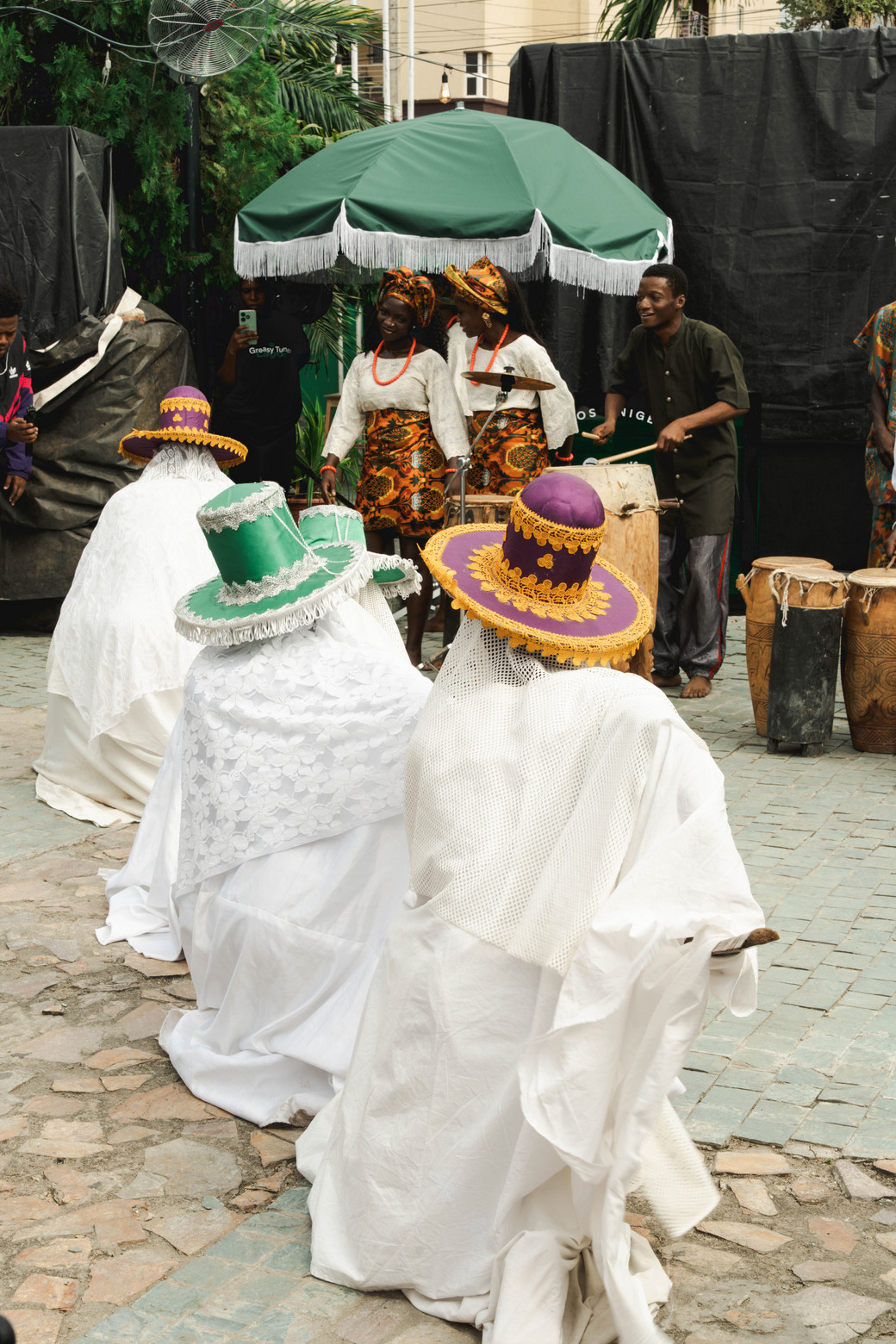
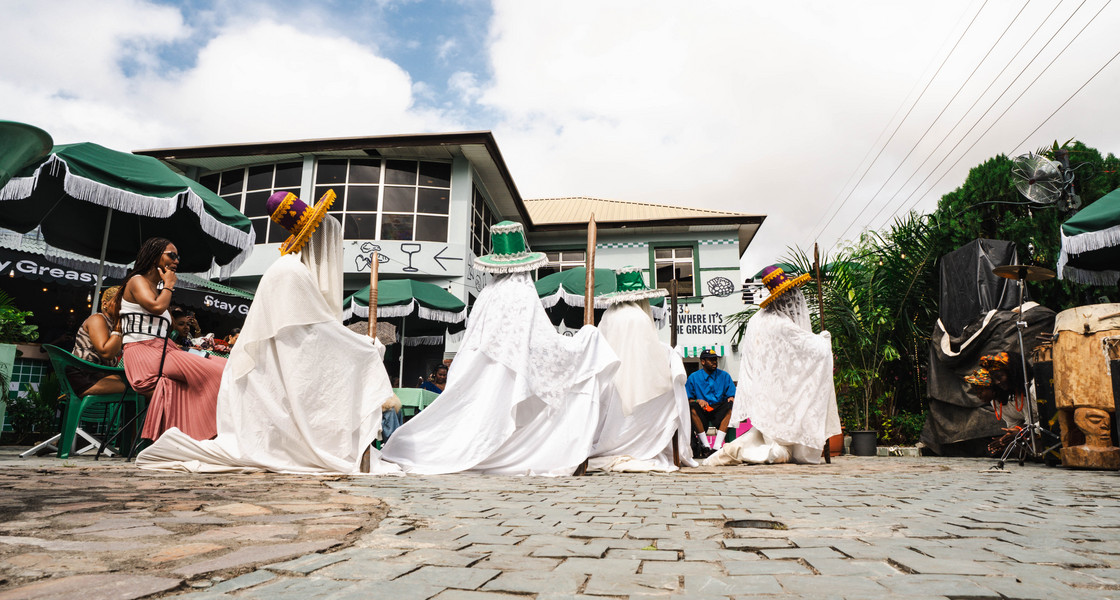
This celebration and acknowledgement of Afrobeats as a multi-dimensional force travelled seamlessly into the final day of the excursion titled ‘Legacy & Labels’. Watching the mesmerising Eyo masquerade performance that morning, I couldn’t help but recognise how this proto-form of performance would become a building block for the rhythmically boisterous sound of contemporary Afrobeats. The previous day Andre Vibez contended that “There’s one thing that’s constant in African music and it’s the percussion. Before we started incorporating other instruments, African music was mostly percussion-based”.
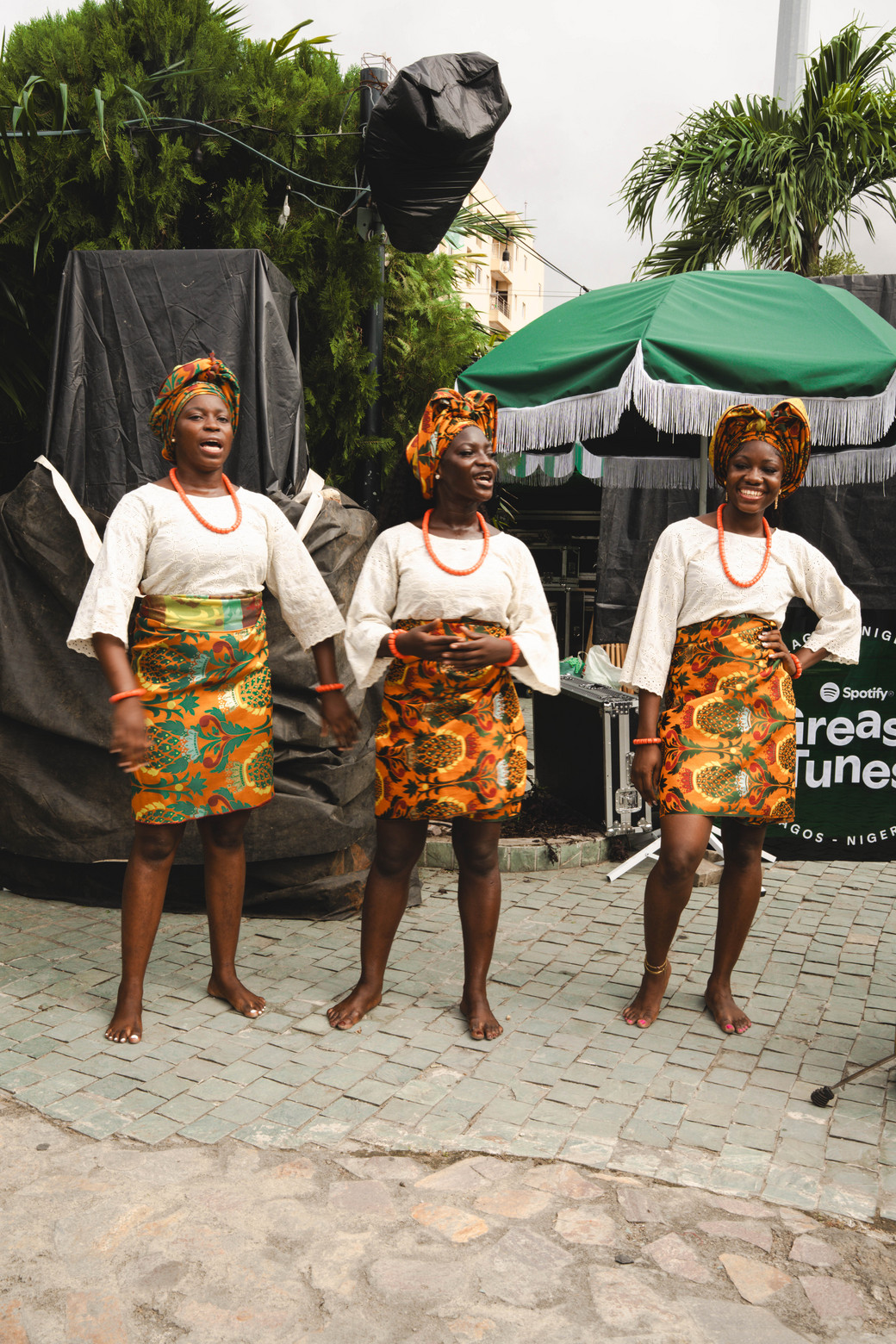
Similarly, there was a level of pageantry beheld in the musicians and dancers. All awash in flowing white regalia, beaded jewellery, patterned sashes and custom-designed face coverings analogous to the style of 90s icon Lagbaja. An artist whose sartorial blueprint was laden in the collection Severe Nature curated. “We put a mask on one of the guys for a look in our collection and it was similar to something Lagbaja would wear, who himself was pulling from the attire one would wear in a masquerade”, Afolabi explained.
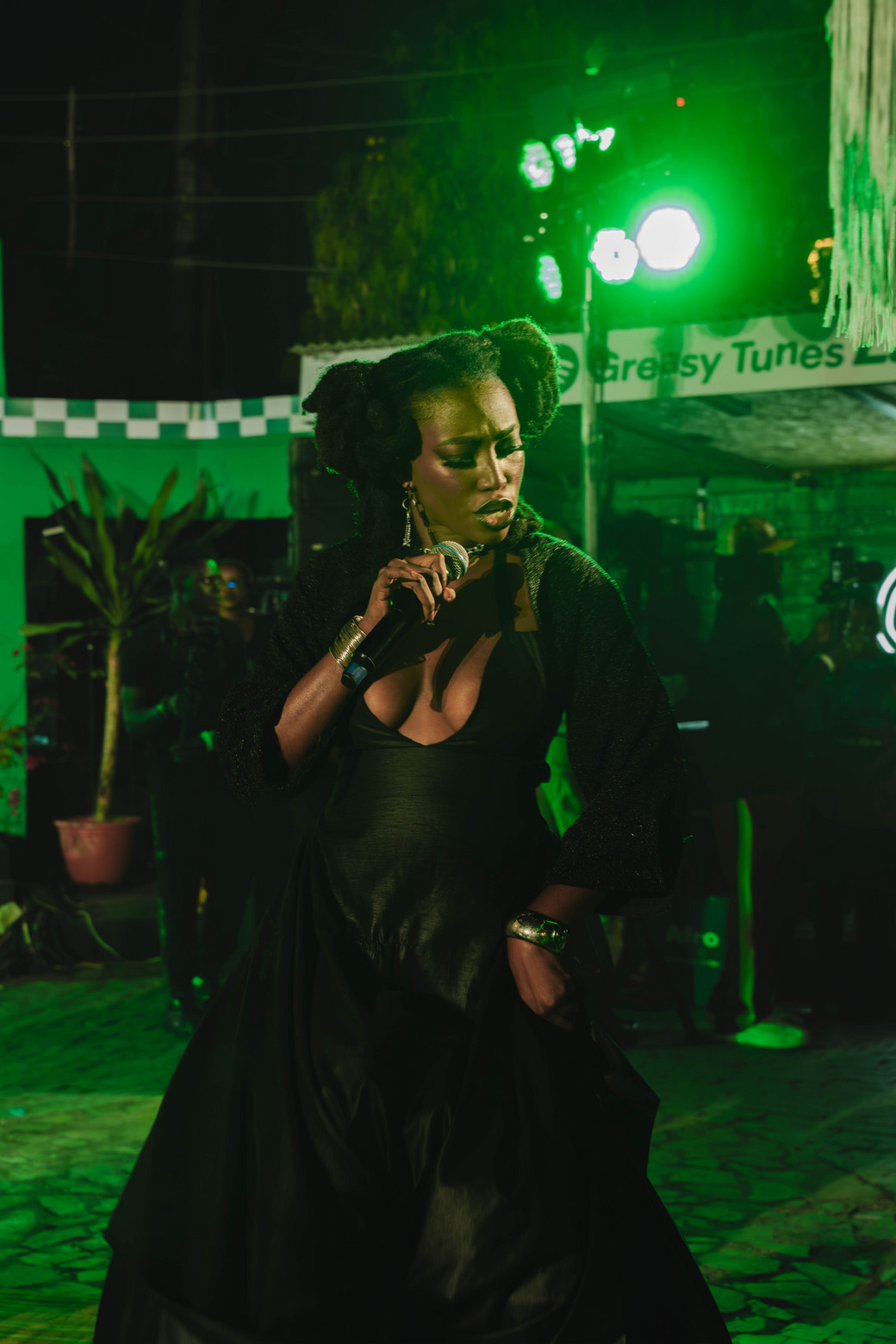
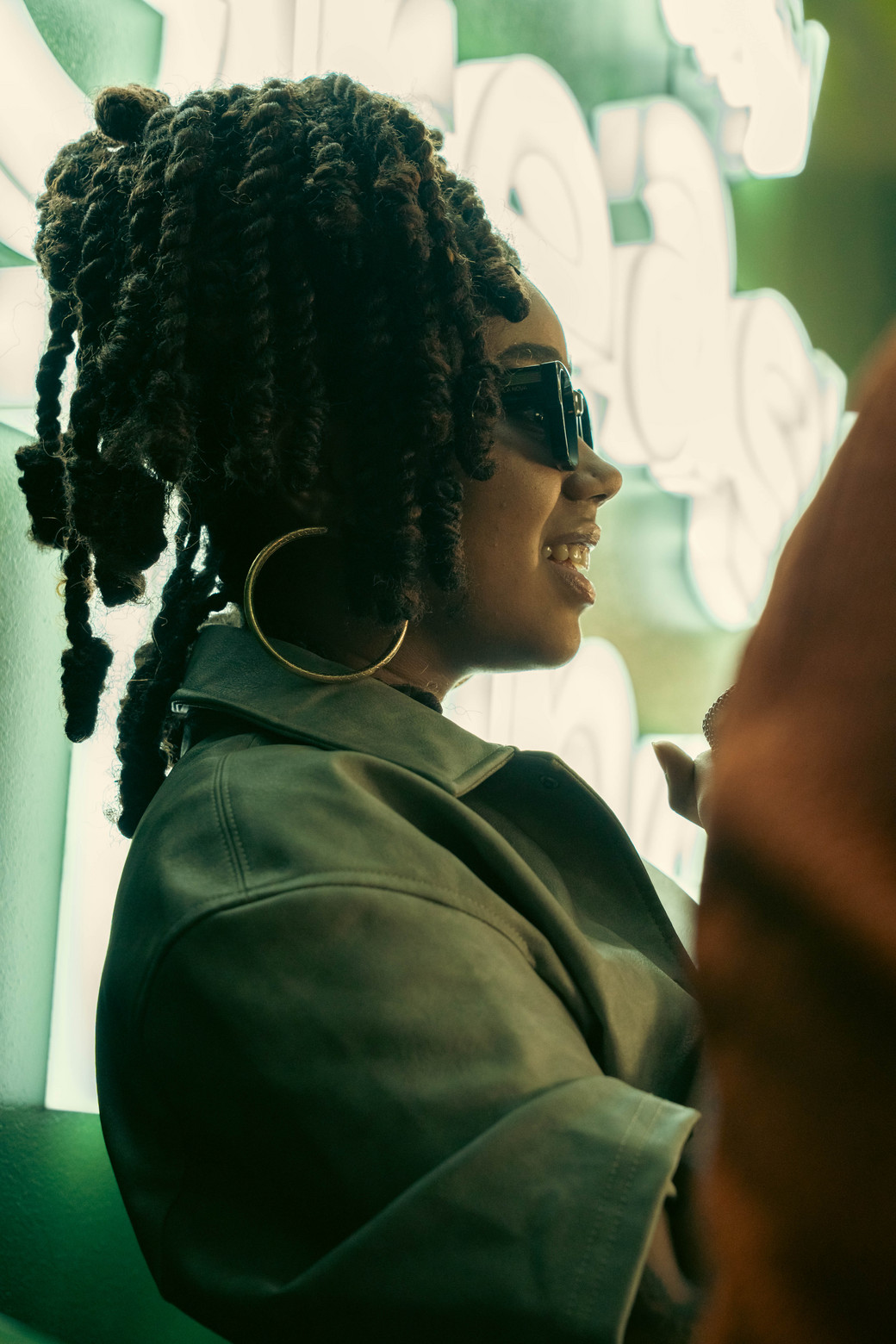
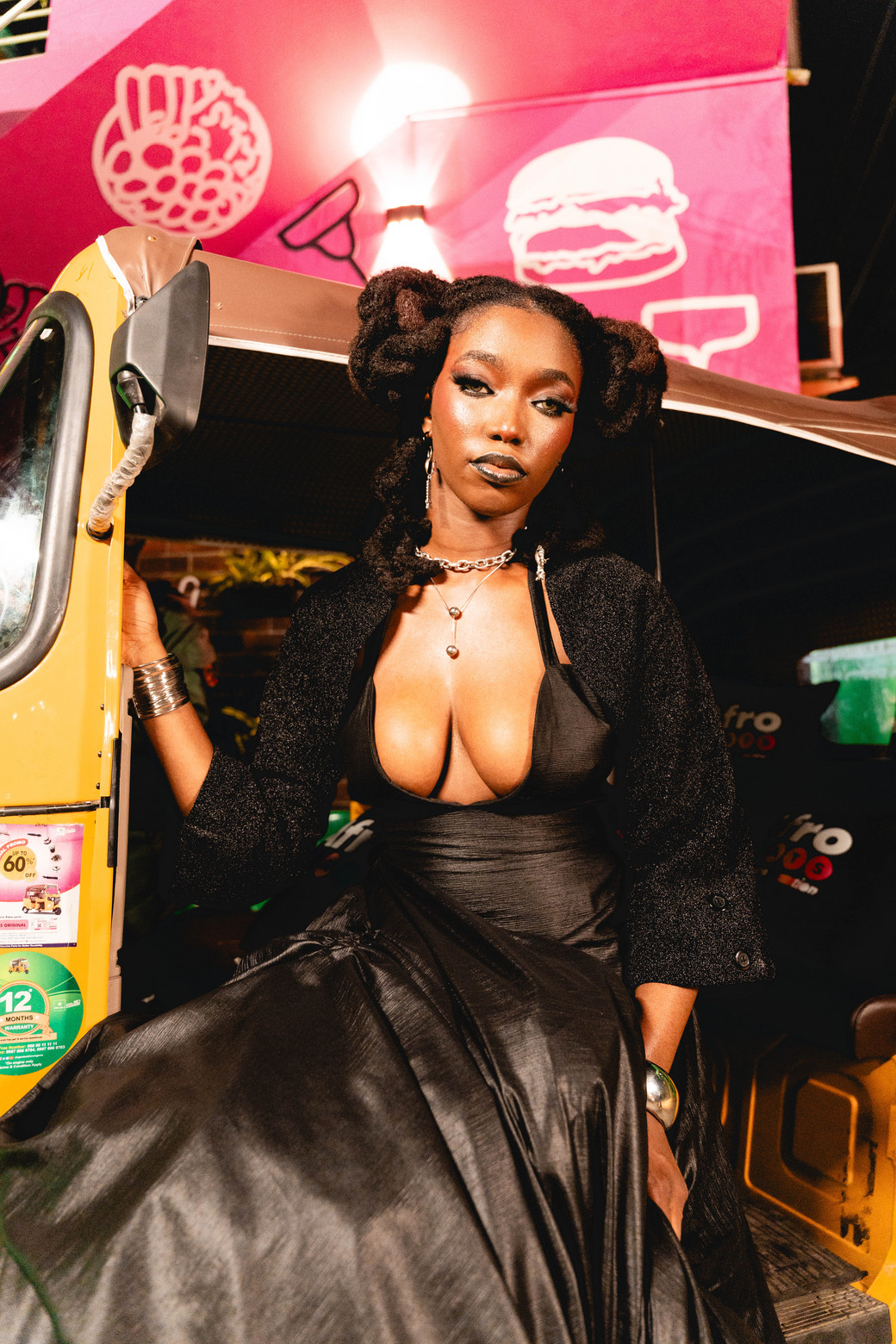
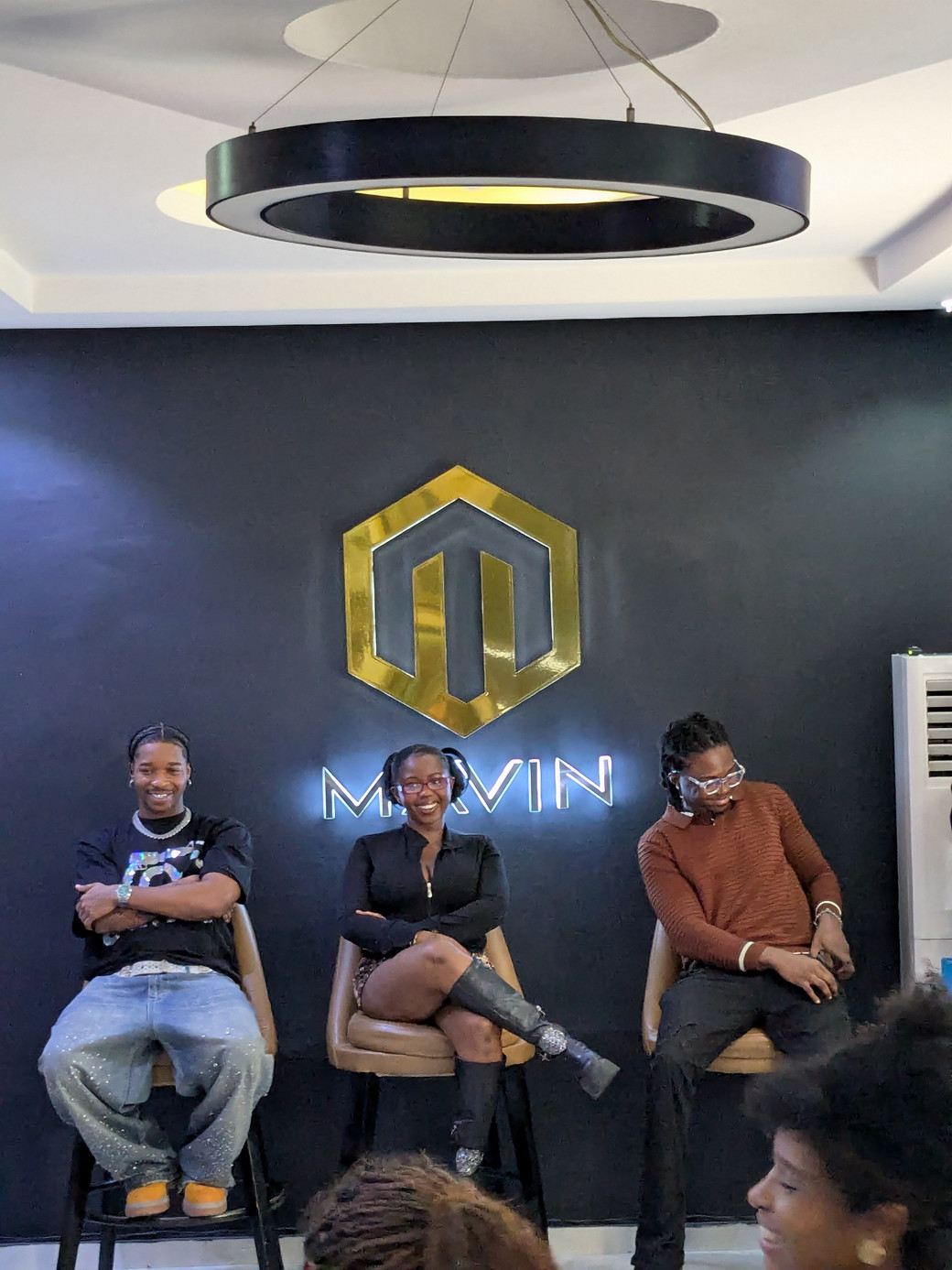
Whereas the two previous days had a razor-sharp focus on two distinct periods of time, this final day brought the past and present together in a manner that on paper felt like a hard juxtaposition, but actually highlighted the decades of cultural heritage that thread everything together. This mode of continuity and lineage culminated when we arrived at Mavin Records. Founded by music executive Don Jazzy in 2012, the label is not only at the apex of Afrobeats today but arguably the most influential label to ever emerge from Africa.
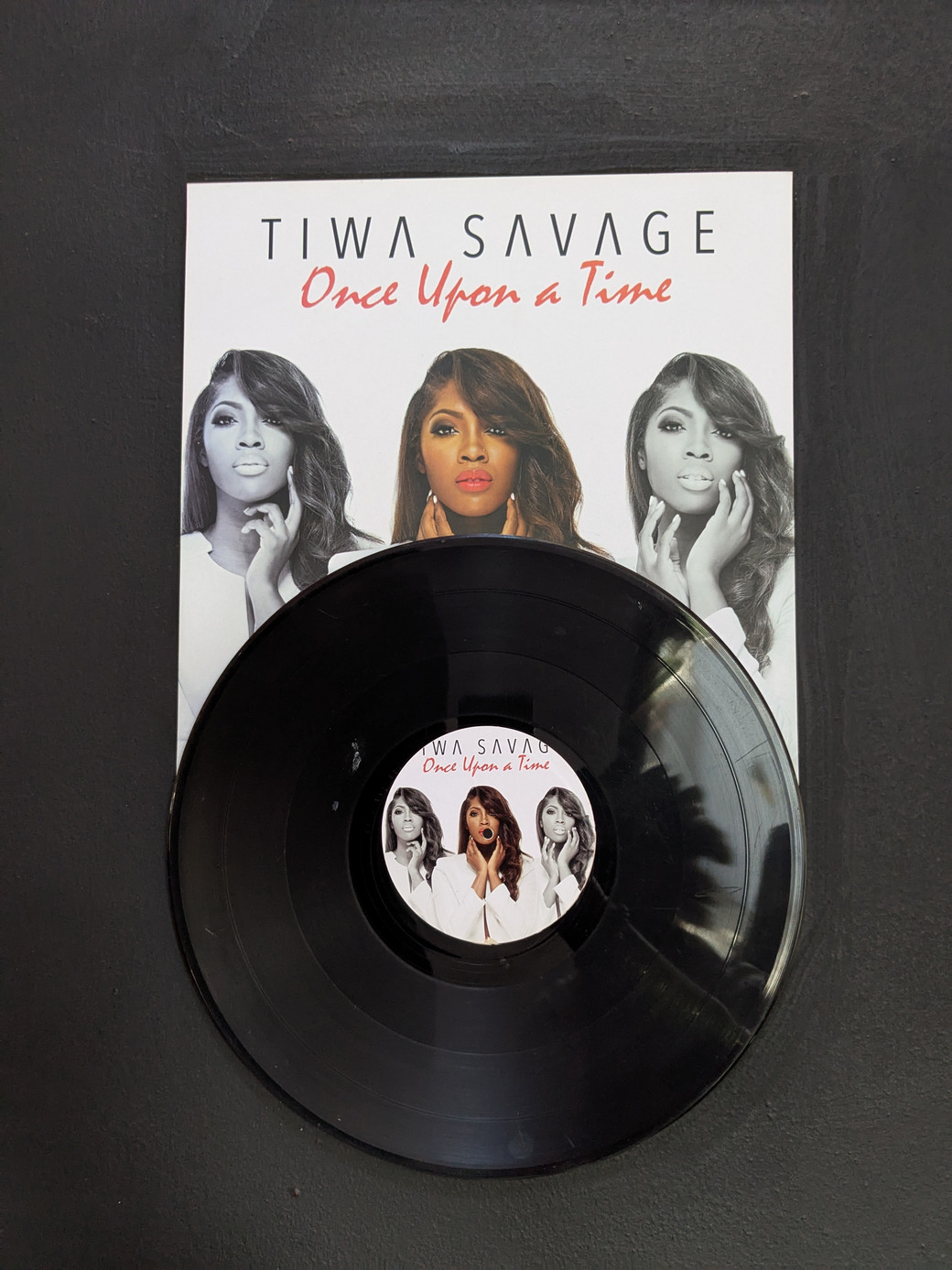
Looking at the walls decorated with a plethora of gold and platinum plaques from across the world to photos of Prince and Louis Armstrong; symbols of the creative ethos Mavin aspires to uphold, there was an unrelenting sense that while the label’s success didn’t arise in a vacuum, it’s undeniably a by-product of their own ingenuity. Most notably by way of their celebrated ‘Mavin Academy’ – the incubator program nurturing talent for a number of years before they’re introduced to the world. Rema and Ayra Starr—now pillars of the genre—are graduates of this scheme, as are promising novel acts like Elestee (fka Lifesize Teddy), Magixx and Biryani.
When I was first approached by Spotify to take part in their ‘Afrobeats: Culture In Motion’ excursion, I was admittedly a little mystified. Perhaps because I felt that the genre has been “here” for a while, I didn’t think there was anything ground-breaking to glean from the genre’s development in recent years. However, over the course of my trip, which returned me back to my ancestral home for the first time in nearly a decade, I soon realised that I can take for granted how much the infrastructures and institutional frameworks surrounding it are still emerging in increments.
There are undoubtedly more eyes, ears (and money) on African music than ever before but a lot of this has only really occurred in the last 10 years. The genre itself isn’t necessarily “new” but its current phase where more than ever it has the capacity to be a self-sustaining major player in the global music landscape is new. Importantly, the story isn’t just unfolding in West Africa. For years, diaspora artists like Juls, Ezra Collective, KOKOROKO, Aya Nakamura, J Hus and Wale have been adding to the vocabulary of Afrobeat and Afrobeats parallel to the strides happening at home. Which makes its potential all the more formidable. The genre stands on decades of cultural innovation yet refuses to remain static and is constantly in a state of becoming. The culture is indeed in motion, and whatever awaits its next chapter is still taking shape.