From Minneapolis with Power

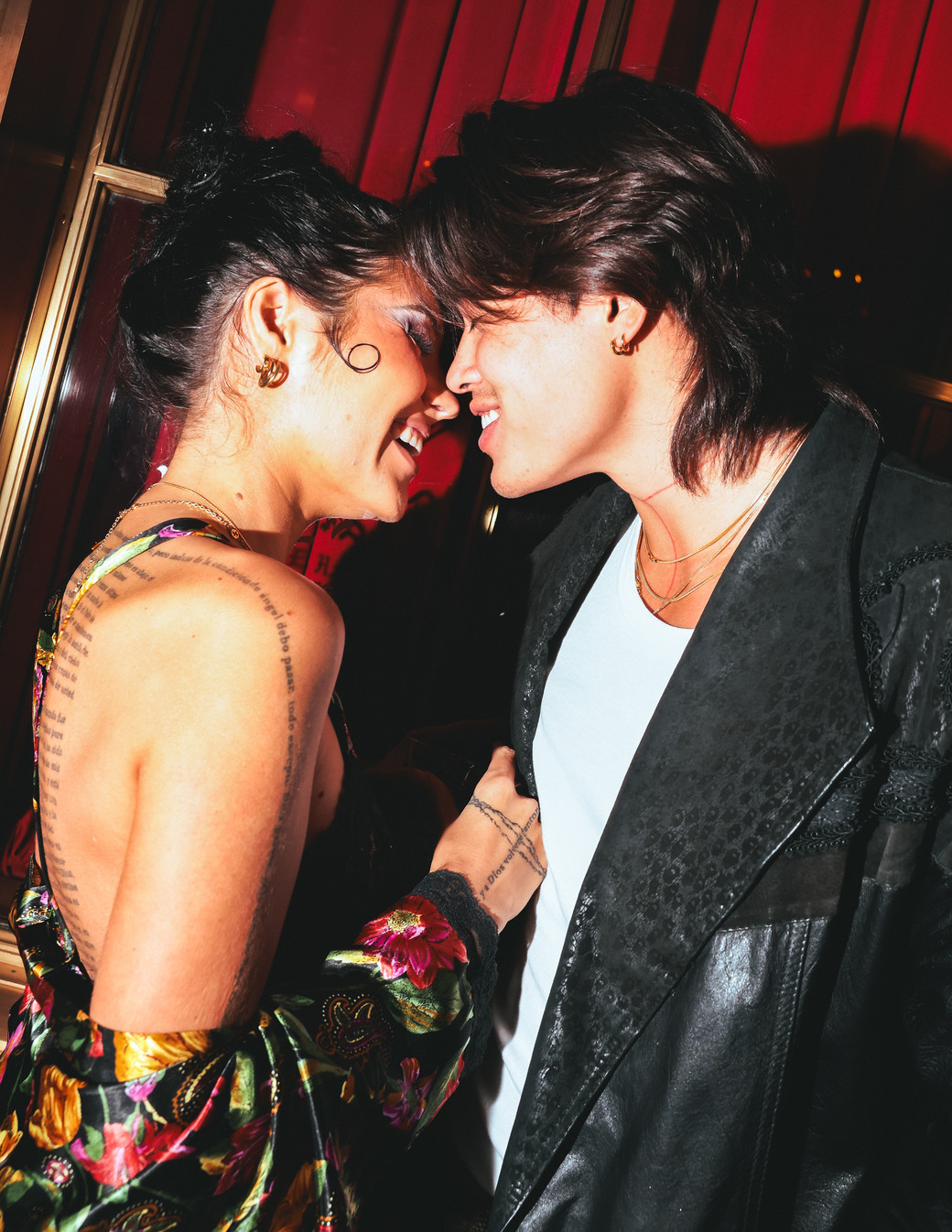
For HELLO, I LOVE YOU, you picked photos from the 70s, 80s and 90s, why choose from these decades alone?
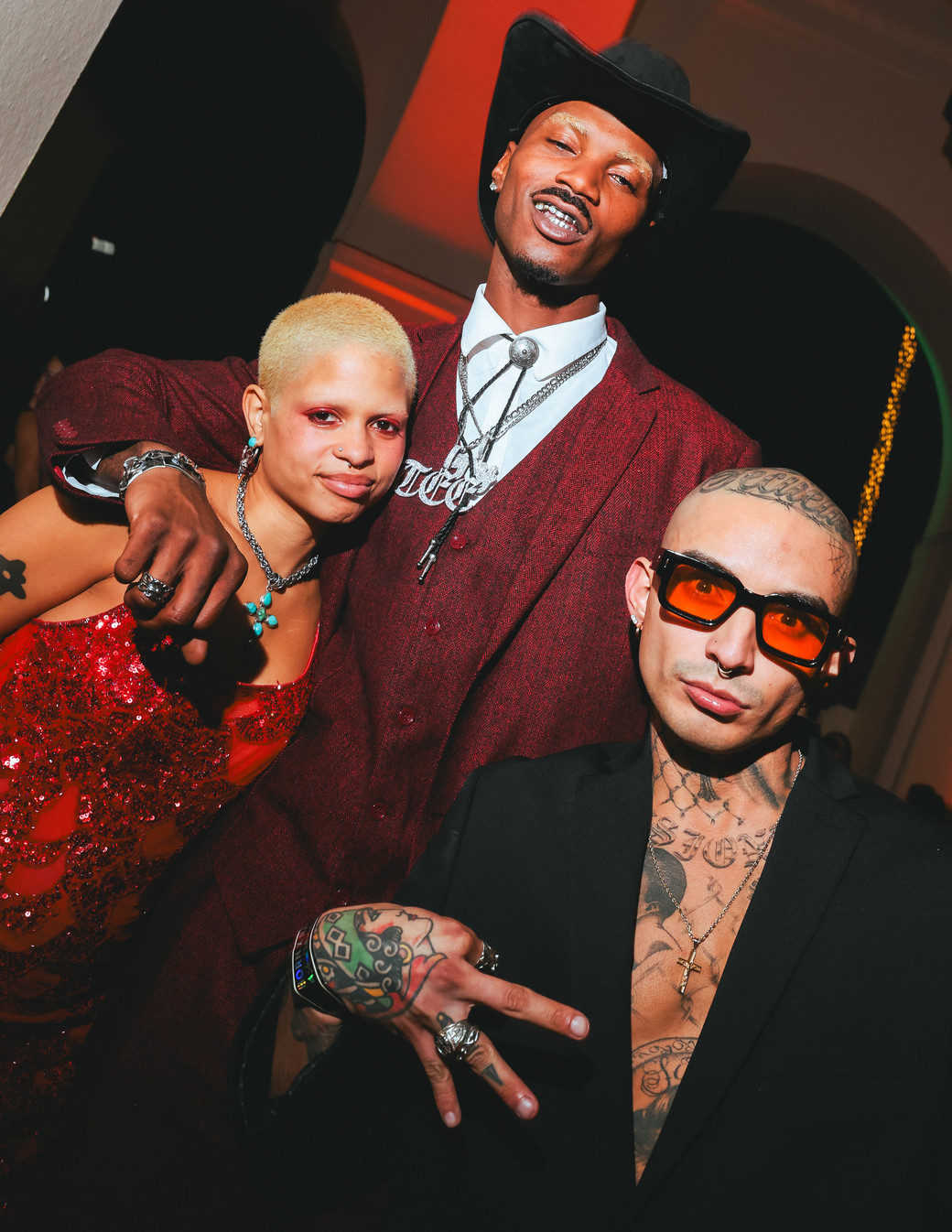
Actually, there are four photographs taken in the last decade too. The majority of the photographs were taken in the early 1980s because that was when I was out almost every night taking photographs. I just slowed down a bit in the 1990s through to now. I originally thought (and still think) the concept would be a bit stronger if it had just been kept to the 1980s but the publishers said I should include the more recent ones too because they’re good photographs.
How do you feel about the differences between the effect of film and theconvenience of digital photography?
I feel liberated. Back in the days when I had a young family, I spent far too much of my time in a darkroom. Some days, I could spend hours working on just one print and the next day, when the print was dry, I might decide I didn’t even like it. 30 years of working in a darkroom is more than enough for one lifetime.
How does taking more candid style photography compare to taking photos for celebrities or brands?
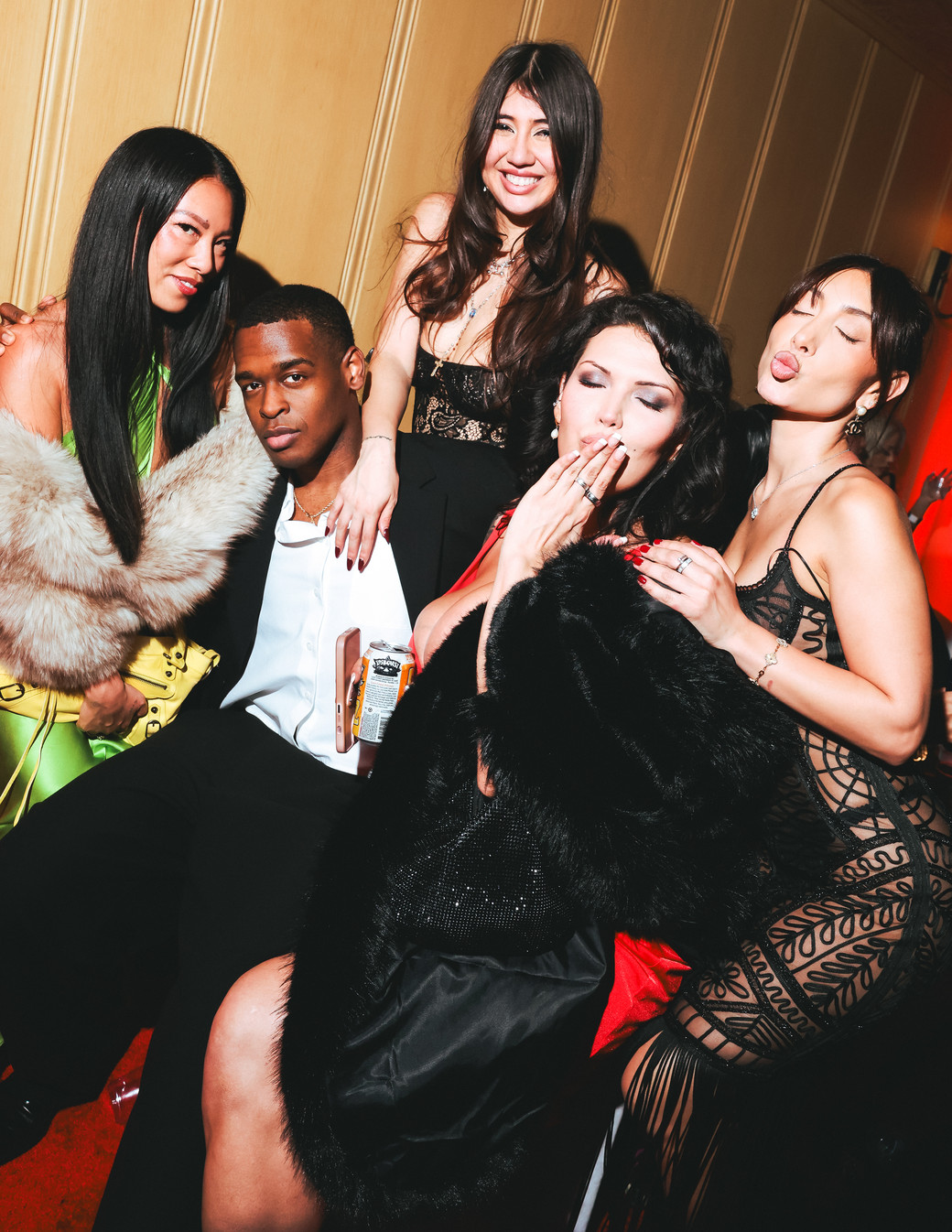
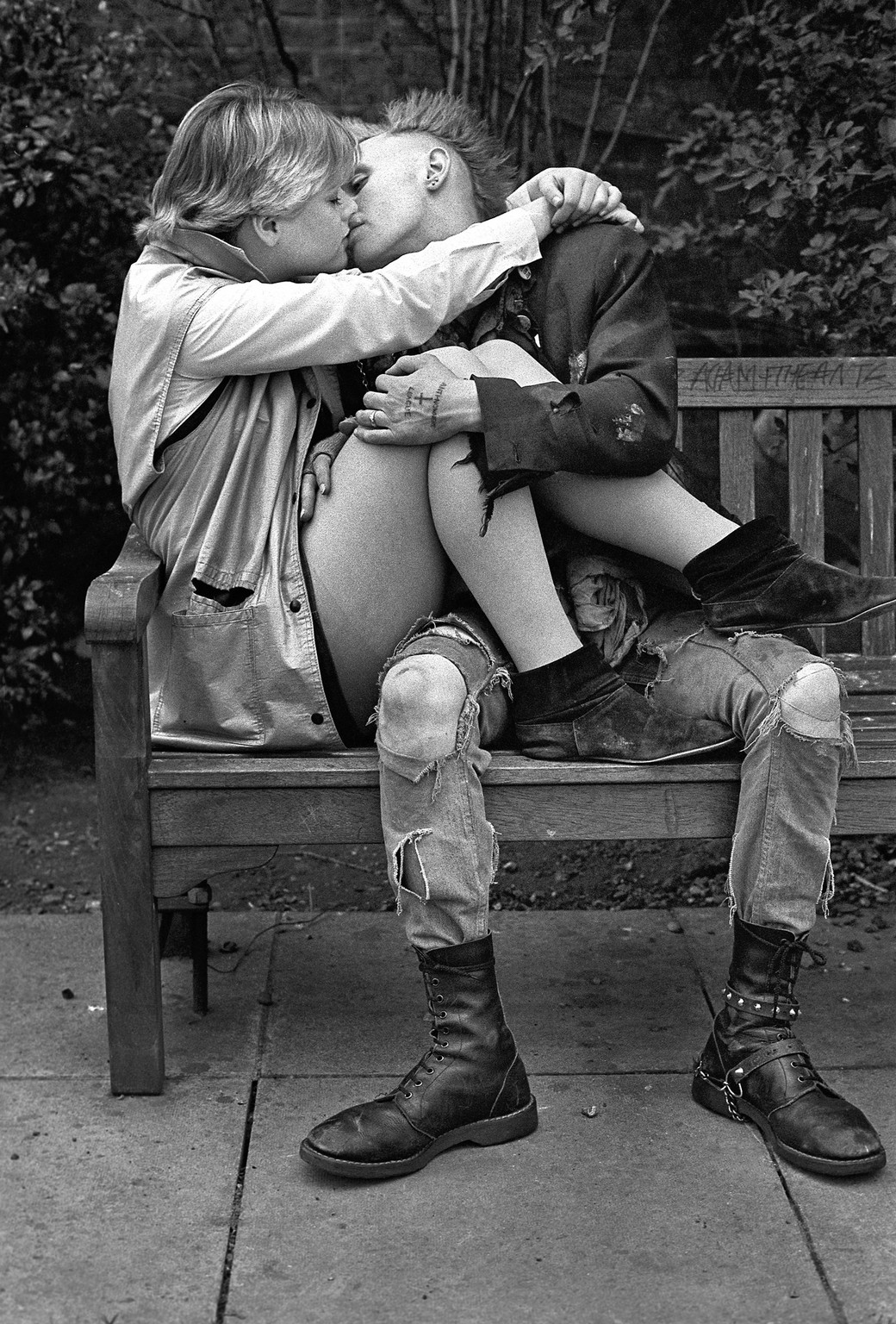
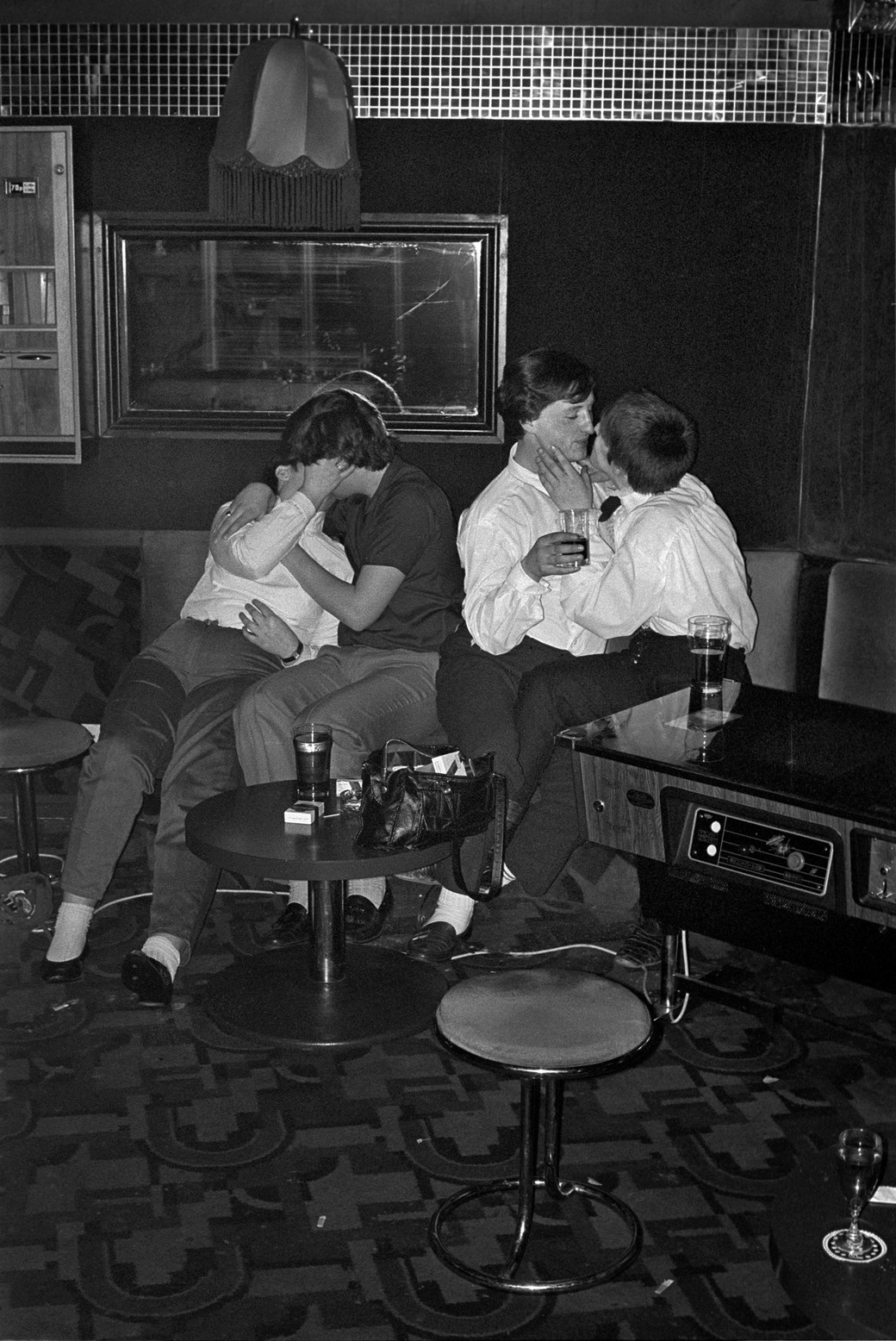
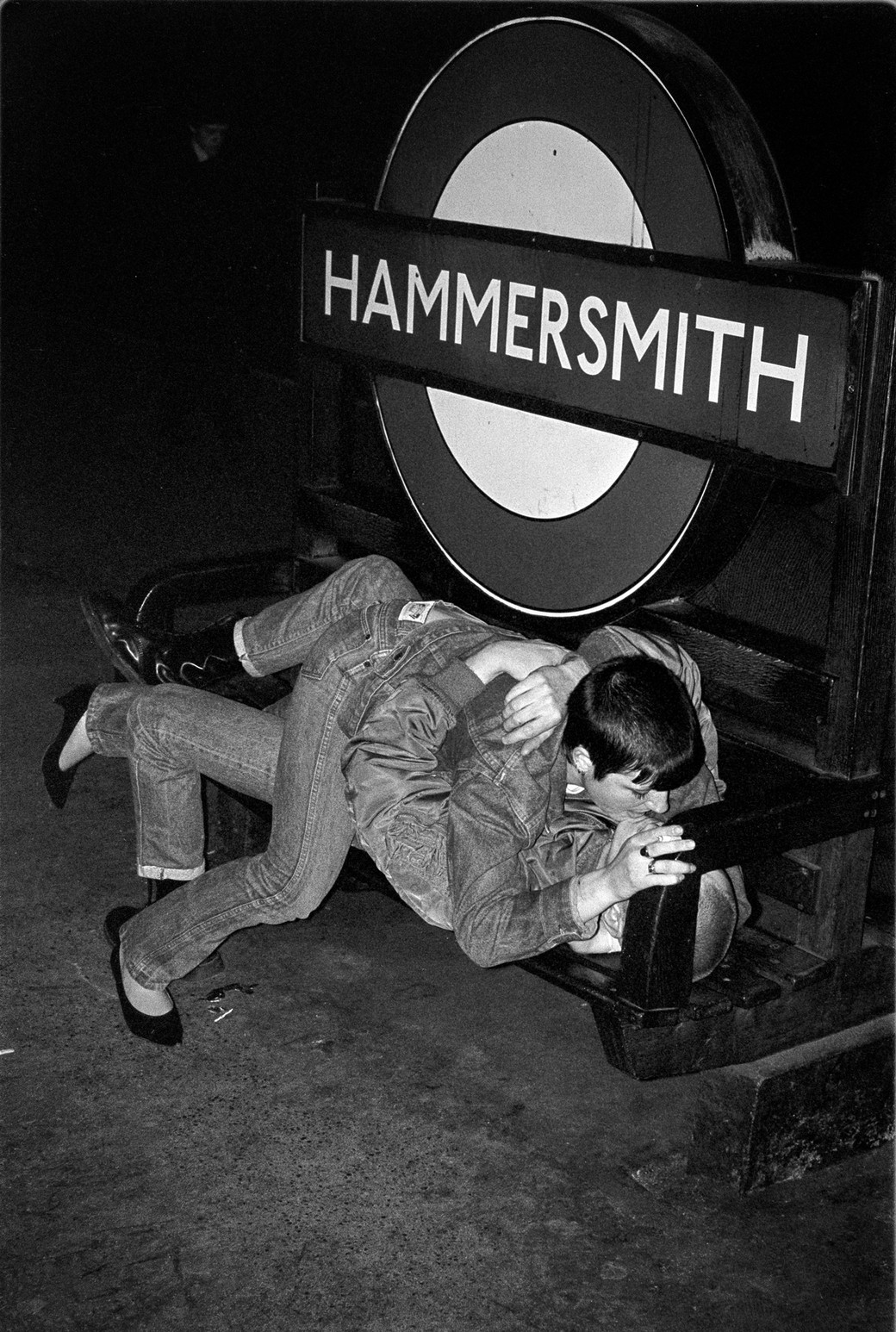
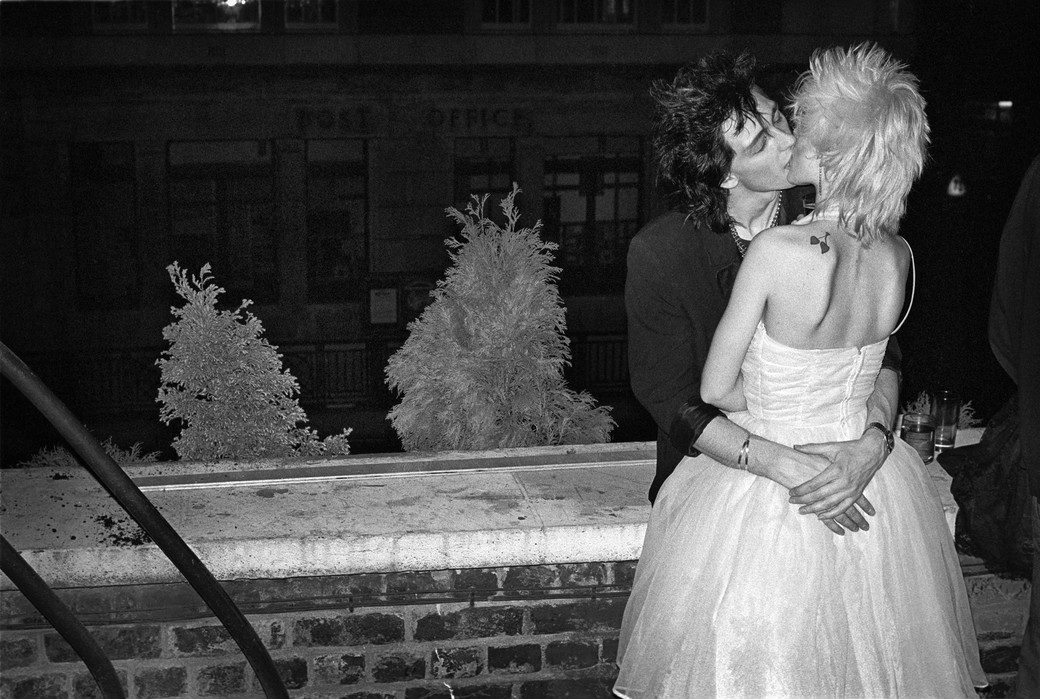
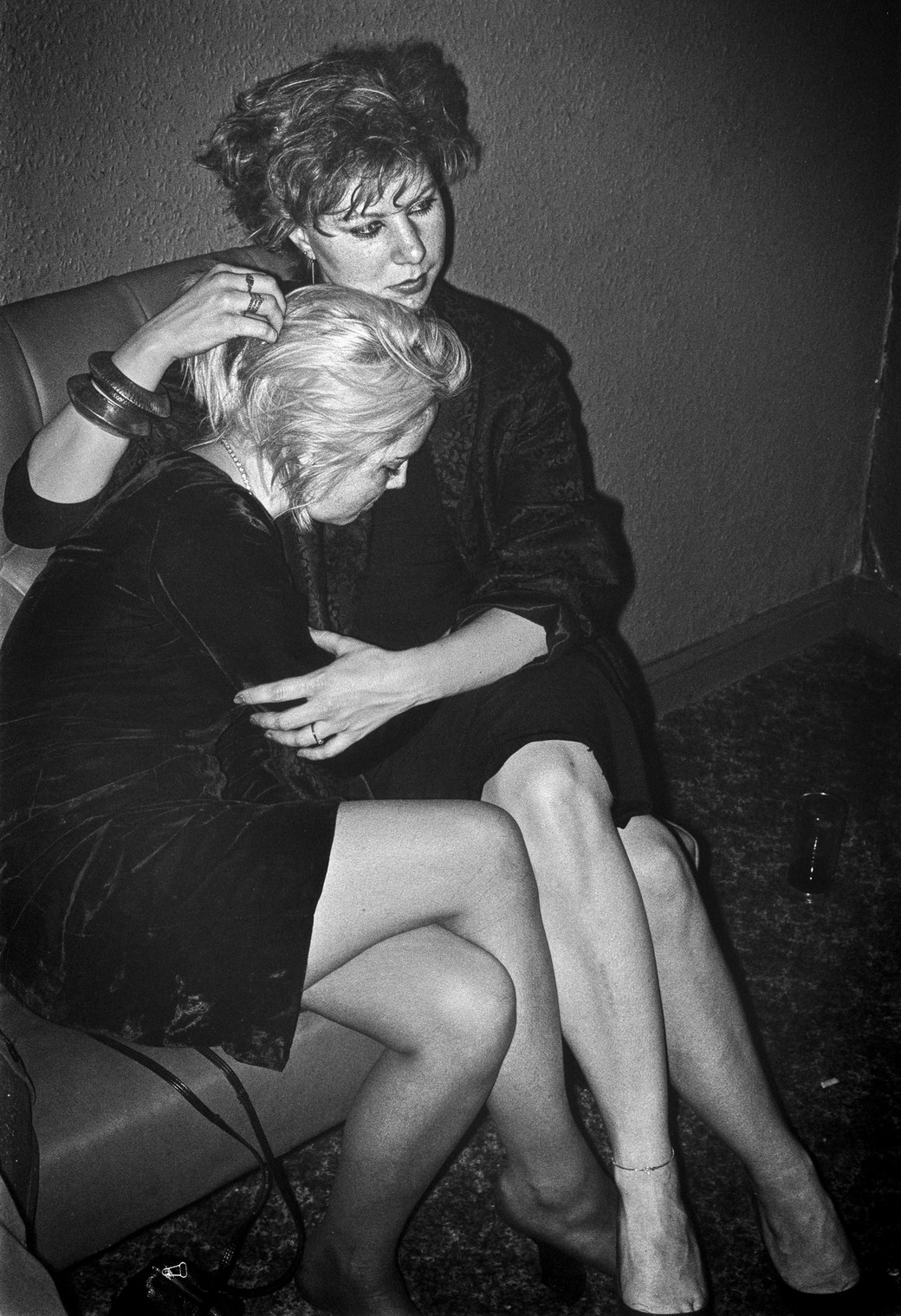
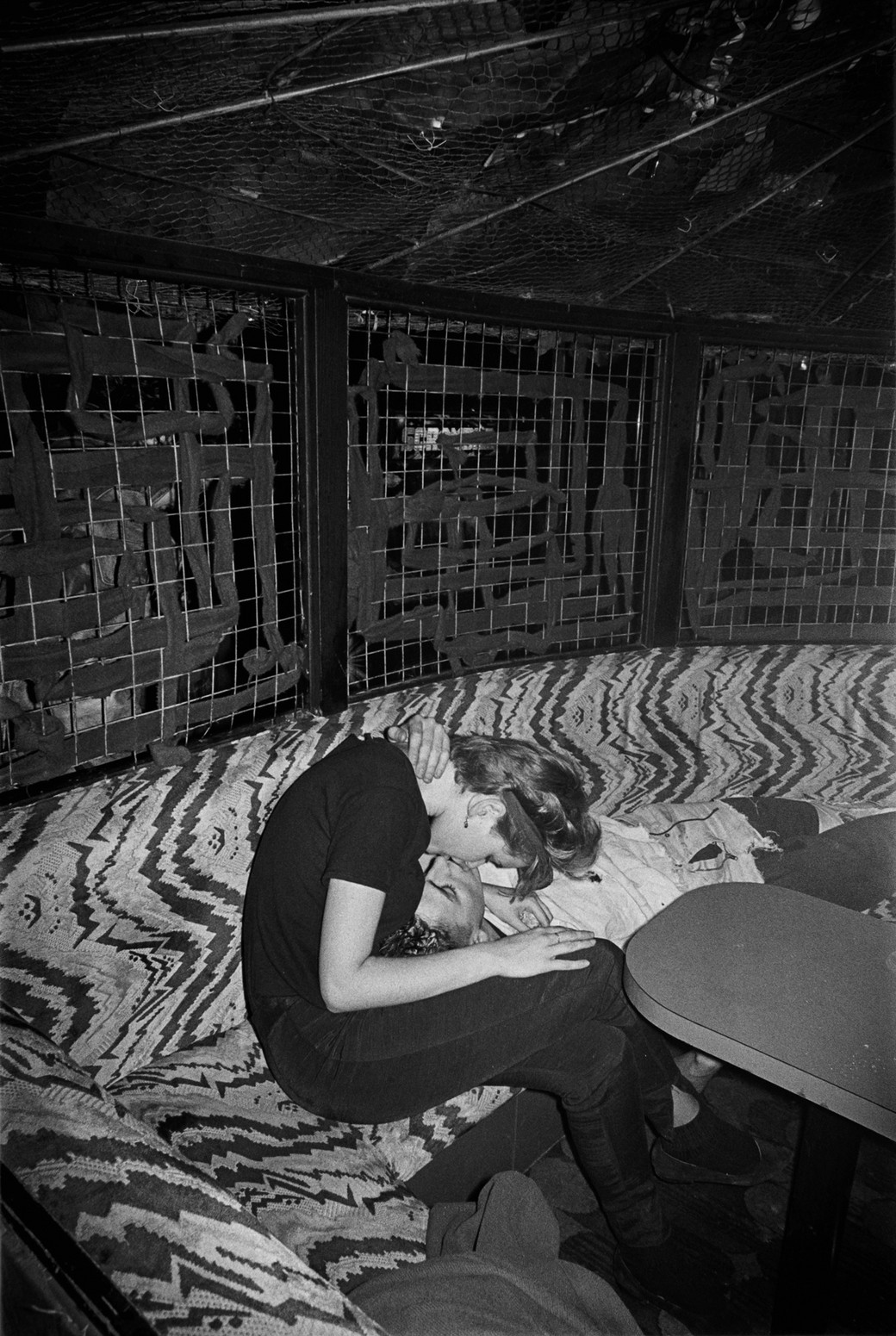
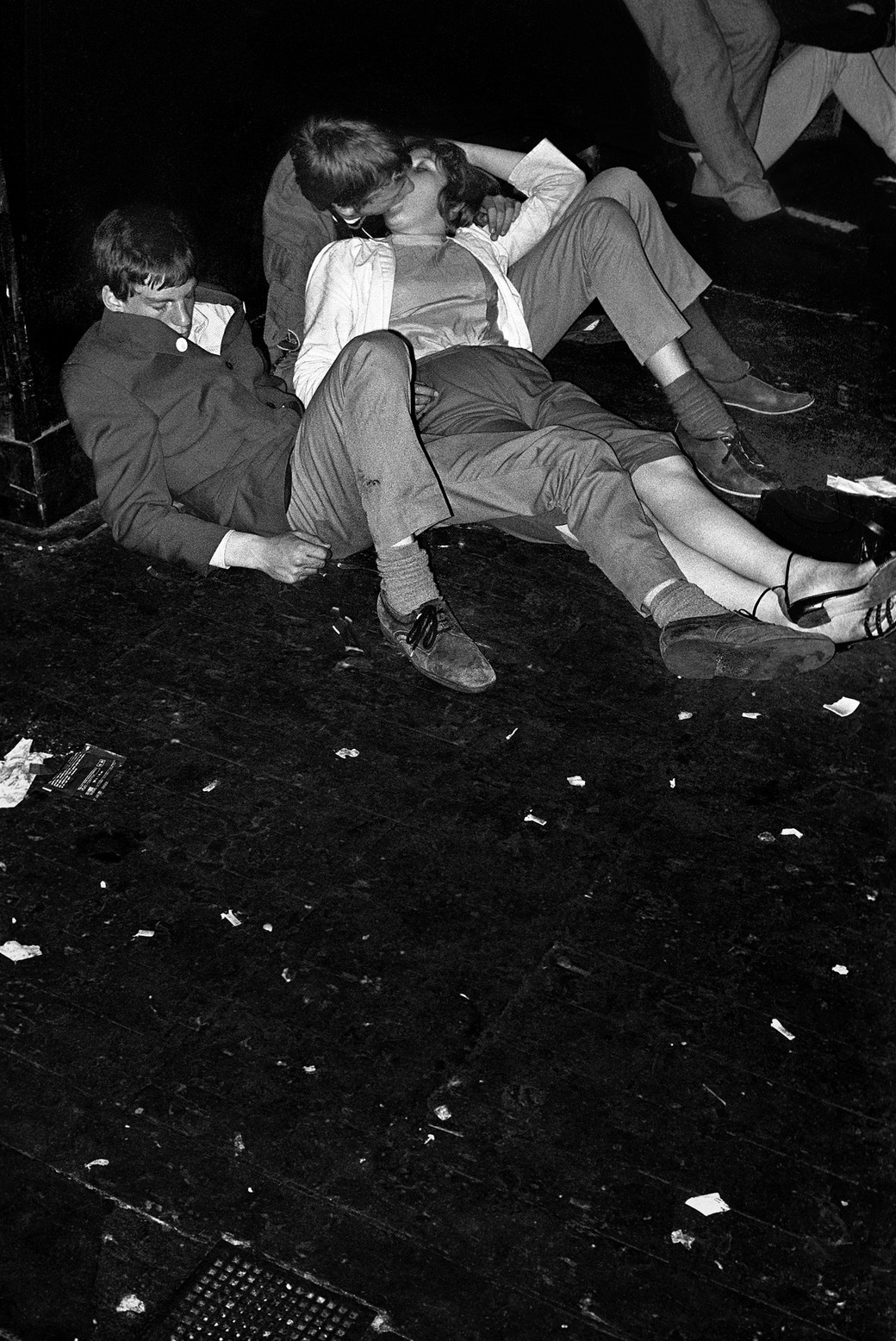
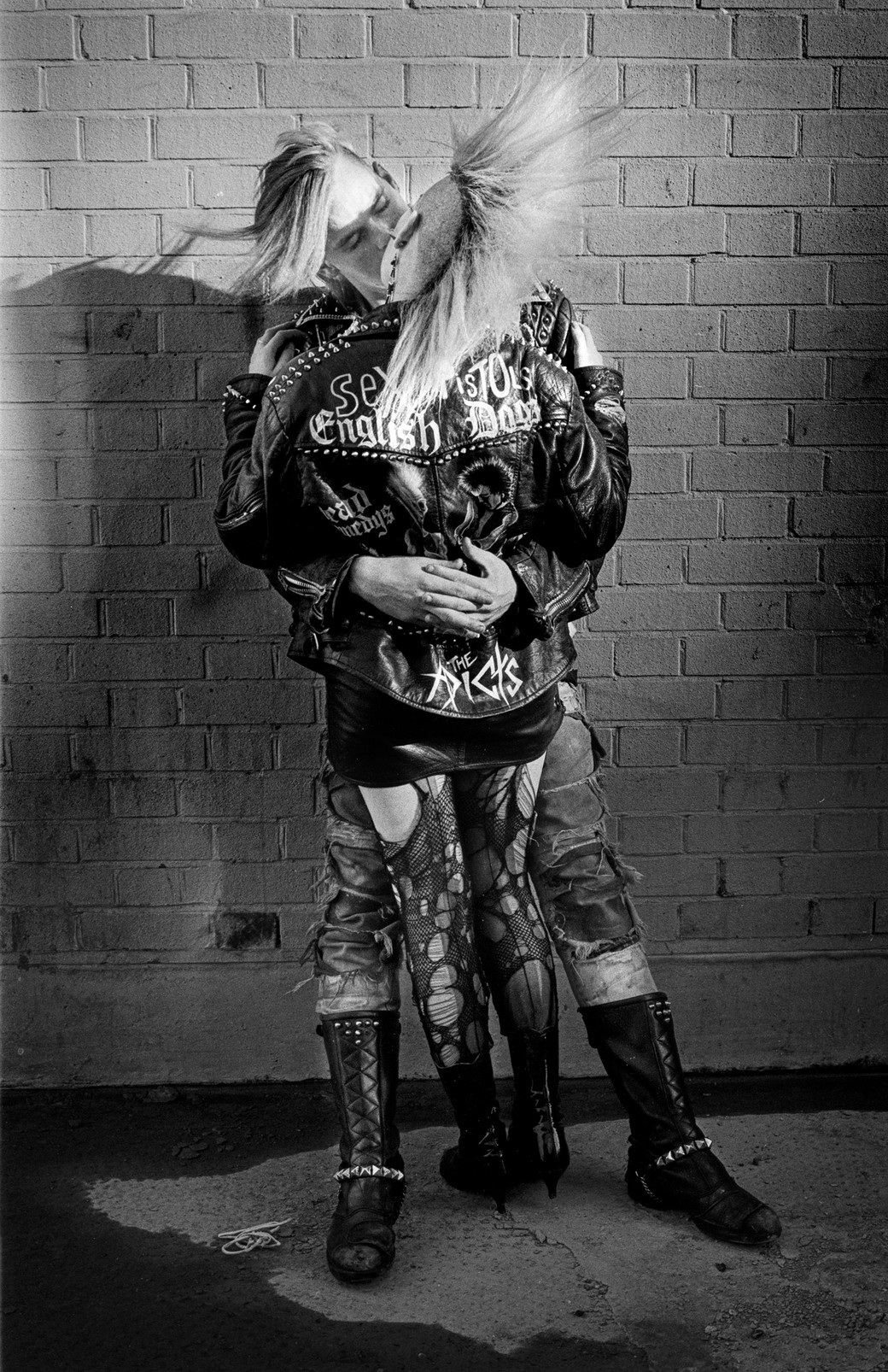
Taking candid photographs of young people on the street or in clubs is essentially reportage. One can only really photograph what one sees and one needs to effect those situations as little as possible.
Photographing celebrities for magazines is the complete opposite, especially if there are time constraints (and there usually are). One needs to be proactive, take charge and always have a plan.
Photographing for brands is different again insofar as usually someone else - a client or creative director - has the plan, often in the form of a moodboard.
Do you think it’s more challenging to get candid style photography in an age where anyone can be photographed at any time?
I would say that it’s probably more challenging because everyone knows everyone else has a camera. One can’t really do anything in public anymore that you wouldn’t want the world to know about.
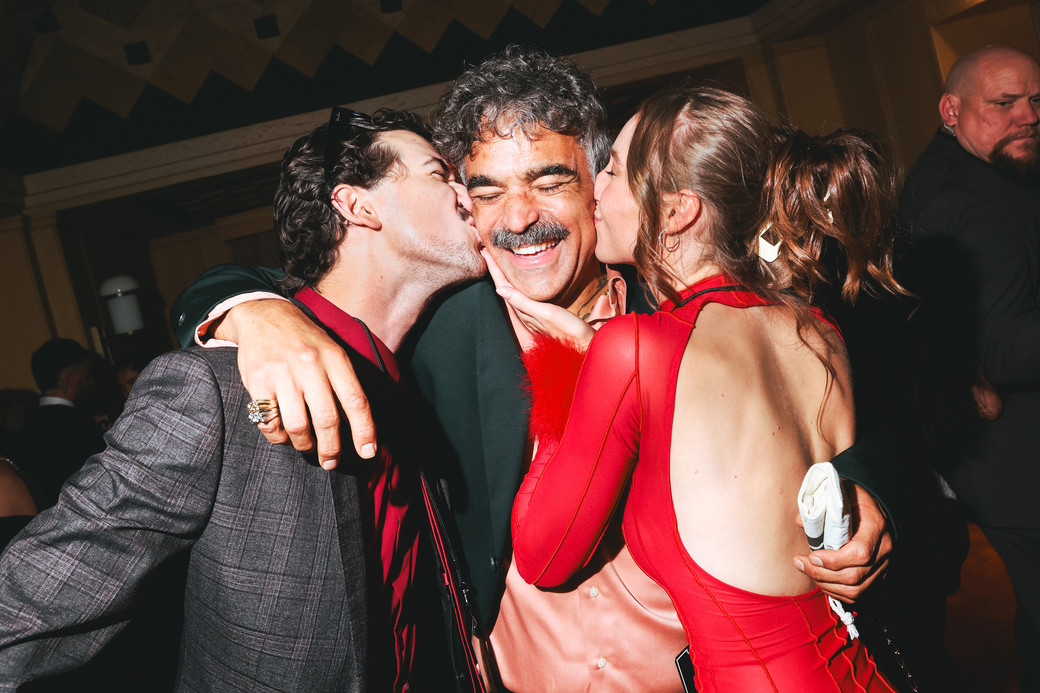
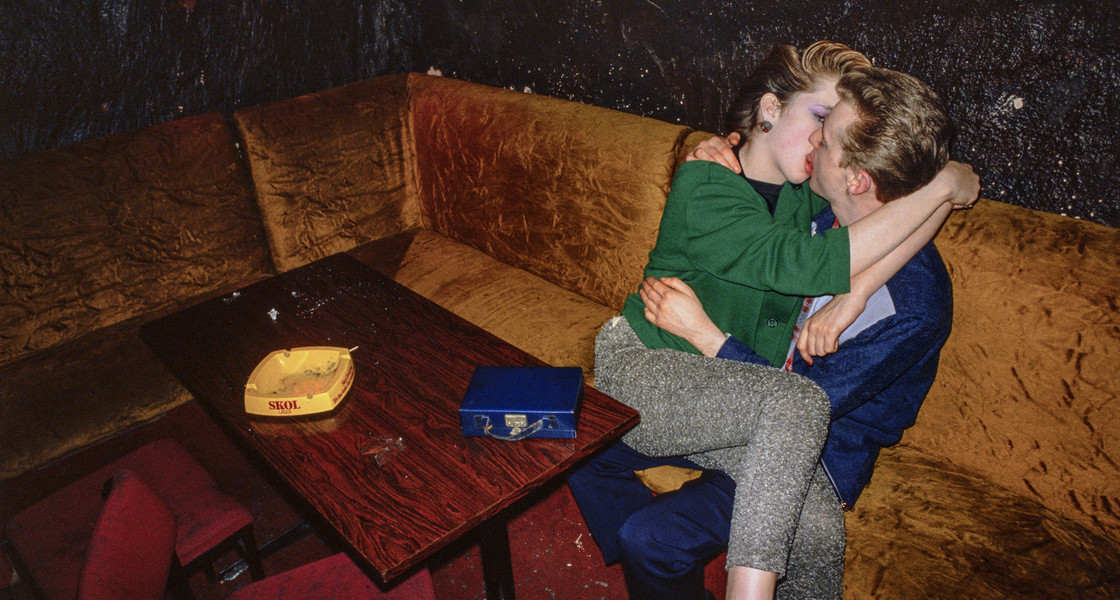
But in truth, not many of the photographs in my book were genuinely candid anyway. The majority of the couples I photographed knew I was there and they just ignored me. Working with flash in a dark nightclub is certainly going to get you noticed.
Could you tell us about an interesting anecdote from one of the photographs in this book?
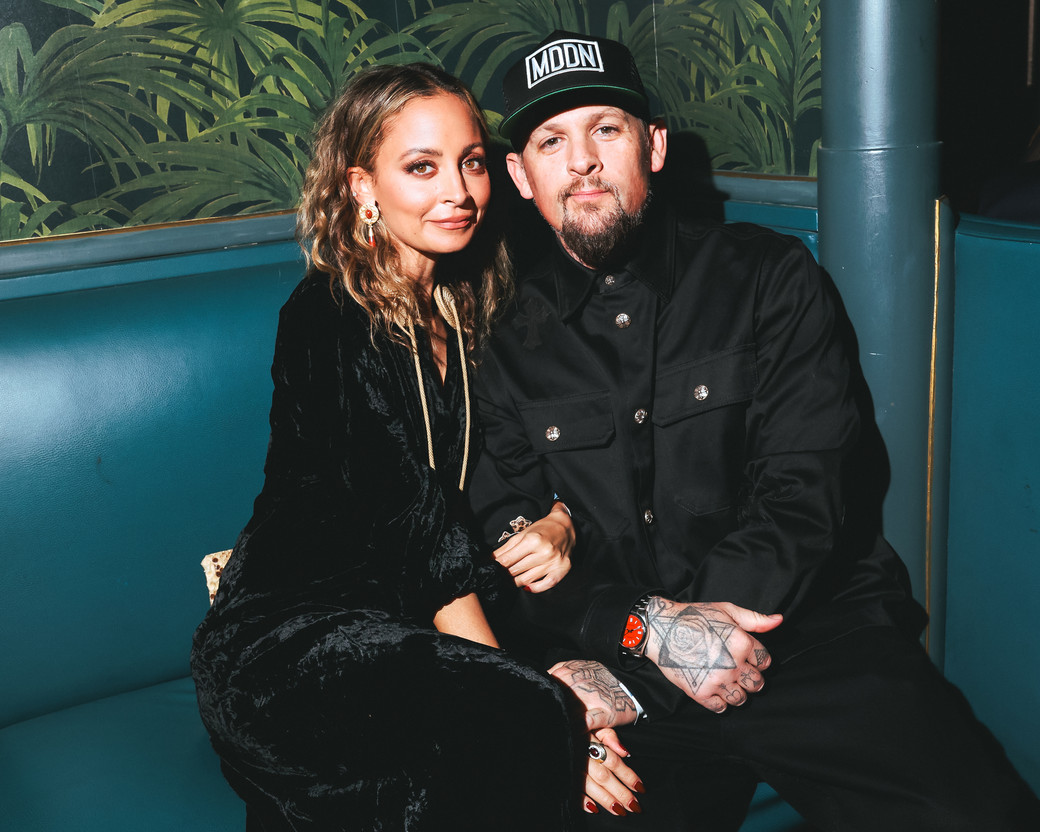
Not really. I want the photographs themselves to provide the anecdote. I was just a fly on the wall. With a few of the couples in the book, I knew them and I’d met them before. But the vast majority, I only ever saw them that once and had no idea who they were. I knew nothing at all about them.
But kissing and cuddling is quite a universal thing. I think that’s what’s so nice about it. I don’t know anyone’s specific story but I really don’t think I need to. The story can take place in the imagination of the viewer.
Does reminiscing on your earlier work inspire you to follow that candid and romantic style again or to do something completely different?
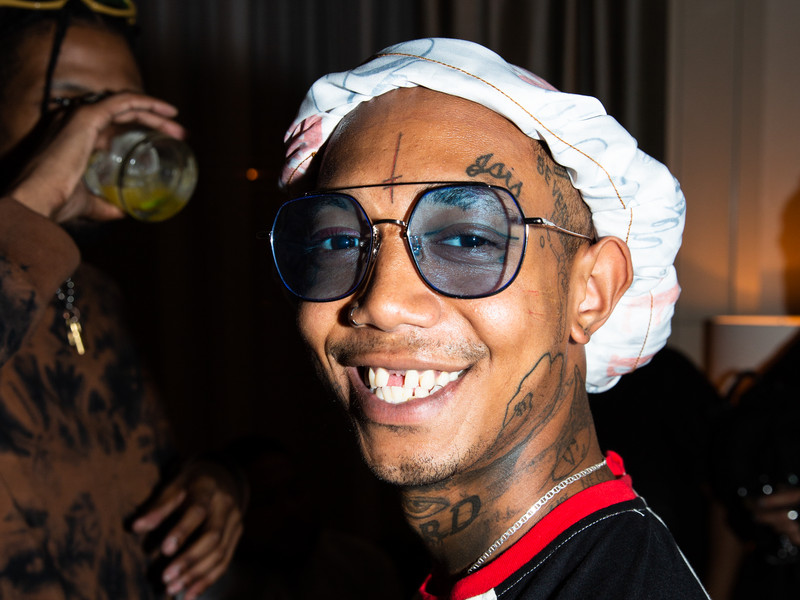
Most of the photographs in the book were taken over 40 years ago and to be honest, my style hasn’t changed much at all. I think you’d be hard pushed to see any stylistic difference between a photograph I took 40 years ago and one I took last week. Apart from the presence of tattoos. Almost all young people are tattooed these days.
And other than when I’m being asked questions about it, I don’t do a whole lot of reminiscing.
Finally, how do you see your photography evolving through the coming years?
I’m a fashion photographer these days and, at 75, I’m tending only to think about the coming year, singular. And my photography has probably evolved now as much as it’s ever going to.
I don’t shoot young people in nightclubs very much at all these days although I still really enjoy it when I do.
Having said that, there are a lot of great young photographers around now doing similar kind of work and some of them are fantastic - miles better than I ever was - so I don’t want to get in their way, either literally or metaphorically.
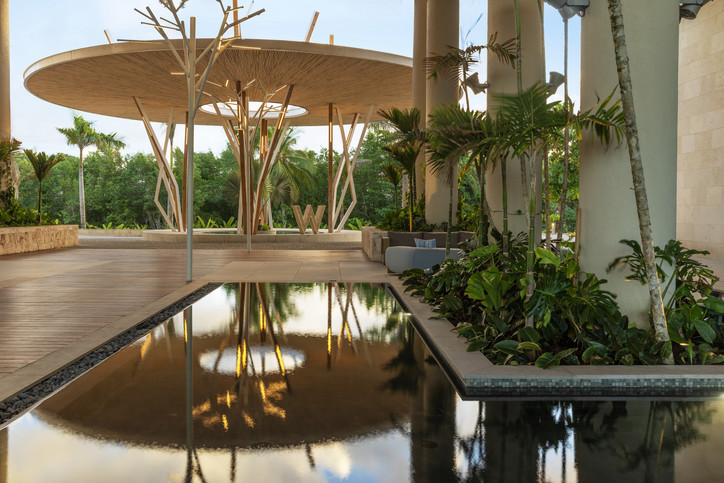
Rooms are generous — all begin at roughly 700 sq ft — and many suites include swim-up access, so stepping from bed to water is part of the day. Every room has a bathtub and a king bed, plus 24-hour in-room dining and a signature maxi bar for small comforts. Food is a clear focus: 12 dining concepts give you freedom to choose. Trade Market is a lively food-hall style option, Scena offers a refined chef menu, the Noodle Bar is a playful comfort stop, and 33 1/3 Speakeasy feels like a secret late-night hideout. I wandered between concepts and it never wore me out.
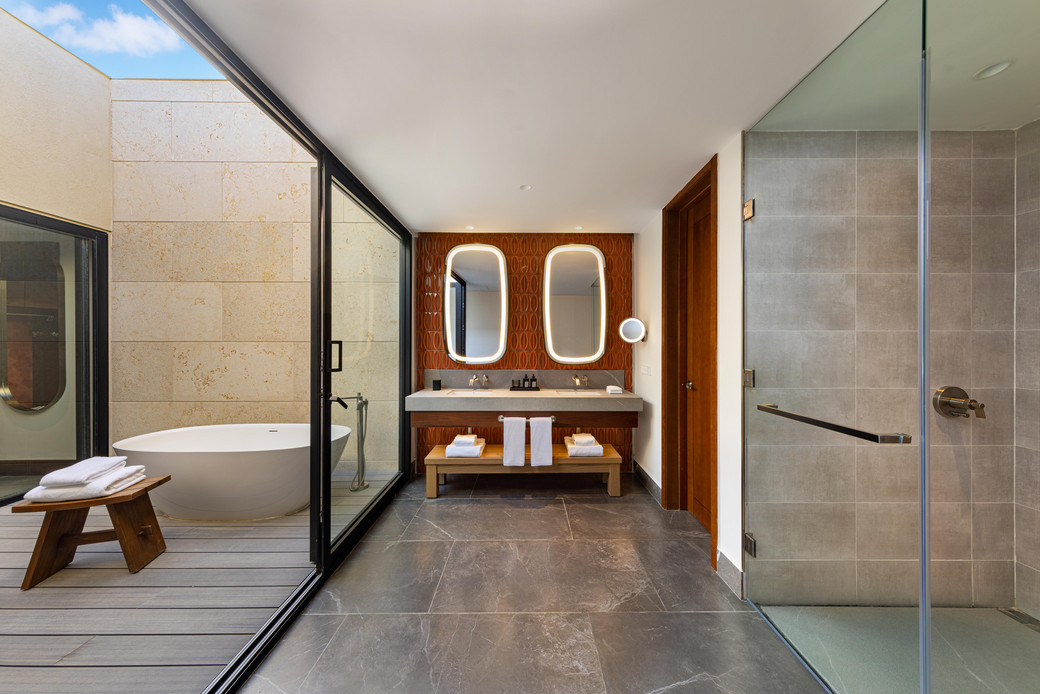
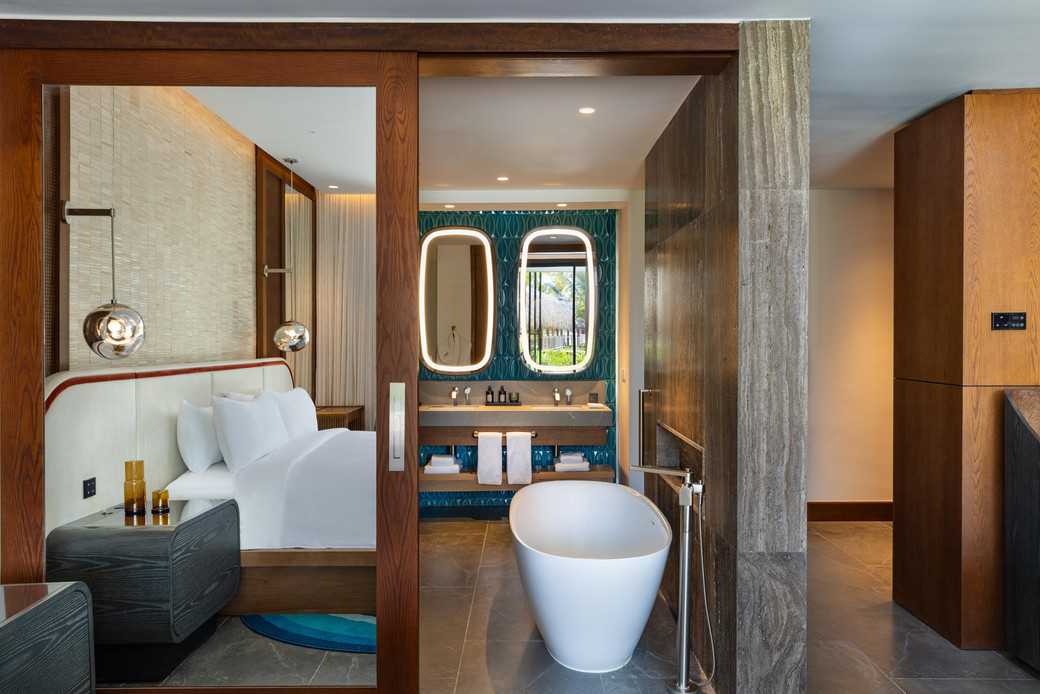
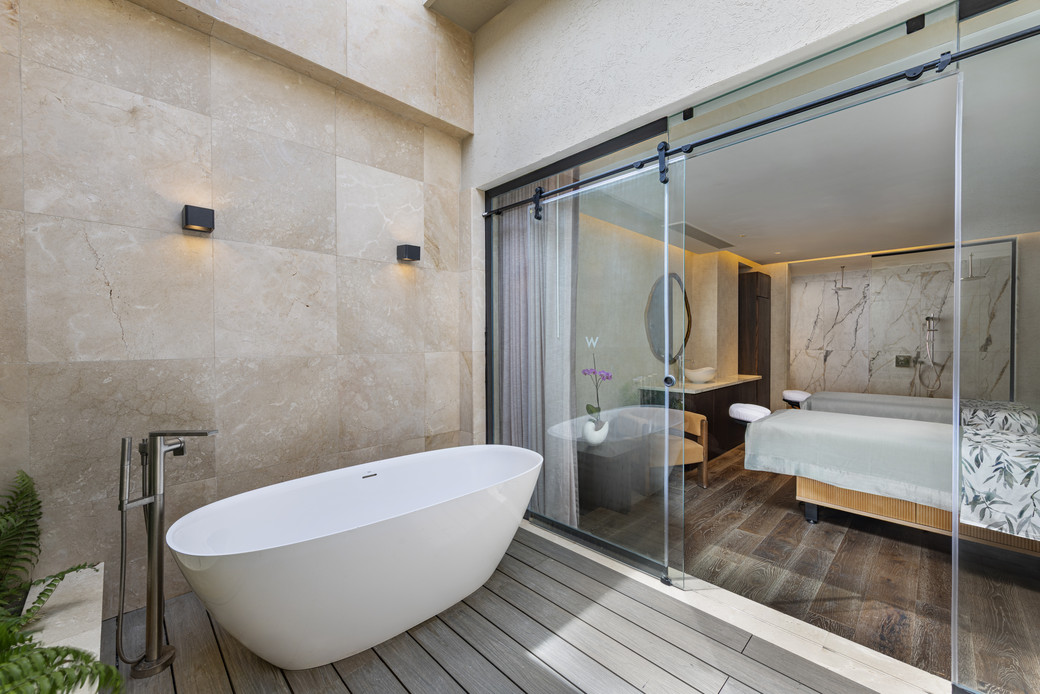
Service here is quietly sharp. Staff asked my name and remembered it; it didn’t feel staged. The team trains hard to read small cues and act on them — a chef nudging you to try “something really good today,” or a therapist who times a cold plunge and steam to land at the exact right moment. Those small, human touches add up to a stay that feels attentive, not scripted.
There’s a strong sense of place. Design by Zanobia Arquitectura pulls from Dominican textures, larimar tones and local patterns. Spa treatments and menus lean on island ingredients like moringa oil and turmeric. Behind the scenes, the resort invests in local hires and training so staff can build careers without leaving the island — a meaningful move that shows up in the service.
This is W Hotels trying something different: an adults-only all-inclusive that isn’t a checklist of freebies. George Fleck - SVP and Global Brand Leader, W Hotels, put it simply: “For me, luxury is choice.” He also told me, “It should feel like it’s your backyard, and you just choose your own adventure.” Both lines capture the point — the resort gives you space to make the stay yours.
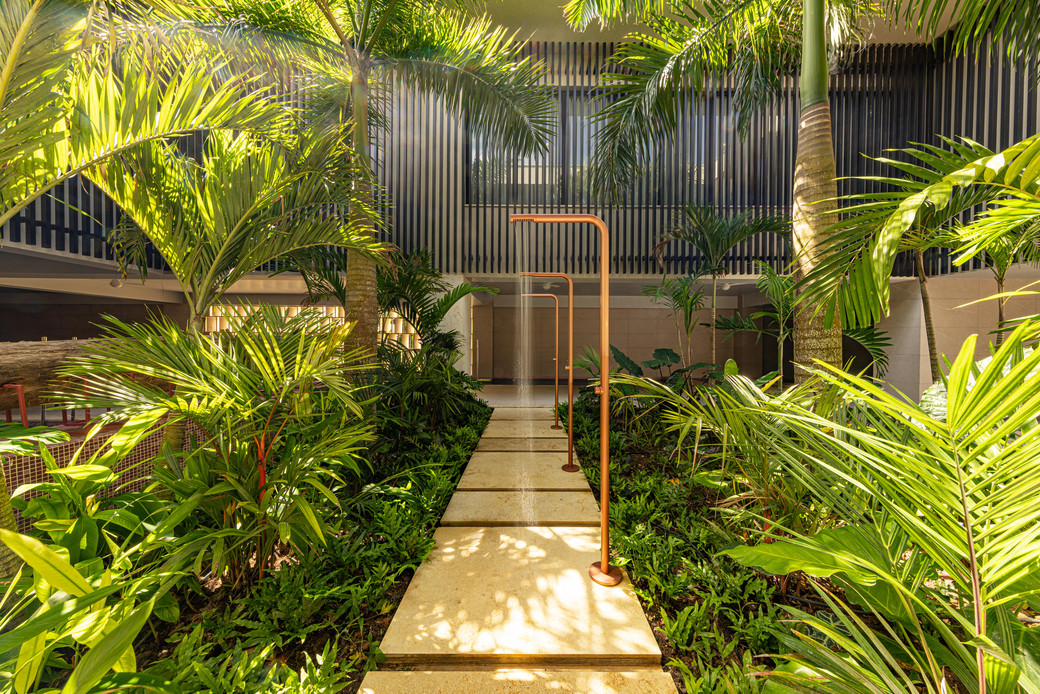
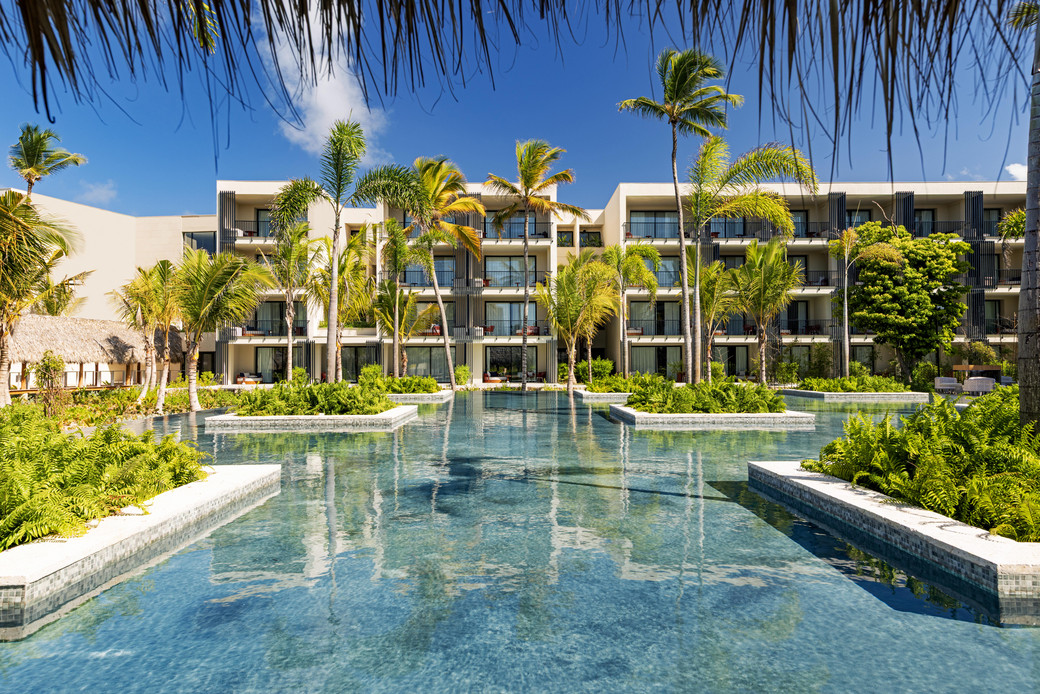
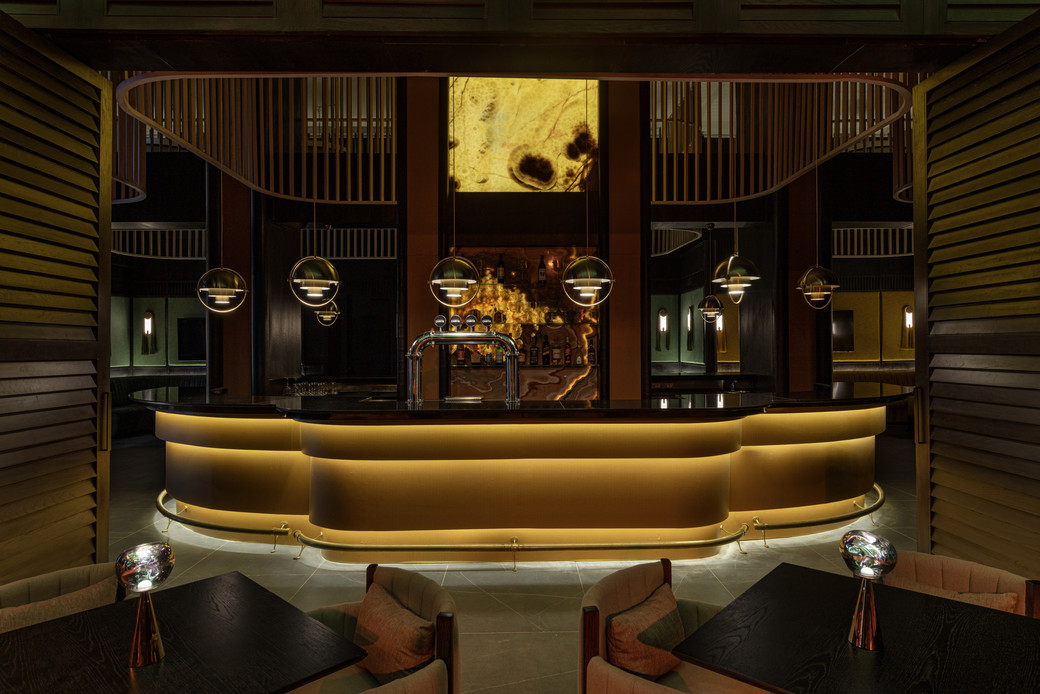
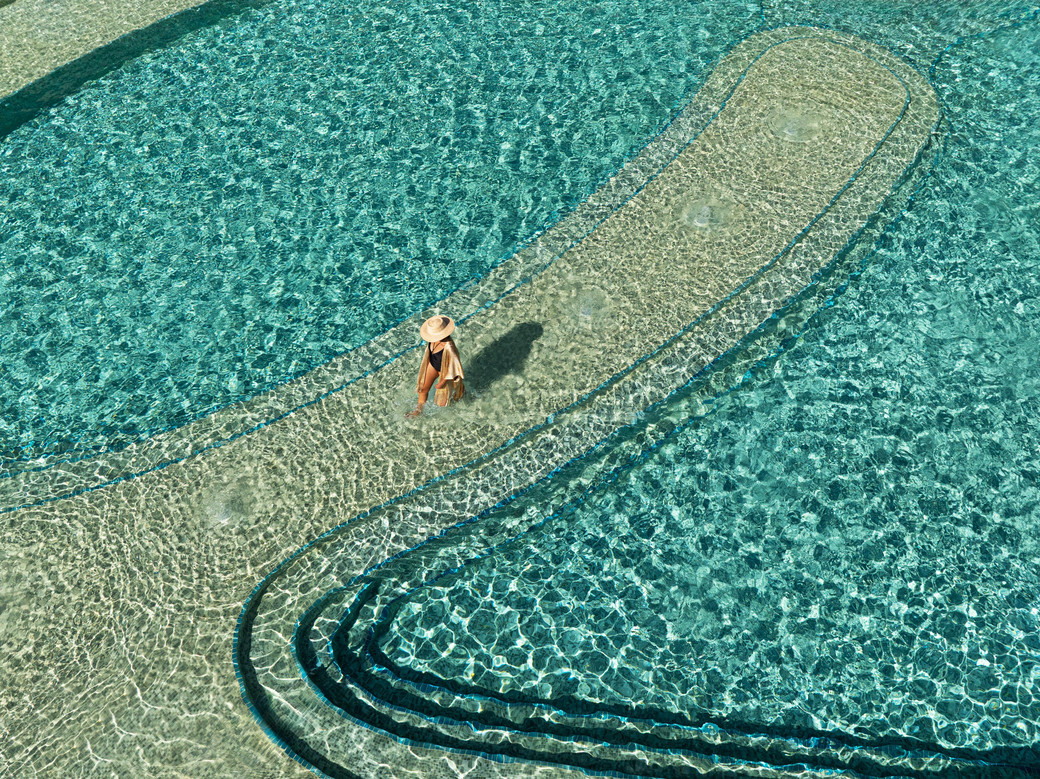
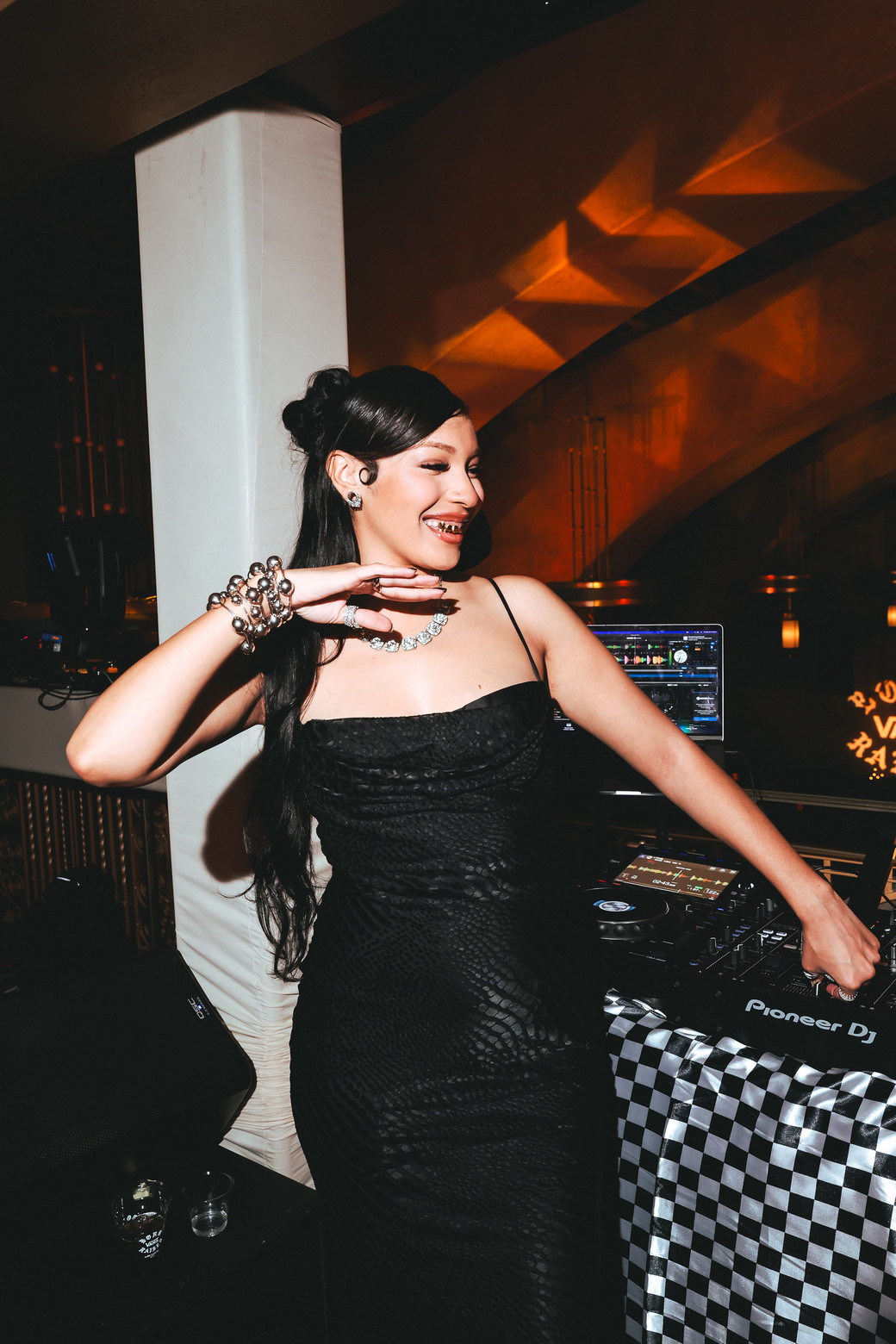
Beyond the food, rooms and spa, the programming balances mellow and electric. Morning sound baths and wellness sessions sit beside rooftop DJ sets and late-night parties. The soundtrack shifts through the day, and it feels natural — you can join the party or slip away without missing anything.
What stays with me is a sense that someone curated a backyard where you can play, rest and come away with small stories. Maybe it’s a song you Shazam at a rooftop set, a spa ritual with local moringa oil, a surprise tasting from the chef, or a gelato at three in the afternoon. W Punta Cana, Adult All Inclusive doesn’t just give you a holiday — it gives you moments worth telling.