MIRRORS

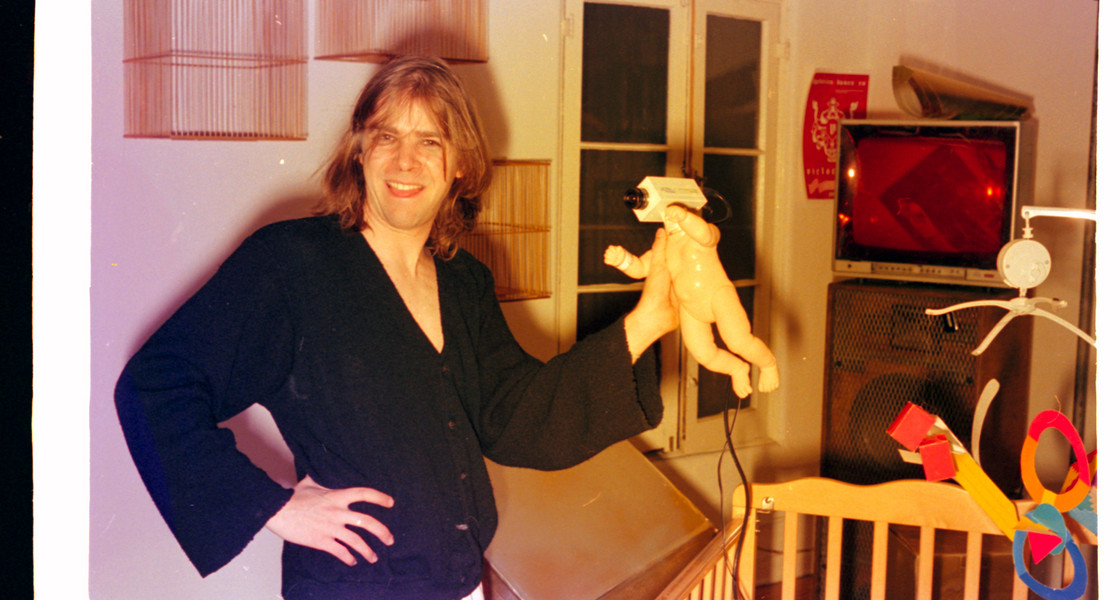
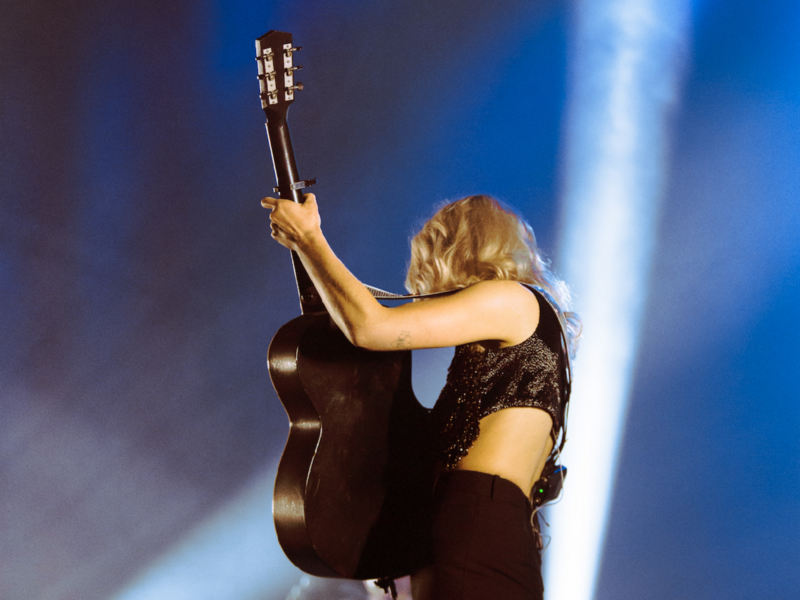
The retrospective series also includes previously unreleased material and focuses on the years when Pink recorded as Ariel Pink’s Haunted Graffiti (1999-2004). It was during this prolific period that Pink’s immense fecundity of experimental ideas took shape, oscillating between 70s and 80s AM-radio pop and proto-punk to a kaleidoscope of deranged experimental sounds and home-recordings.
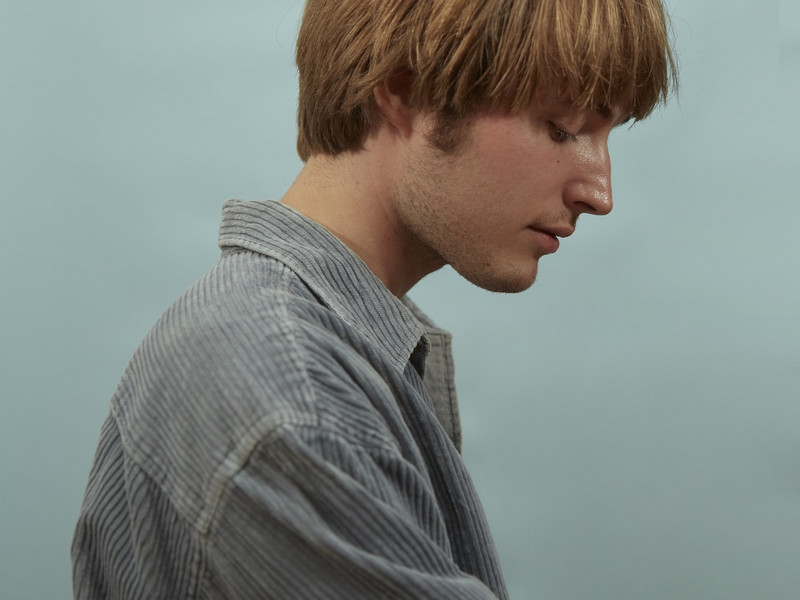
“I’ve always thought of myself as sort of being on the outside of linear progress,” shares Ariel Pink on the phone from L.A. where he spoke with office about the archive series. An avant-garde master of sonic invention, Pink has produced a legacy of work spanning 20 years, all the while defying pop conventions and hugely influencing a generation of artists who have come to embrace his idiosyncrasy. Pink has always followed his instinct, his creative stream coming from a place where Siren calls echo from another orbit. While his work may not always be easily palatable, it’s certainly unforgettable. And to lose oneself in the space of Pink’s archives is a submission to his strange magic.
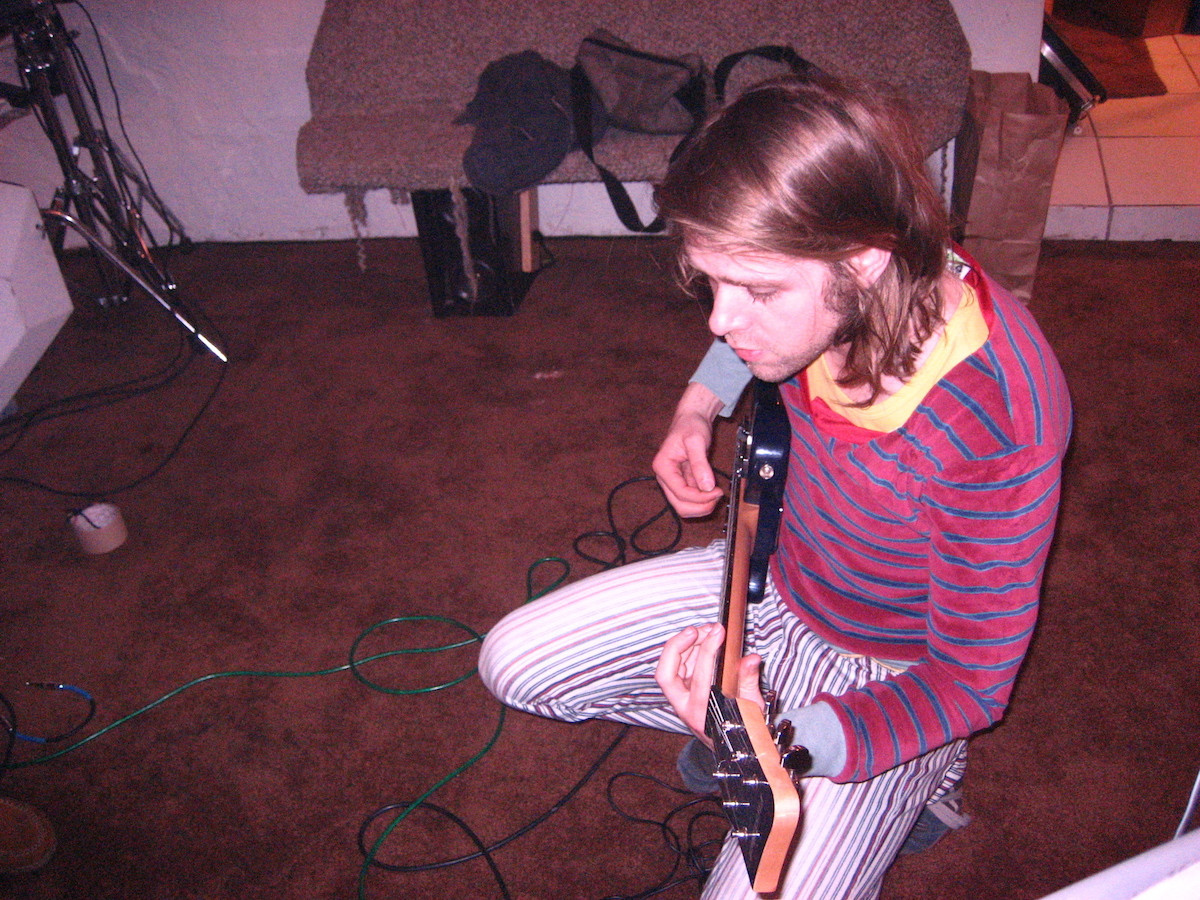
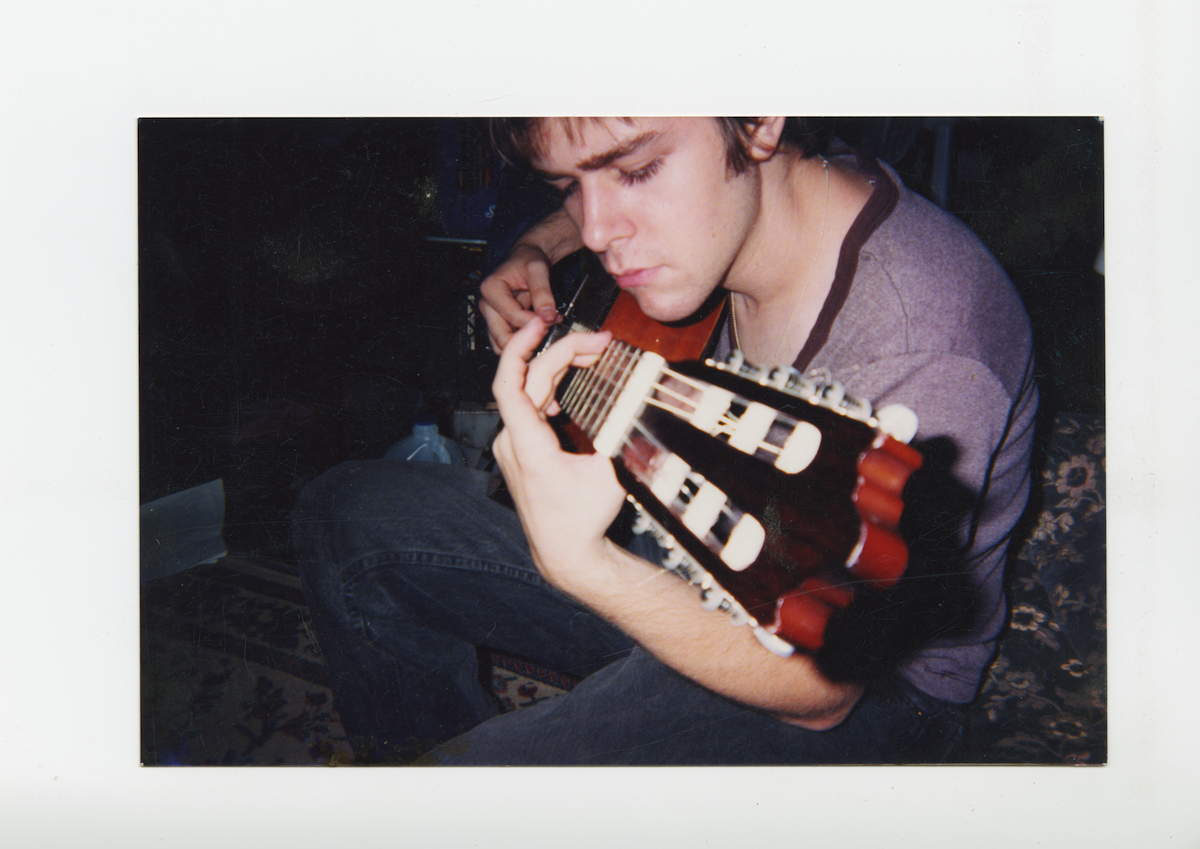
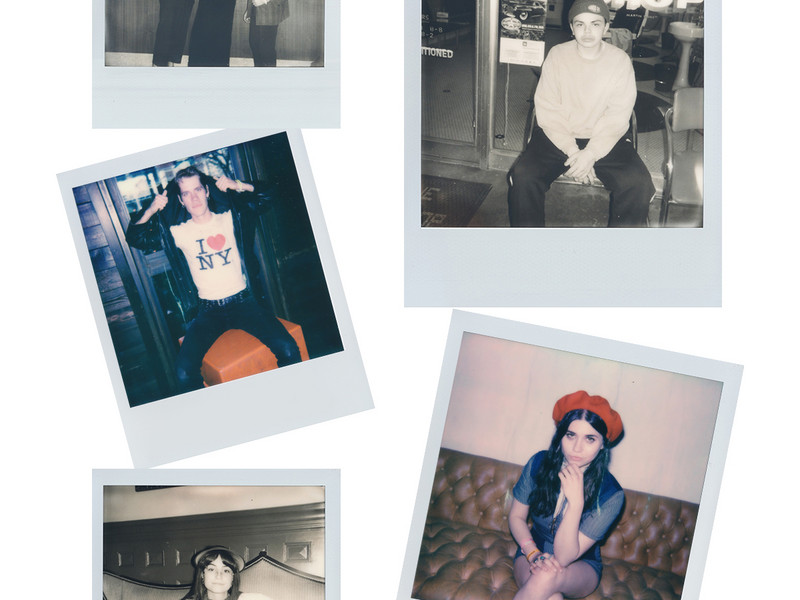
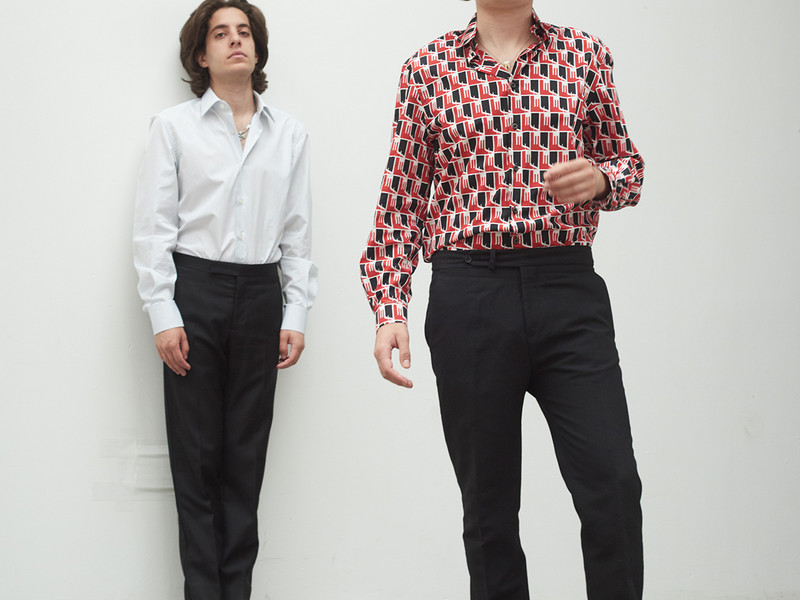
Left image by Patrick Kwon; Right image by Alisa Daniels
How has your day been?
To be honest, I just got up but it’s bound to be glorious.
I remember seeing you perform at Hollywood Forever Cemetery a few years ago, or forever ago…
Yeah, in 2013 I think.
Let’s go back in time and rewind to when you recorded The Doldrums in ‘99. It’s remained a deranged masterpiece—did you have a specific audience in mind when you first recorded this, was there anything dictating your direction, or was it pure freedom?
It was pure single-minded freedom. There was no audience in mind at all. It was a declaration of independence of sorts and I was trying to make an alienated cry for help or something like that. Something that nobody else would respond to, something that actually would put me in a corner and leave me there alone.
Do you feel you’ve carried that sense of independence and freedom with you throughout your career?
Yeah, I mean I don’t think I’ve sold out. I don’t think that I’ve had to compromise too many of my principles. I’ve gotten more love and more attention, I’m not as alienated as I used to be but I’m still kind of alienated these days [laughs].
Your work has been categorized across the board. It’s been described as everything from hypnogogic to dream pop and avant-garde. As the master of your musical world, how would you describe your sound, especially during the Haunted Graffiti years?
I didn’t call it anything really, acid-pop or something like that. I thought of it as sort of classic rock ‘n roll the same way that Throbbing Gristle might consider themselves classic rock ‘n roll. I think I called myself back at the time “avant-garde experimental.” I never thought of it as anything other than experimental music, kind of like pretend music - pretend pop music or something like that. It was just a fake out - it wasn’t like a joke, it was something that I took very seriously but I thought of myself as a deranged composer. I don’t know, it’s definitely not lo-fi.
You mention experimental. There’s an interview where you express liking physics and science, which stood out because this makes me think of invention and experimentation—do you think you bring a bit of a mad scientist approach to your creative process?
I definitely have my own way of relating to music, playing with it and having my own voice. I don’t question the process. I’ve been doing it long enough now that I feel it’s like an extra arm, you know. It’s much more to do with the way that I record, the way that I express myself on multi-tracks. It’s also the way I play music in the live sense, but there’s improving and there’s just how you plan these things out subconsciously and how you go through the motions. If people want me to produce their record, I will give them what I do. If they want those results and they wanna know how I do it, they can watch me do it and voila [laughs]. It’s all about the ears, it’s got nothing to do with the gear - it’s just my ears, my sensibility that’s unique melodically and timbre-wise.
I’m much more of an Edison kind of guy than I am a Tesla, guy you know. I’m all about trying things out a hundred billion times and then making dozens and dozens of mixes that barely make the cut, or none of them make the cut. I just keep doing them over and over again and then finally I have a mix that is to my liking enough that I basically call it a day and there’s the patent on the lightbulb. That’s it. What was it, “ninety-nine percent perspiration, one percent inspiration.”
Through the perspiration you’ve created quite a body of work spanning 20 years. How did it feel to revisit these albums?
It was great. I mean, I had somebody else do it with me because it’s something I dread doing on my own at this point. My buddy Paul Millar was in charge of artistically cataloguing and going into my bank of tapes and finding the source mix, the original mix that I laid down for everything. He digitized everything. I had to give him carte blanche into my bins and he basically took it upon himself to catalogue that stuff, digitizing the actual sessions which had never been done. We ended up remixing them and getting them close to what they were originally on the records. It’s kind of a boring explanation and boring long process but it was a pretty enlightening experience to hear just how finished these things were to begin with and I don’t know how I did it.
Are there any tracks you found yourself enjoying even more now than when you first recorded them?
I never really enjoyed them to begin with. I don’t think I had enough objectivity to appreciate them, which is why I barreled through them—I got them to states that were just passable enough for me to move on.
How long did it take to go through everything and remaster?
We carved out a few visits with Paul, 10 day visits at a time, every day going through stuff. We did it, it was a job and we committed ourselves to it. A lot of the stuff I’m pretty embarrassed about. There’s a lot that’s not on the records that I get to share for the first time. A lot of it is embarrassing too, a lot of it is of questionable quality, just exposing myself in the most vulnerable way. It was great to have somebody else there to acknowledge that these things happened and that they exist.
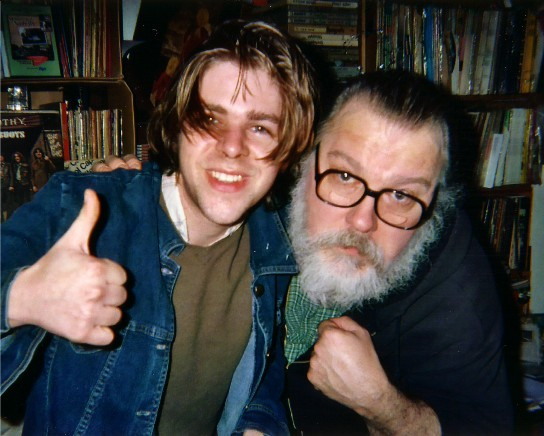
Left image by R. Stevie Moore; Right image by Alisa Daniels
What do you think Paul brought to the process that you wouldn’t have been able to do on your own?
It’s hard to qualify. He brought his own sensibility, he kept the integrity of the thing. I would have liked nothing more than to start from scratch and remix everything, make a new record, replace things that were mistakes and all that kind of stuff. He was insistent on actually keeping the records the way they were and trying to find the source mixes. I don’t know if it was laziness or just a sense of love for the records that they were, and I think we struck up this compromise too because there are certain things that were never really good enough to begin with. We spent a lot of time adjusting levels digitally and fine tuning things so that they sounded very close to how they were intended to sound, which was great but for the most part I saw him as reining me in and keeping track of the fact that these were record reissues. He was a fan of those records himself so he was very adamant about it. I appreciate that that was his mindset and he kept it very pure and very good.
So far in your musical journey, what would you say you’re the most proud of?
I’m proud that I did it. I don’t really spend too much time these days wondering whether it’s all for nothing. Those years I was kind of determined to do something that for all intents and purposes had no audience and didn’t really get much support or I didn’t have very many friends up until I was 26 or 27. So I’m proud that it paid off and that I could sort of do a little victory lap. The sort of satisfaction from that is also weaned in the time. I’m much more consigned to the fact I’m just basically trying to stay in the game. I’m glad that there’s a sizable audience that’s actively being turned on to me. I’ve been very lucky to have people tout their love for me that are much more well-known than I, so they kind of keep me in circulation. I’m proud that I never really strove to make it in any kind of real industry sense, but that’s allowed me to be humble and stay more or less low-key and not too dragged into the cutthroat world of competitive beasts and all that stuff. I don’t really participate in any of that. I don’t have a manager or anything like that either.
You seem to genuinely follow whatever your creative curiosities are. What are you most excited for next—what should we expect from you?
I’m not quite done yet. I always end up surprising myself. I’m always in retirement, I’m always feeling like I’ve written my last song. As long as I block the world out it’s fine. I mean it’s just a basic stream that comes in and dictates what I do musically. It’s very, very narrow bandwidth. It’s like a fucking cartoon – it’s just a melody and it’s a rhythm and it basically just comes to me as long as I do that thing which is pretty much what I’ve been doing the whole time. I really don’t try that many new things out, I just basically have this one expression, it’s a singular thing. I’ve been doing that over and over again. I’ve always thought of myself as being on the outside of linear progress. I’m essentially on a parallel axis of just actually going sideways. I exist on this other realm apart from everybody else, different values and a different value system that’s not based on our western utopian progressive ideals or anything like that. There’s no change, there’s this mundane and very specific focused stream that’s extending - it’s going horizontally sideways; not going up and down. I don’t know how to explain it.

Check out the interview and WORLD GOT ME FUCKED UP Vol.1 below.
Congrats on the new album.
Appreciate it, bro.
How are you living these days?
Everything’s been cool, man. I've been staying out the way and staying inside more than ever.
Have you been outside recently?
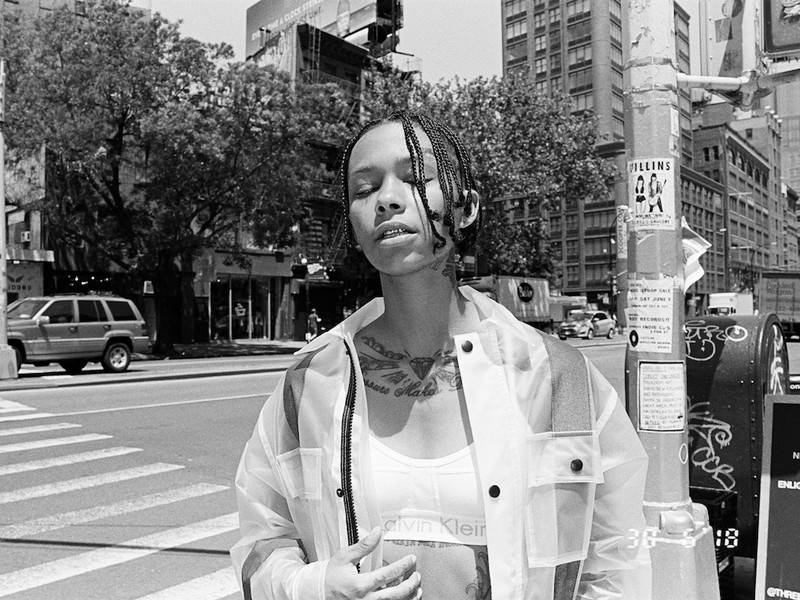
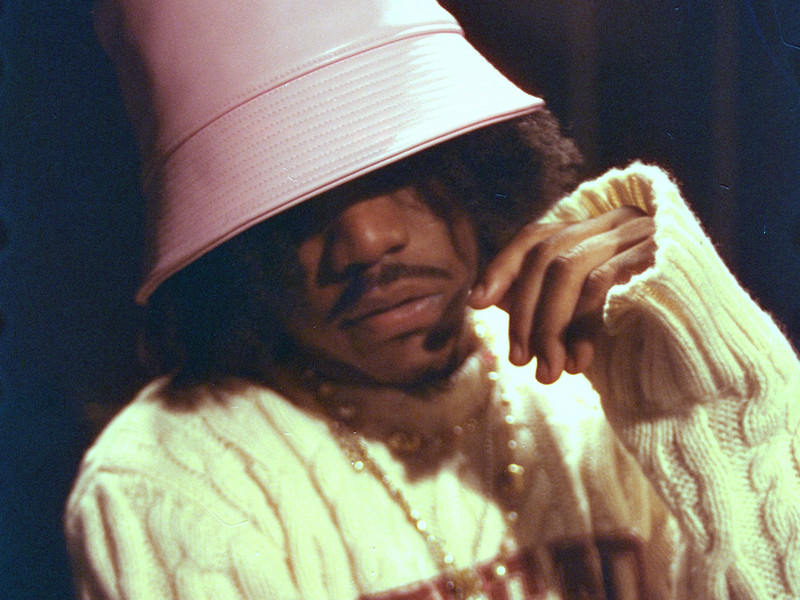
I’ve been going outside occasionally, slight random pop-ups where I’m needed. I just did a mural in Dyckman for my project, had to pop out for that. Private studio sessions here and there, pop out for those. Occasional video shoots too. I recently did one with Jay Critch.
How are you feeling about everything going on in the streets? (ie; Black Lives Matter movement).
I’m originally from Puerto Rico and have been familiarizing myself with the true history of my people. I posted this as part of my original project announcement — my stance is unity between Black and Brown people. We have to support our Black brothers and sisters, protect them, and most importantly do better not just now, but through our daily actions. We need to focus on building up our communities and making sure they have access to proper funds and resources. It can start by putting them at the forefront of government discussion, rather than police departments and what they claim to need. What I do goes beyond me, it’s also for my people. It's change that needs to happen. It has been known to us for a long time.
Your album feels more topical than ever. I know you’ve been working on it for a minute, but does it feel like it all clicked together?
My cover has been able to resonate on a greater scale, touch more people. This is because a light is being shown more than ever on the topic right now. People are tuned in. My project is able to contribute to the conversation at a time when the more unified and vocal we can be, the better. No slowing down.
Do you think if you had the time you would add more songs to speak to our moment or are those on the way?
My ideas and vision for this project felt like they couldn’t wait. I felt like I had to make this statement right now. It wasn’t something I could keep to myself. I’m very observant of my surroundings though, I’m always peeping what’s going on, making mental notes, and writing stuff down. No question, I will be making music in the future that touches on what's happening now.
The cover goes hard. How do you think people will connect with the message?
Yeah, the cover is of course relevant right this second. But, I could have dropped it at any point in time and I still would have felt the same way and hoped that my message was received. This is a reality, and change needs to happen.
Do you think what’s been going on will push you to go deeper in the themes in your music or do you think you were already on that momentum and the moment is catching up?
I was already on that; I think me having shot my cover six months ago shows that it’s not new to me. I've experienced encounters with police in the past— where you're not sure which way it's gonna go. As well as many of my friends and family. That's something that's always sat with me.
What’s your quarantine life looked like?
It's been calm, also productive. Been recording at my new studio set up. We built out a studio in the crib. I also got a new cat named 30 Clip.
How do you feel about New York opening back up? What do you see in the future? What’s the energy in Dyckman?
In Dyckman, the energy is very much still alive. People are finding ways to enjoy their summer even though we’re quarantined. We don’t have the Dyckman basketball games this summer, which is typically a way for everyone in the community to come together. But we’re all making it work.
Princess Nokia makes a special feature on the album, she narrates a lot of what’s going on. What’s your relationship with her?
That’s gang. She’s been showing love since day 1. It was my idea to ask her to narrate the project. I thought she’d be a great fit. She’s always putting me on game and giving me ways to stay healthy.
You have a lot of features on this album, what kind of energy were you trying to create?
I was going for that old mixtape vibe, Coke-Boys era, Bullets Ain't Got No Name, that type of energy. It was originally supposed to be even more feature-heavy. I have a lot in the tuck I’ll share down the line.
What’s next for you?
This summer, I’m doing a second collab for my brand Coldgame with Anwar, founder of the Carrots brand. I'm Definitely focusing more on my Coldgame clothing. I like the Office Mag merch too, you guys got some good pieces. On the music side, I’m almost done with Vol. 2, that’s where my focus is recording-wise.
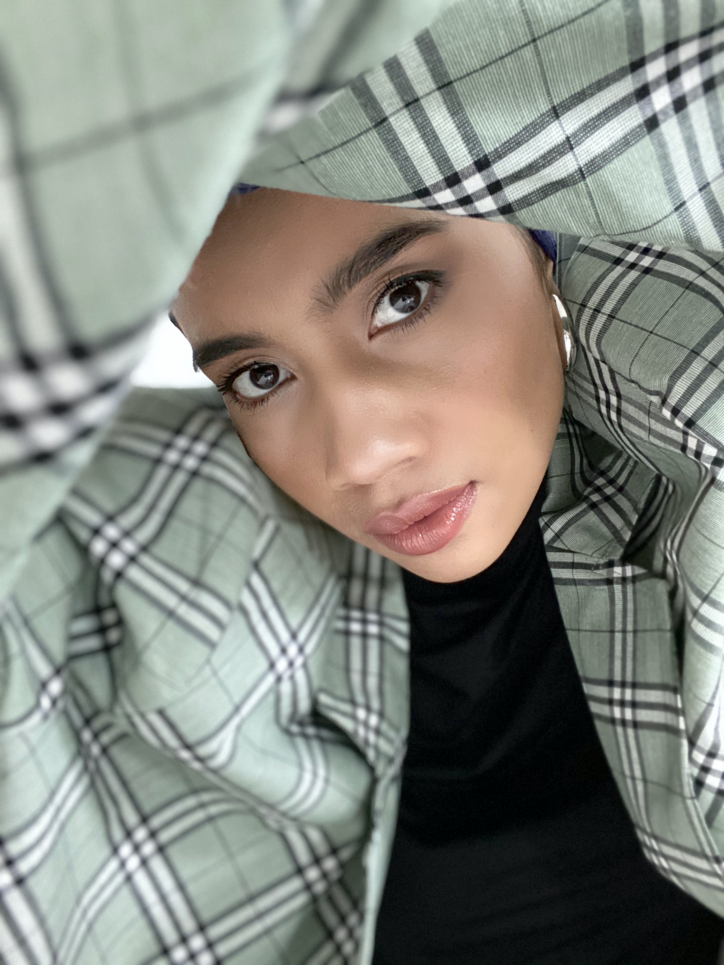
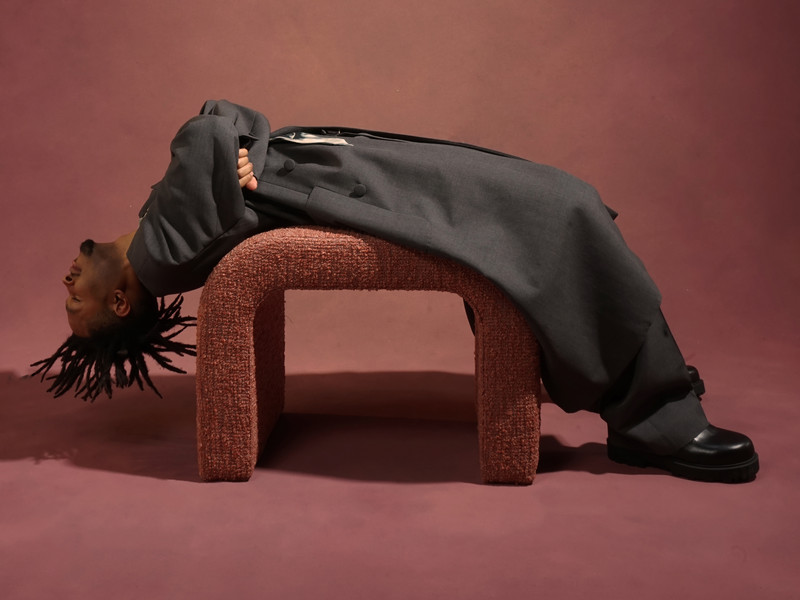
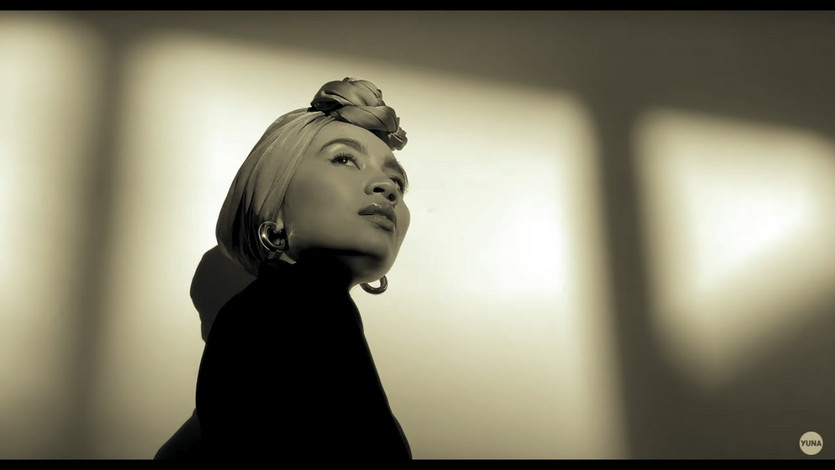
Yuna’s first release under her own label comes in the midst of global social distancing. Her new single, “Stay Where You Are,” though written well before the start of the pandemic, taps into the heartache—but also the potential for positive self-change—that can result from isolation. And her accompanying music video, which compiles clips of friends and fans proclaiming the title and central theme of the song, “stay where you are,” expands upon the need for interconnectivity in a time when physical distance is crucial.
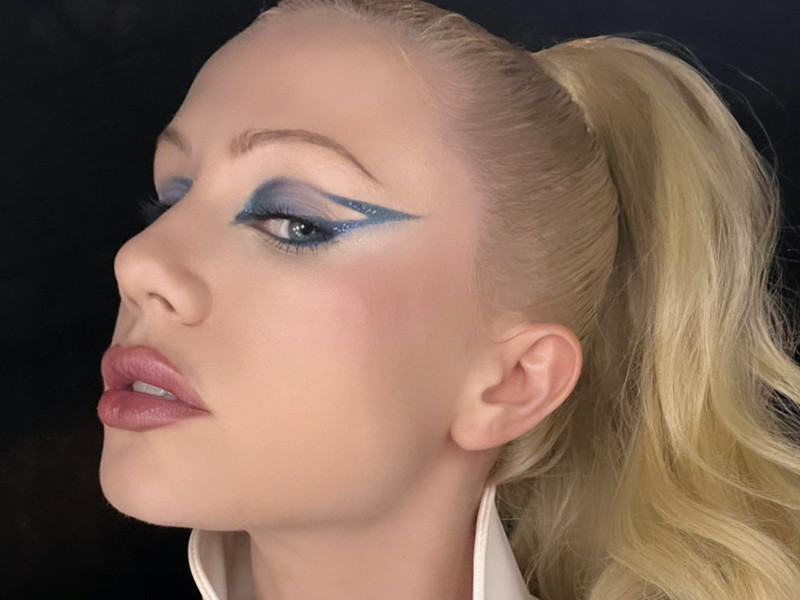
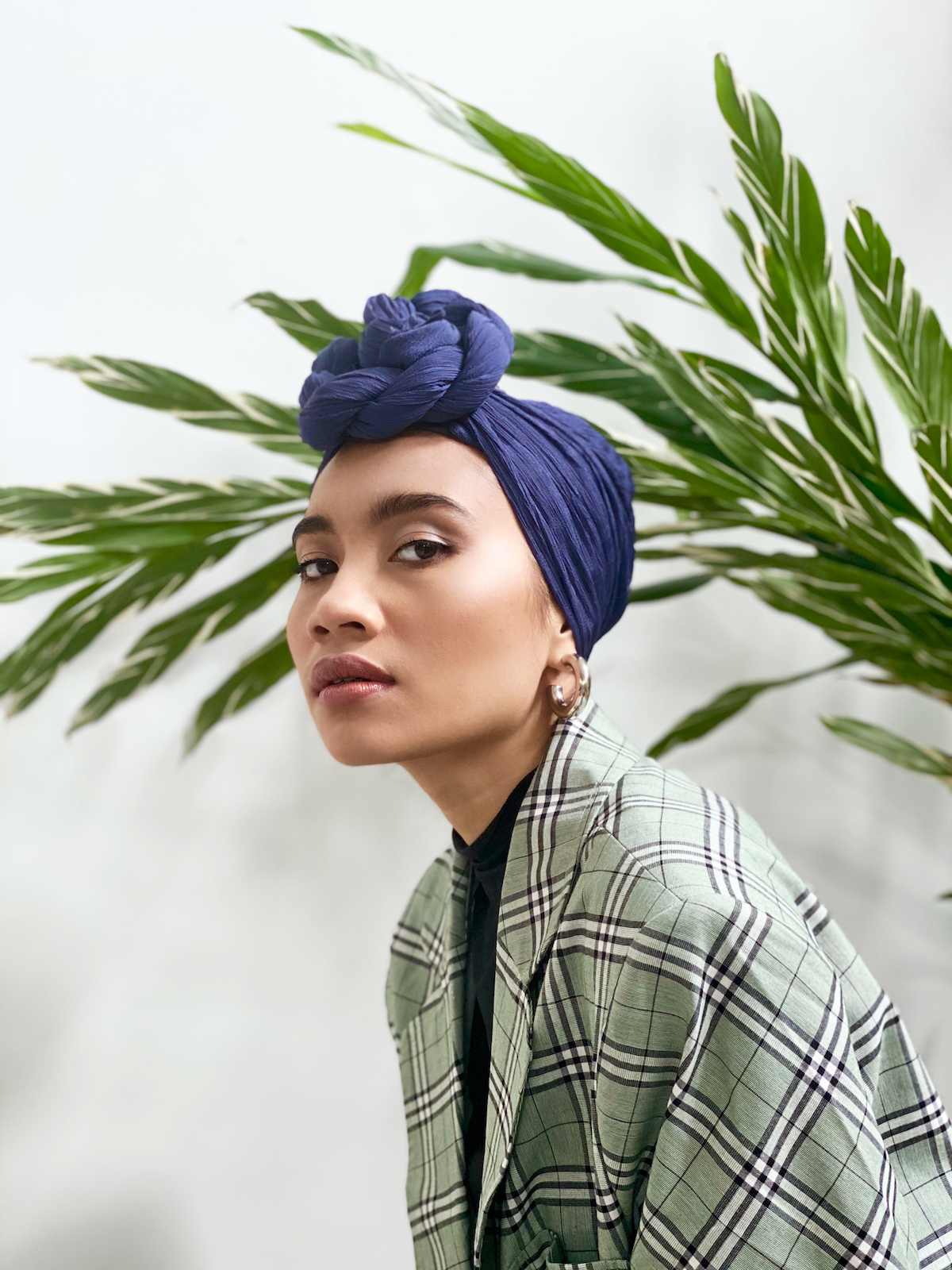
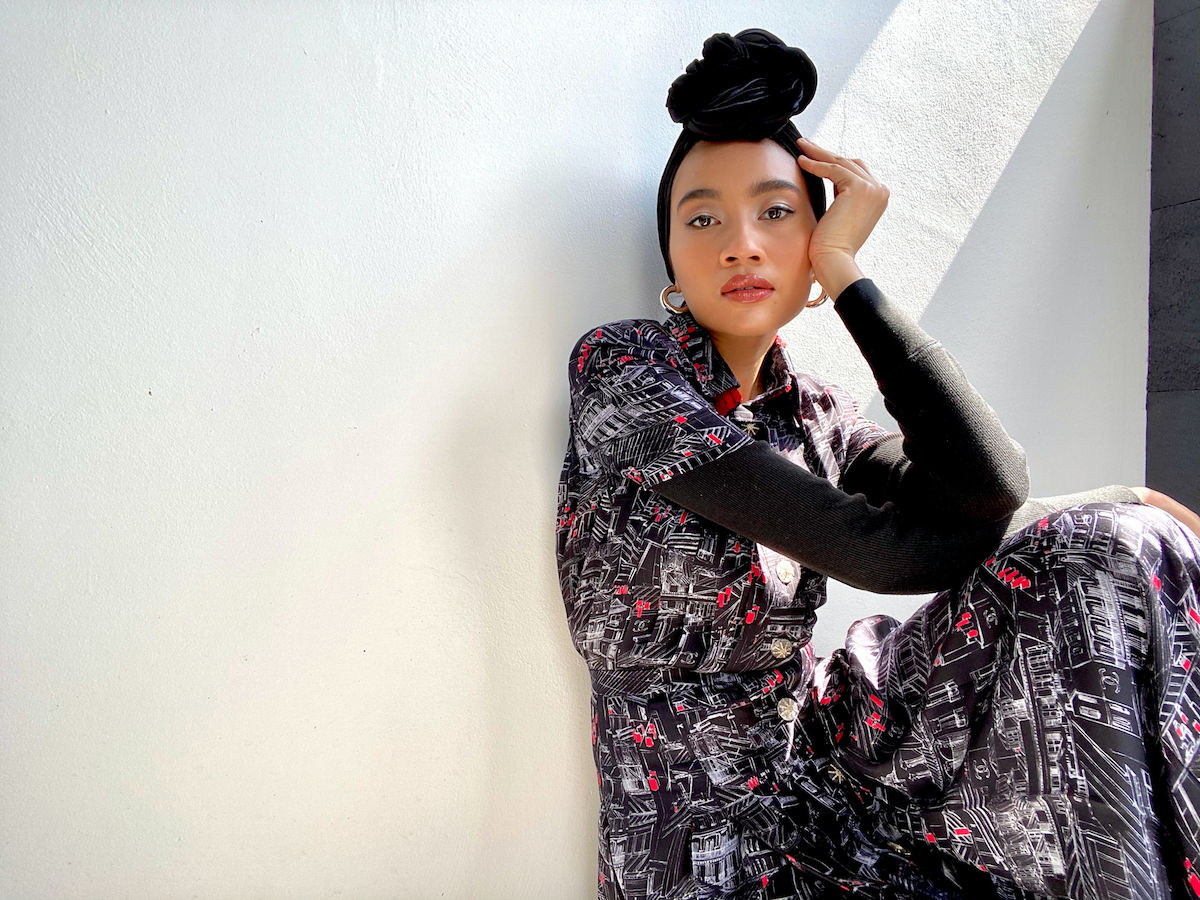
While at her home in Kuala Lumpur, Yuna got on the phone with office to talk about the music video, her decision to become an independent artist, and her western and eastern audiences.
How're you spending quarantine?
It's good. I'm not happy, but at the same time, I'm not complaining. I'm just trying to stay creative, which is kind of difficult, but once you get a hang of it, it's just nonstop. The creative juices are flowing.
You're writing a lot of music right now?
No, not really. I did manage to write a few songs, but maybe one came out of it that's really good. I'm definitely trying to find that momentum again because I've never had to write at home. My parents live here and of course my husband is here. Trying to be productive and having to use a bedroom studio is definitely not easy. Once in a while my mom will be like, "Come help me vacuum the living room! Come help me mop the floor!" And I'll be like, "Okay," putting down my microphone and head down stairs.
Usually, I live in LA, and I have my own space. I'm so spoilt when it comes to recording. I'll go to the studio, record six hours there and then come back. But when you're at home, it's just never down. You're always at it. You stop, you go back to it, and next thing you know, it's two in the morning. Just trying to find the balance.
Yeah definitely. I think a lot of people might be struggling with that. It can be hard to find a work-life balance when all your work is at home. What have you been doing during downtime? Have you been listening to a lot of music lately?
Well, not really. I am listening to music, but not new music. I've been listening to a lot of older stuff—albums I love. I didn't have the opportunity to do that before all of this happened; I was always traveling, working, in the studio, working on my music. I guess when I'm just hanging out downstairs or doing work on my computer, I'll just listen to a playlist of like Frank Ocean, Sza, Jungle. It's kinda nice. I get to revisit the albums that I love.
You used to have your own clothing line, November Culture; I would assume fashion is pretty important to you. Are you trying to say anything in particular with your personal style?
I feel like fashion and music are two things that go together. I think from the very beginning, I always knew that I had to have a good appearance. My mom would always make sure that I never went out with a wrinkle on my shirt, and that always stuck with me. Even to today. I don't know—I just like to be unique. I don't want to look like anyone else. And to nail that, I had to find my own personal style. As a muslim woman, of course there are some limitations, but they definitely gave me room to work with. You have to stay creative: How do I style that with this while still staying modest? I definitely have fun with fashion. But I have to say, I went through a lot of different phases in my life, though I'm at a place now where I'm pretty confident in my own style.
So before you started to pursue music full time, you were in law school. That's a big transition to make; was there a particular moment that told you that you had to make it?
It just happened naturally I think. Sometimes I tell people I'm an accidental musician. I was training to be a lawyer, I really had it all planned out. I was going to graduate and take the honors degree and become a lawyer. But I ended up, in my final year, to start playing music. I think my soul was really craving for something creative. During that final year, I just really couldn't stand it anymore. I was like, "You know what? Law is just so dry." I needed to do something because I've always loved singing, I've always loved playing music, so in my final year, I started performing at different cafes and independant gigs. I started making friends with other musicians and we'd record—all of these things. I think the turning point was in my final year. I released a Malaysian song—it's in my native language, Malay—and it became so huge. I don't know how it happened; the radios started to pick it up, and I was invited to TV shows. I just thought, "You know, we may have something special here. Let's keep on working on this."
It’s been around nine years since you transitioned from the Malaysian music scene to the American. Is there any advice you'd give your younger self who's just breaking into the western market?
Oh my gosh, just go for it. I think when I first moved to LA, I was fearless, but I also held back as well. I didn't give it my all because I was still trying to believe if this was really happening and if I was really good enough. To my past self, I would say, "Stop worrying. You are good enough. Let's do this." I think nine years ago, I was very self-conscious about what people think about me. During that time, a lot of people really believed in my talent and what I could do, but it was just me who was questioning if this was for real.
Though you have recorded songs in Malay, you mostly sing in English now. I'm curious if you have a different approach to songwriting when you write in Malay opposed to when you write in English. Do you feel the song takes on a different quality when sung in your native language?
It's definitely different. When I approach writing a Malay song, it's more poetic. The words are a little bit longer, it's more vast. You can use one word in several different ways. I'm not sure how to exactly explain it, but you can go between the current Malay language and the "Shakespeare" version of the language, the classic Malay language that existed like hundred years ago. It's pretty special. When I write in English, it's more direct, which is why I think I love writing in English. Growing up, I never used to speak English—I didn't know how. But learning how to sing songs made me learn the language. I would listen to No Doubt—that song "No Speak"—just wondering like, "What does it mean? What is she saying?" That's pretty much how I learned how to speak English. After that, the formula just clicked. It's just so easy to express how you're feeling and what's on your mind. With Malay it requires a little bit of training. You need to be fluent in the language to write really good lyrics. For me, it's more poetic. Obviously, you can write poetic songs in English, but maybe it's not a Yuna thing to do. In Malay, Yuna can do poetic.
Because you've spent a lot of time in America, and you've mentioned that LA is kind of your hub, do you ever feel as though you're not "Eastern" enough for your Malaysian audience?
[Laughs] Definitely. I don't feel it, but some people bring that up: me being Malaysian and living in LA. Suddenly I'm not "Eastern" enough, I'm not "Malaysian" enough to be a Malaysian girl.
Just a few weeks ago, I was doing this thing with Spotify. They had my face on billboards all over New York. It was a huge deal; it was to celebrate Asian heritage month. Every year I do something with Spotify to celebrate Asian heritage month, but I still get comments from people saying, "Why is she there? She's not even representing Malaysia." It's just really weird how people could think that way because all I'm about is representing my country and my people. I think it's just important to know that my journey is mine, and people don't walk in my shoes, so they don't know. They're just speaking from observation, and your observation is probably just 2% of what I'm all about. You know, I'm really comfortable telling people that LA is my second home. I have no regrets moving to La to pursue music and leaving Malaysia. I still come back to contribute to the music industry over here, but my main focus has always been to make music on a global level. That's just me and it's what you're going to get. My real fans understand that, and they're the ones I really care about, not the others that don't understand what I'm trying to do.
Have you ever felt pressure to conform to certain western ideas of who a successful pop musician ought to be?
In the beginning, definitely. As a young artist moving to LA, you have that pressure. I remember at the time, a lot of young pop artists were doing EDM. They were making a lot of money at the time, and they had a huge audience. I felt that maybe I should do that, but nah, that's just not me. At the end of the day, I still knew that no matter how naive I was when I was younger, I still knew at the end of the day, if it doesn't feel right, I'm not going to do it. Even when working with huge producers. I was in the studio with Pharrell and he was amazing. He understood what I wanted to do as an artist, and he just wanted to bring the "Pharrell" feel to it. It wasn't something like, "Oh this is what all the other artists are doing." He created that just for me. I found my sound in the music that he made.
I make the music that I love. It's my music and not what someone else wants from me. I'm still the same Yuna.
Over your last few albums, you've created an impressive list of collaborators. How do you go about choosing who you're going to work with? What qualities do you look for?
My number one rule with working with people now is that they have to want to work with me, too. It has to be mutual. You have to be invested in my project as well, if we are going to work together. I don't want to waste their time, obviously. I don't want to waste my time. If we're going to have a song, we need to make it our song. Of course, I've been very lucky with the people I've collaborated with.
So you wrote your newest single "Stay Where You Are" before the Covid-19 pandemic, but now it's taken on a new meaning. How has your own relationship with the song changed given the current context?
It's very weird that that song came out during quarantine. I wrote this song maybe a year-and-a-half ago. It was just this song in one of my folders. I didn't know when to put it out. But during quarantine, I started playing it on the piano, and it was just very memorable. It stayed with me. It's just one of those songs that stays with you even after months of not playing it. So I thought maybe there was something special here. There's something magical about it, and I felt that we just had to share it right now. The fact that the song is called "Stay Where You Are" was accidental; it's not a Covid-19 song. When I wrote it, it was a story about how you're apart from the person you love. You're far away, you're in isolation, but you're trying to improve yourself, so that hopefully when you come out of this isolation, you can serve a purpose again and be a better person, lover, and human. Putting out this song now is really important because pretty much everyone is lost; we're all in isolation. It's tough. Not everybody is going through it the same way. We're not all in the same boat. Everyone is dealing with it in their own way. And I just wanted to put out this song because it's positive to me. It's a powerful song, and I think it has healing powers. When you listen to it, you just feel a sense of calmness. My main thing about putting out music at this time is: Is this going to do any good? And yes, I think people are going to feel good when they listen to this song.
So along with the single, you're putting together a video in which you compile clips of friends and fans holding up signs which read "Stay where you are." What's the motivation behind doing this?
I think it was just that the other message of this song is trying to stay connected with the people you love. Like for example, I facetime my friends every other day. We get on Zoom parties, and I just want to make sure everyone is doing okay. But sometimes you just forget to do that. And that's when you find yourself in this hole. Like, "Oh my gosh, I feel so alone. I can't go on like this." I think "Stay where you are'' can have a lot of different meanings to it. It could be like, "Stay where you are creatively," or if people want it to, it could just mean "You should just stay at home." That works, too. I'm really happy that everyone I asked liked the idea. People were sending animations, videos of their babies. It's really cool.
Recently you decided to drop your label and become an independent artist. What brought that about?
I just felt like it was time for a change. Nothing bad happened. People tend to think, "Oh, she's independent again. There must be some drama." People love label drama. But, I loved my label. They were amazing. Everybody that I worked with in the past five years, I loved so much. They were really supportive, they believed in me, they gave me a platform and opportunity to create, and for that I love them. But I started out as an independent artist, and I have a lot of great memories. Like registering my own company. That was a powerful moment, when I was nineteen and was like, "Hmm. I'm going to have my own record label." And I still have that label. The fact that I could put out "Stay Where You Are" and see my own name down there, my company's name, is just so empowering. That's the kind of feeling that I want to have now when I put out music. I want it to be mine. I want my fans to feel too. But you know, not a lot has changed. I still write my songs, I still pick my own producers.
Is there anything you want to do with this new freedom?
Oh, wow. Maybe put out a new EP. I don't know, this could be very meta, but when I first started out with my indie label, I was just recording in my bedroom with my microphone and guitar and that's it. I have a similar idea of putting out, after ten years, an EP of just me and my guitar. Maybe that could be a thing, we'll see.