MIRRORS


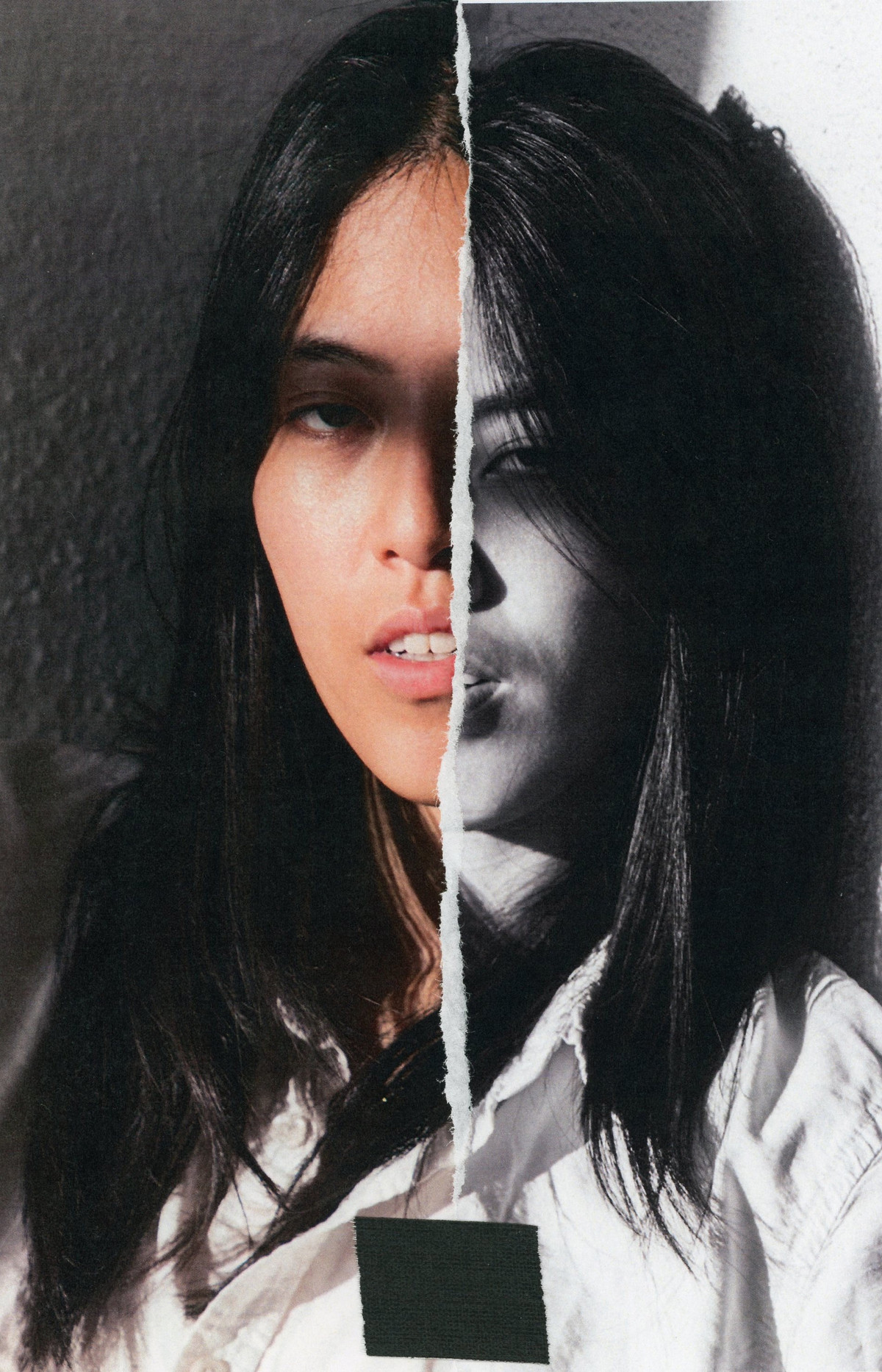
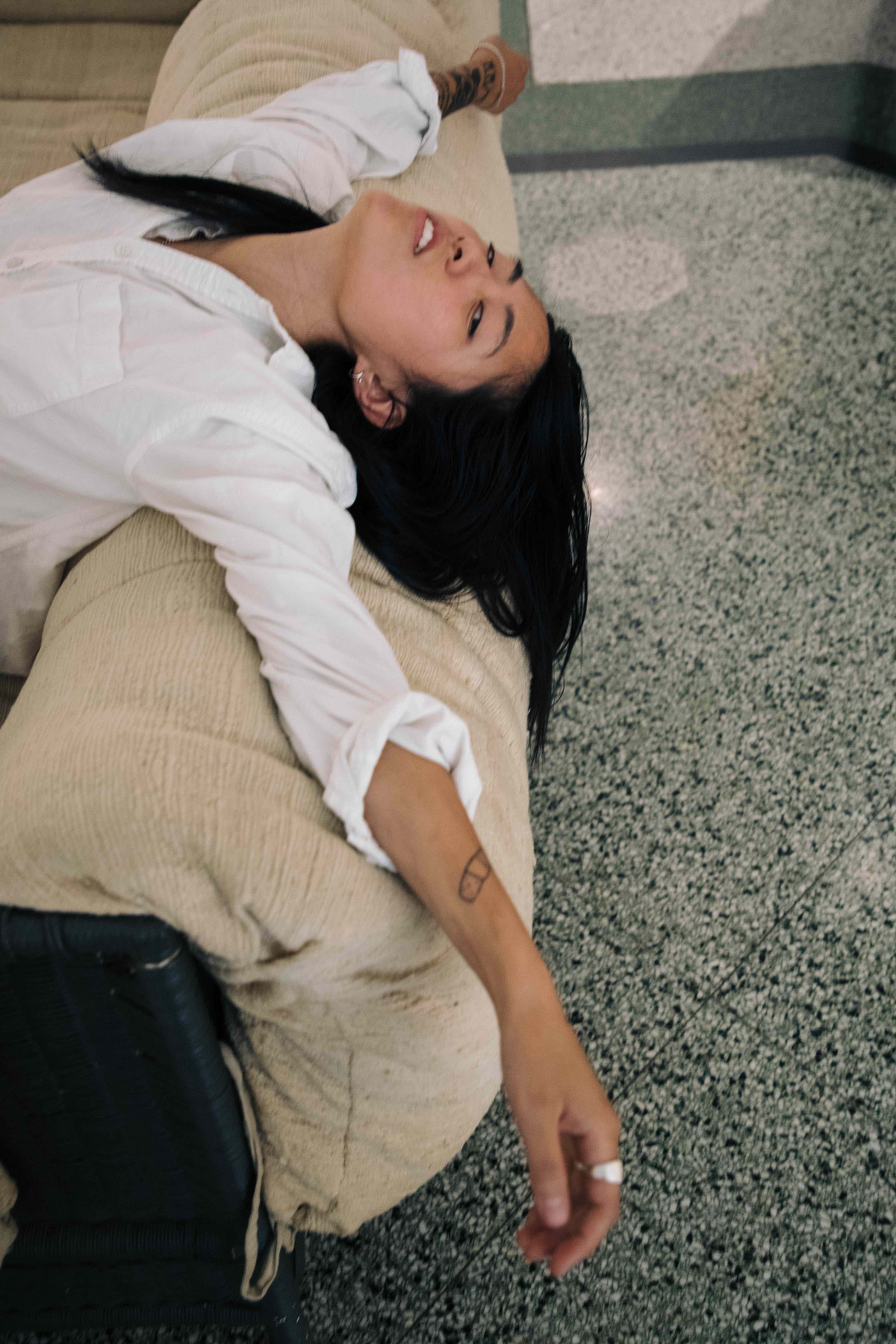
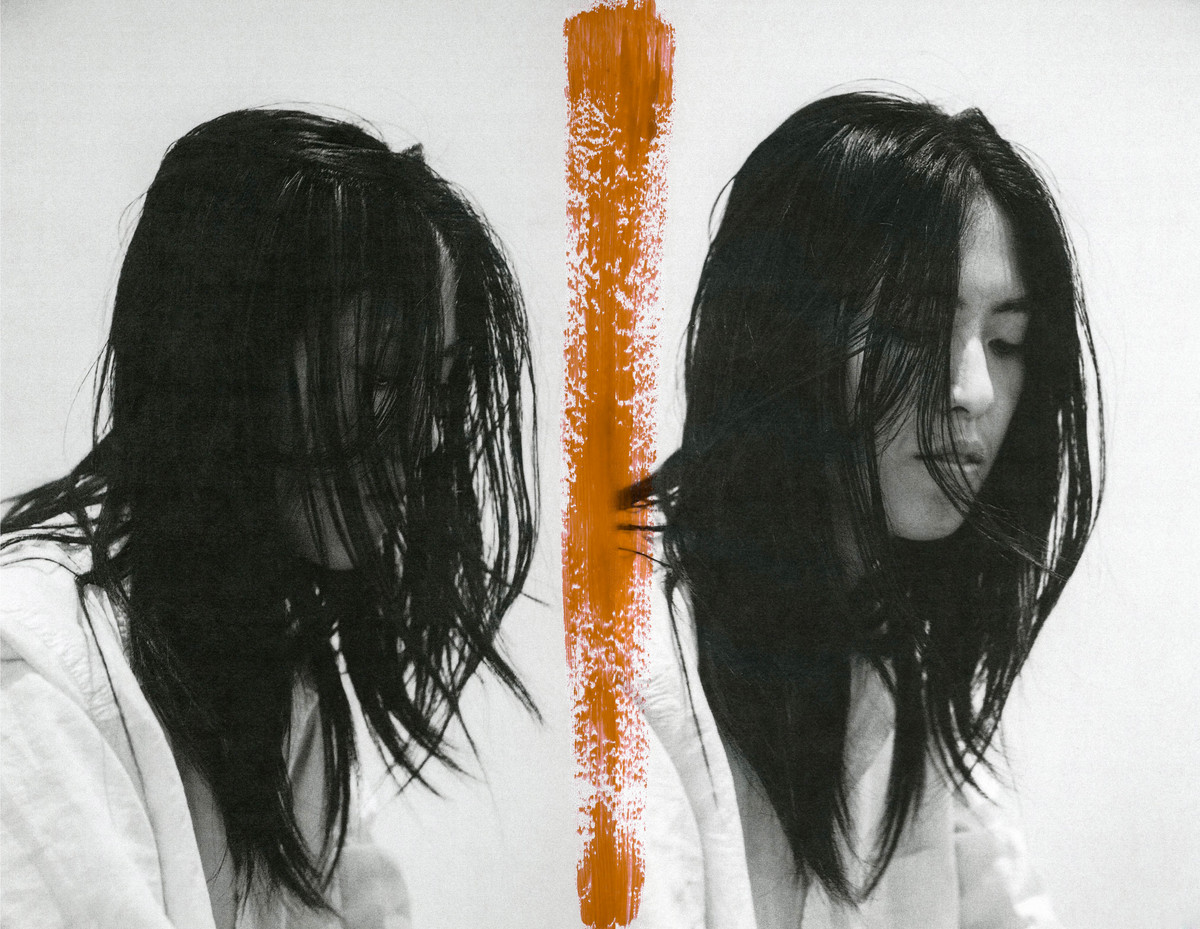
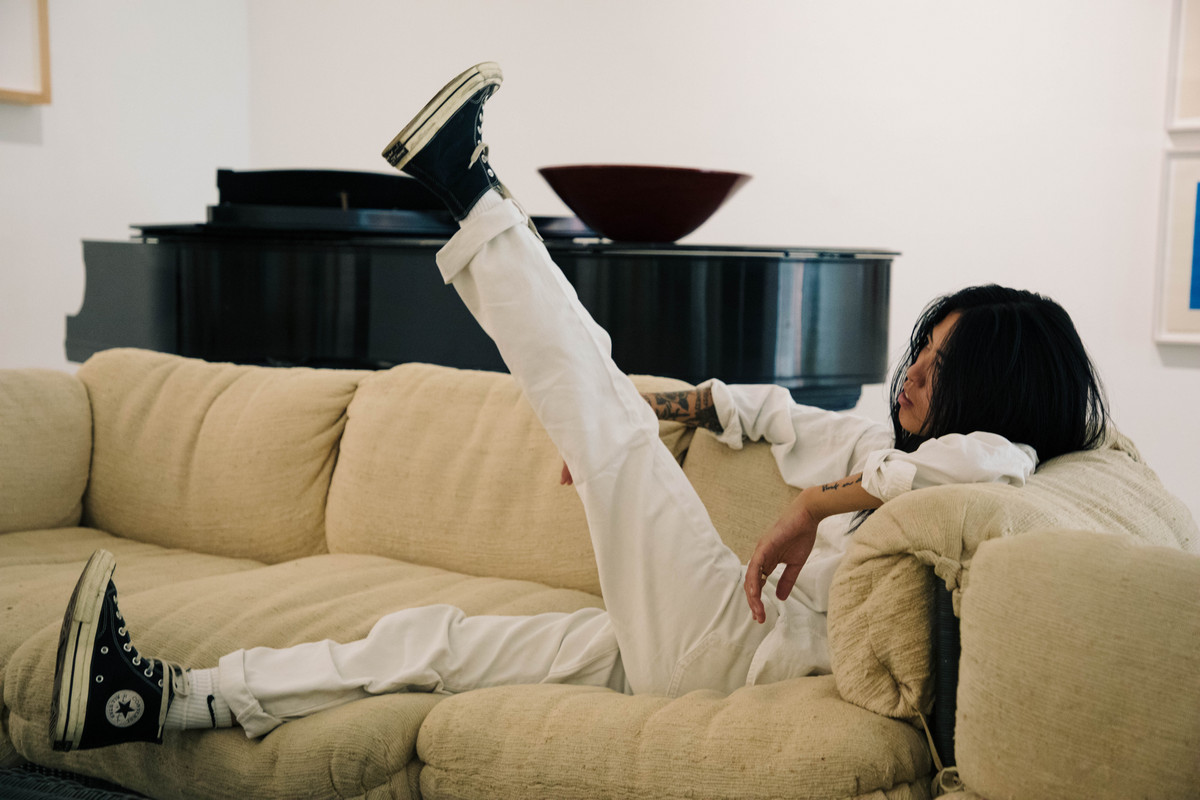
Fans and journalists alike might be wondering, “What is her intention with the project? What do these songs mean?” For Deb, there isn’t always an answer. She even becomes self-inquisitive on tracks like “Ugly,” venting about relationships, “Am I desperate to feel the way that we used to?” and “Same,” where she repeatedly asks herself, “Will I always feel the same?” Instead of putting a heavy focus on lyrical denotation, though, this project is more about the process of feeling. As many music projects are, this EP is an emotional response to the artist’s collective life experiences, both past and present. What makes Deb unique is her ability to transform her feelings into a sonic landscape that reflects the essence of her own personality: someone who has seen darkness, but chooses light; someone who has reasons to cry, but chooses to fucking mosh.
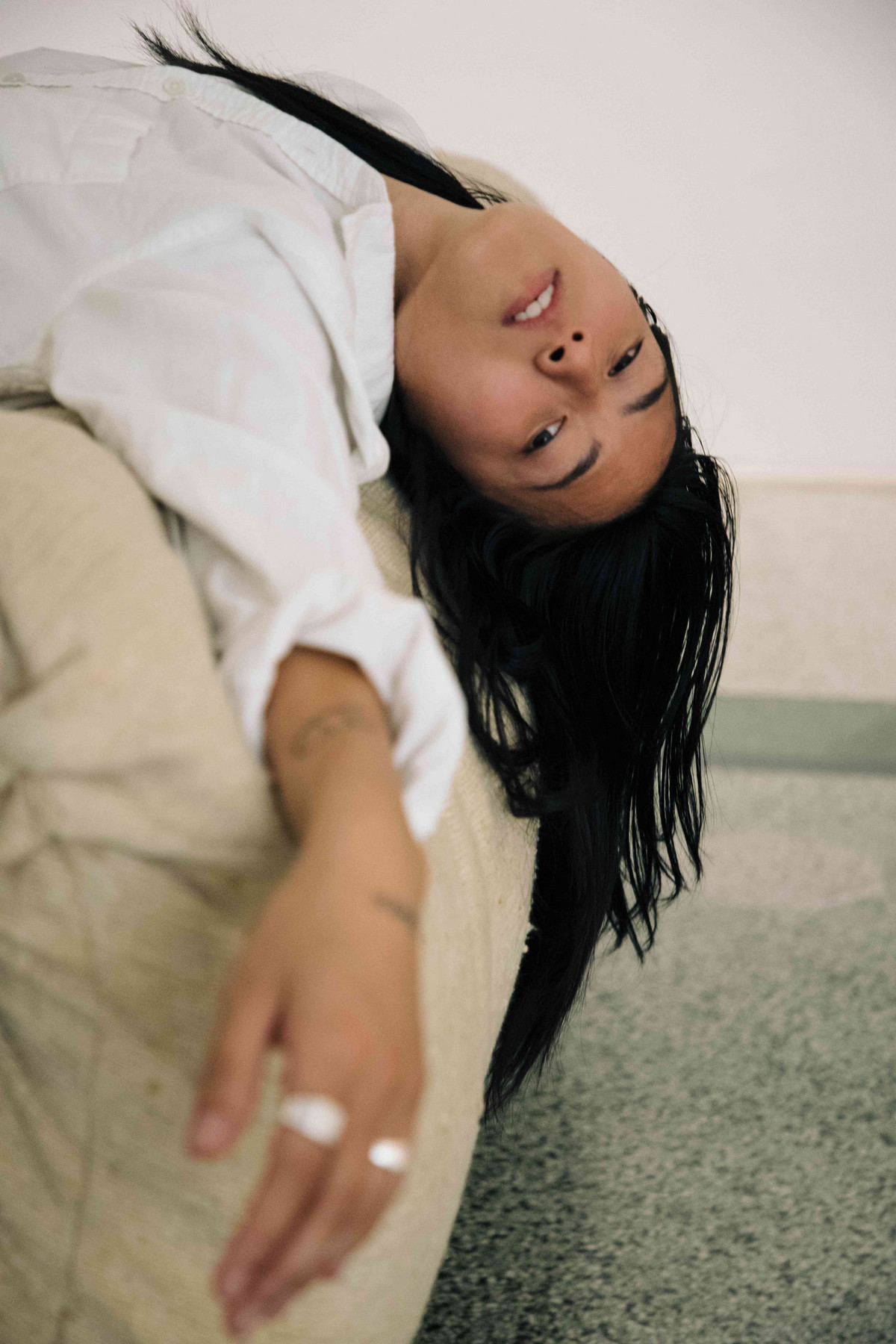
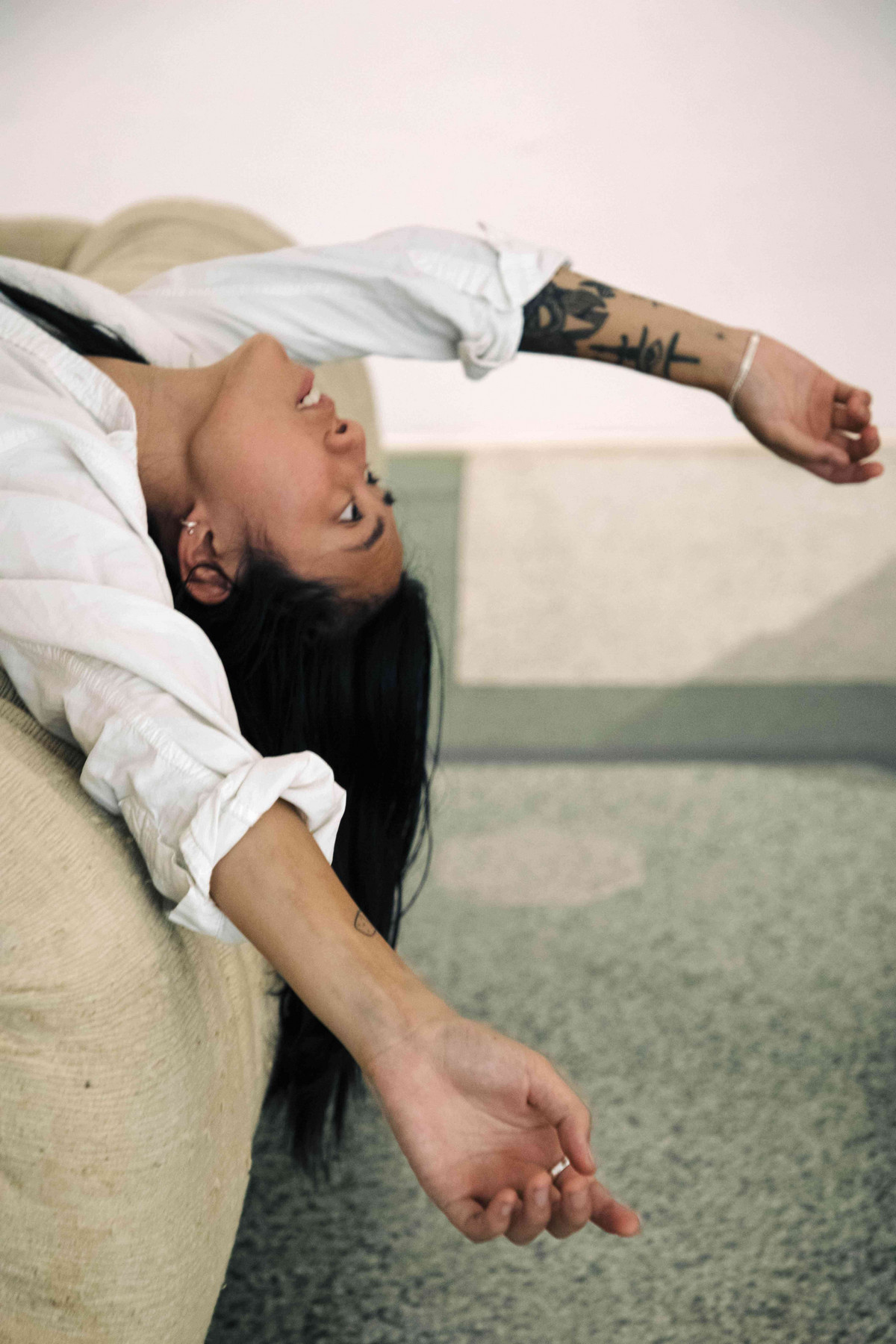
The EP’s title rings true to the life of a touring artist: constantly being on the go, a struggle to find stability or knowing what’s to come in the future. But leading this life as an artist is the only option for someone like Deb–her desire for self-expression transformed into something tangible outweighs choosing a plan B. This is about the immediacy of creating: having access to an outlet, in Deb’s case, her guitar, that allows one to articulate their emotions without insecurity and pressure to define what they mean in the moment. The visceral release of performing, even if its only for yourself at first, can be an extremely cleansing thing. The melodies and beats that Deb creates are representative of her consciousness: the dissonant guitar drowns out the sound of reality… tunneling the listener into her world, a private jam session motivated by loneliness, love, frustration, uncertainty and the combination of them all. And then the 808s kick in.
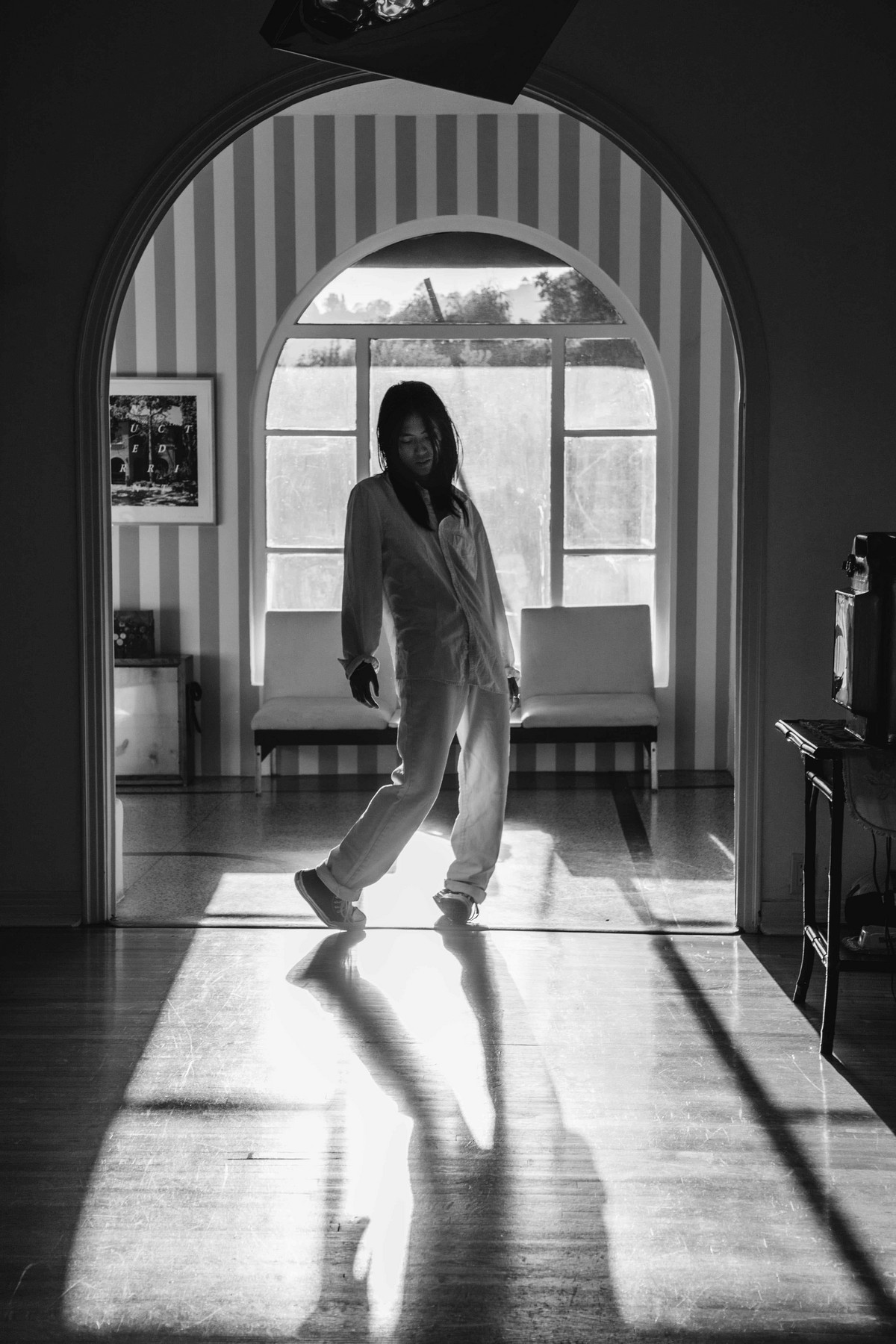
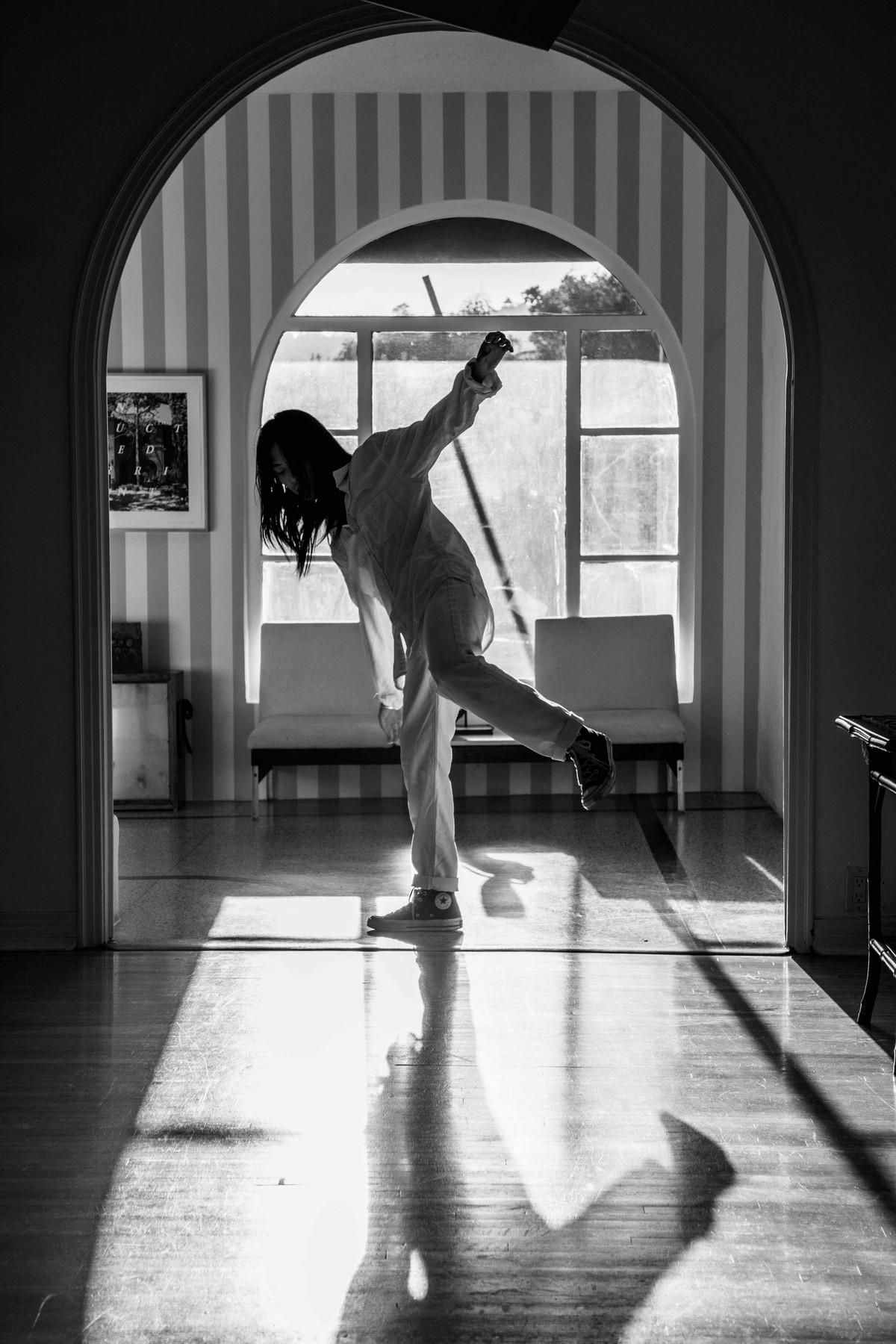
Though Deb’s art isn’t overtly about identity politics and representation, these are two things that unavoidably lie at the heart of day-to-day human experience, even when it seems easier to escape or avoid them. But instead of letting prescribed identity makers confine her, she makes them her own simply by being herself: when she feels something, she says it, and when she wants something, she does it, Deb doesn’t have to do much for you to fall in love with her–her transparency of self is a quality sought after by many, especially in an age when individuality is the new “fitting in.” Her genuity has allowed her to carve a path for herself in the music industry, where all signs point to her career and fanbase growing in a real, organic way.
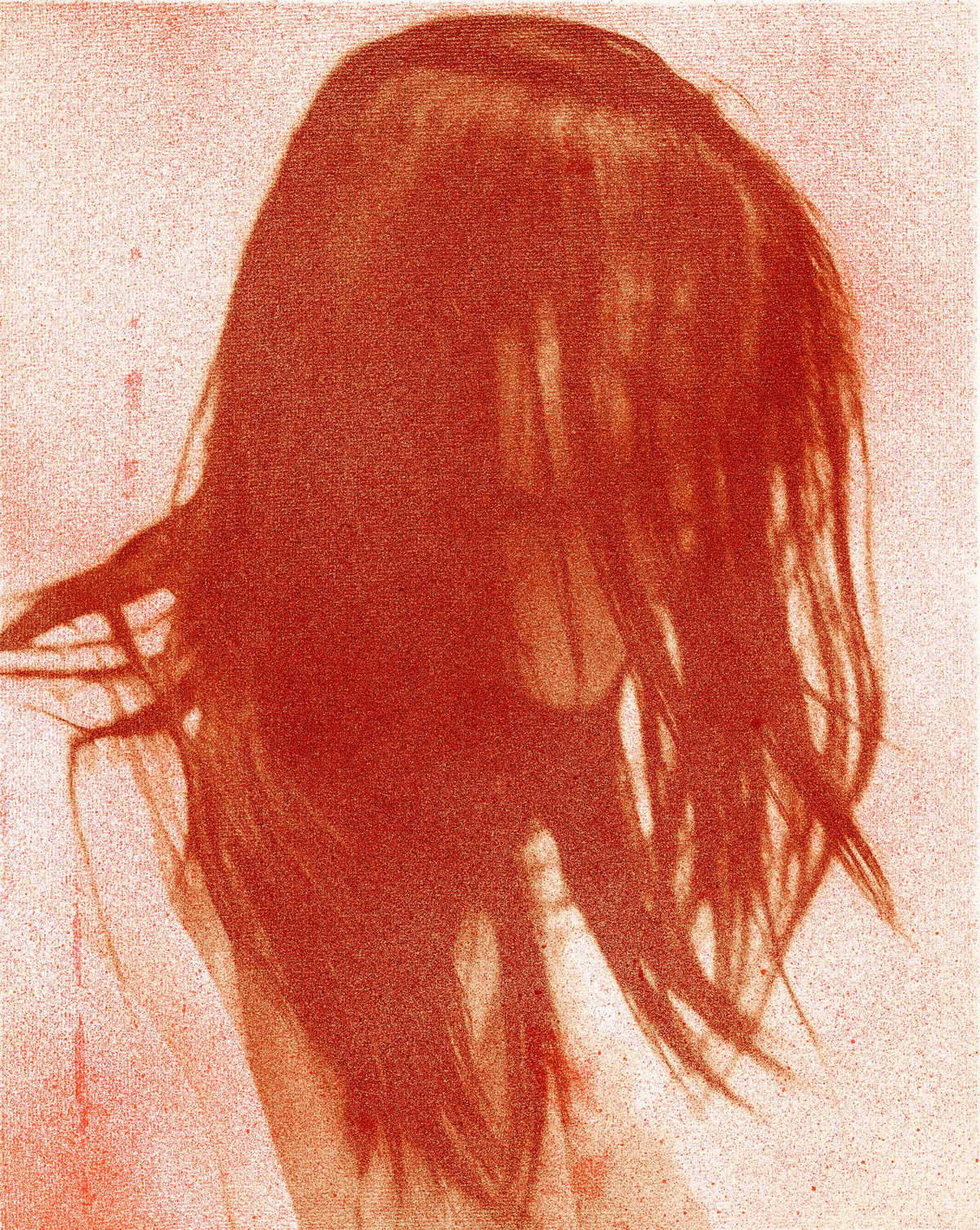
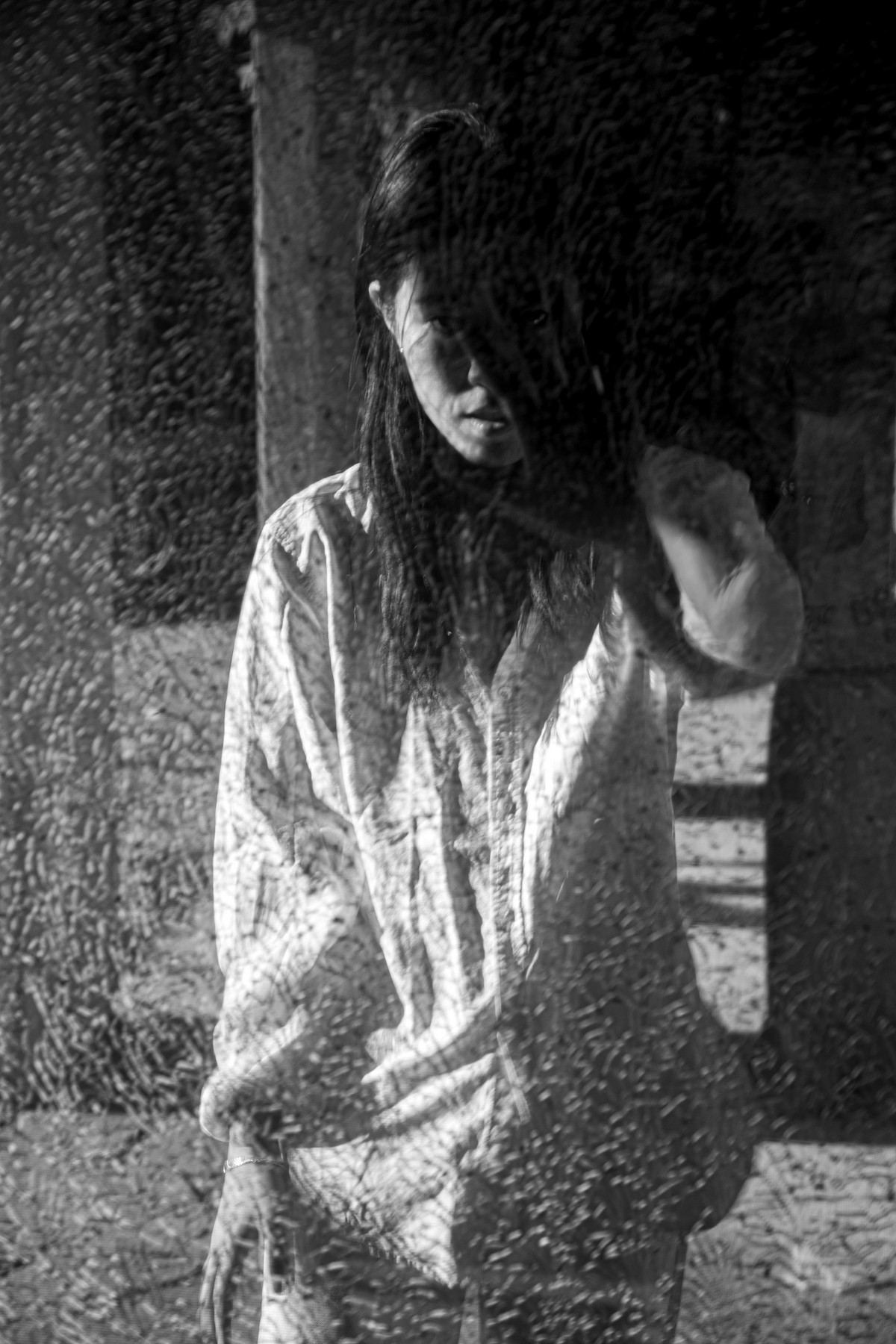
With early influences ranging from Nirvana and Radiohead to Three-Six Mafia, Deb’s genre-meshing grunge-meets-emo rap music unfolds as if the listener has access to her stream of consciousness. With the vulnerability of a personal diary, she wants you to hear what she’s saying and feel how she’s singing it. That being said, House on Wheels EP is music for many moods: car rides, parties, lonely nights, break ups, mosh pits, smoke sessions, hanging out with friends. But most importantly, it’s Deb Never’s way of proving herself; after growing up with a sense that no one out there was really listening, she has now become a person that others are listening to. On “Swimming,” her latest single off of the EP, Deb unforgivingly sings, “Treat me like you give a fuck about me now.” Coming from a past reality of small-town isolation and discouragement in the Pacific Northwest and landing success in Los Angeles, she’s reminding us that, deep down, she’s always been the person that people are finally acknowledging her as today.
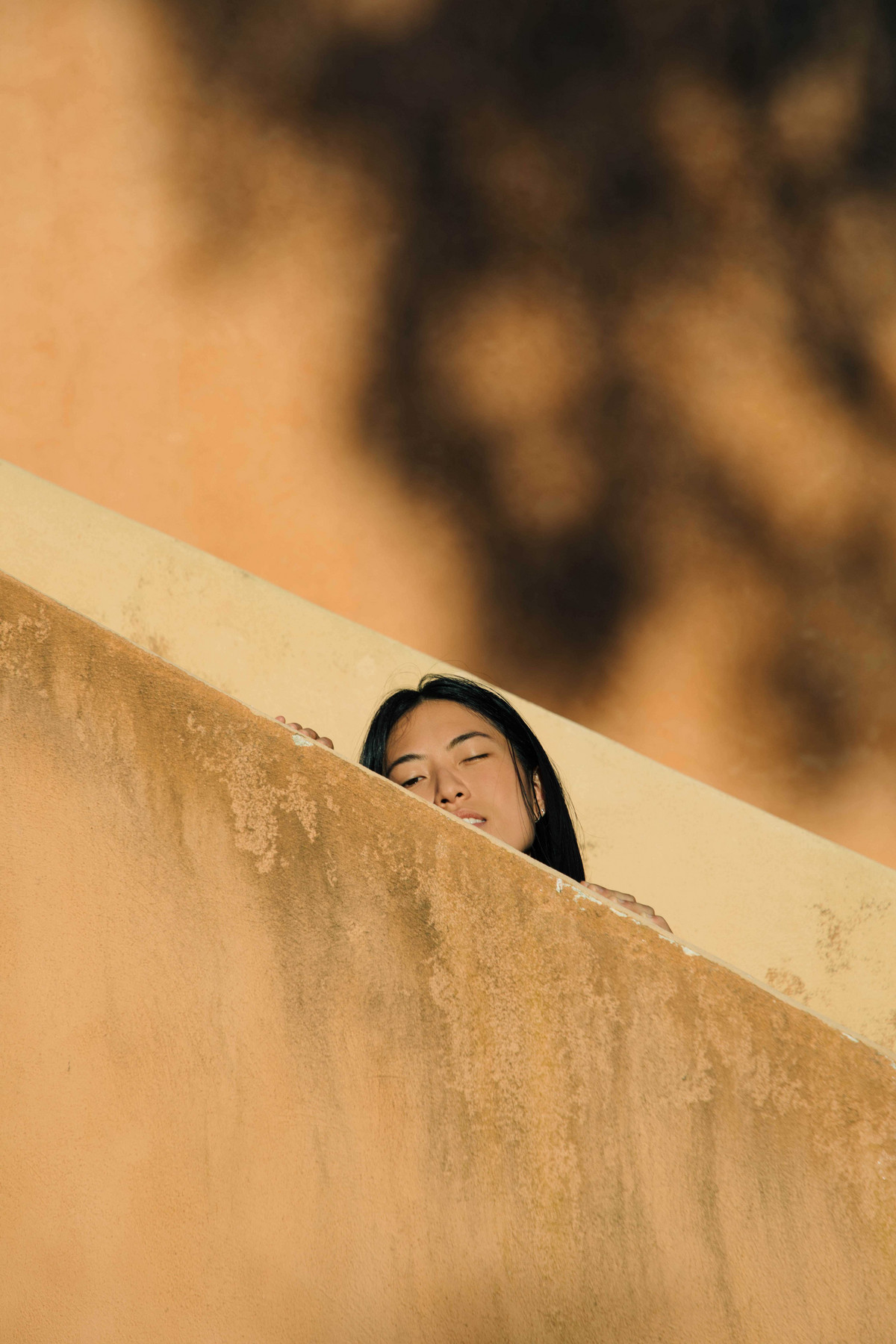
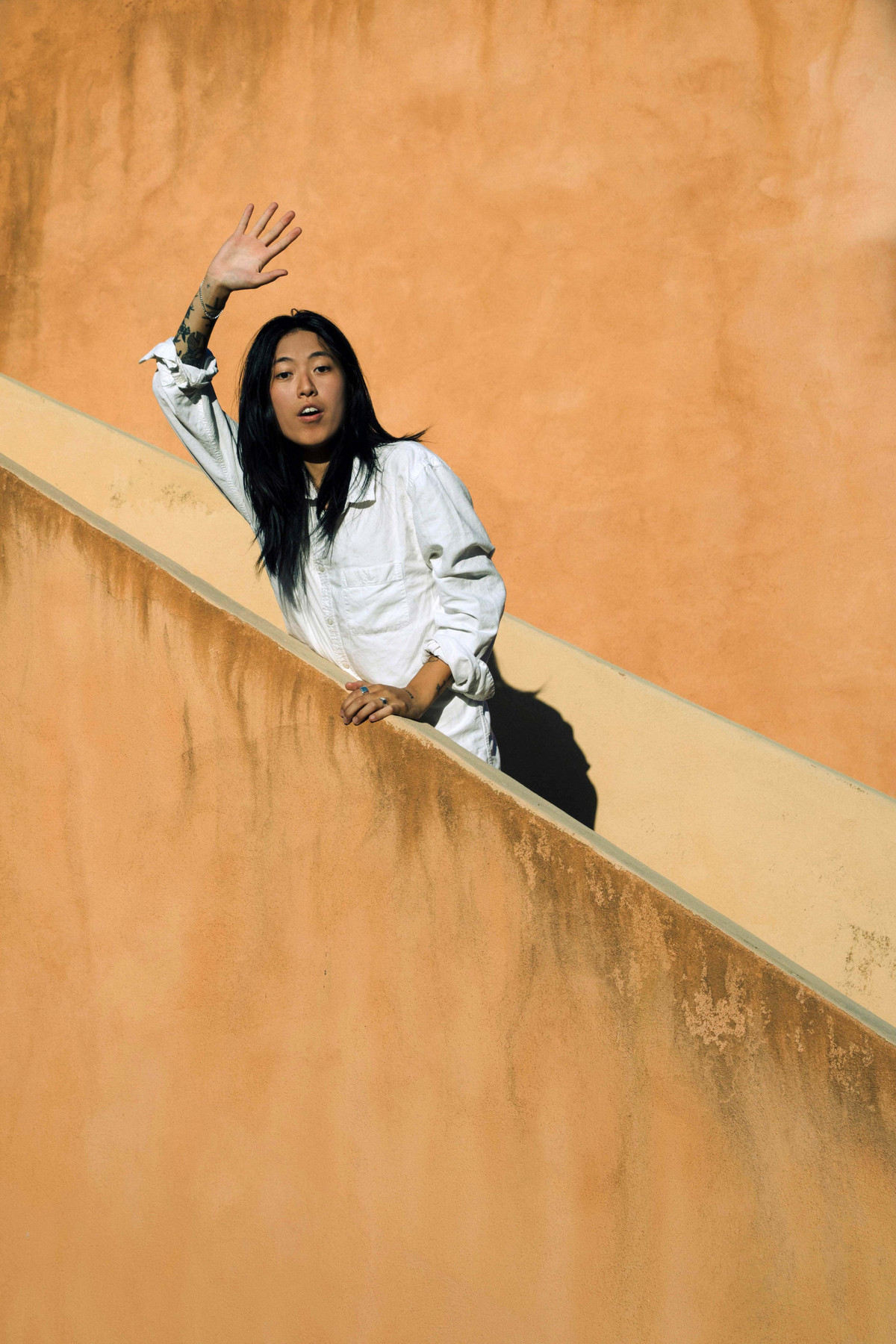
How, if at all, did your hometown influence your sound?
The only thing about my hometown that influenced my sound was my environment growing up. I was always trying to keep my head up in a sad situation.
Where does the title House on Wheels come from?
House on Wheels comes from the way I feel about this EP and my life [laughs]. I feel like each song takes you to another place even though they all live in the same world.
You've talked about music being a release for you, is it a cathartic experience seeing the EP as a finished product versus the process of putting it all together?
Yes, seeing it finished and listening to it altogether is crazy cause it all started with me making songs in my closet [laughs] literally. It’s like seeing my music baby grow.
What has the power of collaboration brought to your work?
Collaboration has only made me better and inspired me.
Do you feel like you're defining your own identity in music rather than letting others define you?
Absolutely yes. I think music is such an honest way of representing yourself and saying things you would probably never say in real life. You can say I’m this or that but I’ll tell you exactly how I’m feeling and show you who I am through my art.
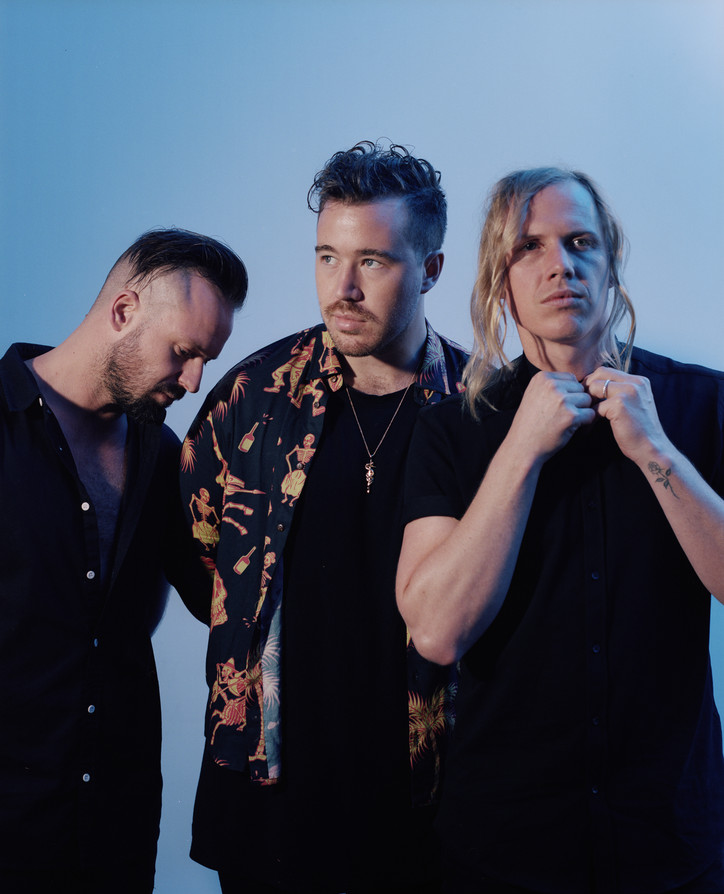
office caught up with RÜFÜS DU SOL members Jon George, James Hunt and Tyrone Lindqvist on their break after tour.
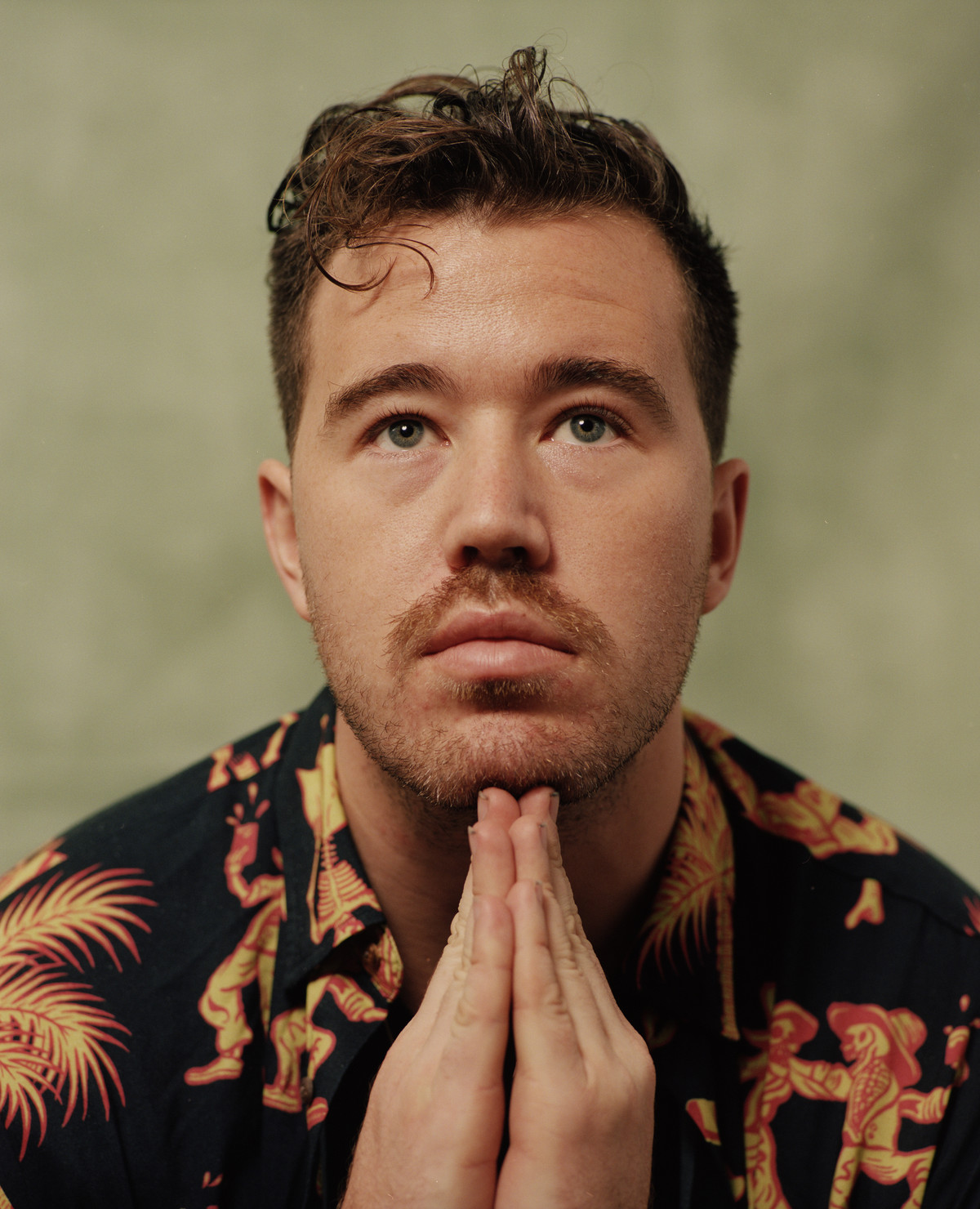
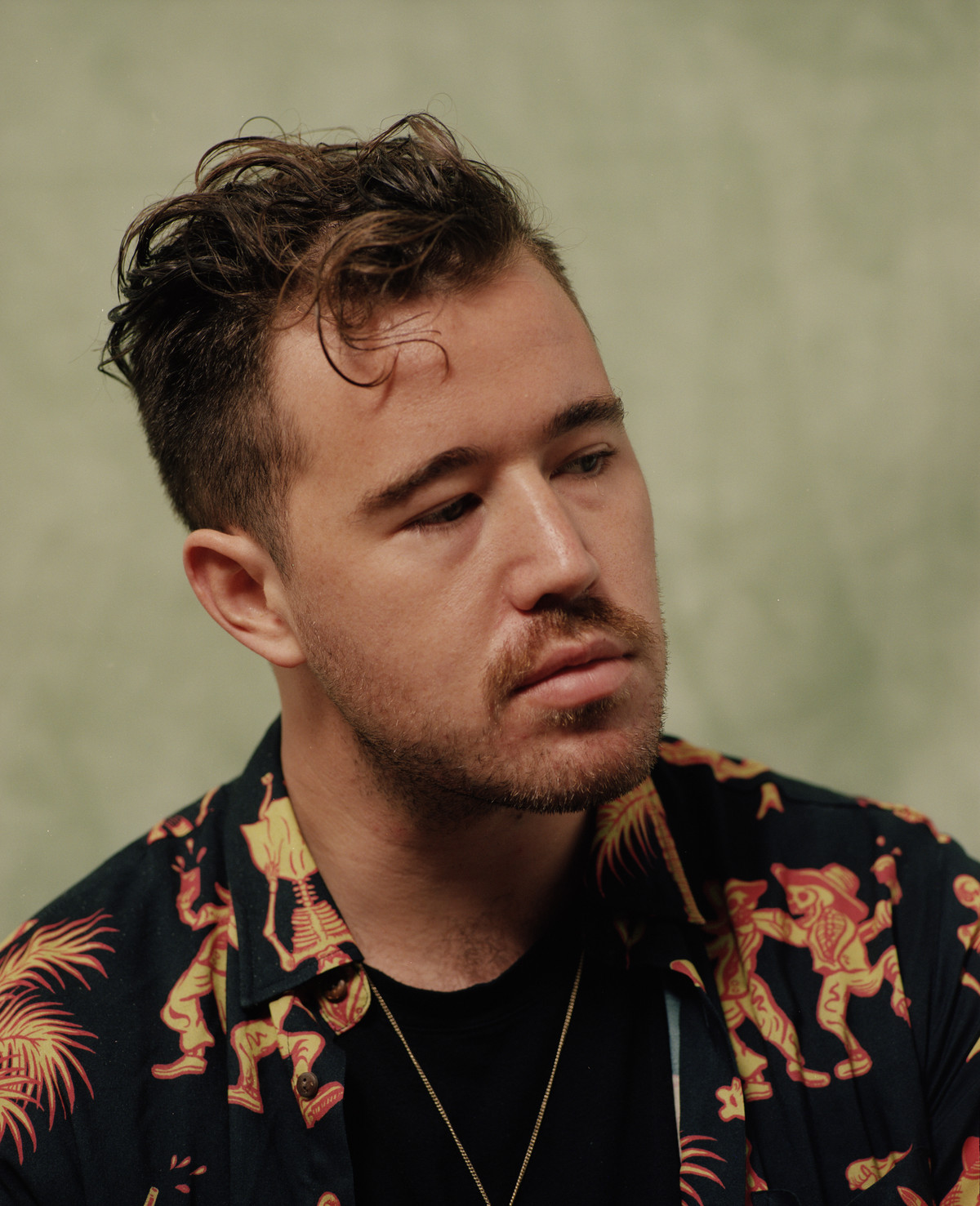
So you guys just finished your tour. How was it?
Jon George - So good. We had the best time. We’ve been playing some of the most amazing venues we’ve only ever dreamt of playing, starting with The Greek Theatre in San Francisco. We played two nights there, and it was so incredible — the natural amphitheater they have there with everyone looking down on you to thousands of people in America just welcoming us with open arms. So it’s just really been a dream run, and we’re looking forward to the next few shows. We’re pinching ourselves all the way.
Did you have any favorite moments or highlights on tour?
James Hunt - It’s pretty hard to pick. Every night was a pretty mind-blowing and memorable show. Finishing at the Brooklyn Mirage was a really special way to cap off all the shows. Specifically, I think putting SOLACE out and putting out some more heartfelt shades of music, seeing people’s reactions to that at our shows and even the entire last year have been really intense. It was really cathartic — people crying and knowing the words so well, because it means something to them. That seems to be happening at all the shows, so it’s hard to wrap our heads around how awesome it all is.
We got to play during sunsets for the first time on this new record. That’s our favorite time slot to play at festivals, and that’s definitely my favorite thing that we’ve gotten to experience, because it changes the sounds of the song and the context. Playing sets of SOLACE and our older stuff, you could feel the energy of the crowd was different than what we’re used to.
How long does it take you to create to song from ideation to launch?
JG - On average, it changes so so much that it’s hard to say, but that’s the beauty of it. Sometimes, we can come up and create a song within a day, the foundation of a song, and then we like to take our sweet ass time producing from there. “Innerbloom” was written within a two-day period, and we just took our time really finessing it into laying down the vocals. Other tracks like “Like an Animal” can take a year.
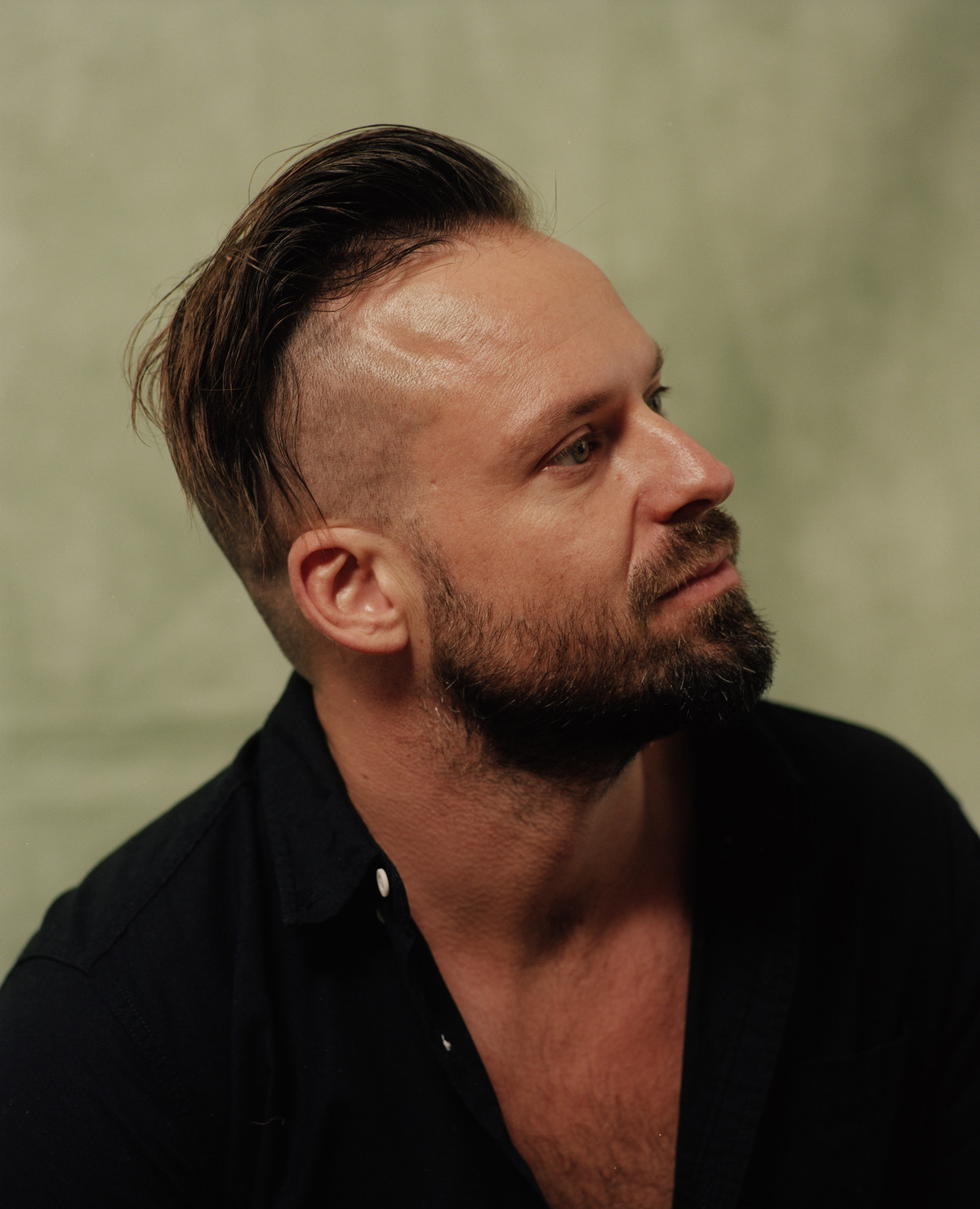
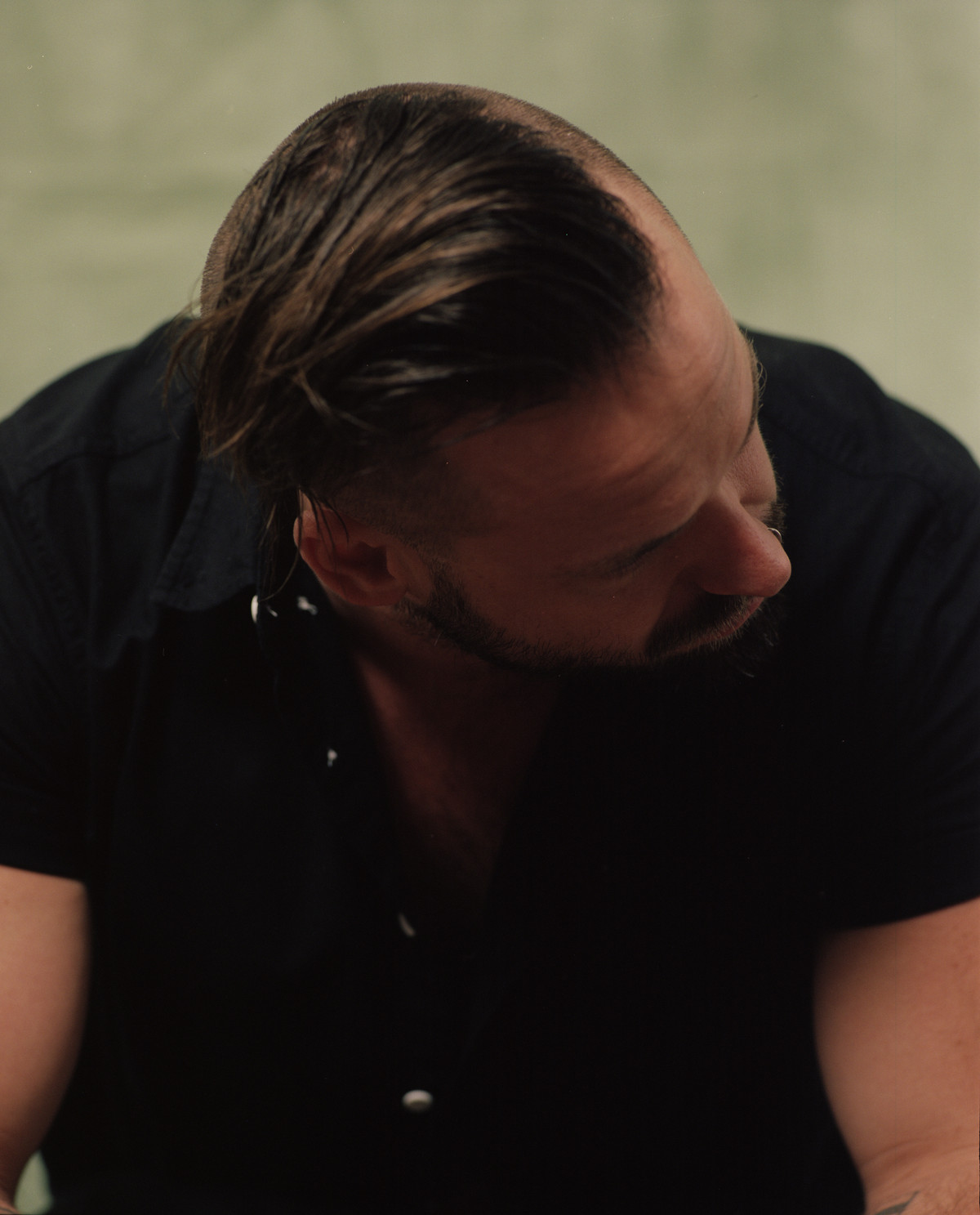
Is there a different audience vibe amongst various countries that you visit and perform in?
JH - In the US, there’s consistently a really loyal fan base that turns up to all the shows — it’s a really good vibe. When we play Europe or Australia, we can feel a difference. We played some shows in Southeast Asia around five years ago. They were much more polite and withheld. As soon as we finished a song, they would clap very enthusiastically. Different places we play, there’s a different kind of interaction. In Europe, sometimes they’ll be a little more standoffish or too cool.
Tyrone Lindqvist - It does depends on the of venue a lot. So if it’s an outdoor venue, you get a different atmosphere. Like the Brooklyn Mirage, everyone was really smiling and feeling good from wherever they were. Just the atmosphere of being outside and listening to live music is really special. If you’re in a club in a smaller space, it can be such an intimate show. There’s a different shade; people kind of lose themselves a little more.
Describe your songwriting process as a team. Does anybody have final say or the power of veto?
[The three men laugh.]
JG - No, it’s very collaborative, which is really nice. Even in terms of who contributes what, it’s a very open table, a very open creative space. No idea is shut down before we try it, and anyone can contribute anything. Once we get the momentum going, if anybody has an idea, we try that idea.
JH - When we play on stage, like our show at the Mirage, we have fun after writing the song working out who is going to play what live. But essentially we’re three songwriter-producers, and we can play any of the parts to begin with, which is a lot of fun for us.
You’ve said in a previous interview that news and politics don’t normally influence your music. So, what would you say our your biggest influences?
TL - Other artists are probably our biggest influence. We listen to a whole variety of music, obviously a lot of electronic music, but also some more commercial music with vocal to more underground. We also like rock music, some Australian acts, or indie rock. We like to share music, anything that’s exciting us. That’s a really good starting point for us writing a song. Also, the location of where we’re writing. We wrote our first record in Australia, our second one in Berlin, and another one in LA. Wherever we live really influences the sound of the record.

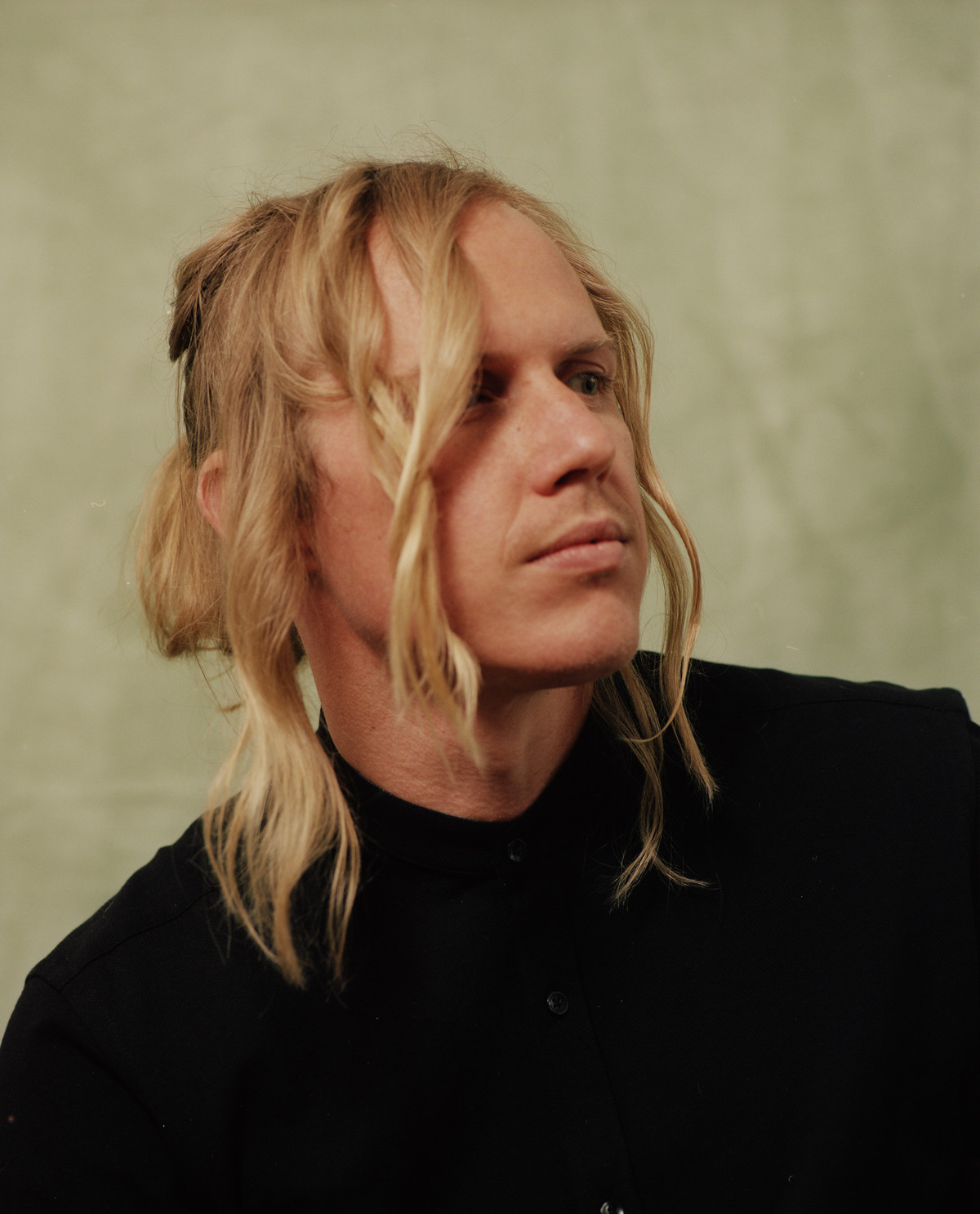
You guys had to add the “DU SOL” part to your group name due to trademarking issues, but why RÜFÜS?
JG - That’s a good question. We keep asking ourselves that. [The three men laugh again.] It was just a situation where we were all sitting down, and we were making music already. We were just trying to come up with something that sounded familiar, yet foreign. Like a little earworm in our head, the name Rufus stuck with us, feeling like we had heard it before. With the two umlauts above it, it felt foreign.
TL - We liked that it was very anonymous, and even in our headshots, we would have out faces very shadowy. It seemed like we were some sort of Scandinavian electronic outlet, but really, we’re just three dudes from Sydney — it was just kind of playful.
SOLACE REMIXED was just released on September 6. What made you guys decide to remix it?
JH - We liked different types of live indie music and electronic music already, and we like to DJ. So, we were already heavily involved in the dance world, I guess. Being able to remix all of our songs ourselves enables our music to be played in clubs and stuff around the world. We just jumped at the opportunity to get the best producers in the world and to get their take on it.
What are your desert island songs?
JH - "La Femme D’Argent" by Air, "All I Need" by Radiohead
JG - "La Femme D’Argent" by Air, "Echoes" by Pink Floyd
TL - "Echoes" by Pink Floyd, "What a Wonderful World" by Louis Armstrong

Using digital technology as a tool, Uppy, a.k.a. Alexandra Crotta, offers her clients an experience into their deeper consciousness, through a process called Theta Healing. But, in typical LA fashion, Uppy is also a musical artist. Although unexpected, her two professions are tied together seamlessly, both her music and healing presenting idiosyncratic intentions by way of outlandish and experimental action and audio practices. Her latest album, Medicute, is intensely cerebral, overflowing with depth—encompassing dark and distorted beats playing against almost eerily upbeat vocals, this iteration of pop music is in itself as much a call-to-action for (mental) health awareness as is her work as a theta healer.
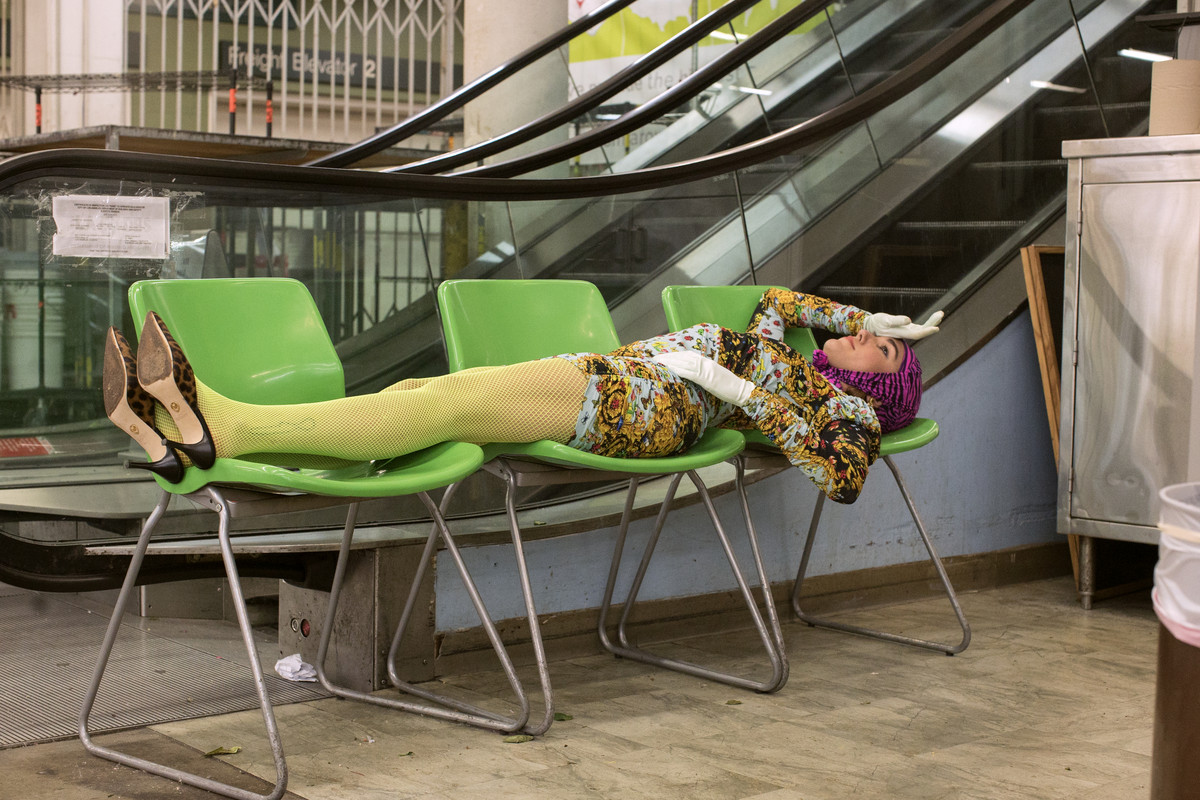
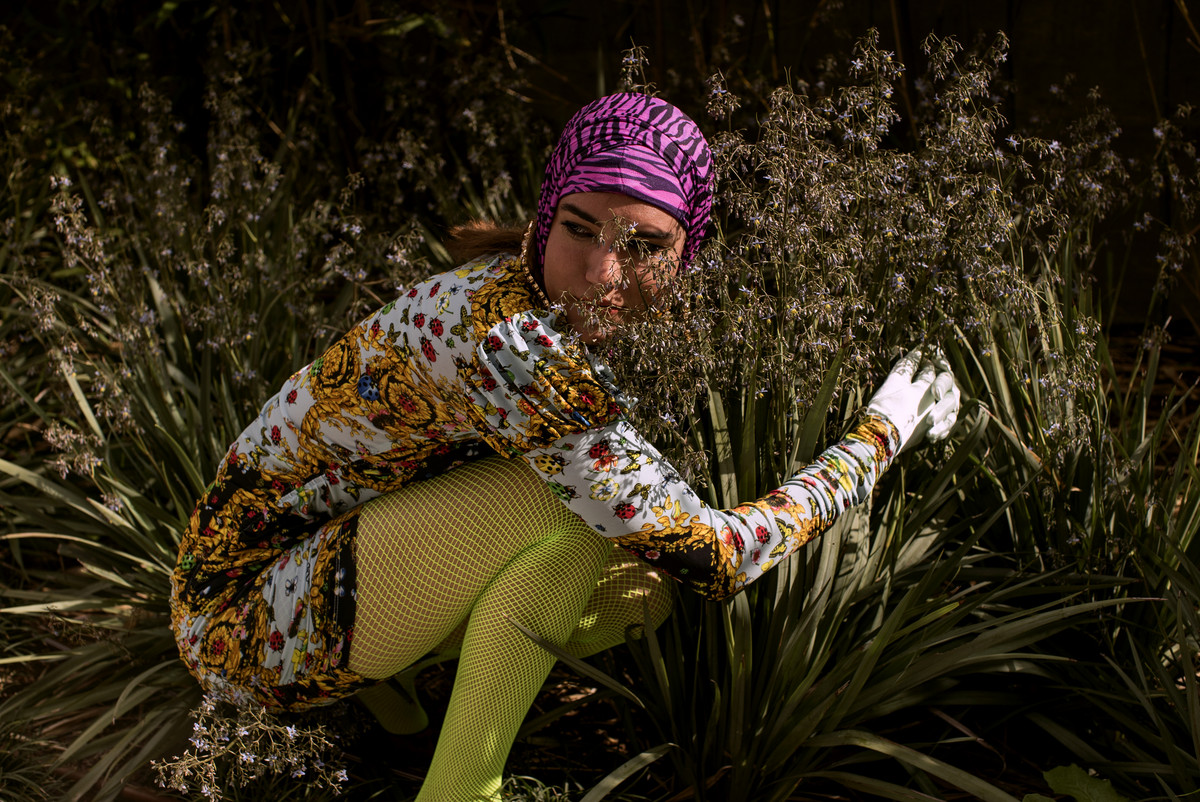
We got the privilege of sitting down with the enlightening artist to discuss the ins and outs of theta healing, Catholic school, the meaning behind her ambient acoustics, and what Uppy wants to make next for the modern world. Read below.
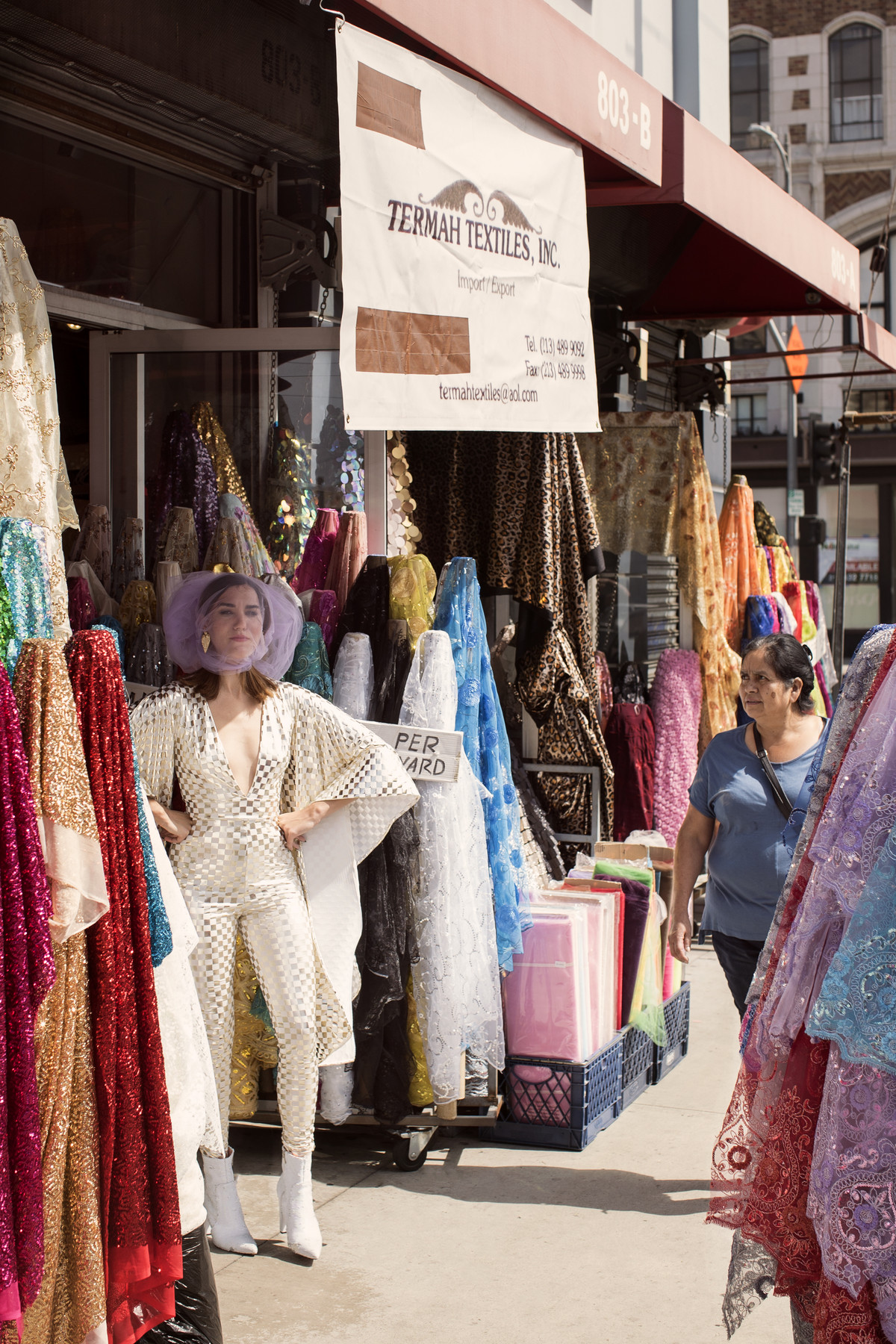
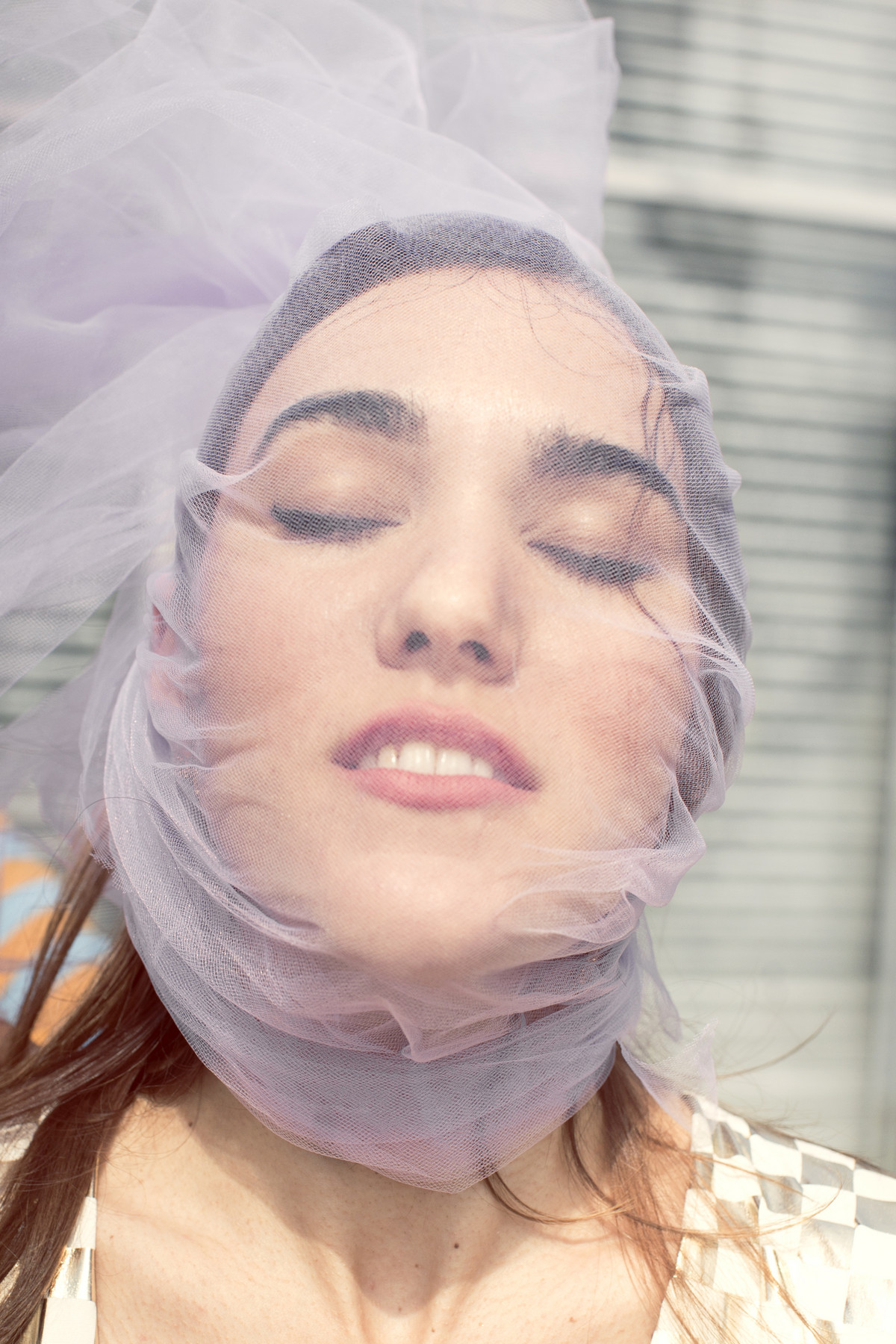
So, I know that your work was born out of your career in theta healing, can you talk about that?
I created Uppy as a subconscious reality in my mind through reality creation techniques via theta healing. Uppy’s latest adventure as a pop star will allow her to enjoy herself in helicopters to remote locations (to deliver documents because she wanted to interface with hired spies), then off to meditate for eight hours in sacred springs wearing only silk gloves, then lounge with exotic Savannah Cats she’s training in a language called Gurmukhi. Also keen to jaunts around in homeless shelters when she’s called to as a missionary project to provide healing and soul journeys. Uppy is currently applying to McDonald's as well as the peace corp as part of a larger social experiment scripted in a larger universe of music culture.
It sounds like more of a personal journey than a career almost.
It’s integrated fully through many many facets of many, many stories.
Okay. So, what is the actual process of theta healing?
Theta healing is a technique used to clear your spirit or subconscious mind from energies that keep you stuck in patterns, or from getting what your soul actually wants. In the academy (Cora’s Academy) we’re training people in clairvoyance, clairaudience, telepathic and psychic powers.
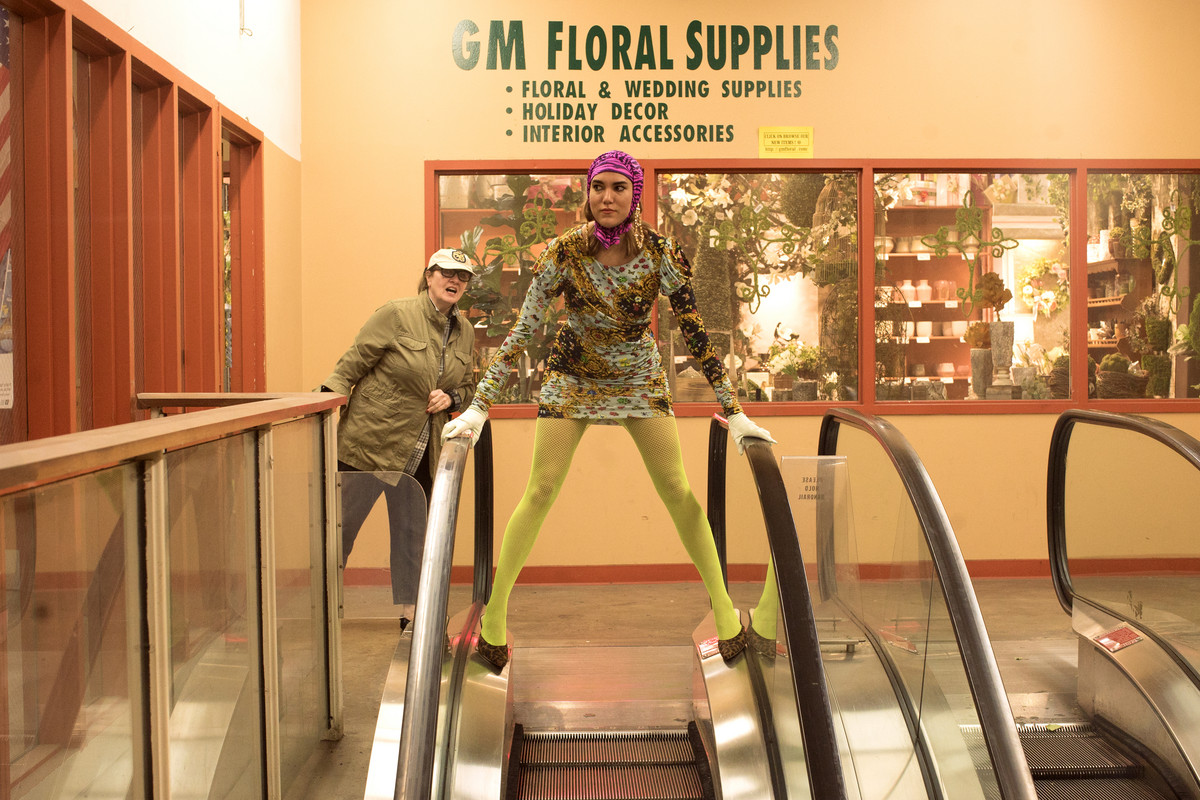
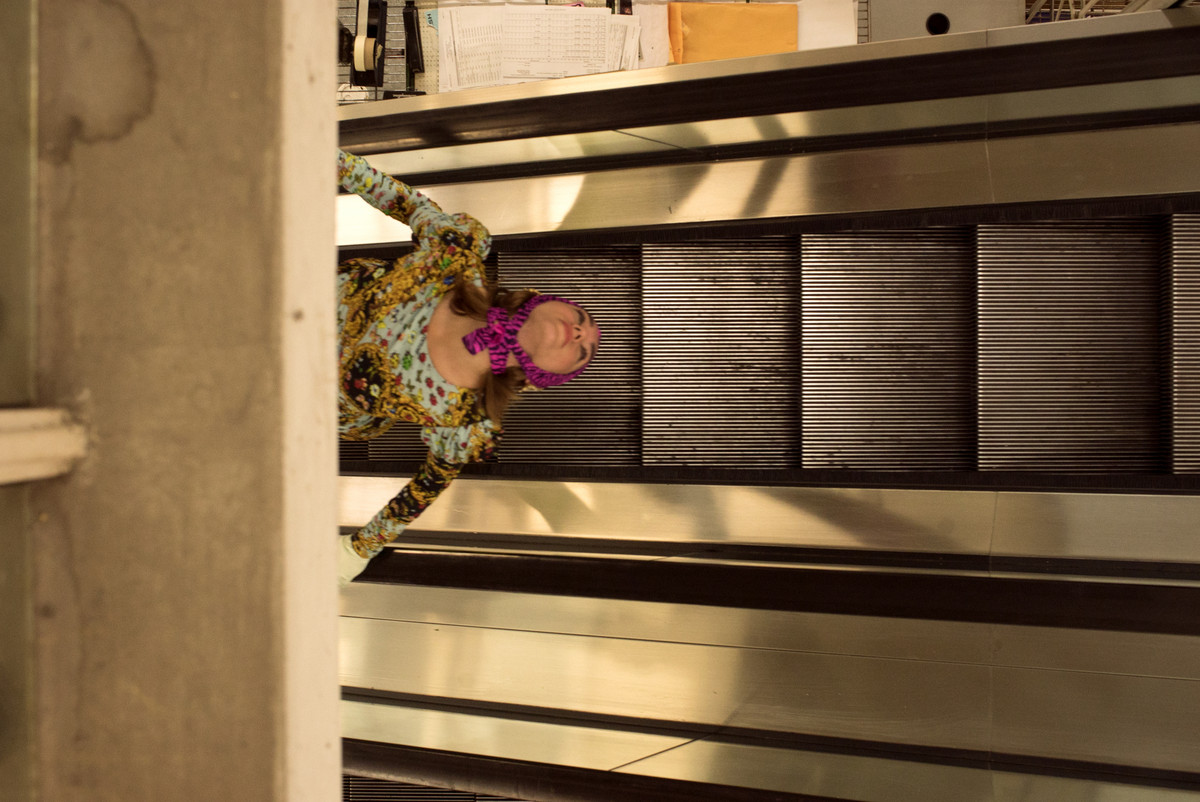
Are you religious, at all?
I went to Catholic school K-8th grade. I was always creating rituals and strange fortress fantasy lands with saints and the nomadic creatures.
Do you consider yourself religious now? Or spiritual?
Spiritual, yes. I can get down the God-loving religious folk, and the non-believing academics. I can float. I access spirituality through programming now.
What do you mean by programming? Or how was that experience?
I received a powerful download. You know when the full moon in Aries or something aligns with something in Jupiter and your third eye opens. Where you just receive knowledge that you know is true but you still question it. And through coding during these powerful energetic times, I received all this information of the future and I was able to close my eyes and see a dystopian meadow with beings covered in emeralds parading naked through the mist in palm tree forests being ushered in by tigers. What I mean by programming is, accessing information through extra-sensory perception and utilizing in processing through a medium to create a program or energetic structure. I love accessing through hacking and computer coding.
Does this come through the computer screen?
It comes through automatic writing. Automatic writing is where you channel information from a different space that’s been opened to you through the subconscious.
With phones and modern schedules, it can be hard to just stop and meditate.
It does take a lot of work for you to just get in that space when you’re being penetrated by the frequencies of everything—you can’t get quiet instantly. When you get into the right brainwave state, you can actually experience a different frequency, called theta brain wave.
That is very interesting. So how did that lead into music?
I went to school for design in SF. My friend was touring with Grimes and she asked if I wanted to dance on stage, I said yes and had just a ball. I soon after left SF for LA to live with then Teams, now Yves Tumor and was guided into a monsoon of upheaval which eventually set me up into an ashram meditating for at least two hours a day and not speaking much aside from when making music.
Nice, that sounds like a pretty necessary experience in the journey of a musician. So how does music relate to the theta?
When I do theta with people, I teach what it feels like to create a reality in your subconscious and then take direction from that action from to apply in real life. Through my own cultivation i’m discovering how to channel and receive images and soundscape. So, with the Medicute, I ended up wanting more inspiration for things that turned me on. The next album will be sexually evolving from a place of divination.
So what genre do you think that you fall under?
Definitely hardcore.