MIRRORS


office chatted with co-creator and resident DJ Loren aka GODDOLLARS to find out just what Coachella-goers can expect this year and how the dynamic duo has managed to make their legendary mark on LA nightlife.
Who is GODDOLLAR and what is A Club Called Rhonda?
GODDOLLAR is me. I am the co-founder of A Club Called Rhonda, which I started a very long time ago with a friend of mine, The Gregory Alexander. Together we've actualized what would we describe as a pansexual party platform that exists for the exaltation of faithful dance music and for the progression of self-expression.
How and when did the parties start?
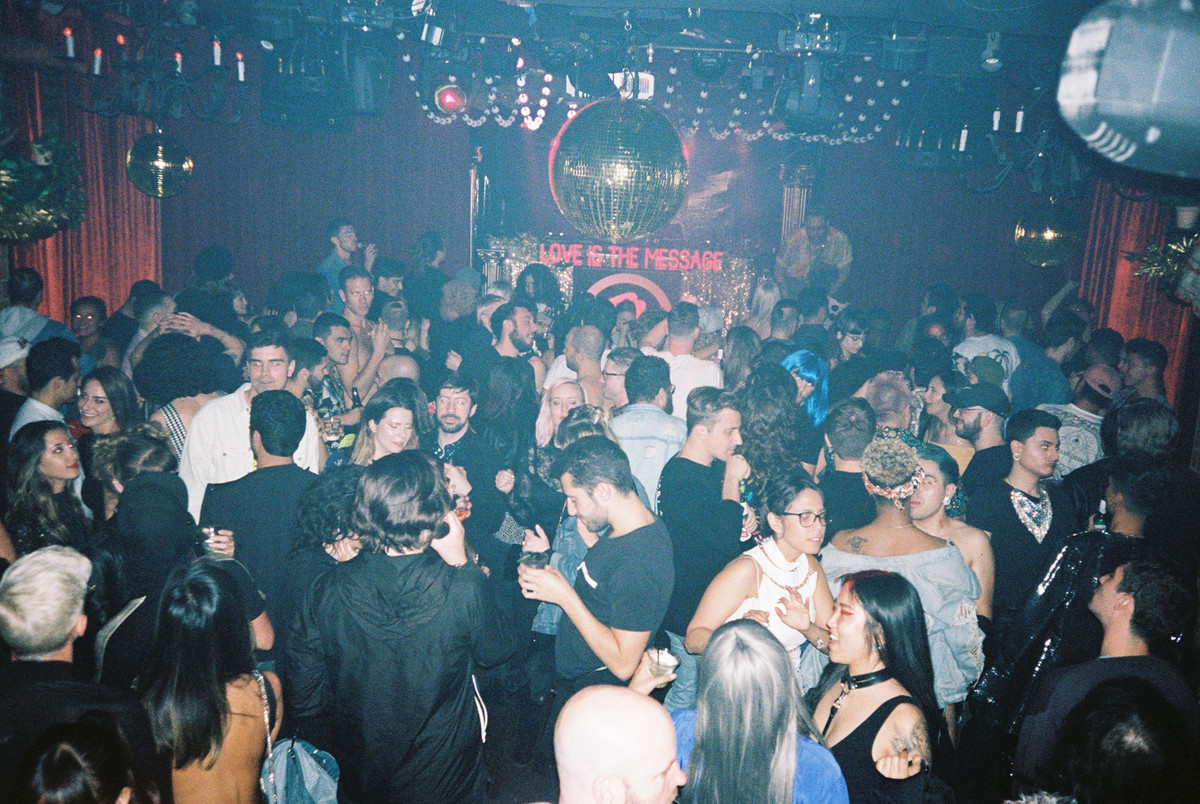
Gregory and I had been living in a loft downtown at the baby stages of downtown's gentrification, so we were still able to do some crazy things down there. We had a unit that was basically on top of a rooftop so we'd have these parties where we would fill the entire space with a bunch of people dancing. That got us evicted from that building, unfortunately, but we caught the bug and we knew that this is what we wanted to do. Eventually, we found a venue in east Hollywood called Guadalinda. It was like a dilapidated Guatemalan disco-tech of ill repute. It looked like a drug dealers den from like the 80s. It had checkered floors and fake Grecian statues and we went in there and started doing our thing. We were trying to bring the concept of bridging various communities that wouldn't normally party together to life. Gregory is part of the gay community and I’m straight, and we’re best friends, but we found that our separate friends weren't interested in partying together - we wanted to create a place where everybody could hang out. We certainly weren't the first people to do that but it definitely resonated at the time and it still resonates today. So after the first event, it was something that we could obviously see was very special because it just seemed to have clicked right away, people seemed to get it right away, and we haven't stopped since.
Who is Rhonda? Is it a person, a personality?
We always consider Rhonda as this prototypical, mythical party person who exemplifies all of the best qualities of who Gregory and I want to be. Rhonda is the ultimate example of an epicurean kind of party diva who would be accepted and honored at any party throughout history, from ancient Greece to now. We created the kind of person that we wanted at our parties, and from there it became a really fun creative outlet for us. It became less about us and more about her.
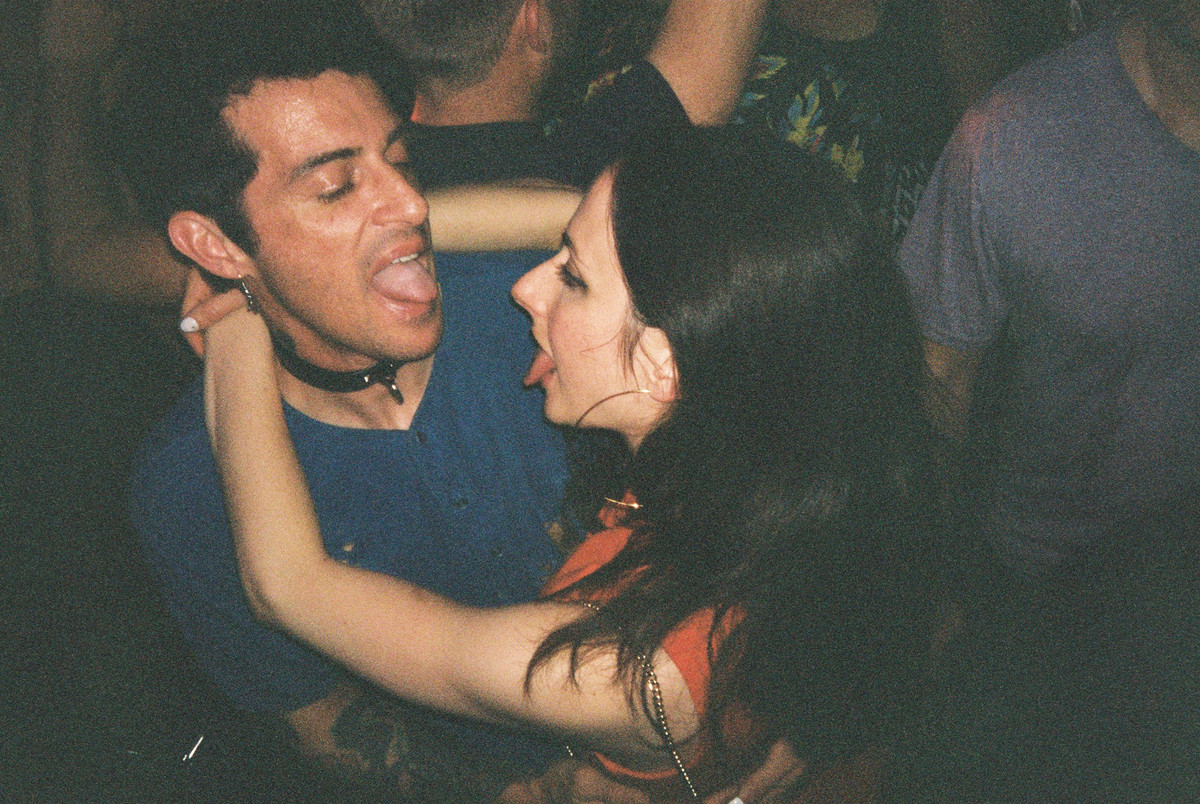
Are the parties still as good as they were when they first started all those years ago? Do you have just as much fun?
I have so much fun! I think I'm having even more fun now. It's gone through so many phases. It’s hard to keep riding this crazy pony ride, but we stuck with it. The party went through a lot of different, subtle changes, and a lot of people that came at first aren’t the same people that come now. We may have been through everything and have made every possible mistake along the way, but we’ve managed to find our groove while maintaining our original ethos, which is sustainable magic. I’m very happy that we’re still able practice what we've been all about from the very beginning.
How did your parties become so big in the LGBTQ community?
The queer community in LA is such a beautiful thing and that's where we come from. There's such a robust queer nightlife scene and we’re just honored to be a part of it. It seems that we’re not gay enough to be a gay club and not straight enough to be a straight club, we're somewhere in between. We’re also a place where people that might not know who they are yet to become - we’re apart of people discovering their identity, whatever that identity might be. So us being able to be a platform for that kind of self-discovery and self-expression is kind of what distinguishes us from the rest within the diverse and colorful landscape of queer clubbing in LA.
For someone who has never heard of or been to one of your parties, how would you describe them?
I would describe it as beautiful, controlled chaos where you should never be afraid to be who you are or afraid of who anybody else is, and you should always expect to meet beautiful people and have sex with them. I just want people to feel free, but also confident and beautiful. Someone might be shy or they might be afraid to wear a certain thing out or to interact with certain types of people, and this is the place where you can discover and be all of that.

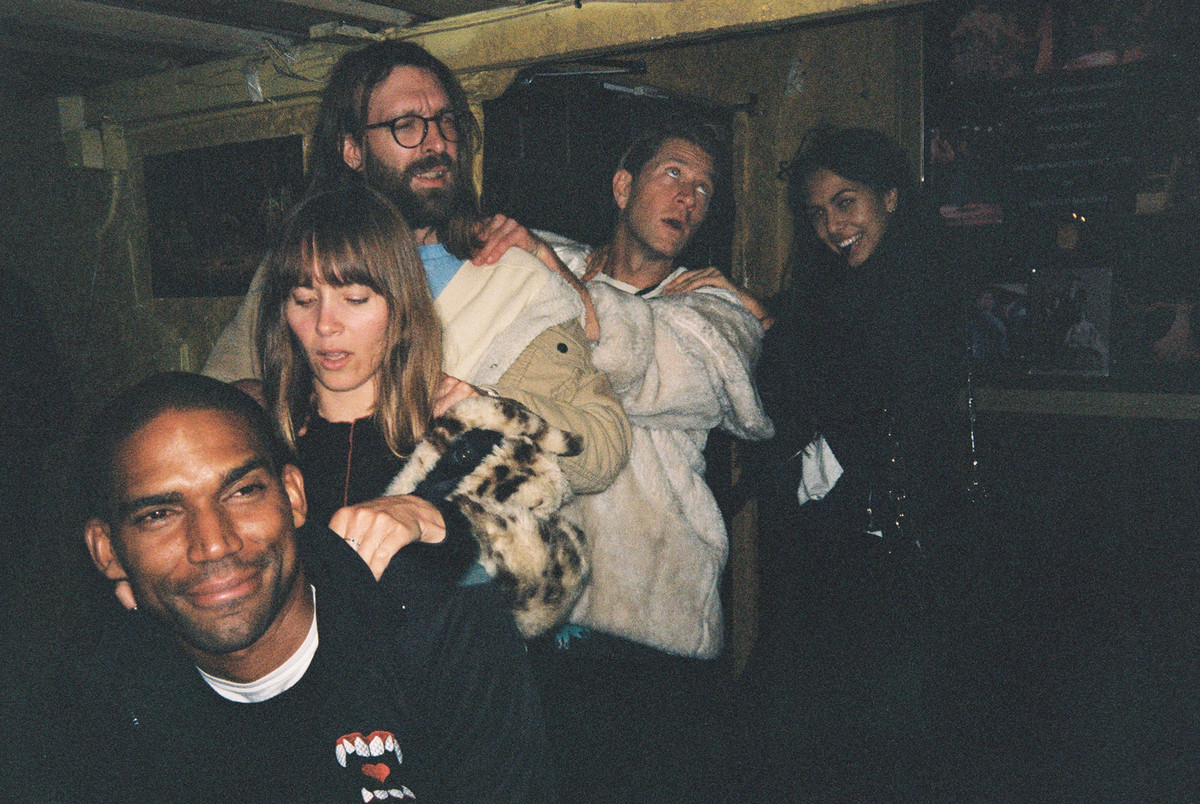
Coachella is in a couple of days, are you excited?
I’m always excited about Coachella. I always say that everything that people say about Coachella is true, no matter what it is. Its gigantic, it’s full of fake-ass people, it’s also full of real-ass people. It’s full of people that want to be seen and it’s also full of people that want to see the music. I think that no matter what is going on or who’s playing, I always have a really good time because they do such a good job at making it so beautiful - it’s in one of the most beautiful places on the planet to me. I've never had a bad time.
Tell us about the annual Rhonda Queen of The Desert party.
Coachella is a big part of Los Angeles. The young and the relentless make their way out once a year to have a really nice time together. Because we’re from LA and we love to party, we've always been really drawn to the desert during this time, so we started throwing our Rhonda Queen of the Desert parties. The name is a throwback to one of our favorite movies Priscilla, Queen of the Desert, and we do it at a lot of different places. We’ve done big pool parties, we’ve done private villa parties where Chaka Kahn has played, we’ve done a party inside of a big airplane hanger in Palm Springs with like 4,000 people, and now we have our party this year at HITS, a place where they do equestrian competitions. It's located very close to the festival and it has very beautiful grounds. We have a big, beautiful, artful rave and it's quite a beautiful thing.
How will this year's event differ from previous ones? Any surprises?
I'm so stoked about the lineup because Nina Kravitz is one of the most genre-bending DJ’s I know. She's not really afraid to take chances and do wild things musically-speaking. She pushes the boundaries. She personally requested to have Virgil on, whose reputation in the fashion world precedes him, but the way he gets nods from DJ's I really respect like Nina and DJ Harvey makes me very very excited to see him play. I can't wait. Our party has the best sounds and the best lights and the best DJ's so that you'll be able to dance your ass off. We take the art of party-throwing very seriously, so all of those technical aspects will be on point. It will be as close to a club as you can get in the desert, next to the Yuma tent of course. I am very excited for a completely juicy weekend.
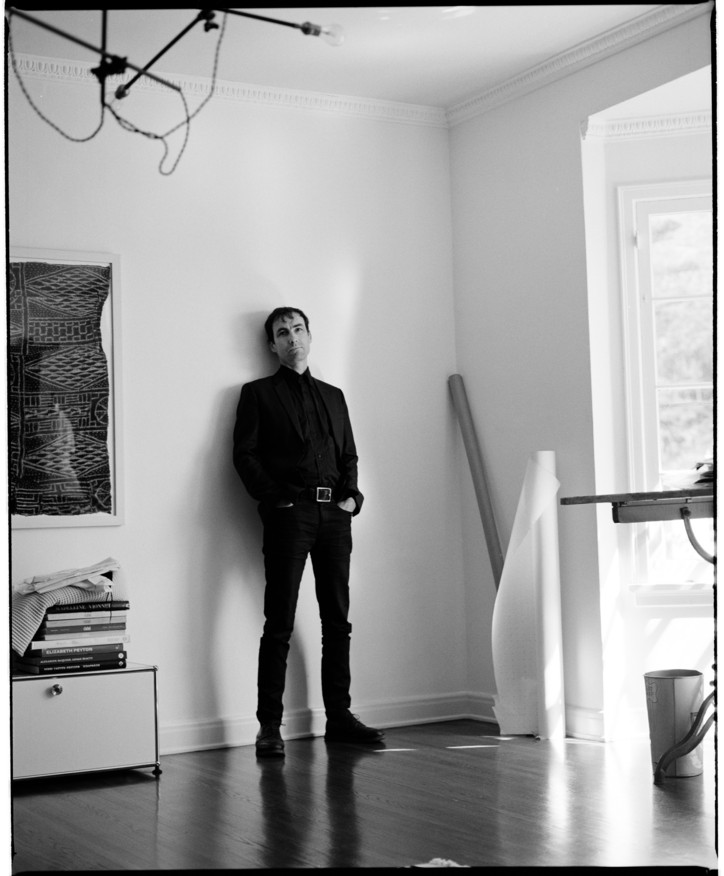
So, how’s your day been so far?
It’s been wet.
Oh really?
Yeah, my house is leaking.
Wow, that is wet.
I’ve been mopping up puddles all over the place.
Do you have any secret talents?
Well, gee. I’ve been playing violin since I was four years old — I learned to play music by ear. I went to conservatory but I still learned the classical repertoire as if it was folk music. I got into early jazz in my late teens and I started writing when I was working at a Renaissance Fair.
No way!
Yeah. I was the fiddling serf. I had drawstring pants and floppy pants and a floppy shirt and a floppy hat.
That’s quite the start.
Anyway, I couldn't play for a while and that's when I started writing. To master the violin, you have to practice at the exclusion of almost everything else, but before I got so serious about this one instrument, I was a more well-rounded, more interesting person. You know, fully committing your time and energy to one thing is what it takes to master that particular practice, but that kind of dedication can also be harmful because it limits your scope. Writing enables you to exercise a different set of skills, like creativity and critical thinking. That’s why I started writing.
You touched upon it earlier, but I heard that you are proficient in a range of instruments. I know you started off with the violin and I read that you even play the glockenspiel. Could you tell me a little bit about what drew you towards those specific instruments?
I didn't get into playing rock and roll by purchasing a guitar, or with the intention of bagging chicks or something like that, it truly stemmed from my obsession with the violin. The guitar is often considered the go-to for the troubadours because it doesn’t press up against your vocal cords, which is helpful for singing. Teaching myself how to play the guitar and the glockenspiel was just kind of something I stumbled on because my singing voice is very mid-rangy. It creates the same kind of frequencies, then the glockenspiel cuts through all the other sounds that I'm making, so I thought it was a nice way to expand the palette I was already working with. This is part of my identity as a musician; looping the same kinds of mid-range frequencies and to create some variation and texture. So with most of the instruments I play, learn as much as I need — except for the violin, which took years and years of suffering to master.
How did the single ‘Bloodless’ set the tone for the rest of your completed project?
It was that extra umph in terms of lyrics and overall message — ‘Bloodless’ is everything that I was trying to do. As far as the way it sounds, I'm into making records that you couldn’t replicate any other way, it would be impossible to go in and capture that sound again. My single is called ‘Bloodless’ because it harnesses the phenomena of the instruments bleeding into one another to create a single, unified, and harmonious entity. It's a really challenging thing to do. It goes against most conventional record-making techniques that have been practiced for the last forty years. That kind of stuff fascinates me. But as far as the lyrics go, I tried to strike that balance between metaphors, explicit reality, and the sense of the urgency behind the messages and content. That was the trick with this record — the material felt very urgent, very pressing, but if I didn’t find the perfect way to express it if the content was expressed too explicitly, or if the presentation was too on the nose, you run the risk of losing people. ‘Bloodless’ pushed that line as far as meaningful places and dates; there's a lot of references to what was happening in Spain in the thirties with fashion, and that goes a little bit further than I usually like to go. But sometimes, in order to really unpack something that's important, you have to push that line. But we nailed that song, it was the perfect encapsulation of what I was trying to say on so many levels, and I feel like we got it.
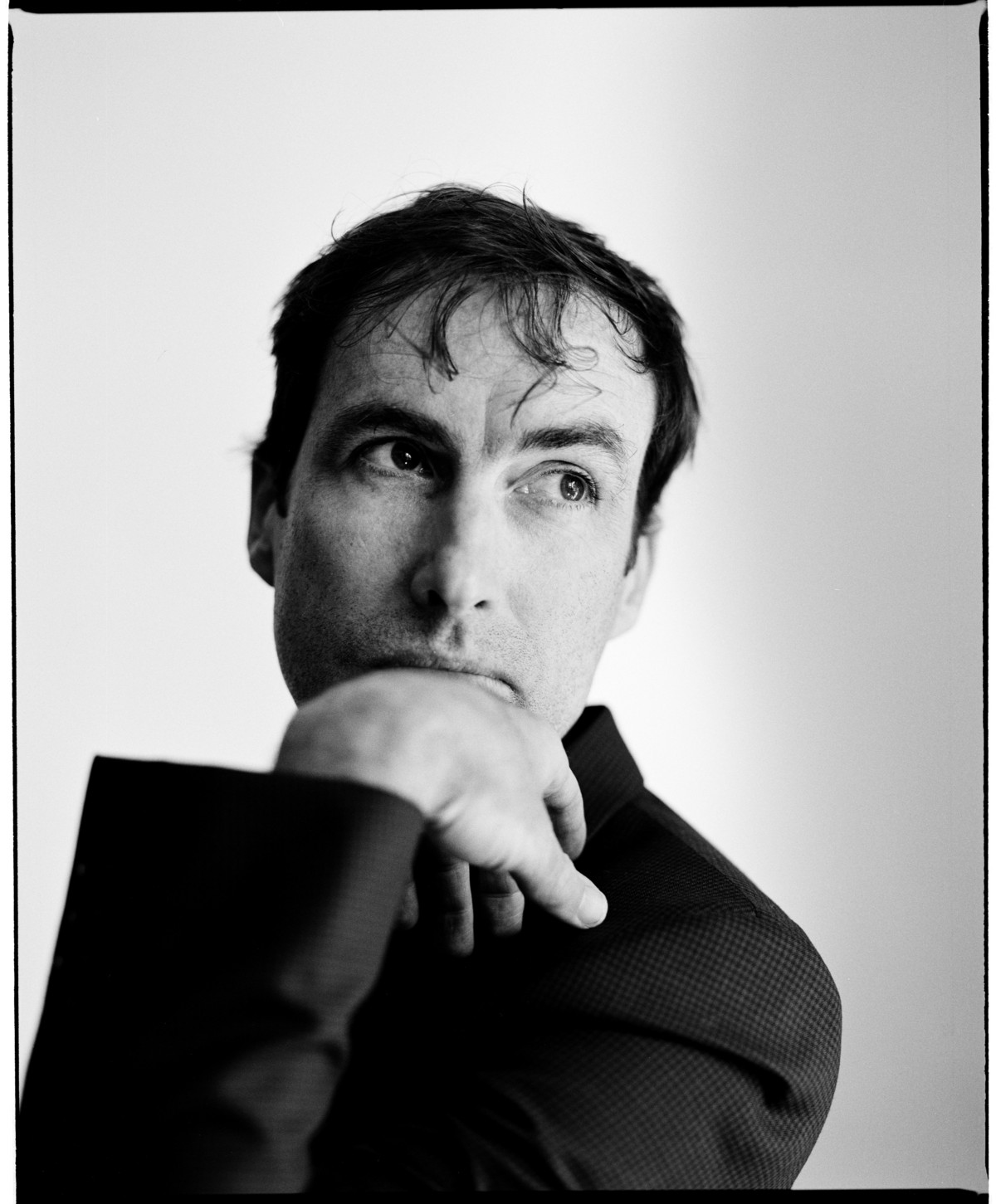
There were many hints of Greek mythology throughout this project. Can you speak to the inspiration that it served to you?
That was kind of accidental. I called one song Olympians and the other song Sisyphus, both of which refer to Greek mythology. I've always regarded certain moments in history as perspectives or points of reference to what’s happening now. If you refer to names and places that correlate to a specific moment in time, it becomes a current event, it becomes part of your newsfeed, information that you devalue, whether consciously or not, you know what I mean?
I think we need some perspective right now. I'm not insisting that people who listen to the songs would know right off the top on first listen, or be familiar with what I'm talking about, but it takes about three minutes to look it up. I stumbled upon this concept when I was thinking of the word 'precipice,' being on the edge of massive change, and crossing that threshold of change just a couple of centimeters away. There are all sorts of aspects you can pull out of certain moral scenarios from myth. What I chose to take from that particular story is that Sisyphus didn't have much choice. His punishment was to push his rock up the hill for eternity, so my propensity towards suffering is more voluntary than this situation. But it’s taught me about the individual, the community, and responsibility for what happens when you let the rock roll. What's the collateral damage. It's a lot to unpack. That's all.
I feel like a lot of your work revolves around a sort of holiness, perhaps even a higher power. What aspects of this project plays into this sort of higher power beyond yourself?
I like titles that operate on multiple levels. So, first of all, the project could be making a commentary on how we’re not exactly living in an age of discretion. Even I, who was raised in such a way that making such pronounced statements wasn’t very cool, partake in it. But I've made 14 records now, and you know, who am I kidding? Do you want to hear another poetic, obscure title to call this body of work, or should it just cut to the chase?
Call it what it is.
That being said, I feel like more and more I need to say things were clearly in my writing. I'm just sort of entertaining myself internally through this conversation with myself. But I'm projecting things outwardly, I'm thinking about who I am speaking to. With this record, there was a sense of urgency, but not a sense of duty — that was played out after the election. It was like a “call to arms” and people saying we have a duty as artists, then you're like wait a minute, I don't have a duty to anybody, but it’s important to be receptive to what’s going on in the world around you. There's this sense of urgency and heaviness and importance that I kind of had to tamper with.
We live in a time where it's more dangerous to not say something than to say something.
I don't think it does any good to say that people just “don't get” a song because lyrics aren’t the end-all and be-all of generating meaning, they’re just one of many ways in which the artist communicates. I think 2019 is just a tricky time to write a song with a message in comparison to hiring a songwriter to verbalize a feeling or an idea. People are so jaded and very sensitive, whether consciously or subconsciously, to the feeling of being talked down to or preached to. The only songs that I've heard out there that are getting to the gatekeepers, the only songs getting on the radio, that possess any hint of social consciousness that I'm aware of, tend to be cut from the “these are troubled times” cloth — those don’t hold any weight, they aren’t saying anything, you know? If you actually want to elevate the conversation or tackle some of these pervasive issues, you really need to know what you’re saying, you need that specificity. Or is that the job of a songwriter? I don't know. But I'm going to give it a try.
I think that this all ties into what you've been saying, especially in your wanting to give the audience more credit, wanting to be more genuine. Can you describe the significance of recording live?
I just hear it. I hear when a song is recorded on a grid, with a click, with multiple overdubs and just over-processed — it just feels paper-thin. So recording live bits is just part of my overall ethos of reacting to my environment, that’s my guiding principle. I think that the most beautiful about recording live is that when a performance happens, if you want to change a vocal you have to change everything else.
My Finest Work Yet is out now.

You can hear, and see, the difference. Whereas 2017's Abysmal Thoughts carried on the dreamy, melancholic and elusive art that The Drums became known for, Brutalism is comparatively a workout in pop pilates, Pierce's personal quest to see just how much he can stretch his sound, and his vulnerability, while still remaining true to his underdog sensibilities. Album opener "Pretty Cloud" sets the stage for this progression: a 90's video game-like synth drives the track, while Pierce sings about a lover being like a cloud in the sky, pretty but distant. "626 Bedford Avenue" is perhaps the hook-iest song on the record, its whimsical guitar framing Pierce's sweet tenor while it finds its way up to the sky, then right back down again. Brutalism's cover is a closeup of Pierce's face framed by bold primary colors—something you definitely would not have seen on The Drums records in the past.
"Sad pop" is a thing, maybe now more than ever. In the age we currently live in, adolescence is still depressing, angst is still ubiquitous, and the art being released is reflecting that. But now a decade into their career, The Drums have been making music for outsiders since their inception. It's just that now, Jonny Pierce is experimenting in finding his way out of his darkness instead of basking in it—turning his pain into progress.
How has your press tour been? Did you just come back from Europe?
Yes, it was good. I really liked Paris. I really liked Amsterdam. It’s going really good. We did some photo shoots, talked about myself for eight hours a day.
How was that? I’m sure it’s much different now that you are essentially solo, right?
Yes it is, definitely. I get to hit things on the nose, instead of spending half of the interview talking about things that are not important to me. It’s this new found joy in my life. I don’t know, I feel like I am just now stepping into what an artist really is. I feel like I have always sort of been on the edge of calling myself an artist and self-identifying as an artist, a proper artist. I think that the only way you can really call yourself an artist is when you really understand yourself on some level. I was watching the Kusama documentary and even though Kusama deals with mental health, she understands what she needs and who she is. She understands what her fears are and understands her strengths and how to survive for her and her specific situation. I think that is why her art is so amazing. She has an understanding of herself. I feel like I’m doing that just now, and I’m in my mid-30s.
It took a minute.
Yeah, it took a minute. It took really conscious choices. I’ve always been someone who romanticizes everything, between pain and confusion, especially because I was playing with the moniker of artists. It was my crutch always. "I’m really depressed, but you know what, I’m creative. We are supposed to be different." I don’t think that is modern, that’s MAGA. That’s old fashioned. That’s 80’s. I want to be modern. I want to be in the future. I want to be leaning towards the future. I think what’s modern is taking your life by the horns. The superficial, “I want to be king of the hill"—That’s MAGA, too. I want to be the best version of myself. I want to be the best artist I can be. I want to be the best human I can be and the only way to do that is to figure out who the fuck I am.
So, I started going to therapy. I started to eat differently. I started pulling away from the party scene and surrounding myself with people who understand me more, instead of people who don’t. It all aims toward loving myself versus just stumbling through life until it is over. I’m not attracted to that idea anymore. I want to be particular, and that's also why the new record is a bit more focused and structured. It has a dreamy element to it, but it is not out of tune guitars. It doesn’t feel like it is held together by scotch tape. There is something that feels sure about it. I think it is a reflection of making choices that are really more particular because I’m doing that I am figuring out who I am as an artist and what I want to do. There is less of a dreaminess. That was a really long answer.


You said you like to romanticize pain. I feel like I do that all the time. I low-key enjoy being sad. Is that something that has always permeated your music, or just recently?
I’ve thought about this a lot, so I’m really glad you asked. I think that joy and sadness are two emotions that are a lot closer to each other than we think they are. I think they really compliment each other. In our joyful times, there is a sadness. The joy will inevitably disappear at some point. In our sad times, I think, for me, when I am sad or depressed sometimes, there is a sliver of joy. I think part of that is because feeling sad or feeling depressed means we are feeling. It taps us into the human side of us. It kind of shows us that we are alive. I think that there is this inherent subconscious joy that flutters in, even in moments of sadness. There is something pure about those moments, endorphins in a way. Maybe they aren’t endorphins. Sadness is just so beautiful sometimes. Again, that’s me romanticizing it. Beauty is pain, but it’s also a reminder that you are human.
As opposed to just being numb.
Yeah. You know I’ve said this a few times on this press tour, but I don’t think you can be intelligent and not carry sadness with you every single day.
Every artist is sad.
Yeah, I guess so, if you’re a good artist.
Why the name Brutalism? I feel like that name kind of encapsulates what you just said, in a certain sense.
It certainly does. I mean, during the making of this album, I moved and I fell in love with someone. He lived in Brussels, of all places. I moved there to be with him. I didn’t really identify anywhere else in my life as home, so I thought, why not live with him. So, we got an apartment, moved in, and it was a terrible experience. I’ve always loved the brutalist architecture and type, but Brussels has a lot of that.
So, it's a type of architecture?
Yes. It’s really dark and heavy. Have you seen the FIT building here in New York? That’s an example of a Brutalist building. The rooms that are all concrete, really excessive amounts, small windows usually. They're heavy. They're hard. They're impractical. They are also beautiful. That is how I would describe my relationship when I was in Brussels. So it just felt really fitting. I had been aware of these buildings forever. I just love them, so showing up in Brussels and being surrounded by these buildings, and kind of seeing my life played out in them was just a reflection of my heart and where I was going and what I was doing. I moved back and wrapped up the record and kept that name. It just felt really fitting. I’m a big lover. I kind of go for it. There’s this quote that I try to live by, “All of our weaknesses are our strengths taken to excess.” Being loving, of course, is a strength, but taken to an excess where you forget about loving yourself, taking care of yourself, it becomes a weakness. And same with generosity, it’s great to be generous.
But if you’re too generous...
Yes, people can take advantage of you, or it’s a sign that you aren’t really taking care of yourself. You’re seeking approval. I try to remind myself of that all the time, to not be too excessive about things, but it’s really hard for me. My mom and dad are both pastors, we went to anti-gay marches… I spent my whole childhood seeking their approval. Bending over backward to have them say I was a good son. I think I developed a pattern which I carried into my teenage years and then to my adult years. I still deal with this every day. I have a tendency to do things for people, that included people in the band, like Jacob and Connor. I wanted their approval, so I would change the art I would make to reflect something that I thought I wanted to be a part of. I thought I wanted a pat on the back. I wanted someone to say, “You’re so great,” and so, again, that’s an example of not being loving towards myself. That’s why I say, I feel like those aren't really records. That’s why I can’t call myself a full-on artist. I reserve that word for a time when I can know that it is not my concern to make sure that other people are happy with what I am doing.
To not overcompensate.
Yes. To not change anything. This is what I want to do, I’ll do it. I think that’s also part of, I don’t want to sound like a dick, but there are a lot of bands that started when we started and had a part in the scene, and now they are all gone. The Drums are still here because I’ve learned to not give a fuck. I love pop music and I’m going to make a pop record. I love when things sound bad sometimes, so I’m going to make this sound bad. I just am stepping into who I am, and that sometimes means doing things that are a bit risky and scary, but I think a byproduct of that is that the band remains kind of fresh. The sound remains fresh because I’m not interested in clicking into anything. I’m just going to do my thing.
People want to see evolution.
Evolution is modern. I literally think about Donald Trump, and people who want to keep everything the same. I don’t want to die with the past. I certainly don’t want to be some asshole who is holding on to this idea of what’s great. I’m at a point in my life where I am more curious than I have ever been. I think that is kind of the key. It’s a balance, I guess. As an artist, you want to honor your artistic voice. I think that part of being modern and part of being part of the future is remaining open on some level. Leave some openness so you can just be infused with ideas, so they can bounce off of older ideas you have and make something that is relevant.
The standout track for me was “Nervous,” so beautiful. Tell me about that song, because it felt different than the rest of the songs.
I wrote that three years ago during Abysmal Thoughts, that era. I had just gone through a divorce. I was married to a Dutch guy who was a really lovely person. It was one of those things where, for one reason or another, it just didn’t work. We were both really sad that it wasn’t working. I think we both really love each other still in a different way, so that song is by far my most delicate, and I think it’s pretty personal. My feelings were still so raw when I made that, I wasn’t ready to offer it over to the world. Maybe I would now. Maybe I’m at a different space now, where I feel strong enough to just put it out there. At the time I was pretty fragile and still very, very lost. It was too much too soon, so it made it on this record.
Do you think it fit better on this record than it would on Abysmal Thoughts? Sonically?
Yeah I do. There’s something polished about the guitar playing. I think this album needed a track. That track sort of anchors the album in a way. It is one of those songs that staples the album to the floor. That’s kind of why I like “Loners” too, but for a totally different reason. I love pop music, so I love writing big choruses. I like movement and a dynamic quality. So it’s nice to have songs like that.
Where did you start writing this album? In Brussels?
No, I went to this little cabin in upstate New York, about an hour from where I grew up actually. I bought this cabin to win my parents' approval, it’s on this lake. This place where my father always wanted a cabin. I bought it to sort of bridge me to my parents. It didn’t work. So I have this cabin up there and I was like, this is a prime spot to write because there is so much tension there. There is a lot of emotional stuff going on. I did most of my demos up there and brought in my drummer and my guitar player for extra help with writing and recording, which was a first. Usually, it was all up to me to do it all.
This time around I had help. Imagine that? reaching out for help, instead of feeling like I had to do everything. I also think that by me doing everything that it was that pattern of seeking approval from critics and that, “Wow you did it all.” What brings me joy is having lyrics that really speak to me and speak to other people, that’s so much more important to me than saying, “Oh, I played the harpsichord too.” Who cares? Who gives a fuck? Nobody gives a fuck, and if they do they give a fuck for like, two seconds.
Do you have a good relationship with your parents now, or no?
Not good. A good relationship would imply that they are gay-friendly and celebrate people for who they are, and until they are that, it can never be a good relationship. I’m not willing to compromise with anyone, including people who are related to me. You’ve got to appreciate me for who I am, so I can appreciate you for who you are.
Do you find everything in your life going back to that toxic relationship dynamic?
A little less, but it’s very easy to find myself behaving in ways that tie back to the patterns. I think about a lot of times, I find myself recently thinking about my parents dying at the end of their lives, and the admiration of my mother on her deathbed, and I get really sad sometimes, to think about her dying and thinking about how I always envision myself being there. I have five siblings. I envision seeing them through, taking care of them. The one that they couldn’t accept is making sure that they are okay, but I think if I’m real with myself, it would be a last-ditch effort to have them finally say, maybe with their last dying breath, “He was a good kid. He was a good son.” So, I have to really figure out if that’s why I see myself helping them. Is it because I want that approval?
Do you ever analyze your dreams?
I don’t really dream. I’m not really a dreamer. It’s weird.
Brutalism is out now via ANTI- Records.