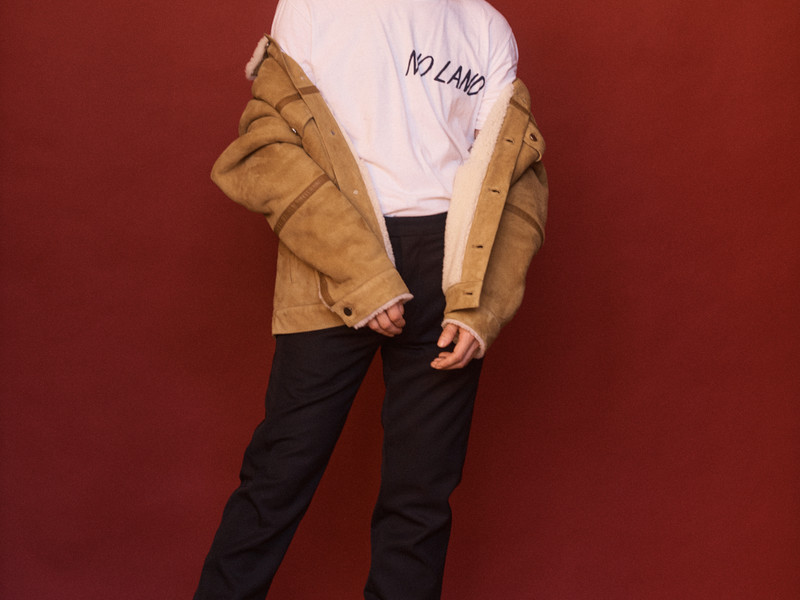
MIRRORS

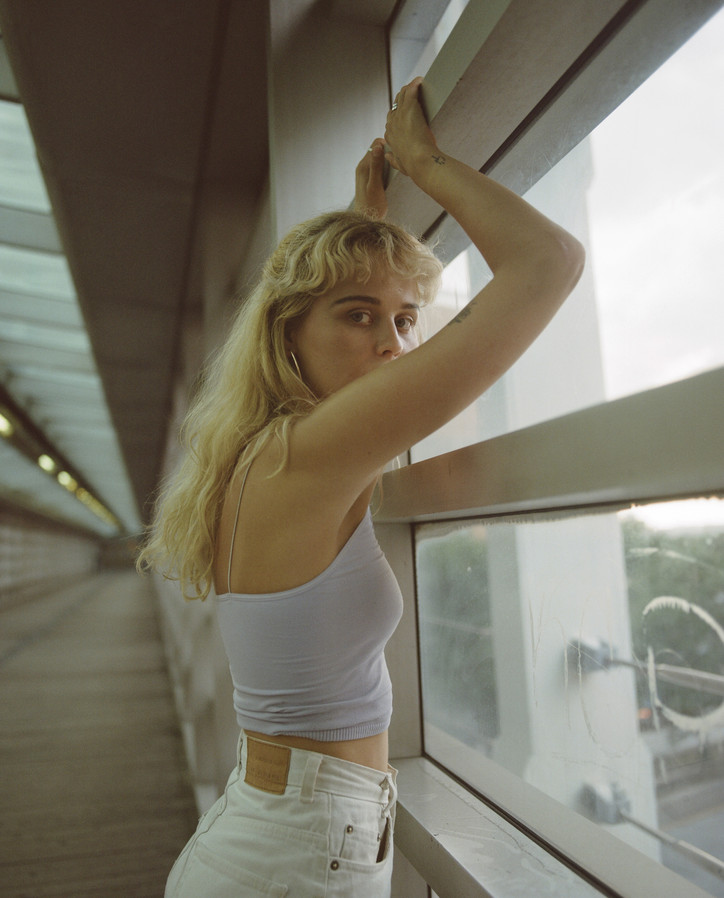
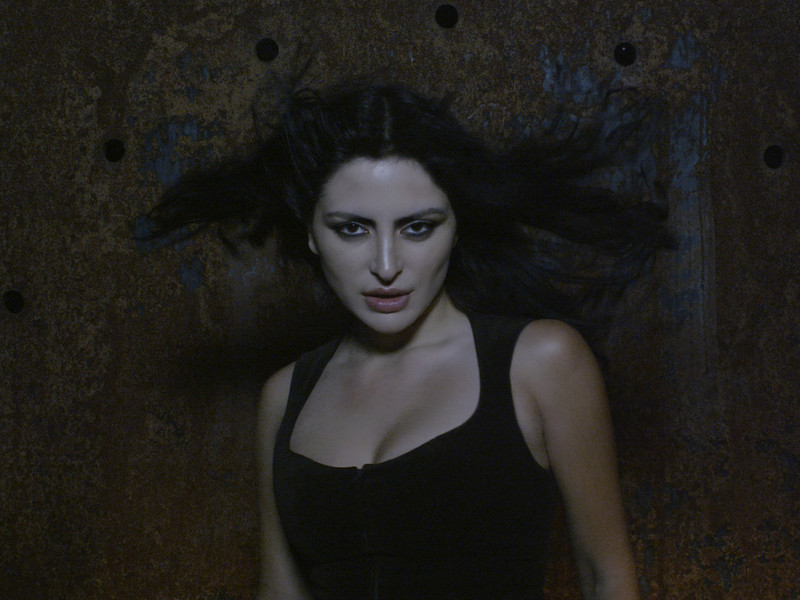
As she gears up to release her new LP—and an as-yet-untitled rap project—the artist told office what it was like growing up in Moscow, and how electronic music has helped her find her voice.
What’s an average day like for you?
My favorite part of the day is the morning, when my mind is fresh and clear. As soon as I wake up, I write down my dream so that I can analyze it. Then, I put on an album and make breakfast. Everyday I try to find some new music on YouTube or VK. It’s quite easy to get stuck doing that, but even if I find one rare gem, that means the day isn’t wasted. In the evening, I sit and spend time on my own projects. I usually get tired of trying to finish old ones and create something new. I’ll really get into it, just plunge myself into the vibe, or I’ll go to my friend’s place and do the same with them, and have a beer.
What are you working on right now?
Right now, I’m mixing my second LP, editing video for it and preparing the cover—just getting everything ready for the upcoming release. I’m also producing a side project with a friend of mine—we’re making rap. I’m not sure when it’s gonna be available to the public, but the process [has been] quite fascinating.
How did growing up in Russia influence your music?
The influence is quite strong. In a cultural sense, Russia was isolated from the rest of the world for so long because of the Iron Curtain. Because of that, the development of musical genres was delayed—we only started re-claiming that in the ‘90s [after the fall of the Iron Curtain]. So, Russian music has really started to discover its own language in the last five years. In the 2000s, young musicians were looking up to the West, because we just thought it was better. Our bands were singing in English and just copying popular foreign genres. They had a feeling of inferiority. But we, the new generation, don’t feel that way anymore, especially now that we’ve discovered our own unique voice—one that’s separate from everything we’ve been absorbing over the years.
It’s hard to explain, but I think my music captures something that is uniquely Russian. But it balances Russian culture and foreign influence, so that everyone who listens can relate. II think the electronic music is the most universal language—it can pretty much unite people from all over the world.
Do you have a favorite decade?
Different decades are beautiful and attractive from different standpoints. Talking about art and literature, I’m more fascinated by the 1910s through ‘20s, especially by the revolutionary years. There was a radical demolition in people’s minds; just imagine a total change in art language and the way people thought about it—architecture, fine art, design, everything. Incredible people came out of that time.
But musically, 1980s in the USSR, Germany, England and America. And the 1990s of course—there’s no way around that. It was just the most vivid in the context of worldwide fashion. We started seeing these really bold runway shows intended to change minds. Fashion became a powerful review of the reality. Nowadays, there are some designers like that, but mostly everything is focused on marketing and there’s nothing behind it.
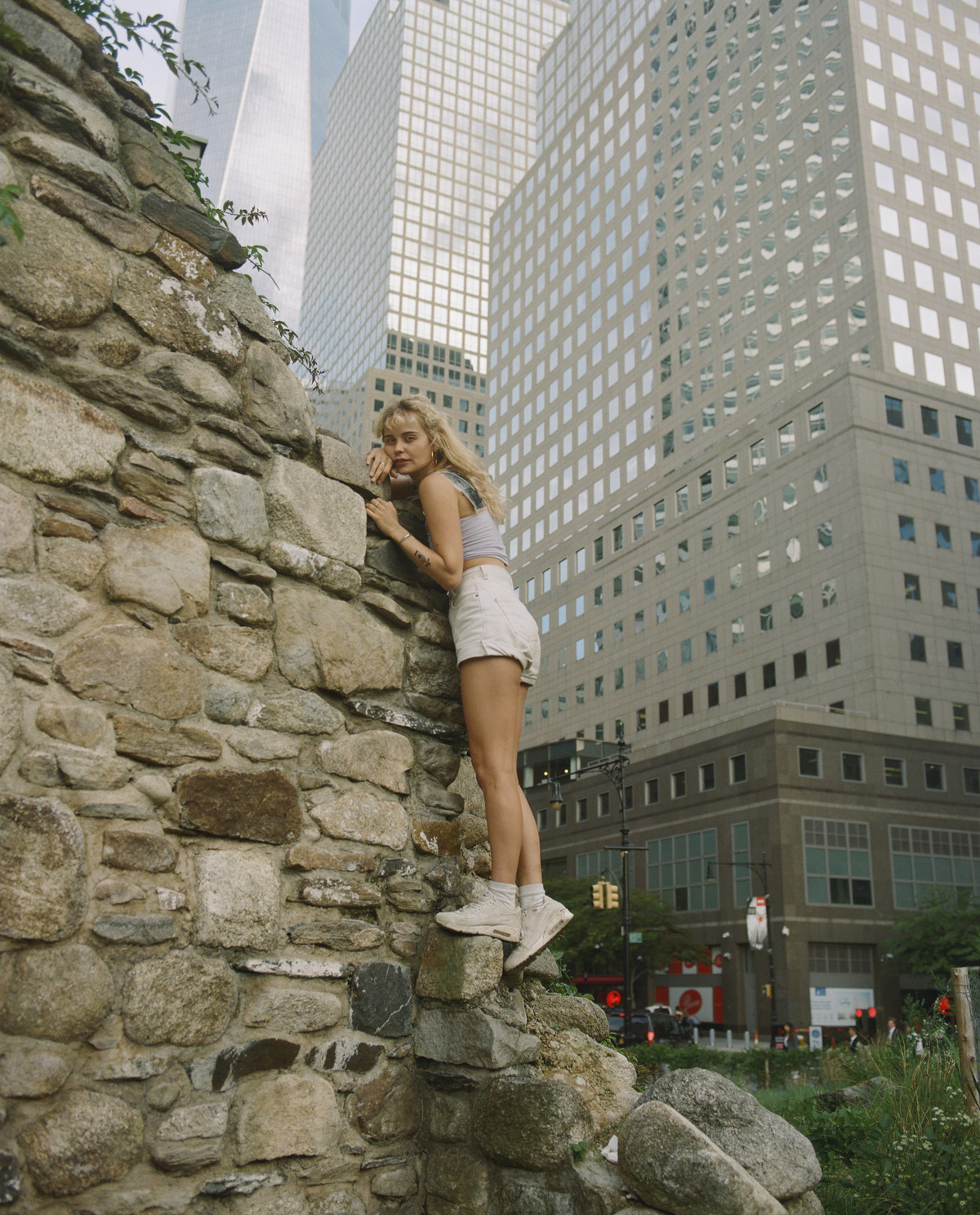
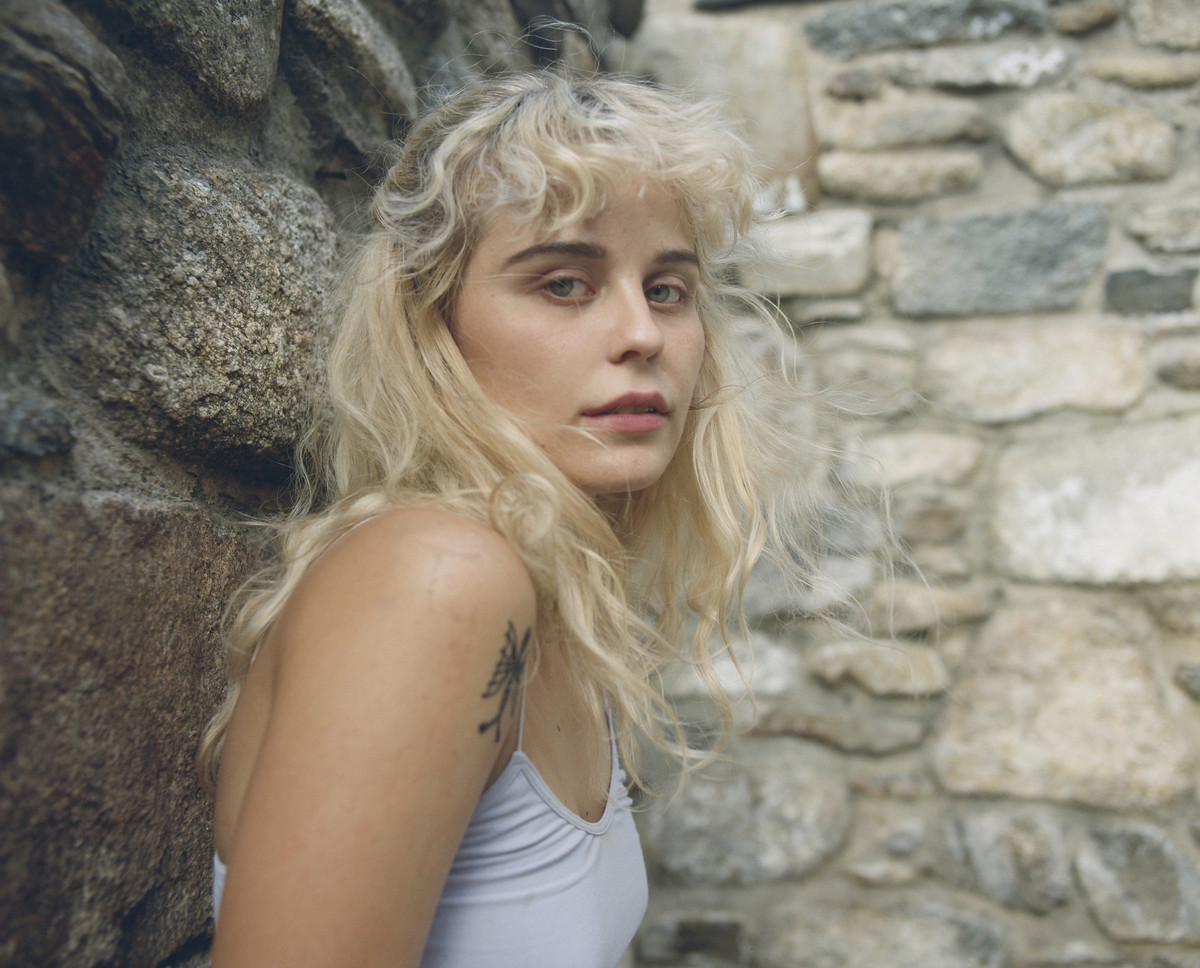
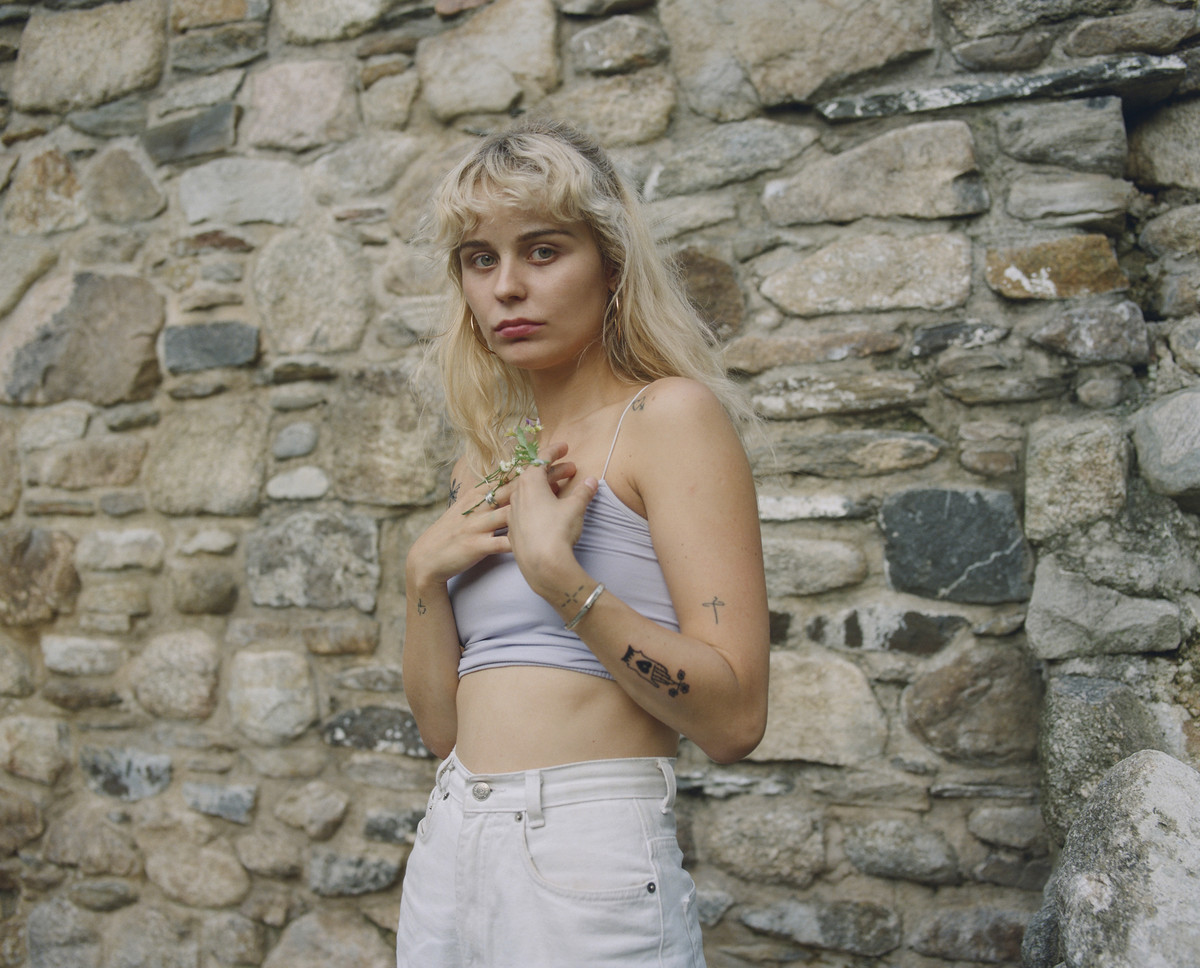
How did you decide to use music as your medium?
It’s somehow been that way since childhood. At the age of seven, I was already a fan of the Spice Girls—my room was covered in their posters, and I had a VHS recording of one of their tours that I watched over and over. I don’t remember any other kids my age who were into music like I was. I spent a significant part of my childhood with my granny. She would always sing love songs and national songs. This passion carried over to me, of describing things through music, maybe even genetically. When I was 14, I wrote a song on guitar at camp—all my mates were singing it, and it became a local hit. I spent a lot of time studying and trying new things before I actually took music seriously, but I found it in the end. It’s what’s most organic to my being—it came to me really intuitively. There’s no escaping fate.
You studied film in school—do you think that informs your musical process?
Definitely. Film editing taught me to see reality from a completely new perspective—to cut things up, to highlight parts and fragments, and mix them to create a new thing in the end. Before, I could only comprehend an entire image. But studying cinema, I began to understand structure and of how you can work with it, which is particularly important with electronic music.
What’s your favorite city to perform?
Kiev, Ukraine.
What’s your go-to karaoke or shower song?
Mariah Carey, “Hero.”
Coming from a punk background, what initially drew you to electronic music?
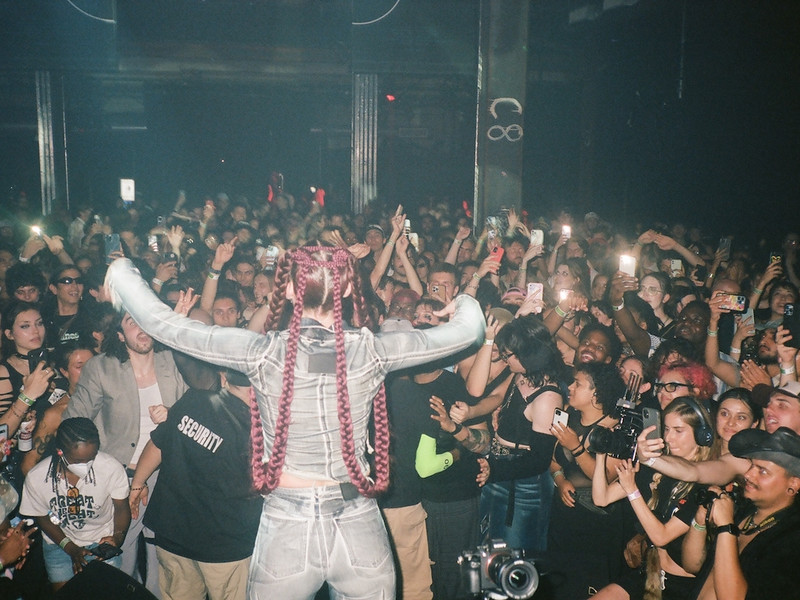
I never only listened to punk, but when I was 16 through 19, I was really attracted to its vibe. In punk, there was a push for civil rights for minorities, we cared about animal rights, etc.—that was the radical punk and underground hardcore scene in Moscow. We were able to exist organically in a musical form, so we created our own pop-punk band and toured around Russia. Our performances were crazy, full of explosive energy. At the same time, I got bored quite fast. While playing punk, I was listening to loads of other music, so I felt restricted by the genre. The change, for me, was inevitable.
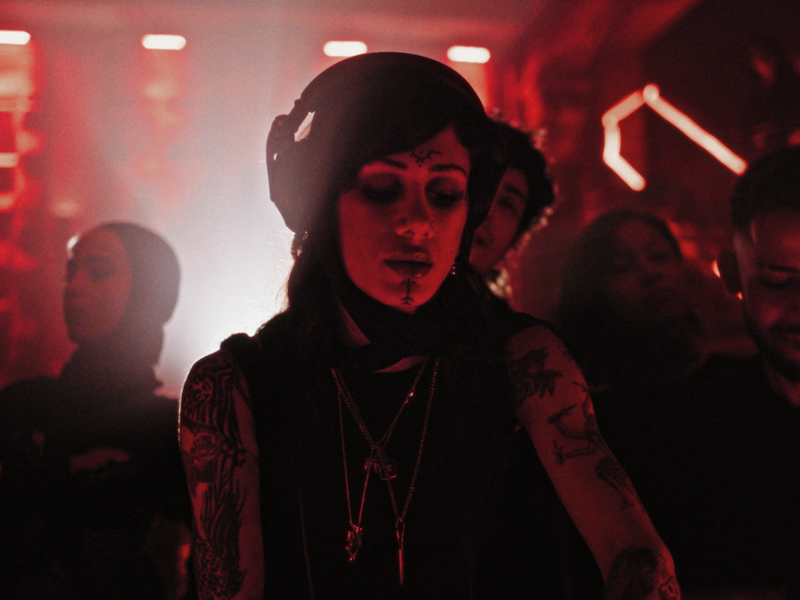
By the time I was 20, I plunged into the world of electronic music, going to parties and gigs. We would drag our synths around Moscow, jam for hours and drink beer. We had gigs where we performed our own music, and released cassettes. Some Russian musicians you can hear today grew up in music during that time. It turned out to be a real community—John’s Kingdom. It was our common love. Electronic is just totally unique in its form—you’re free to create in a million different ways and say whatever you want with your sound.
Listen to Kedr Livanskiy here.

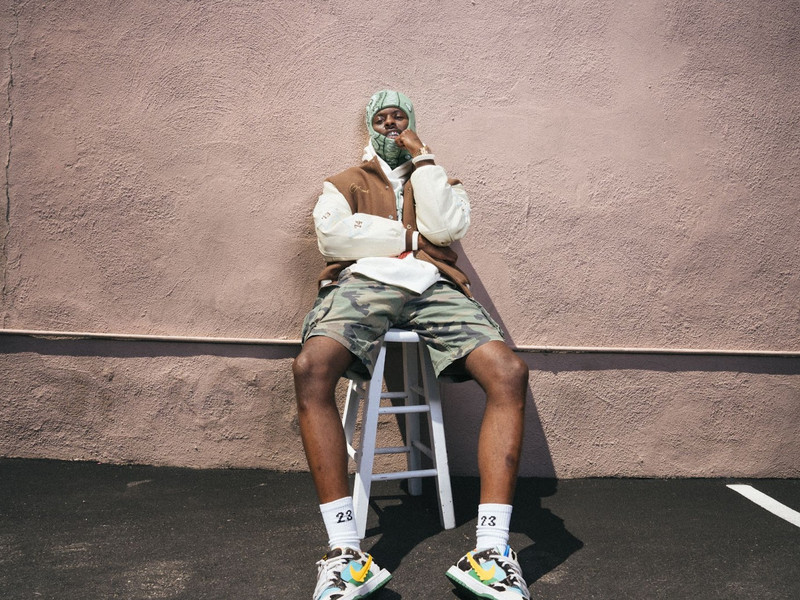
He’s probably right. But even with the apathy—or maybe it’s indifference—he might feel towards the clout, and all of the external factors that come with being a rapper in the modern era, when it comes to making music, that’s what Comethazine is all about.
Do you have any resolutions for 2019?
Nope. I’m gonna do everything the same—I’ve been doing shit good lately.
Like what?
Music. That’s all I do.
That’s it? Do you ever chill with your friends?
Yeah, but that’s all we do together, too.
Do you guys ever hit a wall while you’re working?
No. Everything we do is always better than what we did before. We go harder, always.
So, after you come out with something that does really well, like “Bands,” how do you judge if something’s better? By how many streams it gets? Or just your gut instinct?
It’s just the energy of the song. If I could drop songs like “Walk” every day, then shit, I would just keep doing that, but on a different beat.
If a song doesn’t have that kind of energy, do you just toss it out and start over?
All the time. I don’t finish the song unless it’s a hit. I mean, shit is only like a minute-forty seconds long, so I’m gonna put my all into that.
Do you know when something is going to be a hit?
Instantly. Well, I guess not, though, ‘cause I thought “Walk” was gonna be horrible.
Really?
Yeah. I don’t know why, I just thought all my other shit was better. “Bands,” too—I didn’t think that was gonna hit.
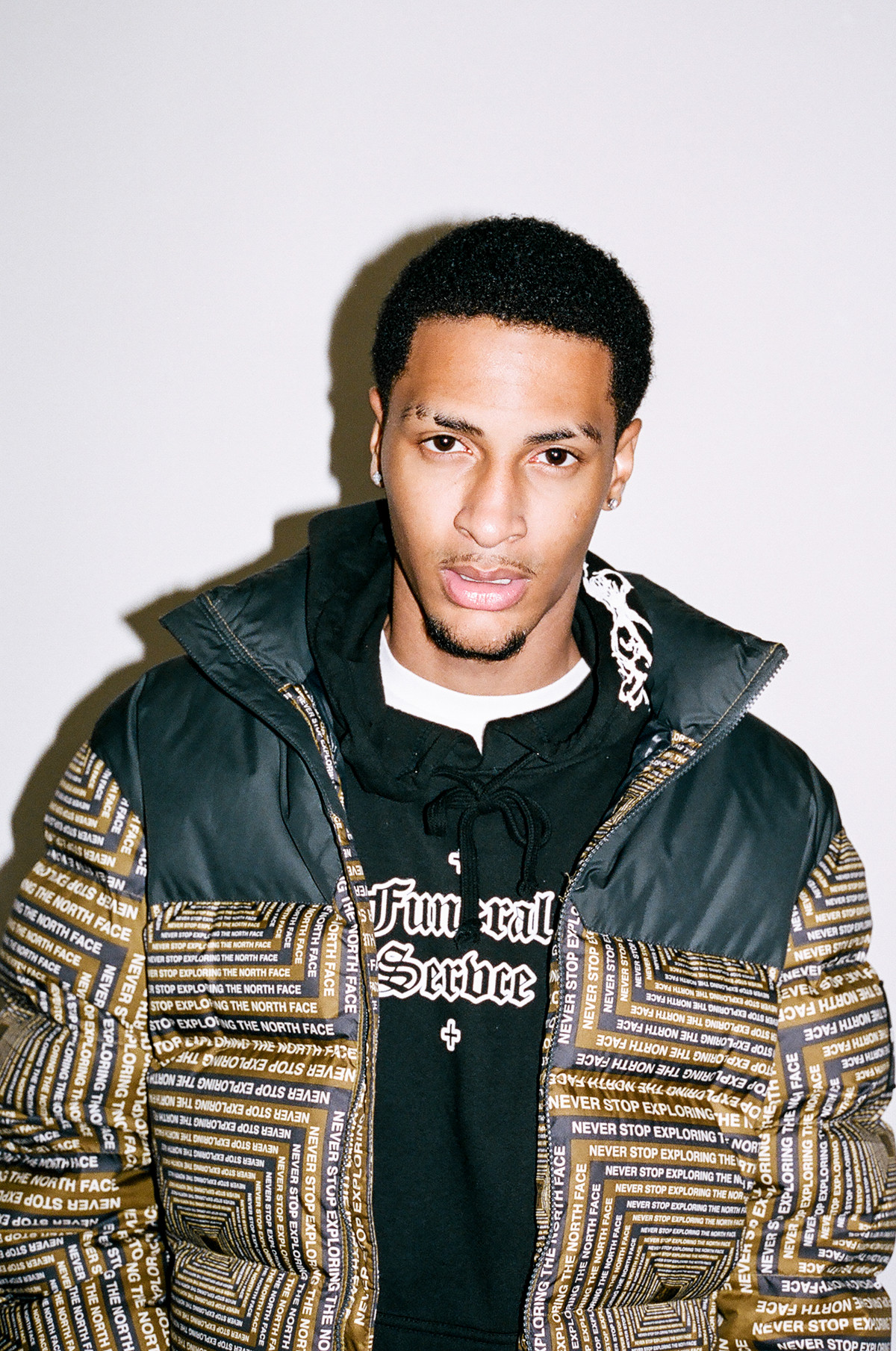

Where’s your favorite place that you’ve performed?
Bro, the shit in Texas where it was raining and we played at some college. The speakers were Bluetooth speakers—they barely worked. But the crowd was crazy—they sang all of my songs but had accents when they said everything. It was lit. But they had to weakest weed—I was ready to get the fuck up out of there.
You grew up in St. Louis. Do you have any siblings?
Yeah, I have a brother and sister. But they’re both old as fuck. [When I was a kid], I was always listening to music, then when I turned 17, and started doing it myself.
How old are you?
I'm 20. So, before then, I was just listening to music.
Who did you listen to?
Everybody. From Lil Wayne to Eminem, to anything that was popping at the time. If it was hot, I was listening to it.
Tell me about your come up—I feel like it happened so quickly.
It was hard work the whole time, so I didn’t really feel it like that, you feel me? Other people will see it in a different way than [I do]. I was working, so that was my focus—it wasn’t really a come up for me.
In that sense, do you feel like you’re never done?
Nah, I’m good. I’m done. The come up is done.
How are you adjusting to it? Do you like having a platform?
You feel a lot of shit. Now, I have to eye out my clothes before I go out—you feel like, ‘I gotta wear this, I gotta wear that,’ because if you don’t, your ass is gonna be on DJ Akademiks or somebody’s phone caught slipping. I’ll be like, ‘Damn, I can’t wear this, because I got a stain on it.’ But if I wasn’t famous, I’d be rocking that shit with holes. don’t give a fuck.
I guess if I was in that position I’d feel the same pressure.
Social media is becoming something else, too. I can’t use it like a regular person, you feel me? Someone posts something and will get 30 comments in a day. I’ll post something and get 150 comments in a second, with everybody sharing their opinion. But I can’t make another fucking account, because people will see my face. So, it’s just those kind of things I can’t do regularly no more. But it’s lit because I get to make art.
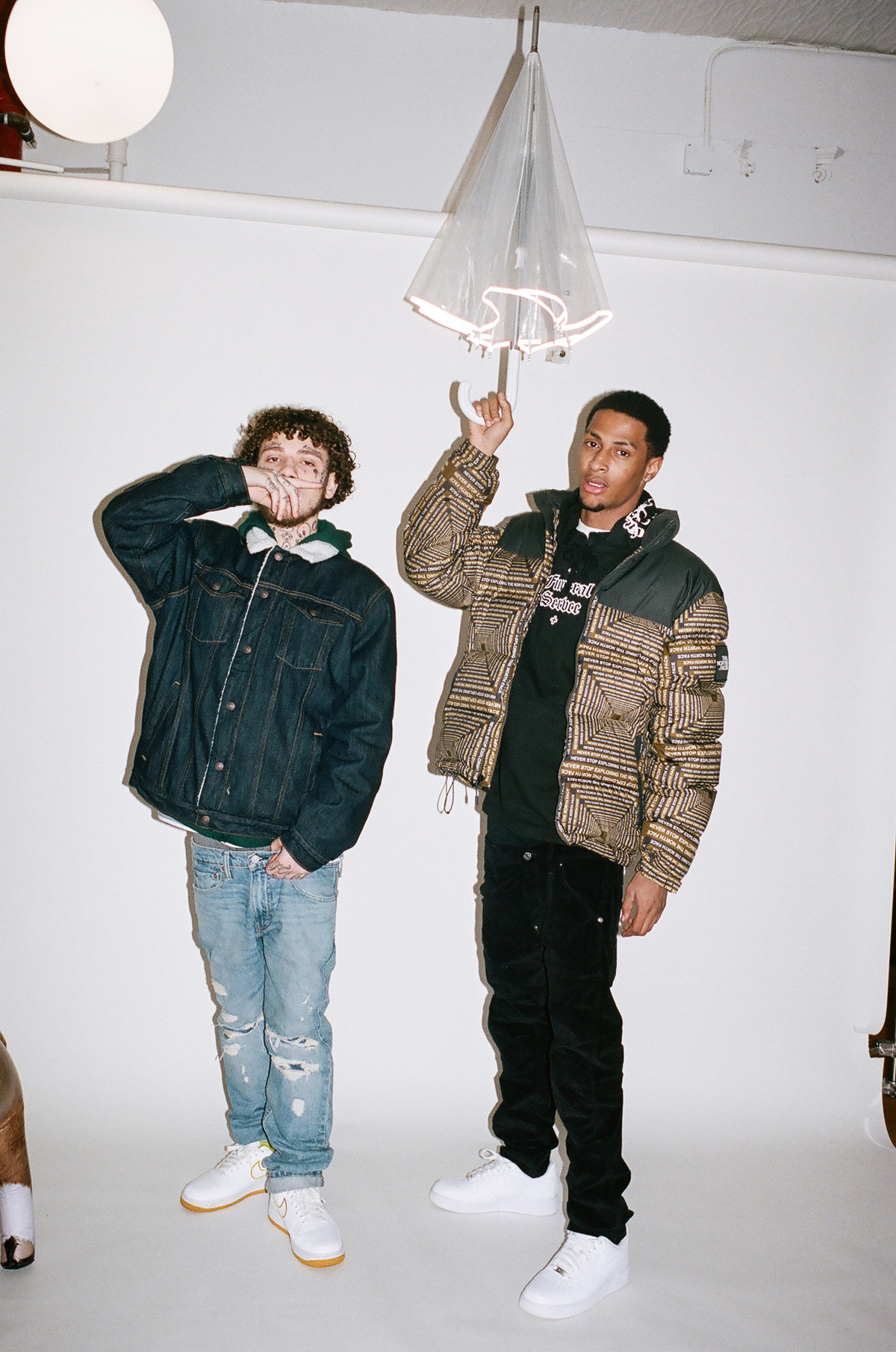

Is social media more of a positive or negative in your life right now?
That shit weak, bruh. It’s a lot of negative comments, but it’s a lot of love at the same time. People don’t think you see all the hate, so when I reply they’re like, ‘What?!’
Do you clap back at people a lot?
Hell yeah! They be like, ‘Bro, I was just kidding, I fuck with you!’ It’s funny, though. I love that shit.
What do you think people get wrong about you most often?
Everything. Everything that somebody thinks about me is probably wrong, you feel me? Just because they don’t know. Nobody knows. Only I do.
Is that frustrating for you?
Nah, ‘cause it’s a mystery, and that’s fire. I feel just like a monument, or a pyramid. Like no one else knows how the fuck it was built. I’m high, so that shit just came to my mind.
You just dropped your new mixtape, Bawskee 2. Tell me about it.
Every song is better than “Walk.” We got “Hippopotamus,” “Gusher Guts,” and more.
Is it just you on the album?
Yeah. I don’t need features—I never have.
What’s your favorite food?
Bonchon chicken.
What’s one trend you think should die out?
Air force 1’s, but just so no one else will wear them, and then it’ll only be me wearing them bitches.
‘Bawksee 2’ is out now.

As part of The Brooklyn Museum's David Bowie Is exhibition, which ran over the summer, the museum teamed up with ongoing pop-up series Music Video Night to bring in Rock for a tell-all. Director Dave Horowitz and Bastard Productions were there to film the event, giving us an intimate look at the photographer.
In the film, Rock shares some of his most classic images and videos, explaining his approach and creative vision; he also gives up some behind-the-scenes stories from the making of "Life on Mars?" and more.
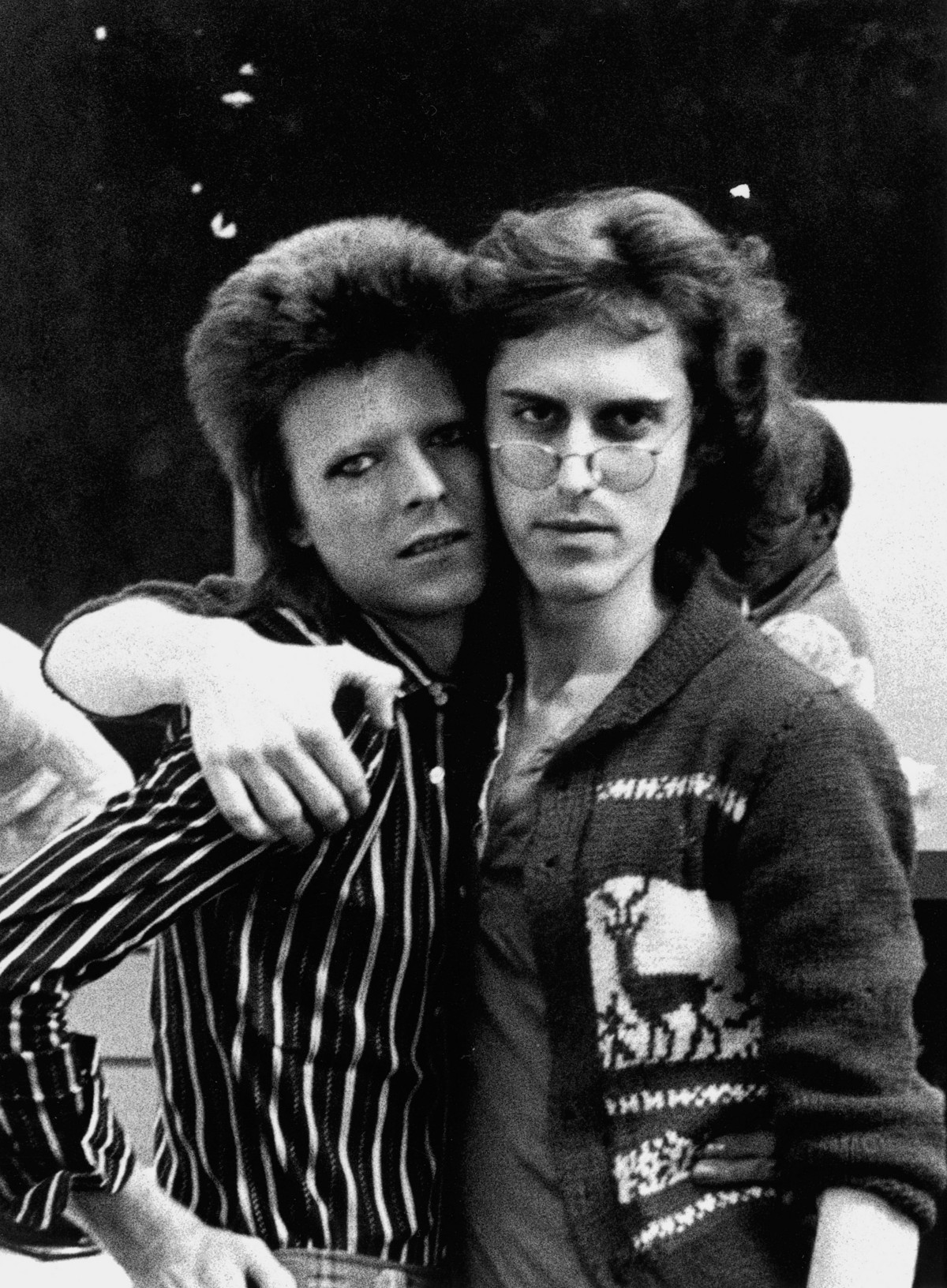
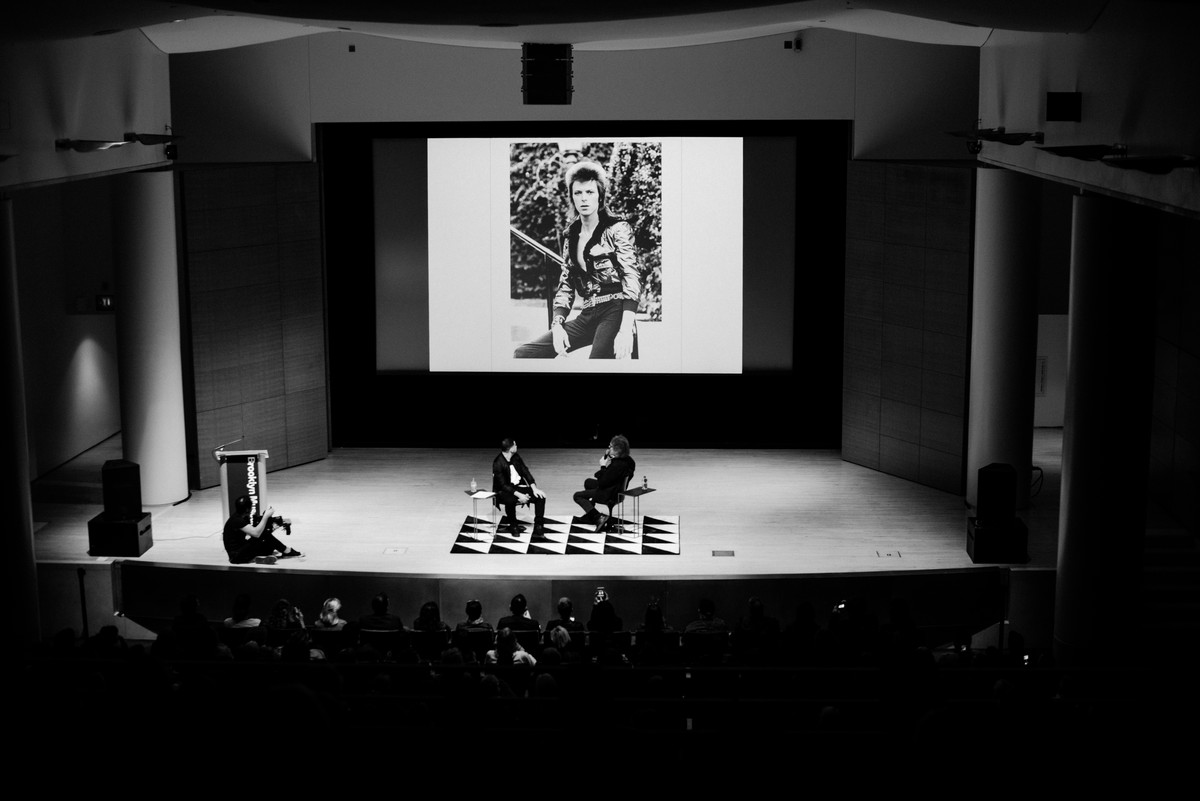
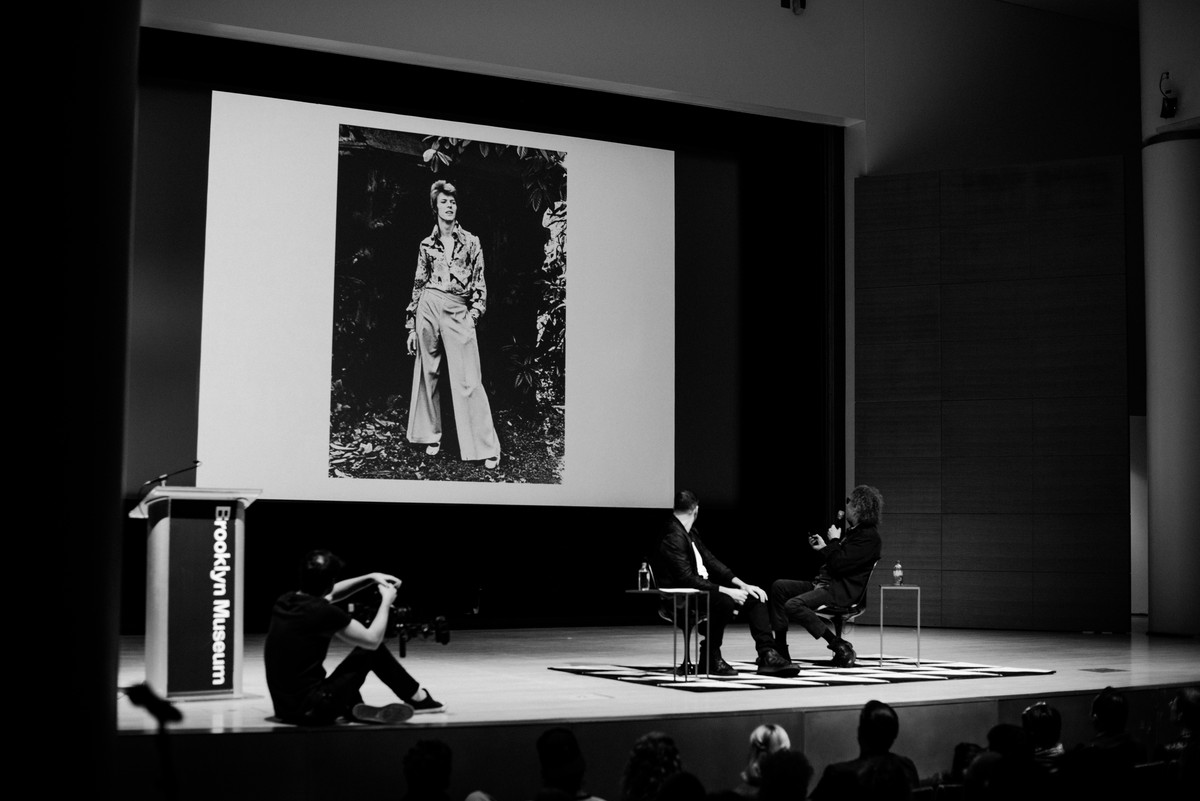
"They were all produced for such minimal budgets," he says of all the video work he did with Bowie. "They really had no outlets in 1972 and 1973. But David and I wanted to make them, so we grabbed what monies we could and went ahead. And I’m glad we did!"
Us, too.
Watch Music Night Presents 'David Bowie Is' with Mick Rock, below.
Directed by Dave Horowitz; Produced by Bastard Productions.
Still from 'Life on Mars?' and David Bowie/Mick rock photo courtesy of Mick Rock. Brooklyn Museum event photos by Drew Botcherby.