MIRRORS


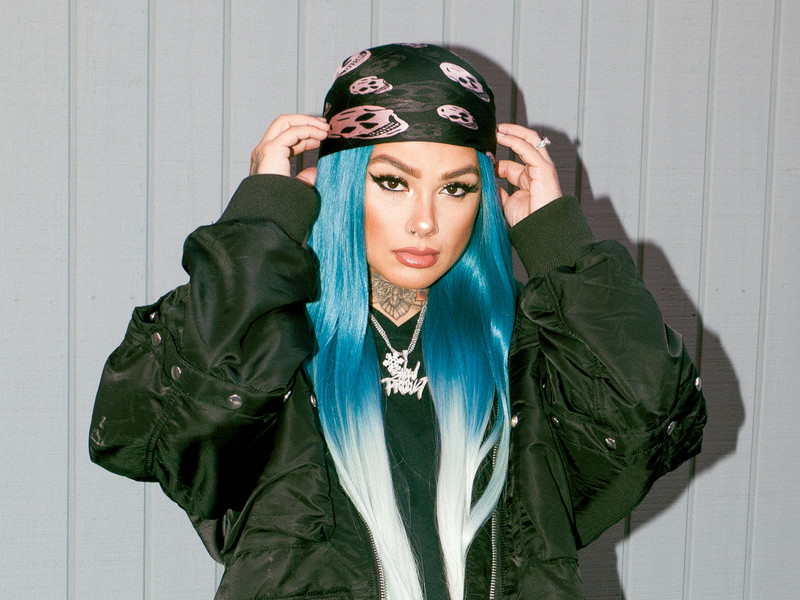
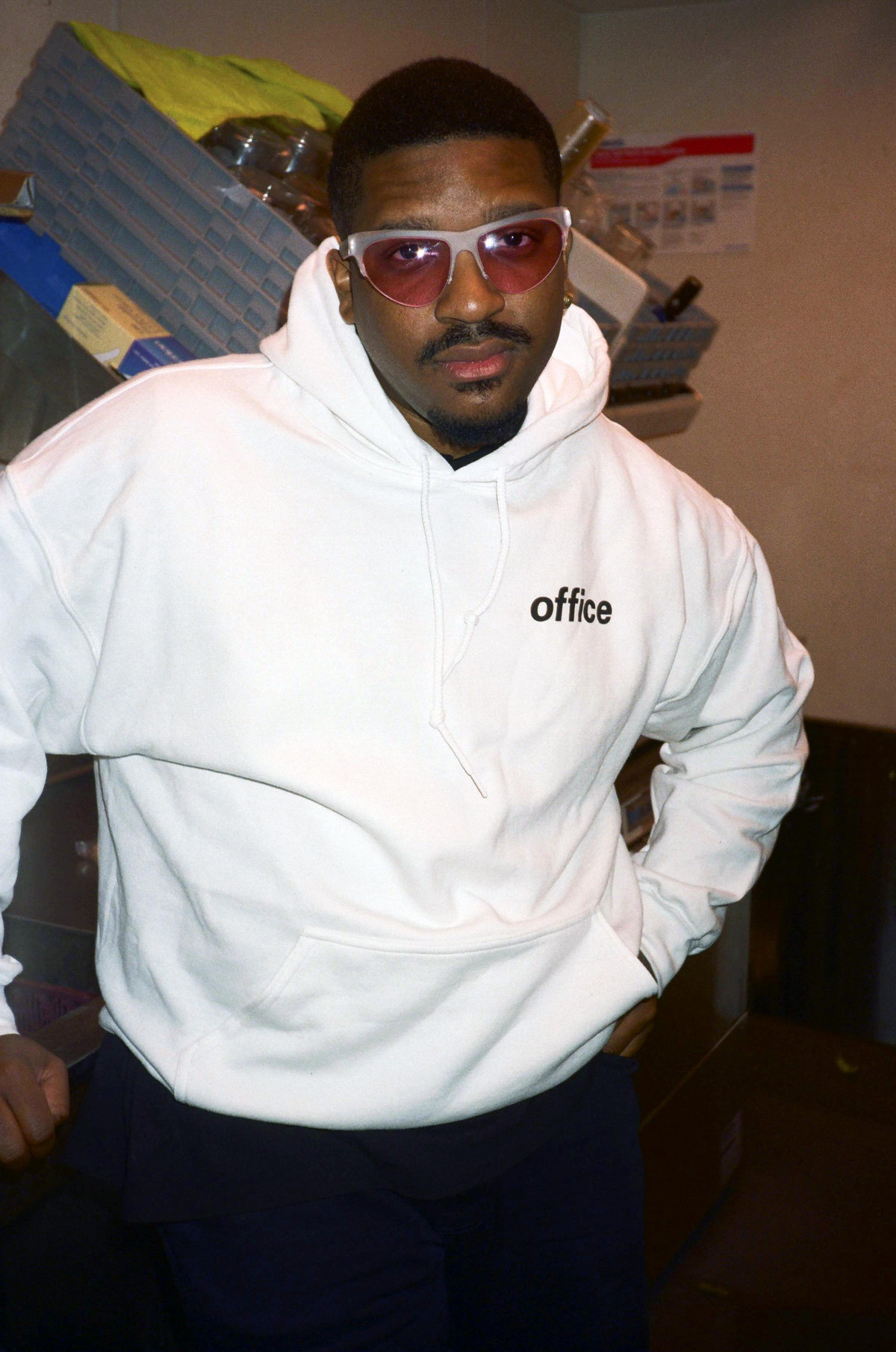
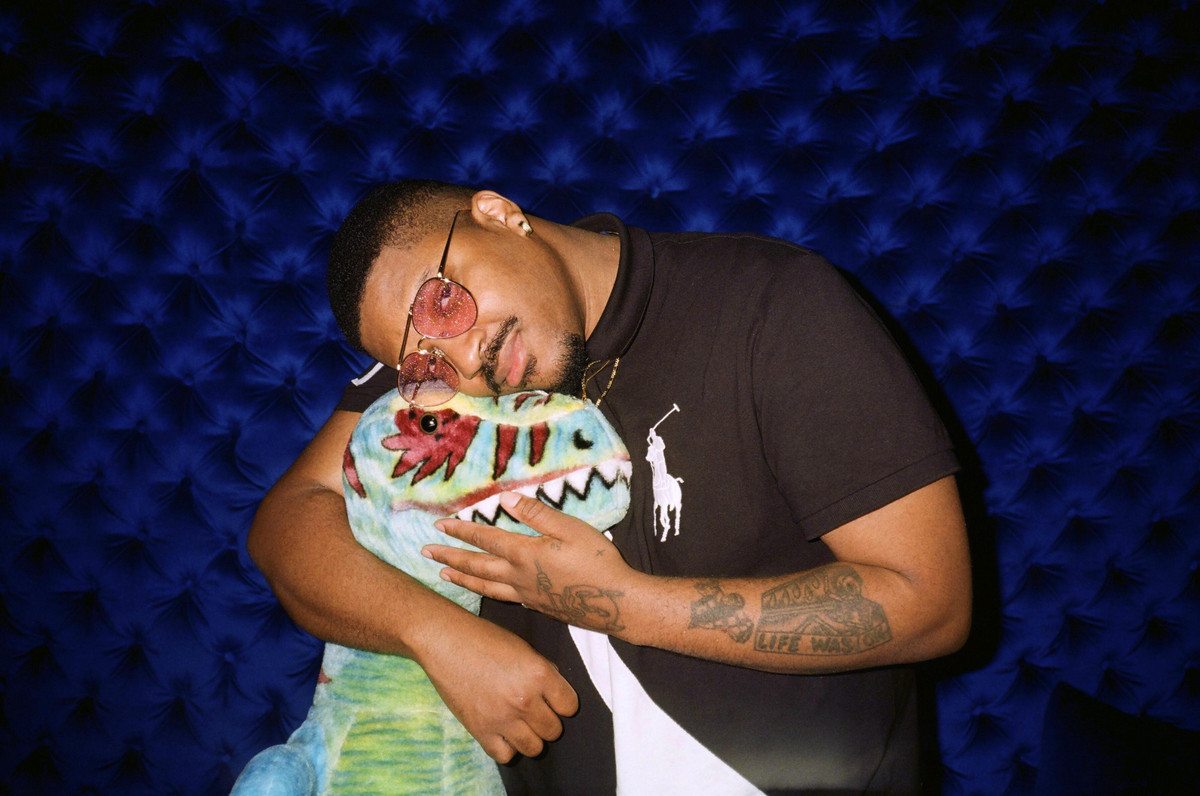
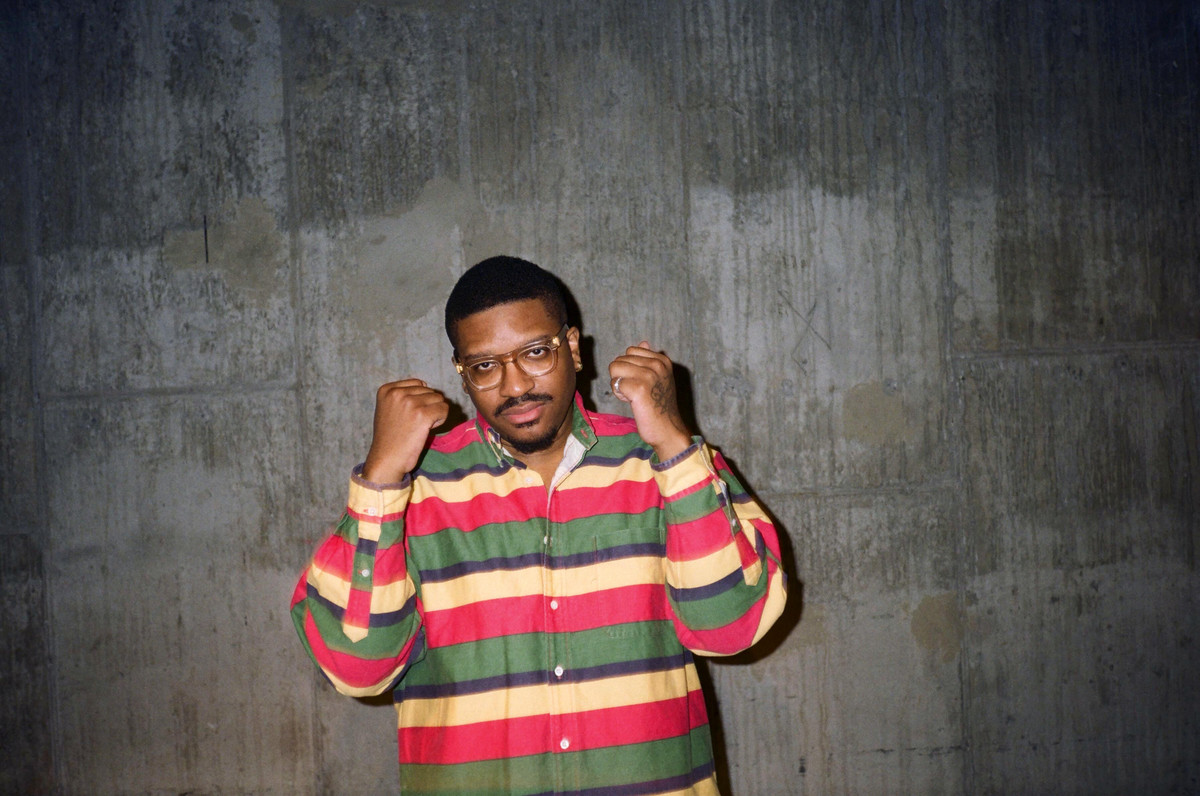
In the lobby of Public Hotel, he says it a few times, in between his thoughts on politics, the music world and Awful Swim.
Tell me about your Awful Swim. Is it a collaboration with Adult Swim?
Yeah. Initially, I was just aimlessly making music trying to figure out what I wanted my sound to be. I wanted to reference my old sound while also pushing forward and making it more accessible to a wider audience. Before I was very SoundCloud. Like, one time for my bio—I don’t know who the fuck at Apple did this, but they called me ‘the deadpan rapper.’ I was just kind of figuring shit out, and then the Adult Swim connection happened—via Twitter. My homie reached out to them and was basically like, ‘Hey, when we gonna make this Awful Records x Adult Swim thing happen? Like, fuck, we’re all from Atlanta.’ They responded and said, ‘We fuck with ya’ll. Come to the office next week.’ It was immediate.
At the same time, my life was transitioning already—I was already cleaning things up and sharpening the tools in my shed. So, that’s really what has changed—the content hasn’t. The sound overall is what I was doing before—now, it’s just a lot more advanced.
That’s such a dream come true! Everyone dreams of tweeting someone they like and them actually responding. But you’re a big Adult Swim fan. So, what are your favorite shows?
Frisky Dingo was one of my first favorite shows. Boondocks is tops—that’s probably my number one. Pretty much Frisky Dingo and Boondocks I would just play them over and over all day, then to go to sleep.
That has to have some serious subconscious influencing. Do you think it’s affected your music?
I think so. The narratives that I talk about—they’re very profane, and like a slight social commentary. But I try not to get into politics.
Why?
I just genuinely don’t care anymore. I have an opinion but I don’t care enough to share it.
Do you feel as a black man there’s pressure on you to be vocal politically?
There definitely is. But I continue to not care. And honestly, I don’t think anyone wants that from me. I’ve never rocked that stuff into my music or my career, period. I never talk about it, but I poke fun and say things in my music so you know where I stand. If you listen to me, you know that either way—with or without the shits.
Coming from Atlanta, did you ever feel pressure to make a certain kind of music? If so, how has your style evolved around it?
Initially, I was making strange shit and people were just like, ‘Uh...this is…nice?’ Then I got more into trap. Eventually, I found a place in the middle where I could be whatever I wanted to be and the city of Atlanta could be like, ‘Hell yeah, that’s nice,’ or ‘Fuck it.’ But it was still weird shit. So, it worked out. But really, New York taught me how to rap and make beats, so a lot of my early shit sounds like Wu Tang, with a lot of fantastical shit that only makes sense to me. Since then, I’ve refined and simplified what I do, and learned the bare shit needed to make something slap. That’s where I’m at.
Do you see yourself ever returning to ‘the weird shit’?
For sure. I want to do some real Frank Sinatra shit. In my music, I have a very high pitched voice, but I have a very low range. My voice is mad deep if I want it to be, but right now my sound is usually high-pitched and chipper. So, I want to explore my range. Especially as I’m getting older—I’m just on some chill shit these days.
You directed your music video for the track “Lotto” featuring ABRA. Tell me about that process.
That one wasn’t as difficult as the other ones because I had a reference for it. I wanted that to be very similar to “What Means the World to You” by Cam’ron. I didn’t do it scene for scene but I knew I wanted the same feeling in my video. I played the song and was just like, ‘That’s it.’ The rest of it was playing around on the spot with the shots and seeing what I could get away with. We ended up using a lot of green screen, and all the locations look magnificent—casinos, rolling down the strip. But you can’t really do that without a permit. There was this one shot that I wanted so bad, where they’re in a hot tub on the back of a stretch limo riding down the strip [in Cam’ron’s video], and I was just like, ‘Is this real? I need that.’
“Thotnight” was way more of a challenge. I wrote that one out scene for scene—in full. Like, a whole narrative. I like videos that have some kind of narrative to them, but nothing too tight and constraining to the point where it’s not fun anymore. We got all these people out to this house two hours out of the city on a fucking party bus. It was isolated as fuck, and by the end of the night, there were no Ubers, so everybody was stuck in the house partying. That gave us a lot of organic shots in addition to the narrative. I’m supposed to be this demon that gets summoned in the middle of the forest by these girls running around a fire. I’m the Party Demon—getting people to rage and drink.
In an interview once, someone asked if you were a sex cult. You replied ‘not anymore.’ Were you ever?
Let me put it this way—there was a point in time back in Atlanta, where I had this weird group of friends and we were constantly together. We would be 20 deep in the house just chilling in that bitch. People in the city who we weren’t cool with would be like, ‘Why are they always together? What the fuck are they doing?’ There were always girls with us, just because they liked us as a crew. We were cool, and nonchalant, and not pressuring them, like, ‘What’s up girl?’ So, girls could really be themselves around us. Other people saw that as us hoeing them out and fucking them. So, yeah, at one point, I did hear the rumor that we were a sex cult, running orgies in that house.
Oh, so that’s what was happening in Atlanta before you signed to RCA.
No, I’m talking about way back. I mean we’re sexual people—girls and boys, and we love each other at Awful. We’re a close knit family and shit happens. When you’re around somebody a lot that stuff ends up going down—we might have a lot of Eskimo brothers and sisters. I think that’s also why people said that. ‘Cause they’re like, ‘Oh ya’ll are always fucking each other.’
Why is that such a bad thing, though?
I don’t know! We were always just the weird kids running around the city in all black, looking mean as shit, but actually being really nice people. We just looked unapproachable, so we ended up being really misunderstood.
What about before you signed to RCA—did you turn down any deals?
It didn’t seem like any of them cared about the vision. It was all about the money. They’d make an offer and I’d be like, ‘I’m gonna make this myself in the next two months without you. I know how much I’m earning is gonna double next month, and then double again. Fuck it.’
I forget who said this but an artist said something like, ‘If some old white dude wants to pay me 40 million for a deal, that means I can make 80 million on my own.’
That’s what I thought. The first person offered me 50 grand, and then I made 100 on my own right after. I continued doing that and talking to more people, and the deals started getting sweeter and sweeter. But at that point, I was so drugged out. I wasn’t in the right mind set to make that kind of decision. So, I didn’t go through with it. You have to be paying attention and I just wasn’t at that time. Then RCA came along, and it was perfect. I don’t want a giant 20 million dollar deal—I want to feel like I am organically collaborating with another business. That’s what I’m doing with RCA.
So, you felt like they understood your vision?
Exactly. Everyone else was obsessed with my single, or my image, rather than my brand as a whole. I remember back in 2000-something, I was in a meeting with my eyes rolling back in my head—I was so high. They called my manager like, ‘He’s so provocative, we love it!’ They loved that I was high. But RCA was into the happier shit I was doing. They heard “Heartthrob” and were like ‘Yo, let’s work together.’
Do you feel like this new album has a more positive energy?
It’s very free—free love, free love energy. I mean, it’s on the fuckery. People constantly tweet at me like, ‘Man, this album makes me want to drive 90 down the street and go fuck my ex girlfriend.’ But I’m just like, ‘That’s still free energy. That’s you going with the flow and having fun.’ It’s not always healthy, but it’s about you enjoying yourself.
Free will—it’s you making that choice. Are you Satanist?
I mean, I’ve read into it, but I don’t align with anything in particular. I don’t associate myself with that. My music plays around with it, but it’s all just naturally how I think. I can’t get with the title.
What about when you’re looking for new artists—what do you look for? Like, when there’s someone you really fuck with, what do you see in them?
I hate seeing something and being like, ‘Oh I know that’s gonna do well because it’s trendy.’ I like taking risks on something that’s quirky or sounds weird. Like, I have a very annoying voice—I hear it sometimes and I’m just like, ‘God damn.’ But I be looking for someone who could rap, and it may not be perfect, but it’s different. I like singers who don’t sing perfectly. Those people are more creative because they need to come up with ways that work for them. It’s like, if you’re not perfect pitch, you better be a great fucking writer and come up with clever cadences, have creative production, and not sound like that shit on the radio. Like with ABRA—when I met her, I was like, ‘Oh my god, her shit is so fire.’ Then, in 2014, Awful was like, ‘We need you.’ There was a feminine energy to the crew always, but we needed that more in the music. I wanted to expand by adding her, and she was down. So, it went from there.
Did your name used to be Father’s Liquor Cabinet?
Yes. It was some stupid shit. I was like 19. I rapped on a friends song back in 2011, because they knew I could write and were like, ‘Holy shit, you’re good.’ When they were putting the song out they asked me for my name, and I was just like, ‘Uhhhh... Father’s Liquor Cabinet?’ I wanted people to think I was a band. But I shortened it, because I was tired of people walking up to me and calling me the whole fucking name. Do you know how irritating that shit is? You wouldn’t go up to Guns ‘n Roses and be like, ‘What’s up Guns ‘n Roses?’
I mean, you could, but you would sound dumb as shit. So, what’s next for you? I read you want to do a movie.
Yeah, but I also want to do a book later down the line. I want to get a writer and have them come in and just sit, and reminisce, and talk for hours—get drunk and go through the history with everybody and then put it together and make it make sense from everybody’s perspective. So much crazy shit has happened, and I would have to talk to everybody, because there’s a story there. A lot of tragic shit happened in Atlanta—a lot of wild shit happened, too. Imagine 18 fuck ups dong whatever they wanted. It was crazy.
Right. When I was reading about you last night, I realized that everything people know about you is really curated by press, except for maybe what you put on Instagram. But if you had the choice, how do you want people to see you?
I don’t think about it too much—I just go with it. When I first started rapping, I wanted to appear as this mischievous, deviant, cult-type character. That’s what we were doing, so I guess that’s how we came off. And I fucked with it. But now, I want people to perceive that I’m smart and business-minded. God damnit, almost satanic.
But not a Satanist.
No, not a Satanist. I’m just really ‘Fuck it.’ I don’t know if people realize that. But I am extremely ‘Fuck it.’ I mean, I care, but if something doesn’t happen, I don’t mourn. I’m like, ‘Fuck it, let’s move on.’ Seriously. Sometimes I even wish I cared more. But I think that’s why my career is where it’s at—I’m not Beyonce, I’m not Drake, but shit’s cool. I be coolin’. And I’m not a try-hard. I just don’t give enough of a fuck. I care about my music—that’s the one thing that I know will be fire. Everything else? Fuck it.
'Awful Swim' is out now.

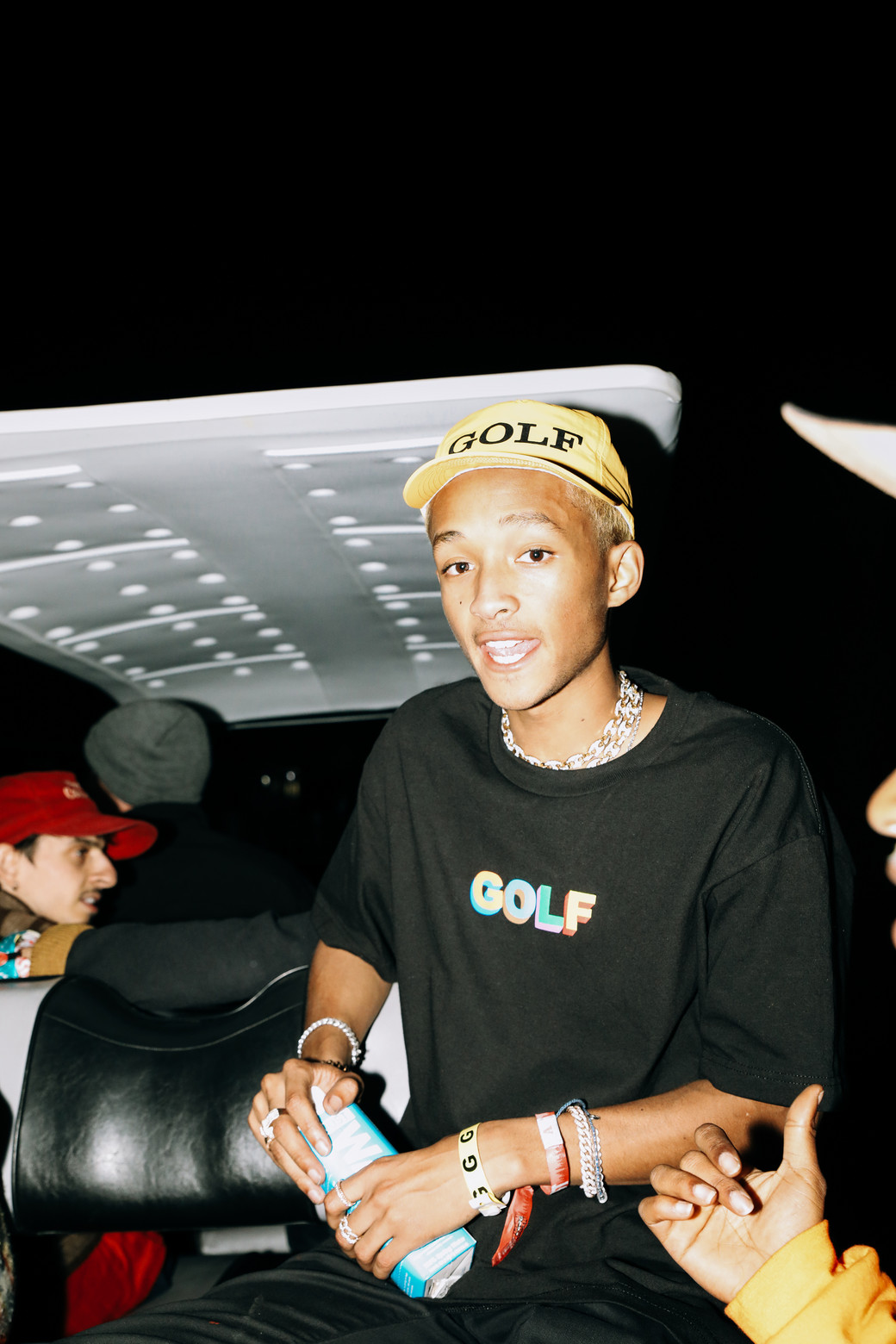
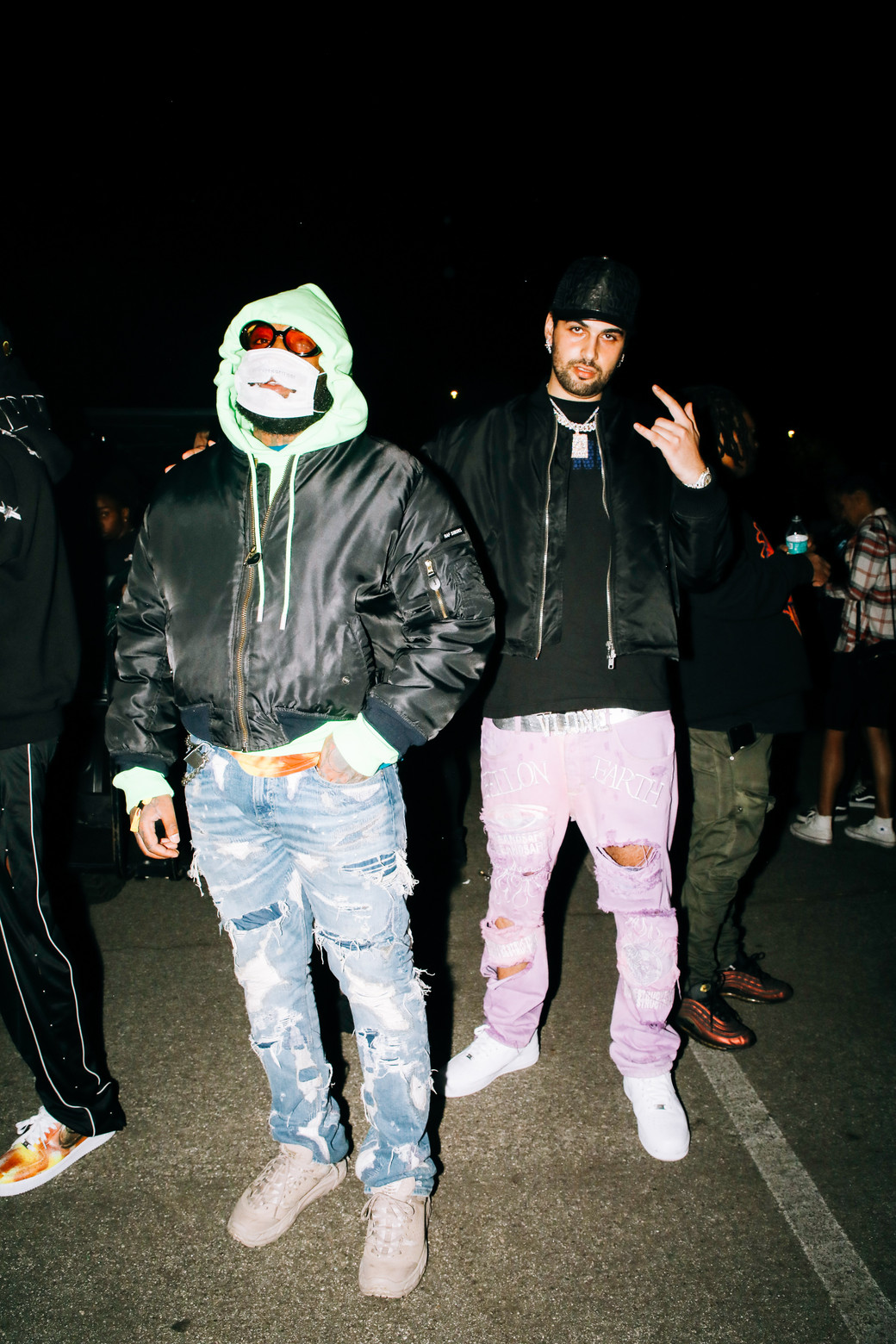
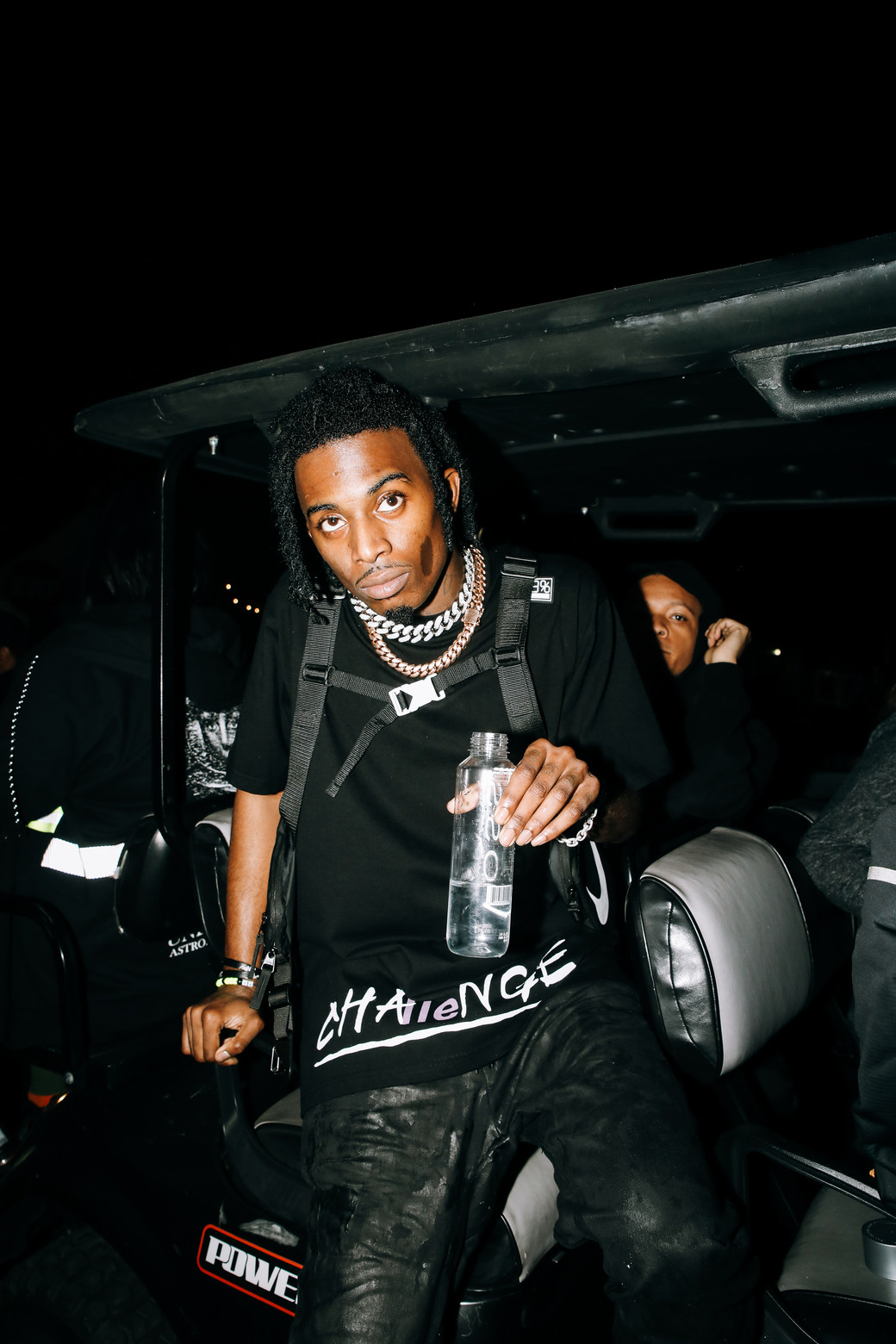
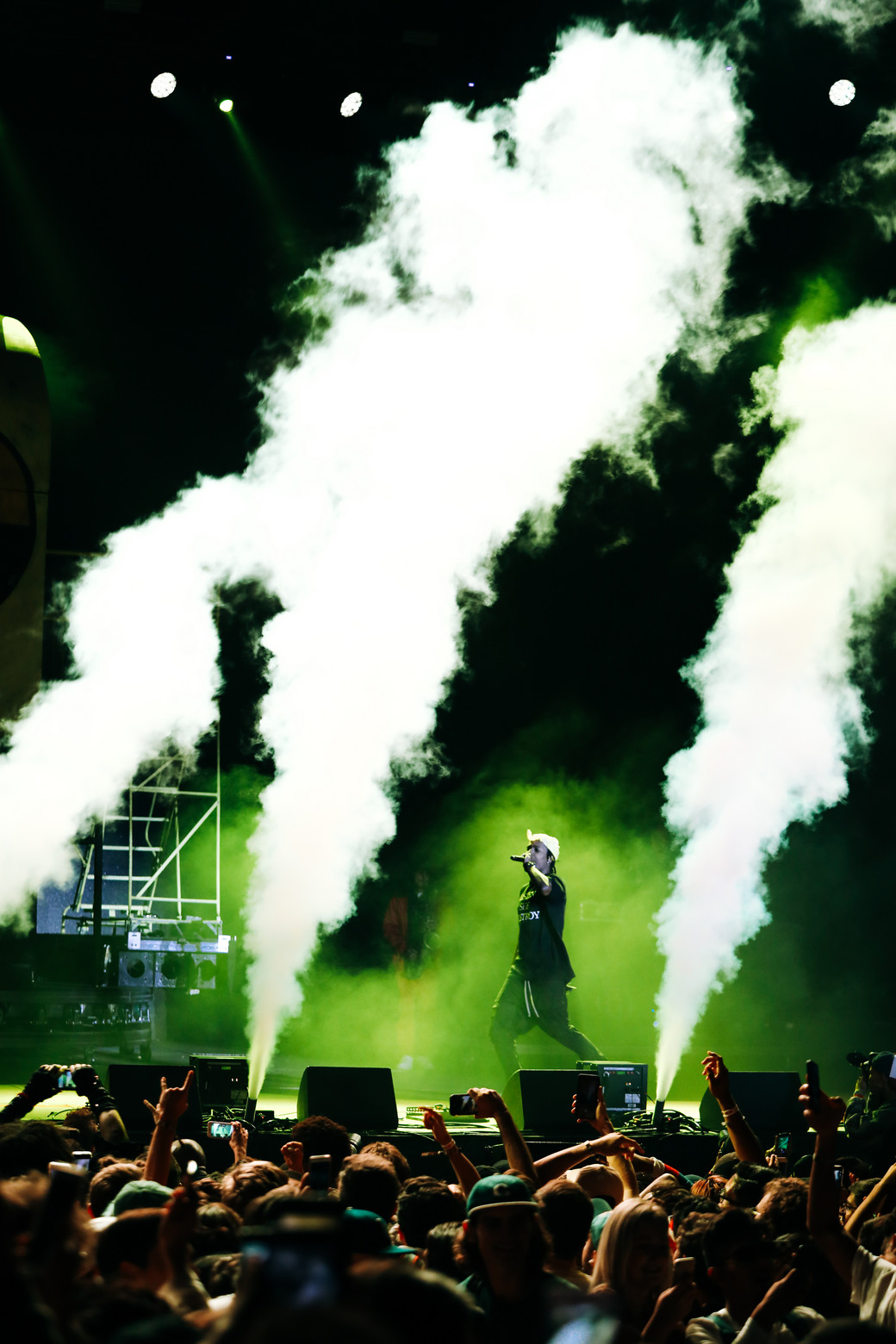
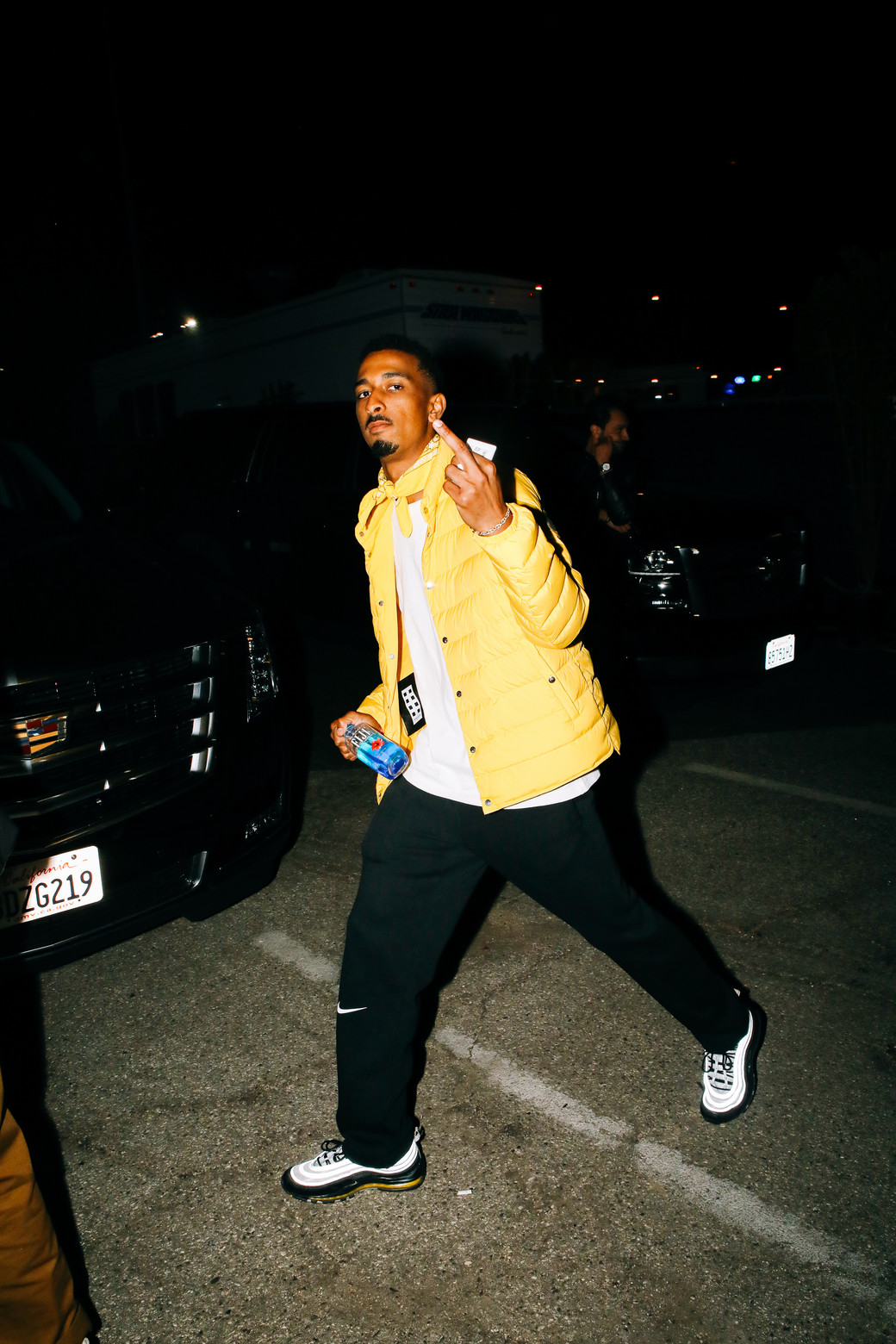
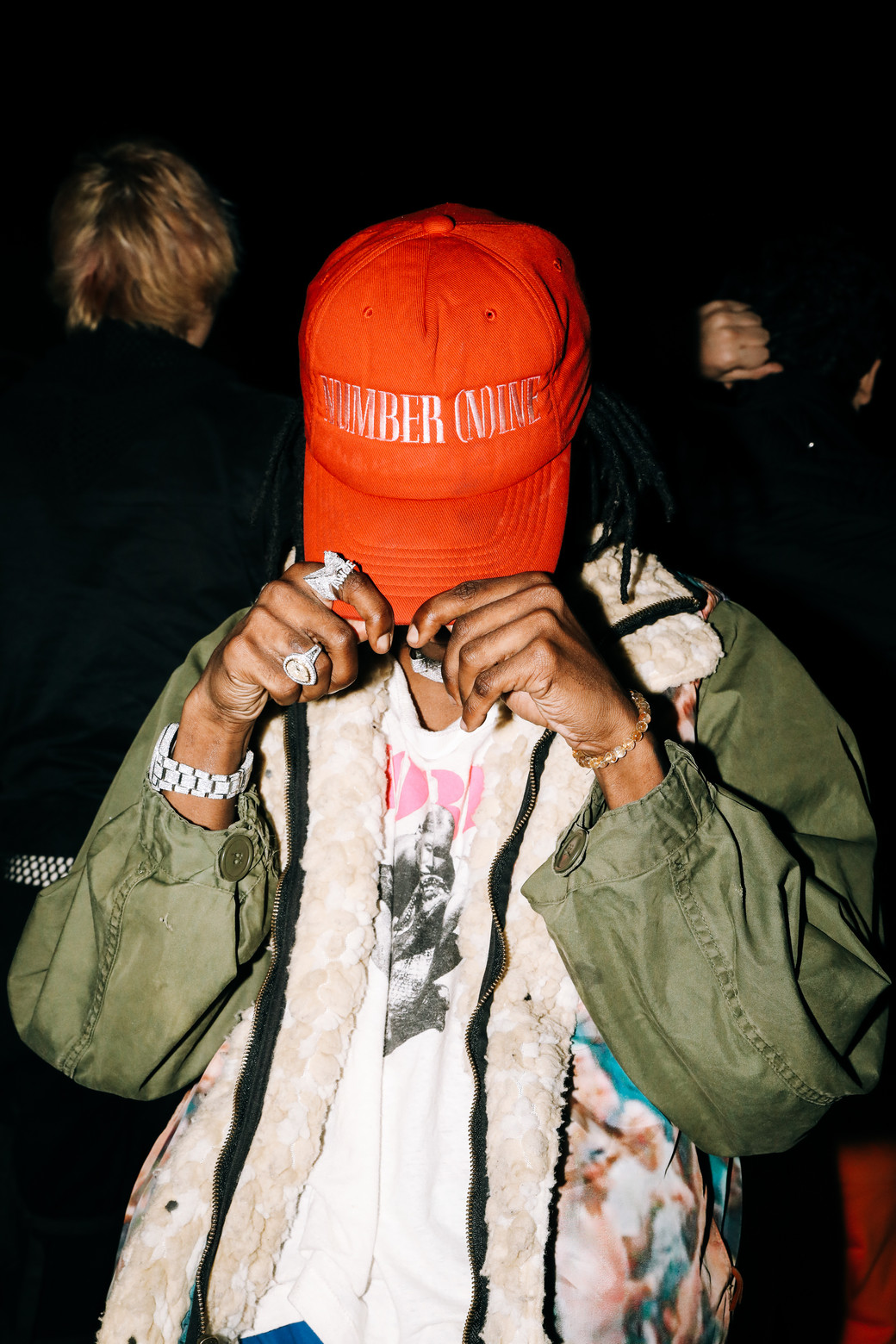
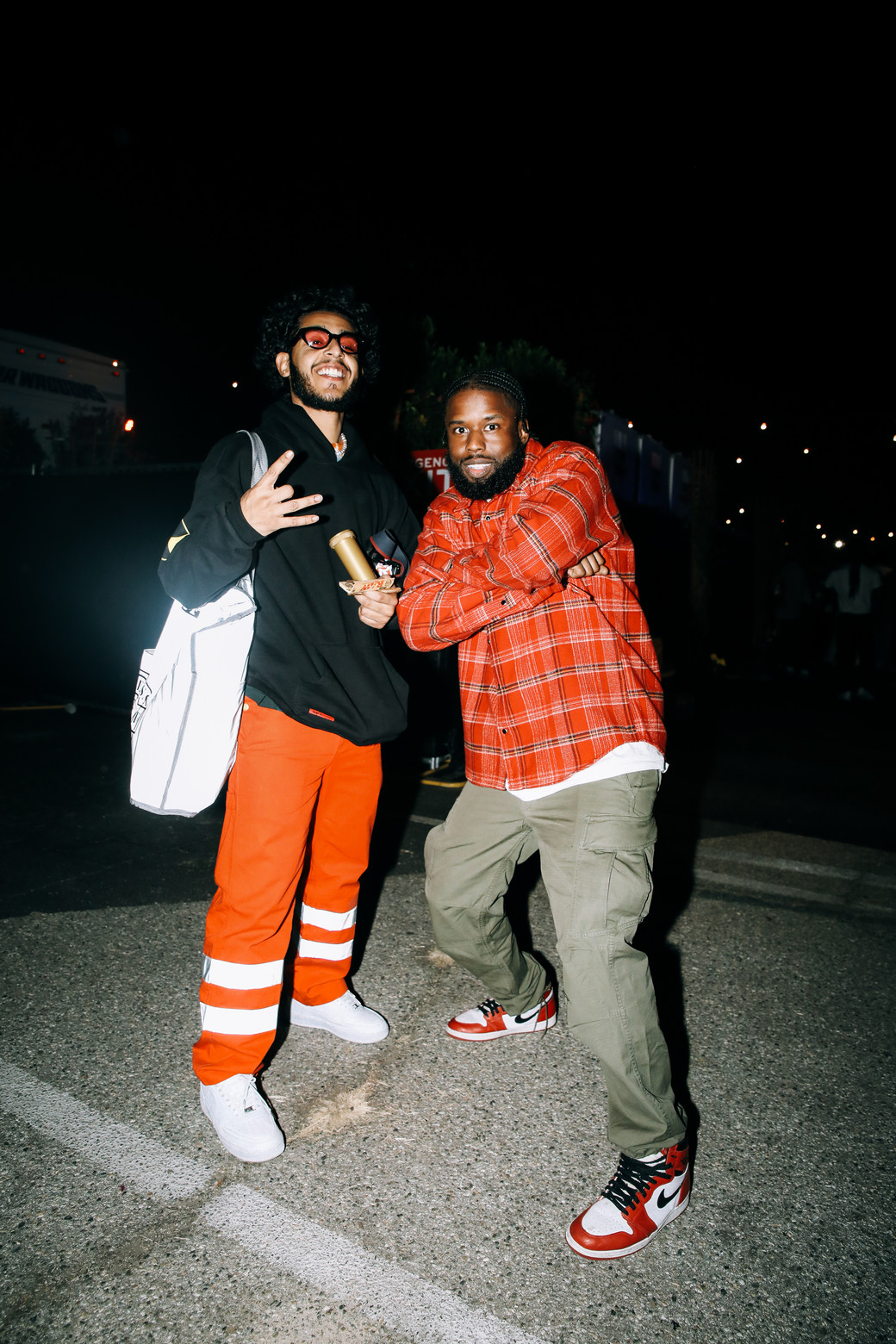
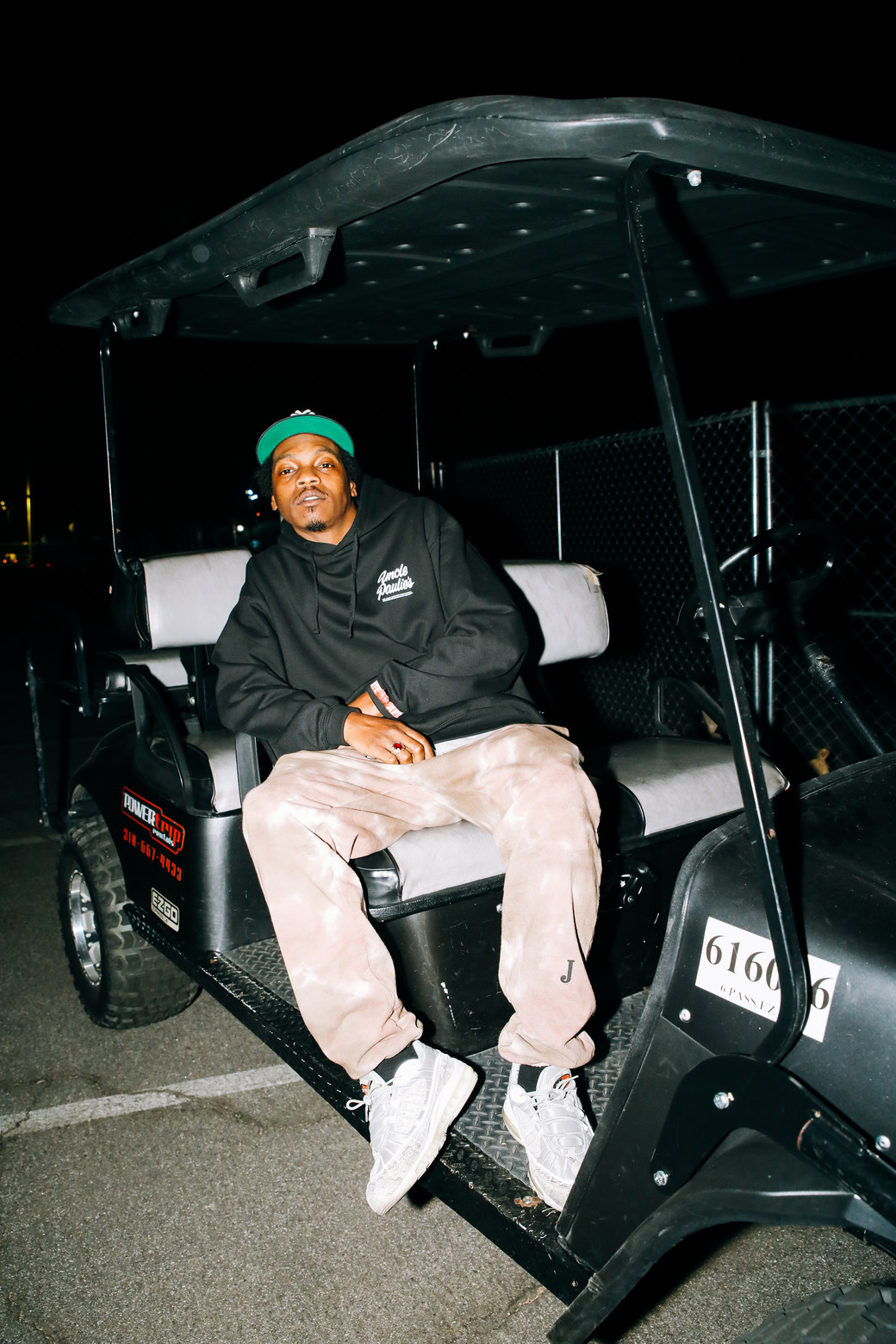
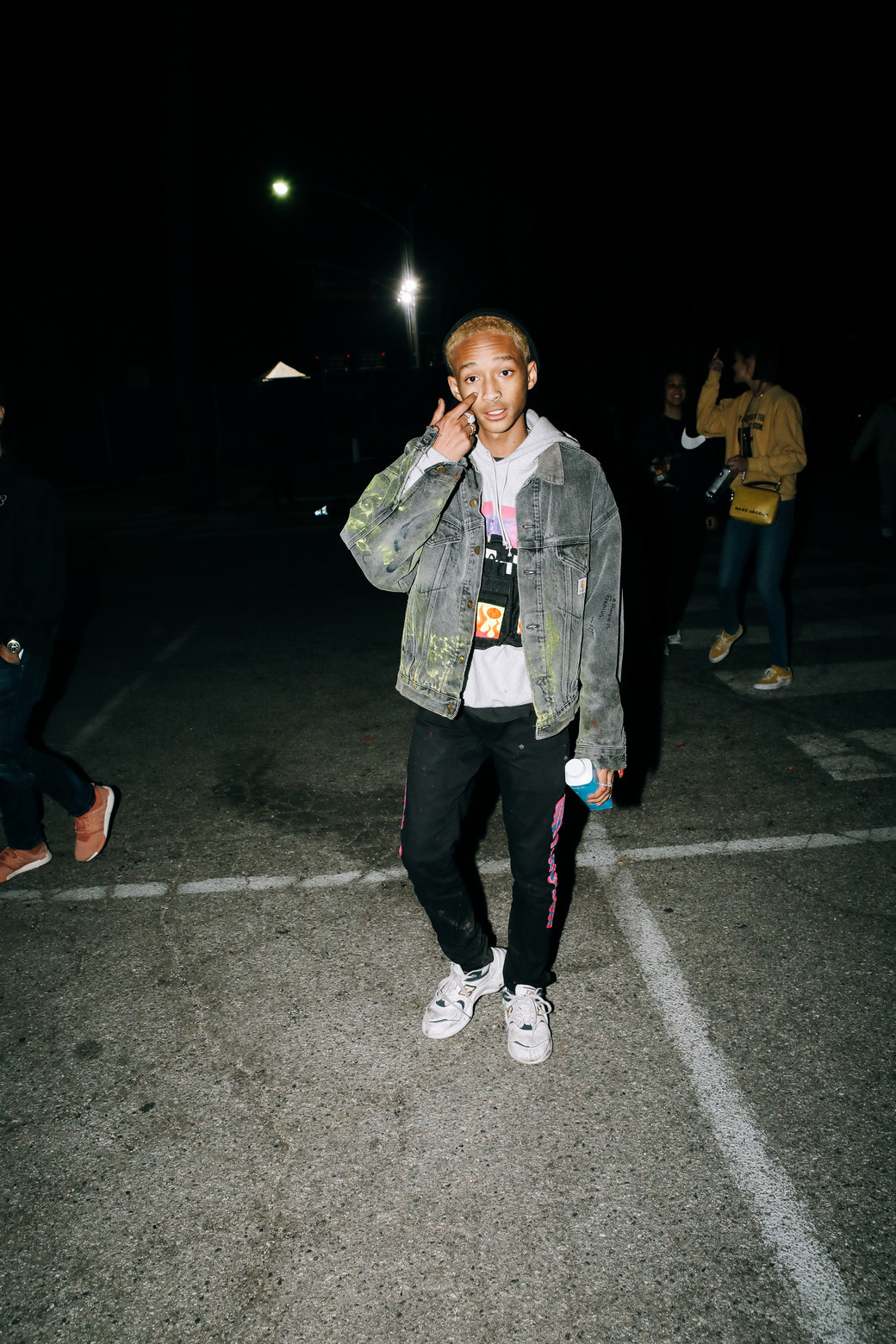
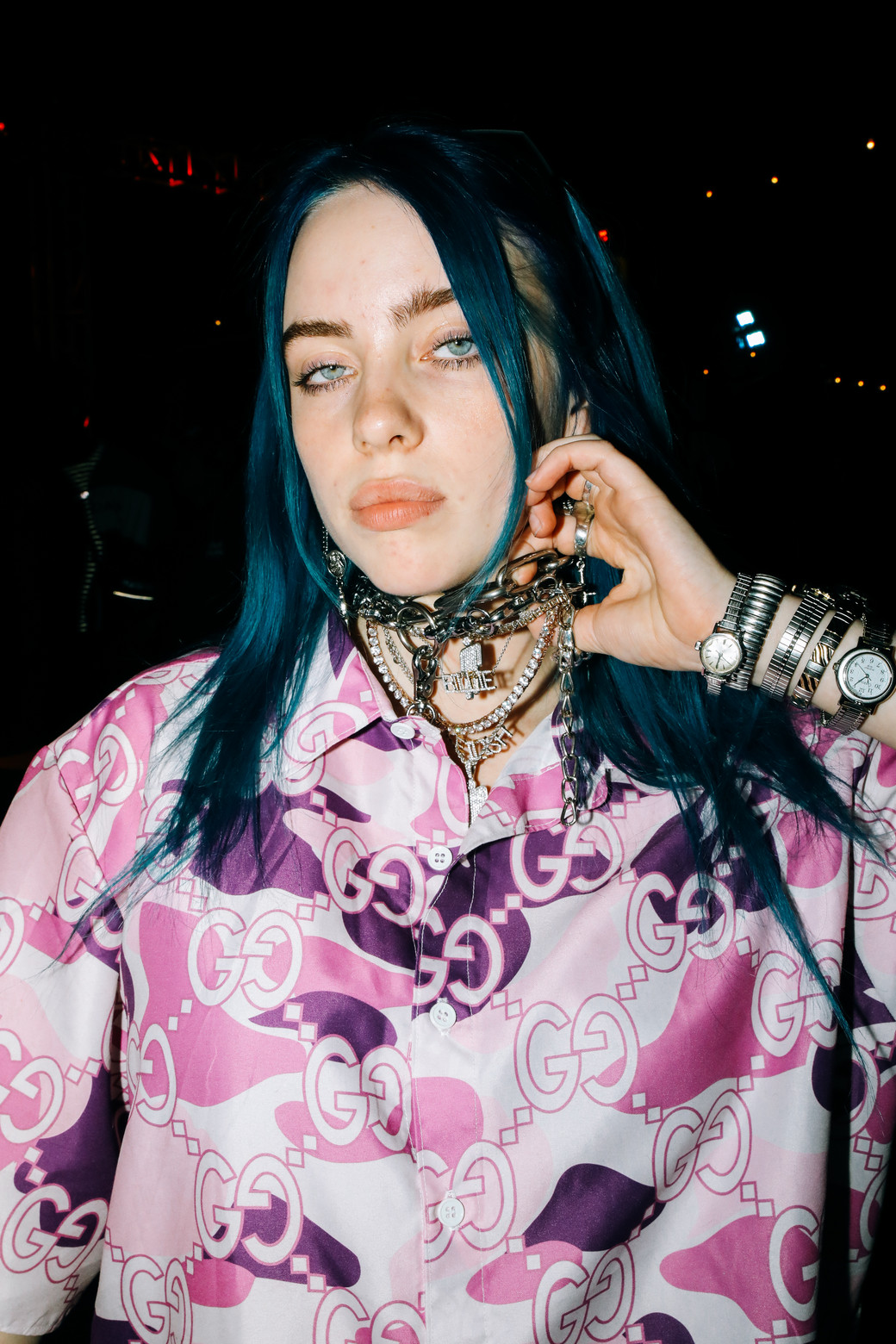
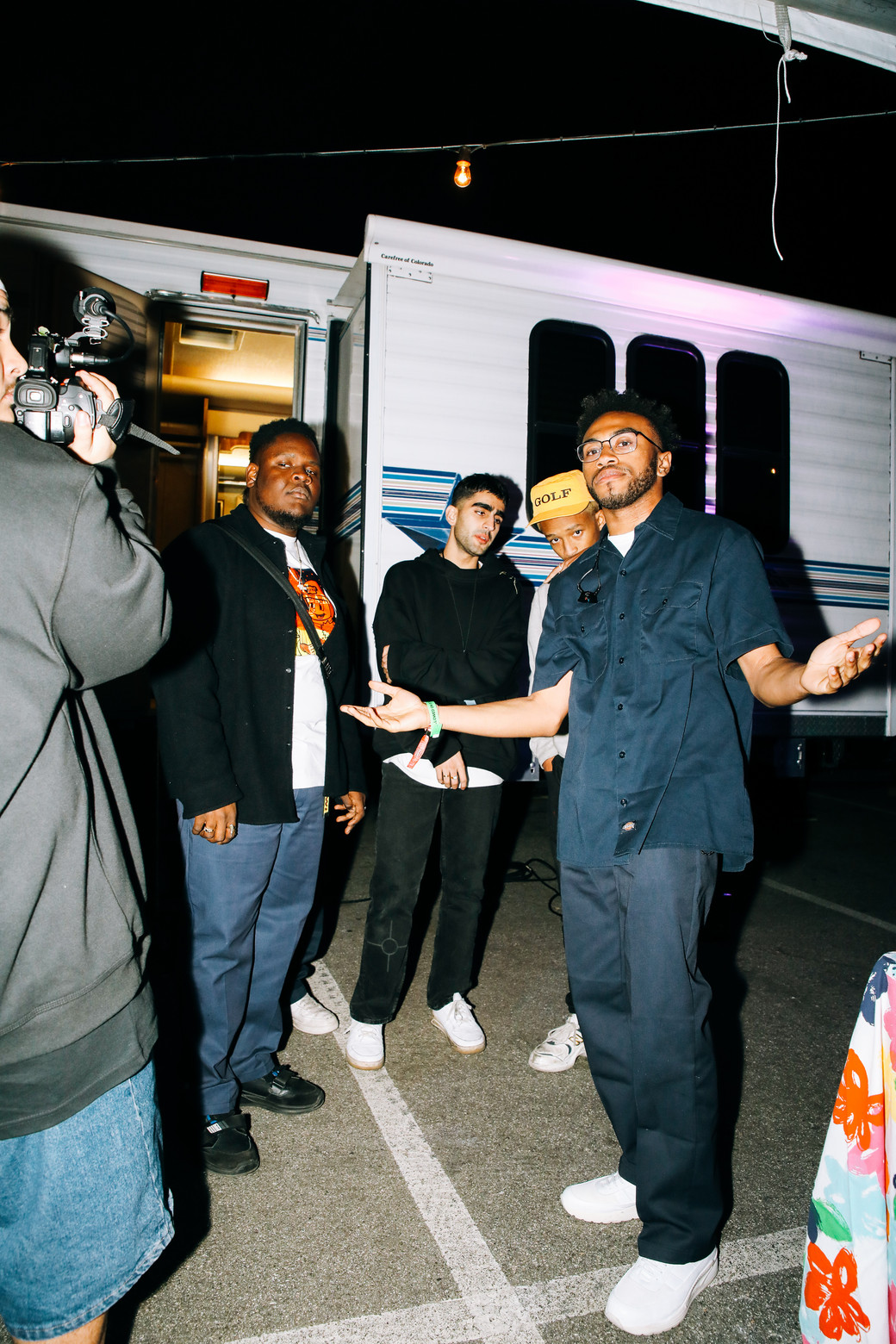
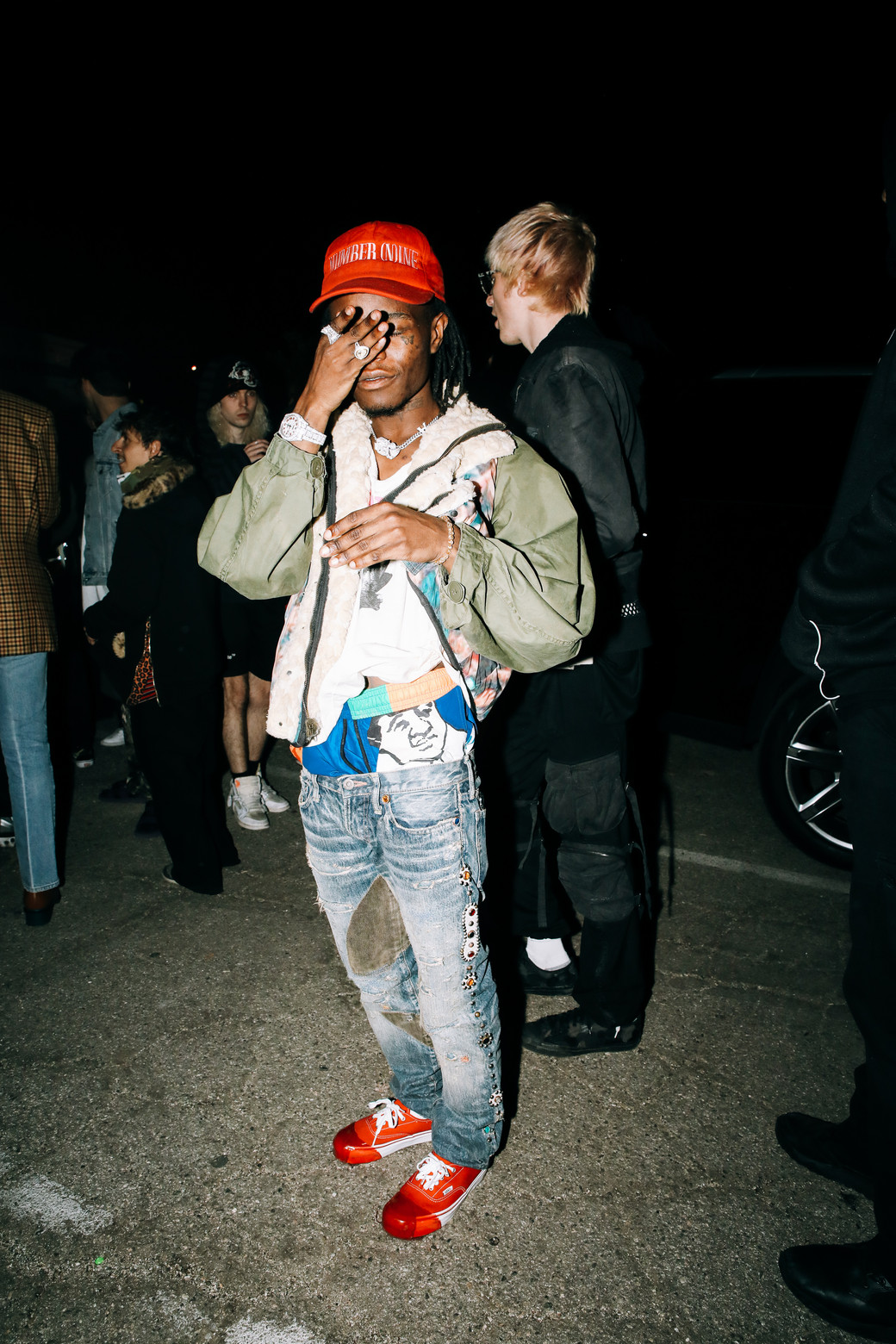
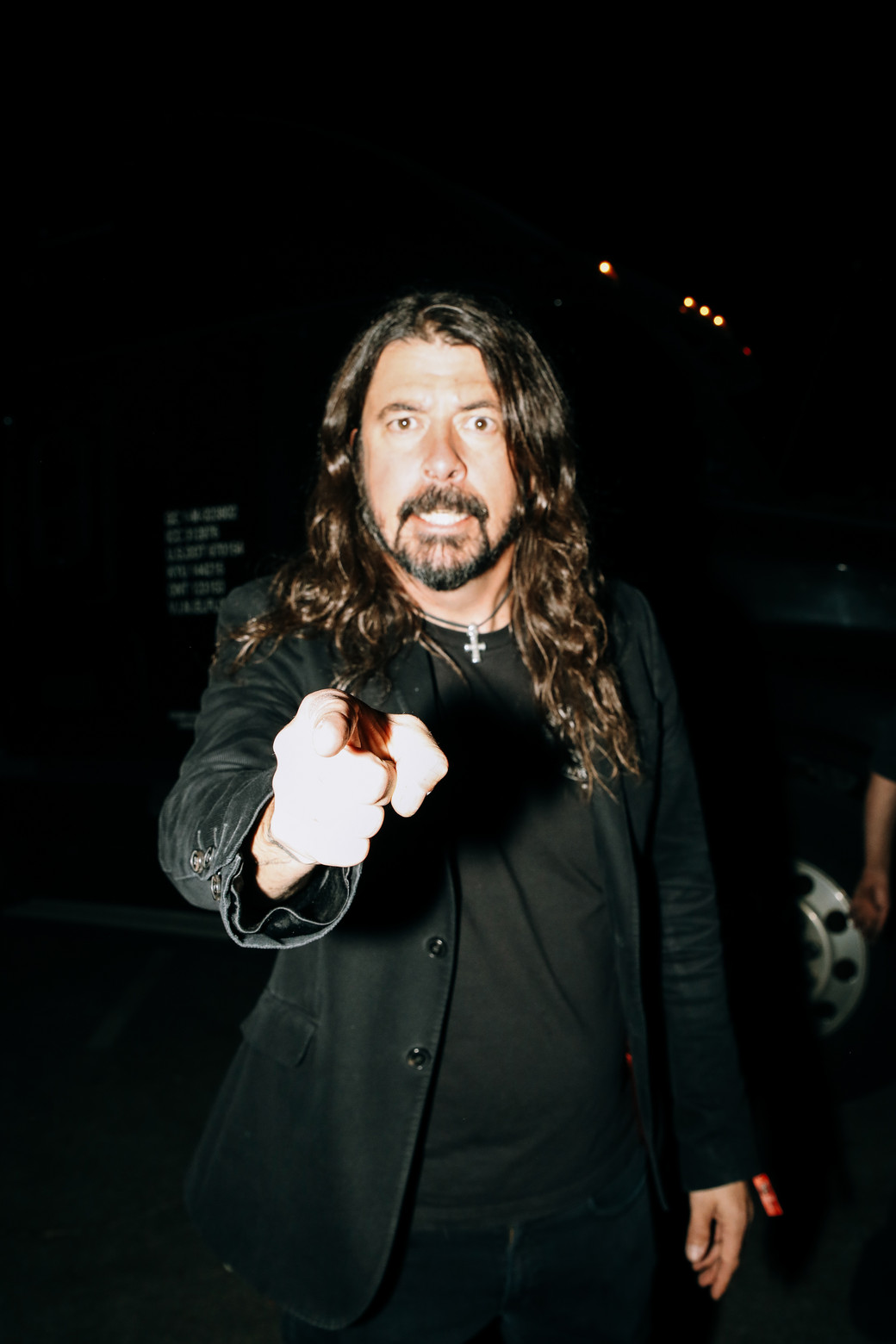
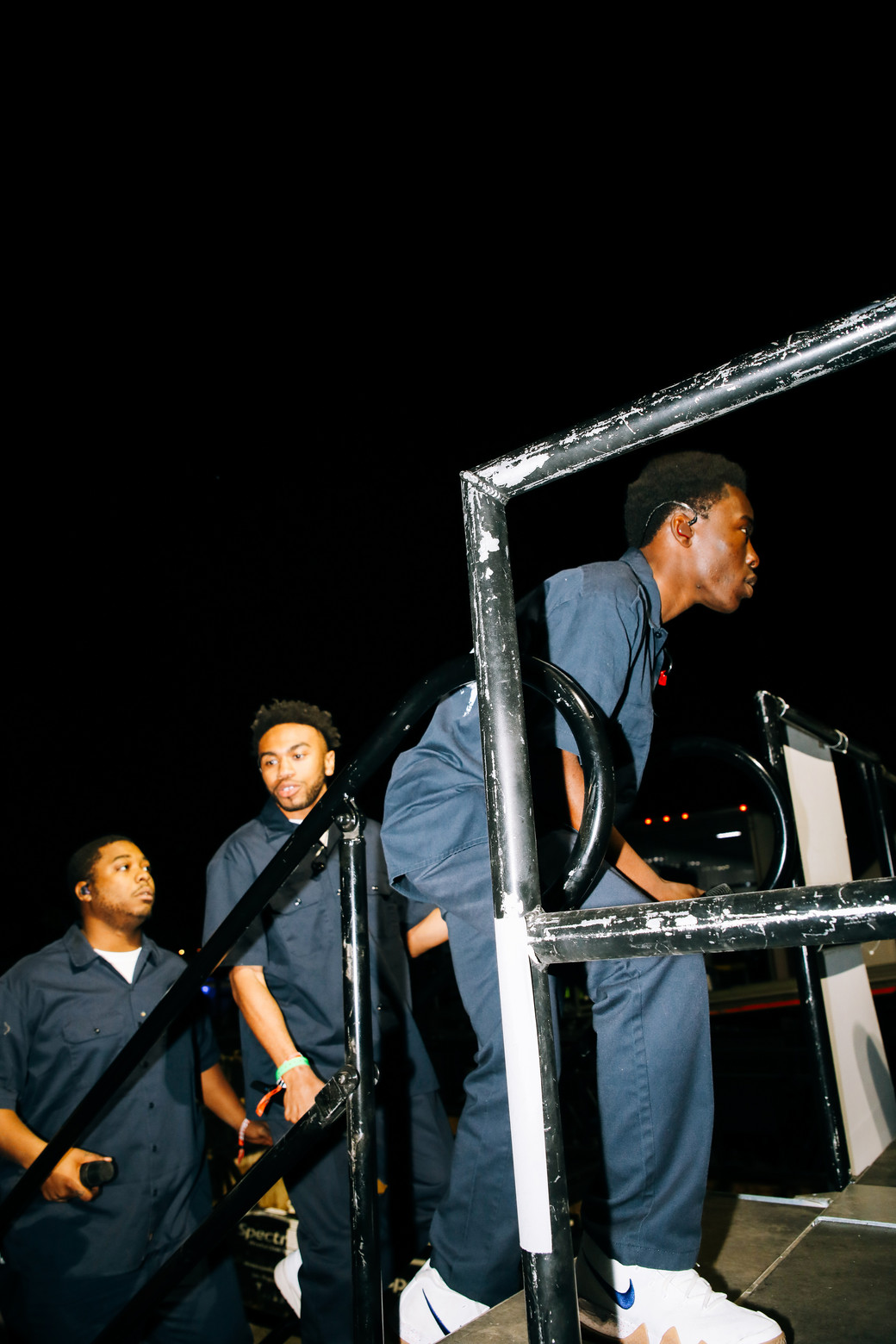
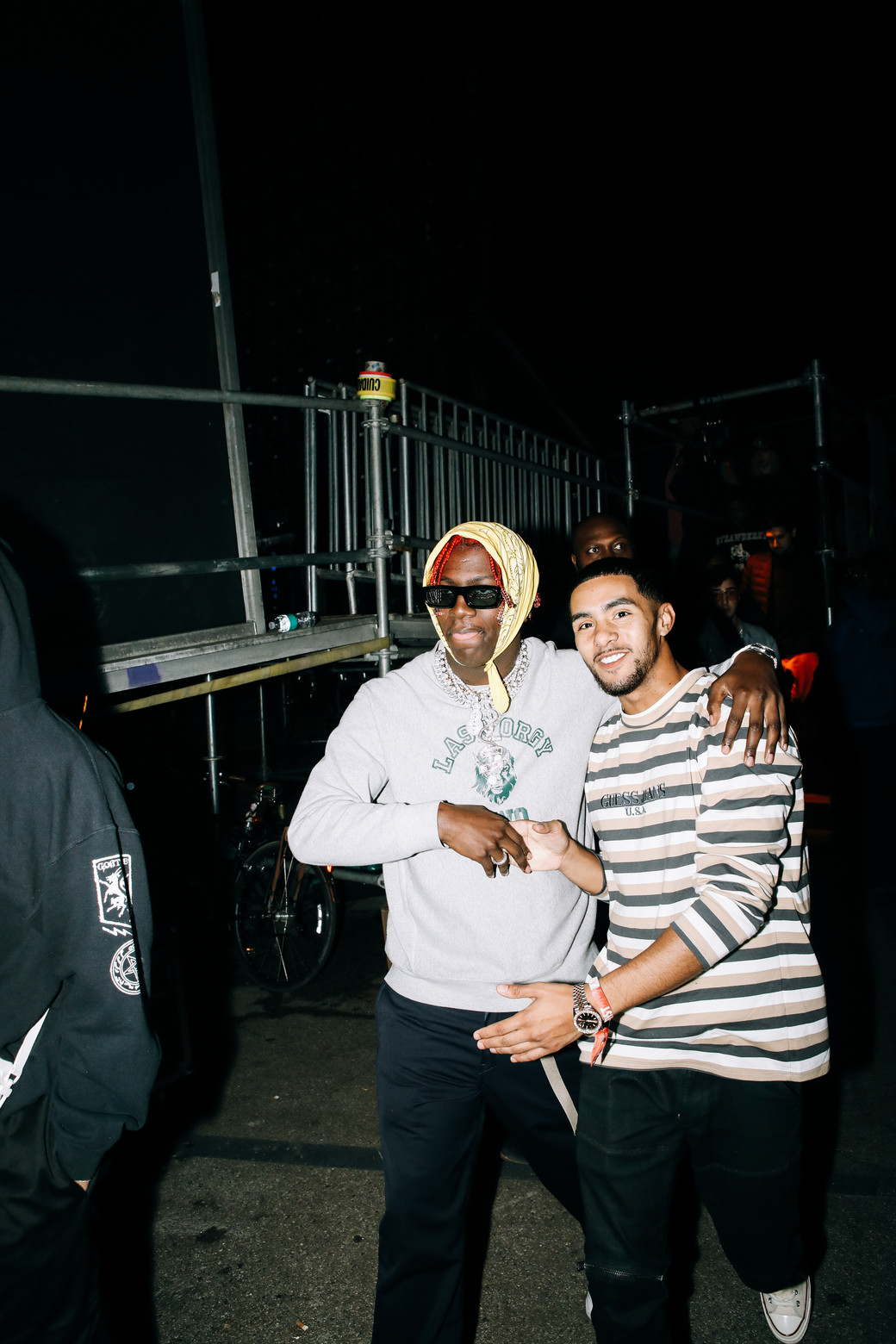
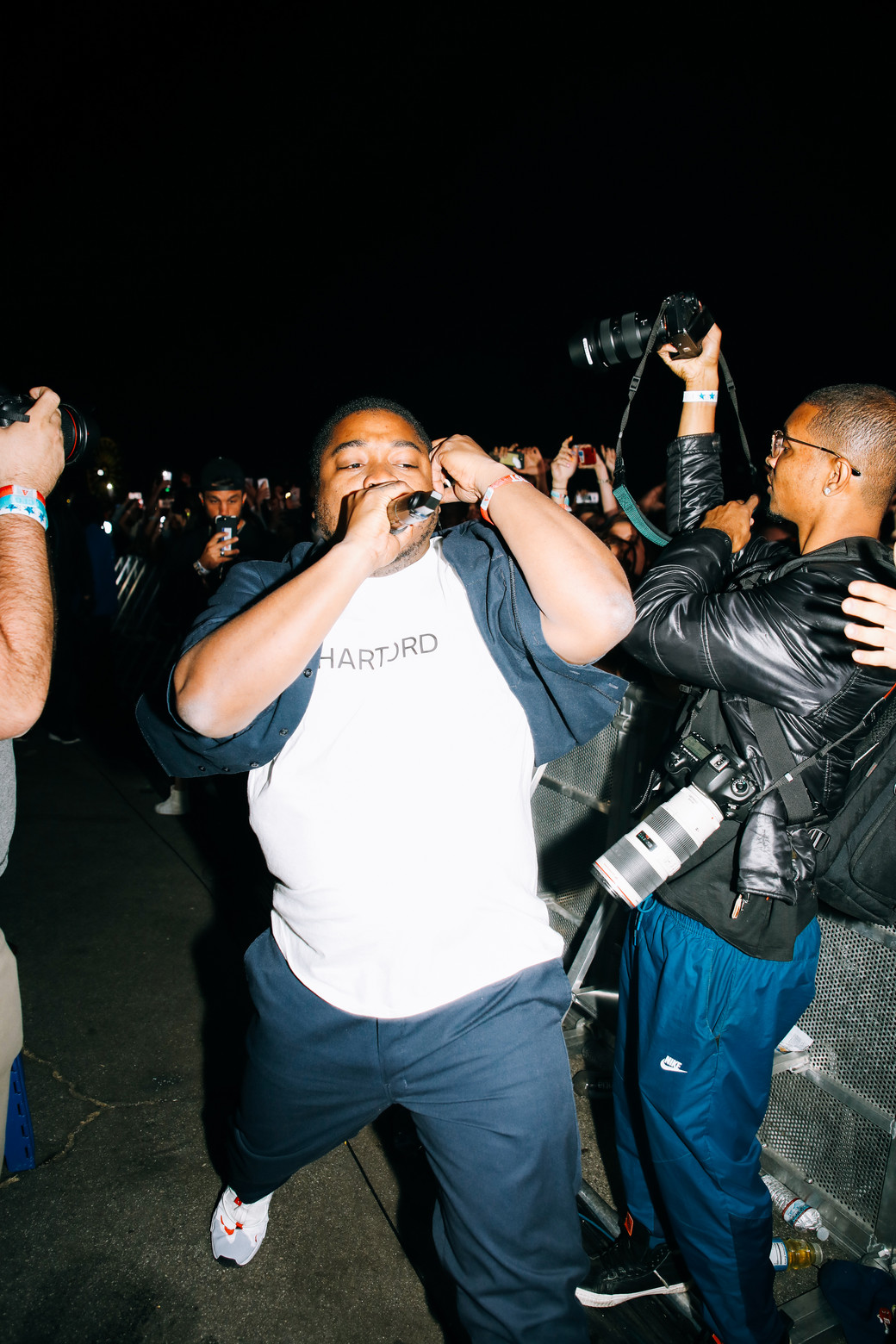
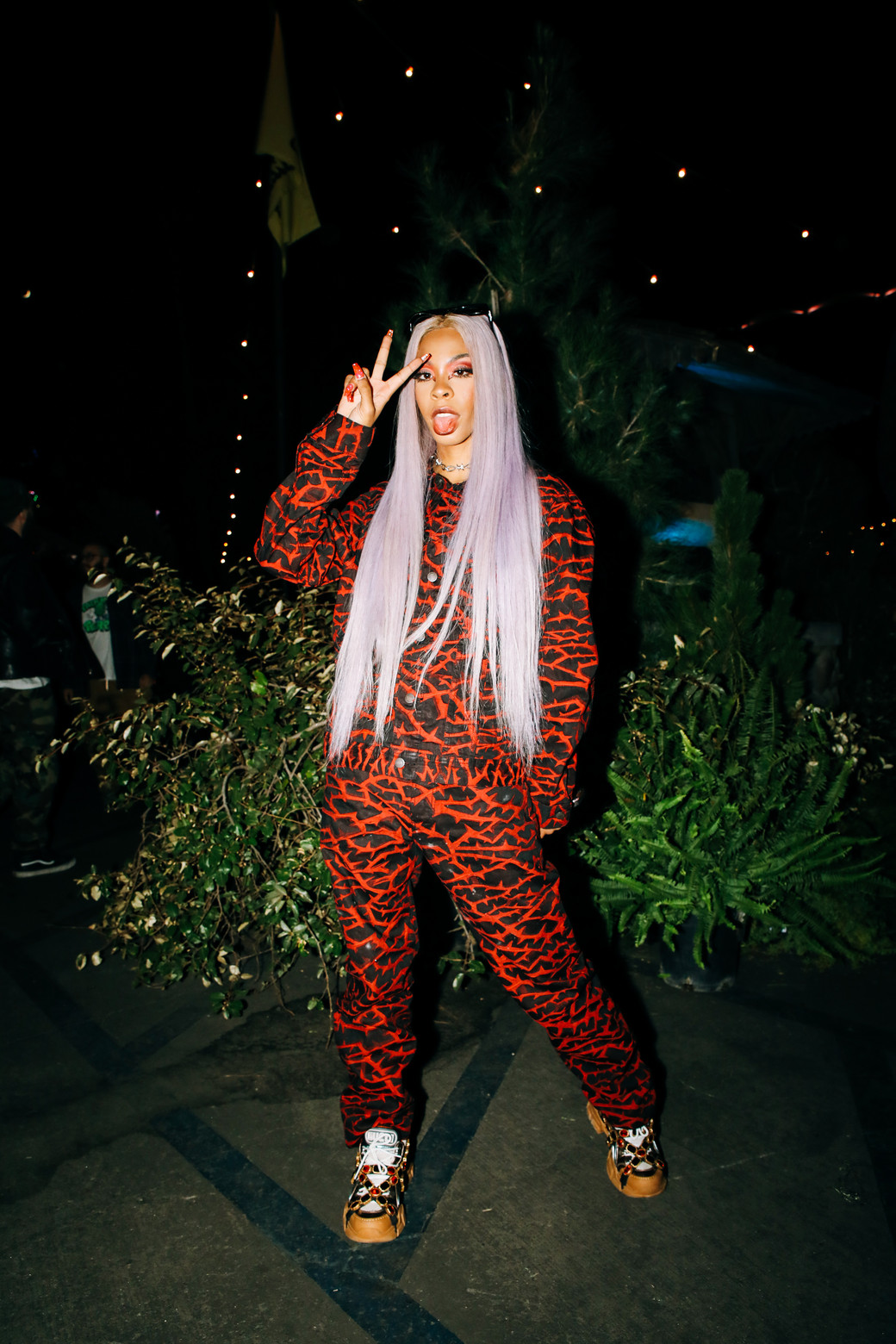
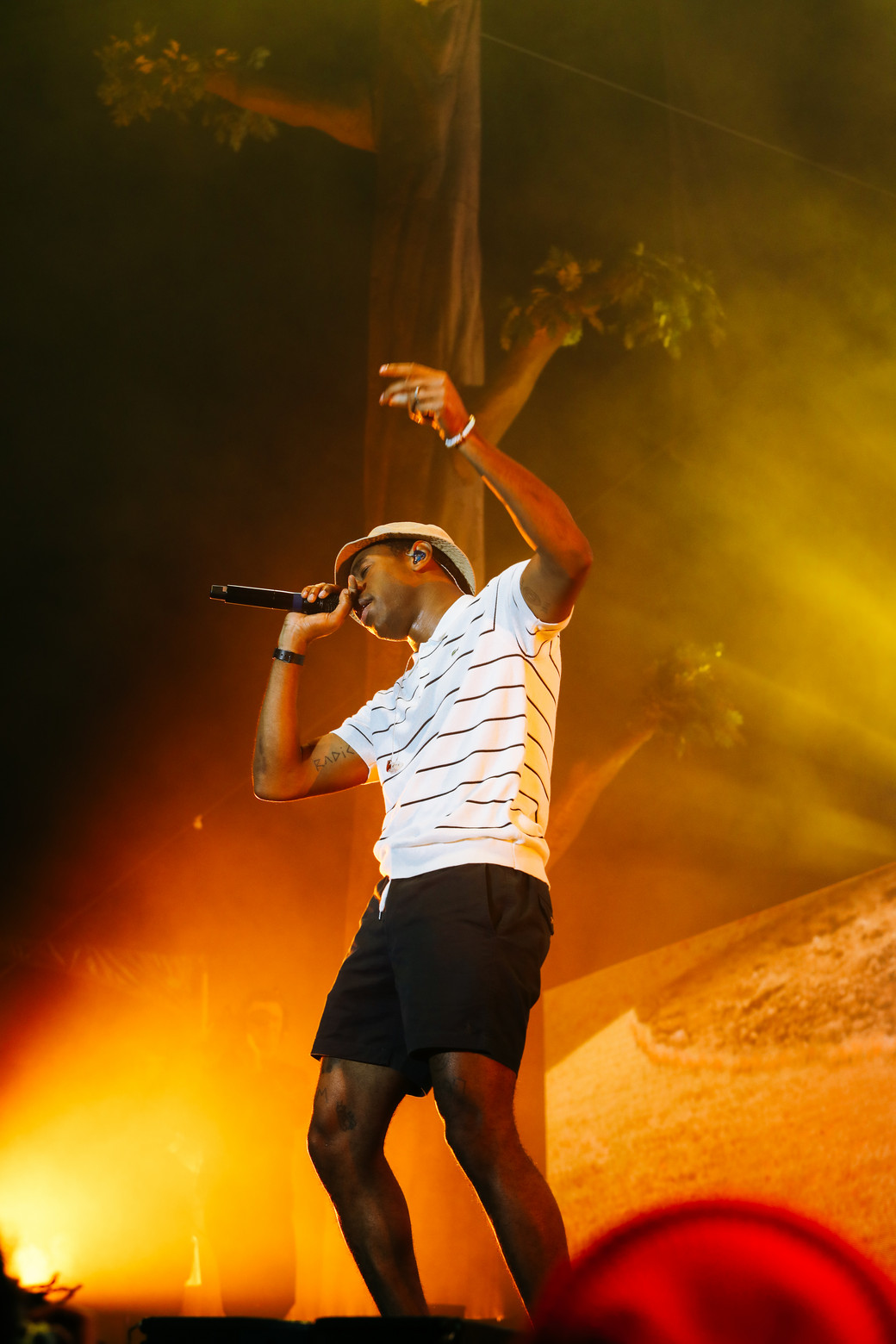
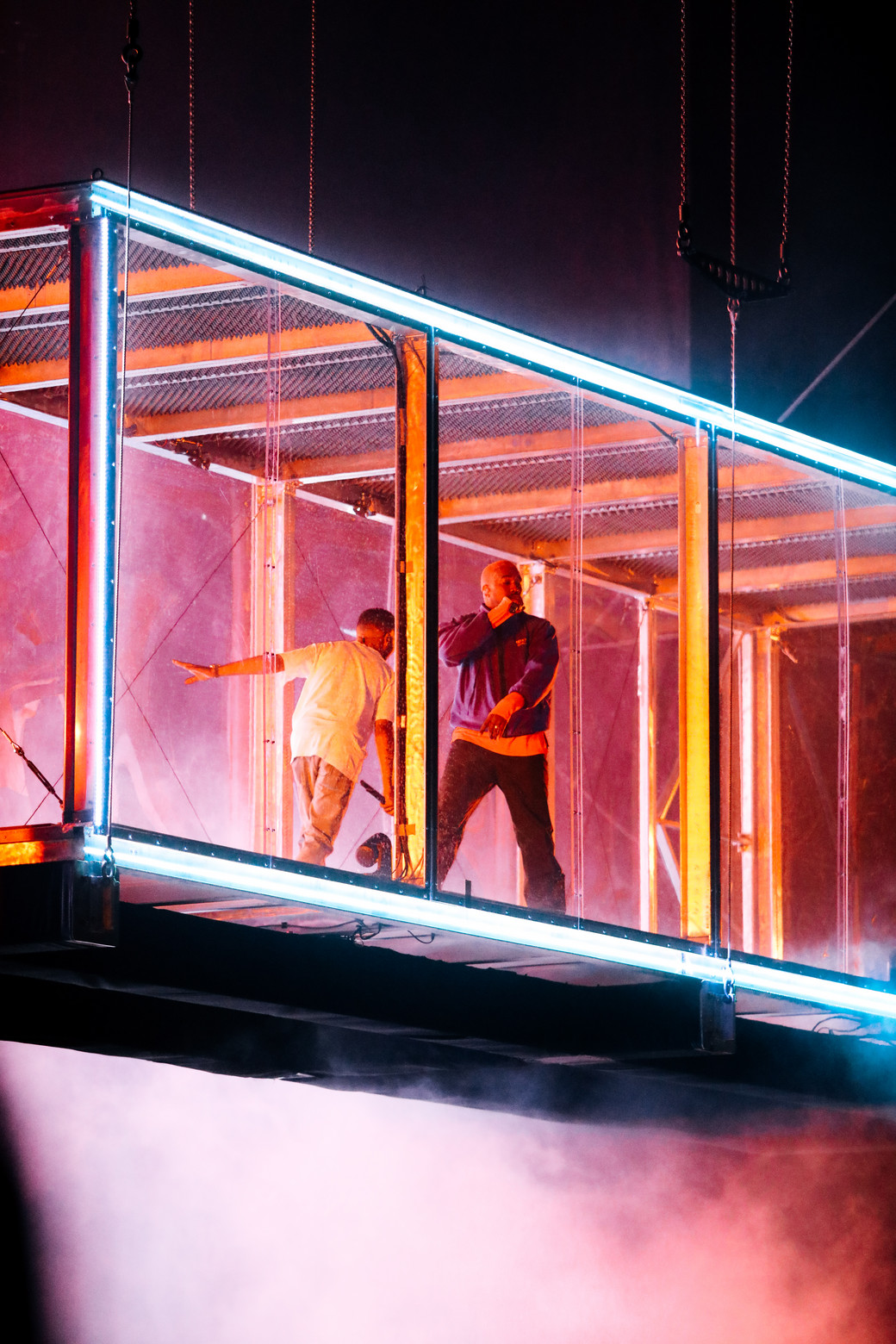
As other music festivals (we're looking at you, Coachella) seem only to get lamer with each passing year, serving more as a giant space for endless Instagram stories than any sort of new musical experience, Camp Flog Gnaw is the exact opposite. As a true music fan himself, Tyler knows exactly what it means to love a rapper and want to see them perform onstage. Camp Flog Gnaw gives you that possibility—and then some.
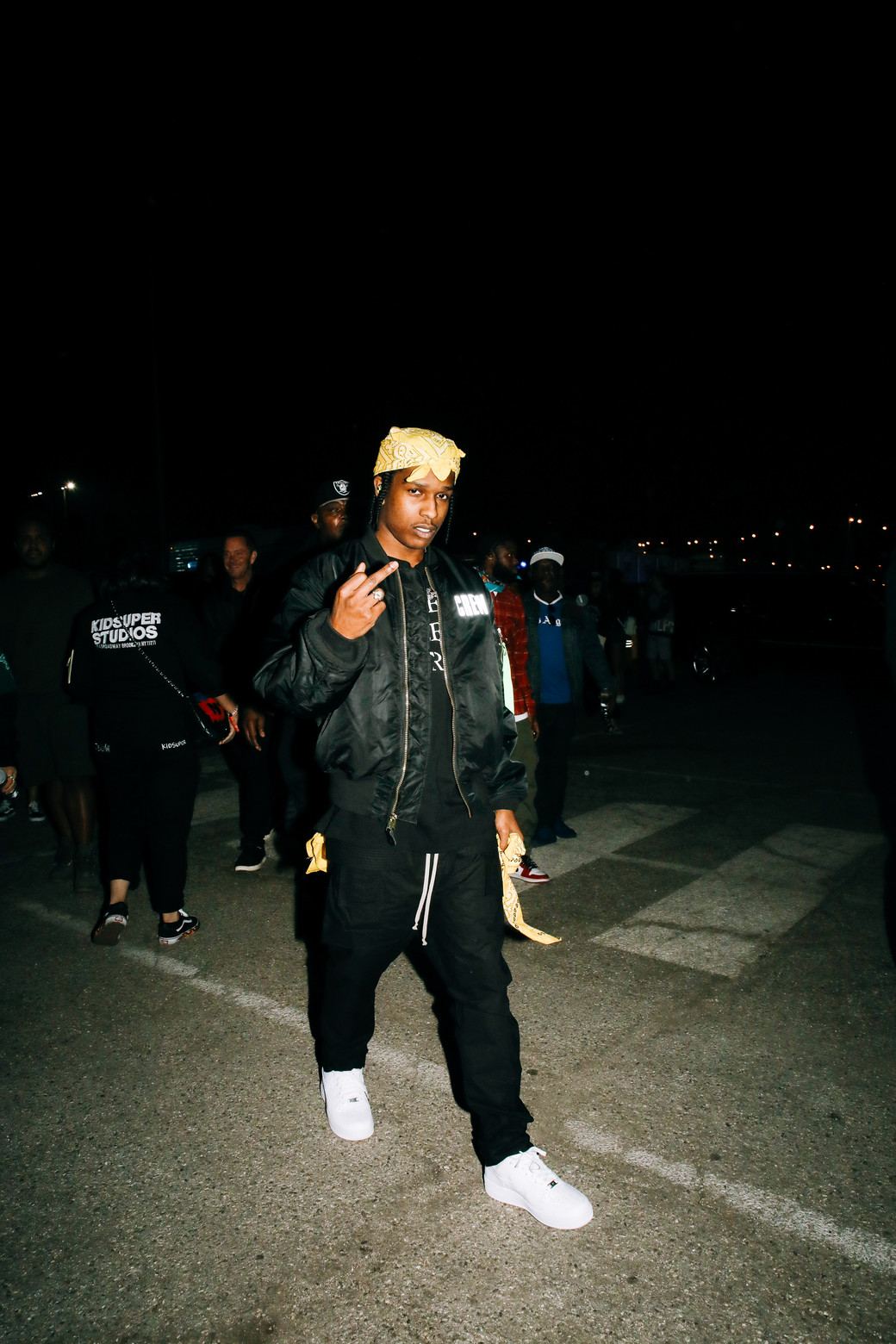
Luckily, we had photographer Sam Conant there to capture everything. See our photos, below.

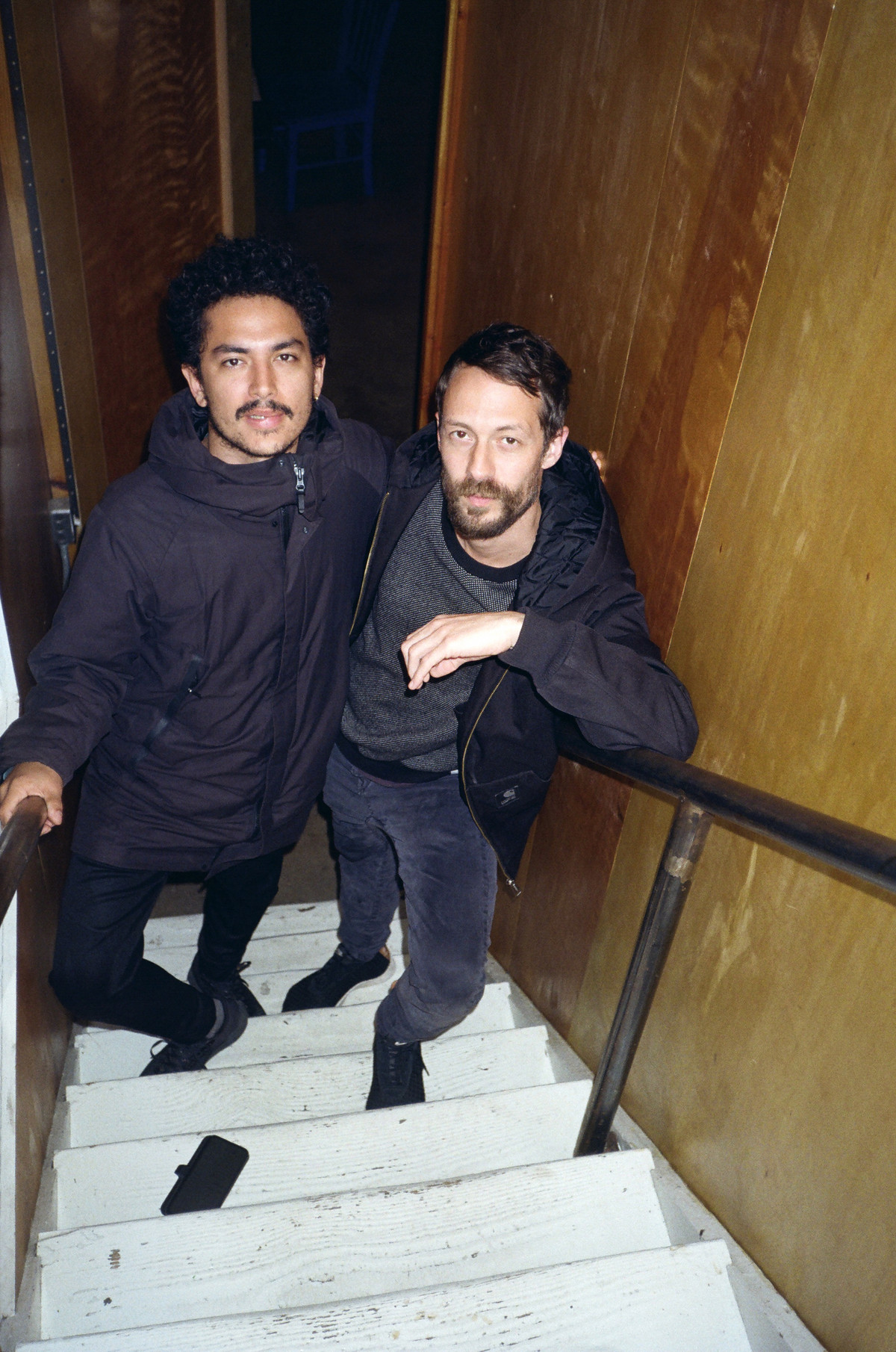
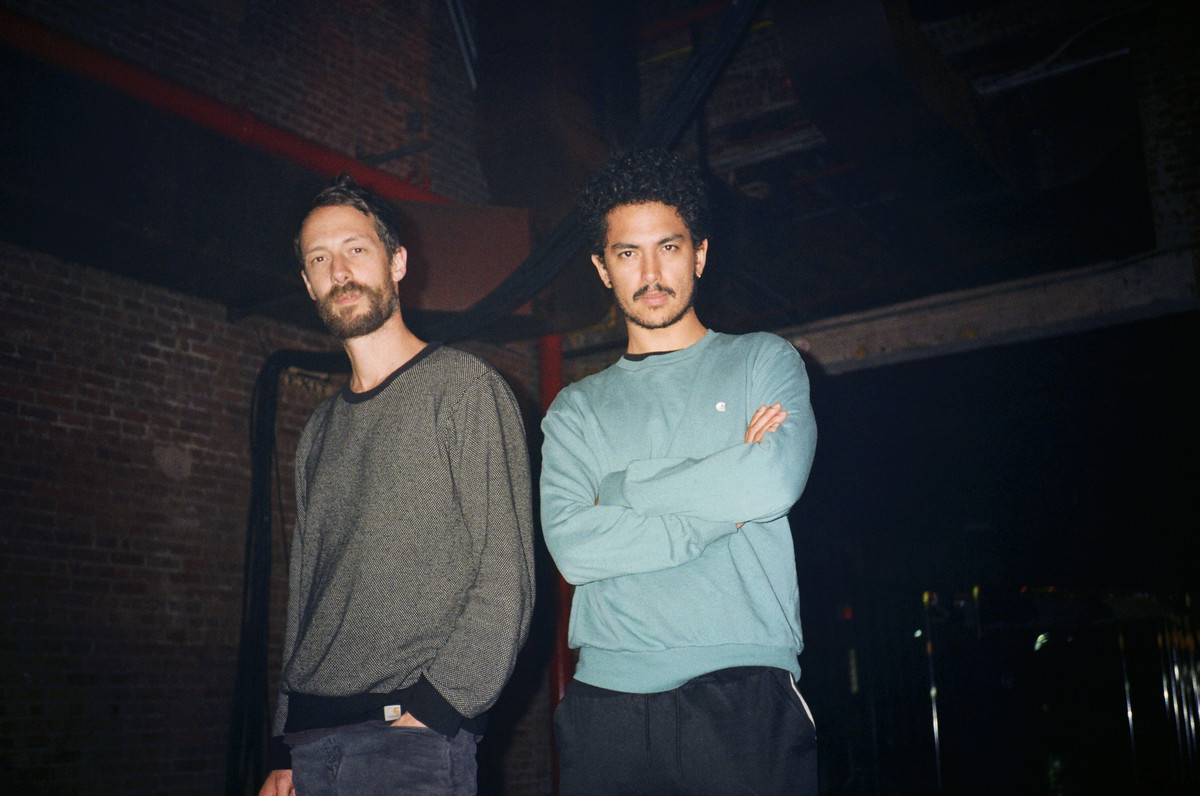
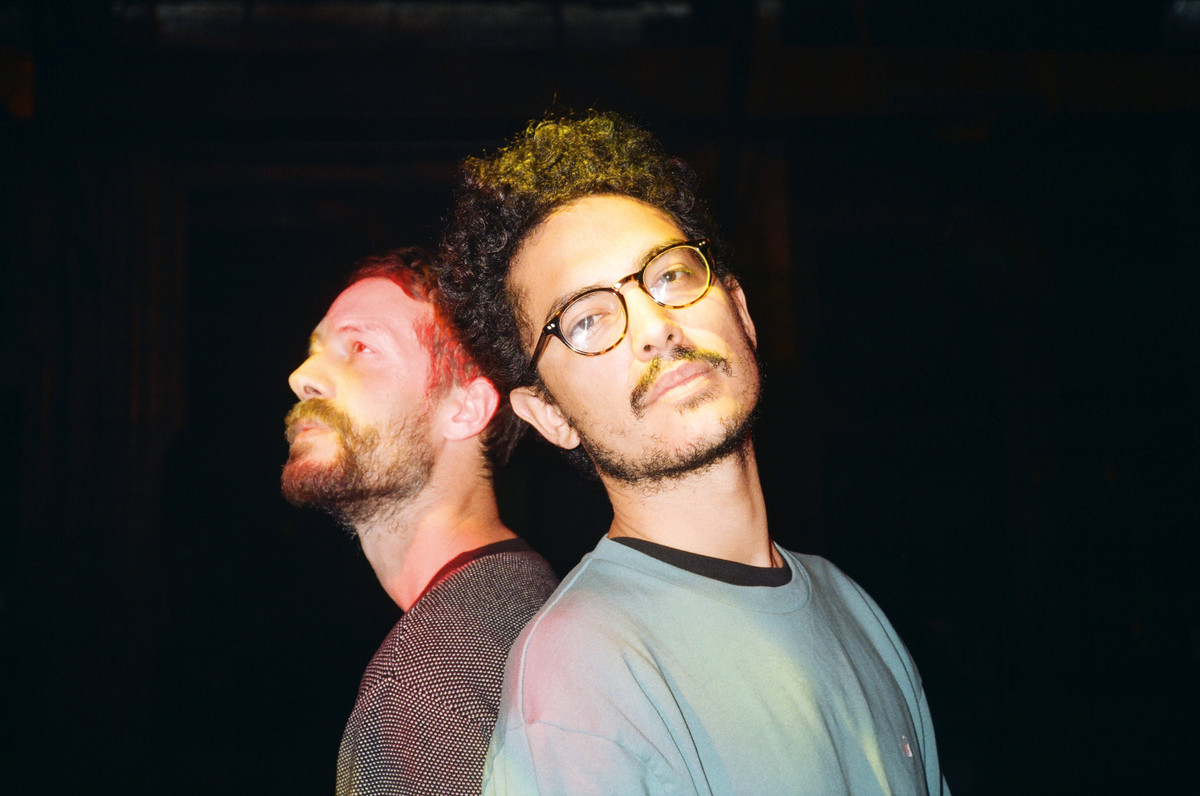
Currently on their first North American tour supporting their debut album Dancehall, office snuck backstage before the duo’s show at Knockdown Center in Queens to chat about their work.
You’ve been known for pairing your music with striking videos ever since your first single “Virile” in 2016. Did you always want to have strong visuals as part of what you do?
Yes, of course, since the beginning—it was always very natural. I was in cinema school and Guillaume made some music before that, so it was natural that our paths would cross at some point. Our first work was at the end of my studies—I had to make a music video for my own project and I asked Guillaume to create some music that I could cut anywhere or remix, because I wanted it to fit with the images I had in mind. That was our first collaboration. After that, I went to Guillaume's studio in Dijon, and we started doing more music together. The music started to inspire some images and stories, so naturally we said, ‘Okay let's do some music videos’ with the music that we love.
So, your music and visual collaboration was like that from the jump?
Yes, it was always video and music at the same time. We love that we have the capacity to work with both aspects of media—imagining the images and the music at the same time.
Do you usually think of a song first or the visual concept?
We can begin with a sound or begin with a video—there’s really no rules. We just go into our studio—in our bubble—and just try to let things come naturally.
Is one aspect of a project ever finished before the other?
No, never one before the other. When we make a video, we continue working on it, and on the music, until we know ‘Okay, now it’s finished’ because all of the images fit with the song. We never finish a song and say, ‘Oh now we’ll make a video.’ We’ll have the beginning of sound and say, ‘Let’s make images to go with that,’ and then we keep going.
Your music videos have been viewed millions of times and won a lot of awards. Why do you think so many different people can identify with your projects?
We put a lot of personal stuff into the stories we write—we want it to be universal each time. Take “Queens” for example; we don’t know if the two girls are sisters, or they’re cousins or they’re together as a couple. We don’t really want to tell the truth—it’s up to the audience to imagine their own story. That’s the first thing. The second is that we really try to be sincere with the emotions that we’re sharing, by adding a lot of personal stuff. In “Territory” when the main character beats on his chest—that’s something that my brother did when he was playing with his child, so we said, ‘Okay, there’s something interesting about filming a guy doing the gorilla,’ and it’s something that happened in real life. Also, the whole idea of the guy returning back to his family—it’s very sincere and people can feel that sincerity and depth of emotion. Emotion is universal. We talk about dancing, crying, smiling—all of these strong feelings passing through your heart or your mind. It’s how you reach other humans, because we’re all the same in the end.
The beginning of your first video, “Virile,” features a quote by Nat King Cole: “You call it madness, I call it Love." Why’d you choose that quote?
We included that quote because, for us, Nat King Cole is a huge musician and we wanted a quote from a musician. Once again we’re talking about love in that music video, but it’s love with a capital ‘L.’ We put the story to the music, but we didn’t want to specify if the two guys are together or if they’re friends. It’s up to people to imagine whatever they want.
It’s a perfect precursor to your output so far. That sentiment, at least to me, carries through everything you’ve done as The Blaze. Are there any musicians you’re particularly influenced by outside of Nat King Cole?
We’re influenced by a lot of musicians because we listen to all kinds of music—from classical to hip-hop, to electro, of course, and reggae. The important thing for us is to find emotion in the music. When the music gives off emotion we don’t care about the genre—we can hear it and it inspires us.
You guys shot the video for “Territory” on location in Algeria and “Heaven” in Cape Town. Are there any other locations you’re eager to work in?
We don’t specifically choose many of the locations we work in. First, we have a story that we imagine, then we find the location. We don’t like people to really know where they’re filmed because it’s hard to be universal if people are like, ‘Okay this is South Africa. This is a story about South Africa,’ because the story is really about the whole planet. So, “Heaven” was shot in South Africa, but it could just as well be in France. When we wanted to shoot the video it was winter in France and we needed to find a big tree, so we did a casting of trees all around the world before finding the perfect one in South Africa.
That final panning shot of four or five people relaxing in the branches of the tree is breathtaking.
It’s our vision of heaven—a big tree of life and all people of different colors having a chill time in nature. It’s our vision—we just needed a place with generic nature and a giant tree.
All of your videos have at least one example of people blazing—smoking weed. Is that a reference to your band name or just a common thread throughout your work?
It’s another personal detail. Of course, when we make music we love to drink a little bit, smoke a little bit. It’s also something young people do, so it seemed natural for us to put stuff like that in our videos. We don’t want to promote drugs necessarily, but it’s something people do. And smoking can help you travel—we want our characters and music to do the same. Our visuals also have a kind of documentary-style and we’re often telling stories about friends. So, yeah, they’re smoking—it’s a part of our characters, it’s a detail.
Are there any other common themes throughout the visuals?
It mostly depends on who’s watching. Some of our themes are youth, freedom, friendship and love. The main one that would group everything together is poetry—that’s a big part of who we are. Our music videos and our music are just our way of expressing ourselves and writing poetry. So, poetry—and human beings.
Can we expect more videos for the songs from Dancehall? I’m personally campaigning for a “Places” video. Or “She”—anything!
To be honest, right now, we don’t really think about the future. We need to live in the present moment because that’s how we stay creative—that’s how we’re good at what we do. We don’t want to project ourselves into the future. We just finished the album and some videos. Of course, we’ll do some more stuff, but we need time, you know? We need time to be sure of what we want to do and we’ll take that time. There will be more, we just don’t know what or when. Time is really a luxury that we’ve had since the beginning—that and a carte-blanche arrangement to do whatever we want. We want to keep that freedom—no matter what.
It’s good that you’re not forcing yourselves into creative output, like, ‘We have to do three videos right now!’
You have to fight for it. Not in our case, but some artists get told, “You have two weeks to get us a video!" and we’re really lucky to be well surrounded and have no pressure like that. We can just let the inspiration happen naturally. Our only ‘chop-chop’ is our inspiration directing us towards what to do. We’re talking about human nature and emotions which are very important, and we need time for that.
Have you guys made cameos in any of your videos?
No. We’re not the main characters. We don’t do a lot of interviews or photos because we don’t really feel like we’re important like that. We have things to say but our best way of expressing ourselves and what we feel is doing our music and art. We do the same onstage—when we perform we’re in silhouette because we want people to enjoy the music and not be like, taking pictures with their cell phones and stuff. That, and we’re talking about people in our music and videos, so we don’t want to talk about us. Our lives aren’t that interesting.
Clearly you guys have a strong eye for cinematic beauty and bringing about emotions through visual storytelling. Are there any directors, films or other music videos that have made a big impact on you?
In cinema it’s easier for us to answer that than with music. With cinema it’s more about socially-aware directors that work with an eye for humanity. Directors like [Alejandro G.] Iñárritu and Andrea Arnold. Have you seen American Honey? Such a cool movie. And for music videos, there’s Spike Jonze—he makes very poetic videos and does something different each time, which I think is really hard for an artist—to renew yourself. There’s also Daniel Wolfe, Alfonso Cuarón—Gravity, Children of Men, and Y Tu Mamá También. Another is Tree of Life by Terrence Malick. We really like that guy—our buddy, Terrence. With Tree of Life he really did something new because he came not with a story or structure—he just filmed really beautiful stuff and included very loud classical music. For us, that’s poetry.
This is your first tour in the U.S. Has there been anything that surprised you about America since you’ve been here?
Apart from the President, the people have been very welcoming. We’re coming from afar—we’re from Europe—and sometimes we’re surprised that people so far from our home know us and want to see us perform. They come and they enjoy the moment with us. They sing out loud, they clap, they groove. Sometimes, we get a little stressed on stage and when we turn around and see everyone going wild—we instantly know it’s going to be okay.
'Dancehall' is out now.