The Modern Muse


Stay informed on our latest news!


If you were a raver like I was, then Peter Gatien was Dad. Getting an email from his daughter made me wonder what having Gatien as an actual father must be like, but it also reminded me that this legend was also a human.
When the general population hears the name Peter Gatien, they think of his face being plastered all over every New York newspaper during his 1998 drug conspiracy and racketeering trial. The trial ended on February 11th with an acquittal, though it was just the beginning of Mr. Gatien's legal troubles. Maybe people think of his character portrayed by Dylan McDermott in the film Party Monster. A movie about the club kid murderer and also employee of Gatien’s, Michael Alig.
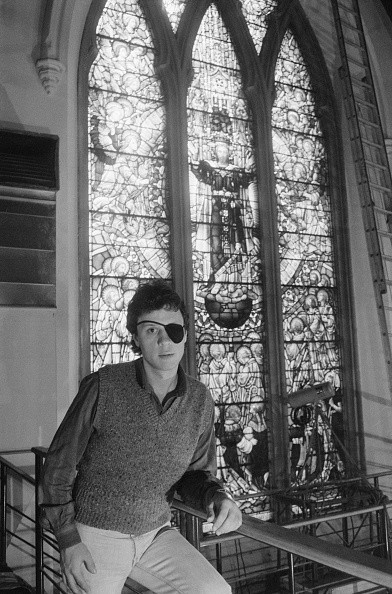
Many think of him as the dark overlord complete with an eyepatch who owned nightclubs full of young people taking drugs. But that’s folklore. Okay, there might be a tiny bit of truth to it. But for others he provided a place free of judgment to gather, commune and dance their asses off. Before the term LGBT existed Gatien offered the gay community a place of solace and safety. Free to be themselves and to celebrate their sexuality. He helped numerous artists (pretty much every rapper in the 90’s) have a platform get their start at Tunnel Sundays, an iconic hip hop party at Gatien's club Tunnel that Funkmaster Flex hosted. Gatien provided people with jobs and opportunities, and above all, he helped created an entire culture. A culture that means a lot to many people.
When I told my mother I was interviewing Mr. Gatien about his book Club King as well as a film project both in partnership with Amazon, she asked, “Isn’t he a drug dealer”? I quickly schooled her. It’s easy to think of Gatien as a villain. But nuance, an open mind and common sense is needed to understand the full story of the Club King.
Mr. Gatien was already sitting in the lobby of the Bowery Hotel when I arrived 15 minutes early. Wearing sunglasses (no eye patch), jeans and a pair of New Balances. There is no way just by looking at this man you would be able to tell…


Why write a book now?
Over the years I thought about it. I've been pitched by different publishers. The time just seemed right, and to be honest, a lot of this sort of just organically happened at the same time. Jennifer was actually at Amazon pitching another project and they said, “You know, we're not interested in this but what else have you got going?” And she said, “Well, I’ve been working on my father's story with a director attached,” and she just happened to have it with her.
So, she left it with them, and they called her ten minutes later like, “Don't go anywhere, we really want to do this story.” And at the same time, Jennifer has a friend that’s an agent and they were at a social gathering and they said, “I would love to represent Peter in a book deal.” It all gelled at the same time. I was really angry when I got deported. It would have not been the time to write a book—I was angry.
Rightly so.
That was a body blow, of all the things they threw at me, the deportation. I've been here for 30 years. My kids were all US citizens. Maybe I'm a nicer person or more compassionate person, for sure, with all the stuff that's happening at the border here with young kids being caged. I’m much more empathic. My plight, though it was not an easy one for me—at least I wasn’t going to a third world country.
In the book, so much of your childhood while growing up in Canada, you talk about being enthralled with the American dream. And you lived the American dream until a certain point. Do you still believe in the American dream?
I think it's gotten much more difficult for the younger generation. Social media has transformed the whole world. Everything is owned by corporations. It'll never be what it was.
I did clubs in the ‘70s, ‘80s, and ‘90s. The ‘90s was the last era before social media. If you wanted to know what people were wearing, you had to go out and see what they were wearing. If you wanted to know what was happening in music at the ground level, you had to go out. If you wanted to meet like-minded people, whether it was drag queens or hip hop, you had to go out.
Back then there wasn’t Twitter. You had to go out yourself and find out what was happening. People had to go out in the streets to communicate. It was much better back then for budding artists. New York clubs were incubators for all the art, fashion, and music that was going to happen in the years to come. There are no more legacies anymore in nightclubs. It’s not like you can say at Marquee, even though they’ve had a long run, I had the night of my life there.
Sometimes I think about my daughter and I'm heartbroken for her that she won't get to experience what I did, but I'm also kind of happy.
No, you don’t have to be unhappy or happy, but I think kids are really losing the ability to communicate anymore. It's just that everything is done via text, which really has no tone to it. They go out and they are on their phones all night, talking to someone else. It has nothing to do with the experience that they are experiencing.
It’s like no one is really present anymore. There are no more surprises. Speaking of which, I bet there is a lot of stuff you left out of the book.
Here’s one thing I told Amazon right off the bat: This is not going to be a tell-all book. I’m not trashing anybody, aside from Giuliani and the government. Listen, I’ll just use the name, like Liza Minnelli. Yeah, I wouldn't say that Liza came in stoned out of her mind. First off, she was out to have a good time. Secondly, I'm not going to have the world judge this one person on one night. I just wouldn’t do it. I’ve been in that boat myself.
I feel like this is a story about entrepreneurship, and a historical story, too.
Not to sound pompous, but to have a run of 20 years in one nightclub is unheard of. To have four large clubs at one time was unheard of. Having no partners was unheard of. The city, until Giuliani came around, had a population that was just perfect for excitement and party and happiness and creativity. It was all here: all the energy.
And it was very affordable back then. In the ‘80s and ‘90s I'd say 80 percent of my staff lived in Manhattan. They lived on Avenue A, B, or C. Or even in the Upper East Side, First Avenue was affordable. The Village had pockets that were affordable. Tribeca, when I first got here—nobody lived there. It was affordable. Now it’s just not.
The Ayahuasca experience seemed so positive for you.
Have you ever done it?
No.
Well, okay. I don't recommend things to people very often. Jennifer has a relationship with a group that does it upstate. I don’t know you very well or at all, but all I can tell you is it is an experience. I would highly recommend it to anybody. It’s like watching a movie of your life and you can zero in on it. It's just incredible.
There are other people there, right? And Jennifer was there with you? You guys seem like best friends, it's amazing.
We have a great relationship. We went for the weekend. We scheduled two nights. The first night she didn’t do it, she wanted to be there to support. The second night, I told her, “Go for it and do it, I’m great.”
You didn’t want to do it again?
No, I did do it again. But I told her, “Have your own voyage tonight.” It’s a great experience. You should talk to her about hooking you up.
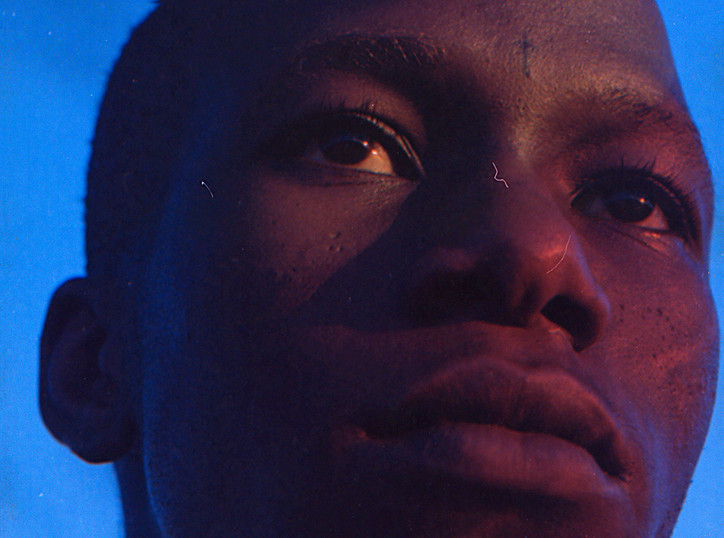
Left—Peter Gatien at The Limelight in 1983, via Getty Images
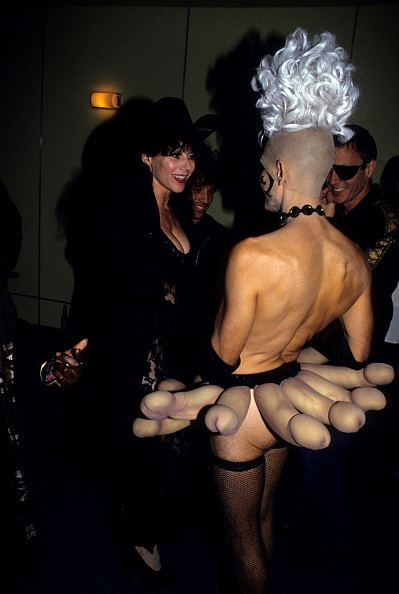
Right—Susanne Bartsch and Gatien at Tunnel Club in 1993, via Getty Images
You talk about hiding behind the eye patch in the book.
Not so much hiding. I never liked talking about the actual accident and how it happened and emotionally what it did to me. A PR guy basically put that it was from a hockey accident somewhere. What was I going to do? Deny it was a hockey accident and tell you what it really was? Everything I’ve gone through, I was concerned the book would sound like a “Woe is me” type thing.
I didn’t get that feeling at all.
I was very sensitive to that. But even now with this movie—
Can you talk about the movie?
Nick Pileggi of Casino and Goodfellas wrote the screenplay. Becky Johnston, who wrote Prince of Tides and a whole bunch of stuff, is putting the polish on it. I won't name the talent, but when I say A talent, I mean like real talent. They’ve reached out, because Hollywood is a small industry and like everybody else they've heard about the Peter Gatien story.
The character should look somewhere around 42 to 44, because the movie is basically 90 to 98. And it all ends when I get deported. Right now, it’s sort of a Paper Moon story where it’s father-daughter, and what it was like for her growing up… at one point she was almost like an Eloise, because we lived in The Mayflower Hotel, it's not going to be like a Casino where it's sort of all about, you know, cops and criminals.
This is more of a personal like spin on it. I've always been curious about what it was like for Jen growing up with Peter Gatien as her father.
That comes with good news and bad news.
Do you talk to Michael Alig?
No.
Does he reach out to you?
He once sent a letter like 10 years ago apologizing for everything he’s done. What I feel bad about obviously is the Angel person and his family. Also, his actions tainted that whole club-kid movement, which was for the most part just LGBT kids that wanted to dress-up, wanted to feel safe somewhere. And now that whole time and movement will be tainted because of Michael Alig. Do I want to reminisce with him or talk to him? Absolutely not. There’s something deviant about him.
I think there’s no coming back from chopping someone up. Anything else that you want to mention that you feel like we didn't cover?
Well, one thing I know—and it’s in there in the book. Listen, we're here to create culture. This is what we're here for and you have to make it sustainable. But in the end, that's what we're here for. You know, people are not going to remember us for the decor. So just create music, create art, create fashion, create whatever. Take advantage of being in New York and all of the brainiacs and all the creative people you have here. Let's make it work.
The Club King: My Rise, Reign, and Fall in New York Nightlife is available in stores April 1 and for purchase on Amazon now.

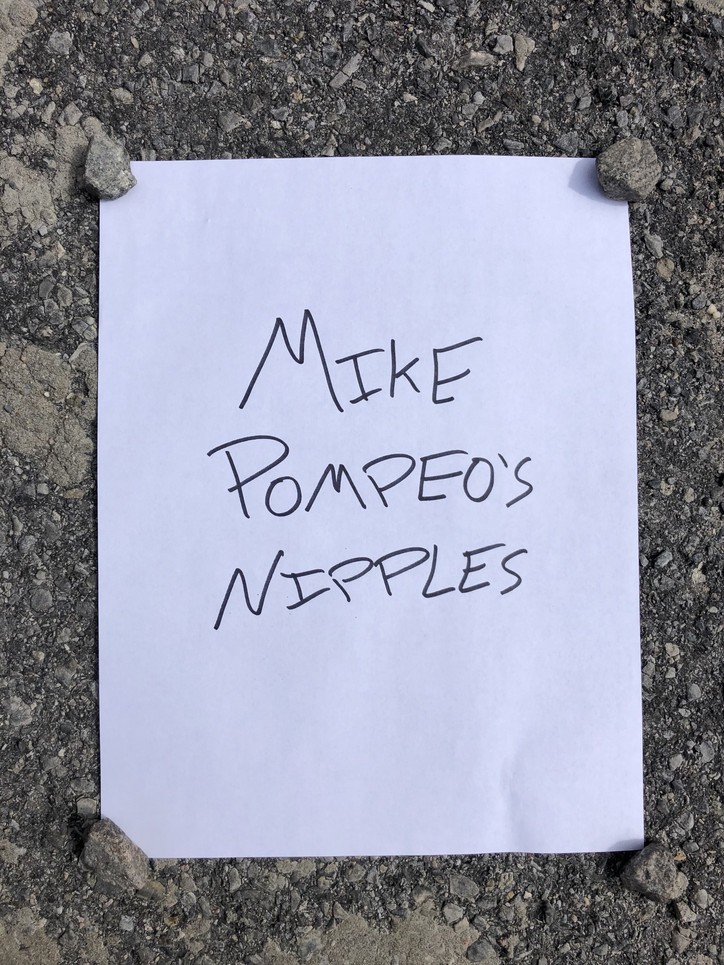
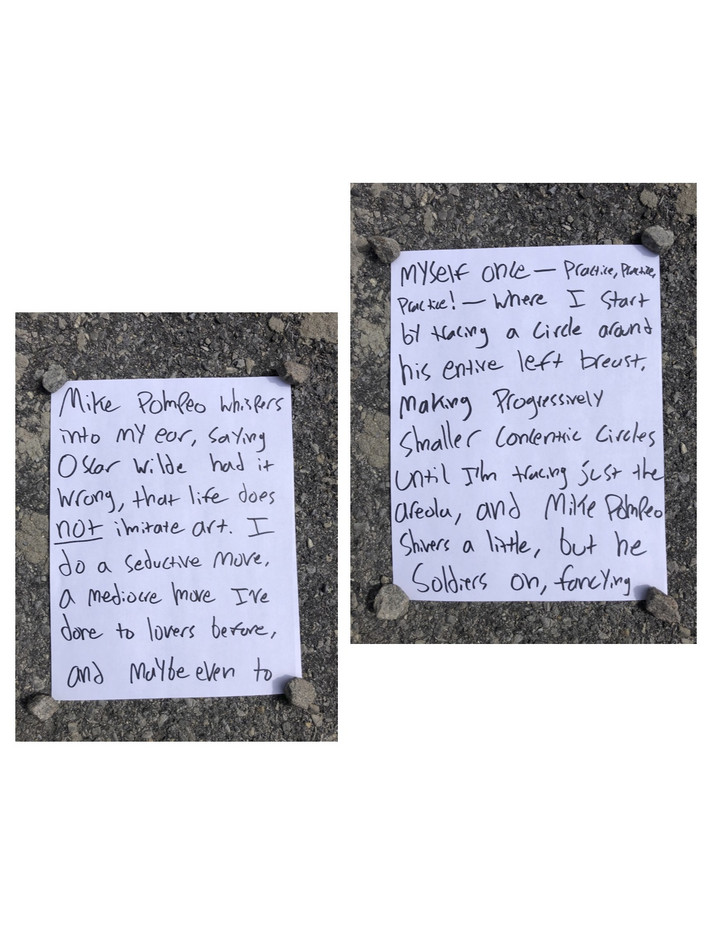
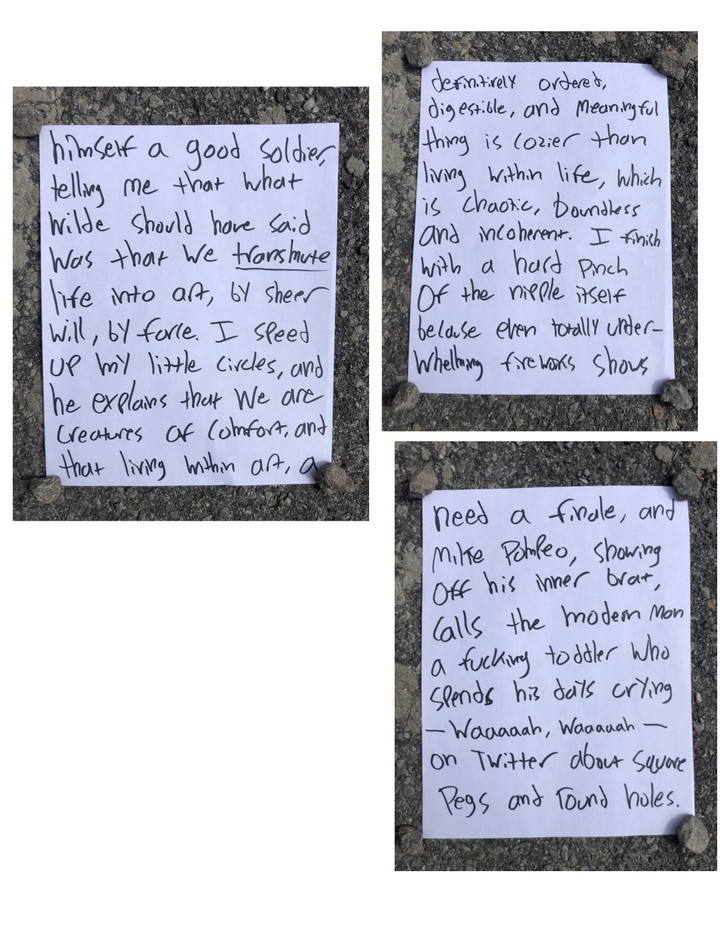
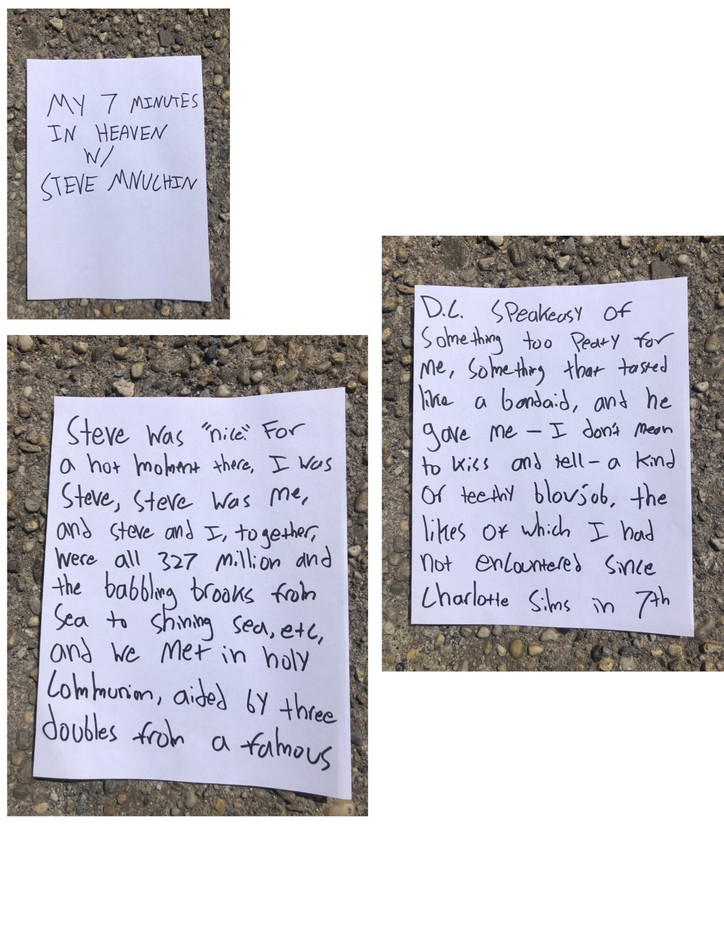
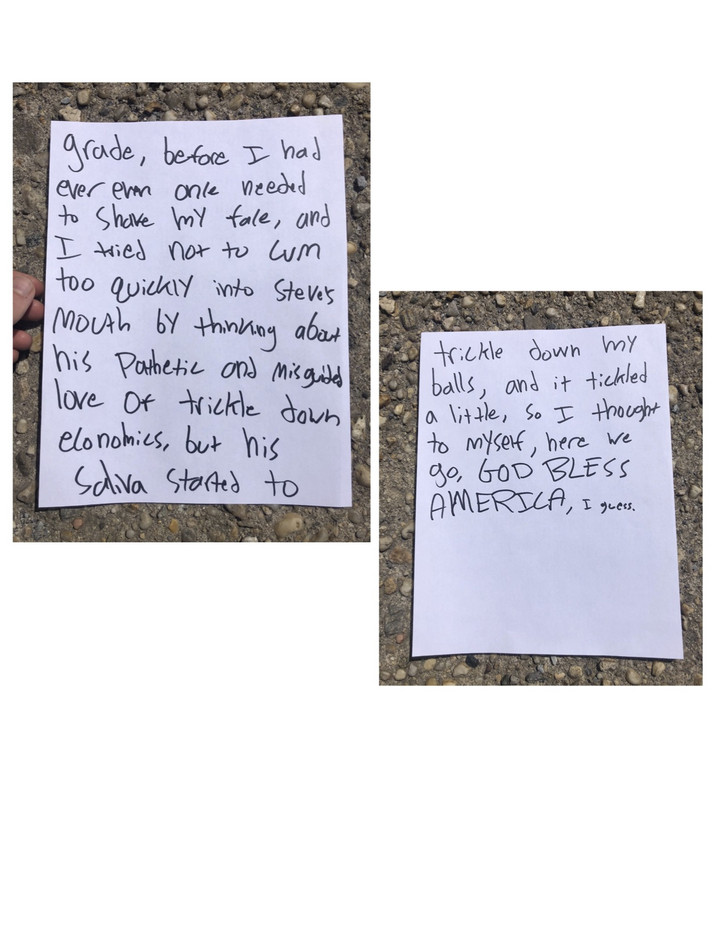
Read Gideon's two poems, "Mike Pompeo's Nipples" and "My 7 Minutes in Heaven with Steve Mnuchin," below.


From mommy and me yoga classes to vegan bake sales, keeping mother stress free and healthy is the ultimate goal. Keep scrolling to learn about Tender’s message, and all the ways we can support mama’s near and far. Feel free to give a share a little of your heart (or your wallet, wink wink) to support their cause.
What is Tender? What pushed you into creating it?
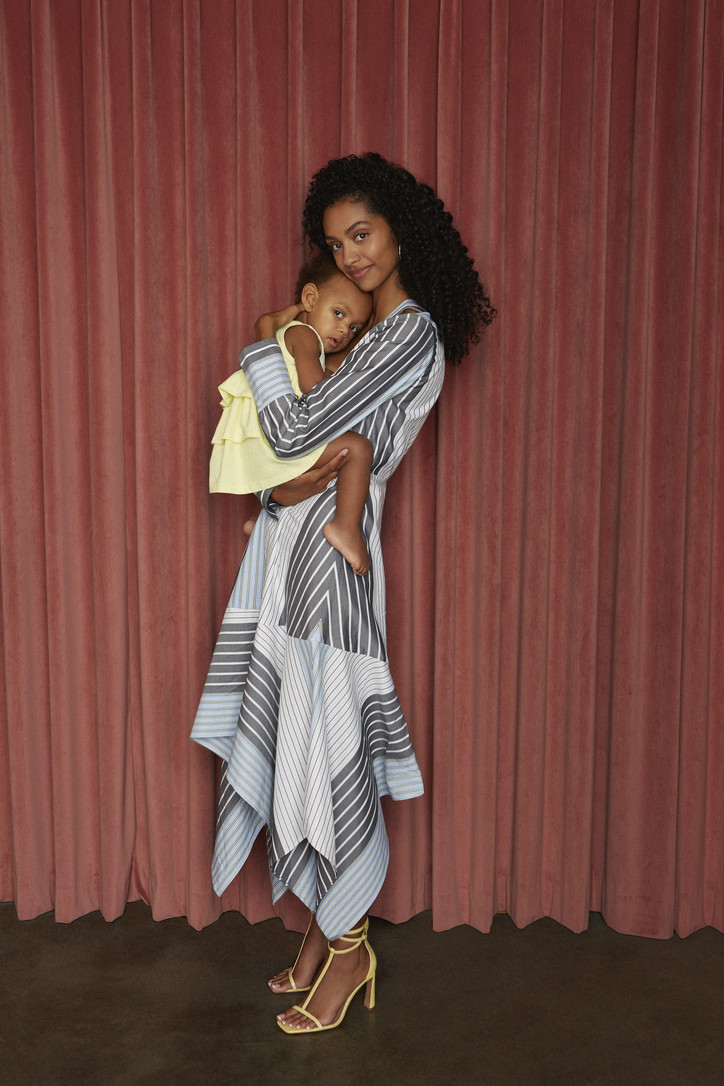
Tender is a non-profit empowering mamas by making essentials accessible. Tender provides emergency bill-pay assistance, food, and necessities like diapers and wipes. We are committed to being a safe haven for the mamas in our city.
How has your role as a mother shaped your perspective on life?
I think becoming a mom has made me more grounded––I understand what matters and what doesn’t. Motherhood has also been super freeing. I don’t worry about what other people think about me anymore, and I trust my instincts.
You’ve been very open about the struggles that came with being raised by a single mother. How would a foundation like Tender have helped you, if it existed back then?
My mom was a young mom, and she had 2 or 3 jobs for a while during my childhood. And she eventually put herself through nursing school. She just graduated, recently actually, with her RN degree––I think something like Tender would have alleviated so much stress she has dealt with. It would have allowed her to be around more and spend more time with us and she would have been able to complete her schooling sooner––the list goes on and on.
What have been some of the best responses to this foundation?
Hearing from our mamas, in their words, and what it means to them is always the best feedback.
How can non-Georgia residents help out and support this foundation?
Somebody sharing and advocating within their network is always the easiest way to support! It’s free and community is important to us. Folks can host a fundraiser on Facebook––another free and easy way to support! We also will be setting up a Patreon, so supporters can pledge an affordable amount, like $1, monthly!


What do you feel most judged on as a mother? What are the most difficult aspects of being a mother and an advocate in a time where social is so prevalent?
I think people tend to judge mothers super harshly when it comes to sexuality and modesty, and it never makes sense to me because we know where babies come from! That’s something I’ve definitely struggled with and felt judged on. Dealing with social media as a mom and an advocate can sometimes be suffocating. Everything is expected to be perfect and be aesthetically pleasing; it leaves no room for duality.
What do you want your legacy to be?
I just want to be great––in everything I do.
You’ve spoken on how you were fortunate enough to breastfeed your daughter for 21 months. Can you explain the importance and privilege that goes hand in hand with breastfeeding?
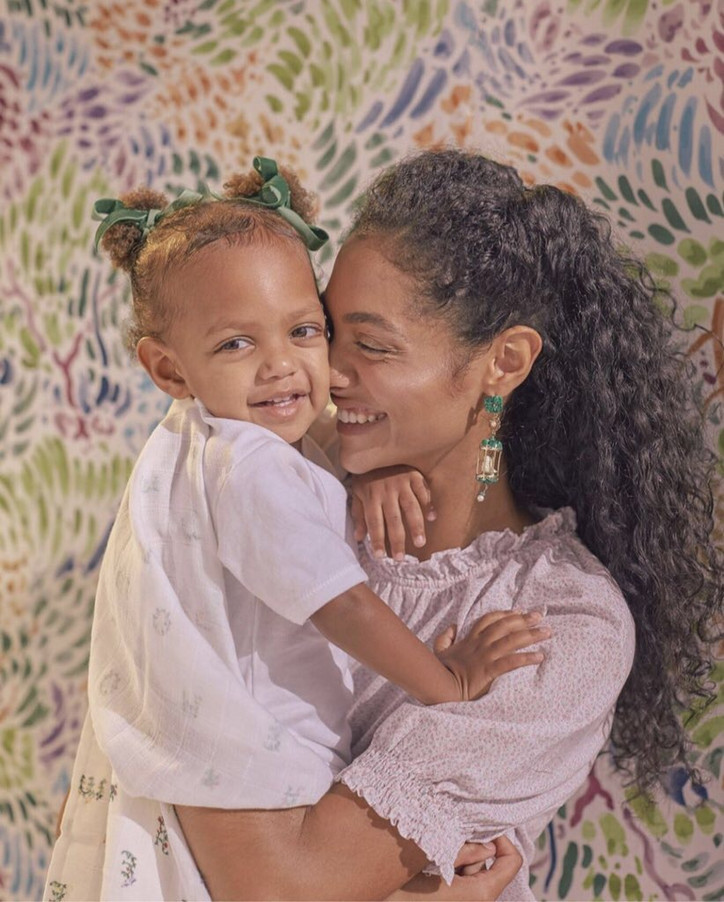
It’s widely accepted in the maternal community that breastfeeding is the most optimal option, so aside from all the health reasons that makes it important, breastfeeding for black women is a form of resistance. For so long, black women weren’t allowed to nurse their own children; they nursed somebody else’s child. So I think breastfeeding for black women is so important just based on that alone. But what people don’t realize is just how all encompassing breastfeeding is. Many working mothers in low-wage jobs go back to work sooner than their counterparts and are in jobs that make pumping and storing difficult, and some mamas may not even be aware of the benefits of breastfeeding. Low-income mamas, especially, do not have access to any lactation consultants or outside support for their breastfeeding journey. There are a lot of barriers to breastfeeding from socioeconomic status, education status, societal norms, etc. which is why I would never mention how long we nursed without mentioning the privilege that allowed it to happen. Ultimately, fed is best though––formula or breastfeeding.
You’re a full-time model. You’re a full-time poet. And you’re a full-time mother. How do you deal with the complexities of being a multidimensional person?
I don’t really think of it as “dealing” sometimes I get stressed out and I’m like “just pick one thing and stick with it”, but it’s important that I honor all parts of me. Realizing I can do and be whatever I want to be.
What is the most important thing your daughter has taught you thus far?
Don’t pass judgement. It will be your kid screaming the next day. Or Syx’s favorite––running around the playground barefoot as I cringe at all the possible germs. And don’t sweat the small stuff! Life goes on and quickly.
Learn more about the Tender Foundation here.