The Modern Muse


Stay informed on our latest news!


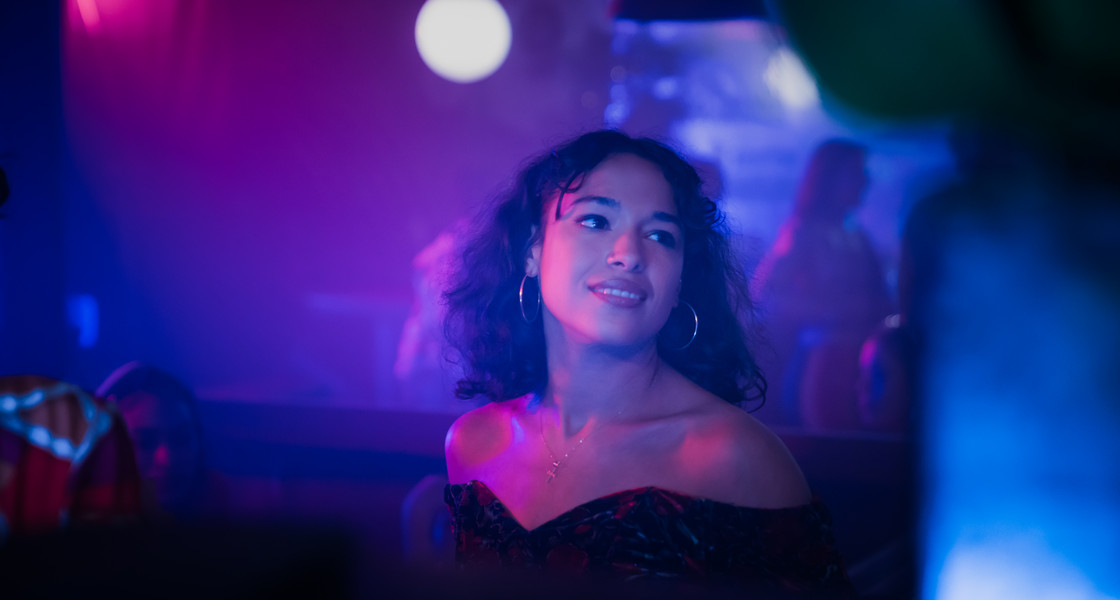
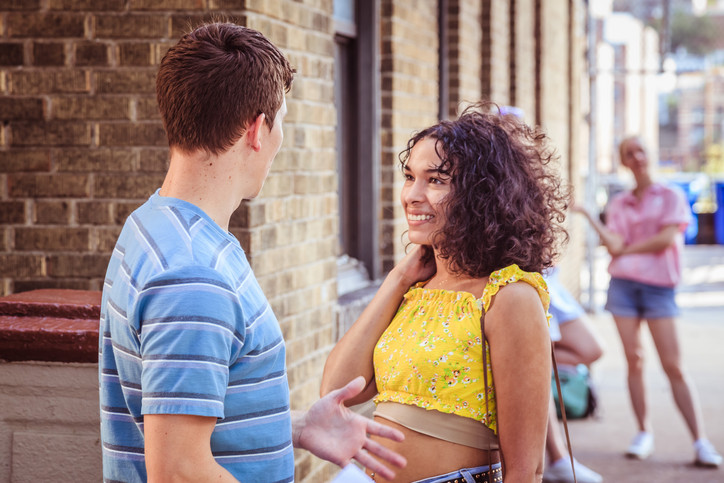
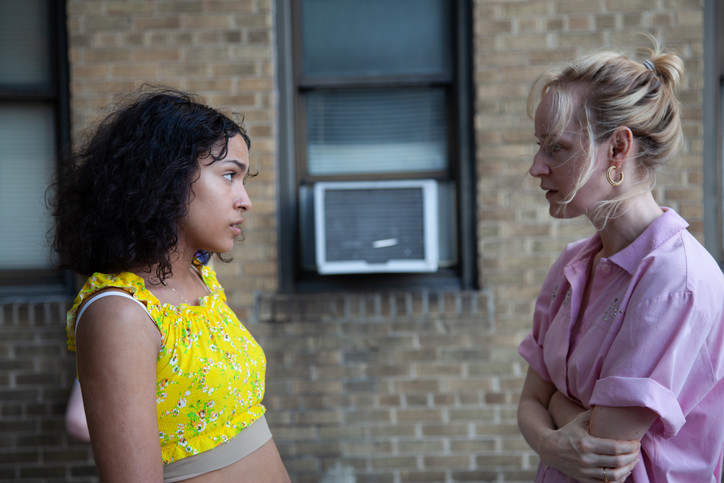
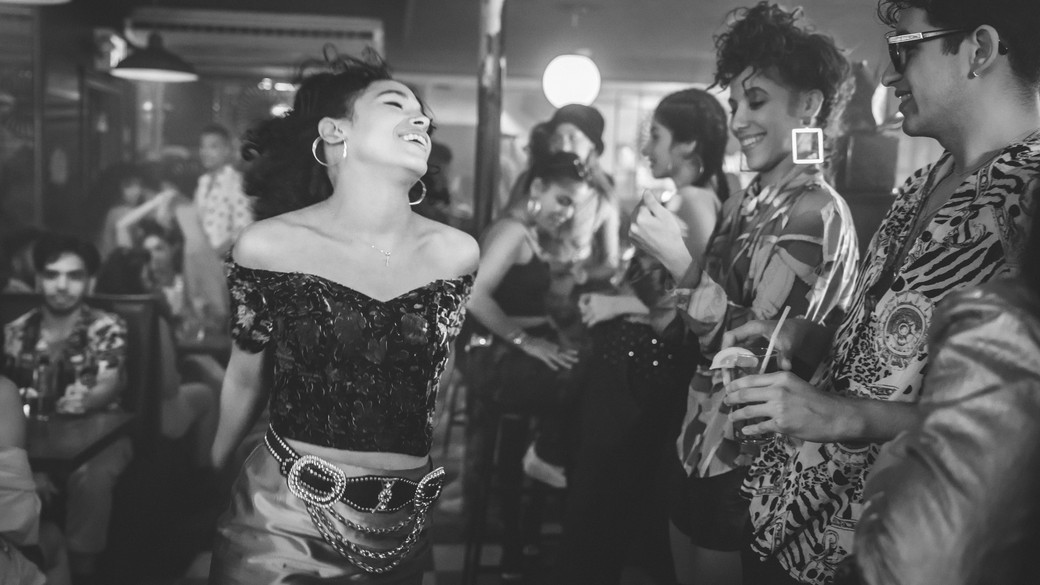
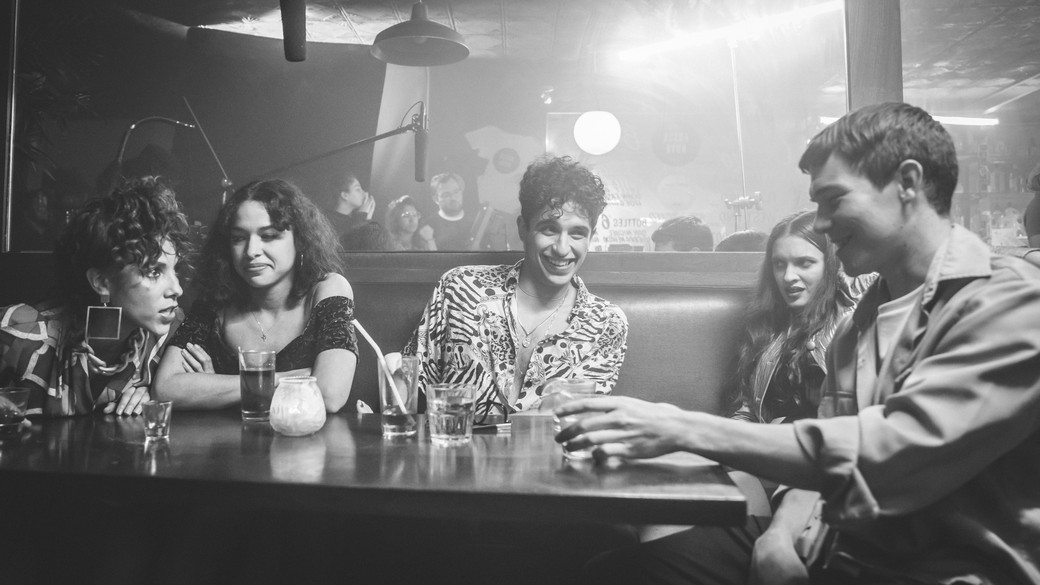
About a quarter-way through the film, “Young Americans” photographer Marie Tomanova turned to me and brilliantly remarked, “They don’t have cellphones in this; is this a period piece?” Later research indicated that it is, sorta––it’s set in 1993, but Peter Andrew Lee’s verite direction keeps us far away from ‘90s kitsch. But at the moment, I wasn’t sure; I’d been fully immersed in the overwhelming sense of family in the room. And this feeling of comradery was mirrored in the film. Even when the mother of Jimi Stanton’s principal character, Brendan, asks Nokia’s Eva, “Does my son have a big dick?,” it seems like she genuinely has the best intentions to protect her son; even if she’s unhinged and going after the wrong girl. (The Princess wants to love your son Erin Davies, can’t you tell from her soft eyes and enchanting voice, Momma?!)
During the Q&A, Nokia said that she always wanted to be that good girl from high school: “You’re boring, but I want to be you,” to which the room responded with a resounding nod of empathy and understanding. The movie works because it’s a classic love story. The good kind, not the kind created in a writers’ room full of old white guys. I realized it was the first film I’d seen in a while where the characters are seen for who they are: complex humans and not objects synthesized in the mind of some wealthy white savior dude out in Silver Lake. It was woke but not about being woke––kiinda like an intersectional feminist rapper’s organic rise to fame on social versus some ad exec coldly calculating data to pick the perfect time to post paid content.
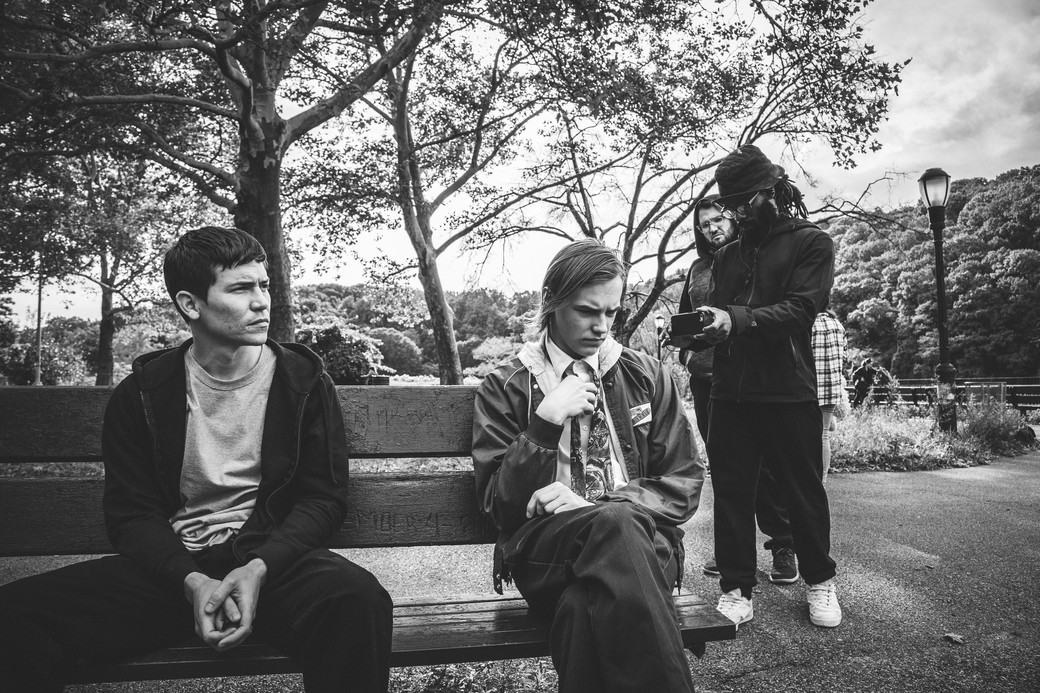
Brendan, Nokia’s love interest in the film, is tasked with taking care of his delinquent brother Conor, played by the melancholic Stanley Simons. As the result of a hazy summer in New York and equally hazy mother’s parenting, Conor is arrested for dealing and he’s ultimately saved by the sweet Brendan. Simons’ portrayal of teen angst felt nuanced and dazed, a performance that conversely takes a lot of focus and work to achieve. This relationship between brothers crystallized the film’s specialness; an authentic representation of the notoriously naval-gazing Millennial generation taking care of our successors, Gen Z. Unlike the grim ending of Larry Clark’s KIDS, a film set in the same time and place as Angelfish, this film feels hopeful about a generation of young New Yorkers. These earnest characters are able to rise above their hardships.
Best said by Nokia herself in “Balenciaga,”: “Bitches clout chase and they act hella rude. My priorities straight I don't know about you.”
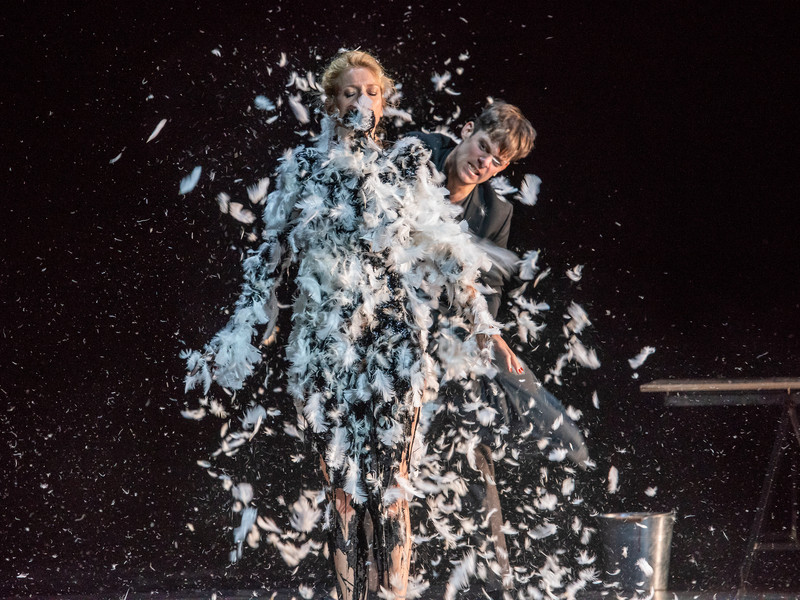
Catch a screening of ‘Angelfish’, in select theaters, or streaming on demand today; and check out more behind the scenes magic from the making of the film, below.

Before we get started, what name do you currently go by?
Chella Man.
Has your name changed throughout your life?
Yes, my first name! However, my last name has always been Man, ironically.
What are your pronouns?
He/Him.
How do you identify?
I do not identify as a trans man. I identify as gender-queer/non-binary. However, I prefer "gender-queer” as it does not acknowlege the gender binary.


What was your acting debut as Jericho in Titans like? Was playing a role like this always a dream of yours?
It was unreal. As a Deaf individual who uses sign language on a daily basis, Jericho’s primary mode of communication hits close to home. I rarely saw sign language authentically represented onscreen growing up, so this incredible opportunity has made my heart soar.
Being able to showcase part of my identity authentically was absolutely a dream.
What role has creating played in your life, from when you began making art up till now?
Art has always been my way of survival. I would use it as my catharsis to release emotions, concepts and ideas that I did not yet have the language to explain.
How has your YouTube channel and Instagram presence helped and hurt you throughout your transition?
The way technology has virtually united me with others within my own community has been a huge privilege. This enabled me to ask questions and see representation without the limitations of physical boundaries.
I do not believe it has hurt me. There has been pressure I have faced, but I would not categorize this as hurt.
You recently stated that your appetite for inclusivity and equality in a toxic culture sometimes leaves you exhausted. How do you revitalize yourself when you realize you’re feeling burnt out from the fight?
I take time for my art. Alongside this, I spend time with my support system, which includes my biological family and my chosen family. I am grateful, every day, to have established such a strong group of individuals to surround me, each person granting a different perspective on the positive and negative obstacles in life.
What would you say to other people who, similarly to you, become exhausted by the fight for inclusivity and equality?
Your mental and physical health comes first, always. If you are not in a stable place, it is only detrimental to push yourself further. Ensure your own health first, this will only further aid your activism in the long run.
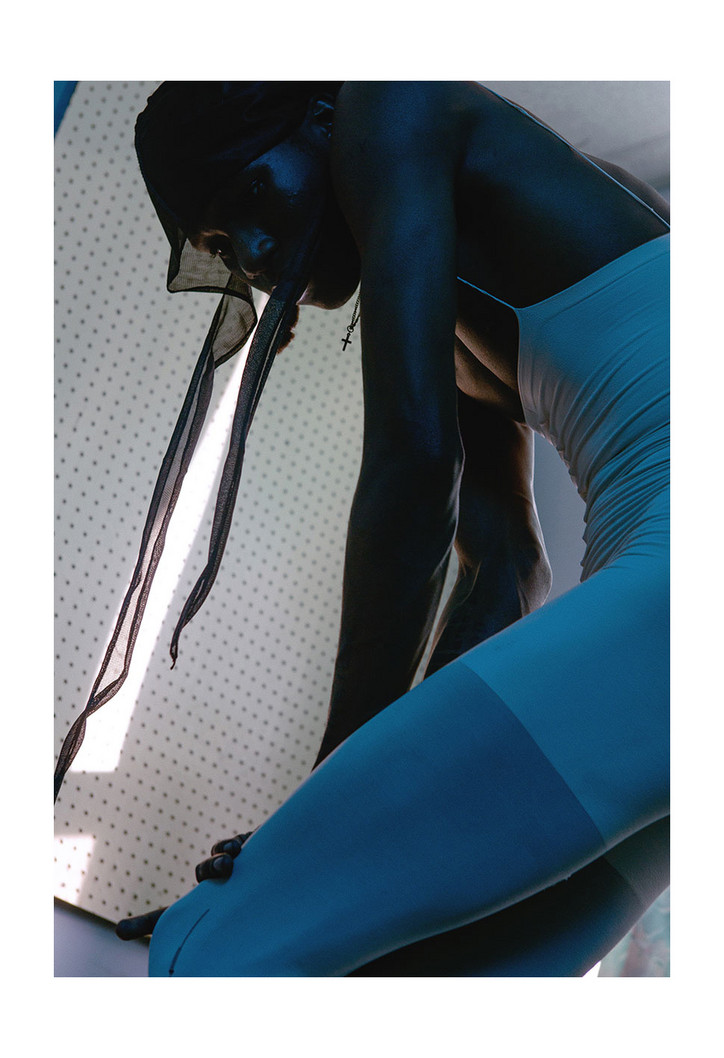
Any parting words for any younger people who are embarking on a similar journey/struggle to understand their identity and where they fit in their lives or in specific industries?
Never compromise your identity for anyone. There is an entire community who has your back and sees you for who you are. Practice finding validation and affirmation from within yourself; this is one of the most important lessons I have learned.
What do you feel are the most important social justice issues you’re focusing on right now?
Disability. I am passionate about exposing ableism to the public. Gender and sexuality have been receiving great recognition these past few years, which is incredible. I have hope that this will continue to progress. We must also give space to addressing and highlighting the struggles and inequalities disabled individuals face as well.
How can everybody do their part in helping the trans and disabled communities?
Recognize the privileges you have to know when to give space to those within the queer and/or disabled communities.
In one word, what does the future look like?
Ours.


Before we get started, what name do you currently go by?
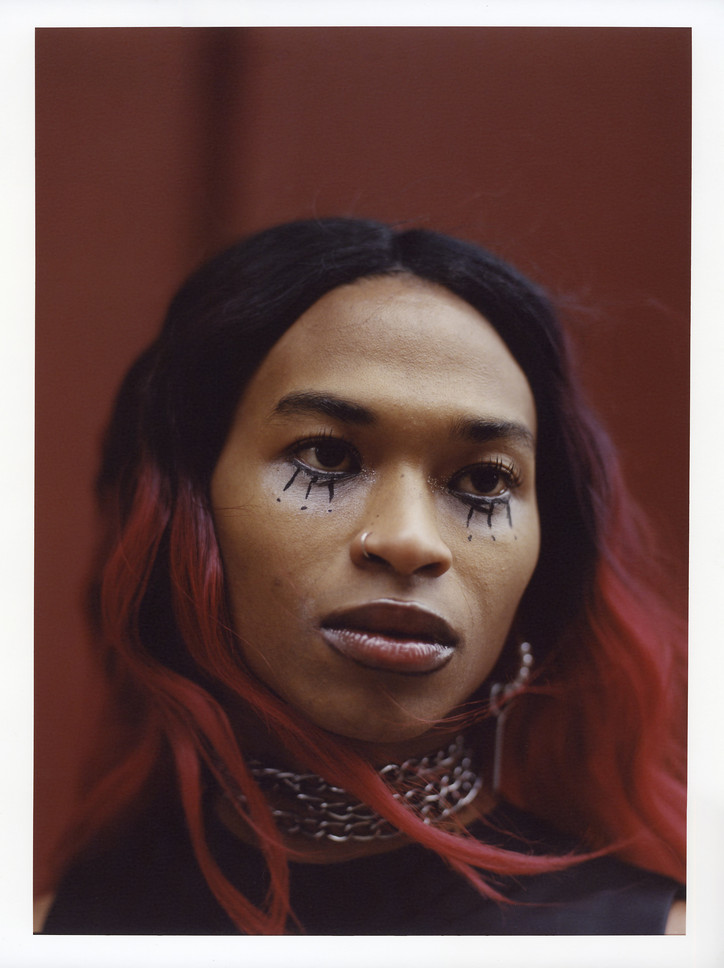
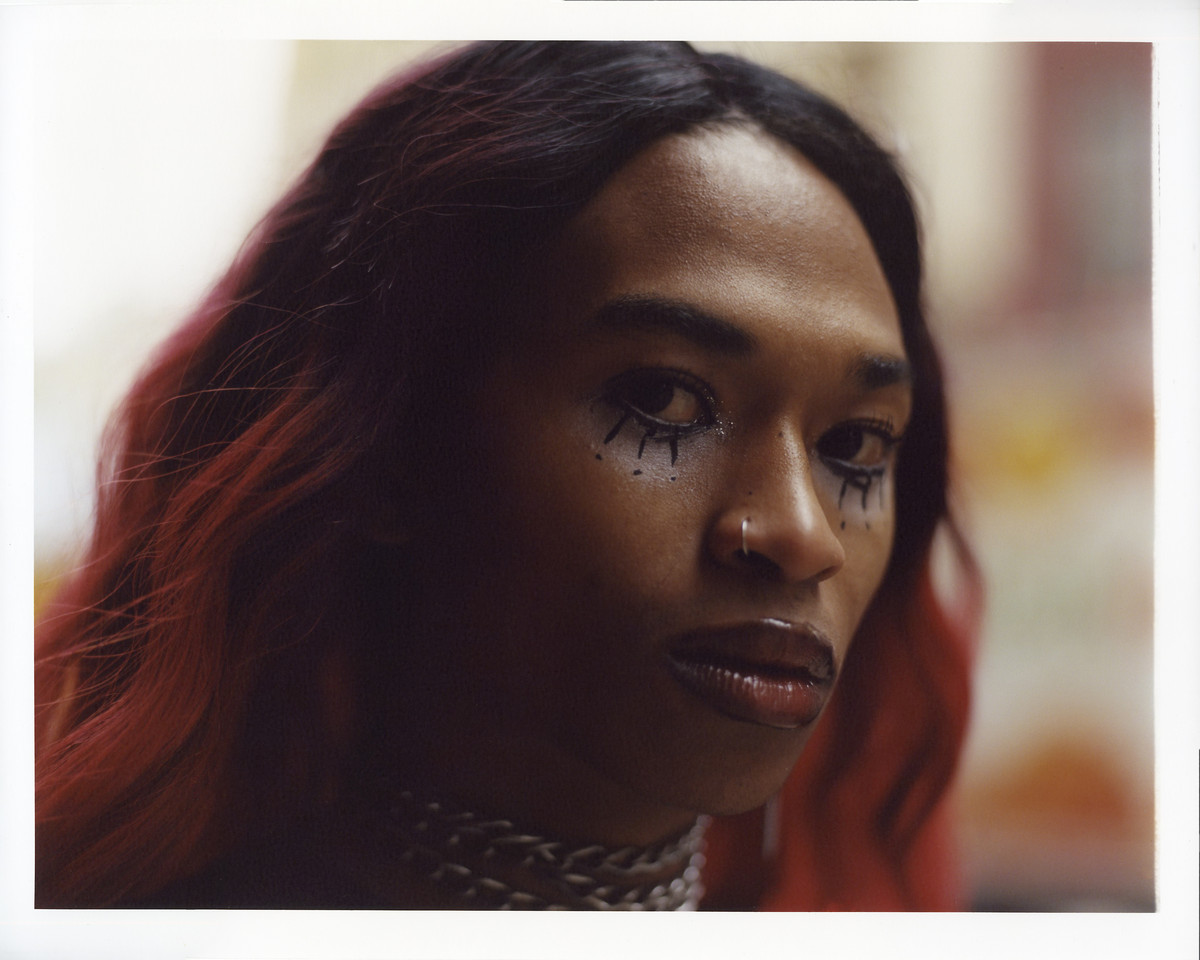
My name is Tom Cat.
Has your name changed throughout your life?
Yeah, from Thomas to Tom around high school. I stopped wanting to sound like a dead white guy. I had to change my name – it just doesn’t fit me. People see me and they don’t think my name is Thomas.
What are your pronouns?
She/they.
How do you identify?
I identify as an androgynous trans-feminine person.
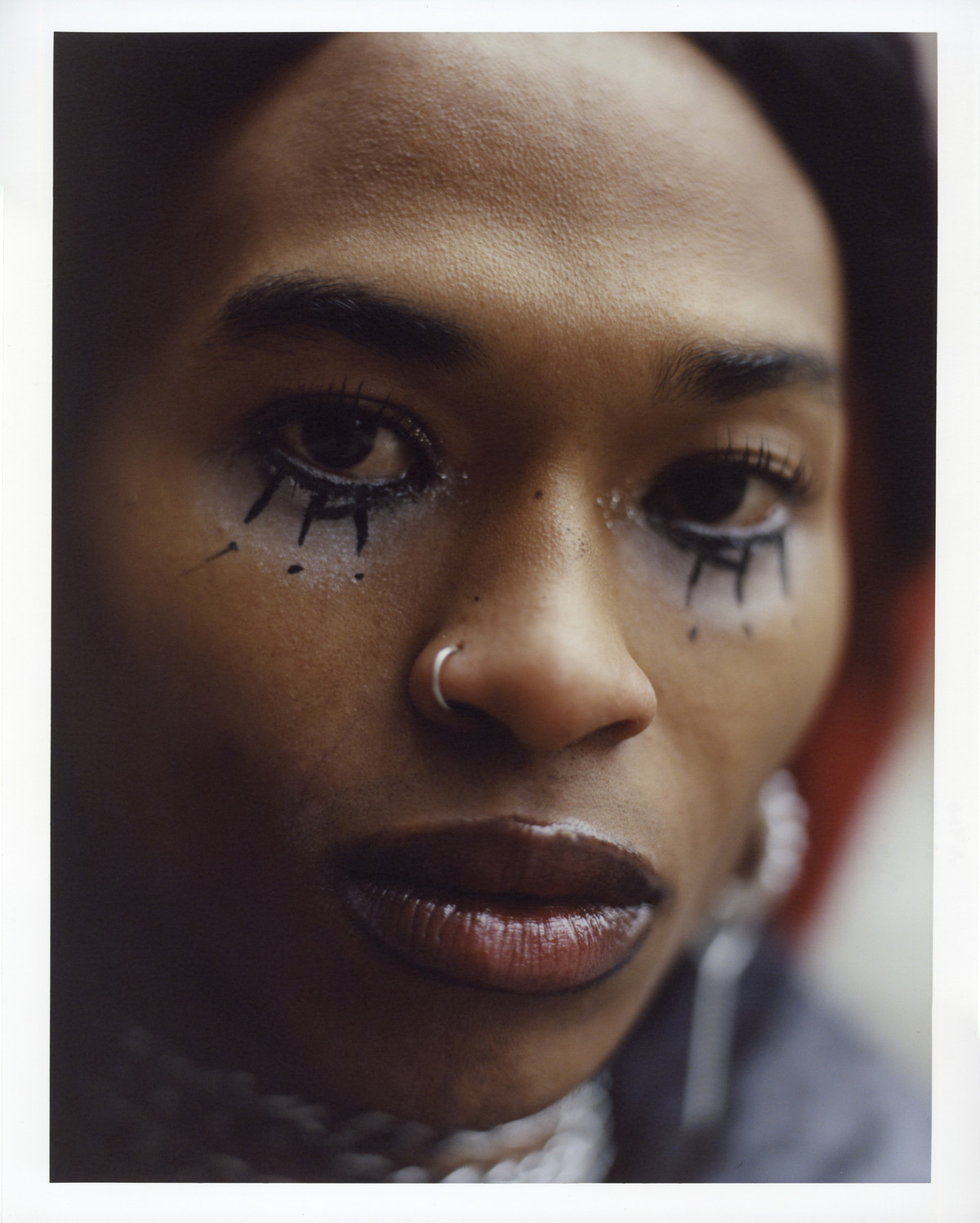
Could you speak to what was your transition process was like?
It’s fucking annoying. It’s really inaccessible. I have to redefine what transitioning means to me, so that way I can be okay with saying that I transitioned because on a financial level—it’s just like the small things, like laser hair removal or wanting to get my sperm frozen before I start taking hormones. All these things that people don’t talk about is a lot of money and work. For me, transitioning has become more about accepting myself and presenting myself the way that I feel comfortable with, rather than worrying about the medical aspects. And I’m privileged because I get to live in a world and time where people are also encouraging that.
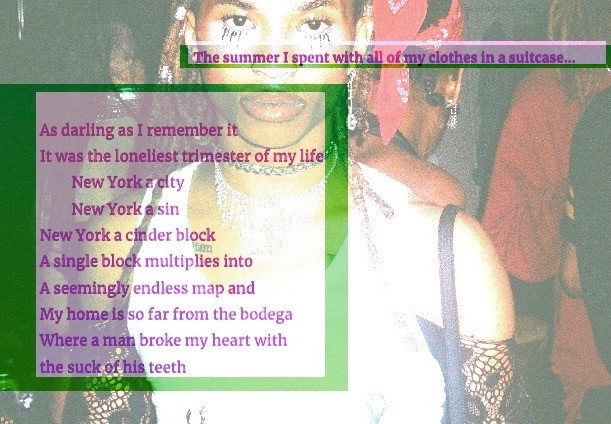
That’s why I identify as trans-fem because I don’t feel like I’m transitioning into manhood or womanhood—I’m just transitioning into myself. I started doing hormone therapy, and had to stop because it requires a lot of disciple and a lot stability that I just don’t have right now. I definitely had to redefine transitioning for myself.


What’s the most exciting thing that’s happened to you in the past month?
I took my younger brother to Homecoming. That would be it. I don’t go home often; my parents are both pastors so it’s very weird, but I had to go home recently and I got to take my little brother to his first Homecoming. He’s a freshman—the light of my life! Me and my parents have issues, but my younger brothers are my support systems for me still.
Who or what influences your writing?
Toni Morrison is the only author for me—her and James Baldwin. I come from D.C. where they’re really hardcore about black literary excellence. I want to write things that prove that we were all here and that I was here and people like me were here. Right now, the real goal and inspiration is making sure that queer narratives are not [only] validated, but respected and understood in the publication world. The publication world is so elitist and there isn’t space being made for these queer narratives and that’s why I want to write.
When I’m Go-Go dancing I have a notepad and I’ll just write. People always make fun of me for going back and forth between the bar and writing stuff, but I just want to prove that we were all here.
How has performance become apart of your practice as a poet?
It has always been a thing because I was on the D.C. Slam team, so as a kid it was kind of required. I didn’t know a separation. And when I came to New York, I said I wasn’t going to do poetry for the first two years of school, but I had a mentor who blew my mind when they were like everything you write has to be performed. So I spent my first two years without going to any performances or open mics, and now I’m able to blend the lifestyle that I have created for myself here in New York with the tools of classic spoken word. There’s a great picture of [my friend] Brandon pouring wax on me while I’m on a rooftop; he's pouring wax on my ass and I’m doing poetry about white men bloodying me. It’s become more performance-art based.
A lot of my work now is formed by real life experiences rather than slam poetry culture which gives kids three minutes, has a lot of rules and sociopolitics behind it—not to mention that it also boxes artist in. As of recently I’ve been like, fuck this it’s all performative, and not profitable for the most part. But it makes me feel really good.


On your Instagram we noticed you’ve rocked so many looks, how has your style changed over time?
I stopped giving a fuck. I started wanting to please myself and the amount of confidence I’ve had from being in a community of people who are like–minded and who will also support me has been amazing.
Truth is there are a lot of people who look different in the daytime then they do in the nighttime. And I got the privilege to live in queer housing where I could just be myself 24/7. To be able to know that I am in a room full of people where I can dance with my eyes closed and my ass out and I’m still safe, that means the world to me! I’m not going to get objectified by some random dude. Being able to find a community that I feel comfortable with changed my style so much. The expression of being to able to be ‘you’ and not having to worry or fear is something that I have never really known and something that I’m very grateful for.
What scares you the most?
Not getting ‘it’ done... whatever the ‘it’ is. There’s a bottom line for me. I feel like I’m moving towards something. There’s so much heavy lifting and work to do within this community. I want to document the fact that we were here. I want to create the first hardcore black queer publication house, so other queer writers can get their stuff published without it being as difficult as it is for me. Just not getting it done scares me. I’m really happy with the way I live my life. That’s one thing my mentor has driven into me—I live a life I’m proud of, uncompromisingly. My greatest fear is not death—it’s being inept at what I want to succeed in.
Any parting words for any younger people who are embarking on a similar journey/struggle to understand their identity and where they fit in their lives or in specific industries?
Write. Write about yourself, so that you can know yourself better. All that matters is being yourself, that really is the bottom line. Life is like your movie and everybody else has to be, at some point, outtakes or extras.
If you don’t think that way as a trans person, it’s dangerous. If you don’t love yourself the right way and you go looking for that love and validation in other ways, you can put yourself in dangerous situations. Getting to know yourself, preferably through writing and art would be great, and then moving through that with confidence.
How can everyone do their part in helping the trans community?
See us. People see what they want to see and that doesn’t necessarily mean visibility. I really want to abolish the idea of "passing," and androgynous people are doing a lot to dismiss the notion of passing. There’s trans people everywhere all around and in all different class sets. Just making space for us to have equal opportunities or better opportunities! At this point, equivalency is not what I’m looking for. I need more than that. My sisters are dying! I come from a place where, Baltimore has had three black trans women die this year! People need to just see us and acknowledge that we're here and make space. So much space.
In one word, what does the future look like?
Exciting. I think so even if it's bad, I’m still excited to see what happens. I guess not exciting when I say it out loud. No, I feel apprehensive about the future.