The Modern Muse


Stay informed on our latest news!


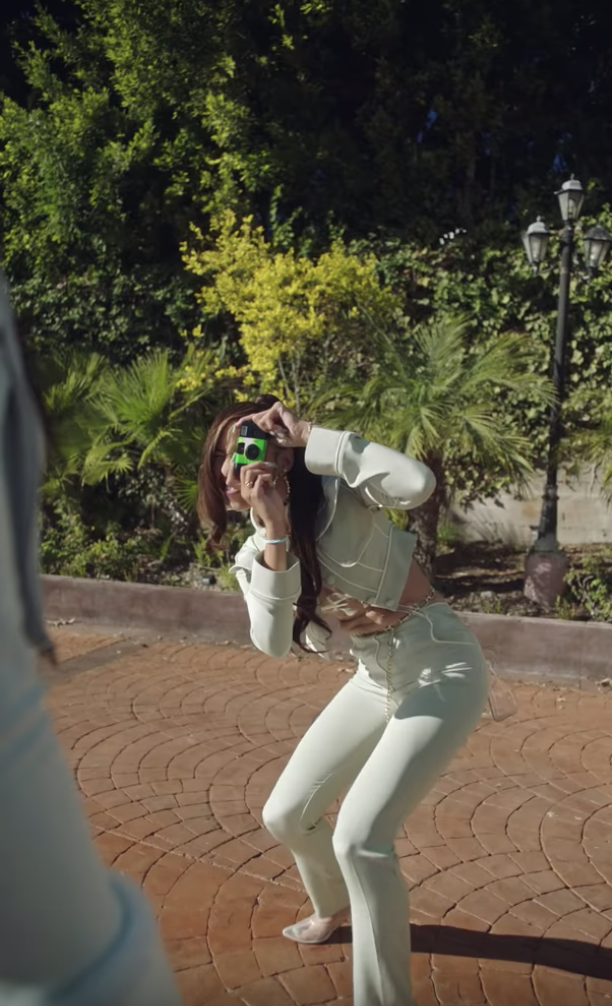
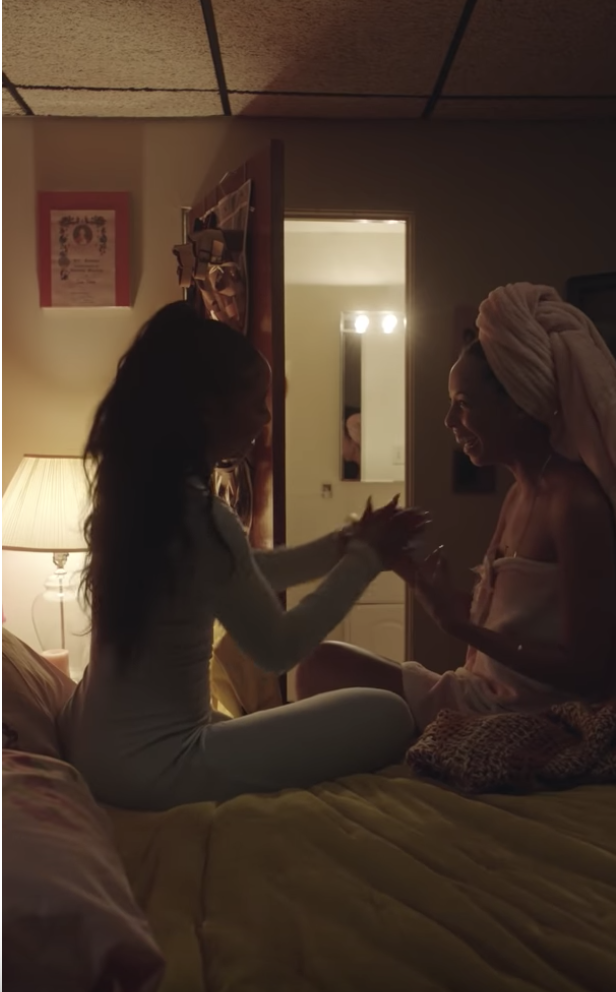
Keep scrolling to read our interview with Andrea and Kasey.


How did you first come up with the idea for your film?
Andrea - We’ve been working on something together for a while. I get these travel deals in my email. We were just hanging out at Kasey’s house accepting this flight offer. We are always really imaginative with the things that we think could happen—how it would be funny if certain scenarios played out. So, we started talking about if we had gone to Rome, bought these clothes, and what that would look like. From there we just decided to write about it. Once we decided to write about it, that actual narrative came out, and it became a really funny story.
Kasey - I feel like Andrea and I have this friendship. You know how it is with you and your best friend—you have a lot of inside jokes. An American Express credit card was one of the jokes that we had. Imagine if we had this credit card and wiled out and bought all these things that we always wanted. Oh my god, I would be on a yacht! Just the most dramatic things, because we both grew up in areas where you don’t see that, and a lot of people in our neighborhood had the same type of mentality. So that’s really how the story was born—let’s talk about these girls who are like us that come from South Central.
What would you buy if you did have this unlimited credit card?
Kasey - What would be the first thing we would do? We would travel. We are obsessed with seeing the overseas and going to all of these crazy places. We would go to Rome and Paris. Let’s have these glorified experiences through these girls in the script. So of course, the first thing we would do is charge up the credit card with clothes, and try to be a part of the “cool crew,” the people that we are always looking up to. Then throughout the story, we realize that all of this stuff doesn’t really mean anything if you’re not working on yourself, if you don’t have good people around you. Stuff doesn’t matter if you’re not happy with who you are.
Andrea - I’ve had an American Express card since 2011, and it has been heaven and hell. That was the inspiration behind a lot of these ideas. For shoots, sometimes I would buy things and then return them. Now I have learned through experience after all these years of overspending on my credit card. But, if I didn’t have that information available, we’d buy a bunch of clothes, shoes, buying flights and beauty products that we think would make us happier, better and more fulfilled, but actually don’t.


What would you say is the heart of the film?
Kasey - The heart of the film is finding your truth—inspiring and challenging each other in the friendship that you have. The story is about our friendship. To have a meaningful and real friendship is very important. Seeing who you are, getting to your truth and finding what really matters in life.
Andrea - The heart is finding the truth in what is important: Cultivating the right things and pouring yourself into things that actually are valuable and not just seemingly valuable.
Would you say that your friendship dynamic in the film is similar to your relationship off screen?
Kasey - Oh definitely. I think it’s a dramatized version of us, but there is definitely truth. When writing together and having a conversation, we would really talk to each other and say: What’s something that we’re doing? What’s the issue? What’s the underbelly? Why would Andrea get annoyed with me?
Andrea - It is definitely a dramatized version of our friendship. The chemistry is obviously organic. The personality dynamics of the characters are also dramatized but very in line with who we actually are. We pulled from reality when we were considering the issues and the conversations that we wanted to put in the film. What are some conversations that we’ve actually had, that we’ve heard other people have? We wanted it to feel very authentic. The one scene actually with the little girl in front of the big house in Belair, that was actually a real situation that happened to us.
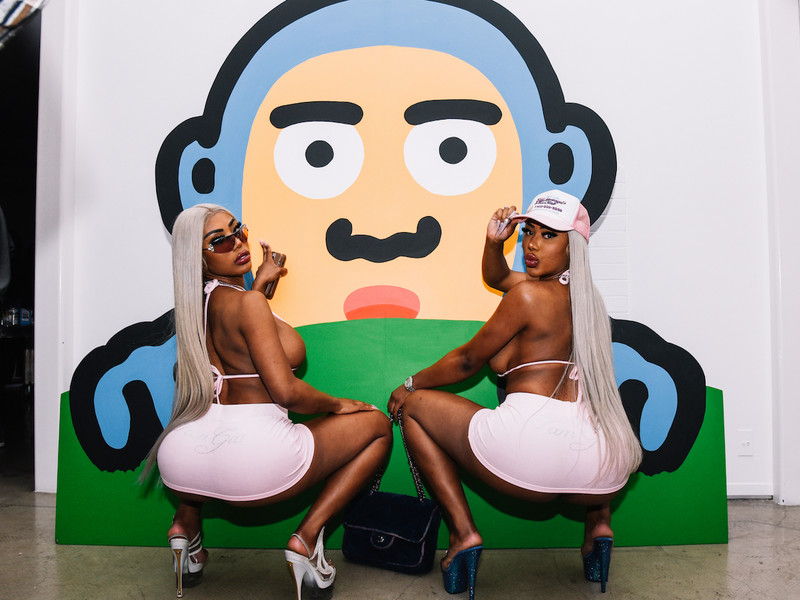
Kasey - We did this shoot. So, we took Andrea’s credit card and were like, “Let’s buy Chanel sneakers and do a photoshoot together in Belair. This would be bomb, you know?” So, we go with a photographer and are just going on people’s properties. We’re in front of someone’s gate taking photos, and this car pulls up with this nanny and little girl in the backseat who lives there, and she’s like, “What are you doing on our property?” And me and Andrea are looking at each other like, “Wait, are you serious right now?” In real life, we obviously didn’t argue with the little girl. We had an exchange a little bit, but in the film, it’s like—this is what I really wanted to say to her. Like, “This isn’t your house boo!” That’s what Andrea really wanted to say, but in real life, we didn’t want this to be a conflict and just walked away. But you know when you get in the car afterwards? You talk about it, and you’re like, “No, this little girl did not just kick us off of the property!” It was insane. It was pretty embarrassing. She was basically escorting us with her eyes off of the property, saying that she would call the police.


What was it like to create, write and star in your own film?
Kasey - It was all really fun. It was nice to be able to say the lines and know if things weren’t authentic, we could just change them. We could find the best way to have this conversation between the two characters, because we understood them through and through. We designed the outfits that we wore in the film. We had them custom-made. There was a lot we were able to do to see our vision through, because it was something that we created. There wasn’t any question as to what we wanted it to be like.
Andrea - Just being an actress and working on other people’s projects—you want to give them what they want. You’re just a tool that they are using in their vision. But when you have your own vision, it’s creating from what’s in our hearts and our truths. Being able to see it all the way through was a new experience for me. It made me realize that this is what I am meant to do. I am meant to be a creator in film. It was a feeling I had never felt before.
As two powerful creators on the rise, what advice would you give to other young aspiring artists?
Andrea - Something that I’m learning is that you should just start. I’ve heard this for years. They always say “write what you know.” When you’re really young, you question what that means. But now that I’m older, I’m realizing the things I want to create and talk about are the things that I know, because I can do it so effortlessly. It’s really grounded and real, because it’s true. If someone tells you to talk about something you don’t know, it’s fun, because you get to use your imagination. But when you’re speaking about something you do know, there is a lot more passion and energy behind it. It is true. Think about when someone is telling you a story of something they went through. This person has lived this reality. The details that they know about it and the feelings that they were going through at the time—you feel it. You’re in it. That’s what we need more of... I love when I watch a movie, and I feel like I’m in the story. That’s what I’m interested in making. That’s what I want to inspire people to do. Whatever you have in your heart is what the world wants to hear. Write that down. Create whatever that is. That’s what people will be attracted to and will resonate with.
Kasey - When you see the most success in your life and have the most fulfilling relationships, you’re fully leaned into who you are. You’re unapologetic. That, to me, is telling your truth and telling what you know. There are no boundaries. Just start. It might not be perfect. Even in The Dispute, there are a few things we would go back and change. But when I look at it, I am still stunned at the fact that it’s exactly what we wanted. You can always pick apart the little details. I think once you start, you get really good. The more you write, the better your verbiage gets, the more your vocabulary expands. All these things happen when you just start. And the easiest way to start is with your truth.


What inspired the matching jumpsuits that you both wore to the party?
Kasey - B.A.P.S. inspired it for sure. The films like Clueless, B.A.P.S. and Empire Records—the visual style of it is so clear. We wanted to create that visual language in our own film. That’s why custom-making the outfits was very important to us, because it needed to have a specific look that we are creating that’s not in stores. One day when people refer back to it they can be like, “Oh, I can wear that as a Halloween costume.”
There seemed to be a lot of attention to detail throughout the film.
Andrea - Thank you! We tried to definitely pay attention to detail. We didn’t want it to feel like a mockery. A lot of times when I watch films about various subjects, I feel like I’m watching a play. But the best films are the ones where the attention to detail is so great, that you forget that it’s a film. It feels like you’re watching life in motion. We didn’t want it to feel like we were mocking South Central. There are so many things from specific demographics that are unique, and to not honor the detail is insulting.
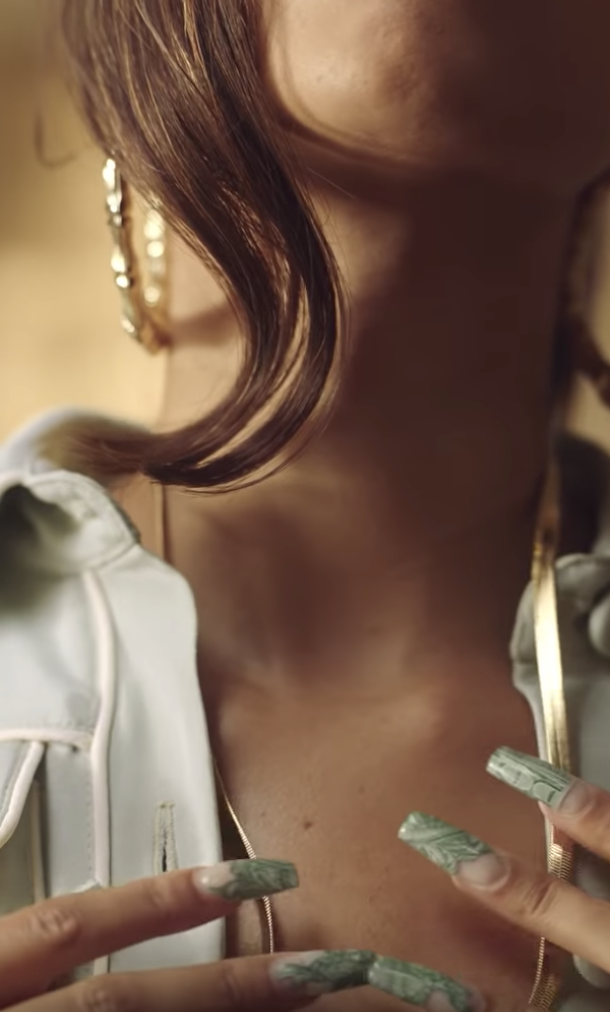
Kasey - We don’t want to create a stereotype. We want to express the real thing, and the things that we’ve gone through. I look around at my world, and these are the things that I see. What’s real? What’s the result of our environment? Like putting money or paisley designs on our nails—Andrea has paisley on her nails…
Andrea - Yeah, I have paisley on my nails. Actually, when I was in high school, I cut up a dollar bill and put that on my nails. Yeah, I used to have the little dollar sign with the gold charm.
Describe the film in 3 words.
Andrea - I’m thinking of two words right now for some reason: grounded drama. It’s grounded, but it’s dramatic.
Kasey - I think I would say: fierce and friendship. I think Shadow and Act said it best. “‘B.A.P.S. meets ‘Atlanta’ with laid edges.”
Desert Island Movie.
Andrea - Wolf of Wall Street.
Kasey - Catch Me If You Can.


Check out the full-length video, below.

Give me a background on Party Noire.
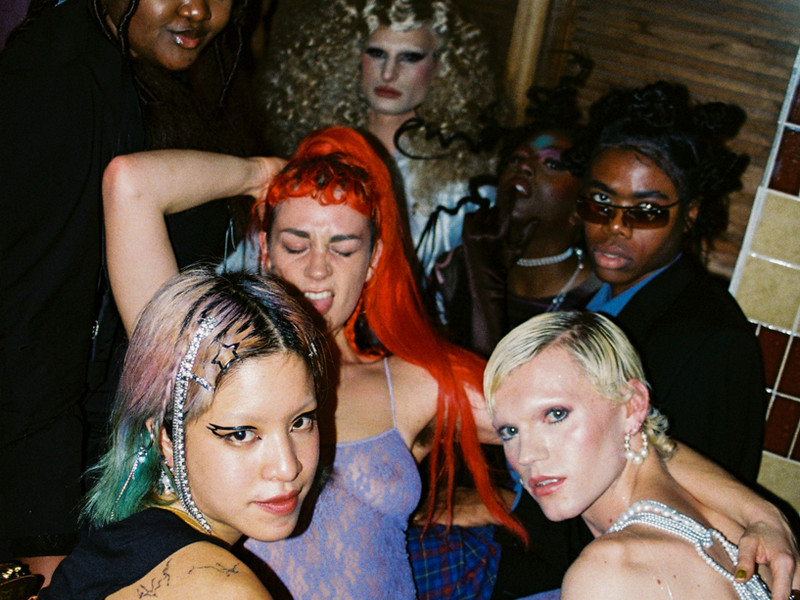
Nick Alder Party Noire is a space that celebrates and centers around Black Women.
Rae Chardonnay We’ve been around for almost 4 years. While there were other black queer women-focused parties they didn’t look like the spaces we wanted to be in regularly. We noticed this shift in what people were looking for in terms of nightlife. We love dance and house music and Nick and I both really appreciate social spaces where we can build authentically with our community members. So I think there was a lack of spaces where we could do both of those things, so Party Noire was birthed out of the need for that space for our generation, people younger than us and even some people older than us. A lot of folks I think were feeling the need for a dance music focus and black queer women centered space for real.
So touching on that, four years ago how did you envision this being rolled out?
RC I’m not going to say we didn’t envision it rolling out, but it was very different from how it turned out. When we ideated around the first party it was just supposed to be one party. Then the goal was to eventually take it to other cities—we didn’t know when, we didn’t know how, but that was the goal. After we threw that initial party we were asked if we wanted to stay a bit longer than what we were scheduled to stay. Then we were asked if we wanted to come back the next month. That’s basically how it became a monthly day-party.


Having played in other cities, what qualities set Chicago apart in terms of night life, house and dance music.
RC I’m gonna let Nick touch on this too, but as someone that is not from here there’s a different perspective. For me, if there’s a level of depth to the music, a very soulful feel, a super black-as-fuck feel to the music, then people are gunna move, people are gunna go dance—they hold no bars against dancing. I think that’s one thing that really differentiates Chicago from other places that engage in house music; we will dance, we will fucking dance without any restraint.
NA Yeah, I think Chicago is the forefront of music culture in this country. Chicago gets placed as a second child to New York or LA but really if you look at what’s happening here musically, Chicago is setting the standard and everybody else is just falling in line. So I think along the lines of what Rae is saying in terms of making people move, the conversation is around house being ahead of its time and people are just catching up now to what Chicago has been doing for years.
How have you seen Chicago and Party Noire grown in your years throwing these parties?
RC I feel like every year and every six months we are collectively addressing something that our community needs. When we first started the party we knew that we wanted a space that centered around black women, we knew that we wanted a space that championed dance and the importance of Black Music. Once the people that we were connected to started to show up, it became a space where their needs were met as well as ours. A lot of black queer women come to our space, so eventually it became Okay well this is what we will create to be a safe space for black queer women across the gender spectrum. It eventually grew into that, we didn’t necessarily start with that intention but we realized that that was what was needed.
What was it like in terms of representation prior that that realization?
RC I don’t want to say it wasn’t there at all.
NA It was a statement that was made. We forthrightly said this is what we're doing and we were intentional in the steps we took forward. So I think, for example, we started with booking male presenting DJ’s or male Identifying DJ’s, then we quickly realized that people were not coming here for that, they were coming here for the femme identifying DJ’s, for the people identifying across the gender spectrum. After realizing this fact, we were just like this is what we’re hearing from the community, they want to see these people, we can go to any other party and find men djing.
RC And I think we also personally felt that when we did go out to spaces that weren’t Party Noire or of the likes, it was an unfortunate series of events that we didn’t align with. So, collectively, from the co-founders to the community we were serving, it was definitely clear that it was a necessity.
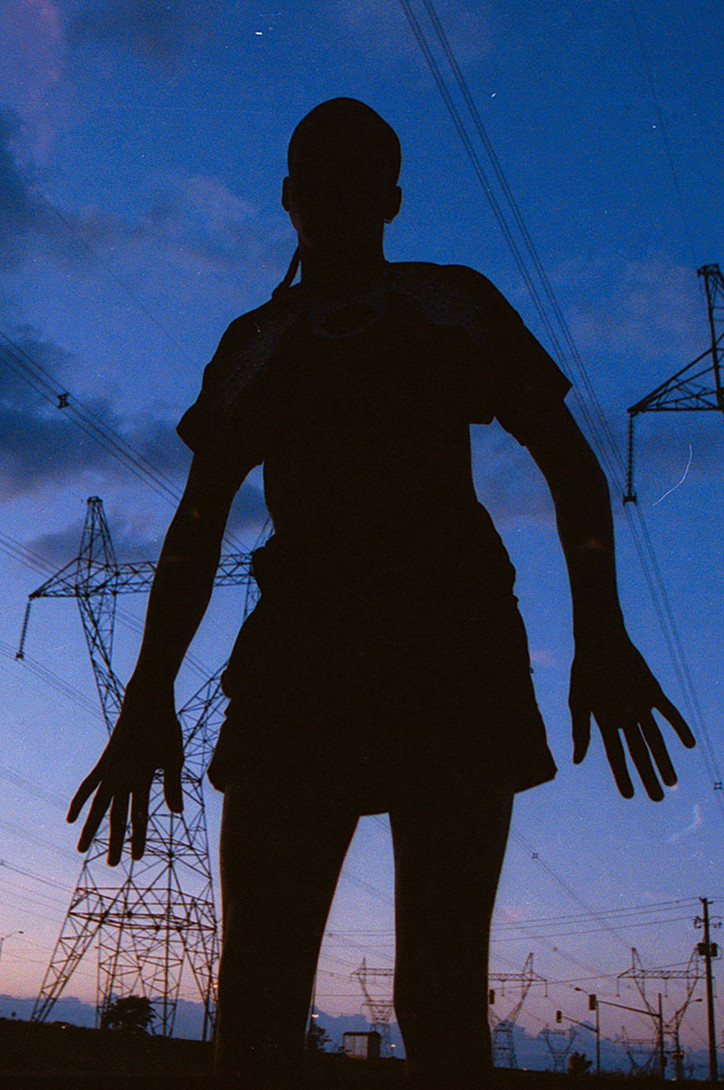
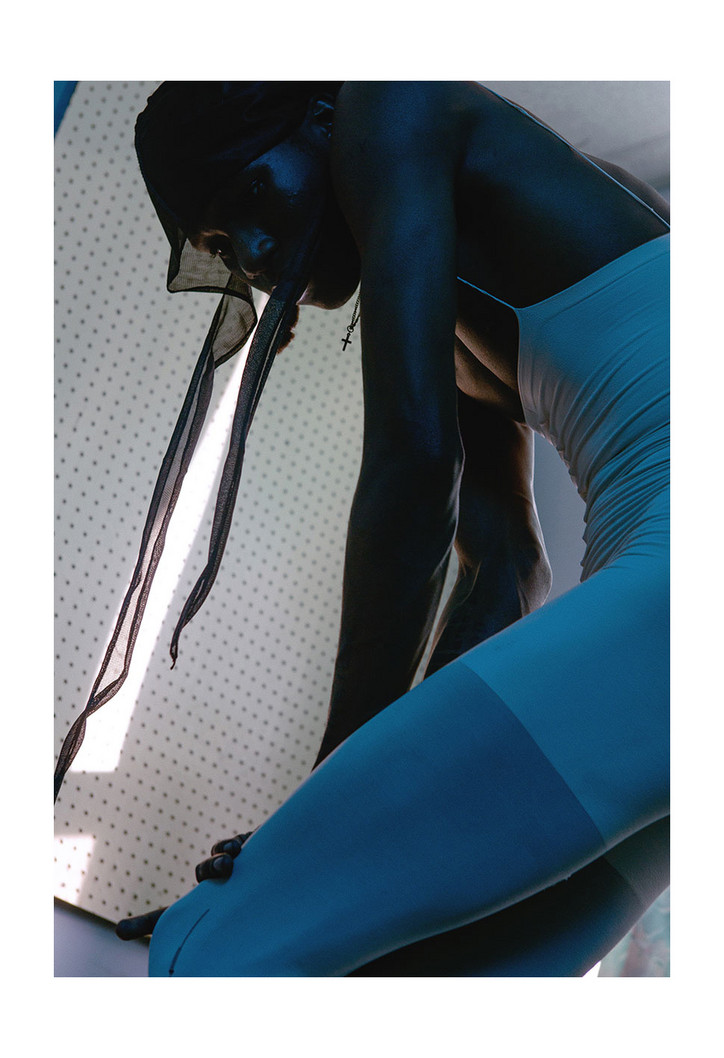
Touching on this event, how did you guys come about picking the artists you did?
NA Let’s start with the headliner. So Bbymutha is somebody that we have been wanting to book for years. We initially reached out to them around a year and a half ago to try to book them for a show, but it just didn’t work out. So when it came time to put together this show, we were like, "yo we gotta have Bbymutha!"
RC We gotta have Bbymutha!
NA Bbmutha would be the coldest ass, just bringing you raw ass fucking Tennessee ass.
RC I appreciate that she’s from so close to Chicago, I feel as though parts of Tennessee feel much like parts of Chicago. It just felt like really good to include her in this. But like Nick said, we’ve always been huge fans. TT the Artist is the epitome of dance club culture for a millennial crowd.
NA We are a dance party and I’m sure they’re out there now fucking it up.
RC I know theyre fuckin it up. I know they’re going crazy.
I’d imagine that with every event you’re seeing more and more people that you’re unfamiliar with or don’t recognize, but could you give me a glimpse into how much you two have grown since four years ago?
RC It’s actually one of my favorite things, and keeps me headstrong about this project just knowing that there are still people out there who-
NA Who still don’t know what the fuck is going on.
RC Always more people to reach in the space that were creating and that there are more people looking for a space like this.


And not just Chicagoans!
RC Not just Chicagoans! Absolutely not just Chicagoans! Its crazy, we can't get to DC in a week like how people want us to. We’ve been asked to do DC pride for three years
NA For so long.
RC But we haven’t been able to go out there and do it.
NA And i'm just like is there not a party in DC that celebrates women?
RC That’s the question, are there not parties in the cities that are asking for us run by women?
NA Or is it just not Party Noire.
I don’t think I'm tapped into the femme black women scene, not going to say I am as a white man, but probably not. But as far as im familiar with, I don’t think there are any other mobilized forward-thinking inclusive groups that are focused on that objective. So I guess on that point what are you guys looking forward to in the future?
NA We want to go to London next year, we want to be international. I think that, like you said, everytime we go to a new place we understand that there is this need. People are like what you’re doing is something that I want to see and want to feel and I want to be there often. So what I would like to see from us is an international activation. We’ve been doing this for four years, that’s a long time to be doing something. We got Chicago on lock and we understand what it means to activate other black queer spaces in the states, but now we're trying to take it beyond.
RC We’re trying to take the mission beyond where we are right now. That’s definitely goals. I think another collective goal is just to continue to uplift and support the community that has built us up for so long over the four years that we’ve been in existence. There is definitely a consistent community support level that, as long as we have the platform, we will continue to be a part of.
NA They’ve been here.
RC We’ve been here and will continue to just uplift you and book you for things when we get opportunities… yeah.. as long as we can continue to do that.
NA Take them with us.
RC Yeah, take them with us when we go to London for Afro Punk. I don’t know, I don’t even know, but I know that the goal is definitely inclusive of the community that has held us down and the community that we are continually hoping to serve and make space for.

The affluent lesbian community she brought her business plan to thought the idea of putting “lesbian” on the cover was “a death sentence for any magazine,” she explained. So, at 22, with no credit history, she put on a nice suit, went to the bank, opened a bunch of credit cards, and cashed them all in––but still didn’t come up with enough to print the first edition. So she took that money to the horse races, and left with enough cash to print three editions of the magazine.
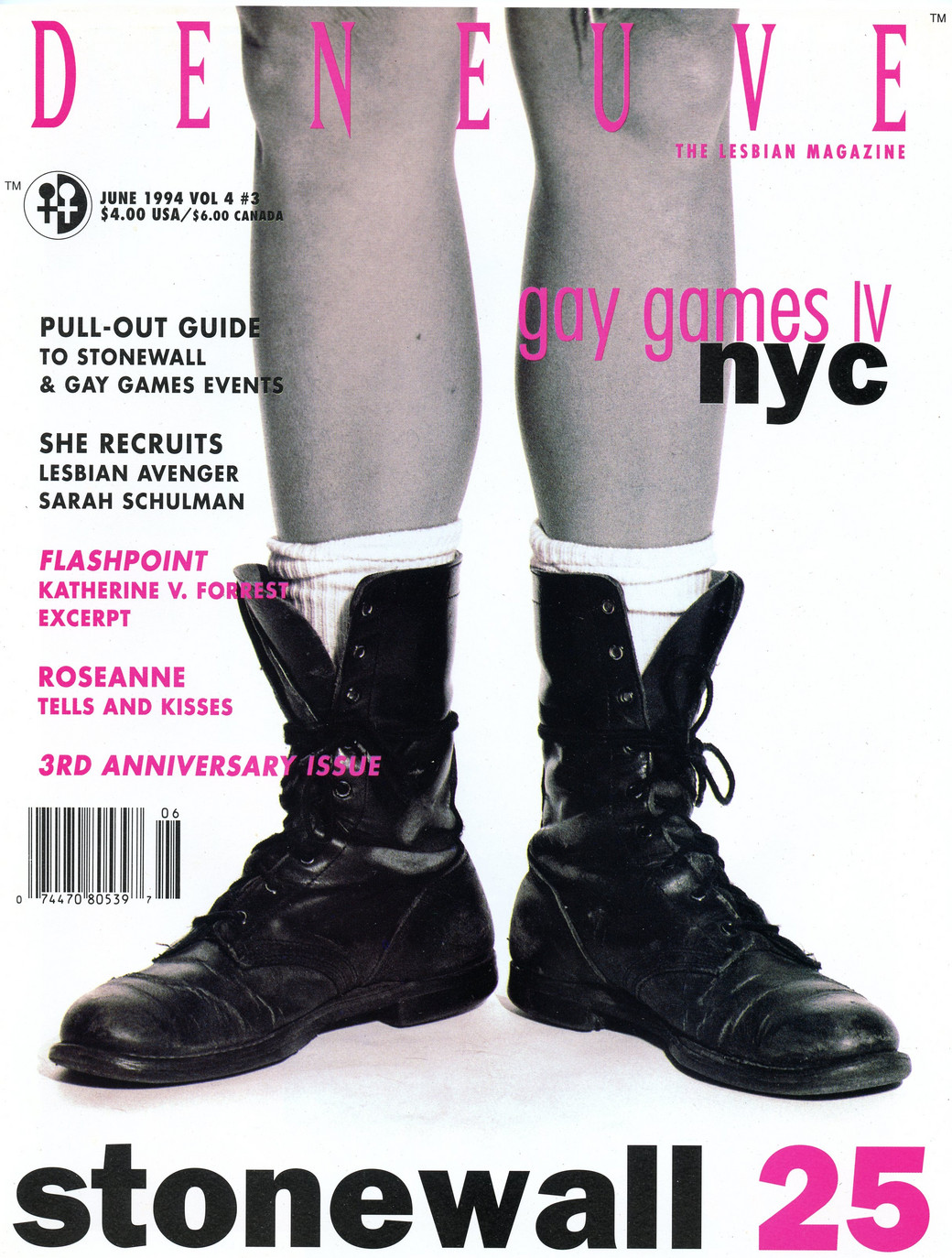
She turned to her community for collaboration, posting signs in the windows of A Different Light looking for photographers and writers, and got 300 calls within the month. But even the printing shop found the idea of a lesbian magazine profane, and wouldn’t work with her––so she got resourceful and found a porn printer in the Midwest. They were down to print the first editions of the magazine, then called Deneuve (after a copyright battle with Catherine Deneuve in 1996, it changed names to Curve). And after Stevens mailed copies out to bookstores around the country––some of whom didn’t buy her idea when she called ahead inquiring about interest––the first issue sold out across the US within a week.


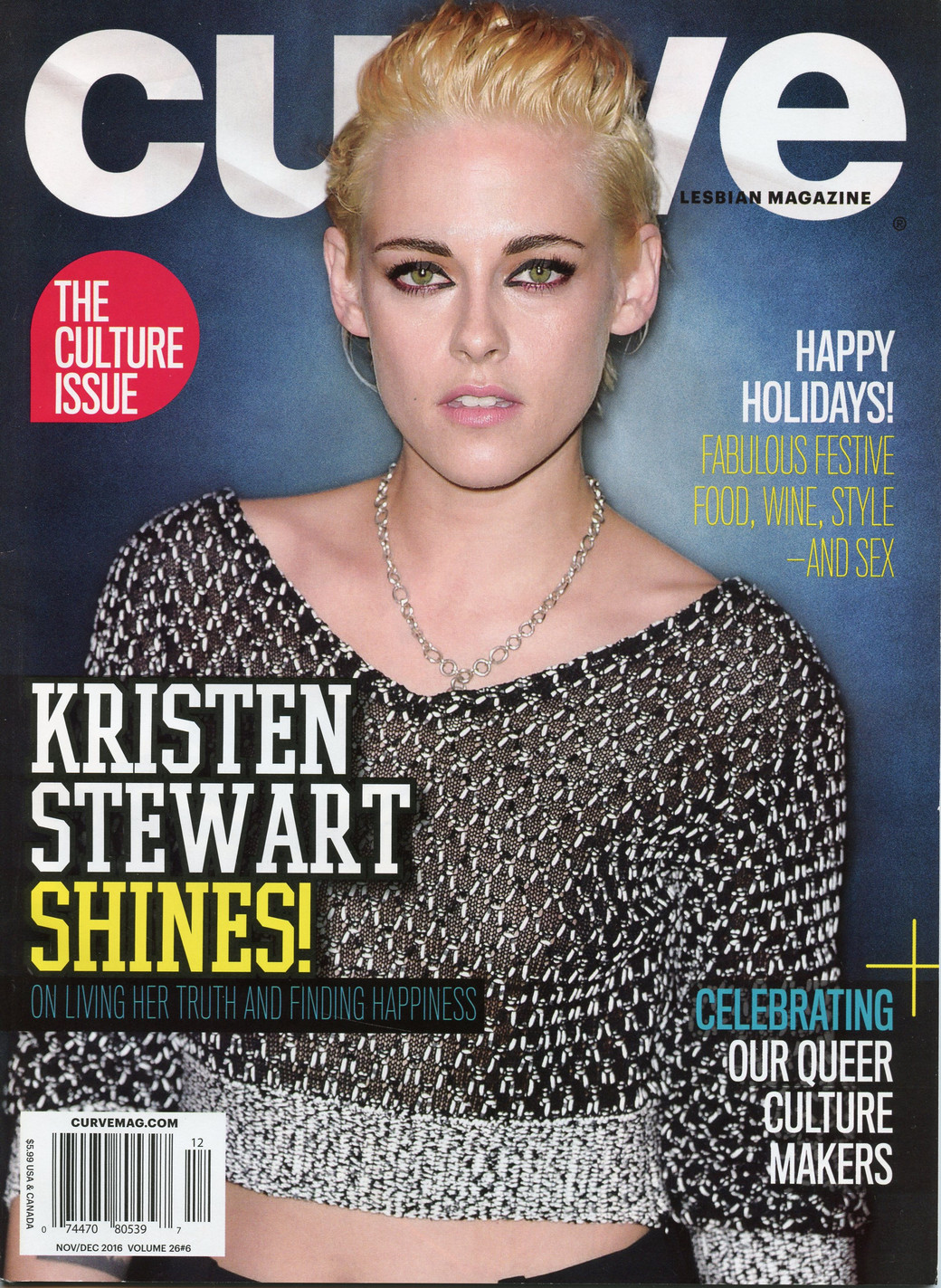
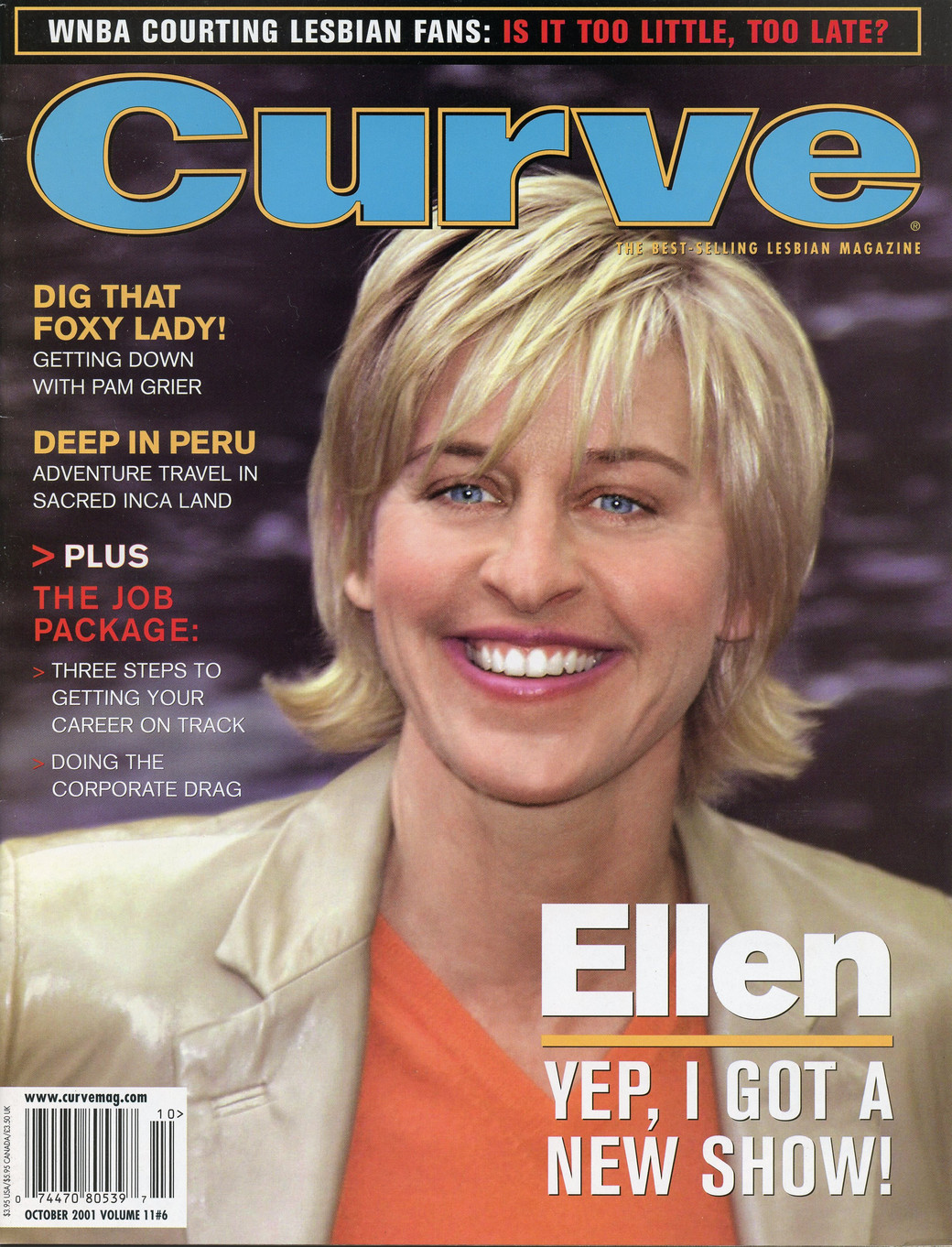
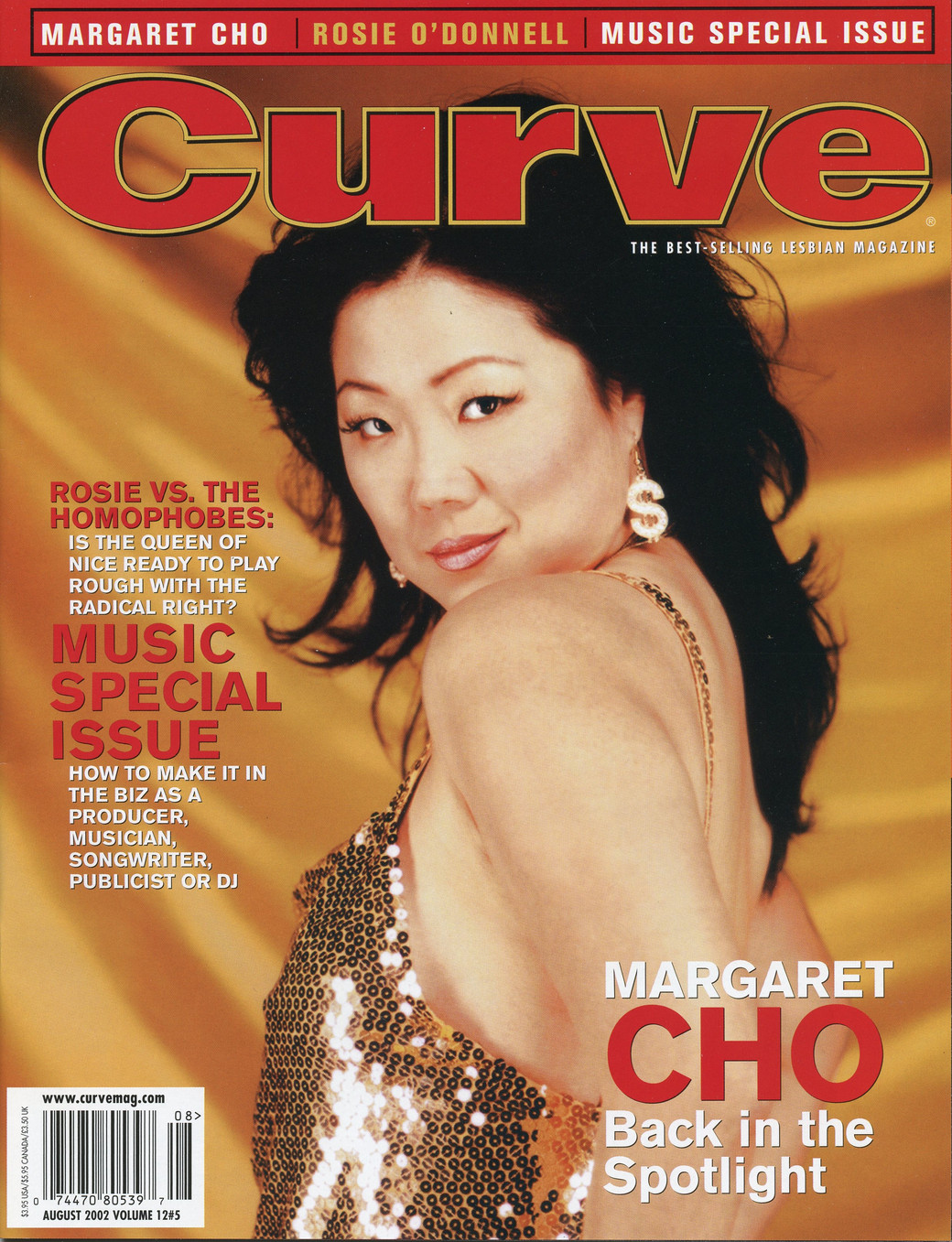
The magazine continued to thrive through the ’90s and early 2000s, with articles spanning the broad scope of coverage Stevens wanted to see––politics, travel, pop-culture, identity and fashion as they related to queer life. It profiled lesbian icons, everyone from Melissa Etheridge and Ellen Degeneres in the early years, to, more recently, Kristen Stewart, Ellen Page and Daya. Every “The L Word” actress appeared on at least one cover. And by the early 2000s it was such a hallmark of lesbian culture that it was written into the show, with a Curve writer character giving Mia Kershner’s Jenny a bad review of her memoir.
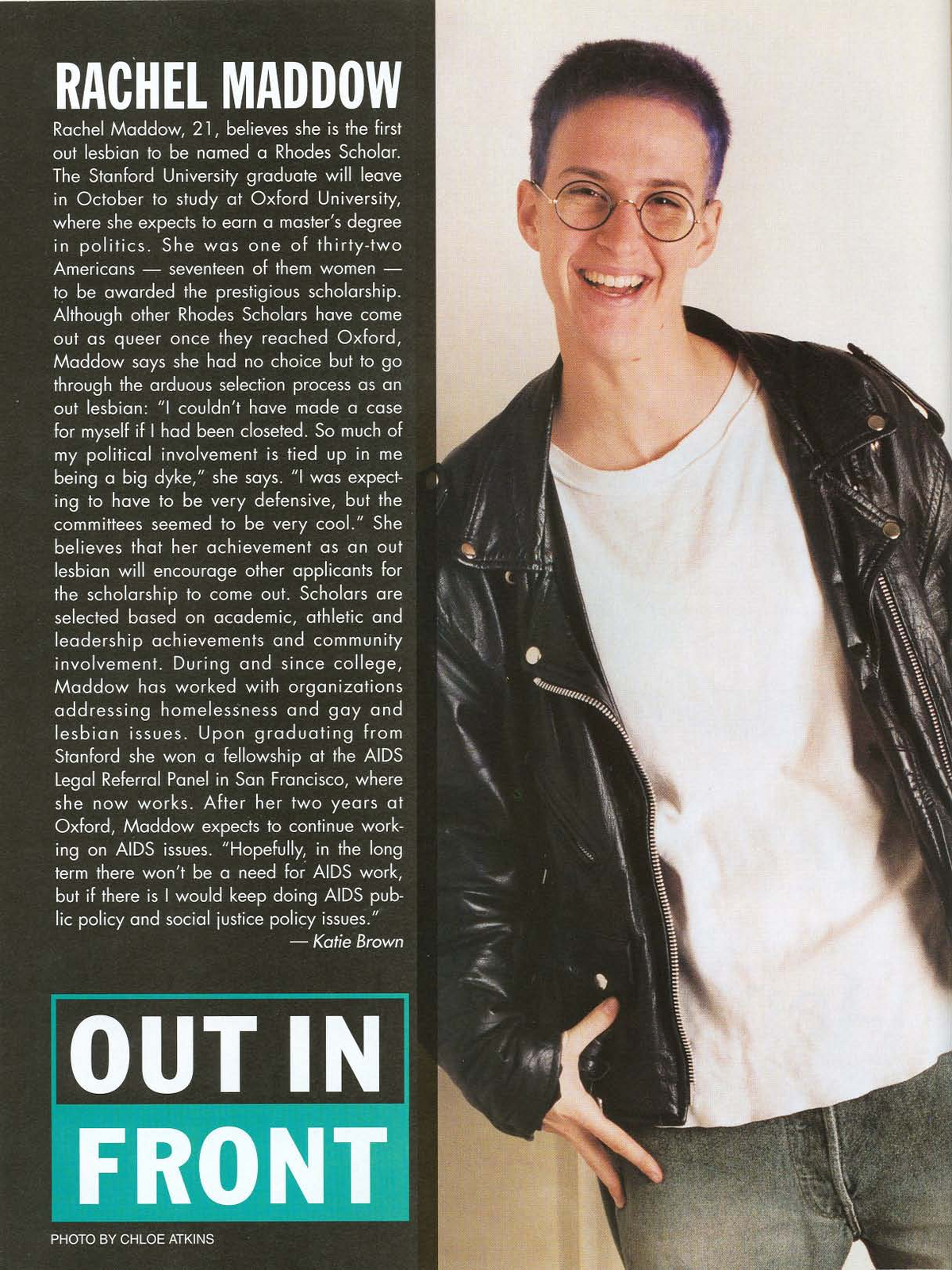
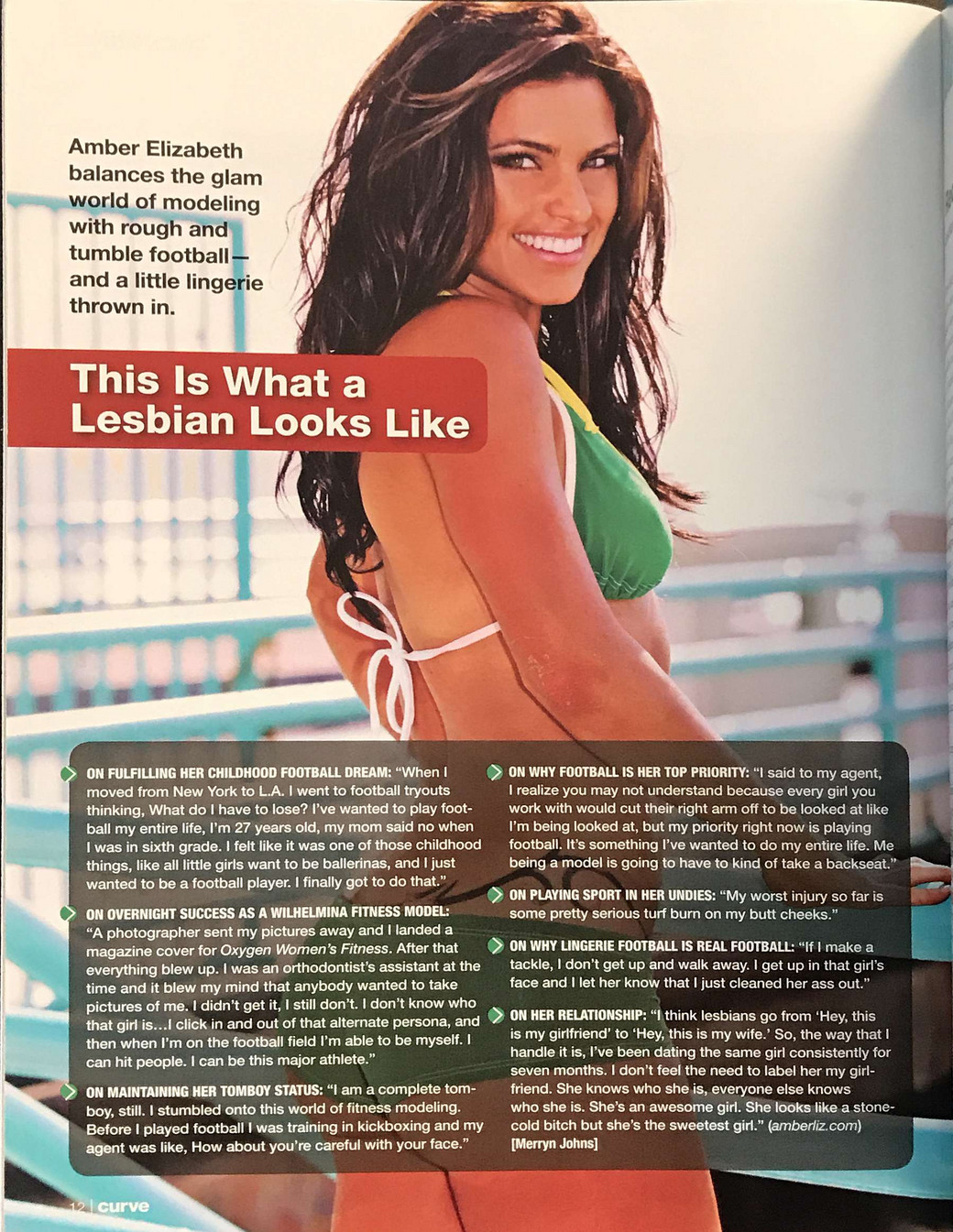
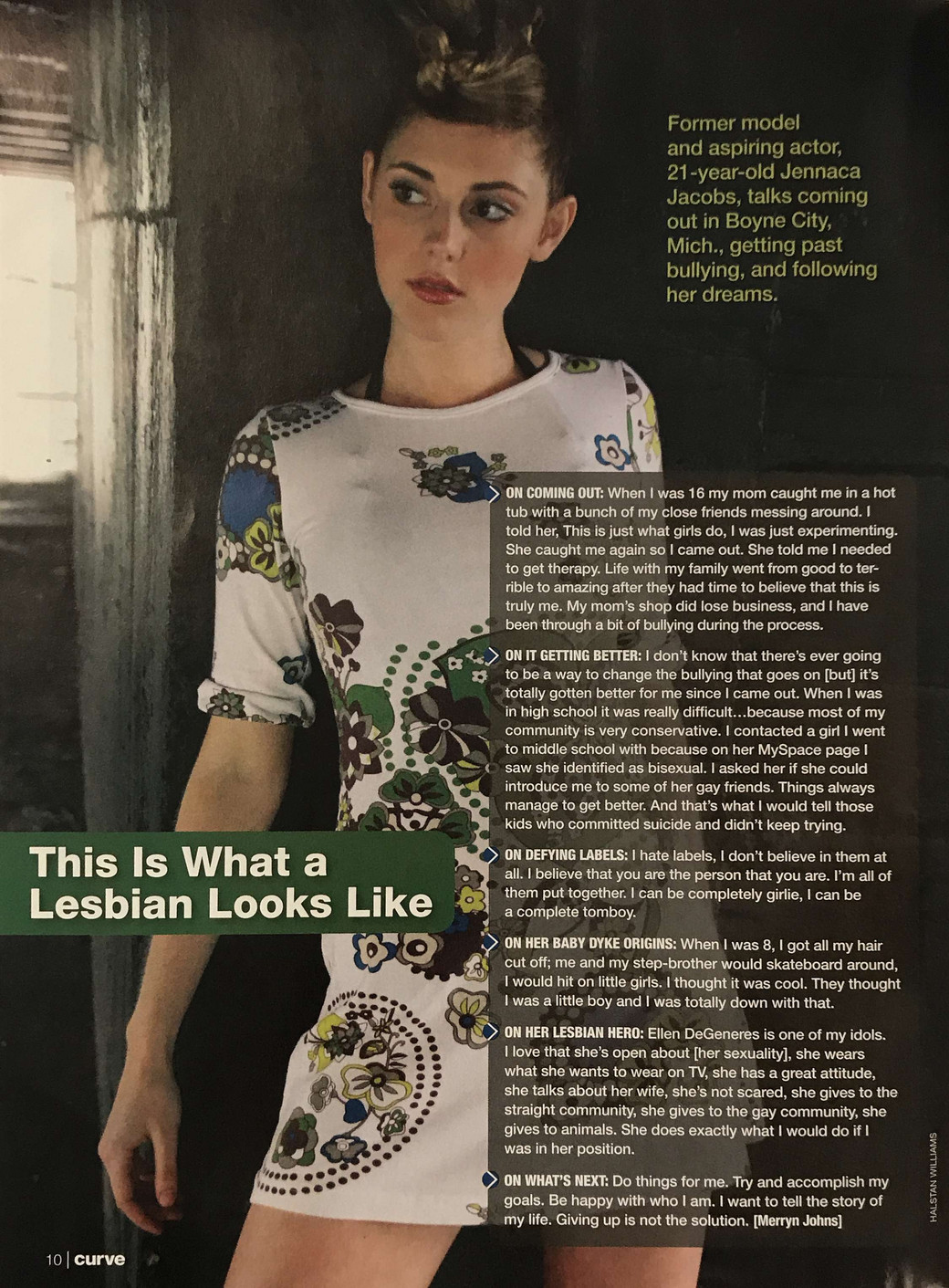
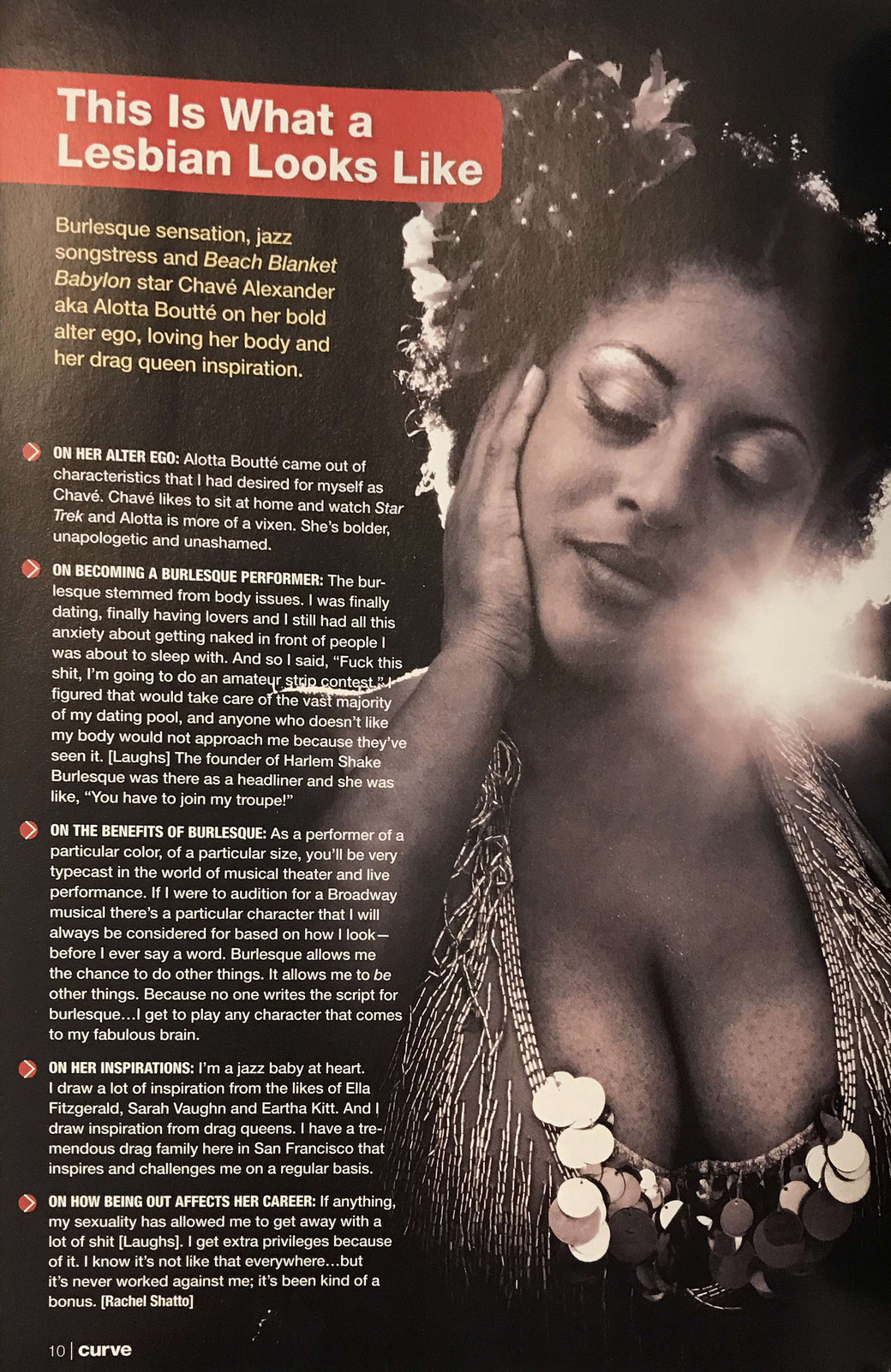
But alongside all the celebrity profiles were pieces on regular queer folks doing great things in the community. What’s always set Curve apart from any other lesbian magazine is its equal prioritization of high-profile gay subjects and the everyday LGBTQ community––a mission that’s facilitated tangible visibility. Columns like ‘This is what a lesbian looks like,’ widened the cultural understanding of queer presentation, highlighting women of diverse looks, sizes, races and trades, and driving home the point that you don’t have to present a certain way to be queer or gay––a sentiment that’s still relevant today. “I was wearing what I considered the dyke uniform,” Stevens explained, “and part of my impetus for starting the magazine was I wanted to dispel that myth. We can see each other as queer women not because we wear a certain outfit or have a certain haircut. We shouldn’t have to justify ourselves.”
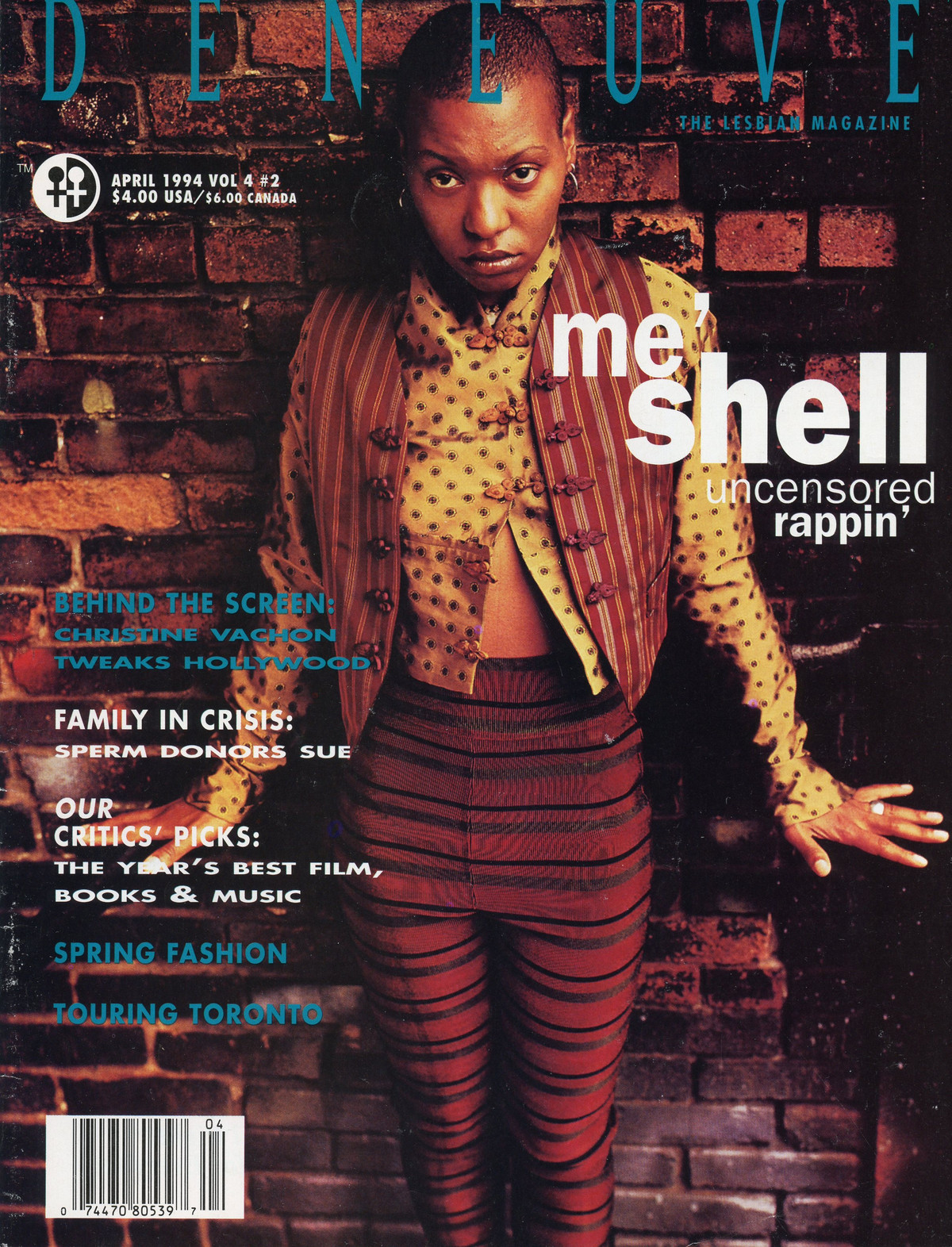
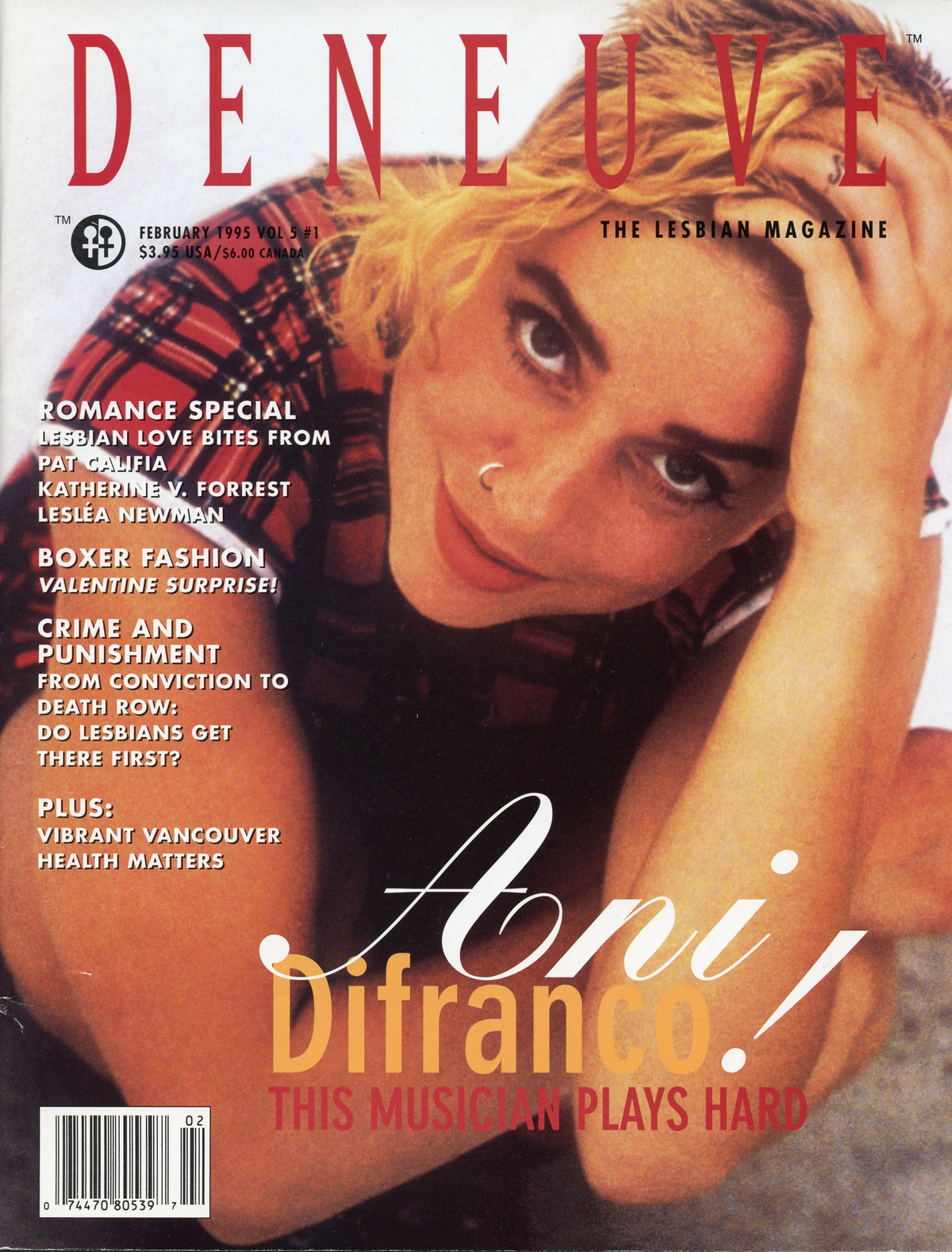

Featuring relatable queer women helped to normalize queerness, and created role models people like Stevens didn’t have growing up. “It was about visibility within our community, and then visibility for the outside world. Lesbians exist. And we don’t always look like what you think we look like.”
But after nearly 30 years, the magazine, like so many other print publications, is at a financial crossroads. And it’s not that we need outlets like Curve any less these days. While we’ve seen a surge in pop-culture visibility for gay women over the past year, with serious lesbian storylines finally making it into mainstream movies and TV shows, our fundamental rights as LGBTQ people are dangerously in flux. As politicians continuously take aim at our community’s wellbeing, the implications of a potential loss like this take on even more weight.
Stevens understood the importance of visibility and unity among LGBTQ people from the beginning. And without people like her insisting, in the face of relentless pushback, on normalizing LGBTQ life, queer culture as we know it would look very different. So while the future of the trailblazing magazine remains unclear, we do know some things; among them, that we can’t forget the stories of the LGBTQ people who kicked down doors before us, and as queer people, our work is never really done. In spite of the people who tell us ‘no,’ we have to continue carving out space in the world for ourselves, and for each other––like Franco did.
Catch 'Ahead of the Curve,' a documentary about Franco Stevens' legacy, in 2020, and see our favorite features and covers, below.
Images courtesy of 'Curve' magazine, used with permission of the publisher.