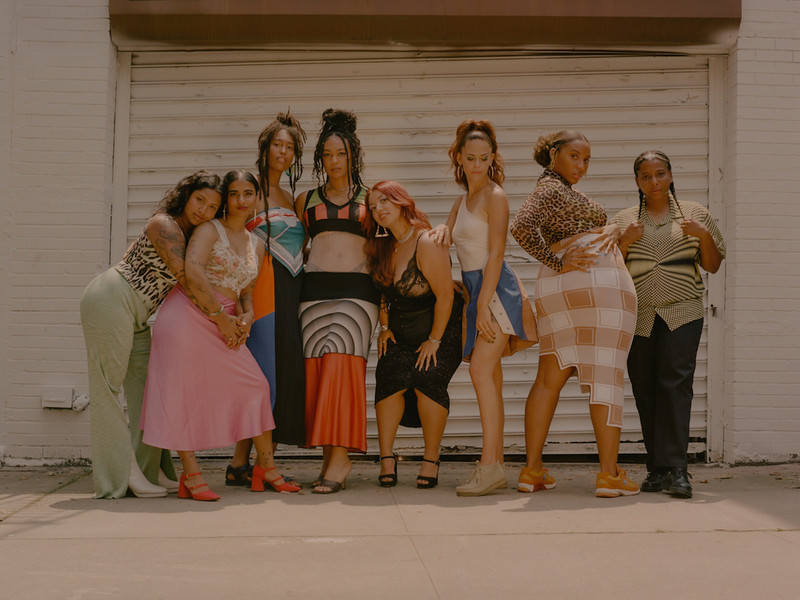
The Modern Muse


Stay informed on our latest news!


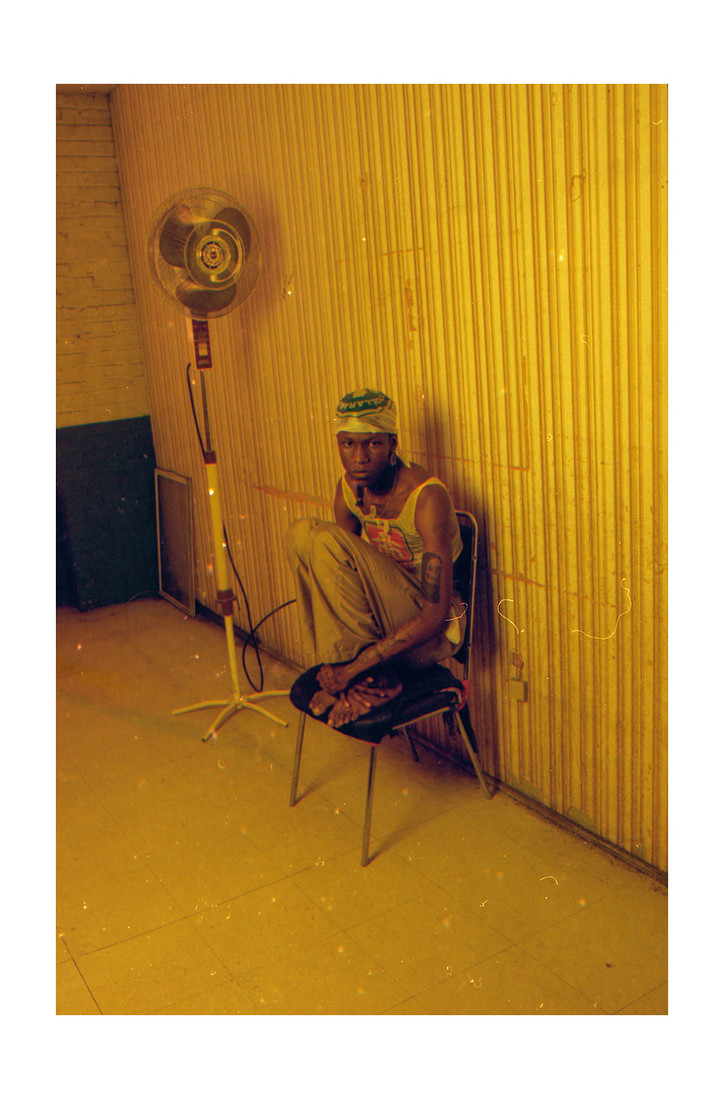
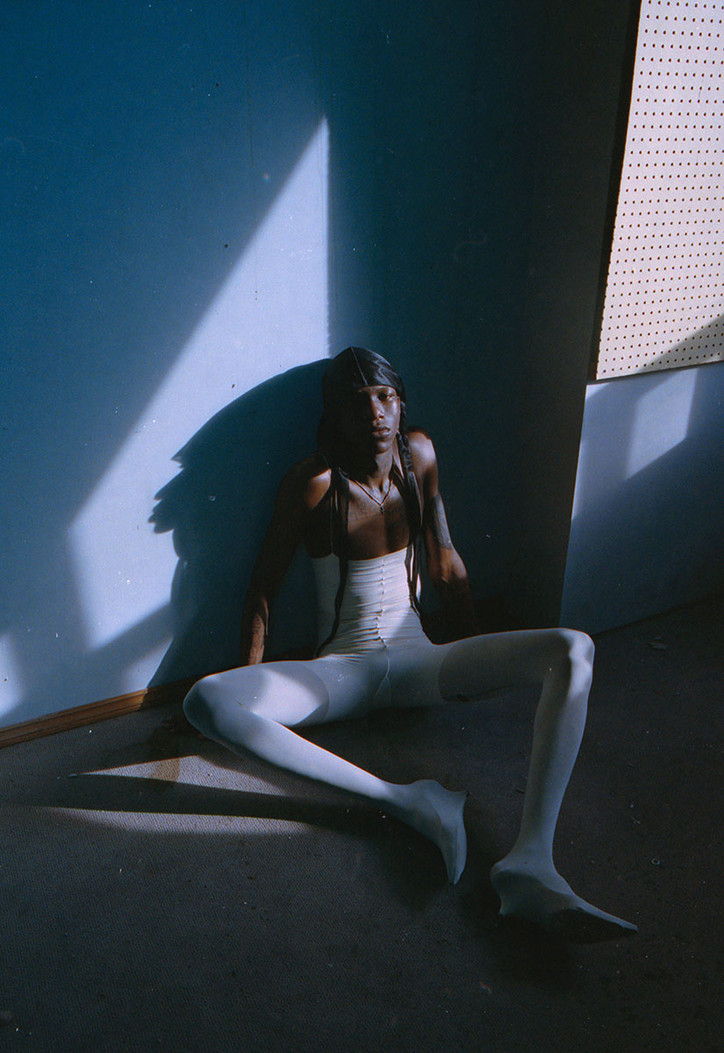
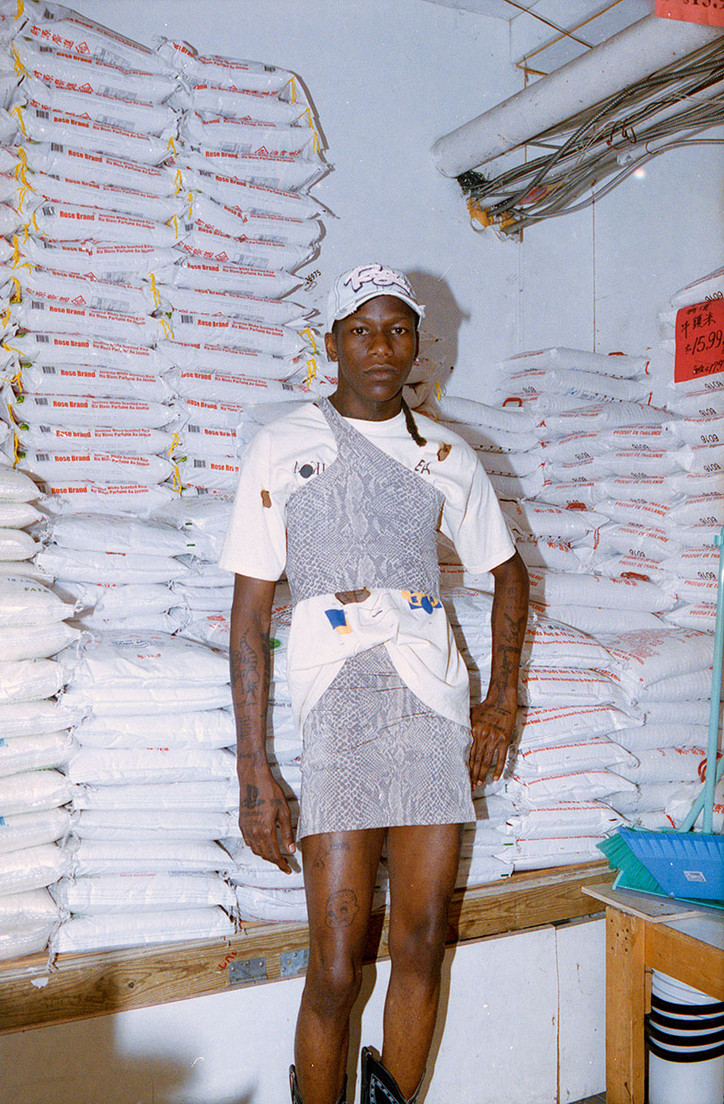
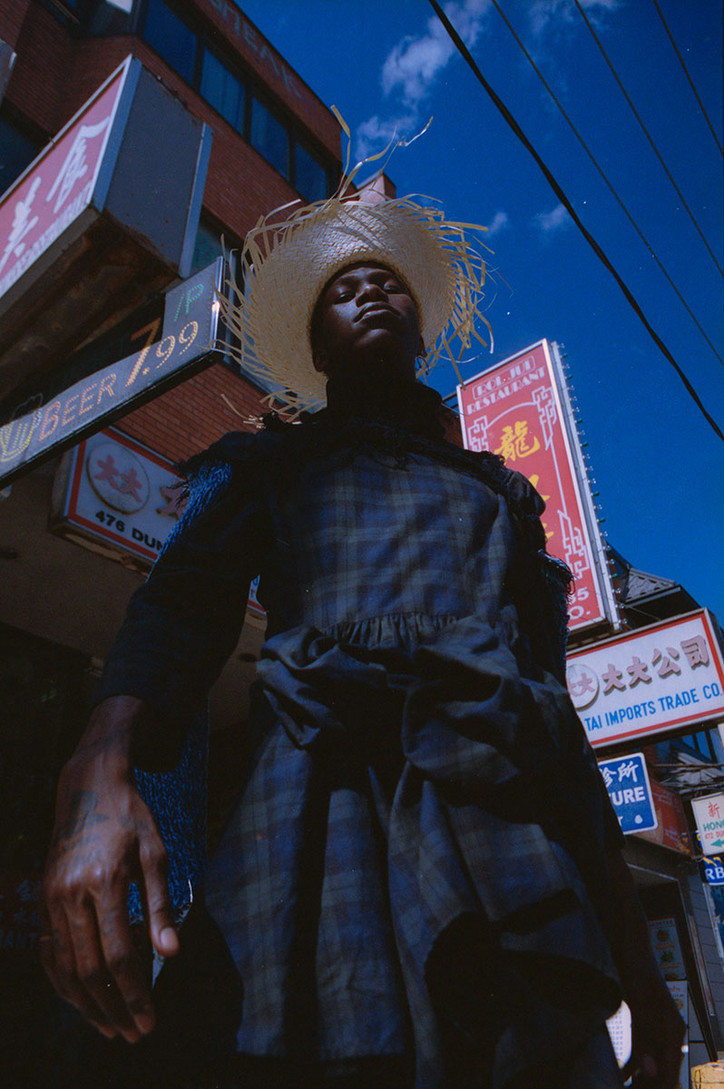
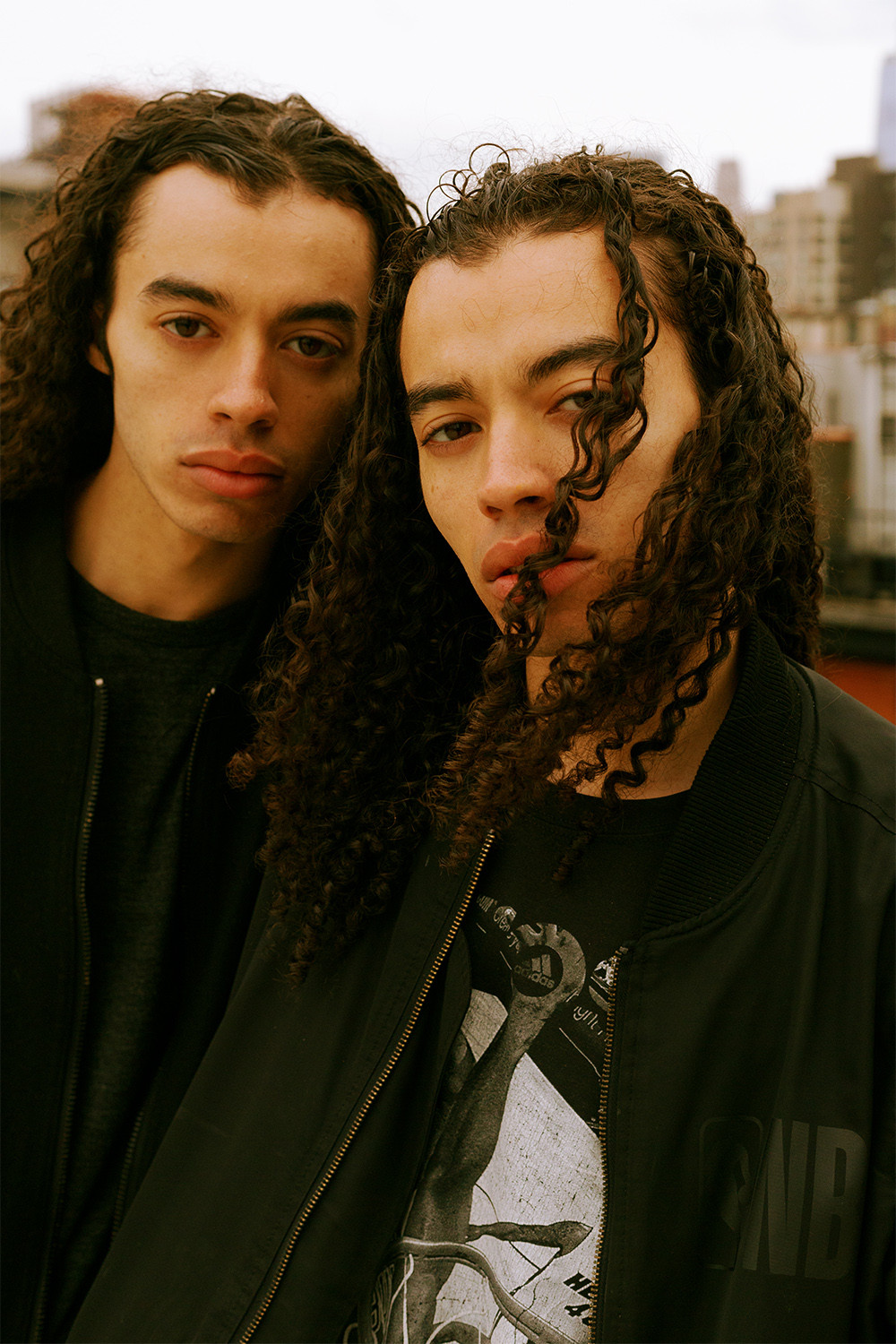
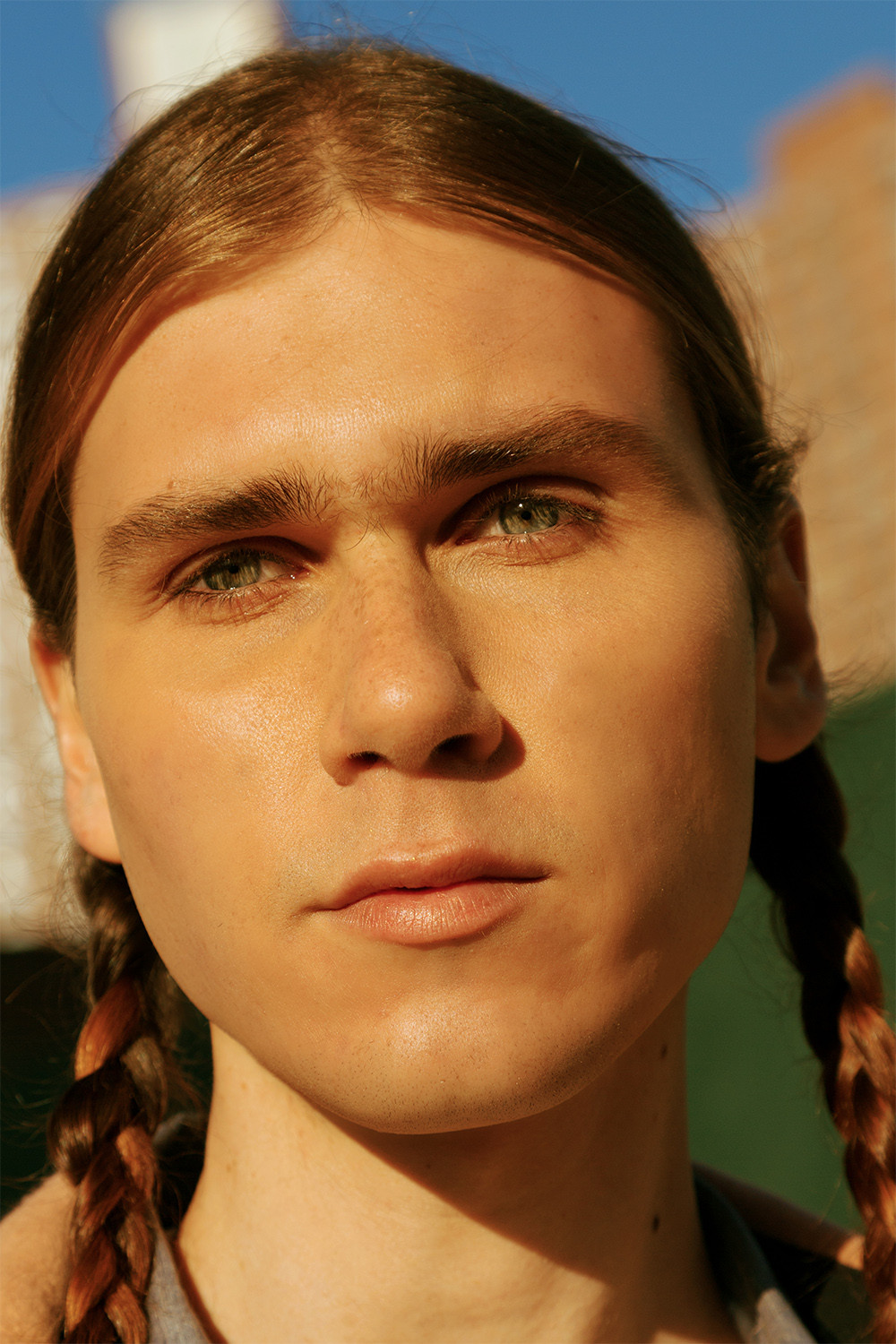
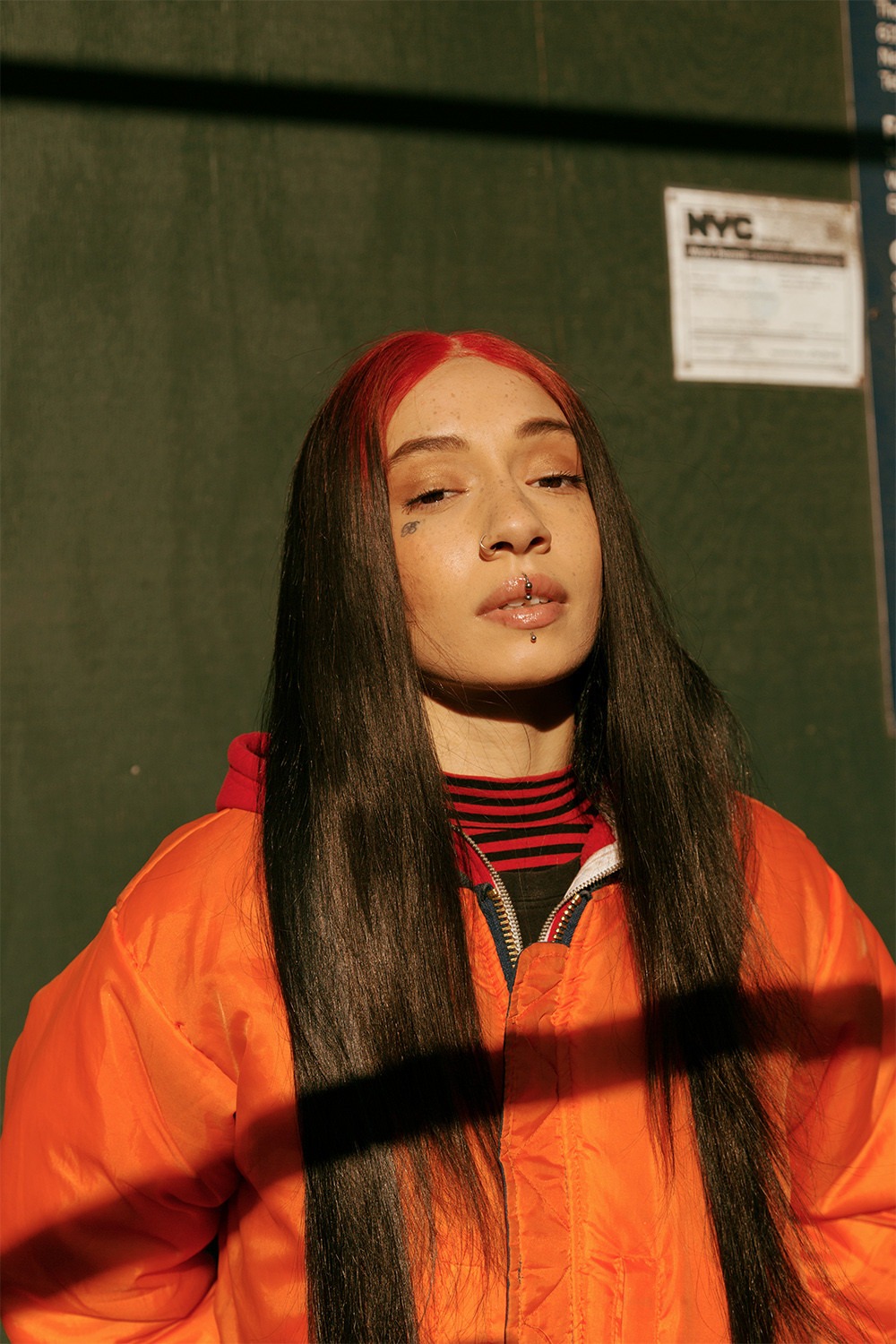
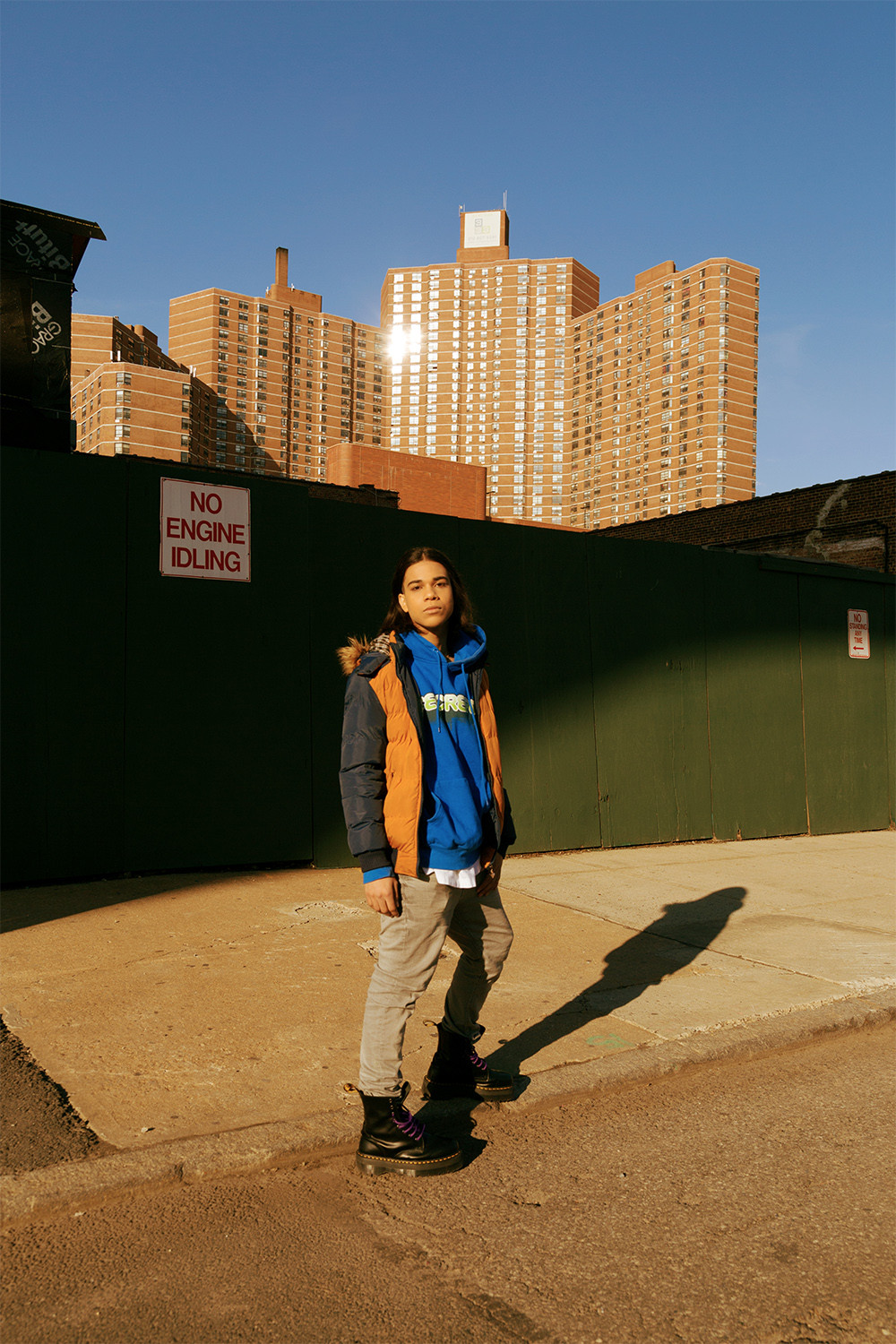
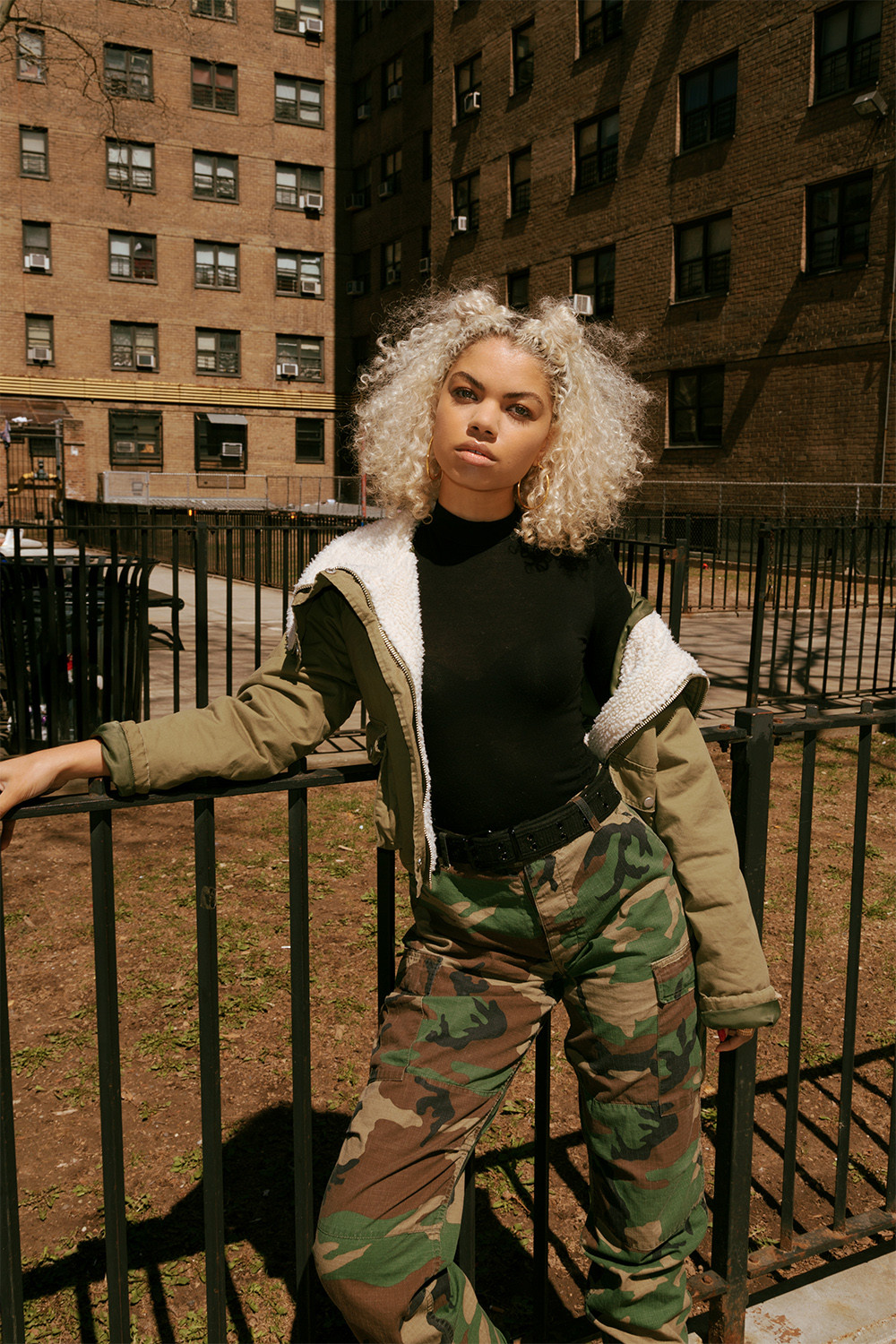
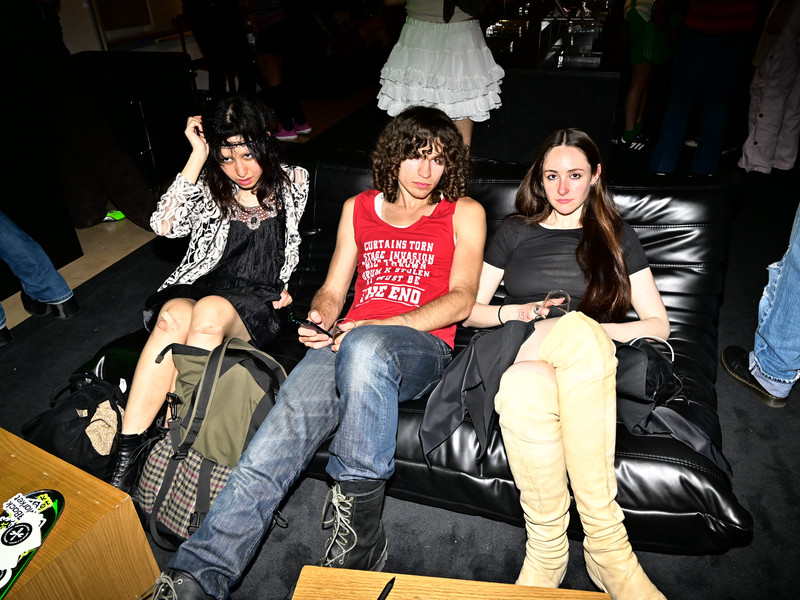
Stig focused on photographing faces just as diverse as the ones you find walking down 42nd Street. “When you know, you know,” Stig says of selecting his subjects. “Itʼs a feeling. I always check social media accounts to get an idea of the subject’s personality because I aim to bring that out in my images.”
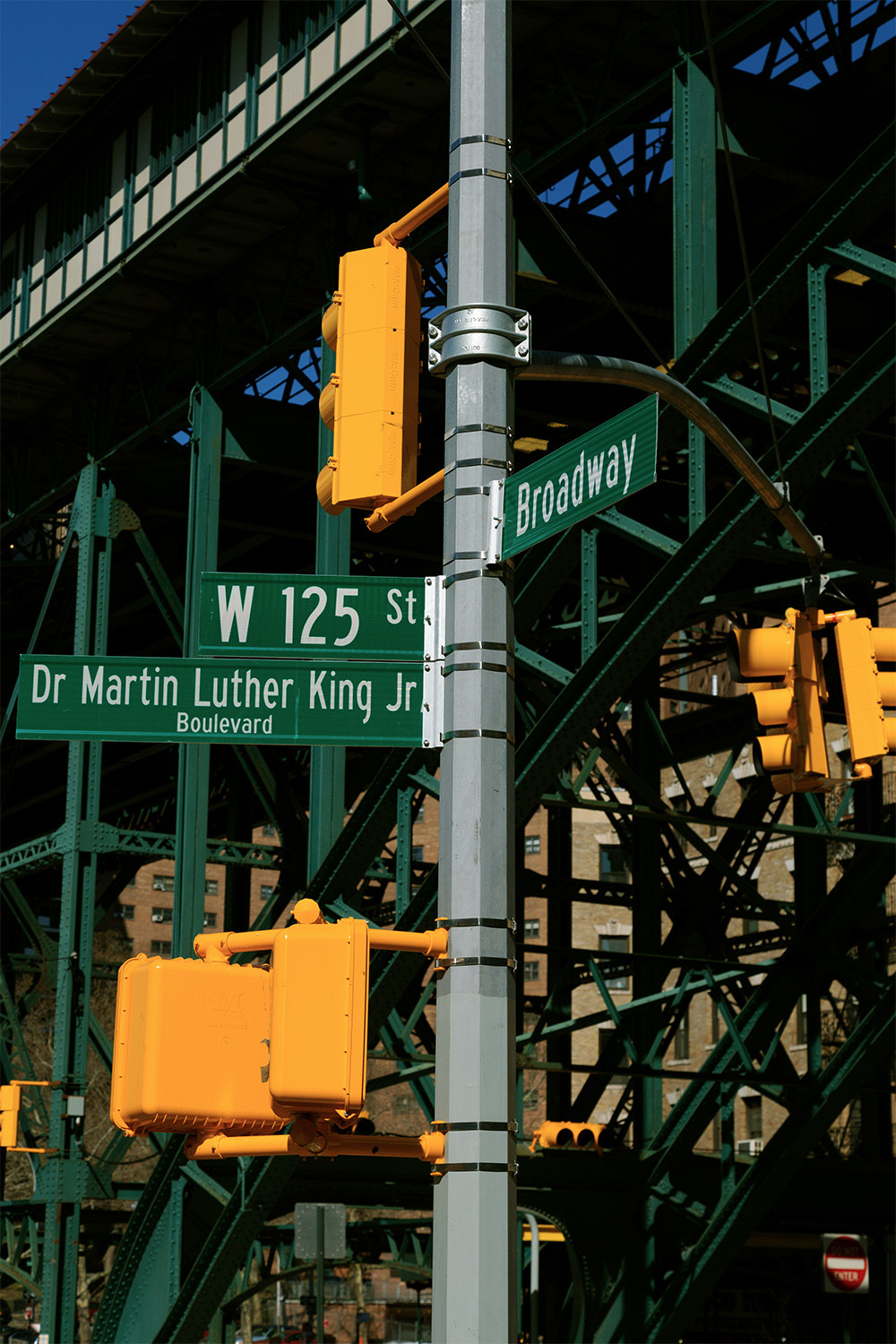
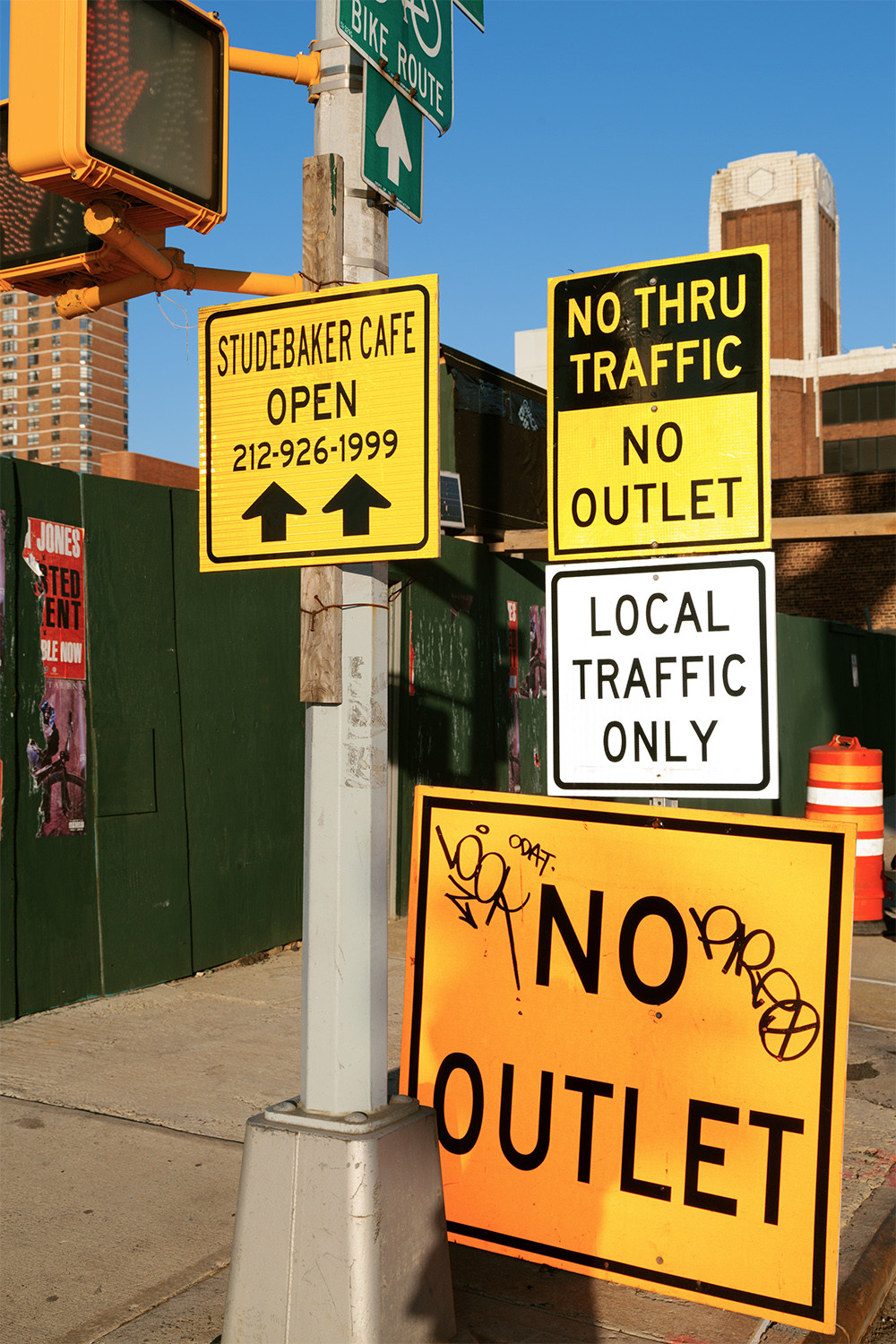
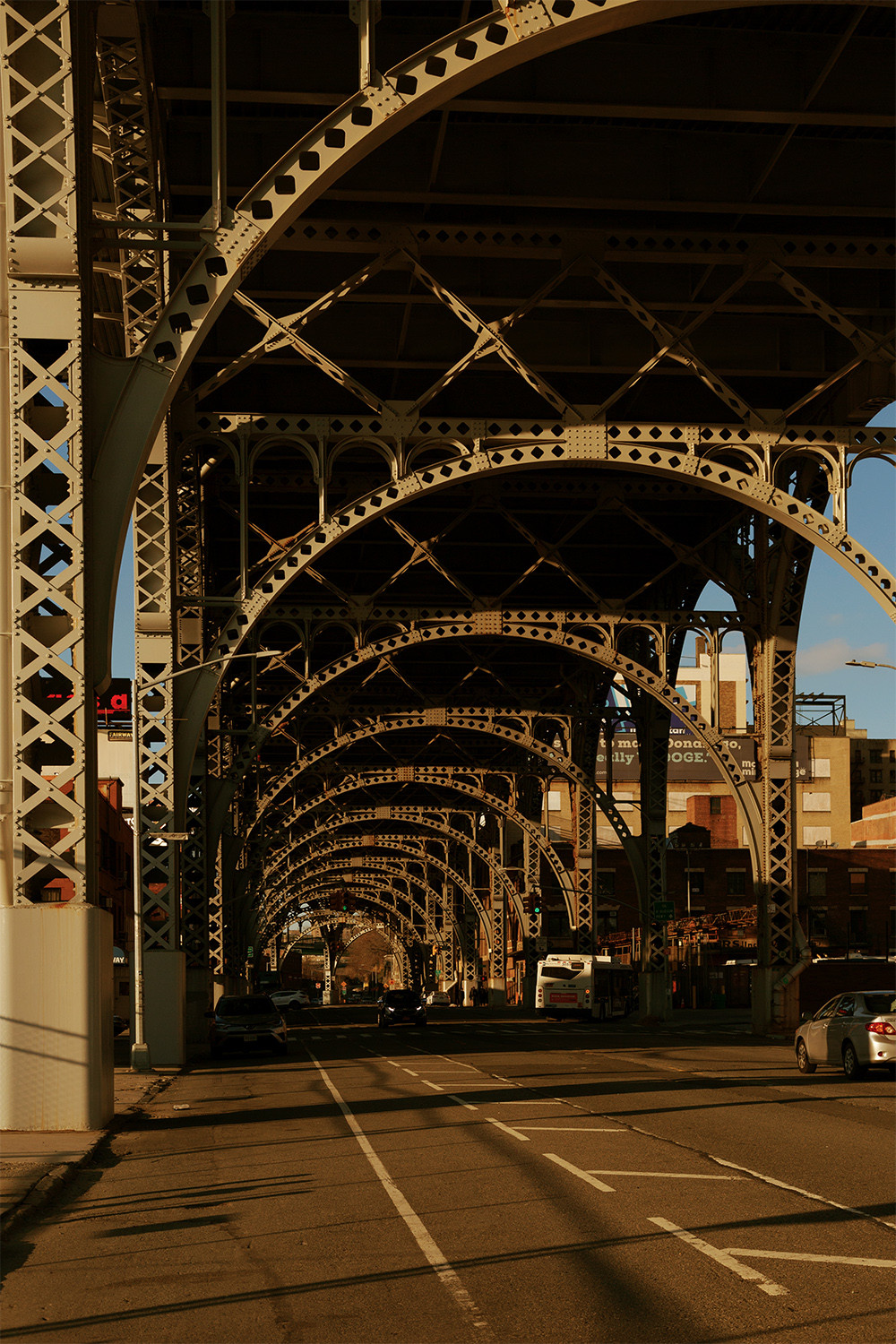
There are also clean, elegant snapshots of the distinctive architecture that makes up NYC: above-ground subway tracks, crossing signs, and parralled-parked cars. Seen through the lens of an enchanted visiting European, 72 Hours in New York puts the diversity, talent, and beauty of New York front and center.
Last year, Stig photographed Osaka over the course of 96 hours and LA in 48. “I think I am shooting my best work whenever Iʼm away from home, because thatʼs when I get triggered the most,” Stig says, speaking on the difference between shooting abroad versus in his hometown of Antwerp. “And I like the atmosphere, the rush that’s in the air.”
Here’s an intimate look at what it’s like to spend 72 hours in New York City.

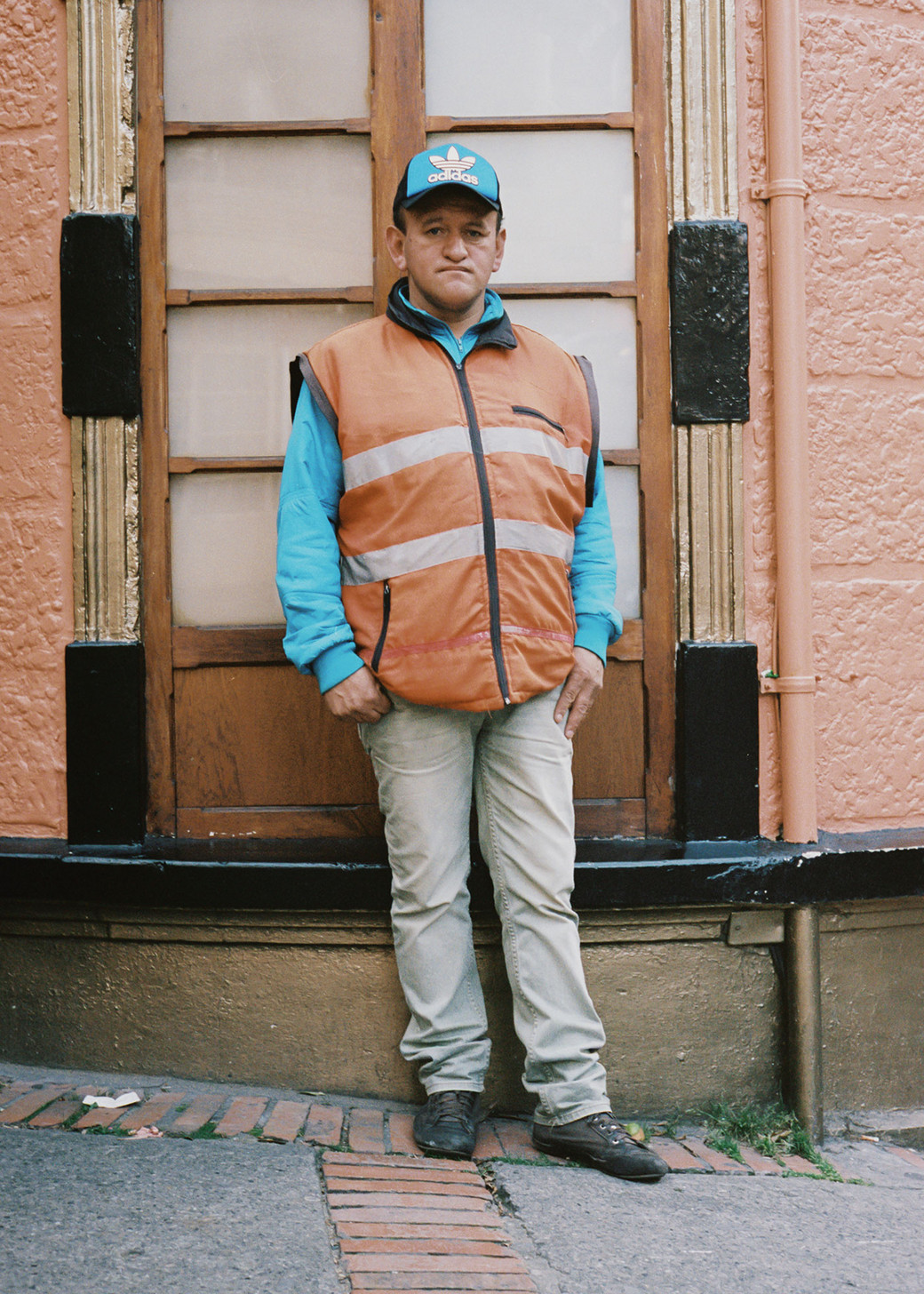
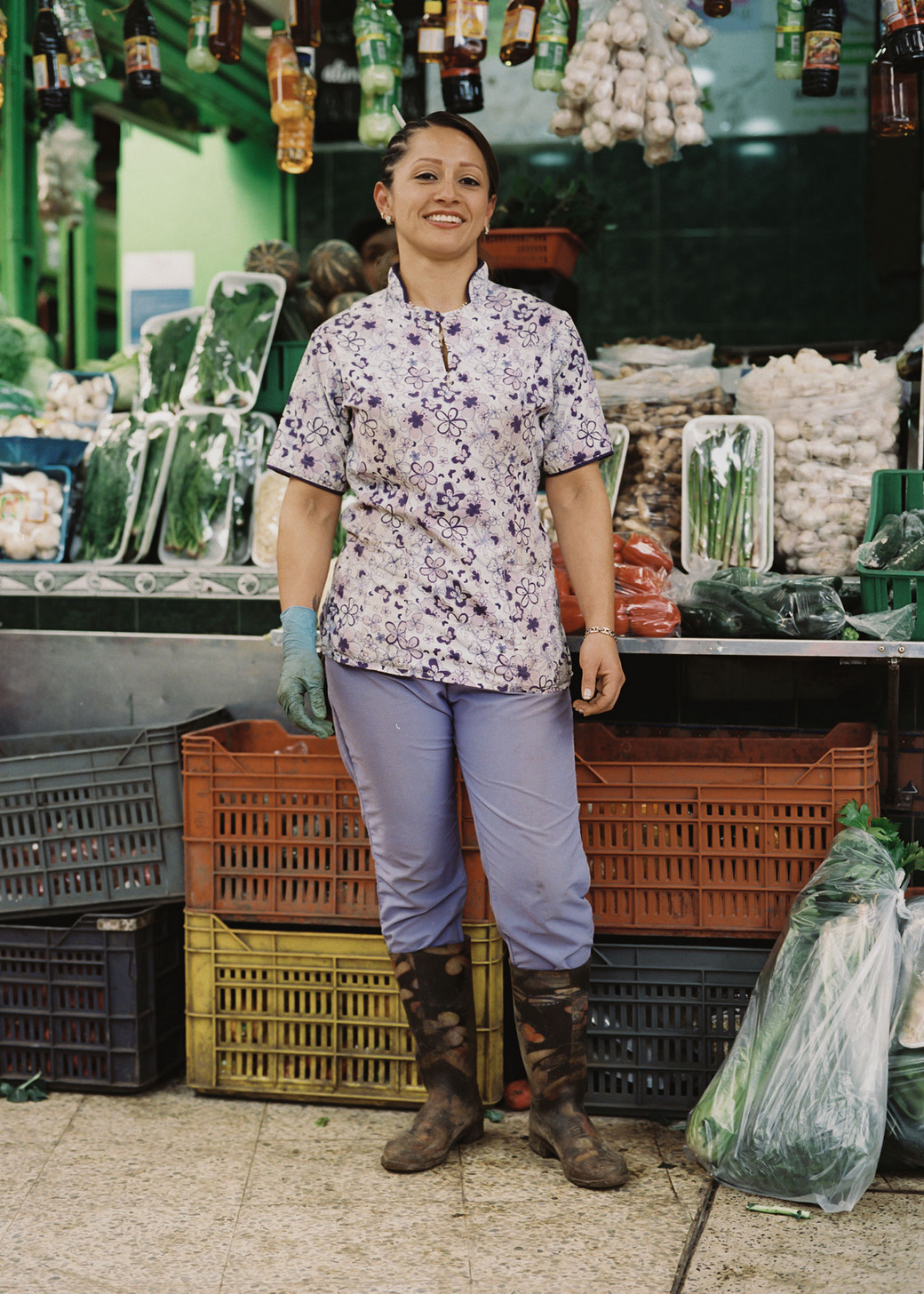
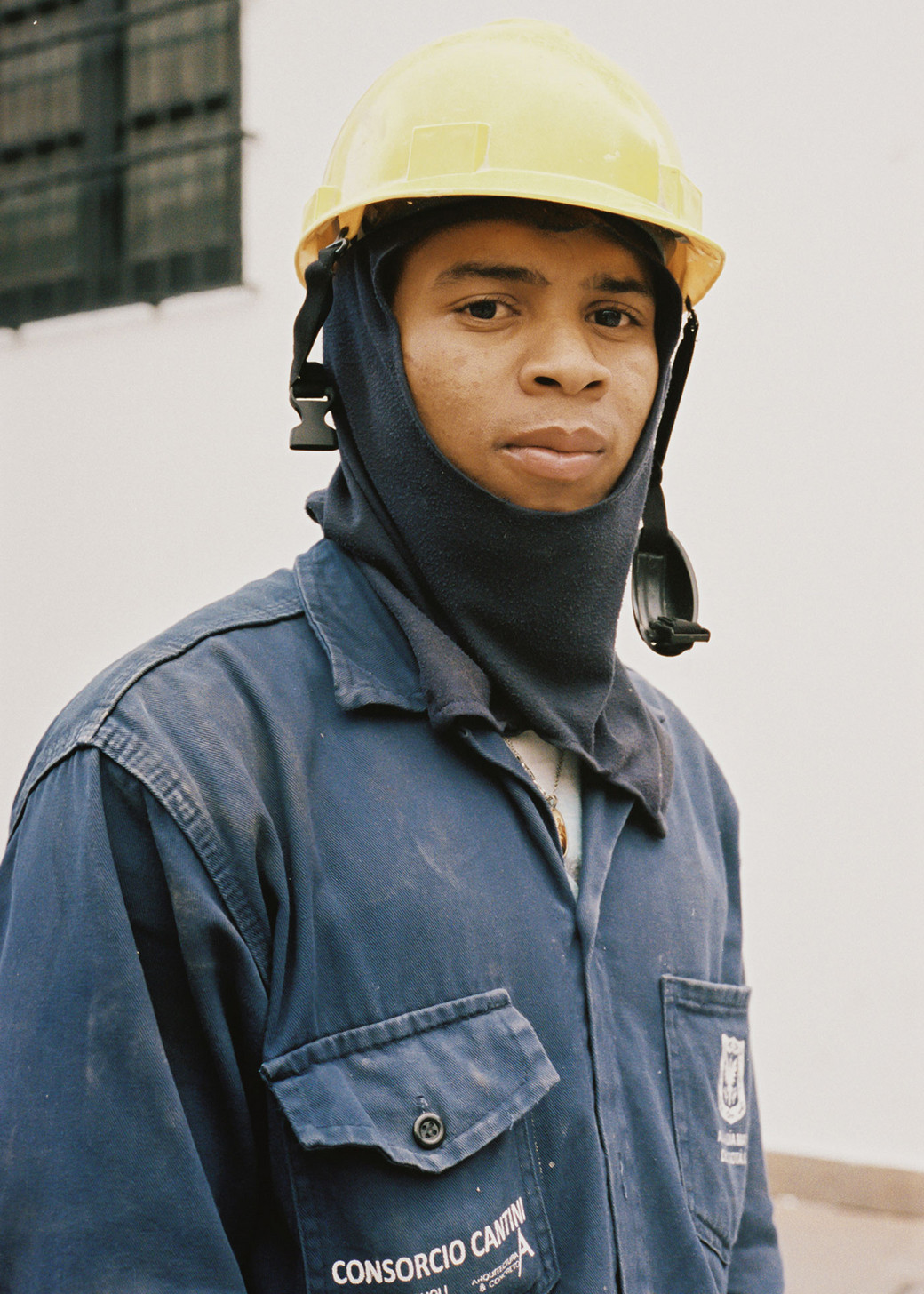
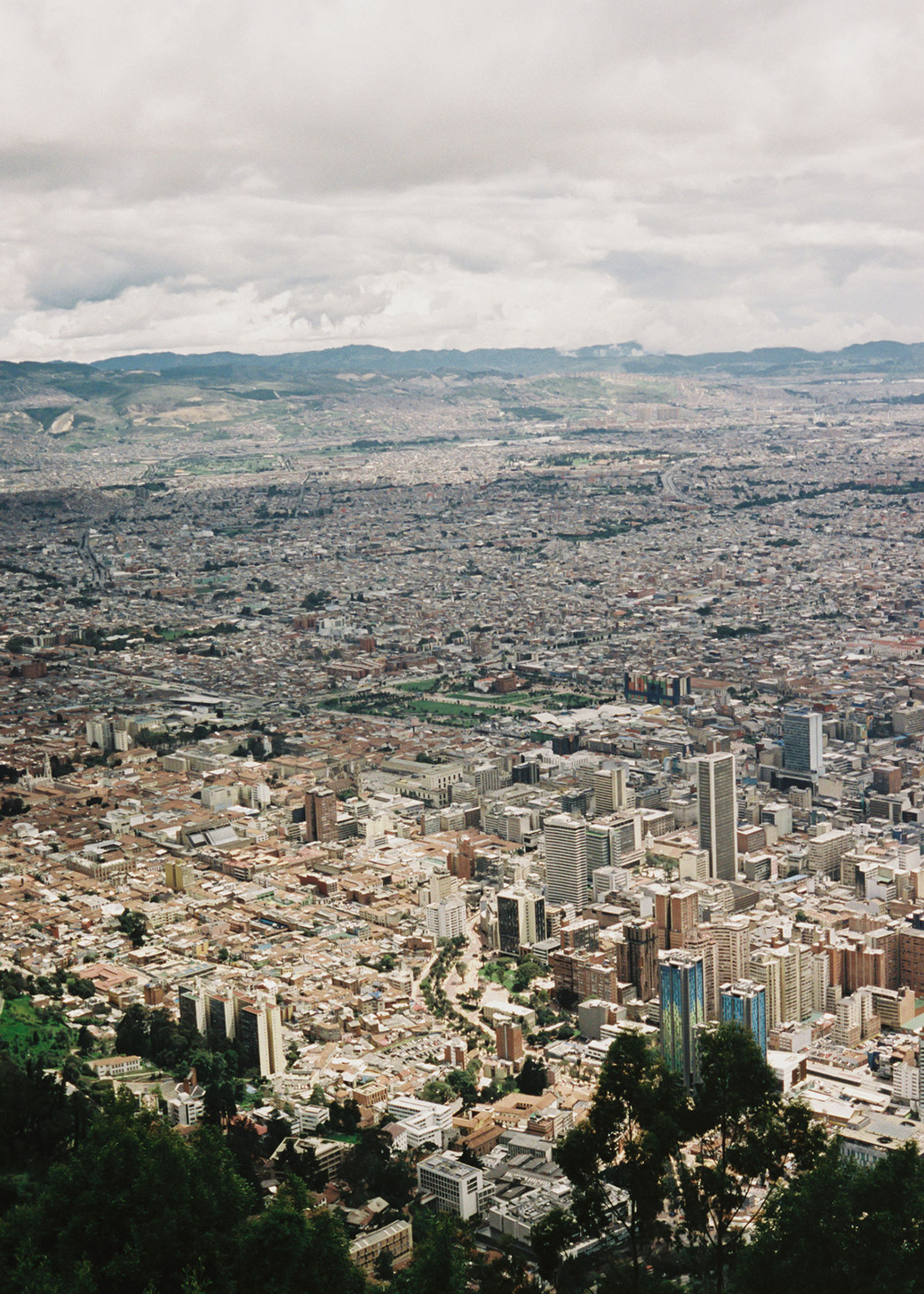
We came into this trip with two very different foundations of knowledge. I had learned about Bogotá from my friends who had visited, from news/books/art exhibits/football etc., whereas he had learned about it primarily from his family, who are originally from a distinctly different region of Colombia. It wasn’t long into the trip before we found that our individual expectations and preconceptions about the city were pretty distant from one another, but by the end of the trip we were in total agreement that Bogotá is one of the most special places on earth.


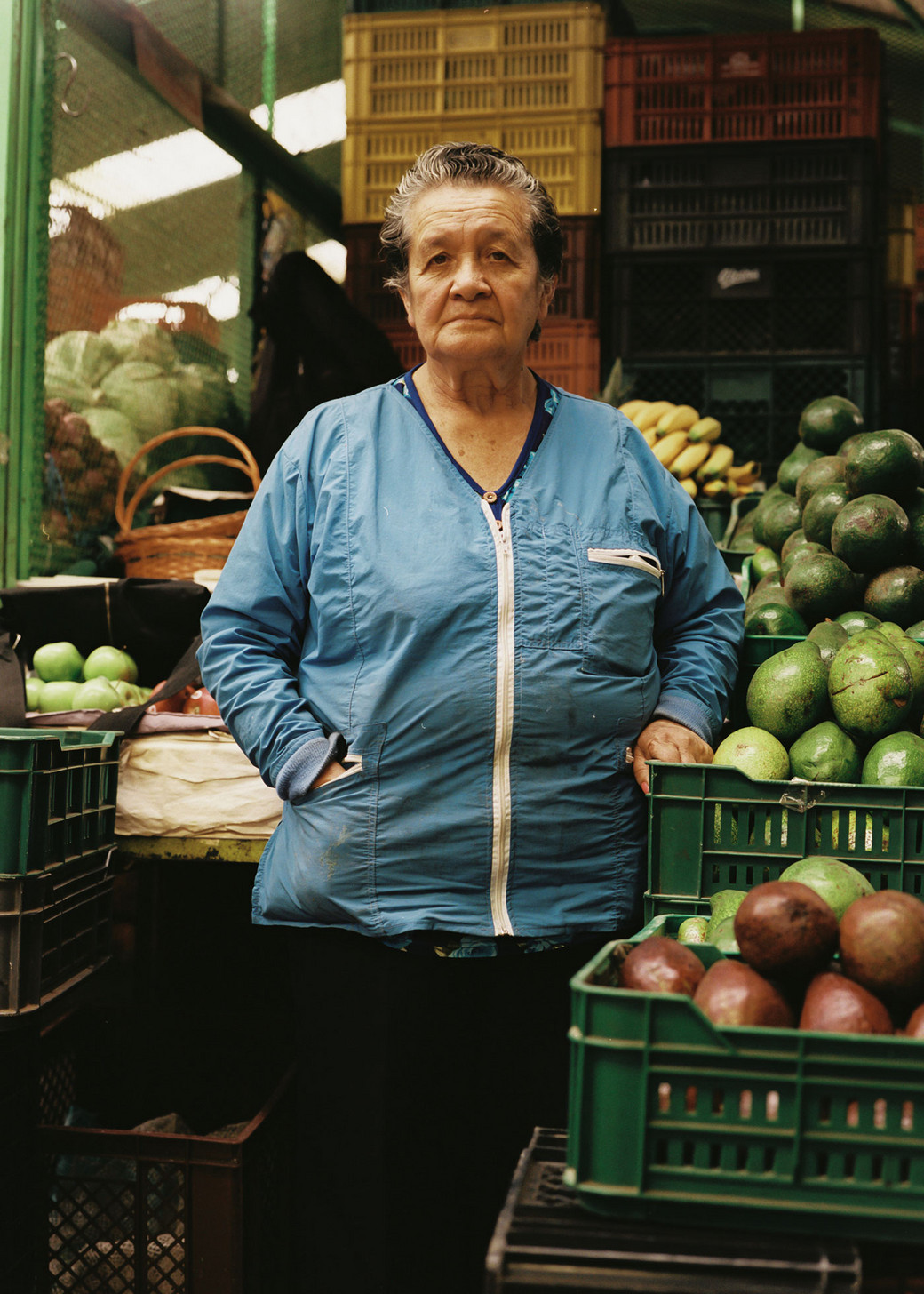
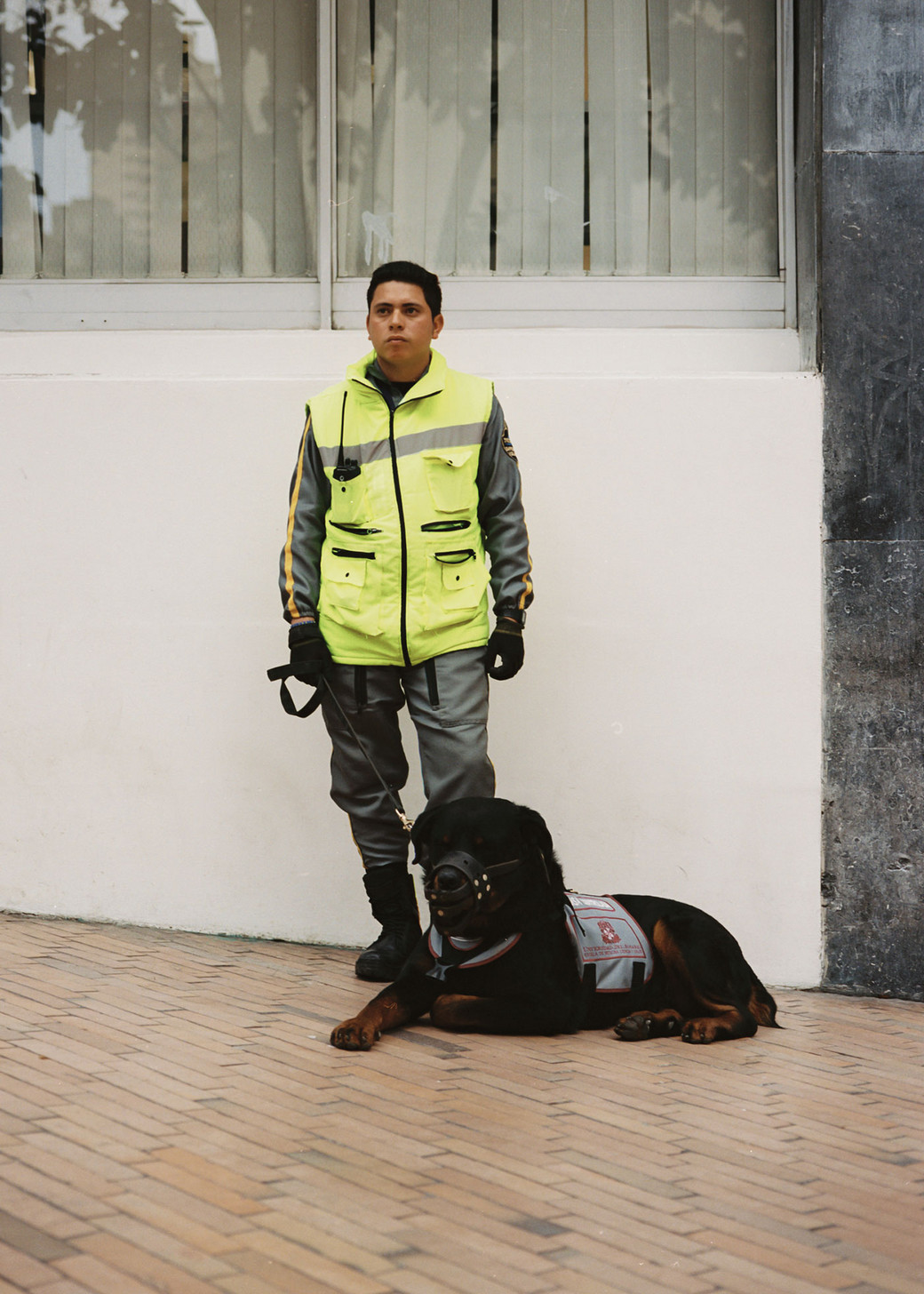
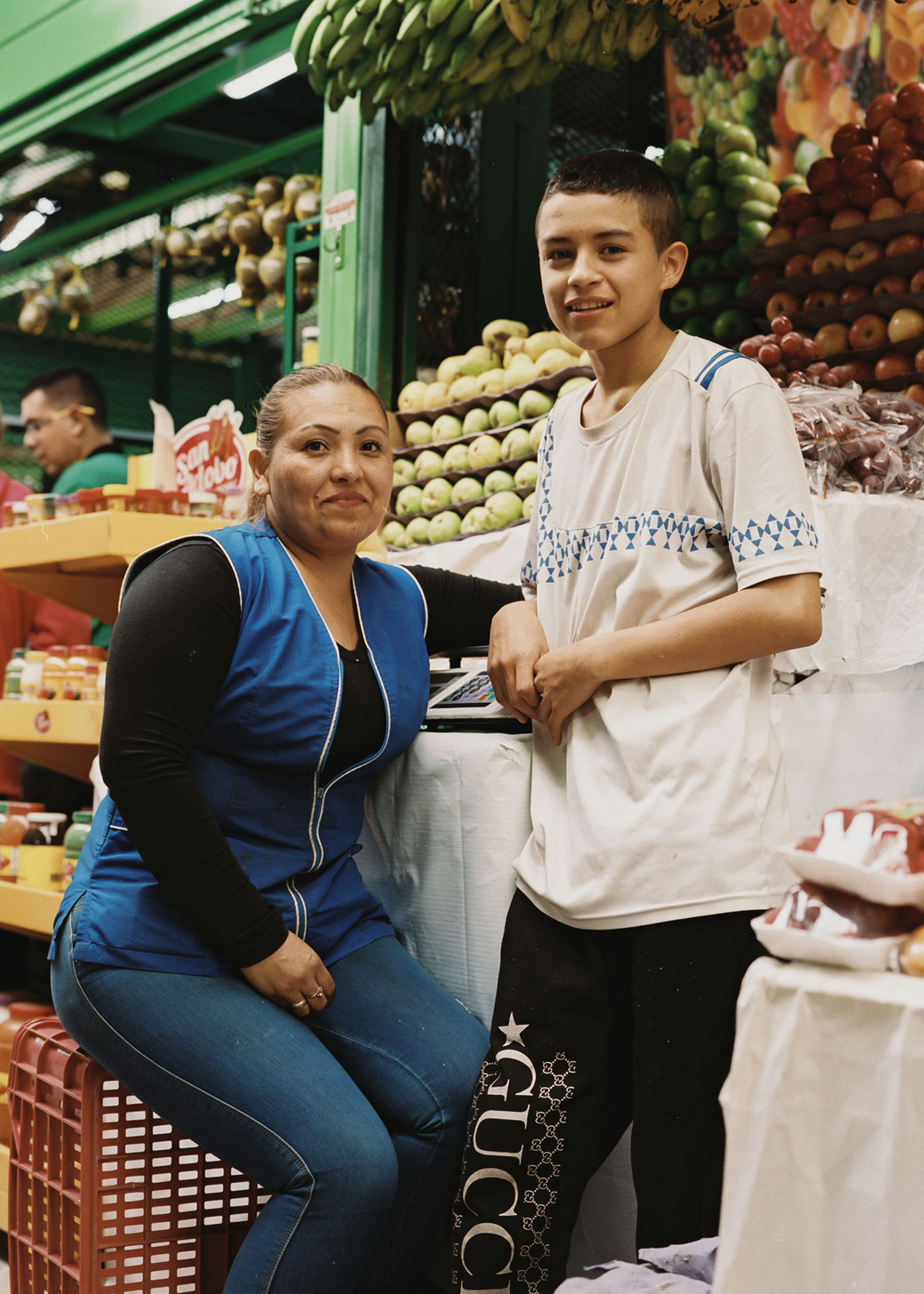
The first day of the trip I was overwhelmed with visual stimulation. It seemed unreal to be casually walking through Rogelio Salmon designed buildings into gorgeous museums where you can see criminally under appreciated Colombian painters like Enrique Grau jostling for space with European heavyweights like Max Ernst and Balthus. While threading through halls I was continually distracting our guides with long winded questions about Venezuelan immigration and what bugs are best for eating — during which I noticed Kevin start to focus less on the paintings or architecture and more on the citizens of the city. Our separate approaches were cemented on our strange trip to a tech conference the next morning. I had just recently figured out how to put polls on Instagram, and Kevin was at least one update behind on his iPhone, which were just a few of the factors that put us squarely out of place at this illustrious meeting of minds. This manifested itself in more than a touch of nervousness about my impending interview with Shazam co-founder Dhiraj Mukherjee - who spoke at the conference (EXMA Bogota) - but it ended up being a very enlightening chat about the importance of creativity in all endeavors. In case you are interested, no he had never thought about making a Shazam type app for bird calls, and yes it is in fact a stupid question. While my intestinal butterfly flaps slowly realigned with my heartbeat, I spent an hour trying to get a picture with a booth operator wearing a Scream mask, and Kevin began asking the security of the event if he could take their pictures. Initially I found much more success — with many of Kevin’s would-be subjects fearing a firing should they bear their souls on one of his rolls of film. While it was slow going at first, it seemed the more comfortable he became with the city, the more comfortable the subjects became with him.


After a night of disappointing performances at their national sport Tejo and gorging ourselves on Chicharrones de Guayaba, Amazonia river fish and a plethora of gorgeous fruits that resembled what I imagined alien intestines might look like — we rose up to go and search out a slightly more contemporary side to the city. The Espacio Odeon was truly breathtaking. The crumbling interior was equal parts brutal and renaissance reminiscent, giving it the look of the Opera house from Fitzcarraldo if it started having Tresor label nights. The surrounding area was buzzing on a Friday as well, the gorgeous tree lined square filled with people blasting Cumbia and drinking Canelazo from small hand painted carts. Obviously intoxicated by the energy, Kevin found a new ease with the Bogotanos (or Rolos, as they are known there), snapping photos and making noticeable connections with vendors, police and everyone in between.


The trip really clicked for us when we visited the spaces of New Miami Gallery. Set up almost like a commune, Berlin Biennale vet Juan Pelaez took us room to room in the artist run space, allowing each person living there or involved in the show to explain their work to us (there are too many to name so I’m counting on you to Google the place). The majority of the pieces dealt with globalization in one way or another, an understandable topic for people working in a country that has largely and wrongfully been overlooked in this sector for too long. We ended up joining many of these artists for a wonderful night out at a club called Sauna, which is a euphoric homage to the legendary bathhouses that were integral to the gay community before the devastating AIDS epidemic caused the majority of them to close. A drag performer sang traditional Colombian ballads and slowly made their way around the dance floor, the final tear inducing reminder of just how exceptionally open a city it is.


On the brink of a contentious election, only a year after a historic treaty with arguably the largest and most successful guerrilla group in human history, we found ourselves experiencing the absolute best humanity has to offer. I am in no way trying to plaster over the issues and struggles of the Colombian people — and although I experienced nothing of the sort, I was repeatedly reminded by locals that crime and corruption still run rampant in the capital. That may be true, but there are also hardcore bands that scream their lungs out in venues that look like your grandparents living room, there are also mile long markets filled with the most kaleidoscopic range of fruits you’ll ever see, there are also basement clubs where DJs mix tracks I watched get made in Ridgewood apartments with a variety of their world conquering local musical styles, and most importantly, there is always someone around that wants you to love Colombia as much as they do. I am obviously in no position to speak for the Rolos, and I won’t — but I do think I can speak for Kevin and I when I say that you must go to Bogotá and meet the people that make it tick. You will not regret it.

When and why did you move to the Middle East?
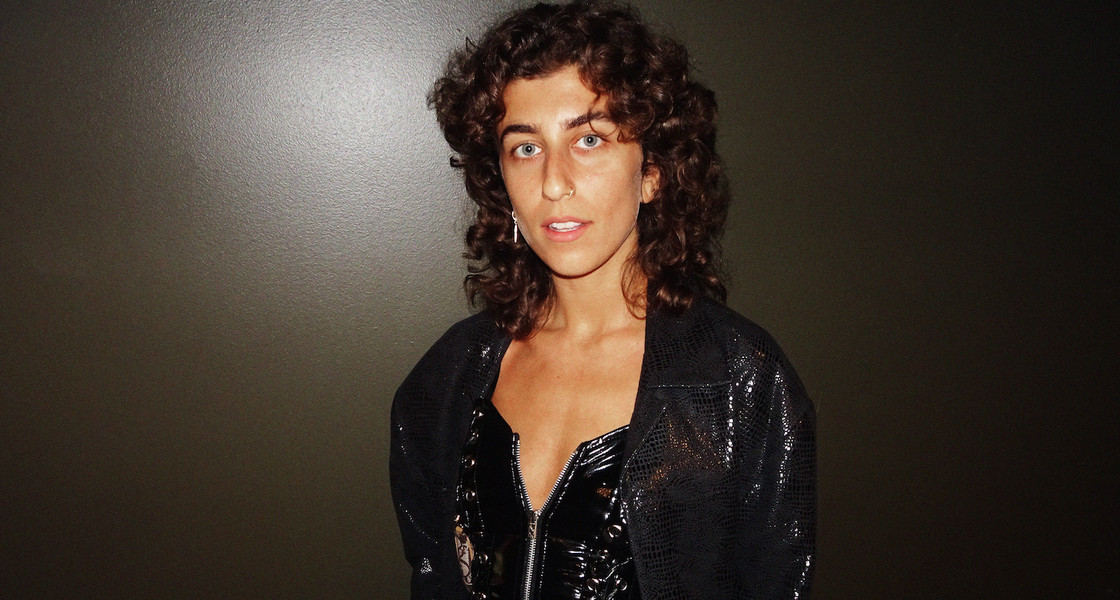
I moved to Beirut after graduating with my BA in Fashion Styling & Photography from London College of Fashion. I had never lived in Beirut before. I'm Lebanese, but I grew up in Dubai and would visit a couple times a year. During the summer of 2015, I had this sudden urge to stay in Beirut and explore my country. I was curious about the creative industry there and what I could do within it. I wanted to implement what I had learnt from London.
How was Dubai different?
Dubai is a new city, and growing up there as a kid, everything that surrounded me was polished, not rough around the edges. The chaos of Lebanon wasn’t something I enjoyed early on — there was something uncomfortable about it. I was so accustomed to Dubai, I would become nervous and somehow reject it. Over the years, I began to understand the disparities within my country, and it made me want to learn more about it. Being based in Beirut for two years was one of the best decisions I ever made. I was able to reconnect with my roots which gave me a greater perspective of myself and my work. I realized I had embodied Beirut’s energy all along, its pain and culture, even though I lived far from it. I found a common ground with the complexities and contradictions within the city.


What is Beirut like for a creative?
Just like any city, it has its ups and downs. The city is tiny, and the scene is tinier. The thing that’s great about Beirut is that you’re a drive away from the most beautiful landscapes; escapism is a huge part of this country. If you think of Lebanon as not only Beirut, there is so much to explore and get inspired by. Lebanon is stuck in a time warp — I think that’s why I’m so drawn to earlier eras, the ’70s and ’80s. As a creative in the city, I feel like anything is really possible around here. For instance, I remember needing a last-minute, fairly intricate, circular wooden platform for a shoot. I went to Borj Hammoud, the Armenian neighborhood in Beirut, which is also a district for textiles, mechanics and other materials alike, and had it made instantly. People are very hands on, production is very accessible, and that allowed me to exercise my vision.
What about for a woman in the creative field?
Men and women face the same obstacles in the creative field. My time in Beirut was super inspiring. I was given many great opportunities; at 24, I taught a course in styling at the Lebanese American University (in collaboration with the London College of Fashion & Elie Saab). I led the wardrobe direction of a music video for a cast of 40+ people and a male-dominated crew. There are many opportunities for women in the creative field. Women occupy a large part in the creative industry; we’re everywhere and we work hard.
Tell me about how you first conceived of this film.
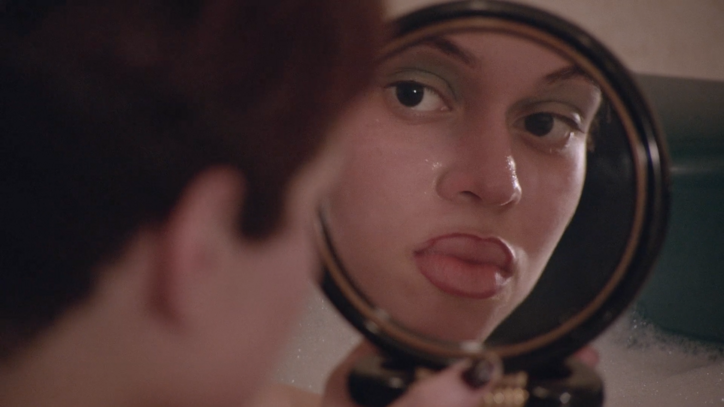
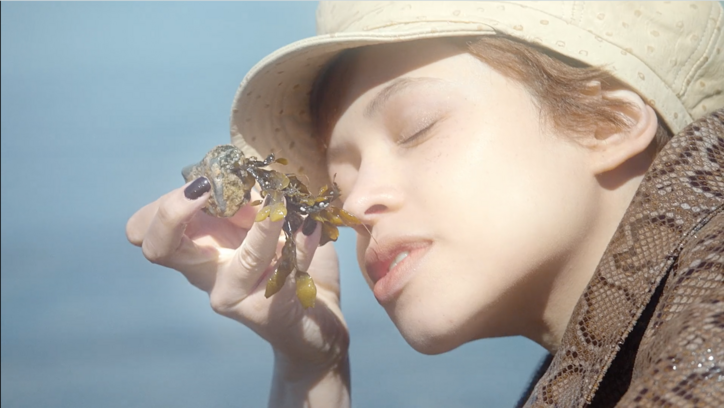
"Clams Casino" was conceived after I came across a South Korean online phenomenon called “Mukbang” where people eat large amounts of food on a live broadcasting website for money. Most popular hosts, known as BJs (broadcasting jockeys), have around 300,000 subscribers and have clocked in over 30,000 hours of public eating. Although no nudity takes place, it can be insinuated and the act can be very erotic for viewers. Some BJ’s describe Mukbang as their talent, hinting at its inherent mastery of public performance. It raised loads of thoughts and questions: why is there the need and this outlet for both the hosts and the viewers to partake in this act? In my movie, I explore how lonely one can get, how far we are willing to go to get rid of it, and our urge to feel desired. It examines and deconstructs the online phenomenon that is representative of communication and relationships in modern day. "Clams Casino" is about two young girls that struggle to connect with their mothers, while using modern technology as diversions from their personal struggles.
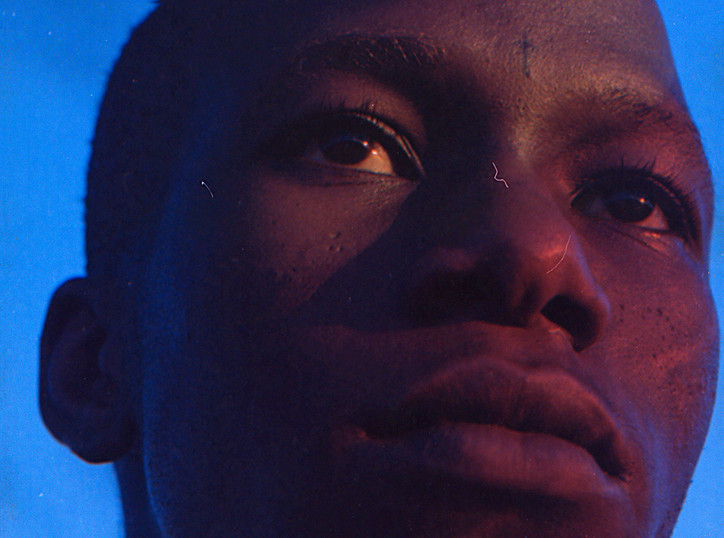
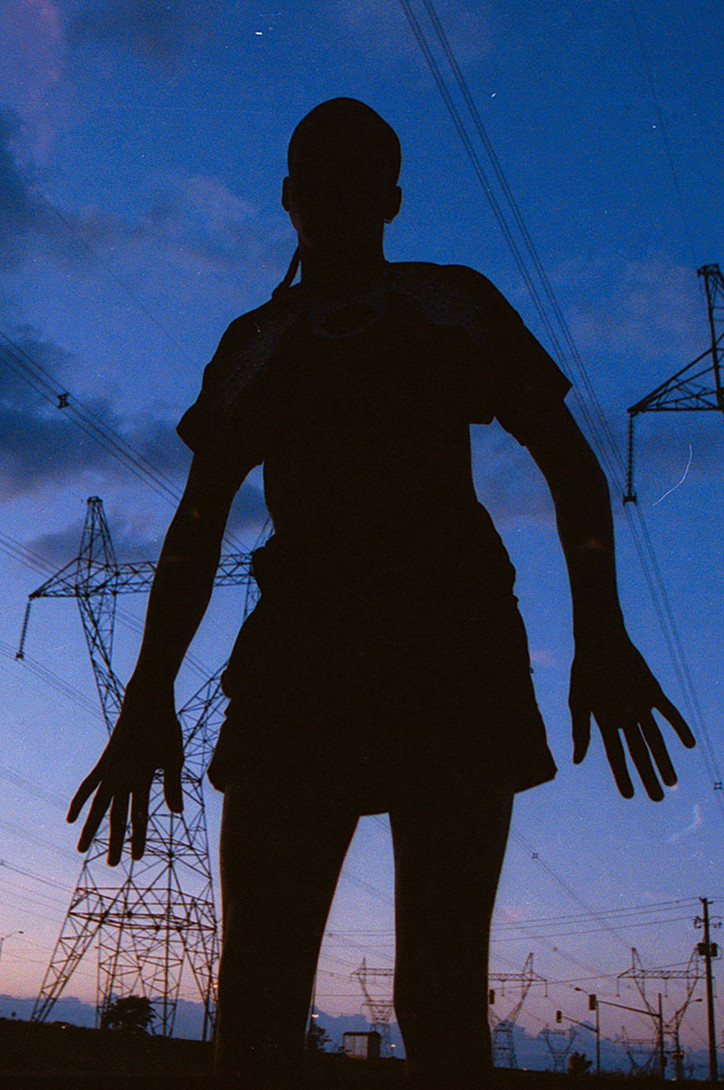
Tell me more about Mukbang and what you've learned through your research about it.
At first, Mukbang felt so foreign to me. Watching people eat while looking straight at you, and a thousand others at the same time, was something I couldn’t instantly relate to, though something about it called out to me. Coming across Mukbang made me realize how it was an absolute symbolism of our world today, the idea of how we can be extremely connected to thousands of people at once, yet be extremely disconnected, especially with those physically around us. My biggest understanding about the phenomenon is that it is a direct product or solution to one’s state; the main theme that drives one to approach such a connection is loneliness. I believe that all individuals are a product of their parents and the conditions they were brought up in. Perhaps those reaching out to millions, with something as intimate as eating, is because they don't get much of that kind of love and closeness at home.
How did you find the actors?
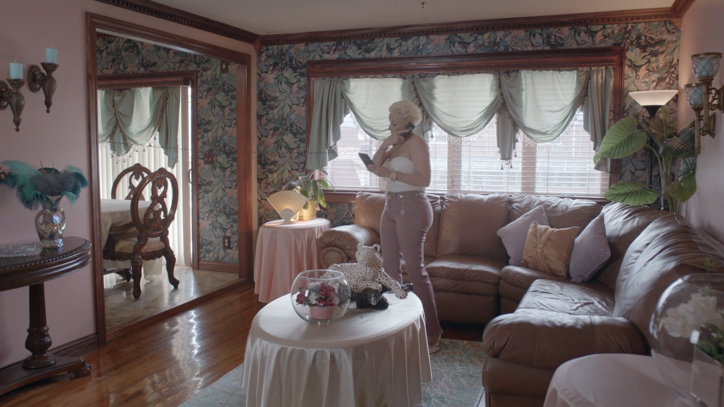
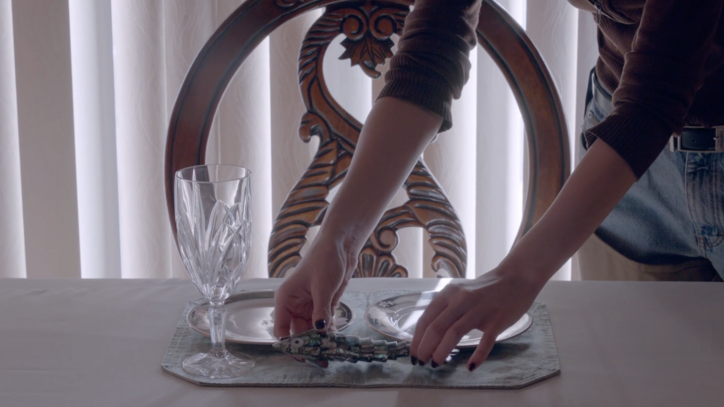
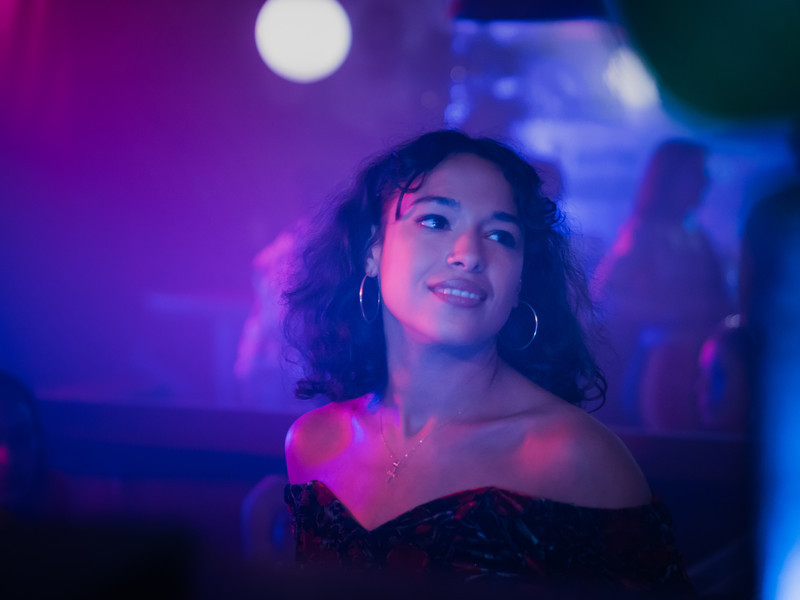
I found my protagonist, Eloisa Santos, on Instagram. I had come across a photo shot by Luke Gilford that completely struck me. When it was time for casting, I remembered reading that she acted on her bio — she was the only girl I could envision as Arcelia. During her casting session, the character I had created made much more sense. Eloisa embodied very similar complexities existing within Arcelia. It was an indescribable experience seeing her character unfold in the flesh. Her co-star, Roma Lopez, is a first-time actor. She was the Airbnb host of one of the locations I was scoping for my movie. On my way to her house, she called me up and asked me to get off a few stops early. She told me to meet her at a beauty salon in Canarsie that she owns and works in and then offered to give me a ride to see the apartment. Upon my arrival, a beautiful Dominican woman with bleach-blonde, boy-cut hair and an immense aura welcomed me. She jumped right in to talk about her role as a single, independent, successful mother and entrepreneur. We connected right off the bat. At that moment I knew I had found my Gladys. It was complete fate. Even though she had never acted before, I knew she was perfect for this role — she made the character come to life without her knowing it.


The art direction — set design, costumes, makeup — is insane! What was the thought process behind it?
Thank you! Art direction in movie making is super important to me. At school, they teach you to mainly focus your energy on your script, your actors, cinematography and your directing. For me, aesthetics were right up there with everything else. Coming from fashion, as a stylist, I’ve always communicated visually. I needed to create a photographic world for my all-female cast. My story is based around two Latino families in their homes. Their houses needed to be stylistically in line with one another, and I was aiming for homes that Latin New Yorkers had furnished a couple of decades ago, and haven’t updated since. I was looking for that raw element where I could incorporate my style within their spaces. As for costume and makeup, it was necessary for my characters to be bold and memorable, while complementing the set they were surrounded by.
You recently moved to New York. What was that experience like?
New York gave me my first film. My whole time here was focused purely on that. The city’s energy keeps you sharp and focused. It forces you to work and move at its pace — it sucks you into its rhythm and is incredibly addictive. I instantly felt at home here.
What are your favorite things about this city?
I love how many cultures coexist here. It completely wakes you up and forces you to understand and include one another.
What are your favorite things about Beirut?
During Anthony Bourdain’s Beirut episode on “No Reservations,” he happened to be filming when war erupted between Lebanon and Israel during the summer of 2006. People that could escape through the borders attempted to. After many hours of waiting to seek refuge, Lebanese people started chanting and dancing to build hope and overcome their fear. If that doesn’t explain my love for my country, I don’t think anything else will.