The Modern Muse


Stay informed on our latest news!


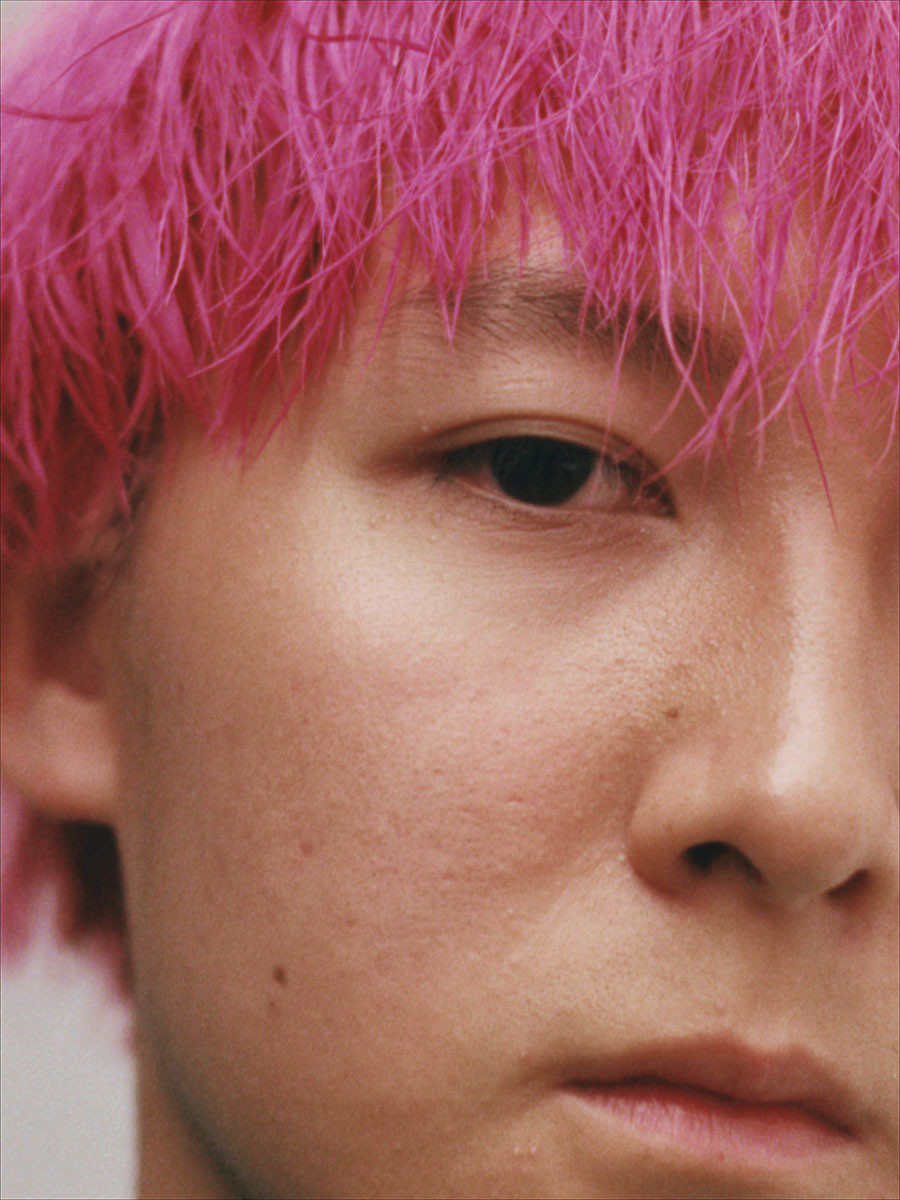
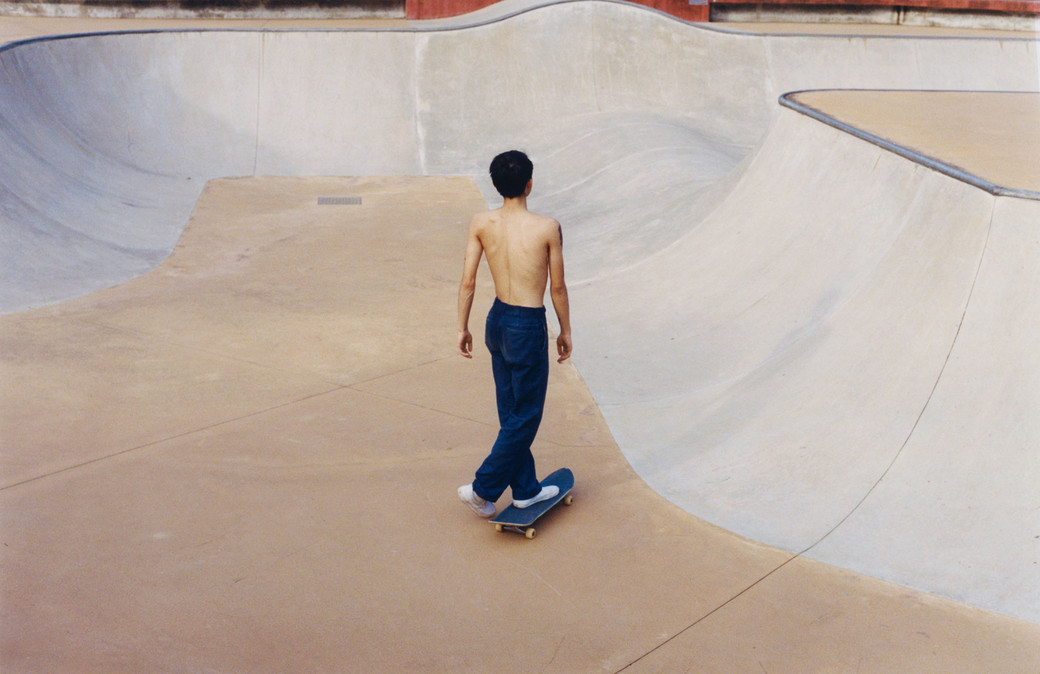
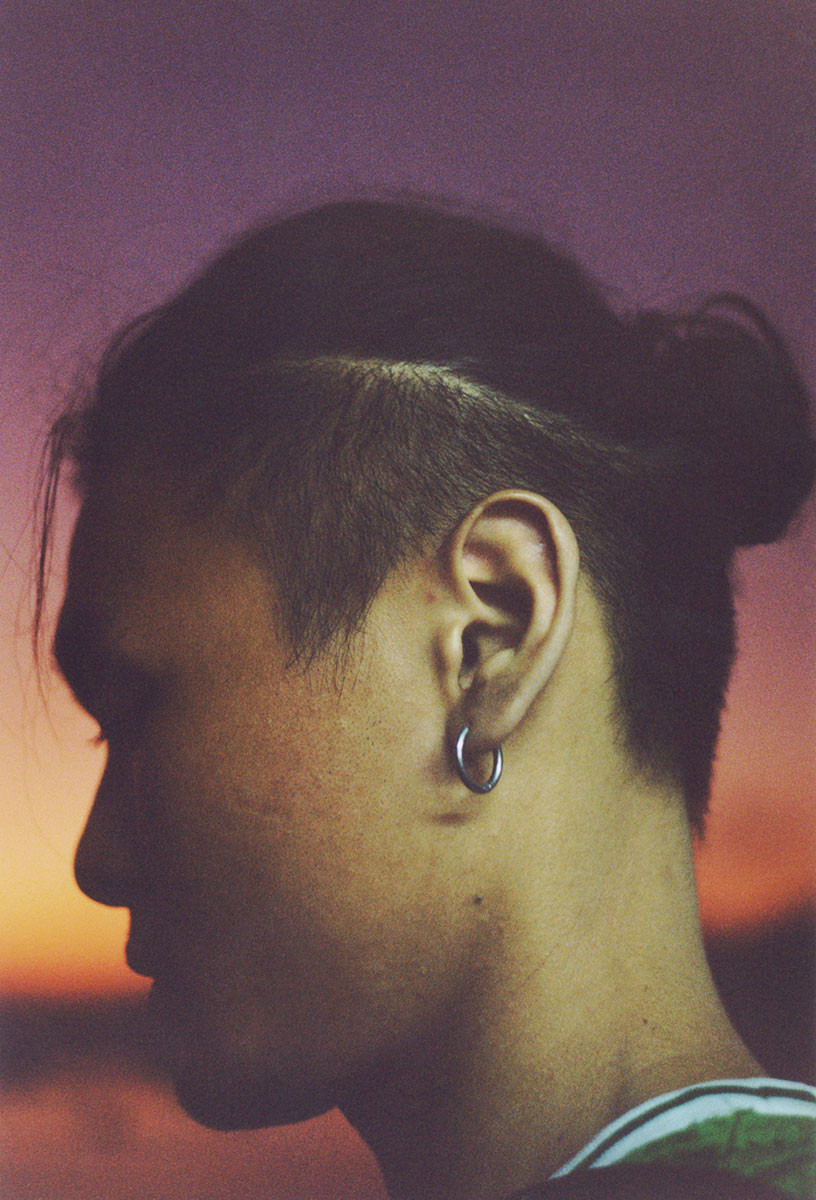
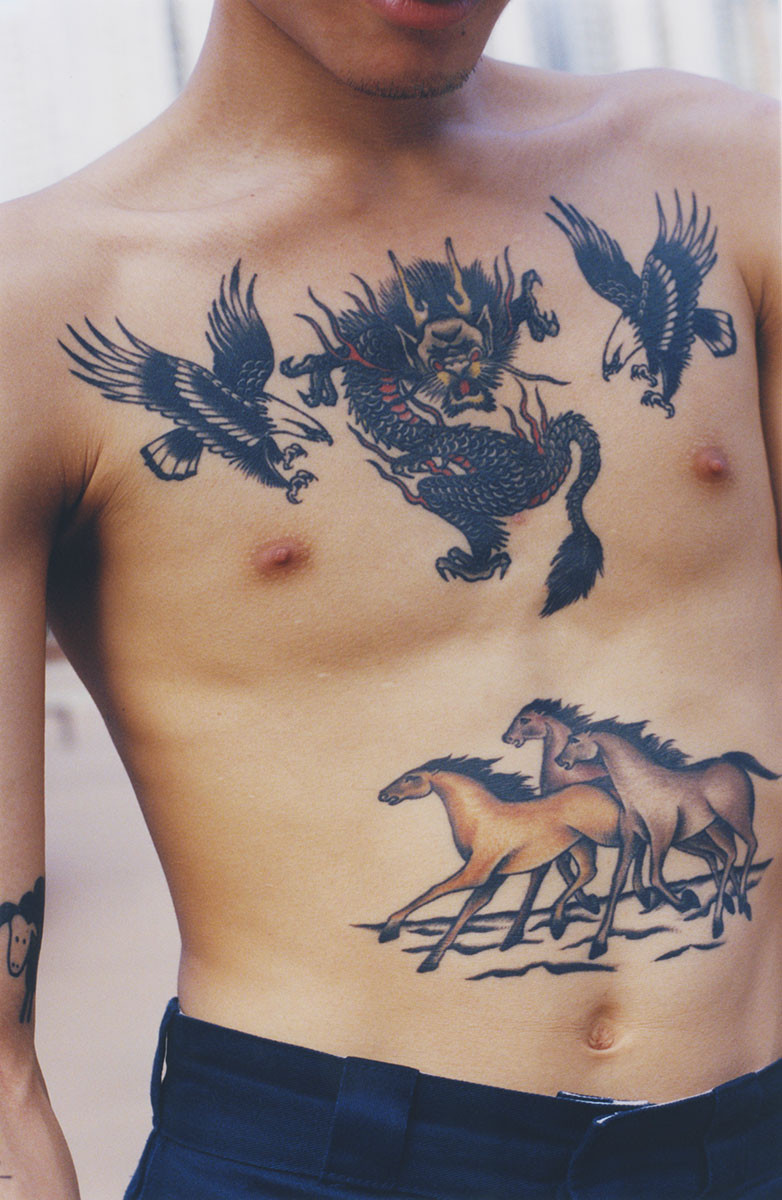
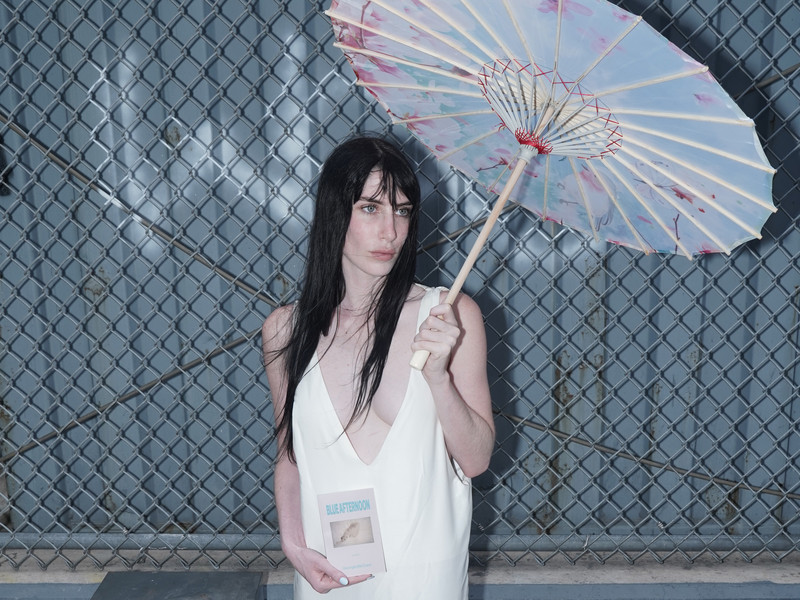
When did you first get the idea for Boys of Hong Kong?
Having lived in London now for most of my adult life, my idea came about through a desire to return to my hometown of Hong Kong and rediscover it with fresh eyes. I was particularly interested in seeing what the Youth Culture was like, and without a solid plan I returned home and explored. Allowing the project to take on its own voice through the people I met and places I went.
I soon discovered an emerging youth culture, and many of them embracing individuality, something that tended not to be encouraged when I was growing up there. Inspired by this and the boys I met the project grew into something fascinating with each boy and each place I visited.
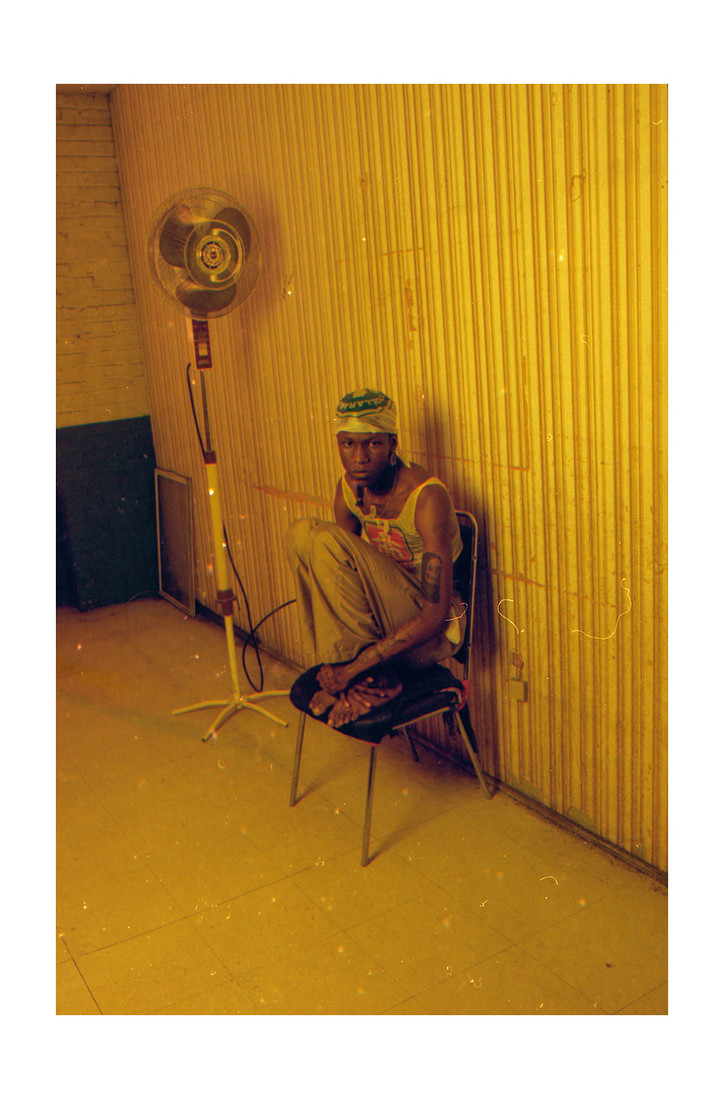
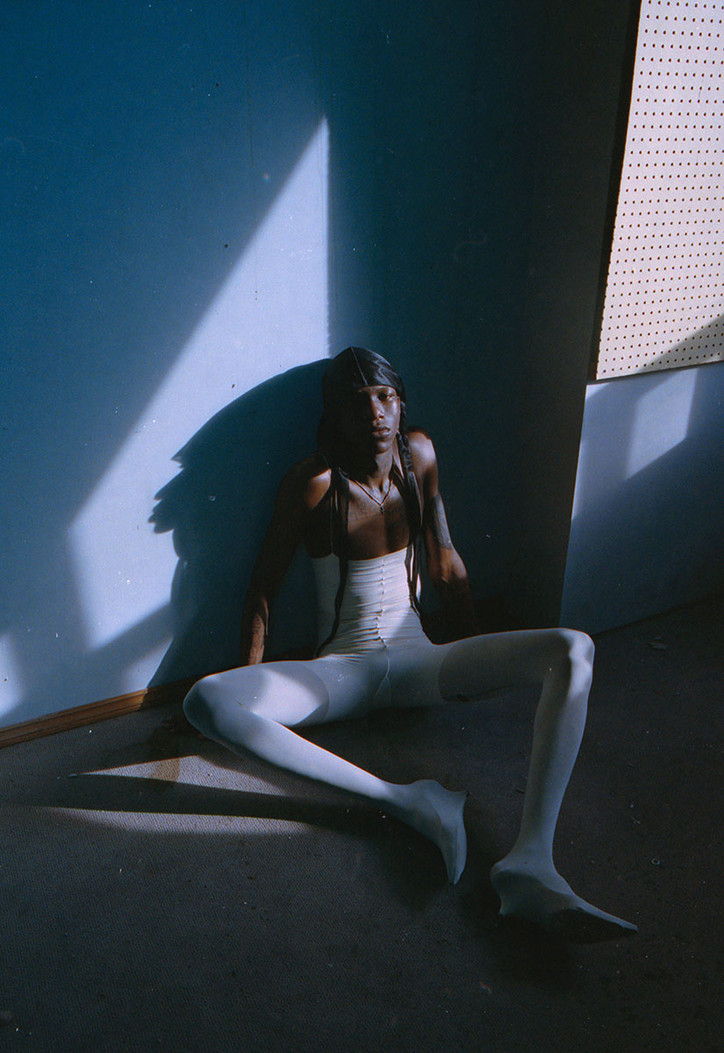
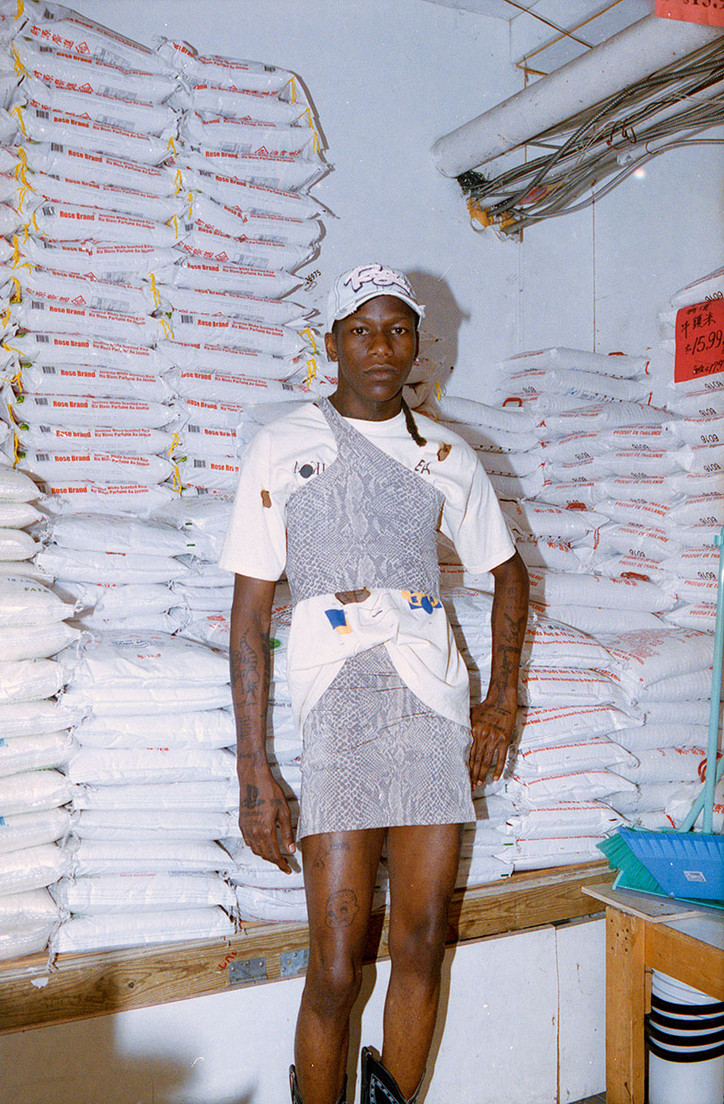
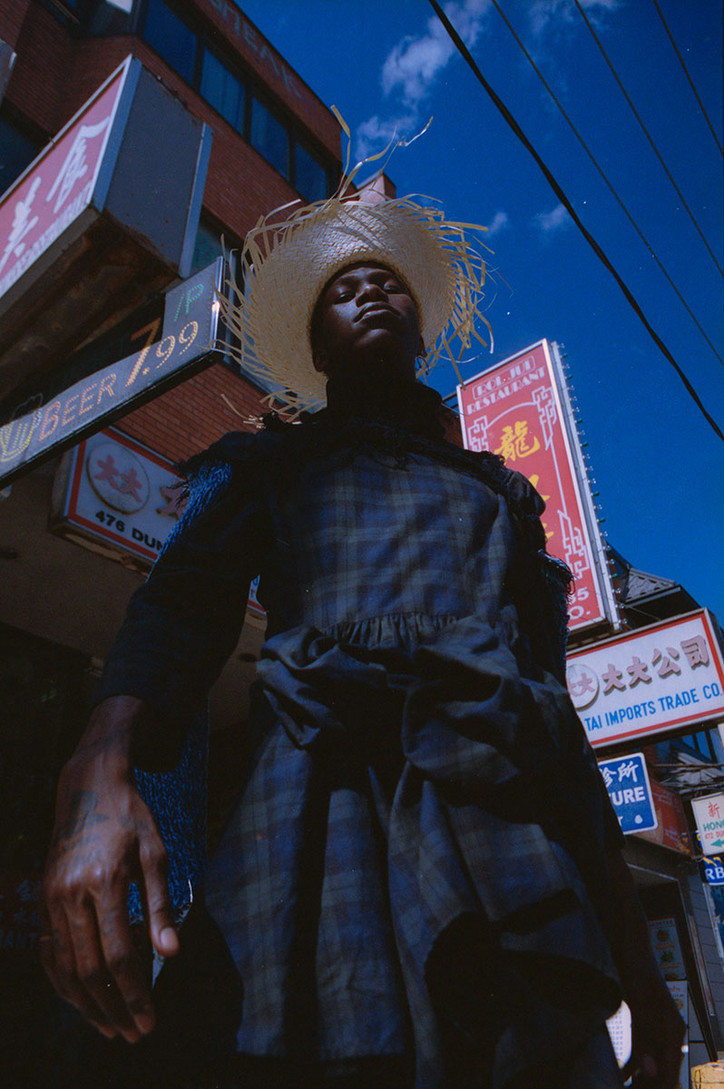
It became an insight into the lives of these boys, and of this generation in Hong Kong. An intimate portrait series mostly shot within their homes or places they would take me where they felt most themselves. This project aims to explore a diverse range of Asian masculinity and beauty. Breaking down stereotypes not only put on them from the West but within their own culture as well. A topic I feel is important to open a dialogue on. It’s also very much a celebration of these boys and of Hong Kong as a city.


As someone who was raised in Hong Kong, what aspects of the city were you trying to capture in the series?
I wanted to show the world how beautiful Asian men are, and to celebrate this! Quite often, in the West, Asian men are not seen as attractive. I wanted to counter this prejudice by creating and showing a set of portraits that celebrates an incredible range of masculine beauty, from my amazing hometown.
What are some brands you’re excited about right now?
ASAI– his work is such a breath of fresh air! He manages to take influence from his Chinese and Vietnamese background in a way that feels totally unique without falling into any traps of cultural appropriation. It’s beautiful in colour, texture, and shape. It can be high end and youthful at the same time. He’s a very intelligent designer!


How did you get your start in photography?
I went to Chelsea Art College after school to pursue a career as a painter, and while I was there my tutor pointed out that I had an eye for photography. I changed my direction, went to London College of Fashion, and now I work as a fashion and portrait photographer.
As so much of photography has turned to being shared online, what do you think is the importance of having physical photographs?
I think online platforms are very important to showcase and promote work, and to allow people to view art where access might be limited. But it is only one way to view art…. Without sounding too cheesy, Art deserves to be viewed in both the physical and digital world. So much of what makes art beautiful is what you can physically feel, see, hear, touch or smell. You can lose a lot of this experience through only viewing art online.
Buy the zine for the series, The Boys of Hong Kong, head to the artist's site.

What offered the opening of perspective for photographer Jerry Buttles, ironically, occured while on a work trip to South America. He stayed in the city of Montevideo for 21 days— drinking in the deliberateness of the culture and community in the Uruguayan city.


Below, exclusively on office, Buttles shares the beautiful stories he brought back from his moving trip to Montevideo.


I was fortunate enough to spend 21 days in Montevideo, Uruguay. It’s situated on the northeastern bank of the Río de la Plata, where the Uruguay and Parana rivers meet, and that makes the city an epicenter for trade and transportation.


I visited for work, but Montevideo is the type of city that turns a business trip into pleasure. These photos reflect scattered moments from my time discovering the city. I explored Old Town and walked The Rambla avenue that traces the coastline. It is the longest continuous sidewalk in the world.


There is a vibrancy and ease to the people of Montevideo. That ease is something I aspire to. I witnessed this firsthand when I joined some locals to watch a Peñarol futbol match at Estadio Centenario. The stadium dates back to 1930 and was built to host the very first FIFA World Cup.


What seemed to make the largest impression on me was the absence of technology which gave room for real connections, real relationships that were often fostered over the drinking of Mate – not just a beverage, but a demonstration of craft, culture, and respect.


My trip to Uruguay served as a universal reminder to slow down, to take in what is around me, and allow my surroundings to dictate my time. There was a dichotomy between my long days spent on set and the time I spent wandering the streets. That slow wandering is restorative. It’s easy to get caught up in the fast paced media world that infiltrates our lives, but we have to learn to abandon that practice. If not, we could miss what’s right in front of us.

Can you describe Ayurveda and how it influences your food?
NK I was trained in French culinary arts in Montreal and when I had my restaurant, I was trying to recreate French cooking in India, with ingredients I was used to. I had this resistance, not on purpose, but because I think we try to recreate what we are taught because we see that as being perfect. I learned that Ayurveda was always a part of the story from the beginning, but I didn’t realize it would become integrated with food. So once I realized that, I fell in love with ingredients that were around me. Seasonality and locality came much more as an experiential thing, rather than an ethics. When I was starting to incorporate all these odd ingredients with the technique I’d been taught, which is very classic, I was also satisfying a palate and imagination which is individual. I could tell my own story with it. Similar to when you’re writing, you’re using a lot of inspiration and styles from other writers, and on a more basic level you’re using grammar and tools you learn. I’m using Ayurveda like building blocks. And adding French cooking techniques to those building blocks.


But you wouldn’t necessarily describe your cuisine as French or Indian.
NK We are citizens of the world, it’s not like you have to say I only do this type of cuisine. I couldn’t put a name on my cuisine, because we’re so integrated and exposed to everything. It’s more about the imagination and personal experience. I think most nouveau-cuisine restaurants are like that. It’s more chef driven, and imagination driven. It’s hard to put it into a box, I feel like I’d be taking away from it if I try to label it. I’m figuring it out, and it changes everyday. I couldn’t set it in stone at the moment, but I would say it’s a journey in Ayurveda for sure.
It was a very unique dining experience, because it caused you to be very present. Often people eat just to sustain themselves, but having the live music, which I found to be influential on the food, altered the experience of what and where I was eating. What was your approach to the music?
MH The dinner was divided into 6 parts, representing the 6 tastes described in Ayurveda: bitter, sour, salty, sweet, pungent, and astringent. I wanted to create a little piece of music, almost like a snack, before each dish that would somehow be related to the taste. Each taste primarily consists of two elements. The elements being: air, ether, fire, water, and earth. Of course, this is a bit abstract, especially when you’re translating it into music. I would have a sound representing the different elements, meaning each taste would have two sounds. It was my own translation, so there was nothing necessarily scientific about it, but there was something systematic about it. I just used intuition to create that translation from taste to sound. I was about the idea that you could open your consciousness for that taste, and for those elements to enter your body. And then, again, thinking about creative ways to translate more literally, we assigned colors to the elements. So there were 6 different colored lights. It was an intuitive and creative translation while trying to be literal. Nobody can tell you it’s wrong or right. We just found it fun for our own process and hopefully for the audience to feel as if there was a system to the madness.
NK Just to add to what he was saying, it is an abstraction, but in Ayurveda, everything is really one. The dimension of music, taste, sound, color, love, experiences. I called my cookbook Ojas, which is the finest byproduct of digestion. And you’re not only digesting food, that’s a very literal sense of it. In your solar plexus, your emotions are at the top of the list of what you’re digesting. This matrix that he described was the base structure, from which we were able to create a communication between me and him. While I was plating, the whole time it felt as if I were in communication with him. And then putting food out, I wanted the audience, to share that. Them eating the food, was almost like replies.
I know you studied engineering. How did you transition to cooking?
NK I was a logistics analyst and was traveling and training people on stuff like RFIDs, super nerdy. Without getting into too much detail I came back from an 80 hour week in San Francisco, and was totally spent, but decided to go directly back to work because I wanted to finish up everything I had to do. And it was expected of me too. I went to the cafeteria, a grapeseed oil bottle fell, long story short I was practically handicapped for 8 months. That really changed my perspective because I honestly felt I was invincible. We all do.
I had gotten into Ayurveda when I was 10. That was my Harry Potter. I wanted to be a yogi. And that never switched off. So after that happened, I didn’t want to take painkillers, or any of that stuff. So that pain and gruesome experience of rehabilitating myself changed something within me for the better. It was a blessing in a very intense disguise. I decided after that, I don’t want to go back to the world of engineering. I loved the science, but I wanted to do something creative. Cooking is more vocational and physical, but it brought out my creativity more and more.

I feel like all creative people have, to some extent, a sort of system or logic that is the basis for their creativity, so I’m sure the engineering background helped with that.
NK It’s such a strong foundation to be creative from. If everything is chaos, including the foundation, then the creativity has nothing to stand on.
MH It’s almost the only way to get anything done. Otherwise it’s just good ideas. Everyone has good ideas, it’s not that hard. It’s about having a driver or vehicle to turn it into something. I think that’s the hard part.
What was the purpose of the white suits?
NK We can make statements with something so small. The suits were to say on a happier level, we’re all stars and we’re connected together like a constellation. We’re all the same. We’re all here, we’re all a blank slate, we’re all working together. I didn’t want to distinguish that I’m the chef, he’s that… everyone has to be there for the experience to happen. Doing this, especially with your partner, and all your most loved people in the room, we created our own universe.