The Modern Muse


Stay informed on our latest news!


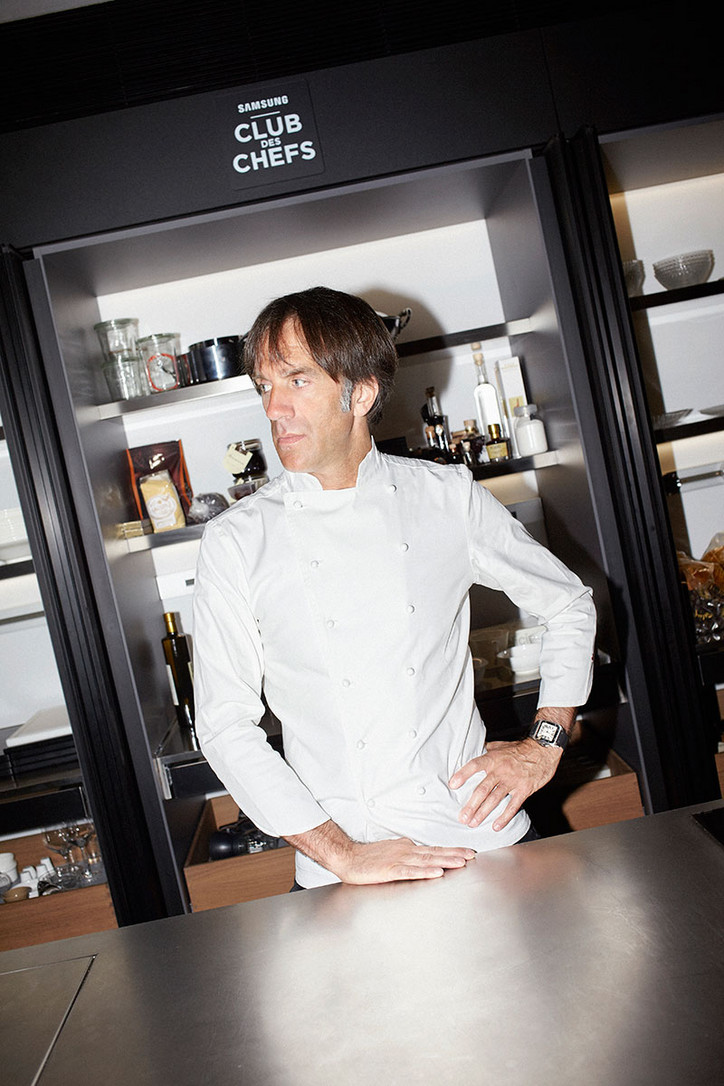
Along with his fun-loving, witty and egalitarian approach to cuisine, Oldani’s commitment to productivity and service has earned D’O both a Michelin star and a case write-up from Harvard Business School. The personal and professional ethos that pervades his many endeavors in the culinary world has been the key to Oldani’s success as a true superstar of Italian cooking. He calls it “la cucina pop.”
I’ve heard so much about your philosophy of la cucina pop—I’m curious, how does it play into your everyday life? Take today, for example.
I can give you a very small example, we had a meeting this morning for this new line of herbs, they’re grown very close by to where I stay, and we’re going to brand it. This is just a very little touch of our philosophy of cucina pop.Now I am in the R&D section of the restaurant, and we’re preparing the new menu for next season, the new vision, even the new plates. So every day there’s something that reminds me, I am a very “pop” person. There was an expo in 2015 in Italy, and it was something that reminded people that food must be for everyone. Feeding the planet, and energy for life was the concept of the expo, which is very close to my philosophy of life, and of work.
That fits in with one of the founding principles of D’O, which is that it be affordable to the clientele, it’s not super exclusive in terms of the prices. How does that affect a typical service in the restaurant? Do you notice a different feel, because you get a different clientele?
Everyone can come to D’O, because it is elegant—I’m looking for something elegant and nice, instead of richness. Because life has completely changed since thirty years ago, when I started to be a chef, the mentality of the people has completely changed. Everyone is social. And when you are social, you have to be “pop.” So even the food must be “pop,” because we feed the planet. It doesn’t matter if you’re white or black, poor or rich, the only thing that I need is elegance, and it can come in many forms. It all depends on how you grow up.
To that point, you’ve spoken so affectionately of your family, and its influence on your cooking.
In our family, our cuisine is something like a mirror of our life. My family were educated people, they taught me and my brother how to live, how to build relationships with people, this is the most important thing. I grew up with this idea, and my company grew up with this idea. We now have restaurants in five places in the world, and we are around forty people. We work with seasonal ingredients, and if you work with seasonal ingredients, ingredients from the land around you, you can make only the best quality food, you can satisfy more people, and you can build up your business.
So what was the kitchen like, in your household?
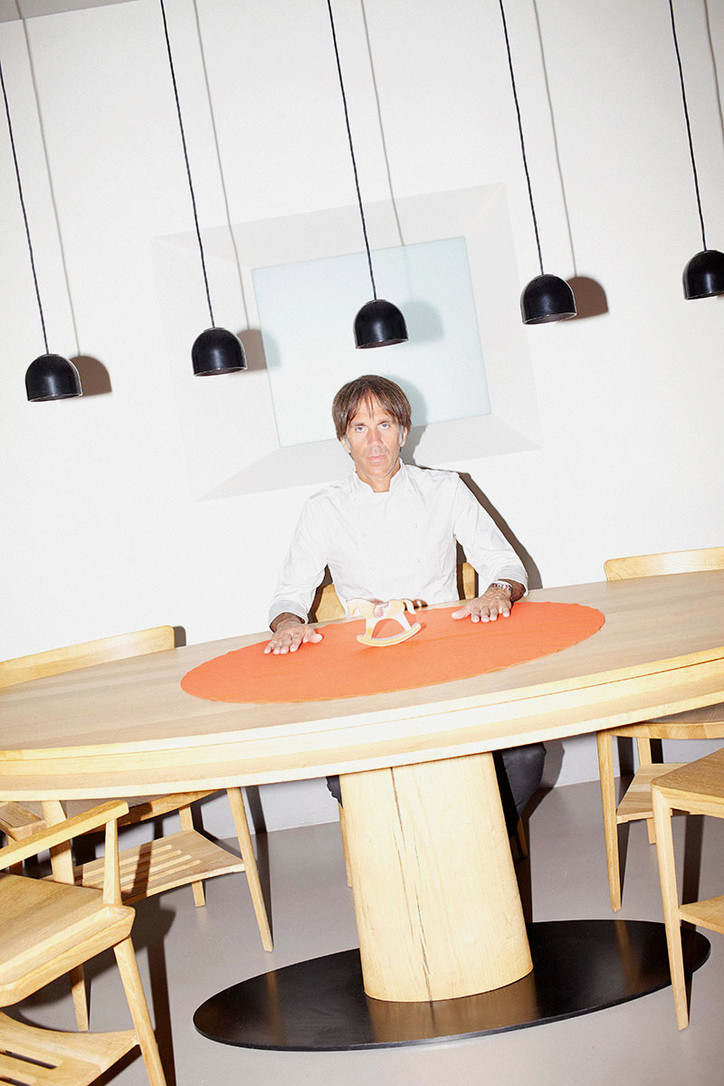
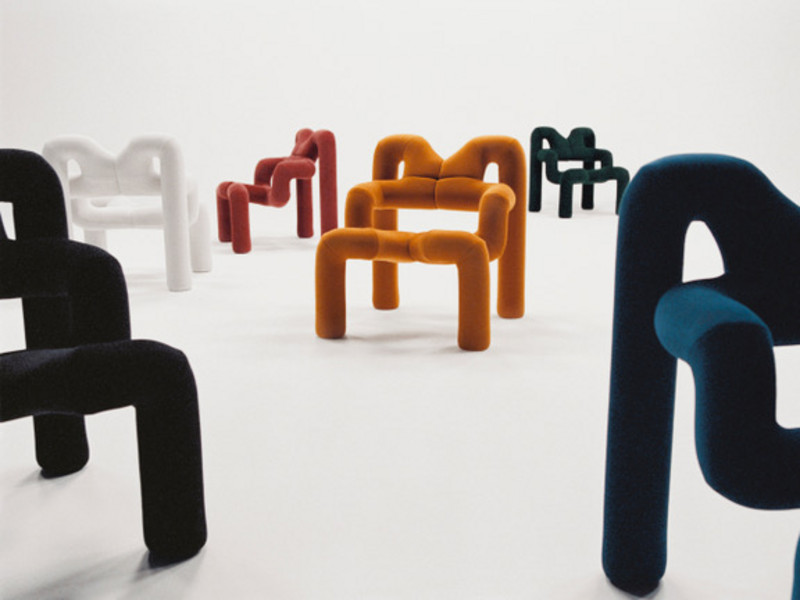
For our new restaurant, I designed the tables, I designed the chairs—if you come to the new restaurant you will understand my family’s kitchen. We have a tinello, which in my house was where we would eat together with the family, and just in front is the kitchen. In Italiano it is tinello and cucina, in English it is the “chef’s table.” Then we have a veranda, we have a sala, we have a salotto, and then we have the ufficio and the R&D section. So we share all the same places, like a normal Italian house.
It’s interesting that there have been so many case studies done on you and your process with D’O—to what do you attribute your business savvy? You’ve said that if you can be a good artisan, then success in business will follow, so what defines a good artisan?
It comes from my history, you know? In my family I grew up with the mentality of my mother, she was at home cooking for me, my father and my brother. Something I remember from then is the applied economy, not the theoretical. When I say applied economy, it’s very simple to understand. We follow the system, because we fill up the people in the best way, we can buy the ingredients fresh, with the best flavor, and for an affordable price, and so can sell my food in an affordable way. This was the foundation of my mentality. But then I did cooking at the university, I worked with Alain Ducasse, I worked with Gualtiero Marchesi—I think, if you do the university, you have to learn something, so I just followed my origins, followed my territorio, followed my honesty, and put that together with the know-how I learned from the big chefs.
Sounds like a good equation.
Right, equazione we say in Italiano. And if you look on my website, we have the ten pillars of cucina pop. The ten points that, to me, are very important to do work that I love, and to do the business that I want. Because when I worked with the big chefs, they were artists, but they were also businessmen. I have to tell you one thing that is very important. If you have an idea, and you trust the idea, you have to do it, propose it to the people, and the people have to buy it. If the people buy the idea, you make goals. Cucina pop is an idea, because it produced the business, and it gave me the occasion to be an artist. Because we designed the dishes, the cutlery, the tables, the layout, we’ve written eight books, we’ve opened five locations around the world.
Finally I have to ask, what would be on the menu for your last meal?
I can tell you something. Gelato—and I’m talking gelato, not ice cream—stracciatella gelato with a very nice, good type of chocolate, 74% cacao. And then, probably just to keep my Italian heart and soul clean, I’m probably going to get a nice spaghetti.

Feruz publishes with the Russian independent newspaper Novaya Gazeta, covering stories with a focus on LGBTQ+ issues and workers rights. In November of last year, the case for Feruz's deportation came under review and was suspended; it's now pending review by the European Convention on Human Rights.
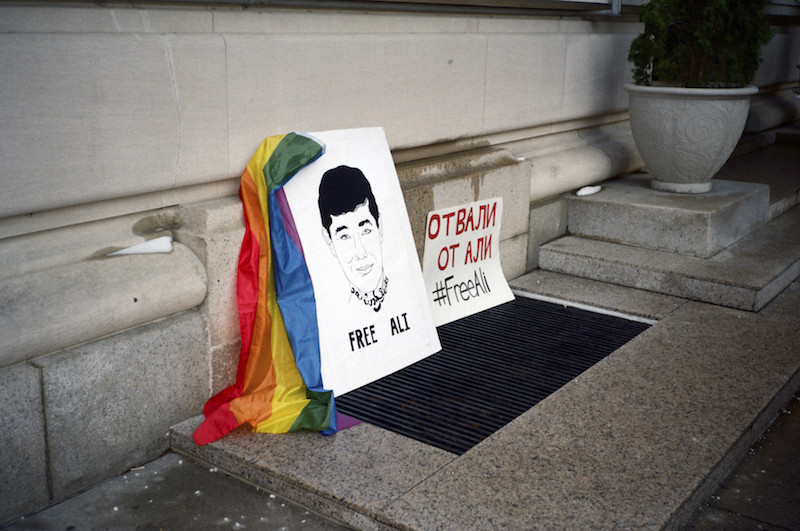
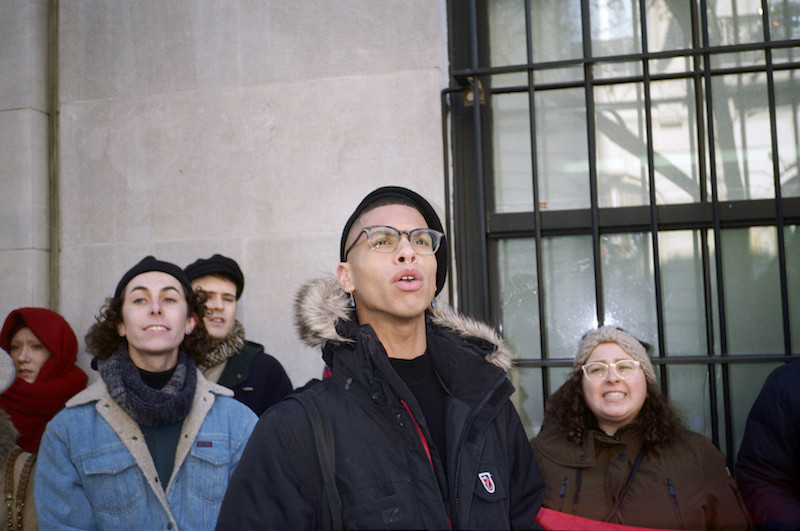
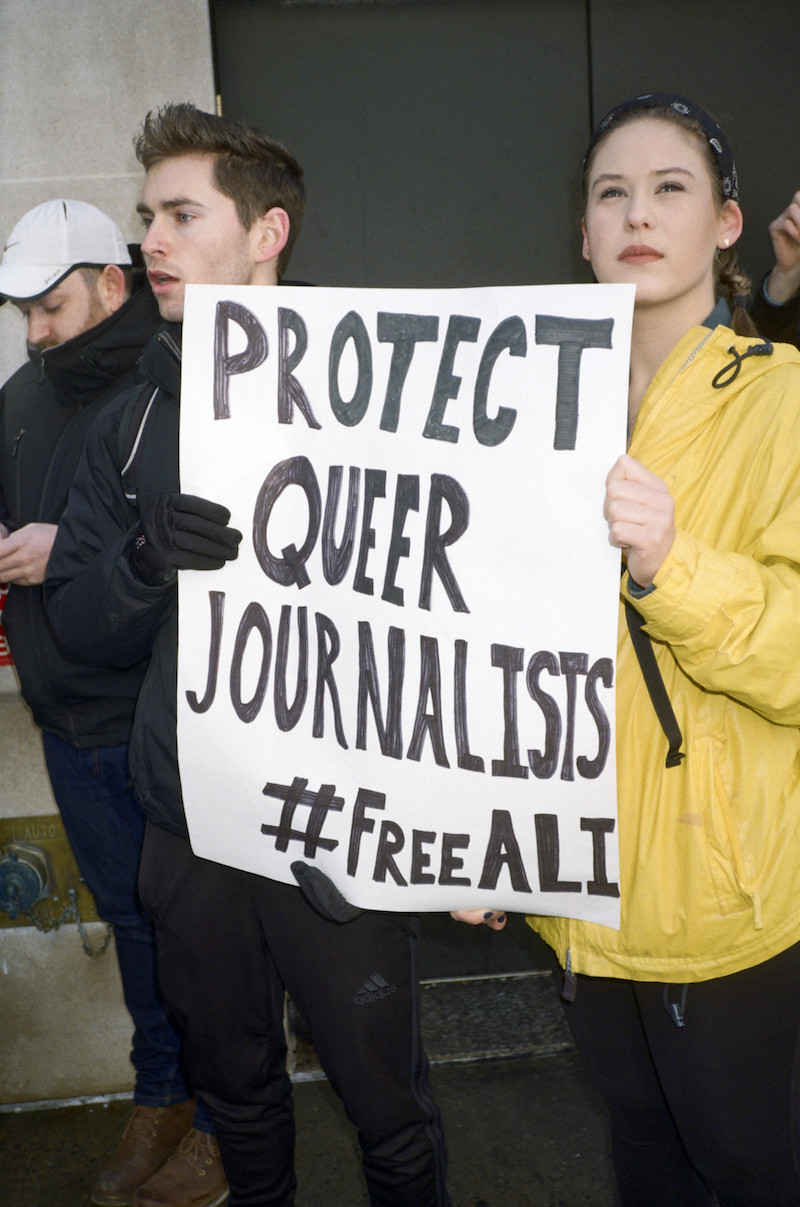
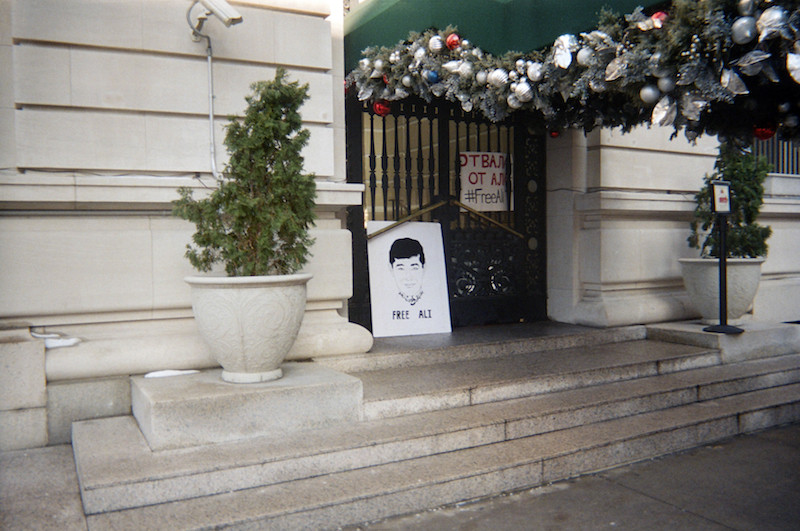
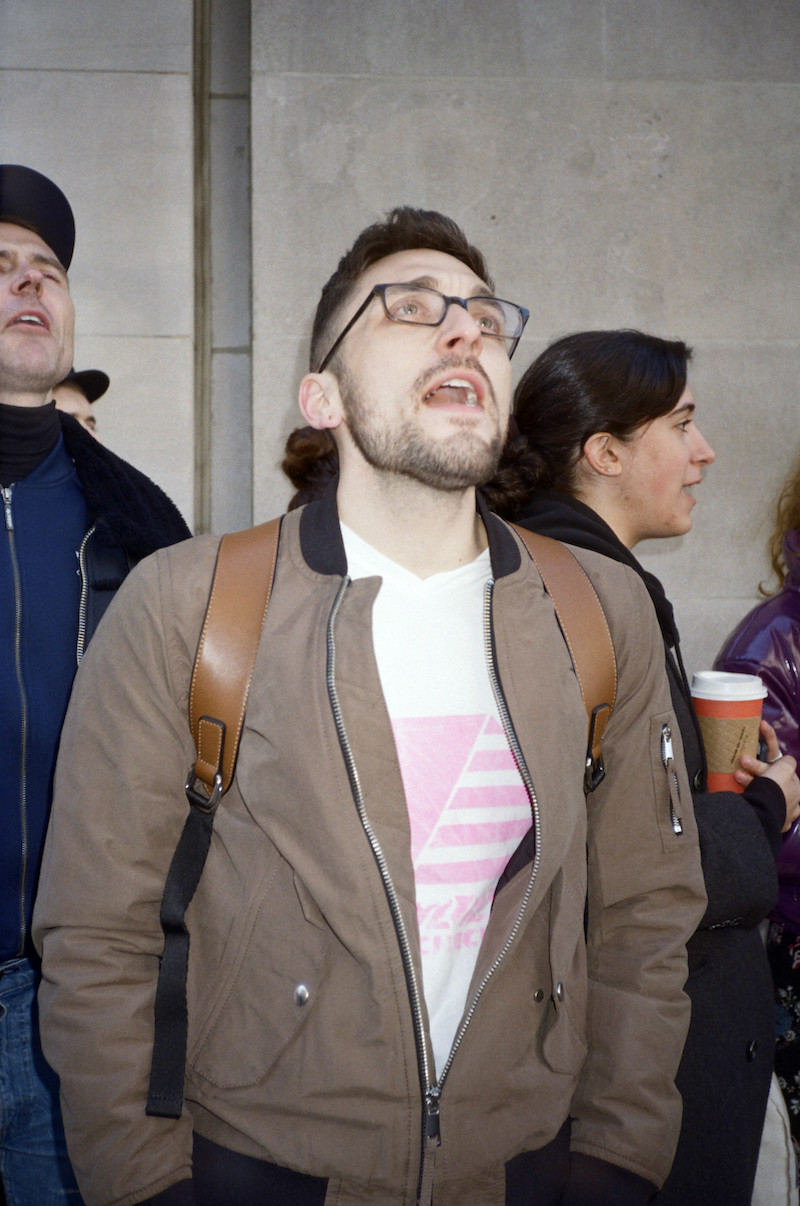
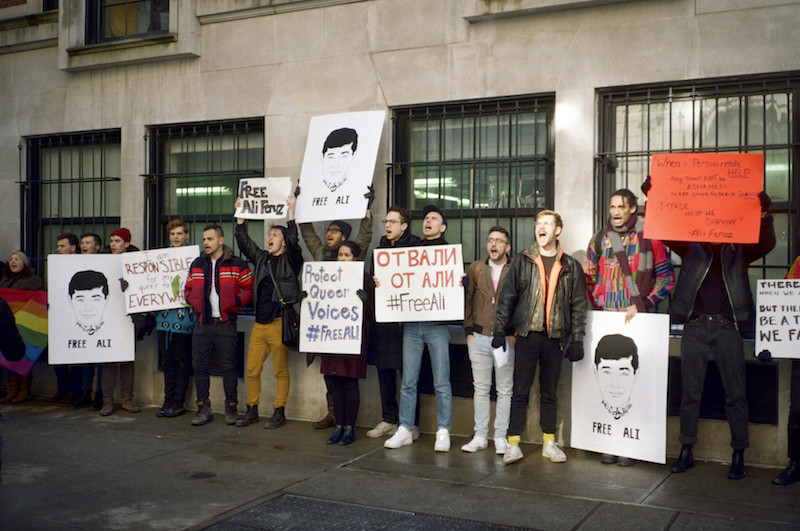
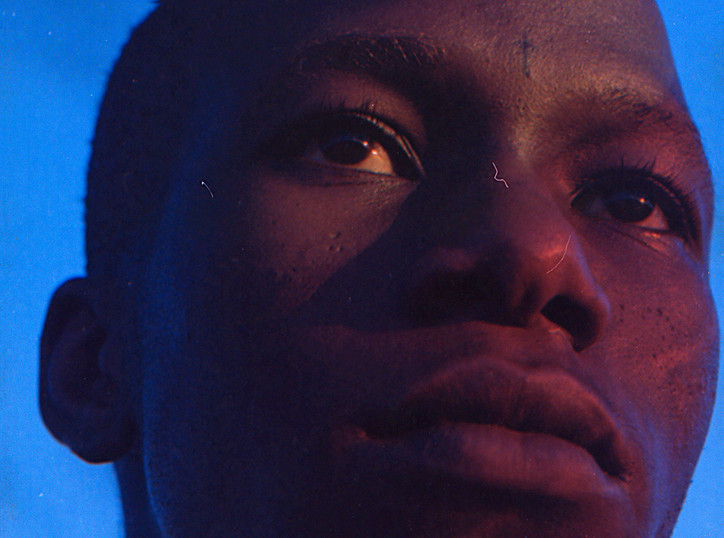
On Tuesday January 9th, members of the New York City-based nonviolent action group Voices4 gathered across the street from the Russian Consulate-General on East 91st street and demonstrated their call for Feruz to be released and granted asylum in Russia.


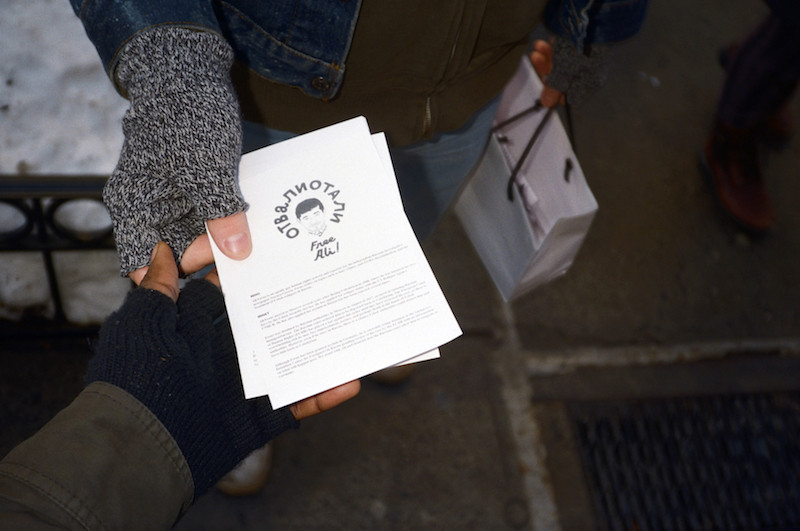
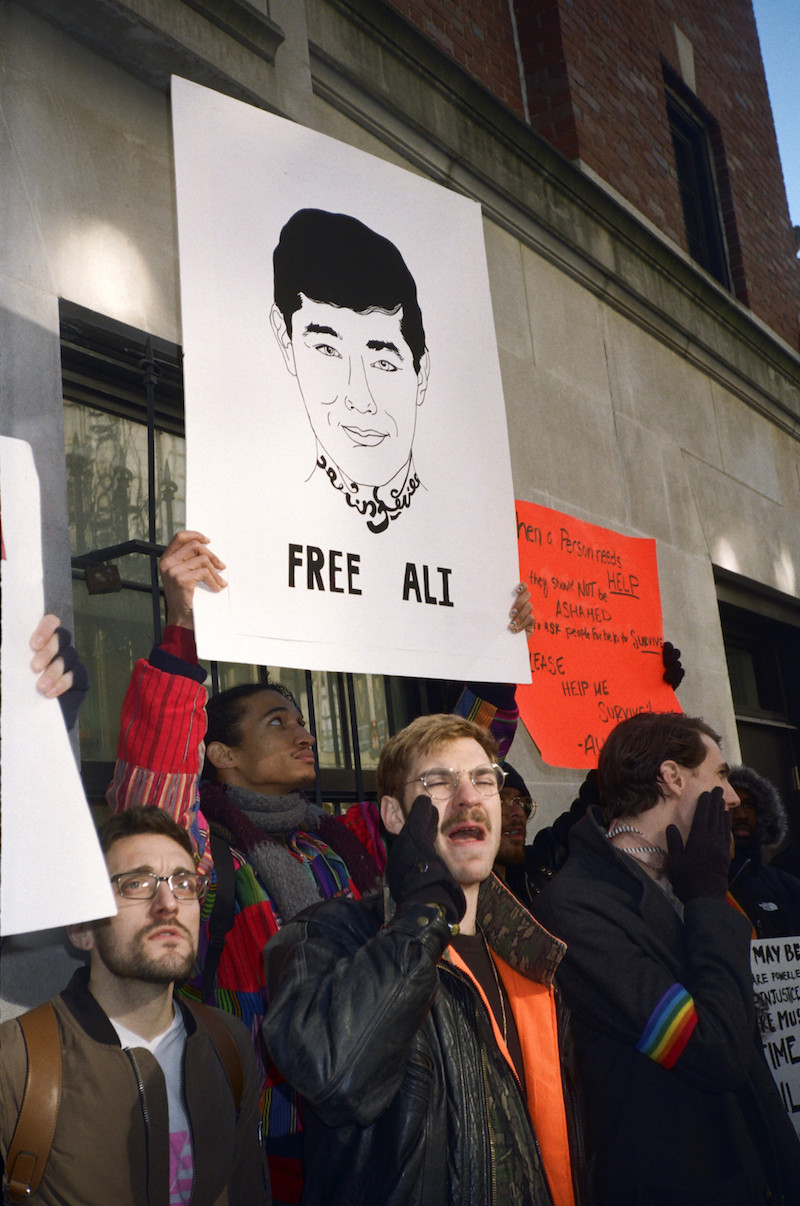
The group read aloud excerpts from the diary Ali has maintained since being detained and passed out informational flyers regarding the situation to passersby. The cold air didn't deter the demonstrators nor did the heckling of a nearby pedestrian who recorded the action on his phone. The protest lasted for about an hour before the Voices4 group peacefully dispersed, leaving only placards bearing Ali Feruz's image and calls for his release on the steps of the embassy.
The Voices4 group maintains its mission of support for those in the global LGBTQ+ community who are being oppressed and committing their energy towards the expression that we are all one human family. Ali Feruz has not written in his diary since September 14h, 2017, a quote from his last entry below:
I spend the whole day sitting by the window. I look at the sky through the bars, smoking cigarettes one after the other. I want to walk around the streets of Moscow with a coffee in my hand, chatting with my friends....I’m now completely convinced that I’m not as strong as many people think. I feel that when someone needs help, they shouldn’t be ashamed of asking others in order to save themselves. Help me survive, please.
#FreeAli

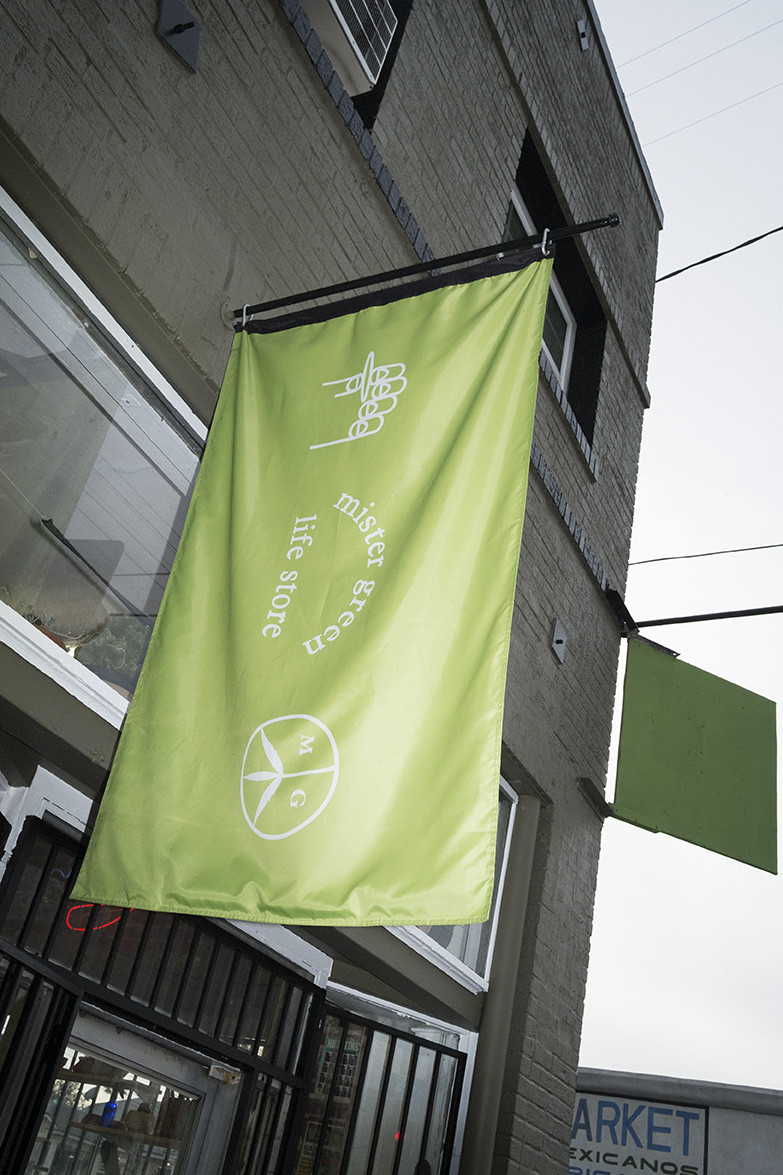
When did you start Mister Green?
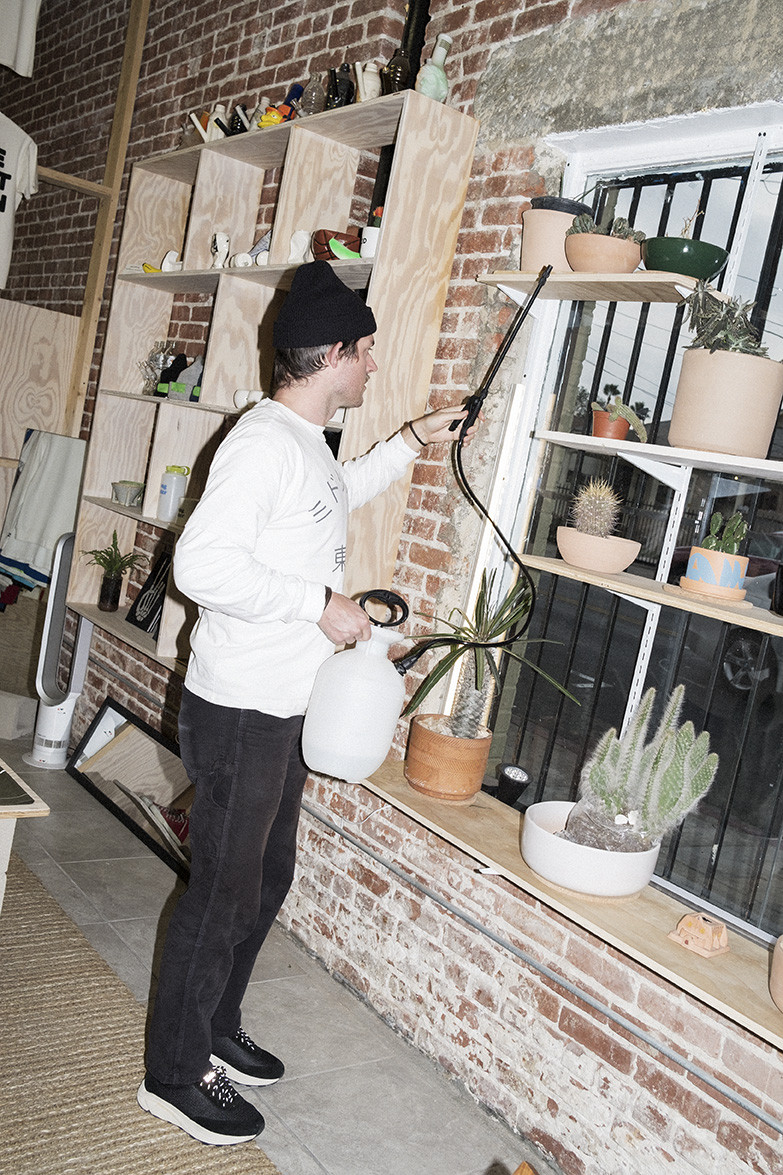
I opened the store about 8 and a half months ago, and I launched the brand almost exactly 2 years ago. When I was in New York, I had the idea because I was kind of doing a similar job, and then was starting to think about my next move. I was really tired of working for other people and knew that I wanted to make some weird thing happen.
What drew you into the weed business?
I’ve always been drawn to it since I was a little kid actually. I grew up in Portland, Oregon, which is a pretty “weed-y” place. It was one of those things where I would walk down the main street by my house and there was this incredible amount of head shops for a quarter mile. I loved them all. Each one would have like unique weird garbage that I was really into. For example, the one that I probably went to the most had Jolt Cola in this little vending machine.
So you opened this shop around spring?
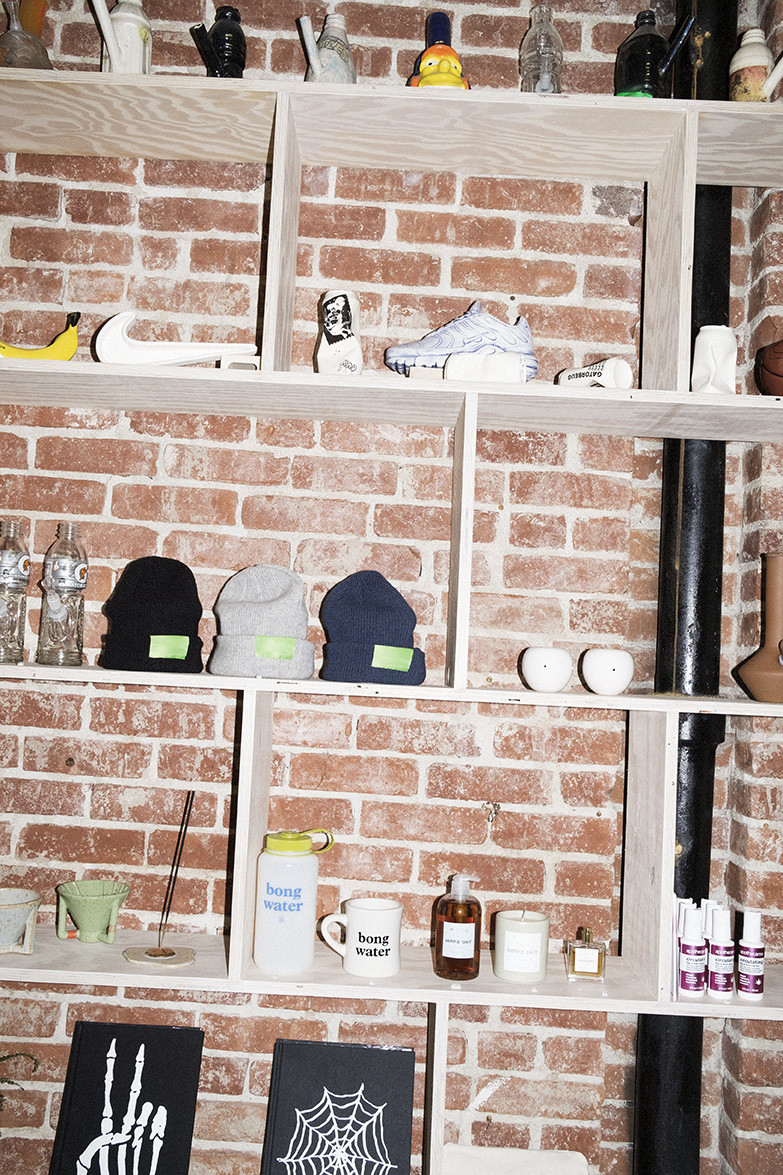
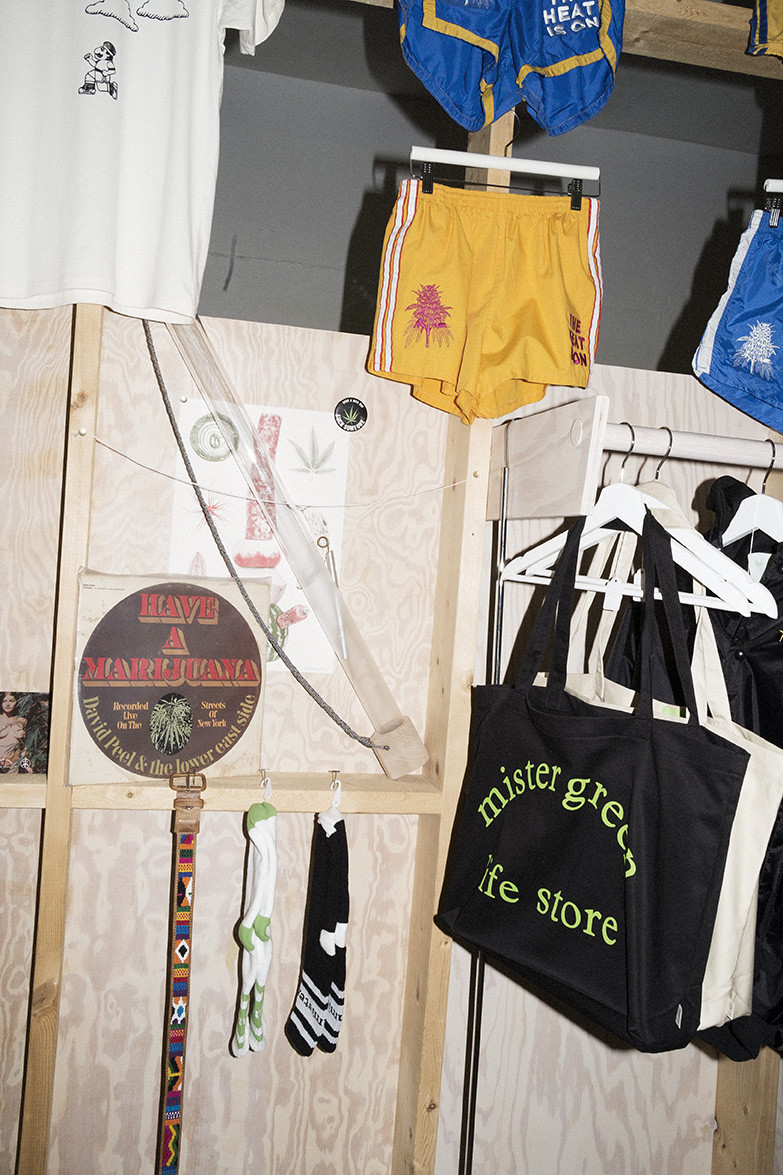
We opened 4/19, very purposefully. The goal of the brand is to encapsulate the spirit of every type of head shop that I’ve ever experienced, but at the same time, break any generalizations that comes from that. On top of that, obviously we make clothing and a bunch of different branded stuff… perfume, things like that. So, it’s just a new perspective I guess. Some people like to say it’s like an upscale head shop, or sophisticated. I disagree. I think it’s just like a totally different perspective.


Do you design all the clothes and merchandise?
I guess the best way to put it is that I do all the concept and design. I try to not get my hands too far into stuff. In this past collection, I hand tie-dyed some shirts but if I can avoid screen printing and doing those types of labor I would definitely do that. The perfume, I have no idea how that’s even made. I met this couple from Portland a few years ago, right when I started. I had no idea how they had even heard of the brand, but they approached me and said, “hey, have you ever considered doing apothecary stuff?” And I had already had a perfume idea that I was sitting on for like two years, and I said, “I know exactly what I want, how it’s supposed to look, everything. And was just like, let’s do this.” And that’s Hippie Shit. It’s kind of been our most popular thing to date.
Are most of your products made in the U.S?
When I can get stuff made in the U.S, I will. It’s not entirely so, it’s a little bit of a hodge-podge. It really just always comes down to is the product good.
Do you get a lot of characters in here?
You saw the big blue Scientology building? Yeah, we have a lot of characters. They keep a pretty close watch on the neighborhood, and occasionally they’ll come through. That whole thing is bizarre. But in general, this is a pretty up-and-coming neighborhood, which I love. I have a phone booth on the other side of the wall. I can just sit on the porch and watch the weird world do its thing. There was a shooting in the alley over there… we get it all. It’s pretty wild, but I also wouldn’t qualify it as dangerous. It’s a fun neighborhood.


Do scientologists smoke weed?
They don’t, they’re really anti-weed. That’s why when I have to deal with them, it’s a little uncomfortable usually. They smoke cigarettes and drink a lot of coffee.

How do you feel about this new wave of weed shops?
When I describe what I do, I always try to say that I’m not doing anything that’s better than anyone else. I don’t want to be pretentious, that’s not my intent here. I certainly don’t want to step on anyone else’s toes. In this sort of new generation of weed stuff, a lot of people have entered in and been like the old way is fucked, this new way is the shit. And that’s a fucking terrible attitude to take if you want to get the support from the people that have basically devoted their entire lives to it. I consider that to be a really irresponsible approach. Any sort of way that I was describing my shop, I’ve sort of had to change the wording around because it kind of sounds like my description is at the expense of others, in a way. Which is not my style at all, because that sucks.