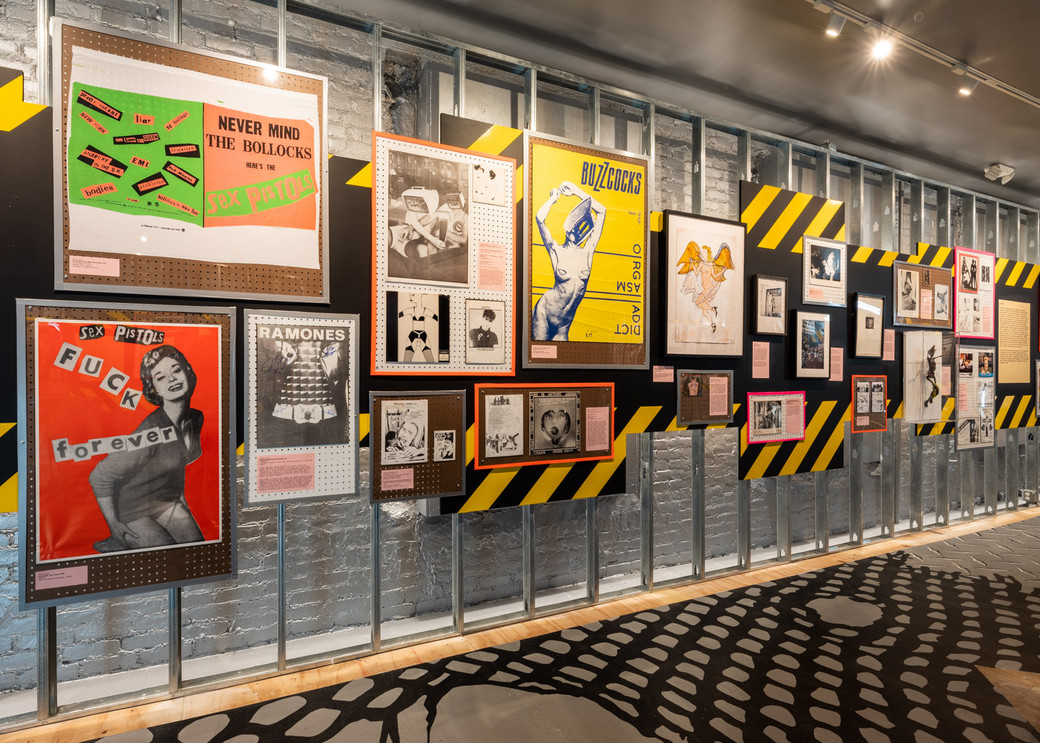
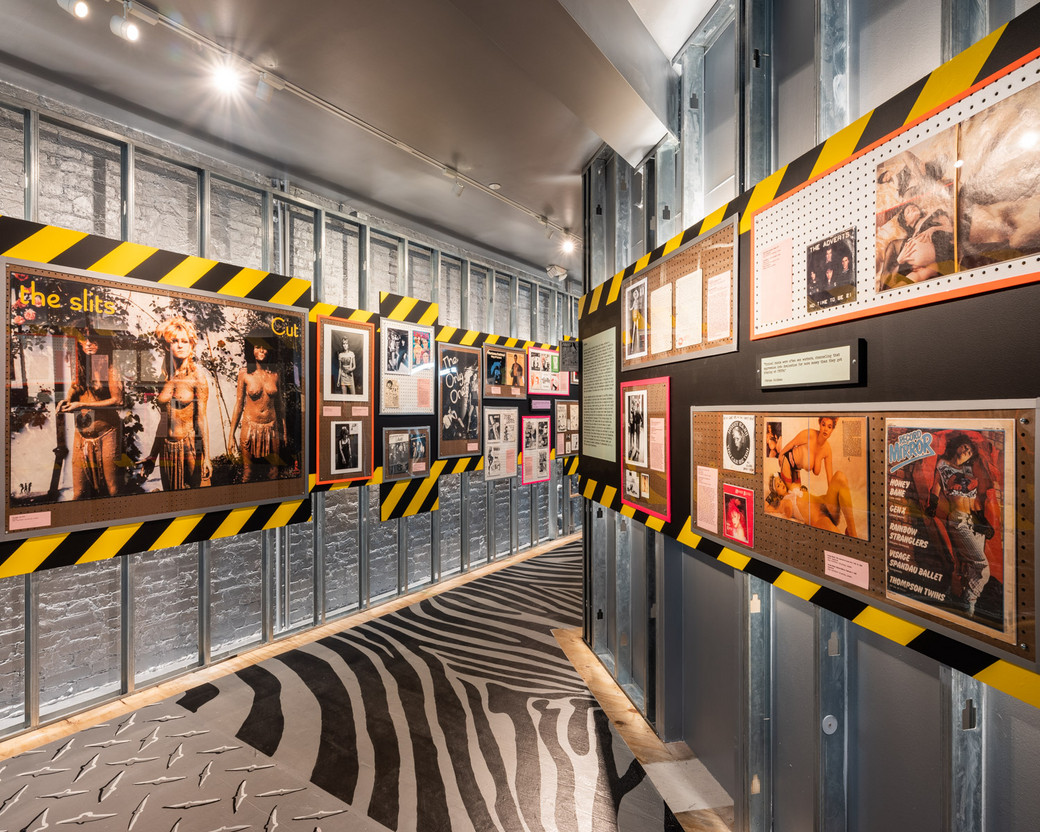
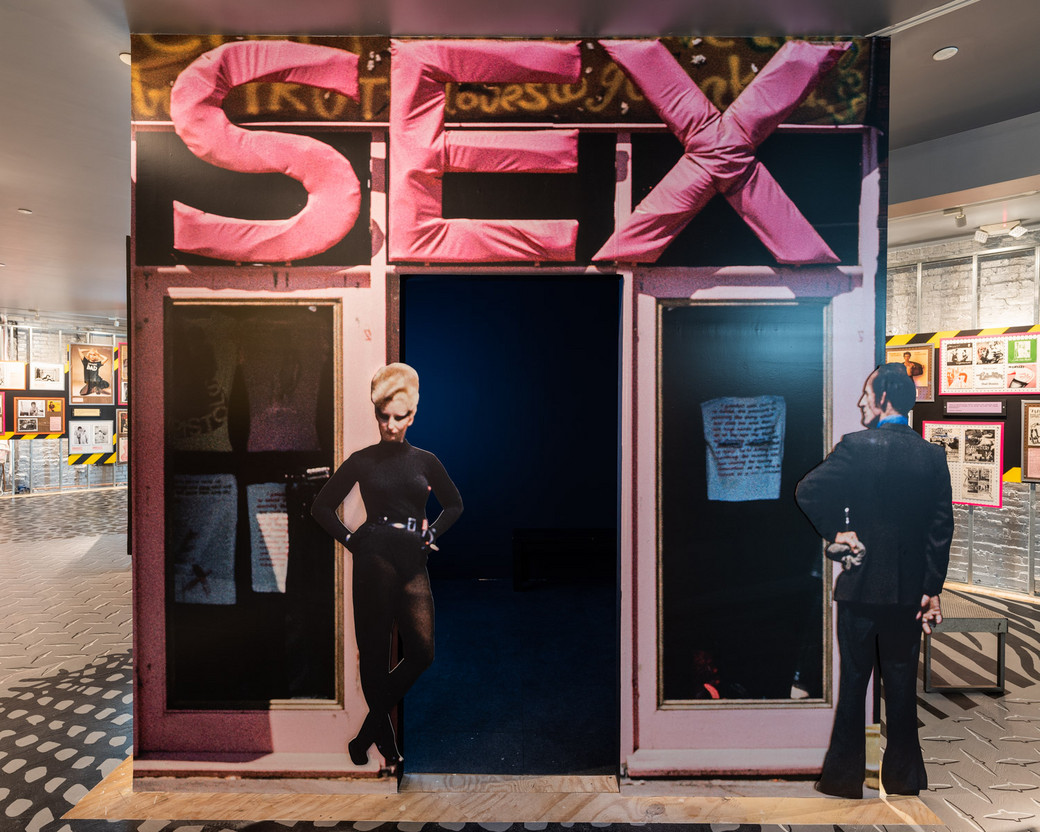
'Sex Pistols: Anarchy in the U.K., No. 1,' 1976, Fanzine, 'Glitterbest' and 'Sniffin’ Glue, No. 8,' March 1977. Toby Mott/Mott Collection.
How do you think the internet has impacted the way music or cultural scenes are formed?
[Back then] images weren’t shared the way they are now. So, you took a picture and it was yours. Maybe a couple of your friends saw it, but that was it. It wasn’t like now, where everyone has followers and likes—it’s a completely different world. Now, everyone’s an endless self-promoter, but back then, you just did this stuff with your friends. I think that also allowed for different things to flourish and take on their own shape, because you weren’t always seeing what everybody else was doing. You were in your own head.
So an original scene could actually emerge.
Yeah, within its own. Which is so interesting because when you travel, and you go to these places that were—I’m not saying hermetically sealed, there were always trade routes and stuff like that that [allowed for the exchange of] culture and ideas and products from place to place, and that’s important. But still they were allowed to be on their own. In Europe, you still have that—you go from this country to that country, and each has its own flavor. But now, it’s becoming like everybody listens to the same thing everywhere and has the same ideas and everything’s one big Pinterest board, basically. There’s just no more underground, because nothing is underground. Everybody immediately publicizes what they do.
In New York, where do you think punk lives? Do you think it’s still here?
I don’t think it’s in New York. I can’t imagine that you can still do that here—it’s totally changed. Part of it is to be an outsider, and embracing that idea of being an outsider. So, you have to be outside to be an outsider. But back then, when I came to New York, downtown was empty. It was a wasteland—there were empty storefronts everywhere. It was basically like being in the middle of nowhere. Like Buffalo, almost. I think Buffalo is much more punk now than New York City. If you want to be punk, you’ve got to go there because [NYC] is a shopping mall. Straight up.
How would you say punk has evolved over its lifetime, now that there’s a thriving queer scene in New York and a slightly more open mainstream embrace of gender fluidity?
This [exhibition] is about that—about gender-bending. I think punk did that, as well, and disco obviously even more. It kinda went back into the closet after, and now it’s coming back out—thank god it is. In that regard, I think we’re in a really good moment, where people are just open. But the thing that’s so annoying about it is the language police around it where it’s like, ‘Just shut up.’ It’s the opposite of punk. It’s trying to make rules of what you can say and what you can’t. And that’s so not punk, like being a rule-maker.
What is punk about, for you?
A lot of it was the freedom to just express yourself and not need to be perfect, and to have this immediacy and honesty, as opposed to trying to make it the most perfect thing in the world. To not be a connoisseur and not be this perfectionist—it’s DIY. That, for me, was the big thing I really liked. There’s always some room for that—to express human imperfection, because there’s always going to be people who connect to that element. There can be these super highbrow polished things that are amazing, and then there can be the things that are completely falling apart. They’re still amazing, as well.