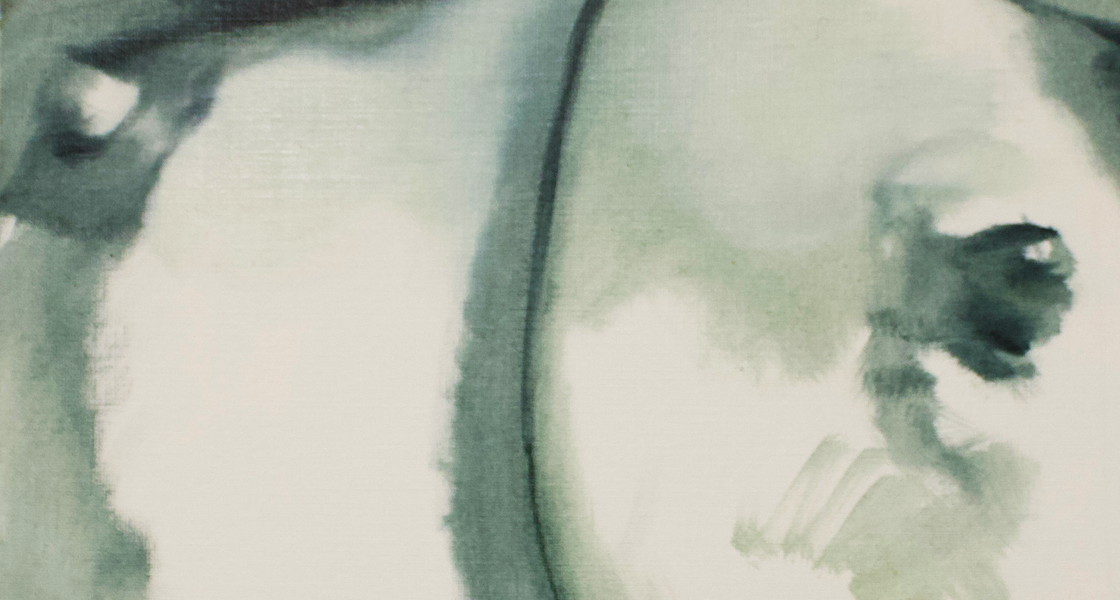
Nelly Dansen's MEGA ATTRACTIVE HQ

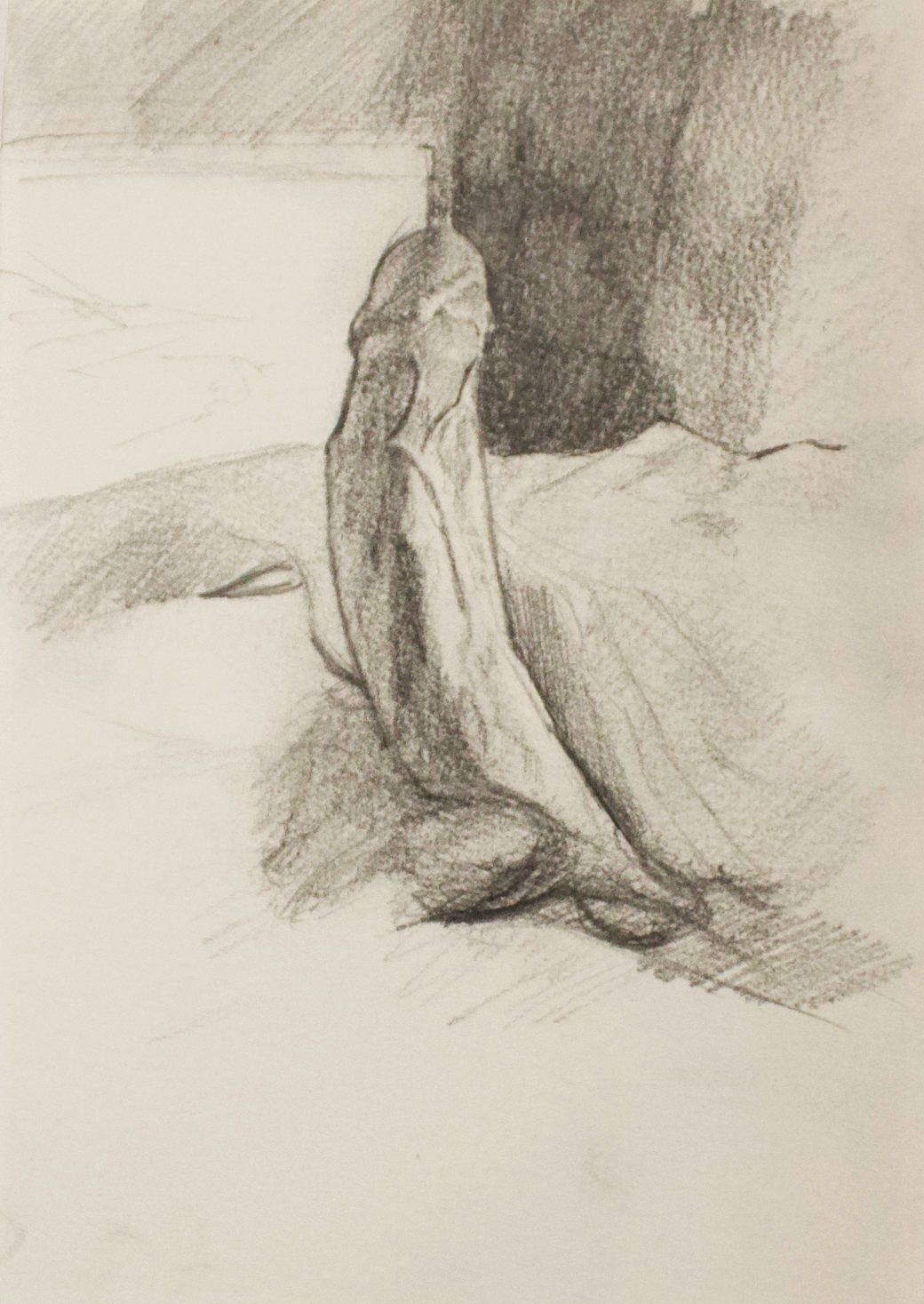


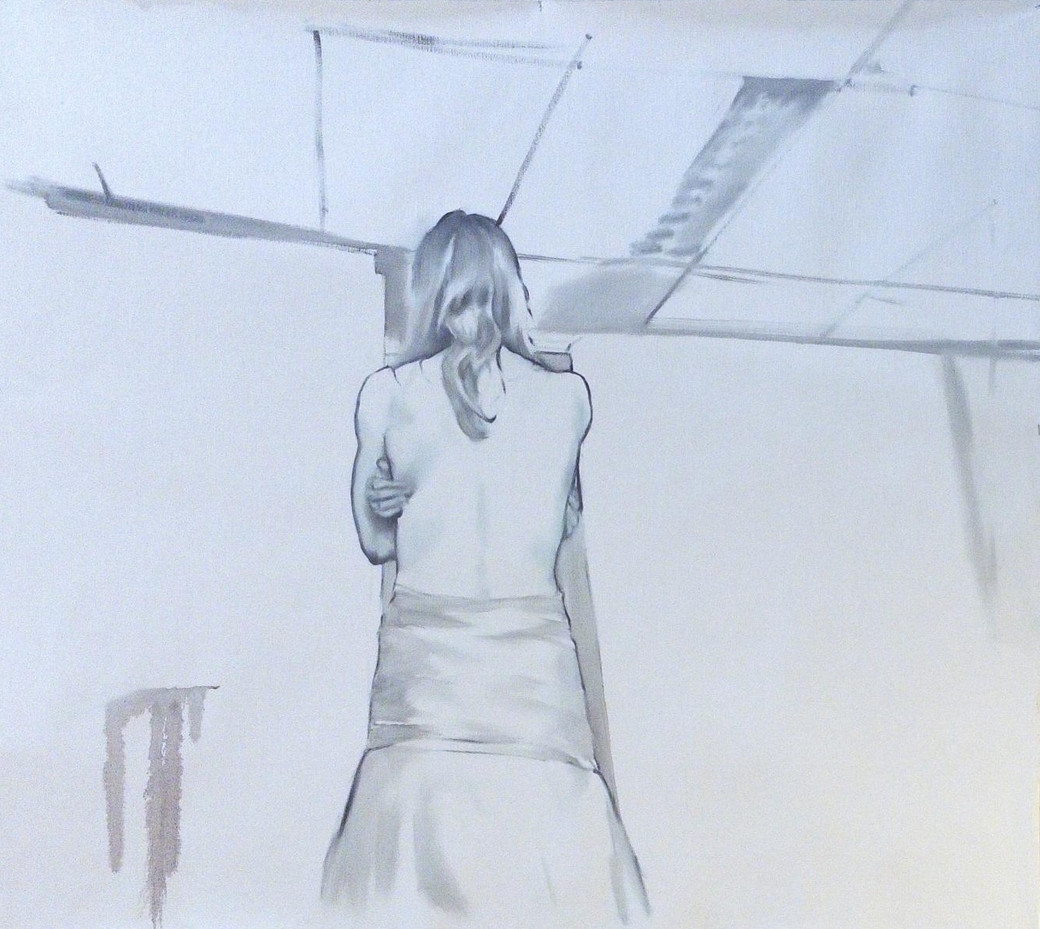


Your exhibition text begins with a dream on the Autobahn. Where does the name Stoned Roses Autobahn come from?
It's my connection of the present day deep into the Middle Ages to the time of knights and Templars… & imagine, how instead of abusing horses they are driving Japanese & European youngtimers. You can go through the labyrinths of what you feel about this naming. Stoned or sober, but true to the core, bro.
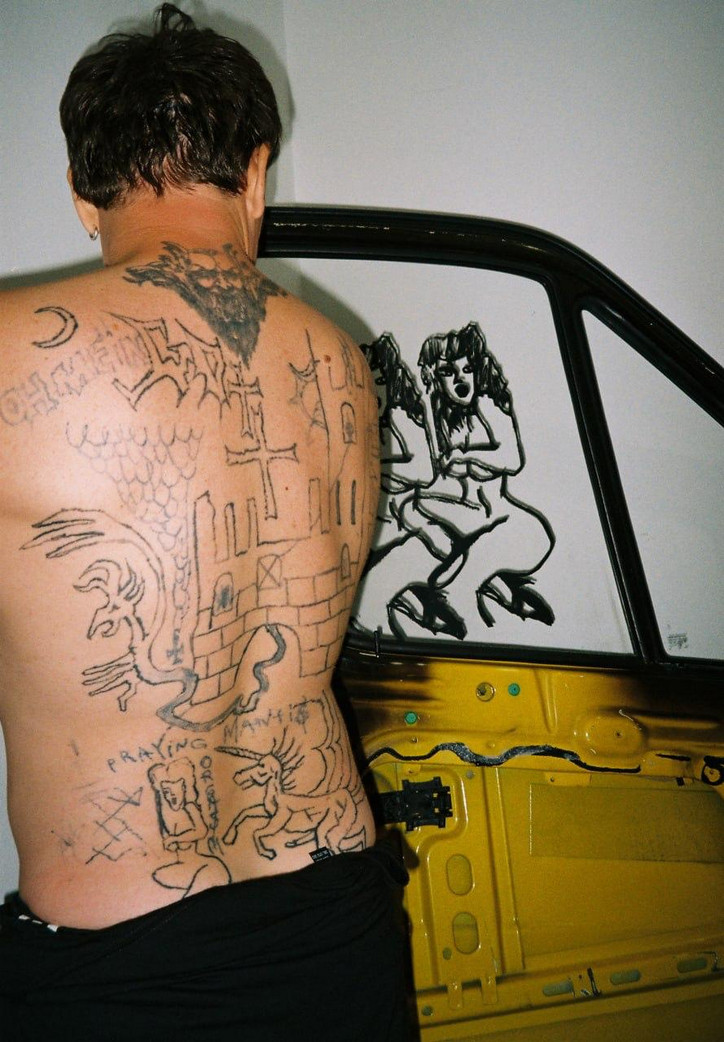
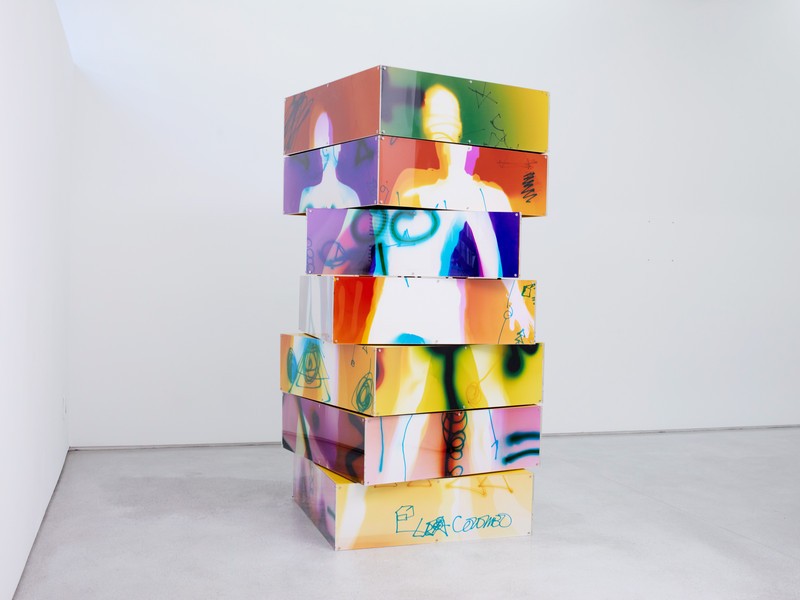
What were the car parts you found near Lisbon, and when did you start seeing them as material for the exhibition?
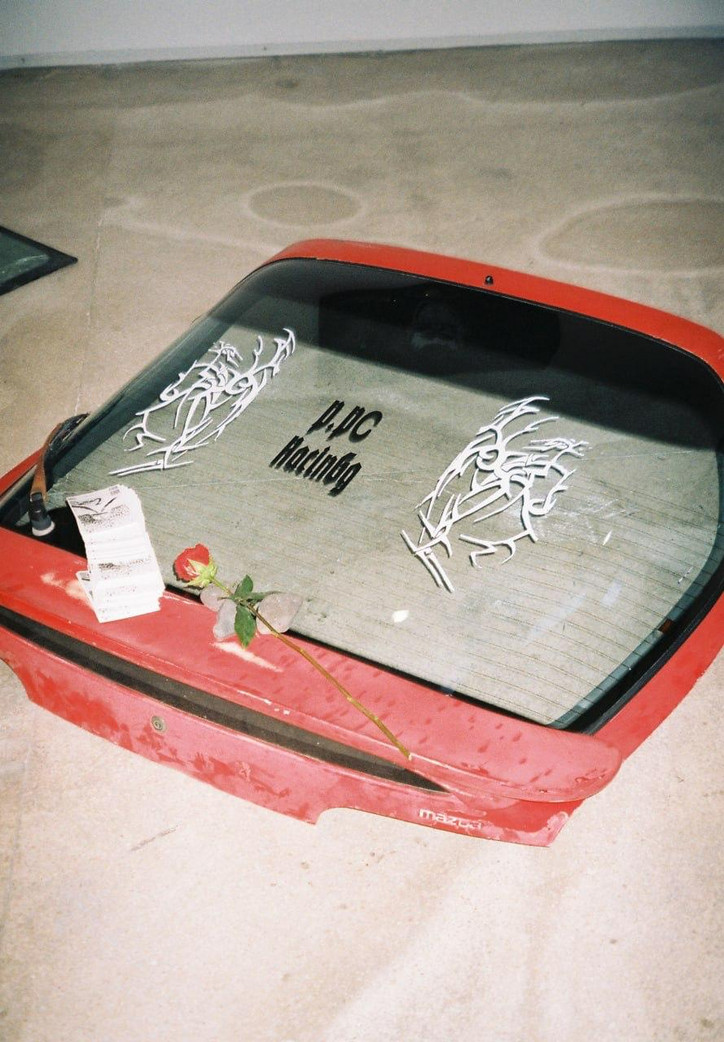
When PPC invited me to take part in this one week experiment, they suggested that we could silk screen-print my artworks onto any surface. I’ve decided to go with the car parts, of course!
Can you imagine a scene in which, after a car accident, fragments of the car were scattered around and a child who had witnessed it, began to draw onto these surfaces. This idea is deeply connected to my own childhood, as my father died in a car accident. In that way, this work reflects personal experience.
Where is the limit? Only sky.
When we arrived, I found that the closest neighbors of PPC were a car repair shop. They didn’t have anything from the kind of older cars I was looking for. So they sent me to another repair shop. The owner didn’t speak English, so he asked us to call his son – the coolest guy named João. He was based around 50 kilometers from Lisbon, in the Sintra area.
He had a huge car scrapyard with lots of parts for sale. We went there by motorino, and I explained the idea of CRUSH TEST collection. I asked if he could help me find some unique parts, not to sell them to me for a lot of money, but simply to help with the project.
This guy was into the topic, and that’s how it happened. Pure magic of connecting with the right people at the right time.
I’m really thankful to João and to everyone who helped make this chain of communication happen, including Miguel, a member of the Portugal print Club team, who helped us with the translation.
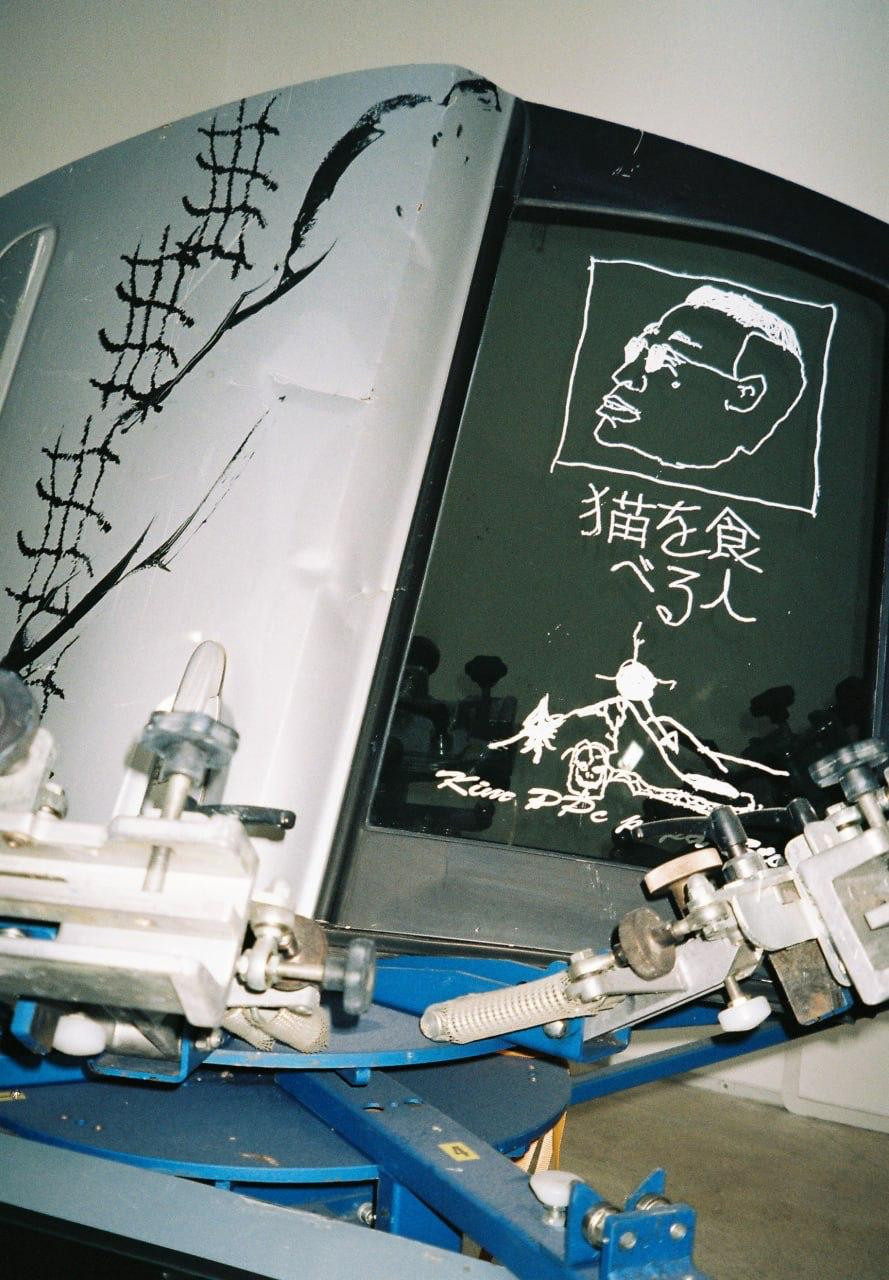

You move between TATTOOING, painting, sculpture and music. What makes an idea become a garment rather than a track or an object?
I just have a feeling for what I want, and when I truly want something, I make it happen.
From the landscapes of White Tigers to the bass experiments of PAi: moomia bass, what changes in how you make music, and what stays with you?
My musical experience and realization are deeply connected to different periods of my life. There is a time to collect knowledge, and there is a time to express certain feelings. Somewhere in between, you can see and feel what is happening in my life.
Your releases include reused cassettes and CDs burned and decorated at home. What does the physical object add to the listening experience?
It’s not about the listening experience. It’s about design. I just want to place the visual part of a release on a surface. As you heard before, it’s the same with the car parts, the cassettes, and the CDs. I just like it when you can touch it, when you can feel it, when you can have it in your hands and see it in real life, not on a screen. It’s about design.
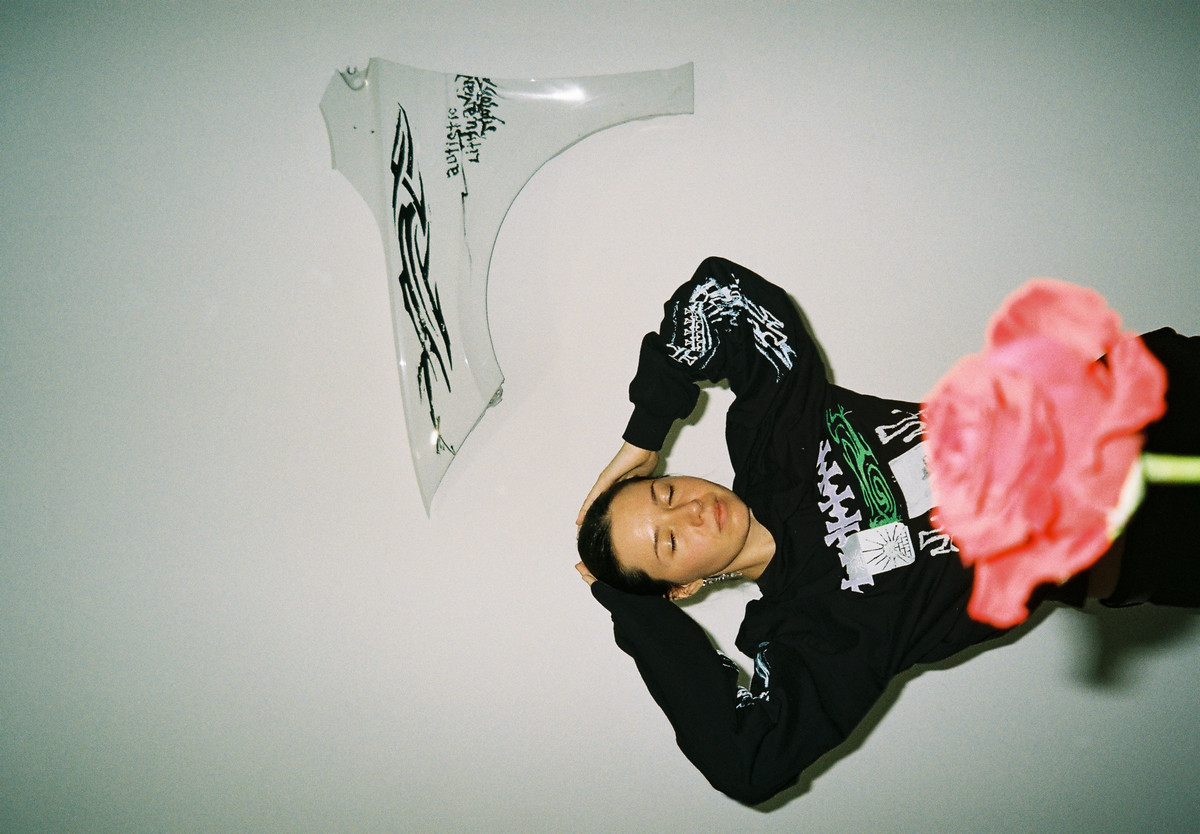

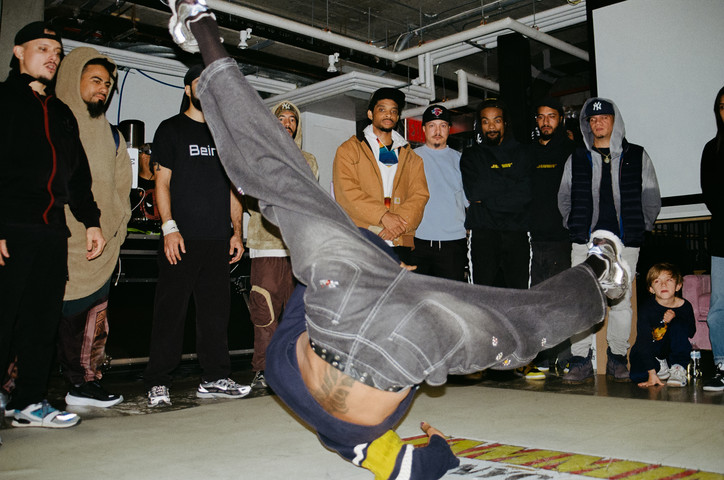
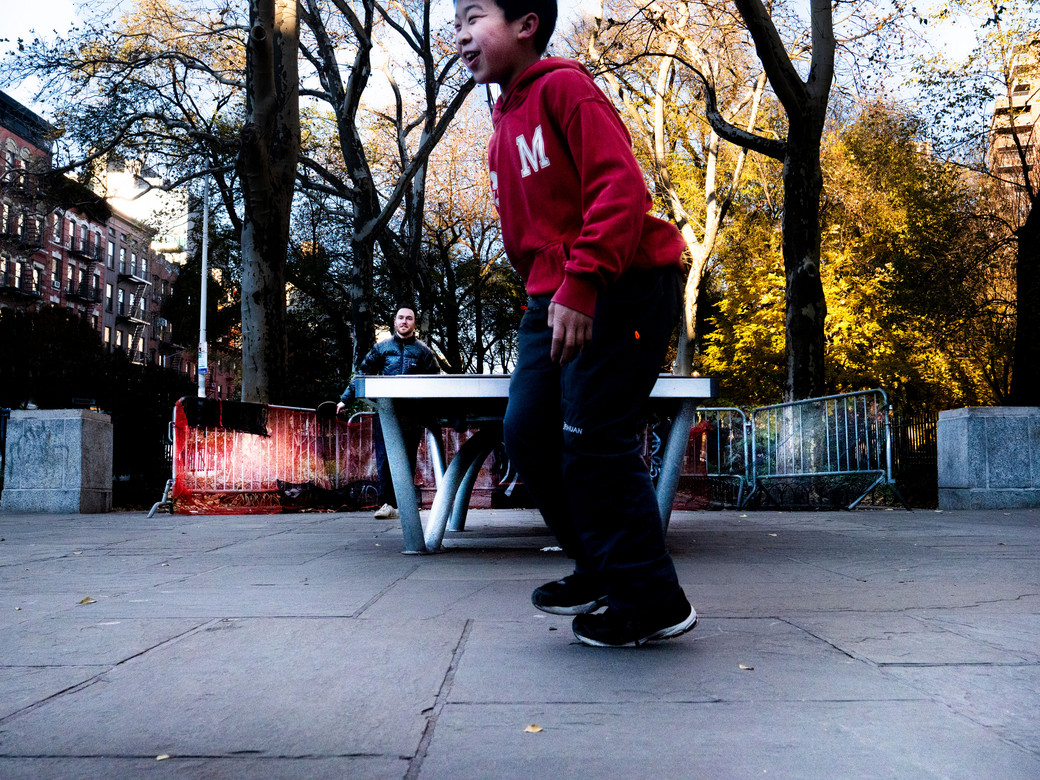
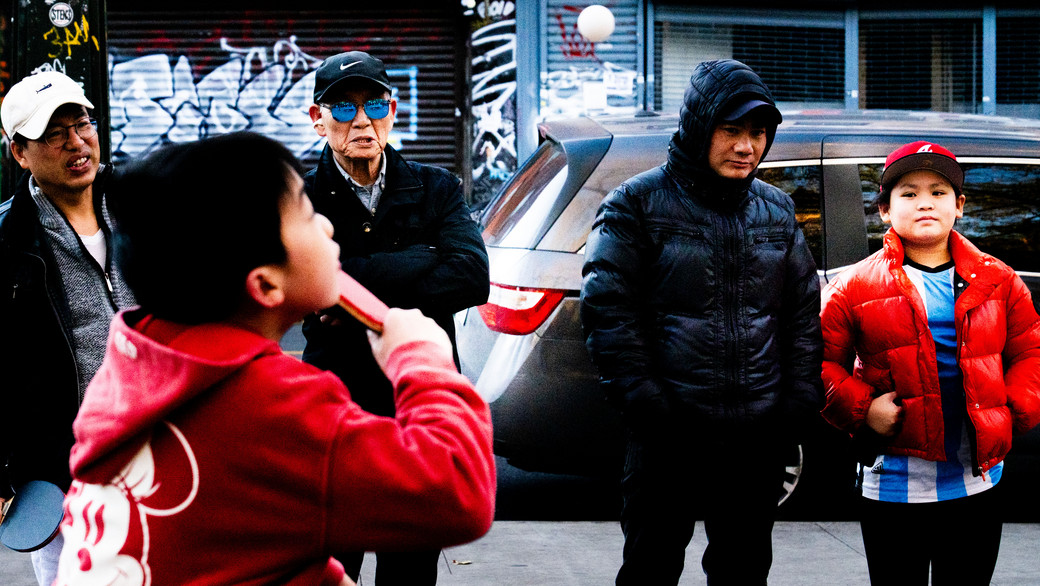
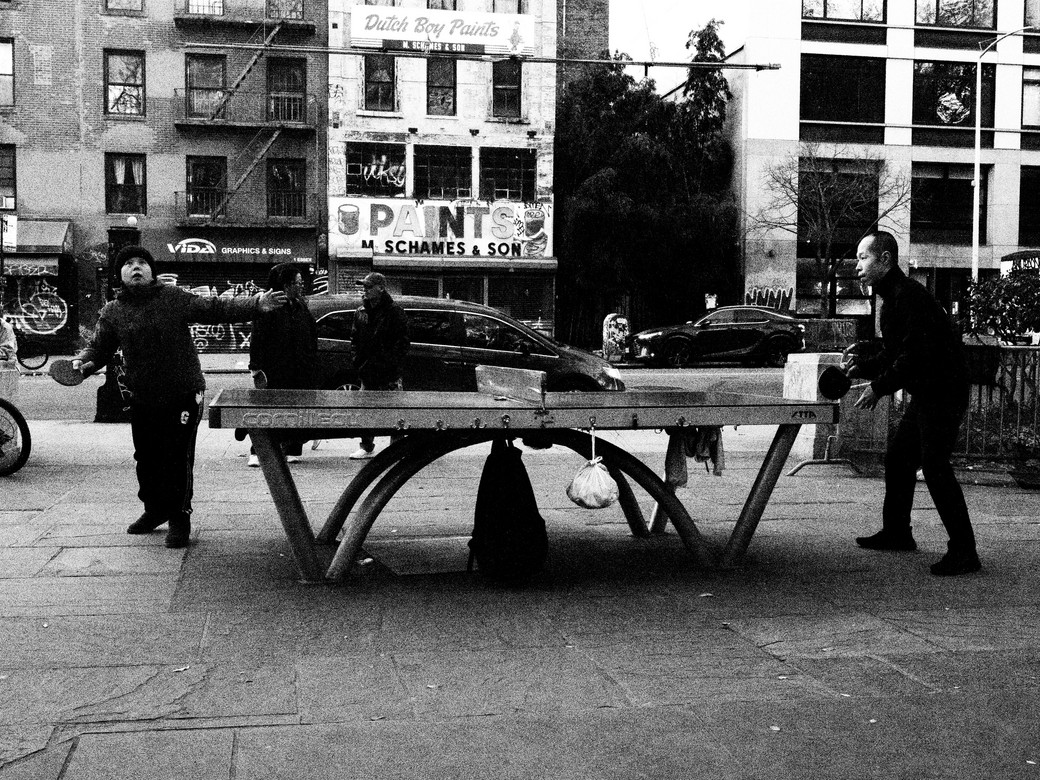
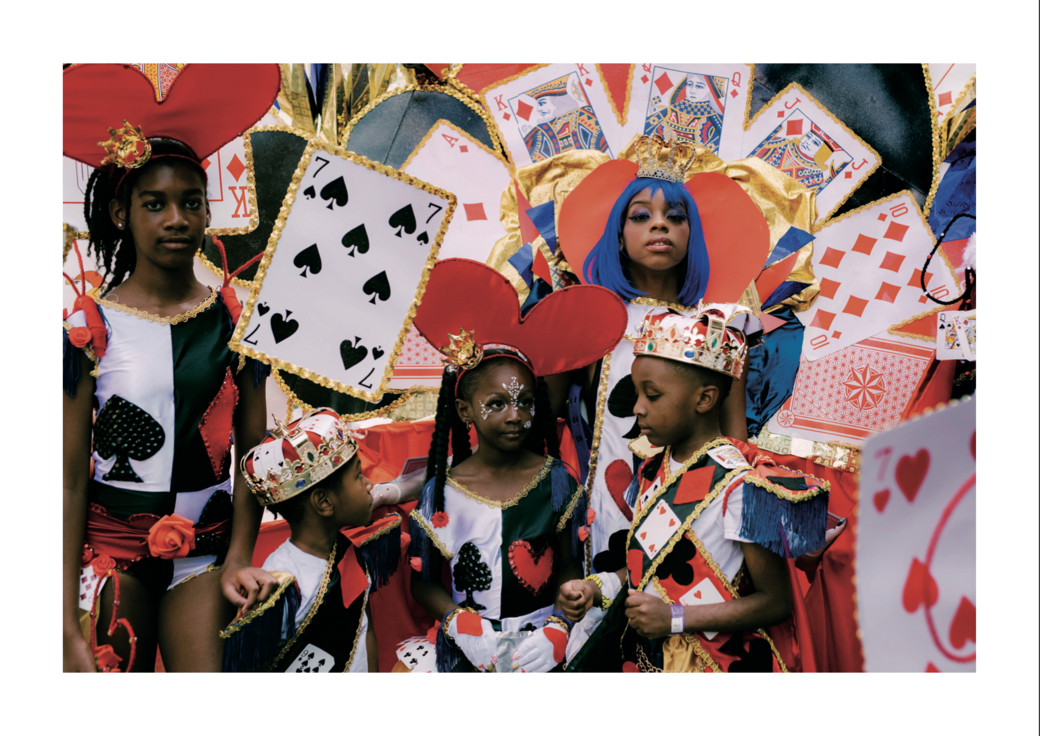
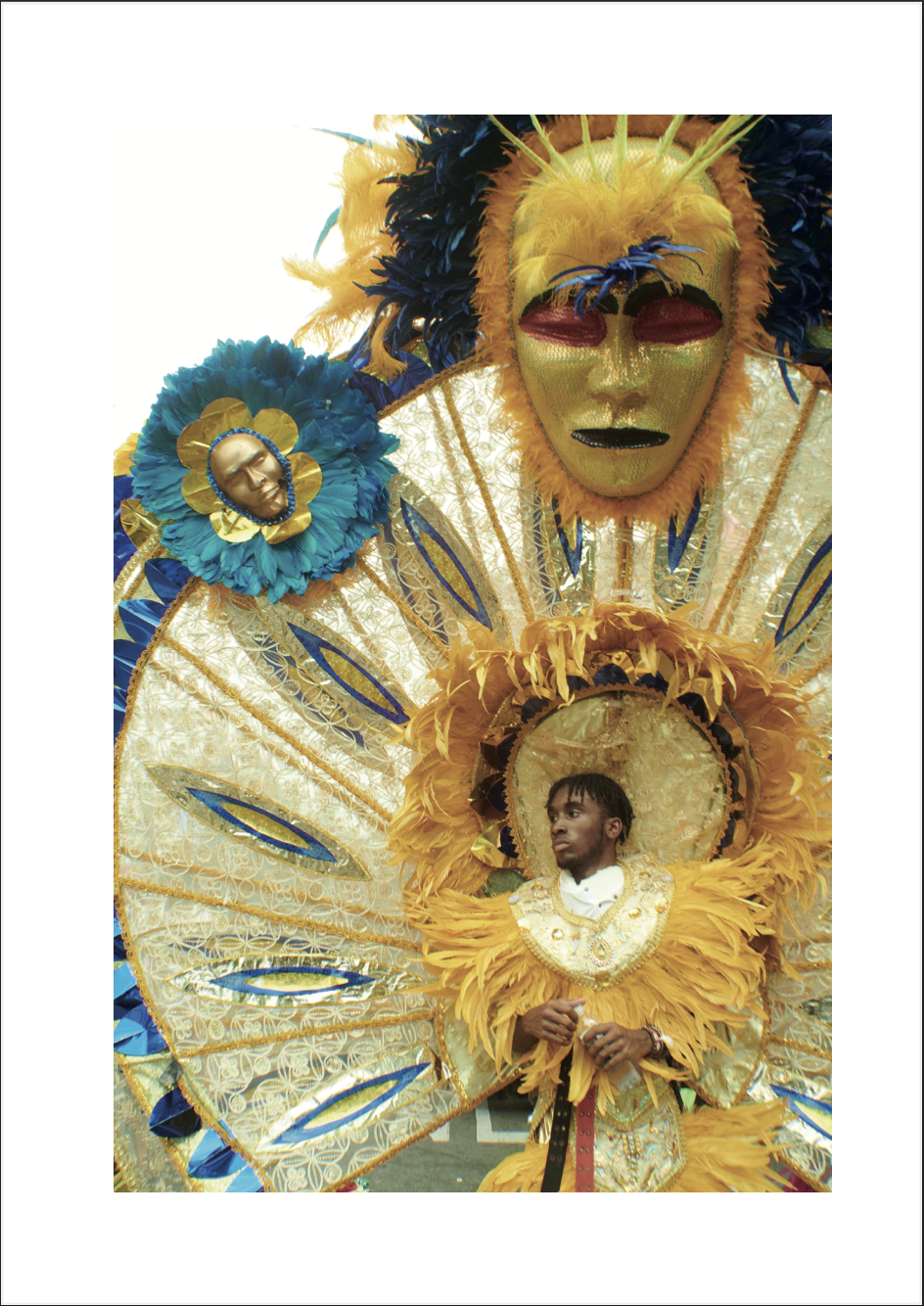
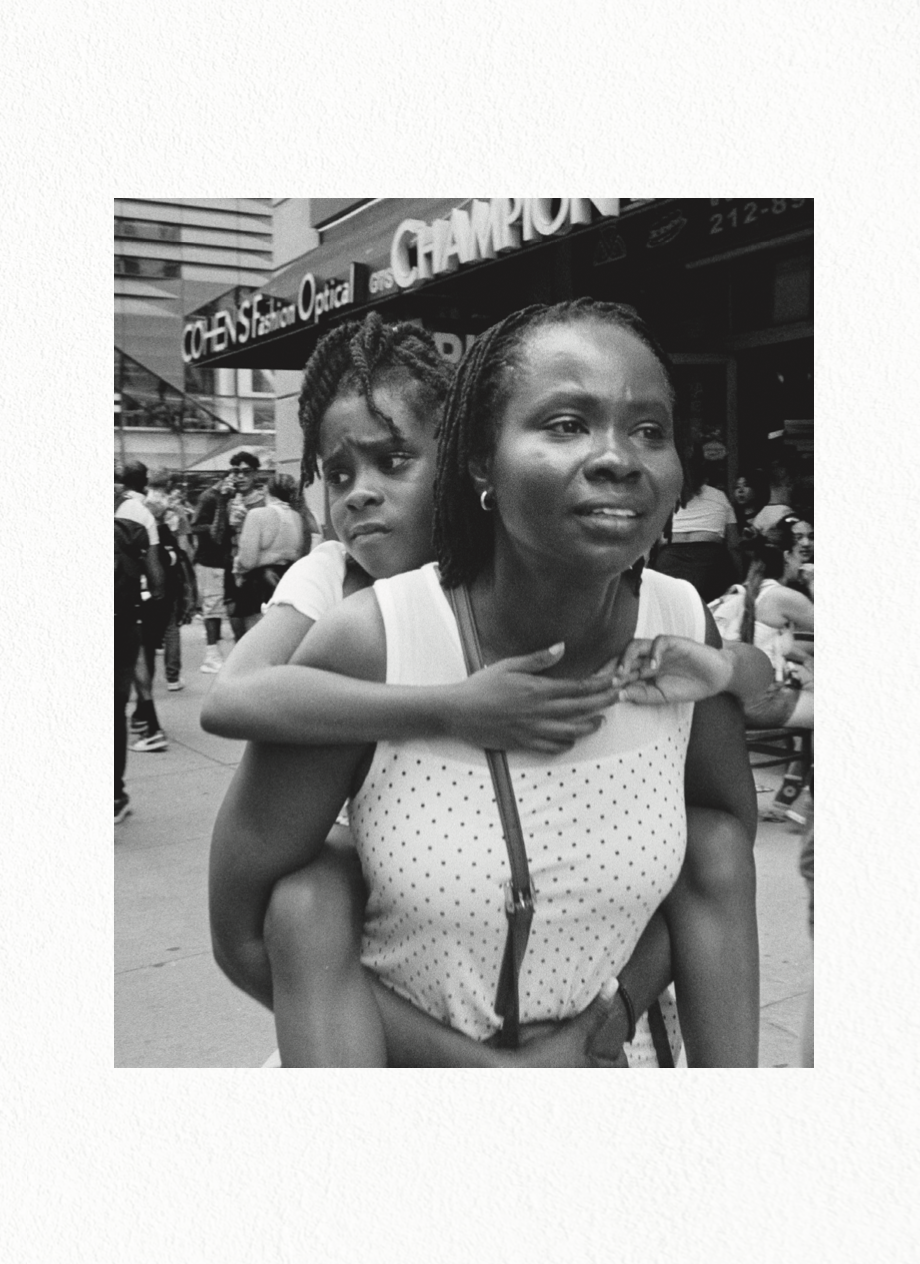
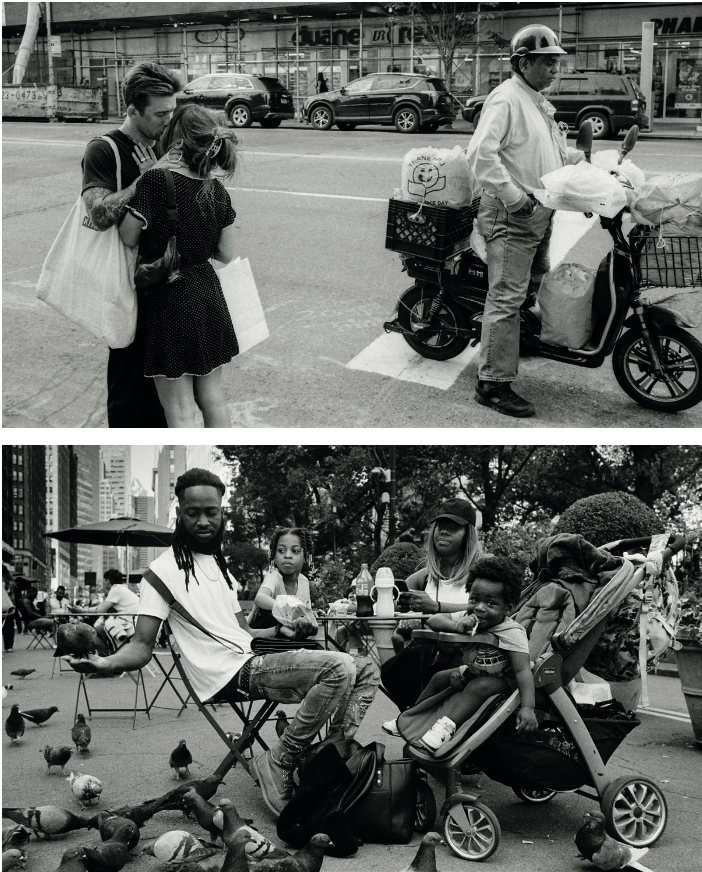

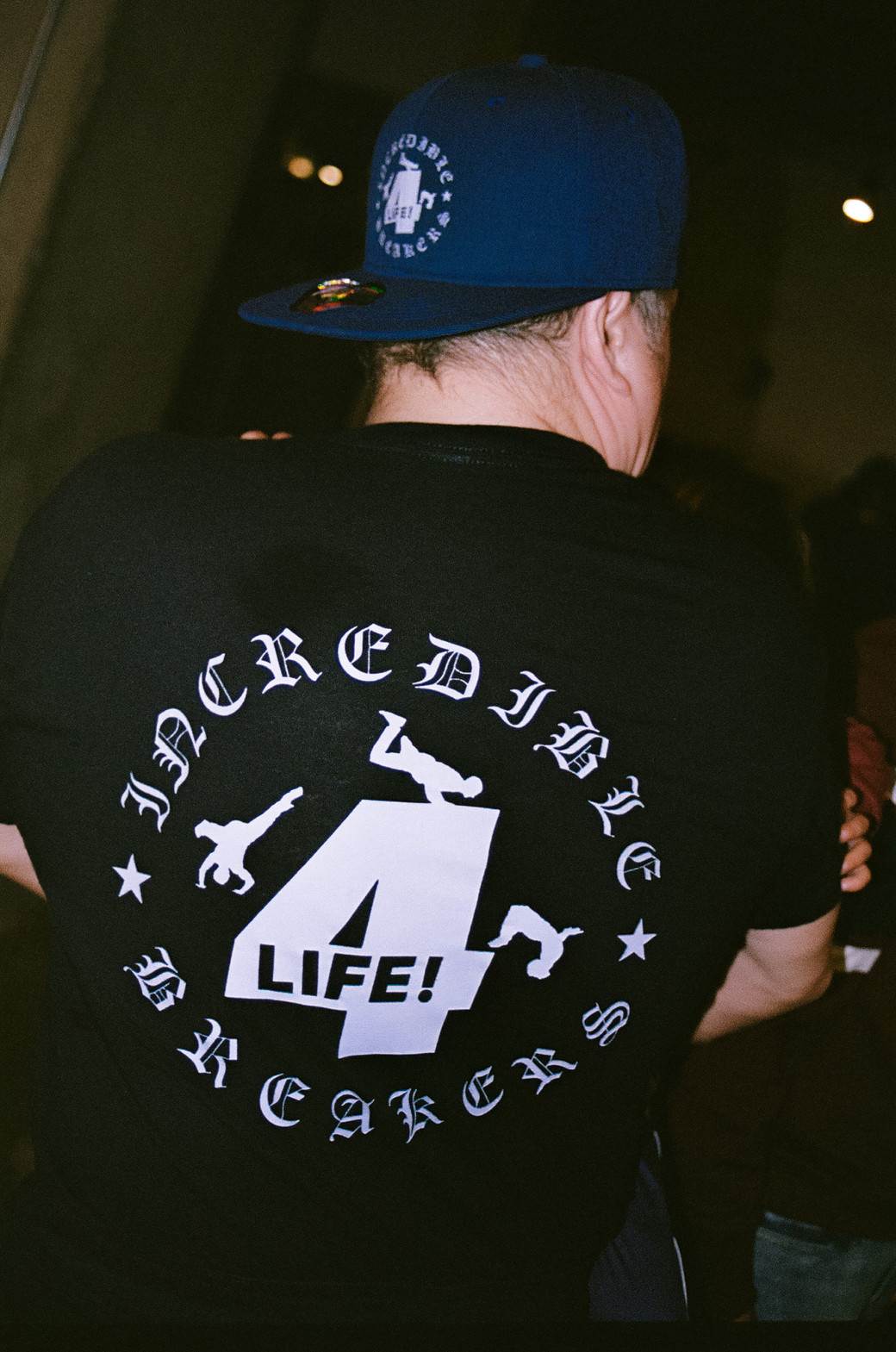
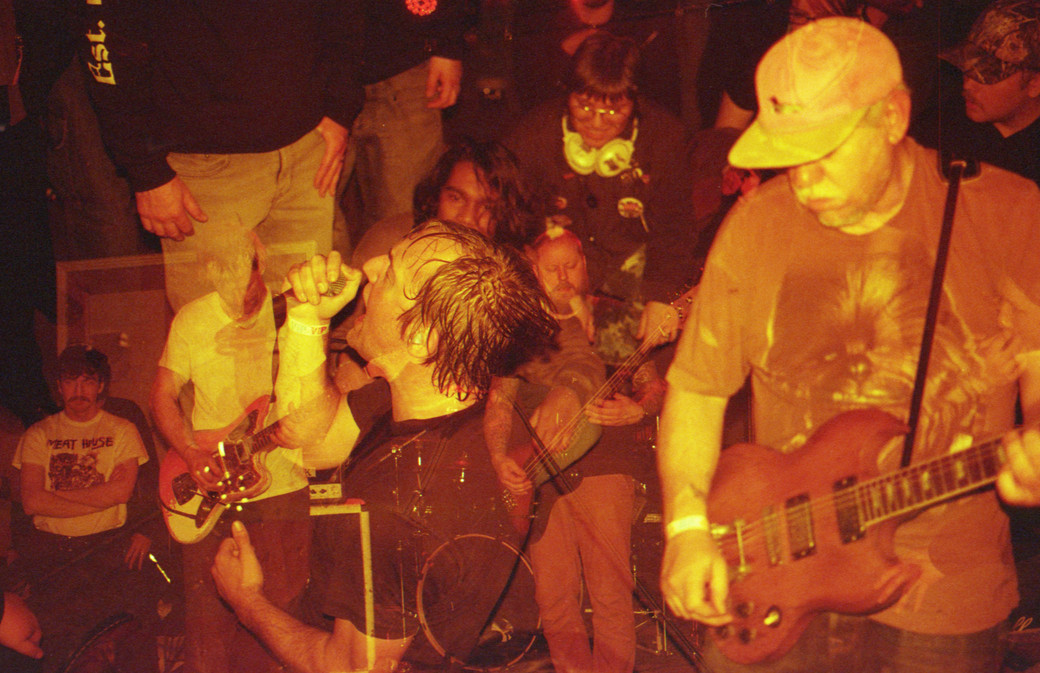
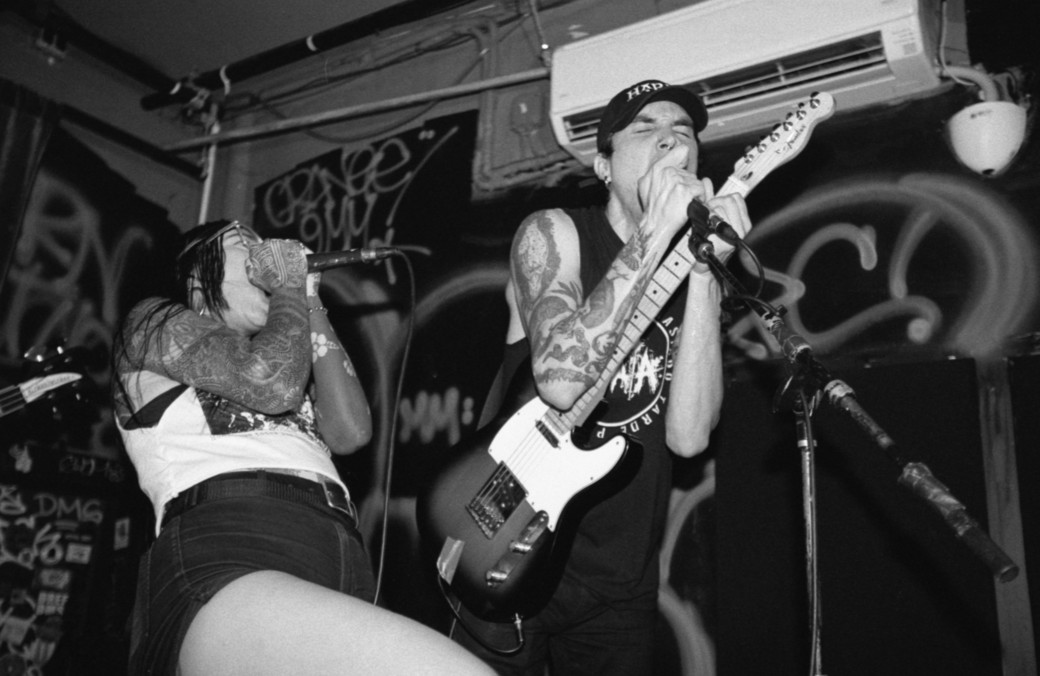
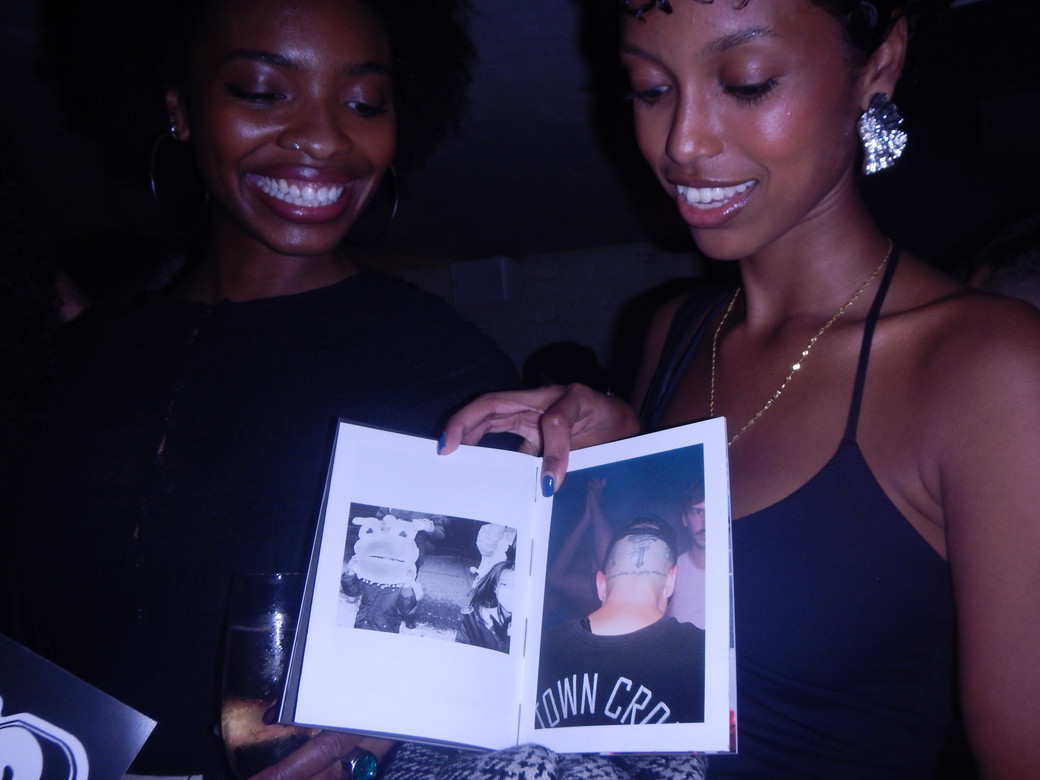
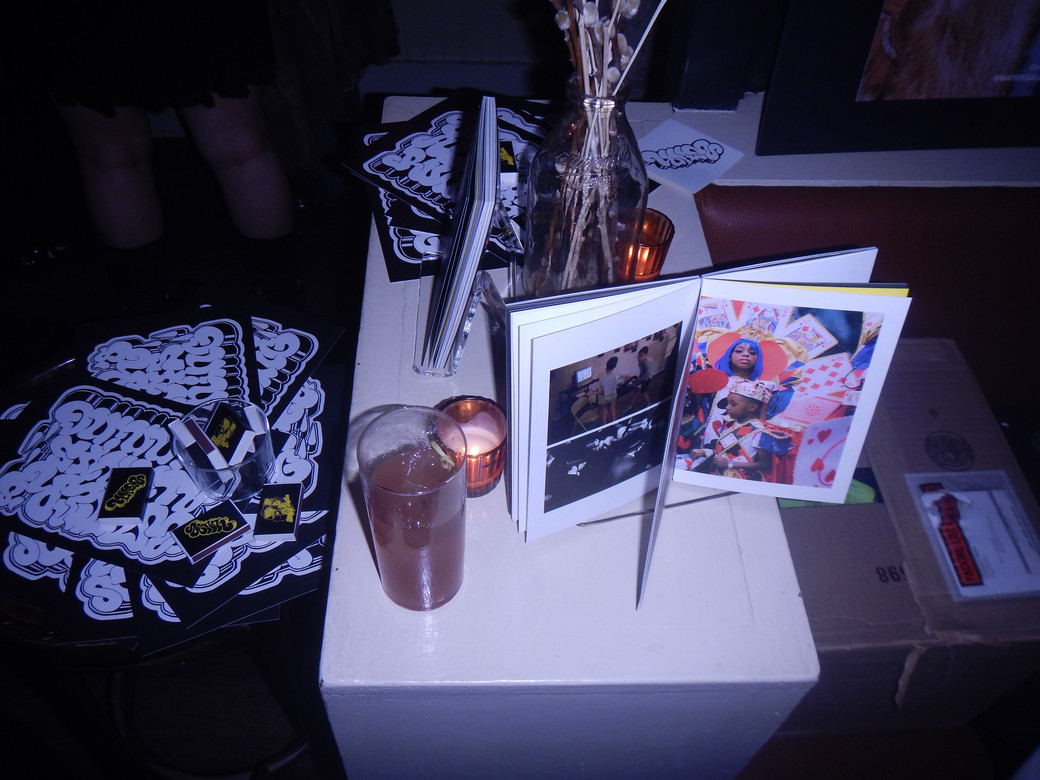
Instead of acting as a cultural tourist, Falzone tapped multiple different photographers who have a stake in their respective scenes, including breaking, hardcore, and the Seward Park ping-pong players. Each of the three sections begins with a testimony by an organizer or documentarian, detailing the meaning of their particular social strata. Mia Winther-Tamaka says about the ping-pongers that “the space belongs to them, claimed through return and repetition.” Not a one-night party or brand launch, this space exists through the daily rhythms of those that inhabit it.
Alongside these spotlighted communities are photos capturing the depth of connection that can be found on many street corners along all five boroughs: a mother holding her child on her back down the street, lovers embracing in front of a delivery driver, a brass band marching together in the summer heat. As Falzone remarks in the book’s opening statement, “Let this be a reminder to look up and look out.” To look up at the future and look out for each other.
The launch party took place at Lullaby this weekend, followed by a window takeover at Iconic Magazines on Mulberry Street.
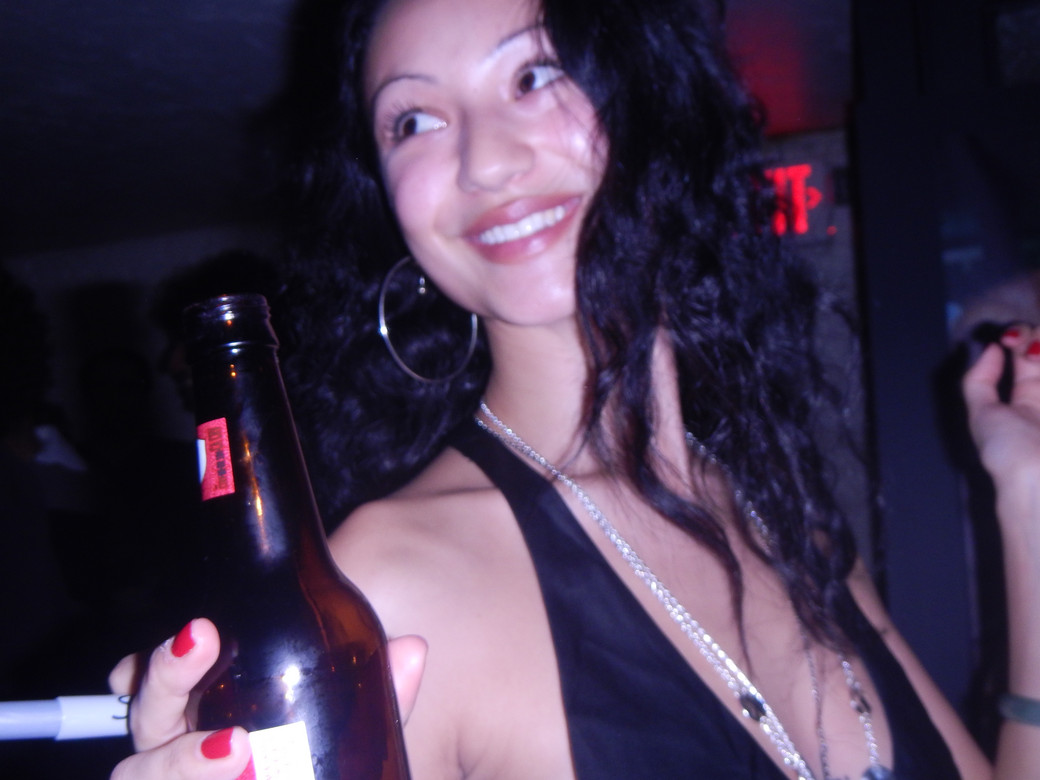
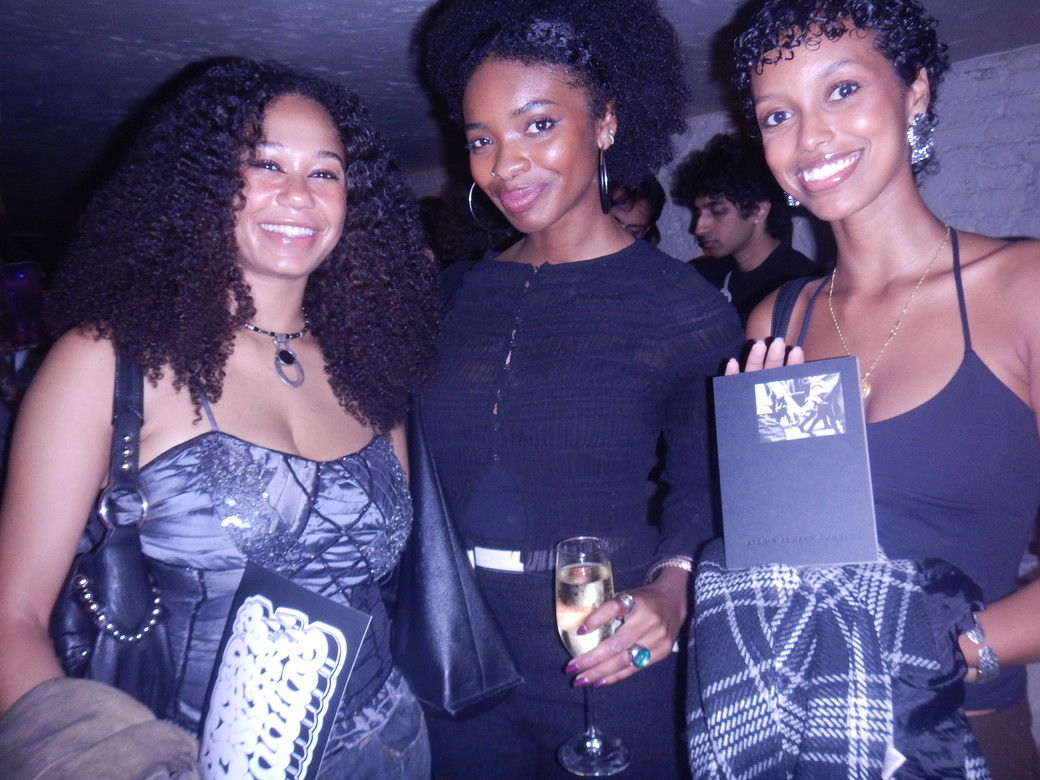


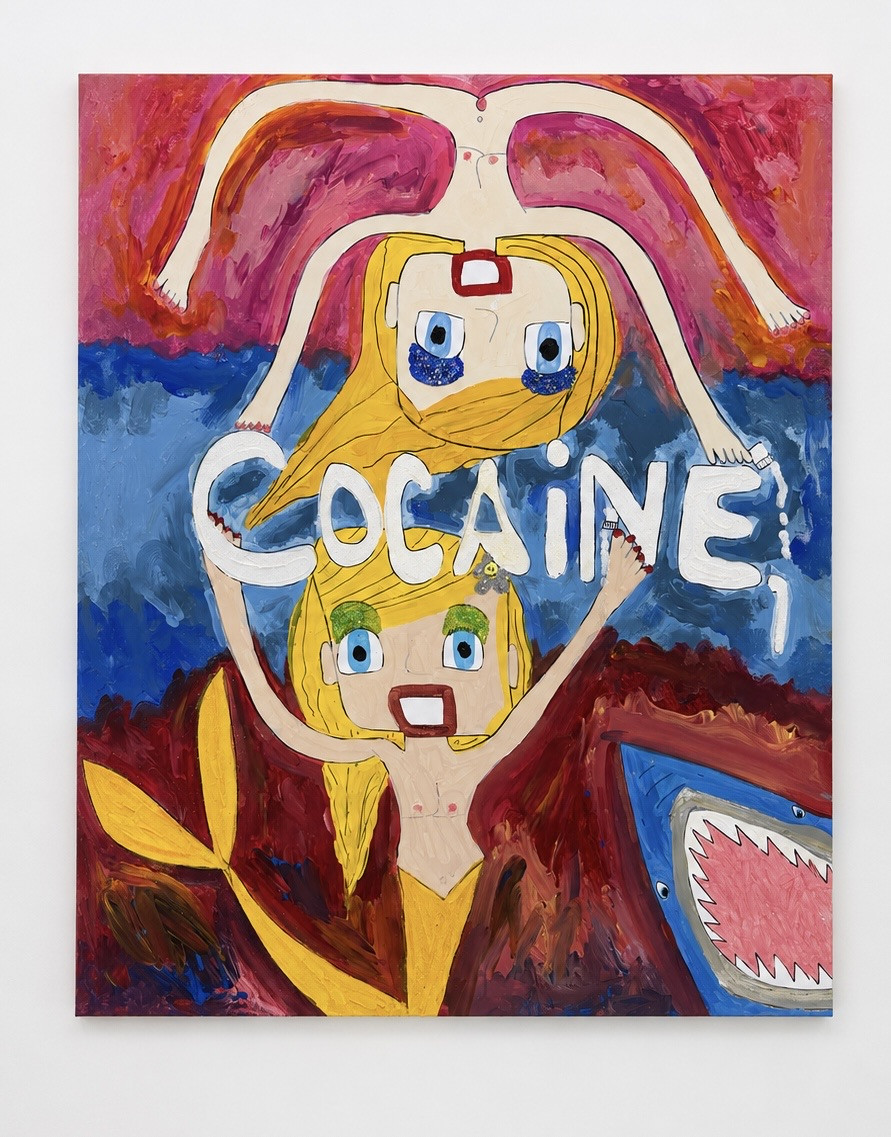
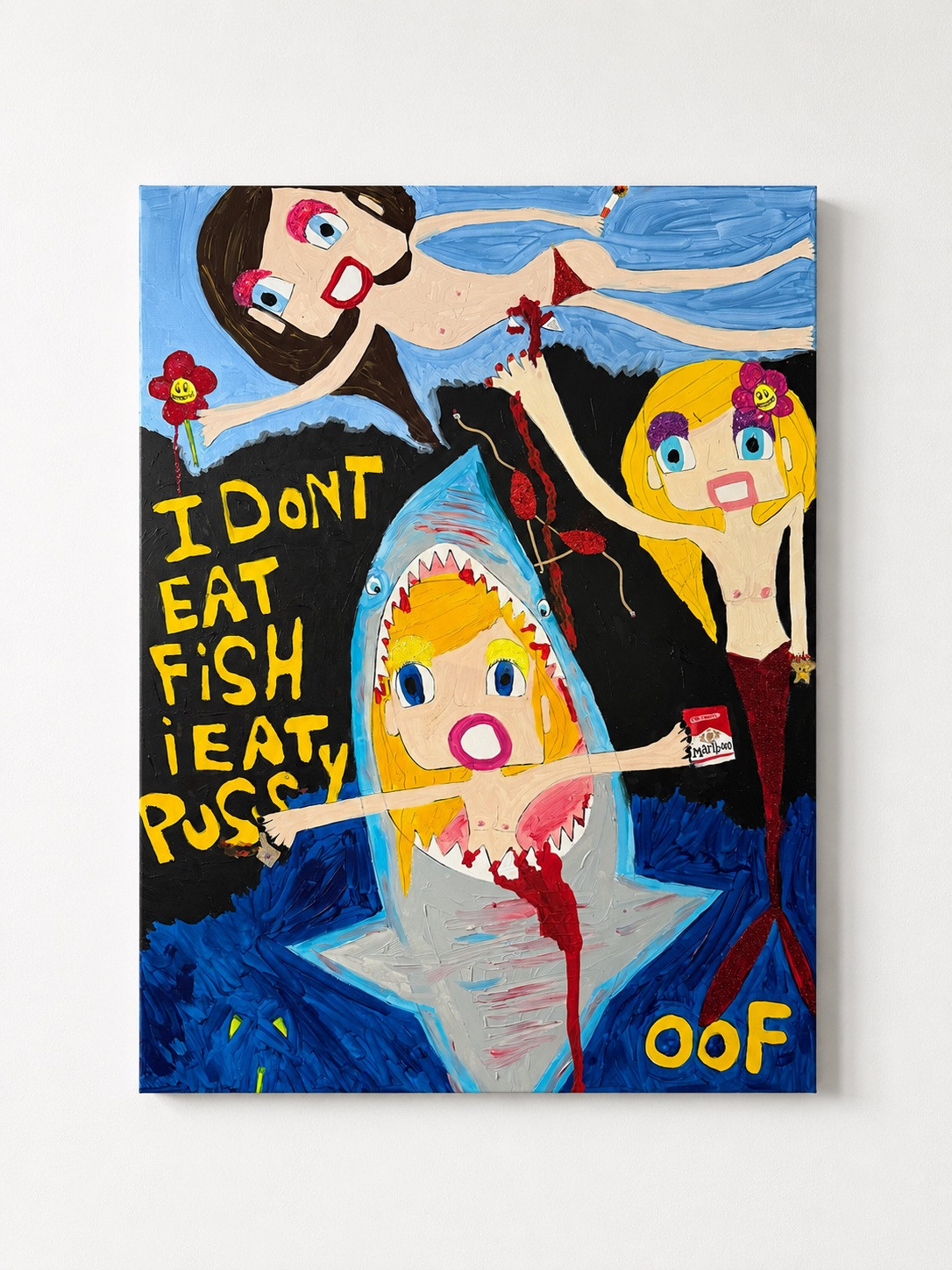
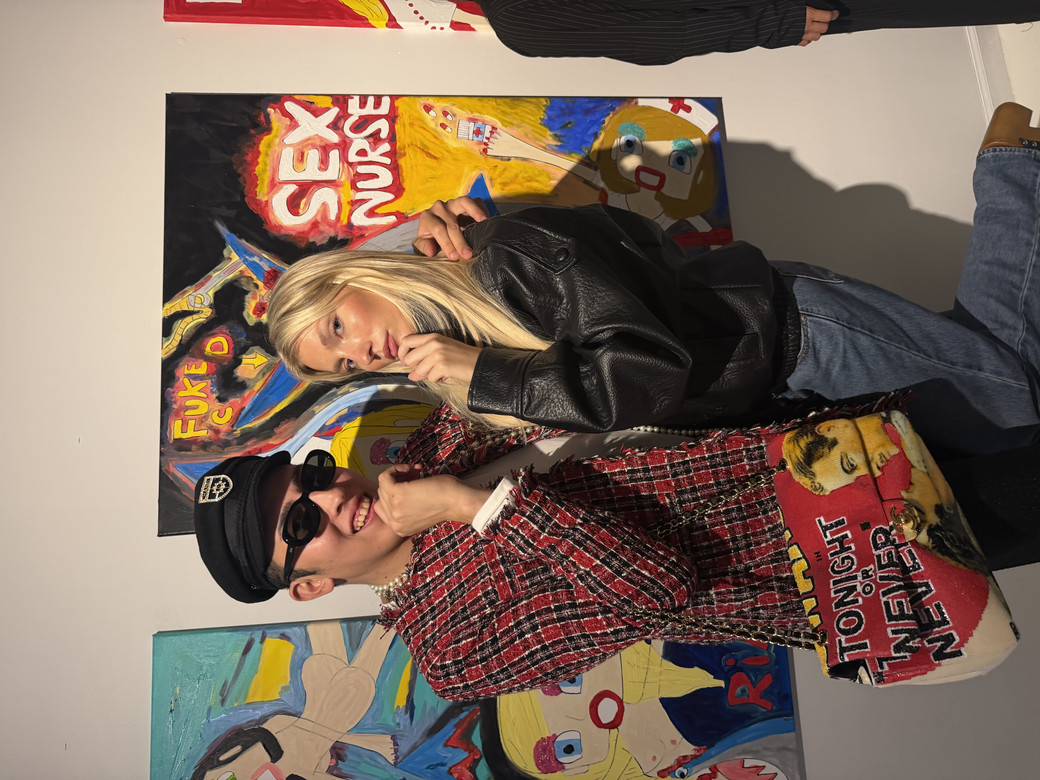
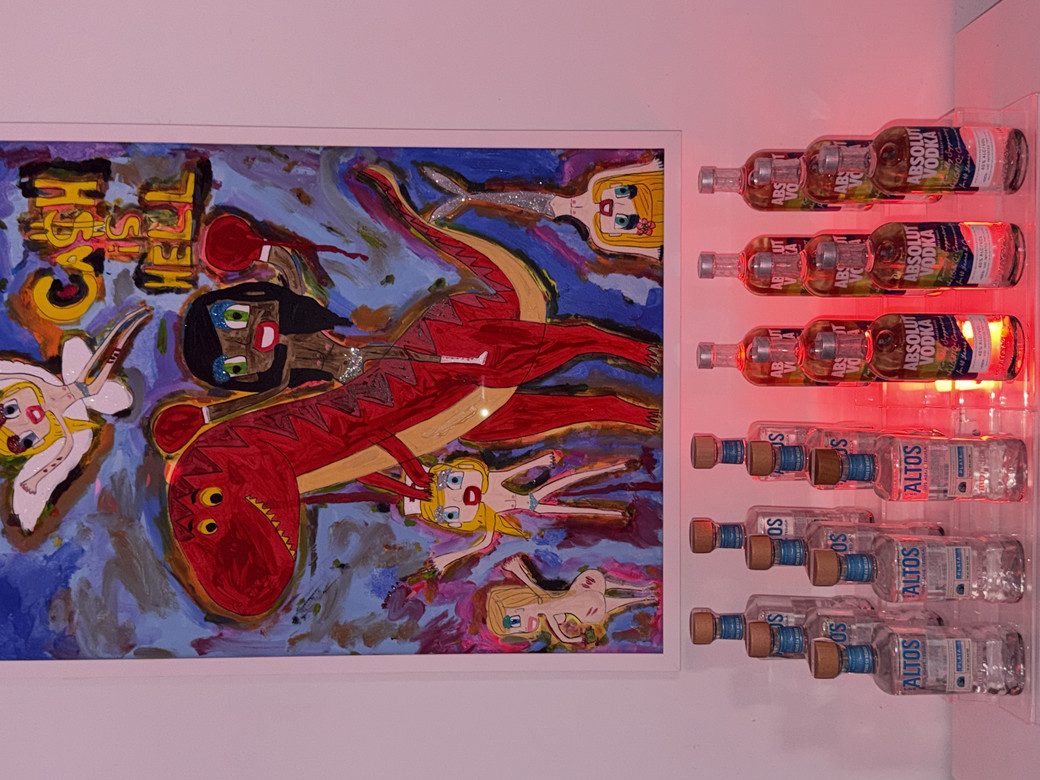
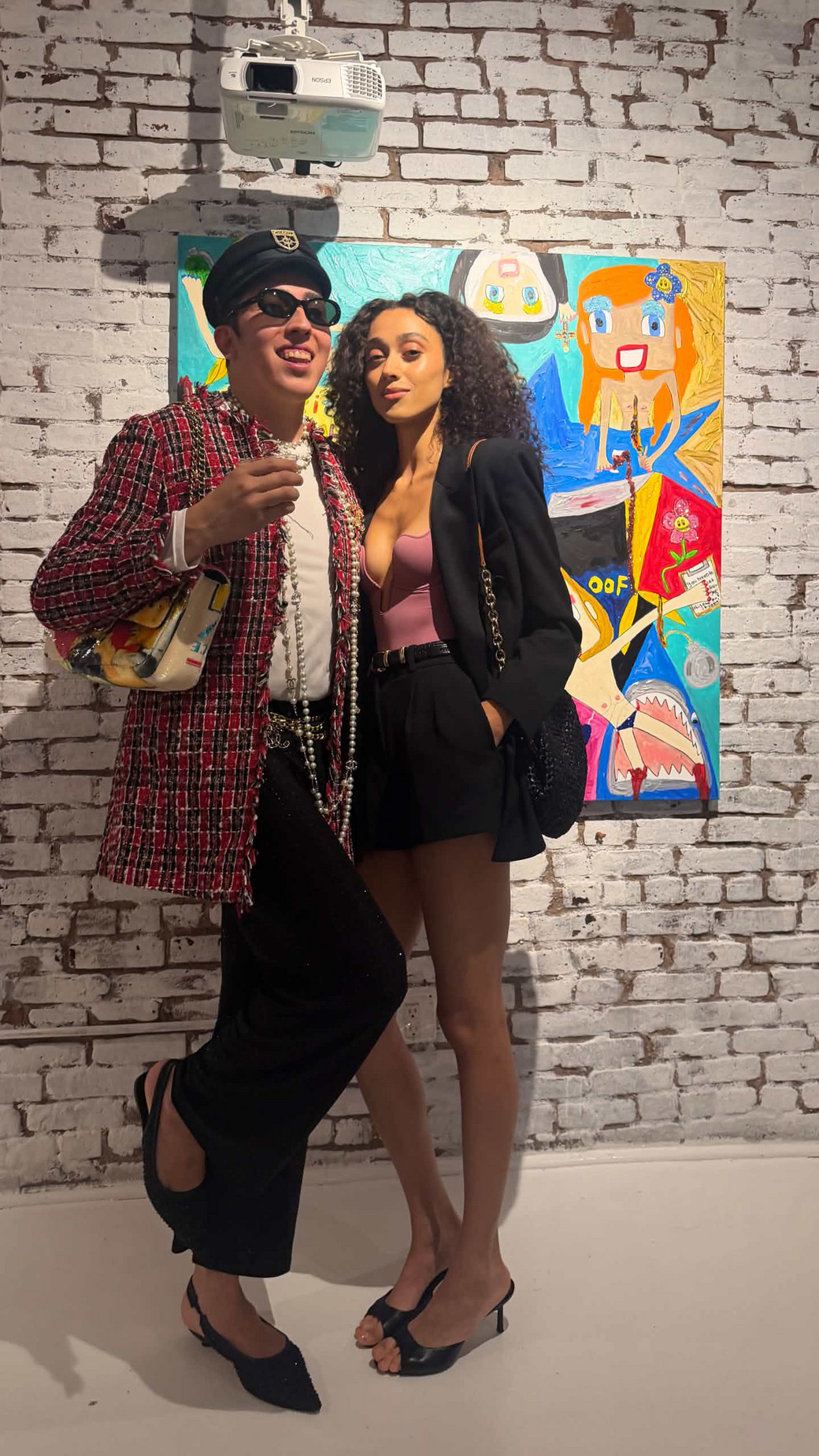
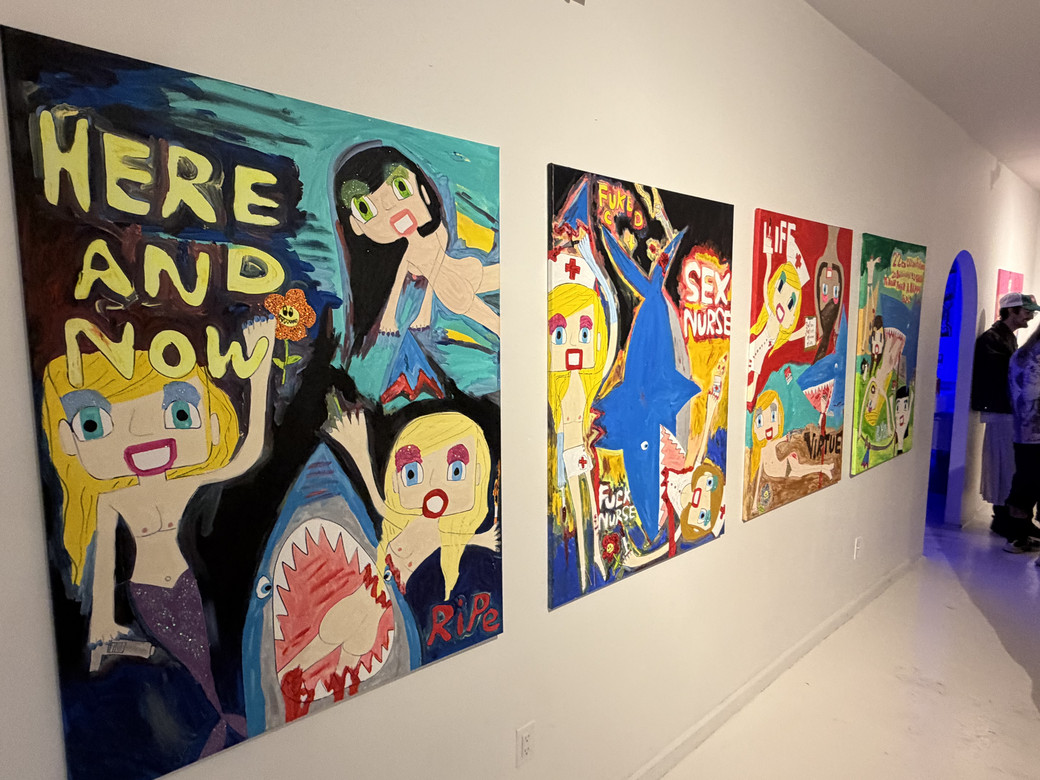
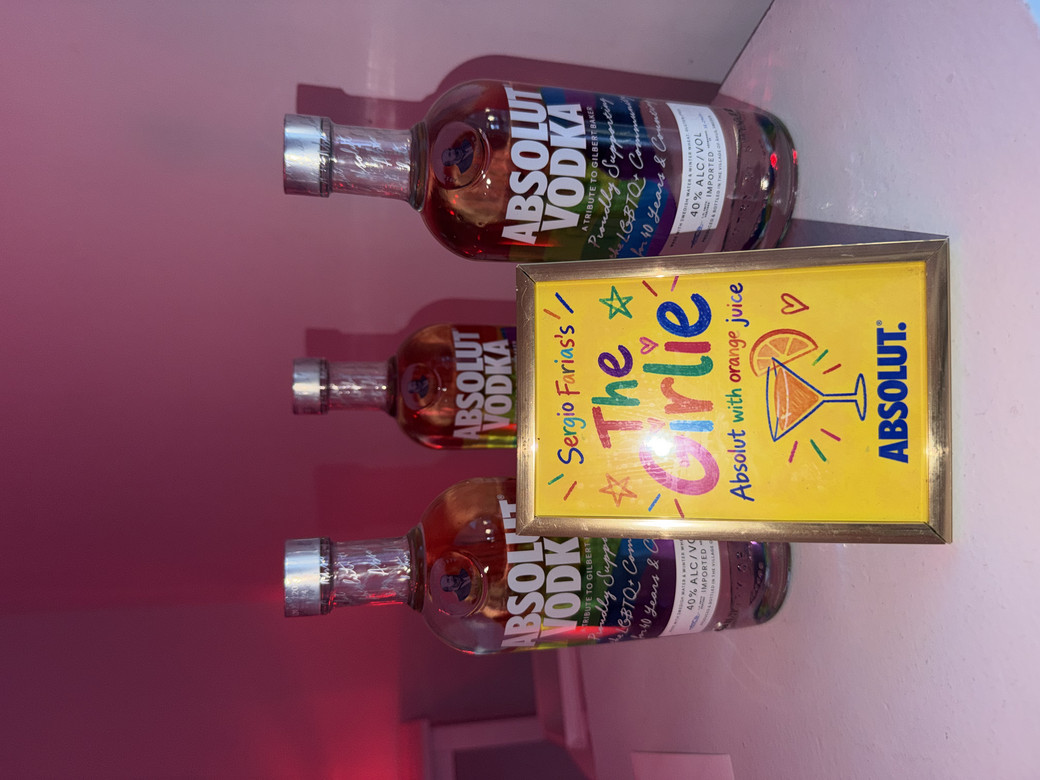
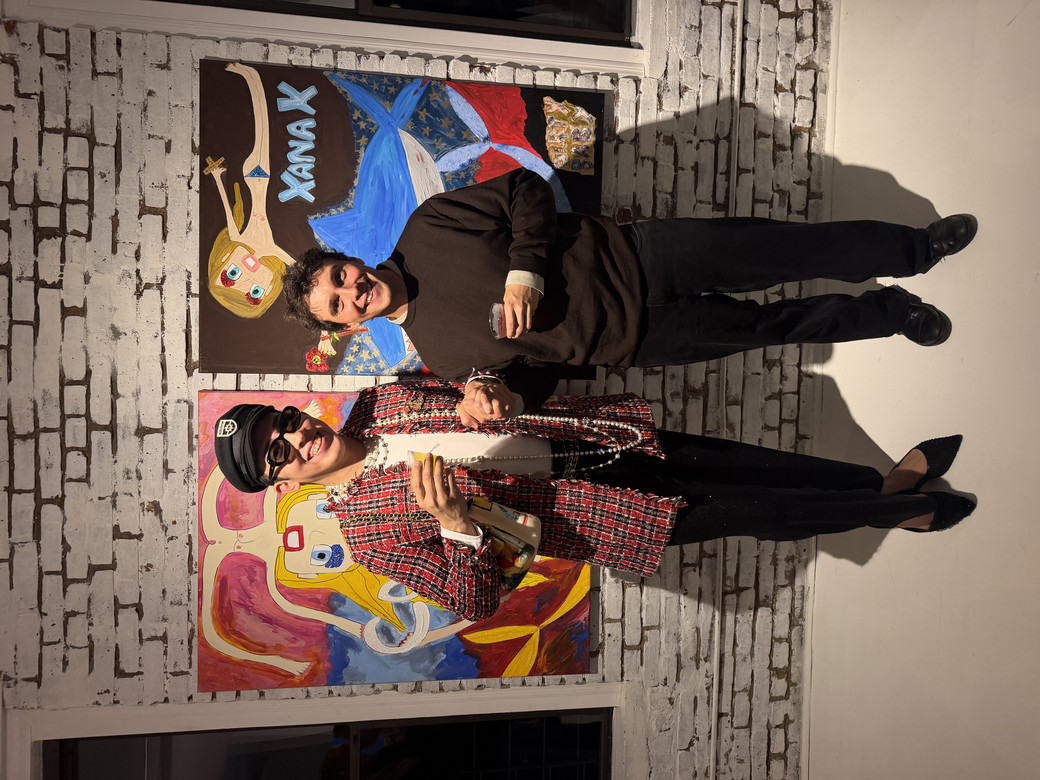
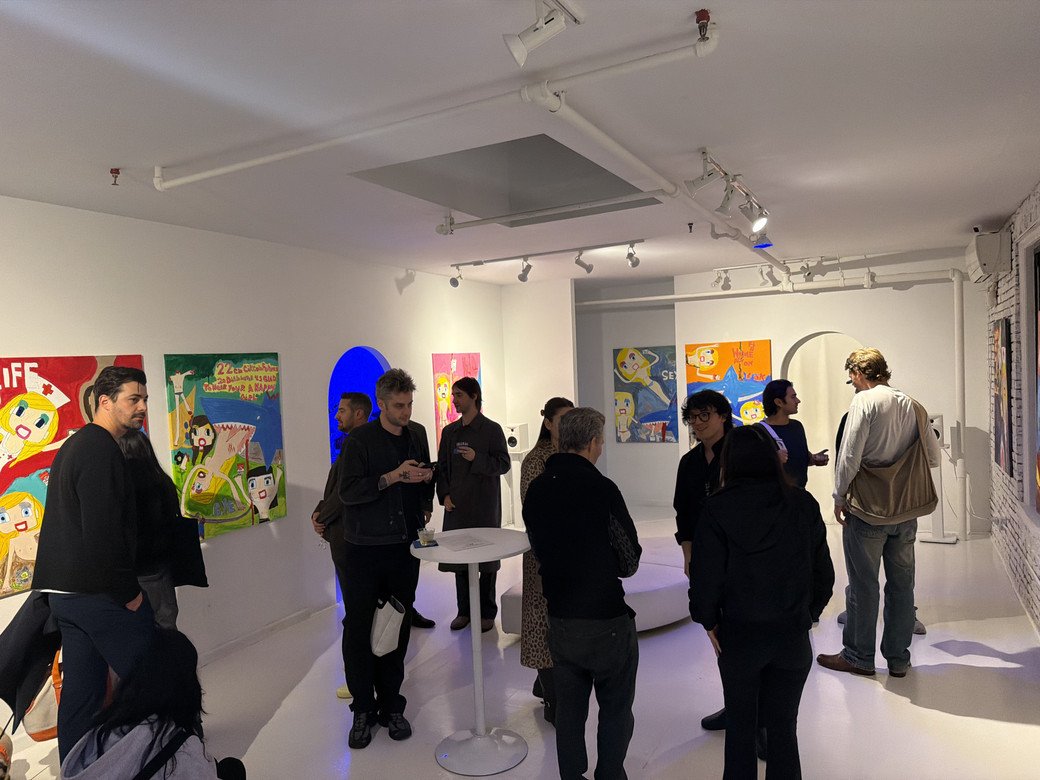
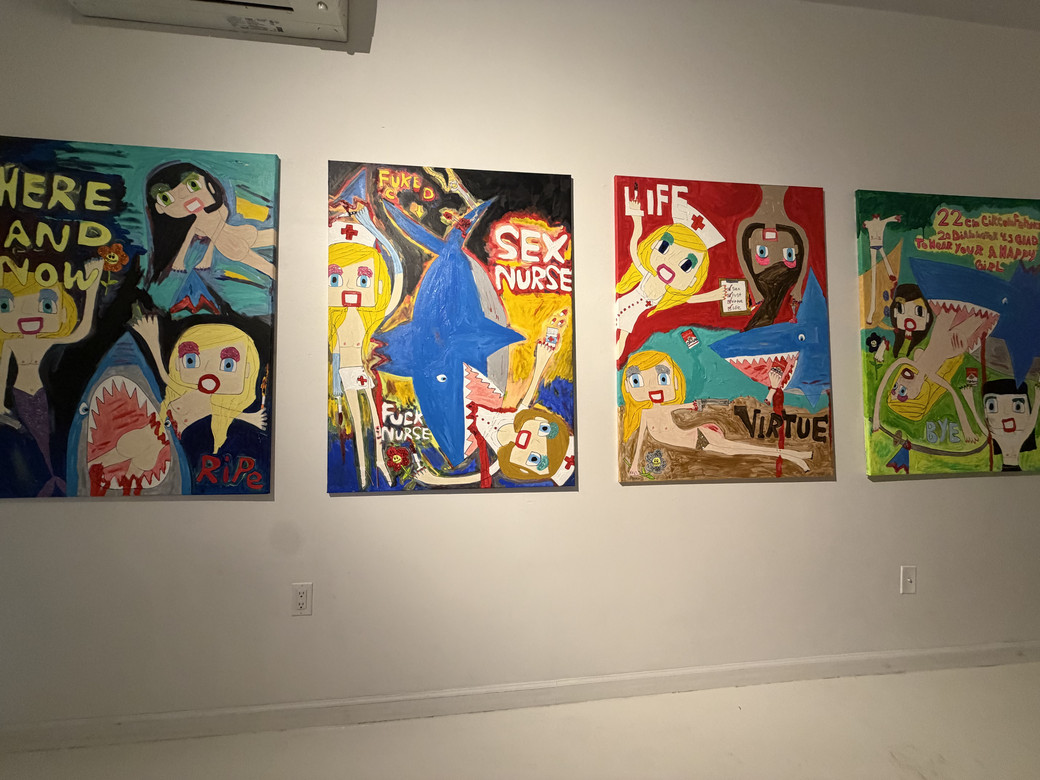
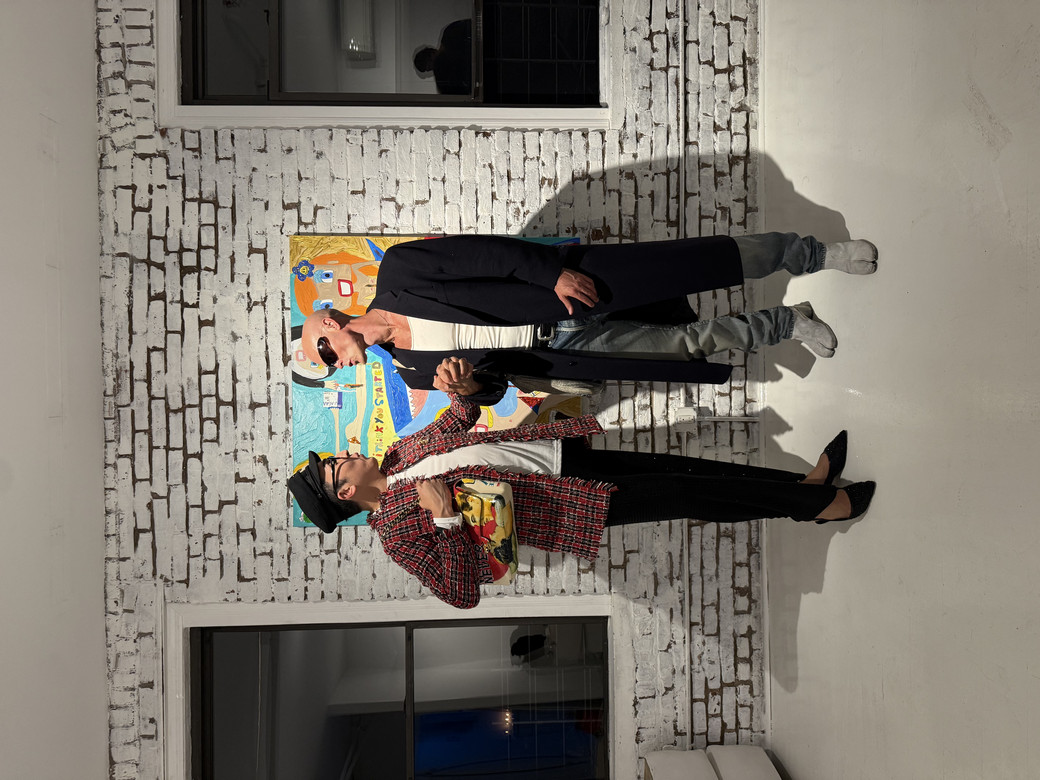
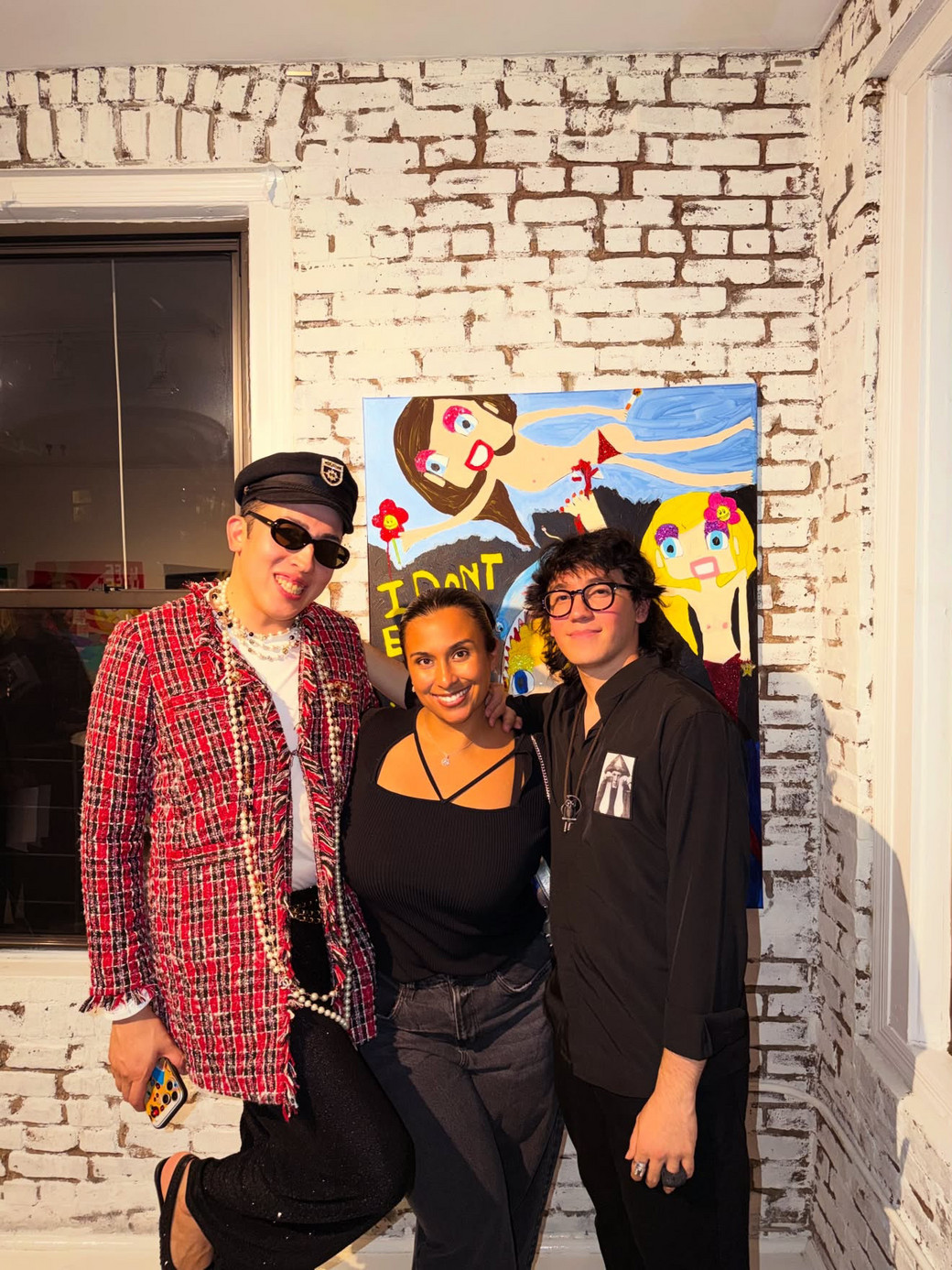
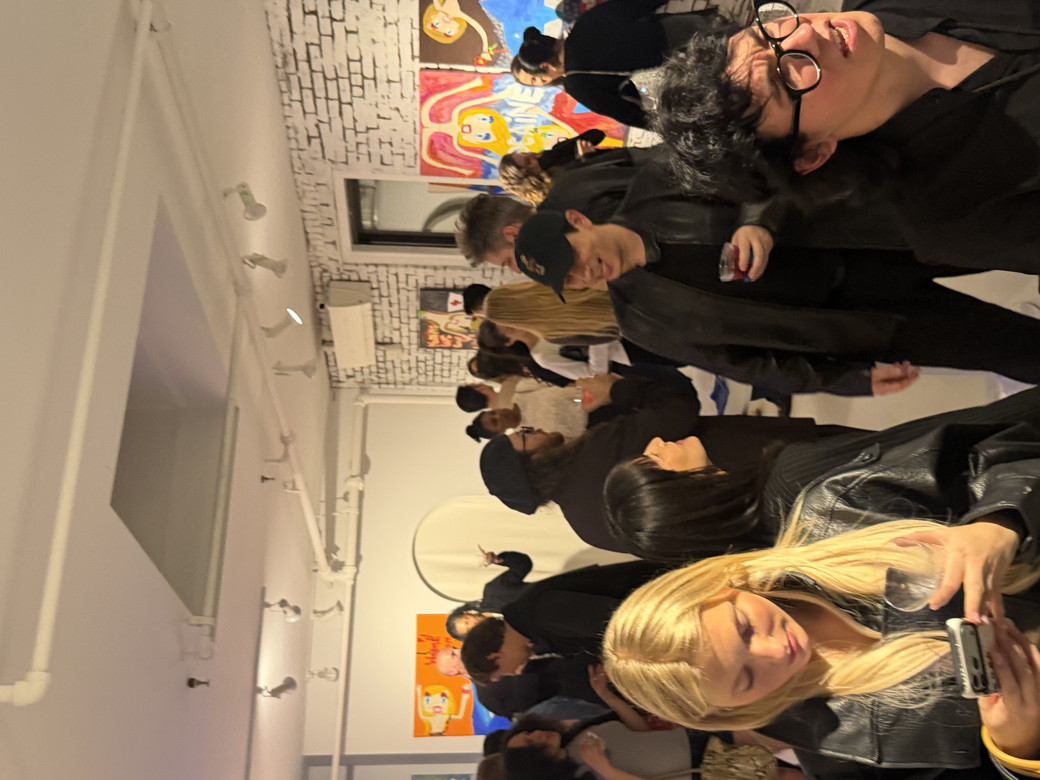
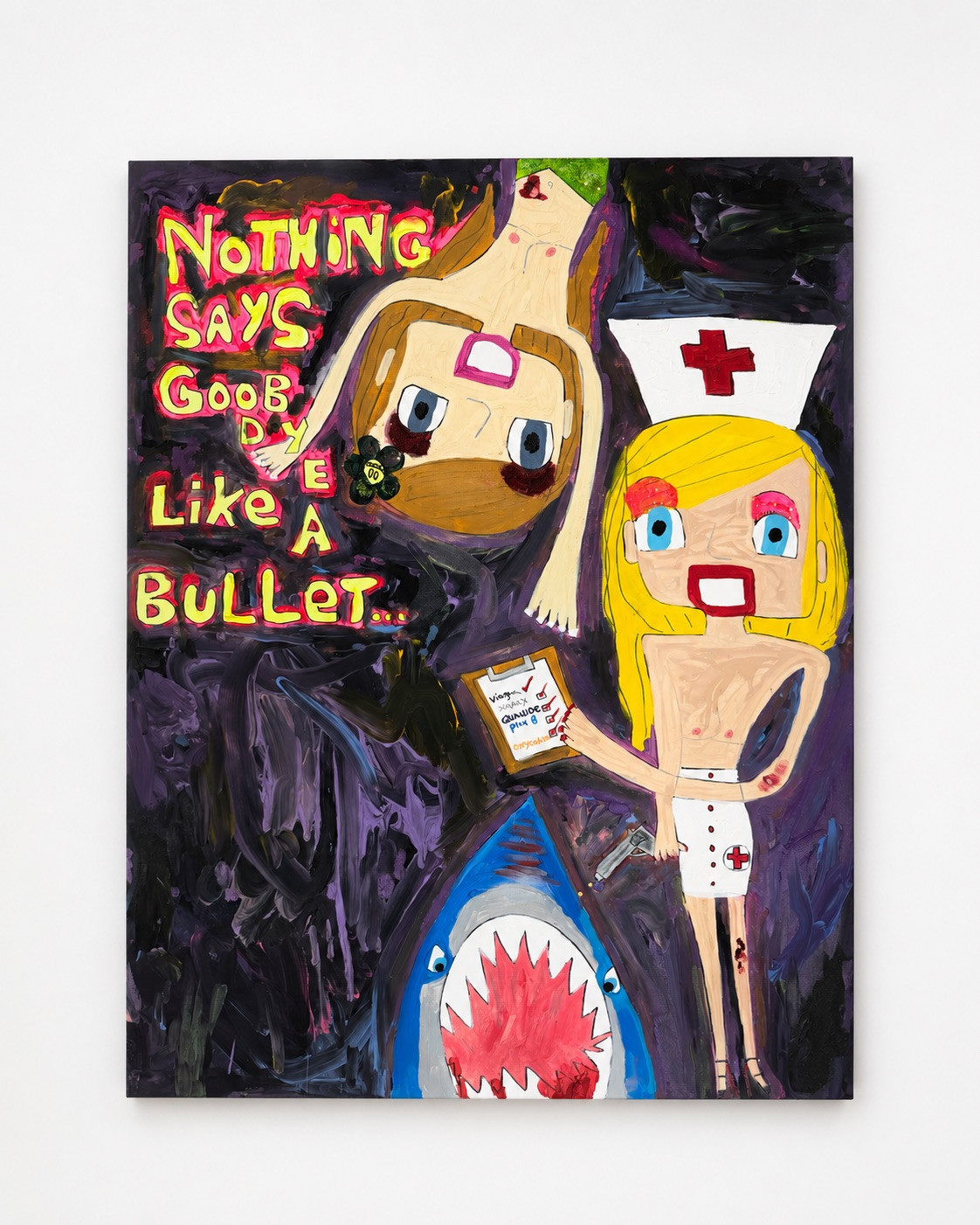
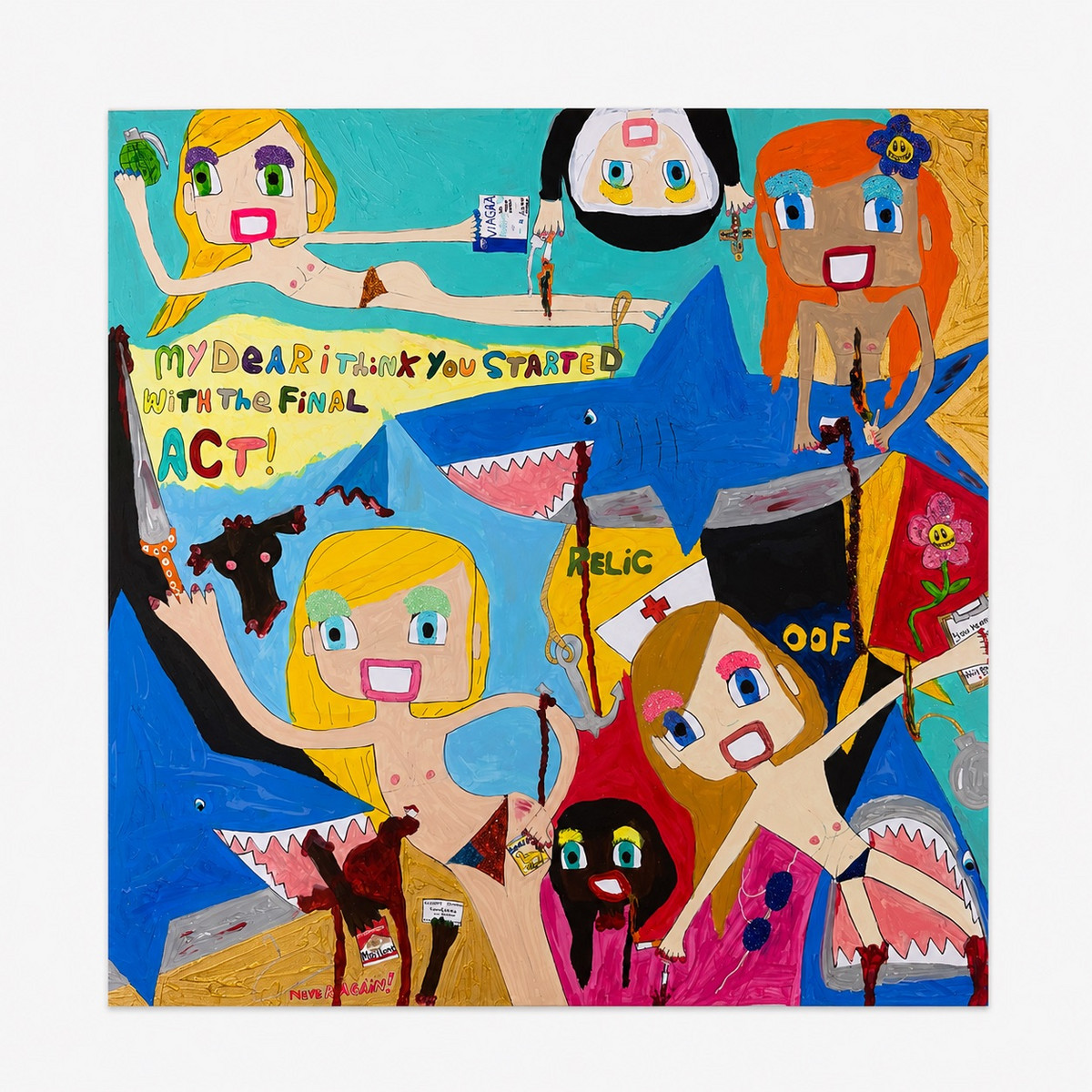
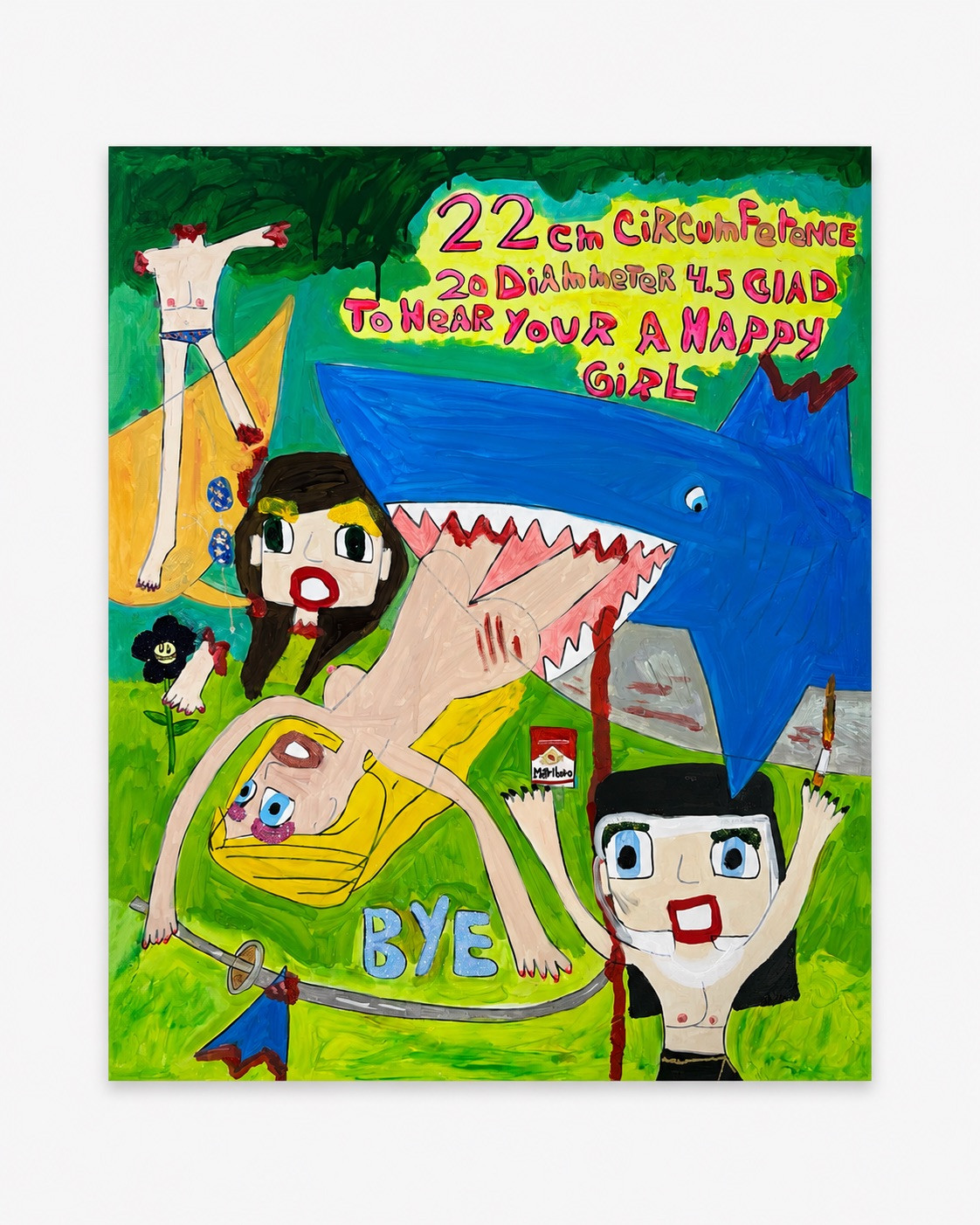
Farias’s 12 new works follow the trials and tribulations of the seedy underbelly of club culture and the selective upper echelons of the entertainment industry. Growing up in Southern California and coming of age partying with Paris Hilton up and down the Hollywood scene, Farias has seen his fair share of this specific kind of exploitation, and how its currency can leave its participants mangled. In his work, his “girlies”— the audacious subjects of his artistic world— traverse shark-infested waters, searching for something that might resemble peace.
But can you truly find peace on the dance floor? Farias isn’t entirely convinced. We met over Zoom one Friday afternoon and swapped stories of L.A. clubs, bartering away our youth, the bouncers who broke our hearts, and the cruel balancing act of staying afloat in the scene, or being a creative in the Year of Our Lord 2026.
When we spoke, Farias took me from his bedroom drawings to Hollywood’s shark tank, where the girlies learned to swim, and where even the best night out can leave you wondering what exactly you traded for those free drinks.
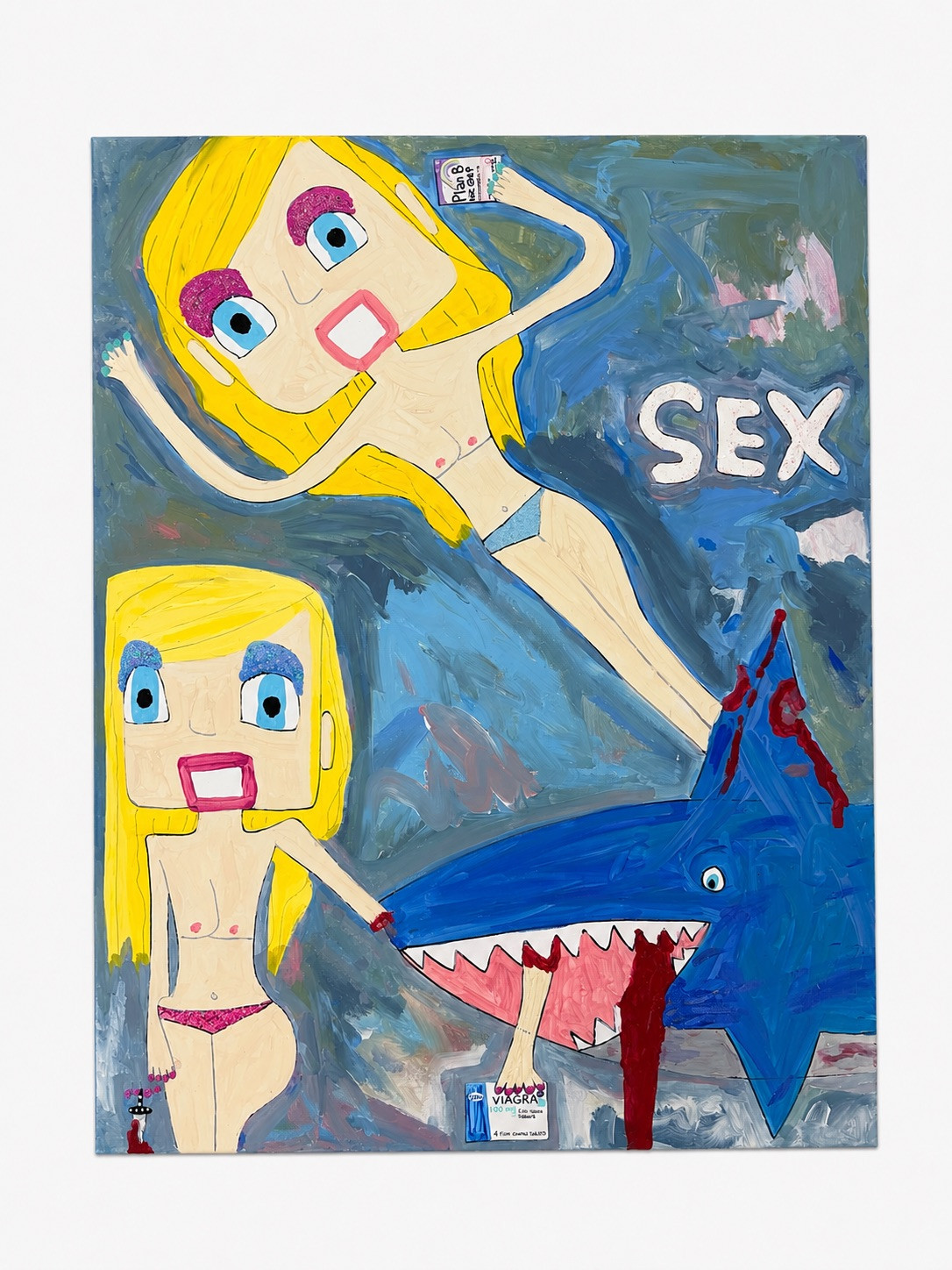
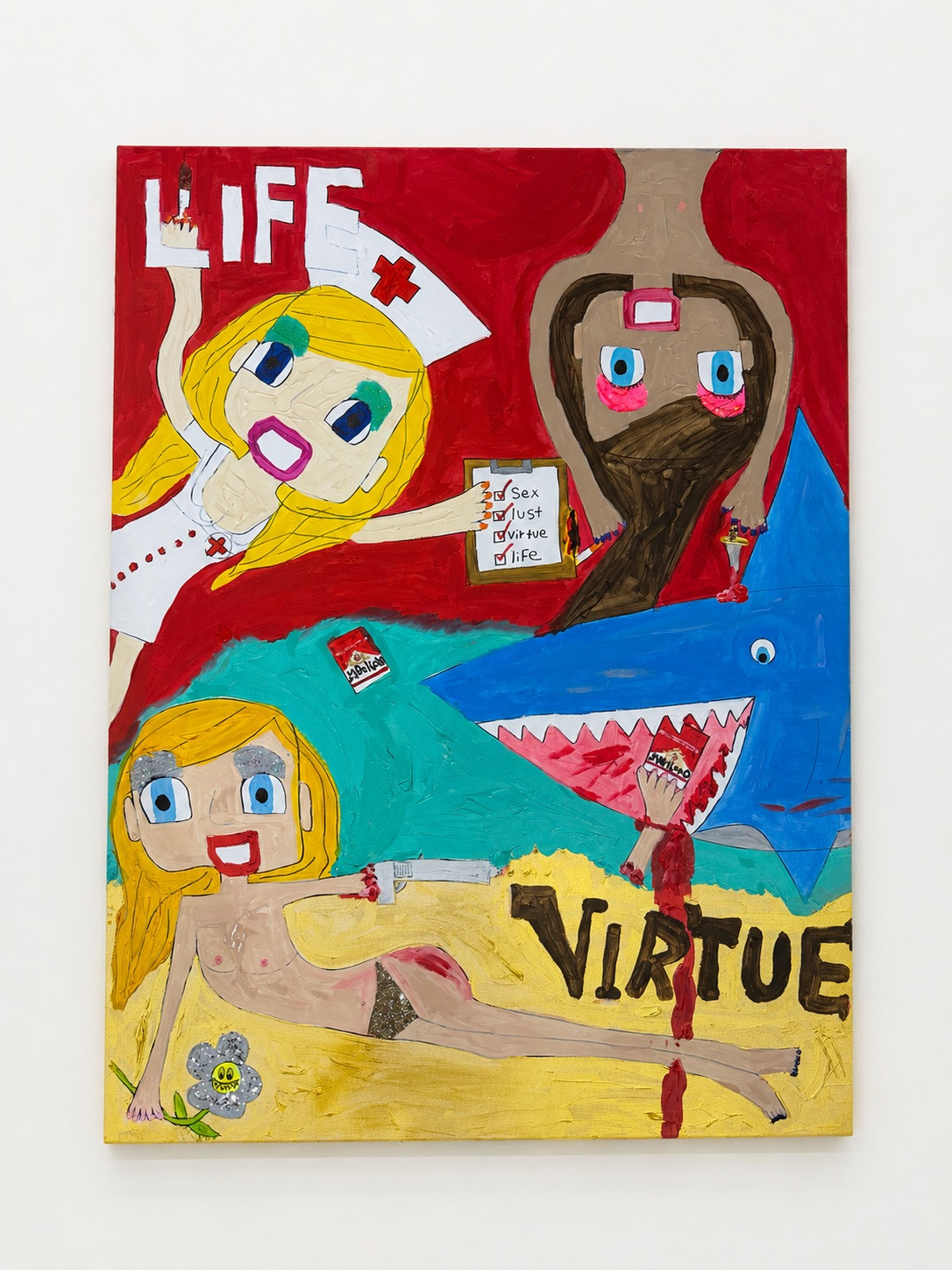
Your girlies often appear in scenes where innocence and danger sit side by side. There's this tension. How did you develop this recurring image of the girlie in danger, and what does it let you explore about vulnerability, power, and survival right now?
The girlies came from the innocence of me drawing in my bedroom, to living it, and the dangerous situations that have come from the experiences, and seeing a lot of my girlfriends be used and abused by the system of men and power. I used to be such a club girl, and there were systems in place to put you in danger without you even realizing it. I'm very observant. I'm a Virgo. But I'm also like, “Am I feeding into the system by being there and being a voyeur to this?” But you're young. You're having fun. I never paid for a drink in a club, because they were using us for our youth. We were paying with our youth, our naïveté, our innocence, and then you become numb to crazy abuse around you. That's where the girlies were born. I feel like I'm a girlie, too. With my friends, we're a little team. We're gonna get our drinks, and then, of course, we're gonna encounter these predators, but we also benefit from it, swimming through the sea to get to our goal.
Do you think of your work as being political, and what ideas or experiences are you working through in these paintings?
I do feel like [my work is] a little political for sure. Growing up gay, I was always getting used for something. This girl came up to me and was like, "You should come to my church with me." She was trying to befriend me and convert me to be straight. And I thought, "Why is she trying to force me to be something [when] I don't even know what I am?" I'm finding myself out. I feel like a lot of these institutions and systems are predatory, even religion, so I draw a lot of religious aspects. I love God. God and I have a friendship. I shouldn't be defined by my sexuality. I struggled with that a lot. I would even pretend to like girls just to trick myself. A lot of these political systems, they raise you up, and then they're like, "Oh, we're gonna take away your rights." And you're like, "How are we going backwards in these systems? Who are these systems benefiting but the people in power that are probably getting money from it?"
Your work looks at power, desire, and ambition through these characters and settings that might seem a little fantastical. What parts of the real world do you feel is most absurd or disturbing right now?
It goes back to the rights of women. I think it's so crazy that these governments take away those rights. Certain states are taking [abortion] rights away, and I'm a person who believes that [you should] do what is best for your situation. I'm pro-choice. We shouldn't define people for their choices, so a lot of [my inspiration] is pulled from that. It bothers me when you don't have a choice. A lot of my pretty friends were really innocent, and they would go become sugar babies to these wolves and these people just to have a cute bag for the day. You sell your morals, but at what cost? I'm almost selling myself to be part of this system that isn't here to serve me unless I keep swimming through it to get to the other side. What I want is peace. I just want to live in upstate New York and be by myself or with my boyfriend and dogs and some calm, calm energy. There's always just a system that's here to screw you over, and you have to swim through.
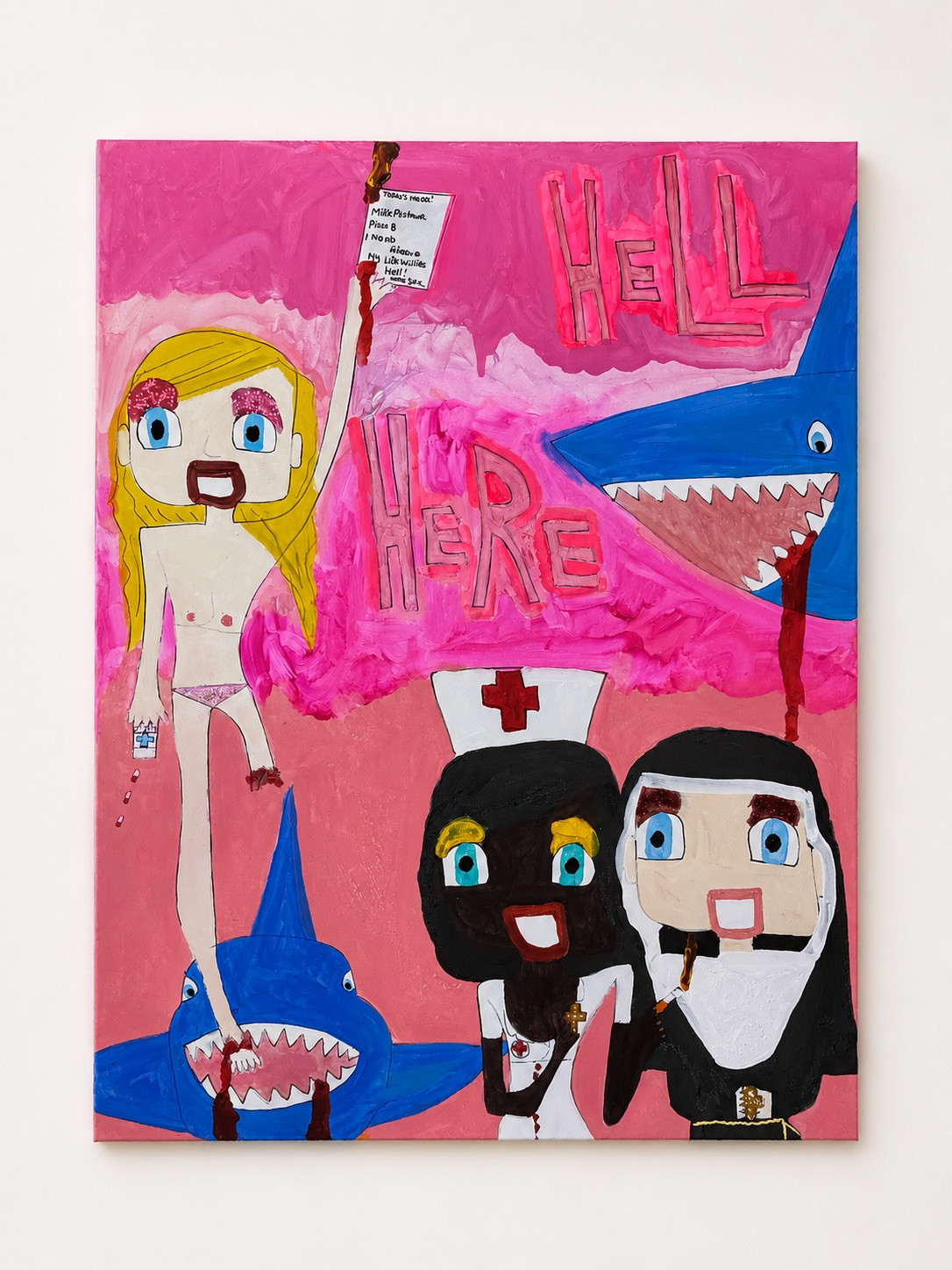
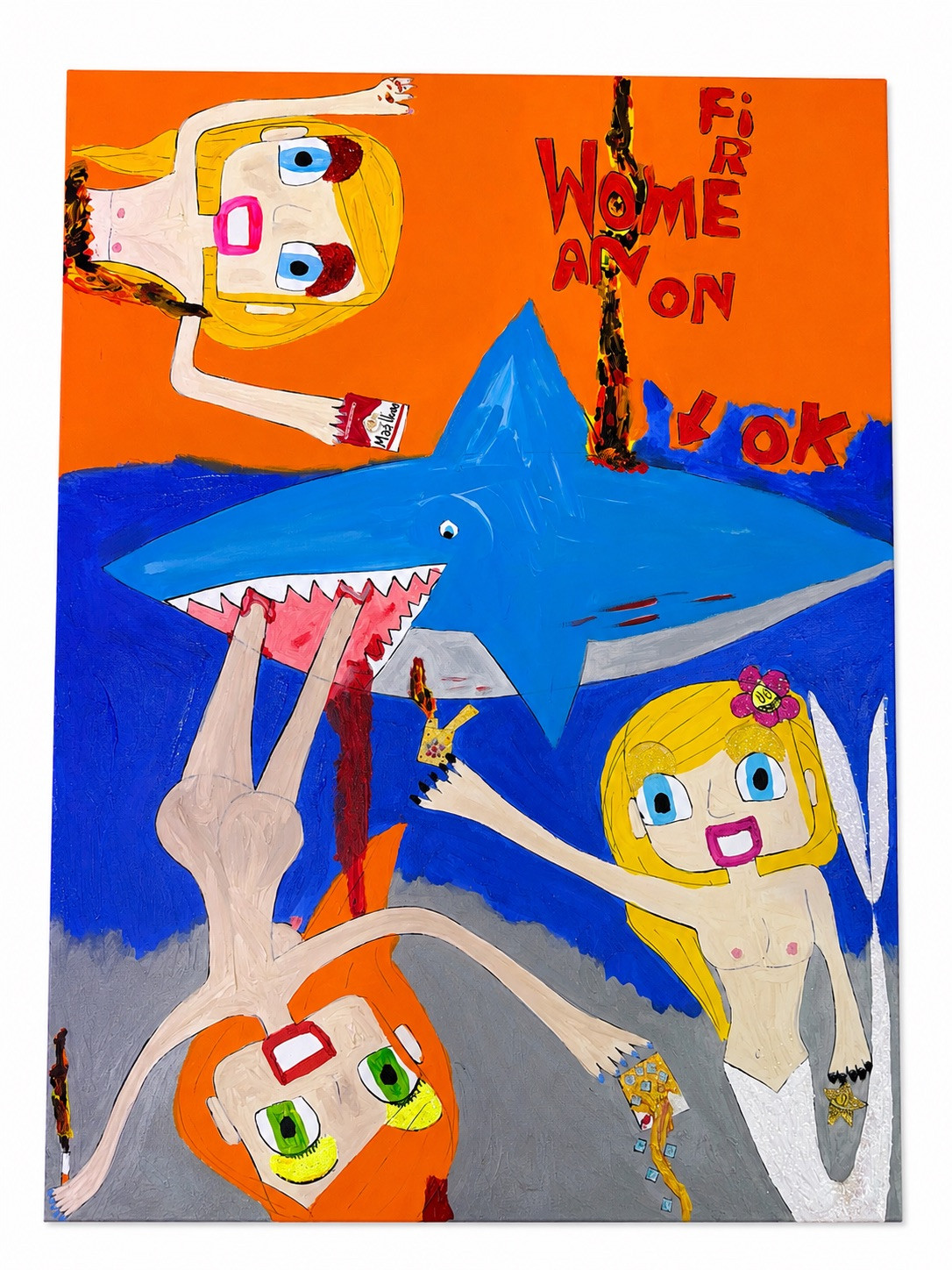
I know exactly what you're talking about. It is just the most bizarre feeling in the world. When did you start painting, and when did you start building this artistic world for yourself?
I would draw on cards when I was younger, but I was always so scared to put anything onto canvas. When I met my boyfriend, I finally started to feel calmer in the space that I was in. I was like, "Okay, I have something that's fulfilling and real and tangible, instead of these fleeting moments." 'Cause a lot of fame stuff is fleeting moments. They're little highs. They're not real, [even though] it felt real. One winter, [my boyfriend] said, "You should put these characters on canvas." And I thought, "What if I fuck up?" But if I fuck up, that's life. You fuck up. The mistake makes it beautiful. I know that Andy Warhol used to leave paint splatters on the canvases 'cause he liked the little pop of paint. Mistakes are beautiful. I have no regrets in my life. When I paint, I try to keep the same approach.
This exhibition, my dear, I think you started in the final act, is about moving through these challenging experiences in search of peace. Has making these paintings changed how you think about peace in general?
Yes, because why is peace the hardest thing to get? It's so crazy. If you see a lot of the paintings, the girls are missing body parts. It's all metaphorical; it's not supposed to be dark like that. Sometimes you lose parts of yourself to get to this place of stability and peace. It is also so expensive to be a human in 2026. You almost have to be a stripper and a full-time worker to hustle. Everyone's really just swimming to get from paycheck to paycheck. If you don't have these wolves around you giving you free meals or drinks, it's almost impossible as a girl in New York or in Hollywood or in Miami or wherever you are to survive. Whether it be a director— a lot of my inspiration was a Harvey Weinstein-like character. He'd put systems in place for him to attack, and women would be there too, facilitating these attacks. You almost have to be naive and look the other way if you want to find peace, and a lot of these girls didn't get the chance to achieve the peace that they probably wanted.
It's placing a woman's desire to get ahead, and there are all of these kinds of forces trying to bring her down in this very, very specific way. And I think you can really see that in your work.
Thank you. I have three sisters, and with my mom, I always felt like I was one of the girls. When they step into that world, I want to protect them at all costs. I've seen the sweetest girls become so dark and bag-obsessed that they'll do whatever it takes to have this curated image on Instagram that they're wealthy. But it's like, I know they're not. They would rather get a Cartier bracelet than the actual money, just to show that they’ve made it.
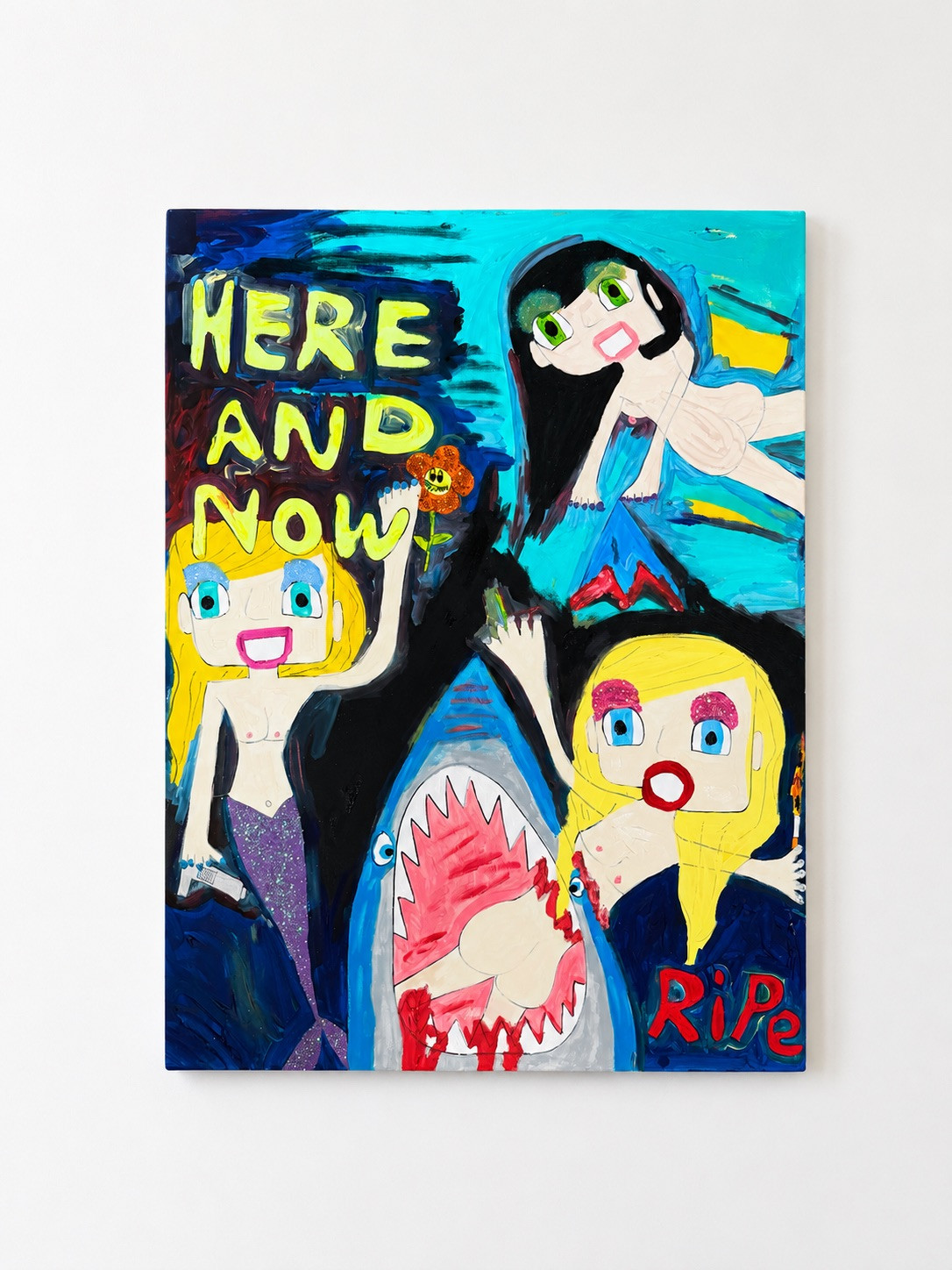
It's complicated, especially with how our attention economy and social media have taken over so much of how you're perceived as a human being.
Yeah. I buy into it too. I'm a consumer myself.
Totally. How much of your own life makes it into your paintings? Are there things that you find difficult to paint about?
I have ADHD, so I can't really focus too much unless it's interesting to me. It's almost like a lot of these people and their situations are like fires. You can't take your eyes off it. A lot of the paintings pull from artists that I love, like Tracey Emin or Damien Hirst. The title was taken from a conversation between [Lucien Freud and] Hirst. He told him, when he saw this morbid, dark stuff, "I think you started with the final act, my dear." I feel like it's the same with Hollywood. You're put to die, but you have to keep swimming in order to get to your goal. One time I went out with my friends from school, and I thought we were the baddest bitches going to the club. This promoter told me, “Don't bring those ugly bitches to the table ever again.” You almost have to obey, or you're out. And you're like, "Wait, what did I do? Why are they ugly bitches? I think they're such good people." They mold you to their liking and to how their system operates, and if you don't, you won't have access to the people you wanna hang out with.
It's no joke. It seems almost archaic, this system that's kind of very misogynistic at times, yet still very tied to how the modern-day entertainment industry operates. When someone spends time with your work, what do you hope stays with them after they've gone?
With every darkness comes some kind of beauty. The darkest moments don't define you. You're gonna get to where you need to. If you don't, at least you tried. Life is so short, so if you wanna get that bag, get the bag. No one's here to judge you, but just do it with caution. Stay alert, stay alive. Marilyn Monroe is a big inspiration for me. So beautiful, so talented, so gone. People are still monetizing her image. Authentic Brand Group owns the rights to her face and her image, and they're still profiting from a woman who struggled so much. It’s a lot of unfairness, but if that's your passion, just keep swimming. Be resilient. I'm someone who never really likes to follow the rules, but I feel like with the systems that are in place, I have to follow them because if I'm not, I'm out of the system and I won't have access. But now I’m 35, and if I'm out, I'm out. [Painting] is like gossiping without actually telling people what's going on from my perspective, my involvement, and my views. The only way I'm allowed to gossip is through the paintings.
What are you curious to paint next that you haven't tried yet?
I just love the voyeuristic part. I'm painting from what I see in my world. Anything past that is not my story to tell. When I'm painting from something else, it's almost inauthentic, because it's not my story, it's not my place. I'm just being a fraud. I love Ed Ruscha's words. I put some of his words in the paintings. [And] Richard Prince, I pull a lot of his names [and put them] into the painting in my own way. That's my way of incorporating worlds that aren't mine into my world. I don't think I would want to paint something that I can't visually see or understand, because then it wouldn't be true to me. That's what people are buying into: the truth of the story, the truth of the art.
Is there an aspect of your truth and your life that you would want to explore next in your work?
I know it sounds crazy, but in my 20s, I almost feel like they were gone like this (snaps), because I was chasing so much. I feel like now that I'm in the New York chapter, I'm still happy, and everything's still very fairy tale-esque with some dark elements. Obviously, as I get older, tragedy will still be around somehow. I would probably paint from those inspirations. I would love to paint more large-scale. In New York, you really have no space to store a lot of these paintings, but I would love to paint larger. I would love to paint murals. I would love to paint a big mural in New York as a gift. People could pass by and go, "Oh, there's the girlies. Hey, girlies!"