A night in MIDTOWN

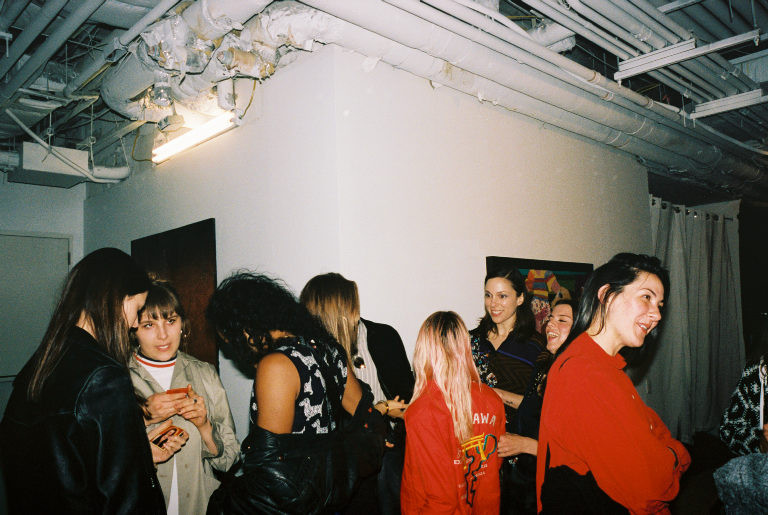
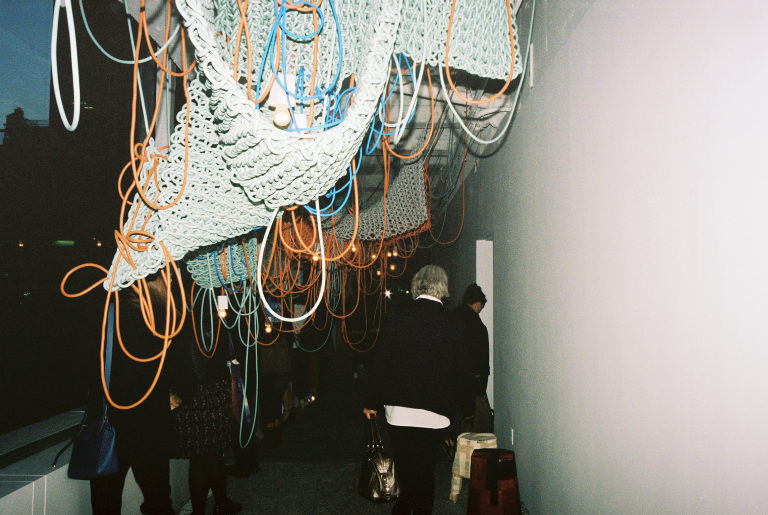
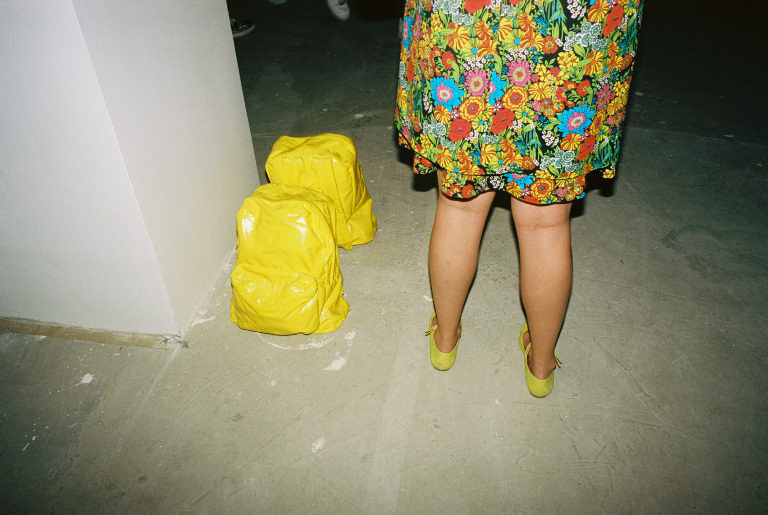
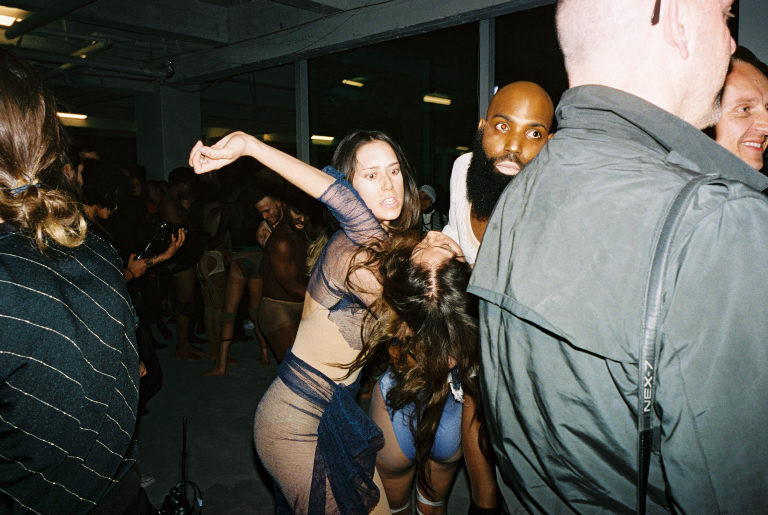
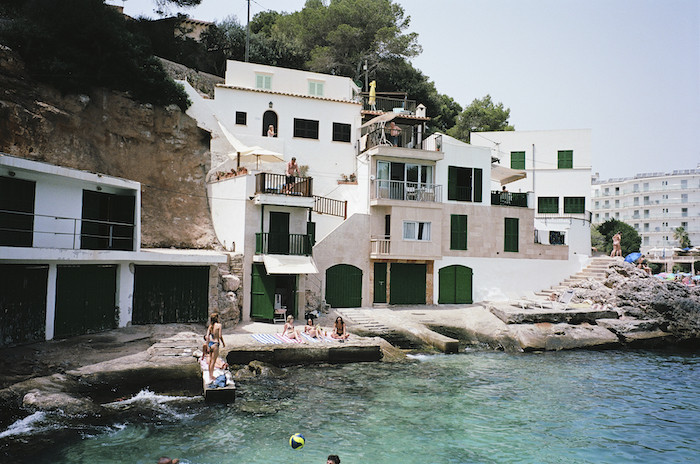
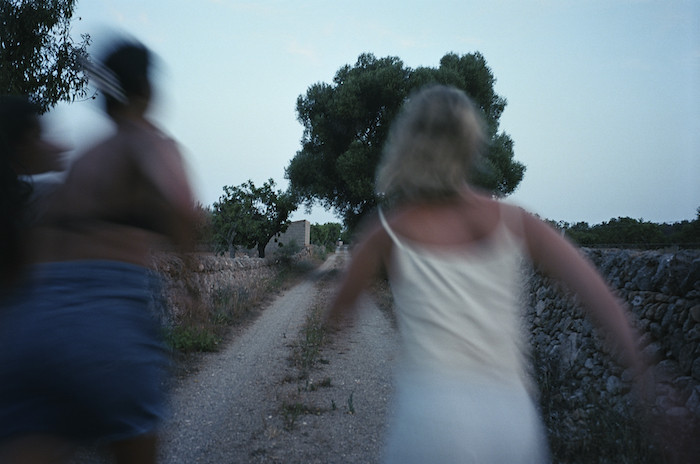
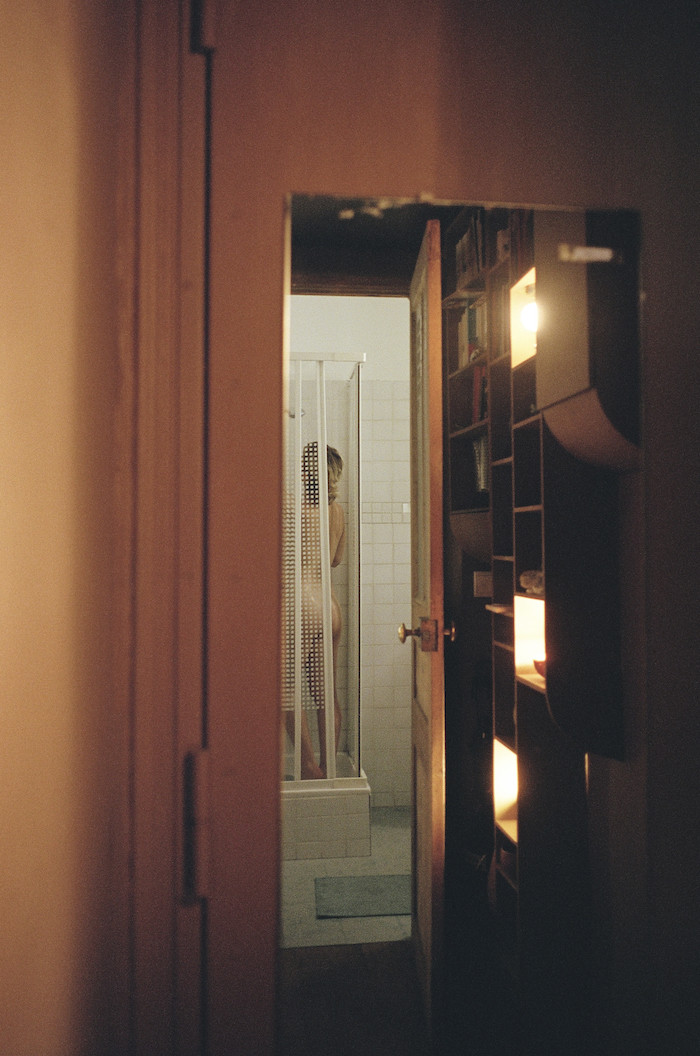
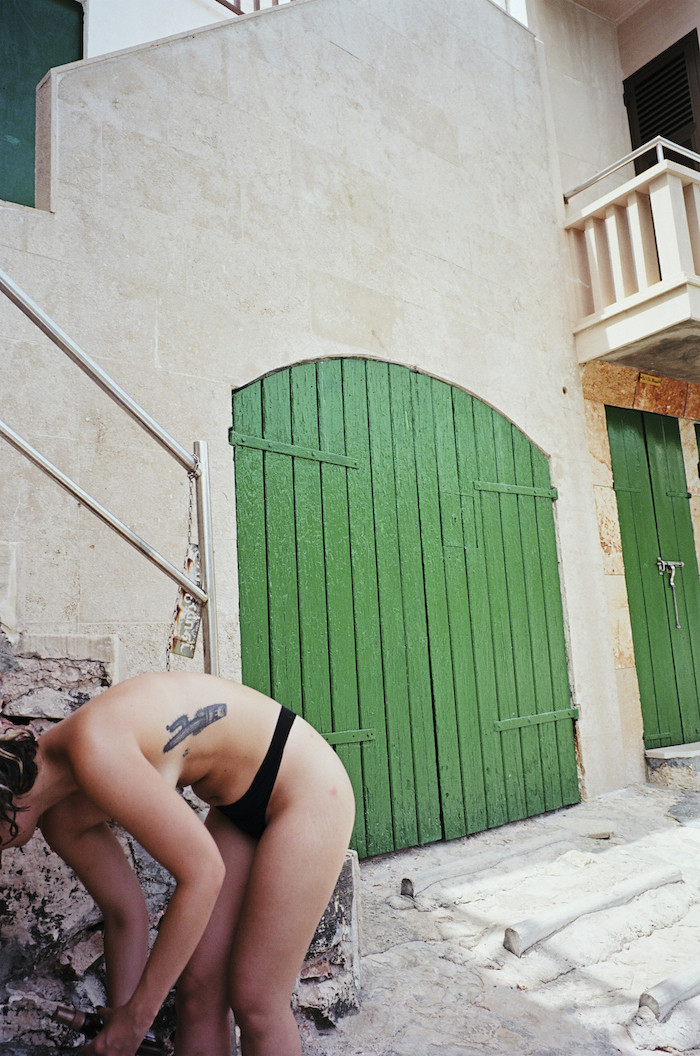
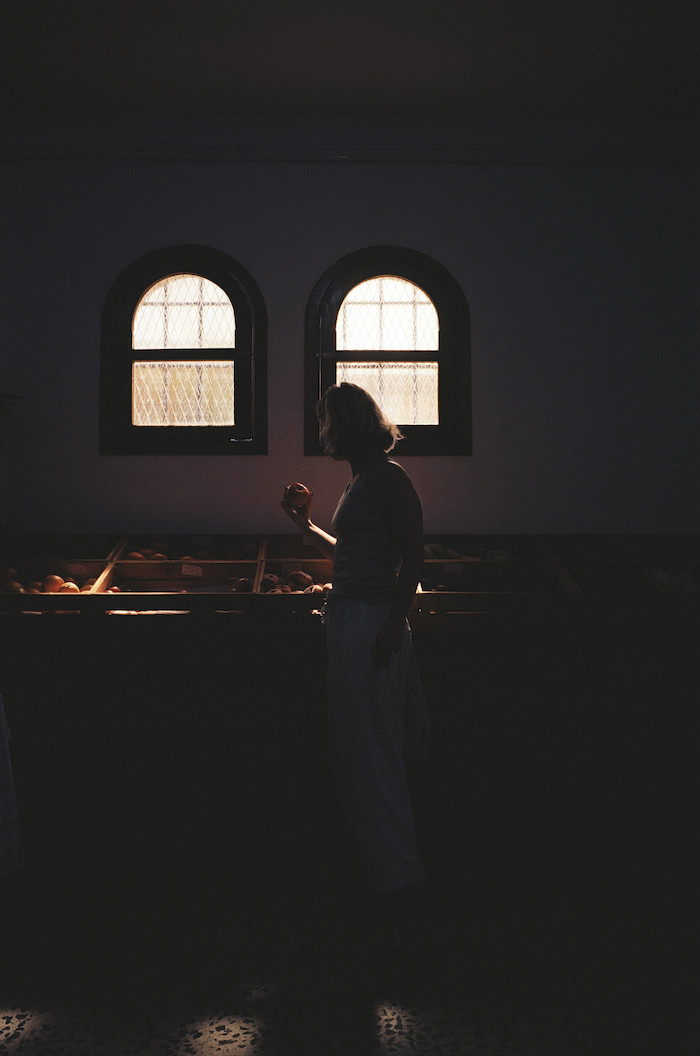
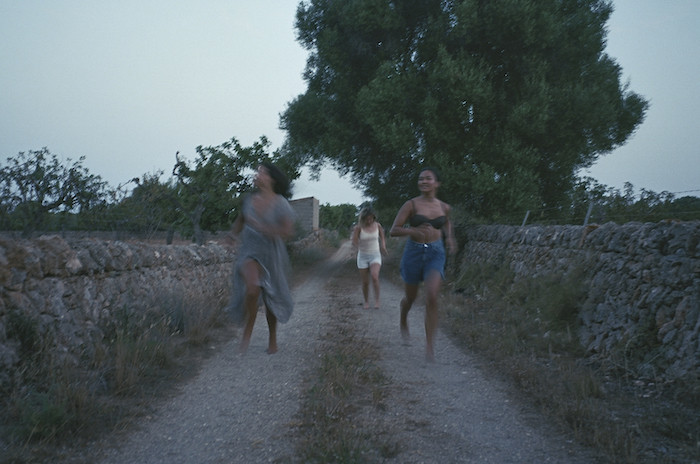
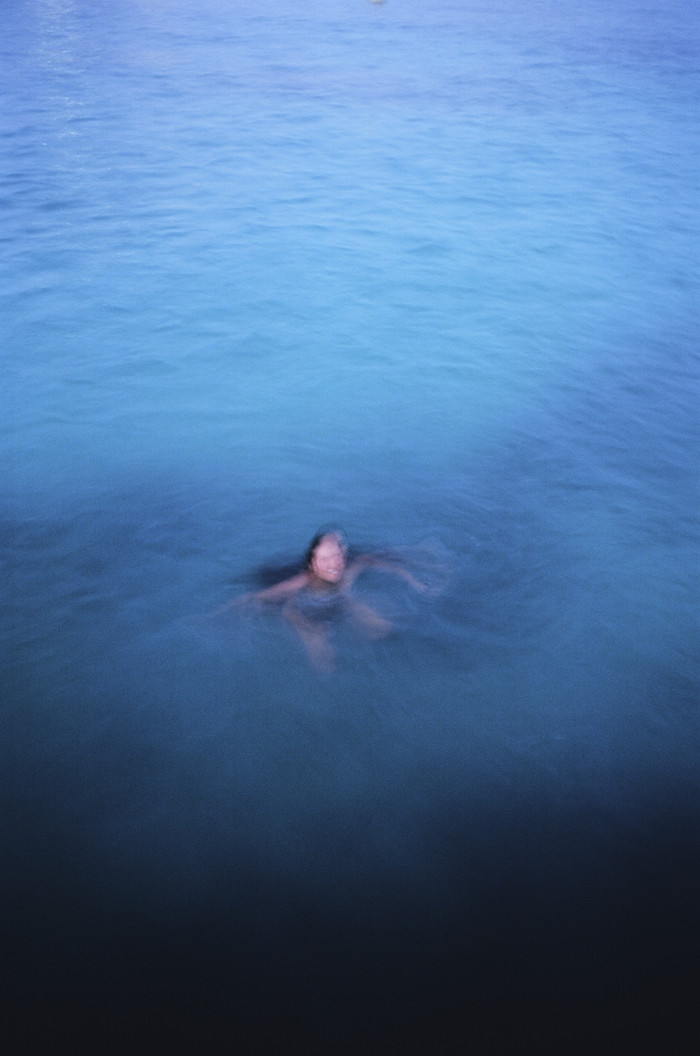
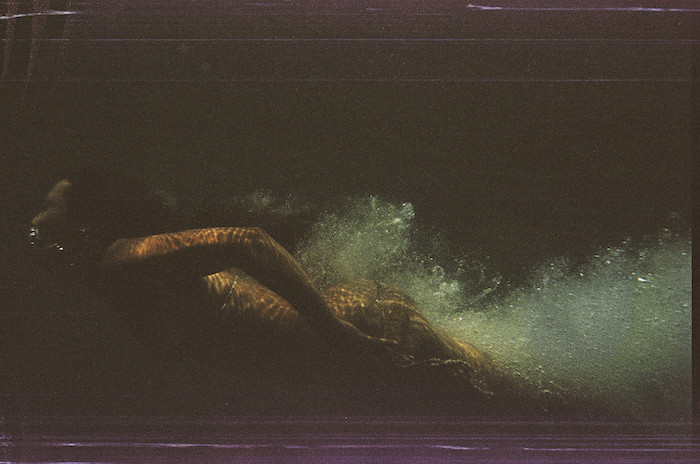
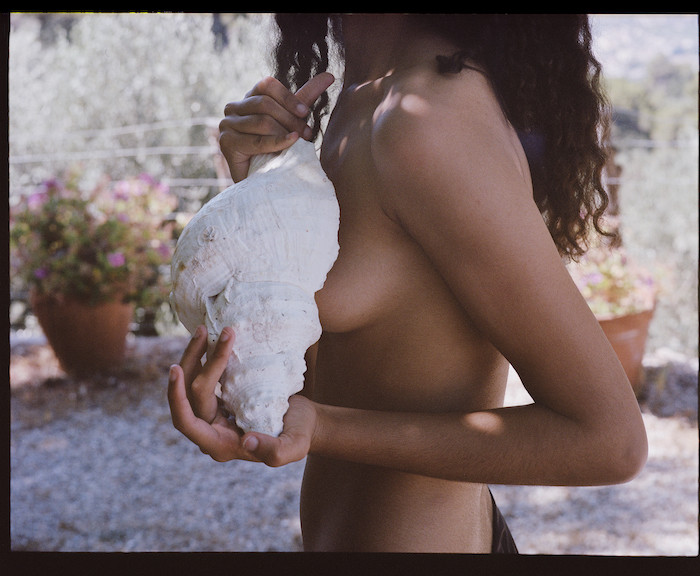
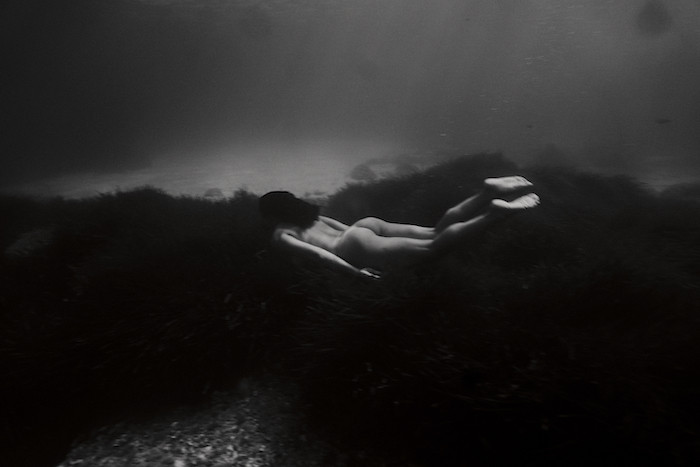
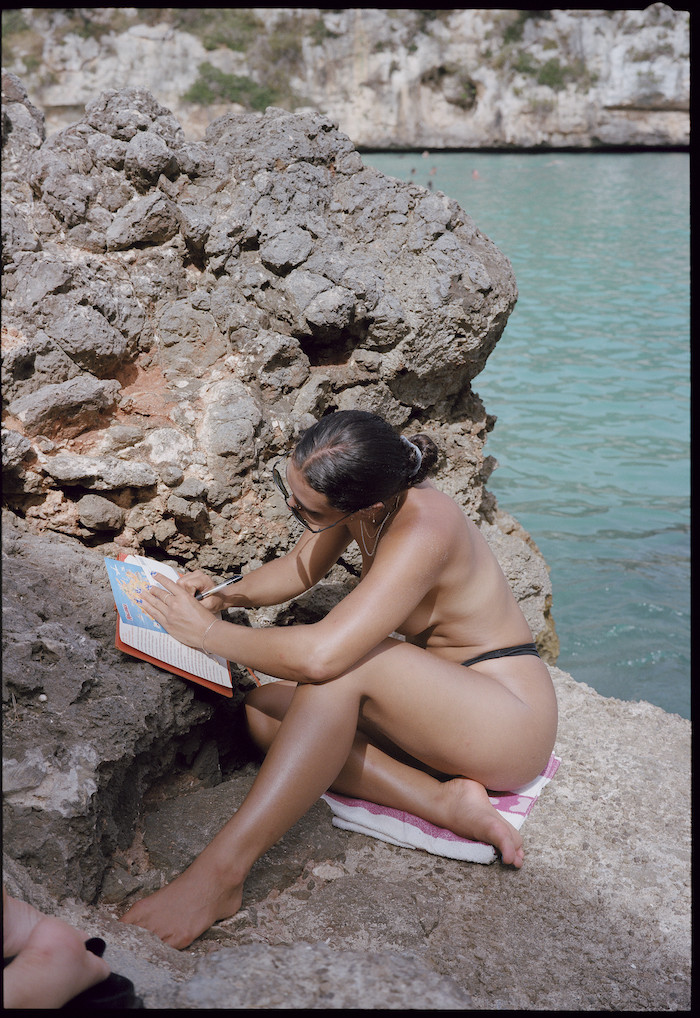
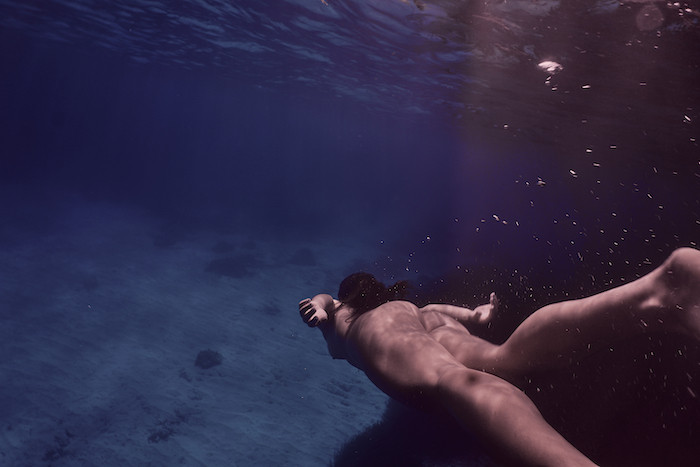
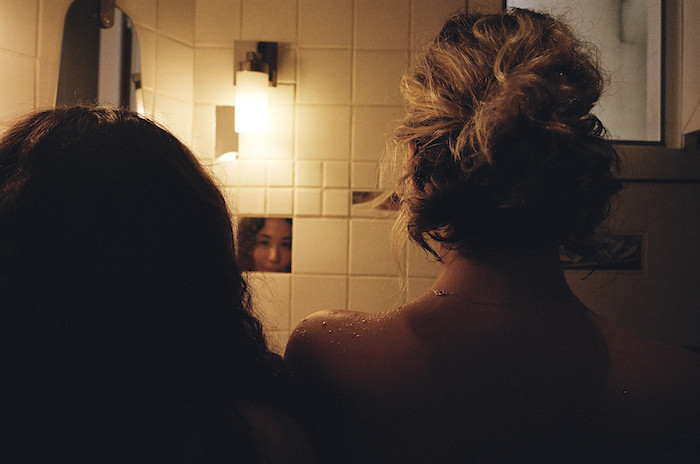
For photographer Leilani Mitchell, childhood meant the scenic expanses that decorate her home in Hawaii. For Mitchell, childhood was sand between her toes, frolicking without obligation. Like many of us young adults trying to hold onto even the tiniest glimmers of our past selves amidst maturation, Mitchell’s inner child is something she never wants to lose sight of. This past summer, she departed on a trip full of friends, fulfilling memories, and fun (sans rules) — and during this adventure, those memories didn’t seem so distant. Surrounded by her closest friends in the romantic backdrop of Mallorca, she felt maybe she had never grown up at all.
office spoke to Leilani and each of her close friends, Molly Manier, Alison Dowd, Gabriella Koppelman, and Emily Young, about the meaning of connecting to their inner children — but there are some parts of this trip that are best conveyed visually. Dive into their escape.
Where do you go when you close your eyes and picture your childhood?
Molly Manier: I grew up with two older sisters who played a massive role in shaping who I am today. So, when I close my eyes and journey back to my childhood, they're the first to come to mind. I loved watching them as they styled their hair, applied makeup, and chose their outfits. We also had our playlist-making ritual, crafting and burning CDs for our drive to school, with me taking charge of the cover art. The impact of female influences and friendships resonates with me, and I'm fortunate to have seen those bonds not only endure but also grow stronger as I've matured.
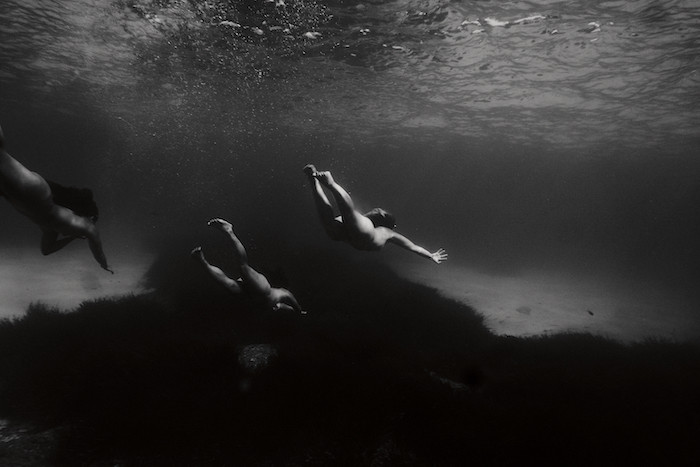
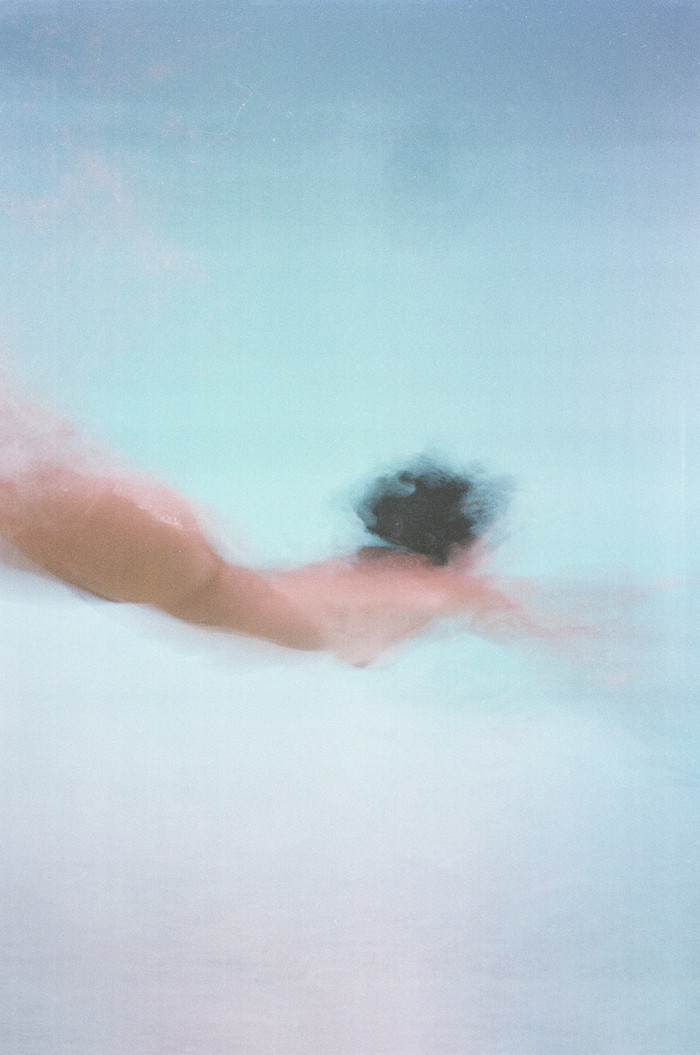
Leilani Mitchell: I close my eyes and I'm swimming, lungs burning, trying to stay underwater for as long as I can as I let a set of waves pass over me. Then, I pop up, laughing with my friends, and take another set on the head. This is the type of stuff we did (and still do) for fun; get absolutely worked by the ocean and let it throw our bodies around, giddy in the lack of control. I was born and raised on the North Shore of O'ahu, where the ocean was the center of the universe; all my firsts happened there. We grew up completely unafraid — I played in waves so huge that as an adult I look back and I have no idea how we never got seriously injured. We jumped off cliffs, dove in the caves, and let it take us for hours. I remember my childhood being so much about trust in nature.
Alison Dowd: When I am in the ocean, in a bathtub, or painting. Also sleepovers.
Gabriella Koppelman: Going to summer camp and riding on the bus, listening to Drake’s “Best I Ever Had,” making friendship bracelets, and making up dance routines. Walking to ballet after school every day and stopping at the corner store for snacks, being silly, and cutting each other's bangs in the dressing room while we talk about our crushes. Putting on shows for my family after dinner, where my little brother and I would dress up in different costumes and put on different music.
When you do feel most connected to your inner child?
Leilani Mitchell: I feel the most connected to my inner child when I'm playing in the ocean; surfing, jumping, flipping, diving. The ocean's gift is that no matter what age you are, how high-pressure your job is, what you look like, or where you come from — you have the right to play. I think playing is one of the most essential parts of our lives. And when I say essential, I mean just as essential as breathing air, eating healthy, or sleeping well. You have to let your body relax and play.
Gabriella Koppelman: When I’m spending time in nature because I grew up going on hikes most weekends and my brother and I would make up these stories while we walked. So whenever I’m in nature, I feel free to think and dream. Also, when I’m spending time with my family because they’ve known me my whole life; I can be my truest genuine and free self around them. My grandpa always comments on how I still twirl my hair with my finger like I did when I was a kid and that reminds me of times I was able to spend with him growing up that are such cherished memories now.
Emily Young: Building sand castles. Coming home with dirt and sand in between my toes, and sweat and sunshine on my face. Making a fort when it rains. A tight hug from loved ones. Waiting for cookies to come out of the oven. Losing myself in painting, illustration, and cartoons.
If you could go back and tell your past self one thing, what would it be?
Molly Manier: Embrace everything about yourself — no exceptions. Don't let yourself get consumed by body image concerns, chasing what's considered cool, or seeking universal acceptance. Sooner than you think, you'll genuinely love who you are, and you'll have people in your life who celebrate you each day for exactly that reason.
Alison Dowd: That things work out. Never be embarrassed to be a beginner or ashamed to ask for help. And make art as much as you can.
Emily Young: You don’t need to dim a single light within yourself to fit in. You are dazzling.
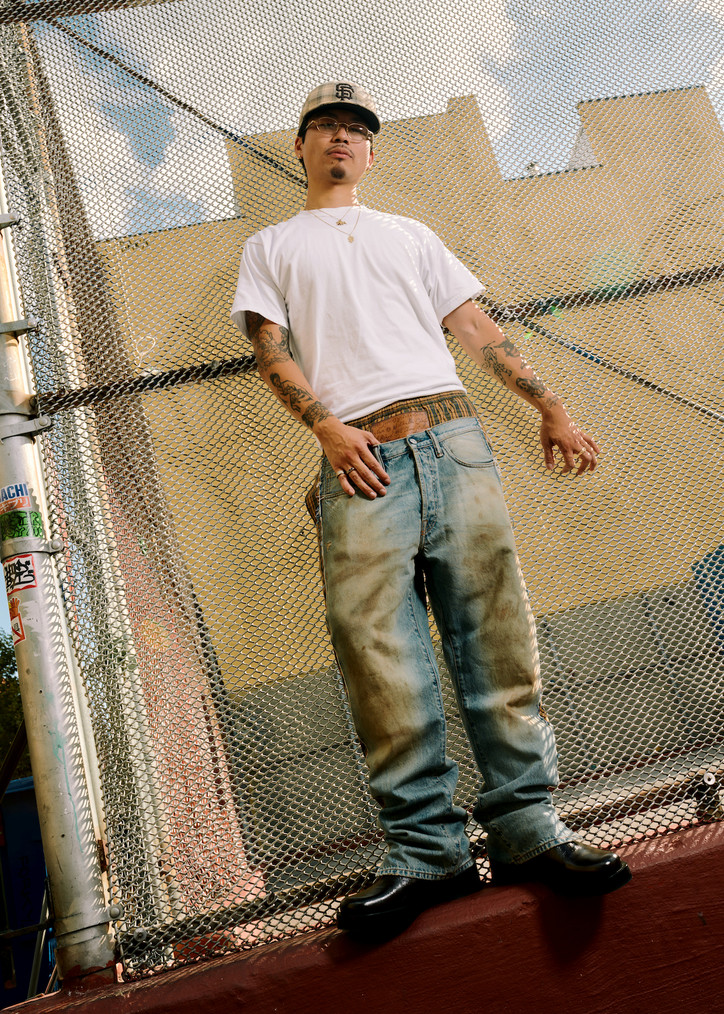
Jeans ACNE STUDIOS, boots DIOR, top, hat and jewelry TALENT’S OWN.
If you were a color, what color would you be?
I’d be Payne’s Gray.
How come?
It has the best gradient scale when you add the color white to it.
If you didn’t paint, what would you be doing?
Mmmm I’m not sure. I guess we’ll never know.
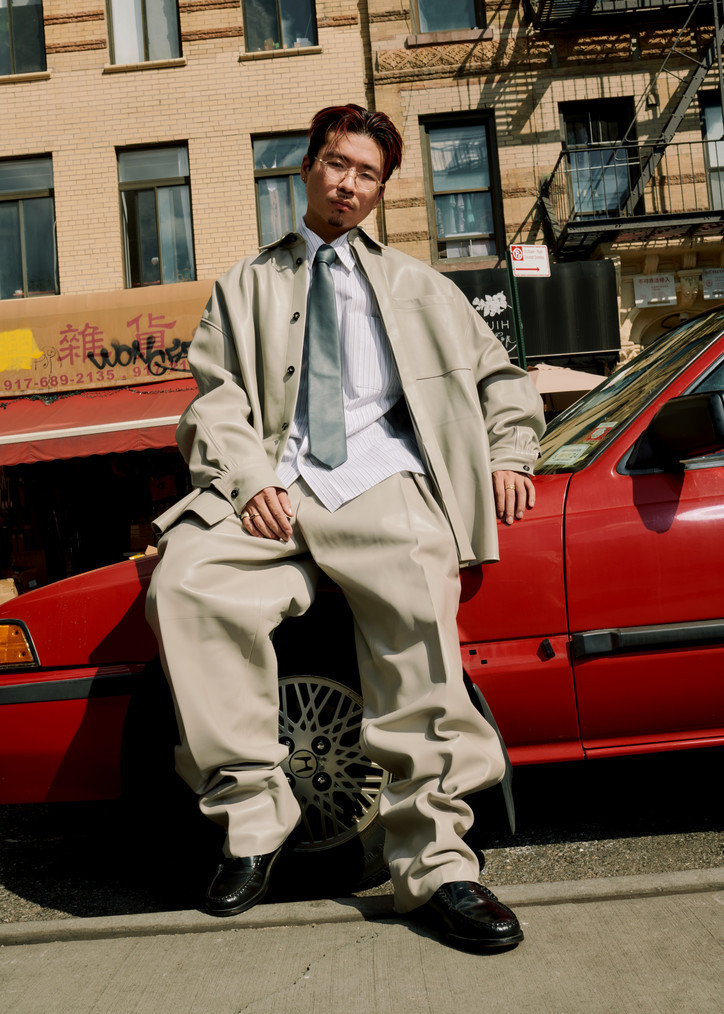
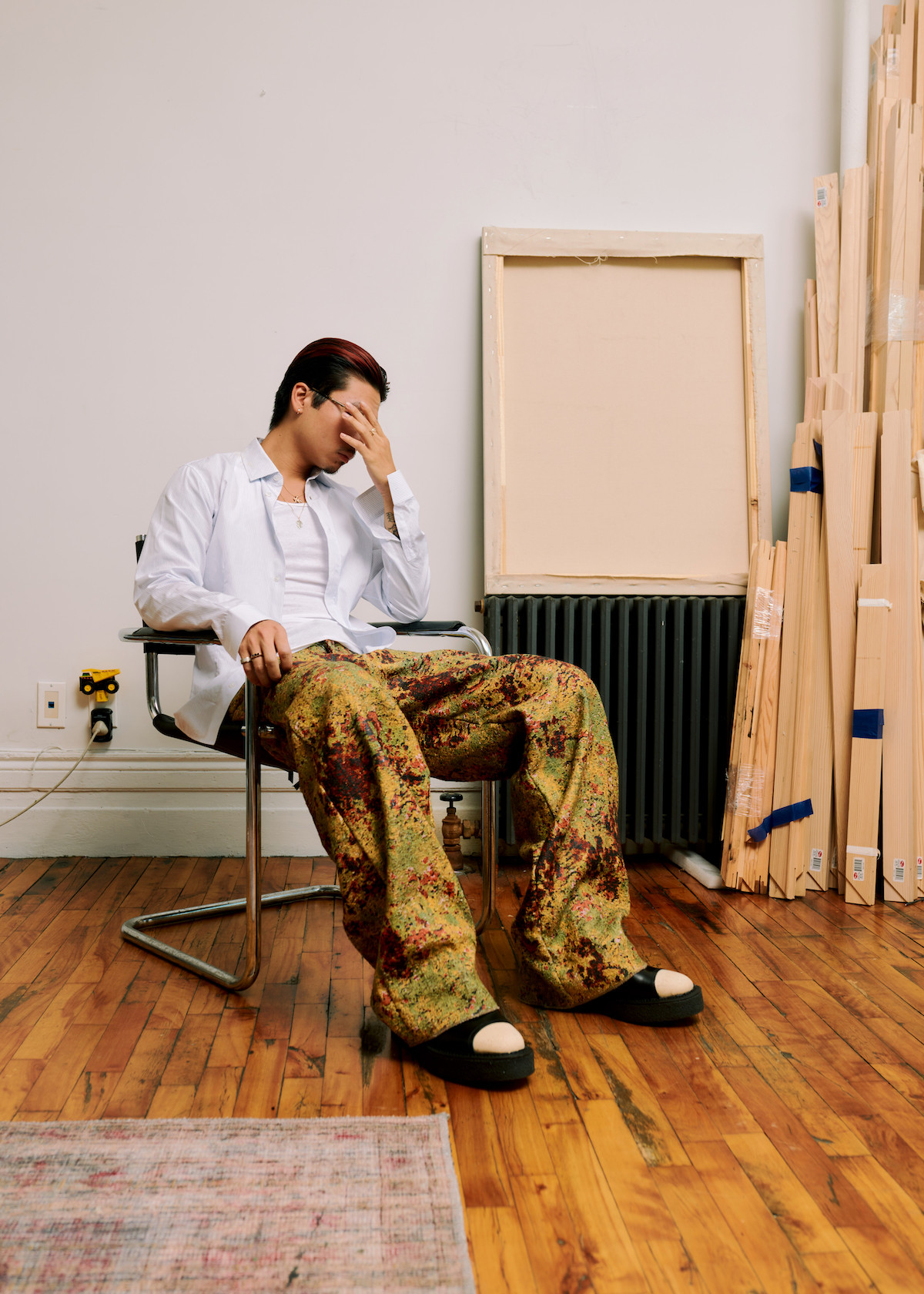
Left: shirt, pants, jacket and tie BOTTEGA VENETA, shoes SEBAGO, jewelry TALENT’S OWN. Right: shirt DIOR, pants OFF-WHITE, shoes COMME DES GARÇONS HOMME PLUS, jewelry TALENT’S OWN.
If you could paint any landscape, real or fictional, what would you paint?
I’d paint a sunset from Frenzy Fields.
How do you feel about the direction technology is steering art?
It’s lit!
Where or when do you feel most creative ?
When my mind is clear, when my creative palette is clear. I’m most creative when I'm at zero and I'm able to take the world in.

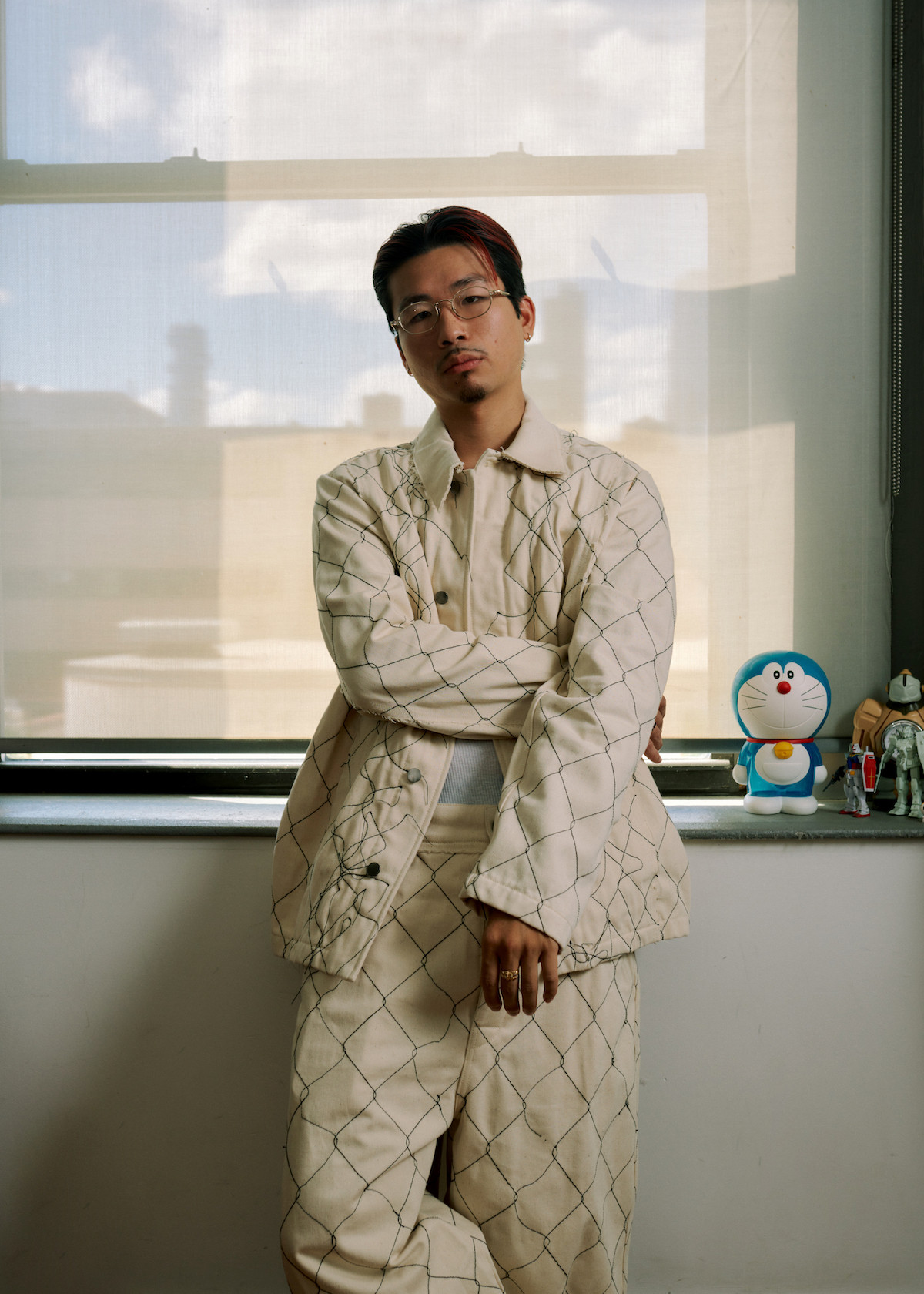
Left: pants LU’U DAN, coat HERMES, belt MAW x RAD, shoes GUCCI, jewelry TALENT’S OWN. Right: jacket and pants AIREI, jewelry TALENT’S OWN.
What are you manifesting right now?
I’m manifesting the Ice Spice skin on Fortnite.
Who would play you in a film about your life?
Jackie Chan.
What drew you to the instagram name @moderndayconfucius?
I definitely possess the five virtues of Confucianism, therefore I am the modern day Confucius.
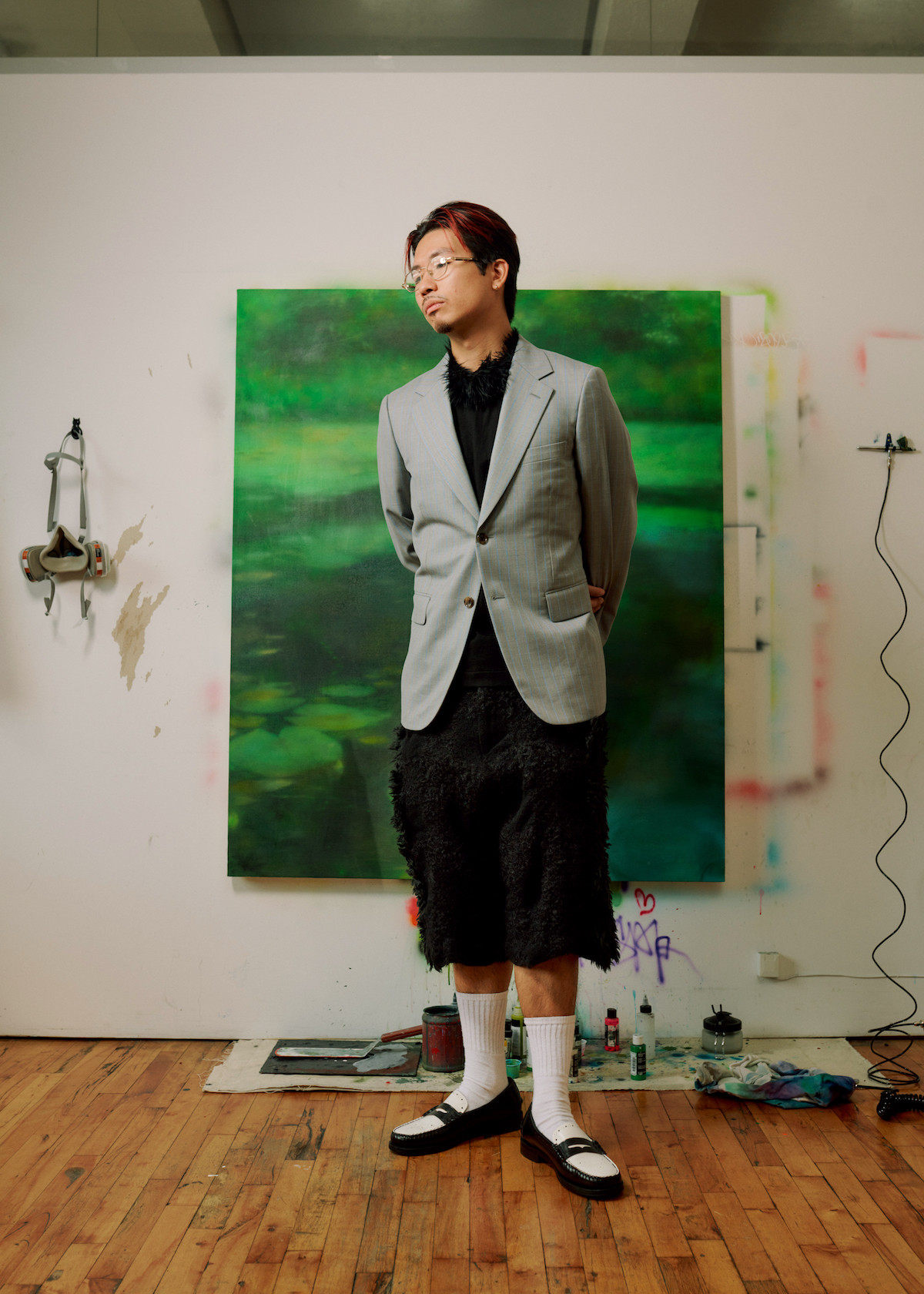
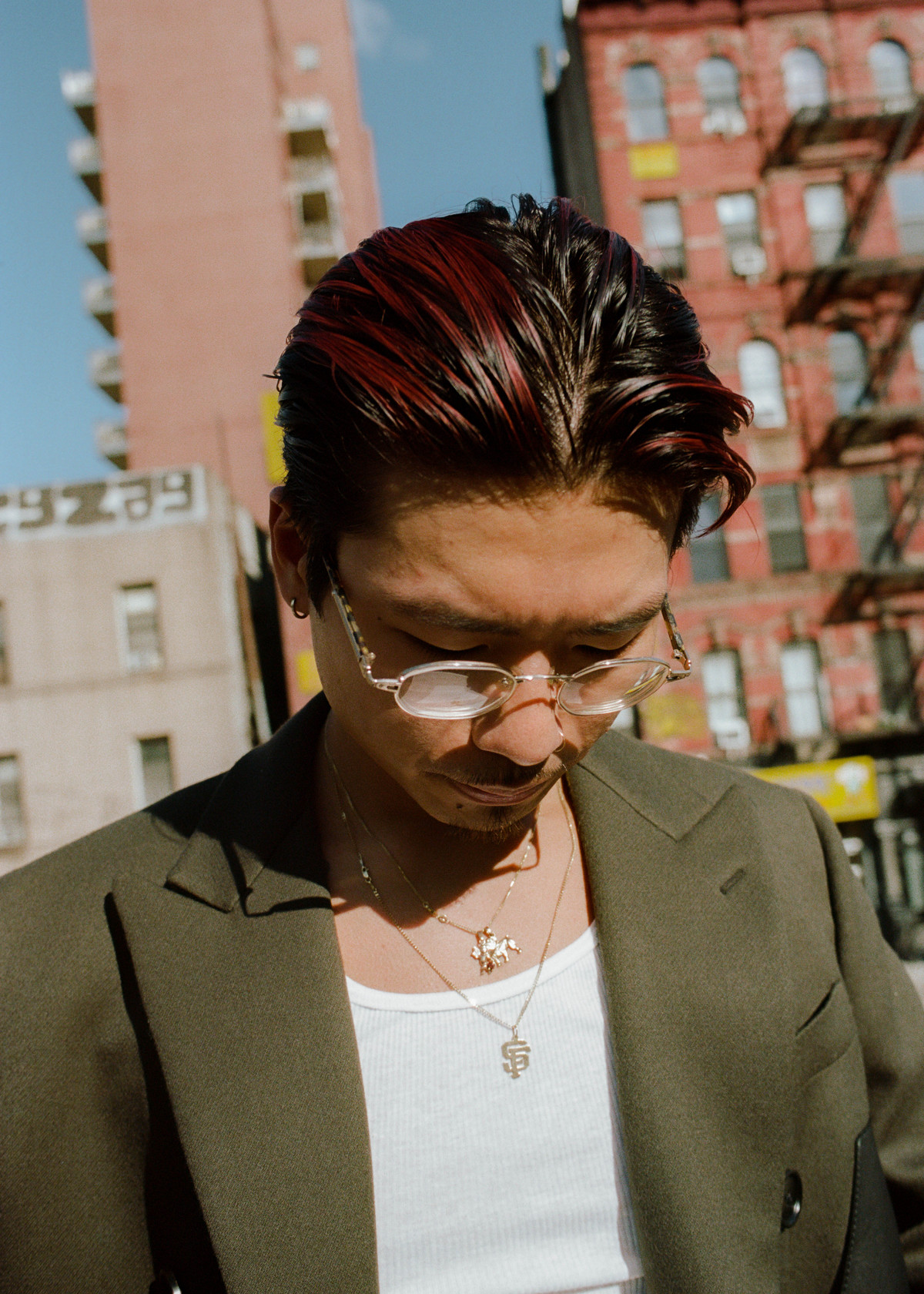
Left: jacket, top and shorts COMME DES GARÇONS HOMME PLUS, shoes SEBAGO, jewelry TALENT’S OWN. Right: coat HERMES, jewelry TALENT’S OWN.
What’s the meaning of life?
Everytime I get asked this question I think of the video, "Zooming Out From Earth to the Edge of the Observable Universe".
If you wrote a book about your life so far, what would you title it?
I wouldn’t write a book about my life, someone else would do it.
What superpower would you like to have?
My superpower would be giving all the mothers everything they deserve and more.
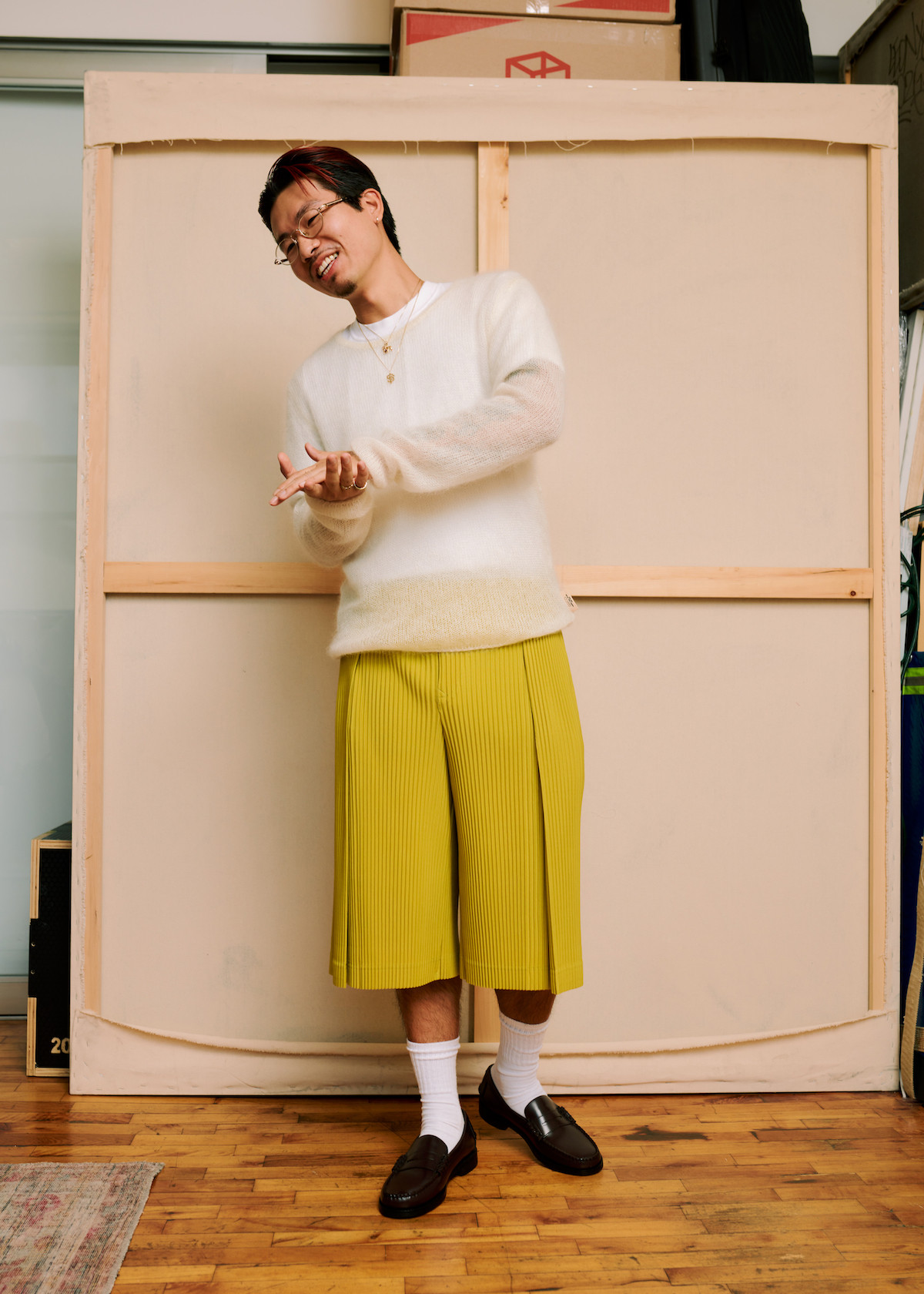
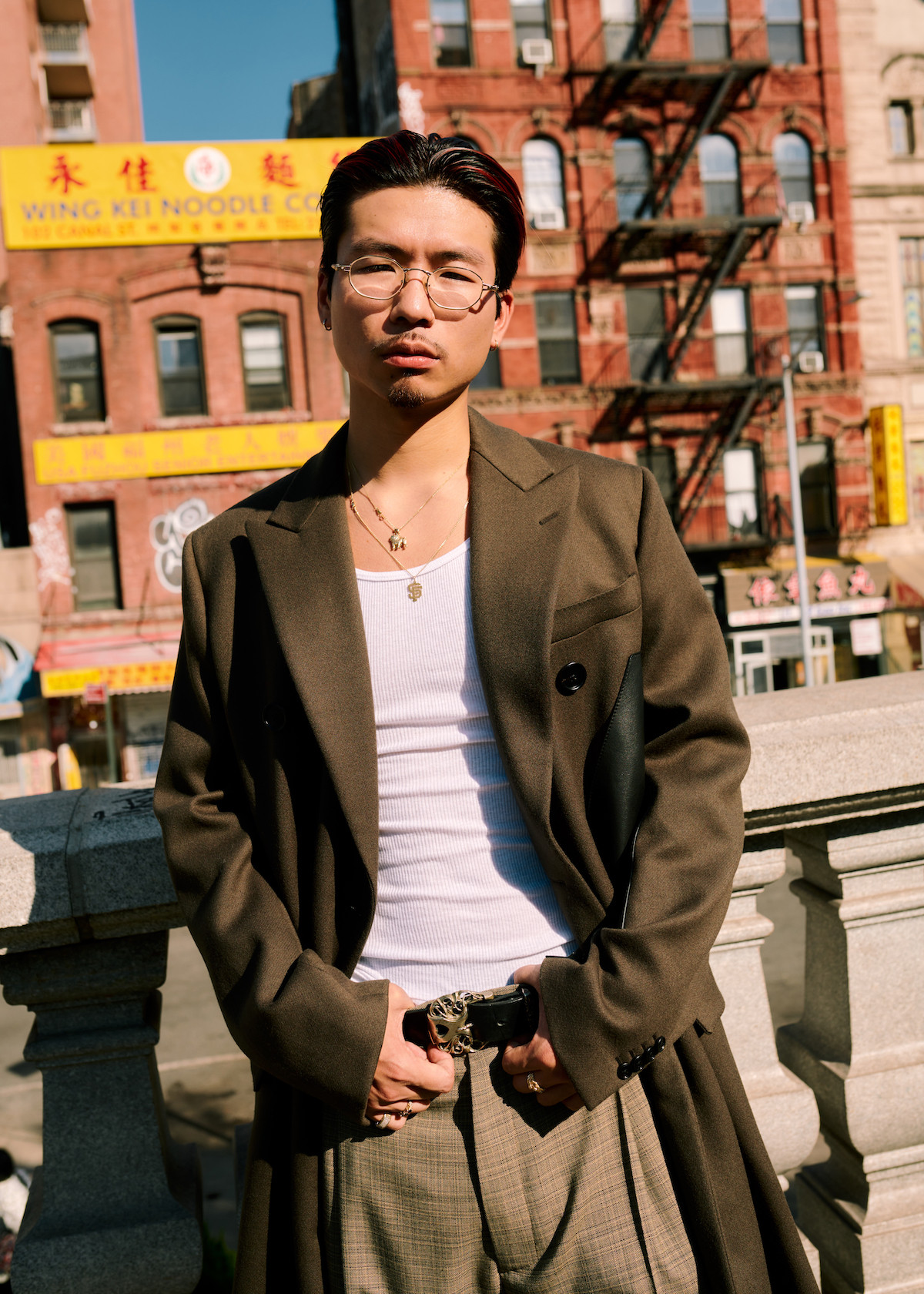
Left: Sweater GUCCI, shorts HOMME PLISSÉ ISSEY MIYAKE, shoes SEBAGO, jewelry TALENT’S OWN. Right: Pants LU’U DAN, coat HERMES, shoes GUCCI, belt MAW x RAD, jewelry TALENT’S OWN.
You described a lot of the time you spend in your studio as "fucking around" and spoke about how that time helps you with your art. What does the "fucking around" involve and how does it help you?
Fucking around time involves anything from the range of foam rolling my back on the floor to doom scrolling. I work best under pressure so maybe I am “wasting studio time” to focus better. The ratio is pretty good though. I’d say it would be like one third fucking around time and two thirds painting time.
If you could travel back in time, which historical event would you like to witness?
Migos’ last concert.
If you could have a conversation with any fictional character from a tv show or movie, who would it be and what would you ask them?
I would ask Faye from Chungking Express if she would follow me on Instagram.
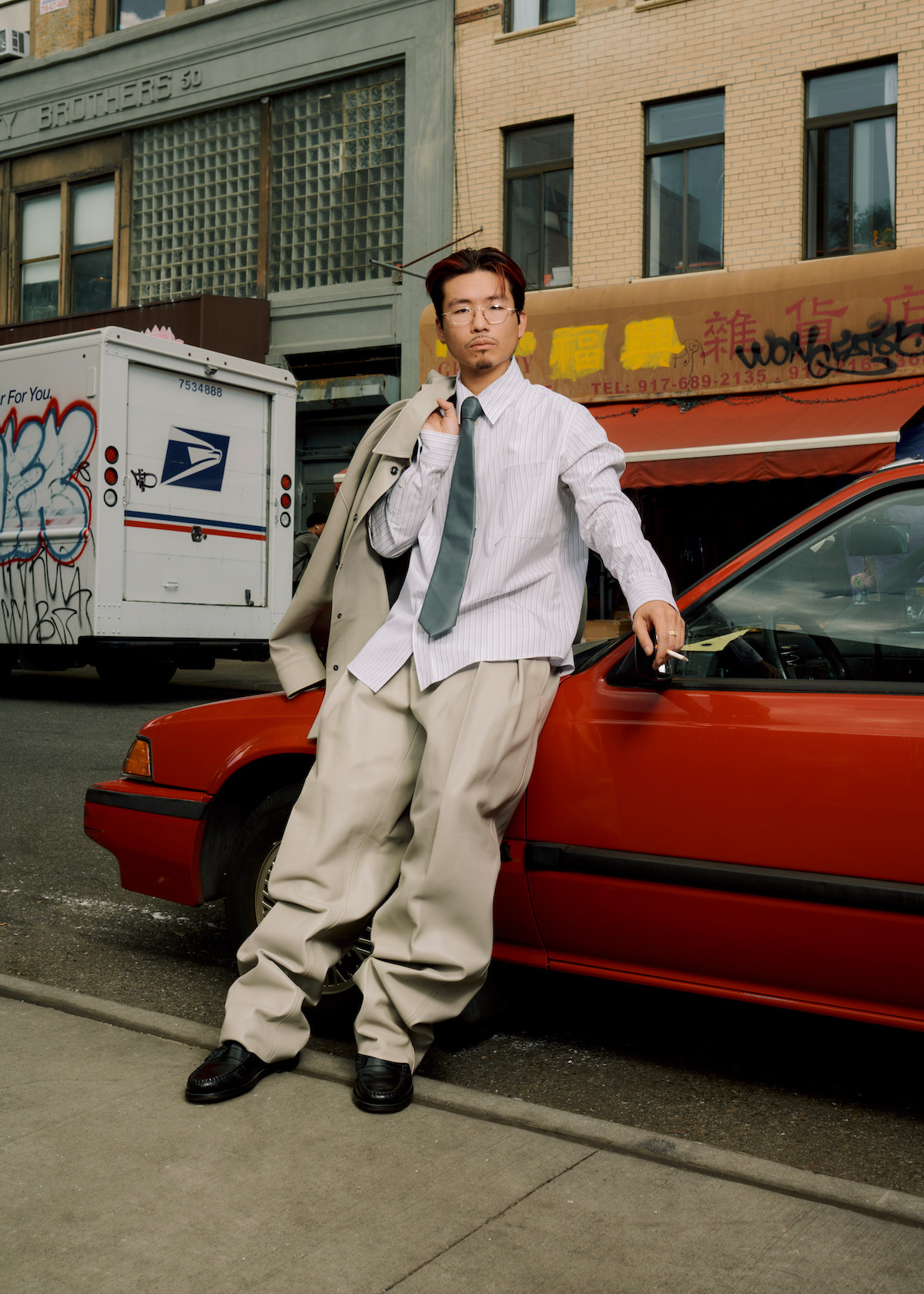
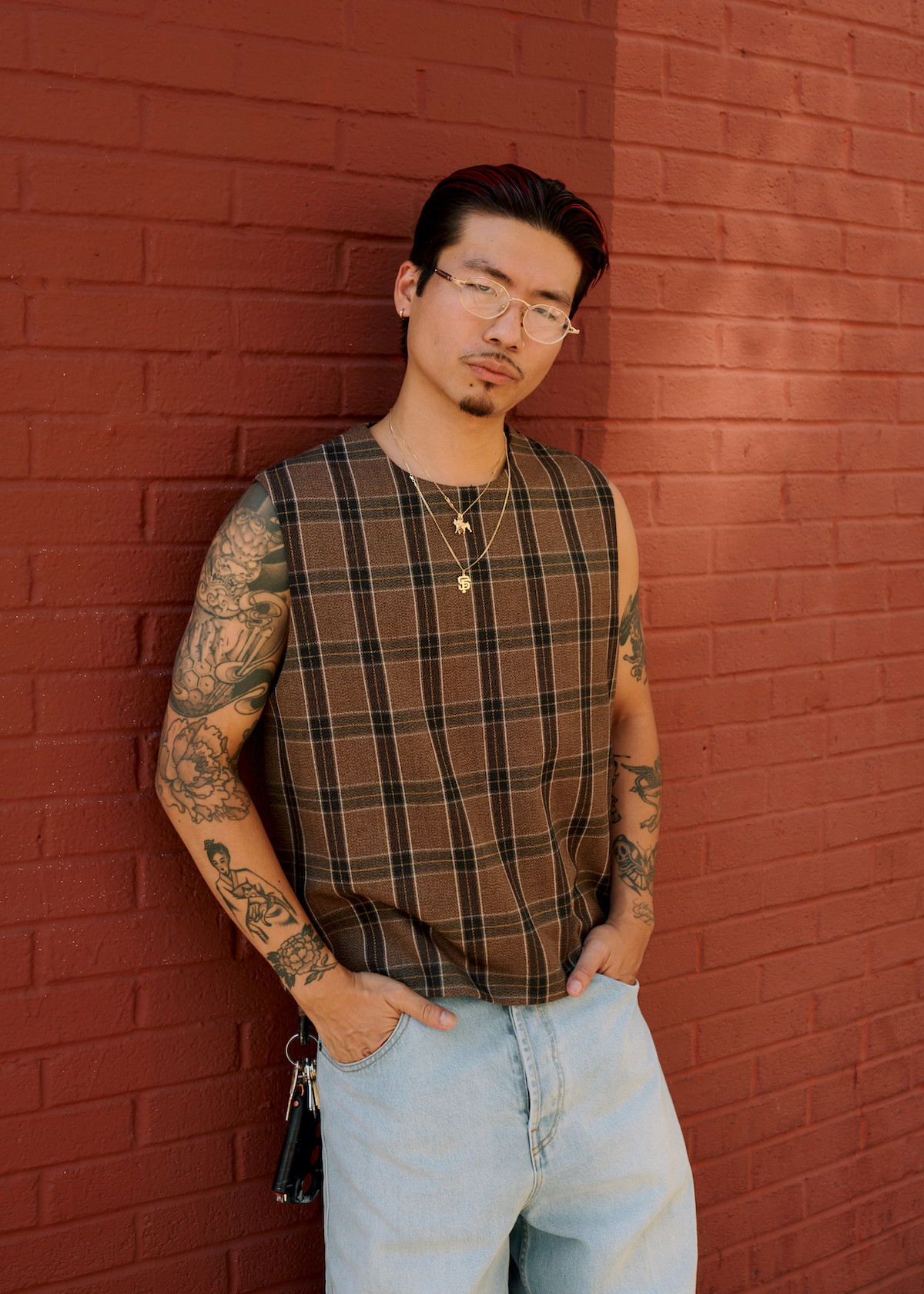
Left: shirt, pants, jacket and tie BOTTEGA VENETA, shoes SEBAGO, jewelry TALENT’S OWN. Right: Top PAUL SMITH, jeans GUCCI, jewelry TALENT’S OWN.
Do you believe in love at first sight?
Big time.
What is art?
Art is the expression or application of human creative skill and imagination, typically in a visual form such as painting or sculpture, producing works to be appreciated primarily for their beauty or emotional power. I got that from the Oxford dictionary but I agree with that definition.
Do you believe everything happens for a reason?
At this point of my life, this belief has proved itself to be true.
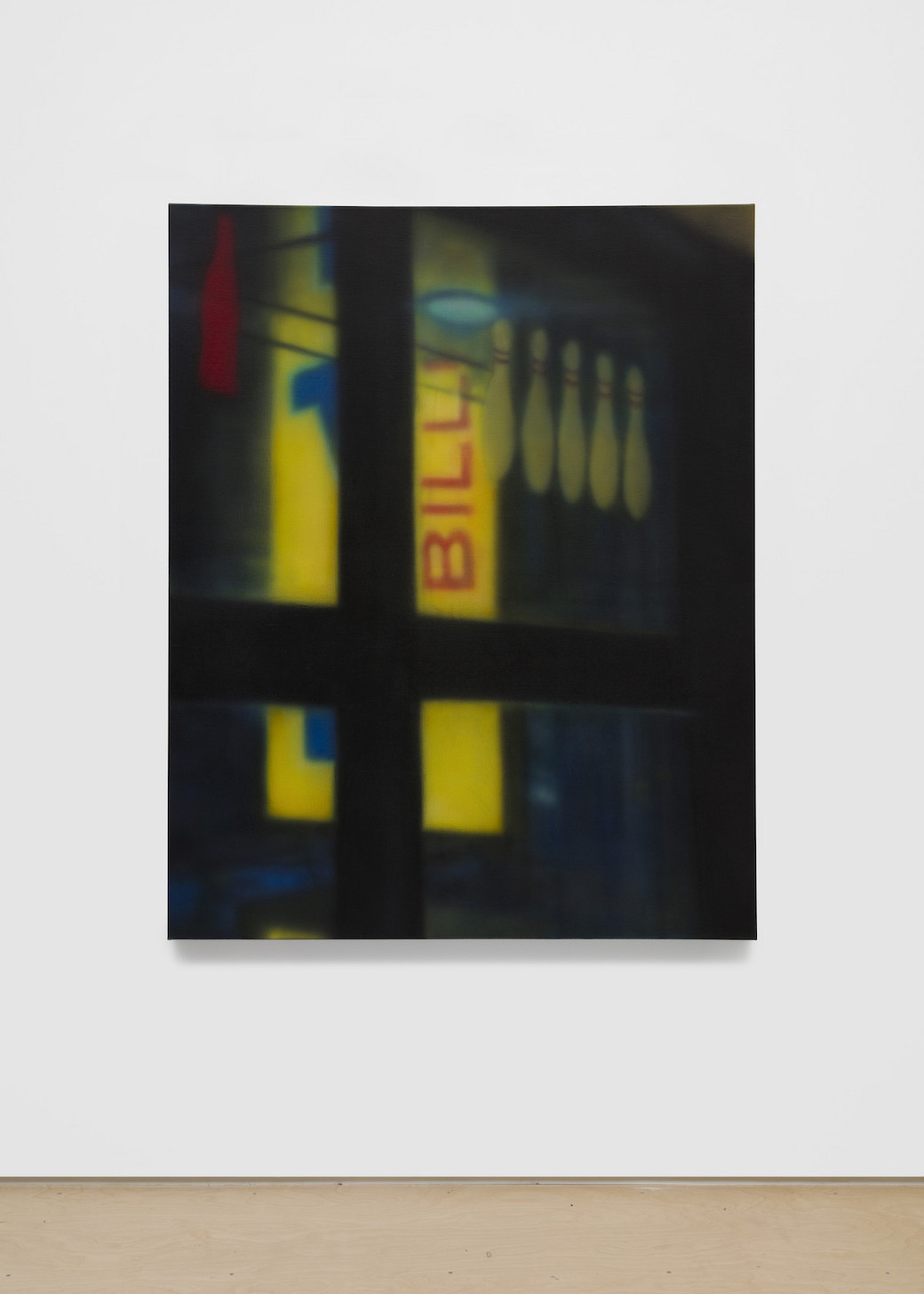
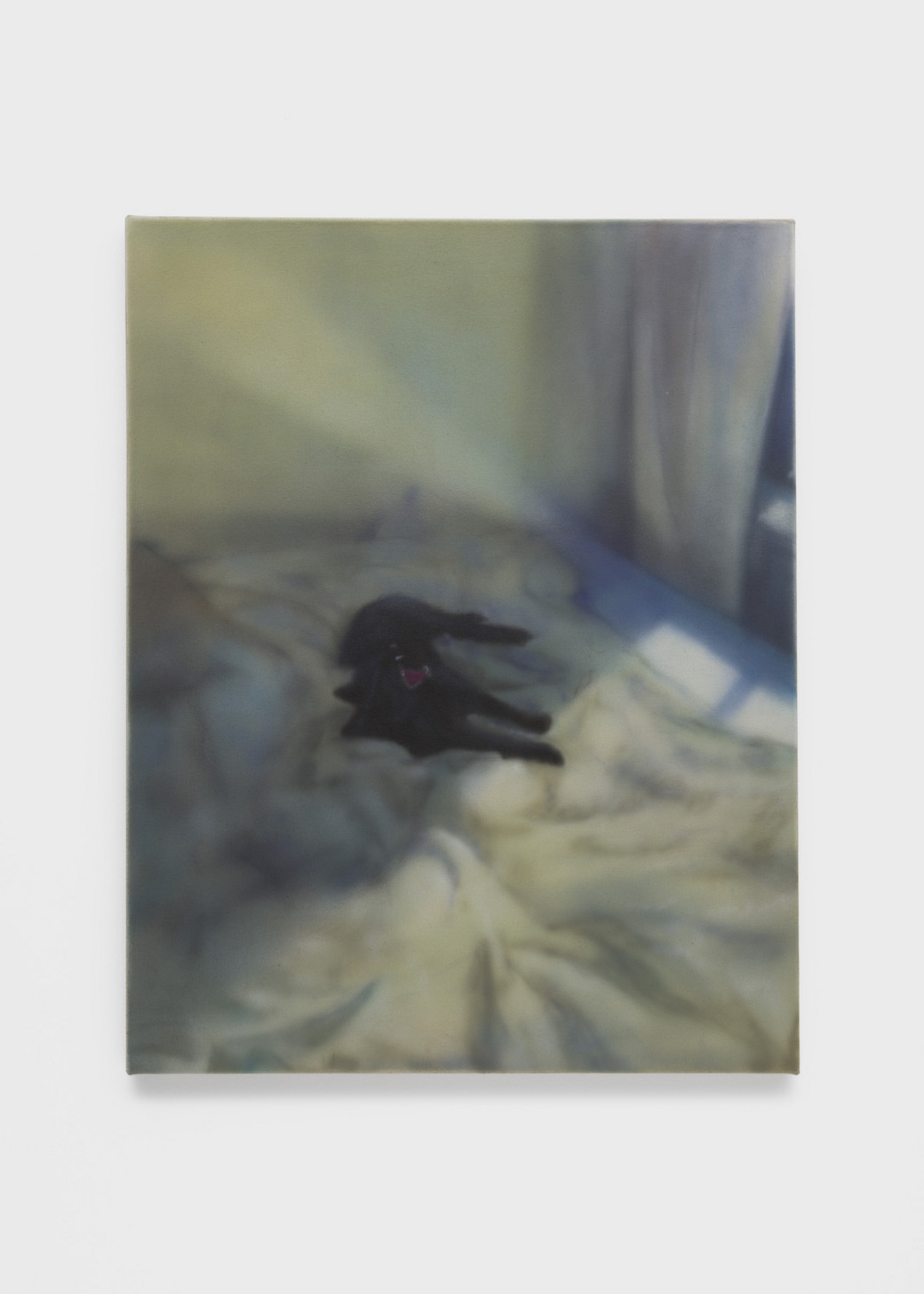
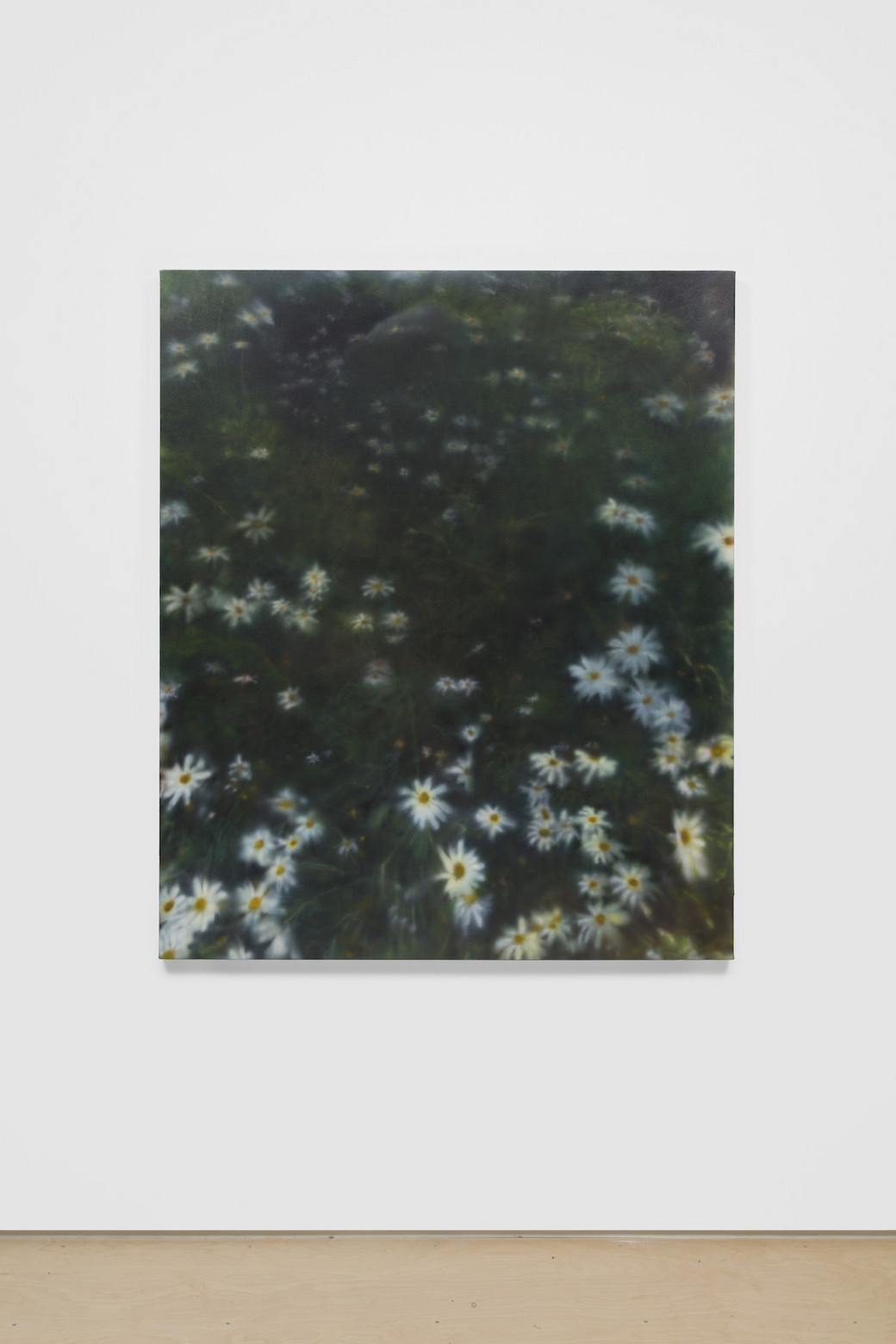
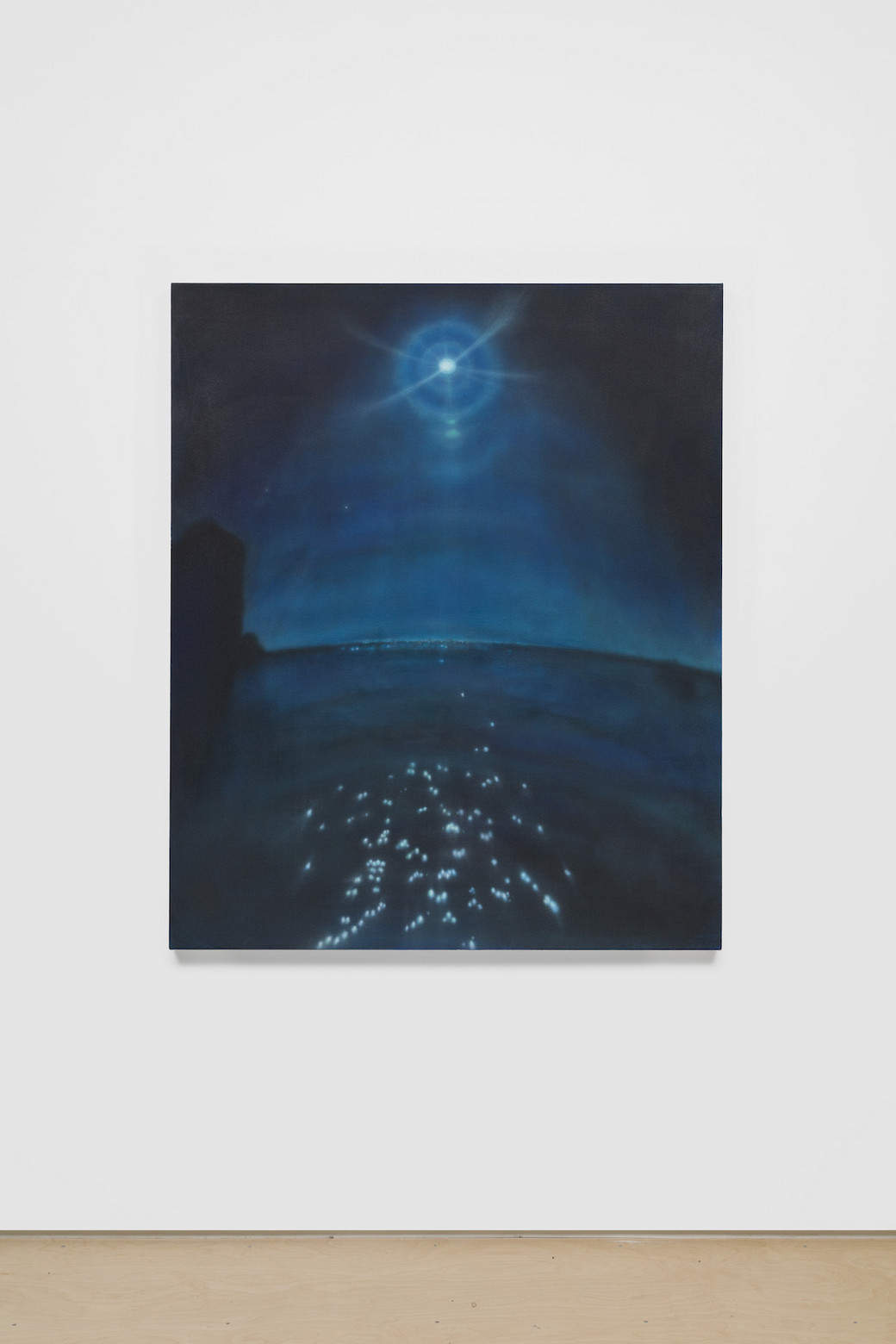
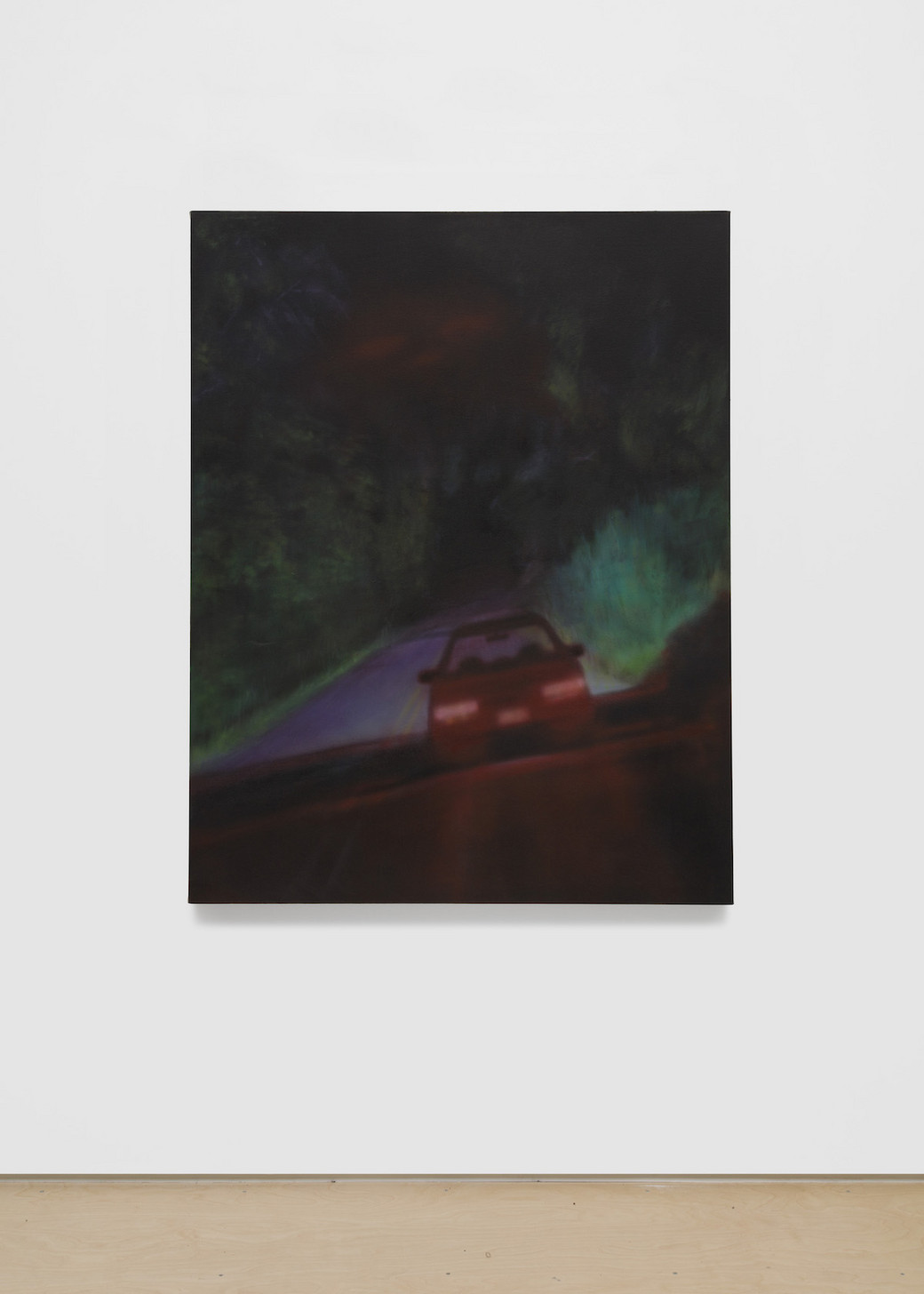
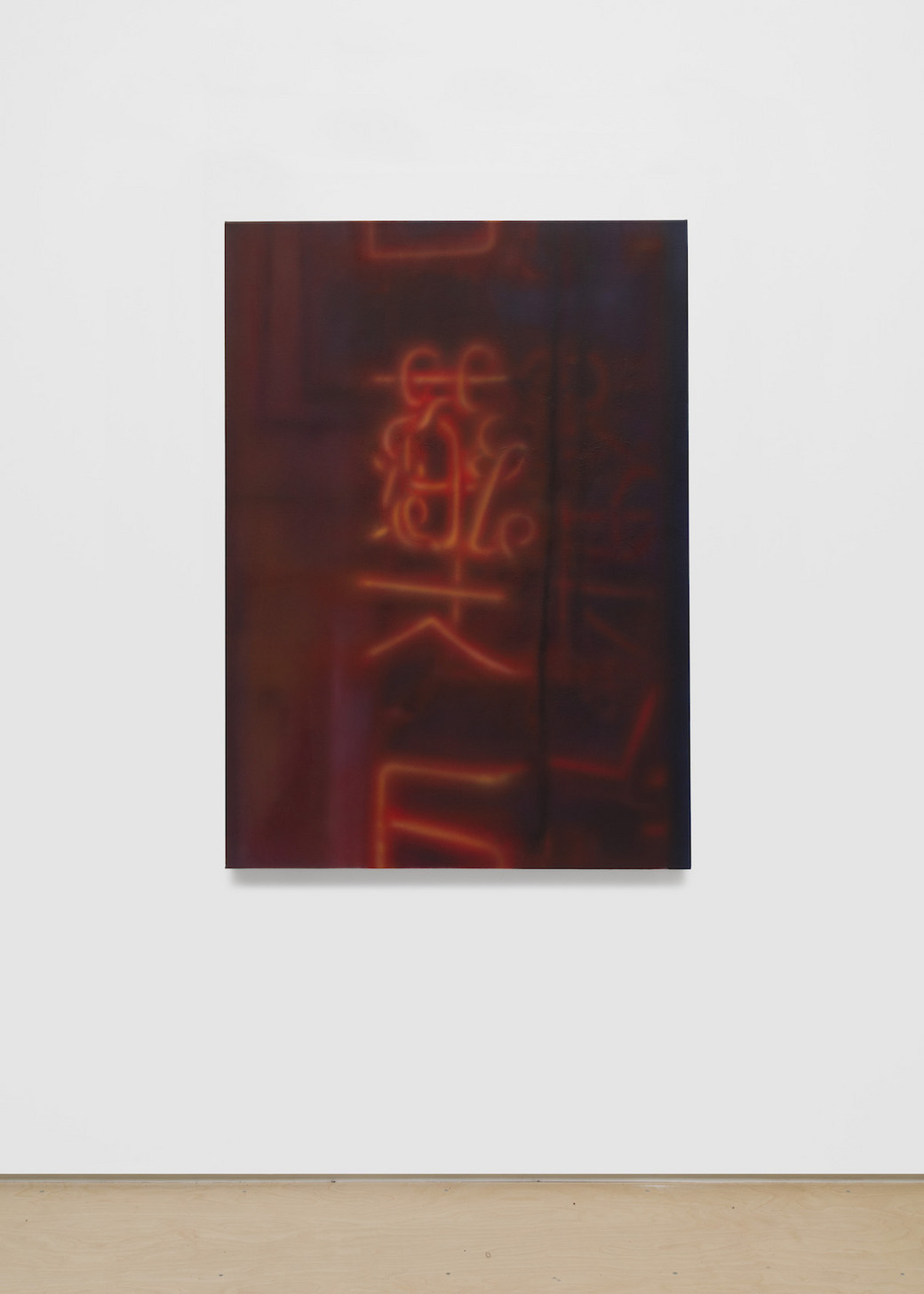
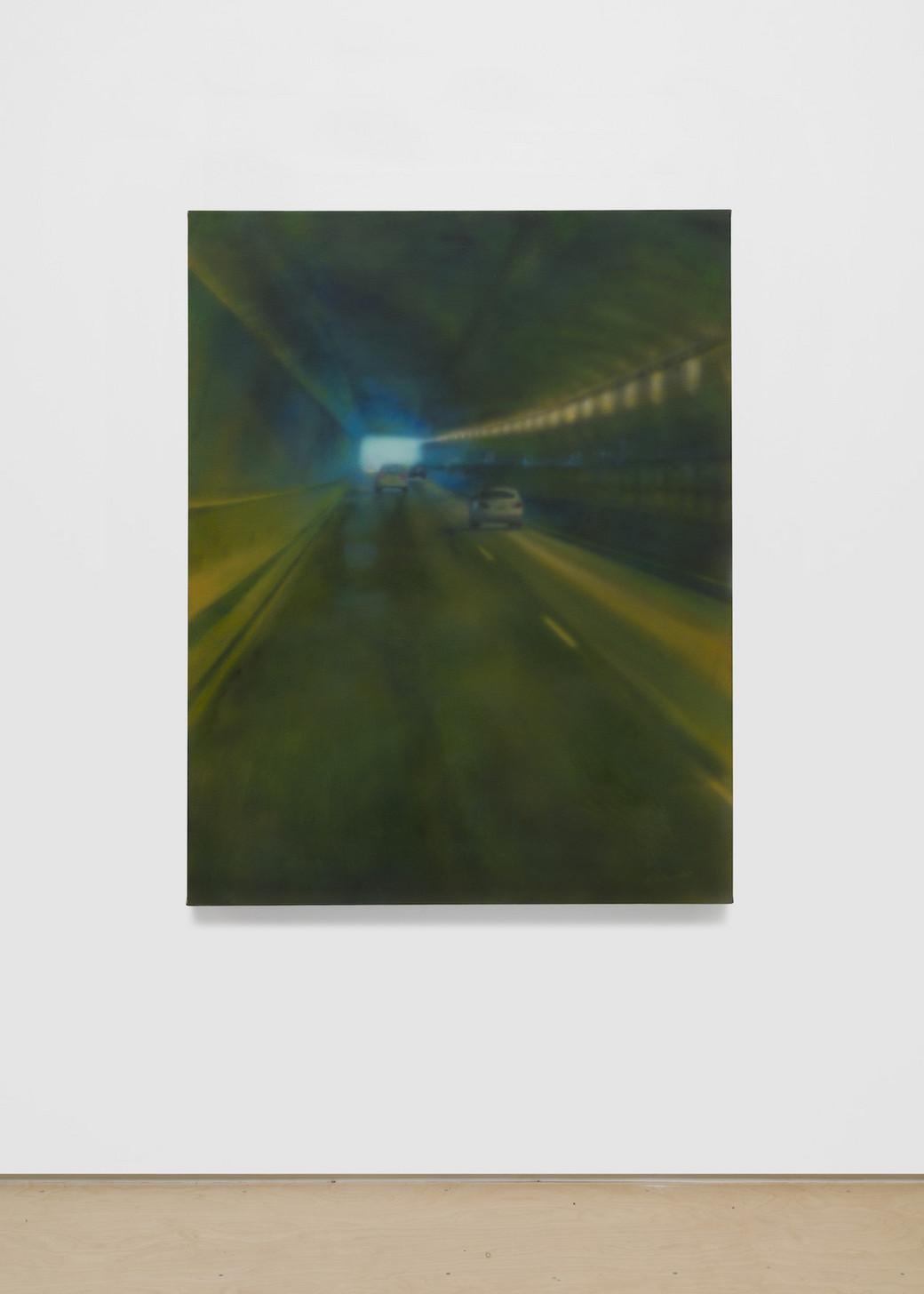
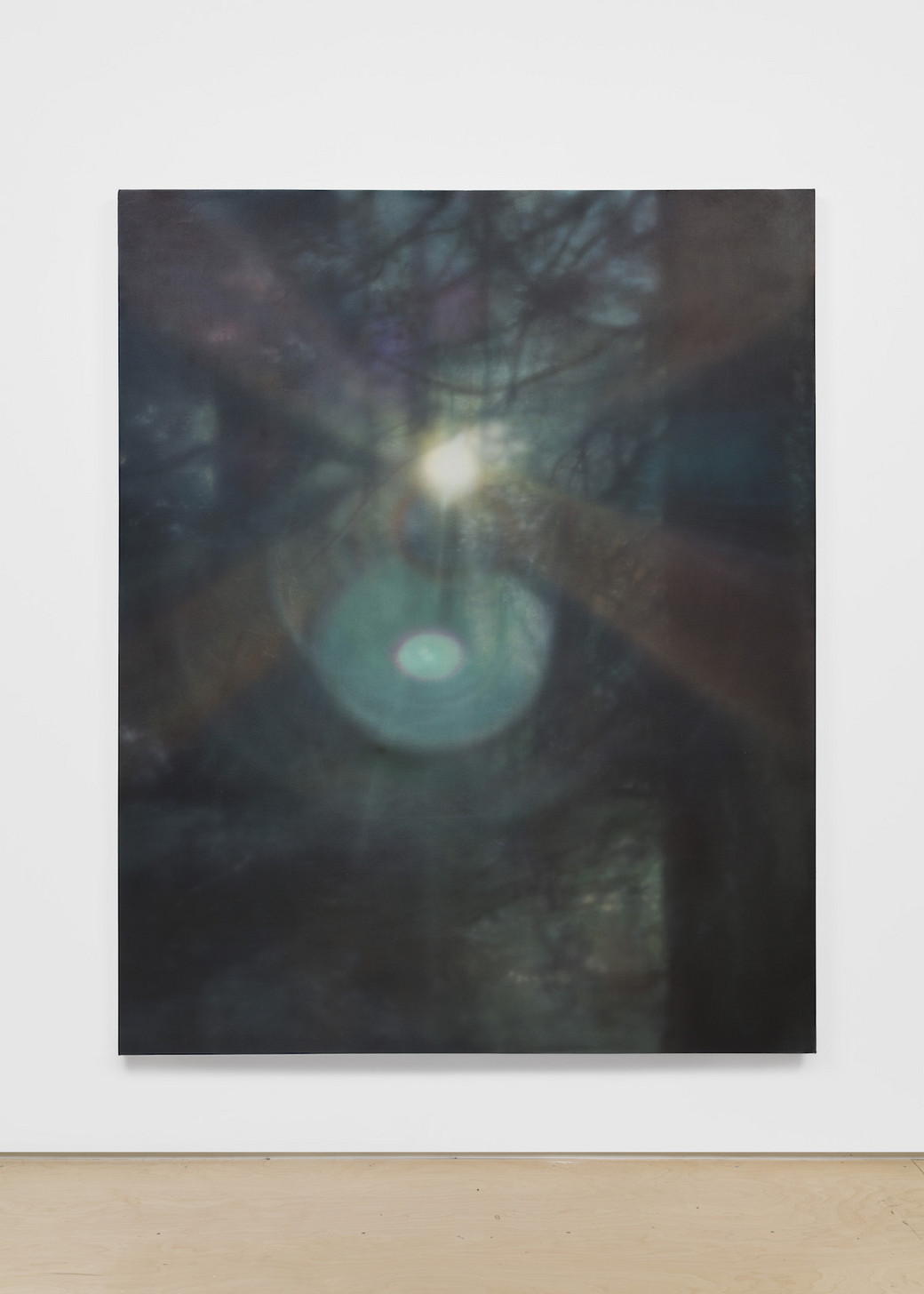
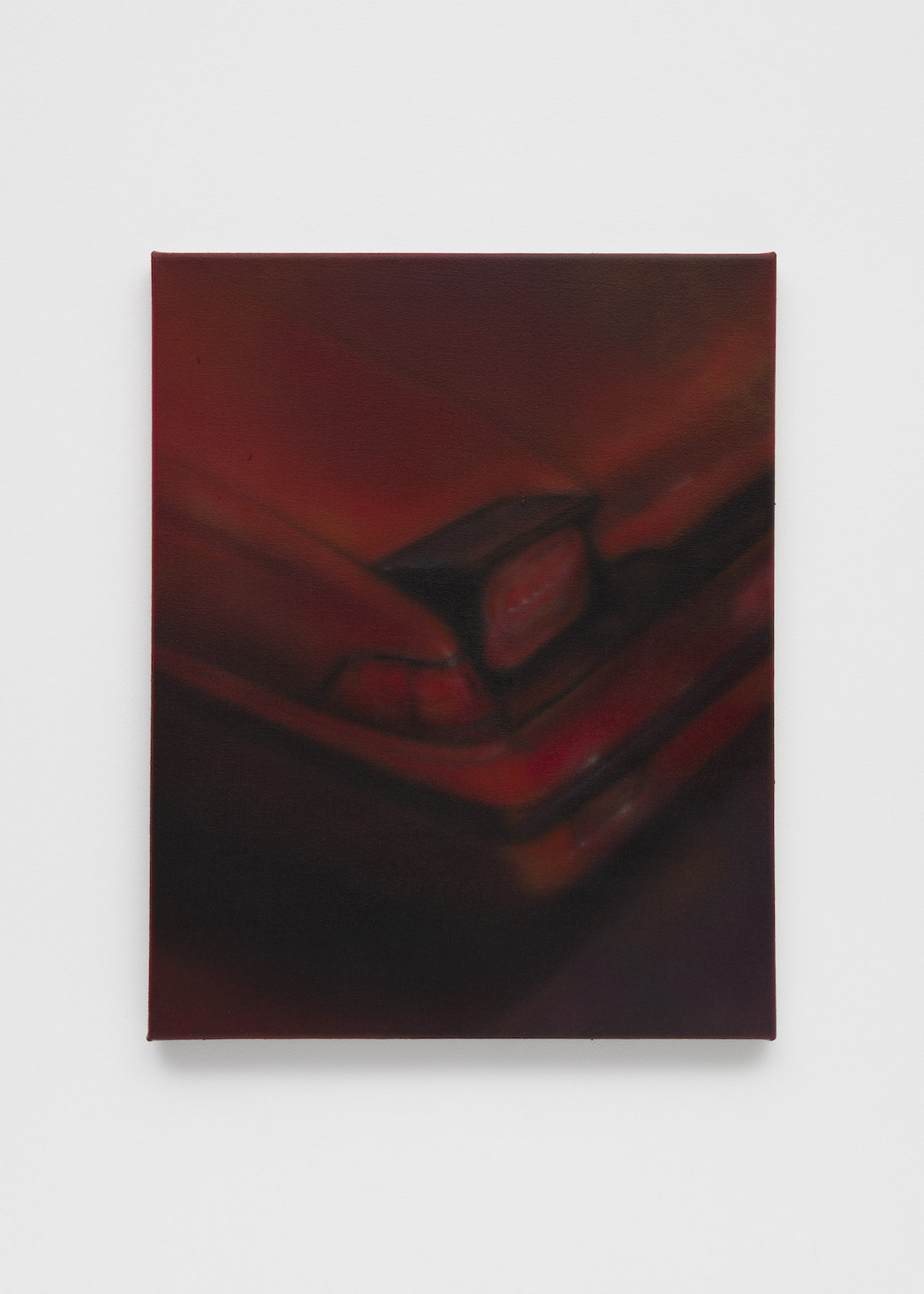
Check out Leon's work in Empty Orchestra below.




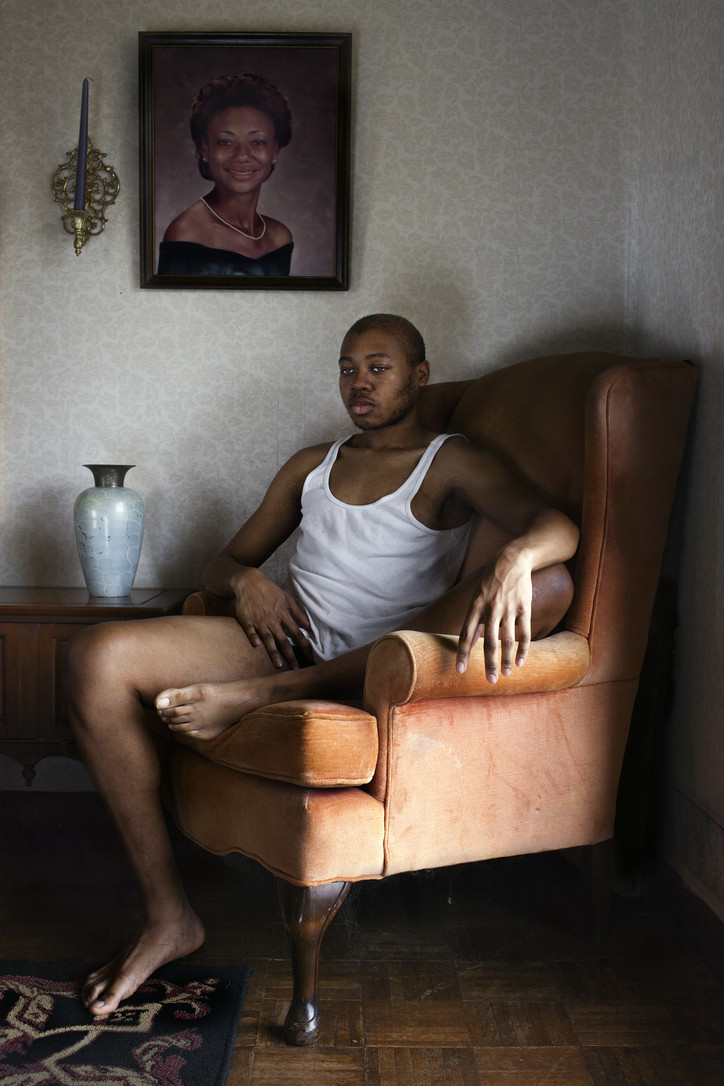
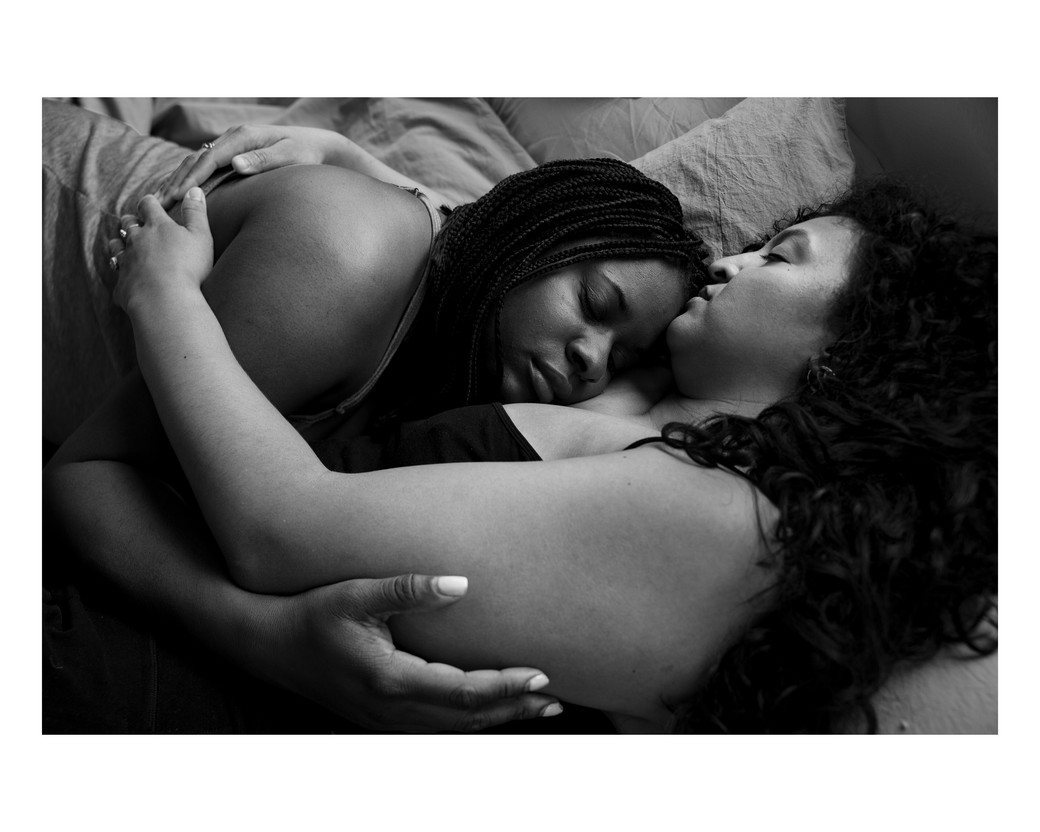
Through photographic portraits, landscapes, and scenes of domesticity, the exhibition features visual interpretations of rest by artists Tyler Mitchell, Allison Janae Hamilton, Daveed Baptiste, Gordon Parks, Carrie Mae Weems, Colette Veasey-Cullors, Cornelius Tulloch, Chester Higgins, Lola Flash, Kennedi Carter, Jeffrey Henson Scales, and Adama Delphine Fawundu, among others.
After the opening, office spoke to two of the curators of Rest Is Power, Dr. Deborah Willis and Dr. Joan Morgan.
Samuel Getachew— I was fortunate enough to see the exhibition on opening night, and first and foremost, I want to say congratulations. It was so moving, and so beautifully curated. I’m heartbroken that I couldn't make it to the artist’s roundtable on the 12th, but I’d love to hear how it went — any highlights you can share?
Joan Morgan— Well, it was really well attended — it was standing room only, which I guess isn't that surprising given who was on the panel. In addition to seeing these amazing artists present on their process and their craft, and give their thoughts and reflections on rest, I think the highlight for me was to have Tricia Hersey actually be able to see how her work is being taken up in the world, and actually have that engagement in real time. Often I think when you create things you hope but you don't necessarily know how it is not just being received but actually being engaged.
The most moving parts were the questions from the audience, about their own breakthroughs regarding issues of race and gender and giving themselves permission to rest. People shared how the art in the exhibition and Tricia's book and some of the artist statements felt like they were giving them permission to heal and to rest and to set boundaries, which of course is our overall goal and ambition with this project.
Deborah Willis— There were actually two doctors in the room that we didn’t know would be there. I was so impressed with them sharing their moments of what the exhibit meant to them. As doctors, people don't see that they need rest too. When a patient comes in, they have to get up and go back to work, if a patient dies, they just have to get up and go back to work.
Some of the questions also talked about the grind culture that we experience as these artists, that we need to keep moving, we need to keep working. In Europe, there's support for the arts, but in the US rarely do our artists have grants or government support from their country. That was another aspect we hadn’t thought about.
I know Tricia’s work was very foundational for the concept behind the exhibition. Can you tell me more about how the idea for the exhibition came about?
JM— Every year thematically, we come up with a topic that we’re going to explore at the Center for Black Visual Culture. Our first one was Black joy as resistance, and our second one was redefining home, but we felt like we actually needed a 3-5 year commitment, and we wanted to come to work collaboratively outside of the walls of NYU.
The exhibition is the launch of our larger initiative, the Black Rest Project, which came about quite honestly because Deb and I had just come out of two years of virtual programming during COVID where we were often running two programs a week virtually. For a time when we were all supposed to be locked down and standing still, we emerged from it pretty exhausted. I noticed that was basically everyone's response: really exhausted and depleted, and even more so for people of color.
DW— We as an academic body needed to focus on rest. Joan, Kira [Joy Williams] and I decided to put together an advisory committee and to invite scholars who we knew were going through the same questioning, ask the questions, “What do we think about it? How do we talk about it?”
JM— The exhibition is our first attempt to amplify visual narratives of Black rest.
Do you see the Black Rest Project exploring non-visual mediums in the future?
JM— Oh, absolutely. That's why we brought in collaborating partners, and we're about to meet with the advisory council again. We're working with various factions — historians, scholars, activists — many of whom don't necessarily work in visual culture but have real ideas about how to bring rest back to their community.
The exhibition features a really diverse range of artists, some much more established like Gordon Parks and Carrie Mae Weems and some who are quite young, like Daveed Baptiste. How did you make those curatorial decisions?
JM— We learned a lot about what we each thought about rest in going through the images. We had some really robust debates about what was restful, because we became very aware that what looks like rest to one person may absolutely not look like rest to another. It expanded our ideas.
With the photo of a barbershop, I was like, “Why is an empty barbershop restful?” The barbershop looked like a place of labor to me. But then Deb explained how much goes on in Black hair care spaces, and also how that moment when there are no customers and you're closing down for the night is the moment right before rest. I learned a lot because I wouldn't have necessarily picked that image, but Deb went right there also because of her experience growing up as the child of a mother who owned a beauty salon. We had to really expand our notion of rest beyond just, like, Black bodies sleeping.
DW— We decided to invite people to send work, as well as look at some of the people that we know and go through their archives. The range started with younger artists that I met in different cities. I travel a lot, speak to a lot of photographers, and they send me portfolios and ask me to review their work. I didn't ever think that I'd be working with them on some projects, but I thought, “oh, this is a good person to keep in mind.”
There’s some images that reevaluate rest from my own memory, from the collective memory of the three of us. There was also the worthiness that I felt of the photographers who took the time to make images, like the Gordon Parks image of a woman looking out the window in Harlem with her dog. I felt that it was necessary for us to explore.

The photo that stuck with me the longest was Kira’s photo, of her father and brother embracing. It was the only work that I saw representing fatherhood, which was striking and thought-provoking in-and-of itself. Are there any works that stand out to you?
DW— One that touches my heart is Daveed’s mother reading the Bible. I unfortunately lost my mom this year, but my mom was 100 years old. She loved her peace and she loved reading her Bible. And one of the projects I had when my mom was in her eighties was that I wanted to photograph all of the women that she went to beauty school with back in the fifties. I rarely show my work in a show that I curated, but I felt that my words and my images needed to be together in this exhibition.
One of my favorite photographs is of my mother's friends, who were caregivers taking care of others even in their nineties, having an opportunity to rest. I love how relaxed the woman looks in the shampoo chair. When I connect my own mother’s experience to Daveed’s mother in this beautiful white slip reading the Bible, it just had a real effect on me as an image that just helped kind of guide me through this process of loss.
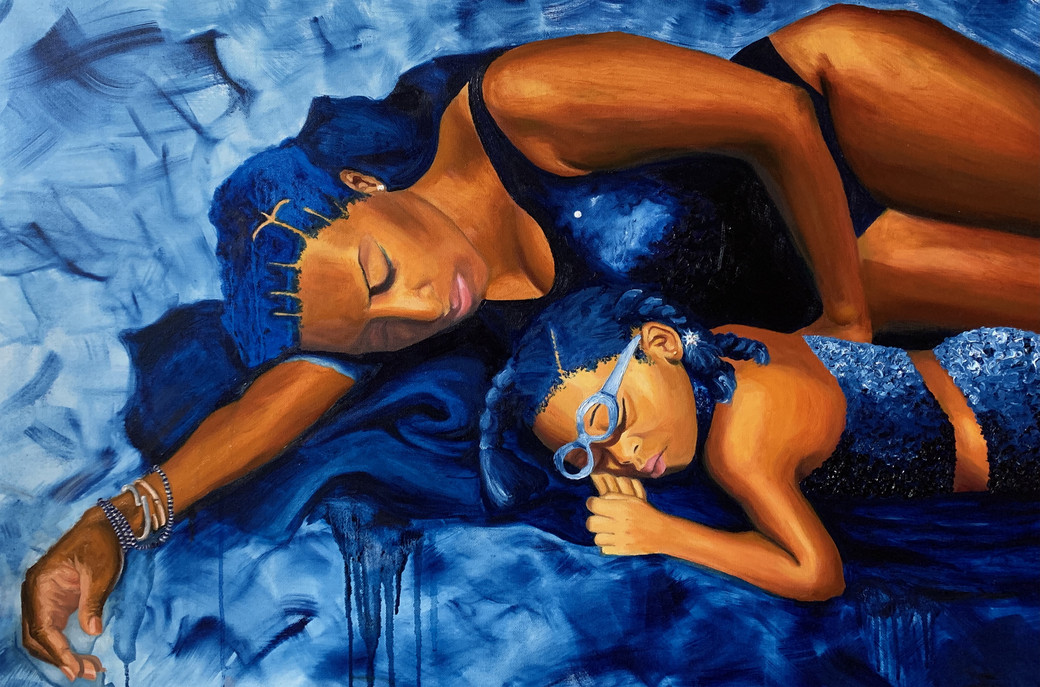
JM— The painting is obviously one of my favorites. It's deeply personal to me — the woman in it has been my closest friend since I was 13 years old. It's a portrait of her and her daughter, who is like my niece.
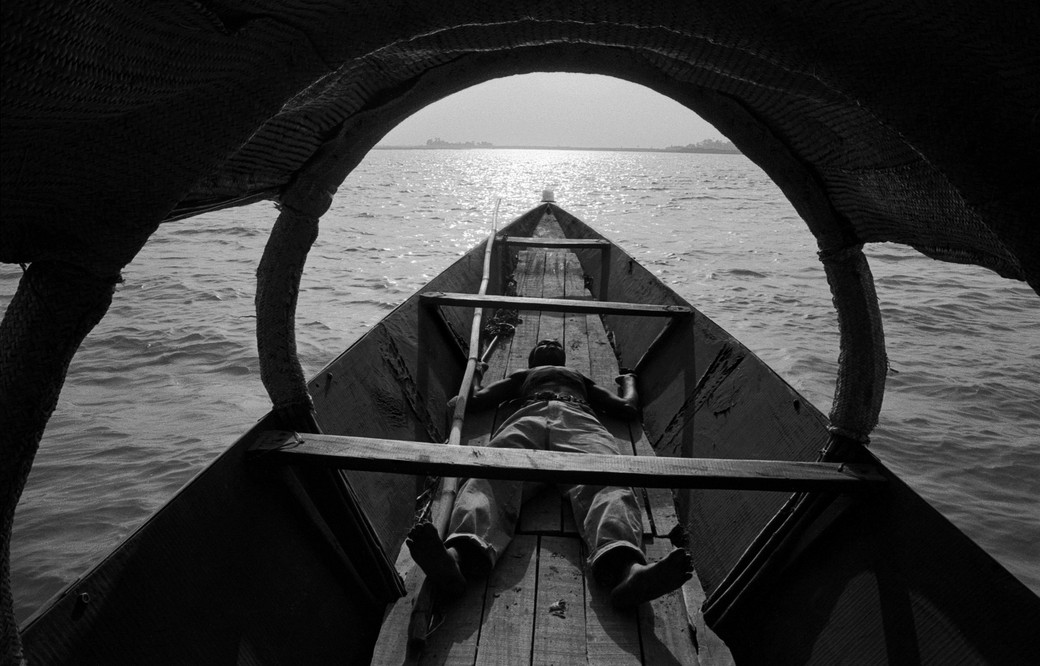
But the standout isn’t just one piece – I would have to say that it's the progression on a particular wall. The way that water sort of flows from the Chester Higgins piece to the piece in the boat over to the wall of Lisa Leone’s portrait of me in the ocean, to Renee Cox, with the reclining in the pool, to Cornelius Tulloch’s work. It spans the diaspora, we're talking about Africa, we're talking about Jamaica, we're talking about Miami. I just love that little section of the exhibit so much, I find myself walking it back and forth fairly often.


That must be so rewarding as a curator, to see works in dialogue with one another like that. What are your hopes for how people engage with it?
JM— We’re not a gallery that’s on gallery row in Chelsea, we’re literally in an academic space. Nothing promotes grind culture more than academia to me. I'm hoping that from now to October 22nd, that it serves as a kind of disruptive reminder to challenge that. And I mean that from students all the way up to the upper echelon of academic power — come in and remind yourself to give yourself grace to rest.
Rest Is Power is open until October 22, 2023 at The 20 Cooper Square Gallery.