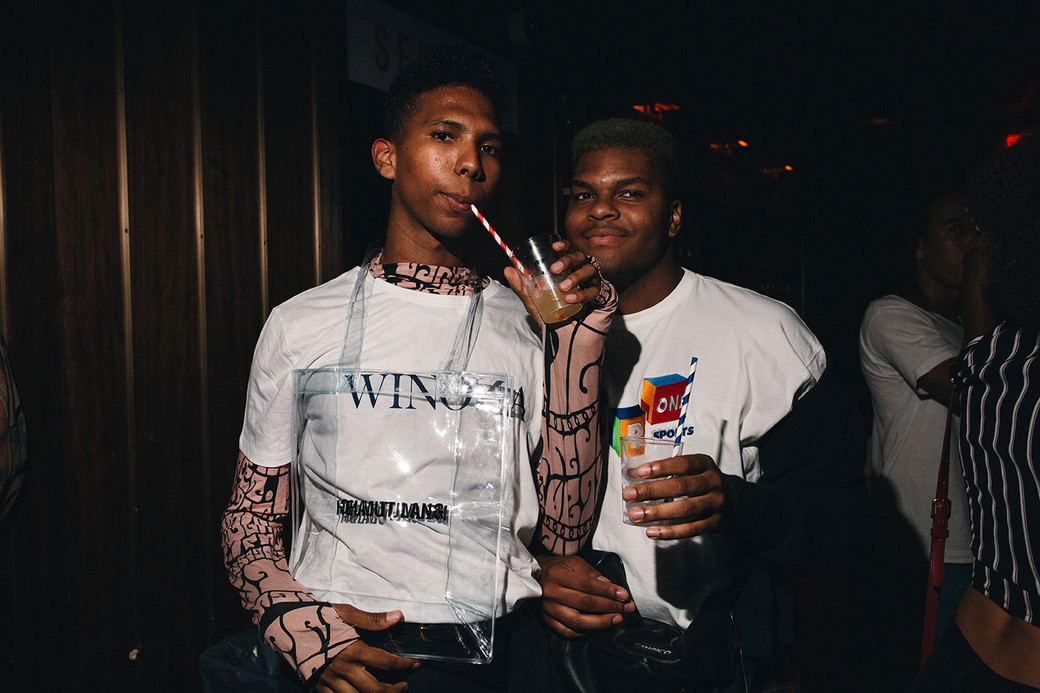
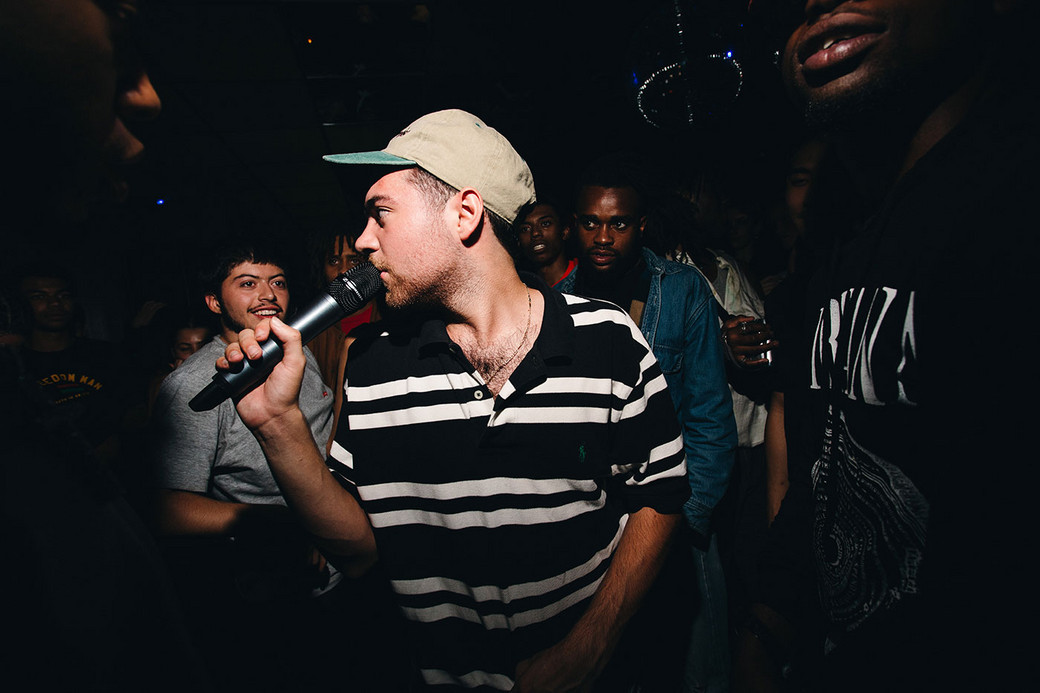
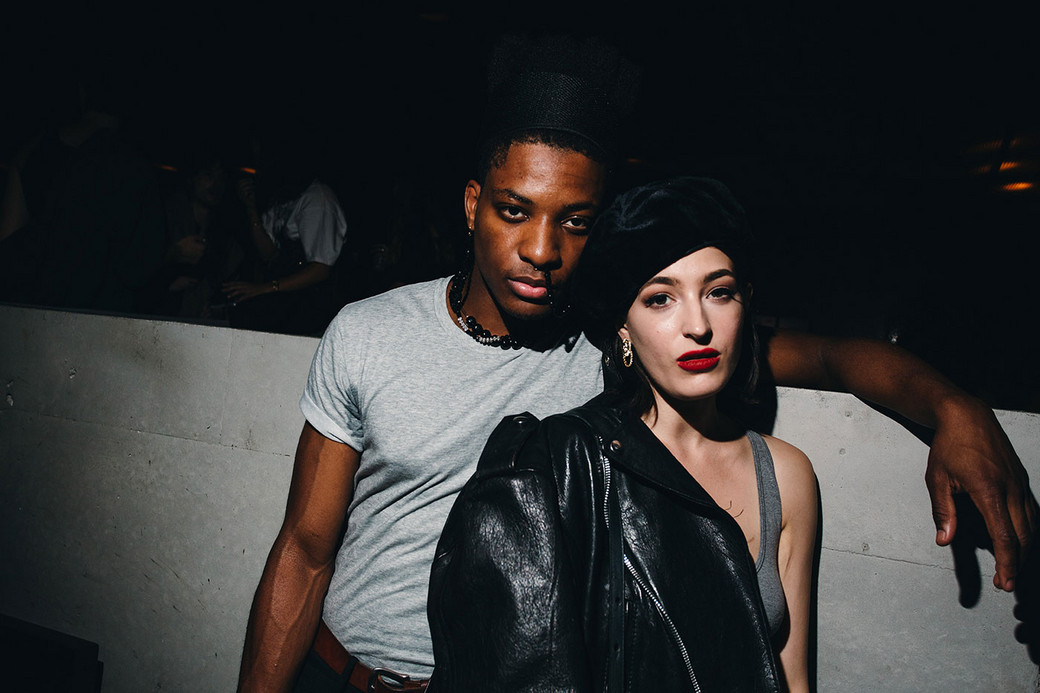
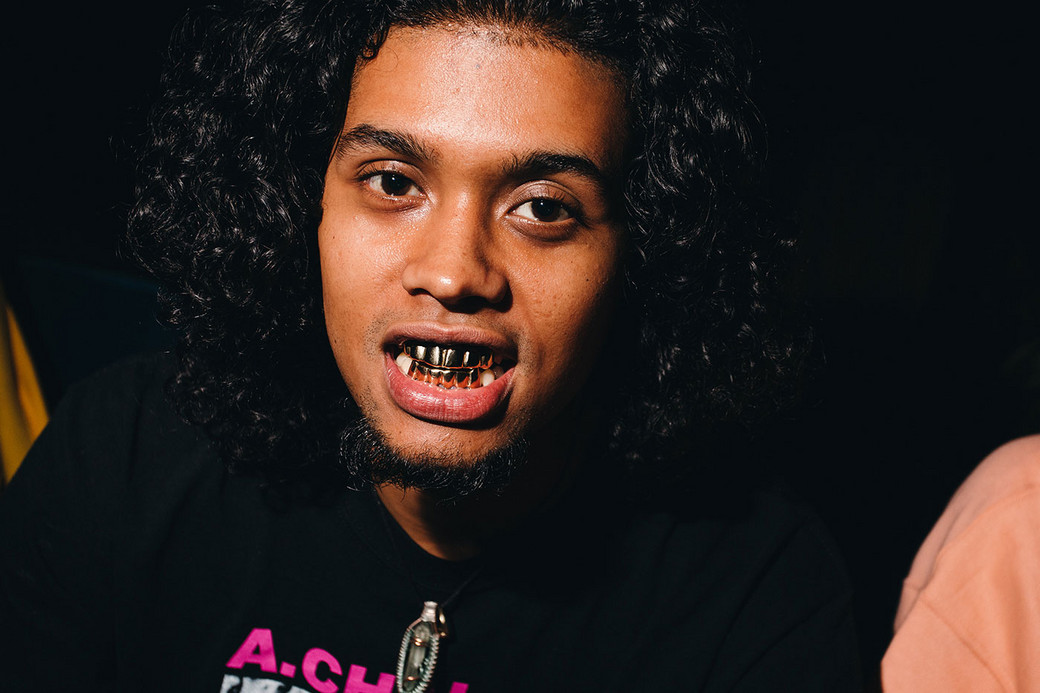
office Issue 7 NYFW Party
Stay informed on our latest news!


Mistress Chloe: Does sex work inform your writing, and when did you realize you were a writer?
Eve: Literature has always been ingrained in my life. When I created a character for myself as a sex worker, I began exploring different avenues of literature within the role. It allows me to expand my sense of self, and that experience recycles into my writing. Fernando Pessoa wrote under around 100 heteronyms. He wrote according to the biography and history he created for each one. Like Pessoa’s heteronyms, my devotion to fantasy is a part of me, and the fantasy that’s produced is inherently me, too. A lot of people dismiss this kind of performance as a default to dissociate from the self. It’s not to say tapping into this character in sex work is always a great experience, but it always informs my writing.
Mistress Chloe: How does your sex work inspire your creative writing?
Eve: There have been times I have gone years without doing any form of sex work. Sex work is a very broad term; it encompasses many different things. When I strip the erotic elements from the character I channel in sex work, I compare it to my daily life to find a parallel in how we perform every day. Our ability to observe human emotions and behavior through character performance is extremely high. The observation of recorded role-playing is accessible and saturated through all of the streaming networks we have at our finger tips. I wonder if the consumption of character performance through TV and film alters our understanding of ourselves in the world. Even certain social media accounts reflect the branding of oneself as a character. Sometimes I feel like a method actor experimenting with different roles and their parameters in order to understand my overwhelming human experience. I don’t define this as dissociation or self-preservation if I have agency over it. With sex work, I wear a mask I can see through. I do the same with my writing.


Mistress Chloe: When you're a creative who does this work, like we are, it can inform your art. For me, Mistress Chloe is a side of performance art that I never got to touch on.
Leah: Absolutely. A lot of books and essays written on the industry discuss fantasy. I find fantasy to be an extension of myself. For me, entering a character and performance has to be executed consciously and deliberately. I can’t let it consume me, even if there’s authenticity within it. It's a fine line. If you can’t call a role for what it is, you can easily get stuck in it. It can be really dangerous because there’s always the prospect of losing yourself in it. It can also be a medium of exploration that has the power to encapsulate a really vulnerable and tender part of you. It’s somewhere I find pleasure, fun, and creativity.
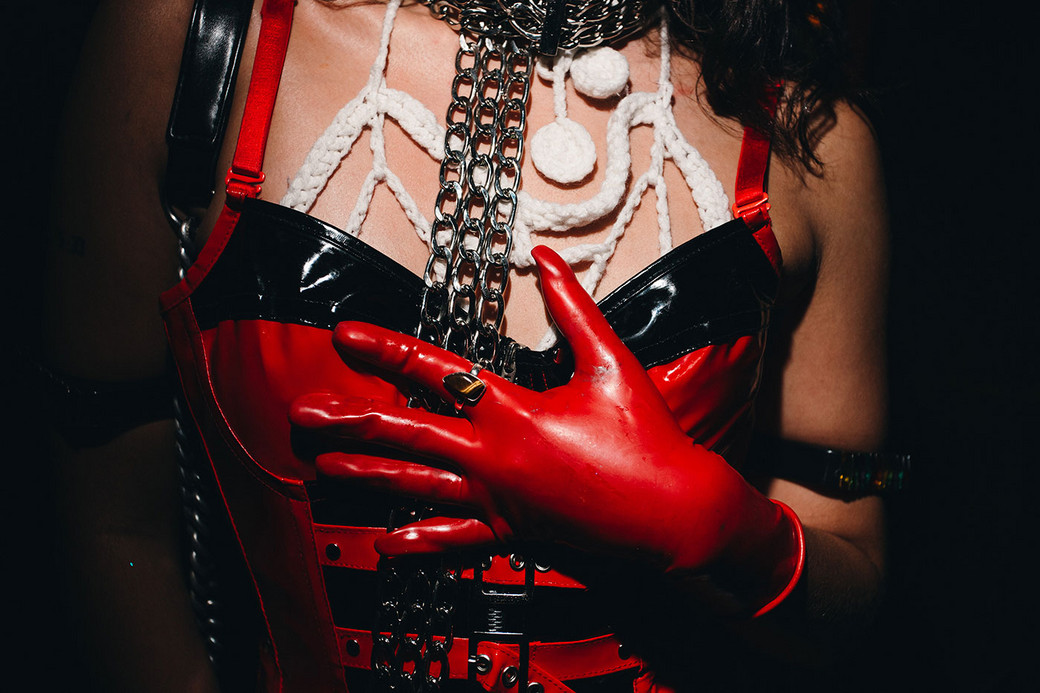
Mistress Chloe: A lot of people consider a dominatrix to be an alter ego or persona, but for me, it has become a part of me rather than a character. She is very much a real side of me that only a few select people get to engage with. To tie it to creative expression, it’s easy to get burnt out in art or fashion, but I use Mistress Chloe as an editorial project. Curating her appearance is half of bringing her to life. When I put on my latex, Mistress Chloe is activated.
Leah: I love manipulating my outer form as self-expression, even if that expression is: I am in my body and here is proof. I love tattoo culture and constructing outfits that alter the way I physically move through the world. Getting tatted is pretty submissive if you think about it, but it's agency, and therefore it's powerful, in practice and in theory. Submission and surrender could be really beautiful. It’s also a luxury to have agency over them. Sometimes outfits feel like drag or a costume, and I love it. Submitting to a character and performance can be sensual and erotic. It can also be exhausting and depleting. It’s not always beautiful, but it can be.


Mistress Chloe: I like to stress that no labor is empowering. I find that most of the civilian labor I’ve done was far more degrading than any sex work I’ve done because in civilian work, labor rates are so low. People are not fairly compensated. Do you feel more or less empowered by your sex work?
Leah: I’ve always been in touch with the ethos of sex work. Transactions are ingrained in us from a very young age, before we can understand what they mean. I think a lot of that comes from parenting and authority figures. The very essence of being a human and having a body is frightening. Many of us are raised with: If you don’t do X, you can’t do Y. I think that teaches guilt and compromise in a way that a child is not fit for. It can warp how we view ourselves in the world and our relationship with ourselves. It’s coercion and manipulation, not the discipline, guidance, or authority that a child needs. This translates to any job, whether it’s physical labor or not. When it comes to sex work, I’m still understanding the ways I do have control over my body and what it means to capitalize on that.
Mistress Chloe: Transactional is my favorite word.
Leah: Right? When it comes to sex work, though, shame is usually projected onto me, as well as having to negotiate my boundaries in relationships outside of the work. My sexuality is often questioned. My devotion is questioned. My ability to be loyal is questioned. Pleasure within sex work can be a bodily reflex. It doesn’t have to equate to attraction. In general, there's so much shame around pleasure, even if it’s encouraged. A lot of sex workers talk about faking it, which, of course, is so real. It’s not all about pleasure. It’s important to acknowledge all of the different circumstances sex workers have, the potential for violence, and human trafficking. For me, all of the times I’ve experienced pleasure in the work, a level of performativity was involved. This translates to my self outside of sex work, too. I think a big misconception is that performativity and sincerity can’t coexist. Genuine connection may or may not be there, but it very well could.
Mistress Chloe: What's the worst job you've ever had?
Leah: The dichotomy of feeling like you have no agency while simultaneously getting paid for it is a really jarring experience. My worst job was when I was 14 years old, working at a pizzeria. It was awful. Men can be awful. The first time I consciously did something that aligned with the ethos of a transactional experience was when I was a kid. It’s when I began learning the way the world worked. I’d walk along the highway for like an hour from my parents’ house to get ice cream. One time, a man pulled over and told me he would start driving me if I spent time with him. There was a transaction for my time, my energy, and physical presence, in exchange for something that I wanted. I was 12. I just wanted ice cream. That transactional aspect is something that stayed in my life. I just became more and more conscious of it as I got older. We live in a world of transactions, and as a woman, I feel entitled to manipulate that to serve me as I see fit. There’s so much privilege in that, and I’m still learning what it means for that to be a commodity.


Mistress Chloe: Do you want to come down here and rub my feet, please?
Mistress Chloe’s sub immediately gets on his knees. He takes off her Louboutin heels.
Leah: When it comes to consent, have you ever crossed a boundary with someone accidentally? How did you navigate it, and what did you do to move forward?
Mistress Chloe: I thoroughly discuss consent. At the end of the day, there's risk with BDSM no matter what. You can accidentally hurt someone. It's important for everyone to know that. I can't think of a time when I crossed a boundary. However, it's possible, it could happen. If it happens, you have to communicate with that person, make sure they know you did not intentionally cross their boundary, and work through it with aftercare, especially when you're doing dangerous things. One of my clients started super vanilla, and now I restrain him and electrocute him. He loves it. Most clients want me to get pleasure out of the session, and I’m quite sadistic, so they'll have to suffer a little for me. I can be devious and they end up loving it. I'm into tease and denial. Rejection is such an exciting part of a lot of my sessions.
Leah: I’m sure. There could be the psychological aspect, the intellectual, the emotional, the physical.
Mistress Chloe: The first thing I ask every client is: When was the first time you realized you needed to serve a powerful woman? It's almost always something psychologically tied to their childhood. A lot of people will say they don’t know. I can kind of tell when they are lying or suppressing what they mean, but 8/10 times they tell me, and it relates to childhood psychology.
Leah: Do you think there is value in trying to identify a root to kink or BDSM? Is that pathologizing it; trying to find a reason as to why someone might love X, Y, Z?
Mistress Chloe: I feel for some people, there's a desire to understand. The best thing I can do is tell them this is something they don't have control of. I may not fulfill that desire for you but there's nothing wrong with trying to understand it. For some people, subspace looks like dissociation. A lot of people need to submit to turn their brain off and be told what to do, that's a very big one. Other people don’t know where their kinks come from. Our upbringing and the current culture greatly determine our kinks and fetishes.
Leah: Some people don’t think of it as having a root. I went to a reading once with two authors who write a lot on sex work and sado-masochism in such striking, intelligent and profound ways. During the Q&A, someone in the audience raised their hand and, with sincerity, asked them, “How do you cure this?” How does working as a dominatrix translate to your art?
Mistress Chloe: Mistress Chloe is really a multidisciplinary art project to me. She is in many ways very similar to me, but she is the best version of me. She comes organized. If I’m having a hard day and I have a session scheduled, I’m going to put on my professional face, and I'm going to curate an exciting session and tailor it to be cathartic for me. I’ll enjoy myself in whatever way I can. However, at the end of the day, I'm a real person. At one point, you might be tied up and suspended, and I'm going to vent to you about my shitty day. I'm not always going to be some idealistic person. I am a real person, and you're going to submit to me, and my most comfortable self should be able to bitch at you. And you’re going to love it.
Leah: Do you ever perform Mistress Chloe?
Mistress Chloe: I don’t behave in regular life like I do in the dungeon. That's what BDSM is to me. We’re playing. We’re doing a scene. The thing that sets my favorite subs apart is that I know them outside of the scene and they let me be myself. They like me in my regular clothes and they might know I’m working on something else today. If I'm busy at work, I might not have the capacity to be Mistress Chloe. I’m not on the clock 24/7.
Leah: How do you inspire your clients to grow not just in the dungeon but in life outside of it?
Mistress Chloe: That's the hard thing— building a dynamic with someone that wants to grow with you in that way. I have one sub who sees me religiously. He doesn't wear a chastity cage. I don't own him. He's not collared. I like him because he's been willing to let me do what I want to him, and that's a great attitude to have if you want to be in my devoted den of subs. The first time we ever sessioned, I hung him upside down. He was floating from his feet above the concrete floor, and all the blood was rushing to his head. I have a little bell too. He has to bark when I ring the bell. He loves the little bell. So I’ve implemented things that I need him to do to better himself. He's been walking and working out more. He’s English, and he drinks a lot. He’ll come for sessions and go to the pub after. I told him about dry January and suggested he didn’t drink for a month. I felt like he wanted me to better him, so I gave him those tasks and I knew they would work. He came back having implemented those tasks and doing dry January and told me he was feeling so much better about himself.
Leah: What makes Mistress Chloe stand out?
Mistress Chloe: I like to think my presentation helps me stand out, but my personality is what keeps them coming back. I have a classic glamour, high-femme kind of look; I market myself as a high-end BDSM companion. My hair and makeup are always done, my nails are meticulously maintained, and I’m always wearing a fresh pair of nylons. But BDSM is messy. It's raw. People want to be degraded, and I’m very sadistic, so that facade can easily deteriorate in the scene. I make a complete mess of my subs. I love biting. I am drawn to kind of bizarre or less common session requests. The weirder requests really fascinate me and almost give me that butterfly feeling. I like when the proposition kind of reads like a presentation of fresh meat. I am dialing in my niche slowly as I continue to broaden my knowledge and experience.
Leah: Why do you think it’s important for people who are in the sex work industry to talk about the negative implications that might come with it?
Mistress Chloe: It’s really important because not everyone should do the work. I know what it’s like to need to do it and then to want to do it. I don't think you should do it if you're putting a lot on the line. Being face out is a really big decision because there could be negative consequences of that. I know multiple girls who have overdosed while partying with clients. You have to be able to make good choices and have strong boundaries. At the same time, we live in a capitalistic hellscape. Everything is labor. Everything has BDSM power dynamics. We’re all being degraded through labor. For me, I'd much rather be in my feminine divine playing with some freak in the dungeon. It’s a mindset thing, and we’re all so stuck in this capitalistic, patriarchal, evangelical world where sex for money is bad. One of my mottos: If I'd do it for free, I'd do it for money. Statistics show that no matter what we do societally, there will always be a need for sex work. Therefore, there will be people who provide it. Nothing we’ve done as far as legislation goes has prevented the demand for sex work. As far as the legalization of sex work goes, we want it to be decriminalized and not legalized. With legalization comes regulation, and regulation does not protect sex workers. DecrimNY is doing a lot of amazing work to advocate for sex worker rights. It's important to talk about the negatives, obviously. It's for people who know their own boundaries and can stick to them, but I think all jobs have positives and negatives.
Leah: I don’t always feel like we talk about the negative or unique experiences.
Mistress Chloe: They are important conversations to have in our sacred spaces.
Leah: But a lot of people don’t want to talk about them. For valid reasons. Not choosing anonymity is a privilege.
Mistress Chloe: Yeah, a lot of people don’t. But a lot of people do.
Leah: Like us.
Mistress Chloe: Like us.


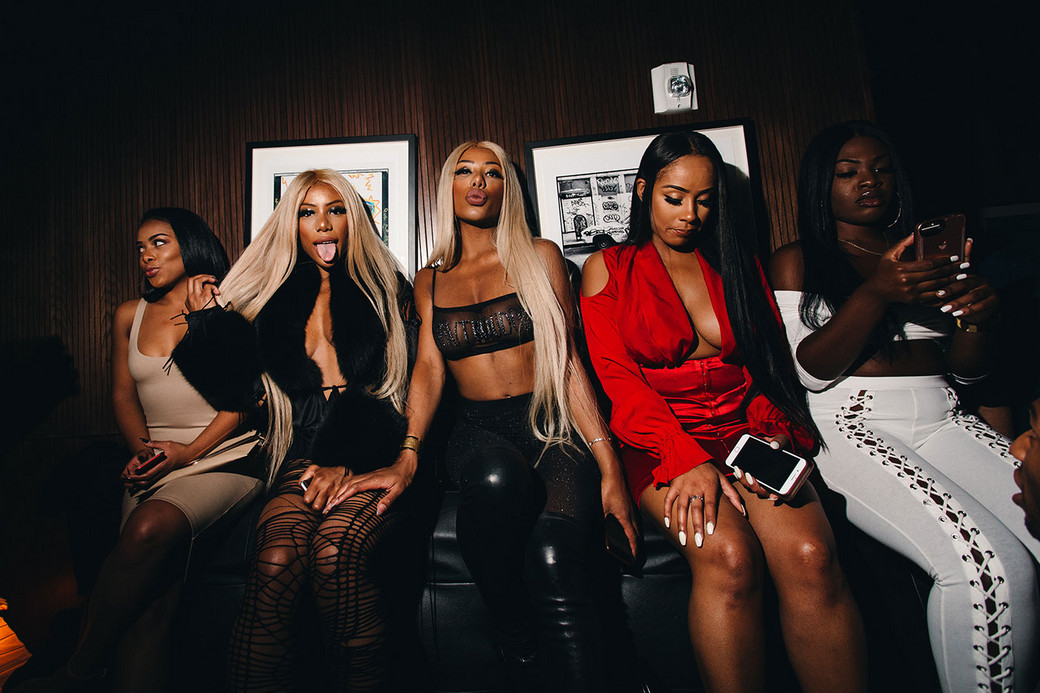
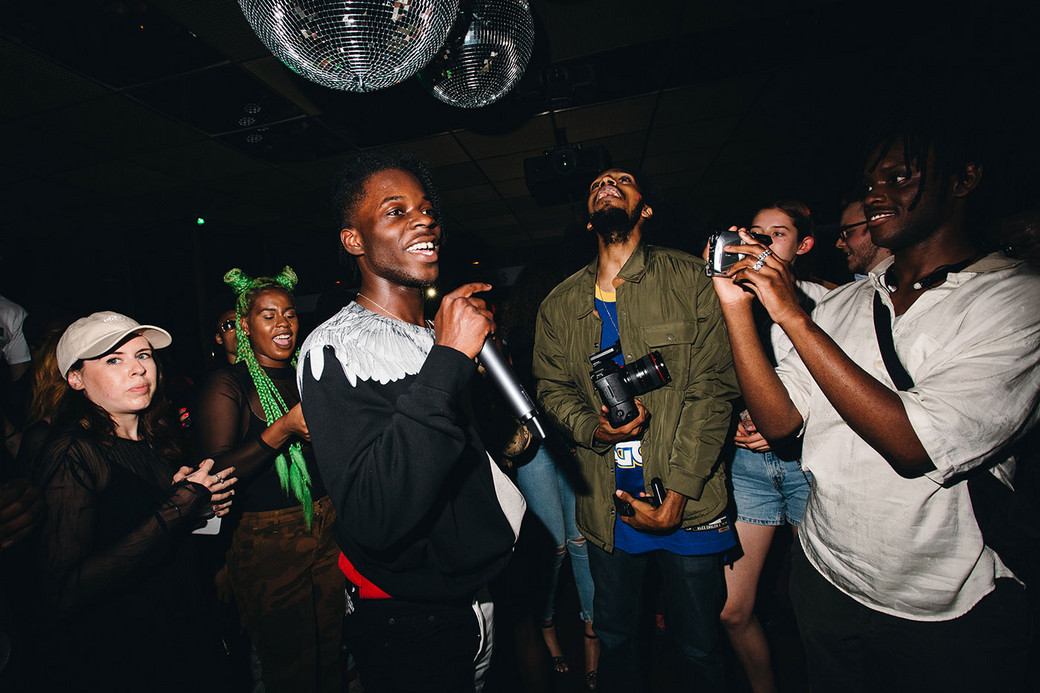
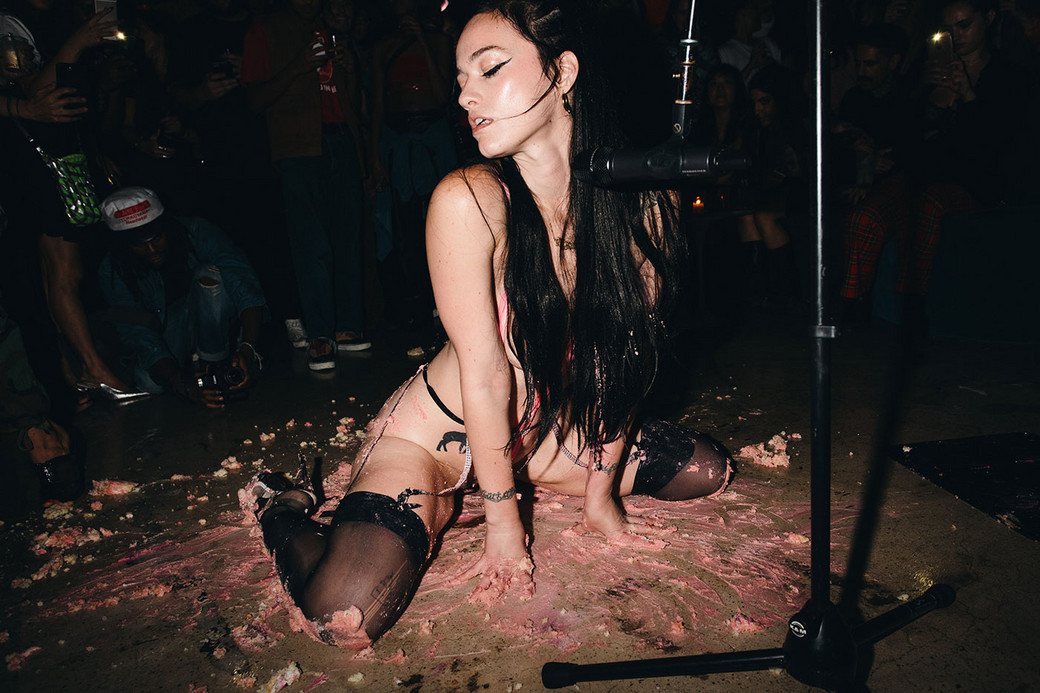
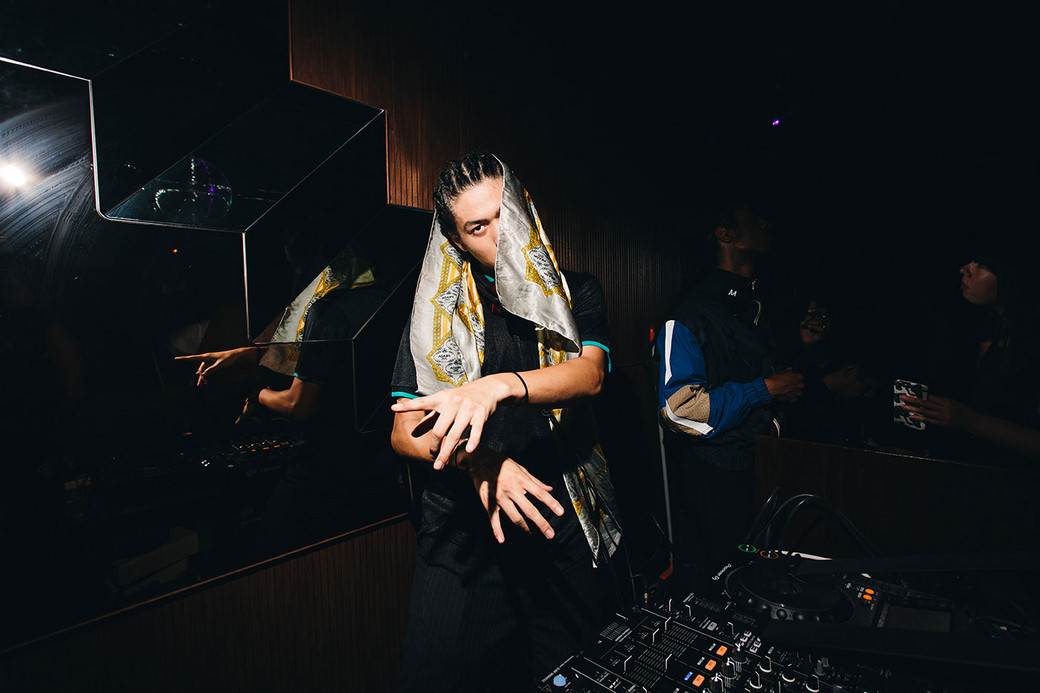
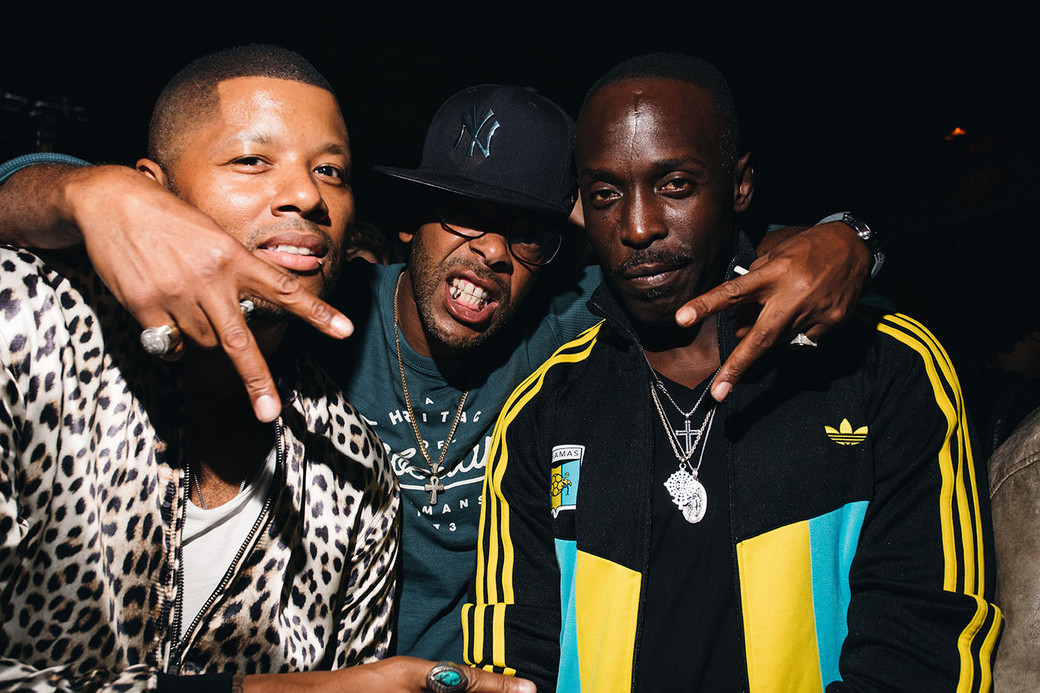
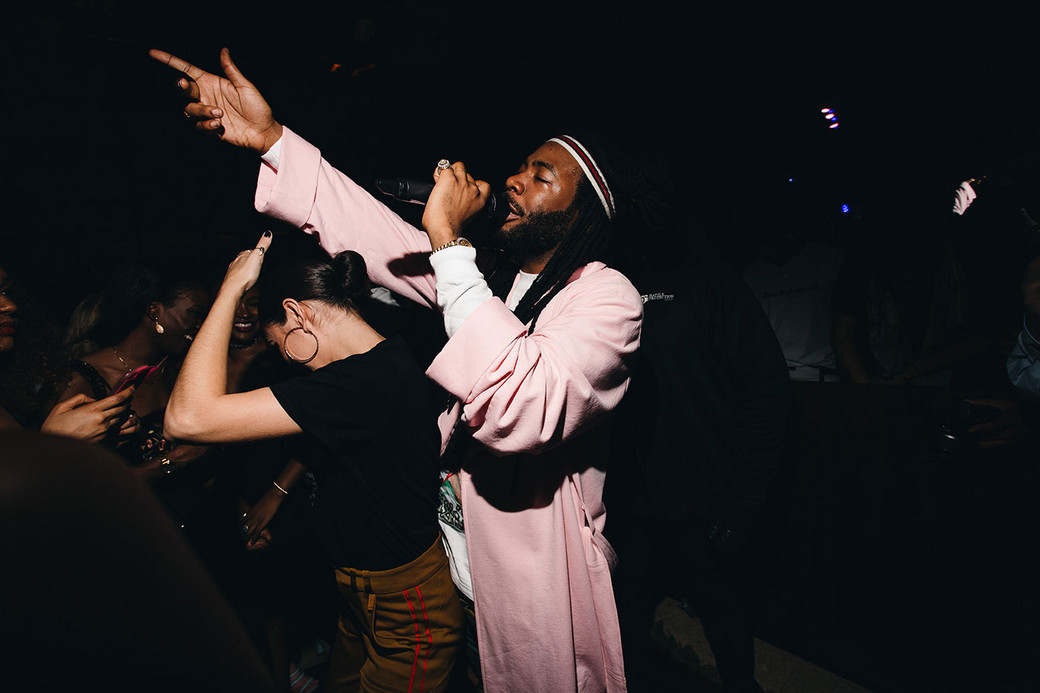
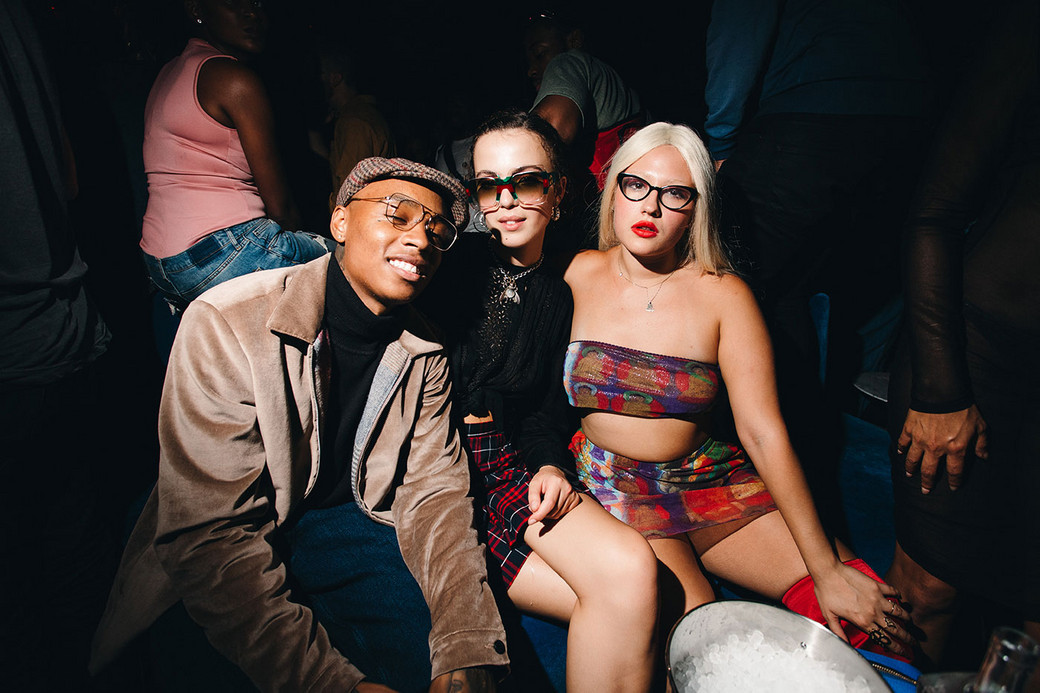
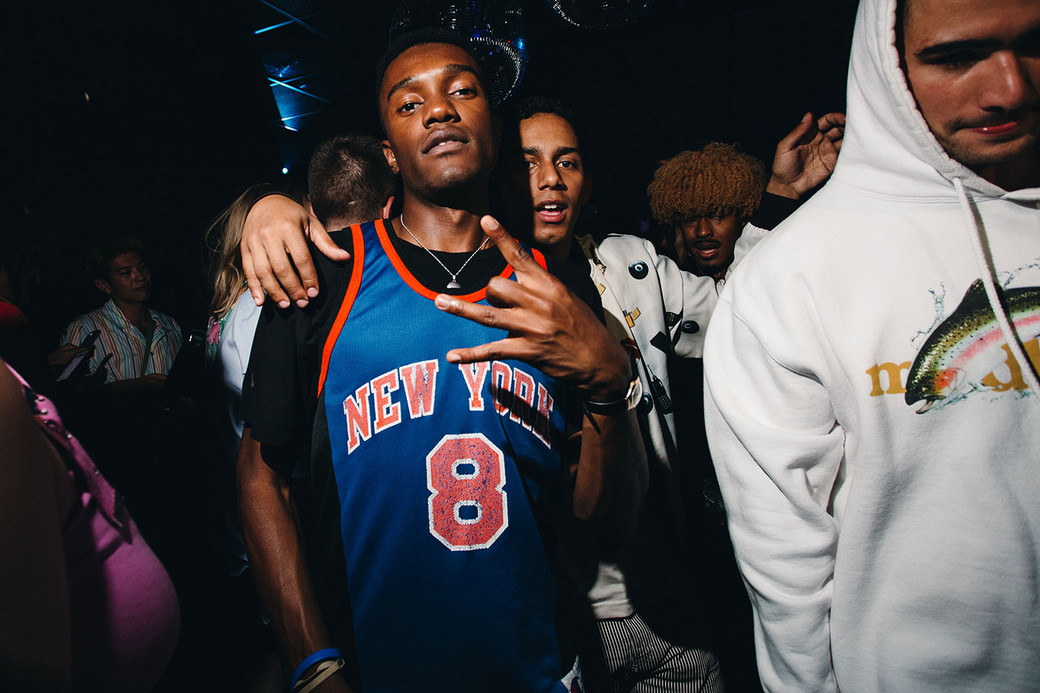
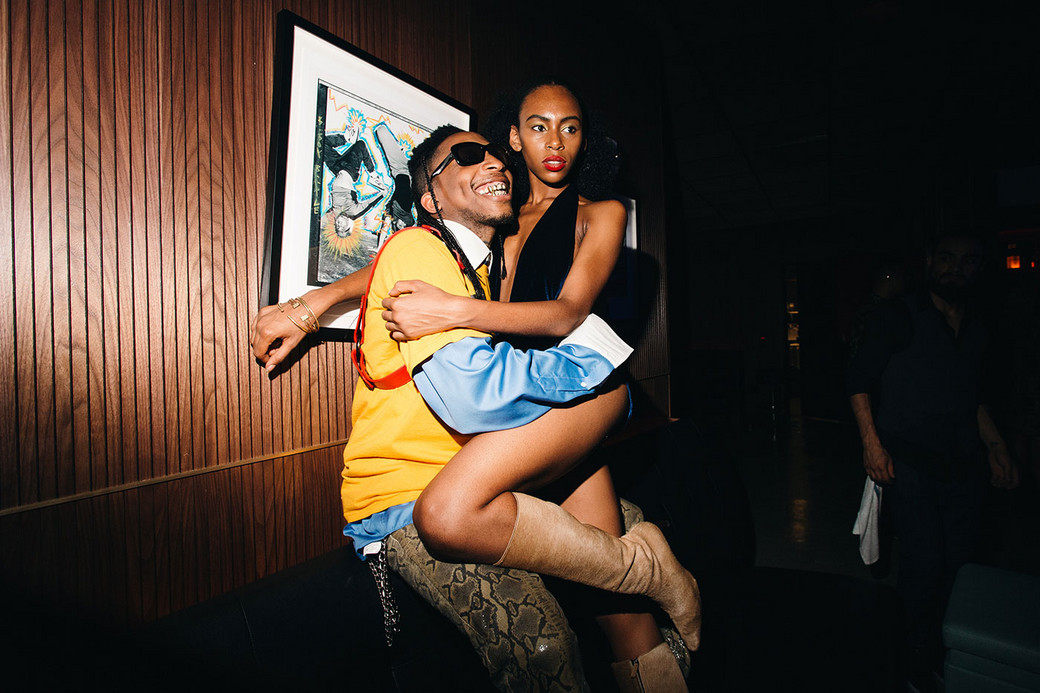
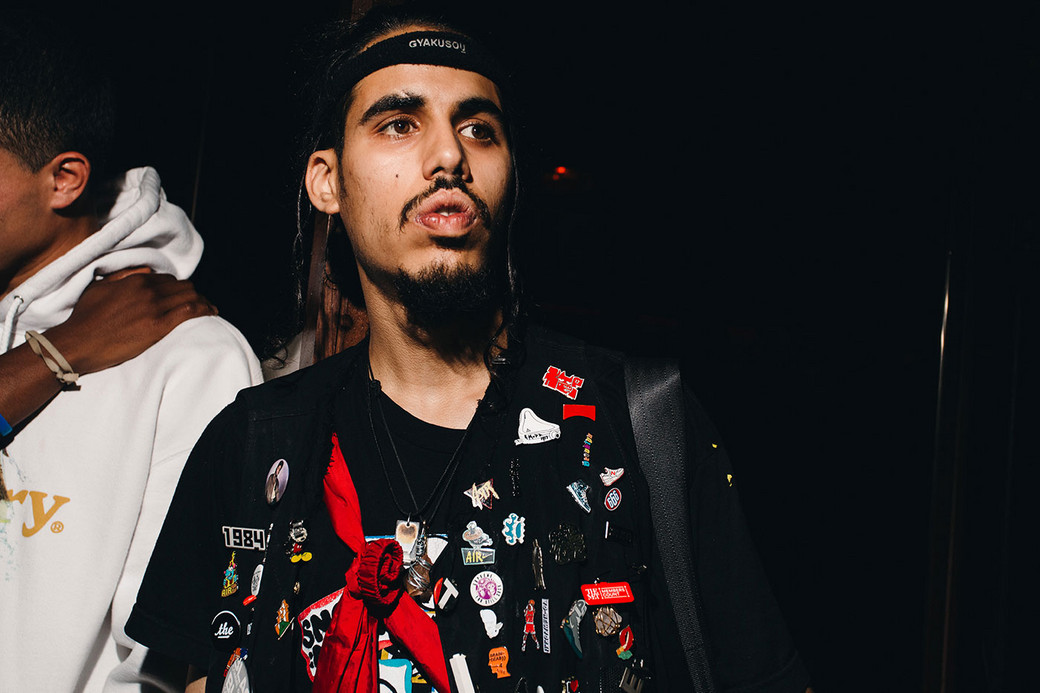
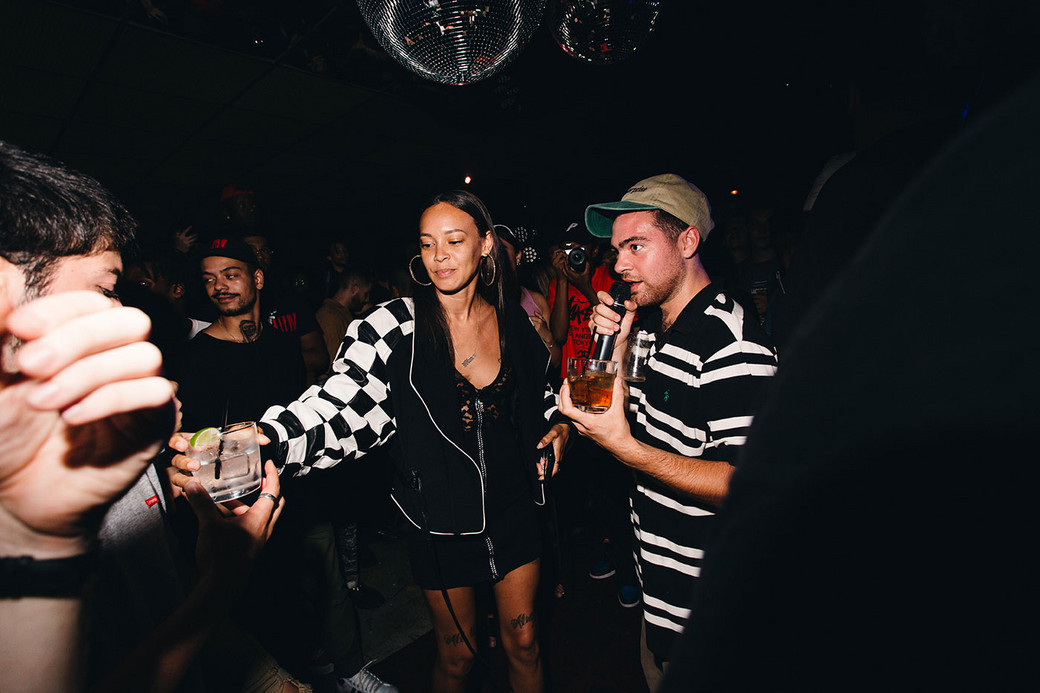
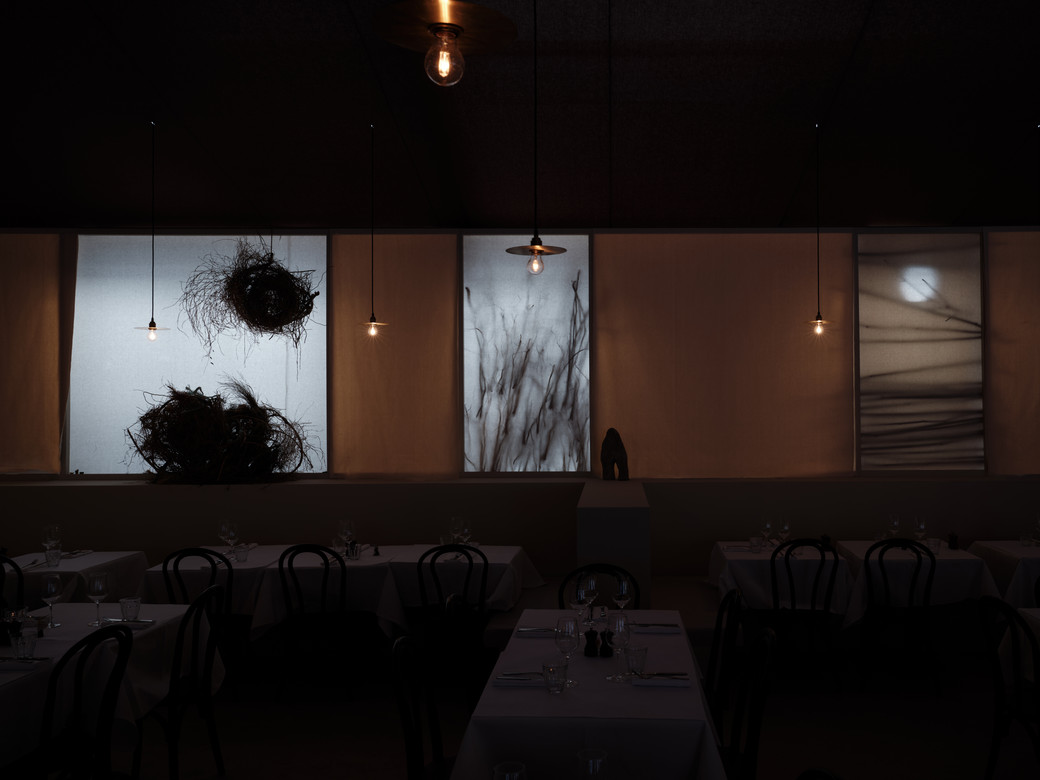
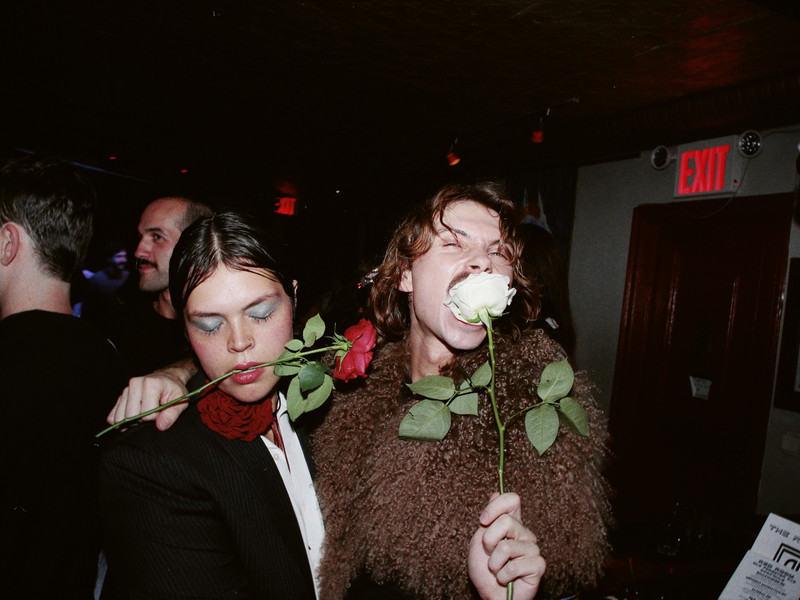
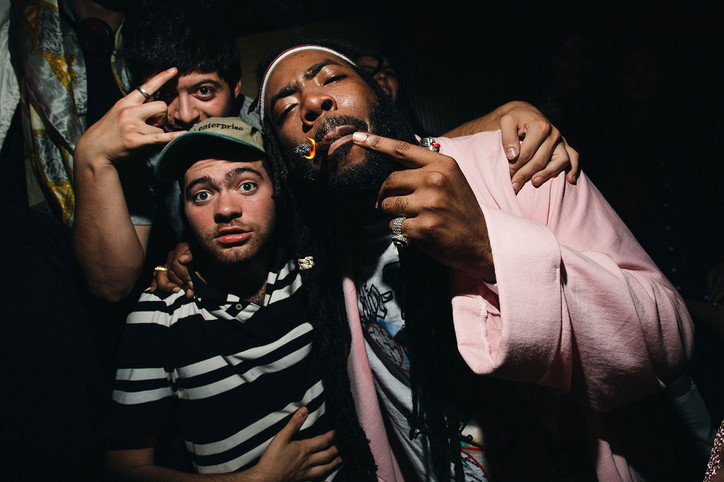
As the night marched on, we heard readings from some of New York’s best storytellers. Mel Ottenberg, Editor-In-Chief of Interview Magazine, is no stranger to what makes town chatter distinctive. He’s talked Fuck-Me panties with Charli XCX and has written breakup advice articles stating that the best way to get over a heartbreak is to get “new furniture, get laid, go to therapy.” So, he knows how to charge a story with energy. At this particular reading, he spilled the hottest gossip about the Halston era, talking about everything Jack Haley and Liza Minnelli. “Every drug you’ve got,” screams Liza while pounding Halston’s doorbell. The story garnered an eruption of laughter, so full of life the floorboards shook.
Carole Radziwill reeled it back to the 2000s, recounting her days as a Socialista. A glimpse into the past, the TV personality and author read a story she wrote for DKNY at the turn of the millennium. The audience ruminated over her best nights out, living vicariously through the glitz, glam, and unexpectedness of the party culture she experienced firsthand.
Jemima Kirke brought in a tender tone, softening the night by telling the story of how she met Tessa Dahl, Roald Dahl’s daughter, at the Carlyle's antique jewelry shop. They had a spontaneous night full of long-lasting memories. The reading struck a chord, making Jemima choke up a bit and lose her place, as she told the story candidly and with unapologetic feeling.
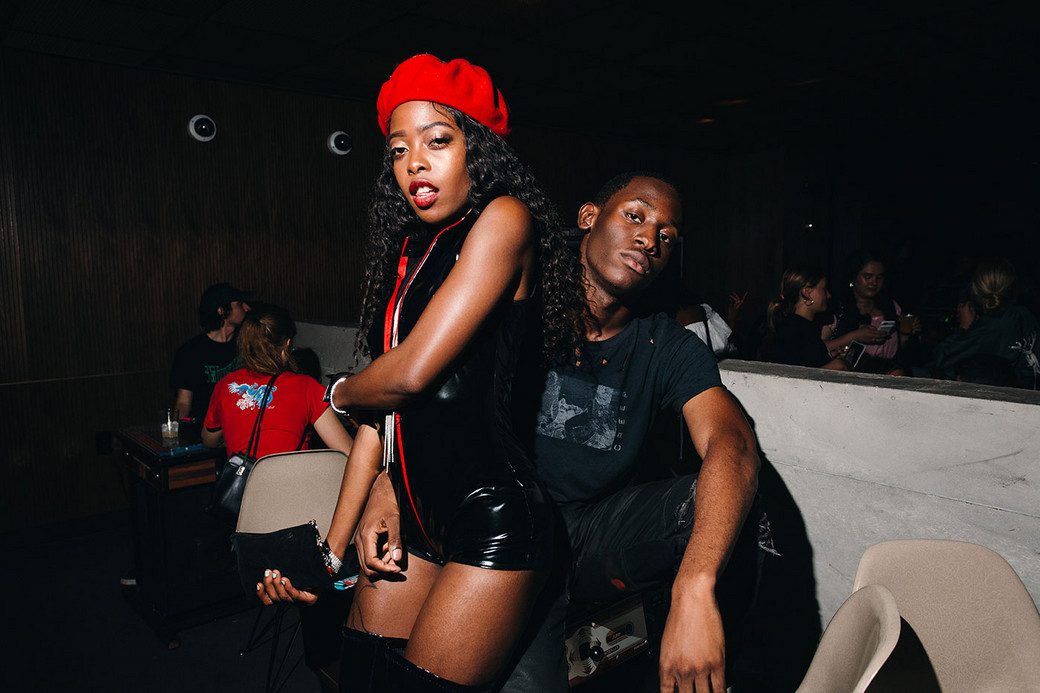
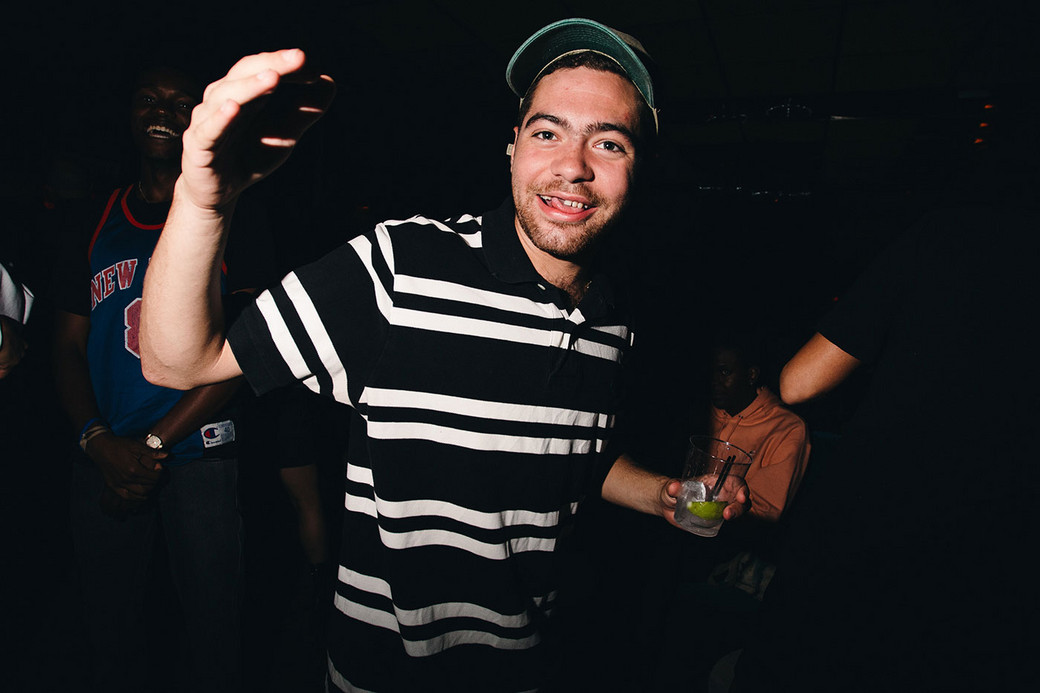
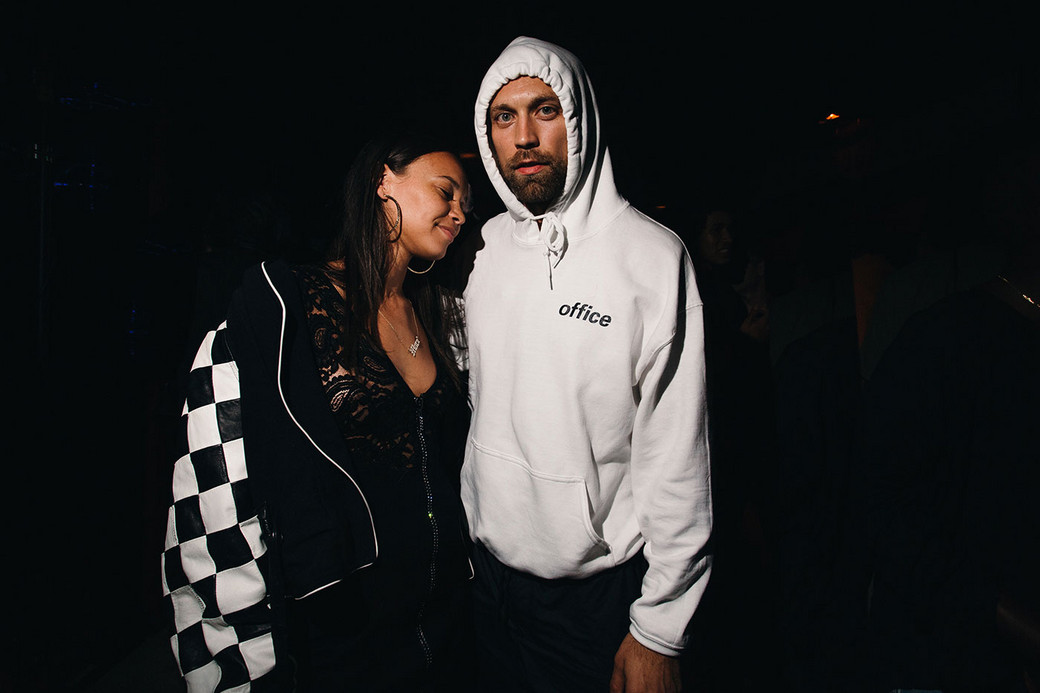
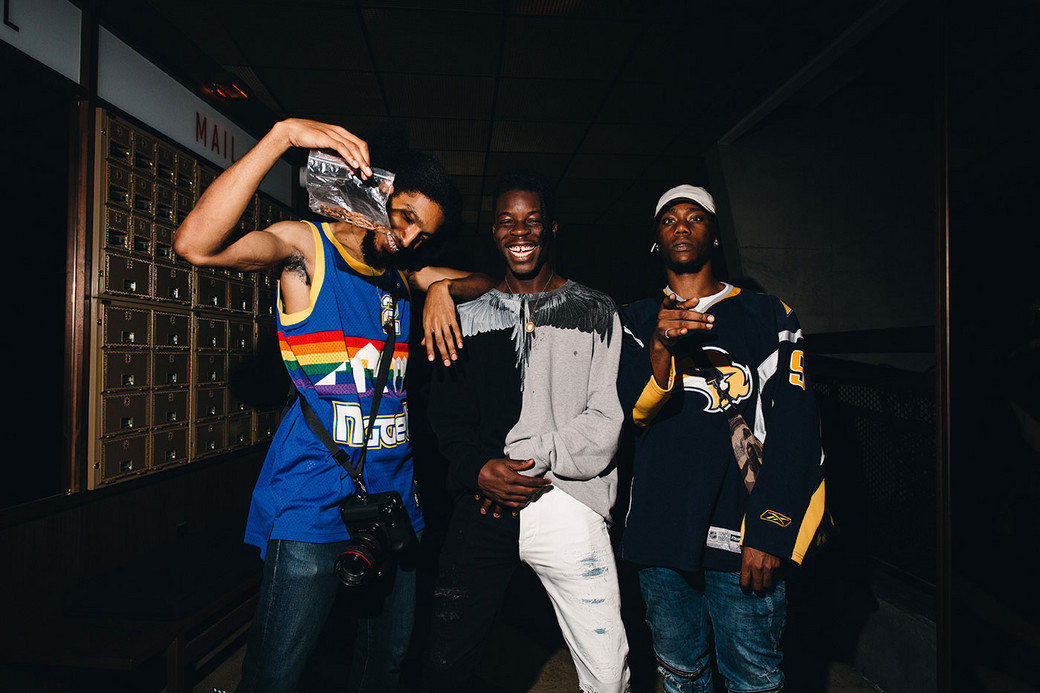
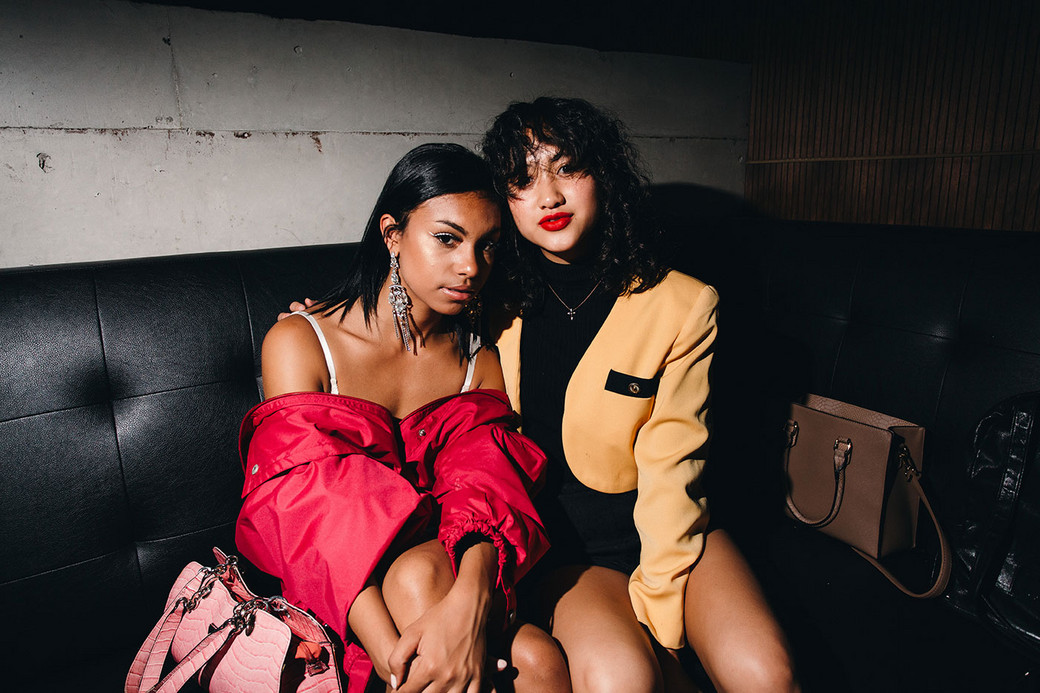
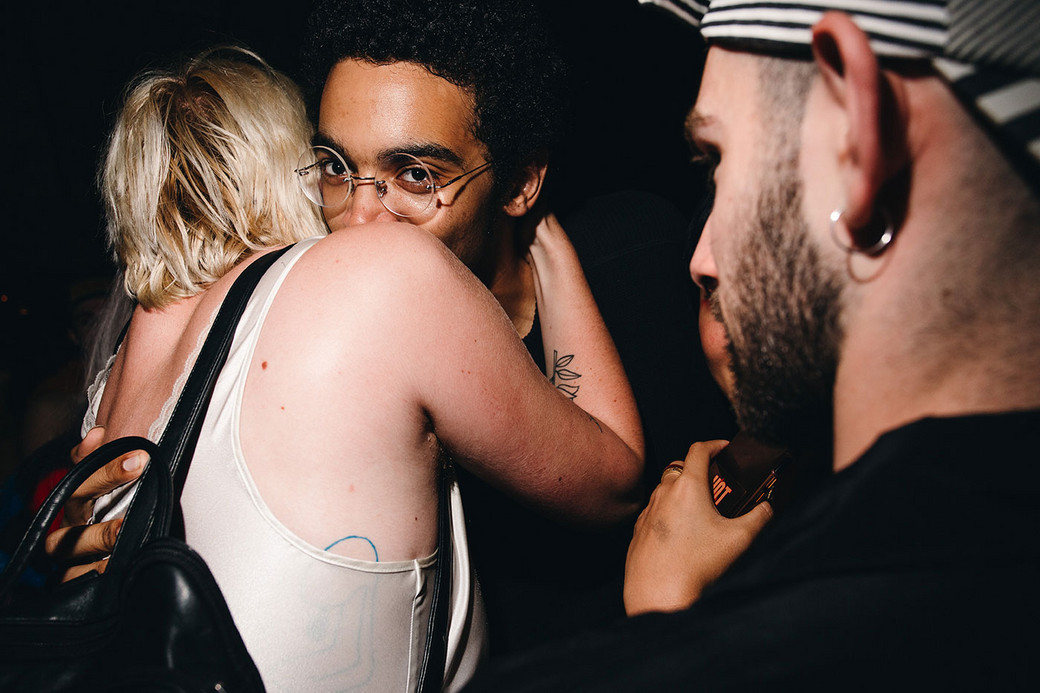
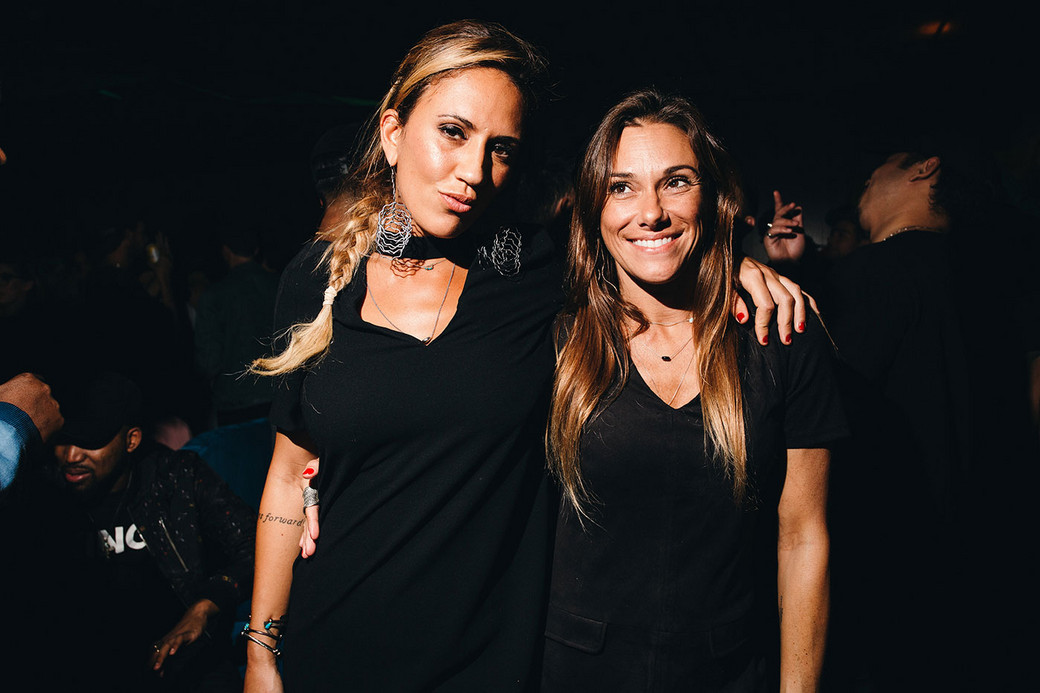
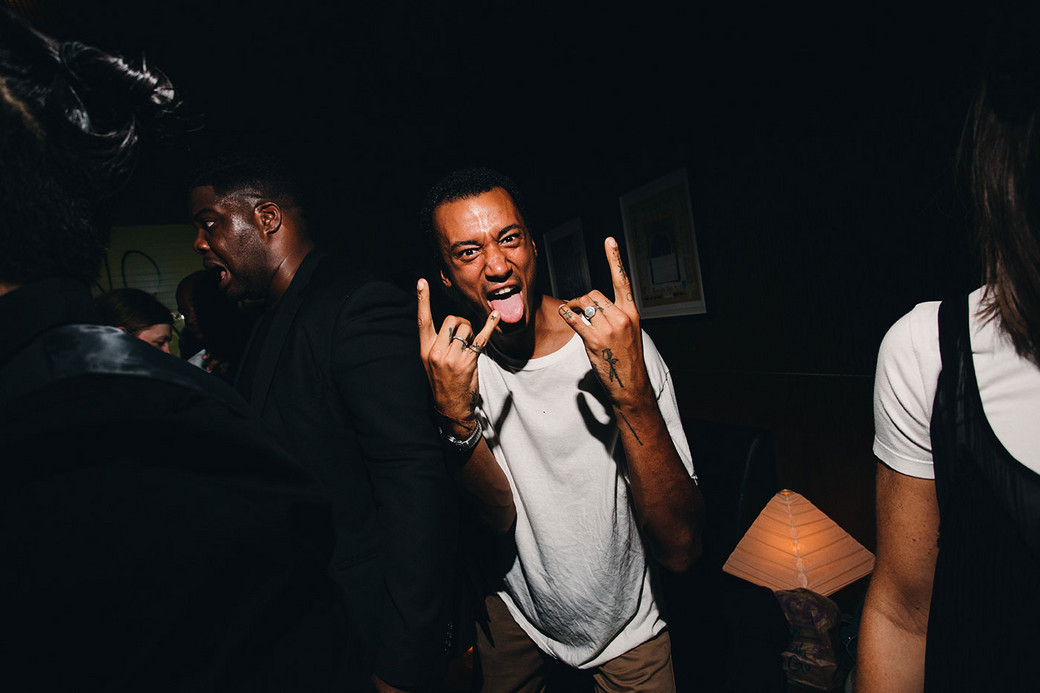
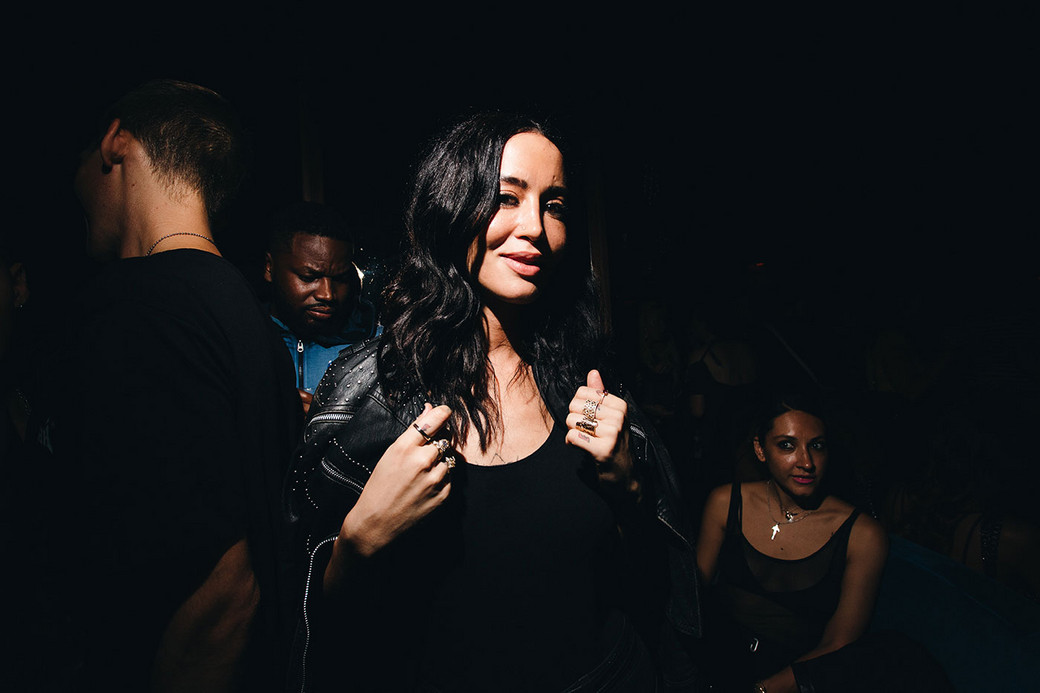
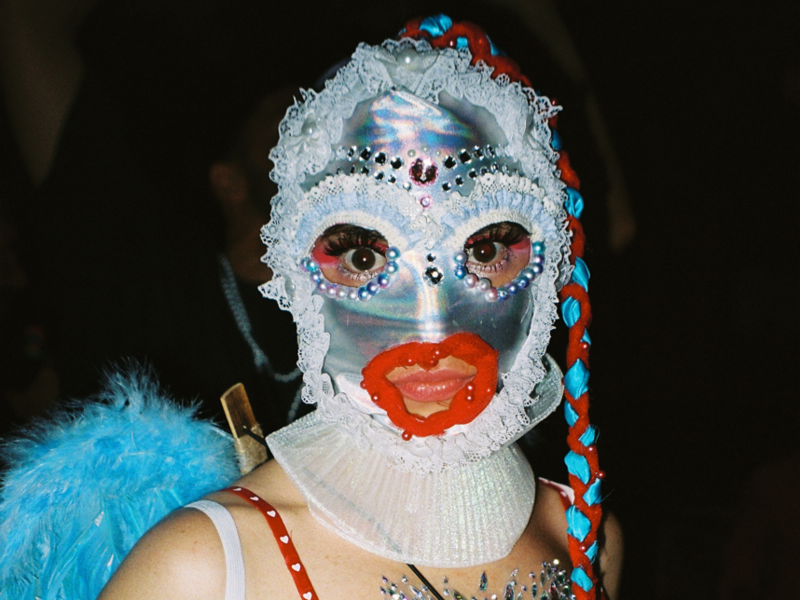
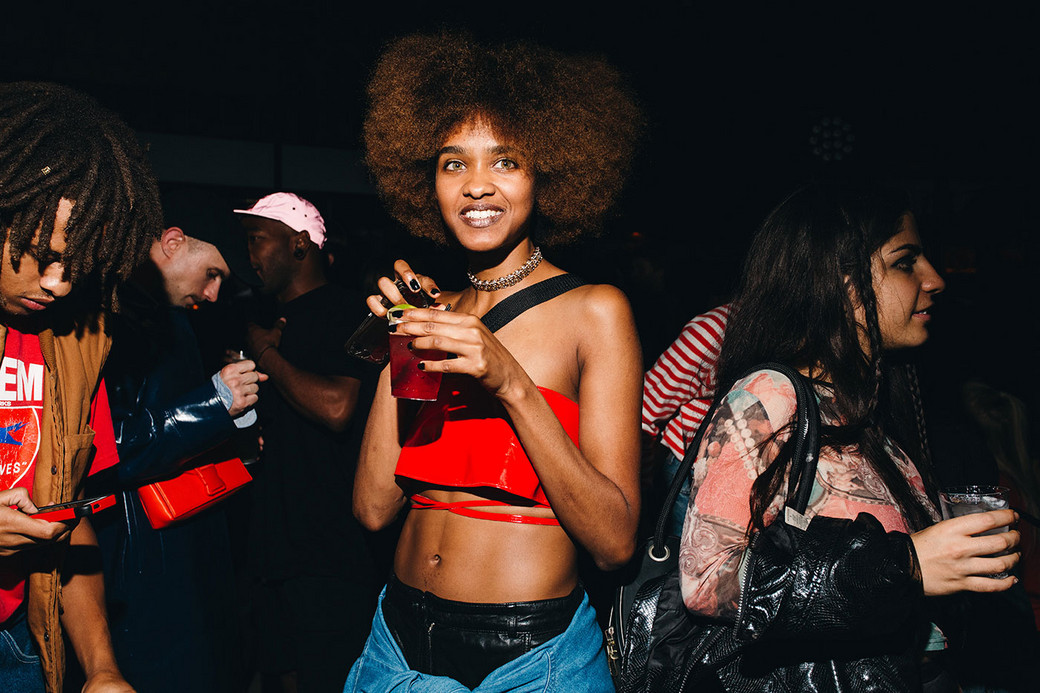
As the moon reflected brighter and brighter off the East River, the DJ blasted Americana pop and rang out the night. Sailor-costumed girls danced past closing, and boxes upon boxes of Joe’s Pizza hid off to the side. It was a night well-lived.

TheArsenale no longer feels like a retailer, it feels closer to a cultural platform. At what point did you realize you weren't just selling extraordinary machines, but curating an entire worldview?
Marcela Mayorga Meignan: Well, I think there has always been something about TheArsenale that goes beyond retail. But I truly realised it had become something much bigger when I started seeing a real community forming around it. Watching hundreds of young people queue just to buy a cap, seeing enthusiasts proudly place a TheArsenale sticker on their cars, or receiving calls from places like Qatar and Macau asking us to create a TheArsenale space, not simply a store, but a cultural destination— those were the moments that made me understand we were building something far beyond what we had originally imagined.
Every collaboration since then has reinforced that feeling. Whether it was working with Mobilize, Pirelli, or many of the incredible creators we’ve met along the way, it has never been just about launching a product. It’s about bringing together people who share the same curiosity, the same passion for design, and the same desire to push boundaries.
Personally, that’s what makes this journey so meaningful. I feel incredibly fortunate to build something like this alongside my husband. Every project, every opening, every collaboration is another chapter in a story we’re writing together. Looking back, what makes me the proudest isn’t what we’ve sold; it’s the community we’ve built and the emotions we’ve been able to create around TheArsenale.
People often separate fashion, architecture, automotive design, and technology into different disciplines. The Arsenale seems determined to erase those boundaries. What connects all of these worlds for you?
MMM: Yes, I know people often separate disciplines and like to put people into categories. It’s something I’ve always questioned, because I don’t think creativity works that way. You don’t have to be just a musician, just a designer, or just an architect. Creativity is much more fluid than that, and I think TheArsenale reflects the same philosophy.
We don’t like to label ourselves either. We describe TheArsenale as a cultural hub for mobility because that gives us the freedom to explore mobility in its broadest sense. A scooter can exist next to a flying car, a submarine next to a piece of mobility-inspired art. For us, it’s all part of the same conversation.
What we’re really creating is an ecosystem where all these worlds naturally coexist. That’s why people are so curious when they walk into one of our spaces. They don’t always know what they’re about to discover, and I love that feeling. Instead of explaining exactly what we are, I’d rather invite people to experience it for themselves.
I also think what makes TheArsenale different from a traditional concept store is that we’re not curating different fashion brands. We create our own products and collaborate with brands that share our vision of mobility, so everything remains part of one consistent story. Every collaboration, every object and every space contributes to the same editorial direction.

Office has always been interested in the people behind creative ecosystems rather than individual products. How do you build a community around mobility rather than simply collecting clients?
MMM: Community has always been at the heart of everything we do. It’s never been a one-way relationship. We believe our community gives something to us, and we have a responsibility to give something back. When someone becomes part of TheArsenale, it’s never just about buying a car, a motorcycle, or even a submarine. It’s about becoming part of a story. We want people to feel that they’re part of something much bigger than a transaction. That’s why, everywhere we’ve had TheArsenale, from Miami and Monaco to Dubai and beyond, we’ve always hosted events that bring our community together. We invite collectors, designers, entrepreneurs, artists and friends to meet, exchange ideas and simply enjoy being together. People come wearing TheArsenale gear, they meet new people, collaborations happen naturally, and that’s exactly what we love to see.
One of my favourite examples is Ahmed Bin Mana Al Maktoum. He first discovered TheArsenale by buying two Ferrari coffee machines. We became friends, and over time that relationship evolved into something much bigger. Today, TheArsenale has a home in Dubai because of that connection. Stories like that constantly remind us that we’re not just building a business; we’re building relationships that grow into incredible opportunities. The same happens with people like Will Smith, Paul Pogba, or Jake Paul. They didn’t come because of a marketing campaign. They simply discovered TheArsenale, were curious, and wanted to experience it for themselves. I think that’s one of the biggest compliments we can receive.
Over the years, many clients have become close friends, and many friends have become partners. We know what we’re building is ambitious, and it’s a long-term vision. More than anything, we want the people around us to feel that they’re not just watching the story unfold, they’re helping write it. I think that’s what a real community is all about.

Monaco is often associated with luxury and excess, but you're based here for a different reason. What does Monaco offer as a laboratory for future mobility and cultural experimentation?
MMM: Monaco isn’t the destination, it’s the starting point. This is where Patrice and I decided to build our life together. When we moved here, it wasn’t just about opening a store, it was about creating a home and giving our family a place to grow. TheArsenale Monaco became our base, a place that gave us stability after so many years of constantly moving from one project to another.
What makes Monaco so inspiring isn’t what people usually think. It’s not just about glamour or beautiful cars. It’s about the culture that exists around mobility. You have one of the most passionate automotive communities in the world. Formula 1 is part of the city’s DNA, but beyond that there are dozens of rallies, collectors’ gatherings and automotive events throughout the year. You meet people who genuinely live and breathe mobility. What we’ve realised is that many of these enthusiasts aren’t simply looking for another supercar. They’re looking for culture, for inspiration and for a place where they can share that passion with others. That’s what we wanted TheArsenale to become, a cultural home for people who see mobility as something much bigger than a machine.
The same is true with yachting. Through Monaco, we’ve discovered an incredible maritime culture, especially around the Yacht Club and the people who shape this world. It’s been fascinating to learn from it, connect with that community, and see how naturally it fits within TheArsenale’s universe.
Many of the objects you work with almost function as sculptures. When does engineering become art, and when does design become emotion?
Pat Meignan: I don't think engineering becomes art by accident. It happens when performance is no longer the only objective, and someone decides to create emotion. The machines that fascinate us are never just the fastest or the most advanced. They're the ones that make us feel something. They have a soul, a story, and a point of view. That's why I often say that we don't curate vehicles, we curate emotions. A Bugatti, a Riva yacht, a BRABUS supercar, or an electric flying vehicle can all create the same emotional response if they embody extraordinary vision and craftsmanship.
At TheArsenale, we're drawn to objects that blur the line between engineering and art. They're designed to move people physically, but also emotionally. And when a machine still gives you goosebumps years after it was built, that's no longer just great engineering, that's timeless design.

Marcela, you've built a communication strategy that feels much closer to publishing than traditional luxury marketing. How do you tell stories about machines without making them feel like advertisements?
MMM: I’ve never been interested in advertising for the sake of selling something. My background in publishing taught me that people connect with stories, not products. Whether it’s a car, a motorcycle, or a piece of design, I always ask: Why does it exist? Who created it? What emotion does it evoke? That’s the difference. We don’t start with specifications— we start with the human story behind the object.
At TheArsenale, we approach every project as if we were creating an editorial feature. We focus on the people, the craftsmanship, the vision, and the culture surrounding each creation. If the story is authentic, people naturally become curious about the object itself. For me, communication isn’t about convincing someone to buy something. It’s about making them feel something first. The rest comes naturally.
The Arsenale collaborates with brands that already possess very strong visual identities. What makes a partnership exciting for you? Is it shared aesthetics, shared values, or the ability to create something neither partner could have imagined alone?
MMM: I think what excites me the most is when two worlds naturally come together.
When we start talking with another brand, the first question is always whether they fit into TheArsenale’s ecosystem. It’s never about putting two logos next to each other. It’s about creating something that feels authentic for both sides.
A great example is our collaboration with Pirelli. When my husband and I visited the Pirelli Foundation in Milan, we expected a simple meeting. Instead, we found ourselves completely immersed in the history of the brand. Seeing the archives, the old advertising campaigns, the packaging, the photographs… it was incredible. You could really feel the legacy of the family and the impact they had on Italian industry and culture. We actually arrived with the capsule collection already designed because we move very fast. We presented it to Marco, and he immediately loved it. That was a special moment because we knew the collaboration felt right.
People think of Pirelli as a tire company, but it’s much more than that. It’s a cultural brand. The Pirelli Calendar, motorsport, design, photography… they’ve always gone beyond their product. That’s exactly why the collaboration felt so natural. Three months later, we launched the collection during the Monaco Grand Prix, inside the Formula One Pirelli truck, at TheArsenale, with a great event. Everything happened incredibly quickly, but it felt effortless because both brands shared the same vision.
And going back to your previous question, that’s also how I approach communication. I don’t start by thinking about an advertising campaign, I start with the story. When we had the opportunity to shoot on the Pirelli speedboat, I immediately imagined this cinematic, James Bond-inspired atmosphere. Once you have the right story, everything else— the visuals, the campaign, the emotion— comes naturally.
This Autumn you'll be unveiling a new collaboration with BRABUS around the Monaco Yacht Show. Without giving too much away, what can people expect from the project, and how does it expand The Arsenale's vision beyond land into the world of yachting?
PM: I don’t really see yachting as a separate world. To me, it is part of the same ecosystem. Whether it is a car, a motorcycle, an aircraft, or a yacht, it is all about the future of motion.
For the Monaco Yacht Show, we are organizing the first BRABUS press trip in Monaco, in joint venture with Alexandre Grimaldi’s agency. We are very fortunate to work with Alexandre on this project, because he brings a unique understanding of Monaco, its people and its international influence.
The idea is not simply to present products. We want to create a complete BRABUS experience for selected media, clients and partners, and allow them to understand the brand across automotive, marine, design and lifestyle. This is exactly where TheArsenale adds value. We create the context, the audience and the storytelling around exceptional mobility brands. For us, this project is another important step in expanding TheArsenale’s vision beyond land and showing that the future of motion is one single culture, whether it happens on the road, in the air or on the water.