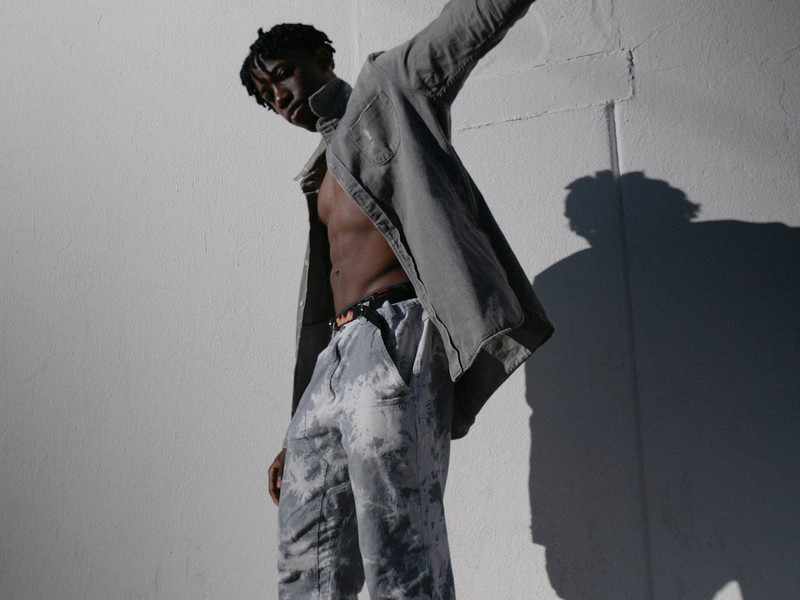
Premiere: Black Thought - "Long Liveth (Relentless)" by Joshua Woods

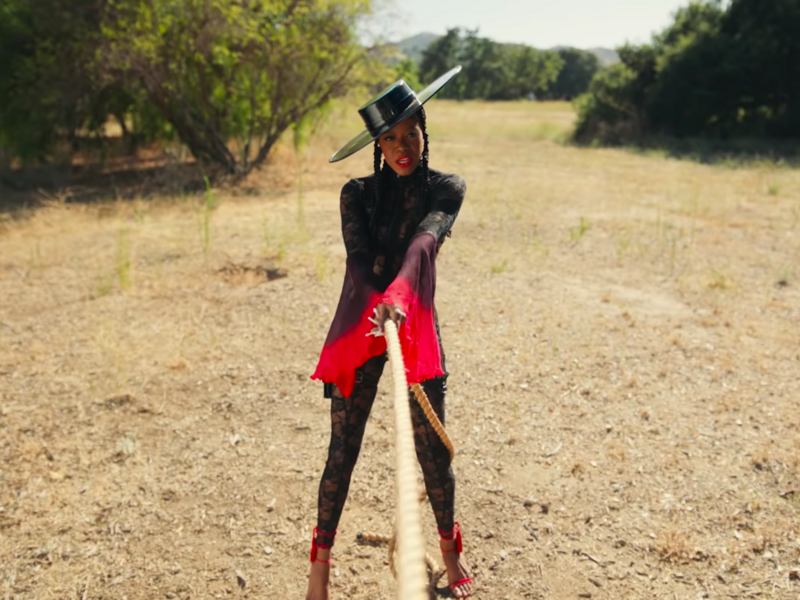
It's equally dreamy, radical and unflinchingly honest—like Black Thought and "Long Liveth," itself.
Watch the video, below.
It's equally dreamy, radical and unflinchingly honest—like Black Thought and "Long Liveth," itself.
Watch the video, below.
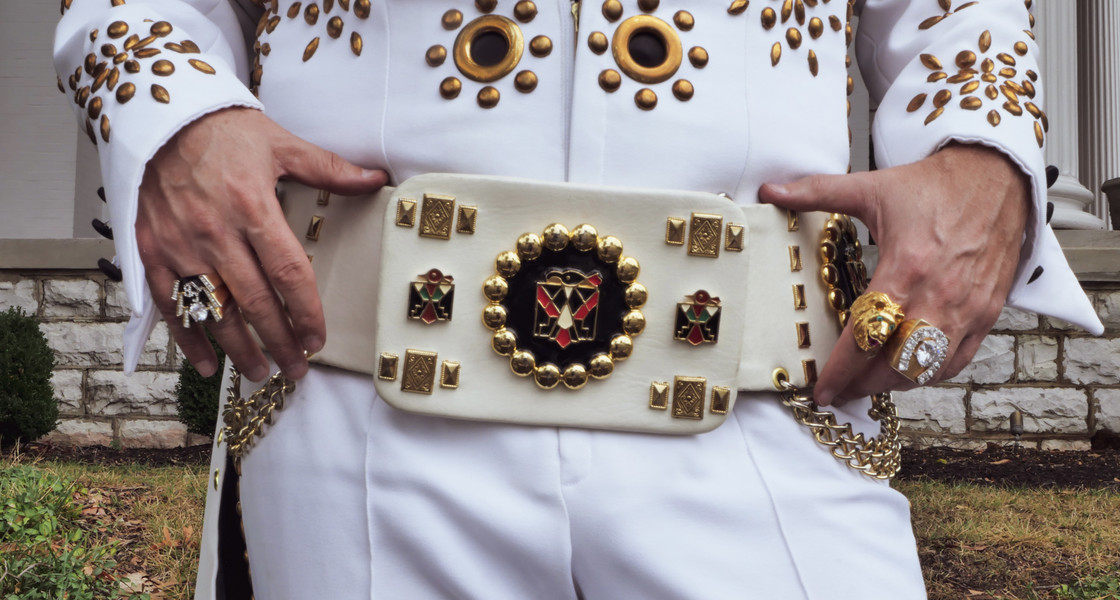
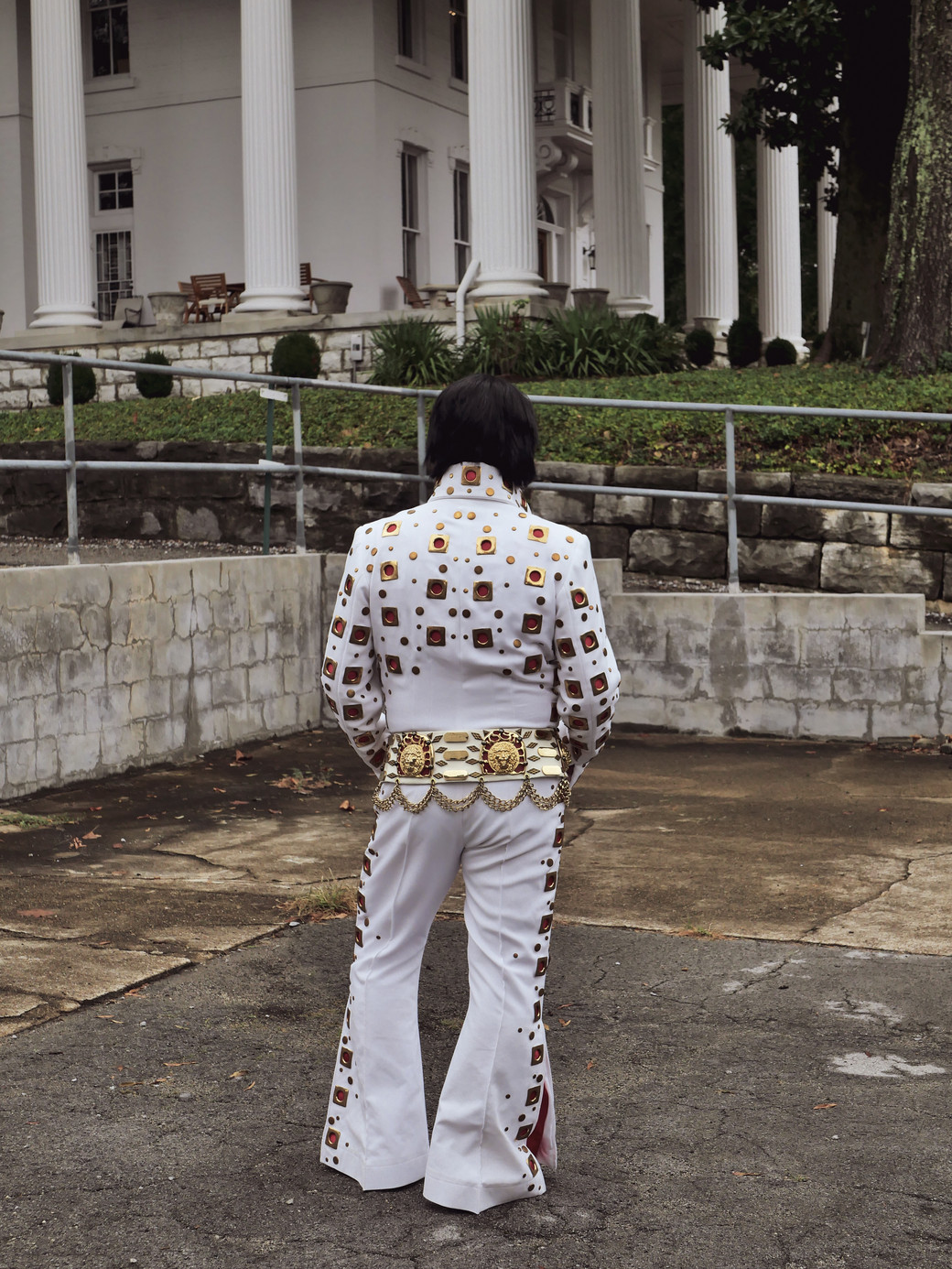
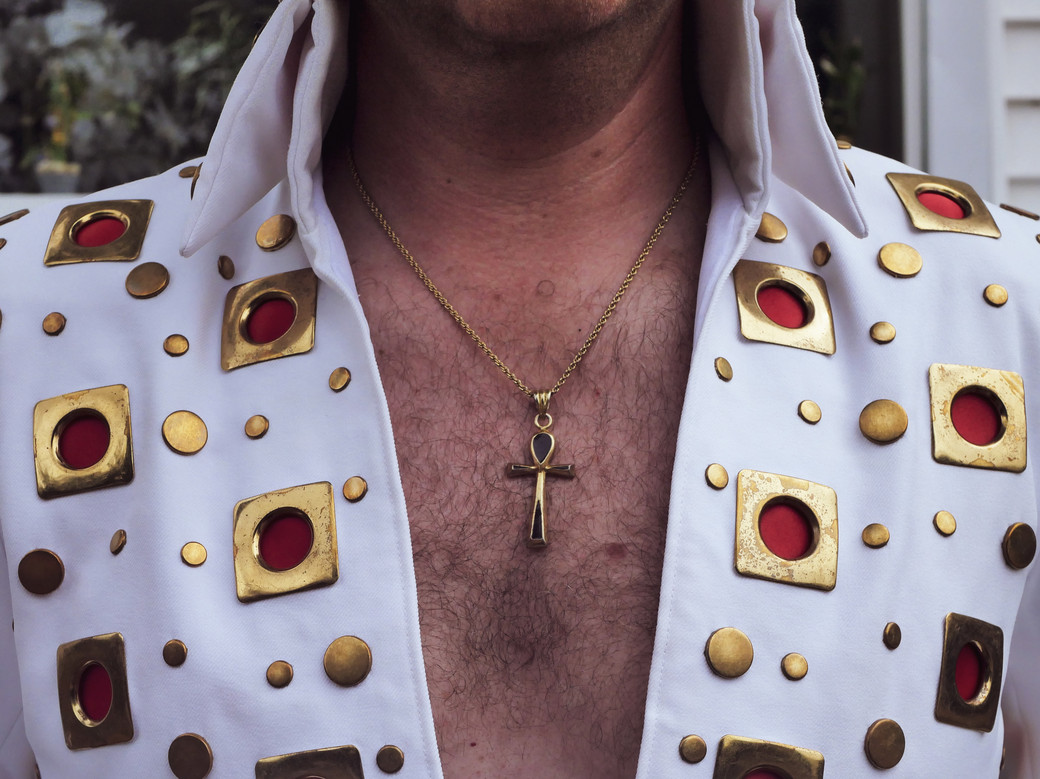
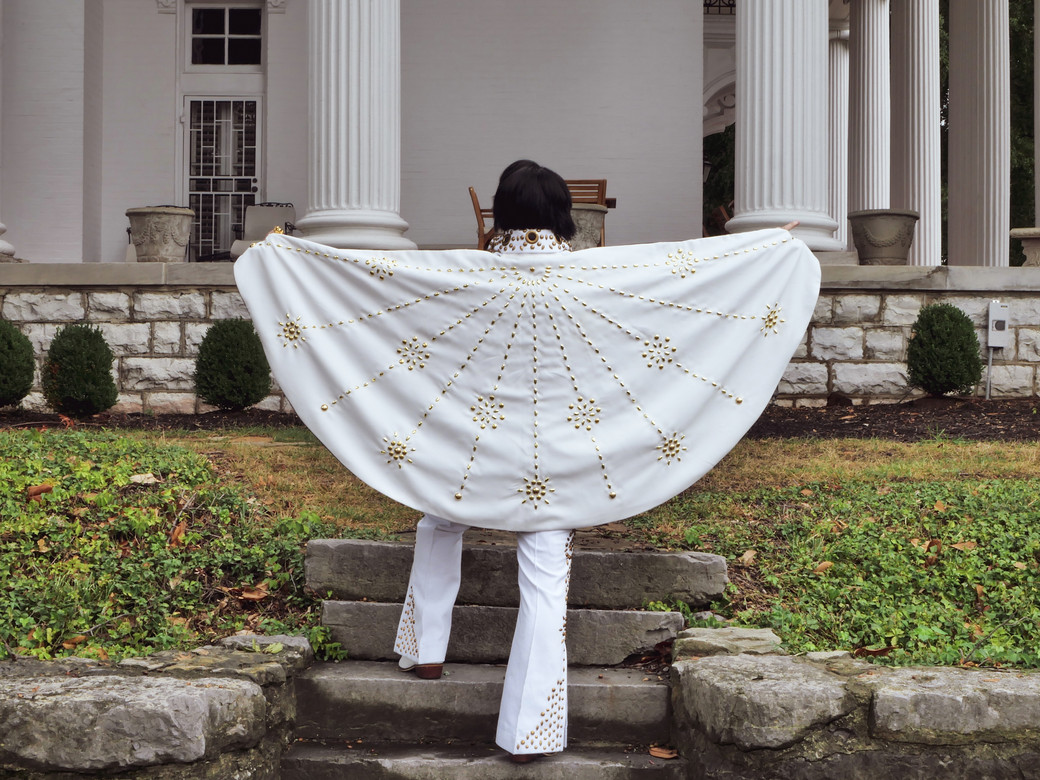
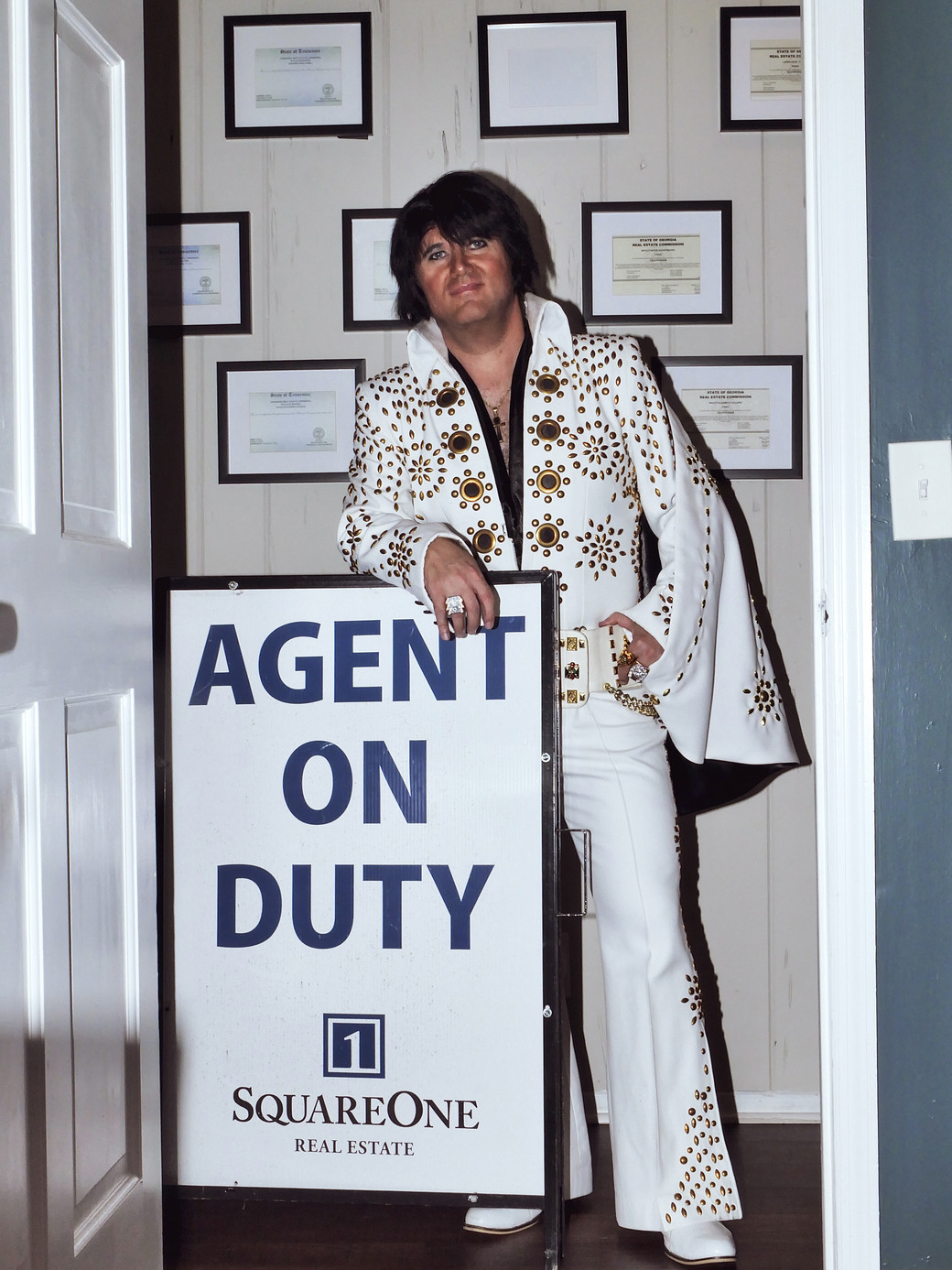
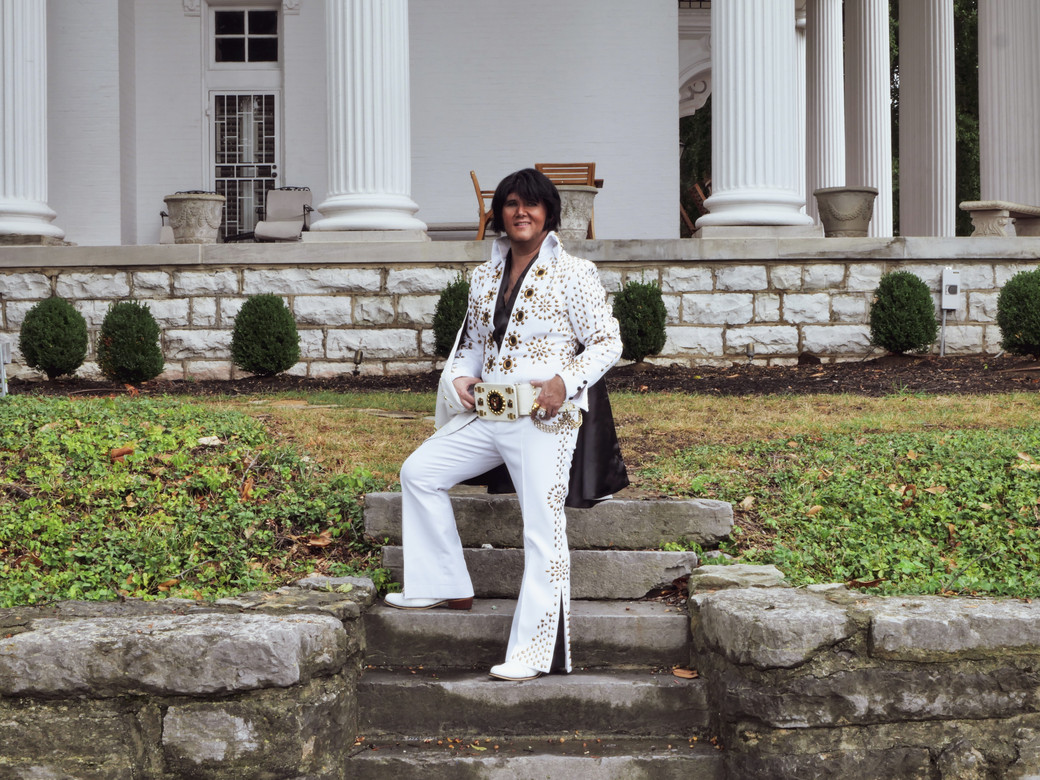
Are you a Tennessee builder who becomes Elvis at night, or an Elvis who happens to build houses by day?
I wish I could say that it’s one way or the other but I find both extremely rewarding. They are actually interconnected in surprising ways as we utilize our tribute shows as fundraisers for our foundation that assists youths in [the] pursuit of trade careers like electrical, plumbing, etc.
What does each of your two professions give you that the other one doesn’t?
They are surprisingly similar in that they both allow a certain creative outlet and from perhaps an ego standpoint, you receive praise from your respective audiences. I’ve always loved music but had gotten away from it for many years so the tribute shows are a chance to really embrace that passion.
Do you feel like your personality, mannerisms, and facial expressions change when you dress up as Elvis? Do you have your own style or is it Elvis’s?
Elvis had a ton of really unique mannerisms that I try to emulate while performing but invariably my personality and own mannerisms still show—sometimes more than I prefer to see when I watch myself back. But the crowds love our shows; they say the fun I have is infectious. I love hearing that. I share that with Elvis. He was living his best life while performing. Truth be told, I much prefer watching Elvis than listening to him and it’s because that fun and energy really is really is contagious.
At what point does studying an icon become something closer to devotion?
I think it’s when studying someone stops being about simply learning what they do and becomes about understanding who they are. I spend a lot of time watching and listening to him, practicing in the mirror, taping every rehearsal. There’s his voice, which I try to replicate as closely as possible and of course the Southern accent. I’m thankful that those things have come pretty naturally to me for most of my life. But then there are the movements, the mannerisms, the way he carries himself. At a certain point, it becomes less about imitation and more about trying to inhabit the person. It really becomes as much of an acting performance as it is a musical one.

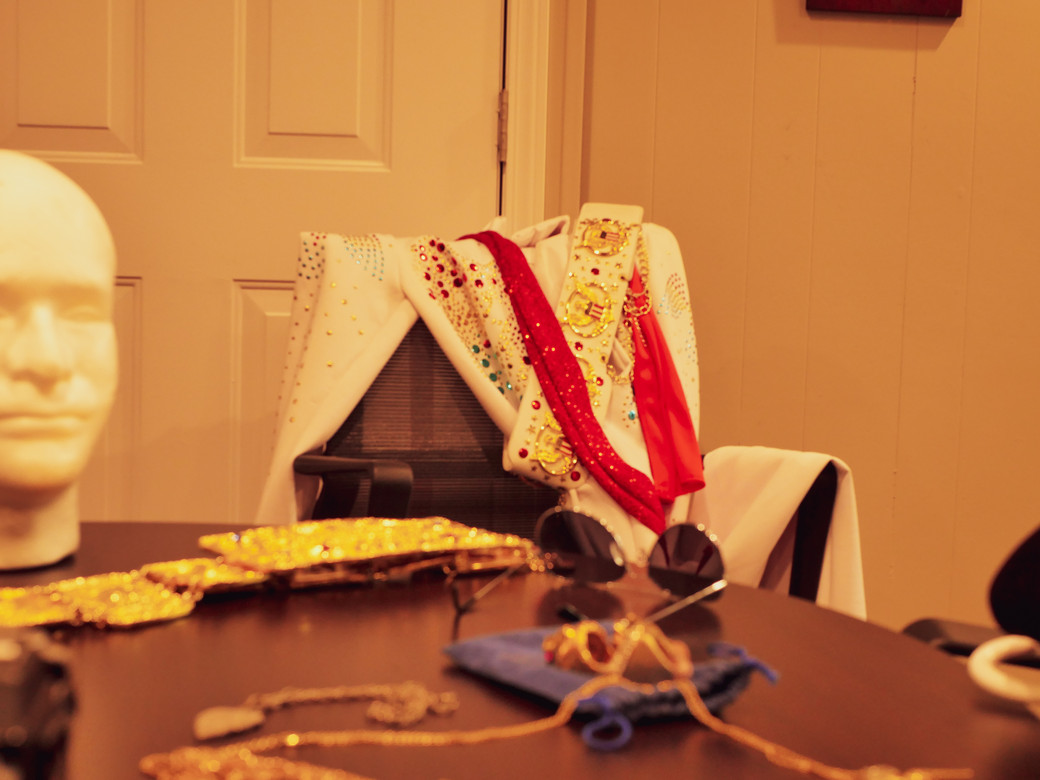
Do you feel that your Muse protects you, or are you the one protecting his memory?
I think I’m the one protecting his memory, although in a way, he protects me too. I’ve had the privilege of knowing people who knew Elvis personally and they’ve given me a much more human picture of him—complex and imperfect, but also incredibly humble, funny, spiritual, generous and kind.
I think a lot of people only know the caricature of Elvis, particularly the later years, and miss how extraordinary he was at his peak.
So, I feel a responsibility to remind people of the person behind the icon—not to make him perfect, but to make sure his complexity and humanity aren’t forgotten.
How do you earn the loyalty of an audience when you are stepping into someone else’s legacy?
It can definitely be a challenge. But when people see that you’re not being cheesy, that you genuinely respect the legacy and are putting everything you have into getting it right, they recognize that. You earn their respect, and eventually they become fans not only of Elvis, but of what I do with his legacy.
Do you ever feel that your own identity disappears sometimes?
Not really. For instance, when I speak, I use my own voice. I can talk like Elvis, but I choose not to, because I’m not pretending to be him. I’m paying tribute to him. There’s a real difference in the intention, and ultimately in what you create.
Would you consider impersonating Elvis a form of theater?
1000%. If you’re doing it right, it’s theater in every sense. There’s the costume, hair and makeup, instruments, mannerisms, facial expressions, movement, and of course the voice. You’re building a character from the ground up. When all of those elements come together, it’s every bit as much a theatrical performance as any other production.
What happens when the two versions of you meet?
They play nice together. In all seriousness, I think most of us are multifaceted. Even Elvis, he’s started out as a blue collar guy before becoming the world’s biggest star.
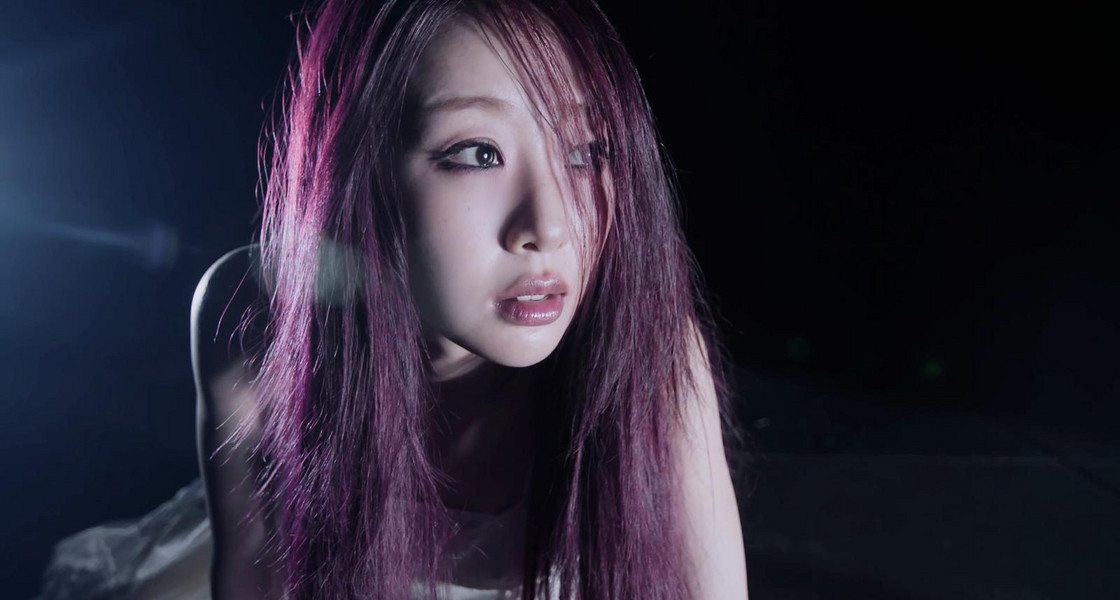
“Hysteric-steric, am I hysteric? / Hysteric-steric, can’t escape it,” Yves sings over a pulsating beat on her new single, “Hysteric”. It’s September 25th, a week after London Fashion Week, and we’re inside The Old Selfridges Hotel, where the crowd is chanting every lyric back at her. It’s an intimate night for fans, organised by fashion label Stone Island and Yves’ record label, PAIX PER MIL.
Born Ha Soo-young, the 29-year-old South Korean singer, songwriter and dancer has been in Europe for a series of performances, and to attend London Fashion Week. “I was really grateful to attend several shows during Fashion Week,” she shares, particularly noting the Natasha Zinko show as a highlight. “The whole thing felt very free and unconventional. I remember not just the clothes, but the moments they appeared in. It felt like watching a performance as much as a fashion show.”
Another stop on Yves’ fashion week calendar was Susan Fang’s catwalk show at the Barbican, where we met briefly. She wore a bright pink, bow-adorned gown, and a week later wears an all-black Stone Island ensemble—a fashion chameleon in her own right.
Debuting as part of the 12-member K-pop group Loona in 2018, Yves has been performing solo since 2024. Later this year she is set to release her fifth EP, CUTE & ANXIETY, led by singles “Hysteric” and “Adam”, the former of which she premiered live at the show. “It felt less like a traditional concert and more like playing my music for friends, dancing and hanging out together,” she tells me. “The feeling was less ‘watch me’ and more ‘let’s enjoy this together.’”
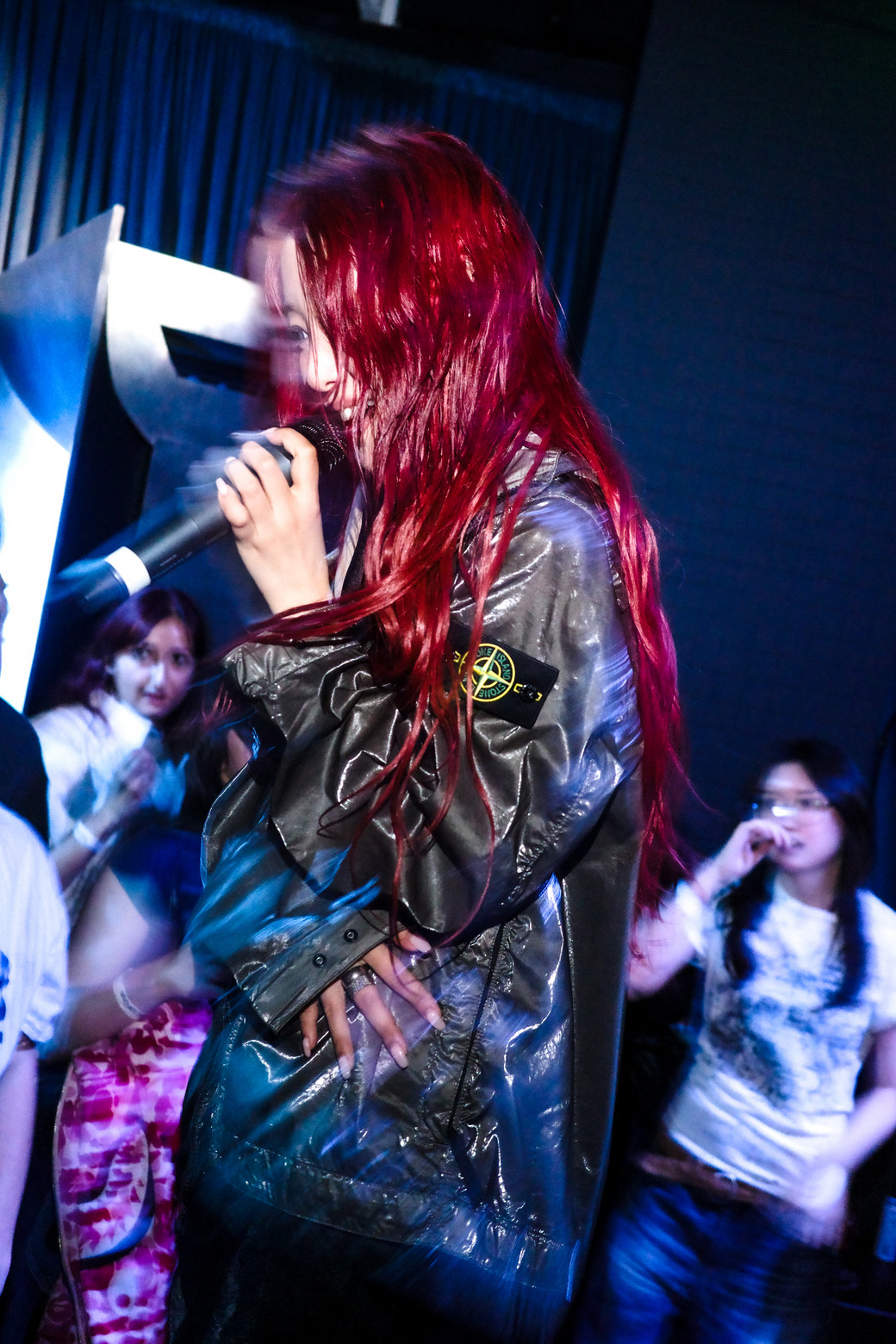
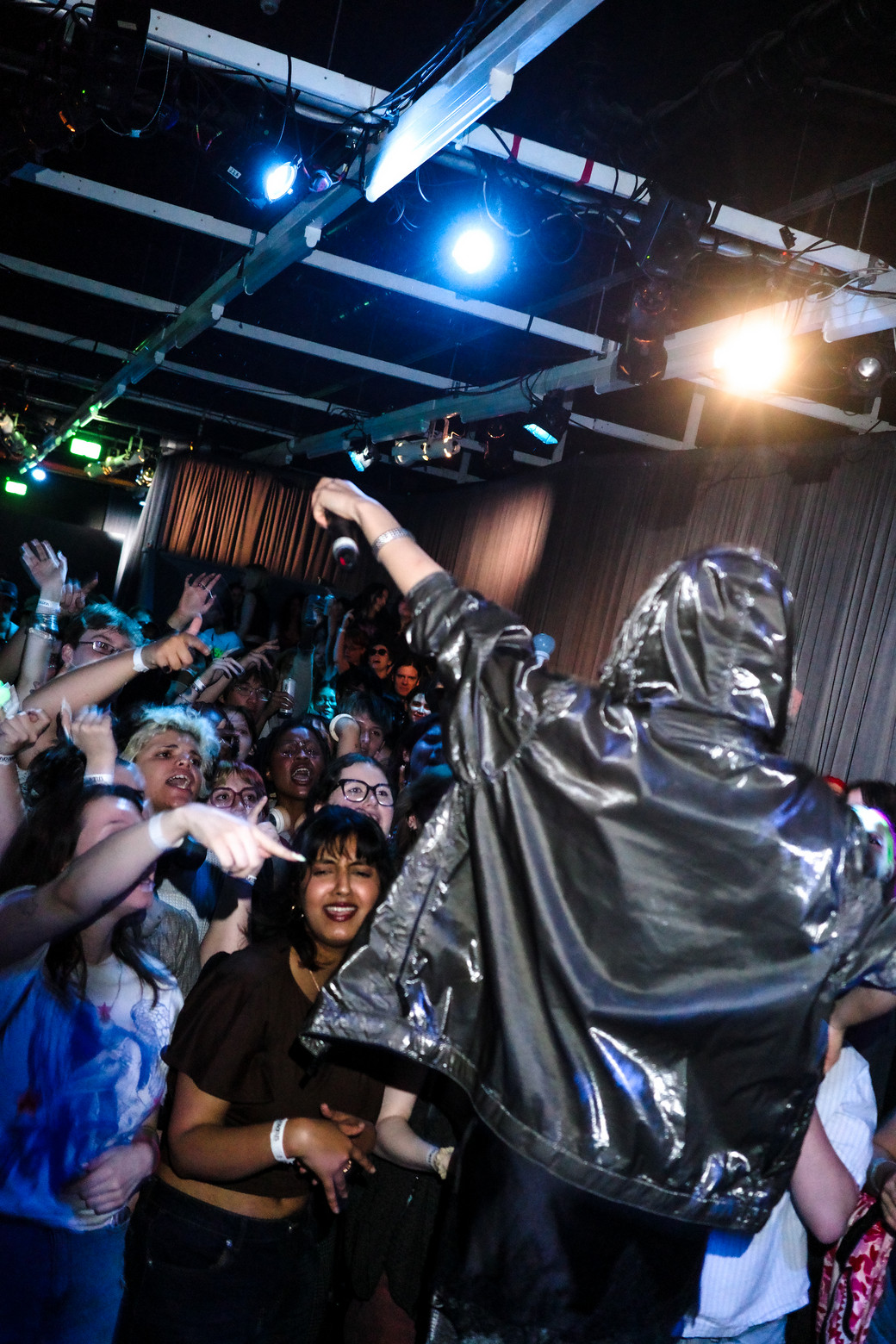
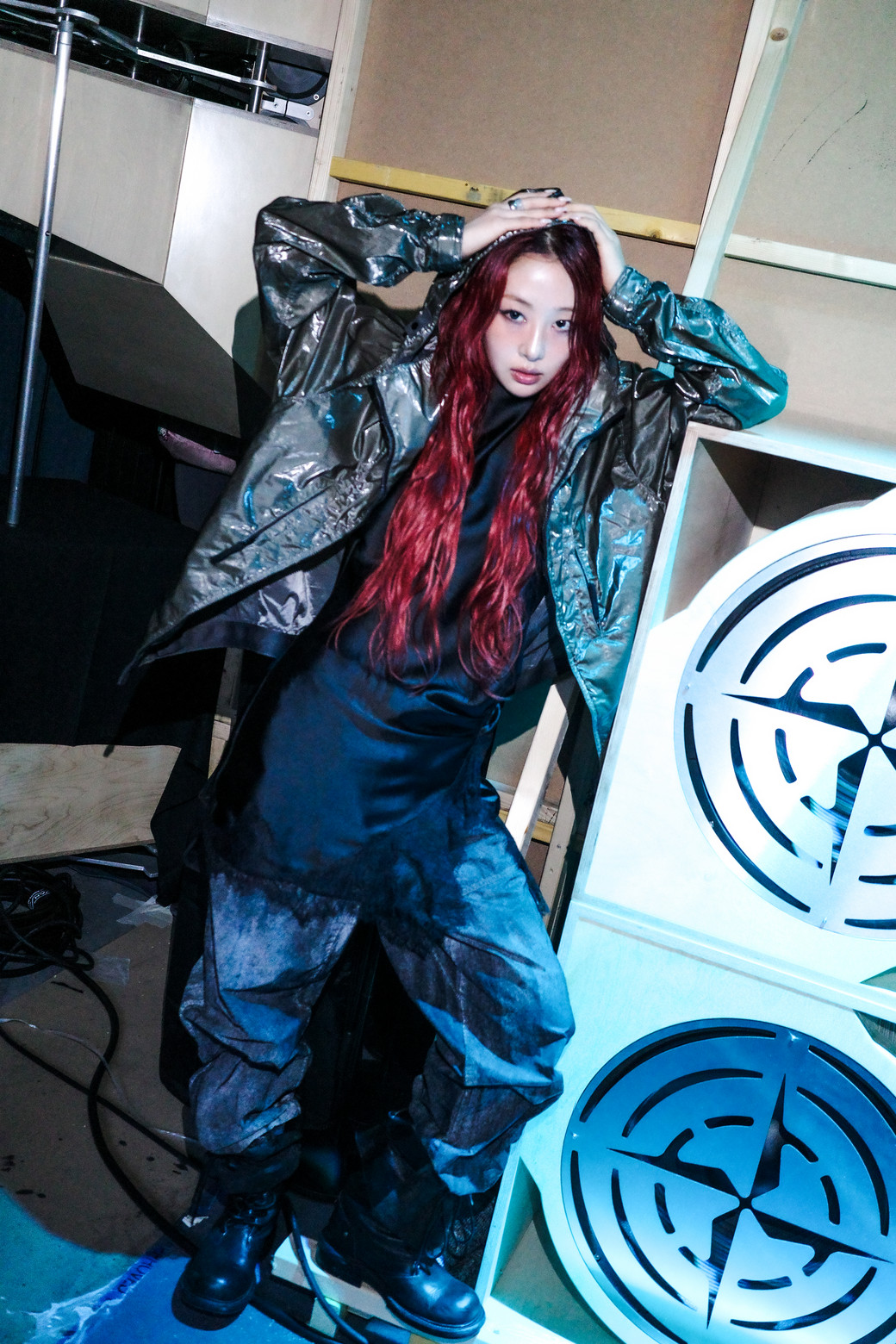
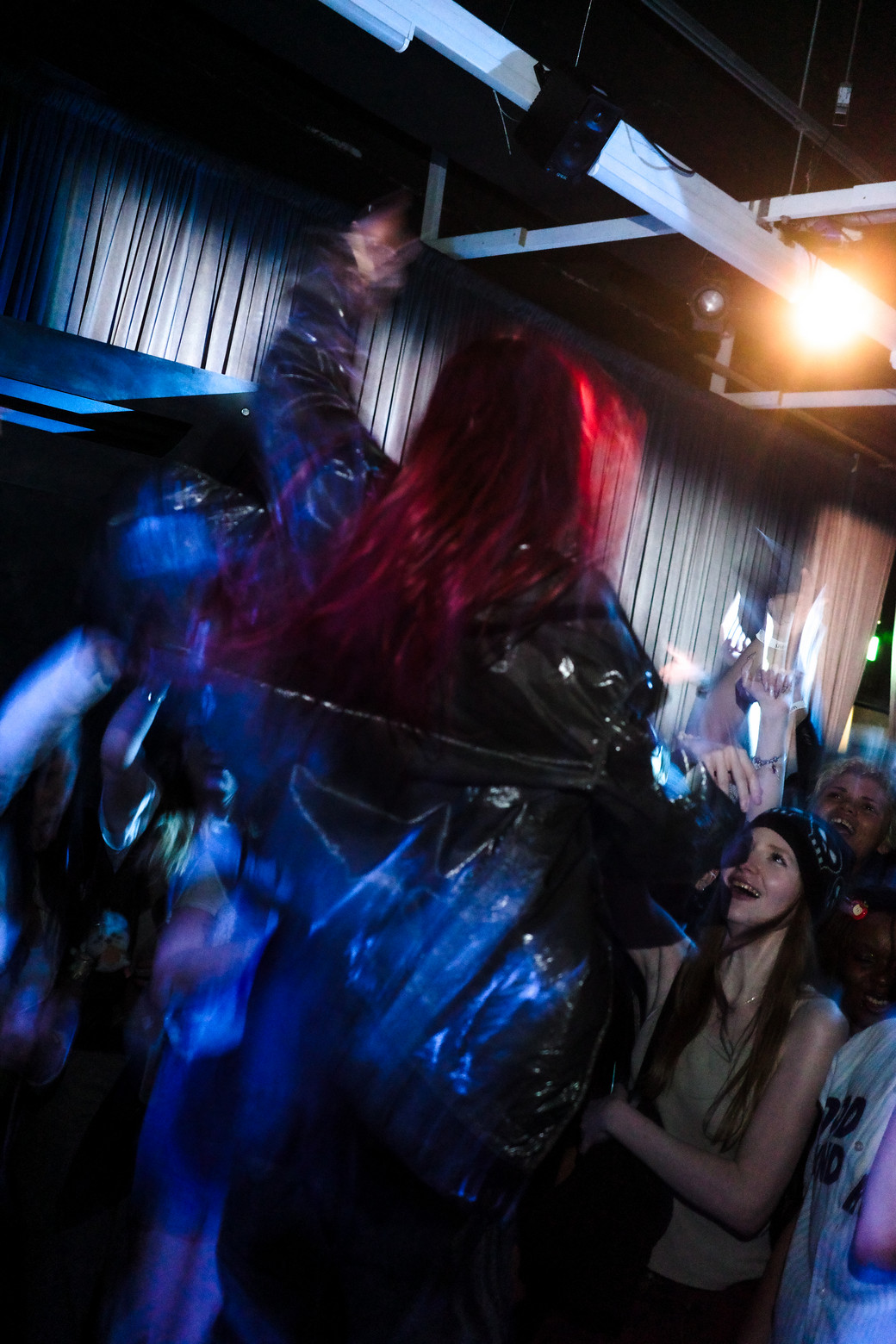
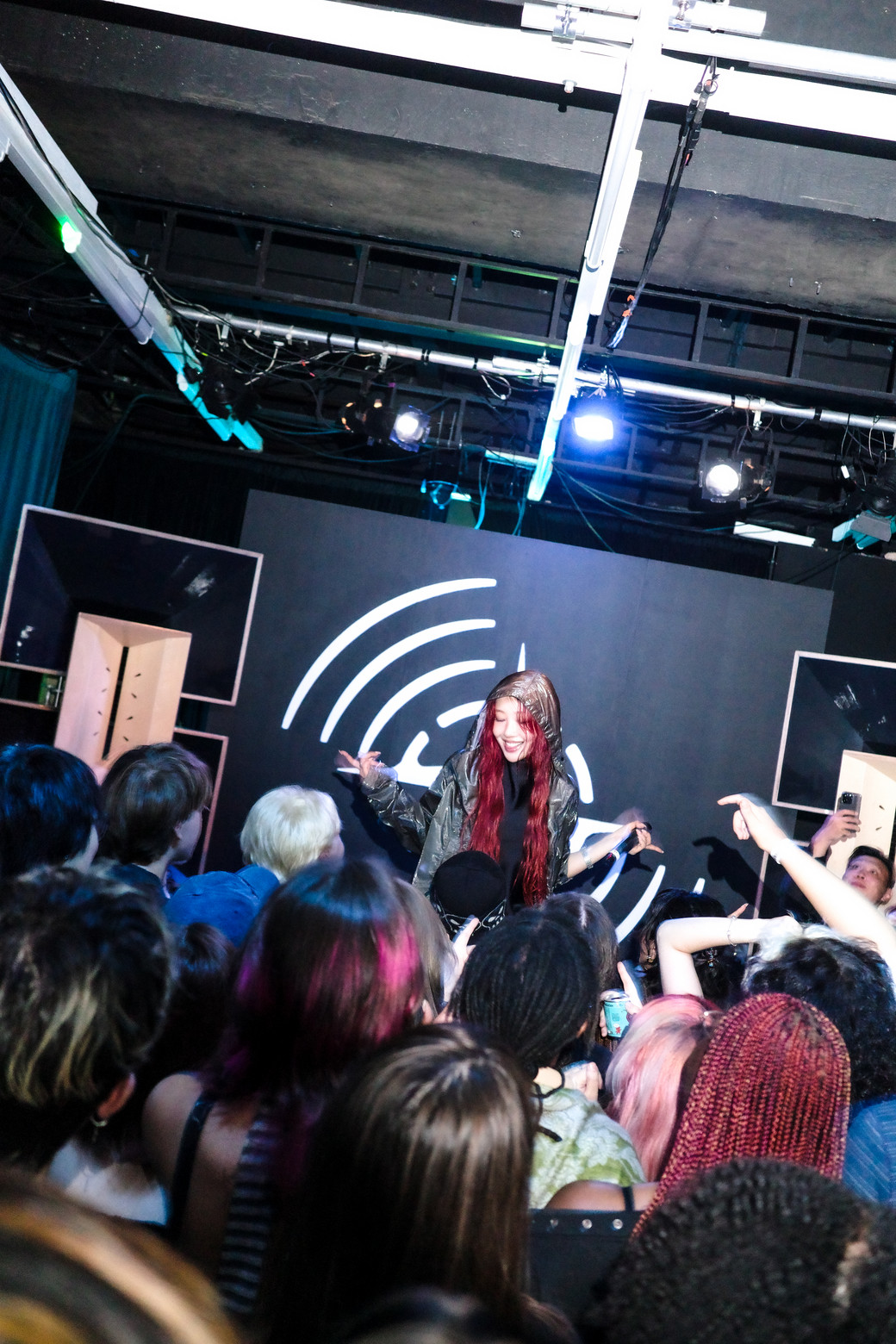
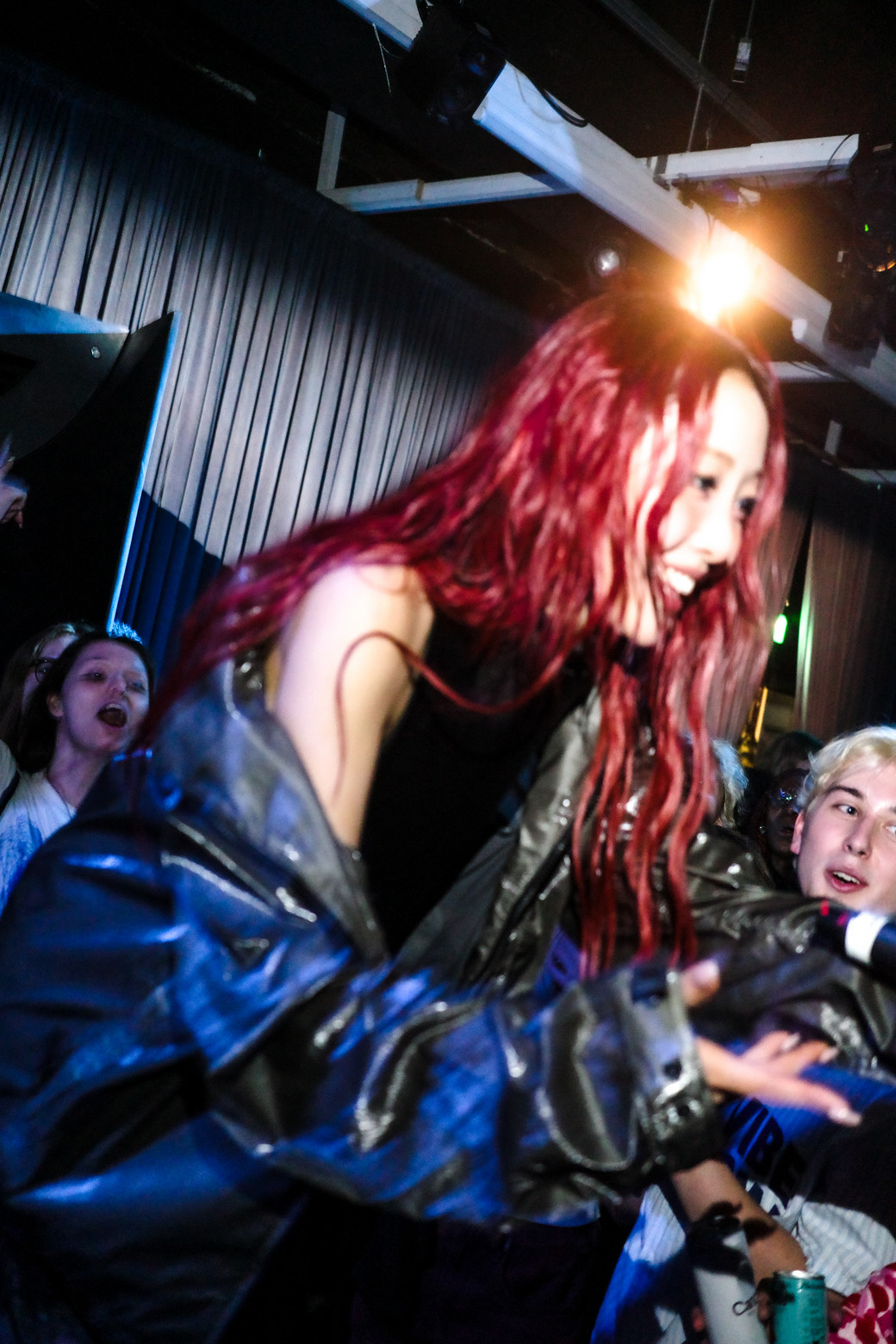
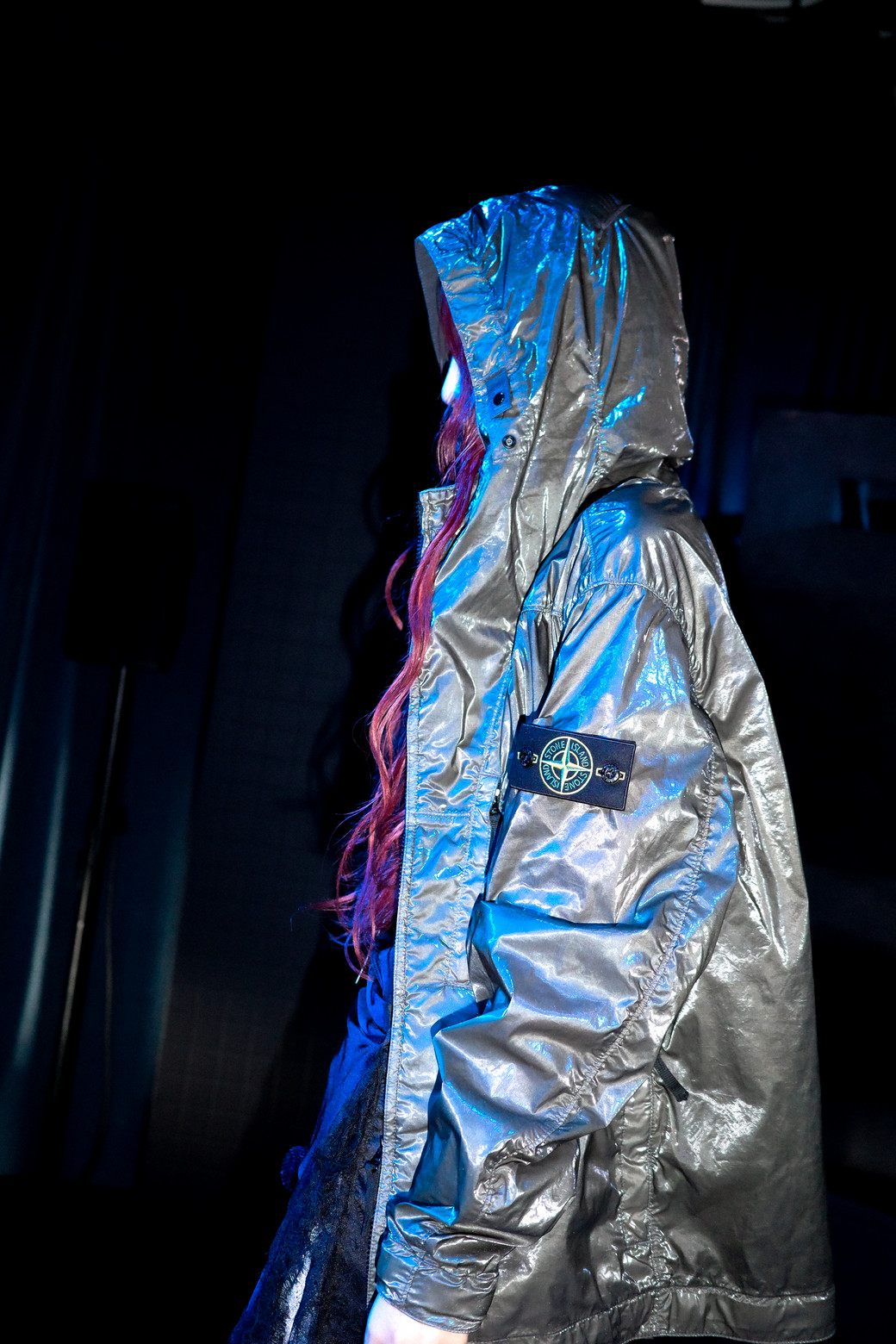
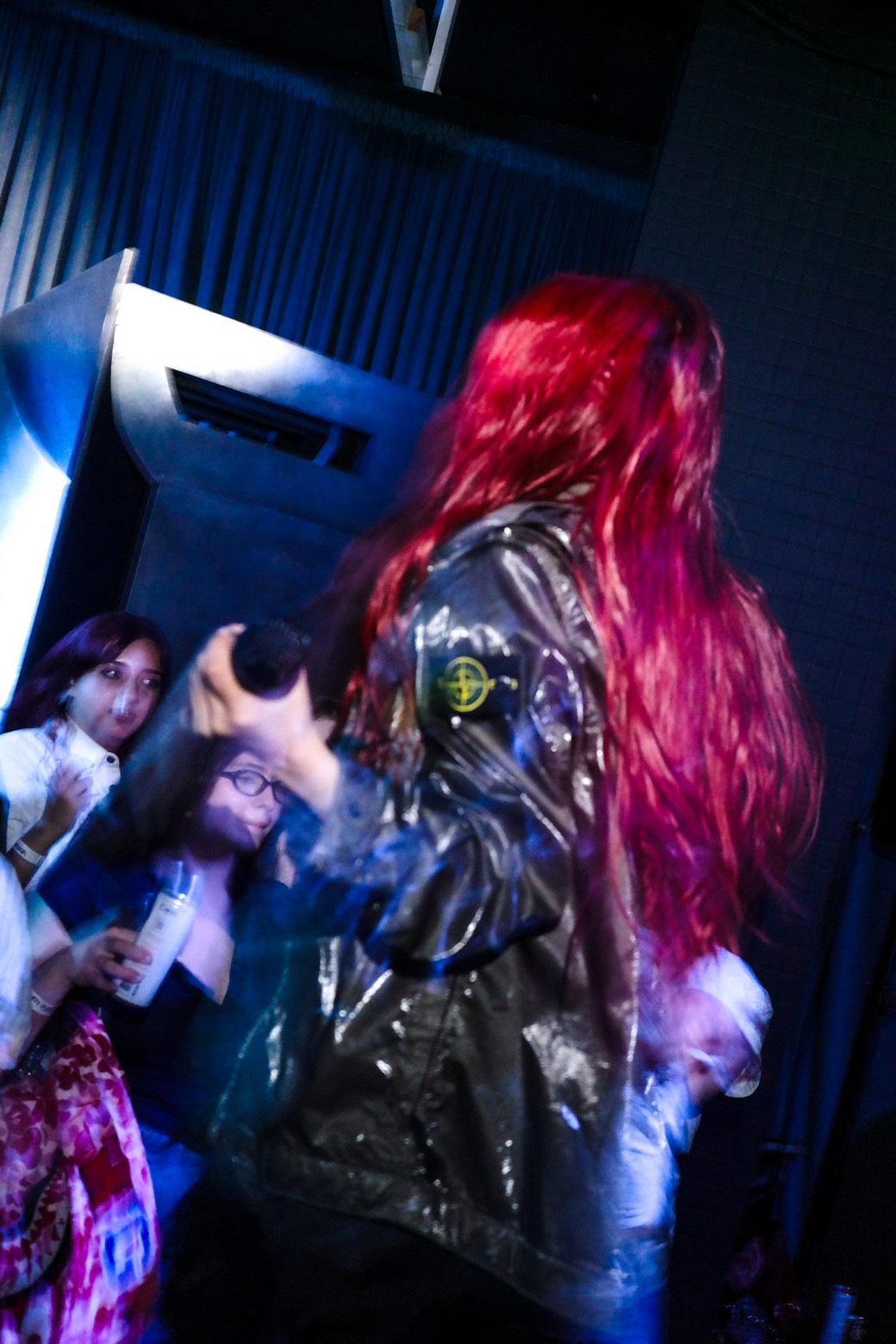
Community is key to Yves’ music. From her debut with Loona to a lawsuit to suspend her contract with the group’s former label and her eventual solo debut, her fans have followed her through every step. Tonight’s enthusiastic crowd is evidence of their loyalty, as she shifts between K-pop, electronic and dance.
“K-pop is where I started, and it’s a big part of who I am. I’m grateful that it gave me a way to introduce myself and connect with people. Being called a K-pop artist doesn’t bother me,” she says. “I just hope the name doesn’t decide in advance what music I’m allowed to make next. It can be a starting point for understanding me, but I hope it isn’t the conclusion before someone has even heard the music.”
As its title suggests, Yves’ new EP, CUTE & ANXIETY, explores the tension between two seemingly opposing themes. But, even with its focus on mental health, the project does not lose its energy because of it. “Just because I’m talking about anxiety, I don’t think the music has to sound sad or dark all the time. I wanted it to be playful and cute but a little uneasy in places, or full of energy with moments where something more vulnerable comes through.”
Since debuting as a solo artist in early 2024, Yves has performed in over 20 countries. Touring has become a large part of her life. “The hardest part is looking after yourself physically and mentally while constantly moving somewhere new,” she reflects. “There are lonely moments, and days when I’m really exhausted.”
For Yves, the struggles of touring are all worth it when she hears a crowd, like tonight’s, singing her lyrics back to her. “It amazes me that people who have been living their own lives so far away from me know the same songs, and that we’re all together in one room that night. It’s like getting to see how far my music has travelled.”
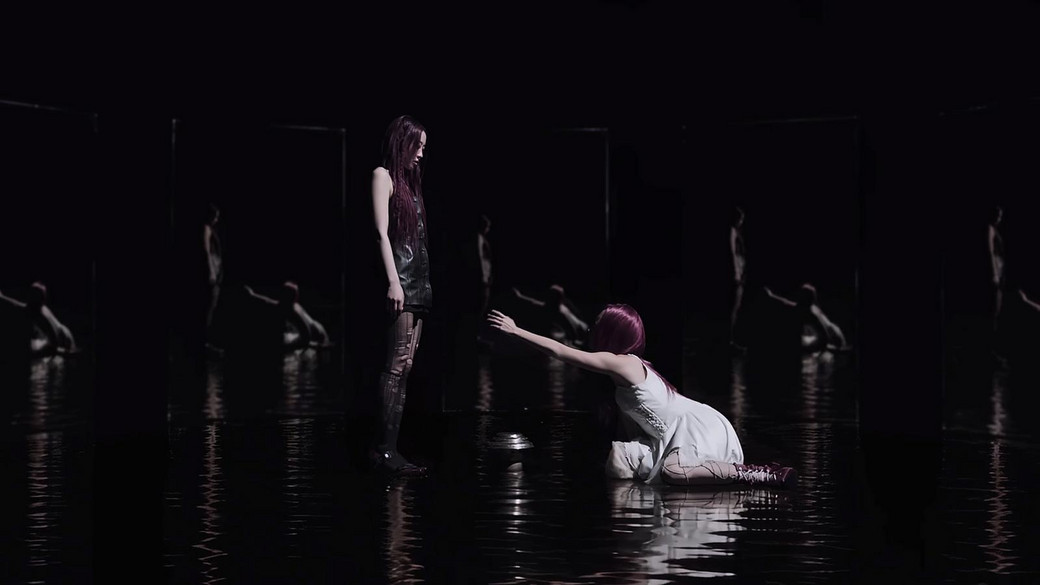
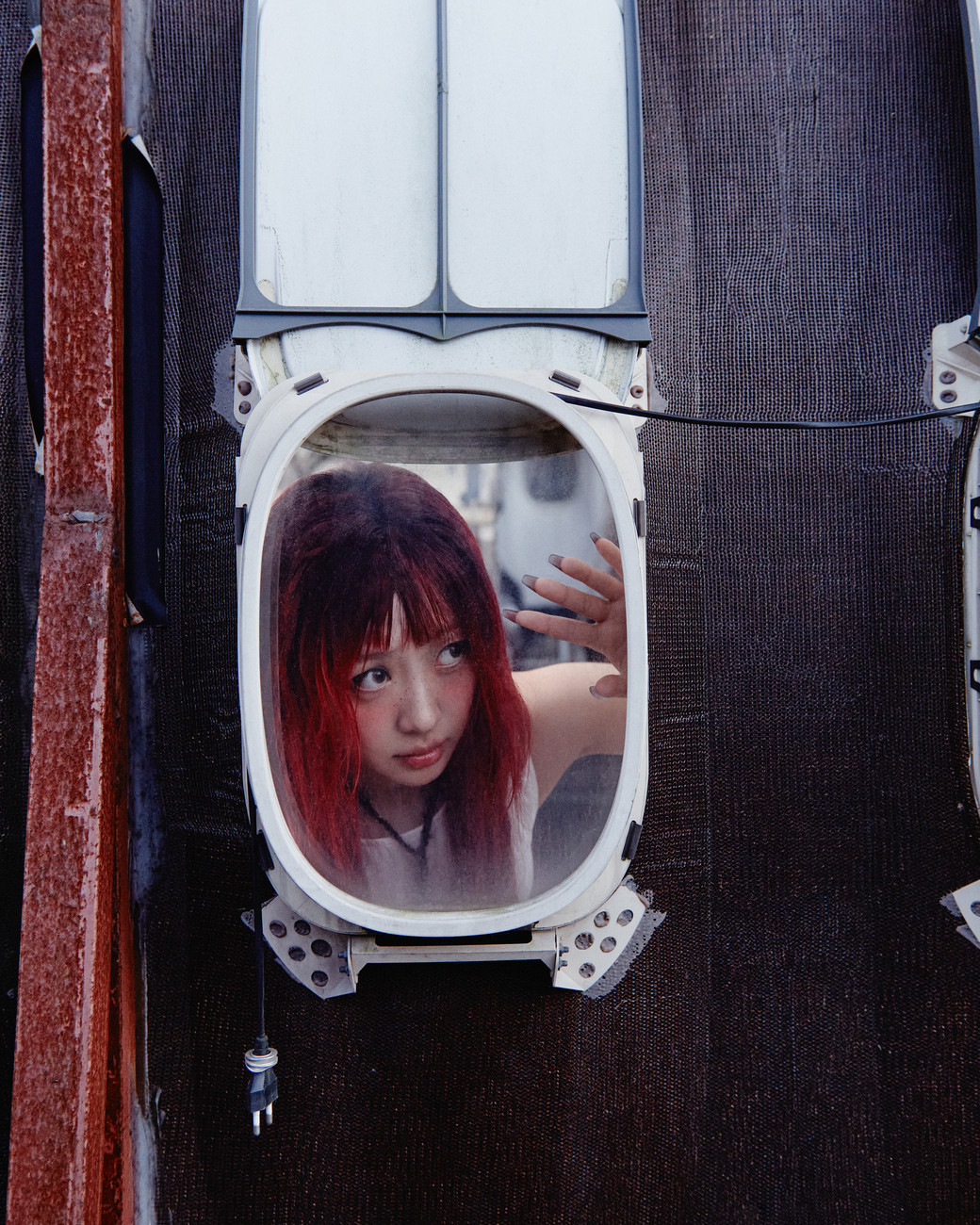
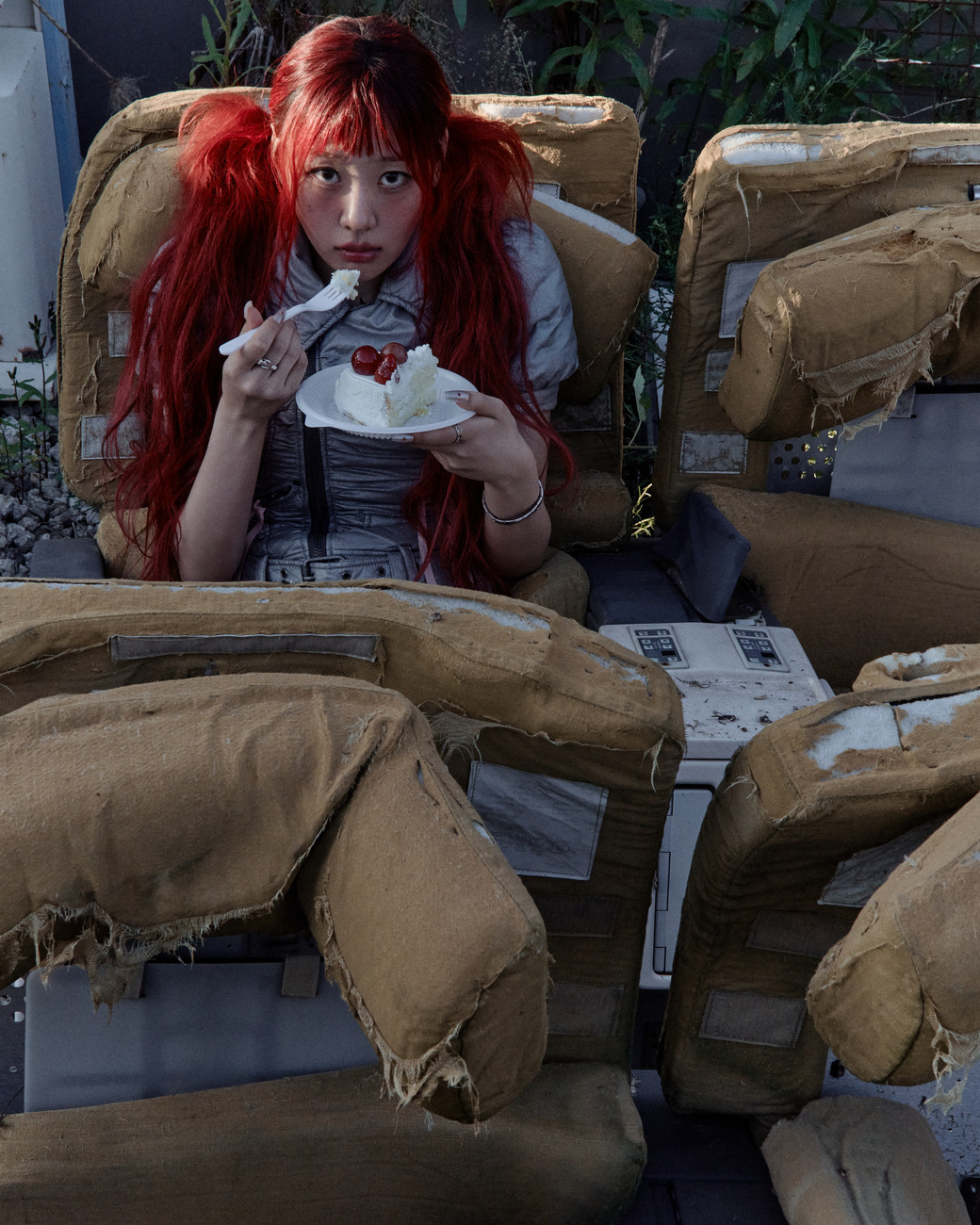
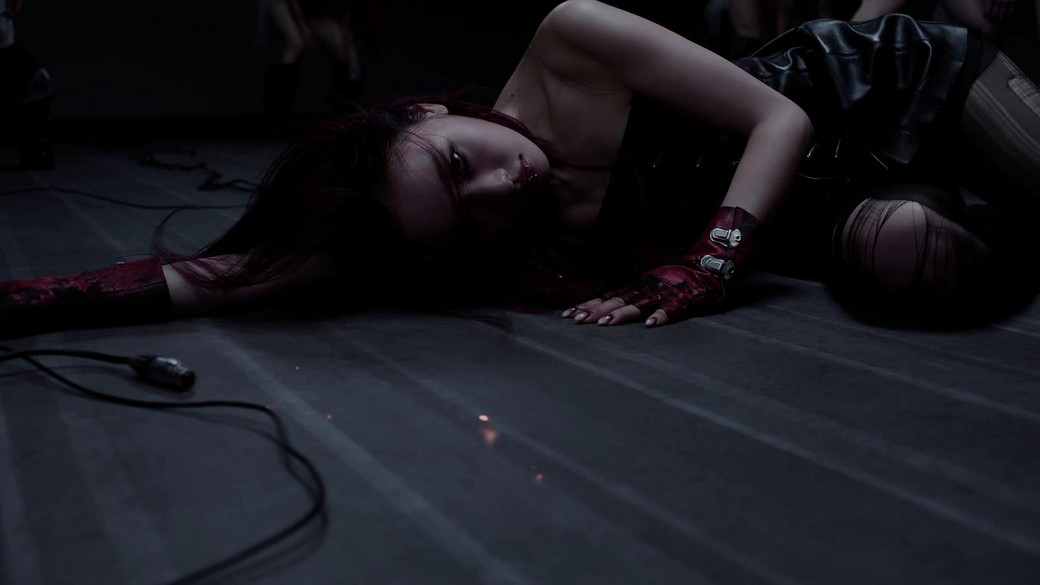
A Few More Questions with Yves:
Recently you’ve collaborated with PinkPantheress, Lexie Liu and Lolo Zouai. What do you enjoy most about collaborating with other artists?
Hearing my voice on the same song as someone I love listening to still feels a little unreal. I never used to imagine myself making music with artists in other parts of the world, so sometimes I think it’s the fan in me who’s most excited.
I love discovering how differently people hear the same piece of music. It’s lovely when our tastes overlap, but I learn a lot when someone brings an instinct or a way of expressing themselves that I don’t have. I’ll think, “I wouldn’t have made that choice, but now the whole thing feels different.” A good collaboration doesn’t have to mean becoming more alike. My favourite moments are when we both still sound like ourselves, but it works as one song. It opens up the way I approach my own music too.
You’ve now spent two years as a solo artist. How has the experience differed from your time in a group?
In a group, there’s a sense of security in sharing not just the stage, but the emotions and responsibilities that come with it. There’s also something special about different people coming together to create one moment.
As a solo artist, my own choices are much more visible. I find myself asking more often what I like, what music I want to make and what I want to show people. That freedom is exciting, but sometimes it can also feel like there’s nowhere to hide.
What are you most excited about when you think about the future of your career?
It’s the fact that even I don’t know exactly who I’ll become as an artist. My taste keeps changing, and I keep discovering new music to love and meeting people who inspire me.
I want to keep trying things and working with people who might lead me towards music I wouldn’t have imagined on my own. I like knowing there’s still so much I haven’t tried. A future version of me might love and make music I can’t even imagine right now. I’m curious to meet her.
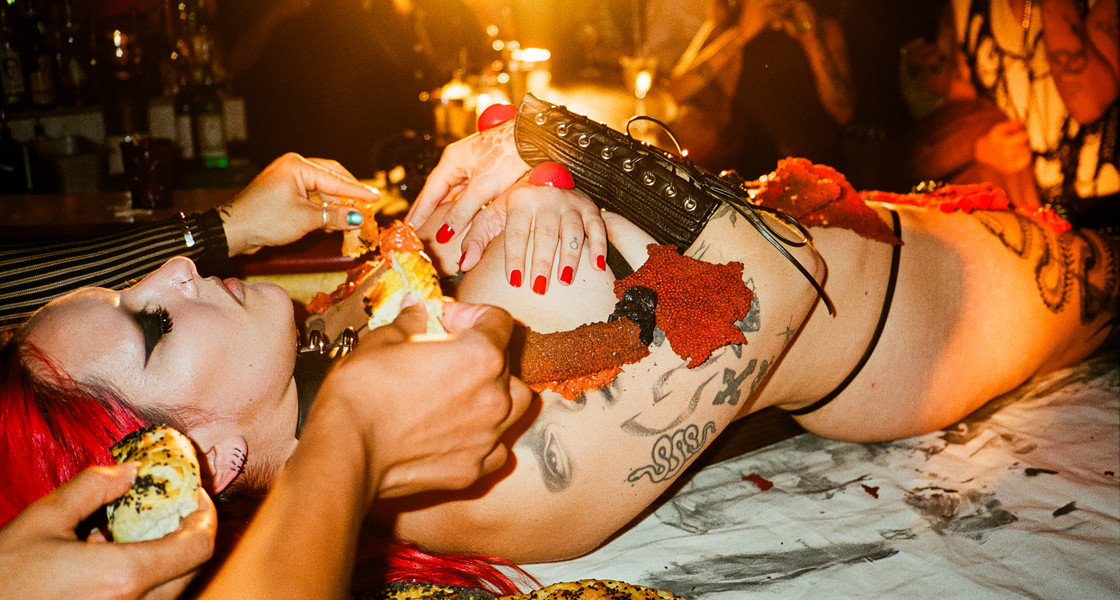
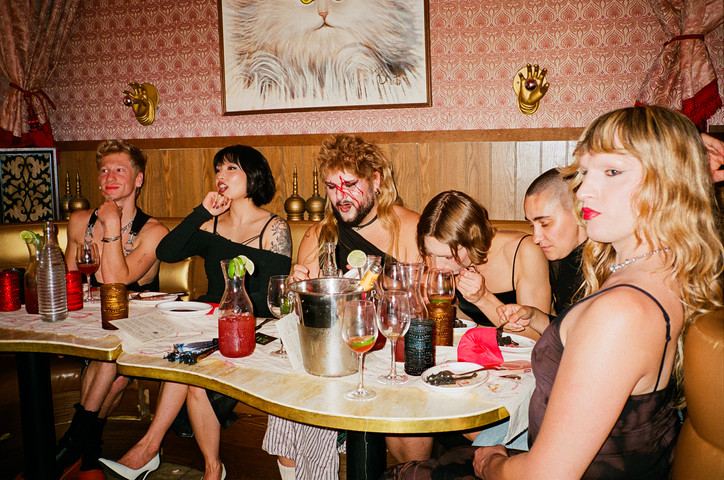
The show was elaborated across five courses: BREAKING BREAD, THE MOUTH, THE CHEST, THE LEGS, THE FEET. With a menu conceptualized by Rotten Mother and Lys Berumen, we were treated to not only a performance before each dish, but also a curated variety of food to accompany it.
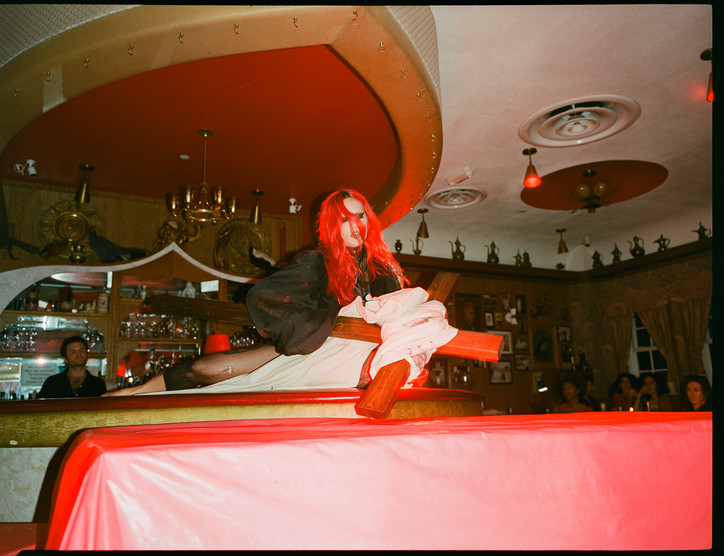
BREAKING BREAD began with two servers gracefully and carefully pulling the cloth off Von, revealing her motionless body. Von lay patiently while the servers decorated her body with red and black dips, red crackers, and crowns of bread placed around her head. The religious iconography was stark and recognizable, and Mass was in session. And the big reveal was: Von was the first course. She had us eat crackers and bread off her body.
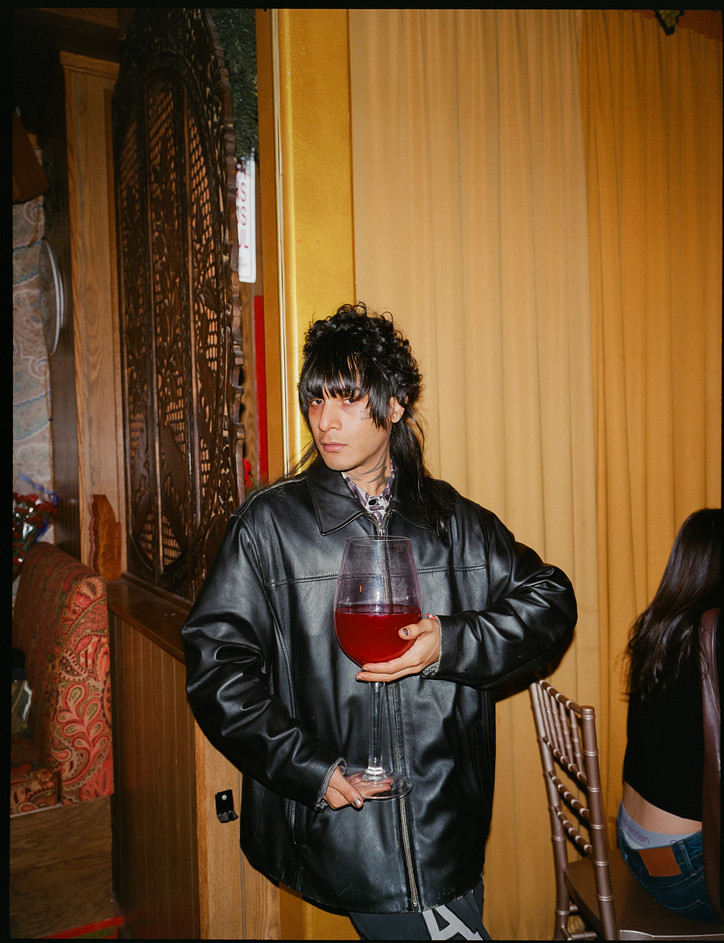
THE MOUTH began when I looked back after fifteen minutes of conversation with the others at my table, and I saw her shivering. Von climbed onto the bar and was front and center, sitting with her legs wide open. This whole time, she was lying on top of a wooden cross, and the anticipation was definitely felt around the room when a group of seven or eight came out and joined, hand in hand. They proceeded with a Catholic “Sign of Peace,” which was followed immediately by Von sporting a sort of leather gag with an opening for her mouth before dishes for the second course were brought out. Eroticism as a theme was immediately present the second the first course was over. But after Von let the servers stuff some kind of fruit into her mouth, they brought two separate plates to her mouth; she spits onto them, yet again garnishing the courses with her own body; the eroticism is pushed further and further. The servers congregated back around the table, and they stood there for a minute, passing the numerous dishes amongst each other, and the receivers of the saliva-garnished dishes remain unknown. Von crawled across the bar, with the wooden cross resting on her shoulder, and she disappeared into the back.
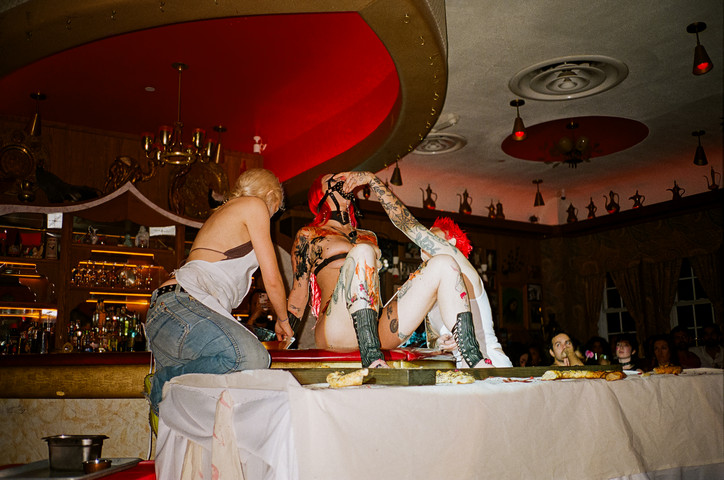
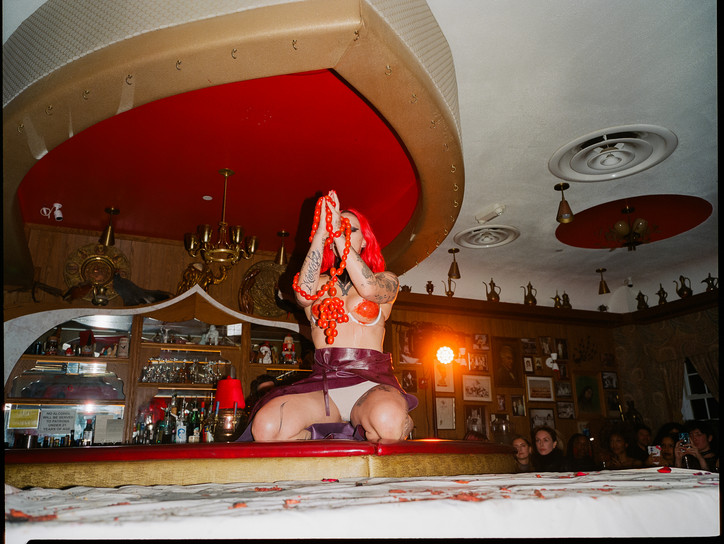
THE CHEST featured Von crawling across the bar again, this time with an outfit change. She was wearing some kind of clear plastic bra, already filled with juices. I noticed the shift in music, which was a mixture of electronic beats over squeamish eating and drinking sounds. She prepared the dishes with a huge rosary of the same red fruit, which she prayed over before squeezing and juicing the fruit to a pulp, effectively destroying the rosary. A server grabbed some of the juice from Von’s boobs and threw it over the dishes. Alas, she crawled across the bar and exited again.
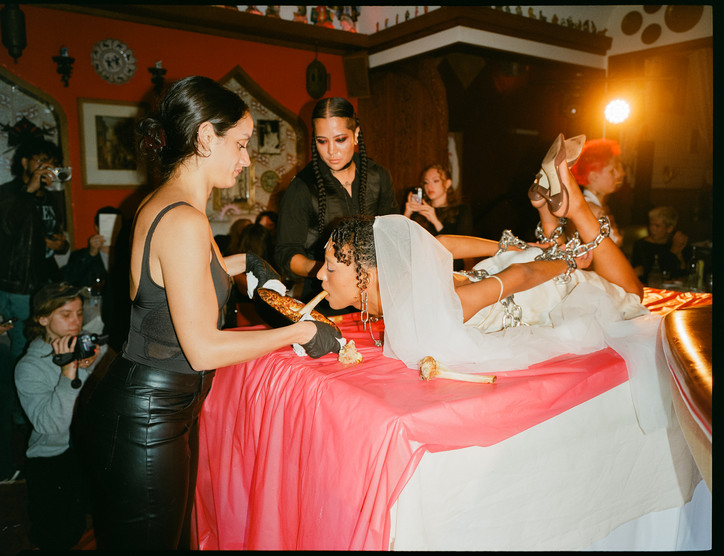
THE LEGS performance was some freaky shit. For the first time, the star of the show was not Von, but rather a couple. The relationship and chemistry between these two performers were absolutely electric. The priest donned needles, cleaned off the bride’s forehead with alcohol pads— this entire process was all very sanitary— and proceeded to pierce her. Not once, not twice, but at least six times, he pierced her forehead. After this, there is some slight bondage. Using rather large chain-links, the priest first tied up the bride. Then, rather shockingly, the priest revealed a scalpel— yes, a scalpel— to the audience, before bringing it to show the bride, who then nodded yes in response. He made incisions on the bride’s back in an X. They ended the performance by removing the needles from her forehead, and the priest guided the bride around the room with blood, REAL BLOOD, trickling down her face and back. They made out. This part was definitely the most unsettling and uncomfortable to watch. It was handled with such tact and precision, though, that it really allowed the performance to stay a performance. Consent was a decisive factor throughout the entire time, and the priest handled the bride with such concern and love. It was, simply put, beautiful.
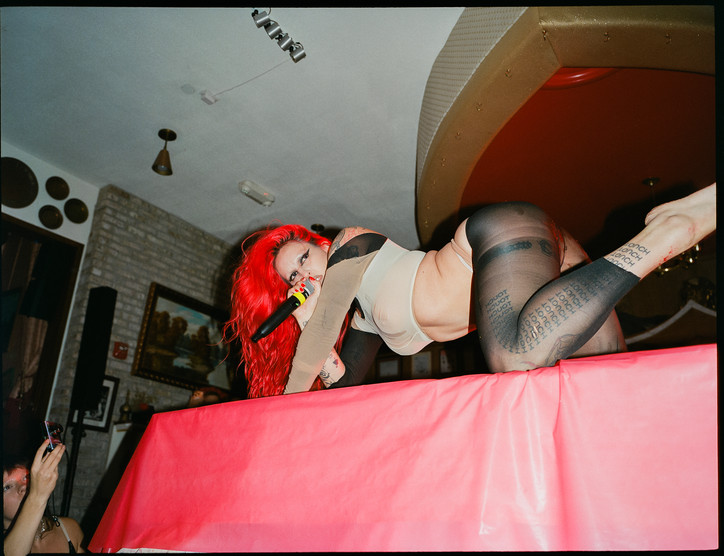
THE FEET was high-energy and a great follow-up to the body horror that was previously presented. We were served a delicious dessert, and she crawled back out onto the bar. With a continuation of the religious imagery, she aggressively washed her feet, and the sonic environment intensified. She performed INSATIABLE; her stage presence was so enthralling, she danced around on the table and tore off clothes; the lights flashed. This was the performance of the night. She ended the same way she started, lying down flat on the table, covered with a cloth. This time, the servers worked together to carry her out of the room and out of sight.
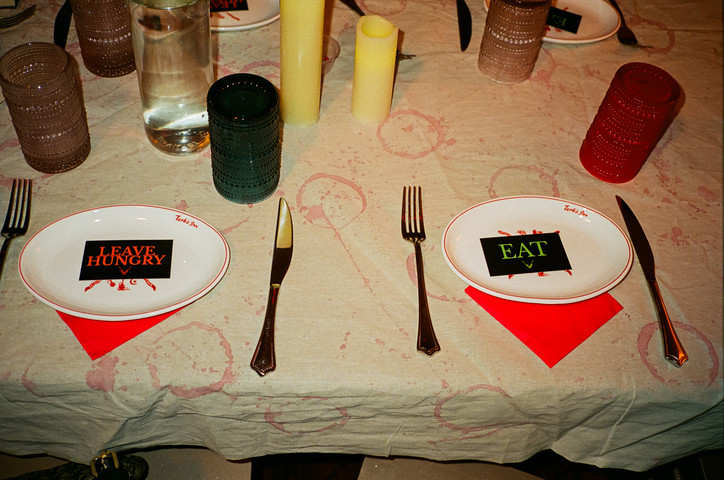
EAT OR LEAVE HUNGRY was a thrilling and horrifying performance piece that addressed the distinctive intersection of eroticism, performance art, sonic excellence, fine dining, and religious iconography. Von, during the afterparty, expressed her gratitude and gushed over her team. "I think in a strange time when artists intake a lot of noise about why it's most optimal to reduce, condense, make more legible, more digestible literally, the work," she said, "I feel so grateful to kind of always find myself in a cohort of creatives that just ruthlessly reject that." EAT OR LEAVE HUNGRY was a fiercely provocative piece that wasn’t afraid of the fact that its content is shocking, or that it may not be palatable on a mainstream scale. Its artistic integrity is in the fact that you don't need to look far into Von to make the connection that this kind of work only comes from a deeply passionate, soulful person. So as I left that night, I was hungry. I was hungry for art, crazy sex, electronic music, dancing, and, most especially, Von’s god-damn album.