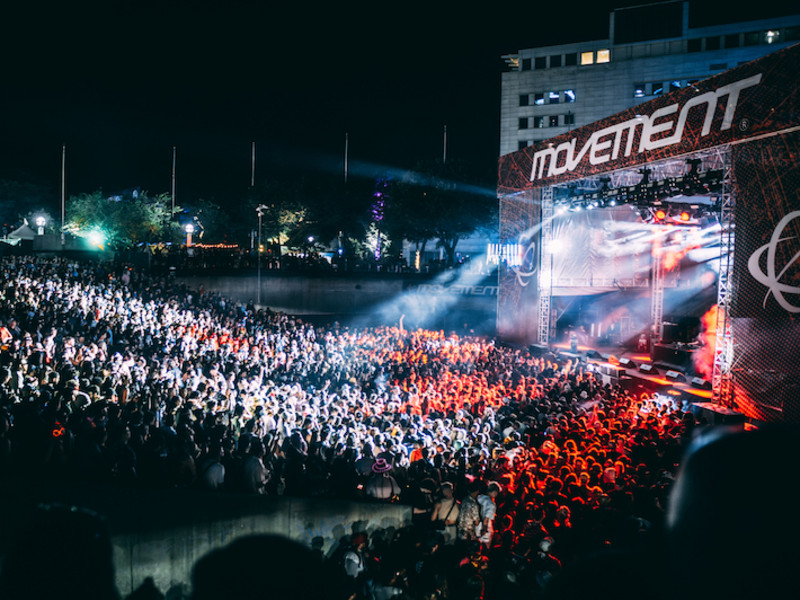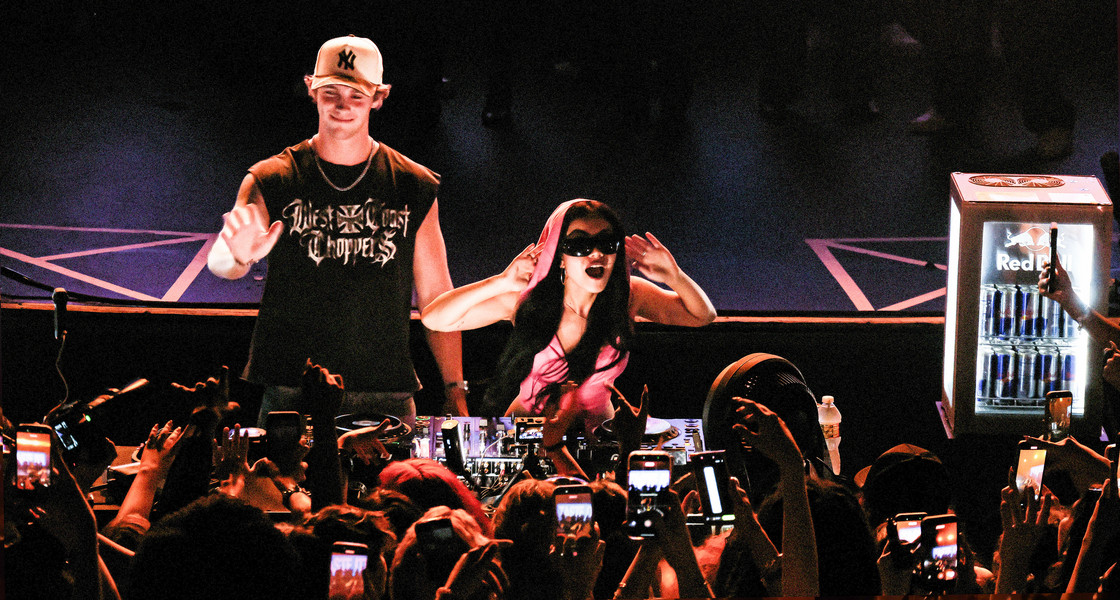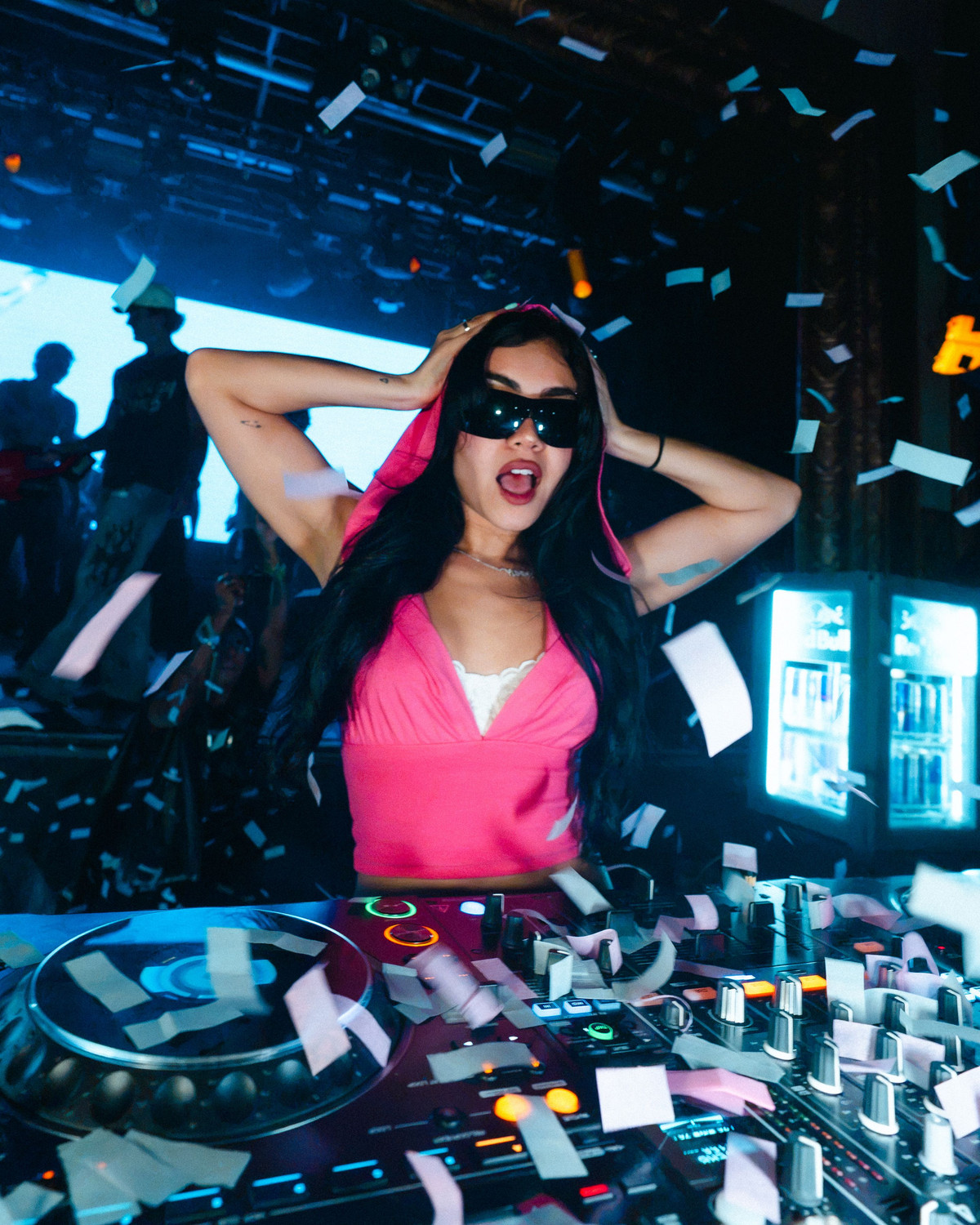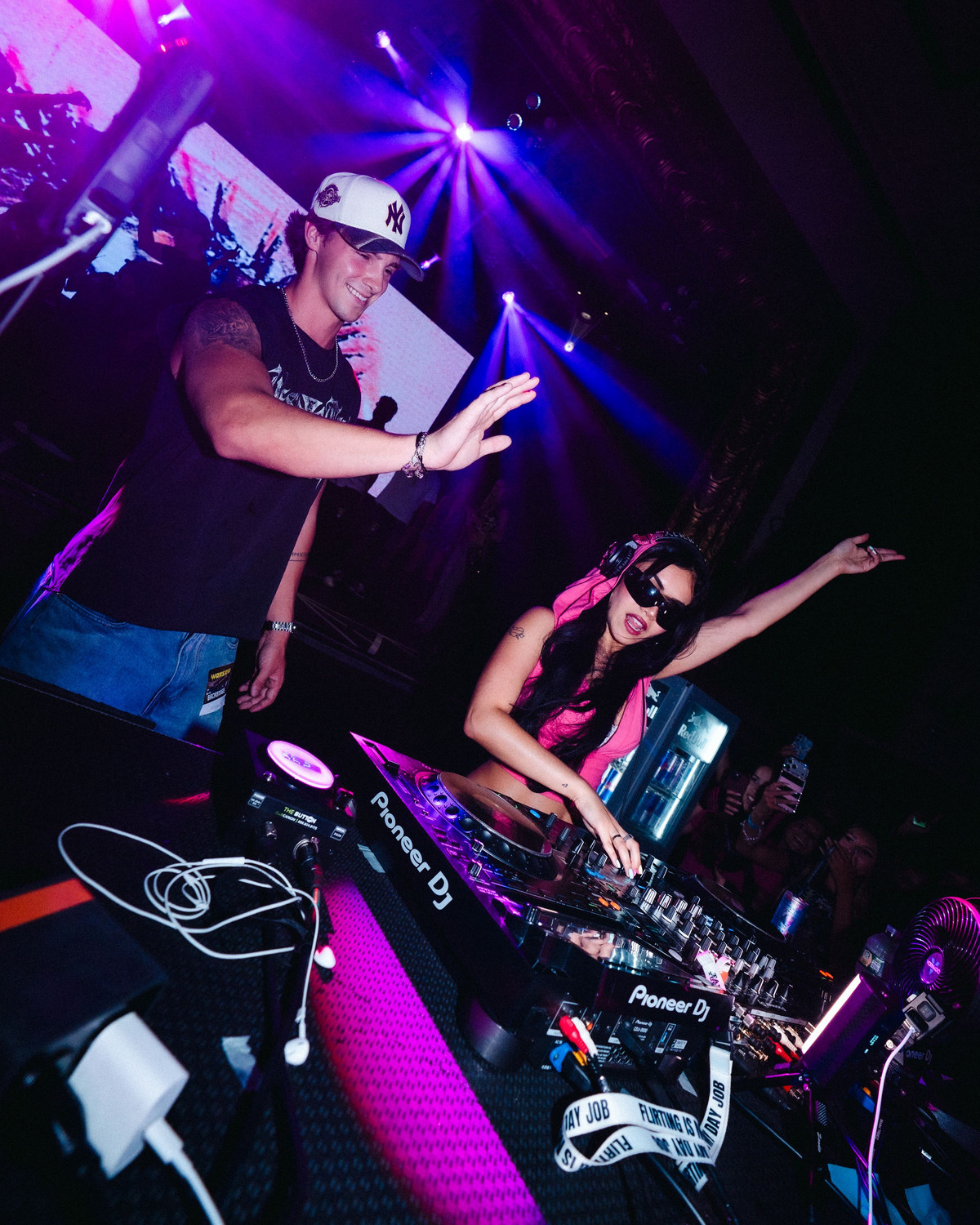

The partnership will also take over Barcelona off the pitch. On October 23, Spotify will host Copa De Golf, an event bringing together music and the city’s creative community. Yung Taco will headline with a DJ set, joined by Gabriela Richardson, Alu Nuenga, Duna, and Mushkaa, connecting Tyler’s wider creative world with a new generation of local talent.
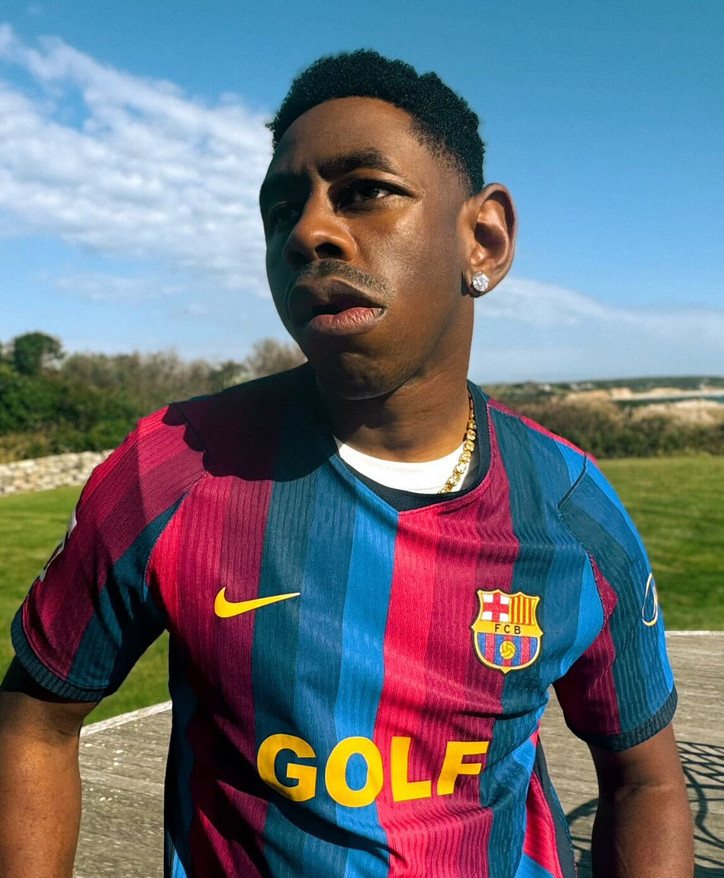
The limited-edition FC Barcelona jerseys, of which 1,899 will be available in reference to the club’s founding year, went on sale October 15 through Barça Official Stores in Spain and online. The wider GOLF WANG collection is also available online and at select GOLF stores in Los Angeles, New York, Tokyo, Sydney, and London.
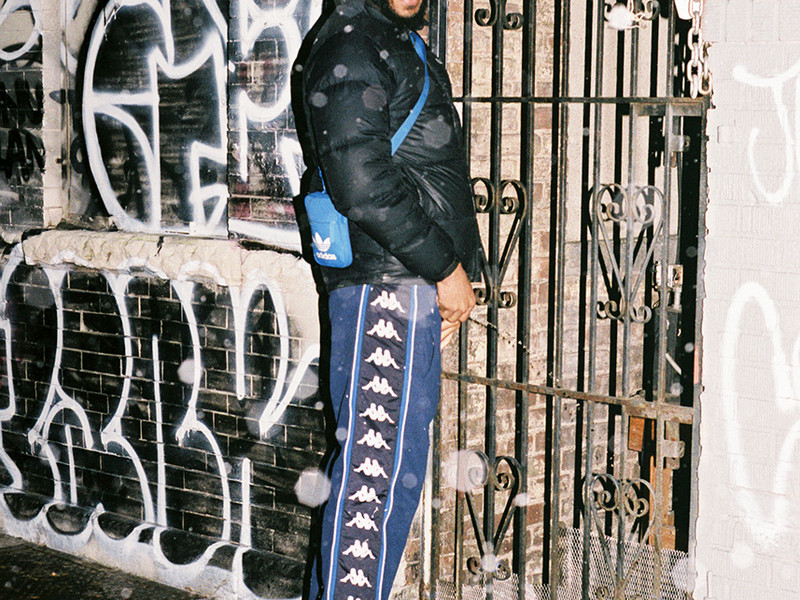
The accompanying GOLF WANG collection takes the collaboration well beyond matchday merch. A Letterman Jacket, Track Jacket, retro football jerseys, and Soccer Shorts lead a wider lineup that also includes hoodies, track pants, graphic tees, and accessories. The palette moves between brown, teal, burgundy, blue, black, and white, with FC Barcelona and GOLF WANG branding running throughout. It’s a natural meeting point between Tyler’s playful approach to design and football’s ever-expanding place in fashion.