Unbecoming with Yulia Mahr
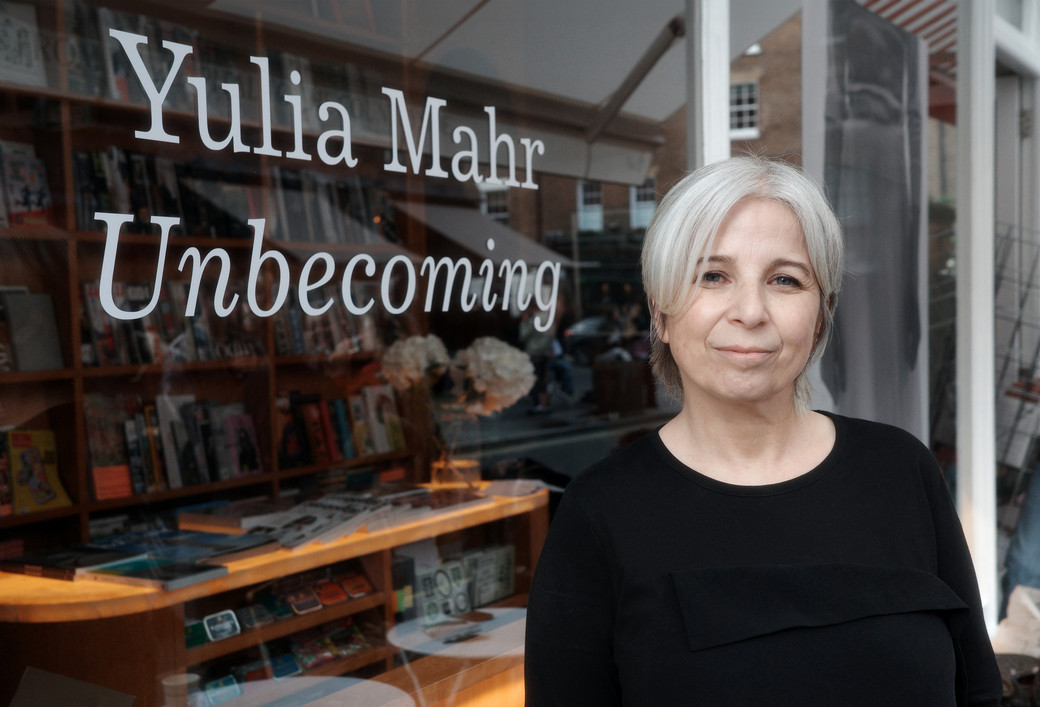
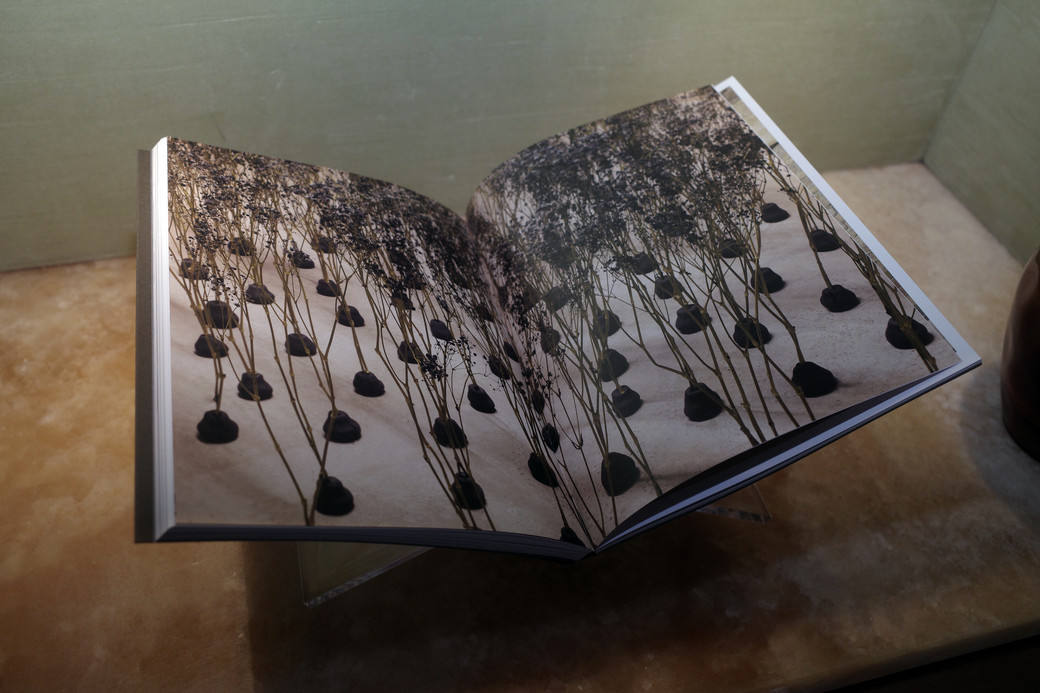
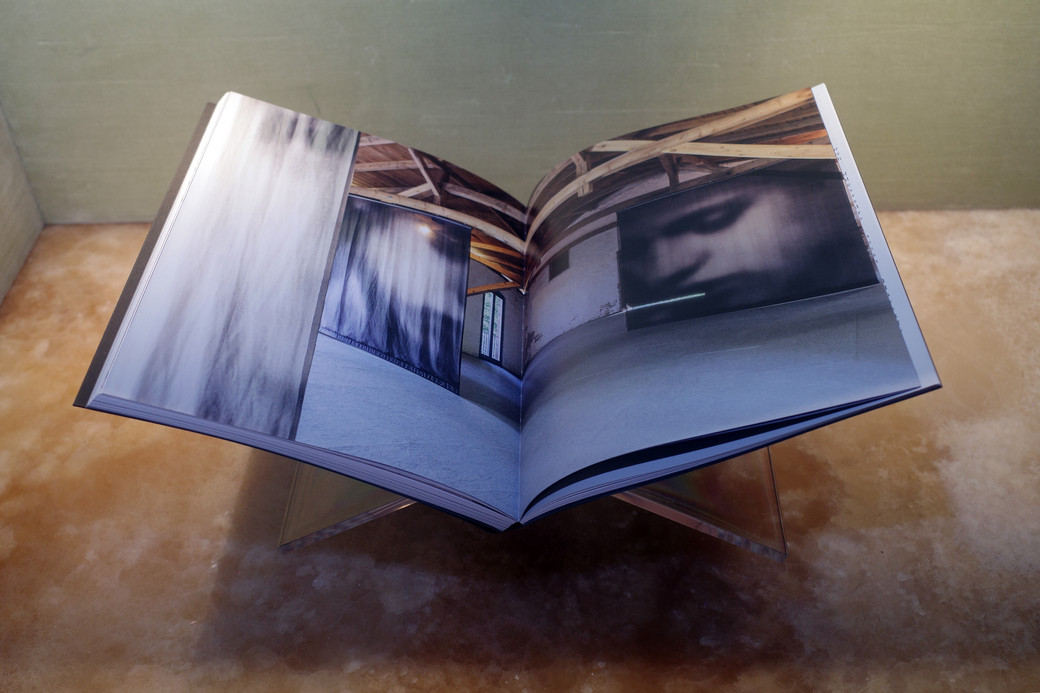
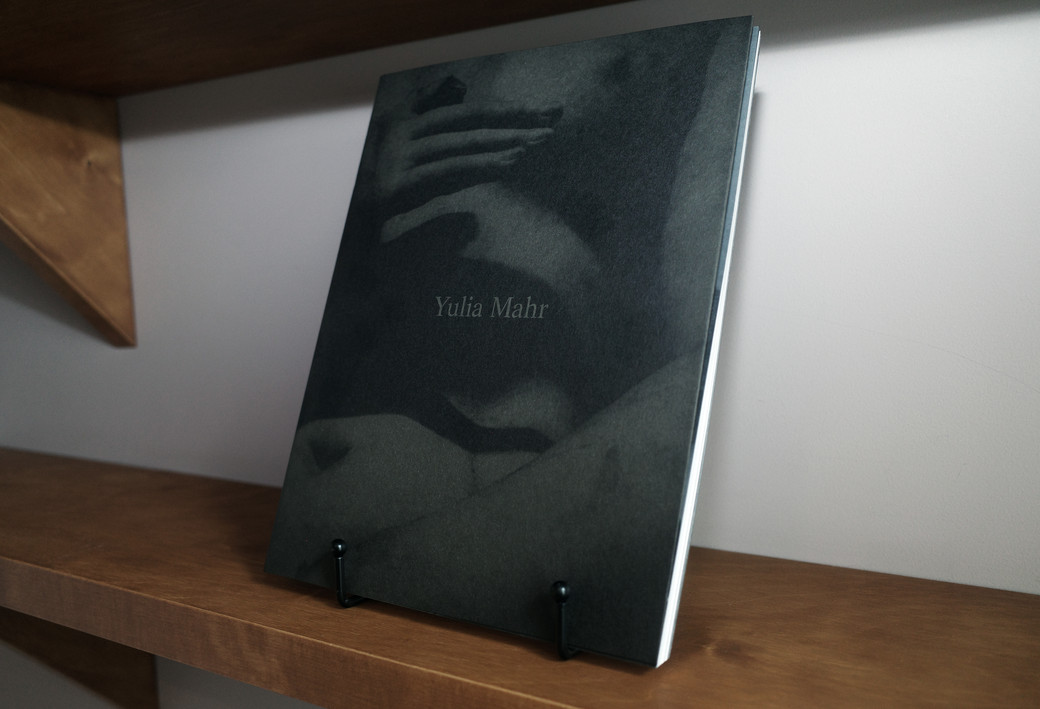
Why did you want to recontextualise and expand upon Unbecoming through a book?
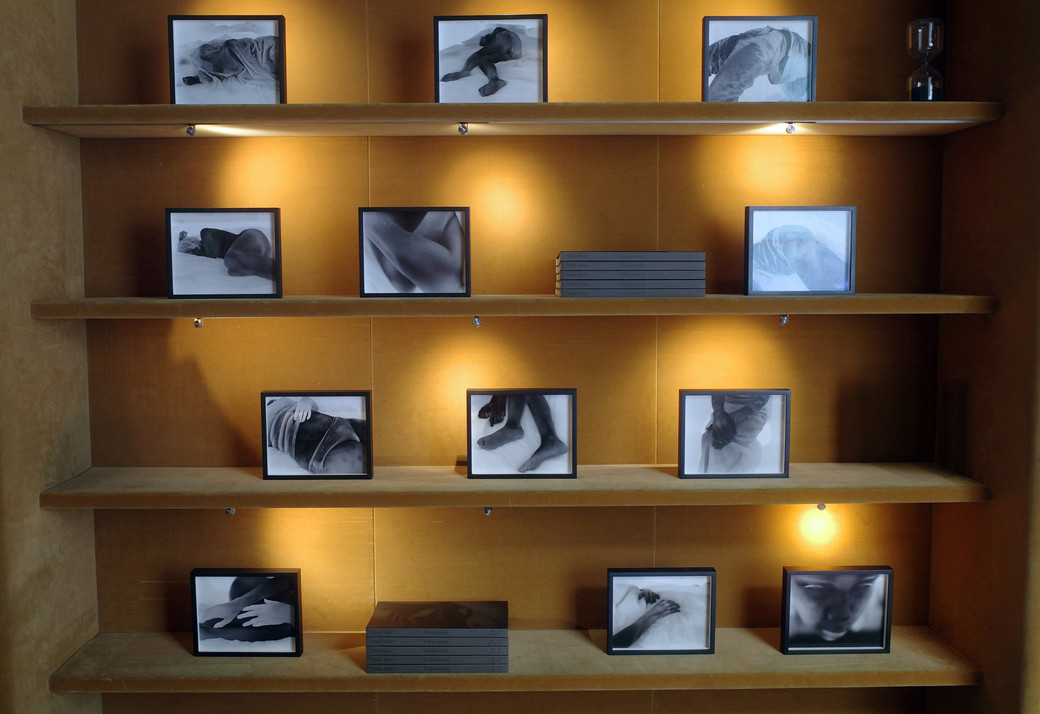
Ah, I am a lifelong collector and lover of photography and art books! I adore poring over images, when you can dip in and out of the worlds and work without anyone watching. These gorgeous moments of visual poetry that can stay with you all day. One person’s vision reflecting back at you. I mean a tube journey is just not the same when you are looking at Graciela Iturbide’s work. Or Raymond Meeks. Or your world not as closed when you are reminded of what Theaster Gates has done. Books as small works of art in themselves, that people can carry around with them have such power! So that … and the advice of fellow artists that I followed who have been invaluable in offering reflections on my work and how it evolves.
What conversations do you want people to have in response to Unbecoming?
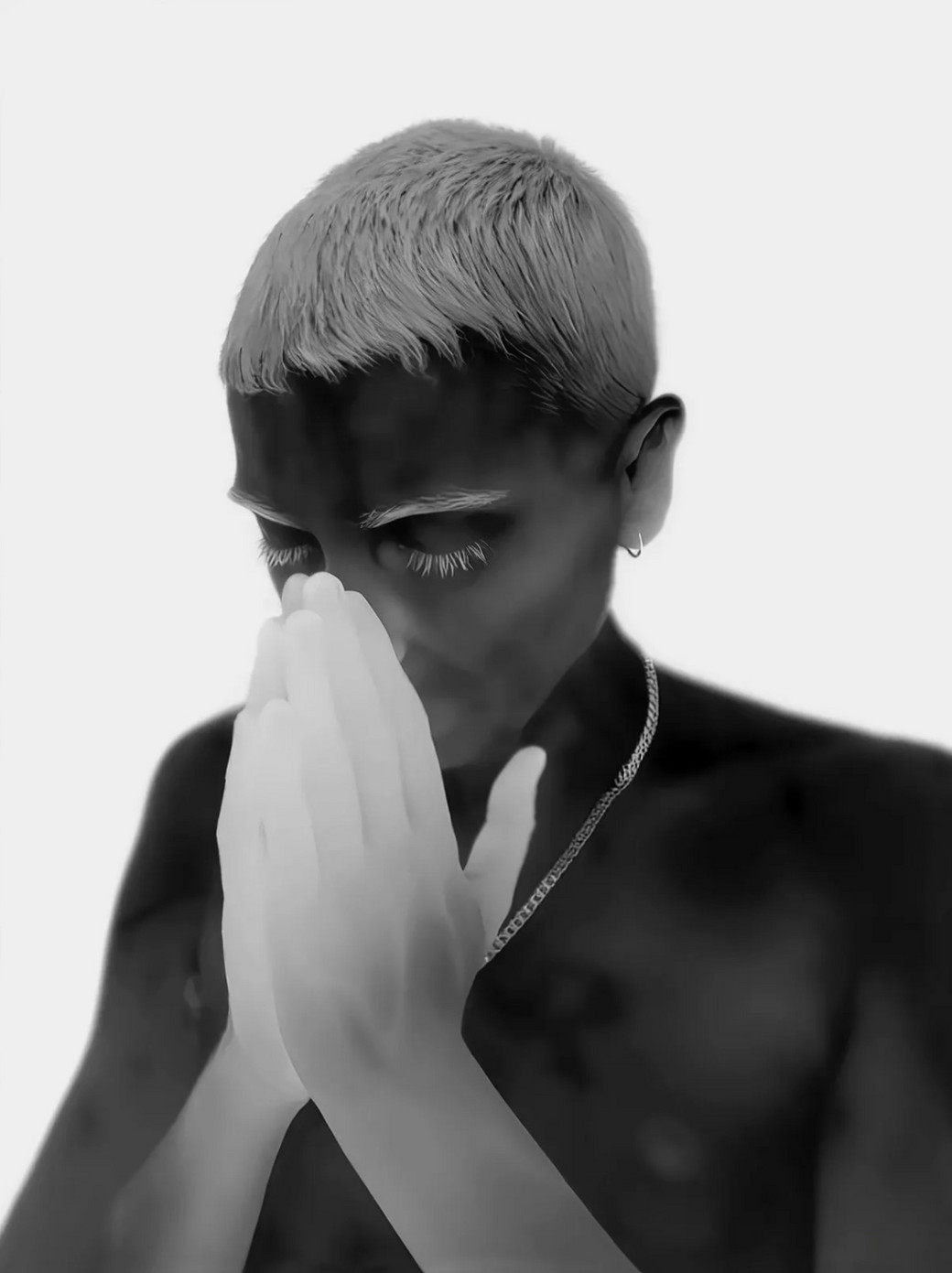
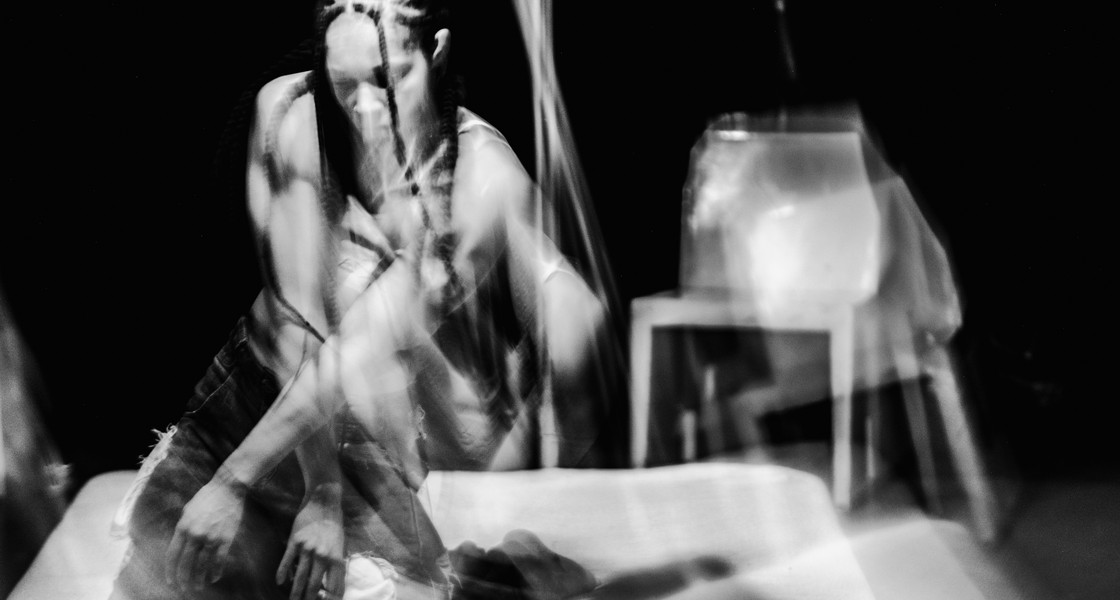
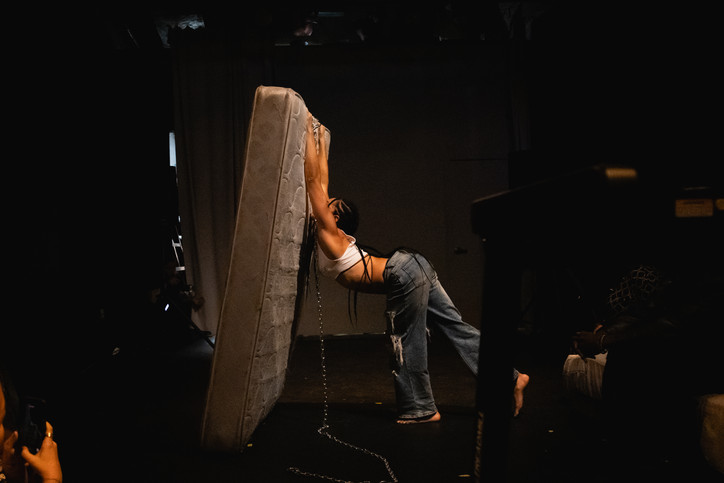
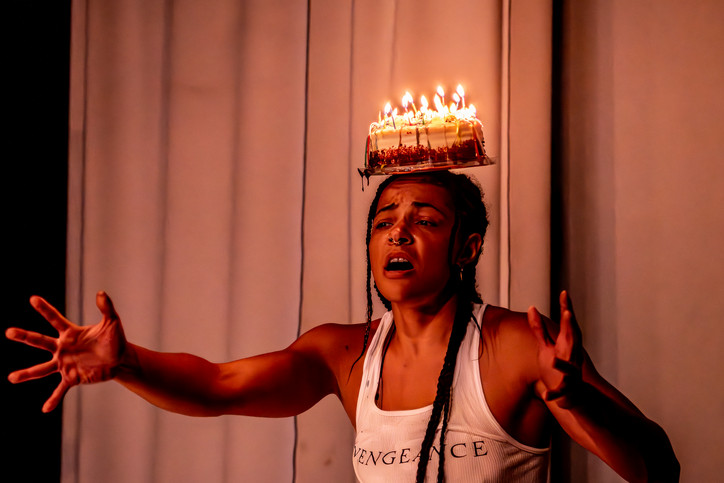
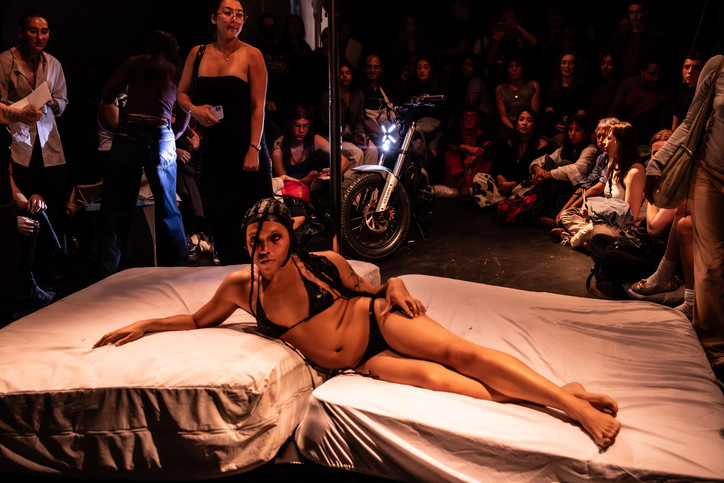
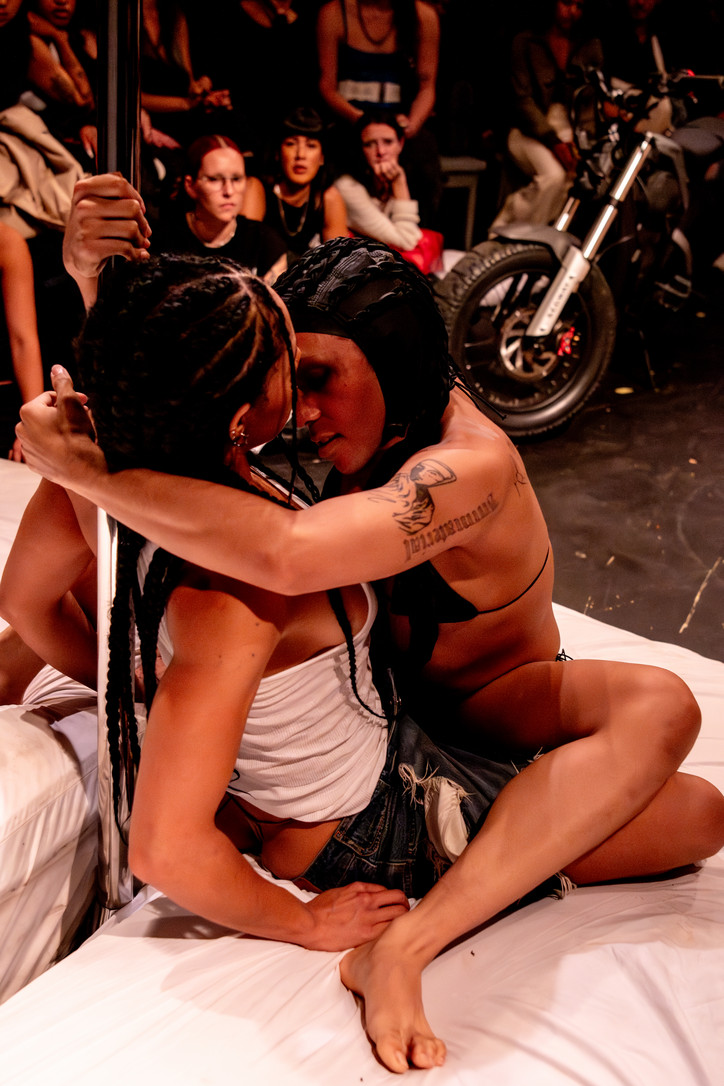
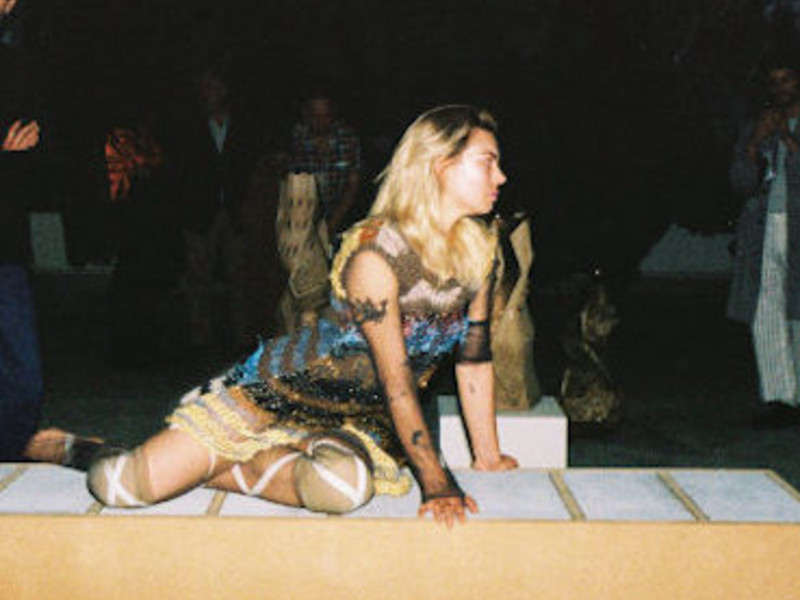
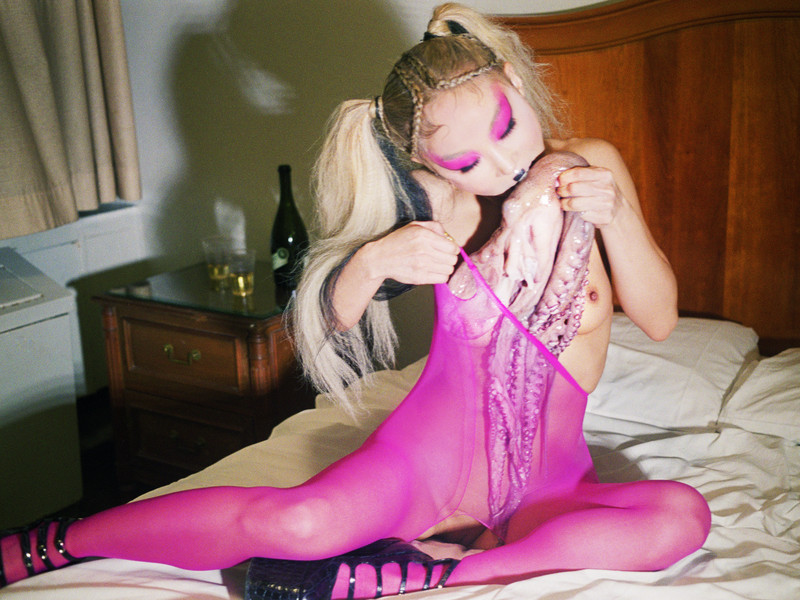
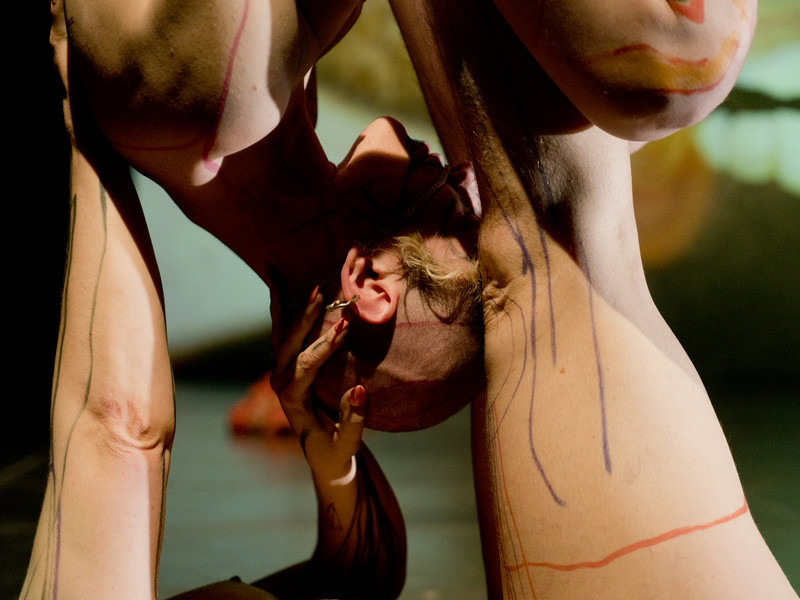
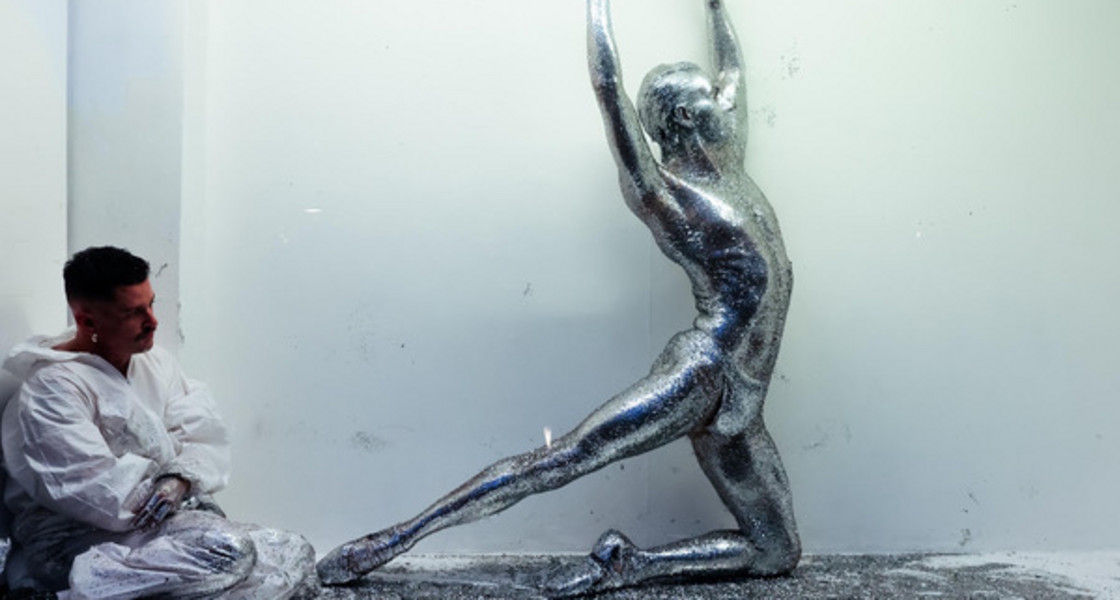
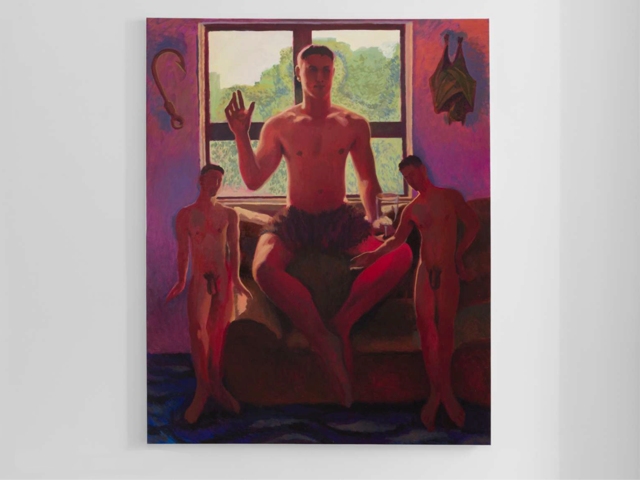
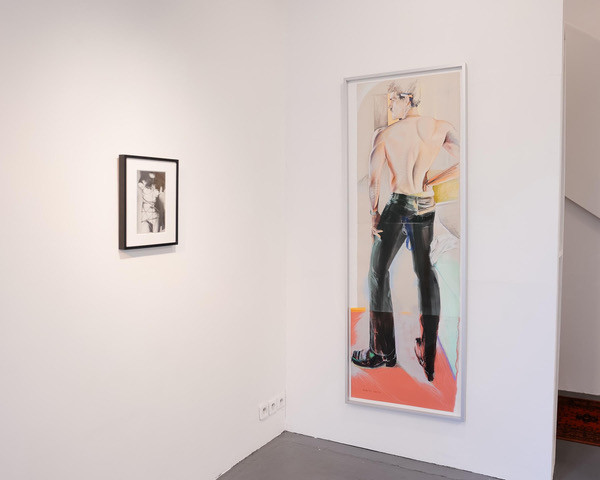
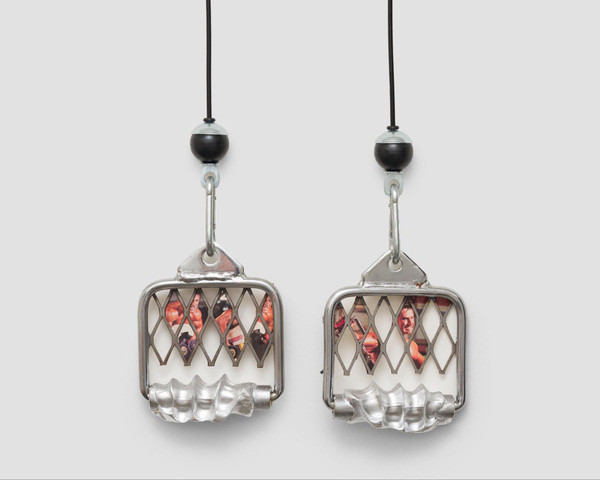
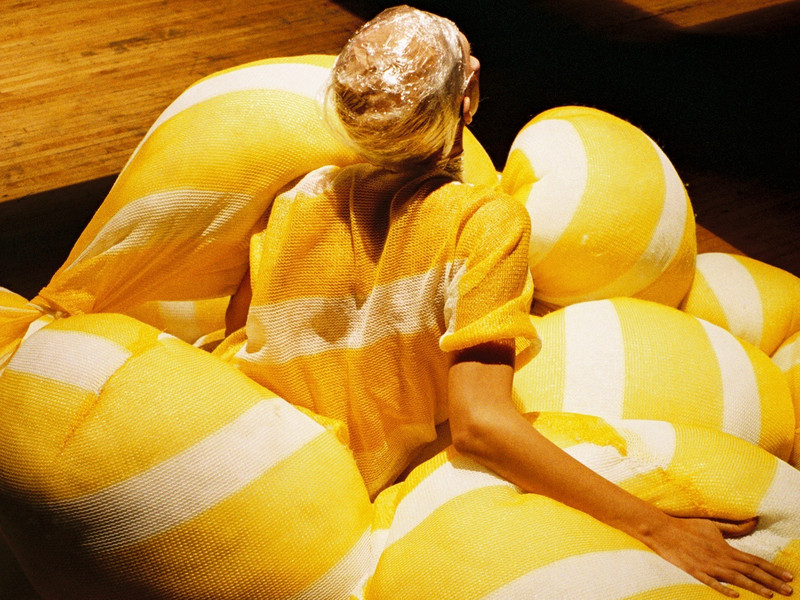
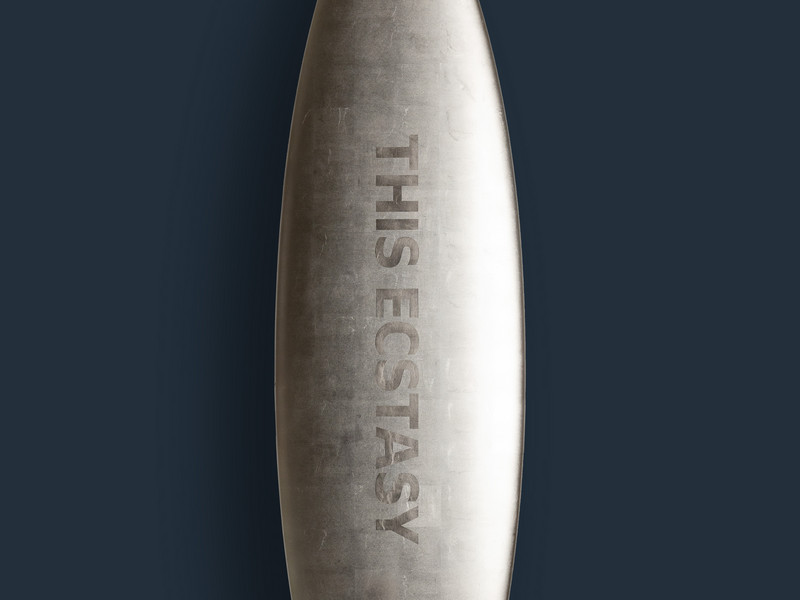
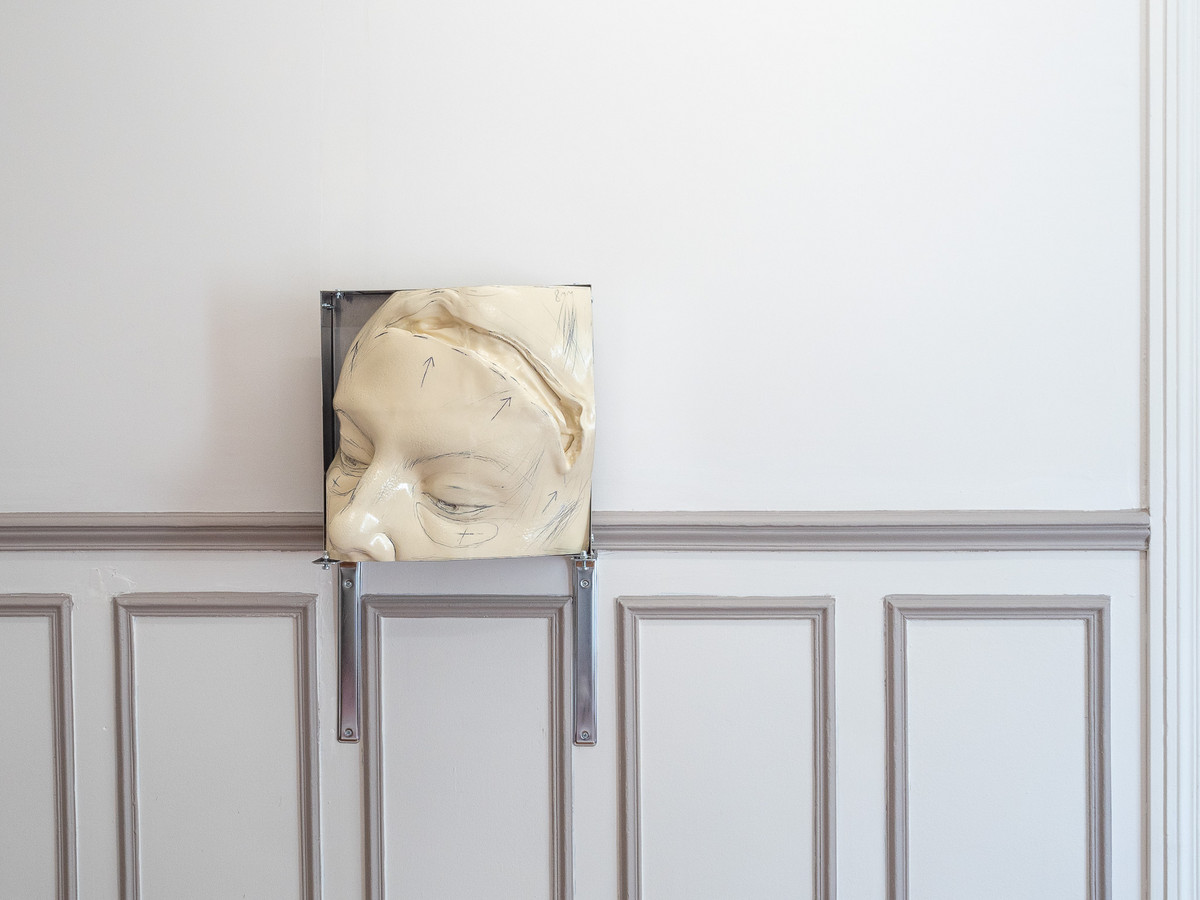
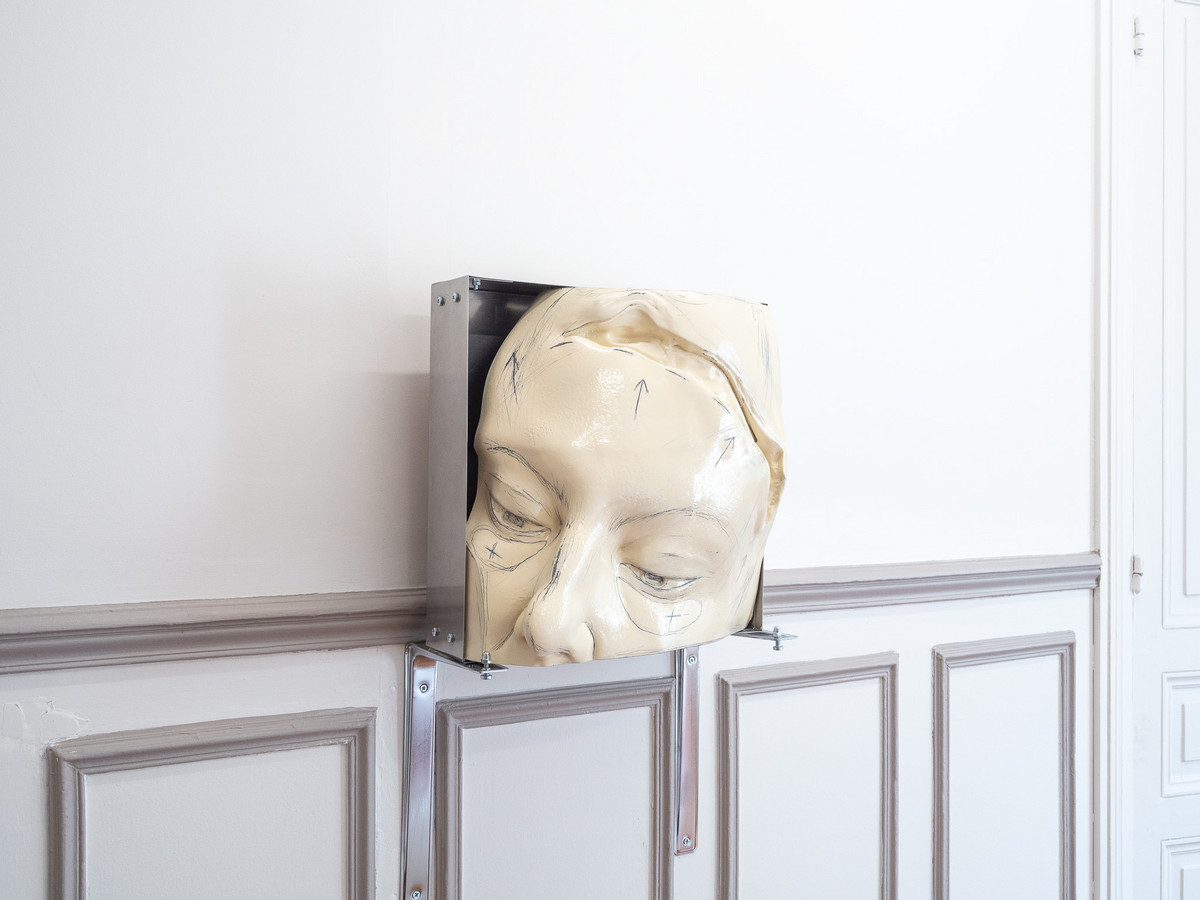
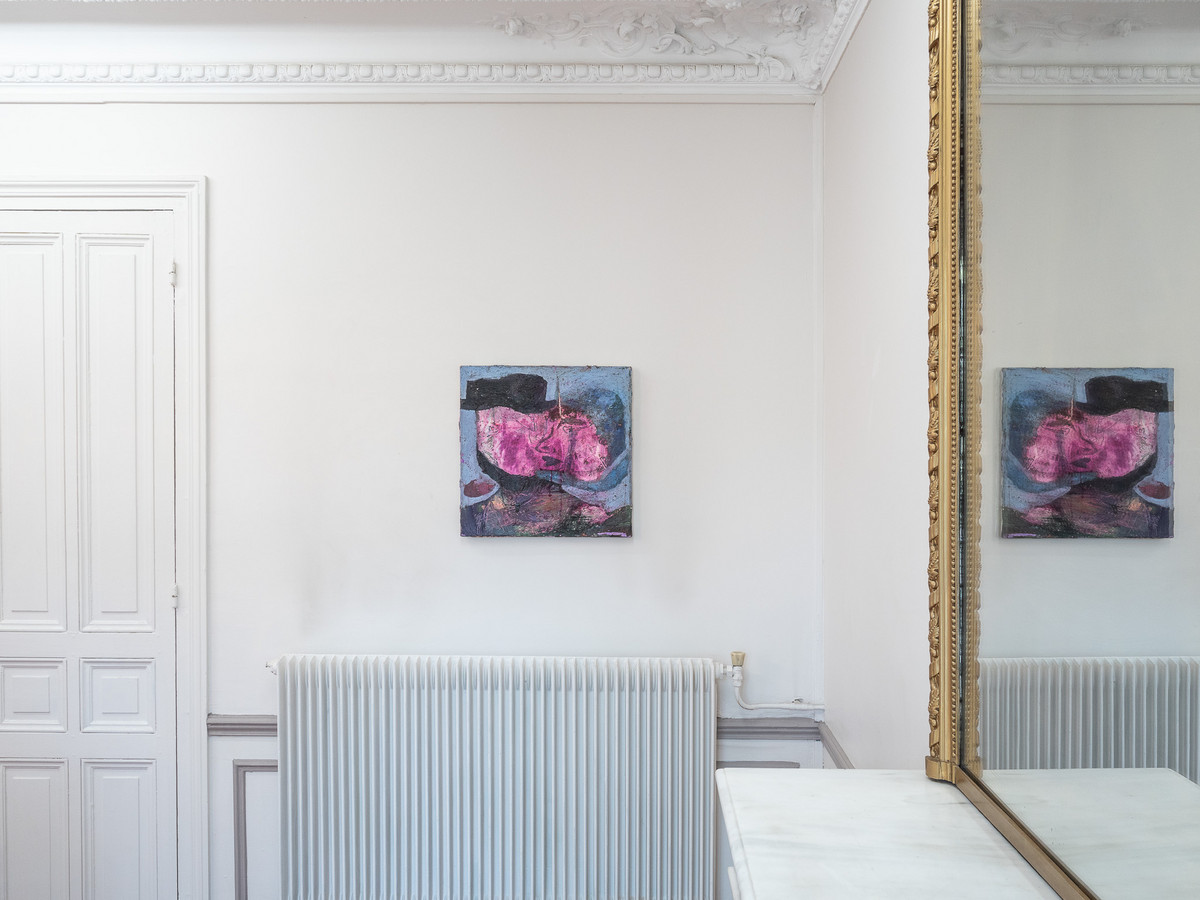
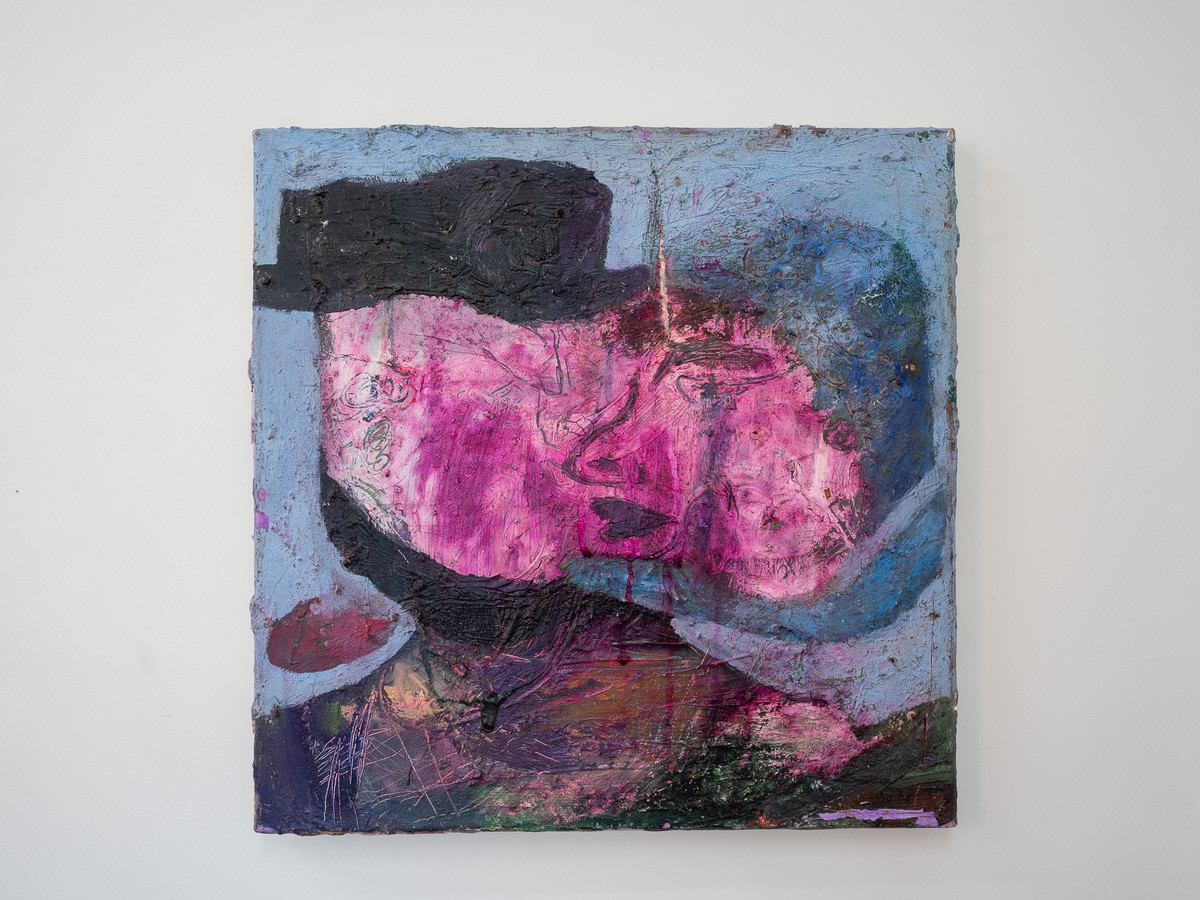
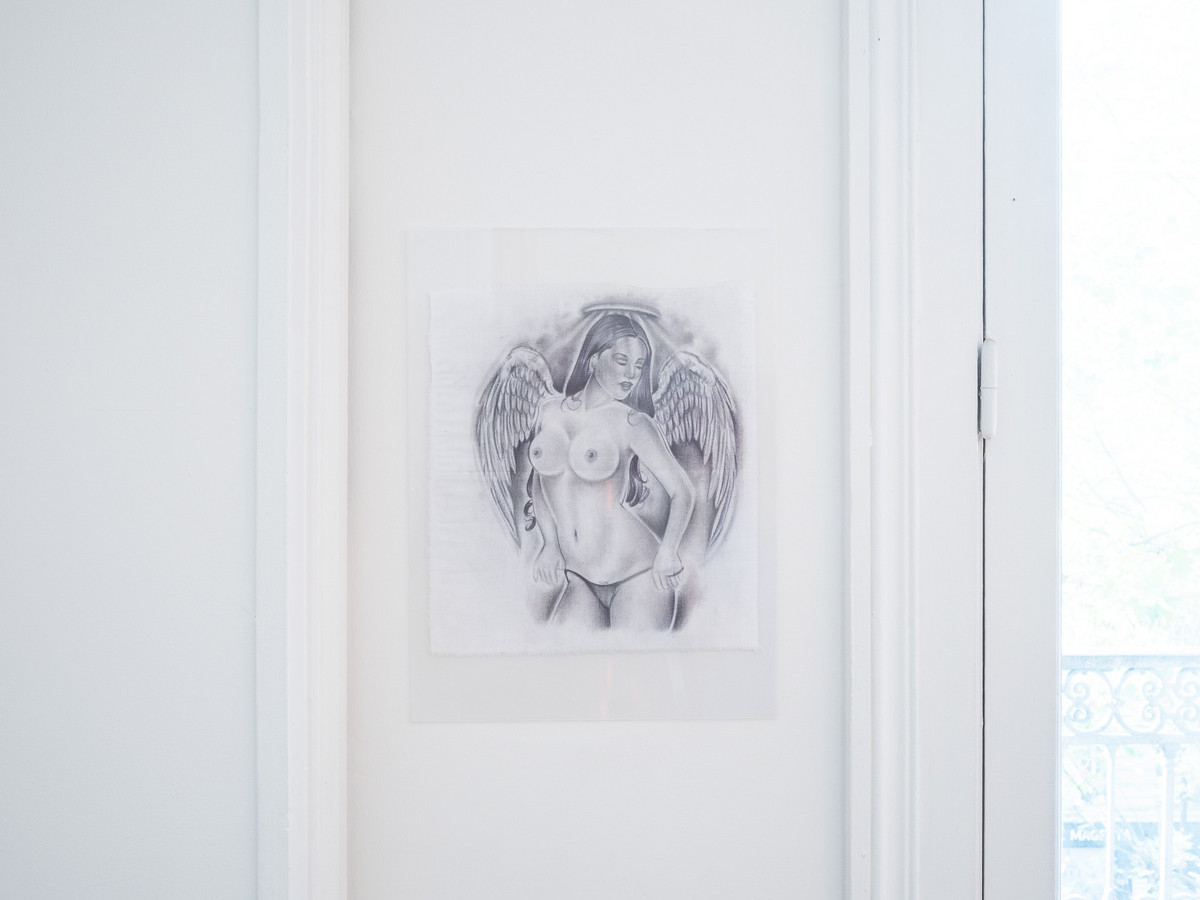
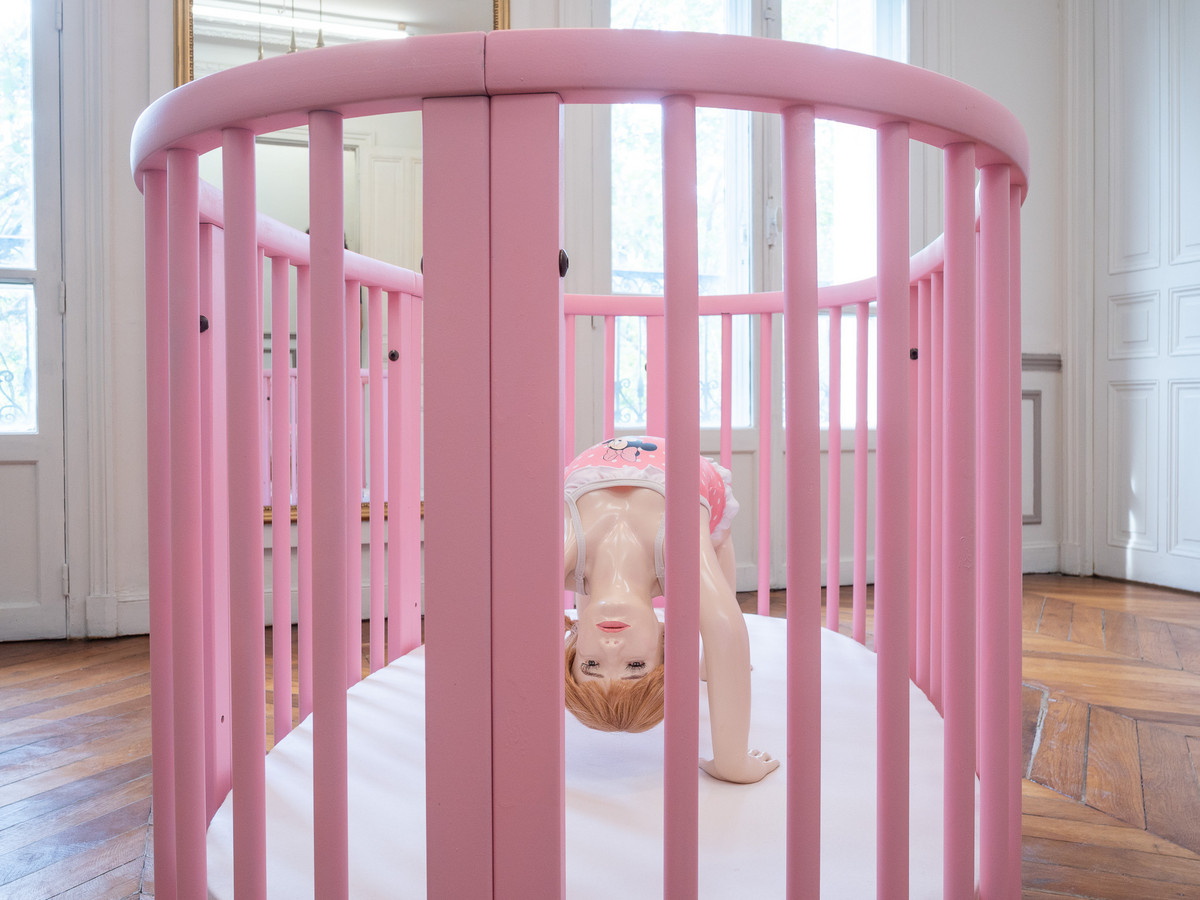
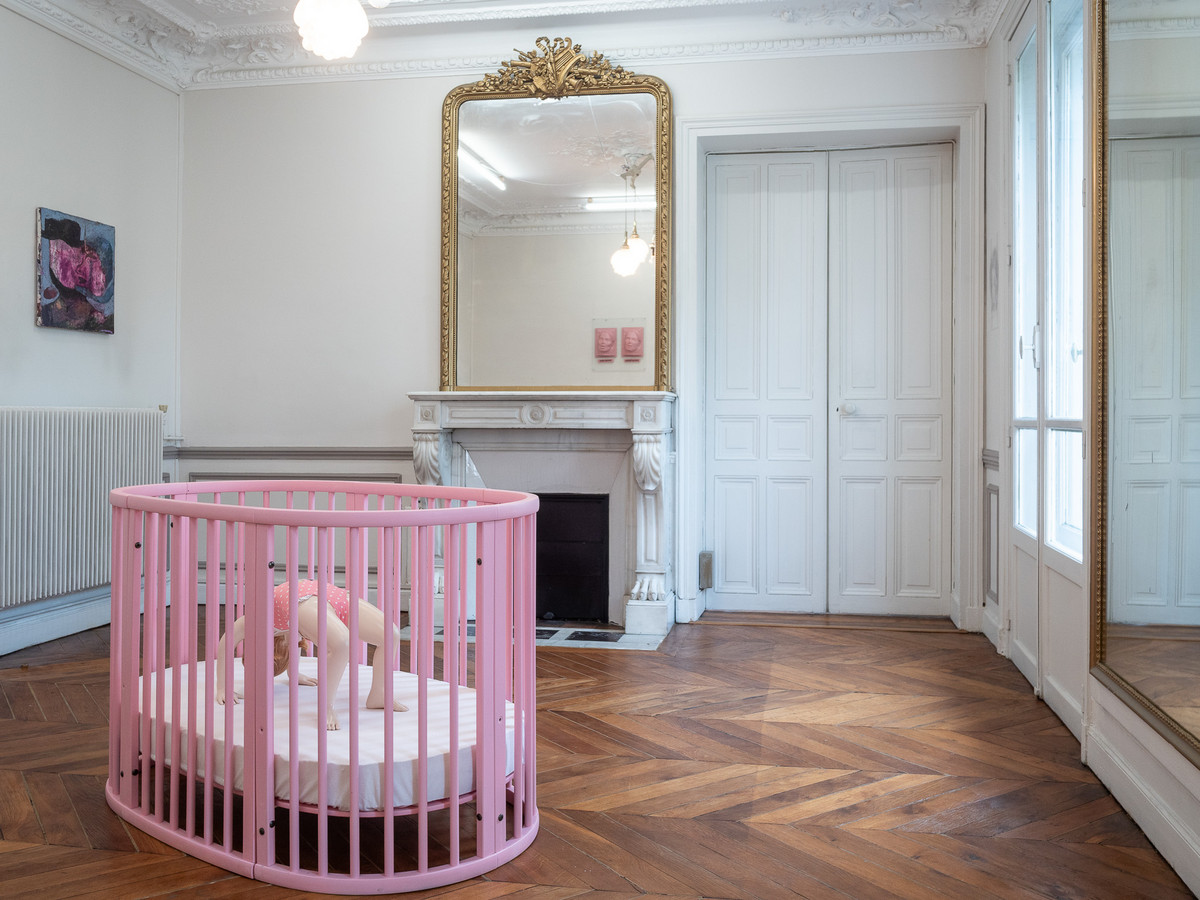
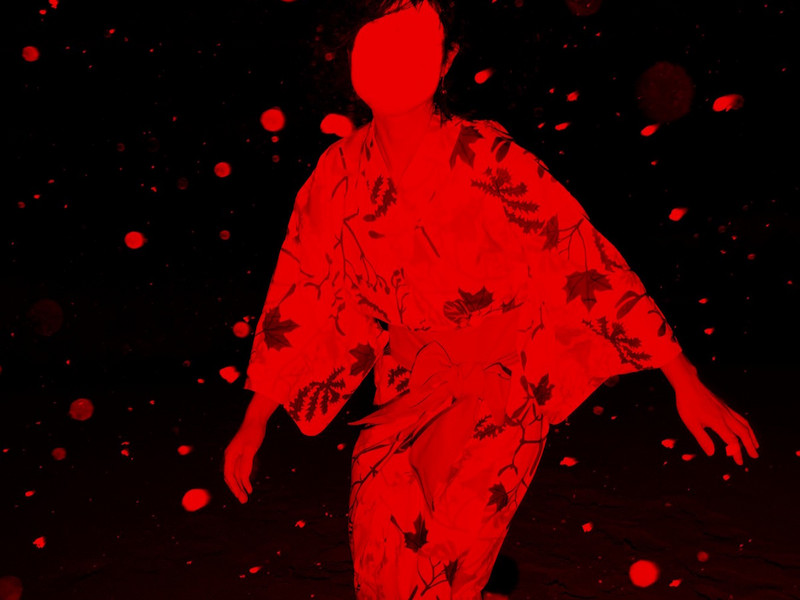
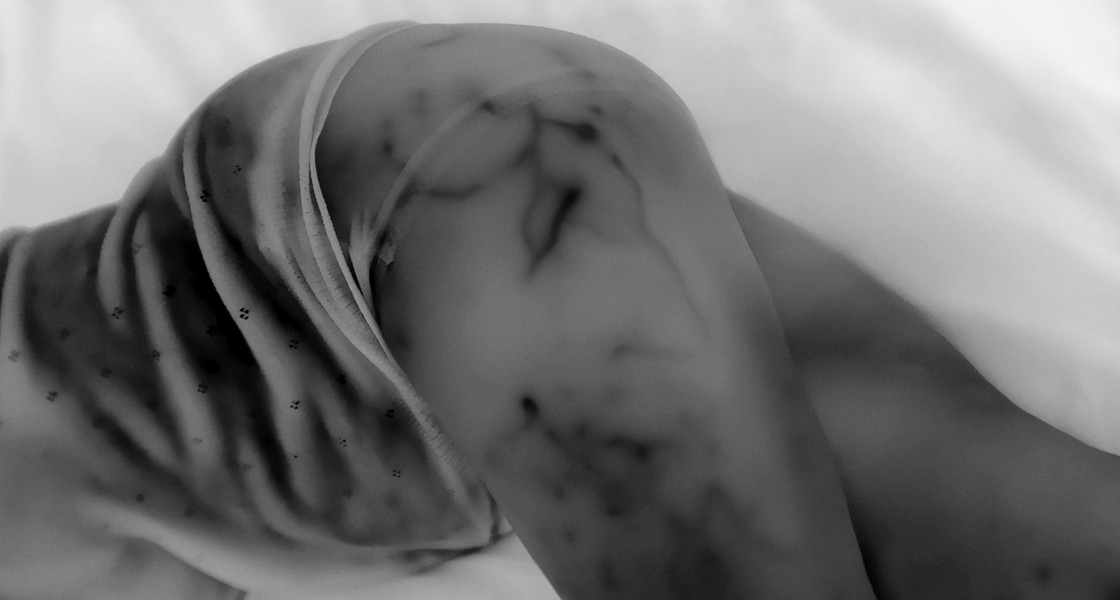
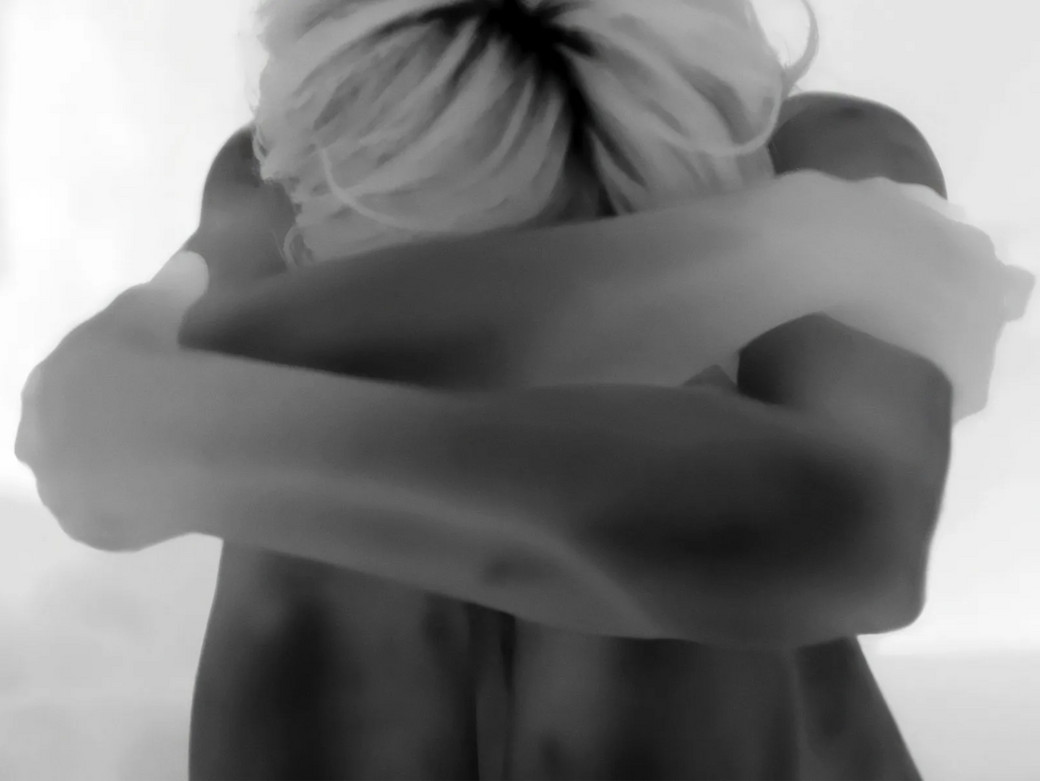
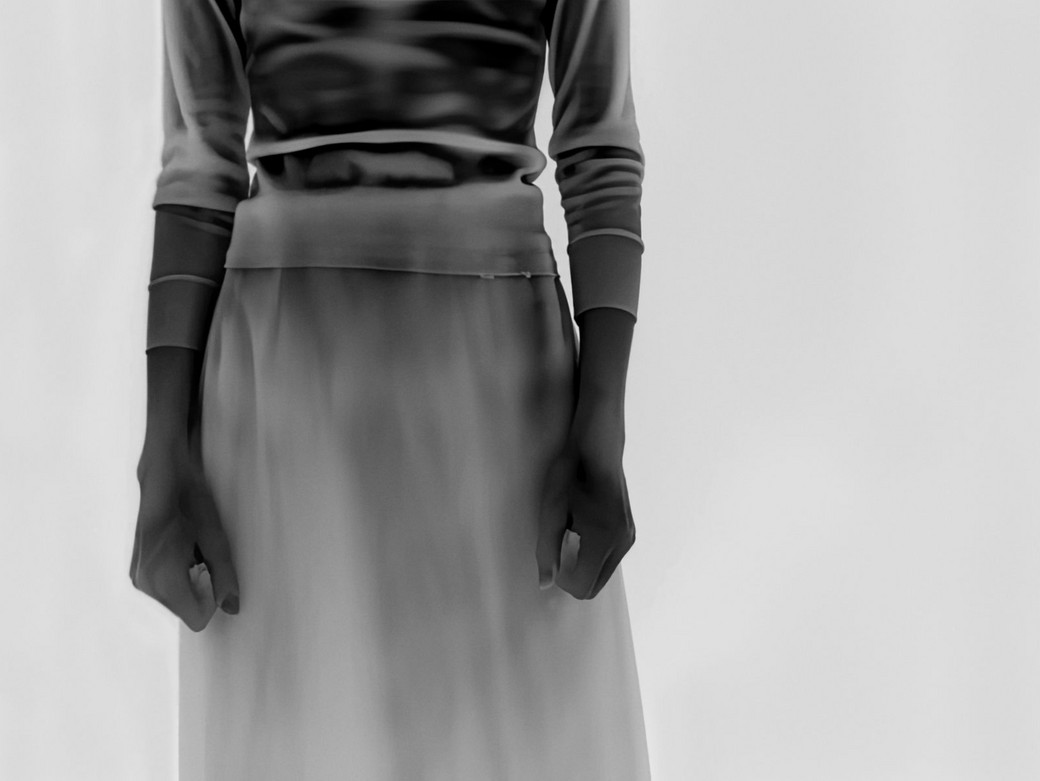
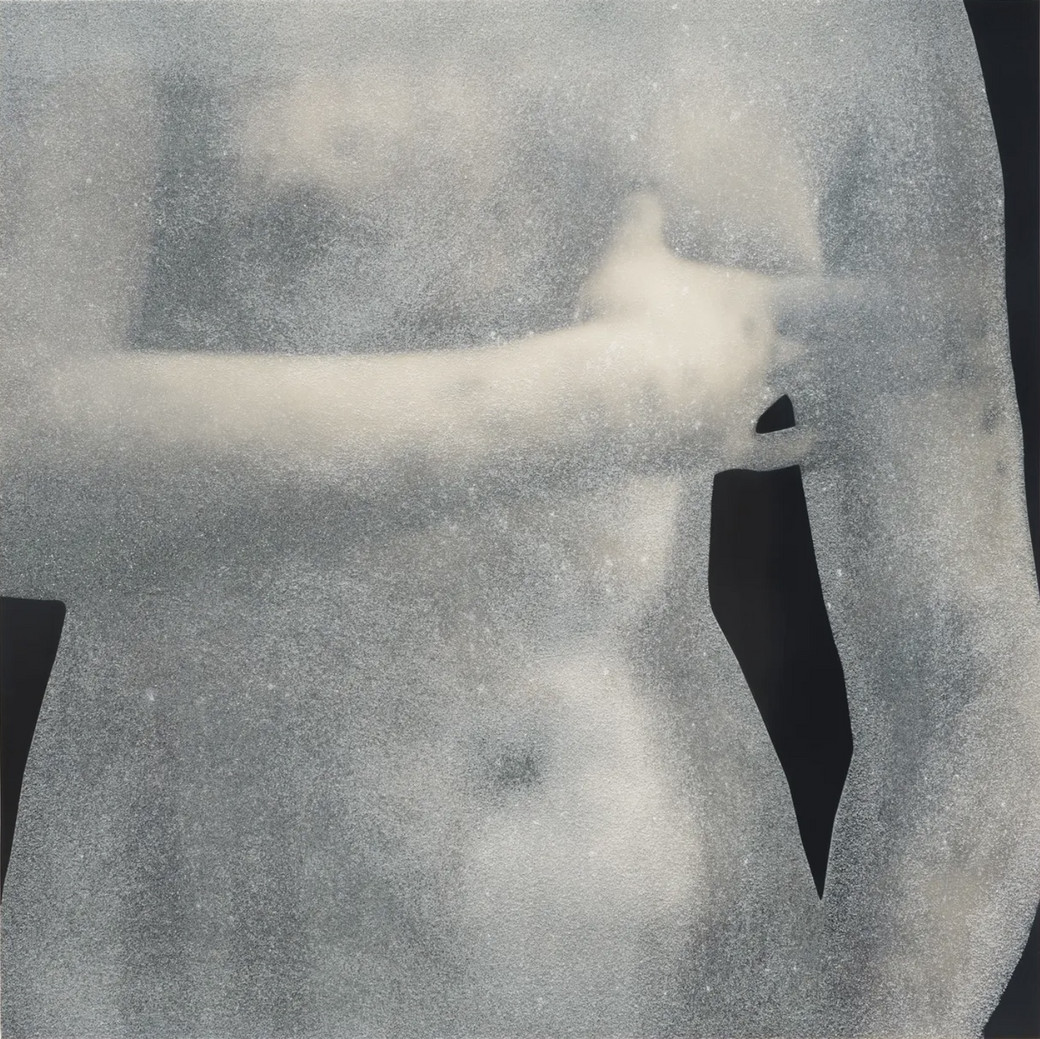
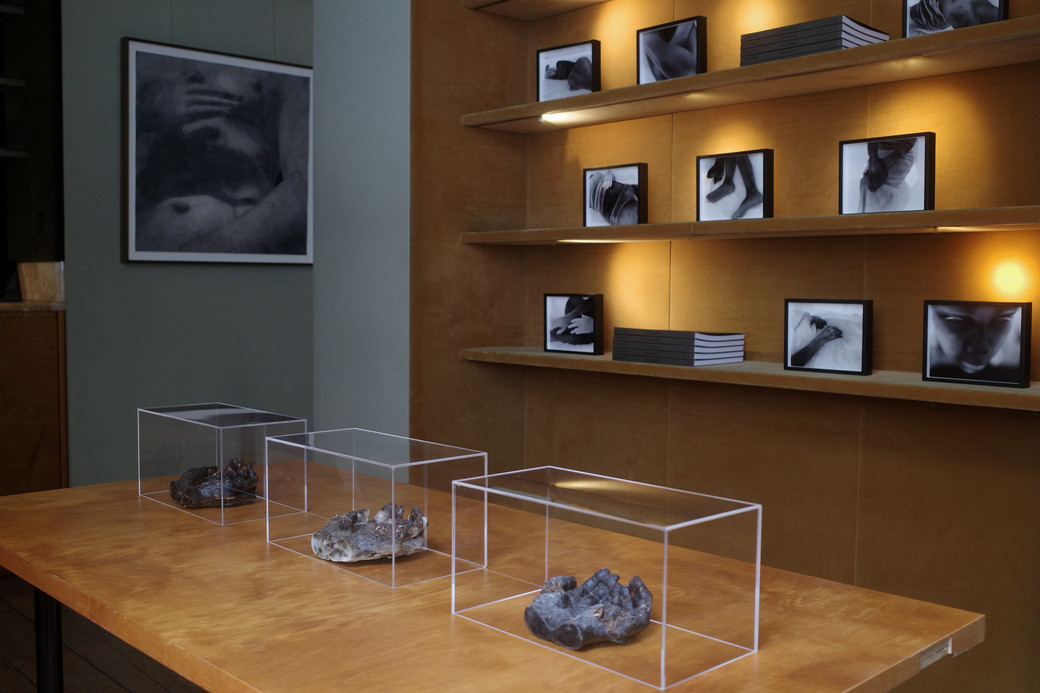
Unbecoming began as a solo show in Germany two years ago and has evolved out into a universe of work exploring our tendency to love only fragments of life. We celebrate youth but struggle with aging, we celebrate birth but hide death, we celebrate perfection but conceal damage, we celebrate beginnings while fearing endings. Childbirth is hidden, physical damage is disguised, death is ‘unbecoming’. Our old are separated and rejected. Yet these are all things that belong together. These experiences are central to life. As a body of work then it asks whether beauty might exist across the whole cycle (it does!), and rejects our narrow definition of this beauty, concentrating instead on transformation. Decay and decomposition are extraordinarily beautiful processes. Beyond the immediate, if I was to hope for one response to seeing the work, it would be a reflection on how contemporary unchallenged attitudes tied to consumerism and capitalism have ultimately shaped a reduced attitude towards the whole spectrum of existence.
How do you find inspiration for your methods of art-making, and how do you decide which medium best supports an idea?
Great ideas come from honesty and vulnerability. I view success not from a commercial standpoint but from how open I have managed to be. Honestly, things work best when I get out of the way and let ideas flow. When I don’t think too much. But this has to be rooted in a period of ‘composting’ – research, reading, thinking, walking, talking – a constant roving curiosity - that allows ideas to churn and percolate and gain substance. And then you have to just trust that the right ideas will appear. You also have to allow yourself to make mistakes, to go down wrong paths. The best ideas often come from ‘doing’, from material leading the conversation.
I am drawn to deep black, but also gray and muted tones. I can just see better that way, surrounded as we are by so much colour. The world is too cluttered for me. I search for the simple and spacious.
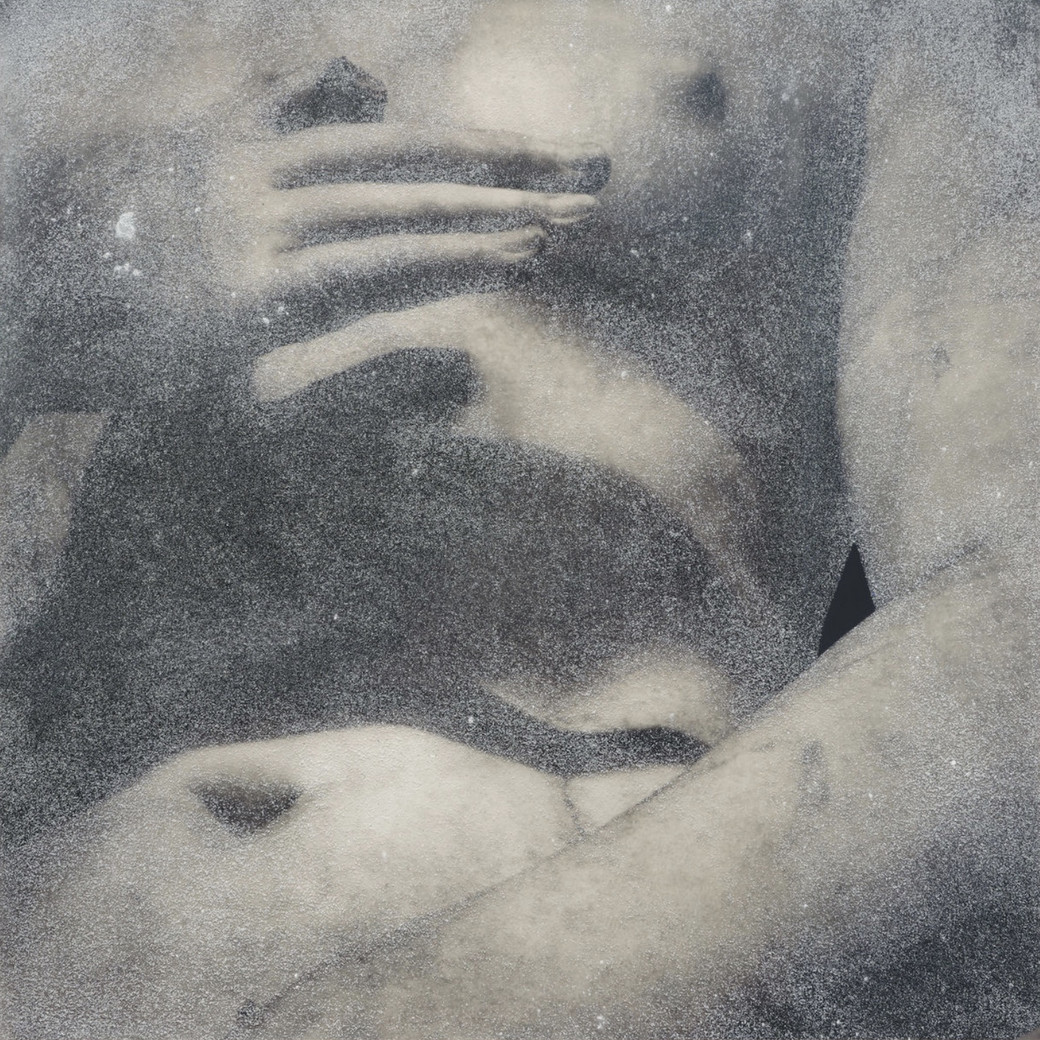
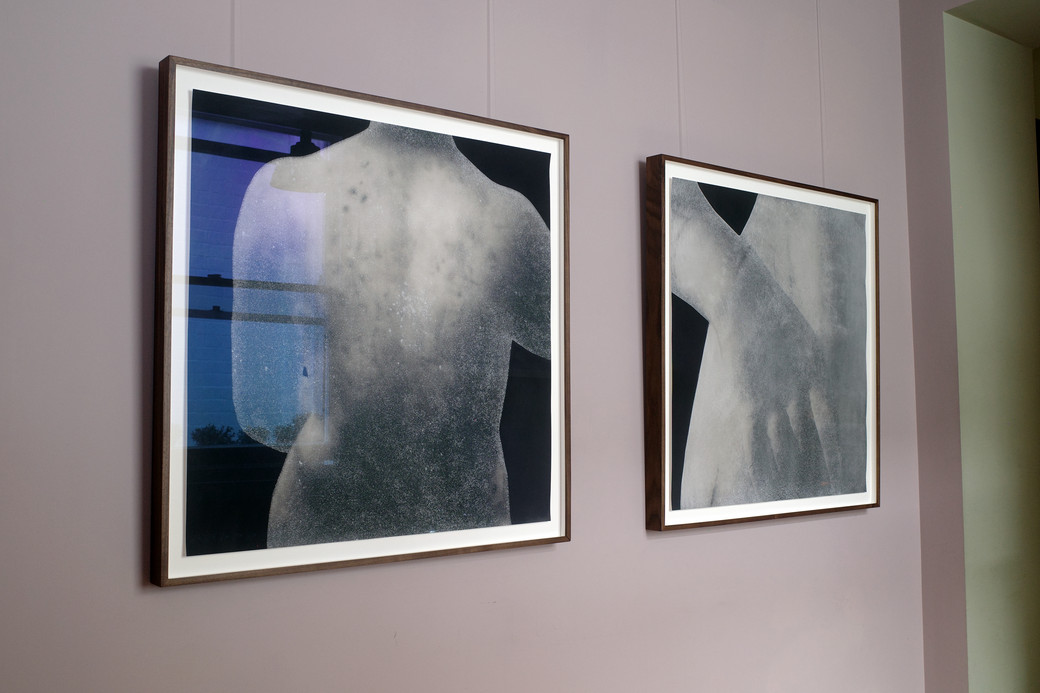
Why do you think challenging and analysing classical art, such as ancient Greek sculpture, is so important?
I am fascinated by classical art and particularly Greek sculpture exactly because it has been so extraordinarily successful. It’s one of the most powerful attempts in western culture to fix a set of ideals … and these ideals continue to influence how we imagine beauty, power, gender and the human body today. You just have to spend five minutes on Instagram to see how these ideas continue to shape how we see ourselves. An extraordinary living, all-pervasive inheritance that continually shapes contemporary dialogue and particularly our ideas on what a normal or valuable body looks like. It’s arguably a vision of bodies that is gaining renewed traction as the world swings to the right.
I am not particularly interested in rejecting the classical canon for the sake of it. I am rather asking what happens when certain ideals become so deeply embedded in culture that they appear natural and inevitable. The question then for me is not whether these sculptures are beautiful. Many of them are, but rather what cultural assumptions and power do they continue to carry and should these be challenged. Just who has been historically included within it, and who excluded. What new stories can be made possible. There’s a whole universe of work I am creating tied to these questions and it’s something that’s still evolving in my practice.
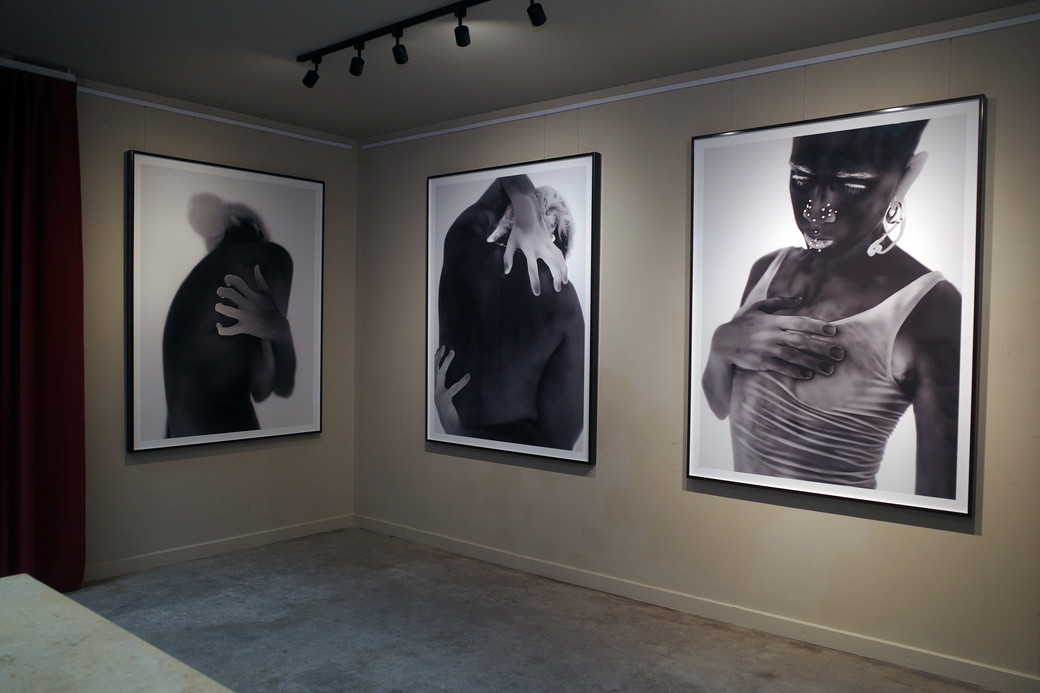
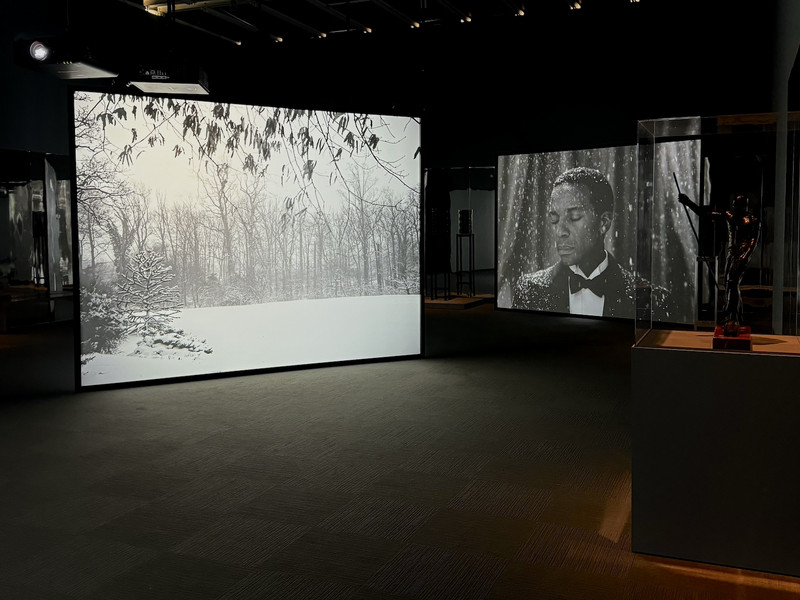
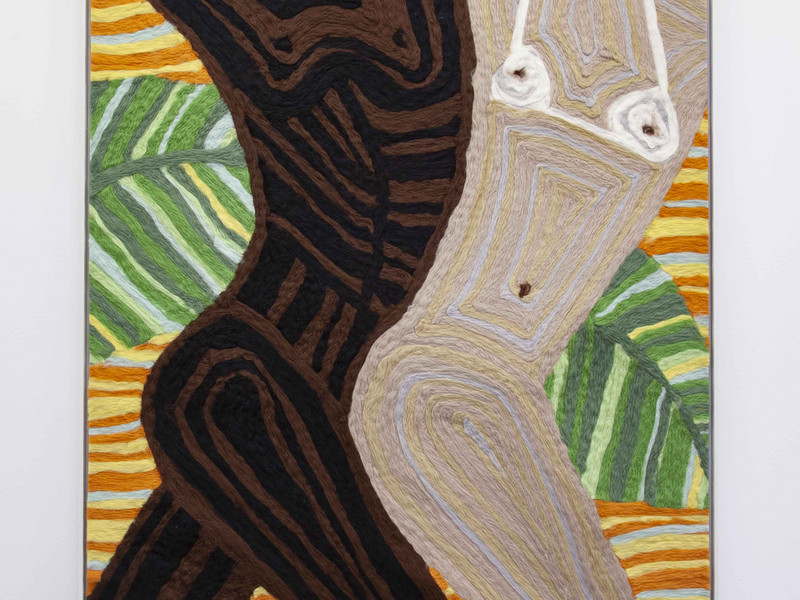
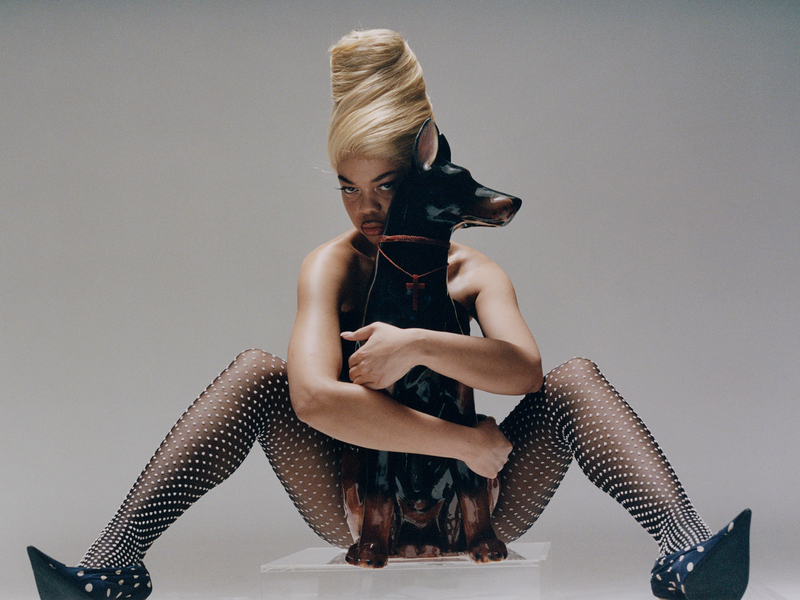
In The Church of Our Becoming, I took the monumental scale, authority and dignity of Greek sculpture (my images are 3.5m tall) but portrayed bodies that the classical traditions have largely excluded or mocked: trans bodies, non-binary bodies, or women as they choose to be represented.
In The Quiet Uncertainty of Stone, I studied damaged classical statuary that were originally sculpted in reverence of youth and beauty, and as an ode to permanence, and argue that the cracked, weathered, composite and aging sculptures as they have evolved over time are far more meaningful.
Could you please tell me about your residency program, and why support for artists at all stages of their careers is so vital?
The residency is built on a simple belief: people matter more than outcomes. We live in a culture and era that constantly asks what value can be measured, quantified or delivered. Art rarely develops in that way. Meaningful work often emerges from periods of uncertainty, reflection, reading, conversation or apparent inactivity. I wanted to create a space that trusts artists enough to allow those processes to happen.
At its most fundamental the residency is a week or two in the countryside at our studio. Composers, choreographers, actors, and musicians tend to use the world-class recording facilities available here or studio space, which we provide for free for Residents or at cost for Visiting Artists. Writers, and artists tend to concentrate around our woodland and the hut spaces we have in the middle of it. Being totally immersed in nature is like a healing balm for creative minds. It’s an opportunity for everyone to unwind, but also to be surrounded by people ‘who get it’, who are on the same journey. While they are working, we are working. We feed folks and look after them. They have access to the vegetable garden and all that’s grown there. There’s a never-ending supply of coffee with a great coffee machine. No-one has to provide us with evidence of work when they leave. It’s just not like that here. While we do tend to ask for a proposal, and look for artists who are truly dedicated, it’s up to the individual artists to decide what they spend time on.
After the residencies are over we try to connect folks either with labels or each other, if it seems like it might help them. We try to offer opportunities for performance where we can. With the composers and musicians, we programme their work as often as possible. We can’t help everyone in this way but have been able to with increasing frequency. It’s about artists helping artists. Away from commercial label or publishing pressure and returning to why we all got into art in the first place. In this way we operate in almost an inverse way from most residency programmes.
We tend to support those that have already published or produced work at some scale – because frankly you may have a book or two out, or an album or two, or seem relatively successful, but rarely are you making a living from your work. Rarely are you receiving the meaningful support and mentorship needed to take you into a deeper practice.