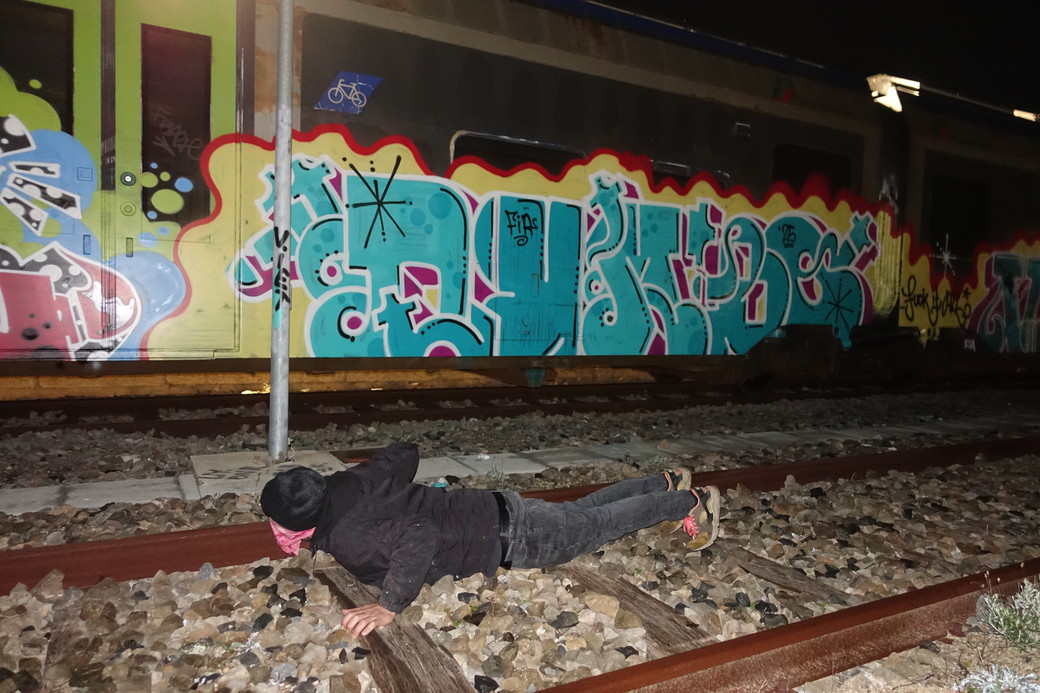
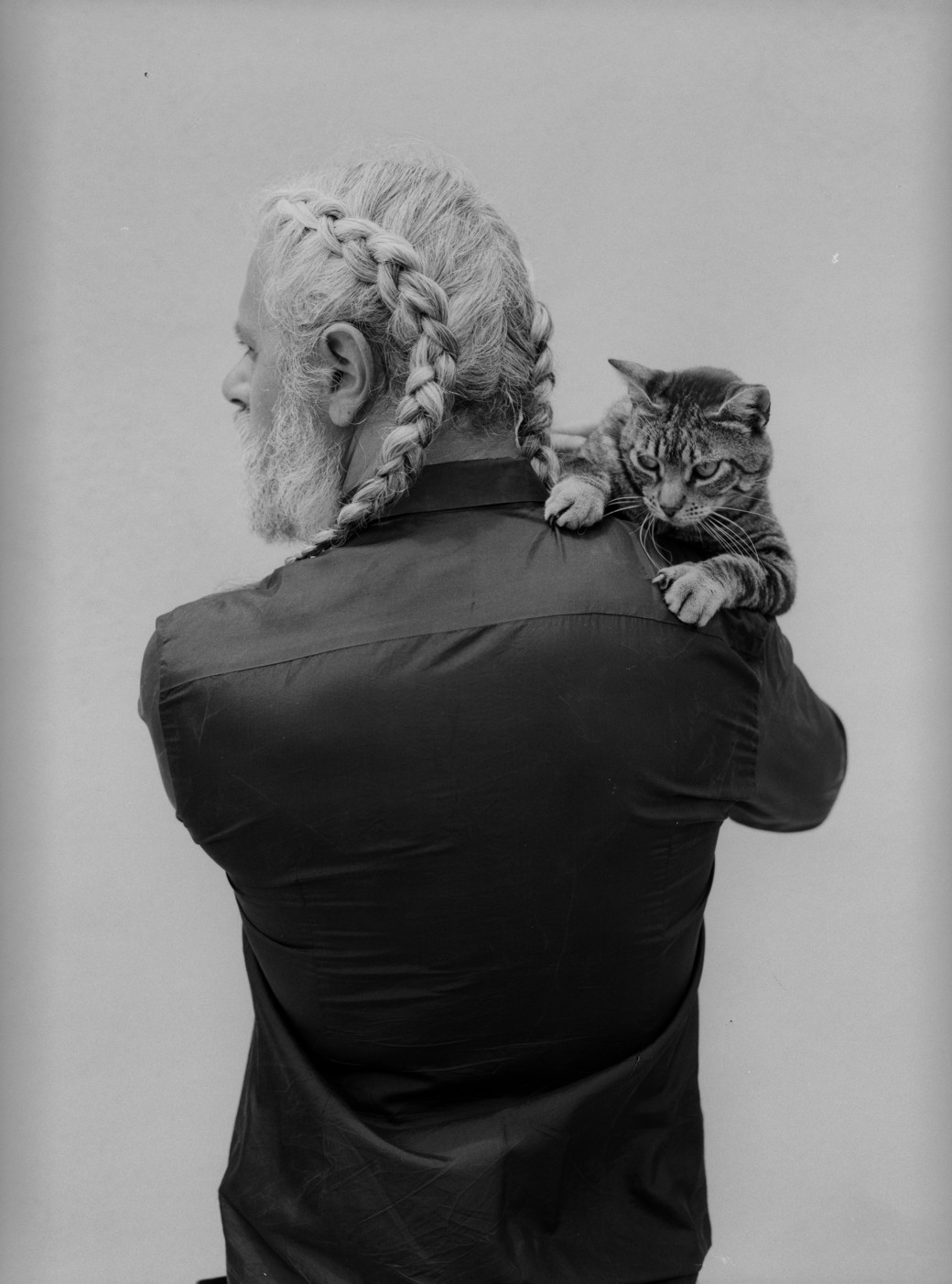
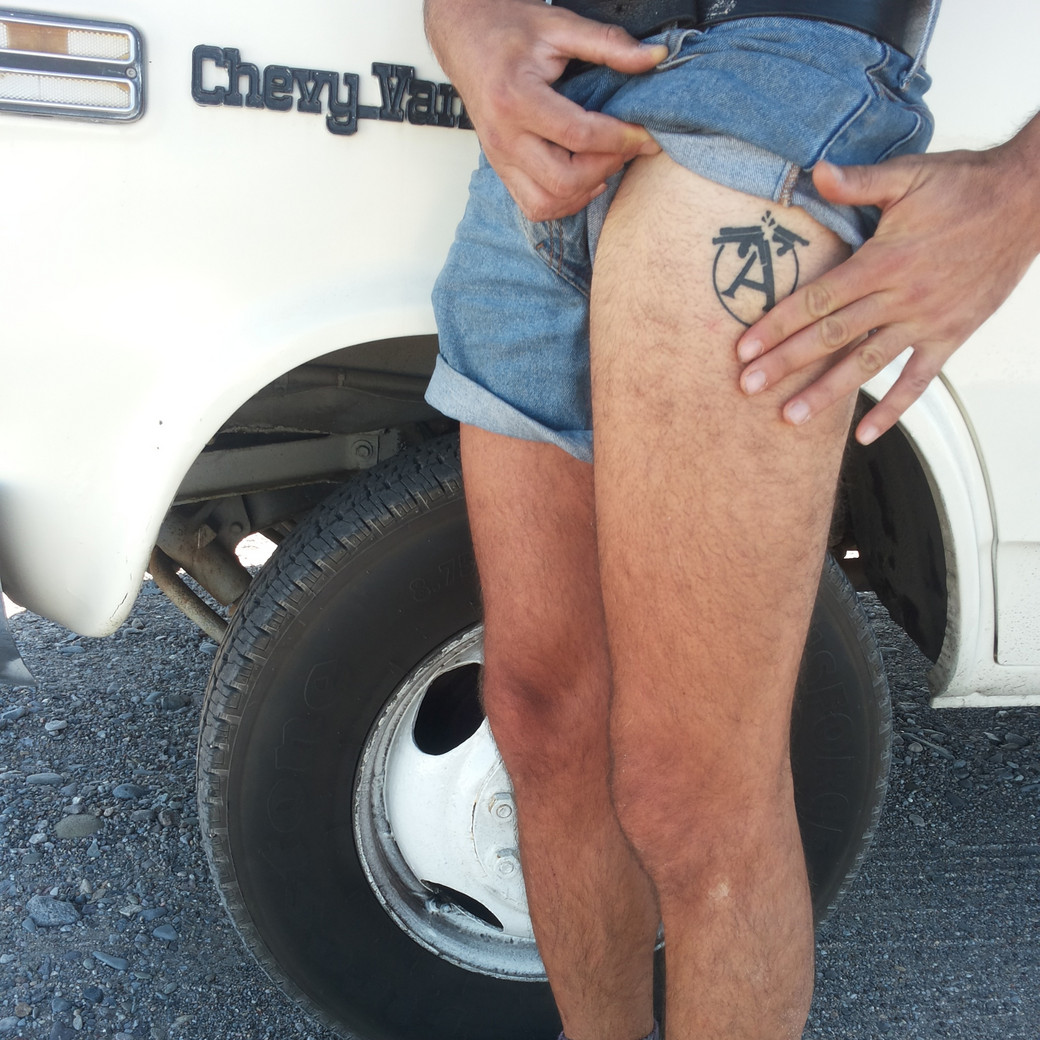
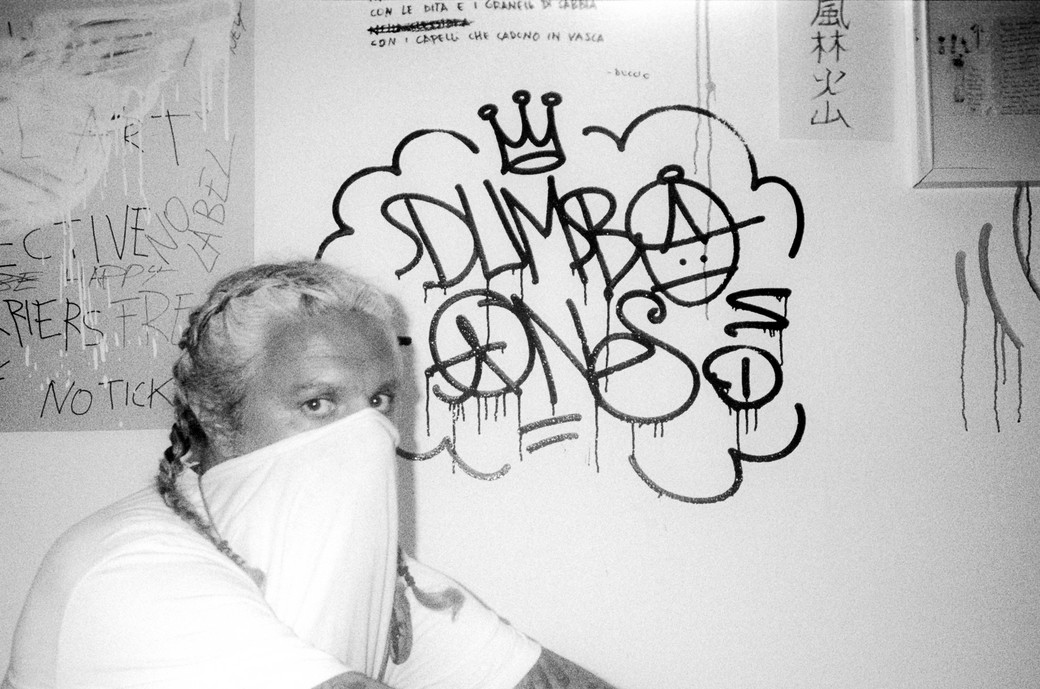
PRESENTE CONTINUO: the intimate ties between then&now

Starting May 30, PRESENTE CONTINUO will be available to purchase on presentecontinuo.com, cpcompany.com, and at the C.P. Company flagship store in Milan, Corso Matteotti 7.
Stay informed on our latest news!

Starting May 30, PRESENTE CONTINUO will be available to purchase on presentecontinuo.com, cpcompany.com, and at the C.P. Company flagship store in Milan, Corso Matteotti 7.

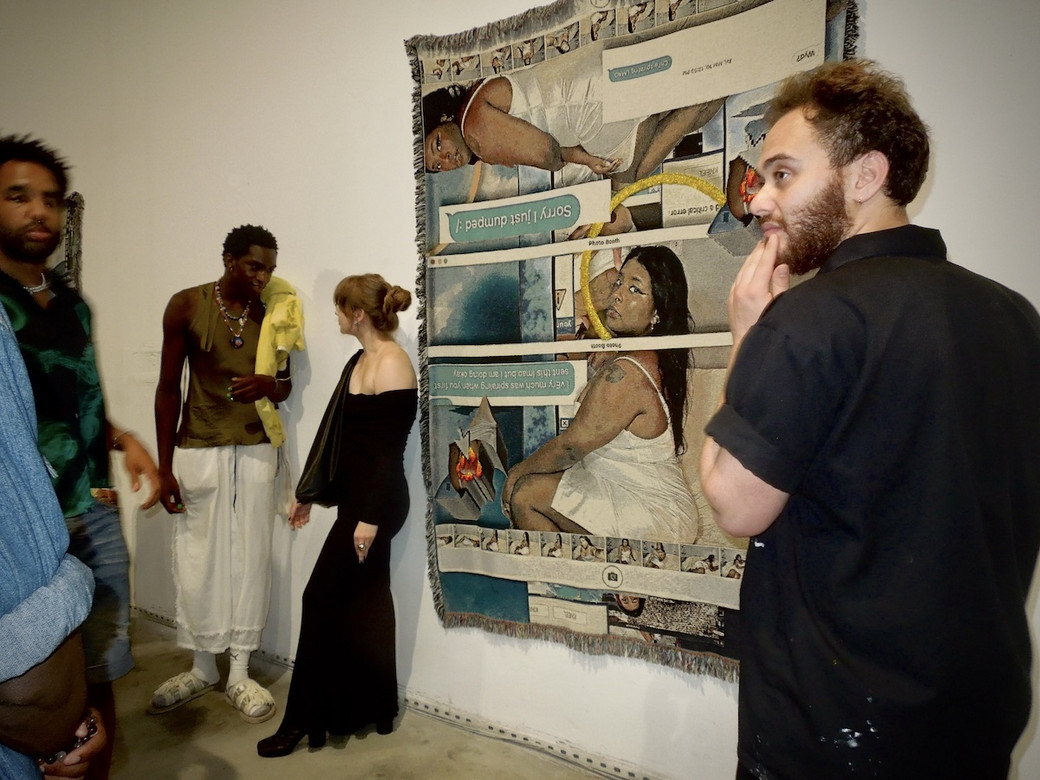
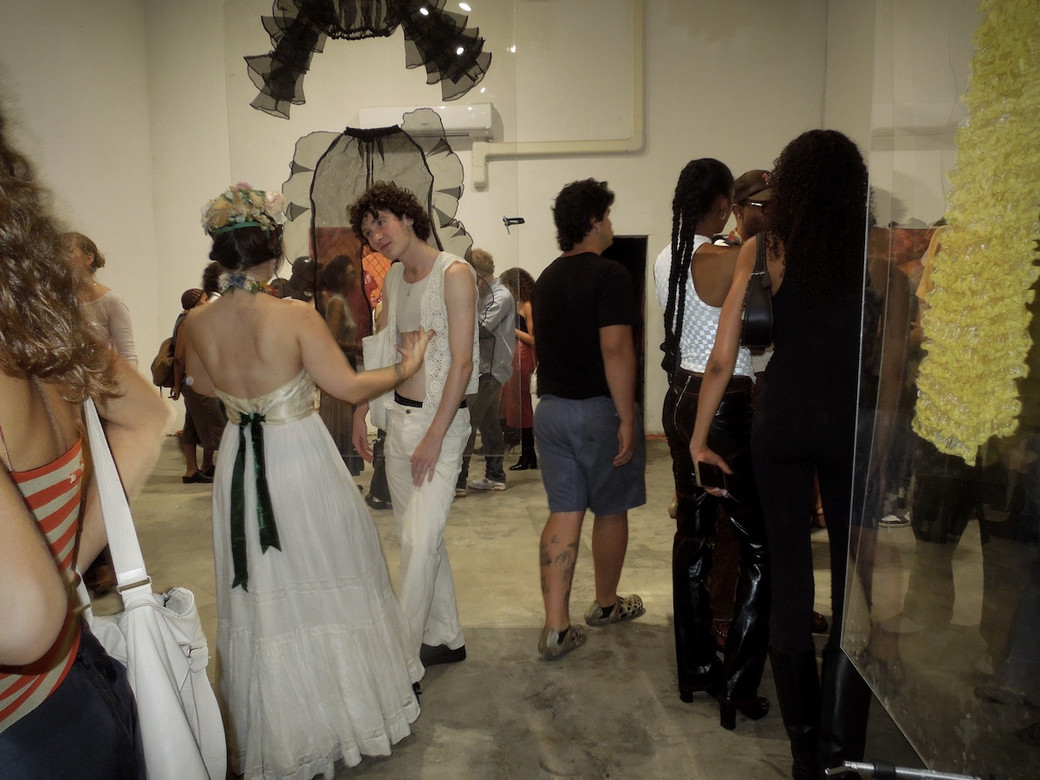
Strada’s commitment to disrupting the art ecosystem through inclusivity and fresh talent was readily on-view. The slate of artists at “Embodies Spaces” reads like a masterclass of unique narrative-building and audacious creative drive.
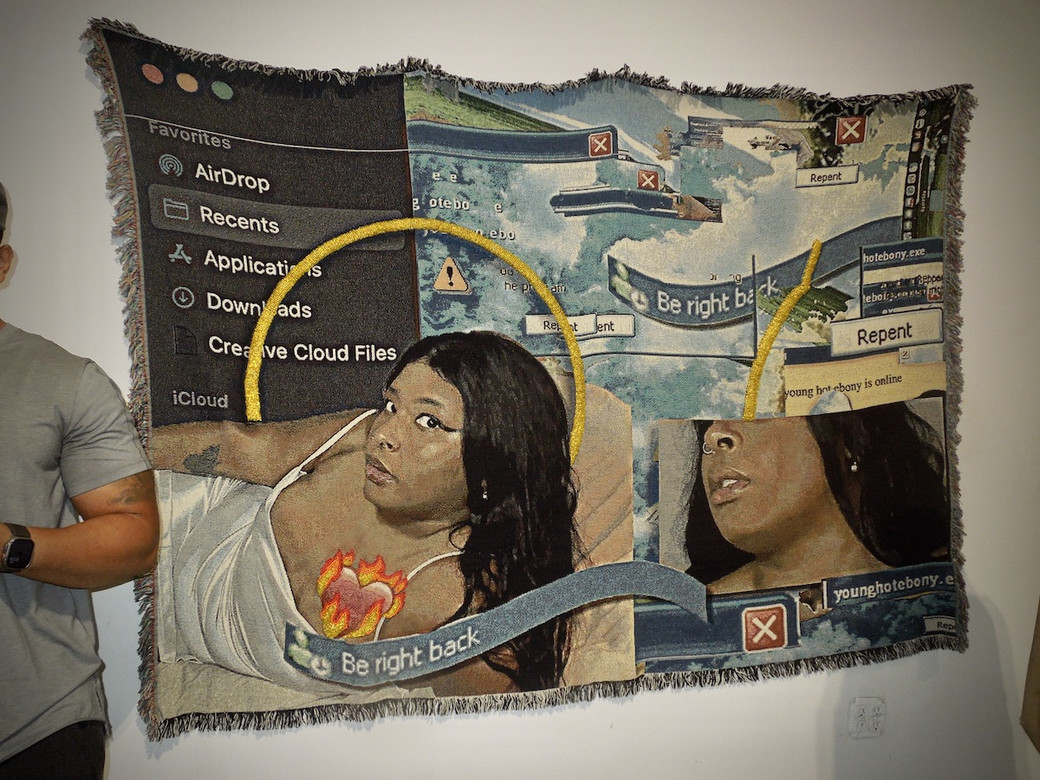
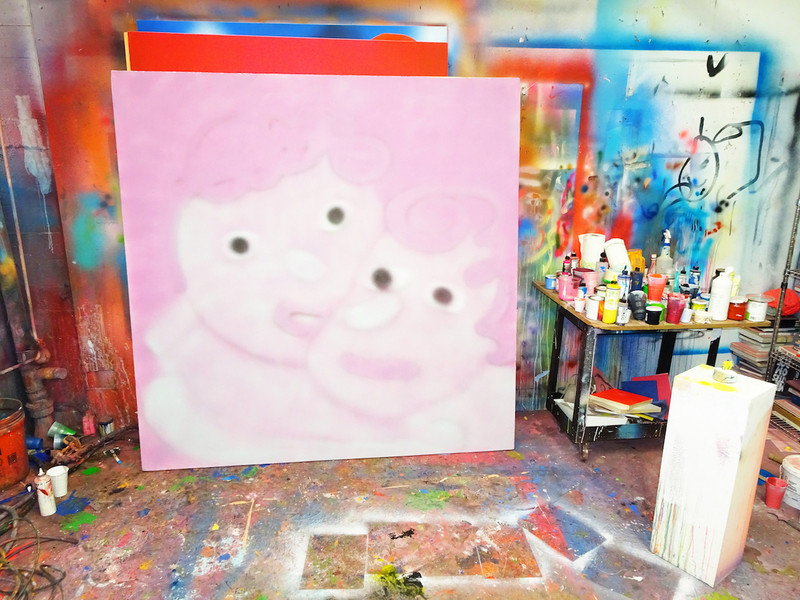
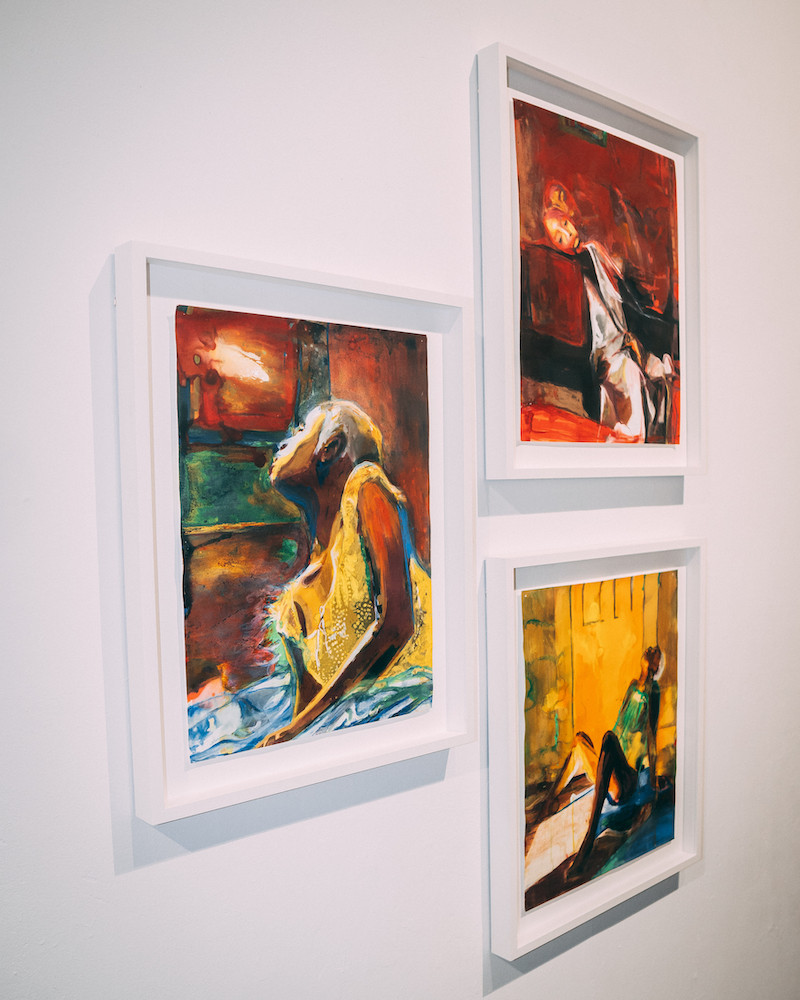
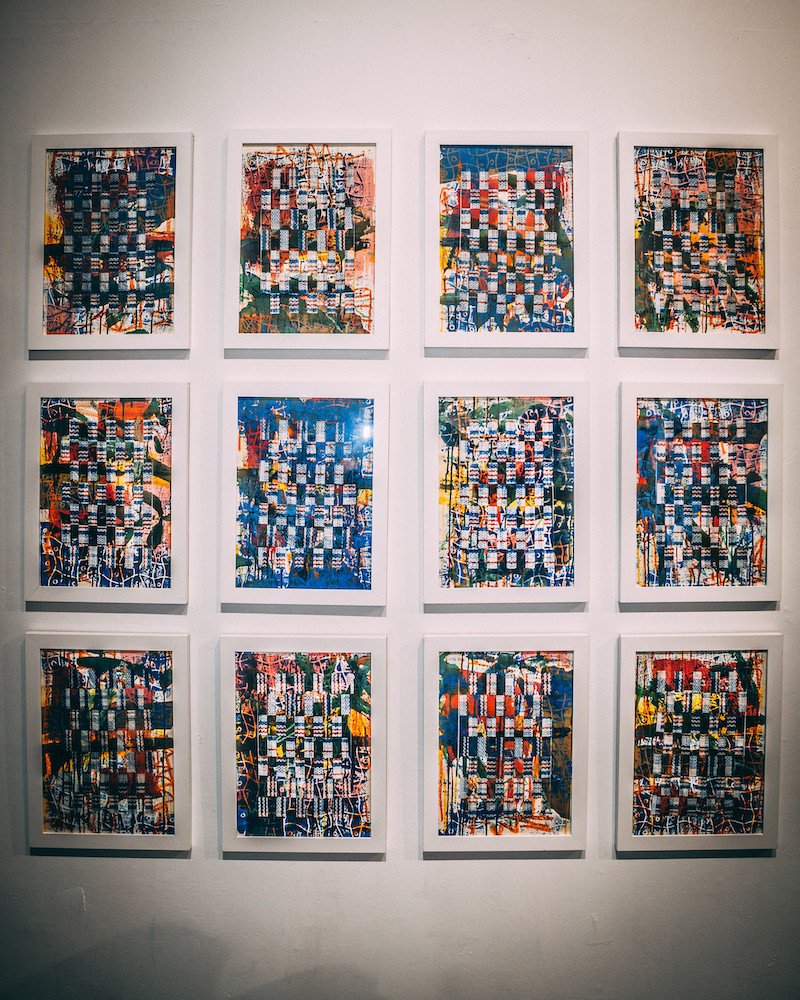
Drawing from a rich tapestry of disciplines, the works delve into the philosophical, sociological, and cultural dimensions of the body. They breathe life into the perception of how our shared physicality molds our communal understanding.
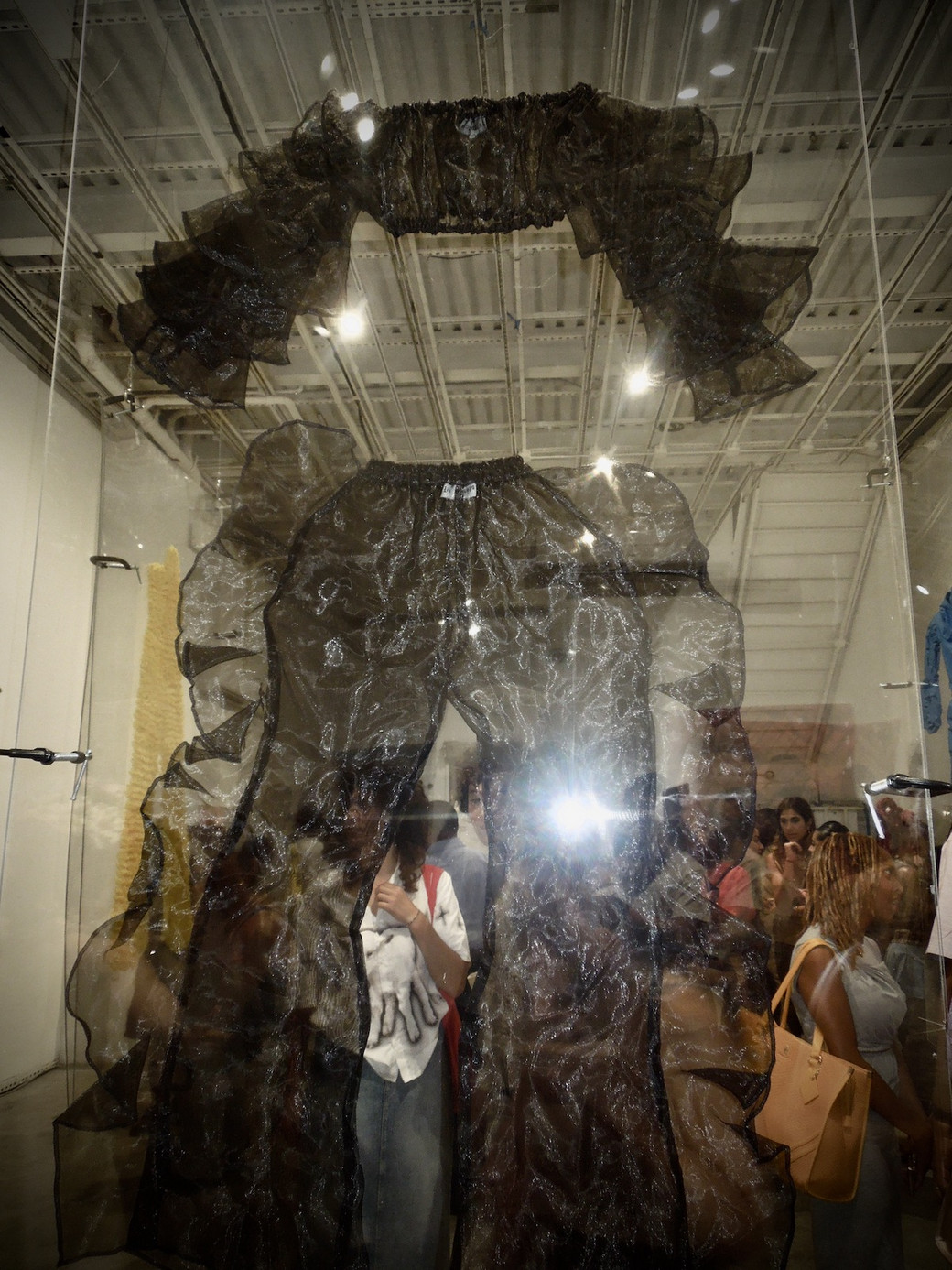
Part one of the exhibition features pieces from New York-based designer, Tia Adeola, as well as works from renowned artists Qualeasha Wood, Milo Davis, Augustina Wang, Obi Agwam, and Thomias L. Radin. Details regarding part two of the exhibition will be released soon, but expect more of an emphasis on architecture rather than versus the bodily study of the first edition.
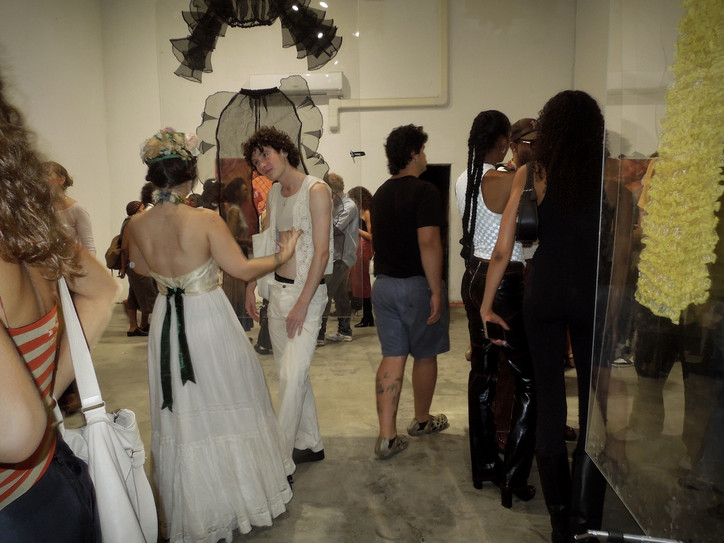
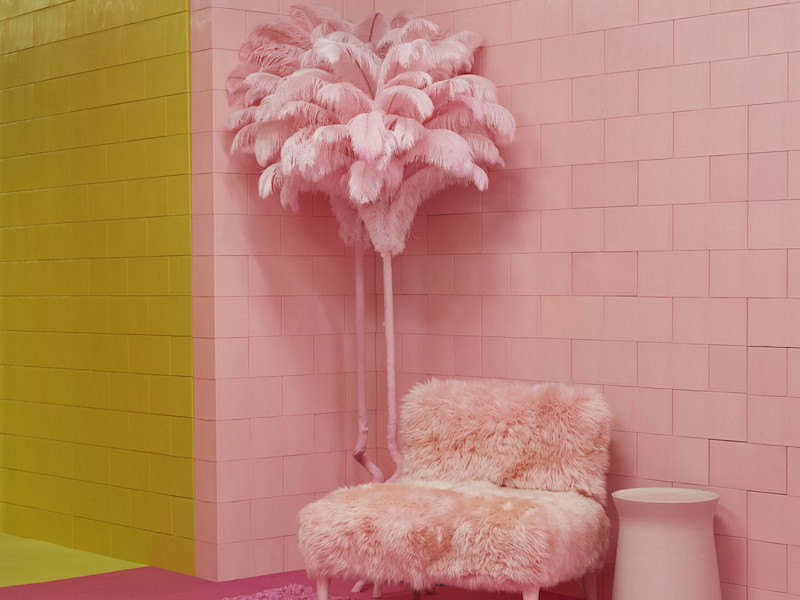
The backdrop of the exhibition launch was the bright, new space that Strada will be calling its permanent home. The goal of building a brick-and-mortar hub is grounded in the continued growth of the group’s art ecosystem.
“We loved the idea of having frequent monthly exhibitions, more time to prepare them and to have them exist in the community. I’m eternally grateful for the pop-up exhibition model we were doing, because it taught us the value of space and how to take advantage of it” chief curator Paul Hill said.
Soaring 20-foot ceilings (in hefty square-footage for a downtown gallery) create an intriguing cocktail of possibilities. At this event alone, substantial glass panels were suspended in the air with grace. Although works were not necessarily cohesive from an aesthetic standpoint, the breadth of space allowed each work to come through in impact and clarity.
A new gallery and exhibition series seemingly aren’t enough for Strada – the team is also looking into how they can disrupt the worlds of art news and auctions through in-house channels built on the unique energy of the collective. Expect more art presentations, more pop-ups, more hanging fixtures (?), and more of the unexpected from the group this fall.
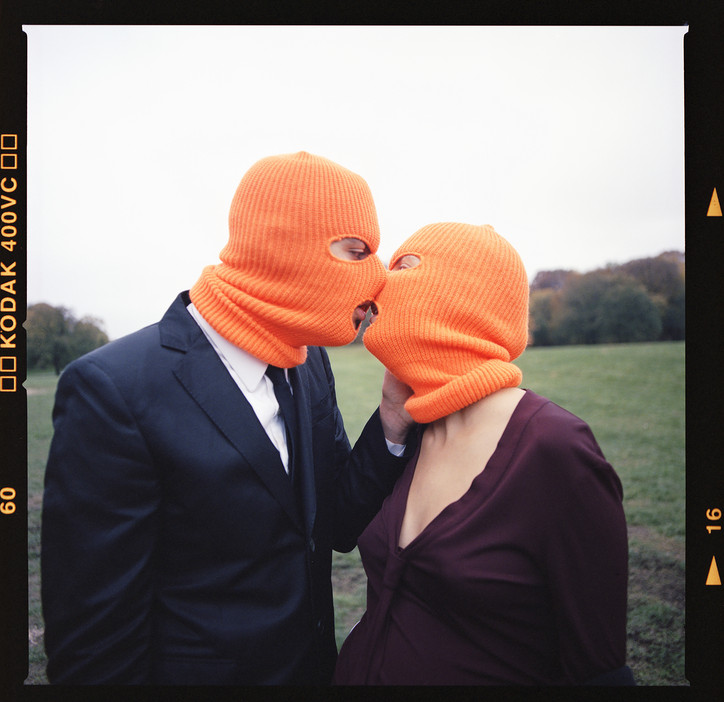
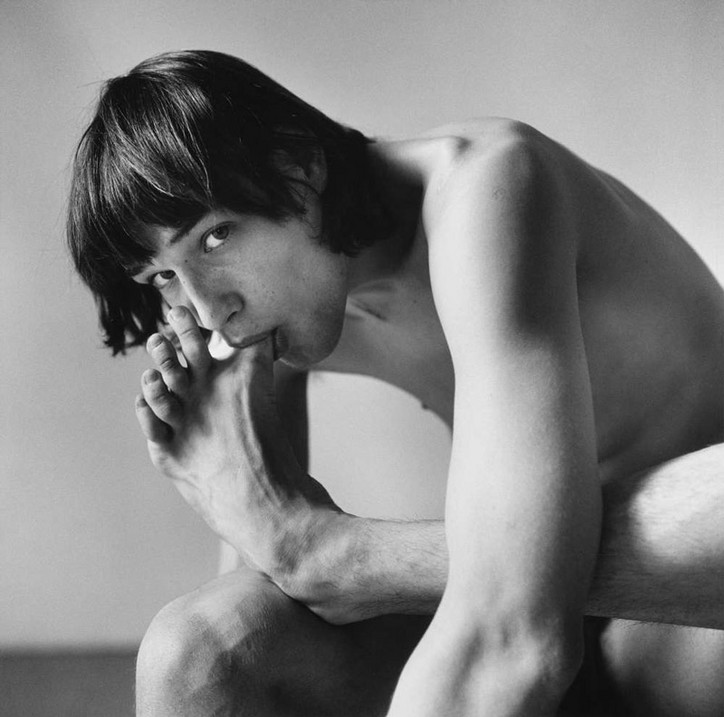
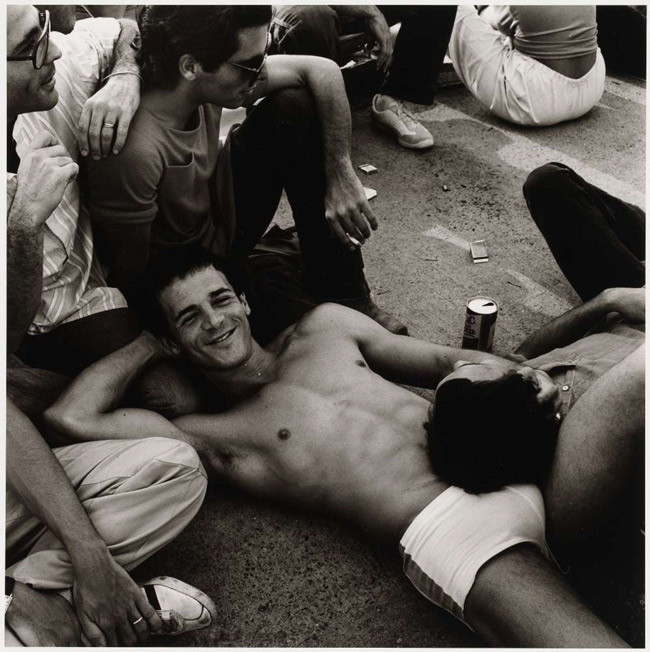
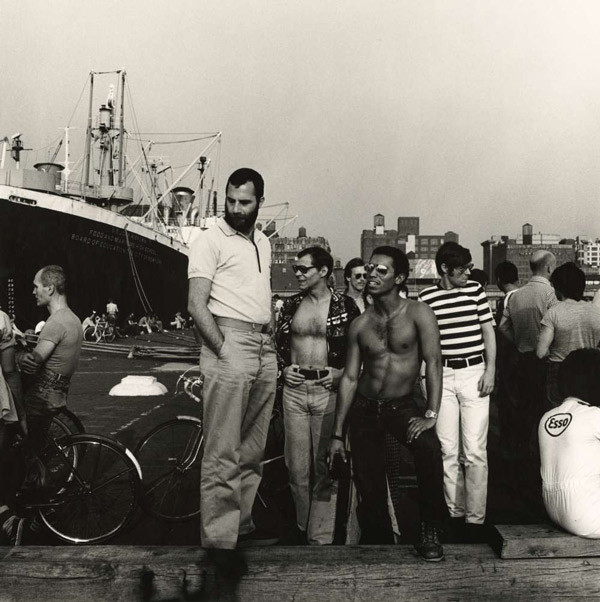
Hujar encountered various creatives in his life – Andy Warhol, Susan Sontag, and Nan Goldin to name a few – forming a luscious constellation of close friends and cultivating a genuine reputation. Despite his starry social circles – who frequented not only The Factory, but also Hujar’s cheap loft above the Eden Theatre – the artist never really earned a living. He even washed his laundry in his sink. Described as handsome, flamboyant, promiscuous – not glamorous – he wasn’t particularly interested in what seemed to appeal to his peers. For the majority of his life he declined commercial jobs and hung up on art dealers.
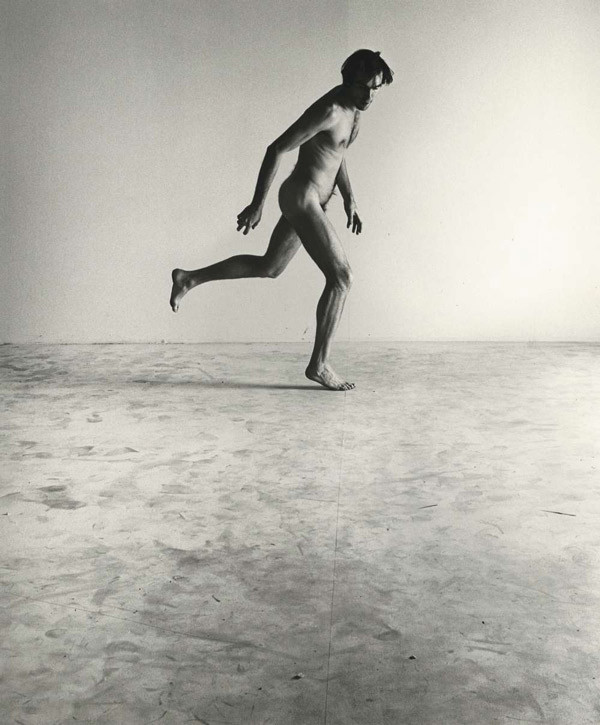
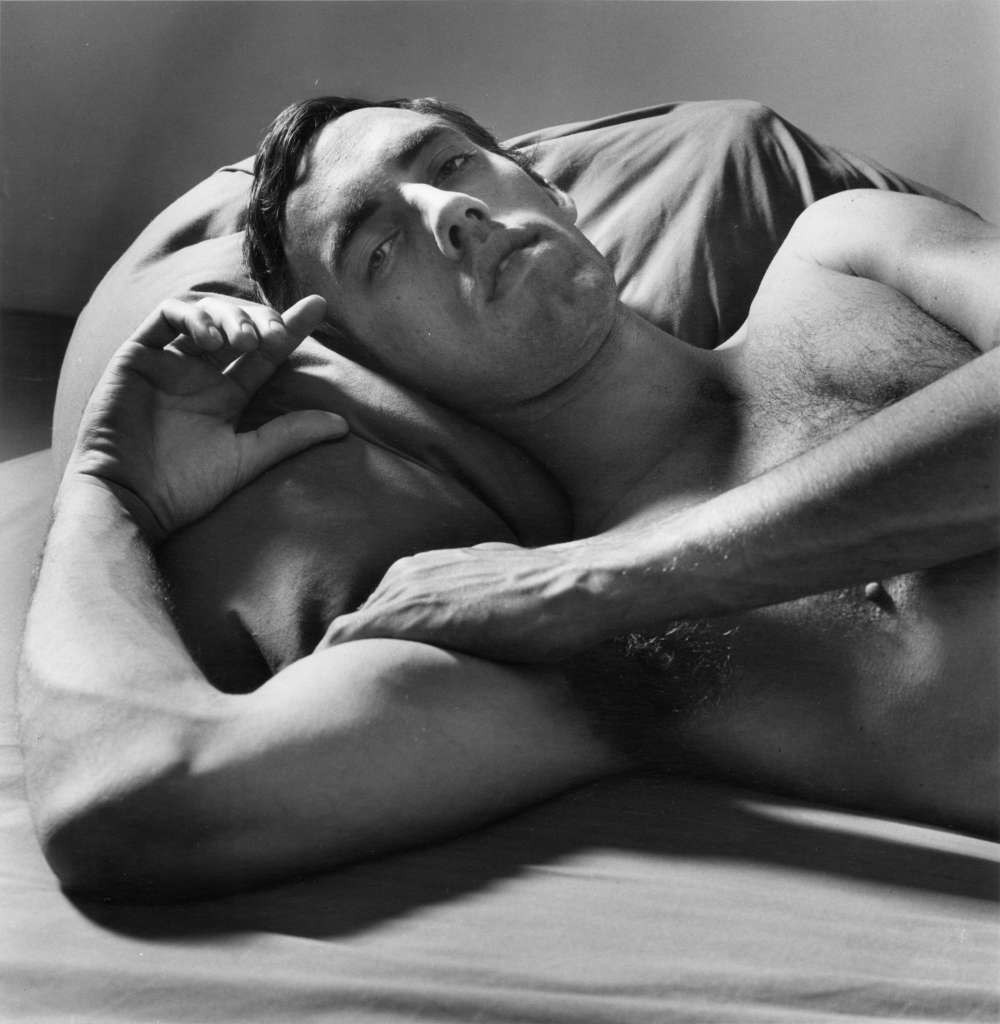
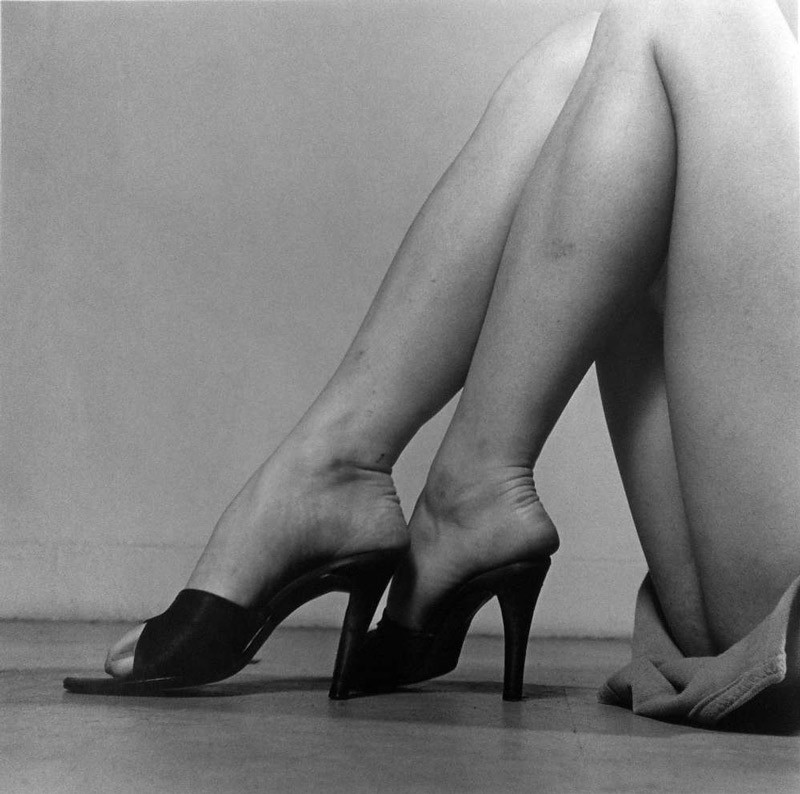
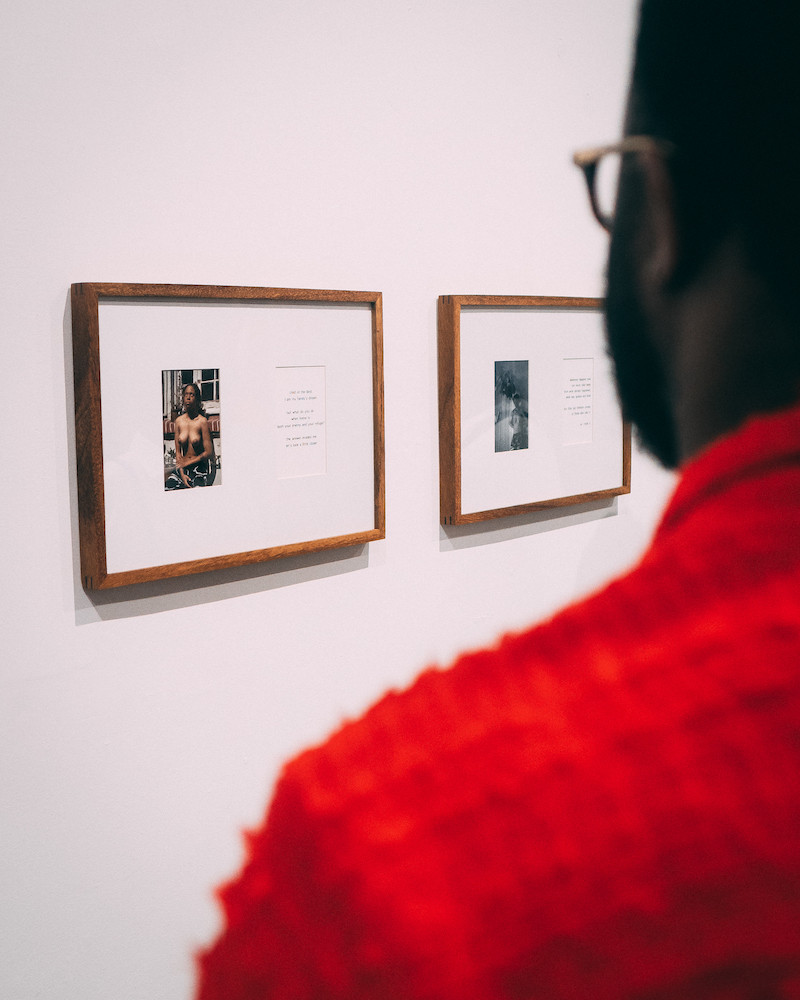
While Mapplethorpe transformed his subjects' personalities into performances, his characters into costumes, Hujar stripped them of these signifiers. His documentation transcended nudity, surpassing flesh and bones and uncovering the true nature of his subjects, qualities typically invisible to the eye. His photographs enacted a realm in which the soul could likely be heard whispering, aching to break free of its corporeal form.


Conceivably, the relevant question to ask is, "Why not then, but now?" Schultz suggests that, "A whole generation of younger artists is looking to Hujar for inspiration right now, ... artists across the spectrum who are interested in the questions of intimacy and desire, espcially as they relate to queer culture." In her introduction to Hujar's only book, Sontag cautions that photography “converts the whole world into a cemetery,” a nod to Roland Barthes conceptual explorations of the art form in Camera Lucida. Perhaps then, Sontag's ghosts are destined to rise from the dead – to find new life in a generation defined by an insatiable search for individuality balanced with a desperate need for collective understanding.
" ... Hujar captured the essence of a community in a way no one else did. You can really hear the echoes of Hujar’s world reverberating from his photographs. There is an immediacy to the work that is arresting, a penetrating quality where his subjects feel as if they’ve been summoned from the past into the present moment."
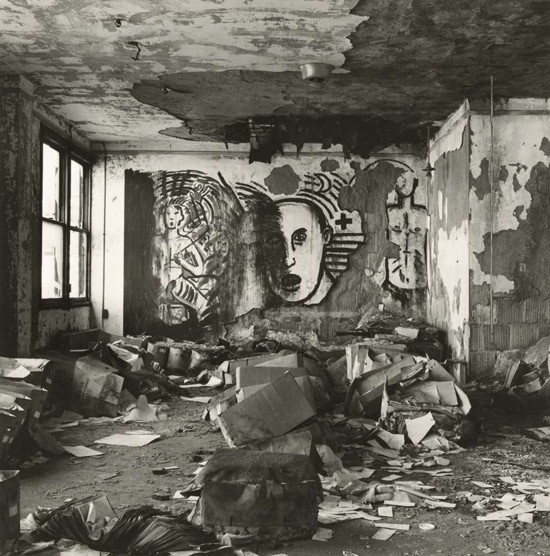
The show at 125 Newbury covers two lesser-known aspects of Hujar's work, "almost classical images of people posing for the camera in Hujar's studio ... and photographs of the piers on Manhattan's far West Side," an epicenter for the queer cruising scene at the time. His lens pierces a territory of emotional uncomfortability that arrests his audience – frozen between the paradox of vulgarity and vulnerability. He expressed once that he wanted two graves, one for his body, and one for his work. Don't show up to 125 Newbury expecting his body, but anticipate finding his soul through his body of work.
Peter Hujar: Echoes is open until October 28, 2023.

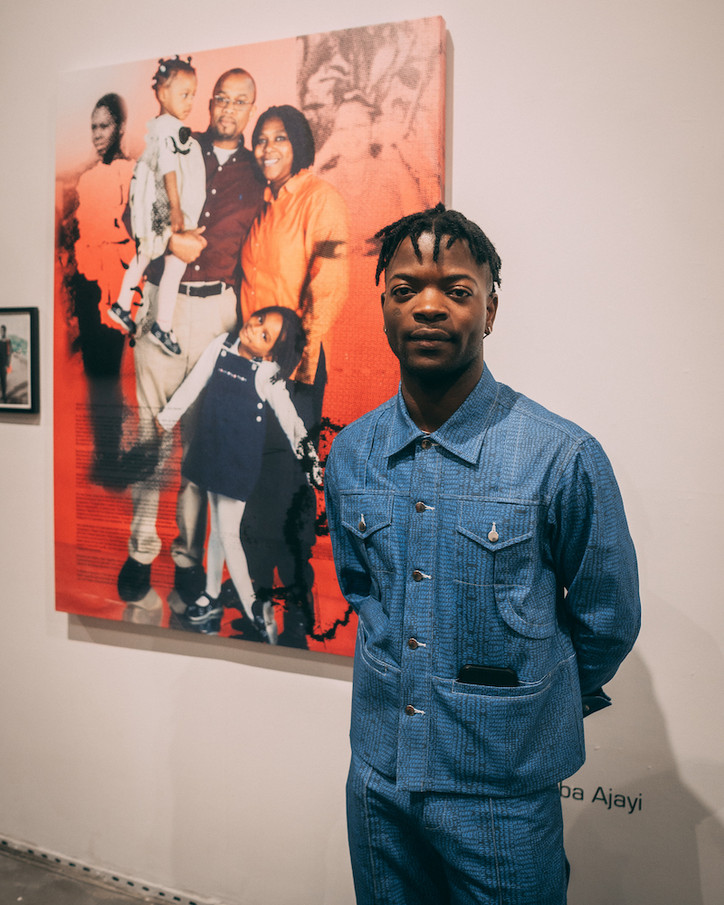
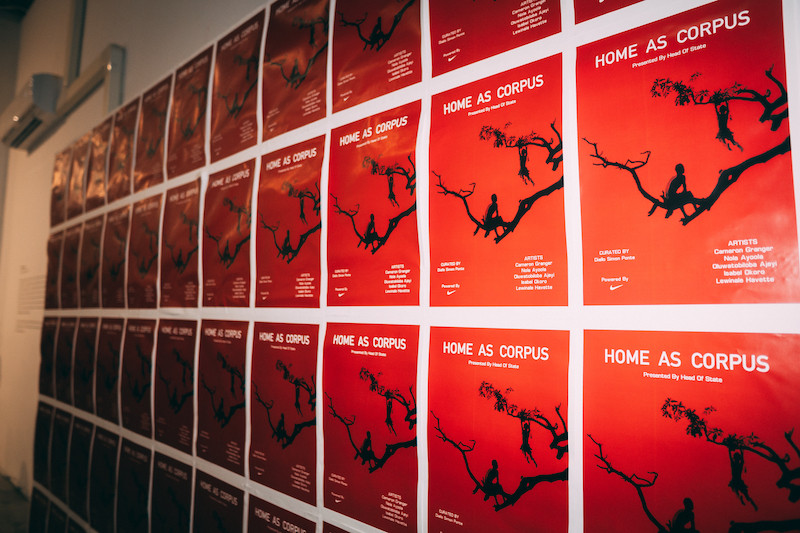
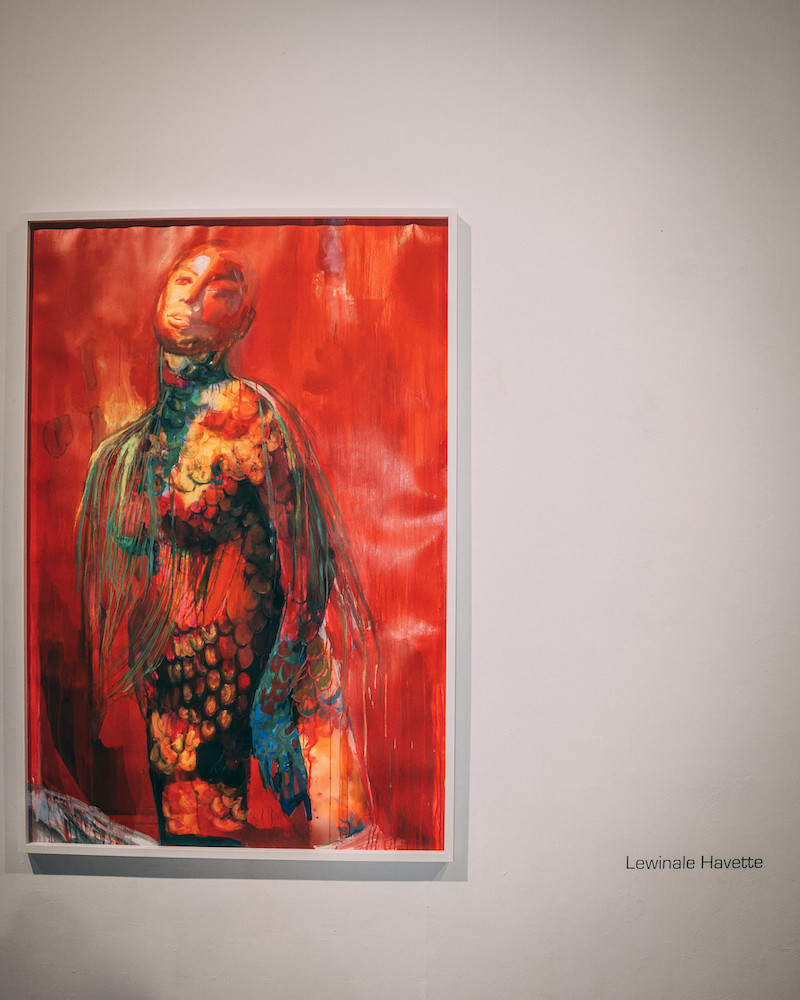
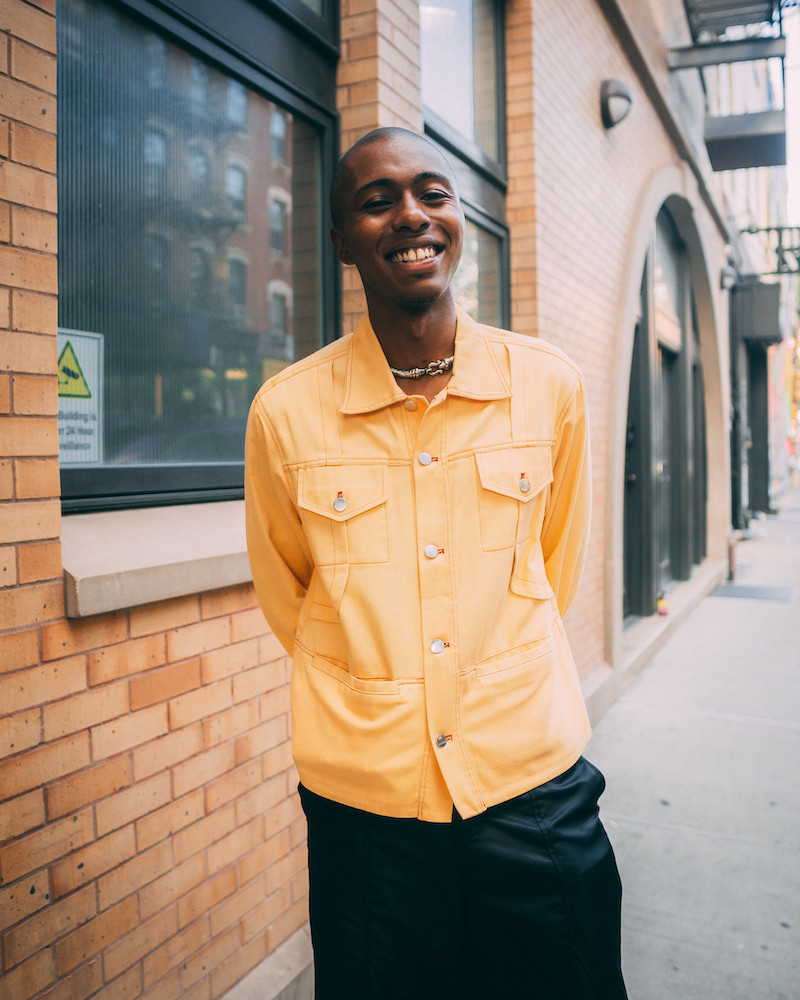
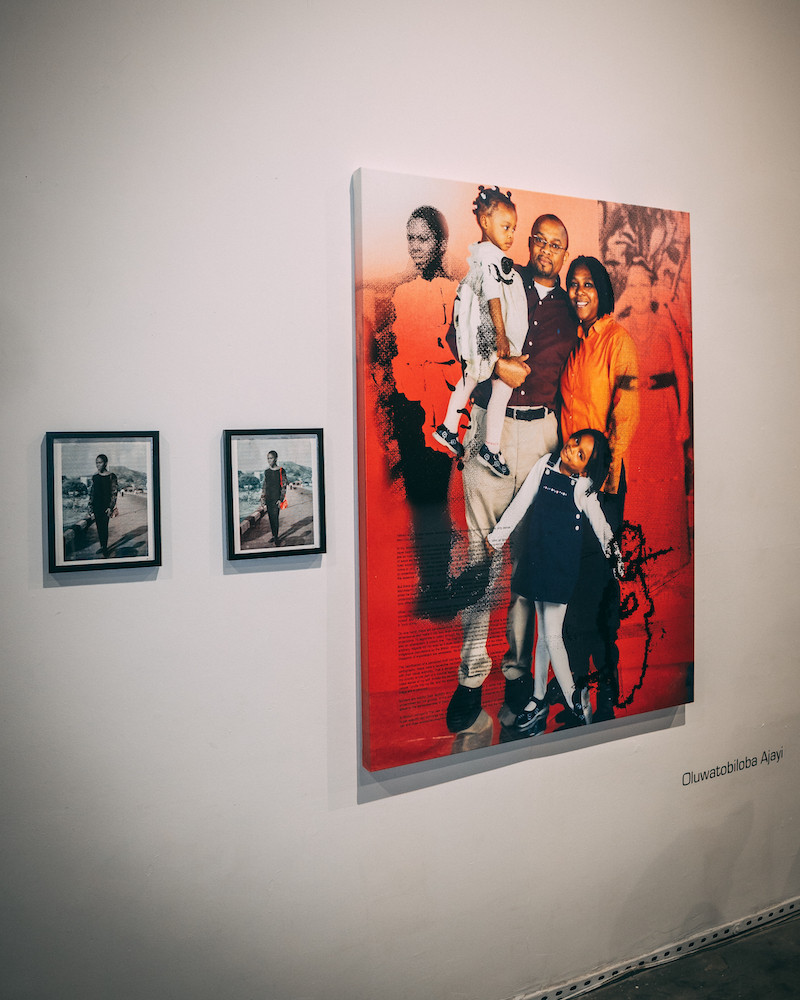
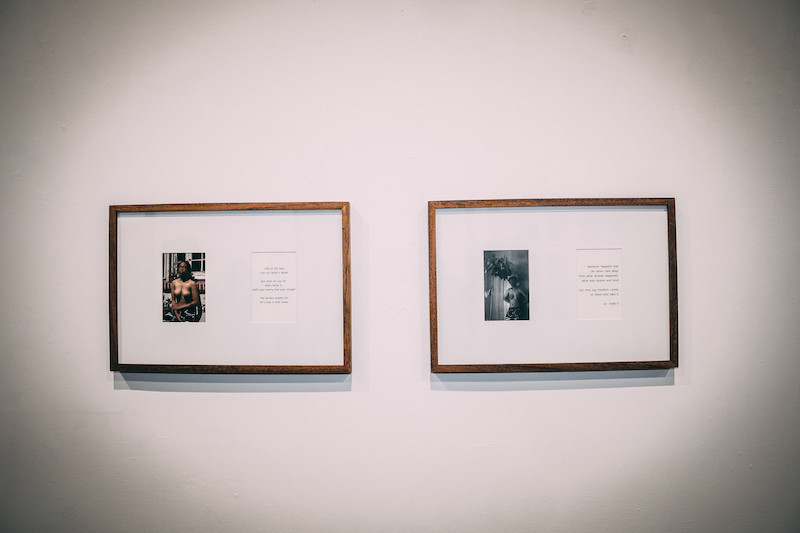
Home As Corpus serves as a platform not only for showcasing Taofeek Abijako's artistic vision but also for celebrating the talents of artists who have long inspired him. Joining Abijako's compelling work are Cameron Granger, Nola Ayoola, Oluwatobiloba Ajayi, Isabel Okoro, and Lewinale Havette, each contributing their unique perspectives.
Abijako passionately conveys, "This is more than just my own creations; it's an opportunity to spotlight artists I deeply admire. These artists share a common diasporic heritage, and Diallo and I initiated this dialogue months ago. Our aim was to expand upon the narrative of Head of State."
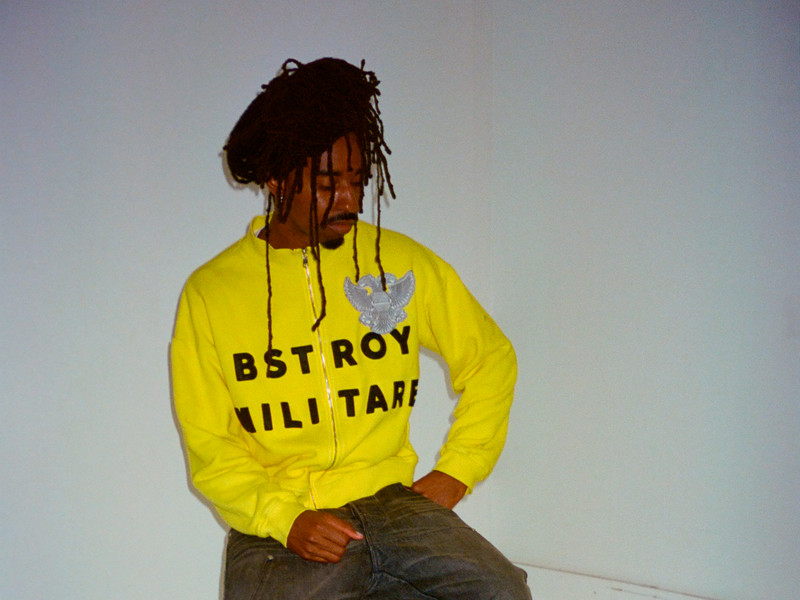
This collection forms a poignant trilogy alongside Abijako's previous collections, Homecoming and Memories of Home. While those collections offered glimpses into Abijako's Nigerian culture, Home As Corpus invites us on a profoundly personal journey, delving into his family connections and the intricacies of his craft. Abijako acknowledges the allure of the runway as a powerful medium for presenting designs, but this time, he aspires to encourage viewers to pause, delve deeper, and immerse themselves in the brand's essence, encompassing not only clothing but an entire artistic endeavor and a series of collaborations.
Diallo Simon-Ponte, assistant to Director at Gagosian and Abijako's collaborator, curated the entire exhibition in partnership with Nike. Their successful collaboration has cemented their desire to transform these exhibitions into an annual tradition.
Abijako reflects, "This exhibition is a culmination of our shared conversations, experiences, and mutual admiration for artists. It's a tangible expression of how 'home' transcends physicality, remaining an integral part of one's identity, forever imprinted in our hearts."


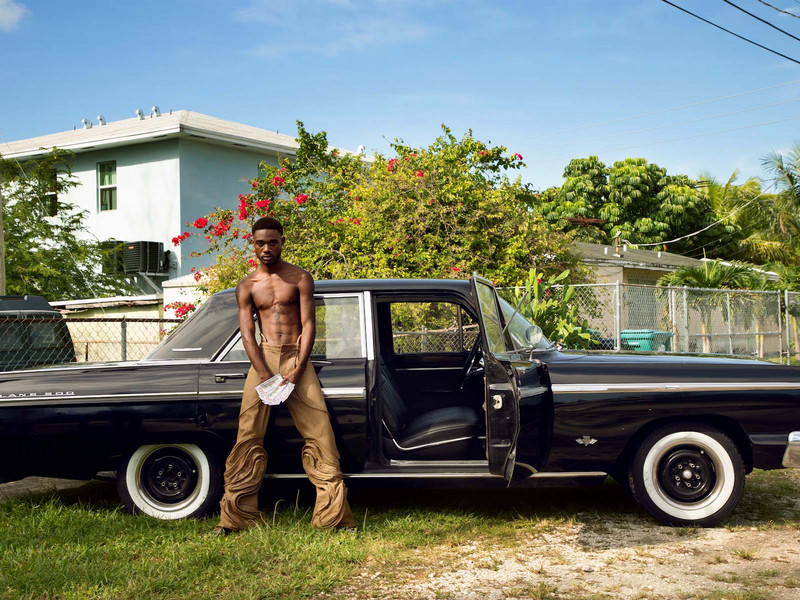
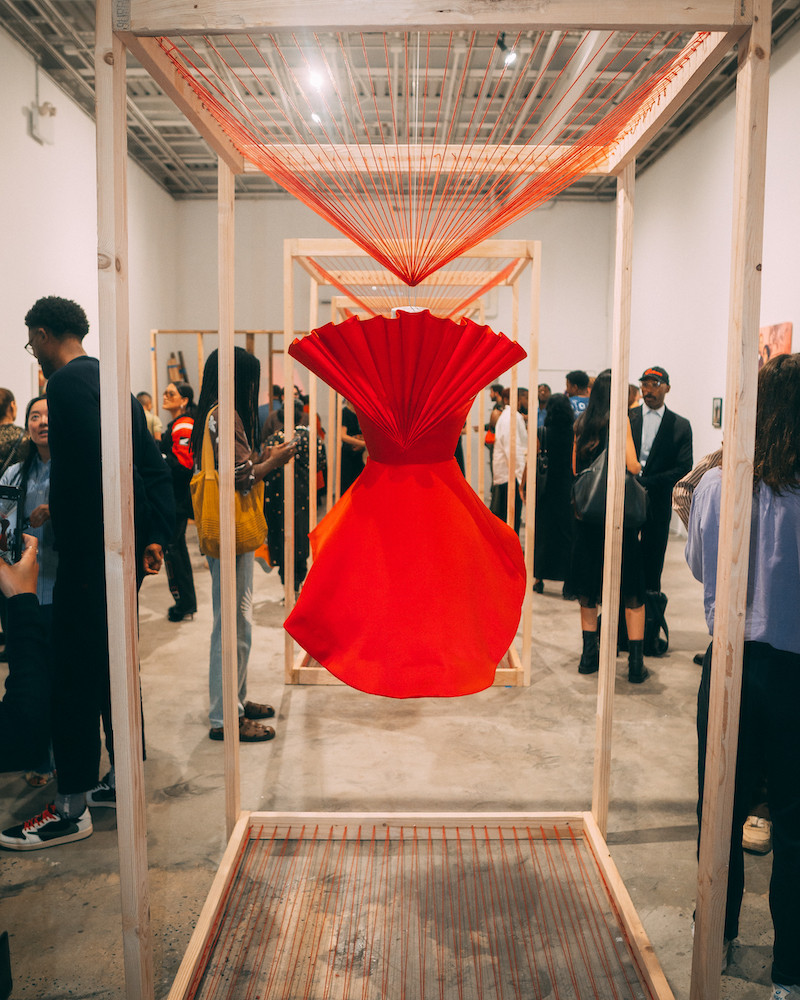
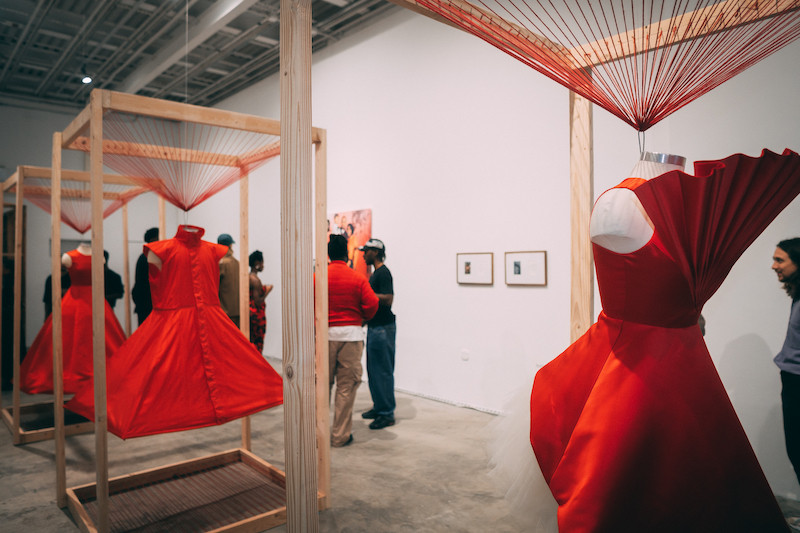
In the heart of the gallery, three distinct yet harmonious red dresses hung gracefully on wooden planks, suspended by crimson strings thoughtfully crafted by Abijako himself. His intention goes beyond mere dress displays; he aims to convey these garments as complete sculptures, each imbued with the essence of Nigerian notes and cherished memories.
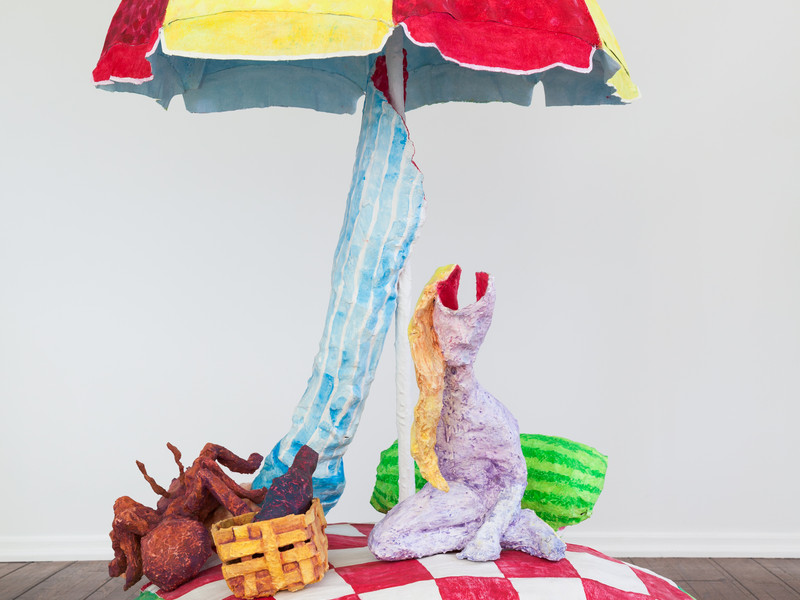
Abijako eloquently elaborates, "In Nigeria, self-entrepreneurship is a pervasive form of employment. You'll find individuals under market umbrellas, seeking shade and sustenance. Those umbrellas symbolize something profound ... so, how can I encapsulate that in a work of art? Many of these pieces are direct architectural references from my homeland. Home As Corpus signifies that home resides within you, and thus, the sculpture itself embodies the essence of a dwelling, with this piece residing within it. That's the genesis of this entire concept."
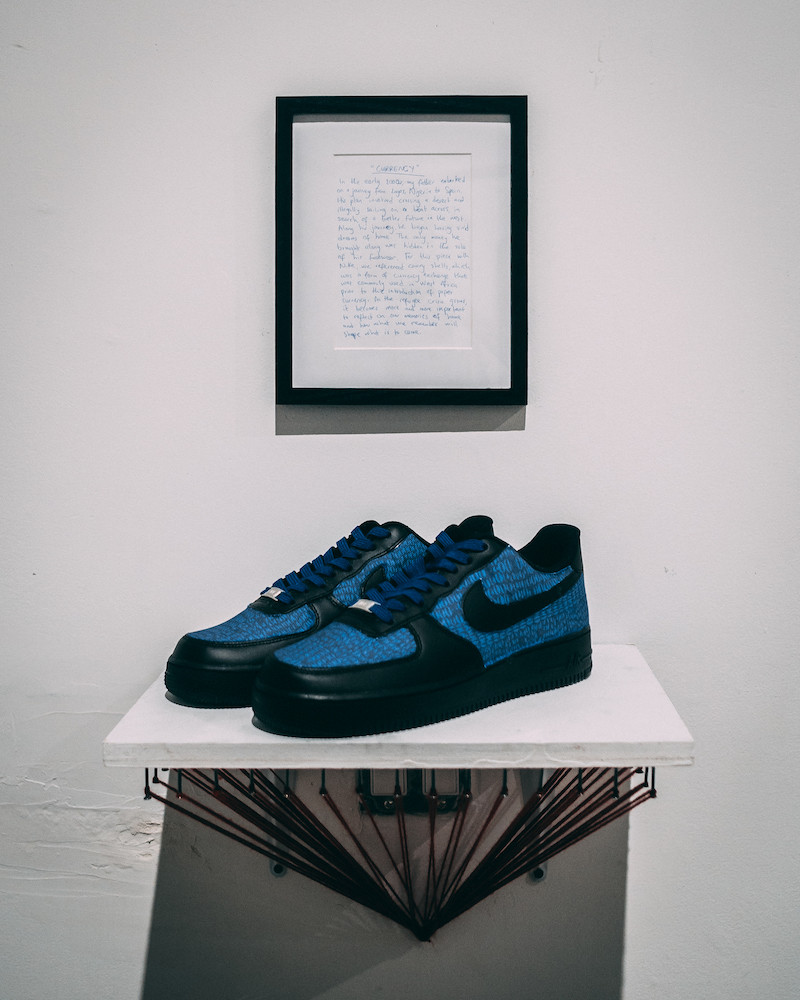
Back in July, Abijako joined forces with Nike to introduce the inaugural 4v4 Co-Ed Futbol Tournament. He designed distinct team uniforms in a spectrum of colors, including red, green, white, orange, gray, black, blue, and yellow. Continuing this partnership, Home As Corpus marked the unveiling of Head of State's inaugural Nike Air Force One. This striking shoe boasts black leather with azure laces and meticulous detailing in the form of cowry shells. This design draws inspiration from Abijako's father's courageous journey from Lagos, Nigeria, to Spain — a voyage across deserts and sea, driven by vivid dreams of a better life. In his shoes, quite literally, his father concealed money in the soles, along with cowry shells, which once served as a currency exchange in West Africa before the advent of paper money.
Home As Corpus warmly welcomes the public until September 15, inviting all to partake in this exploration of culture, art, and heritage.