PRESENTE CONTINUO: the intimate ties between then&now

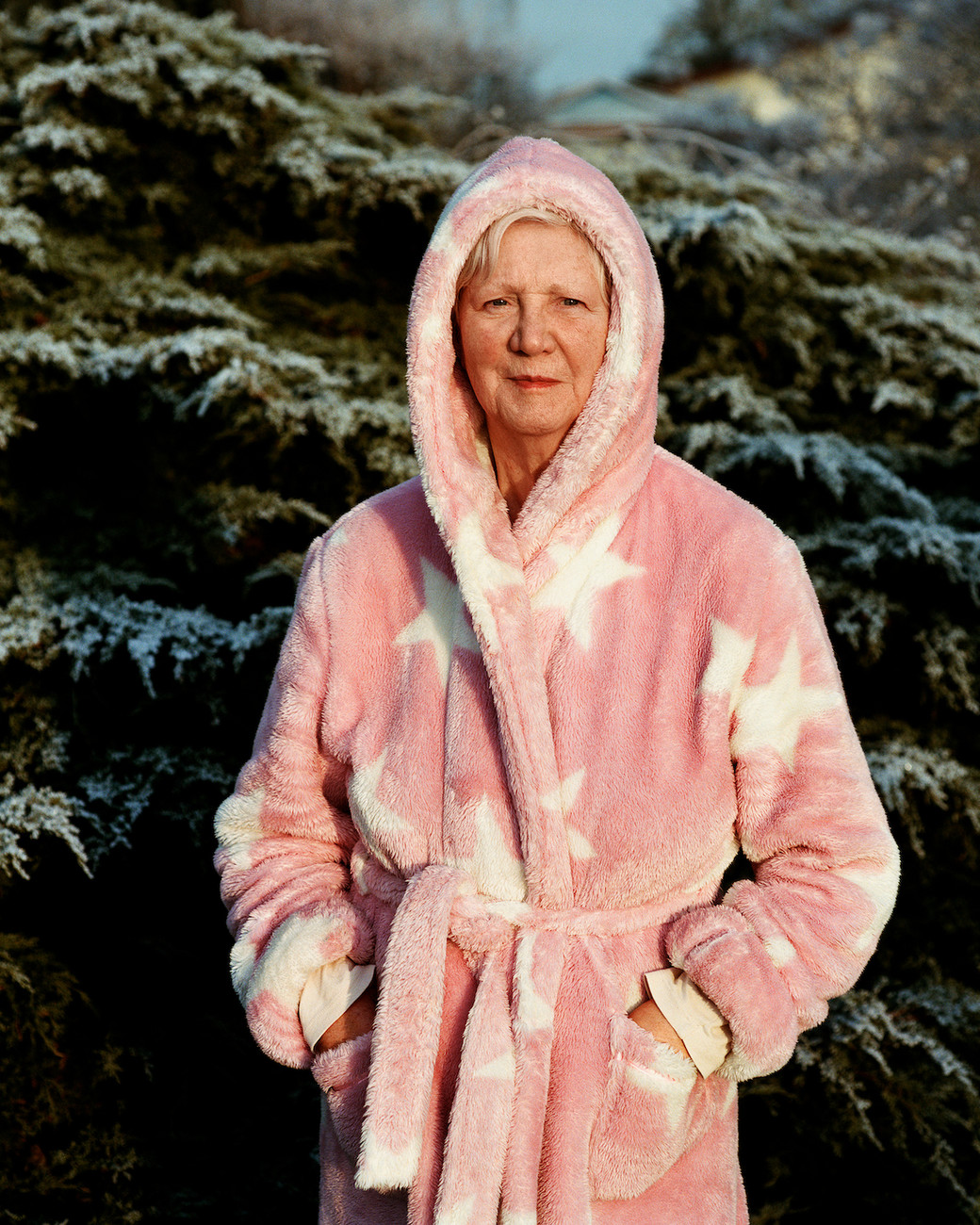
Starting May 30, PRESENTE CONTINUO will be available to purchase on presentecontinuo.com, cpcompany.com, and at the C.P. Company flagship store in Milan, Corso Matteotti 7.
Stay informed on our latest news!

Starting May 30, PRESENTE CONTINUO will be available to purchase on presentecontinuo.com, cpcompany.com, and at the C.P. Company flagship store in Milan, Corso Matteotti 7.

“I intentionally worked towards showing this side of me,” Jarvis says over our midday Zoom call from her Los Angeles home. “I want to touch on being new to my space, and also reflecting on what home is. I remember when I was younger, like in high school, I was watching this PBS documentary about what your home says about you. There was some quote, ‘when you look outside, your surroundings will inspire you and will create who you are going to be.’” For her at the time, that meant tapping into the life transitions at play around her, from growing older to settling into a new home in Northeast Los Angeles.
Jarvis is known for her capability of creating portraits that are captivating and emotional. She is most likely the lens behind some of your favorite recent magazine covers, former President Barack Obama for InStyle; Black Panther’s Letitia Wright, Danai Gurira and Lupita Nyong’o for Elle; and Pusha T for our very own last summer.


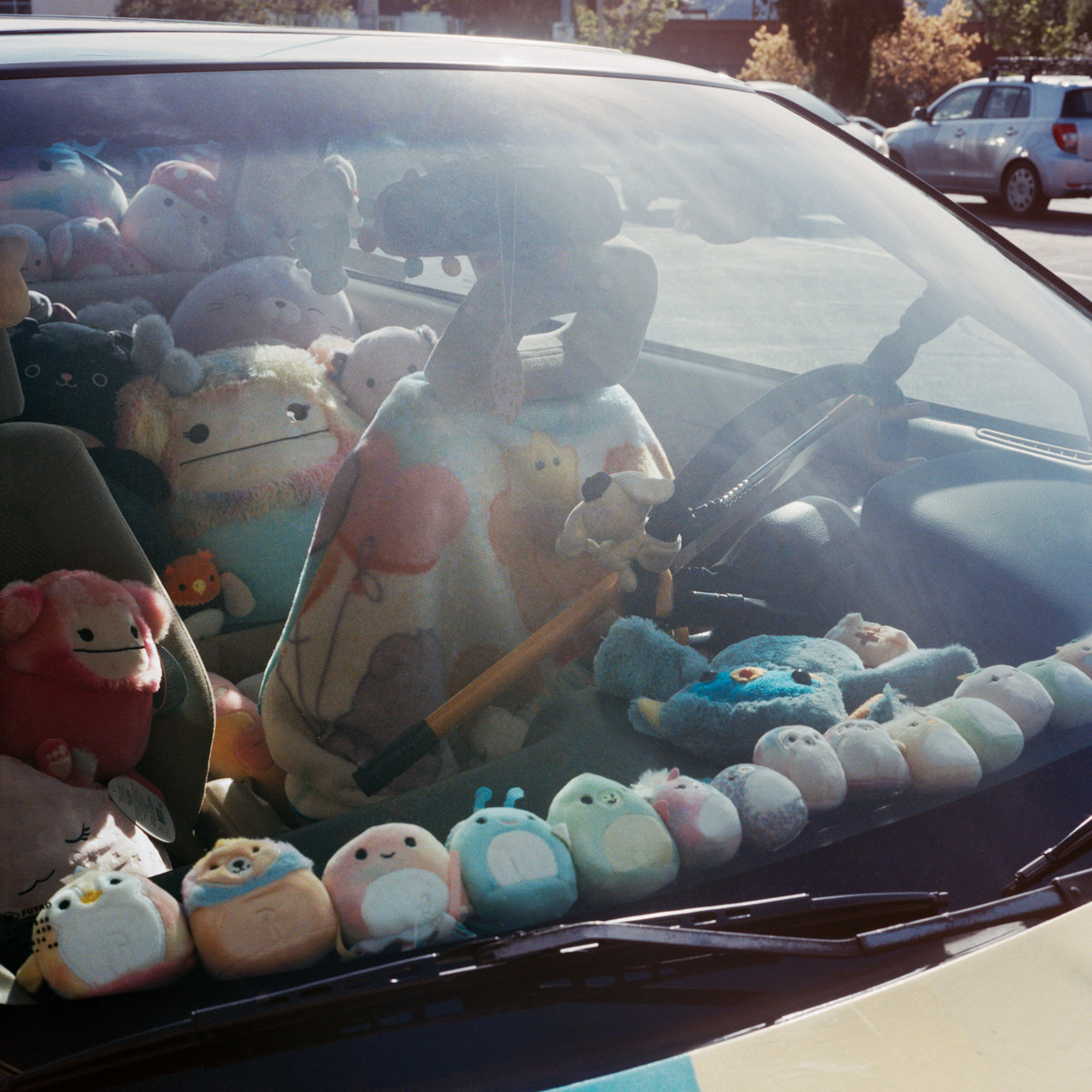
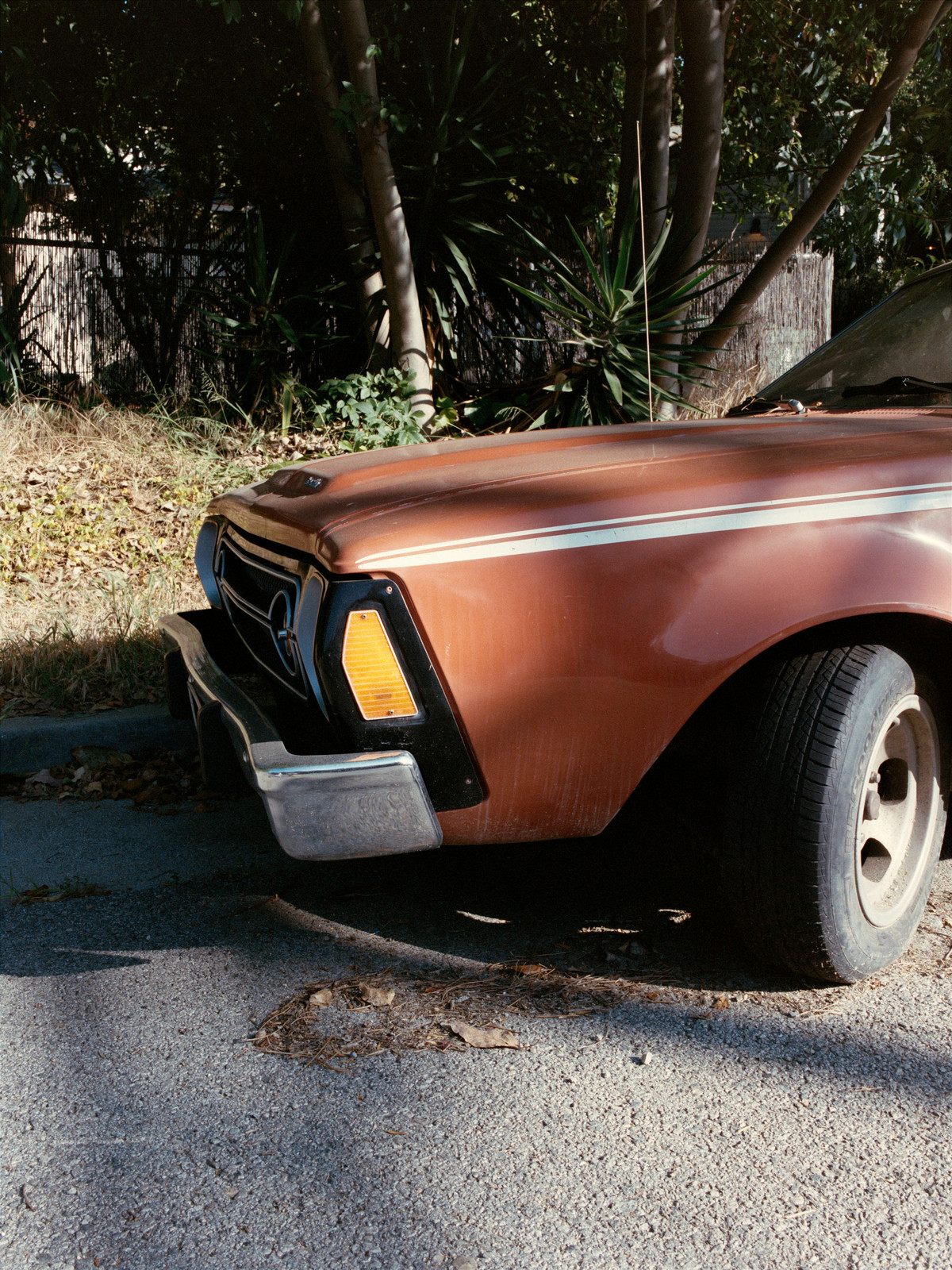
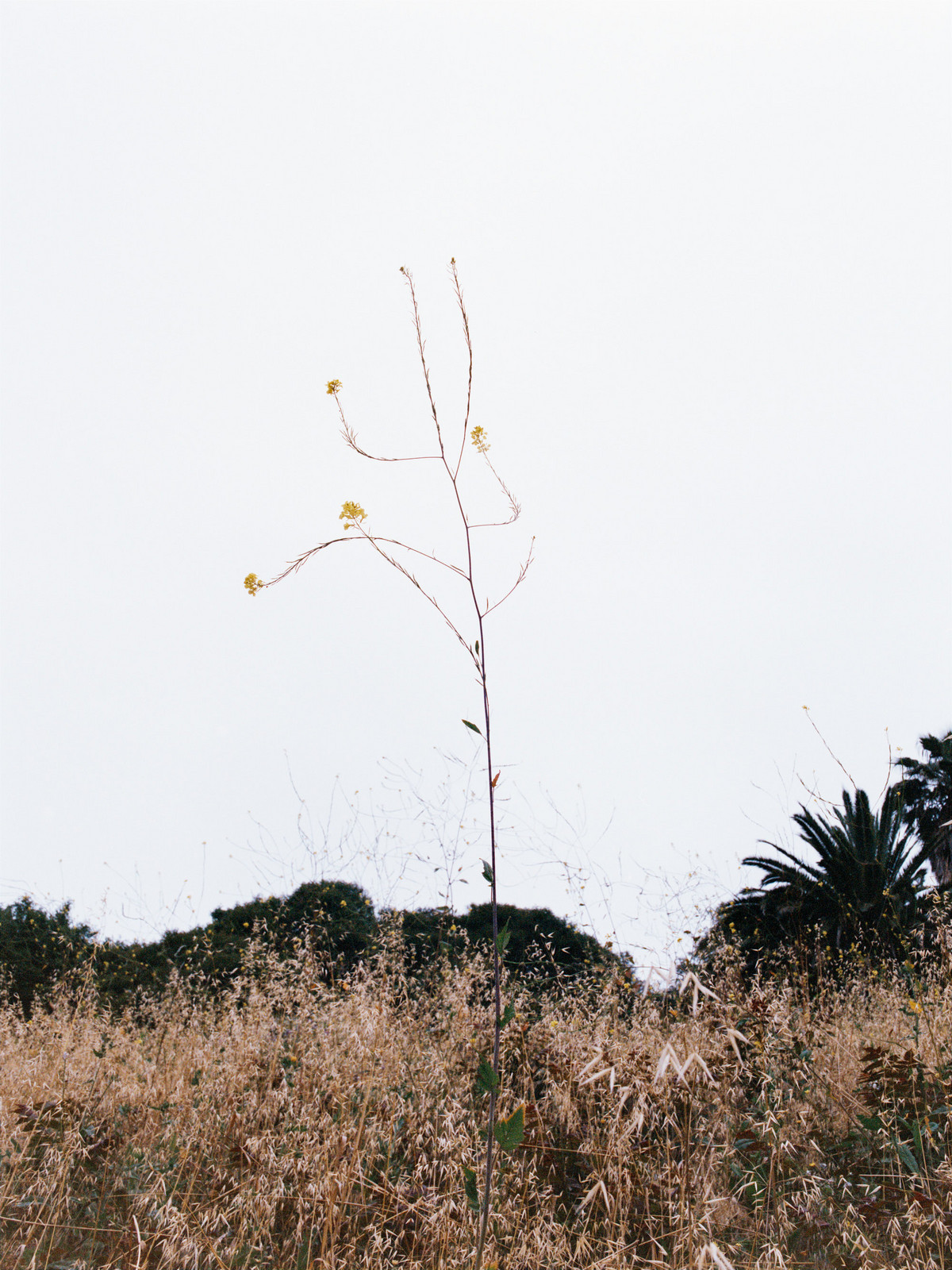
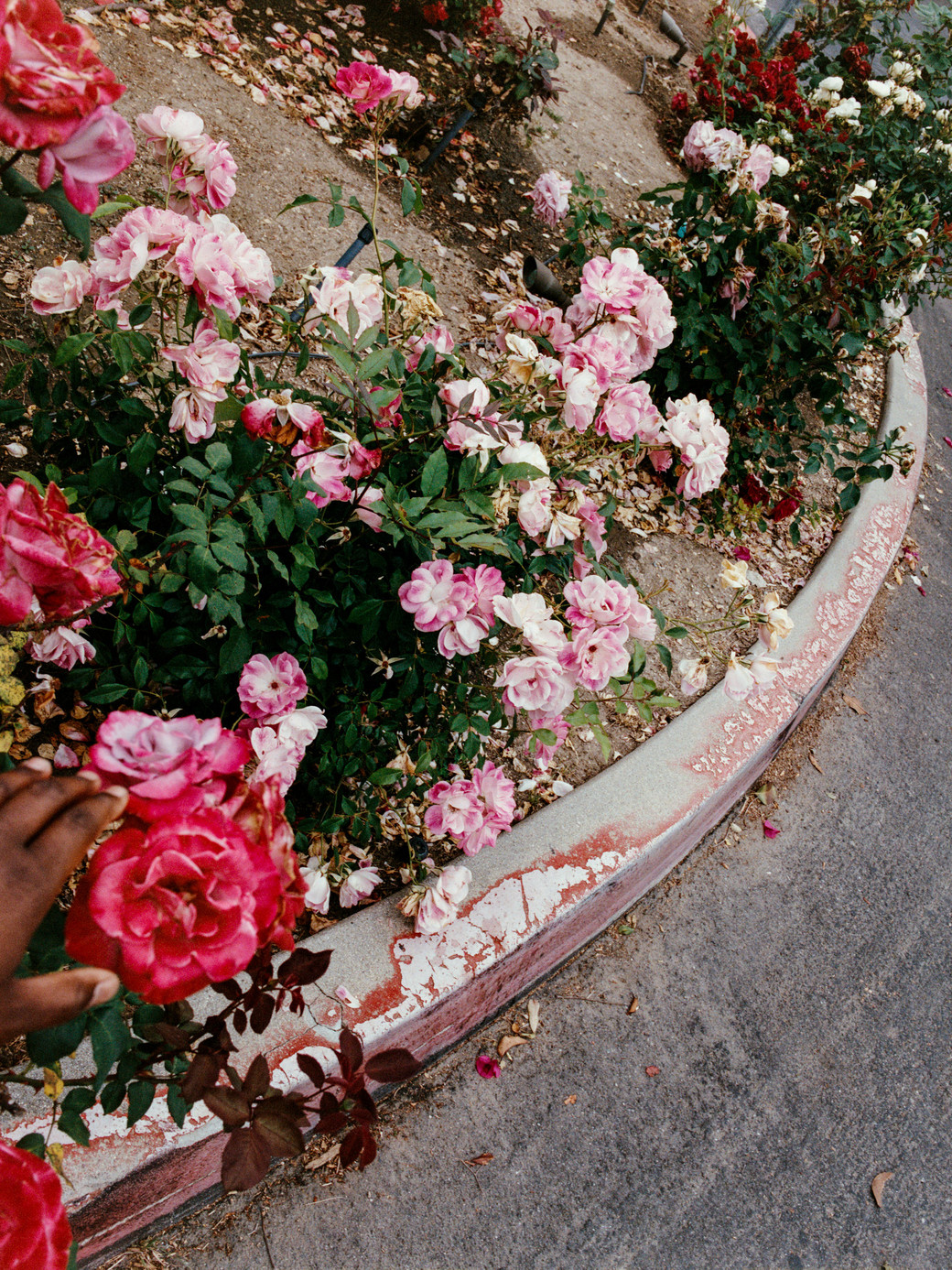
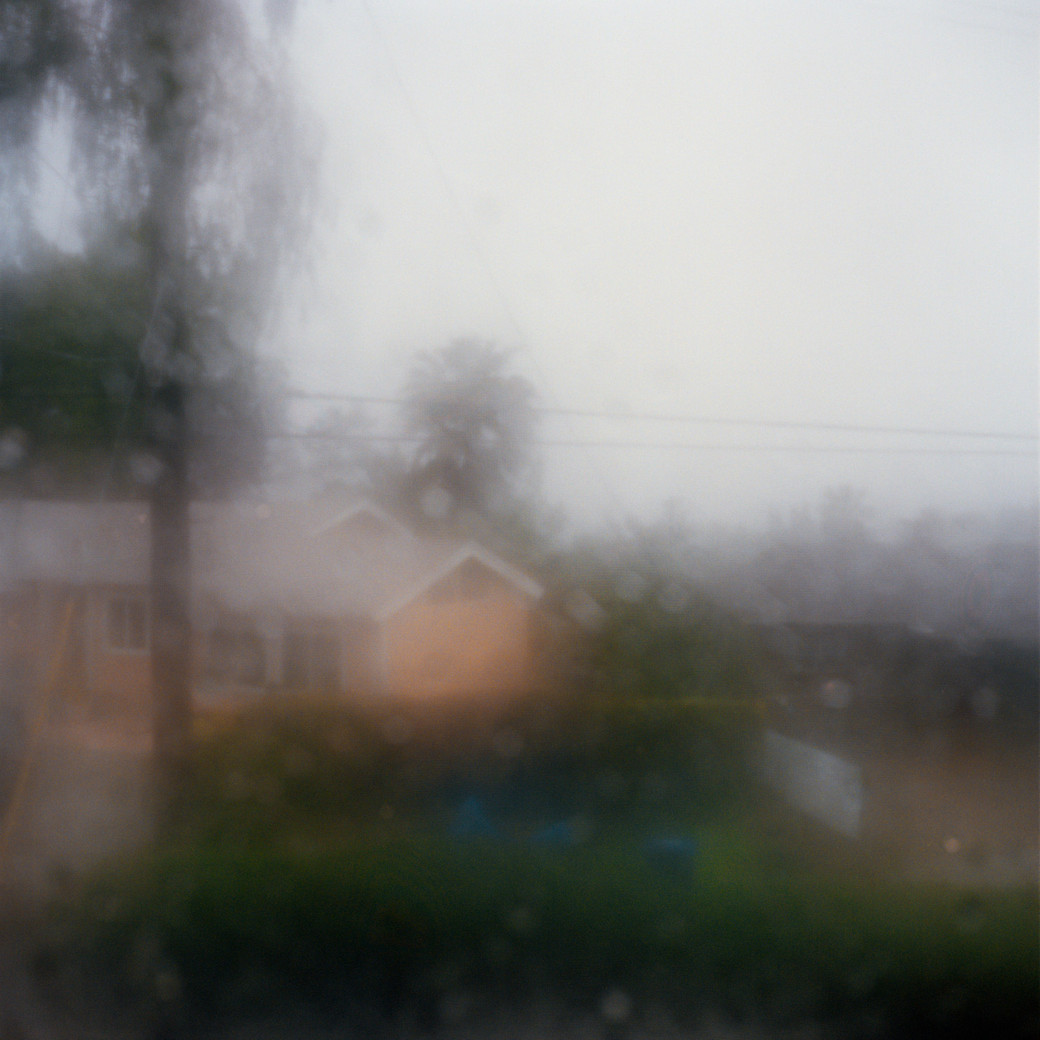
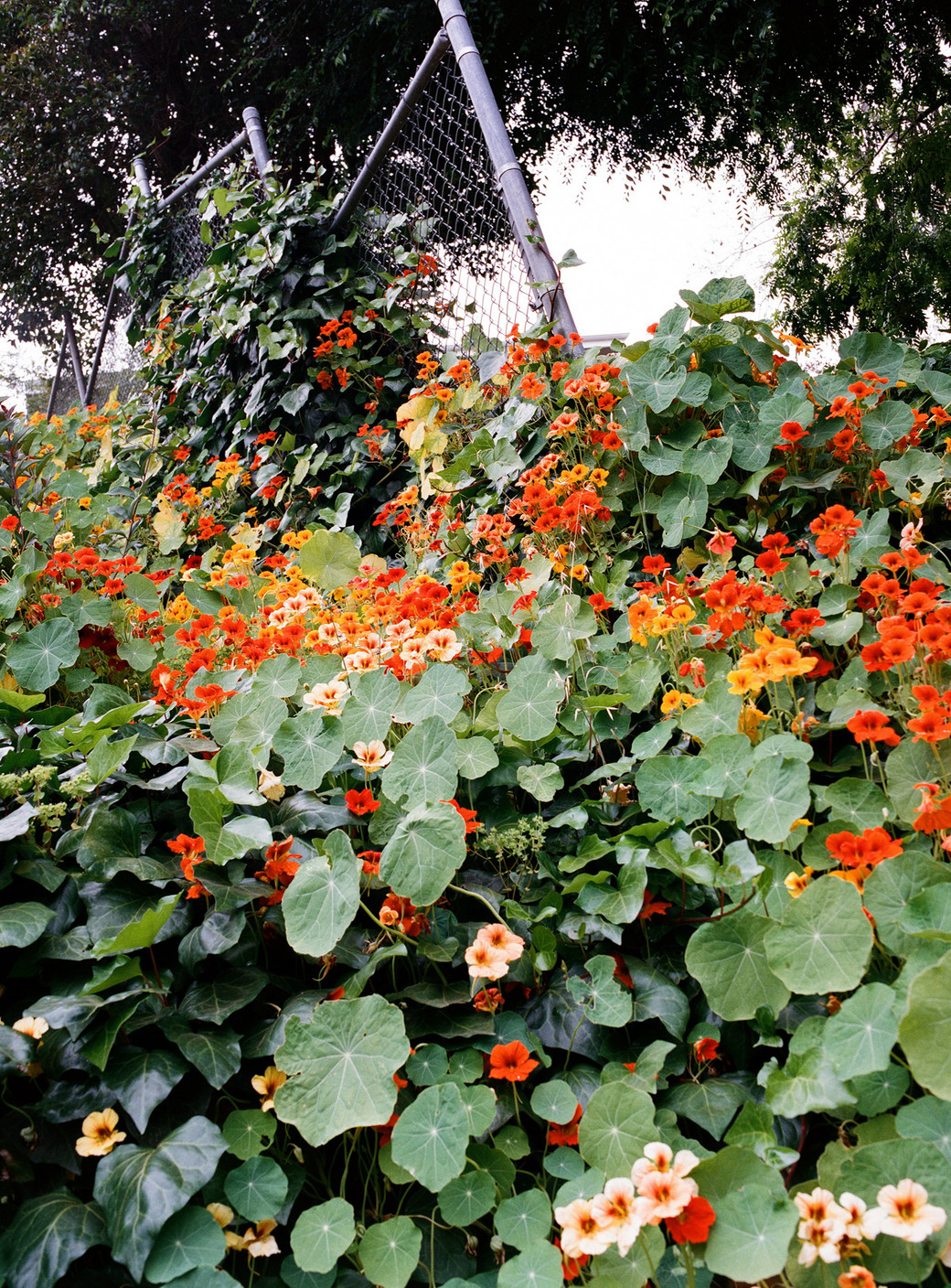
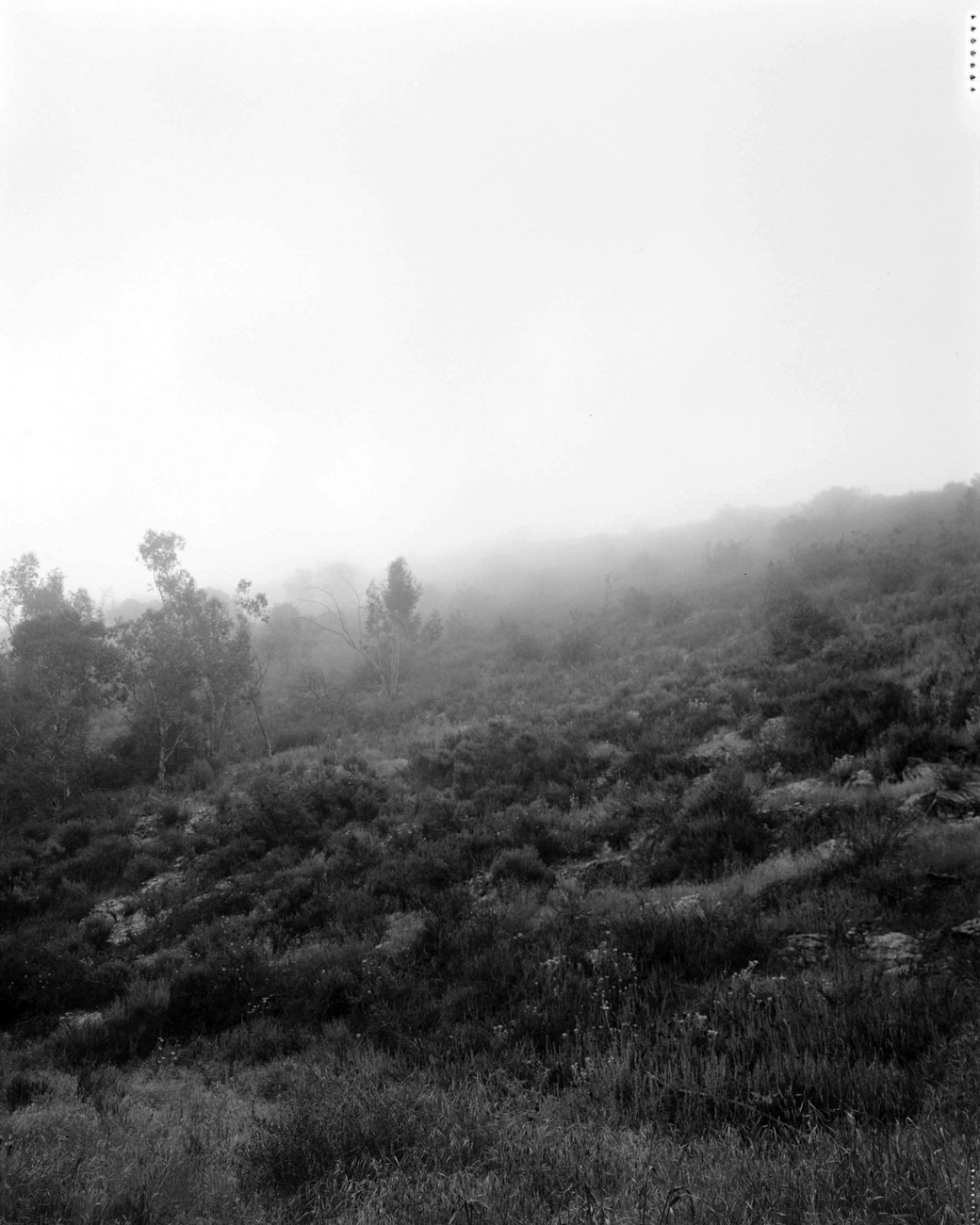
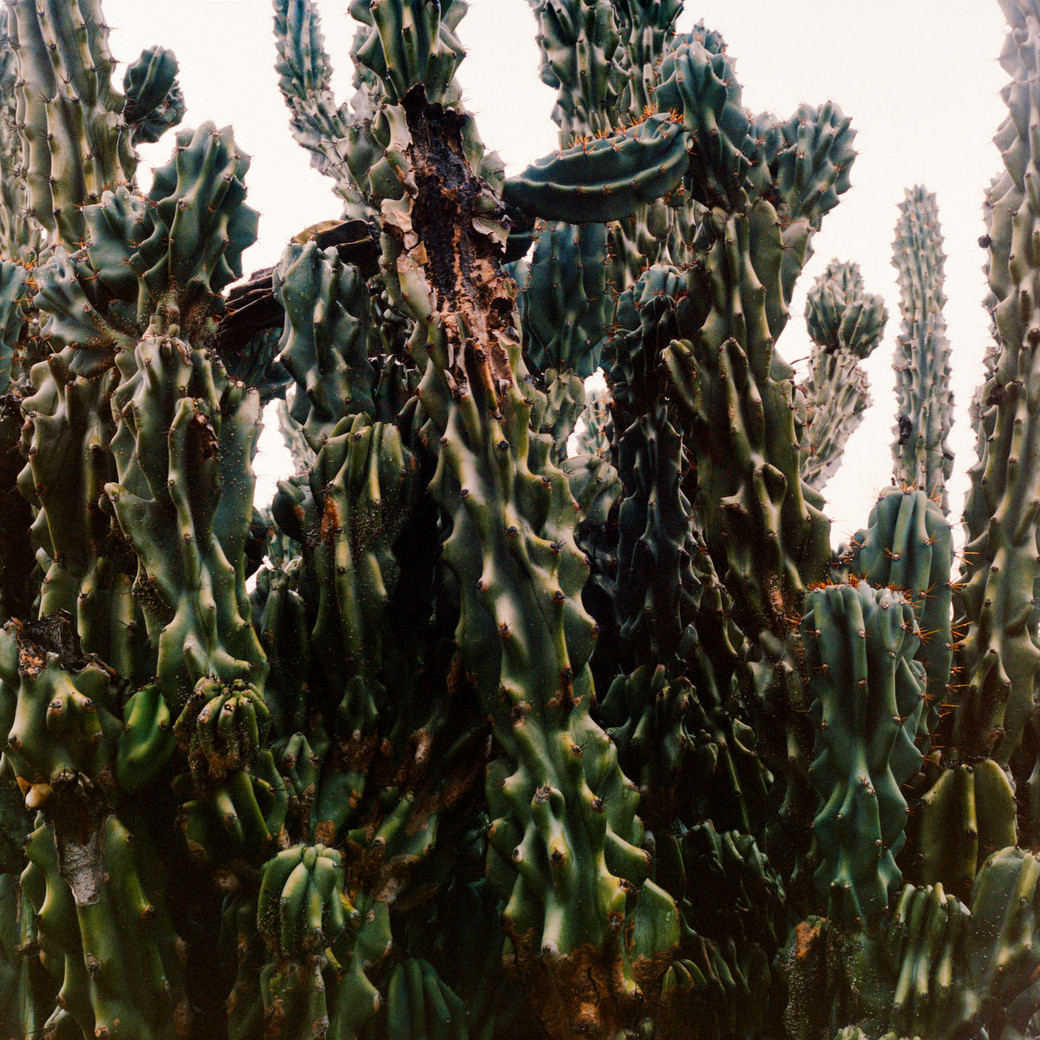
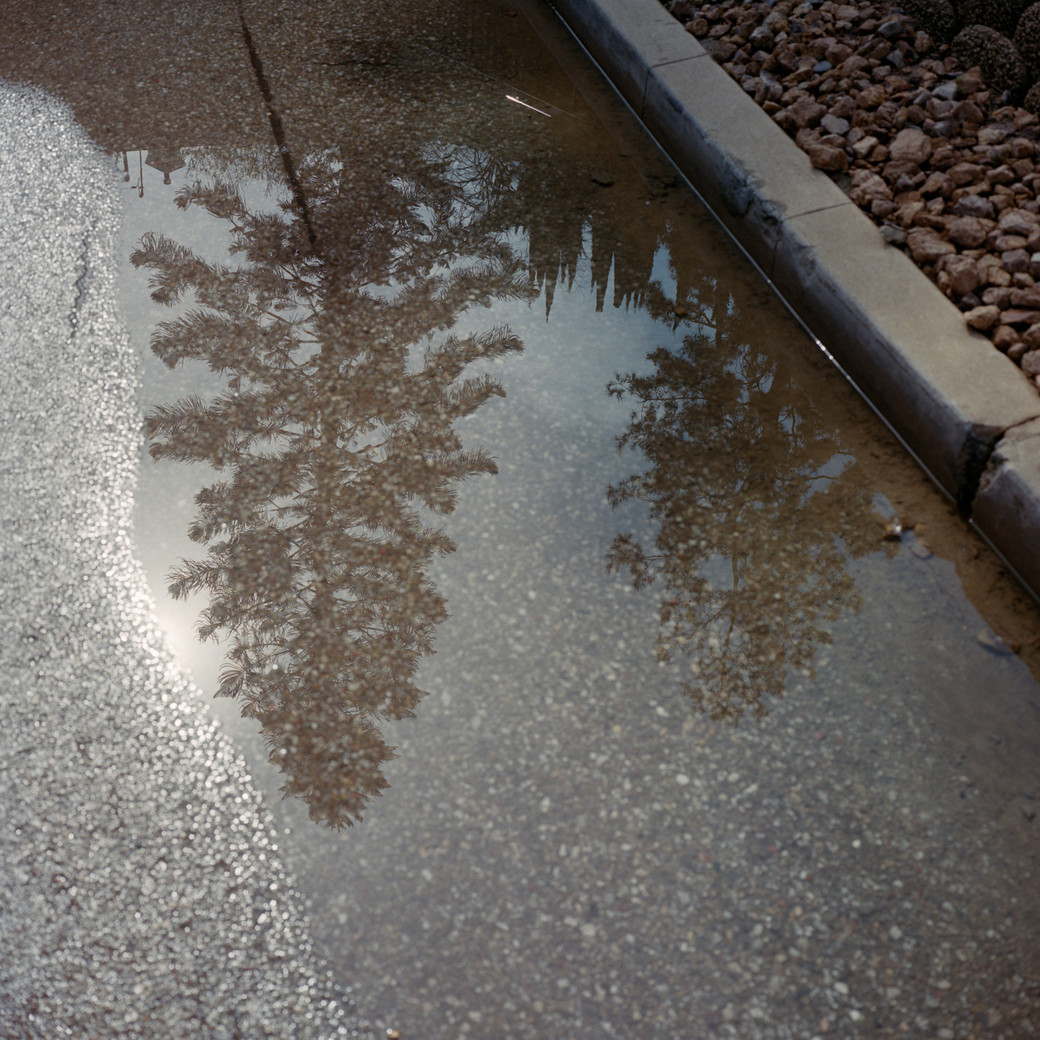
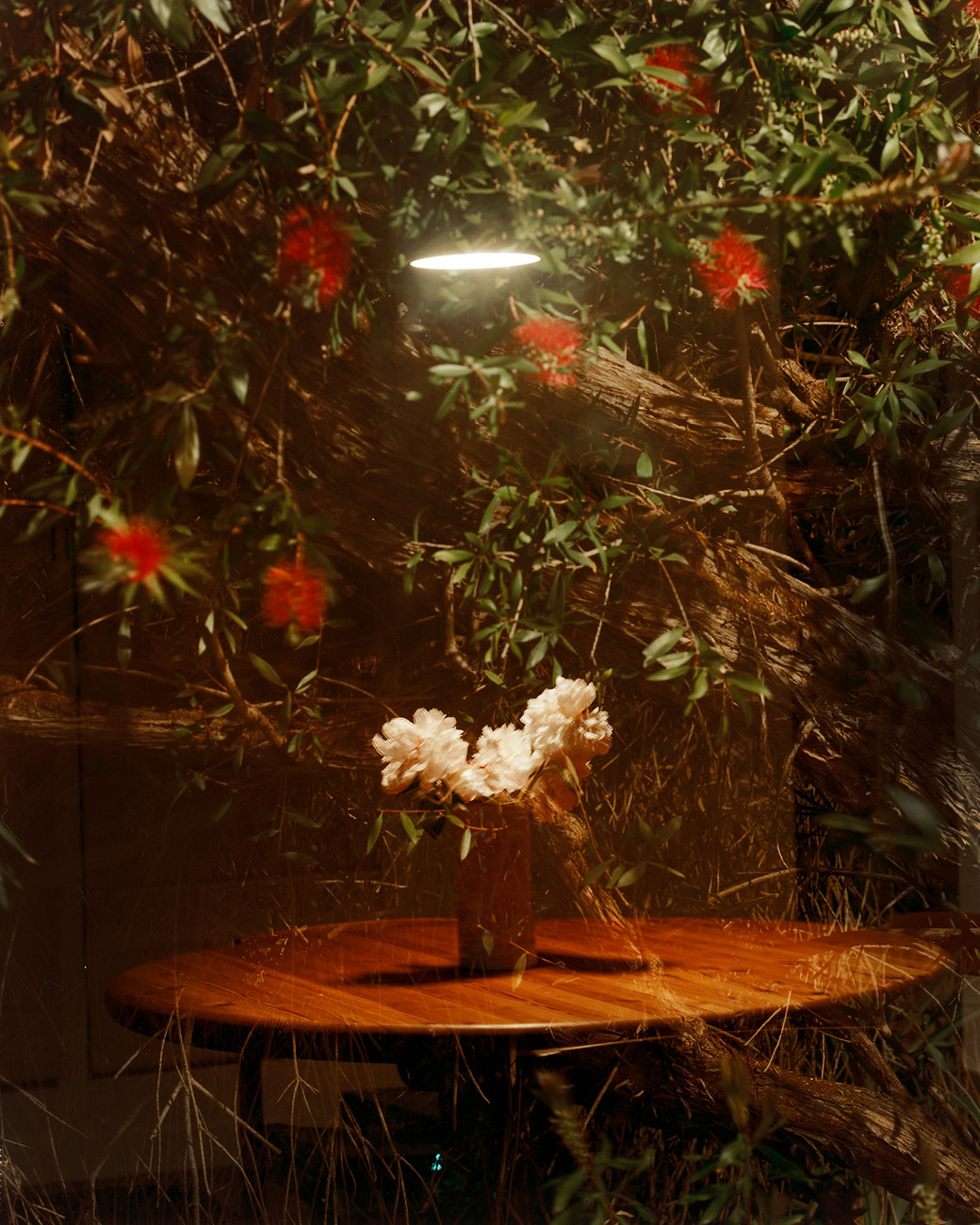
The exhibition opened at the end of last month, studying the interplay of light and shadows while capturing the emotional portraits of the everyday mundane motifs of California cast under gloomy melancholy weather: vintage cars, fenced-off community pools, neighborhood flowers, and concrete underpasses. For Jarvis, walking around these Los Angeles neighborhoods practicing breathwork and having the space to connect back to herself after intensive periods of working was transformative. This intimate body of work embraces the discomfort of tuning inwards, acknowledging it as a stepping stone to understanding our sense of place and what might be confining us.
Jarvis dances between coexisting as both the photographer and subject, with the roles serving as a reflection of each other. The space in itself showcases an extensive self-portrait––collages of a young Jarvis, photos of present-day flowers held in her hand, and the visual diary of the landscape that is home to her.
Jarvis explains, “It's just not me, but it's how I feel and how I see myself; how I see myself today; and how I saw myself two days ago. It's all very much an extension of myself.”


Everywhere You Go There You Are brings together photography alongside collages and painted textiles. No stranger to these mediums, Jarvis worked with printing photographs on varying fabrics for around the last six years. She approaches this task with curiosity and openness to dig further. Jarvis explains, “I just was like okay, it's time to combine all of the Shaniqwa into one. This was the first exploration of that. So this is the first time I've done a collage in this way. It’s the first time that I've done painting on textiles that I've made.” The multi-faceted artist worked with her friend, Paige Cleaveland of Rule of Three Studio to bring these textile ideas to life, leaning onto themes mentioned earlier like transitioning into a new place and connecting back to her younger self.
Accompanying the various landscapes are collages with portraits of a younger Jarvis and photos she’s taken back then, placed in the center wall of the gallery like an altar, honoring the innocence of youth and how that inner child still exists today. Jarvis reflects, “When I started working on the show, I was like, ‘Oh wait, like, here are some things that I did, like photographs I took when I was younger. And look, I'm still taking those same things now.’ And that kind of led into the title of the show, no matter where you go there you are, because it's true.”
Our conversation always found its back to the idea of honoring––honoring the ancestors who came before her and paved this path for her, honoring younger Jarvis and how she is still connected to her today, and especially honoring the local community around her in a manner that was “real and authentic.” With her first solo show debuting in Los Angeles, the artist emphasized the intent to work with as many creatives in LA in the process. From working with Blossom Liu on designing the cover of the limited edition 52-page catalog zine to pair with the exhibition and printing it locally to creating a merchandise long-sleeve tee with Los Angeles-born apparel brand, SUPERVSN.
Everywhere You Go There You Are is on display at CONTROL Gallery from July 29, 2023 - August 26, 2023, located at 434 N La Brea Ave, Los Angeles.

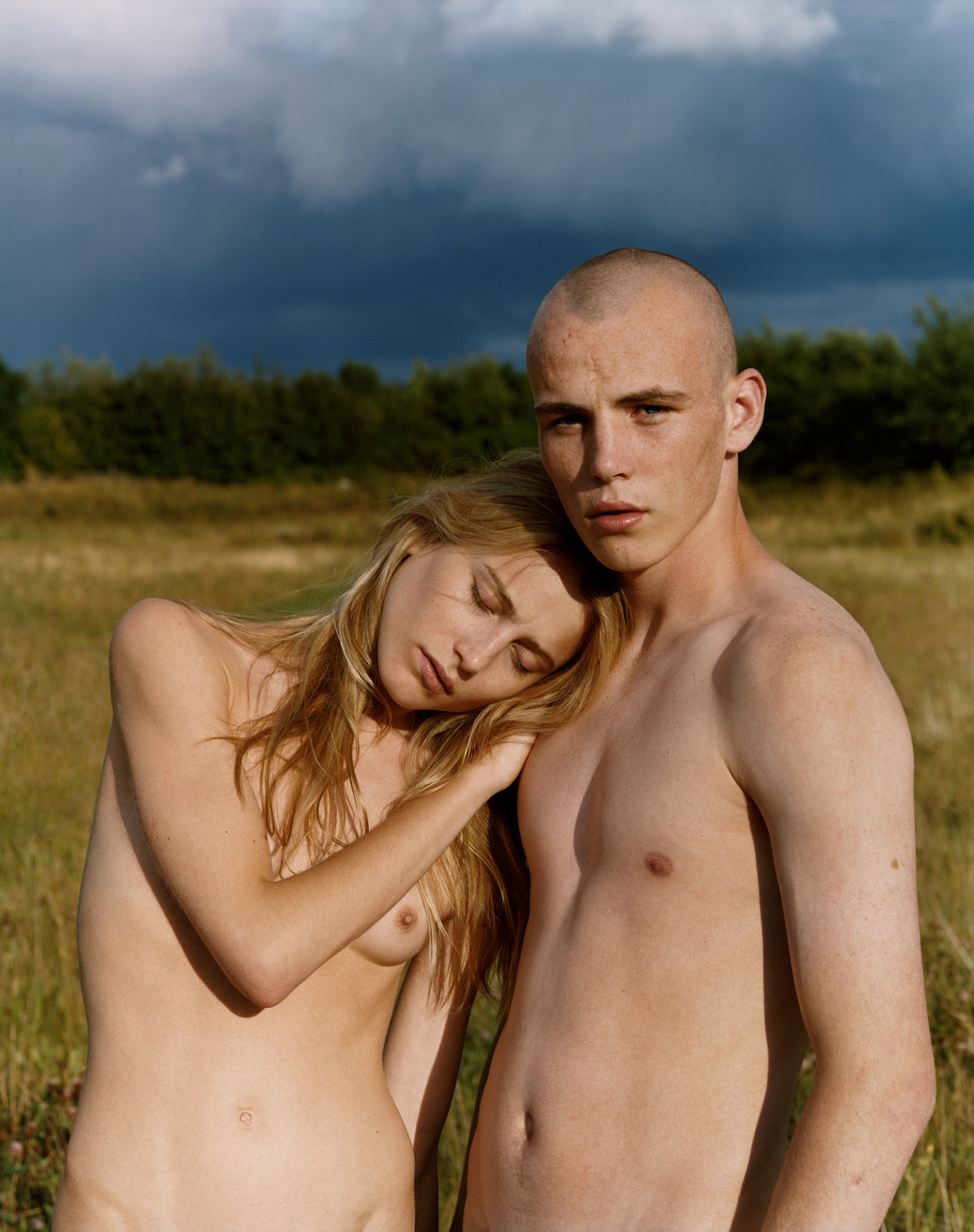
Designed by M/M (Paris), the book encompasses work made by McLellan between 1987 and 2022, becoming his most personal and autobiographical to date, presenting over 500 images from his vast archive that comprise the potency and raw ingenuity of his early years. However, McLellan is no novice to literature: throughout his career, he’s published a wealth of revered monographs including Ultimate Clothing Company (2013), Ceremony, (2016), The Palace (2017) and Blondey 15-21, (2019). Yet, the pièce de resistance can be considered his newest proposal, made of sensational insights that span from hedonism to intimacy. A poignant, frivolous feel runs through the oeuvre and shows a comprehensive summary of McLellan’s creative evolution. Below, office caught up with McLellan to unfold references, practicalities and the importance of storytelling.
On inspirations
“There is a lot out there in the world that I find inspiring. It can be a person or a place or a film or a feeling. With regards to the Home and Away 1987-2022 books, most of the ideas and inspiration came from me looking back at the photos I took when I got my first camera at the age of 13. The idea of the simplicity of that time.”
On references
“I constantly reference my memories from the past or experiences I had growing up. I like the idea of images feeling personal, even if the image I’m creating is for a more commercial project. It's important to put yourself in as much of the image as possible.”
On practicalities
“I suppose you have to be prepared for every eventuality. Growing up and also working a lot in the UK and particularly because I work on location a lot, the weather is never going to do what you want it to do, so you need to be ready to work out a different plan if you don’t get the weather you expected.”
On the work process
“There is a lot to say about the work process, but my favorite part of the process is when I first get the contact sheets back. I still shoot film so it’s a bit like getting your holiday photos back from the local film developers. It’s a mix of nerves and excitement. It's also great to see mistakes. Something you didn’t think would work. I still believe in an element of surprise.”
On the power of Storytelling
“I always try to create some sort of narrative in the images I make. Not that I ever wanted to create something so rigid as a storyline. I never wanted to make photo casebook stories like you used to see in mags growing up; more of a series of images that can create some sort of atmosphere or vague narrative so the viewer can question what’s going on in the images, like the relationships and so forth. I also think it's important to create a world as a photographer. It's why I constantly go back to the pictures I took as a teenager. Partly because I think it's important to keep some sort of consistency to the world I created. I still find those images inspiring. It's what Home and Away 1987-2022 is about really.”

Do you engage in the museum scene in London?
Yeah, I'll go to the Tate Modern and the National Gallery, and some of the smaller ones, like the Sir John Soane's Museum, which is really amazing. It's this fancy architect who turned three houses into this labyrinthine Victorian thing. It's really fascinating, and it has like a bunch of stuff he's, like, plundered. But it's a really beautiful place, and there are a lot of places like that are just, like, little secrets!
The parks and the gardens are so great in London as well.
Garden culture in England is just so supreme! Coming from Baltimore, I just didn’t realize that until I moved to a city that has gardens everywhere.
What’s your favorite spot in London?
The first thing I can think of is Tower Hamlets Cemetery Park. It’s one of the magnificent seven Victorian cemeteries. It’s so beautiful. It’s not that big of a park, but you feel like you’re in the middle of a forest. And it was affected by the war, so all the headstones in part of the park are strewn around, and they let it overgrow in the summer. It’s amazing.
What’s your workspace like?
I’ll give you a little tour! Here’s some current stuff I’m working on [Lydia shows me various canvases leaned up against the wall] and I also have a skylight. That’s my sewing zone. And then there’s my cozy area – that’s the chair I fall asleep in most days.
It looks so clean and organized!
It's so funny because the perception I have of myself is very like, you know, I am so chaotic and everything's a mess but actually it's not so bad in here. It does help when things are a little more organized. Usually towards the end of the show, it's a lot more chaotic in here.


How many pieces do you work on at a time?
It just depends on what’s happening. I’ve had four to six large pieces going at once, and there are other times where I just work on one small piece at a time. Ideas come in waves for me, and sometimes they’re inspired by timeframe and time pressure and stuff like that. I do prefer working in multiples because it helps with my attention span and I can work a little bit on each of them a day, and it feels a lot more satisfying to take incremental bites out of multiples rather than laboring over one piece. And, you know, it helps with dealing with the frustration of having to stop because a painting is too wet and I can't go anymore and I don't have anything else to do.
If you were speaking with someone who had never seen your paintings, how would you describe your work, both stylistically and thematically?
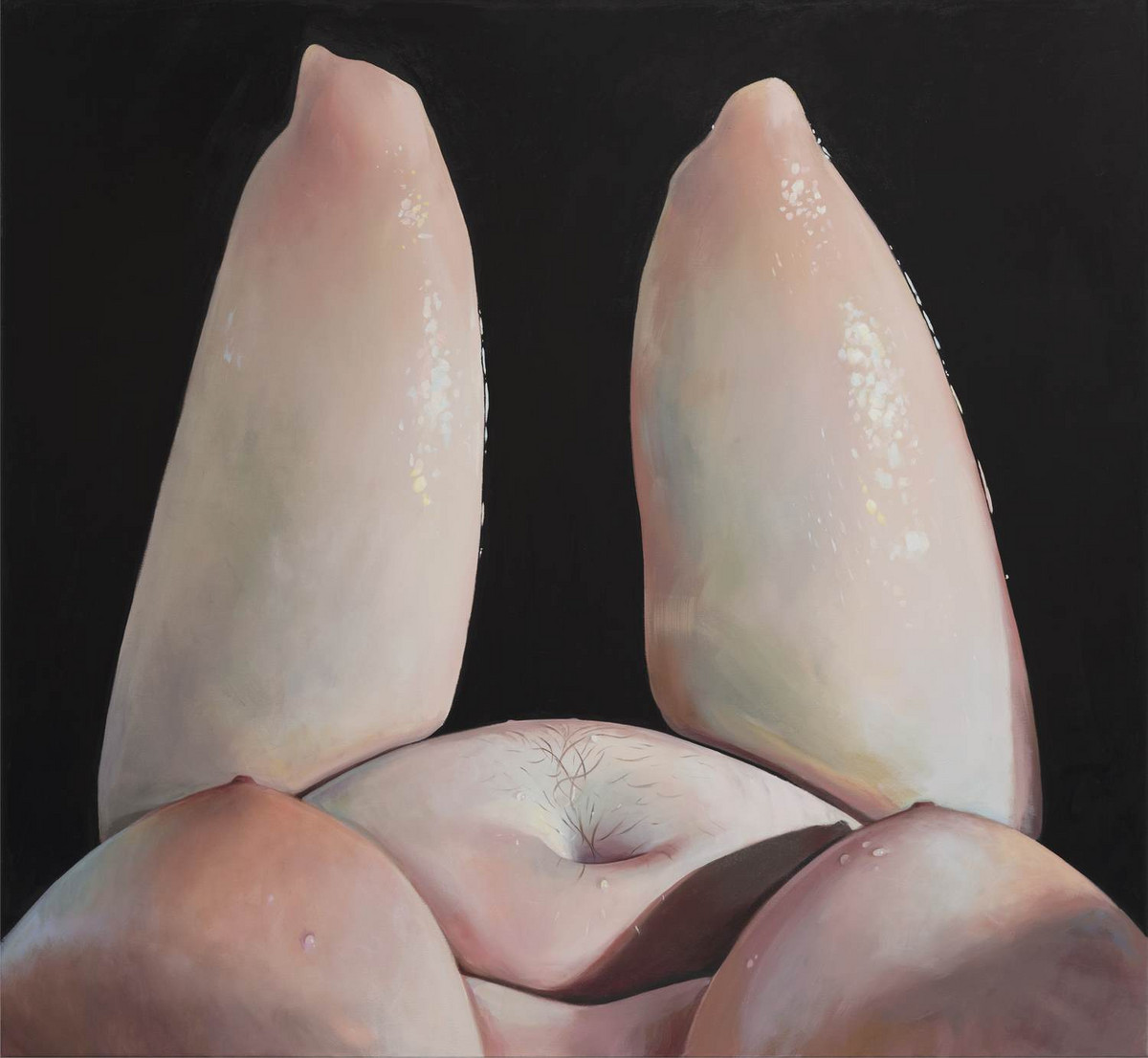
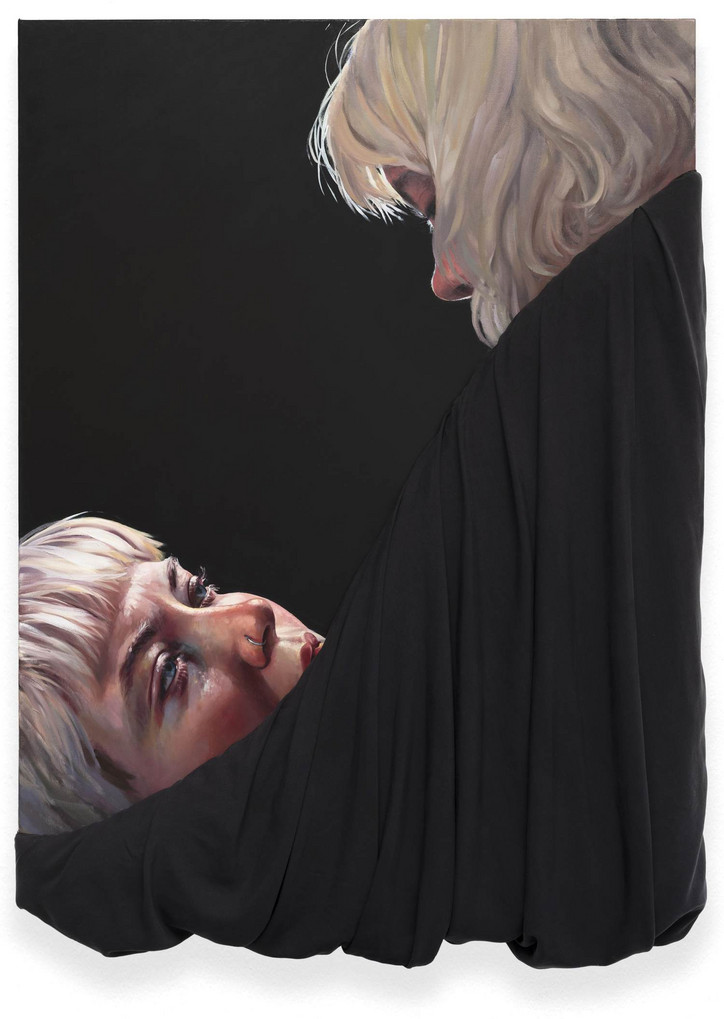
Traditional figurative painting is a big core of my work, so there is a painterly hyper-representation alongside these psychologically surreal spaces. But I think that it depends on the work they're seeing. If it's something very obviously horror adjacent, I can throw that in there.
But some of my work is not necessarily about that. I think that people can generally understand where I'm coming from in terms of my artistic education. I love Jenny Saville, Caravaggio, John Singer Sergeant, and Lucian Freud. But I think that I've branched away from the content of that kind of work. I think focusing on self-portraiture and more of the camp and whimsy that can come along with horror as a genre is taking the aesthetics of more traditional painting and pairing it with more cultural amp.
I’m glad you brought up your horror-informed work – it’s so cool!
It’s fun! It’s nice to do something a little dumb, you know? Because horror is like, it is kind of stupid a lot of the time. But in a way that is charming and engaging, just delightful exaggeration, and it's nice to engage with that when you have had such a traditional education that is so much about observation and capturing what's right in front of you and not, you know, not using photos, not using all these things which I exclusively use now.
And photography is a big part of my work. But yeah, getting to take the skills I've learned doing traditional painting and then applying it to stuff like painting myself as like a murderer or a witch or, like, the victim of a haunted house, things like that… it's more fun.

There’s always a question with figurative paintings of what exactly is being expressed. Like, you have a body in space, but what is the figure expressing in terms of movement or emotion, you know? I think your horror paintings are really interesting because of how clearly they articulate emotion and feeling. They’re very direct.
Yeah, which really speaks to the genre because I think the way I’d describe horror is that it’s basically a hyper-exaggeration of normal feelings and experiences, right? So, it’s like spelling things in bold letters to the viewer. And so even though there might not be much happening in a painting, there’s an obvious sort of sinister undertone based on our collective knowledge of cinema and image making and photography.
Do you watch a lot of films? And do you find that your work is informed by cinema?
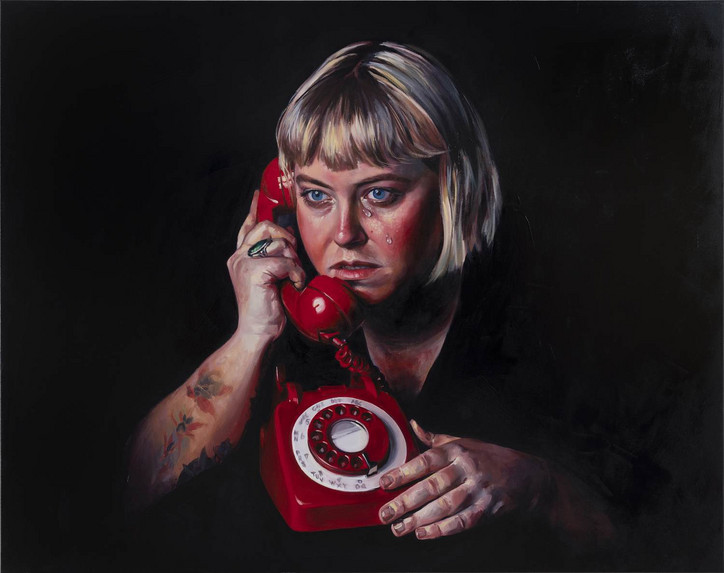
Oh, all the time. Yeah. I’ve seen a lot of horror films. There are a lot of motifs that appear in my work that are direct references to film. The silhouetted figure in the doorway, the girl on the phone, the raised knife, the scissors… I do a painting of myself holding scissors as a direct reference to the number of times in horror films where a woman defends herself with scissors and it’s a very interesting gender dynamic that people don’t really notice that much. And since I’ve done that painting, it’s like, every time I’m watching a movie and someone picks up scissors, my flatmates are like, “scissors, scissors!”
That’s so funny.
But it’s true, though. It's like this weird domestic object is the go to defense mechanism for women in horror. And I find that so fascinating.
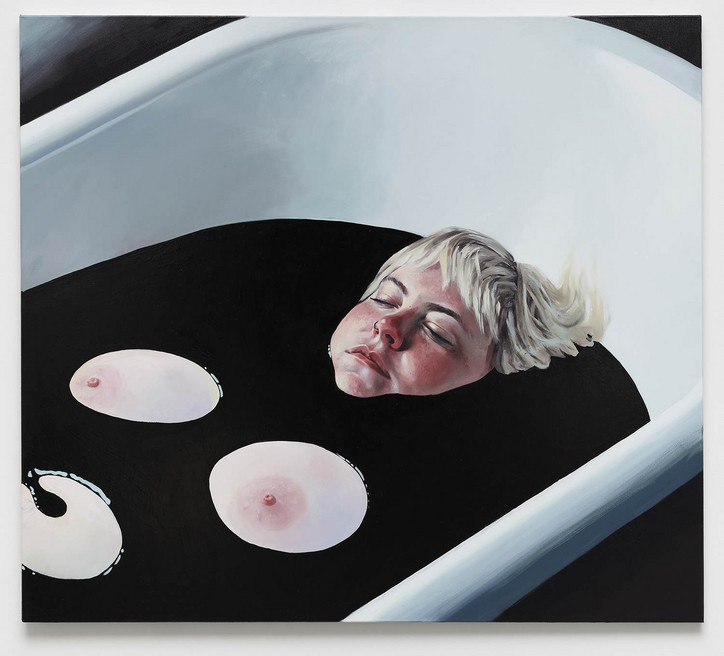
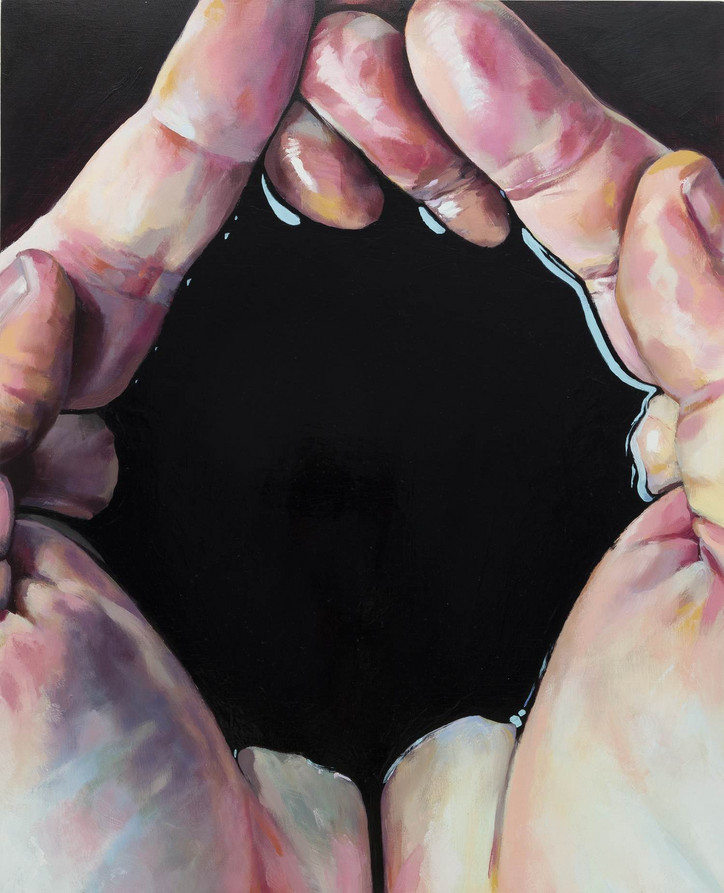
And then there are other motifs, like the black liquid that I employ in paintings, which come directly from films like The Amityville Horror and Alien and Haunted House and the Possession films. The black liquid in those films is used as a way to describe a curse or a possession or a disease, whether it's of a structure or of a person. And so using black as both an environment in this void space, but also as a physical weight and something that can either swallow or escape you or, things like that… It’s just a very easy way to communicate how heavy the past can be and how heavy trauma can be and how persistent and pervasive its effects can be.
I think your use of black is so interesting in that it’s a shade that’s so rarely observed in our natural environment; the “blacks” we see in daily life tend to just be really dark shades of another color. But the black you use really emphasizes void while also feeling conducive to the earthier tones of your pieces.
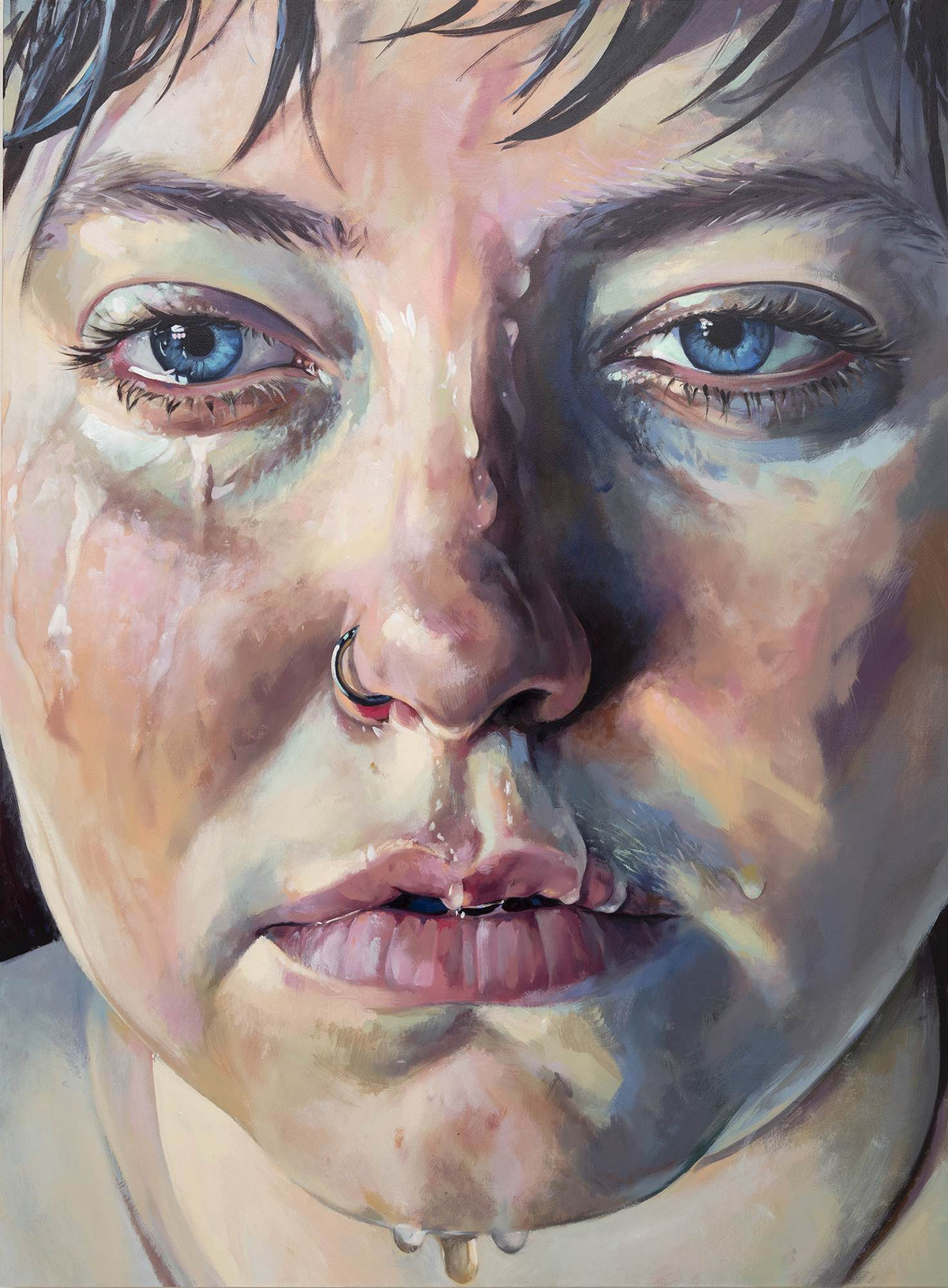
Yeah, because I tend to paint skin in a prismatic way, where there's a great deal of color making up the impression of flesh. So if you look at my work up close, you'll see there are greens, oranges, blues, purples, reds, and yellows. There's this gentle complexity to the color in the skin, which is a very pastel and very soft, and then you have the extremely harsh companion to it with the black.
What is it like, both as an artist and personally, to do self-portraiture?
It's interesting. It is really vulnerable. I kind of forgot that it was because I had one solo show in Baltimore in 2018. And I dressed up like one of my paintings and it was like a swimsuit and I was being very, sort of, audacious, but it was quite nerve wracking to see how people see me in person, but also in the paintings that way.
In Berlin this year, I went and saw all my work that felt quite small and intimate in my studio. But when I went to the gallery, which is huge, and saw it installed properly, it actually felt a little frightening and exposing. But for me, exposure is a way of reclaiming my agency over my body. Being extremely candid in my work, even when it makes me really uncomfortable, still feels good to show.
Do you feel like you’ve gotten to know yourself better through that process? What has the journey been like?
I didn’t realize it at first because I just started doing self-portraits relatively recently. But I think it’s a way to unpack stuff subconsciously. And I’ve always felt like chasing that urge. A lot of the times when I make work, I'll just have an idea for something. And even if it's kind of weird, I just don't question it that much because there's something telling me that it’s a significant image. And usually through that I learn a lot about myself.
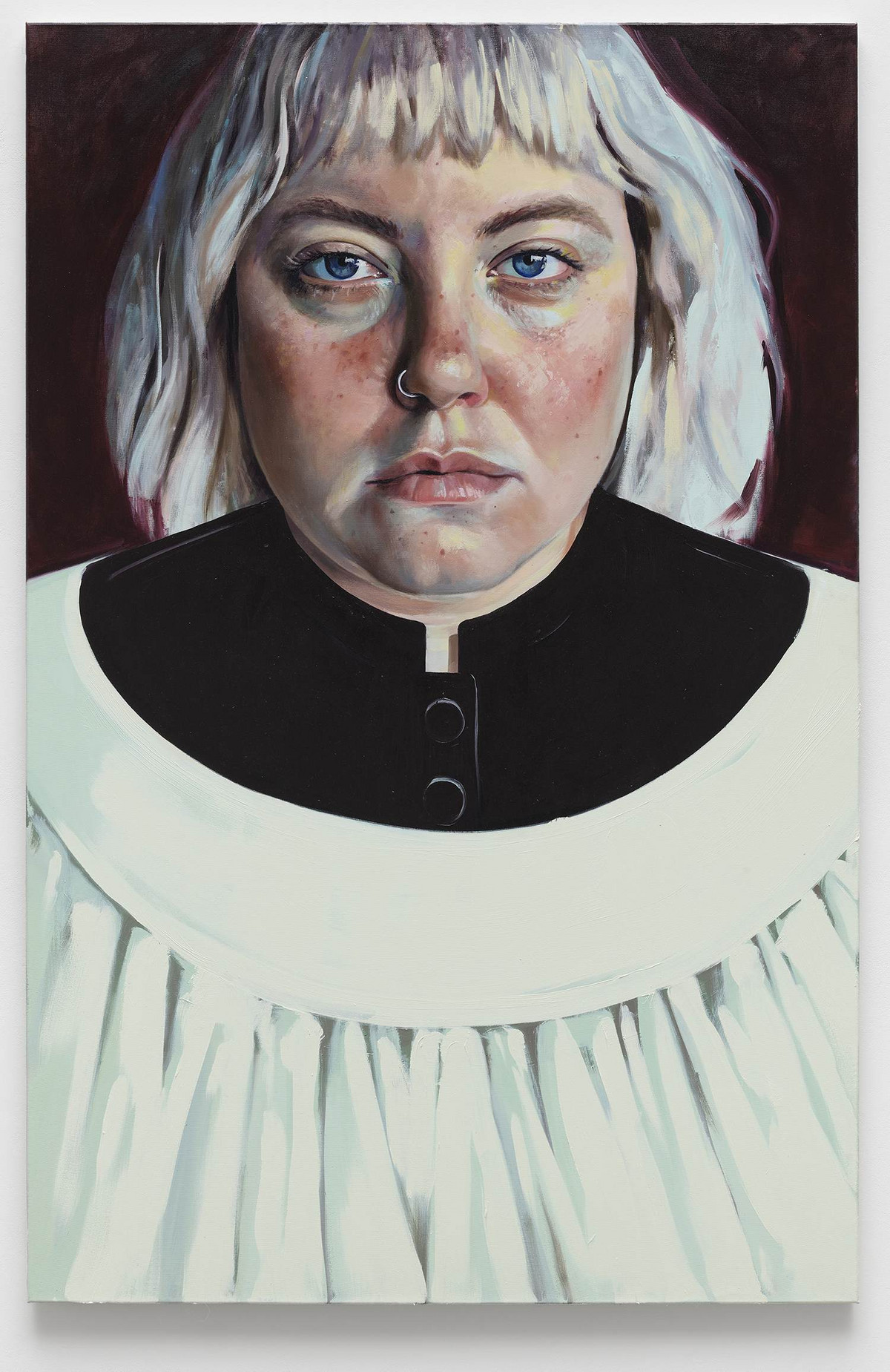
I did this painting in my choir vestments that I used to wear – I was a professional choir girl from ages eleven to fourteen. And when I made that painting, I recalled this memory of being slut shamed for the first time, and feeling ashamed of my body and my actions. I think a lot of us have this really intense yearning to commune with our younger selves and warn them or try to do something different that could save you from something.
So it was kind of a piece about physically putting on the clothing of my younger self in this fantasy of, what if I stood up for myself to that girl, or what if I hadn't spent so much time around people who made me feel ashamed of my body, or things like that. But ultimately, it's also an act of understanding and forgiveness and realizing that, you know, I'm very content with who I am now, and making peace with a lot of those experiences. So that was kind of a way I could honor that experience and that pain. Ultimately, I was very aware after the first six months that this was a therapeutic action and that I was using the canvas as a mirror more than anything.

Did you always want to be an artist?
Yeah, I was always drawing when I was young. When I was in middle school I always had a sketchbook with me, and I was constantly drawing. I was at private school, and it was really clear to my parents that I was unhappy. So I moved to an art magnet school and that changed my life. I’m so incredibly grateful that my parents supported me as an artist in that way. I’m so lucky. There really wasn’t any other path for me. I think that art was always the destination.