PRESENTE CONTINUO: the intimate ties between then&now

Starting May 30, PRESENTE CONTINUO will be available to purchase on presentecontinuo.com, cpcompany.com, and at the C.P. Company flagship store in Milan, Corso Matteotti 7.
Stay informed on our latest news!

Starting May 30, PRESENTE CONTINUO will be available to purchase on presentecontinuo.com, cpcompany.com, and at the C.P. Company flagship store in Milan, Corso Matteotti 7.

What’s your favorite spot in New York?
My favorite spot is Village Works bookstore on 12 Saint Mark's place that my friend runs. Do you know that place? It's about New York urban culture and there’s a lot of graffiti and a lot of zines and self-published books and art books. It’s really fun.
What’s your favorite spot in London?
Anywhere along the Jack the Ripper walk. I know all the haunted houses, I know all the spooky places and notorious places.
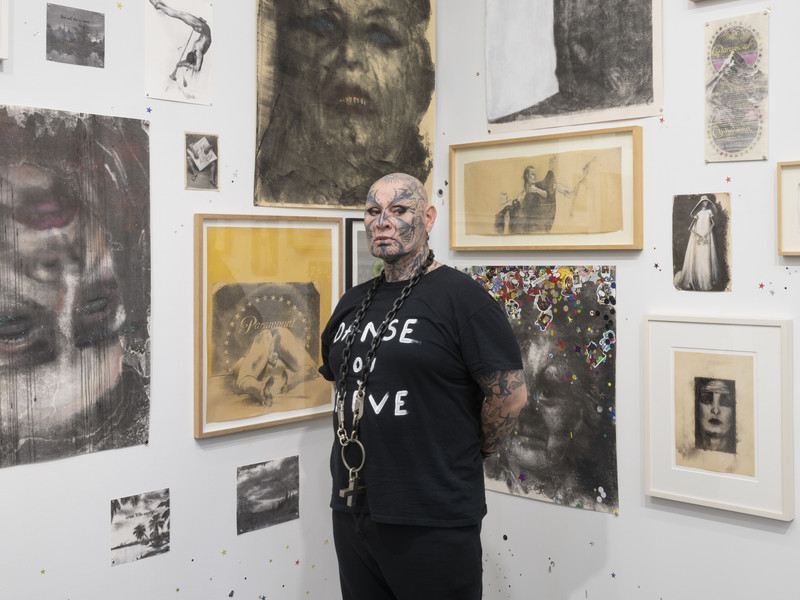
Tell me about your studio. What is the interior like? Do you keep it a certain way?
Messy. But it's nice to come out here because I can make a mess. I don't have to clean up after myself every afternoon before, oh, the wonderful Simon [Hawkins’ friend] gets home and chides me and I don't stink the house up with turpentine, stuff like that. It's really nice and it's great to, just, I don't know, not be in the house all the time.
So you’re an advocate of the separation between house and studio?
I didn't used to be. I would rather live and work in the same place. But, it's not nice to do it to my friend, so that's the reason. I mean, it has nothing to do with how much I like it or anything like that. I'd rather just, like, get out of bed and go and paint and not have to get on the train.
Critics have described your paintings as realism, or narratively informed works. How would you describe the style you adopt?
Well, I made up this term “pseudo-realism.” I don't know anatomy. Like, when I paint some animal, I don't know the anatomy of it. So in that sense it’s like pseudo-realism. I mean, an academic person would look at it and go, “a wooly mammoth doesn’t have joints going in that direction.” And those gems in the painting in the Off Paradise exhibition… I don’t know what a gem looks like. I don’t know how many sides a gem has, or anything [laughs]. But, a big jeweler bought the painting. And, you know, they think it’s funny. Anyway, so I made up that term: pseudo-realism. But it’s surrealism basically.
In art school, they tell you: “paint what you see and not what you know,” in order to encourage realistic depictions rather than subjective renderings. It sounds like you’re taking the opposite position by articulating forms with which you’re not familiar.
Yes, but I can see it! I can see it in my head! I’m really good at visualization. I don’t even need to do a preliminary sketch. It’s so in my mind that I just look at the blank canvas and fill it in.
Tell me about your subject matter.
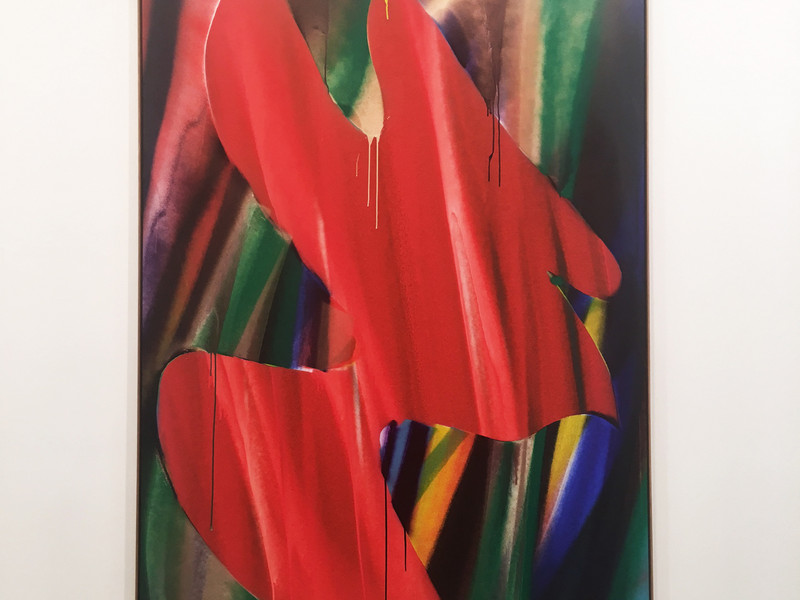
All the stuff that I paint is stuff that you couldn’t see in real life, that you would want to. Some people want to see a ghost, but they’re never going to be able to. They’re never going to be able to see a caveman, or experience Cro-Magnon live, or something.
Tell me about the show! Was there something from the story of the “dream mine” that compelled you to portray it visually?
Well, it’s always been in my history. I mean, you know, my grandpa bought the stock and it was always kind of just a family joke, basically. I mean, nobody really believed it or anything. But it was always around and I thought it was a great story. And then I went to the mine about three years ago, and renewed my interest in it. Then I thought, ‘oh, that'll be a good idea’ because I paint things in themes anyway. Like, one show will be all about one thing. This one was about yellow and orange and gold and dazzling. So that you would want to stand in the middle of the room and spin around and go ‘Gold! Gold!’
What are you working on now?
I’m painting a series about infinity. [Showing me around the studio] A golden maze… Clouds… the inside of a tornado [all on round canvases]. This one’s of when Prince Charming had to go find Sleeping Beauty. You know how it was all thorny and stuff. This one is of a well, which will go on the floor, and this one’s of a whirlpool which will go on the floor too. There’s this place called Flying Tiger, and it’s just like this Danish –
Oh, I love Flying Tiger.
I love it. I bought all these canvases for $18 apiece. They don't even know. And I just buy all of them. I mean, I couldn't get one of these made for less than $200. They have no idea. And, yeah, so I just bought them all.
I know you were involved in the artistic community in the East Village in the 1980s. What was that like?
I mean, it was completely different and, and of course, it was great, it was a lot of fun, and it was the best time to be around and be doing art in New York. But it’s not like that anymore. I was involved with Patrick Fox Gallery but that was more like a party house than an art gallery. And I never really took the art world that seriously, but it was fun while it was happening because nobody was taking the art world seriously back then. It was like the Emerald City and Andy Warhol was the Wizard of Oz and then Andy died and so did everyone else and, and it wasn't fun anymore and I was lucky to get out.
Do you take the art world seriously now?
No. Not a bit.


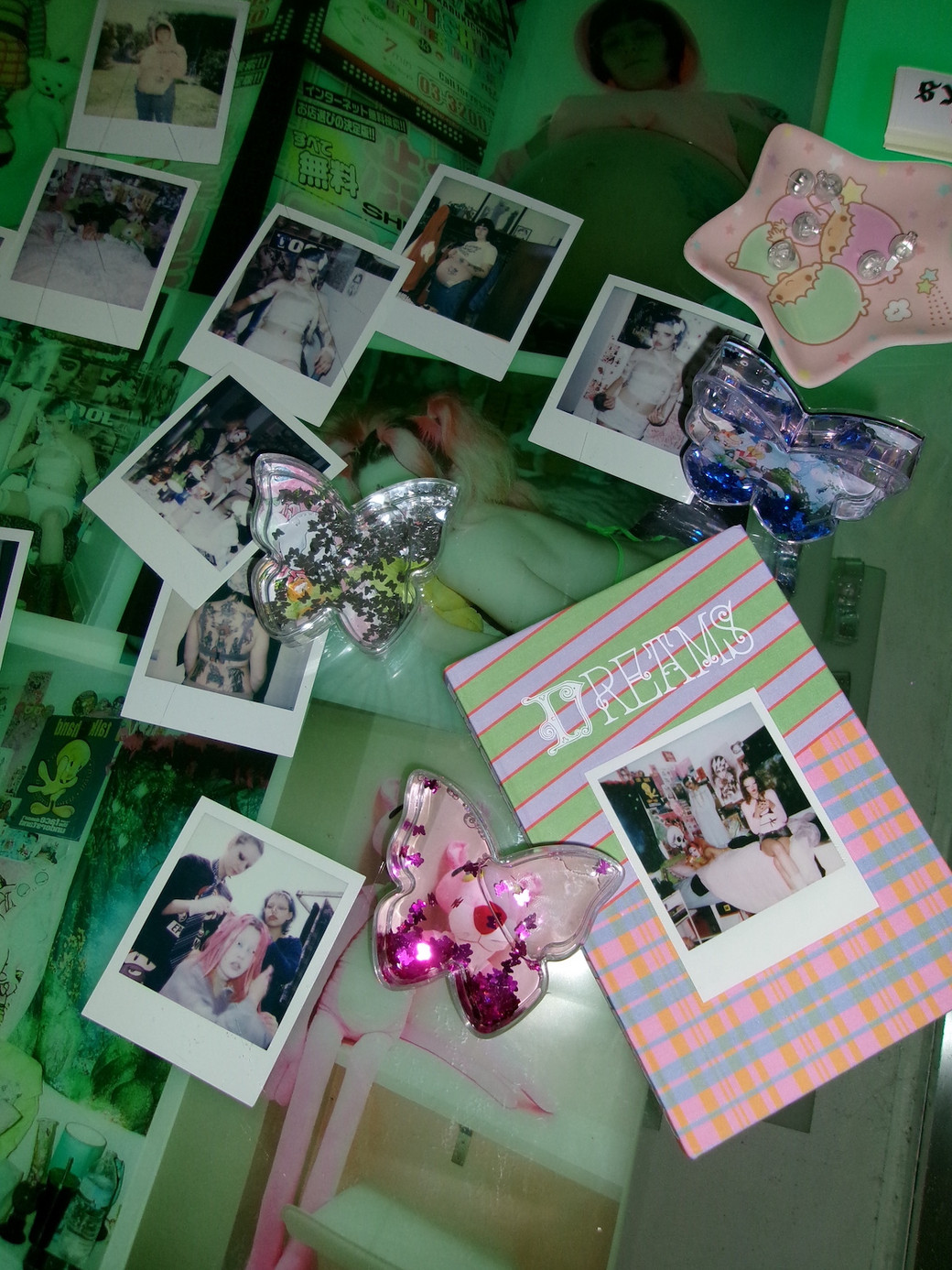
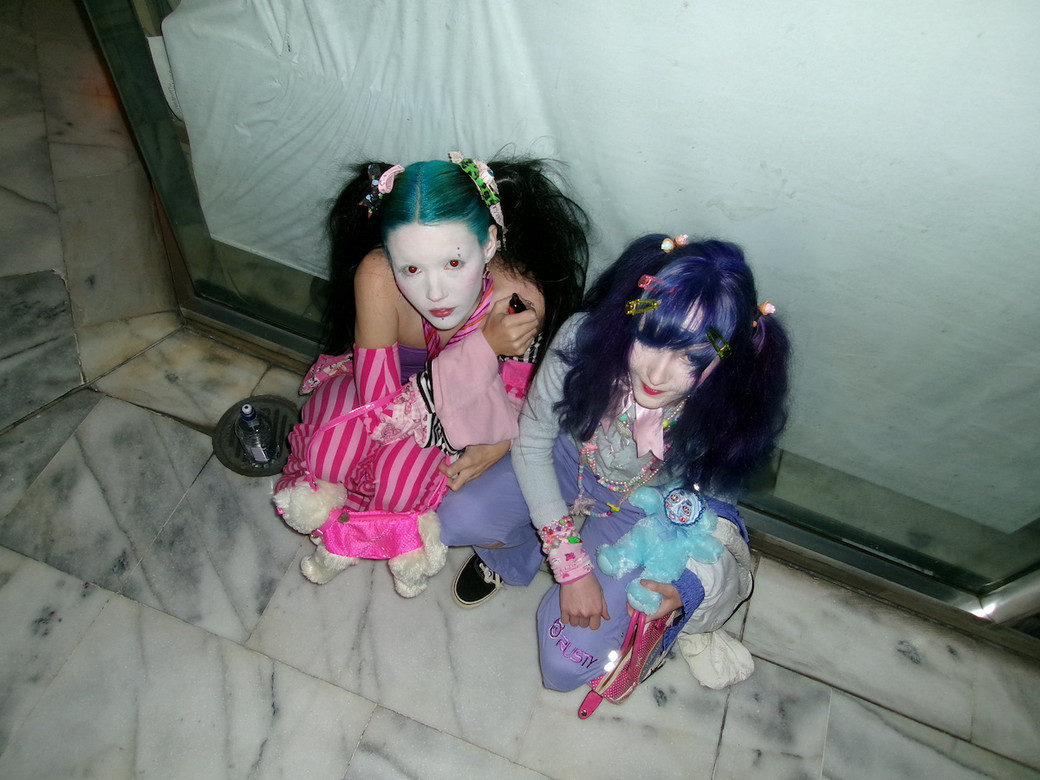
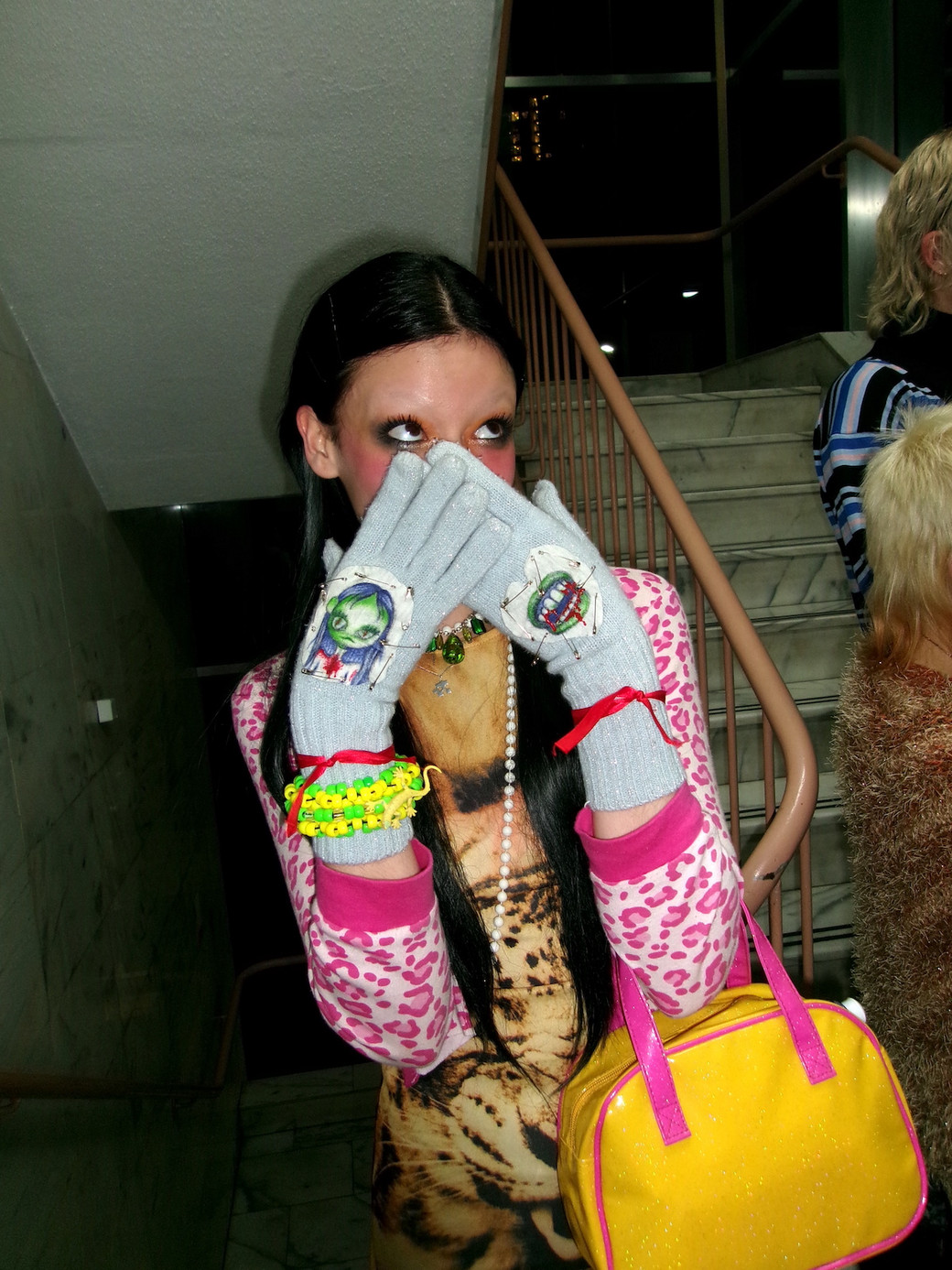
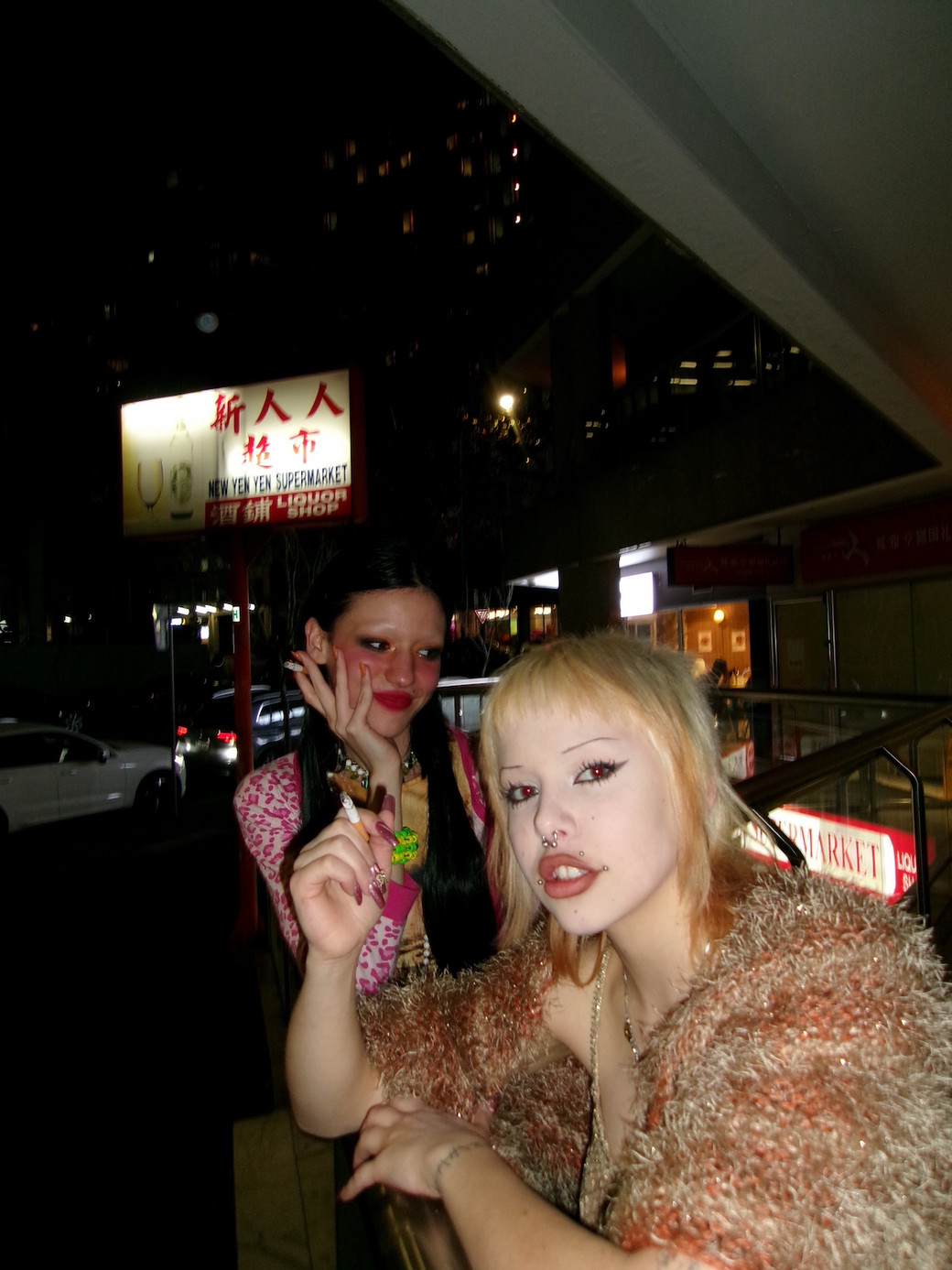
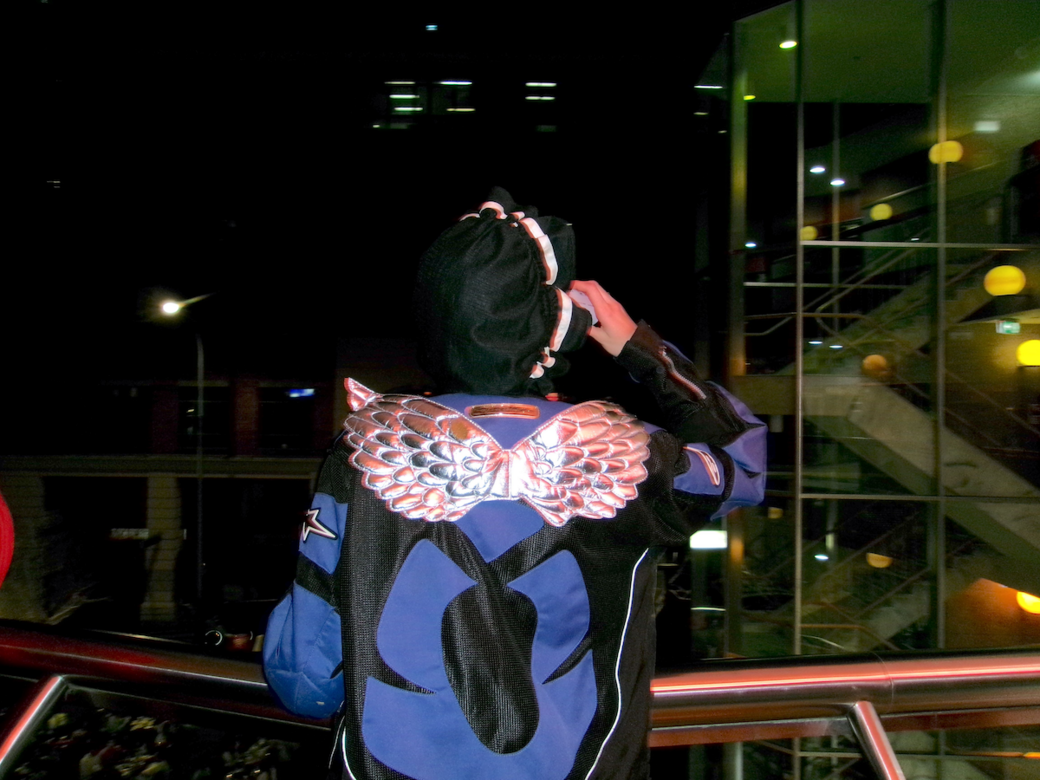
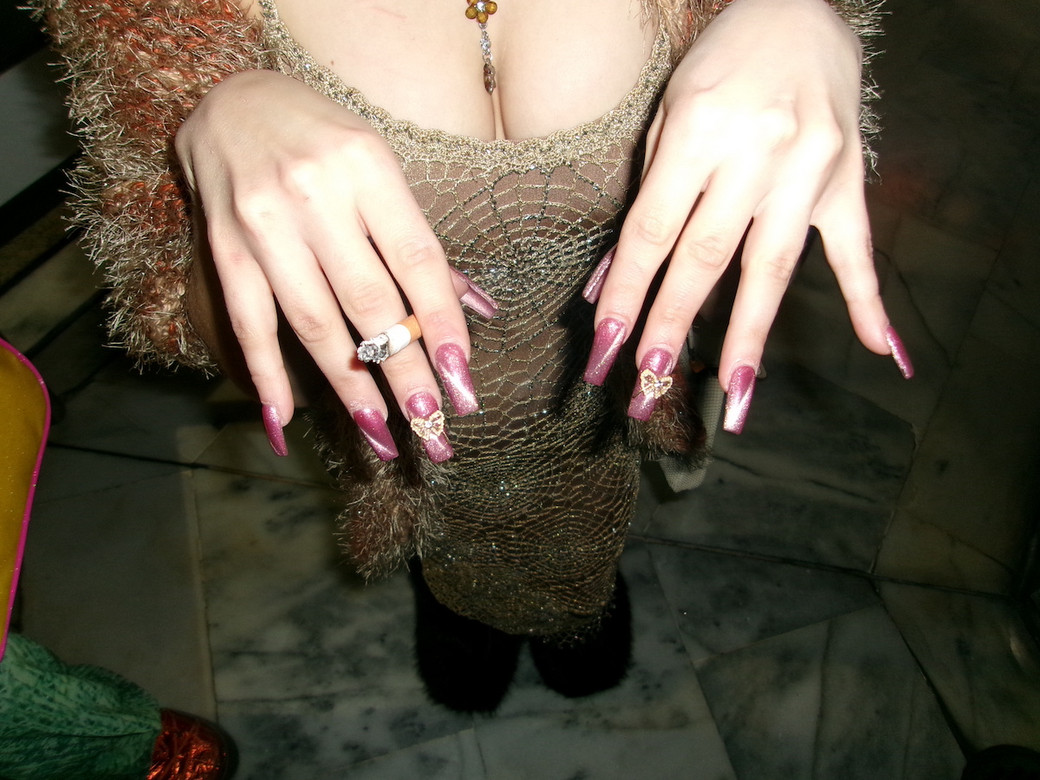
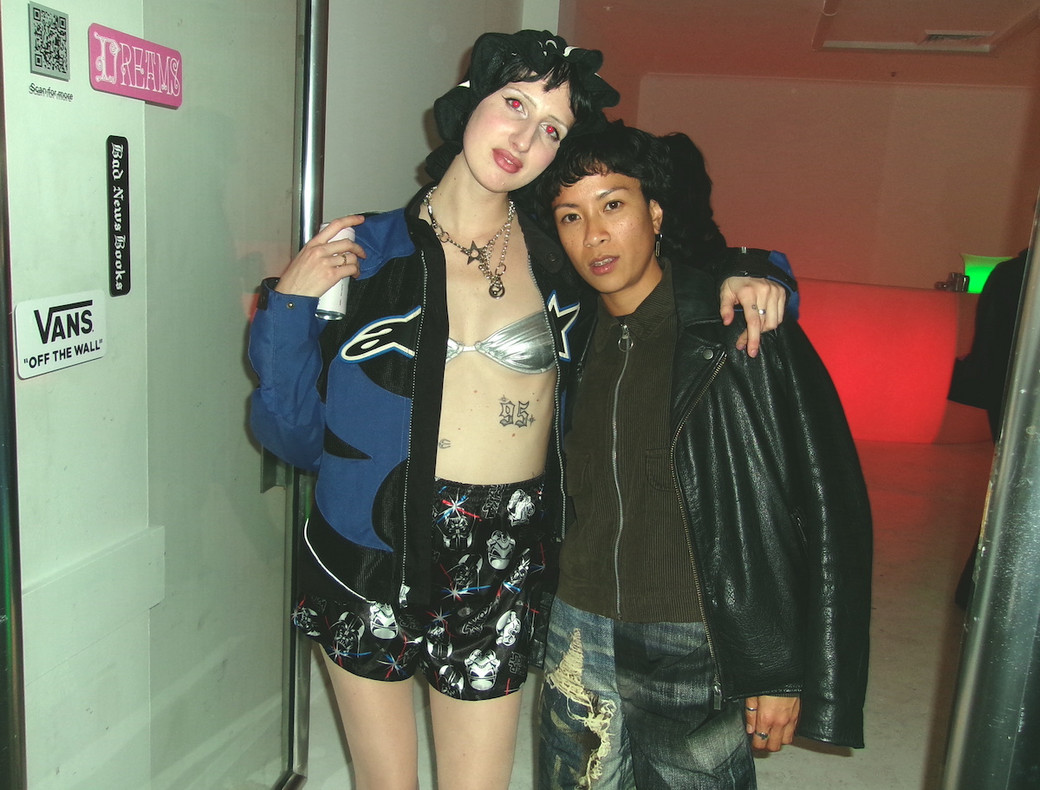
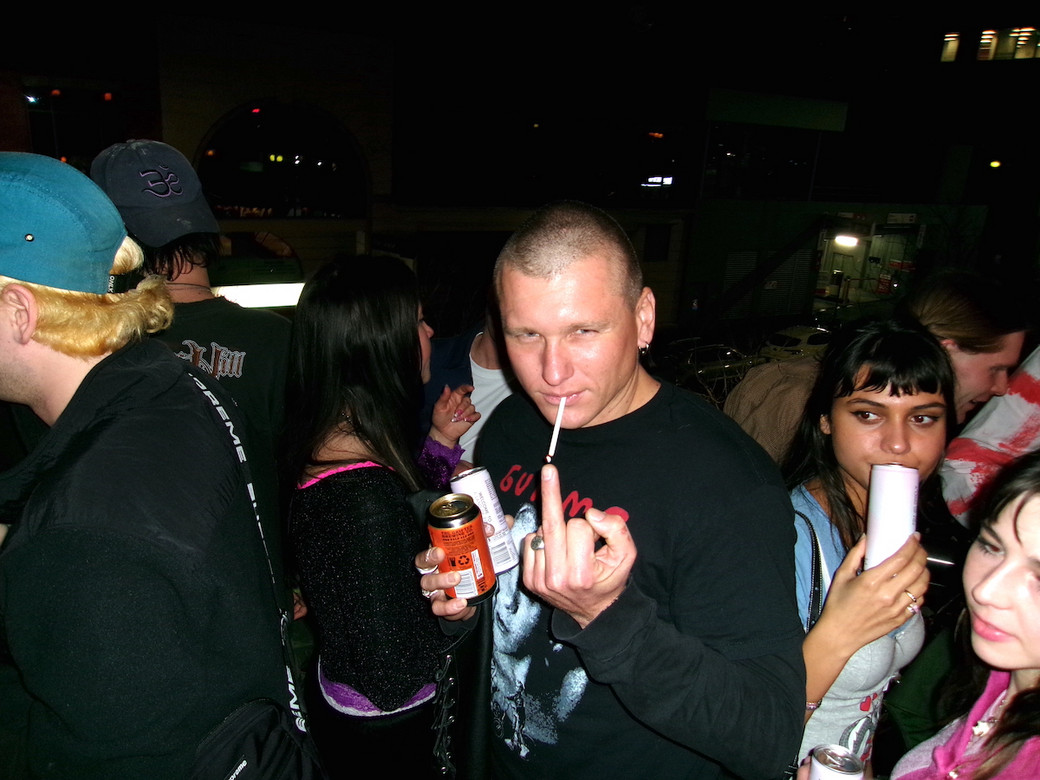
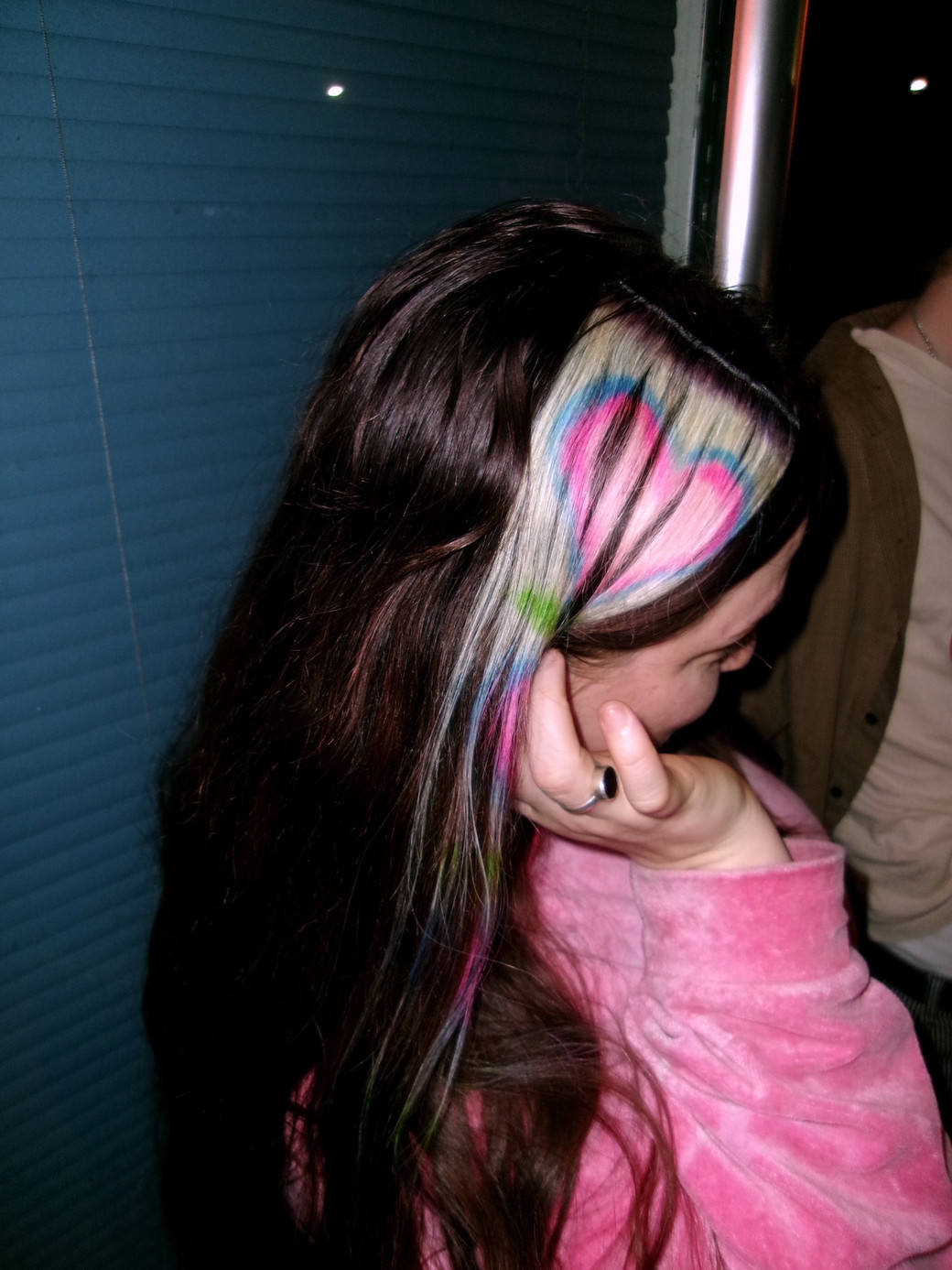
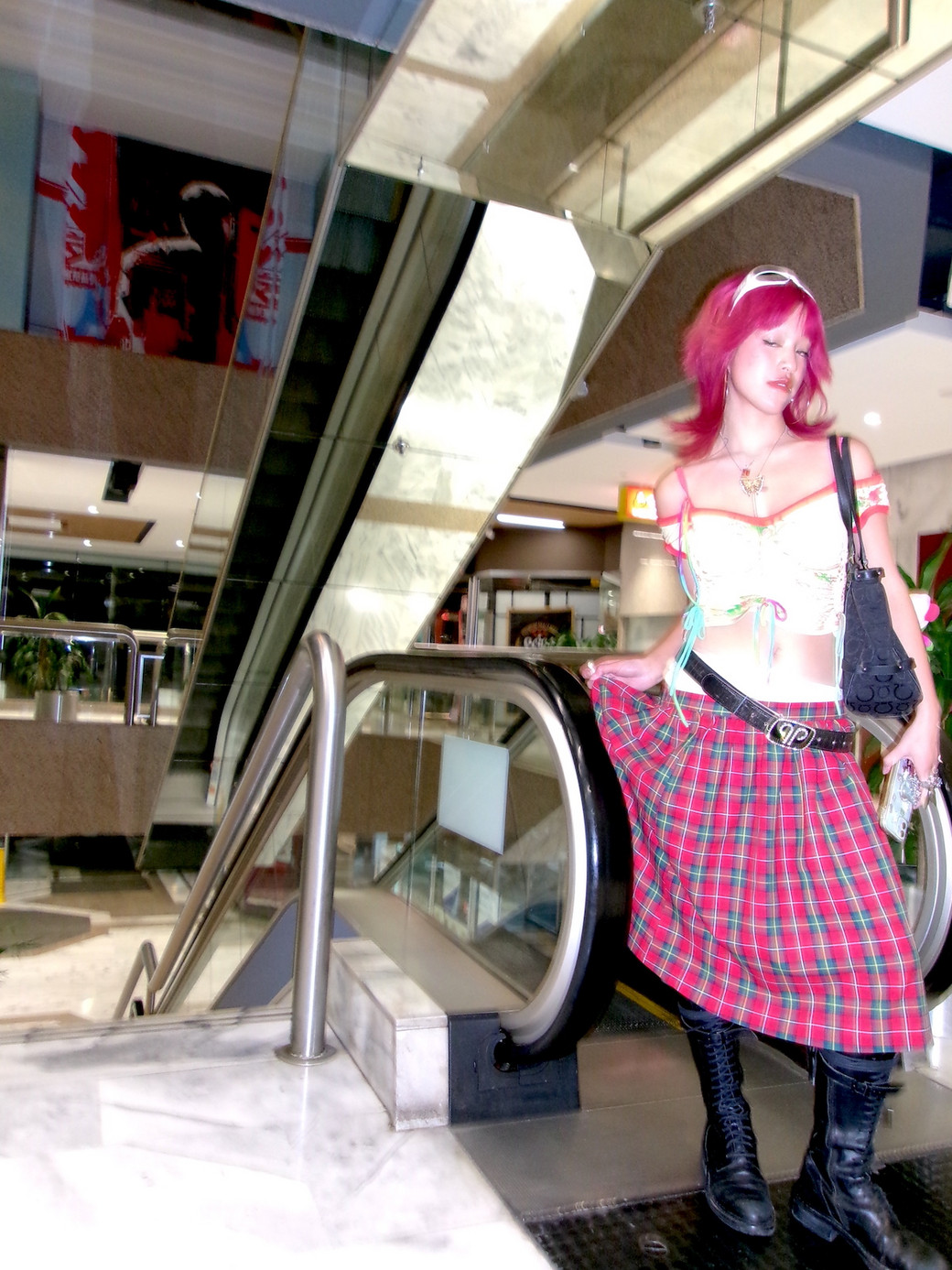
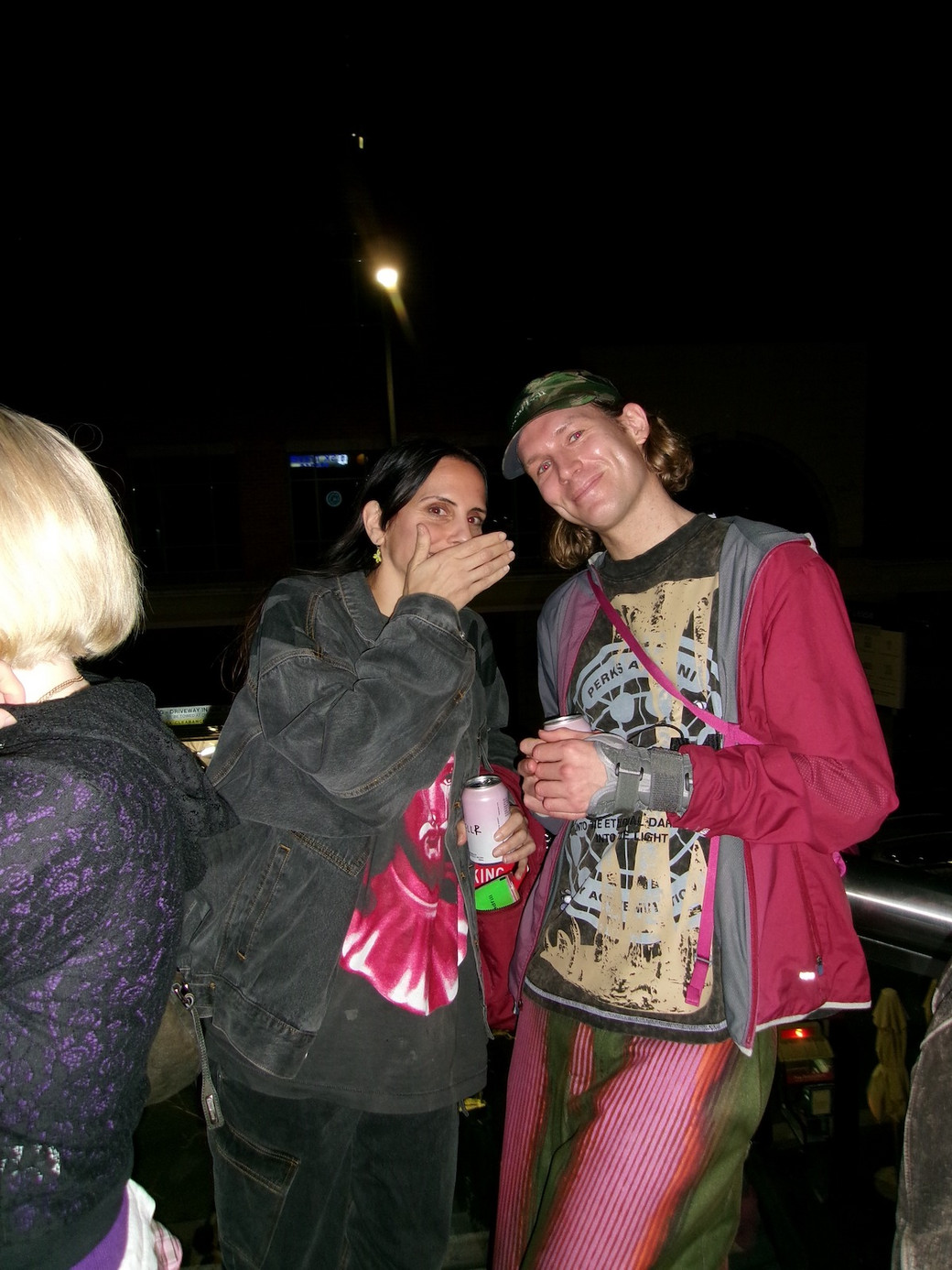
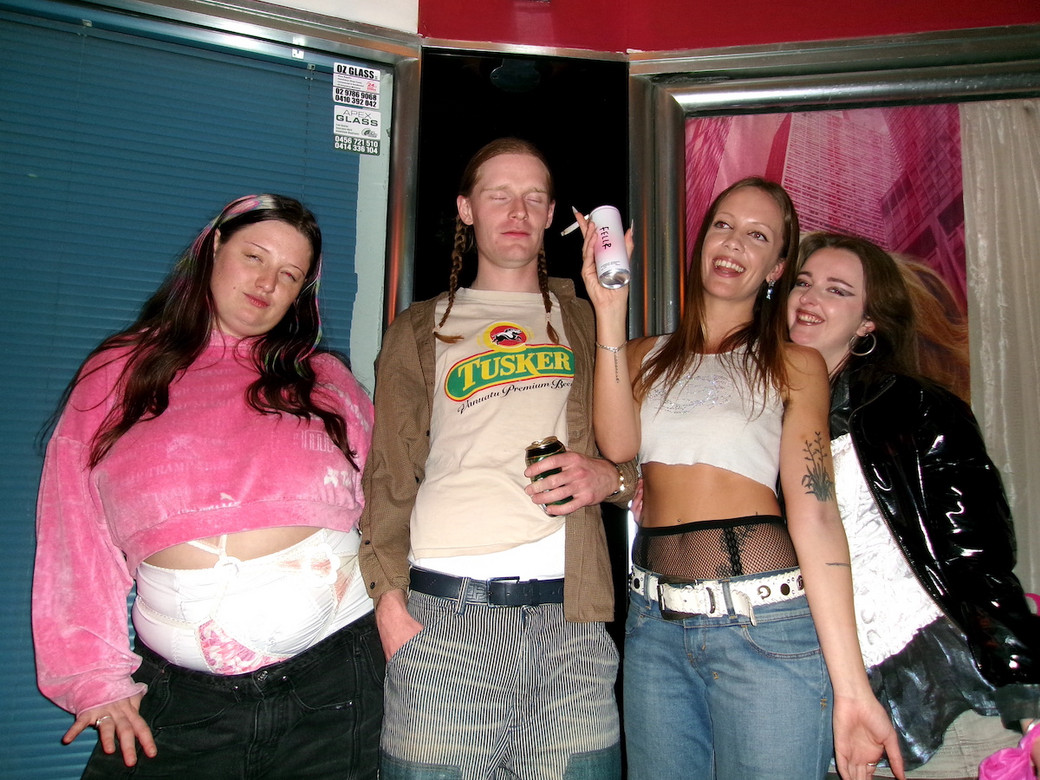
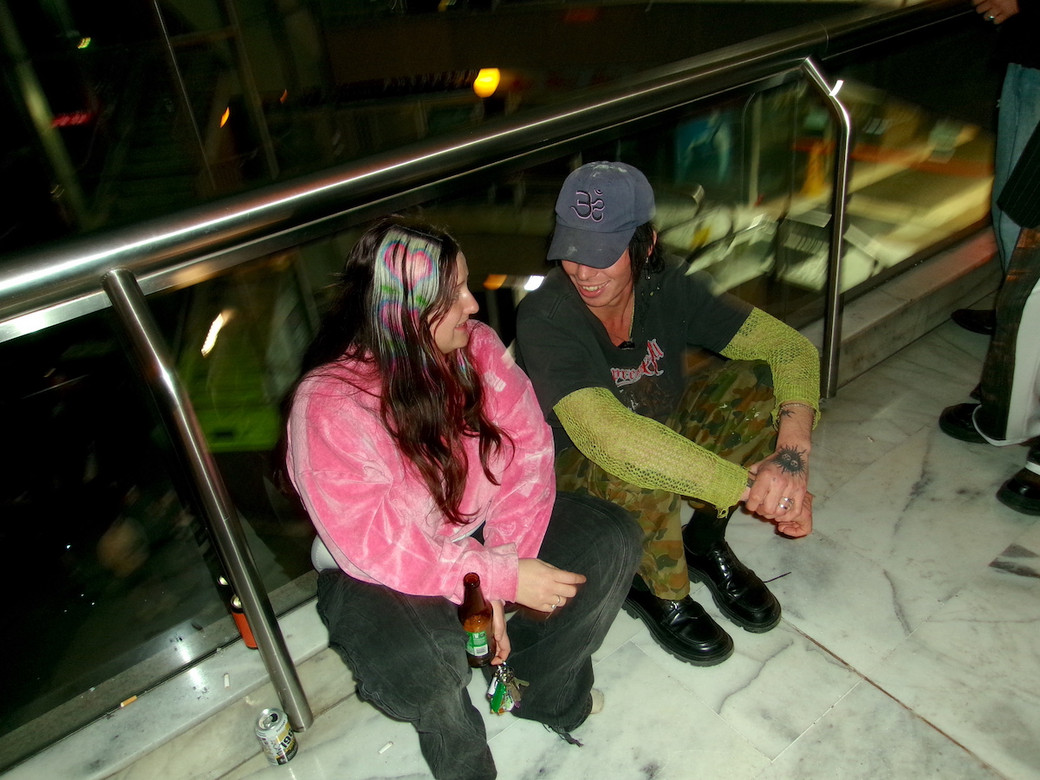
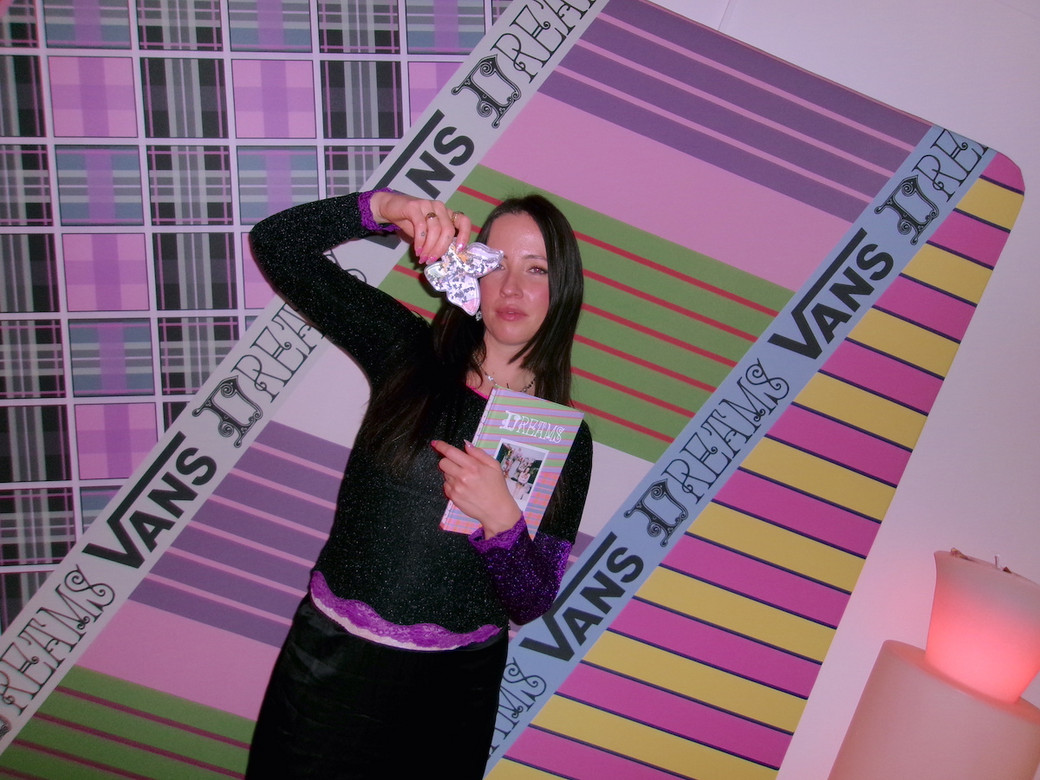
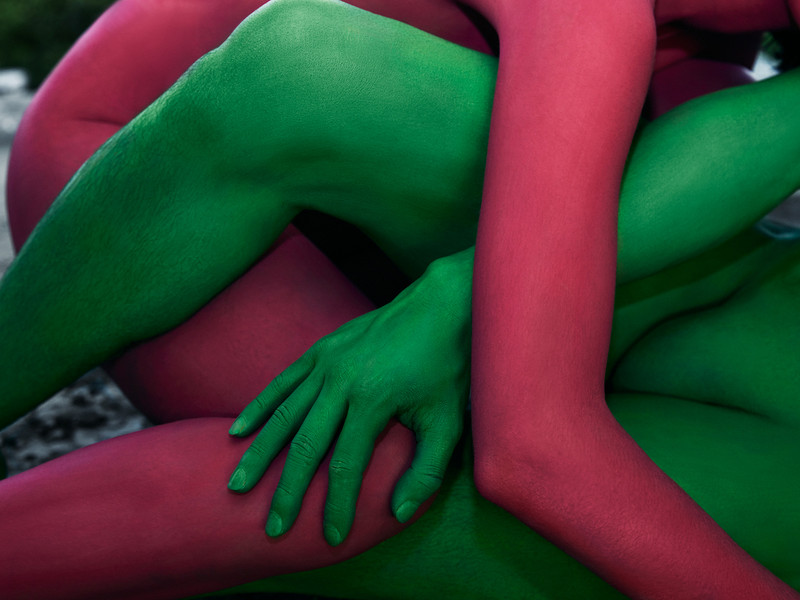
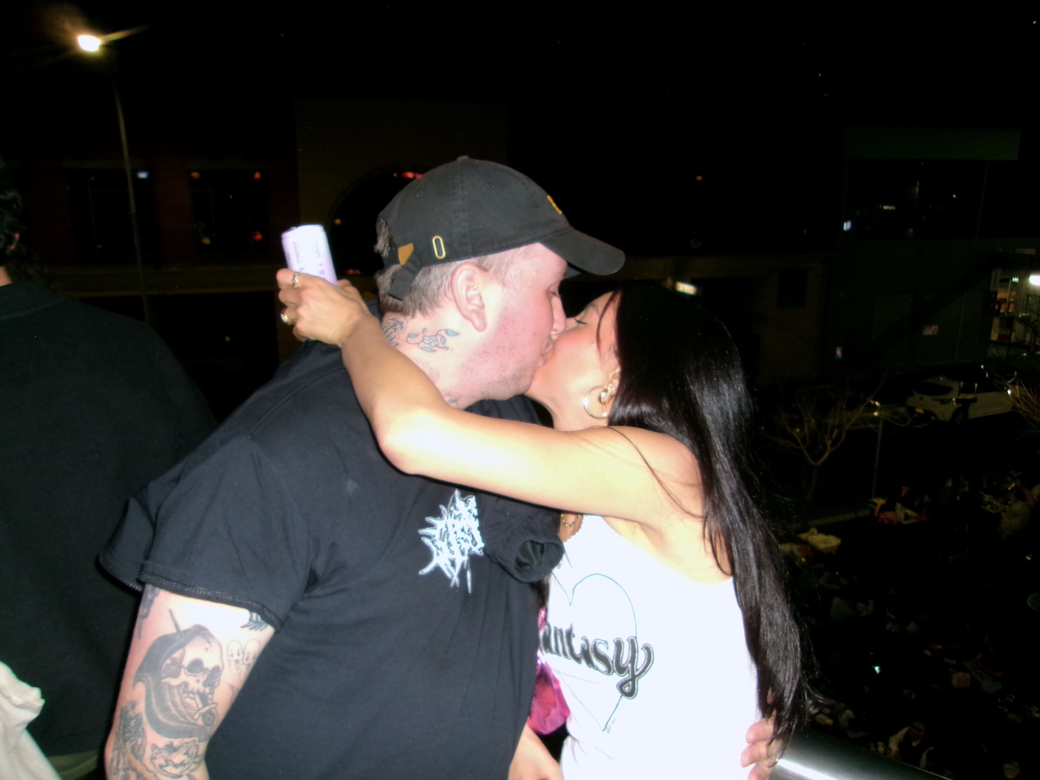
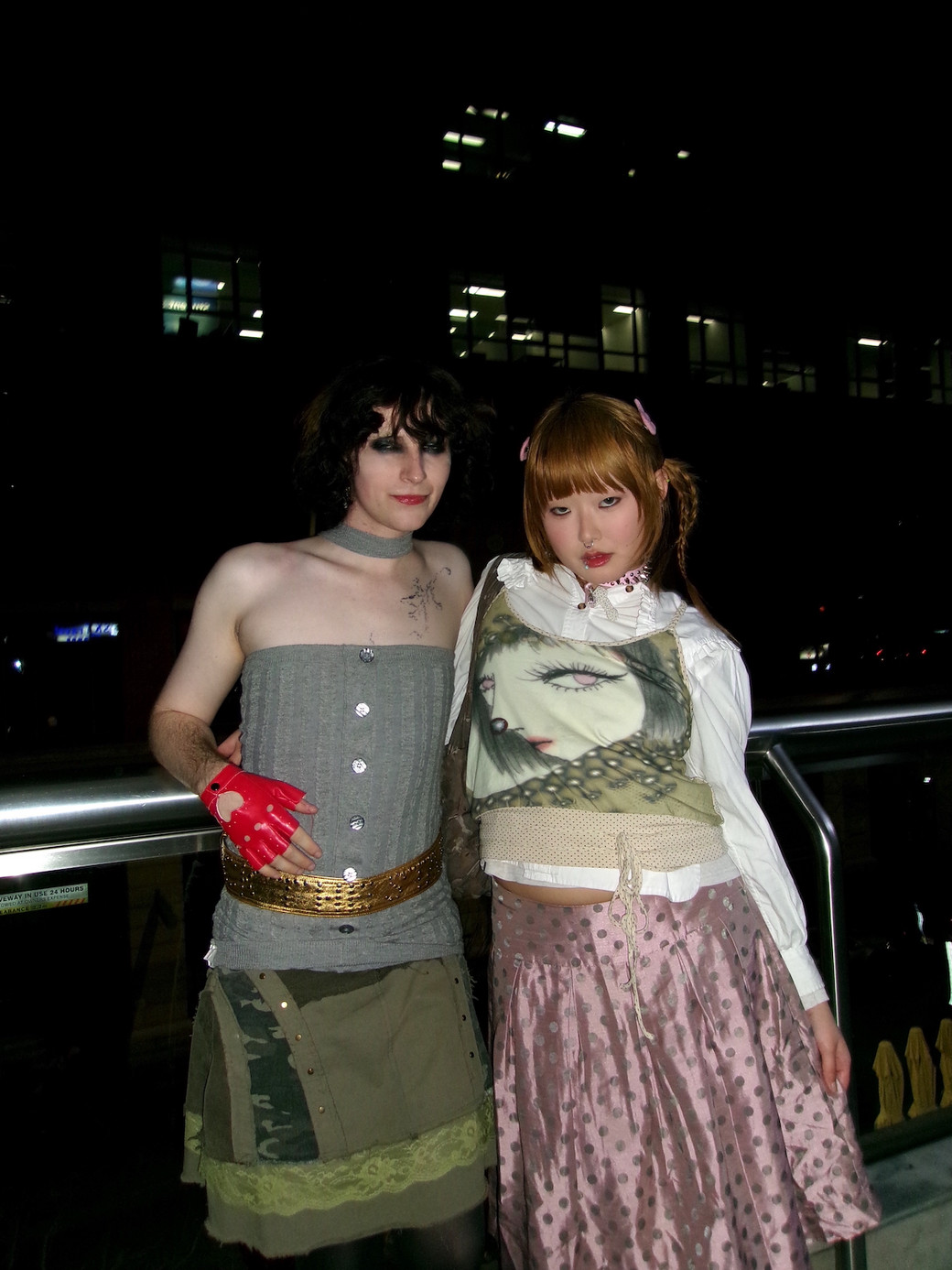
As the perfect adventure, Wilson celebrated the launch of Dreams at Passage Gallery, a Sydney-based space that never closes and never sleeps. The venue couldn’t be more appropriate. With the entire city asleep except for Wilson’s party, Passage became its own dream-state wonderland. Cool kids, decora girls, and motorcyclists found themselves in Wilson’s world. The night echoed the same sentiments as Wilson’s photobook — growing up is overrated, girlhood is forever, and the best kind of trouble happens when everyone else is sleeping.
Dreams is available from Bad News Books here.


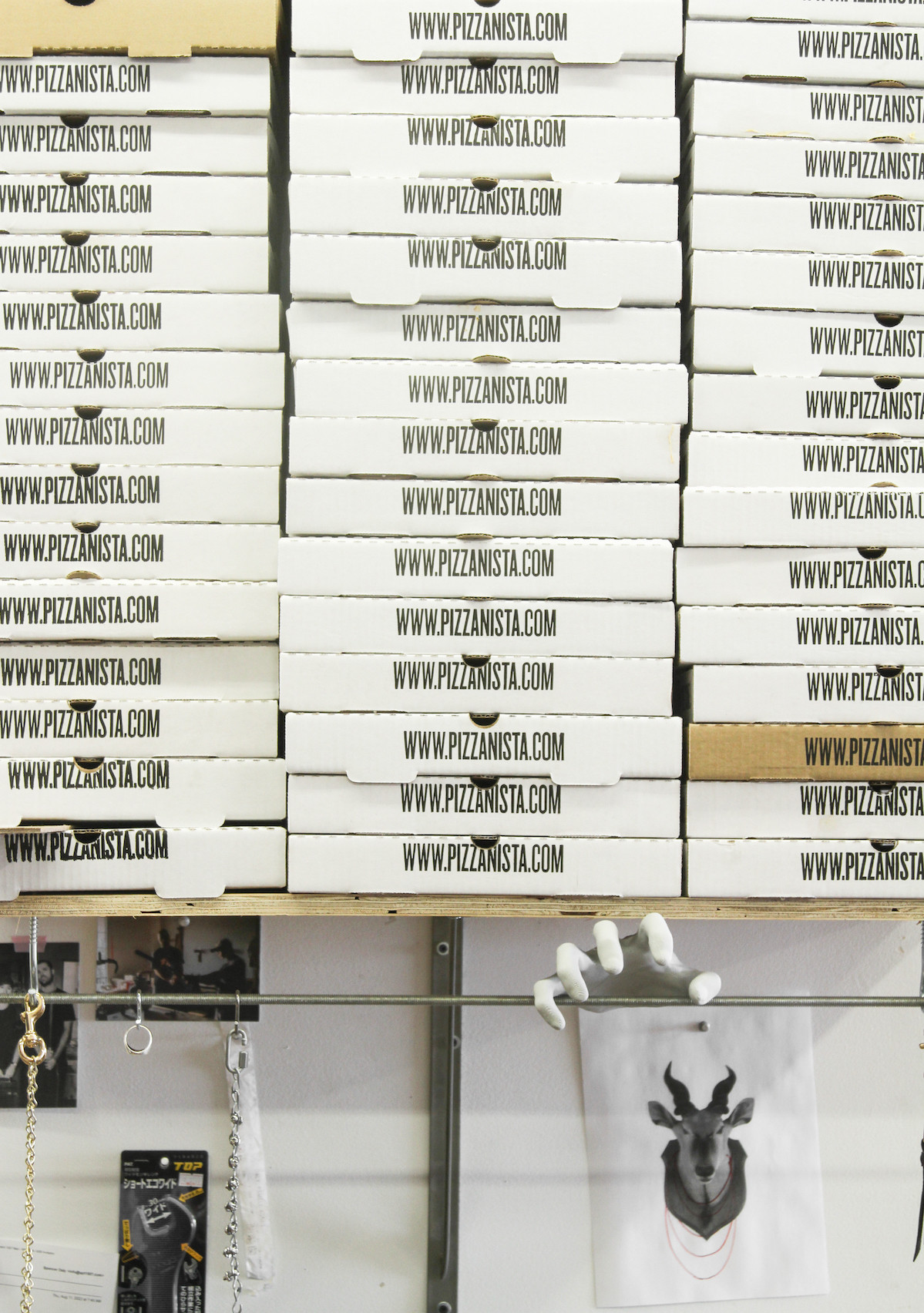
Alexander May– So, is that all the pizza that you've ever eaten?
Spencer Daly– That’s some of the pizza I’ve eaten.
AM– There's like 40 boxes, right?
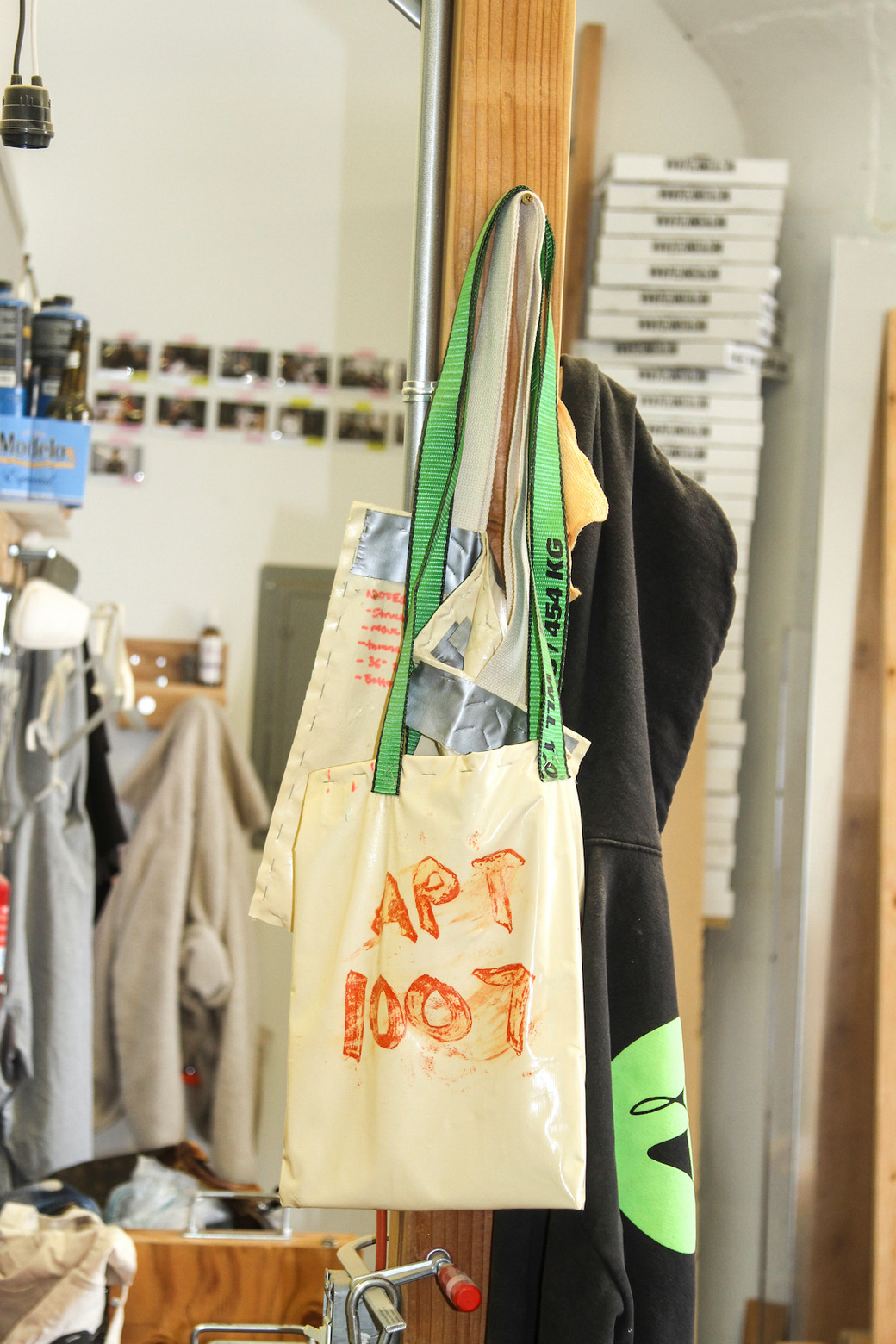
SD– The stack actually goes around and over my desk as well. I think there's closer to 100. I can't fit anymore so I have to throw them out now.
AM– And you were saying that they're connected to your first show right?
SD– When I did what I call my first show, a rogue trip to Paris during Men’s fashion week, I spent two months trying to figure out how to build and ship four chairs to a tiny Paris showroom in the Marais. I ended up taking each piece apart and flying with four suitcases. During this time, I was so focused on working that every day I ate the same lunch – a slice of Sicilian pepperoni pizza from Pizzanista down the street. But yes, this pizza is now forever linked with the taking apart, packing, and traveling with my work.


AM– It was really kind of like modularity.
SD– I hate modularity, the word, because I went to architecture school and that was a kind of architectural masturbation. Modular is a little too clean for me. It makes too much sense. I see my work more as singular – objects that can’t be split.
AM– So you wanted your work to be able to travel essentially. That's how you’re connecting these different materials and utilizing that as a structural basis to make form in a way.
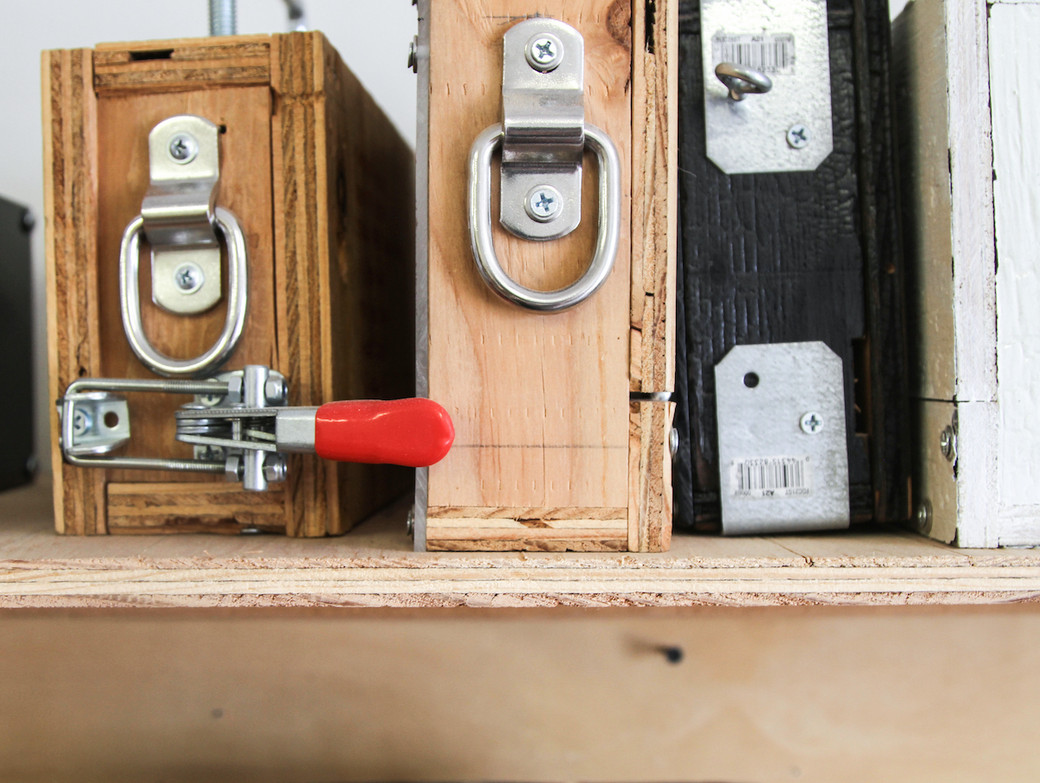
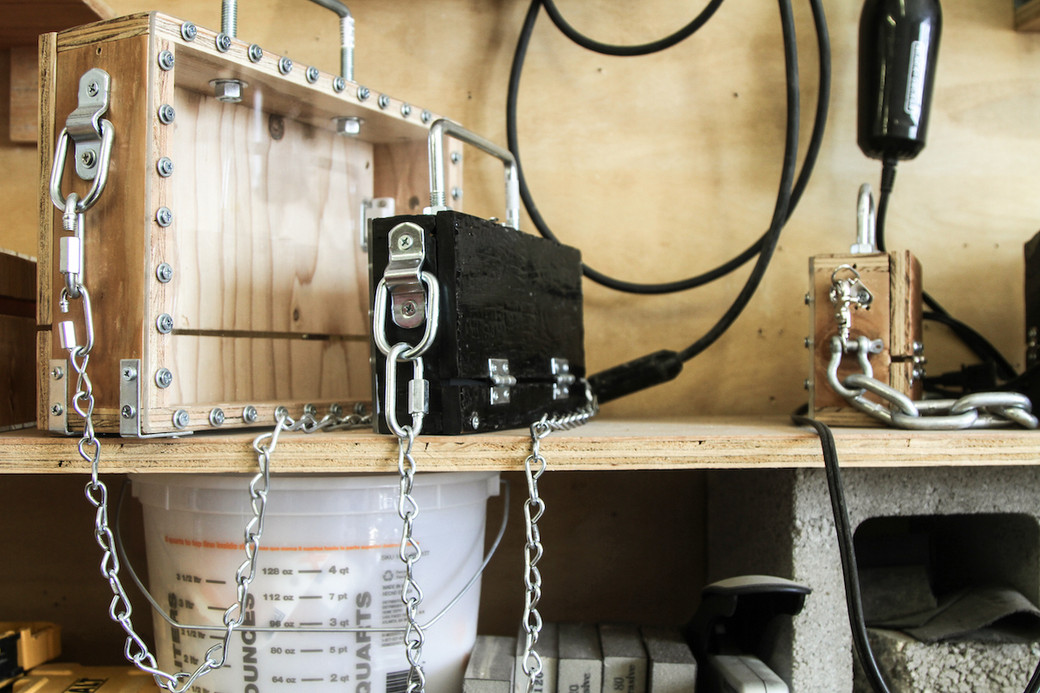
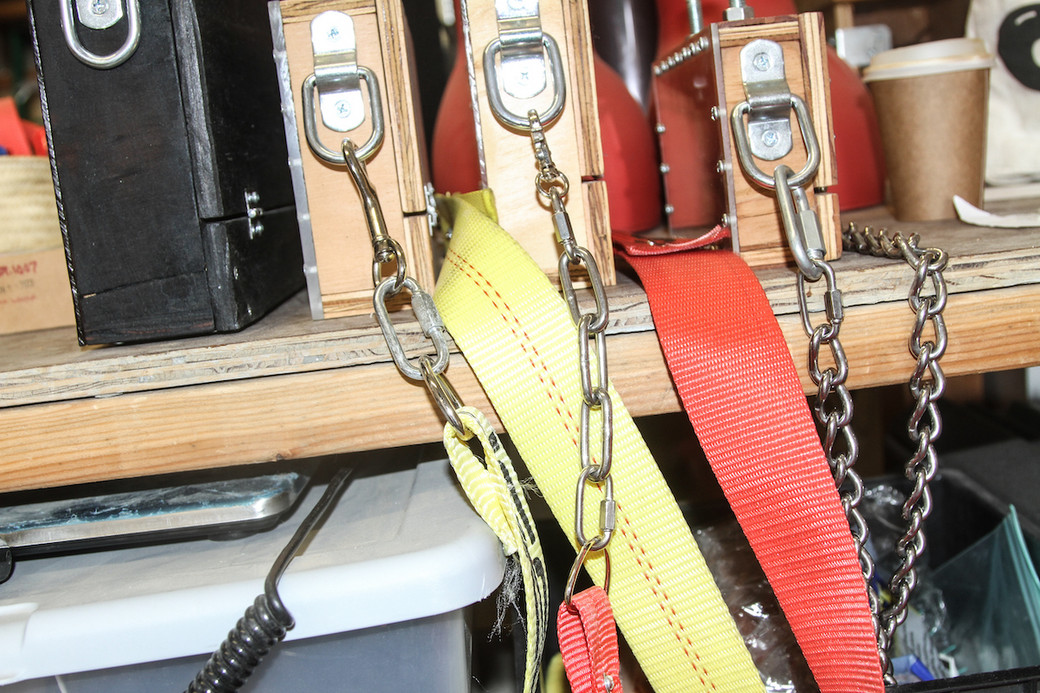
Do you think about ornamentation? Like with the abundance of detail in the new cabinet piece? There's not one or two locks, but fifteen. There is a lot of that in your work – you polarize something and then expand it until it becomes almost like a texture.
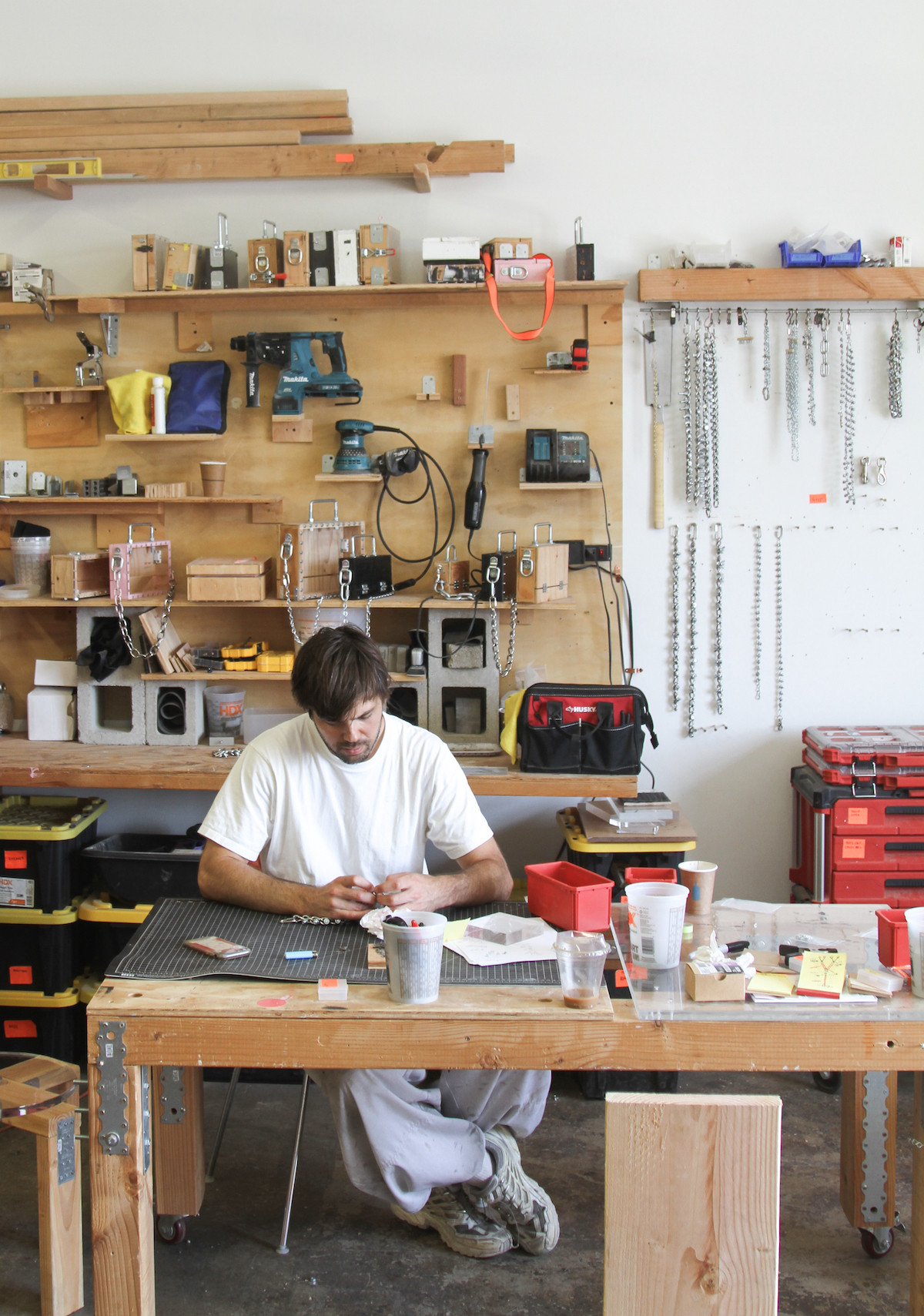
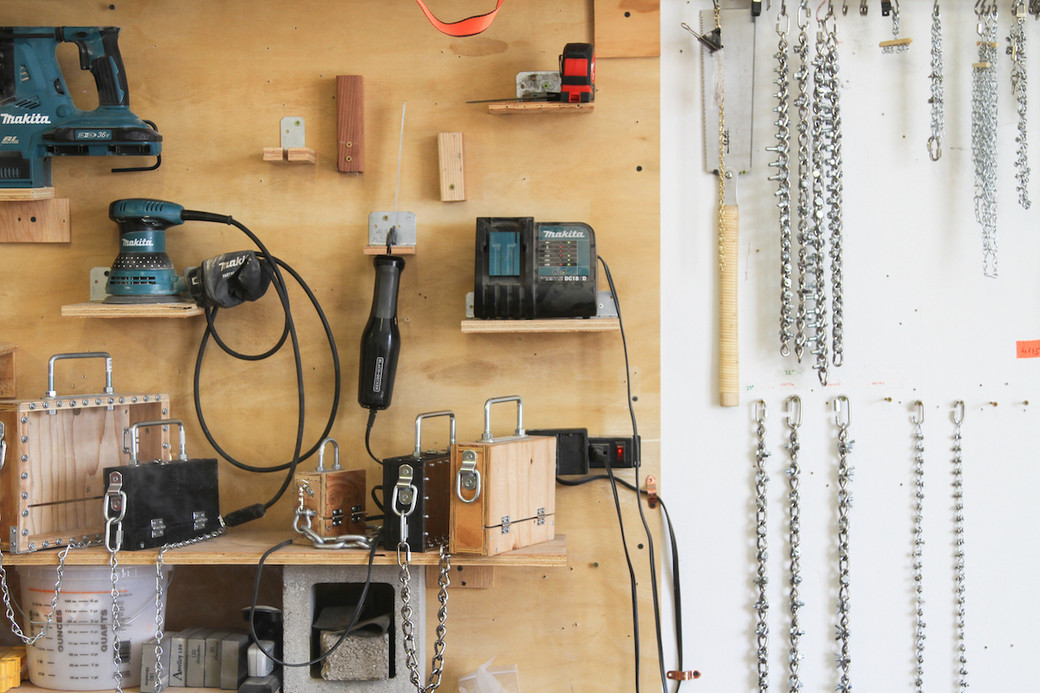
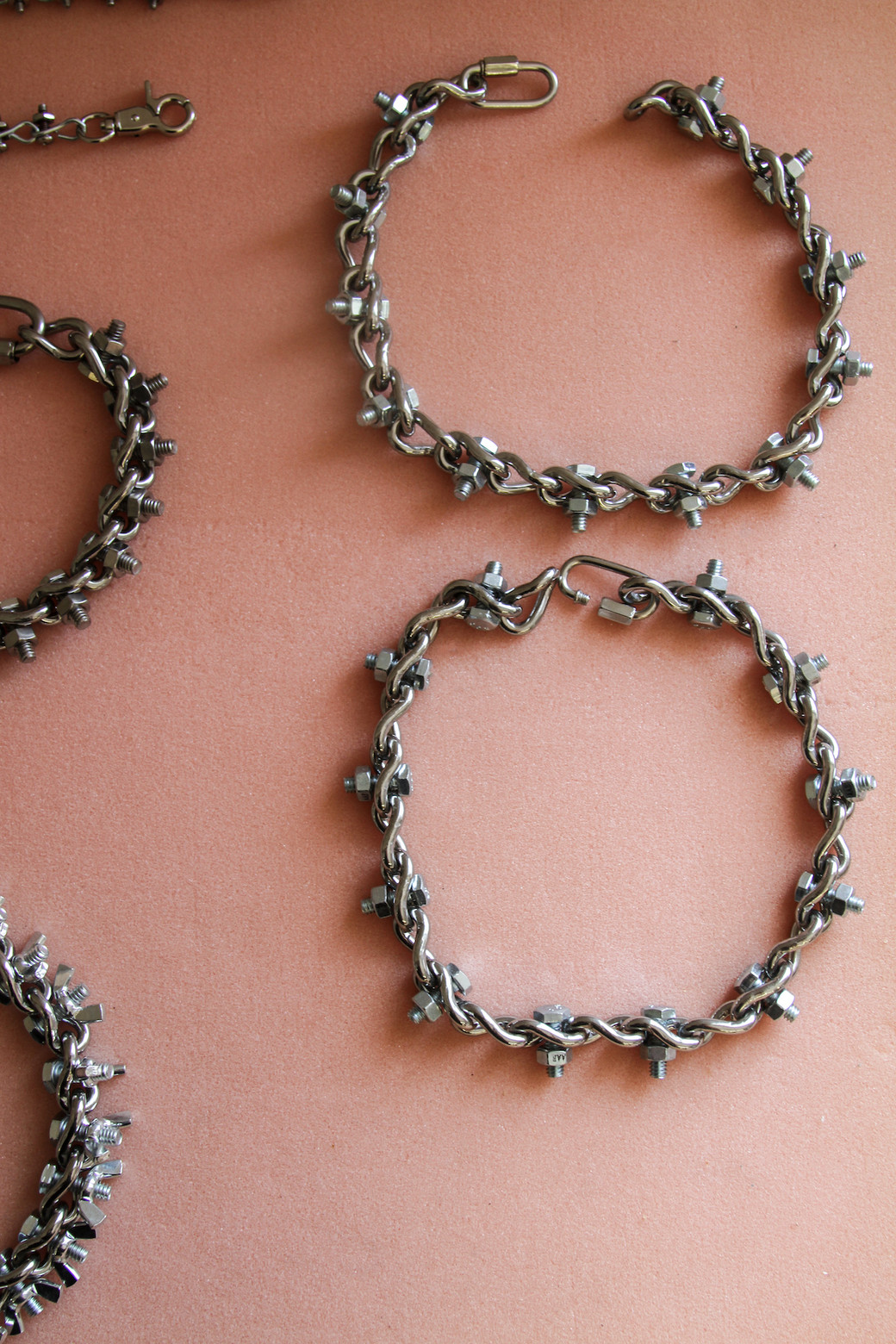
SD– That's a symptom of obsession for me. When I find something that feels really good, I do it alot – like pizza. When I drill a screw 1000 times, the act of labor becomes a sort of ritual that turns into meditation.
AM– That sense of repetition gives you the support or structure that you're looking for to figure yourself out along with the piece. It's like completing a rosary, the repetition with the beads creates faith in something.
SD– A certain amount of screwing and bolting creates a sort of religion around the work. Construction is a primitive act. For me I’m trying to return to the hand and mind and soul relationship through the act of labor.

AM– What do you think repetition does for you? It seems like you aestheticize repetition? That's something that's really interesting to me about your work. You're compounding on the baseline of what an object needs. What are some of your influences in that way?
SD– Construction sites are where I mostly find influence.
I also think repetition, at least to the degree that I do it, starts to prove a point. To repeat an act, even a very simple act like screwing a nail, when done 1000 times, gets challenging mentally. Repetition in my pieces helps me understand my limits mentally, physically, and spiritually.
AM– I think the essence of your work very much implies the body, there’s this use factor – where the body comes in or is activated. Aside from preparing and imagining any of the pieces, you’re also involved with screwing all these pieces together, locking all the locks, etc. I find it a subversive way of pushing the figure into the design.
SD– When I was younger I spent some time with Larry Bell who told me that he never made a piece that he couldn’t build alone – meaning that one single piece of material could never be too large for him to carry alone and one single piece could never be too ambitious for him to build.
My work follows a version of this. My body, my ability, my stamina determines the scale and the detail of the work. If I can’t screw in 1000 screws, then the piece won't get done. I have to be ready and willing and capable of constructing each piece I imagine. So my work, right now, represents the strength of my body.
AM– That’s a nice way to think because you’re more brutalist in a sense of the way you are working with your hands, which is what I’m much more interested in nowadays.
There’s been a movement towards handmade and handicraft, but what’s really subversive and interesting about your work, and what drew me in initially, is that I found it polarizing. I didn’t quite know where to place it. Your work actually requires a lot of the hand because so much of it requires these manual movements.
SD– My work wants to be touched, and I think if something is going to be touched, I want an act of reflection to go along with it. For example, some of my pieces appear uninviting to a sitter, but inviting enough to be curious. This betweenness might make someone hesitate and consider sitting in a way that they haven’t before.
AM– You basically insert an intention and you become aware of the intention by doing the most basic form of action, like opening a cabinet, but once that position is repeated, that’s when things get a little strange, and kind of exciting.
SD– I just want the user to get the same feeling in opening that cabinet that I had while constructing it. It is my way of sharing my ritual.