PRESENTE CONTINUO: the intimate ties between then&now

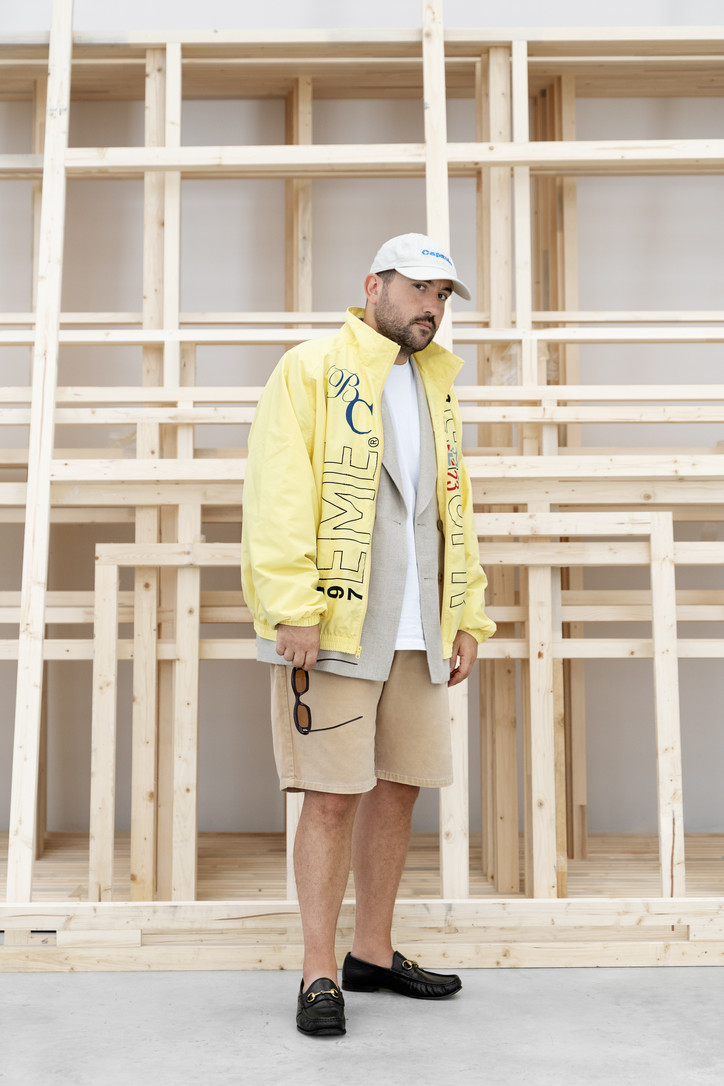
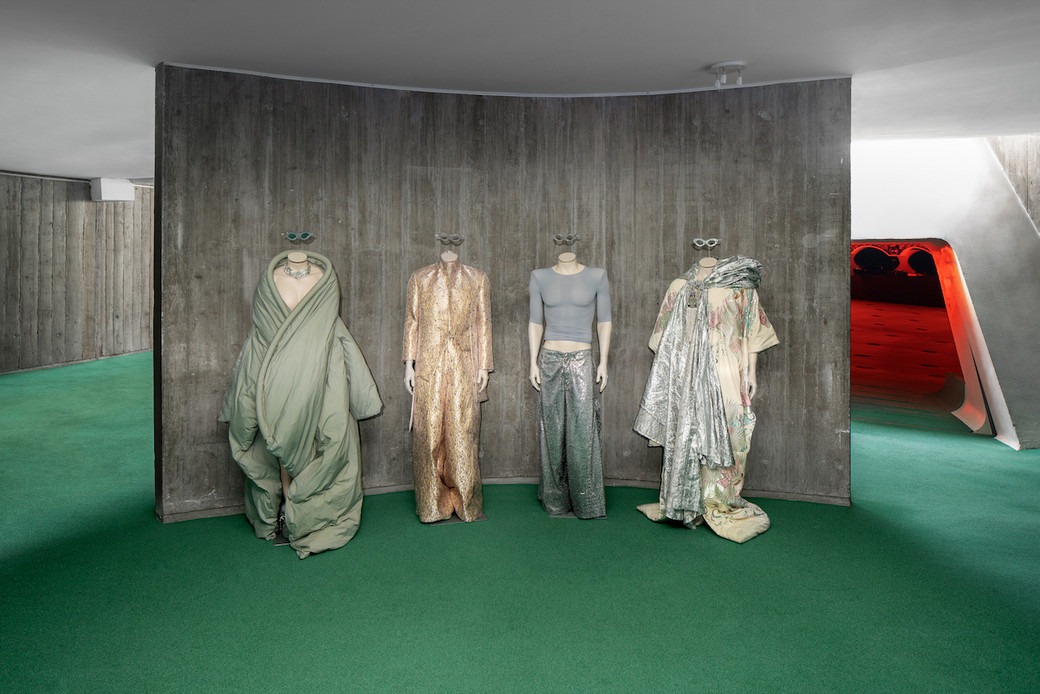
Starting May 30, PRESENTE CONTINUO will be available to purchase on presentecontinuo.com, cpcompany.com, and at the C.P. Company flagship store in Milan, Corso Matteotti 7.
Stay informed on our latest news!

Starting May 30, PRESENTE CONTINUO will be available to purchase on presentecontinuo.com, cpcompany.com, and at the C.P. Company flagship store in Milan, Corso Matteotti 7.

Paige Silveria— Tell me about Manifesto: this iteration and past.
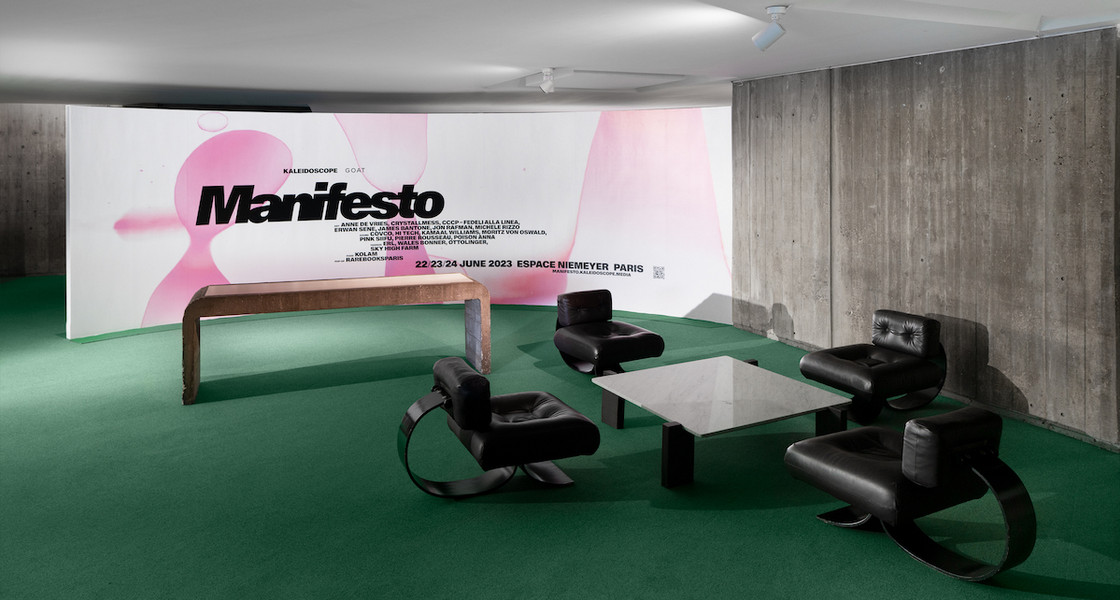
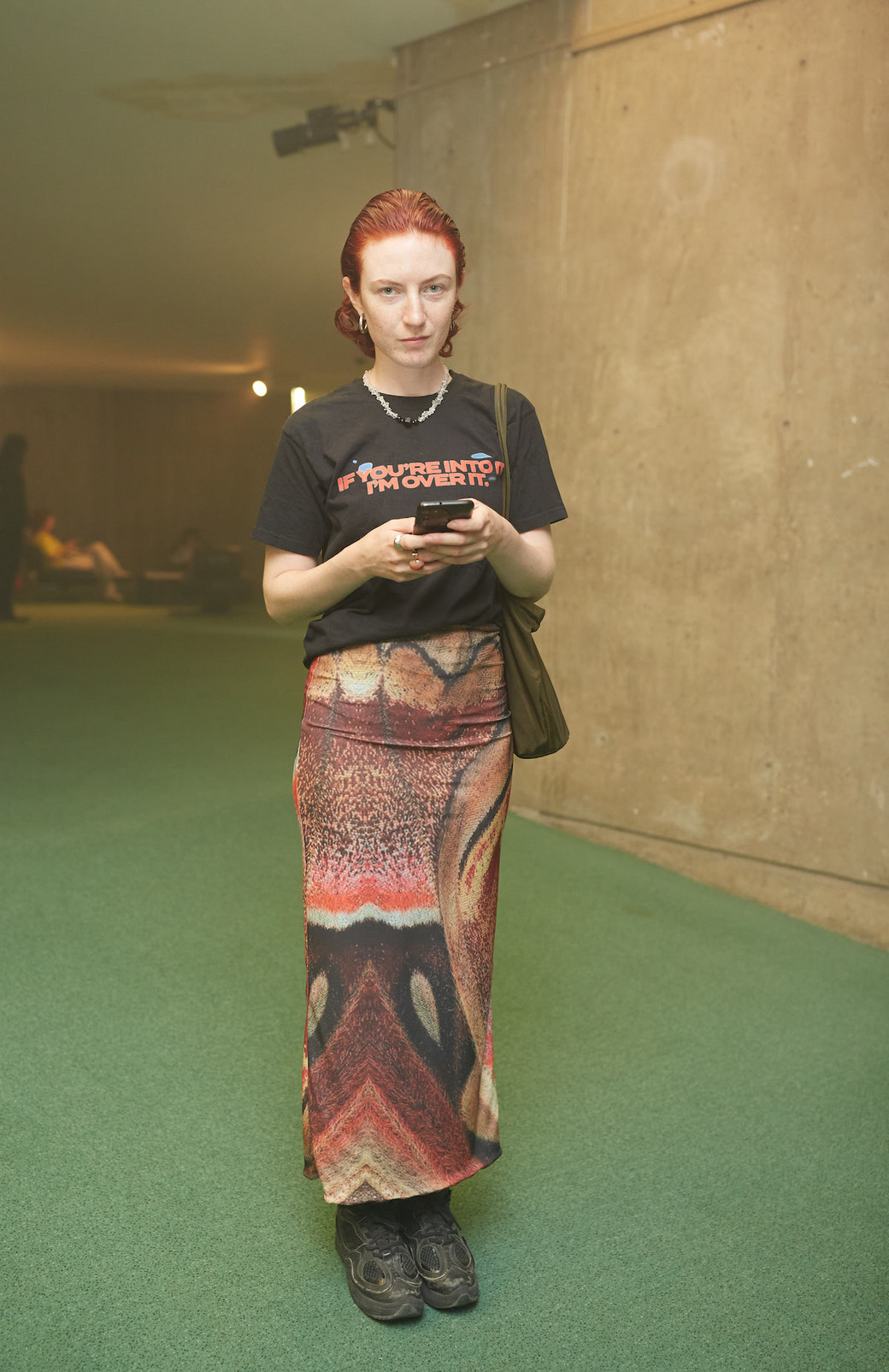
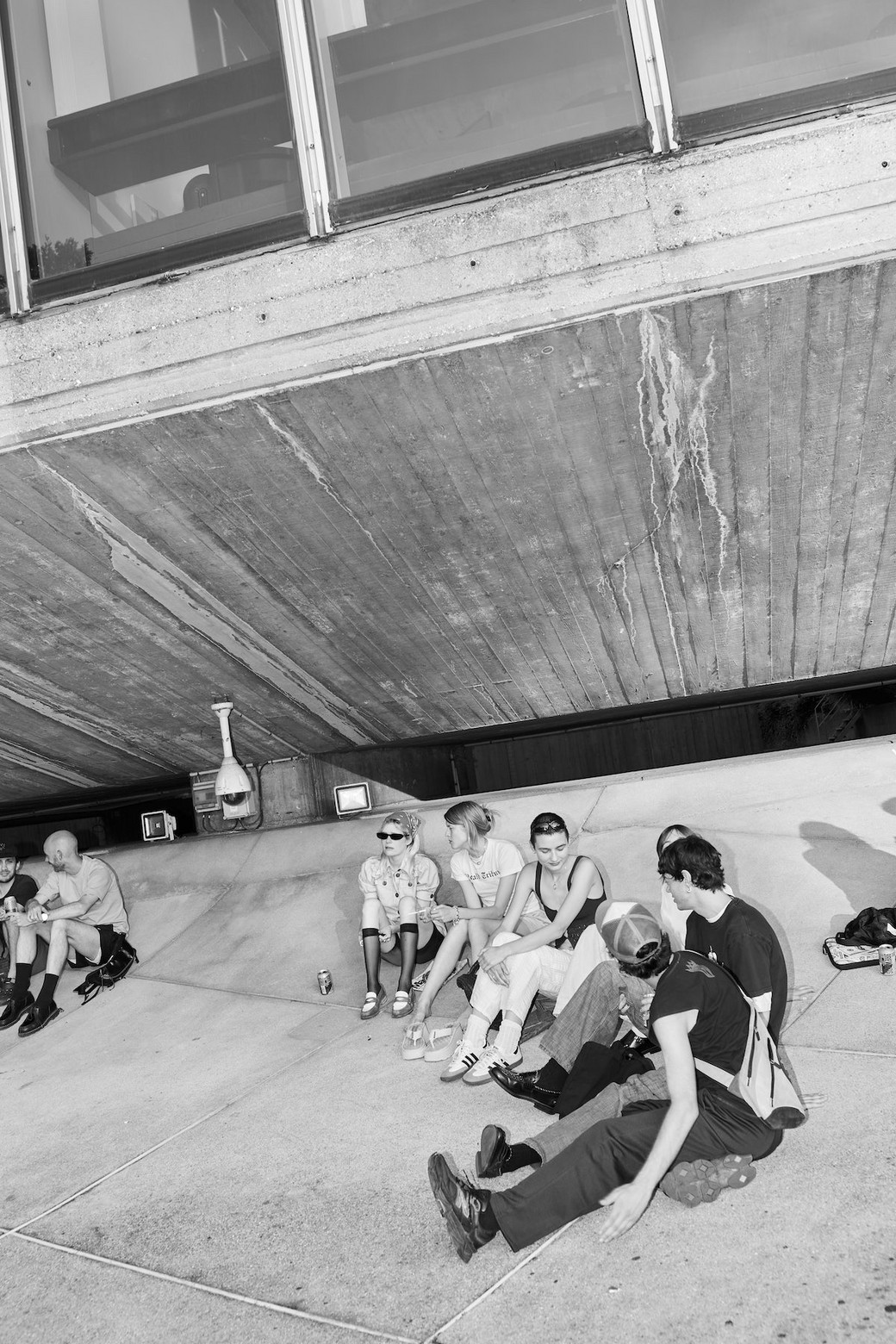
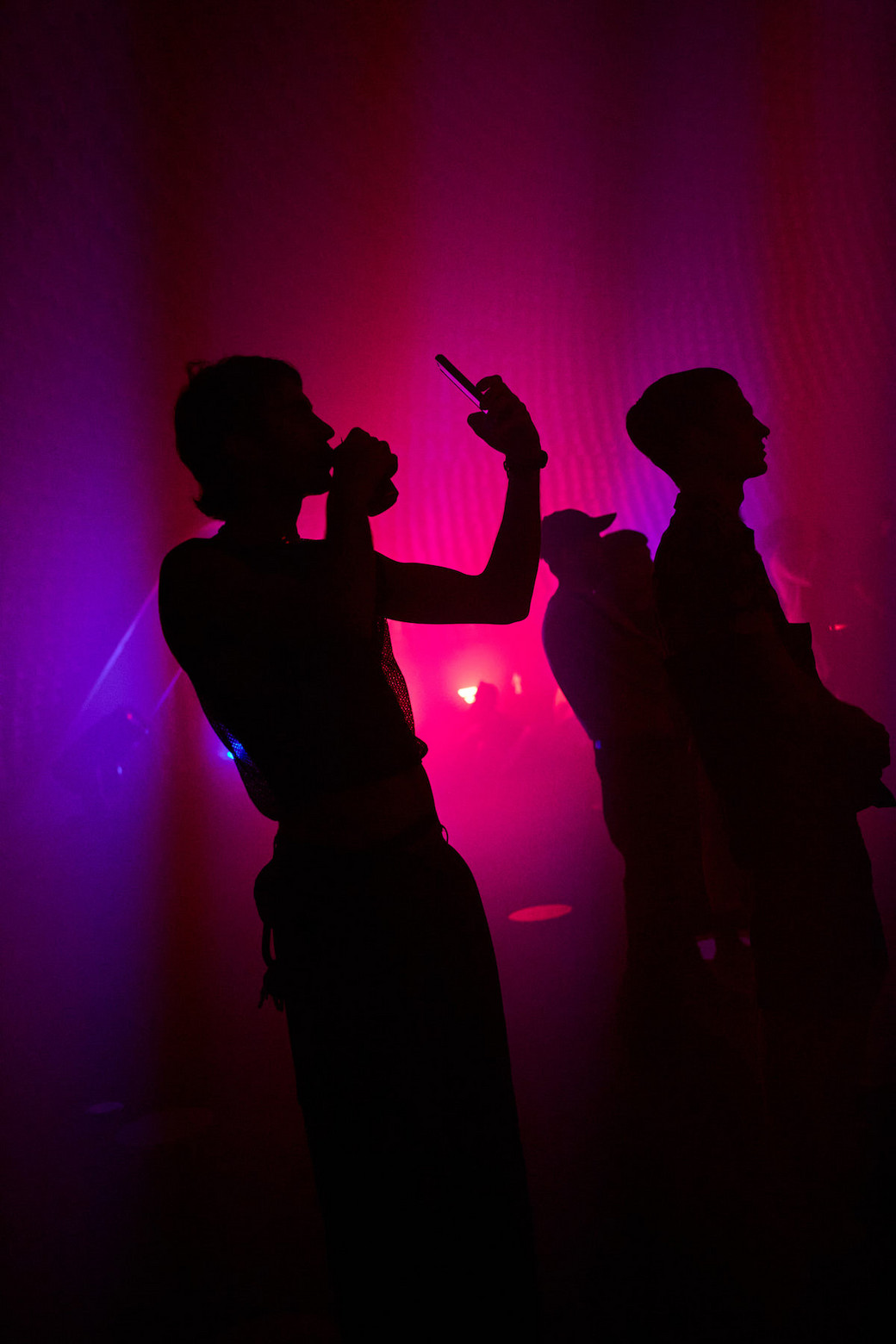
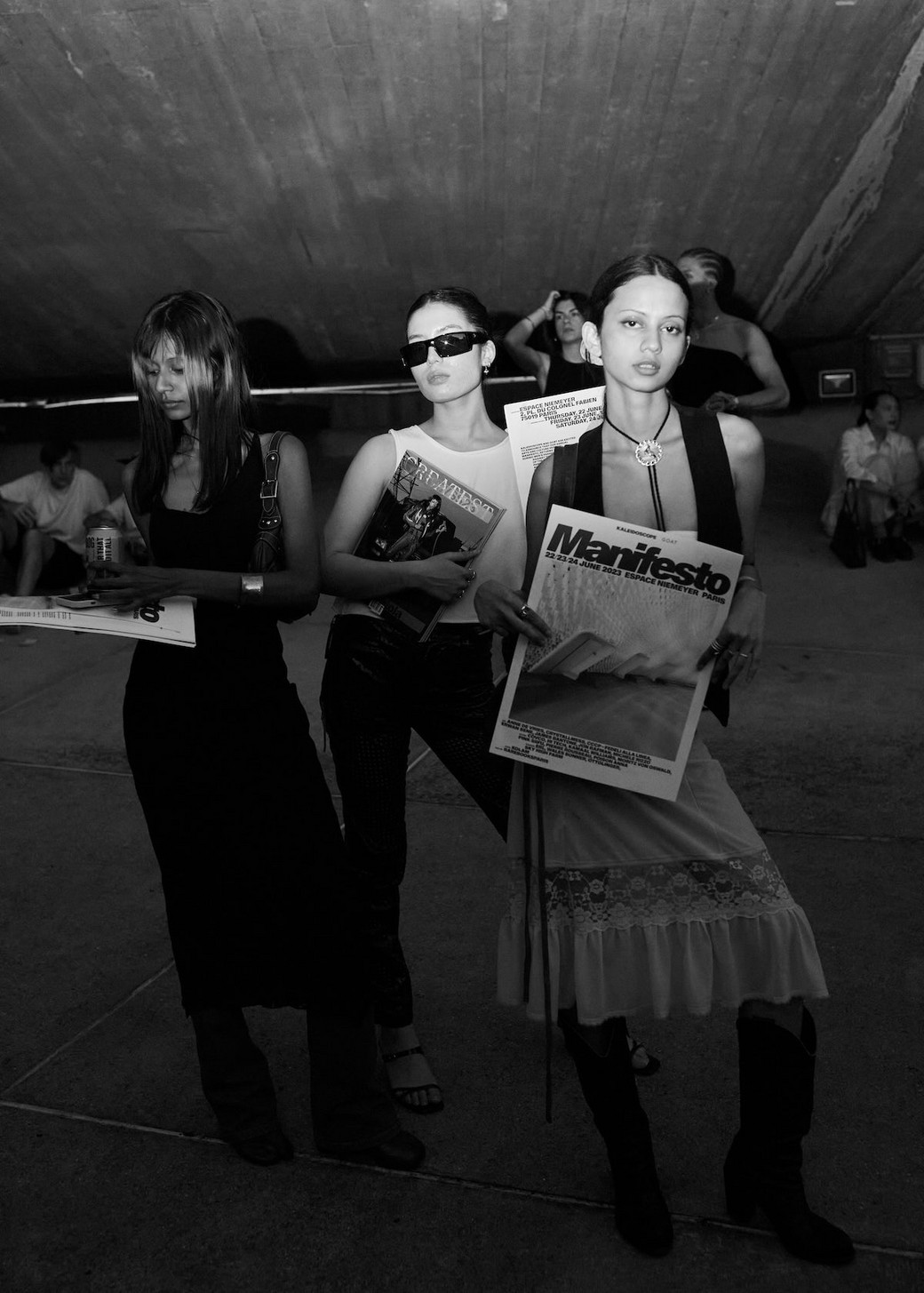
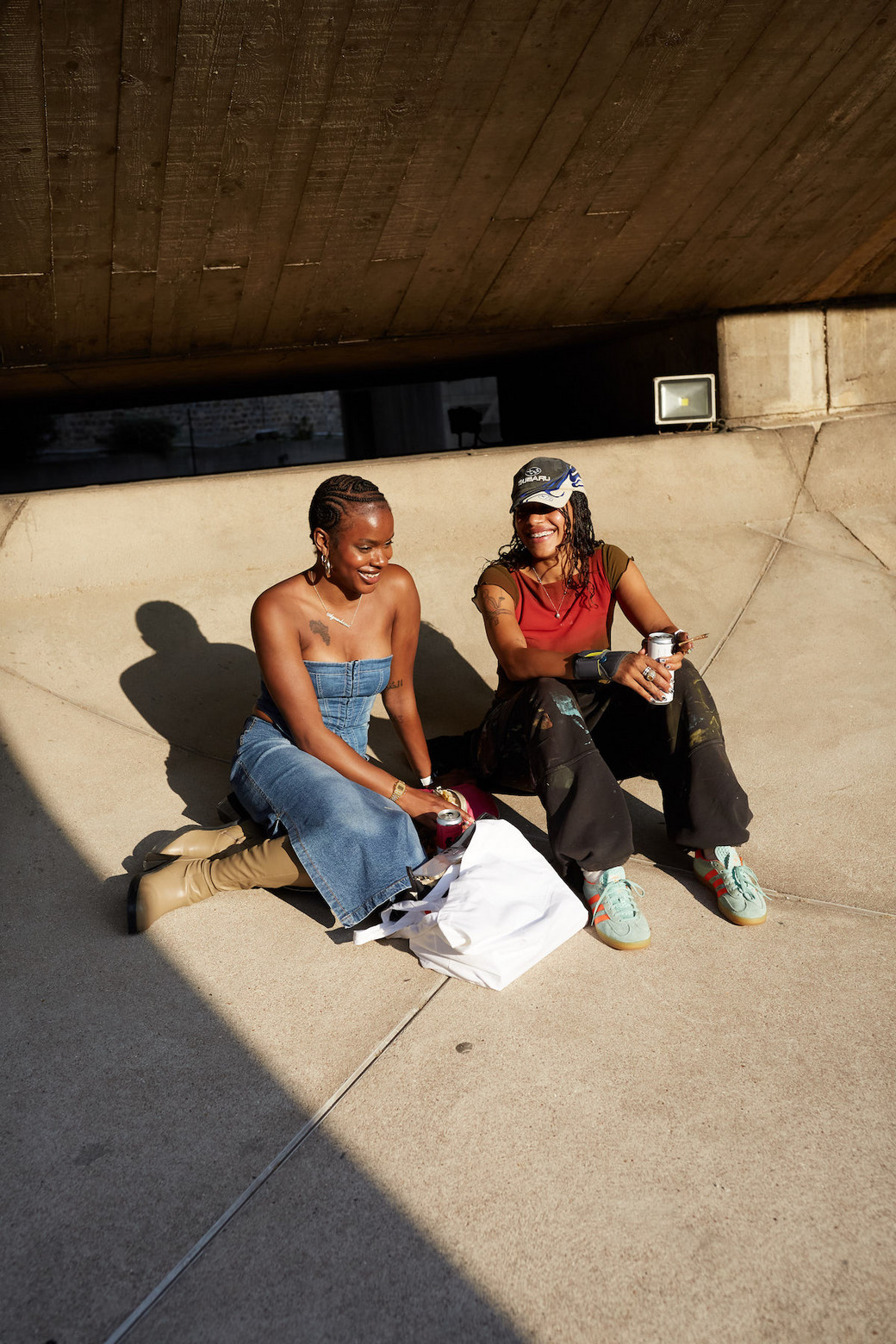
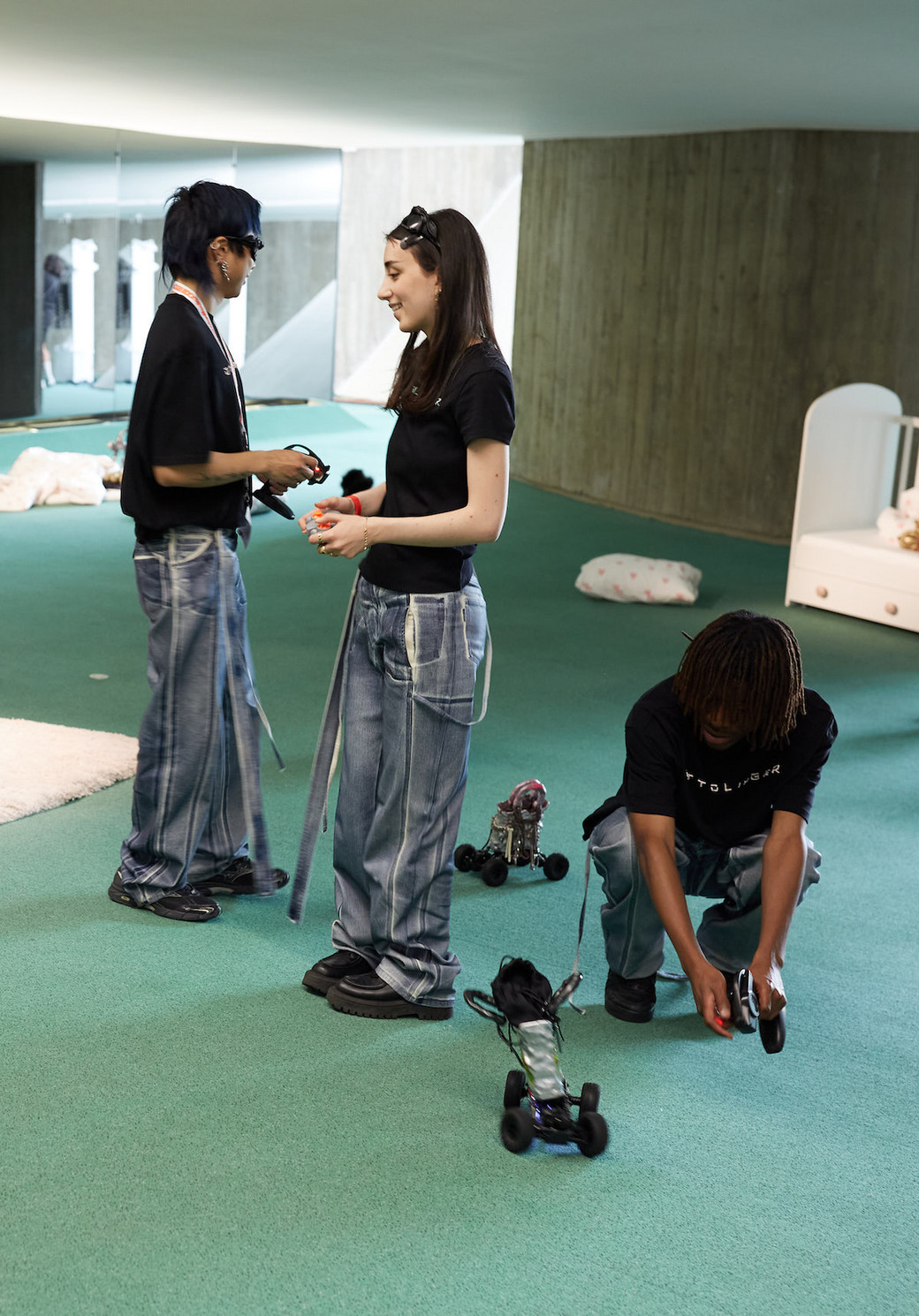
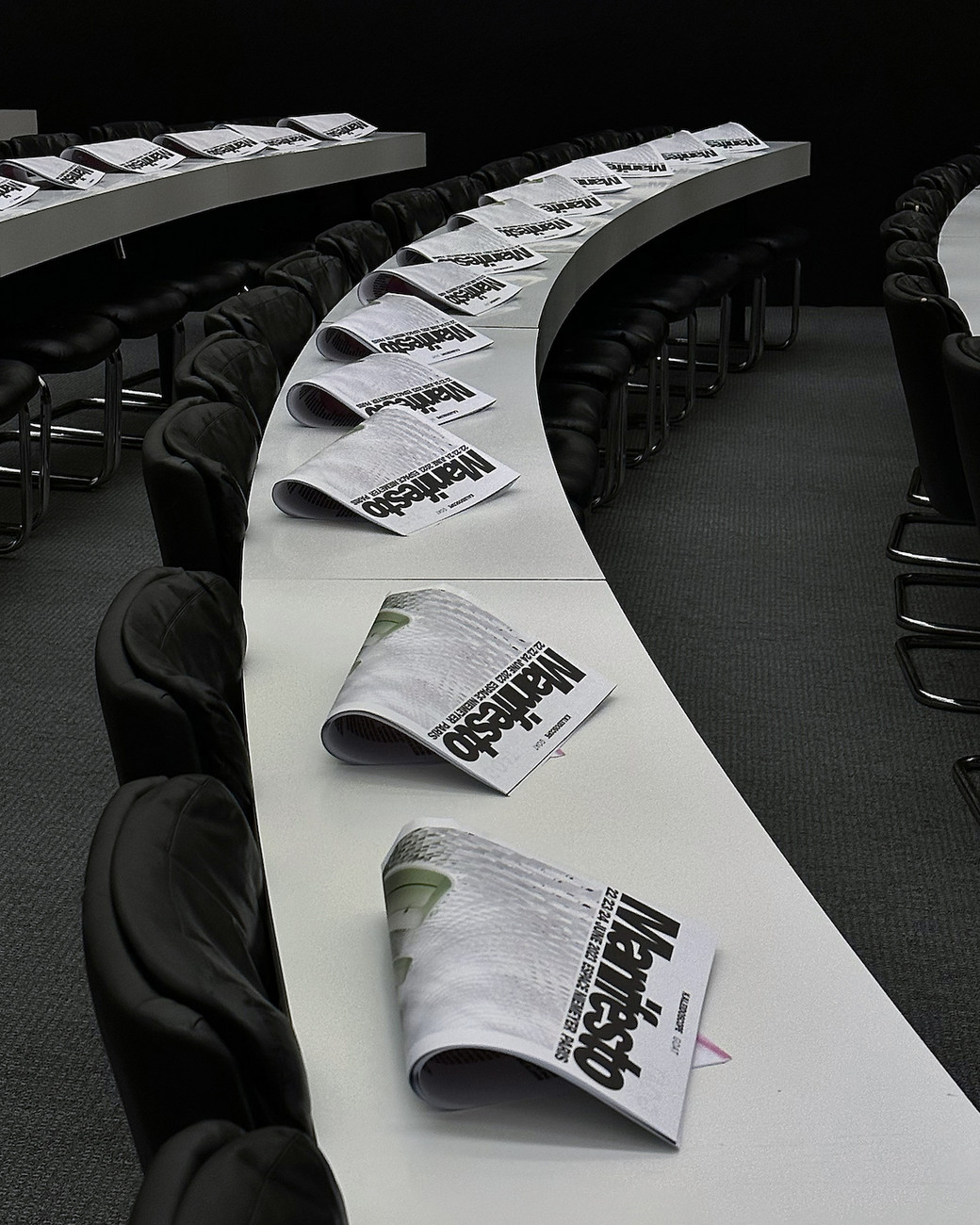
Alessio Ascari— This is the third year, third edition. The first, back in 2019, took place at Lafayette Anticipation—an OMA-designed building in the heart of Marais. It was a great success, and I hold it very dear because the centerpiece was an incredible sound sculpture by Virgil [Abloh]. But then Covid happened and the project was postponed and then canceled in 2020 and 2021. Last year, we partnered with online platform GOAT to bring it back. We chose this incredible building, the headquarters of the French Communist Party designed by legendary Brazilian architect Oscar Niemeyer, which is just a dream. In Paris, it feels a bit disconnected from the architectural context—in a cool way. And Manifesto similarly, is like a UFO landing at Paris Fashion Week once a year. We see the festival as a live manifestation of the print magazine in the physical space. The way we curate the event is akin to how we build editorial content, and the programming is a similar combination of music, fashion, and art.
The programming you create at your space in Milan, Spazio Maiocchi, it’s at the nexus of culture in Italy. And here with Manifesto, you’re similarly creating something pivotal. How would you compare activating in each city?
Milan is a smaller city; it’s exciting and dynamic for such a small city. Paris is much bigger and the community is more global and diverse. Initially we were a little ambivalent about organizing the festival during Fashion Week as the calendar is so packed and people are so busy. But the reaction has been enthusiastic, and because it’s a public event we bring together a really unique mix of fashion industry leaders and local creative kids.
You’ve been working in magazines for some time now. You left art school early to pursue this?
I studied philosophy and visual arts. I wasn’t a good student, and during the first year in university I started working on my first editorial project; it took off in the art world in Italy and then Europe, and became a job for me very quickly. So I dropped out of school and started doing that full time. That was over 17 years ago.
How did Kaleidoscope come about?
We started as a hardcore contemporary art magazine. That’s our background, and my background personally. Then after the first few years, we started feeling that the art world was more and more isolated, and not entirely in touch with where visual culture was going. We felt the urgency to open up to different creative fields, different scenes, different areas of culture. It’s also a personal journey that we followed organically. Now the magazine is more and more hybrid, but even if we do a lot of fashion—and with our sibling publication, Capsule, we cover design, architecture and interiors—we still look at things from the angle of contemporary art. Coming from that foundation, we have an experimental take on things that is still our signature. For me, the most inspiring thing is collaborating with artists. That’s the thing I enjoy the most. Artists—and by that I mean musicians, creatives of all kinds—are the truth-tellers. They’re ahead of their time. You look at art, and if it’s good art, you can feel a vision about the future. That’s what keeps me inspired.


Your projects are continually expanding. Can you delve into this a bit?
Kaleidoscope is almost 15 years old now, so more like a teenager. I used to be very closely involved on a daily basis, but now we have a bigger team and I let it go a little. Capsule is the newborn, only two years old, and it’s a new vibe. Like it often happens with siblings, they have very different personalities: Kaleidoscope is more experimental, weird, dark. Capsule is more minimal, pop, positive. It reflects a different industry and has a small dedicated team. Similar to Manifesto for KALEIDOSCOPE, in Milan during Design Week we initiated an event called Capsule Plaza—in between a fair and a group exhibition, bringing design, fashion, tech, beauty, together under one roof. The way we work is that around each magazine, we create an ecosystem.
But the magazine is still paramount?
The magazine is the laboratory. Once or twice a year—Capsule is annual, Kaleidoscope is biannual—you regroup with your team, cook all the ideas that you collected, engage with a variety of creators and contributors. For me, every time that one of my magazines drops, it’s like updating my operating system. Boom, refresh. New ideas, new outfits. I started doing this before Instagram, when magazines were the social network. You used to read them to learn what’s going on in London, Tokyo, New York. They reflected the scenes and the subcultures. Now we’re all connected, and the landscape is global. It’s a totally different scenario. Still, it can be hard to stay in touch and not get lost. Magazines stay relevant because they’re still a great way to present ideas and build a community.

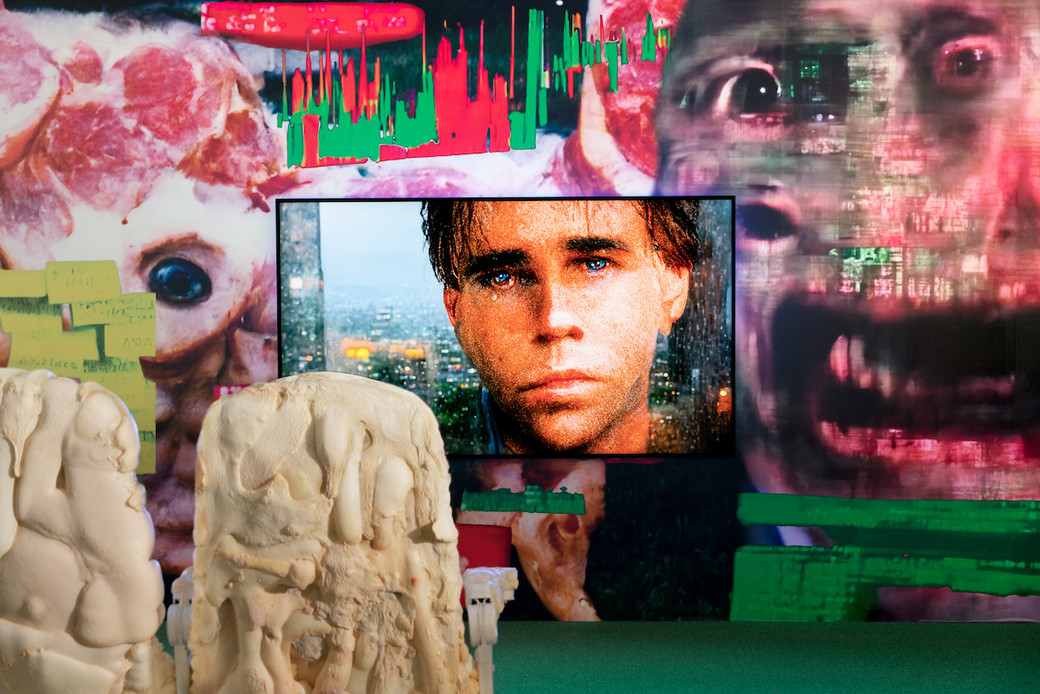
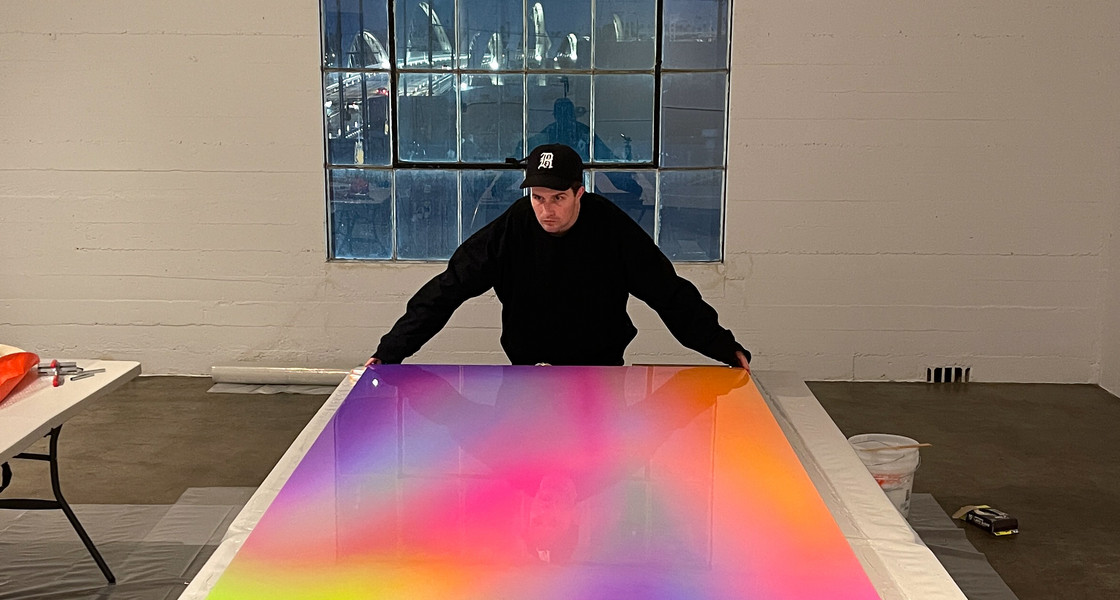
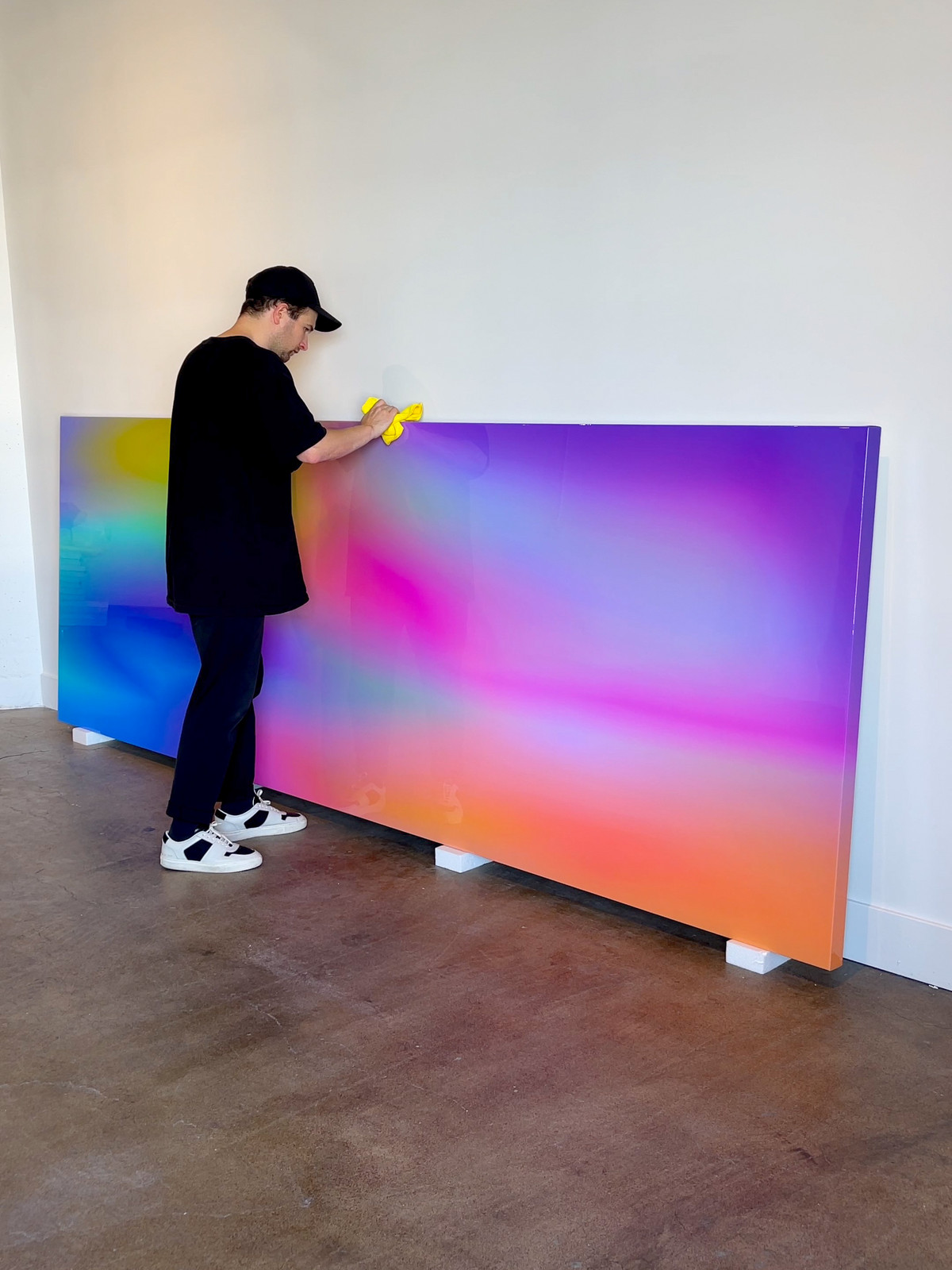
Inspired by the vibrant energy in Las Vegas, Endless Aurora captures the eclectic energy of the city in one hypnotic piece. His hallucinatory style is reminiscent of a psychedelic trip gone right, the sort of thing you could just sit and look at for hours.
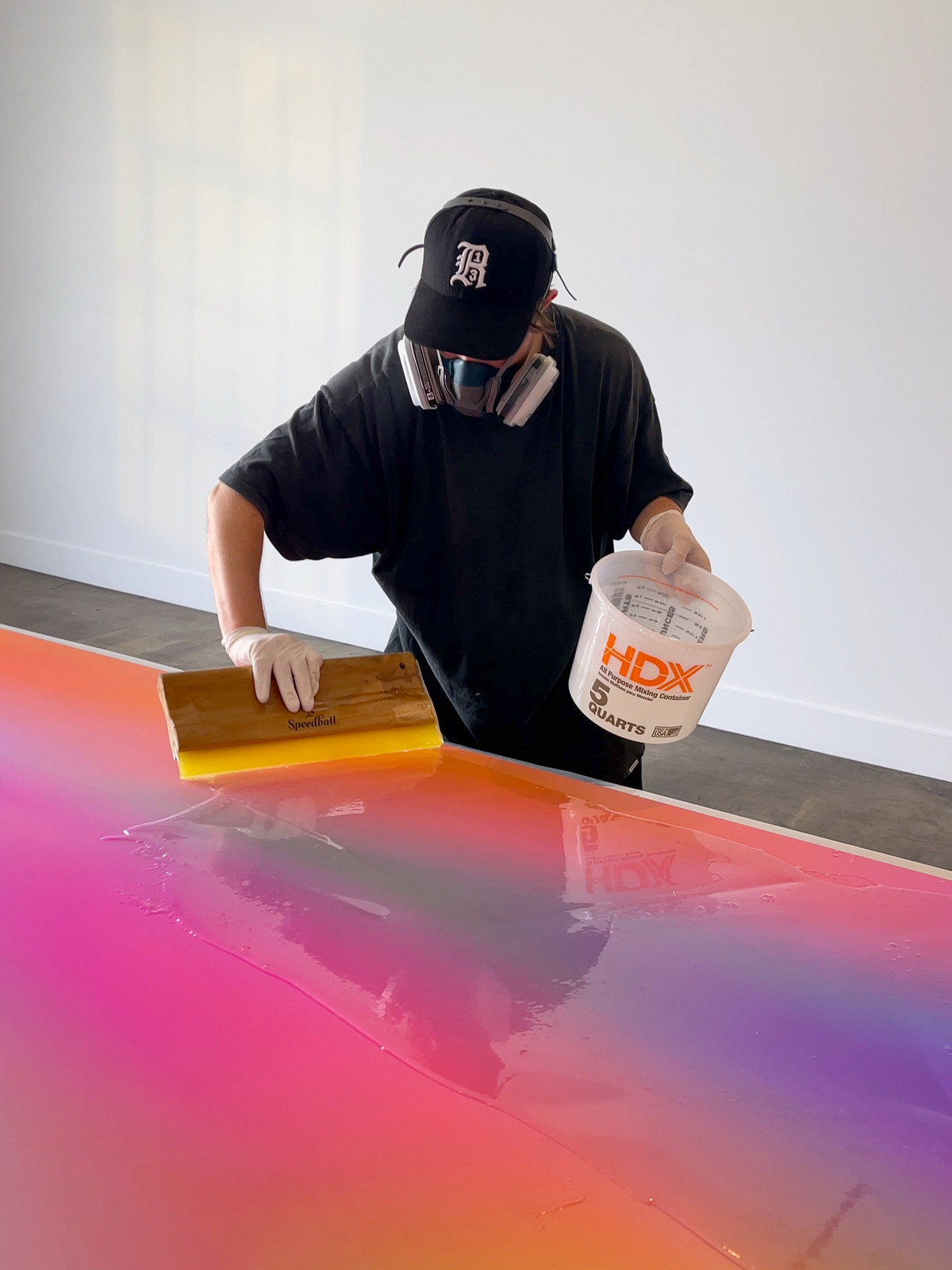
Through trial and error, and with the right ambient music to set the tone, Thomm experiments with new techniques and mediums for each piece. For the Louis Vuitton commission, Thomm worked with acrylic, ink, and resin, layering vibrant hues against darker colors, inviting viewers into a portal of color and emotion.


Thomm’s work has previously been exhibited internationally, including the New Museum in New York, the Moco Museum in Barcelona, and the National Gallery of Victoria in Melbourne. He also commissioned works across the UK “Live” sites during the Olympics as well as a three story video wall on Oxford Street, London with W1 Curates. Even Miley Cyrus tapped the Australian artist to commission a large scale mural for her LA home.
Late last year, Alaïa began hormone replacement therapy and with her nascent transition arrived the necessity to create CODA. Encouraged by her peers to document those early days, naturally she turned to her craft as a means to do so. It all started with an idea that was proposed by her close friend and creative collaborator on the piece, Luca Renzi.
“It has been a dream as a director to witness her dedication to her preferences and her ability to articulate what resonates with her. This dynamic environment has sparked a continuous stream of new ideas, and ultimately uncovered what truly speaks to the essence of CODA,” shares Renzi who co-choreographed and directed the piece.
Presented in video form, CODA lays it bare. Her sculptural physical form is captured on the cusp of life-altering changes and with that Alaïa relinquishes control and offers a deeply intimate snapshot of her most vulnerable state. Elevated on a clear platform, she appears weightless to abrupt beats and strokes of sacral undertones. Visceral movement phrases act as vessels manyfold. Variations of lights and pose reveal pulses of energy taking shape in her body — a raw farewell to the physicality she has known her entire life.
This dynamic self-portrait of sorts is stripped to the core, where isolated body parts are both erratic and synchronized moving through void space. Flickering frames capture her in motion, an abstraction of the moments in between where intrusive thoughts crawl into her posture, nerves pinch and muscles tense as her body succumbs to a new homeostasis.
“As I allow the viewer to take a short breath, squint and dip into the abyss of my artistry, I want to leave them with a frightening sensation of release that I am often faced with and seldom able to articulate in any meaningful manner besides in performance,” shares Alaïa.
A mere year out of New York University’s Tisch School of Arts, Alaïa has graced many stages. Following her stint on Lady Gaga’s critically-acclaimed Chromatica Ball you can expect Alaïa to resume the stage in the fall with an equally iconic artist. But with CODA she emerges as a solo talent on the rise.