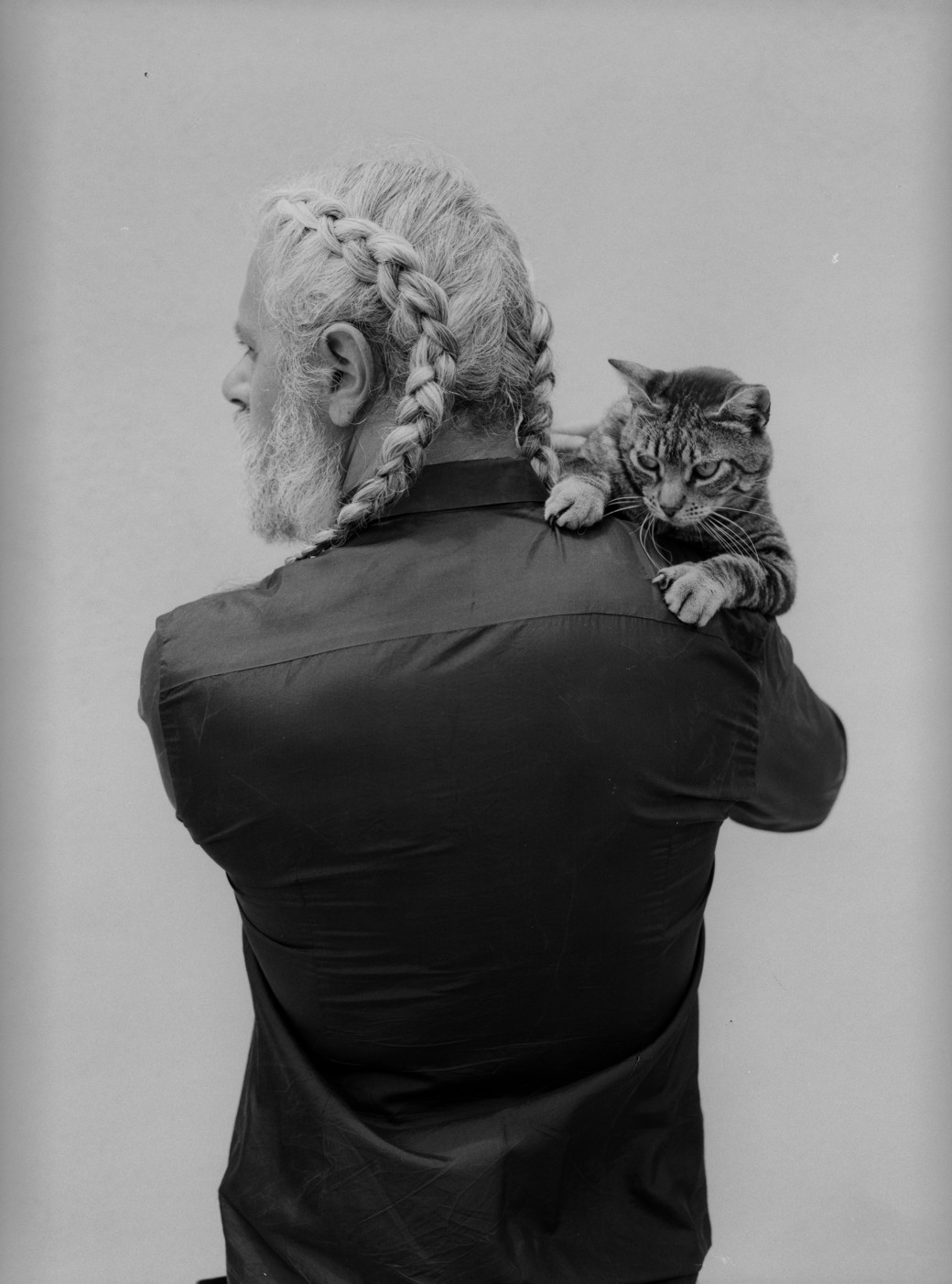
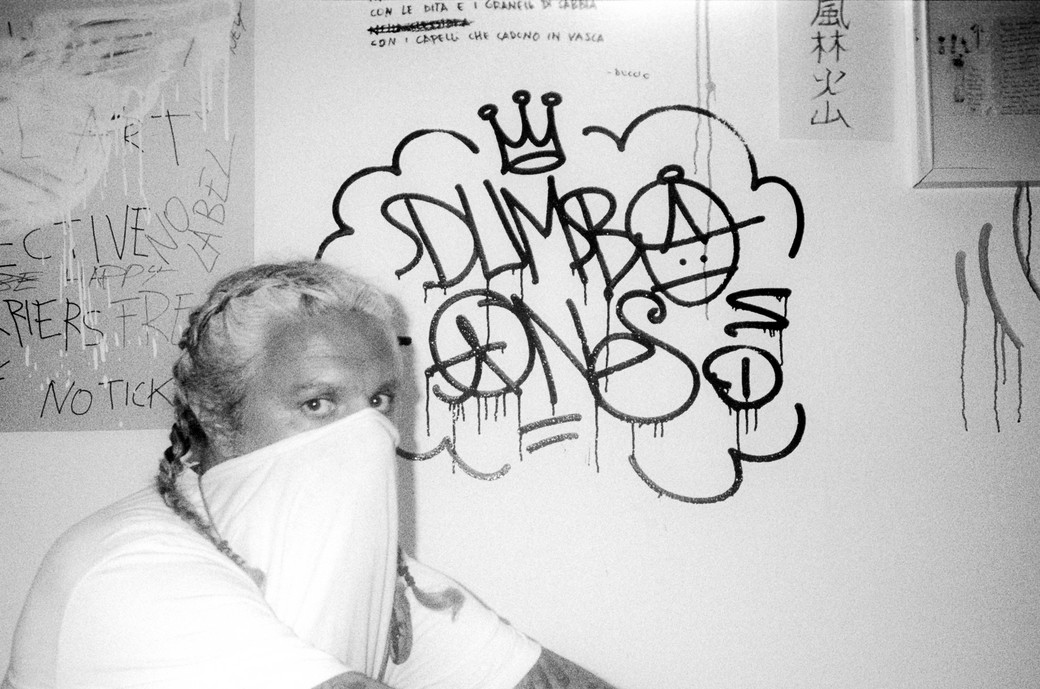
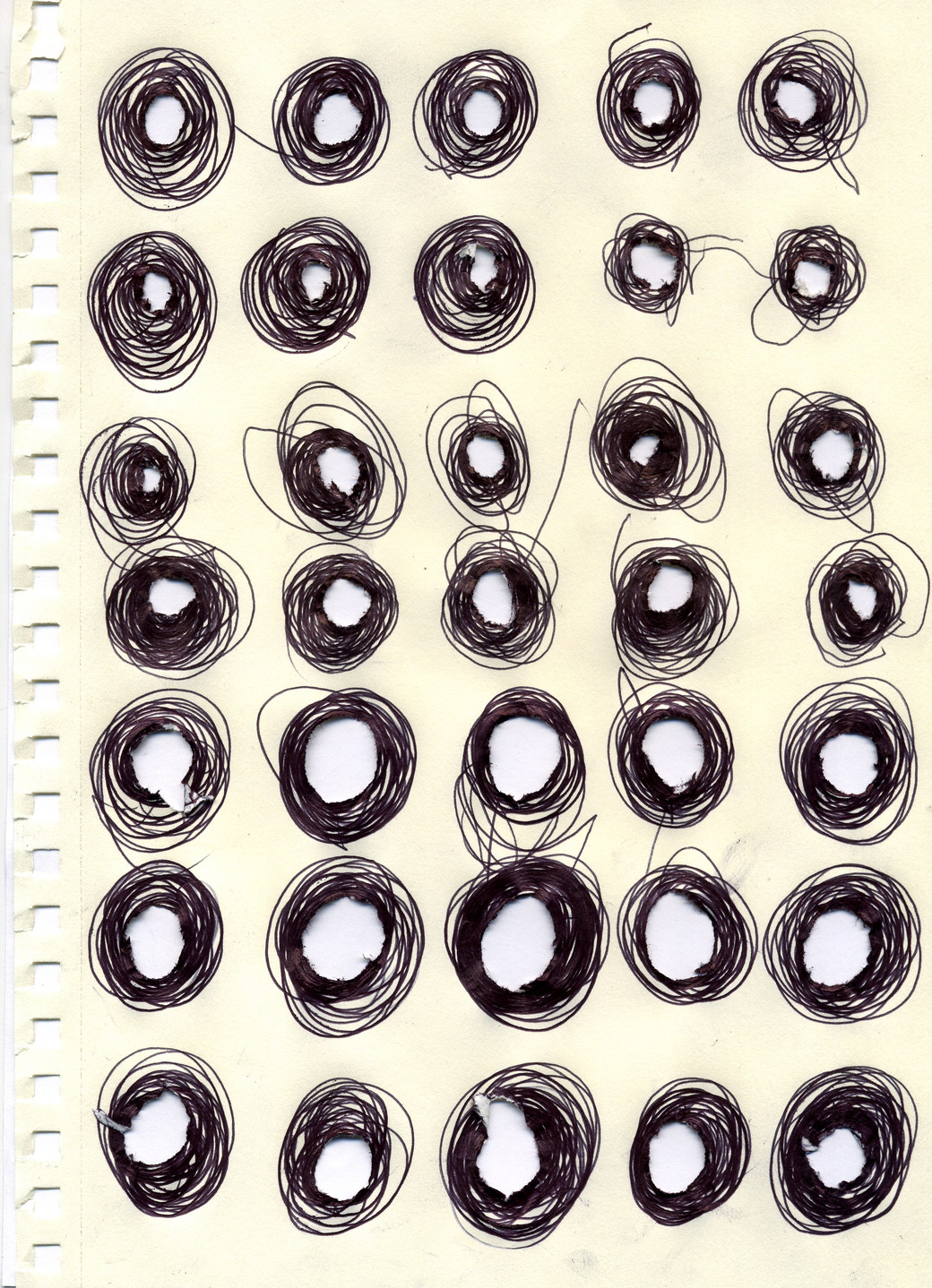
PRESENTE CONTINUO: the intimate ties between then&now

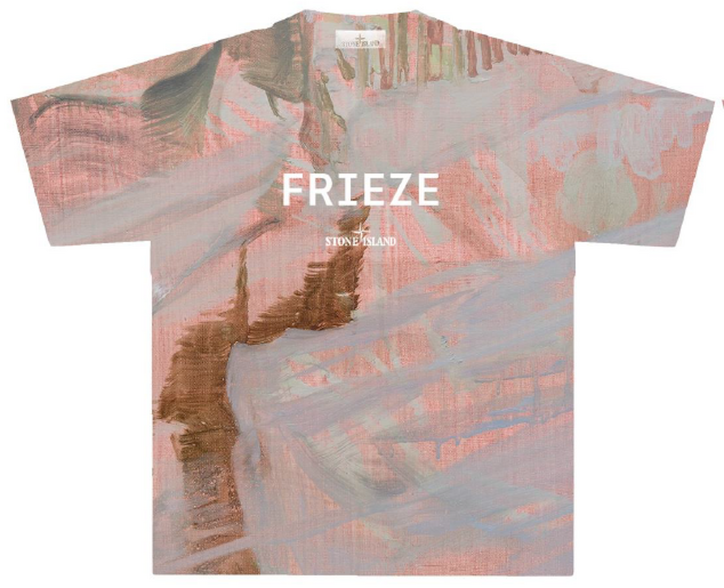
Starting May 30, PRESENTE CONTINUO will be available to purchase on presentecontinuo.com, cpcompany.com, and at the C.P. Company flagship store in Milan, Corso Matteotti 7.
Stay informed on our latest news!

Starting May 30, PRESENTE CONTINUO will be available to purchase on presentecontinuo.com, cpcompany.com, and at the C.P. Company flagship store in Milan, Corso Matteotti 7.

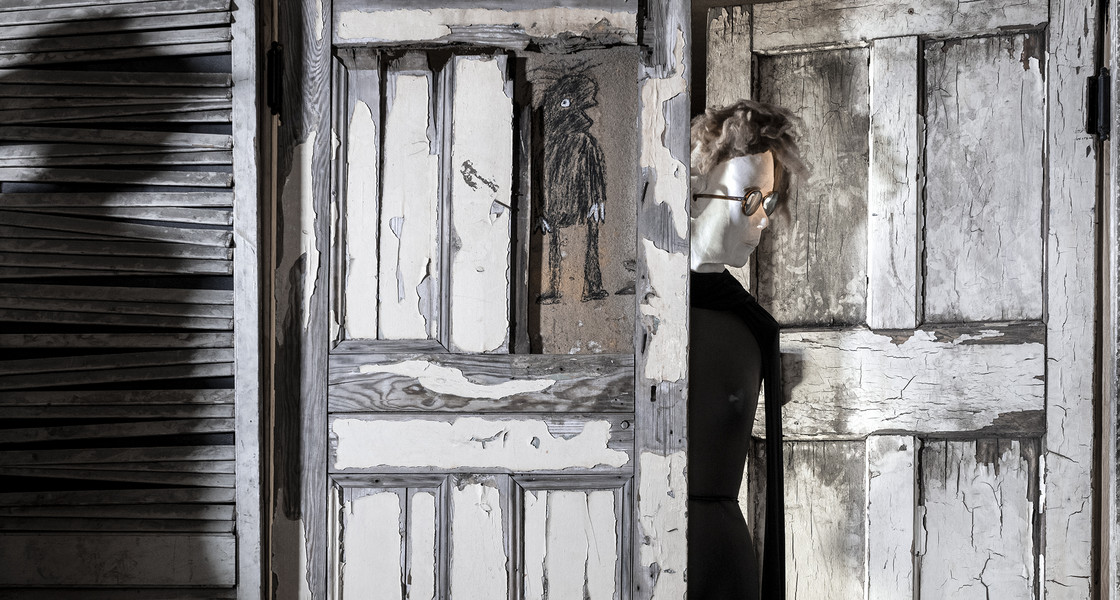
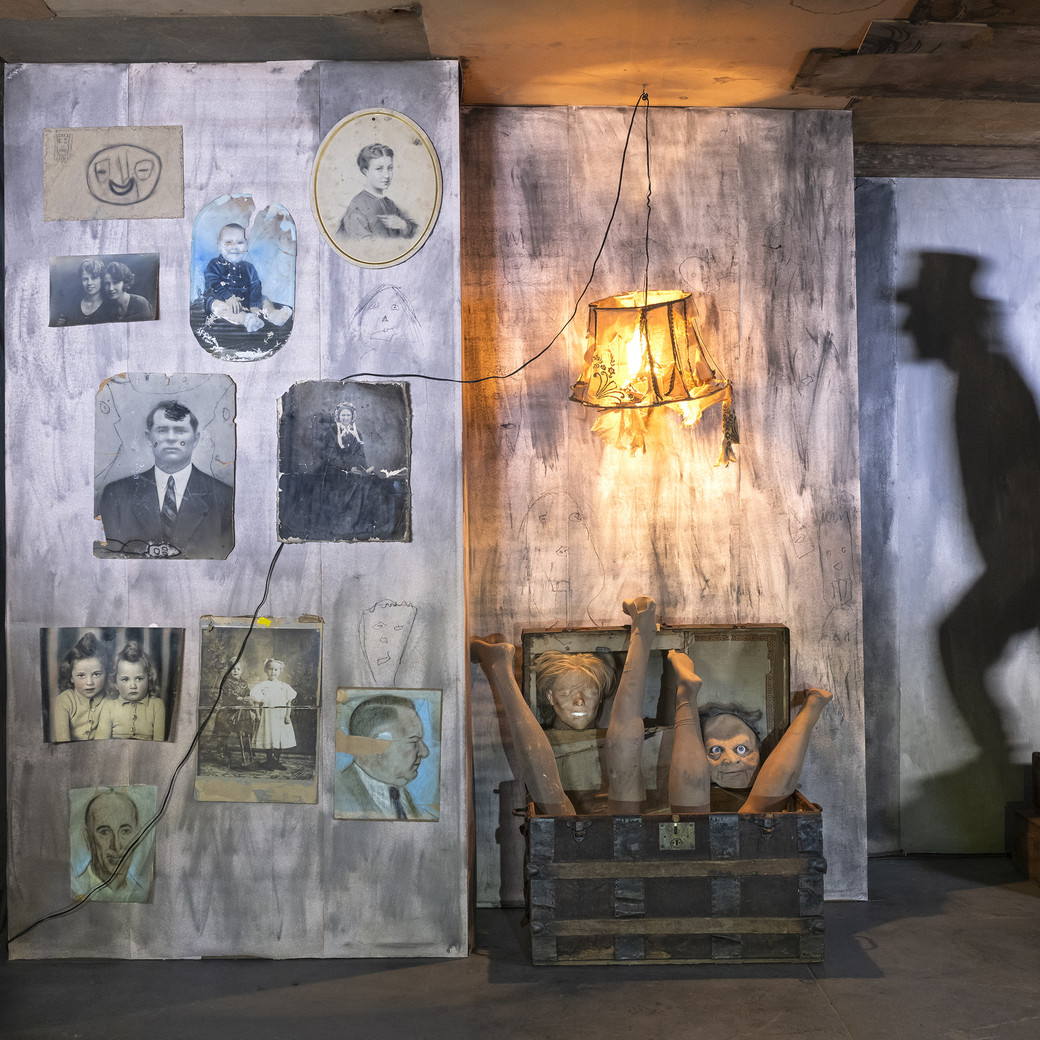
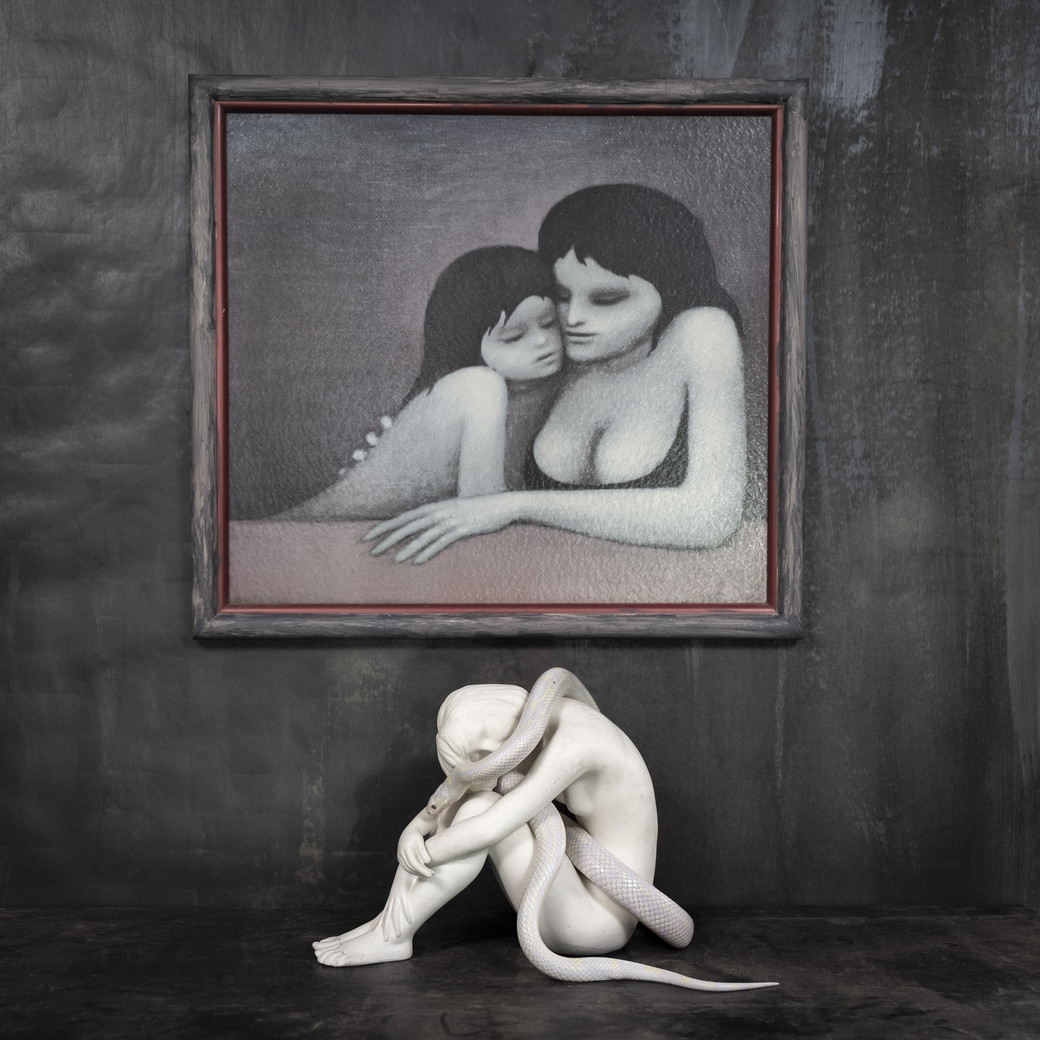
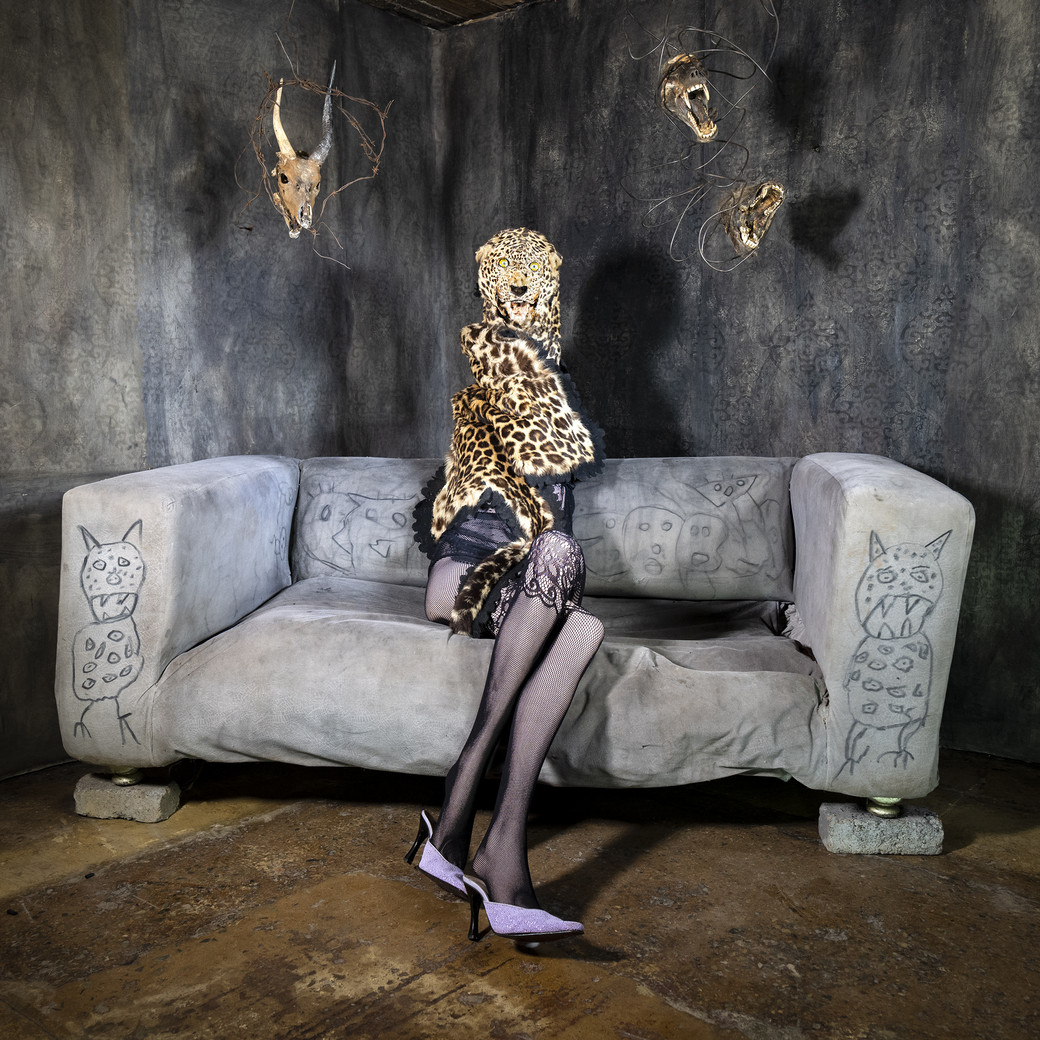
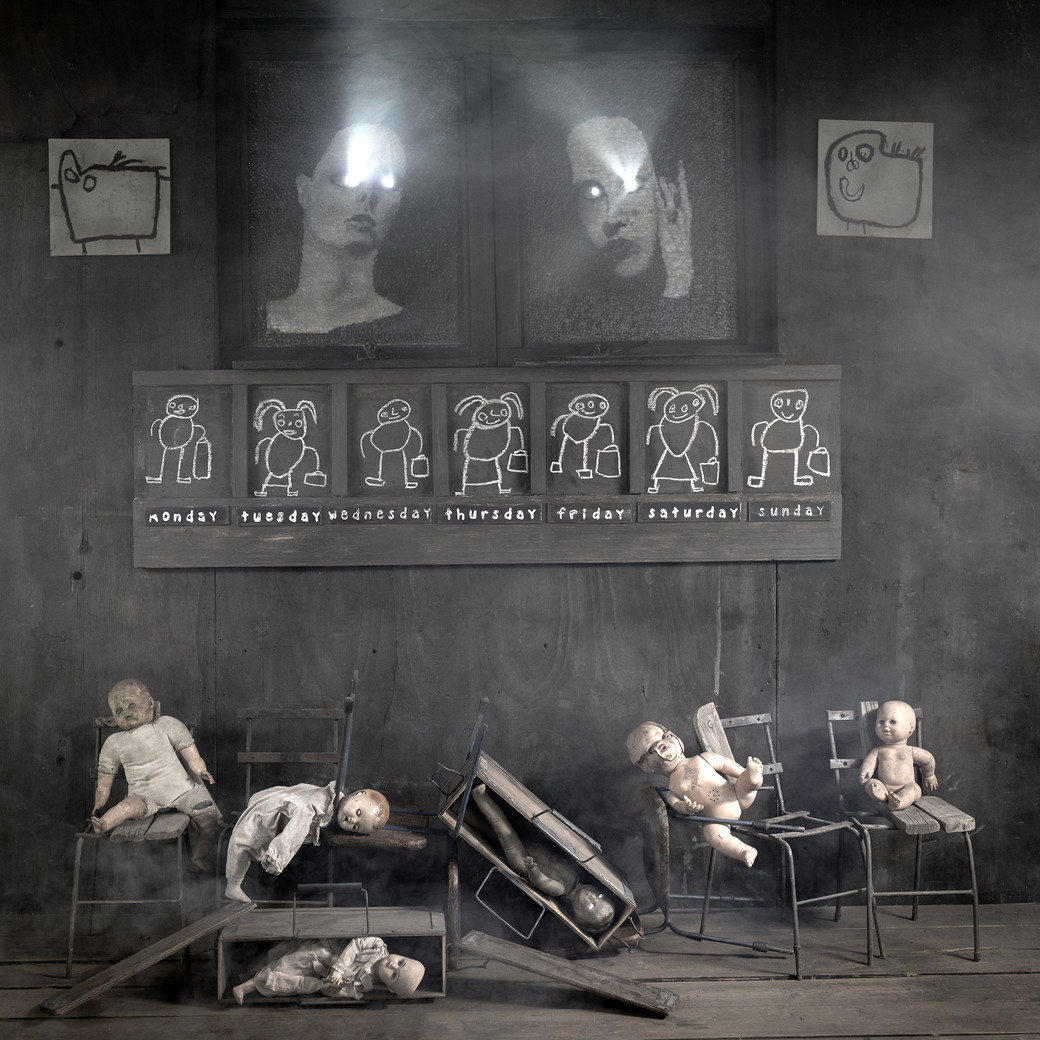
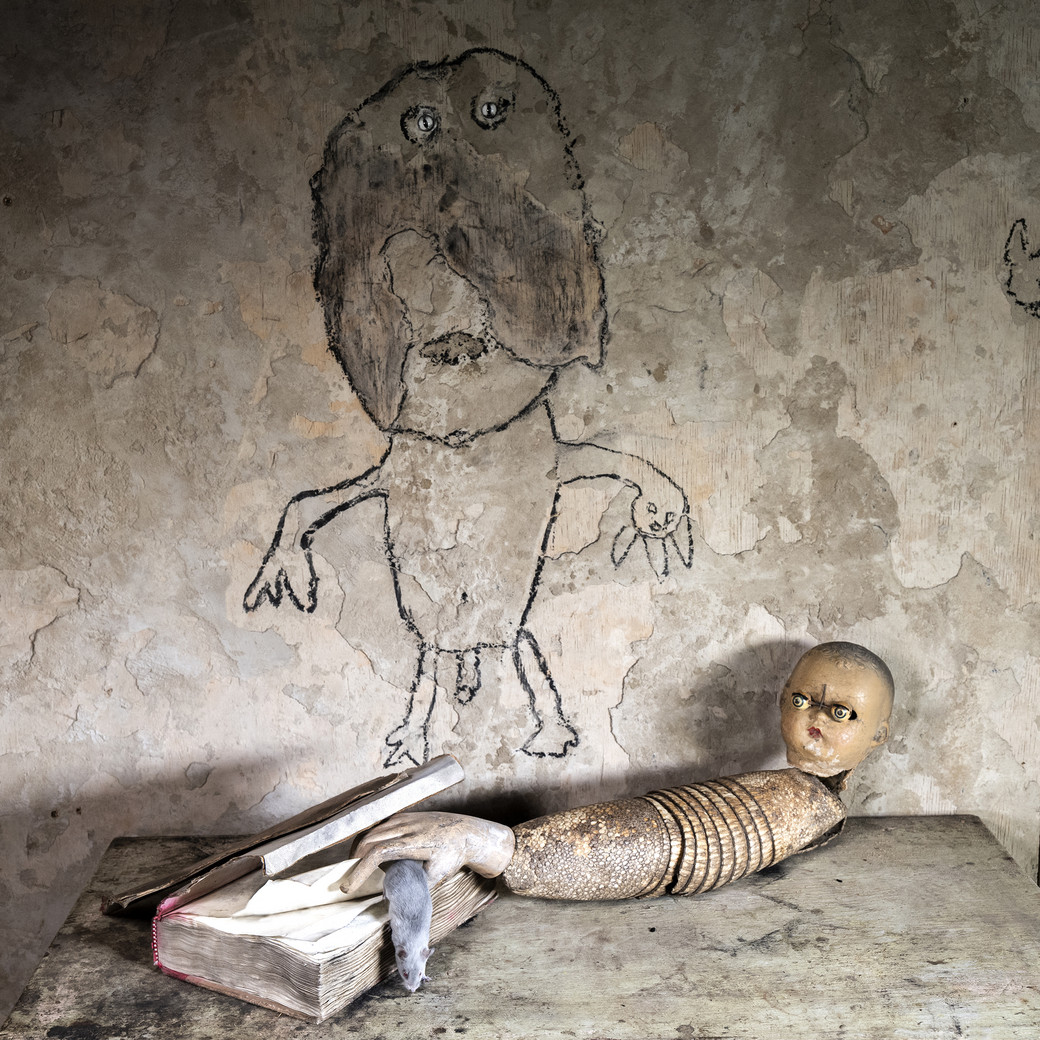
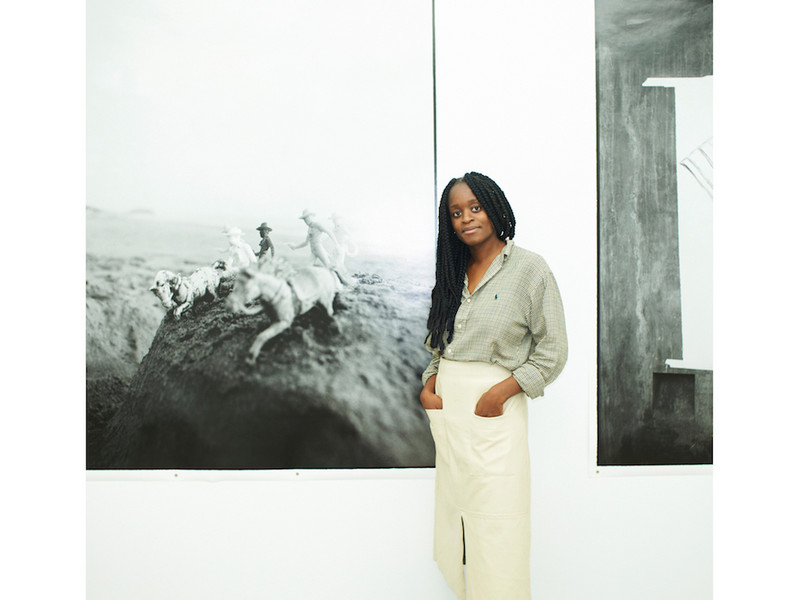
With this series, the interpretation of Ballenesque is reborn. Still, his still-life imagery leans on composition, texture, shadows, forms, and timing. The ethos is left unrendered, and the implementation of color only adds to its emotional depth. Colors carry moods, invoke sentiments, trigger memories. While the muted palette could easily be imagined in black and white, doing so would contradict the necessary aesthetic and the function it plays in the setting. Color adds another dimension for the viewer to analyze.
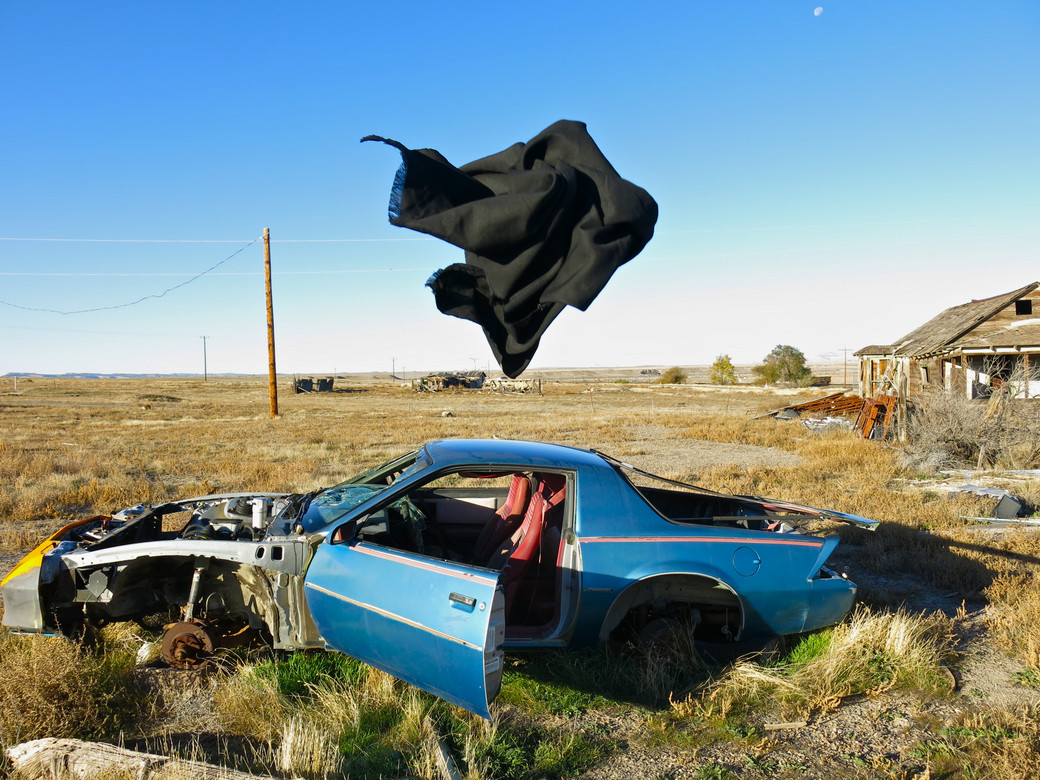
Ballen's mission to explore the inner psyche - both the human condition and the recesses of his own mind - that remains so foreign ironically is absent of people, instead relying on dolls, dummy parts, and drawings. The series was produced in a claustrophobic space with meager lighting and worn wooden wallpaper to create an oppressive scene where humanity is reduced to obscure figures and fragmented body parts, resembling an abstract recollection of memory. The bizarre world captured in color is inexplicable, like a strange dream you can't describe yet leaves you feeling impacted for the rest of the day. Spirits and spaces spurs reflection on the connection between absurdity, chaos, childhood, libido, comedy, tragedy, and animalistic nature - the core elements of the human lifespan and subconscious tied to it.

Your work sits somewhere between real and imagined landscapes, it feels almost like memory that never actually happened. Are you trying to reconstruct something, or escape it?
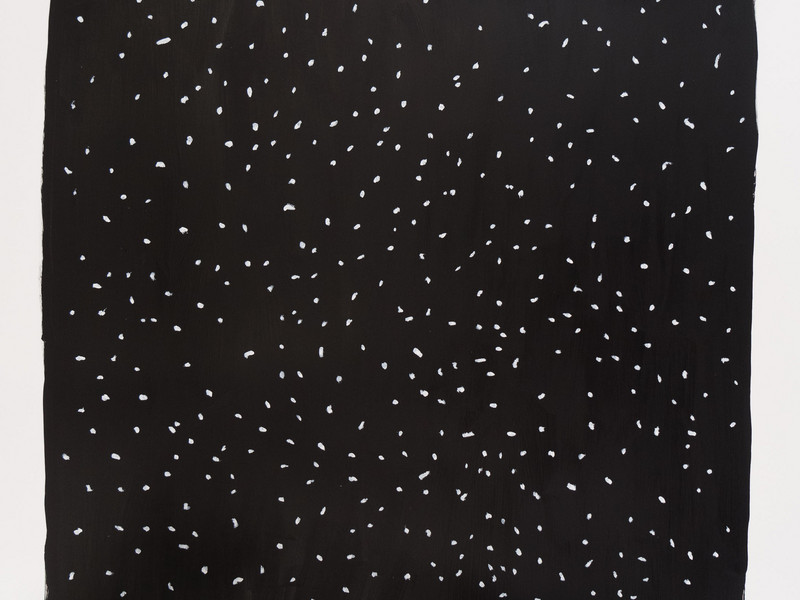
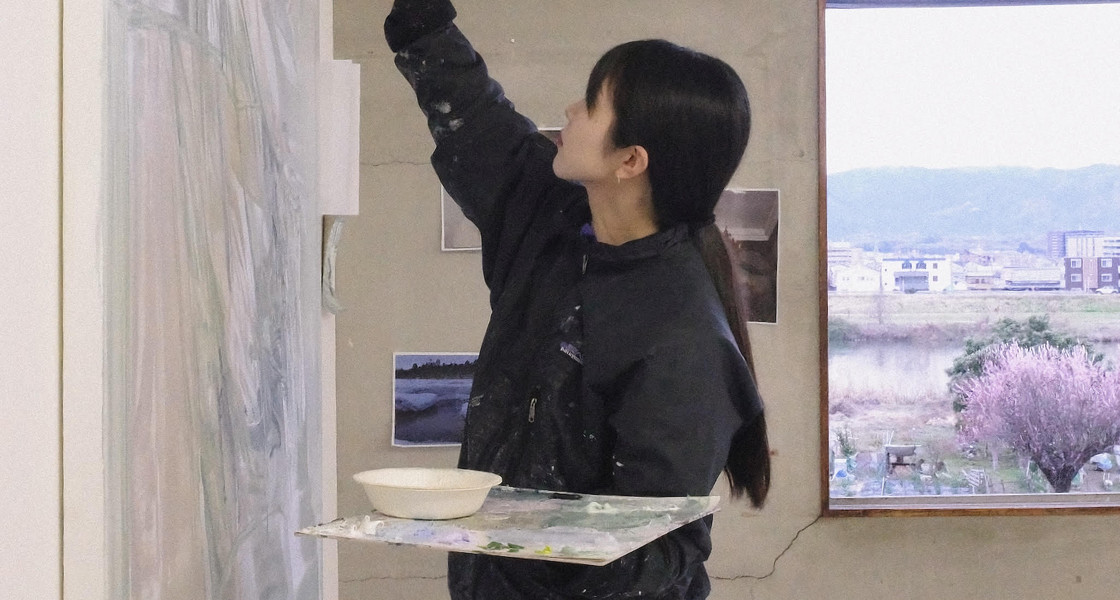
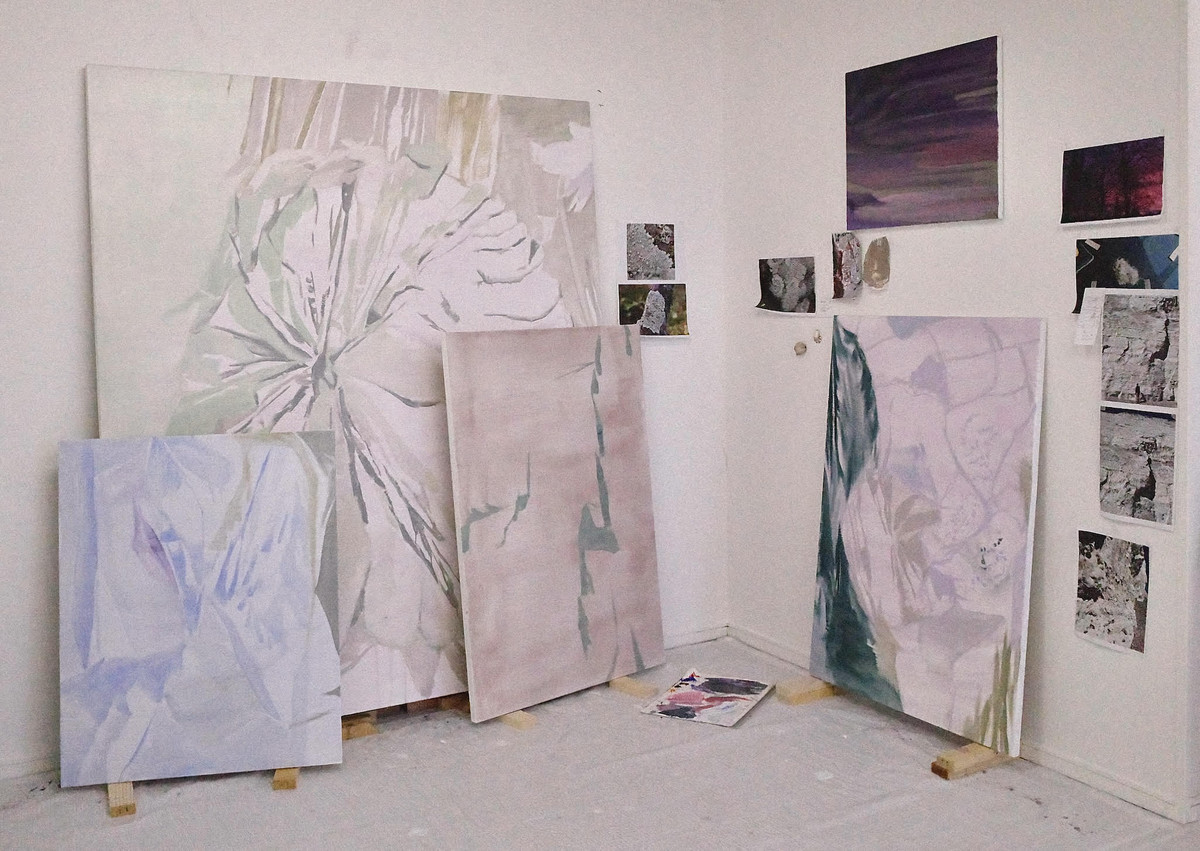
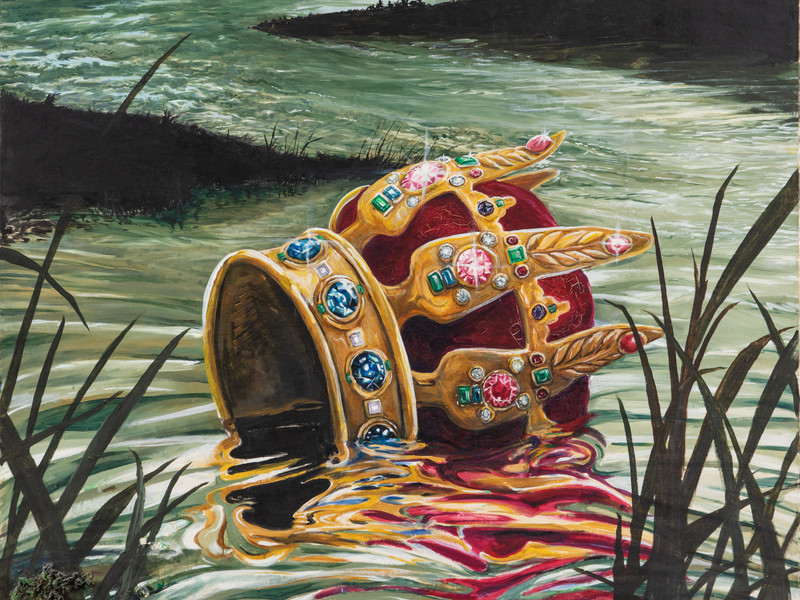
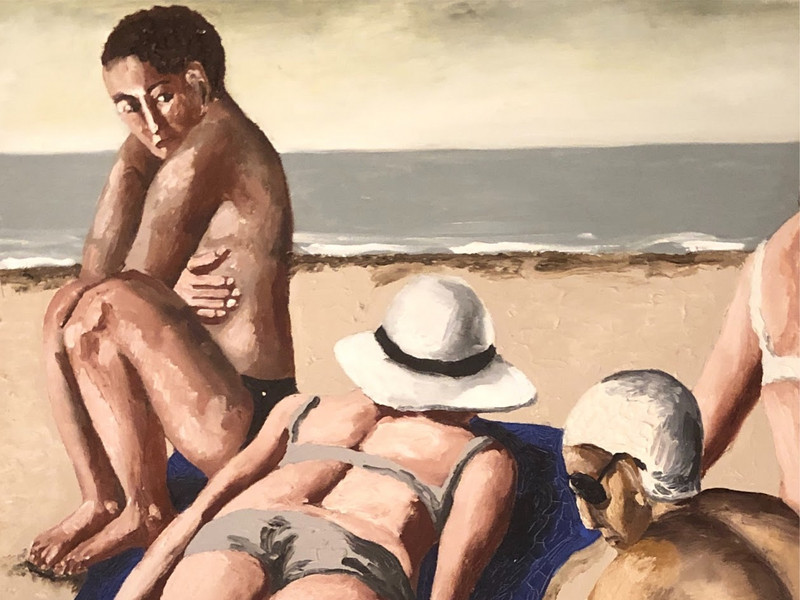
I begin my work from landscapes I have experienced. Rather than simply reproducing what I see, I try to re-examine the atmosphere of a place and the layers of memory embedded within it from multiple perspectives, and to reconstruct a landscape on the canvas. I am less interested in reconstruction than in the process by which fragments of memory and landscape transform over time. By valuing the feeling of “something that seems real,” I believe this is a way of approaching reality.
You’re working with painting and ceramics, both very physical, material processes. How important is the idea of touch and texture in your practice?
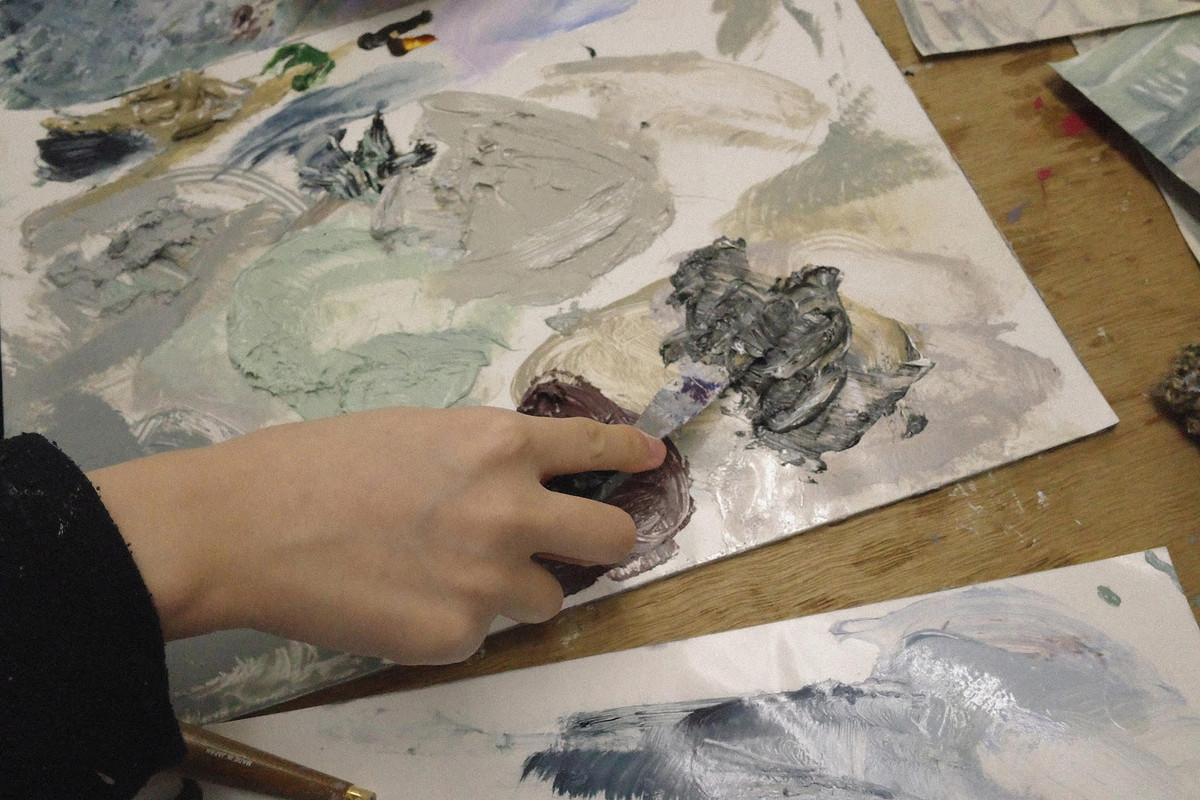
It is very important. Touch and texture carry information that cannot be captured by vision alone, giving a sense of time, weight, and resistance to the work. Like clouds in the sky, ripples on water, or peeling paint on a wall, the natural world is full of abstract phenomena that never repeats itself. By finding scenes within them, I feel that our sensibilities are shaped along the way.


Designing staff uniforms with Stone Island means your work becomes something people wear, move in, and work in. Does it lose something in that translation, or does it gain a different kind of life?
Rather than losing something, it feels like a shift into a different context. When worn, the work is no longer fixed, but changes along with movement and environment. I see this as a kind of extension.
Uniforms usually erase individuality, but your work is very personal and intuitive. Did you try to resist that, or lean into it?
Instead of being completely uniform, I hope subtle differences emerge depending on the person who wears it.
Your work often explores natural phenomena and imagined landscapes, where do these worlds originate from for you?
They originate from memories of landscapes and natural phenomena I have observed, which gradually merge and transform over time.
More broadly, how do you see the relationship between art, function, and everyday use in this kind of collaboration?
I see art, function, and everyday life not as separate, but as continuous. In this kind of collaboration, I find interest in how those boundaries gradually dissolve.
Frieze Week returns to The Shed in Hudson Yards of New York. From May 13th-17th, browse over 65 galleries spanning 26 countries and discover today's most compelling artist within New York's vibrant and irreplaceable art scene spirit.

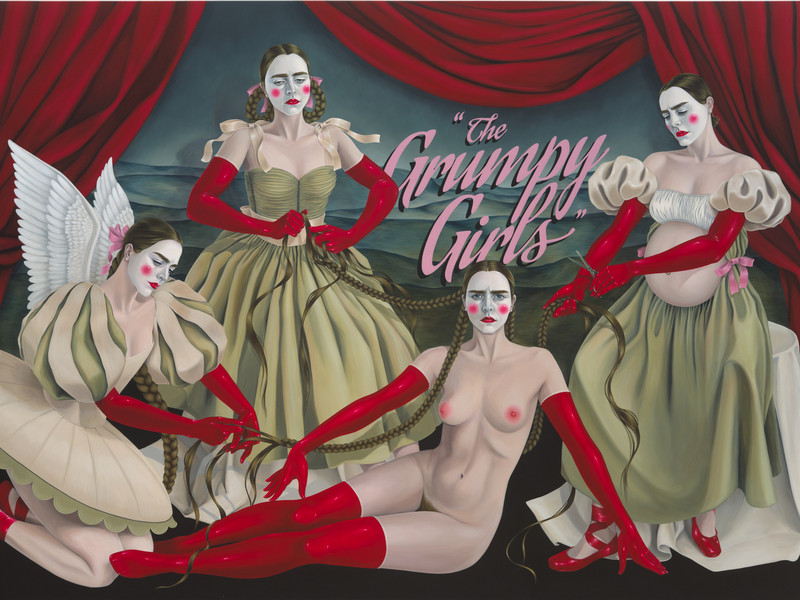
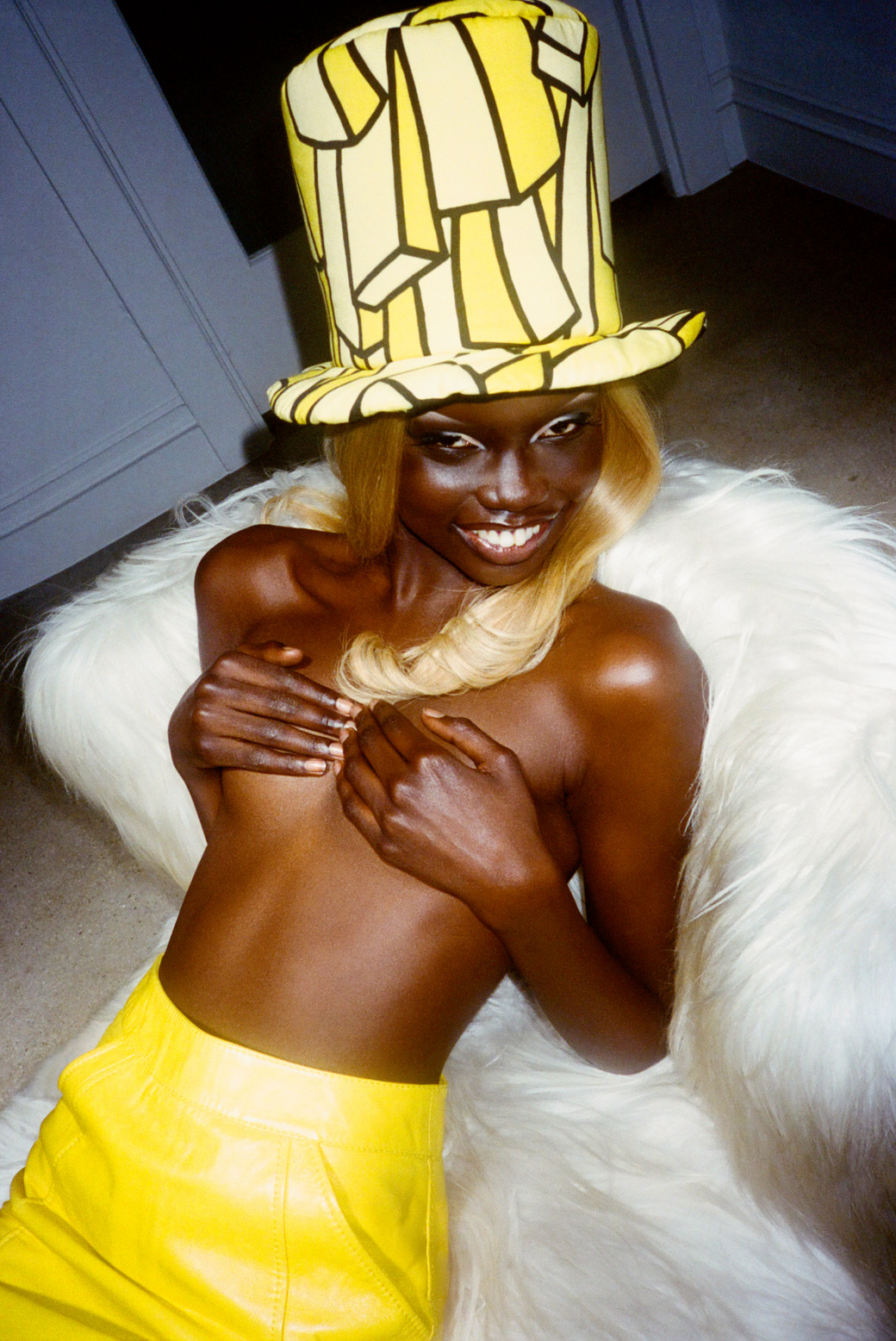
"Womanizer" — a word visually literally dominated by “woman”, yet by definition focused on a male character, defining how males manipulate multiple women for sexual gain — is an accurate notion of the patriarchy which Capozzi dismantles through her work. She takes back this word and through her redefinition, Womanizer solely focuses on what it means to be female, both challenging and leaning into societal standards. Her lawless compositions find celebrities juxtaposed against the mundane, suburbanites against the surreal. Her art clashes absurdity and elegance, naturalism and idealism. These pairings work to disrupt the legacy of the male gaze and in place establish the female point of view. Her involvement to create dreamlike, spontaneous, feminine worlds uplift the raw, fierce, and playful emotions that exist innately and uniquely underneath the structured and polite female persona.

The exhibition will include eight large scale prints and a series of eight unique polaroids featured in the book. Womanizer will stay open to view during the same hours until the 23rd, with the book available for purchase.