PRESENTE CONTINUO: the intimate ties between then&now
Starting May 30, PRESENTE CONTINUO will be available to purchase on presentecontinuo.com, cpcompany.com, and at the C.P. Company flagship store in Milan, Corso Matteotti 7.
Stay informed on our latest news!

Starting May 30, PRESENTE CONTINUO will be available to purchase on presentecontinuo.com, cpcompany.com, and at the C.P. Company flagship store in Milan, Corso Matteotti 7.

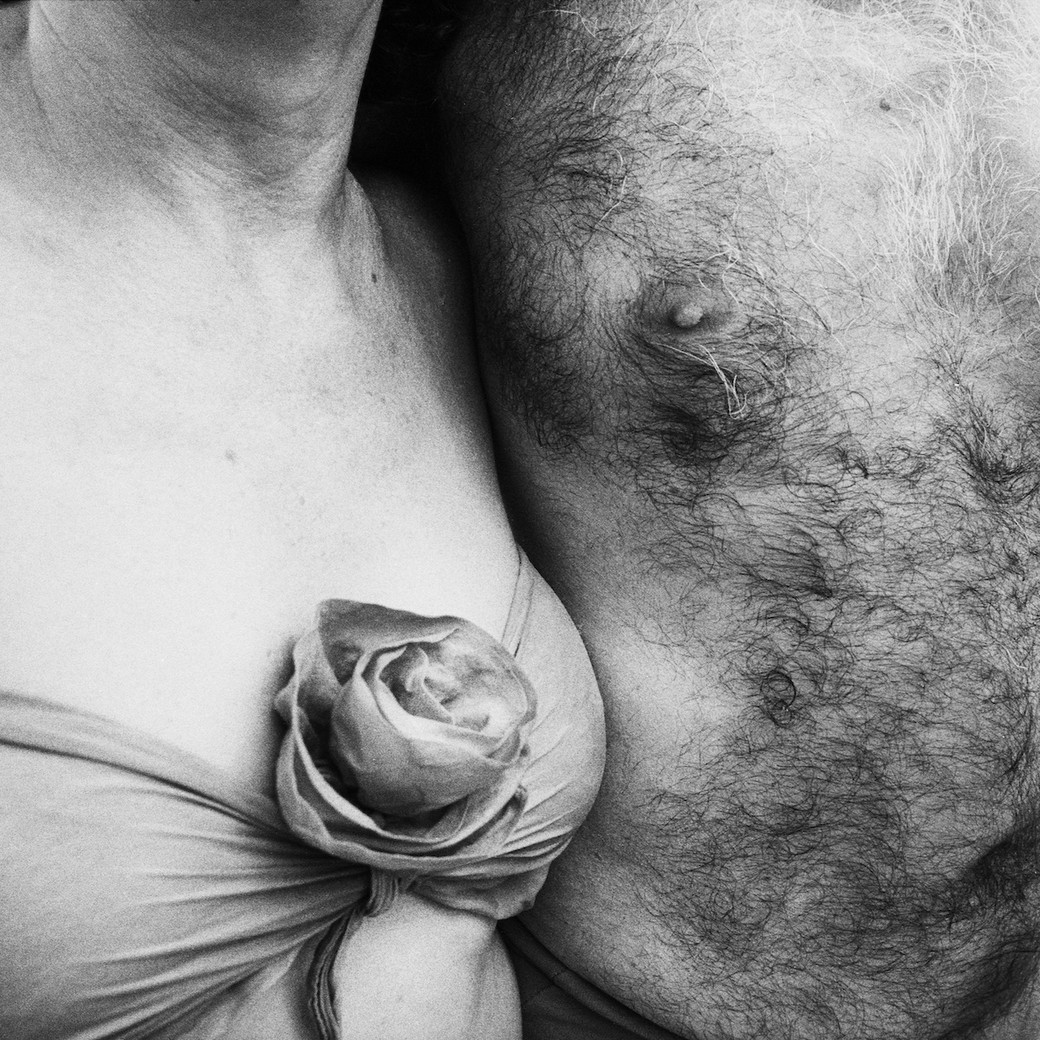
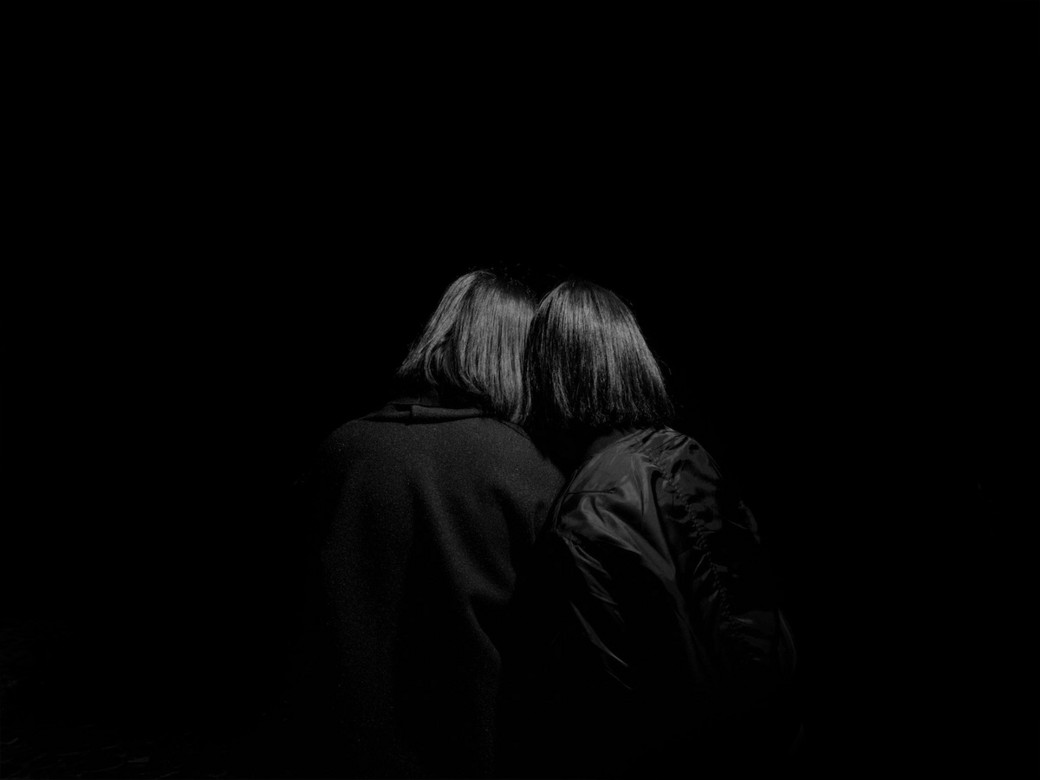
Even without colors and faces, the affinity in Micha Bar-Am’s contribution is loud and offers comfort for the unknown. “Today, in my nineties, I try to keep my optimism in spite of the chaotic world around us — like the bathing couple enjoying a morning swim and keeping a cheerful mood,” Bar-Am shares regarding his contribution to the sale. It’s a photograph of zoomed-in bodies, the one on the left wearing a bikini that ties into a rose that offers a hopeful future.
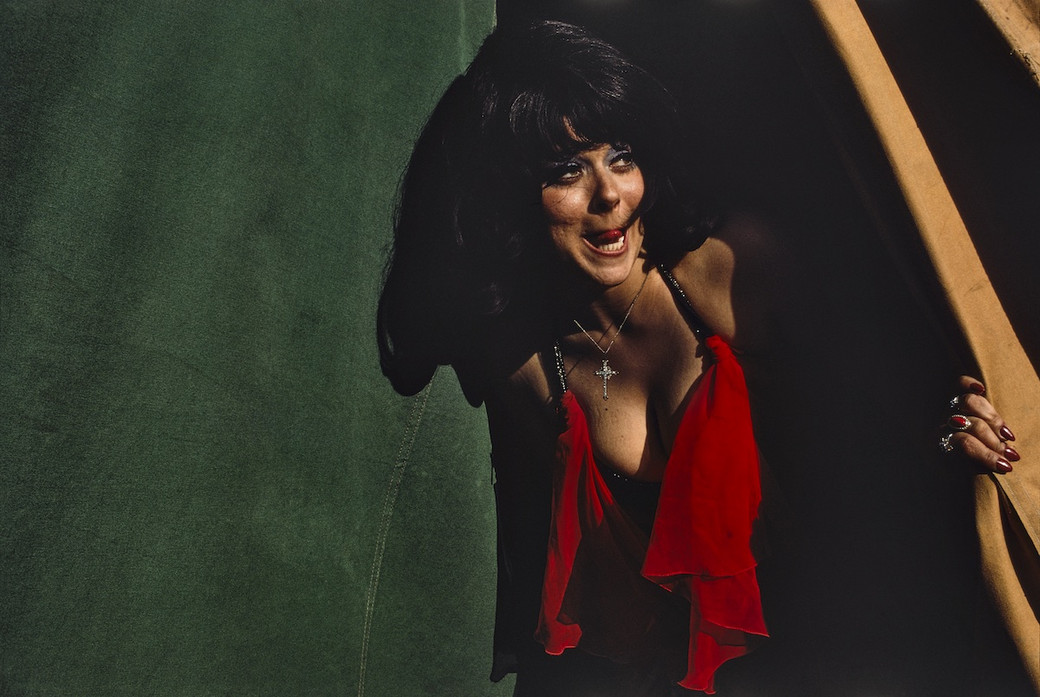
Then, when individuals are shown, glimpses into new communities are shown authentically. Susan Meisela selected a shot from her larger project, Carnival Strippers Revisited, which documents the public and private lives of small-town stripteasers. Meisela’s feminist lens allowed the girls’ stories to be uplifted in a new light. Her success with the project worked because of how she sees the camera: “an excuse to be someplace you otherwise don't belong. It gives me both a point of connection and a point of separation."
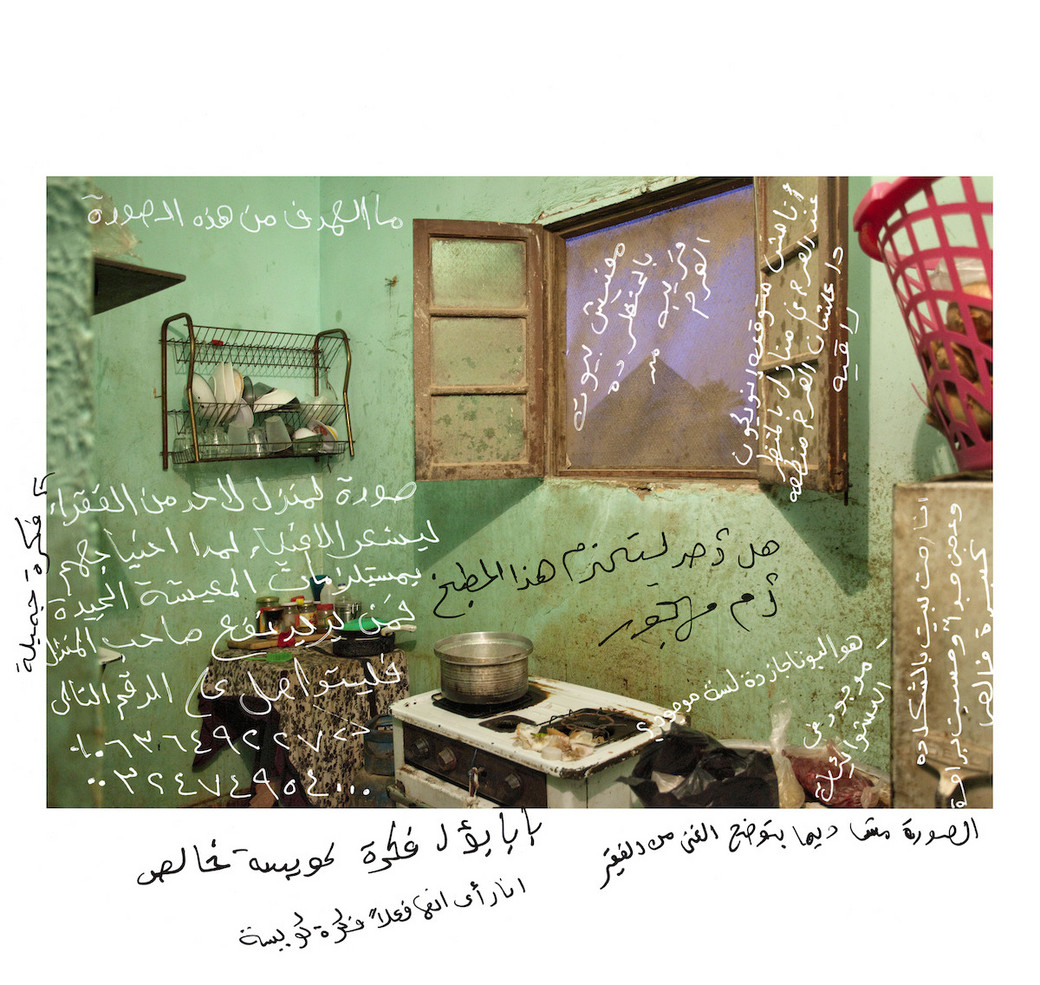
Bieke Depoorter’s photograph functions in a similar way. It’s from As It May Be, a book filled with images from her time in Egypt during the 2011 revolution. In 2017, she revisited and asked people to write Arabic comments on top of those. The added text provides a greater insight into the Egyptian lifestyle. On the one in the sale, the text translates to: “There are no houses that look like this close to the pyramids. / I can’t believe that there are houses like this near the pyramids because the pyramids are in an upscale area. / I went to a house that looks like this and I really liked it and felt very relaxed. / A picture does not always show the difference between rich and poor.”
Below find office’s favorites from the Magnum Photos Square Print Sale ending on April 23.

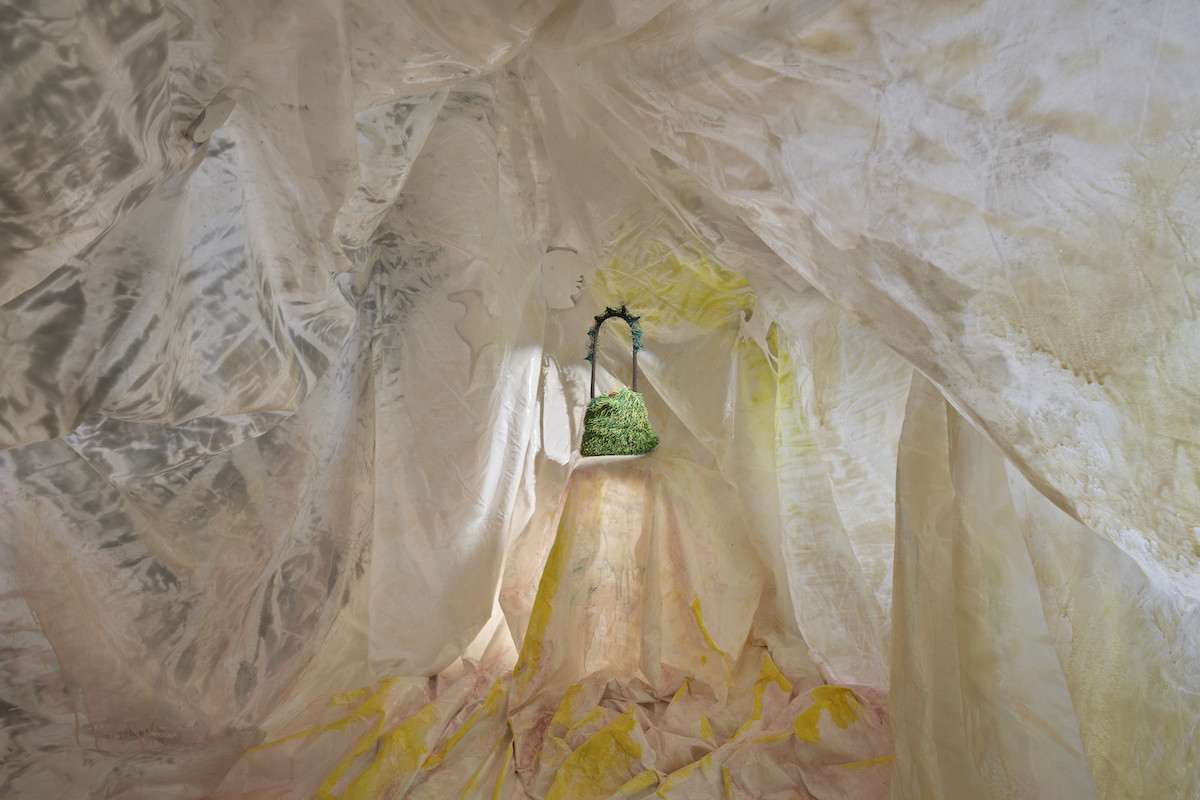
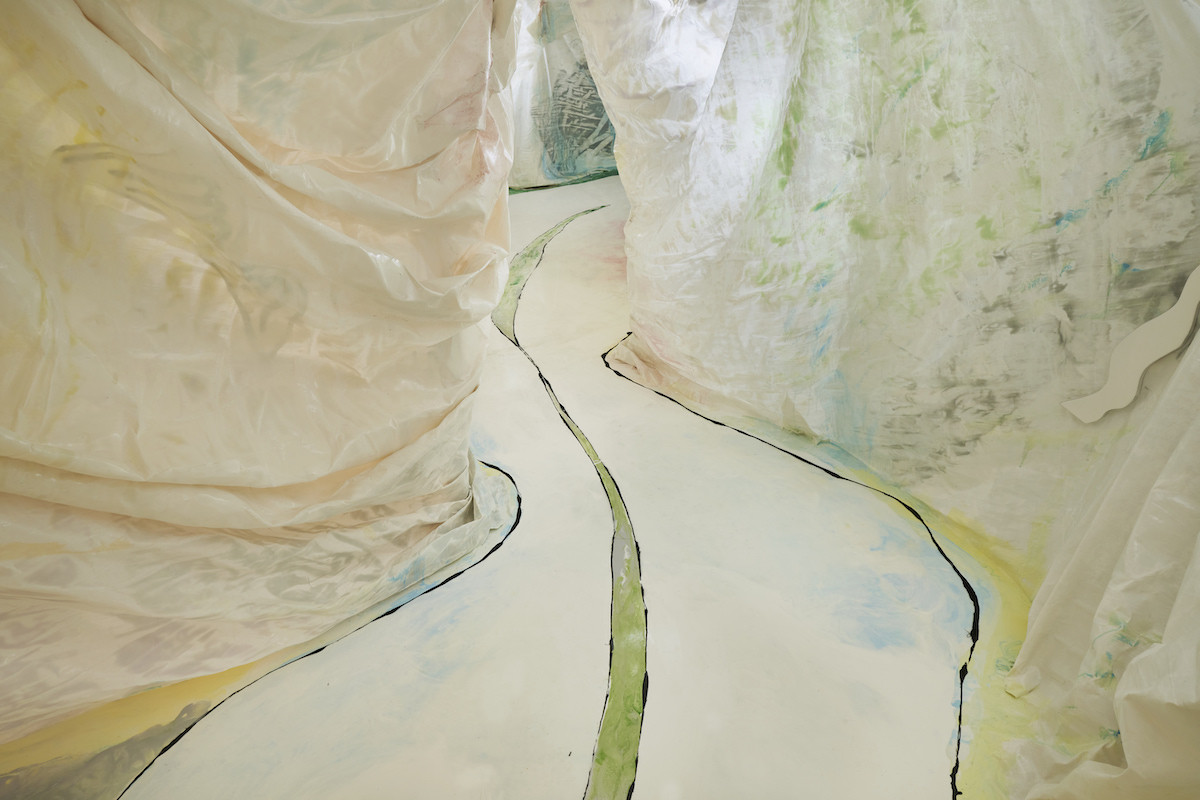
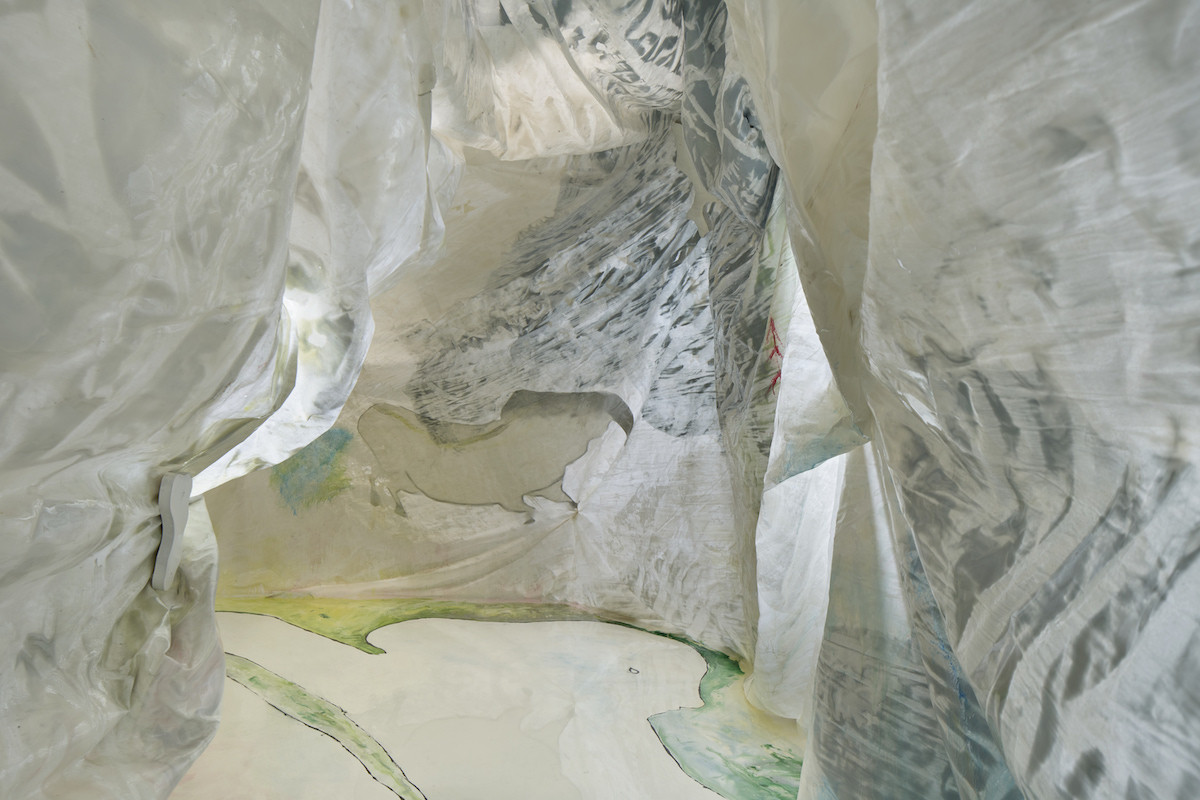
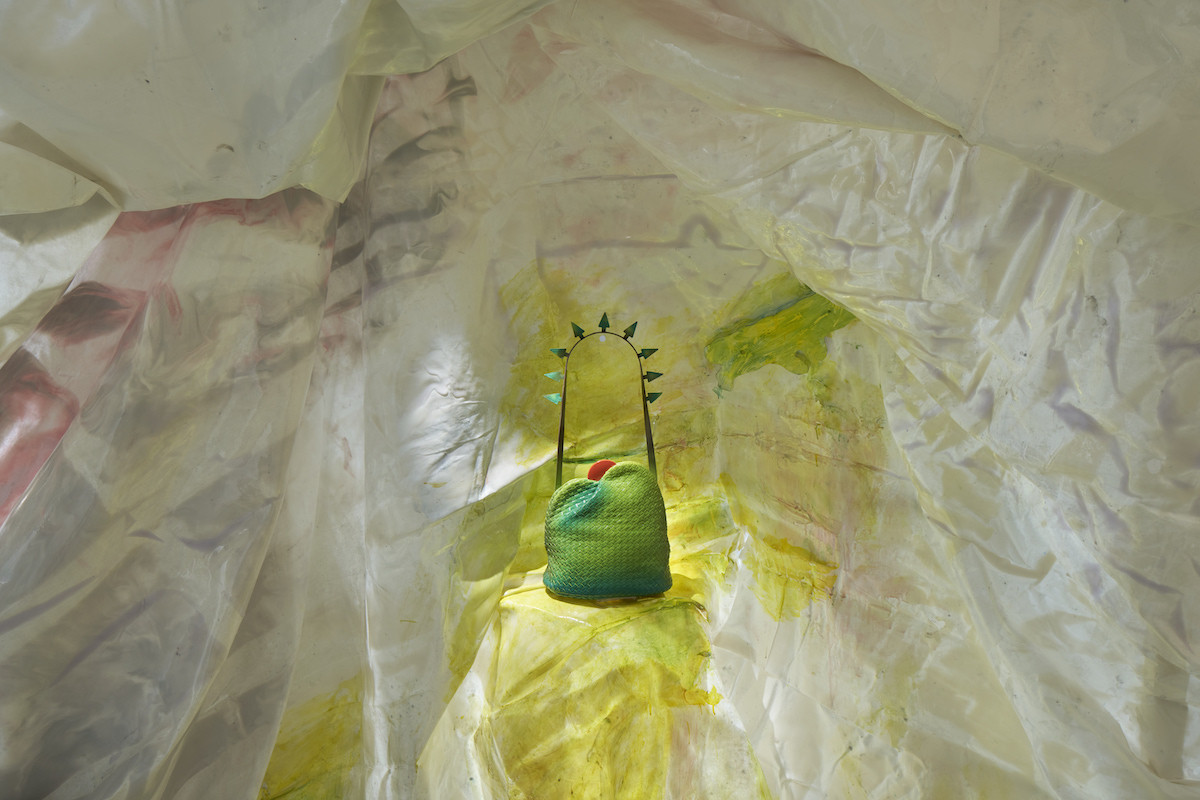
They created a tactile world that submerged the viewer in a glistening cave. It may not have creeping columns of limestone, but the searing fluid floor with its flattened puddles of color brought Capri’s La Grotta Bianca to Milan — Pesce also called the space a grotto, as the area is tight and the path can be measured by stamina, not length. One by one, the audience entered an echoing space filled with falling droplets and a cavernous ambience. Stenciled on resin sheets (a lot like the caves of Chauvet with its figurative cave painting) were silhouettes of dogs, cats and human faces. The plasticky arterial walls spread like mycelium; its complexion was fleshy, and the installation was deceptively static. It could have been breathing.


The resin rose across the ceiling like venose vaults over a colour-spotted, windowless church of rock and coral. Two airbrushed leather bags are held at different points in the corridor. The colours that left the shining dermis had no rhythm or formal structure: blotched colours had set in the rippling resin, and strands of pigment were frozen like dry watercolour on stained paper. The bags exist as referential objects. Their shape resembles two mountainous ridges backlit by a red setting sun.


The installation is open from the 15th to the 22nd of April, 2023, at the Montenapoleone Bottega Veneta store in Milan.

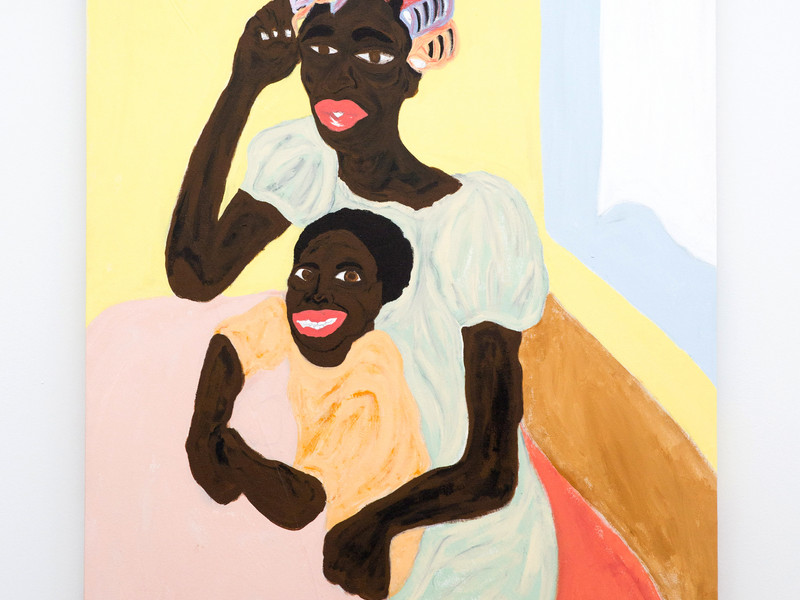
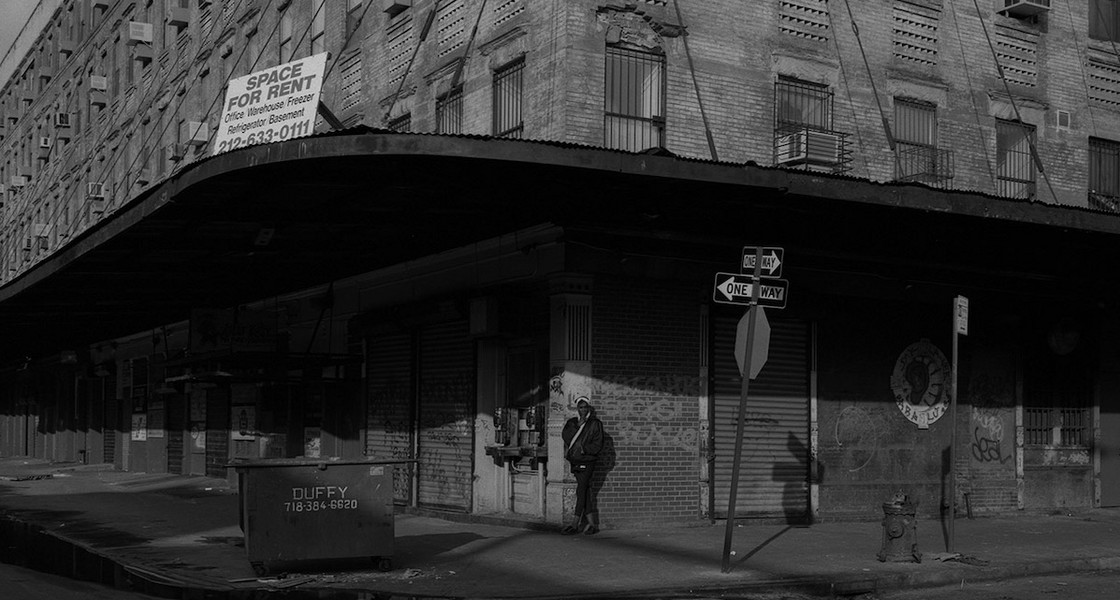
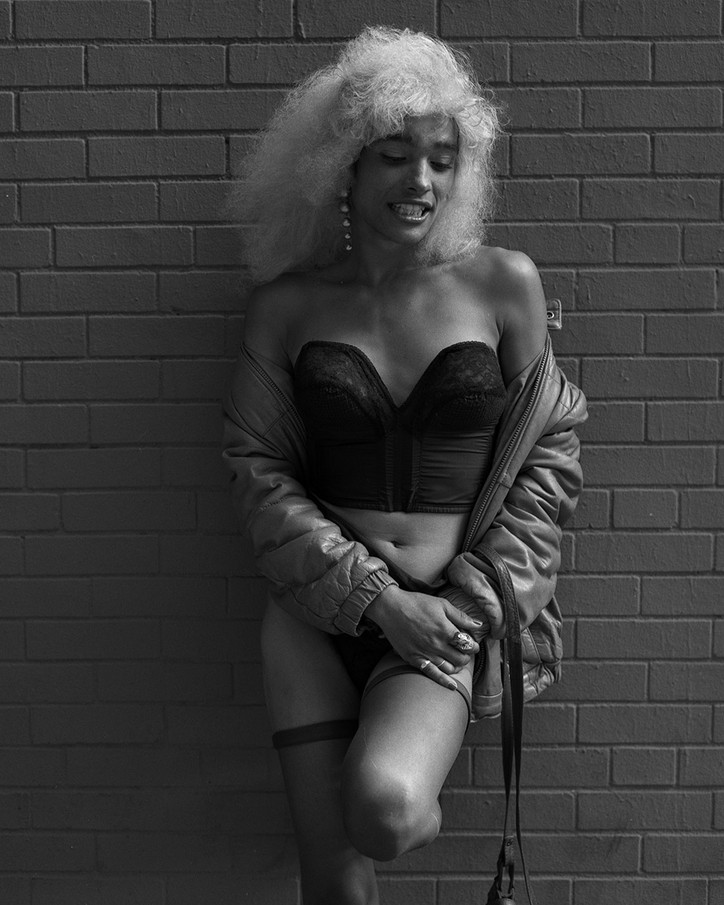
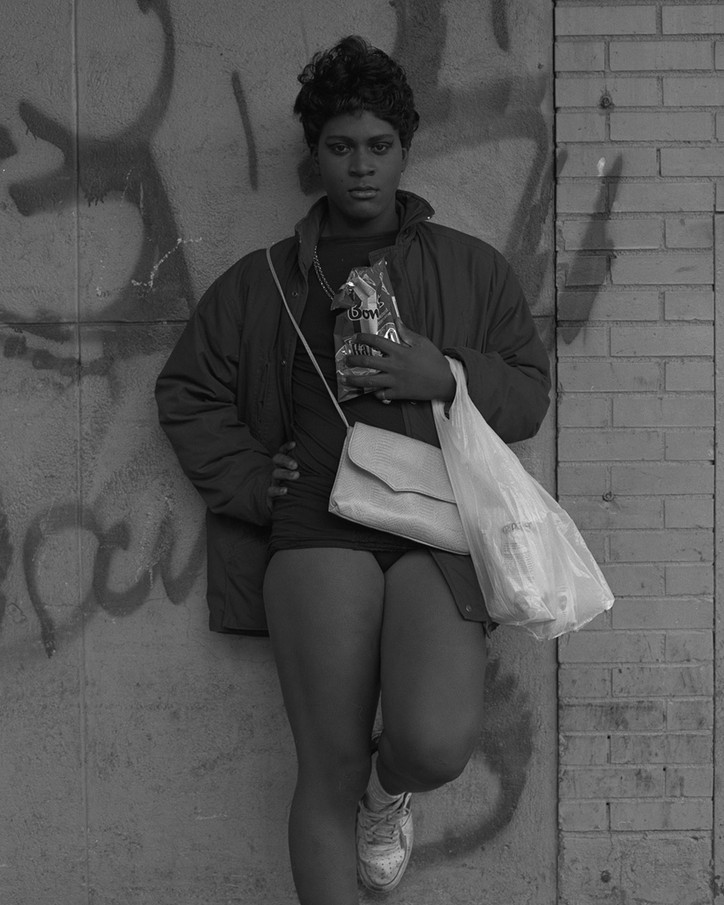
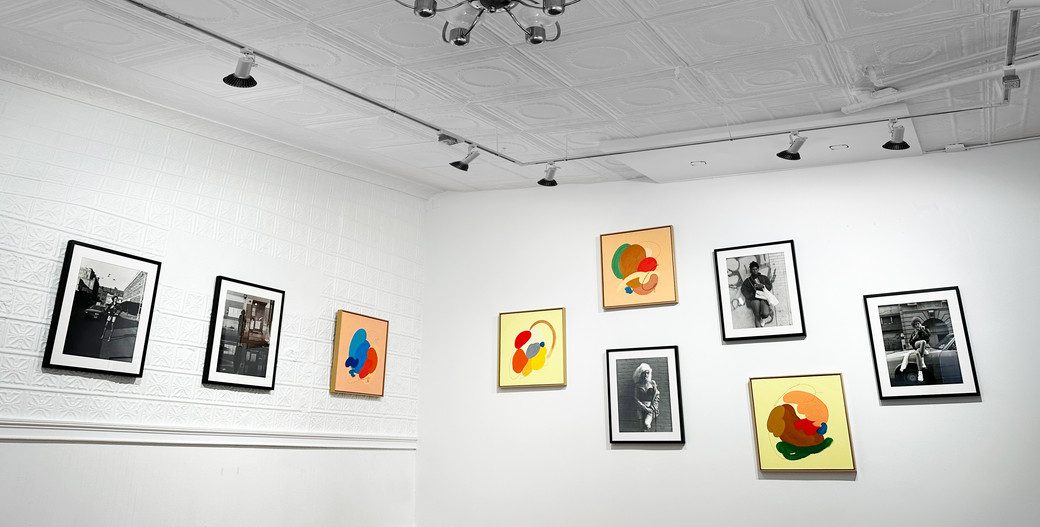
Now, never-seen-before portraits and cityscapes from Naito's original project are on view at The Fridge alongside Mayumi Yamase’s bright, playful abstract paintings. Despite their generational, geographical, and stylistic differences, Naito and Yamase share a common goal: to create art that is authentic and passionate. By combining their remarkable talents, they bring to life a sense of strength that is both powerful and inspiring.
“Our energy and platform are totally opposite [from] each other. There is something about her work that speaks to me profoundly, and it resonates to exhibit the sex worker’s portrait on a different level. They speak to each other on the wall,” Naito shares. Yamase’s vibrant colors are a reminder of the complexities that lived in the ghostly, gritty neighborhood — the safety and violence West 14th Street offered to young, trans women of color.


These intricacies entangled in the district — and the city overall — inspired Naito, who dedicates his practice to preserving time, emotions, and marginalized communities authentically. “Both people — subjects — and the environment. The atmosphere, temperature, and humidity,” he says, is what drew him into starting West Side Rendezvous in the first place.
“I’ve spent a lot of time with them to earn their trust prior to the shoot,” Naito continues. His dedication to forging friendships with the girls, rather than remaining an outsider, allowed for the earnest story to be told.