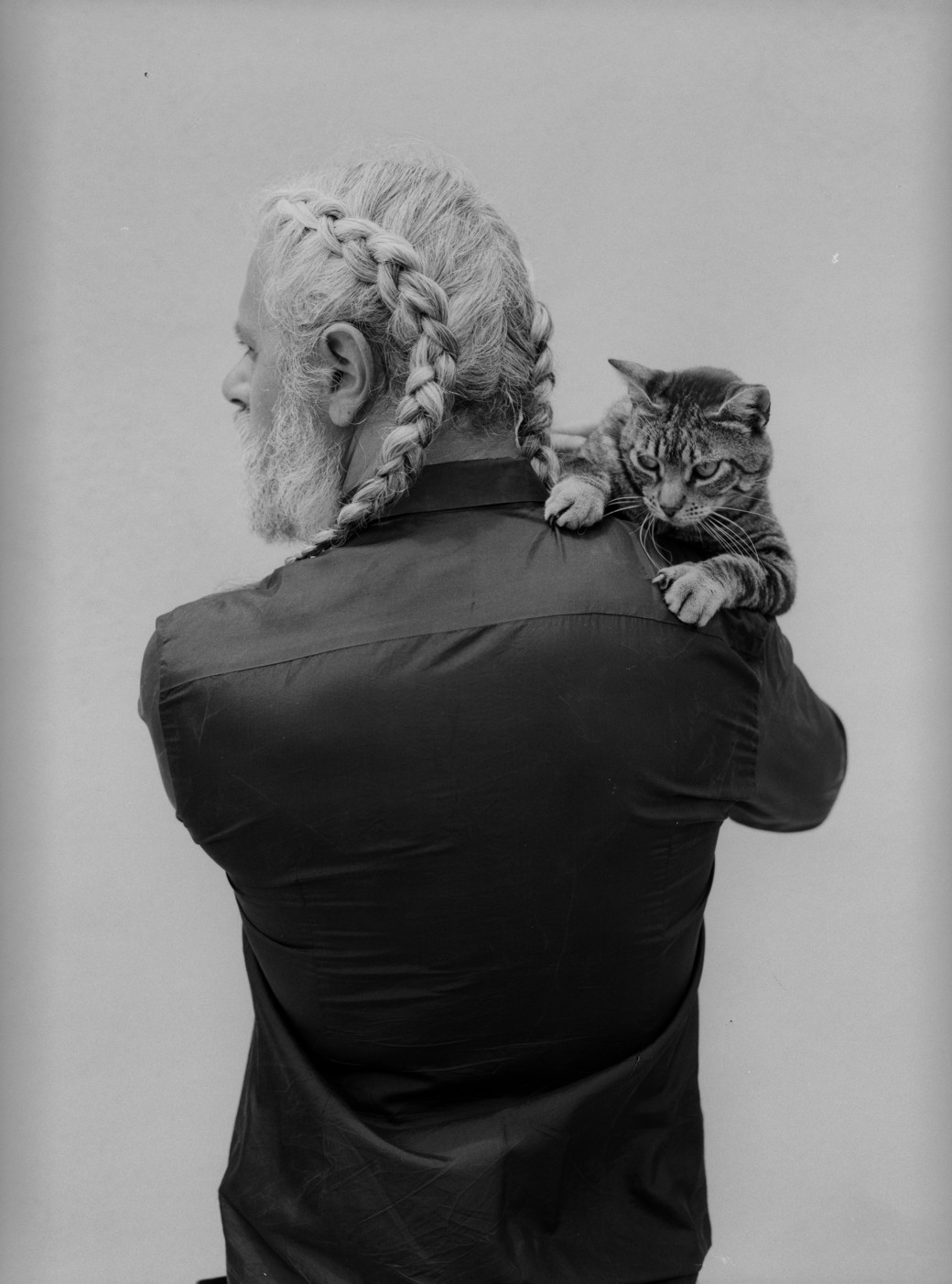
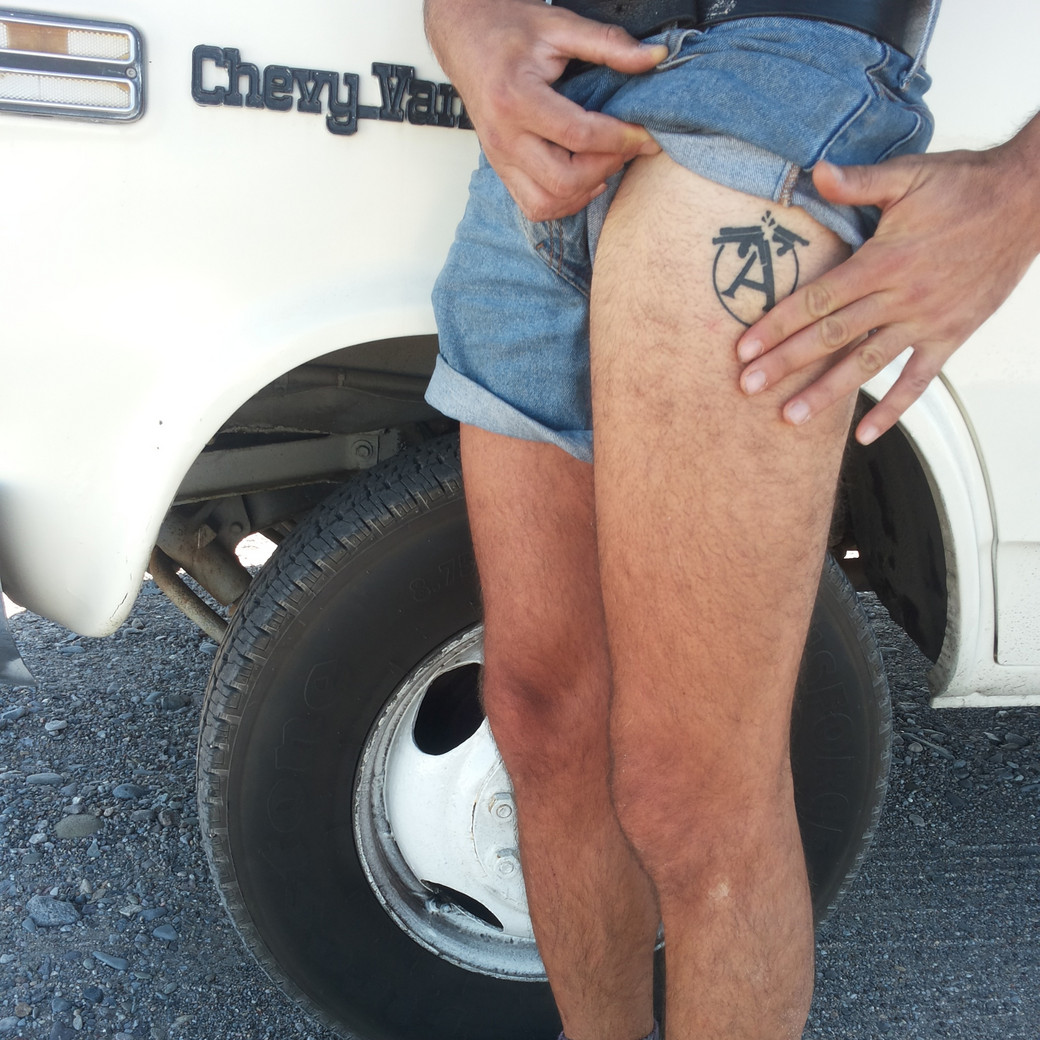
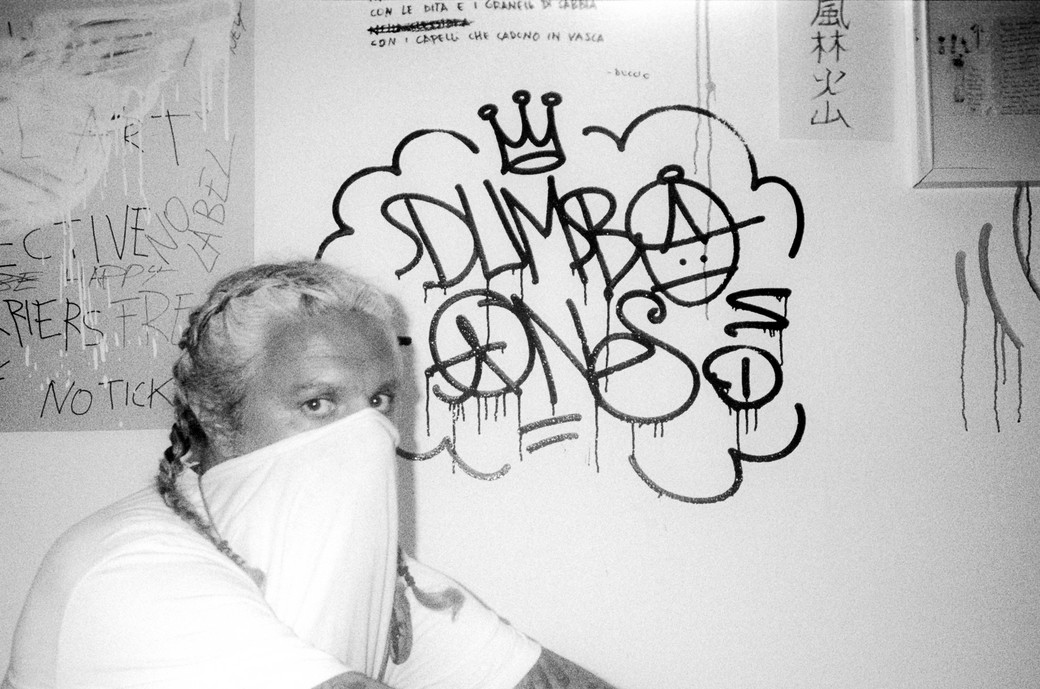
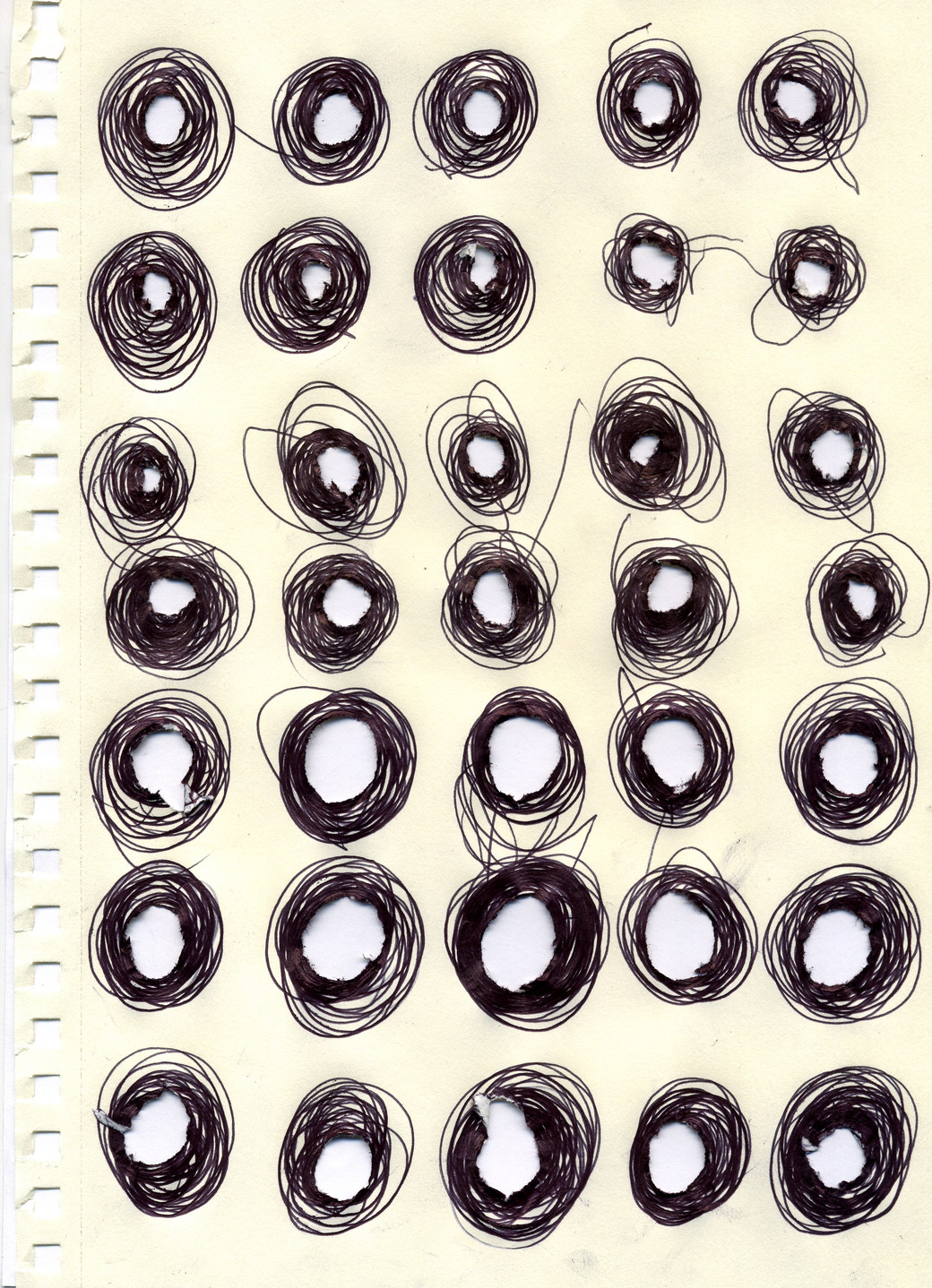
PRESENTE CONTINUO: the intimate ties between then&now

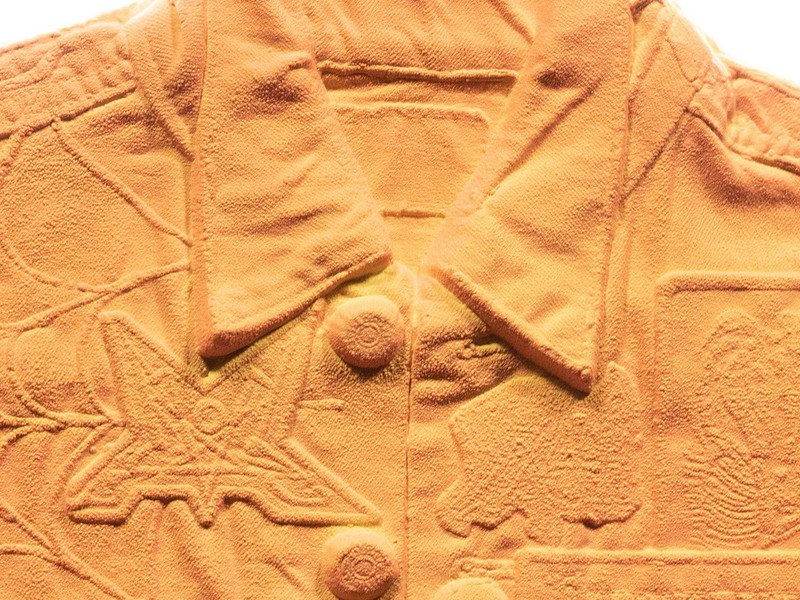
Starting May 30, PRESENTE CONTINUO will be available to purchase on presentecontinuo.com, cpcompany.com, and at the C.P. Company flagship store in Milan, Corso Matteotti 7.
Stay informed on our latest news!

Starting May 30, PRESENTE CONTINUO will be available to purchase on presentecontinuo.com, cpcompany.com, and at the C.P. Company flagship store in Milan, Corso Matteotti 7.

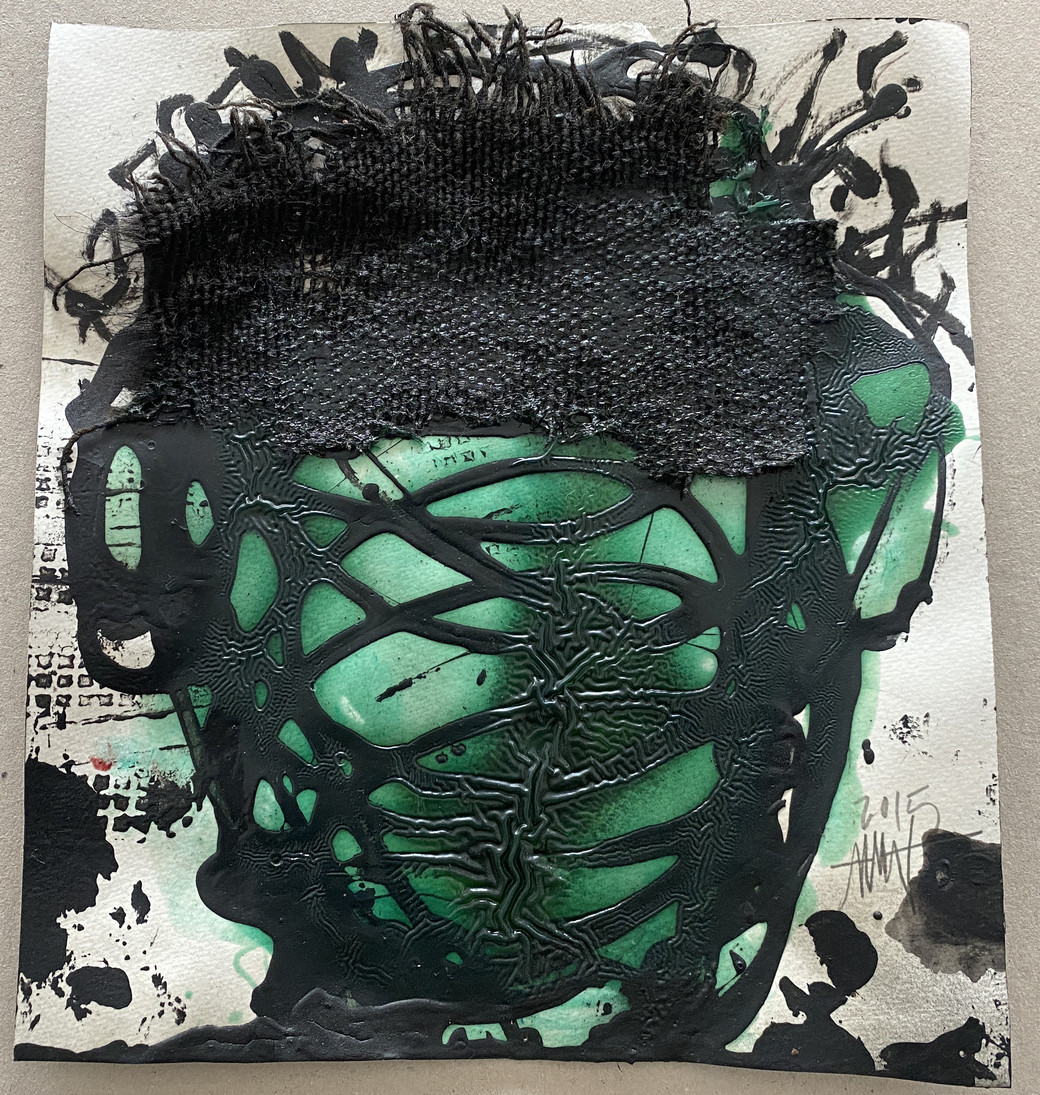
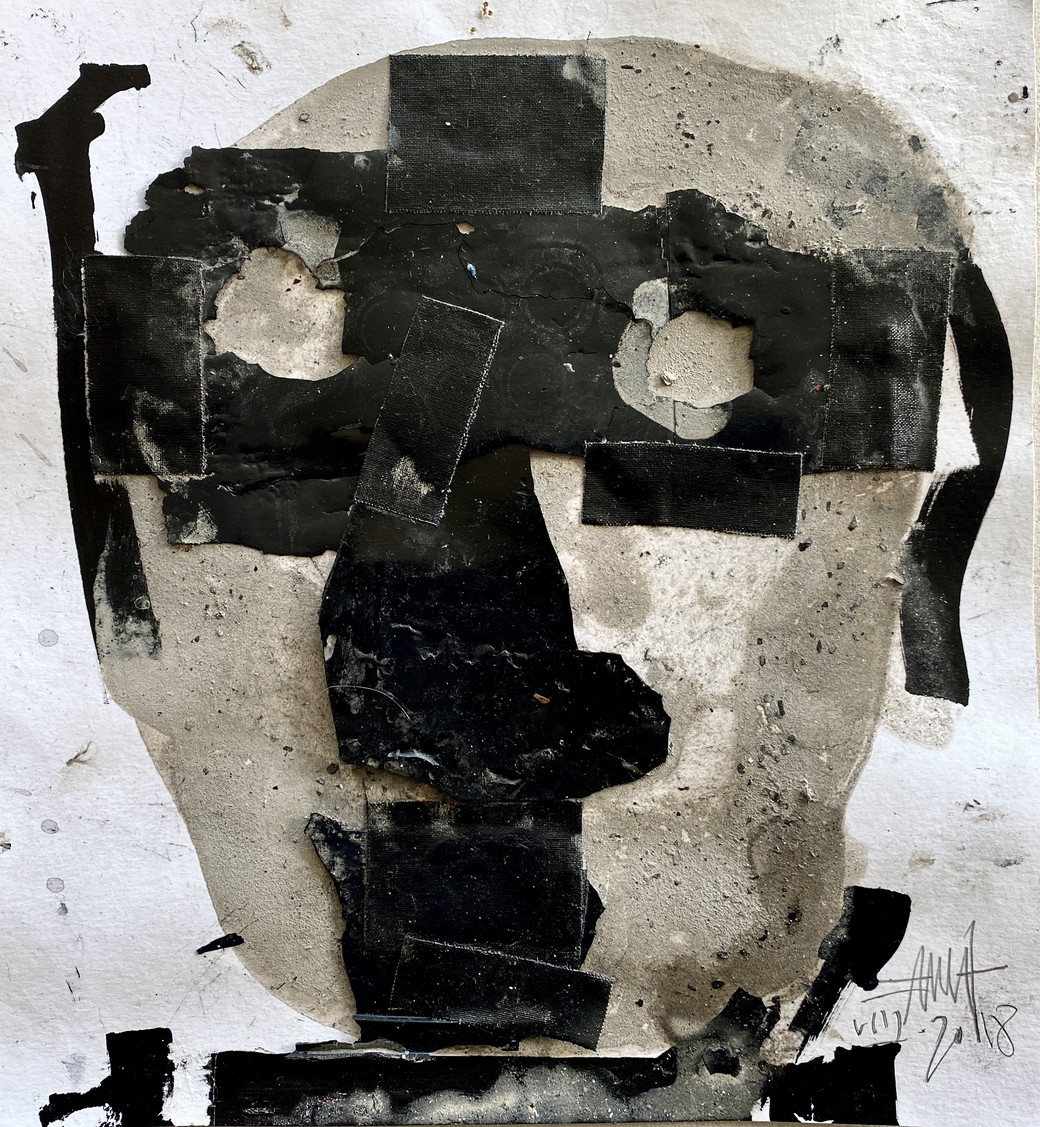
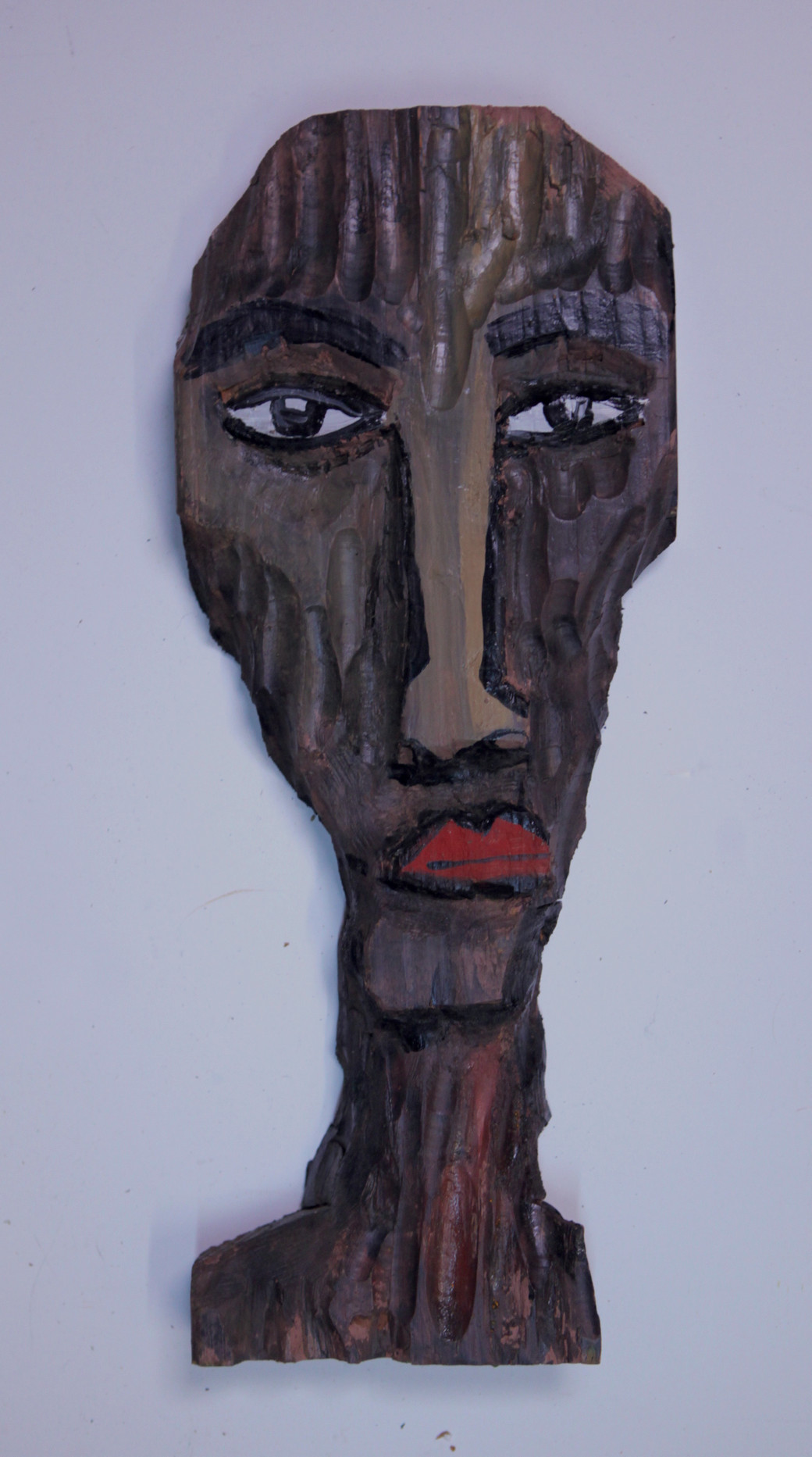
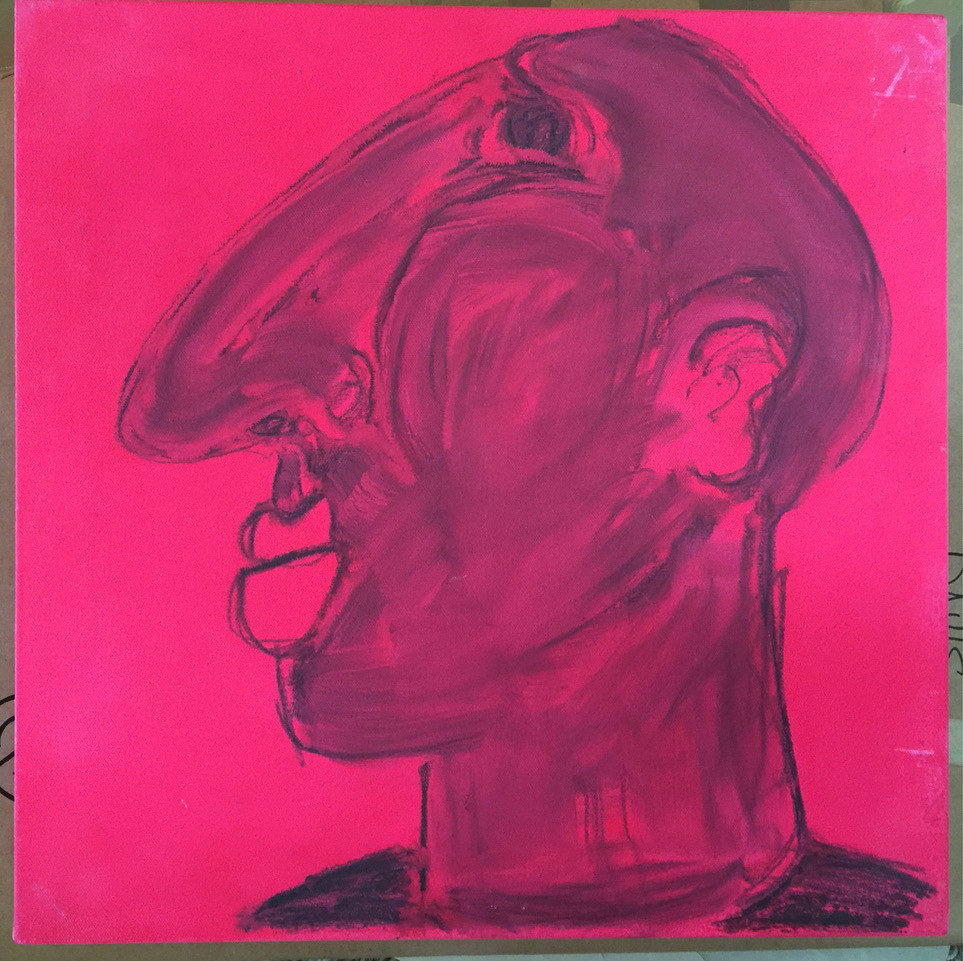
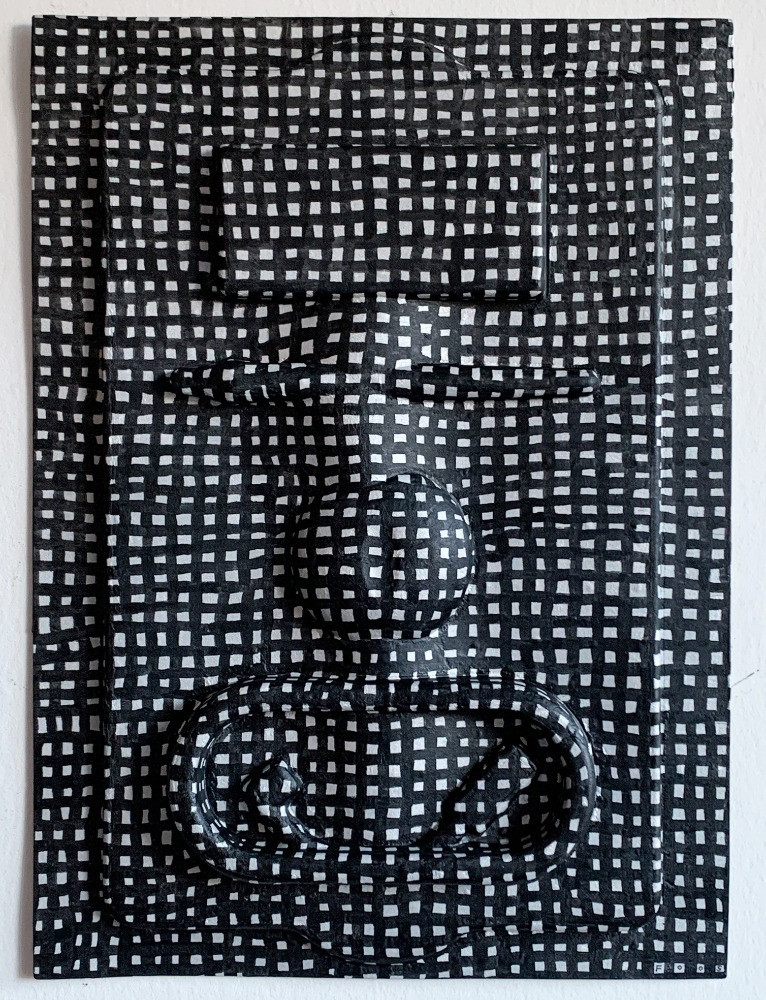
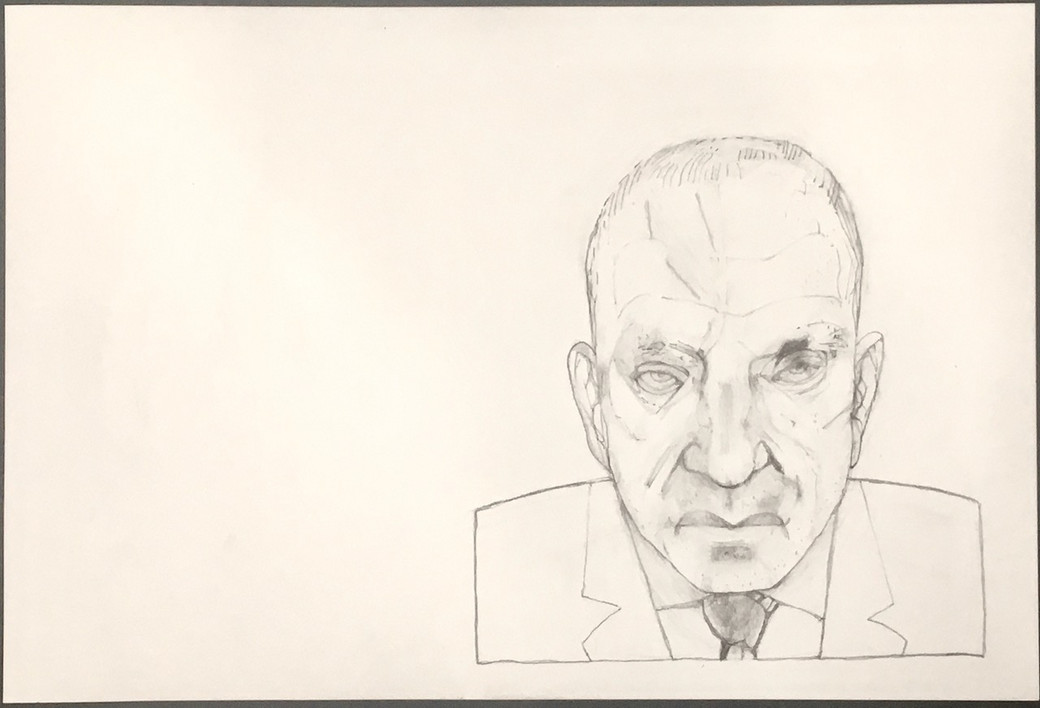
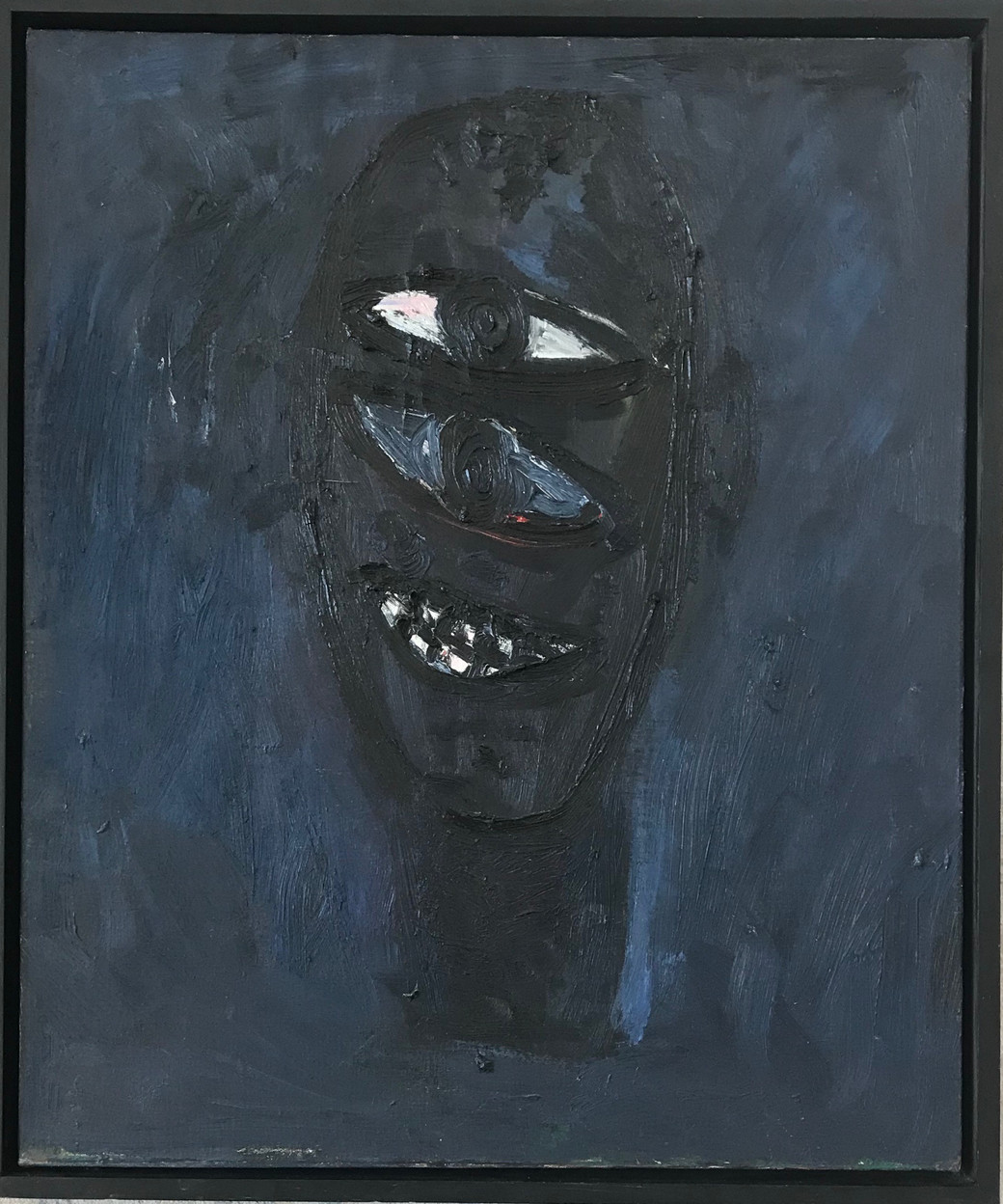
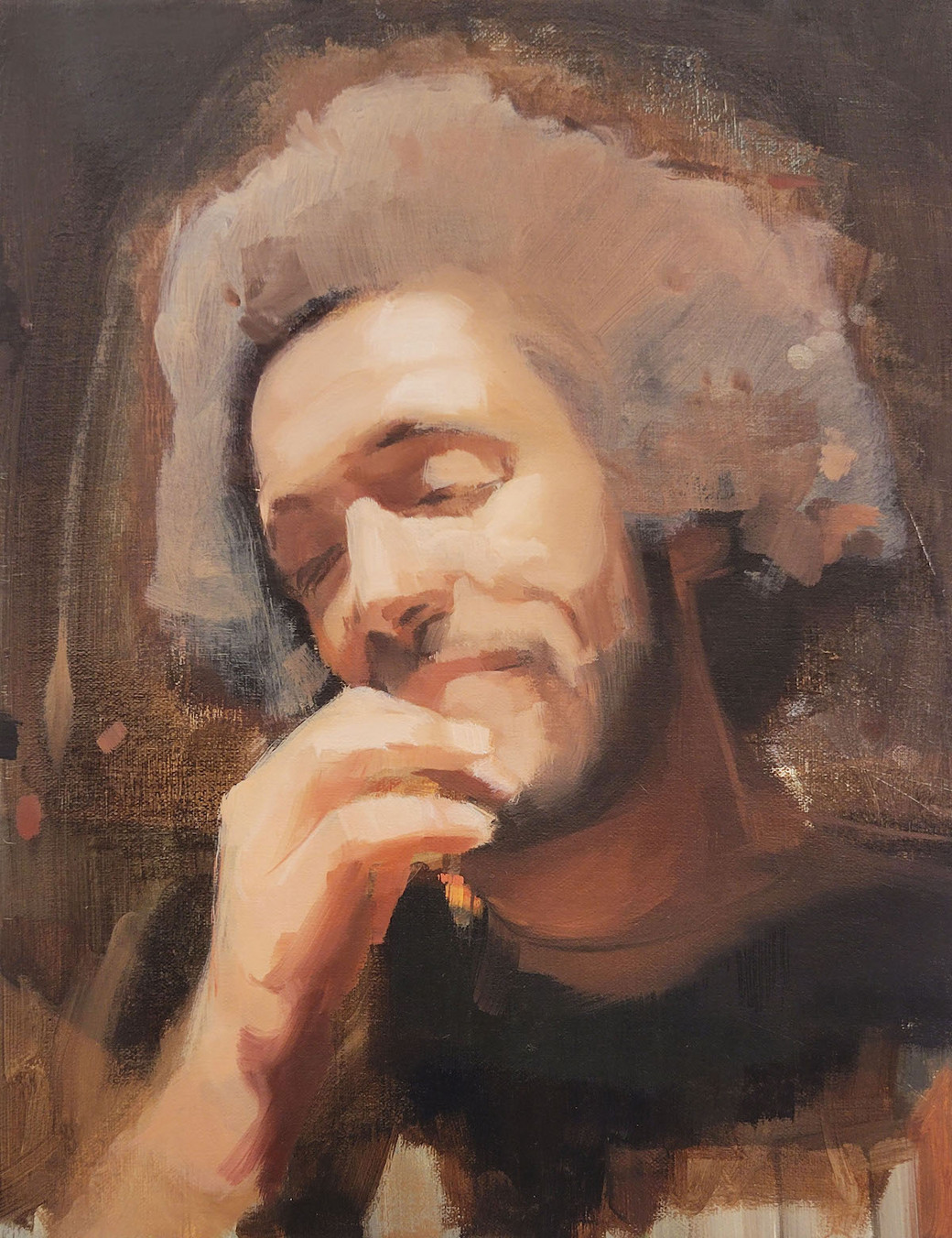
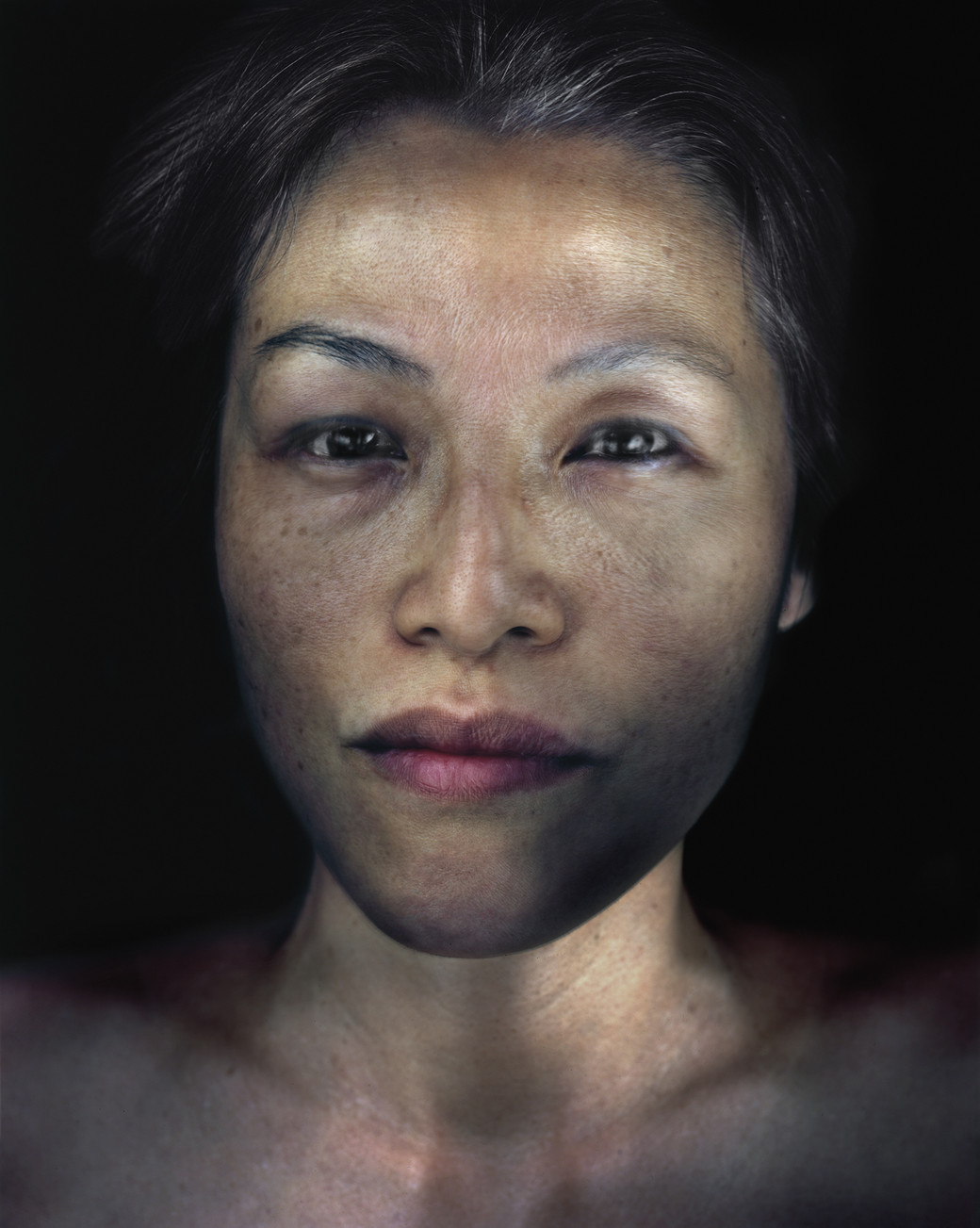
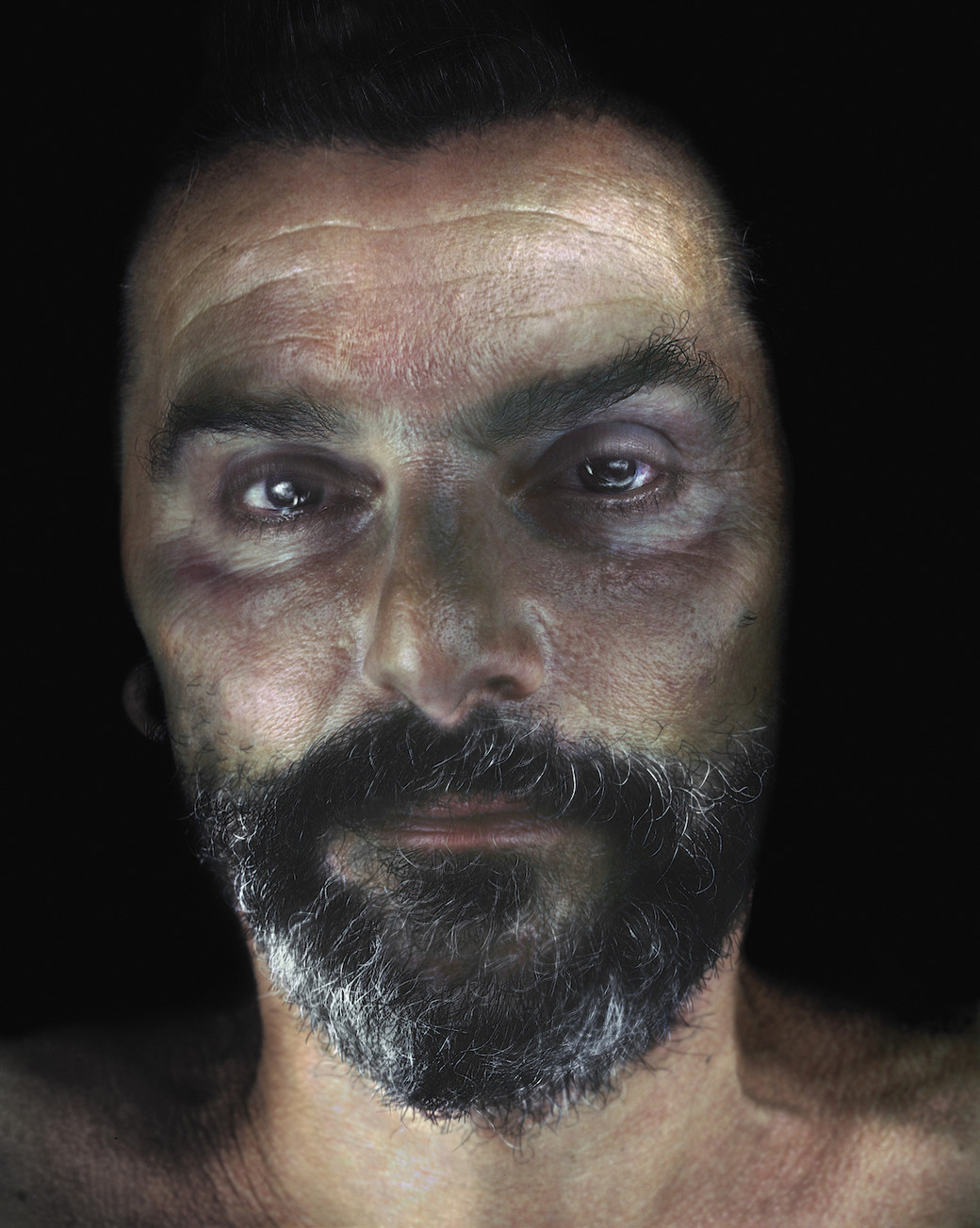
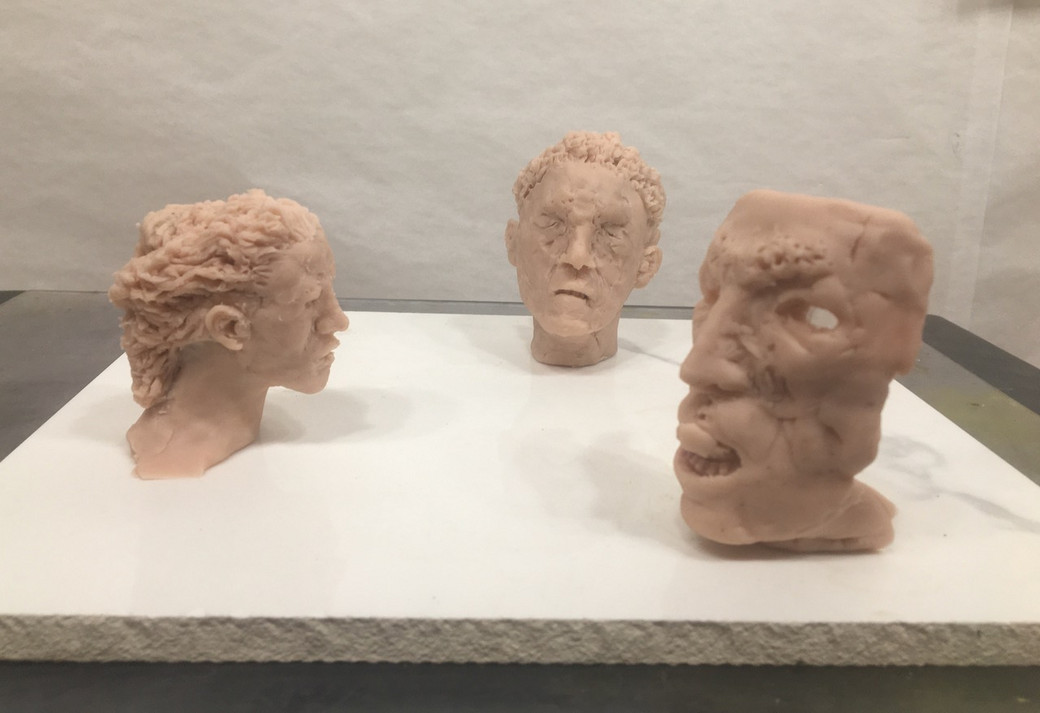
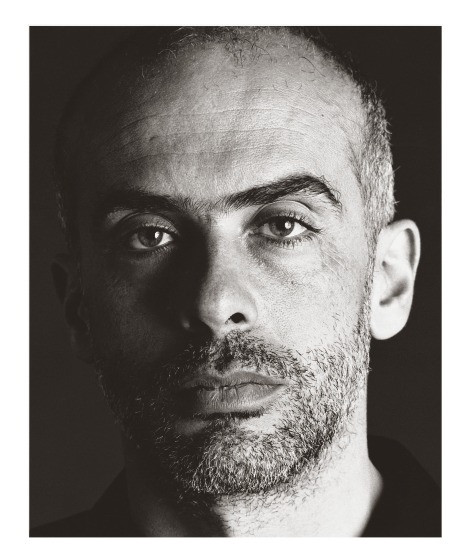
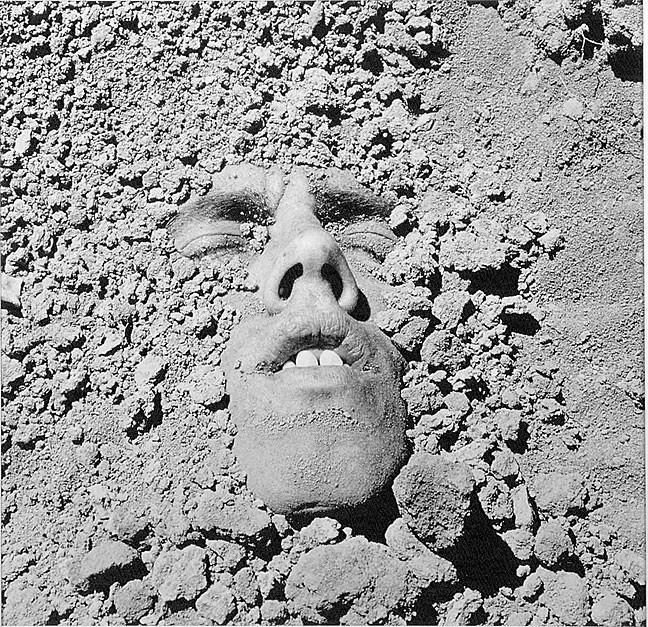
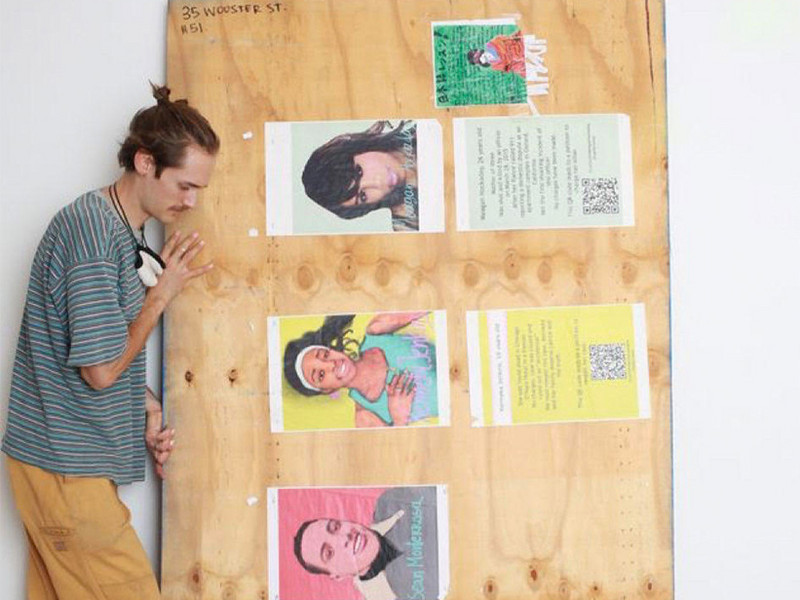
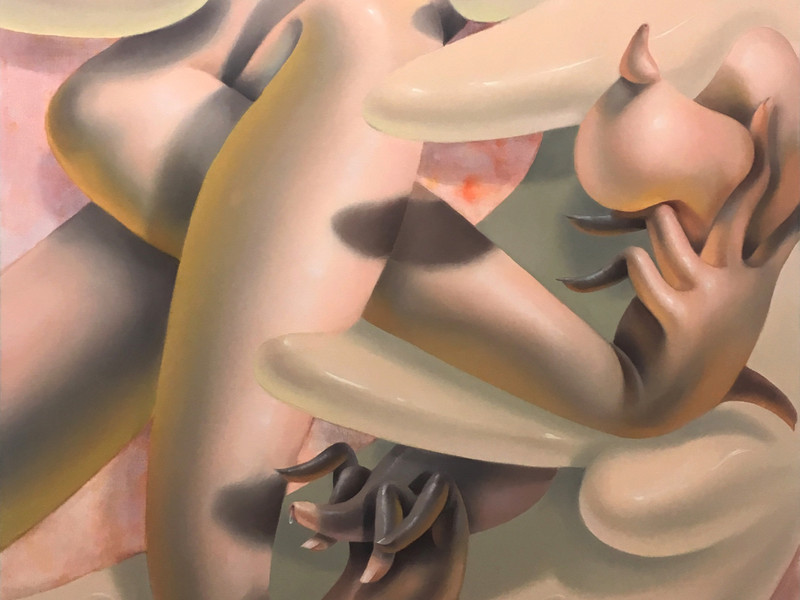
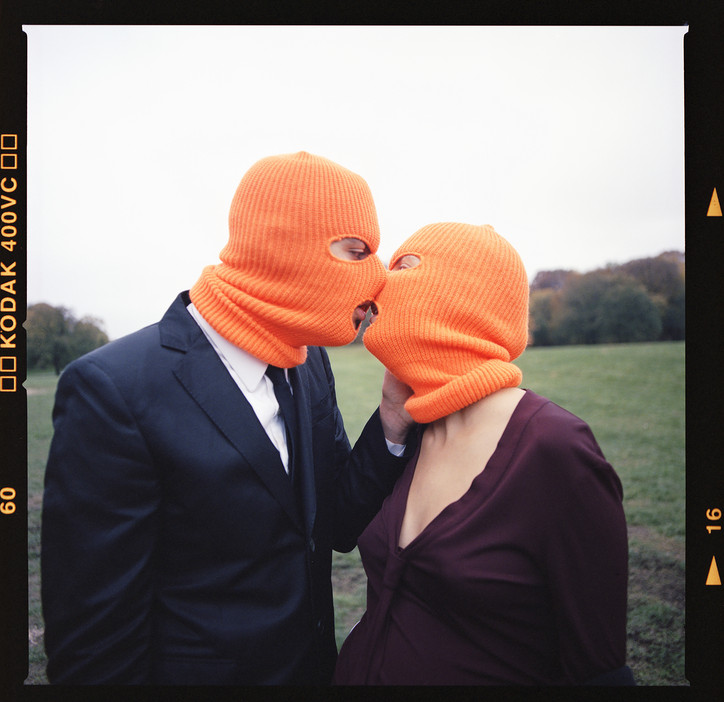
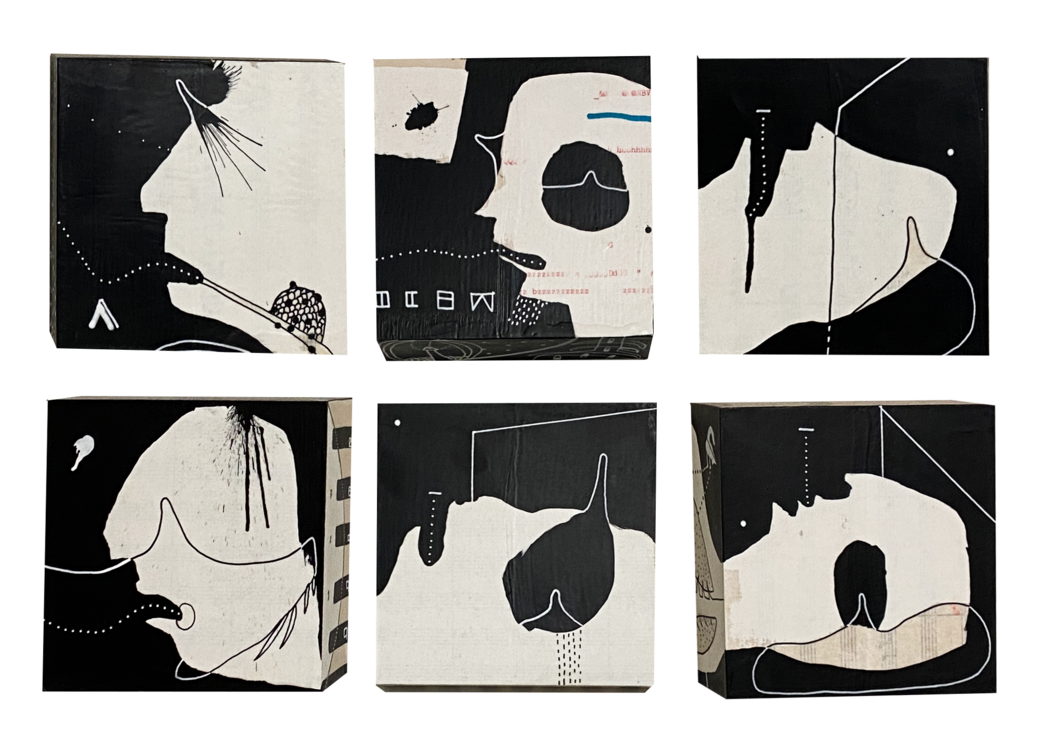
In the exhibition, the face is used as a "lens" to dissect the constructed and fabricated foundation of human identity through their portrait. Each of the artists, more than 30 in name, through a variety of mediums highlight the face as a vehicle for human expression, feeling, thought and connection as well as identity and adversity — topics each have faced and battled in their careers and personal lives, and here channeled into their work.
Hal Bromm, Founder of Hal Bromm Gallery, presented important early shows of contemporary artists in the 70s and 80s, including the presentation of Keith Hering’s first solo exhibition in 1981. Established in 1976, his 10 Beach Street gallery has held New York City’s most historic exhibitions for contemporary artists to showcase the depth of talent in Downtown Manhattan at the time.
In the first installment, Faces I, displayed a concentration on facial expressions and images to disagree with forms of vanity and intellect in classic portraiture. Instead, the work is an acknowledgement of duality as the human condition and contrast between inner emotion and outward performatives. The work depicts expression with subjective emphasis on the difficulty to merge opposing identities, like gender, oppression, choice, and anonymity in rejection to the restraint of Classicism.
The Faces II exhibition will be available for view at Hal Bromm Gallery until March 2023.

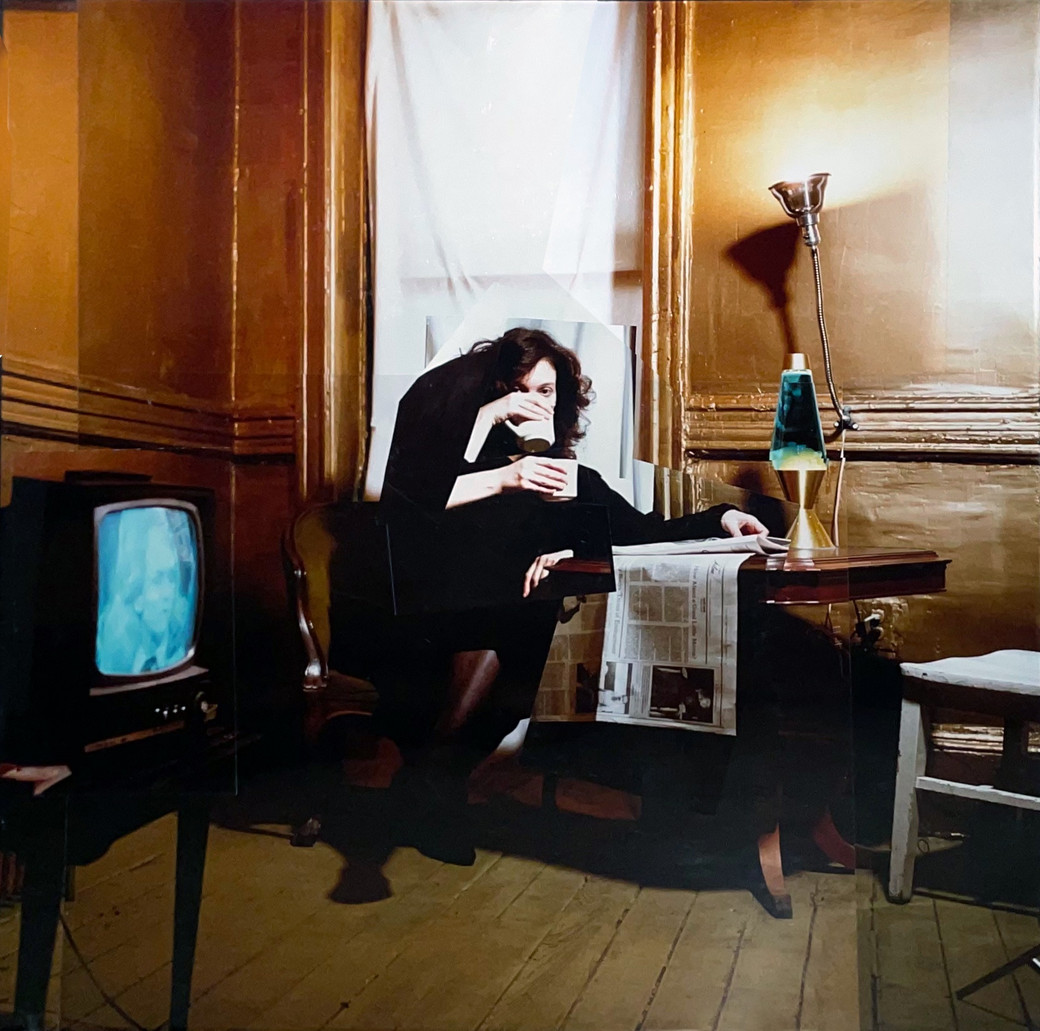
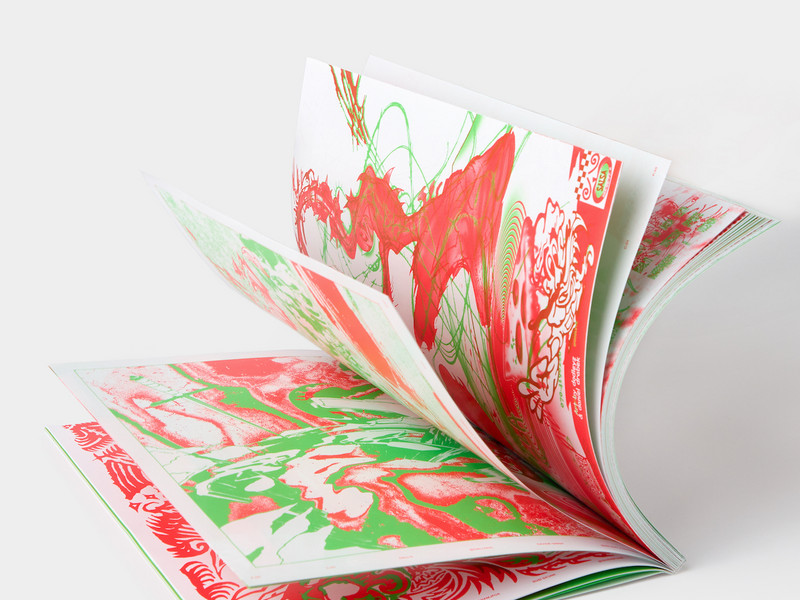
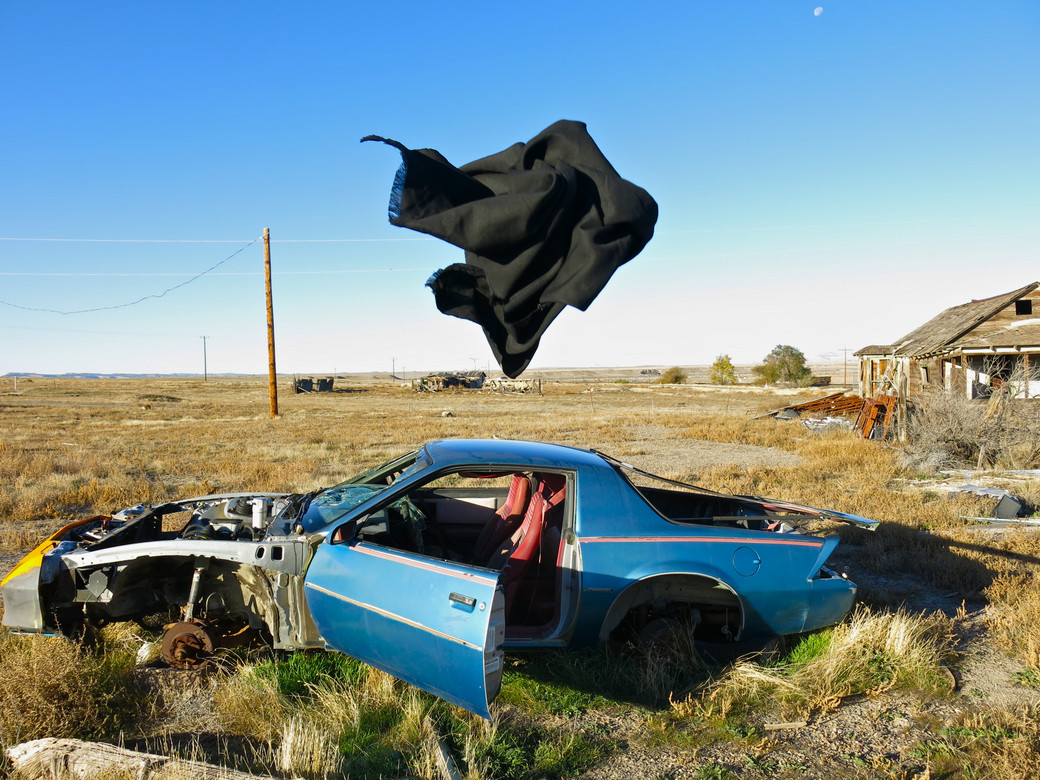
For those of us who are somewhat close to the city's creative circle, or have simply traipsed through Tompkins Square Park, we know Zhu. He is a community activist and organizer, who worked on protecting the park itself during times of recent upheaval and uncertainty for the iconic landmark. Given this side of Zhu, in perusing his photographs and the multimedia installation surrounding them we aren't surprised by their inherent nostalgia, their soft embrace of moments past and in turn the hope instilled in each image that each person, place or thing he shoots be remembered, and savored, for later.
I spoke with Zhu about his debut show, keeping a diary, and what first drew — and what continues to draw — him to the camera.

Where do you feel your work falls on a spectrum from diaristic to fine art?
It began as very diaristic, simply as an extension of my experiences and way of interacting with people. I didn’t consider photography my primary medium at the time. However, throughout the process of filtering through the work and being able to experience it through a more mature lens, my inclination has been towards the more universal and even abstract that reads more as fine art, particularly with what I shared in the exhibition.
How personal is it to you, and if it’s something highly personal how does it feel sharing it in a show and book?
The work is extremely personal. It’s a window into my life and formative years. Everything in the book is from real experiences I was a part of, which I think is important. It’s not voyeuristic, it’s a snapshot into an experience and memory. It’s like sharing a part of myself and my history. I’m also speaking for my friends and community and telling their/our story, which is a big responsibility. So it feels like a huge release to share this chapter of my life. In part because it allows me to look towards what’s next.

What would you say your goal is when you’re shooting?
When I’m shooting, generally I try to capture a moment that will immortalize a shared experience. I think that sentimentality and relationship between the photographer and subject can be felt. There’s an honesty that’s palpable. So people in their essence are what I’m drawn to, along with a sense of movement. Always friends. There’s a romantic element to shooting on film. There's a filter on life that I feel captures the fleeting gesture of a memory, along with the nostalgia and romanticization that comes with time.
In the layout of the book and show, what are you hoping the viewer will see and feel?
The photos, along with the newsprint collages and design aims to indulge in that fleeting nostalgia, longing and melancholy of a time passed and one bathed in a golden glow. The title “Nice Daze” almost ironically alludes to that sense of longing. “Those were the good ‘ol days”. Of course those who are part of this story feel that personally, and my hope is that it also resonates for people who have no connection to this story or to the people in the book. Being young is a universal experience, and I view the culture I grew up with as a tradition. I hope this book will evoke that coming of age experience and also help to inform and inspire future generations of youths looking for that “thing”.


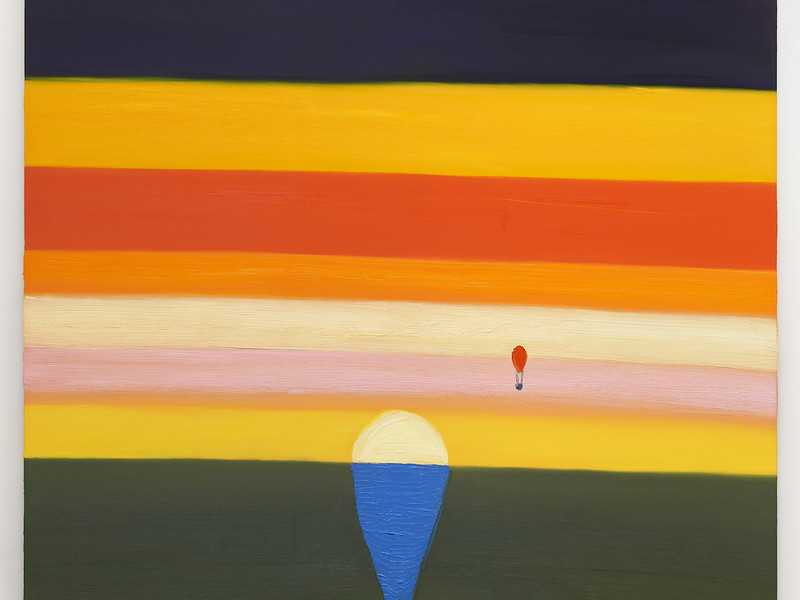
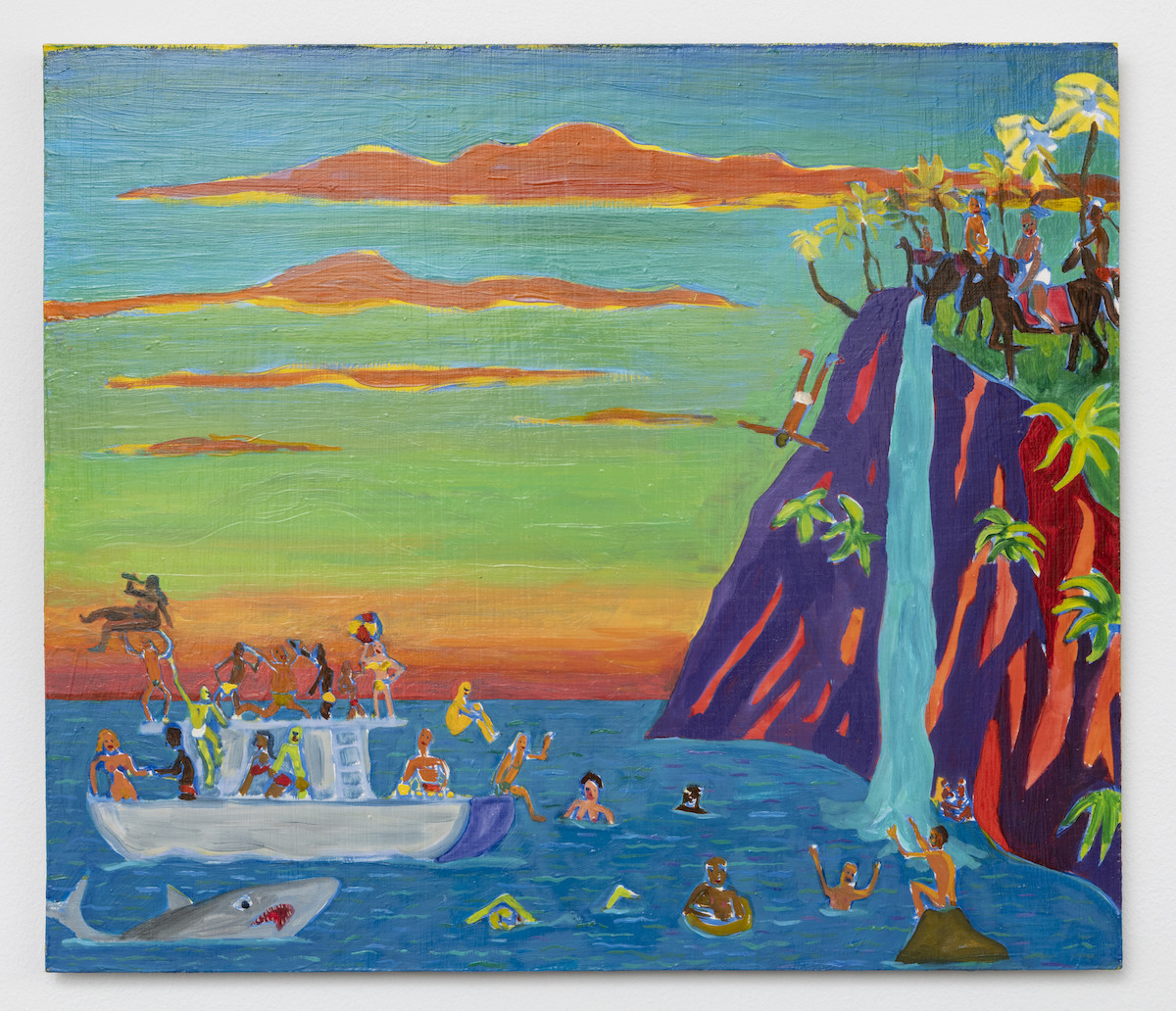
Alexander Nolan felt that pull to nature as well, relocating to Lubec, Maine, after nearly two decades in the city. With latest newest solo exhibit In and Out of the Rabbit Hole he brought a piece of the rural north-eastern pleasures back to the city, allowing us to escape, if only for the amount of time we linger in front of his paintings.
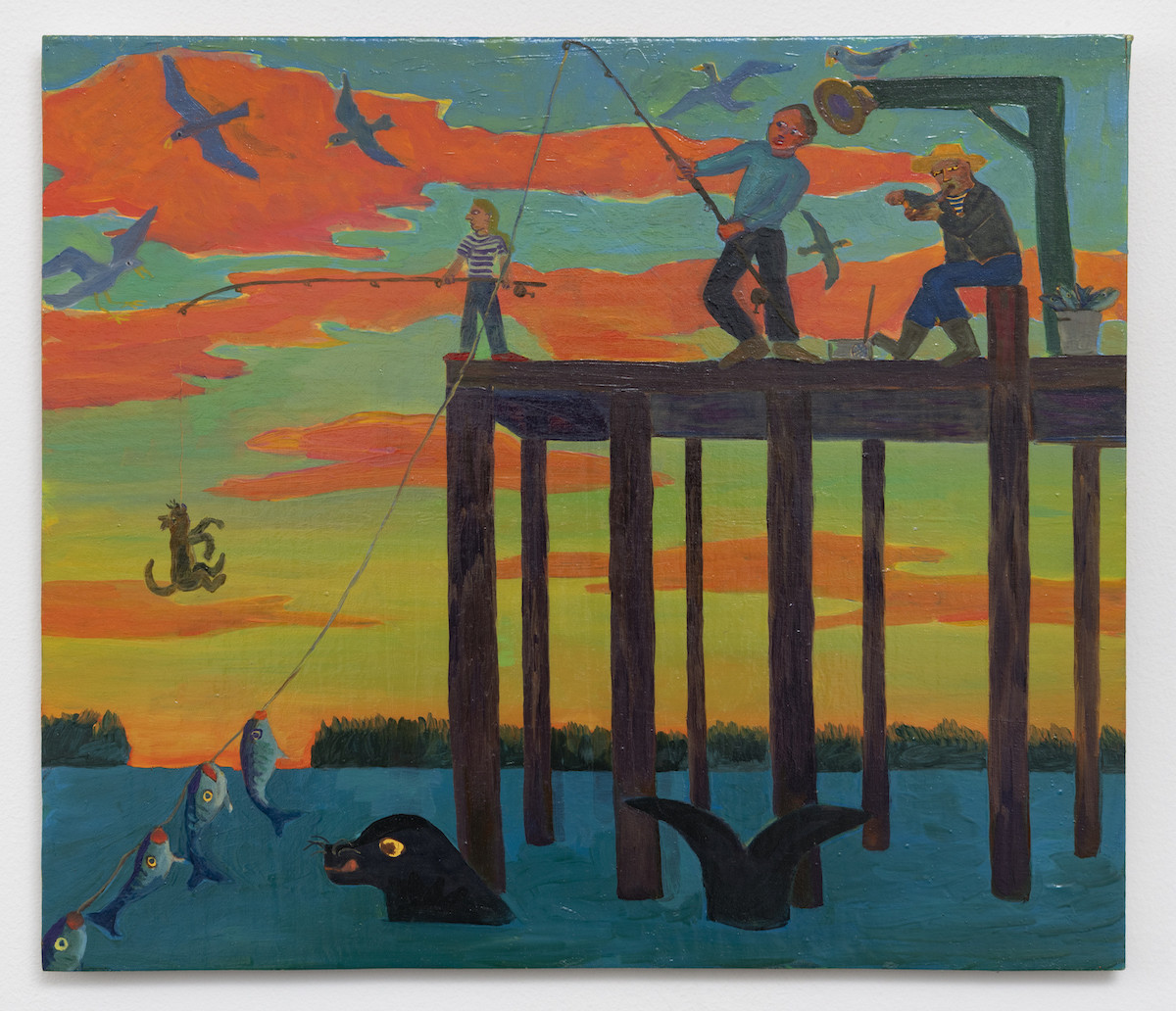
Absent are the laundromats, bakeries, and alleyways of the city we’re used to seeing as the subject of Nolan’s work, instead, he’s turned towards the natural world— giving us a glimpse of the seascapes and orchards that surrounds his new life. Eschewing his typical crop of characters, his human protagonists now share the stage with lobsters, chickens, rabbits, whales. No human, mouse, or fish is arbitrary. Viewing these paintings, we get to observe the tenderness within the chaos of everyday life, we get to escape to a world that is innocent, playful, and sometimes absurd. The work on display is charming and unsuppressed, never overworked or forced— a welcome break from the fast-paced rhythms of New York that lie just outside the galleries door.
office caught up with Alexander Nolan to talk about his body of work and his new life in Maine.

Where do you get your inspiration? A lot of the themes in your work feel almost whimsical.
Sometimes I have an idea and I write it down and then I have a list of ideas. But sometimes it just comes to me. I just sort of sit in front of a blank canvas and sort of improv, I just let my mind kind of follow my instinct. I think a lot of it comes from the subconscious, but its not completely surreal.
Where do you go when you have a mental block?
Right now I live in Maine, so I take a walk and I see water. Being in nature, looking at water, or something beautiful kind of takes you out of your mind. That helps. But, sometimes, you just start working and then suddenly the ideas just come.
When did you first get interested in fine art?
Actually, first I was attracted to music. I played music and learned to play violin, technical things like scales and I thought that’s what I was going to do. I thought, “oh I’m gonna be a musician”. Then in high school, I started feeling like “this isn’t enough”, it wasn’t fulfilling me… I had an art teacher who supported me. Hekept on cheering me on and saying to keep going. The next thing you knew, I just wanted to be an artist. It felt like it was fulfilling to me. I felt like I started a new language that’s special.
You grew up in Wisconsin, and you’re in Maine now, it feels like you’re drawn to nature. Do you think your upbringing in Wisconsin had an impact on your style and aesthetic?
I’m not sure, it’s been like 20 years since I lived in Wisconsin. That’s where I grew up, where I had my childhood. When I was growing up in a small town I would just really yearn for a density of culture. I was looking for this other world. Maybe that’s why the artwork started, to make pictures that transported me to a different world.
What were you hoping that people get from this collection of work that you just showed? Is there an overall theme or feeling that you’re trying to achieve?
Well, I don’t live in the city anymore and I spent a week there when the show opened up, and I was thinking that this kind of feels different from your typical gallery show.. I would like [people] to feel like it's a breath of fresh air— wonder what it is about and get a kick out of it. Maybe have a laugh. I’d like [people] to come into the gallery and walk out feeling like “oh that was worth visiting”.
I can definitely feel like a moment of escape, because it is different from a lot of imagery you see in the city right now. How do you think this body of work compares to previous shows you’ve had, what do you think is different about this collection than previous ones aside from the subject matter?
This show feels like a cycle to me. I started the work in June, so it was made in three or four months. It’s a really tight body of work. It’s kind of funny, but actually my wife is also an artist. We just had a show open in Chicago and that show has a different feel. But that’s a different kind of comparison. It’s interesting, a couple having a show together.
Do you two collaborate a lot?
We don’t collaborate. We just talk a lot. We’re together a lot.

Is this the first time you’ve done a show with your wife?
Yes. Andrew Refits, the gallery we had the show at, he was like “why hasn’t anyone had a show with both of you?” He thought it would be fun. It made sense to him. But, that show has a lot of the panels I made in New York last summer and some older canvases from the early part of the year. It’s different because it’s not a tight group of work, whereas the show in New York has one speed [of work]. This never happens, I never have two shows at the same time. It’s cool.
What’s next for you? What’re you working on right now?
I am kind of excited to start a new body of work— experimenting with materials and seeing where that takes me.