PRESENTE CONTINUO: the intimate ties between then&now

Starting May 30, PRESENTE CONTINUO will be available to purchase on presentecontinuo.com, cpcompany.com, and at the C.P. Company flagship store in Milan, Corso Matteotti 7.
Stay informed on our latest news!

Starting May 30, PRESENTE CONTINUO will be available to purchase on presentecontinuo.com, cpcompany.com, and at the C.P. Company flagship store in Milan, Corso Matteotti 7.

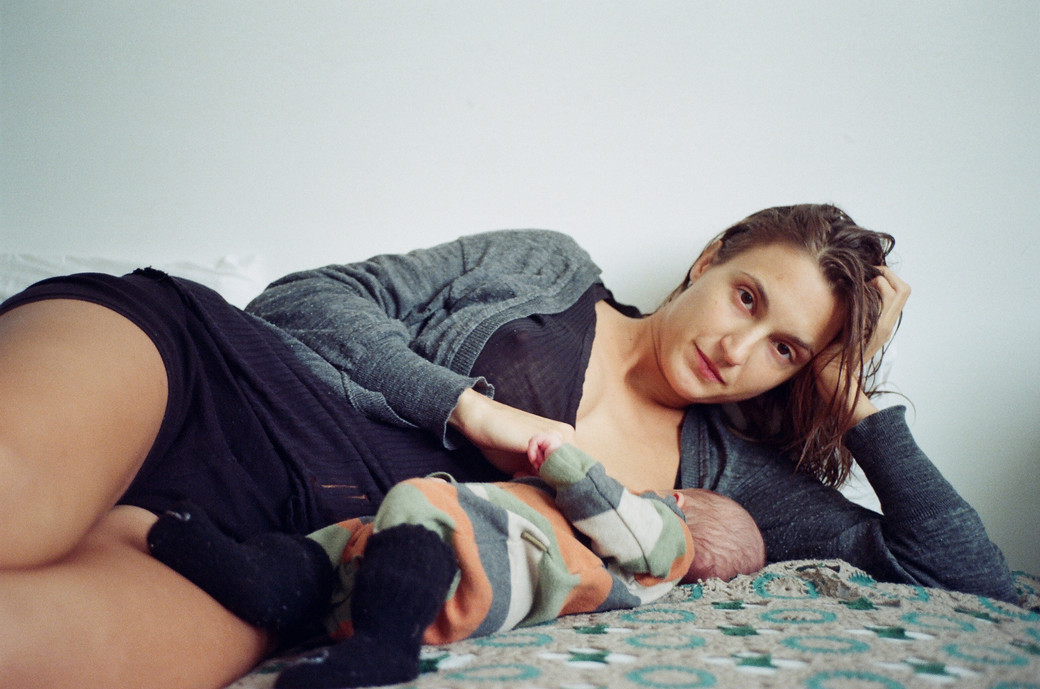
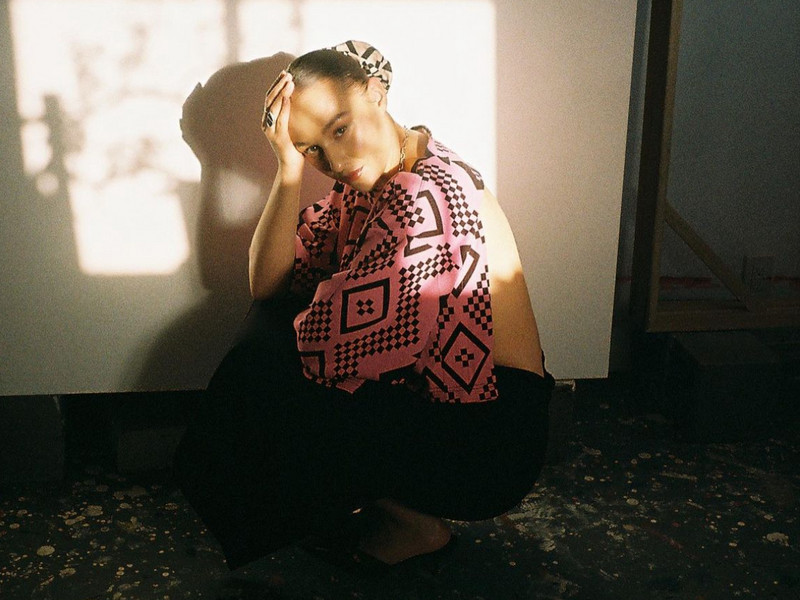
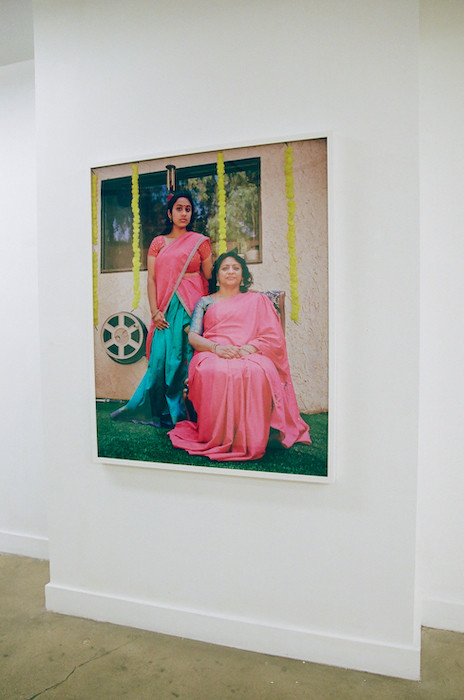
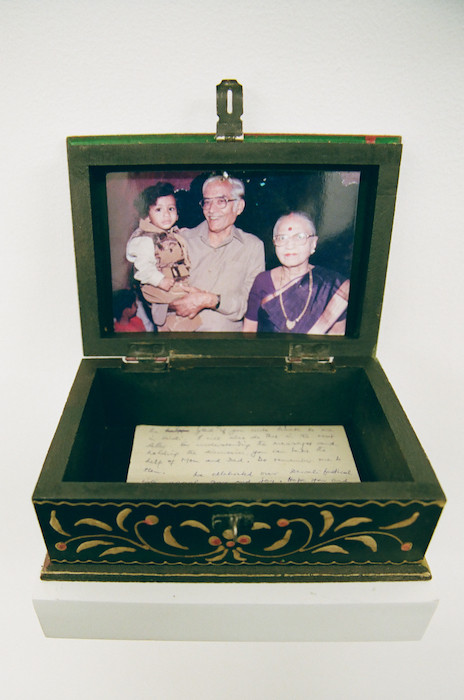
What a journey this photographer and creative director have had. From working in corporate finance and tech to being Frank Ocean's assistant for two years to capturing Lil Nas X's first portraits in the wake of his career— this artist has so many arcs to navigate for her work. She's multidisciplinary, certainly multifaceted, and talented feels like a basic Dictionary word to describe her. Mehrotra's portfolio is layered with vision. Mehrotra broke down her solo show, Affectionately, for office, which was a tribute to her grandfather and family culture and dynamic. An ode to her background and the love that drives her. Although, her career catalyst began with photography quilted through the portraits of artists, the same emotion that drives her work is found in her other queries. In this conversation, the creative director invites us in on her journey of translation and ever-evolving practice.


Recently, you just did your first solo show, ‘Affectionately.’ What was the process behind putting this show together and what should it mean to audiences?
I made this body of work to feel better — to deal with the feelings that came with not getting to say goodbye to my grandfather before he passed. The show was both a commemoration and a catharsis, doing it gave me an outlet for my grief and an opportunity to float between mediums. I spent all of April shooting the work and presented it in May. It was a lesson in creating while the feeling is raw, to cut yourself open in the process. To see it be received with so much love and support has been beyond anything I could’ve imagined.
How does your culture or personal influences drive your art?
My culture, my upbringing, my lived experience, where I'm from, the people I've met and the places I've been all inspire and inform the work. I feel lucky to be able to feel deeply, absorb my environment and translate those feelings.
You've shot artists like Megan Thee Stallion, Tracee Ellis Ross, Teezo Touchdown, and so much more. Is there a difference between shooting artists or musicians in contrast to your personal work?
I don't view them as different. I bring the same energy and approach to every shoot, regardless of who I'm shooting. My intention is to cultivate a generative space that allows the subject to be present and vulnerable.


For the future, are there any artists that you want to work with?
Young Thug, and I would've liked to work with Issey Miyake.
You did creative and video direction for several artists throughout your career. Are you as passionate about creative directing as you are about photography and directing?
I find a lot of enjoyment in the process. If done right, creative direction is an opportunity to really ask questions and get to the core of a person or idea -- then craft an identity from there. What should this look and feel like? Why? Who can help achieve this vision?
If you had to define yourself by an image that you photographed, which one would you choose?
My practice is always evolving. If I had to pick a photo that shows where it's at currently, it would be one I took of two men on a red sofa praying. Both are dressed in white kurtas with their eyes closed, lost in the moment. I feel like it has all the elements — intimacy and presence.


Are there any upcoming projects that you're working on? Any plans to do another solo show soon?
I'm working on a few music videos and writing a short film as well as some album/single covers and putting together a book. I'm working on doing another solo show in the fall and getting some furniture designs I've been sitting on out into the world.
Random question, as you always need one— do you have any recurring dreams?
Since I was teenager, I've had this recurring dream where I'm dancing on a beach in Brazil with a green dress on and a flower in my hair.
How do you know when you've captured a memorable photo?
It's a feeling.
Watch below for her personal short film, 'Grief.' A look into her artistry on a moving platter, drawing you deeper into what she can do.

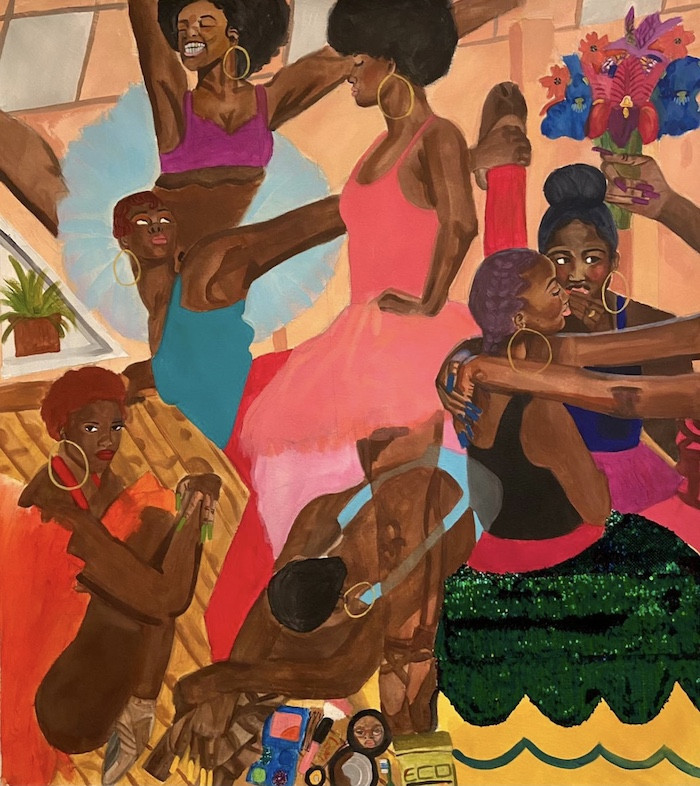
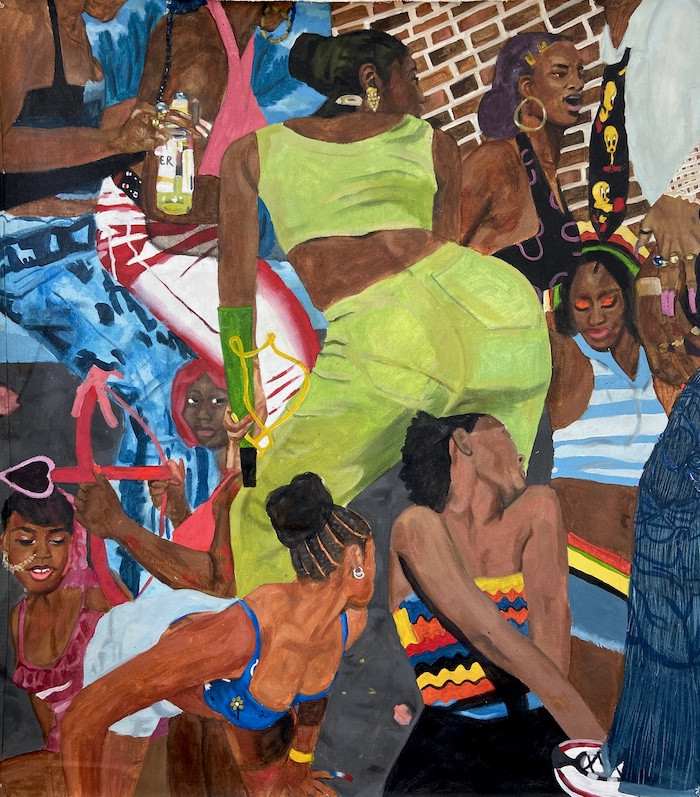
office had the chance to sit down with Emily and discuss the nuances of her mixed-media work, the interplay between self-reflection and a sense of community, and what it means to her to be able to continually honor her heritage through her pieces.
Your work focuses on showing how vivacious and close-knit New York’s Caribbean communities are. How do you encapsulate such a colorful, familial community just within the scope of a canvas?
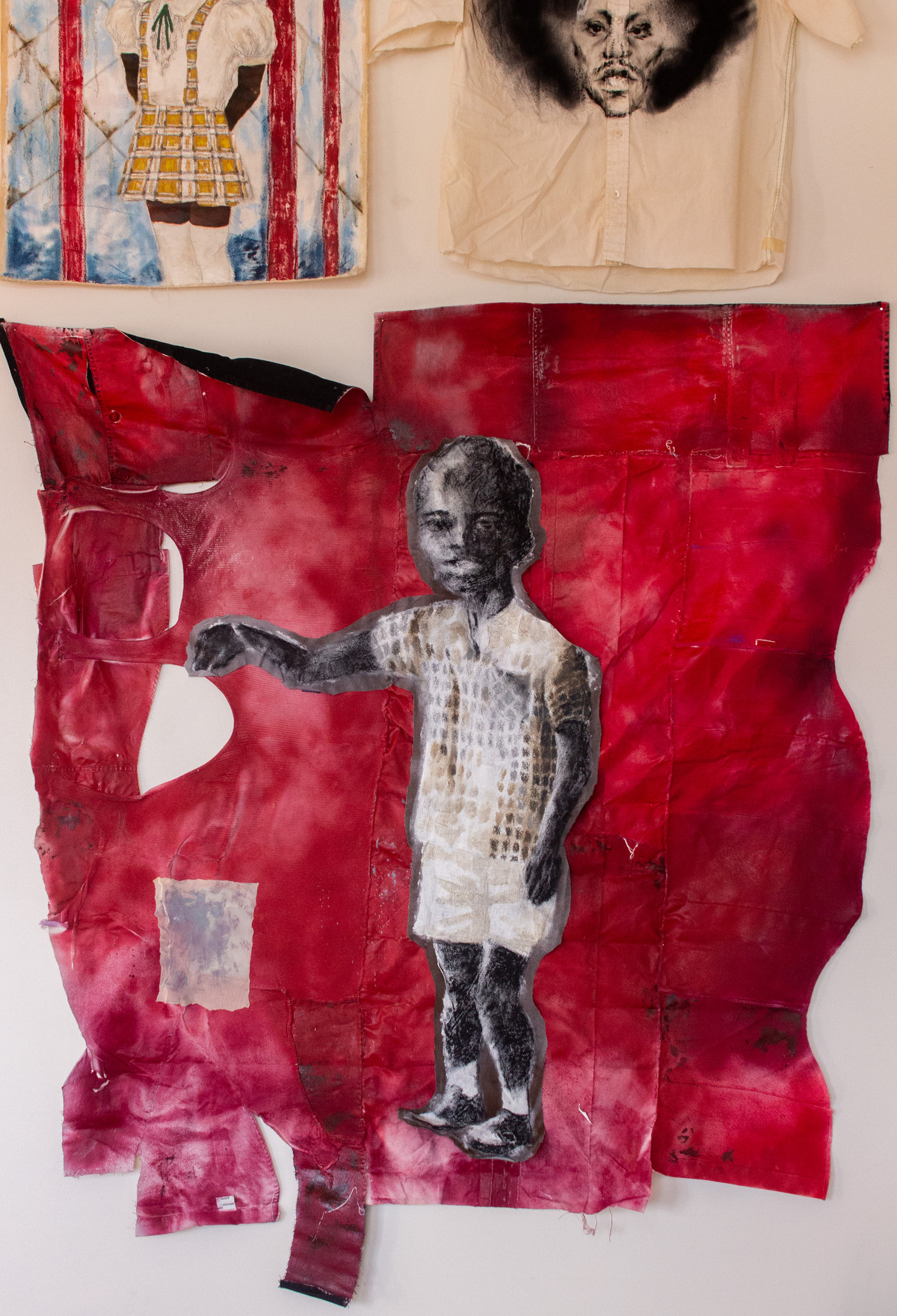
Spending time in communities like Flatbush and Jamaica, Queens emphasizes the time I spent in Haiti and Trinidad. In these communities, I get a true sense of home, from the conversations I have with others to the food from the family-owned shops. The time spent in these neighborhoods is very intentional as I think about a way to commemorate and honor these spaces. I think about my work existing in Caribbean homes and aunties sharing and passing along my work. For me, each piece conveys thoughts on how I can memorialize moments in my life that make me feel at peace and at home in my heart.
What does true joy mean to you?
True joy for me looks like hanging out with my friends, dancing to a song that holds a specific memory, eating something that reminds me of where I’m from, talking about something I’m passionate about, and watching a movie from childhood. The truth in joy transforms our existence; it is a renewable source that bridges us with one another.
When you do feel undeniable, unbridled joy, how do you portray an intangible feeling as such in your work?
Through color, I am able to physically depict this intangible feeling. Selecting colors and associating them with each emotion allows me to create a full image of vivaciousness. The 3D materials I use in each painting are a very joyous additive; they help the work become more existent. When I form a collage for my work, I look at the expressions of all the people and how they communicate with each other. The paintings contain a lot of the actions and movements that remind me of joy.


Your paintings resonate in such a profound way as they conjure feelings of nostalgia, even if depicting a place or moment that viewers may have never experienced themselves. How has your use of vignettes portraying everyday life helped you work through your own past, experiences, and relationships?
Nostalgia is like the key to anyone’s heart; its ability to unlock the memories of our lifetime helps us navigate our experiences and relationships. Viewers take this journey with me from my childhood memories to futuristic ones that have yet to be physically proven but feel precise in the heart. These vignettes become records of celebration, where I have been, and who I spend these precious moments with. My paintings begin to function like a photo album, images that are not set to one specific time but contain all from one’s life. To take an ephemeral adventure and create longevity with these beloved moments allows me to honor my memory and give thanks for these occasions. It has been very healing for me taking time to paint these vignettes.
What is the most significant lesson you have learned about yourself and your identity through your ever-evolving artistic experience?
I learned that you can begin again over and over. I’ve learned to start over whenever I’m faced with a blockade. The lesson of “what will be for you will always be” helps me to think about my ever-evolving future and how ablaze it is. Thinking about each day one day at a time keeps my peace within arms reach and allows me to understand my artistic practice at the pace I’m comfortable with. I’m attentive to the many lessons I’ll learn along my travels.
What do you hope others gather from your work? Do you hope it inspires a similar process of self-reflection and realization in viewers?
I'm hopeful that my work inspires others to love the ones around them and hold them close tenderly. I hope all my Caribbean people see my work as a shoutout to them and me giving thanks to the culture I was brought up in. I think the process of self-reflection is important in making my work universal. I enjoy viewers looking and thinking about their families and the memories they share. I remember at a gallery show, a grandmother came up to me and told me this painting reminded me of all her grandchildren and that she had to show them — that, to me, is the highest accomplishment in my eyes.
I’ve read that along with your upbringing and those close to you — a large part of artistic inspiration for you comes from music. If you could design one album cover for an artist, who would you choose?
Yes! A lot of music keeps me going in my visual practice. Just listening to music and dancing in my studio helps me paint. That was my first love. I was singing before I even picked up a brush. My favorite cover artists are Robert Springett who did work for Herbie Hancock and Corky McCoy who has done work for Miles Davis. I would love to design cover art for Kelela. I can envision the cover already, with a dynamic composition of women taking up volume. Another part of me wants to time travel and do a cover for Diana Ross for all my 70s babes.
As a young artist, you have so much room to grow in your craft still. You’ve worked within the mediums of painting, sculpture, and collage — is there any other method you’d like to try?
Somehow, I would love to incorporate more music in my visual practice. Thinking about how sound can exist in my work is something that I’m beginning to open up to. Dance as well is a medium that transforms space and carries the same movement held in my paintings. Also, a lot of the work my dad makes through architecture interests me in world-building. I wonder what it would be like working with him on something. I can also see myself going back to school for culinary arts to be able to make the dishes I enjoy and take on art visually in that realm. Art is so vast in that way — there are so many different mediums that become languages for your overall message. I believe I can do it all — there’s a lot of life to live!

At this moment, you’re like a well-kept secret ready to make its grand entrance. How would you like to introduce yourself to the world?
Ideally, in a cloud of smoke, some thunder and lightning, and something tragic playing softly. I wouldn’t have anything specific to say, as long as my presence is felt.
Since you started out, how have you developed the style and themes within your work?
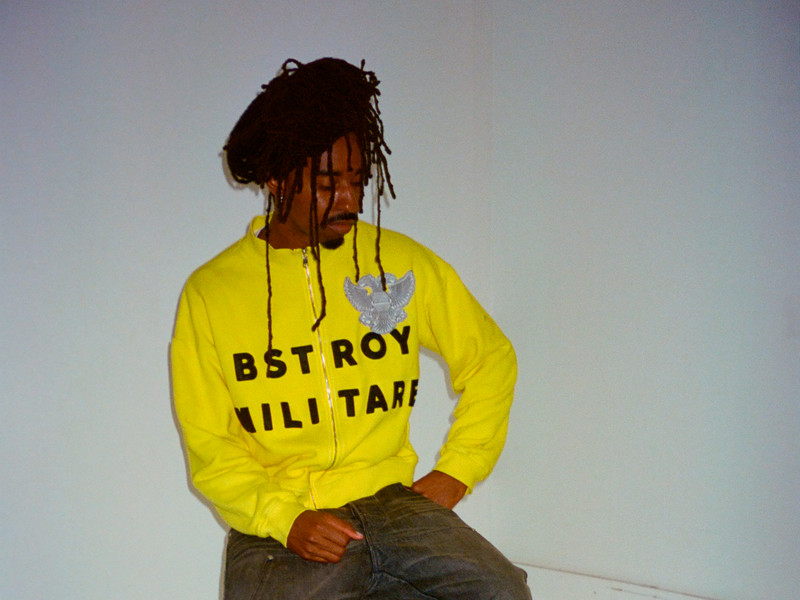
I have always been someone that has had an intense internal world. Fantasy has pushed me since the beginning, so it was only natural for my work to take its form. The process of getting to this point was just me focusing on specific feelings that caught my attention the most — currently using religion, romance, metaphysical, and familial ties as concepts.
Like many artists before you, you dropped out of school to pursue your craft exclusively. How has that been for you and your practice?
It’s gone well so far. In my opinion, a fundamental piece of being an artist is studying, so I don't feel like I’ve missed out on anything necessarily. The other artists I've met along the way became stand-in teachers just by being enthusiastic about their own work.
You recently had an art showing at a local art exhibit in Richmond, as well as having some of your artwork being sold; how was it having the public perceive you and your work?
It was very odd, honestly. Obviously, I am thankful for the opportunity and appreciative that people want to look at my work at all. It produces a weird feeling because I never intend to sell when starting a piece. However, watching people walk up to my paintings is extremely heartwarming. That moment is probably the most enjoyable part of being an artist — apart from creating the work of course.
Is there a specific goal you’re trying to accomplish with your work?
Maybe to appreciate the world around you. If you start to pay attention to the things around you I think you’d find a lot more is meant to cherish. I think my goal is first nostalgia and second romance. Something that tugs at the back of your mind. Like a baby photo of yourself. It looks nothing like you now, but you know it is you, so you cherish it.
In your works, you use a variety of materials to convey your message. How do you choose a certain type of media for each piece?
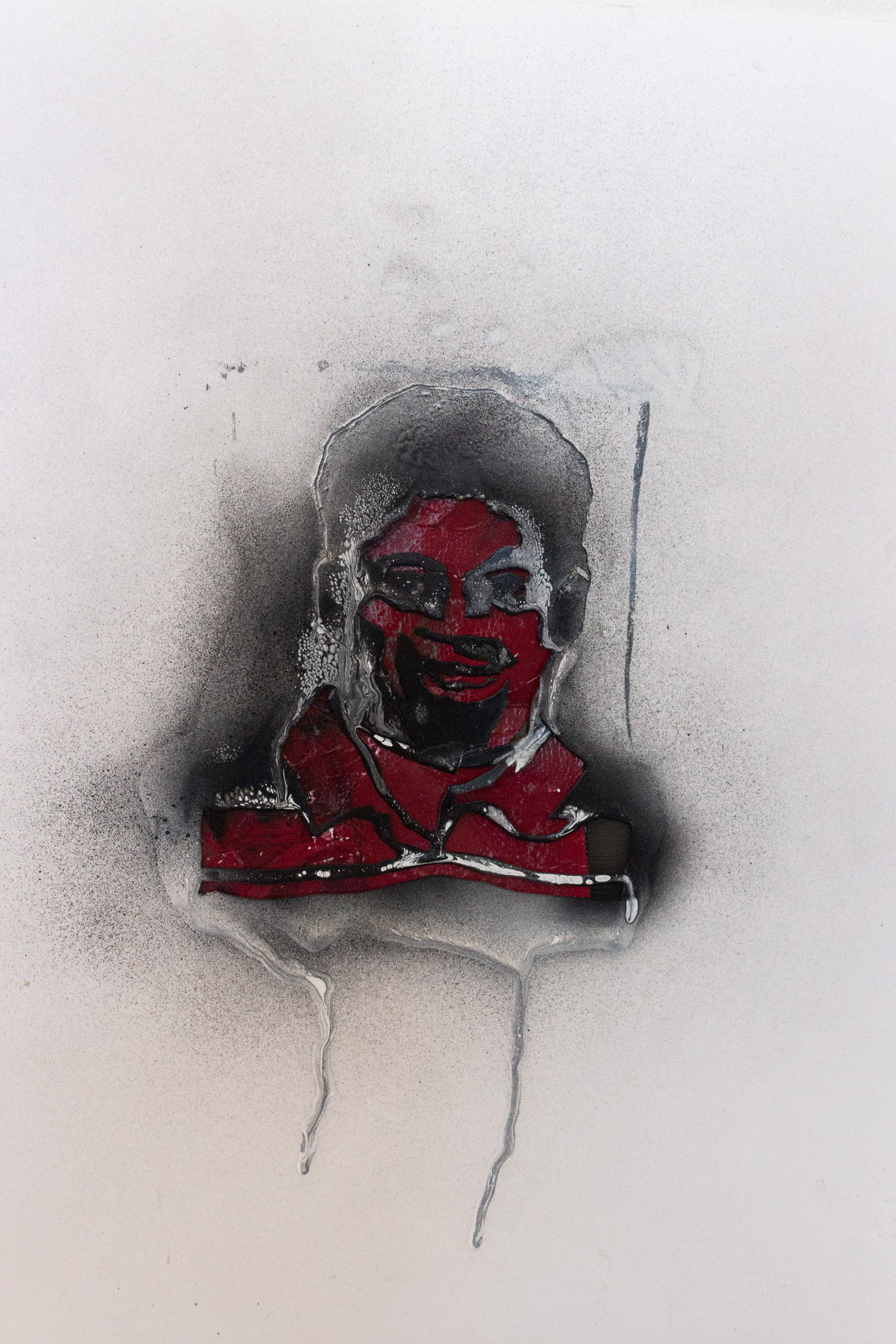
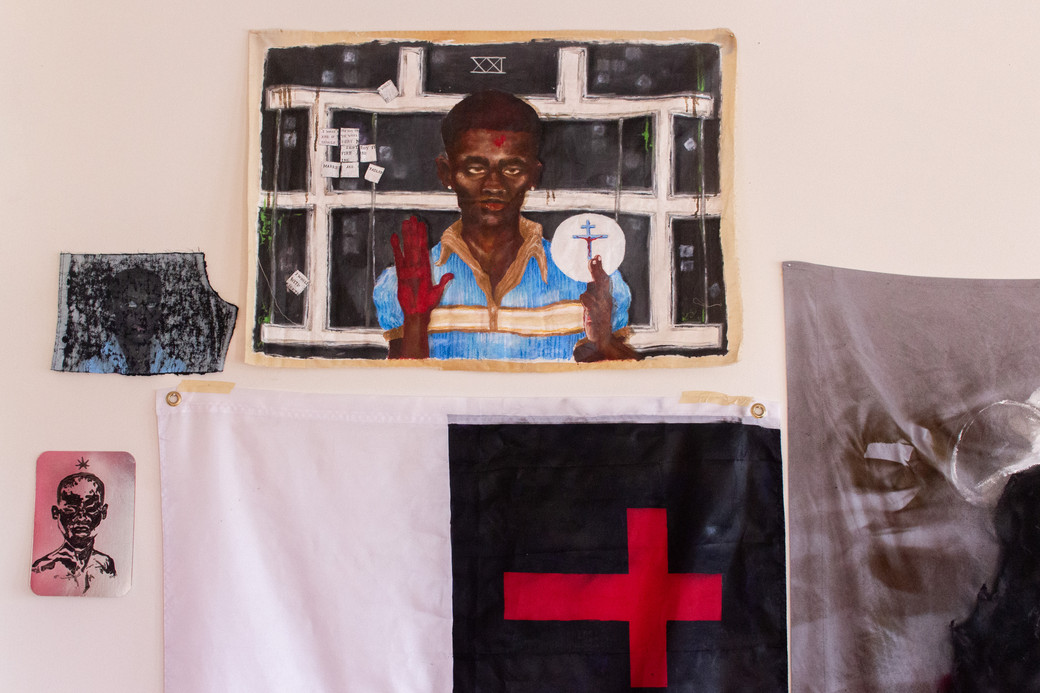
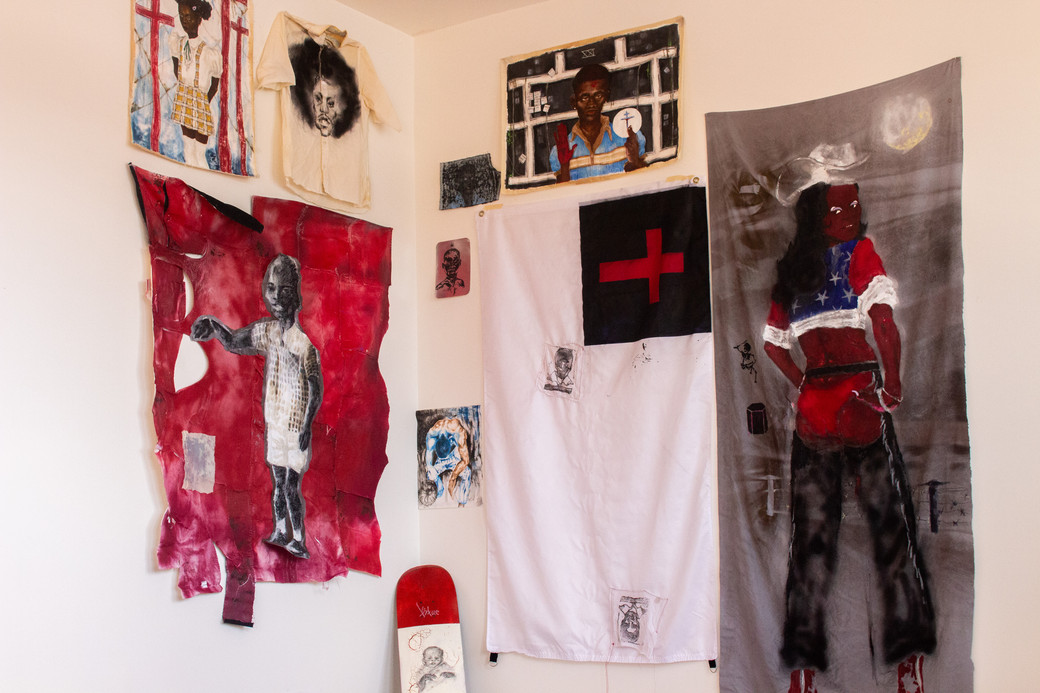
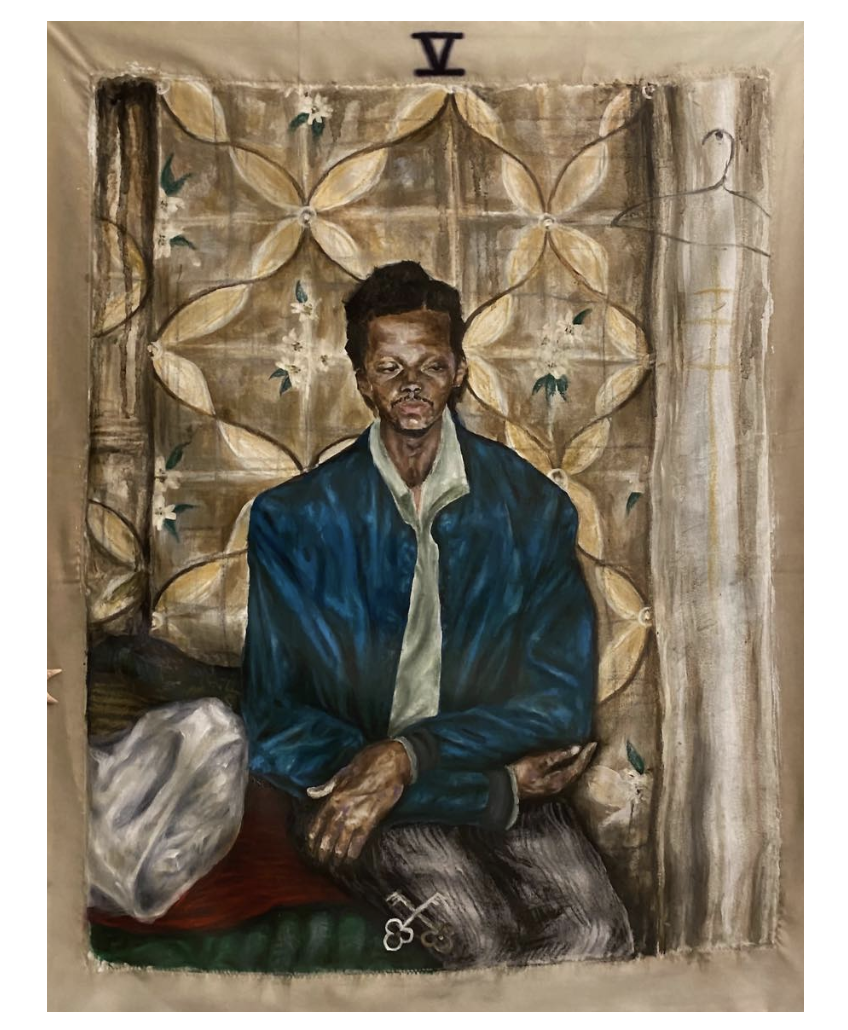
I often paint on bed sheets, pillowcases, and things of that nature. I think it brings a sense of comfort and familiarity to the work. To me, it feels overdone only to use canvas, so I align more with making art from found objects like discarded wood blocks and so forth. I guess I enjoy giving things a second chance. Other than fabrics, I don't really plan once I've started a piece. Recently though, I have been using oil pastels a lot more... I do whatever I can to get a feeling out. Mostly through my painting work, but I am interested in and play around with design and sonics often. They are kind of secret projects that I don't really share with anyone but my close friends.
Your work entails that you have a very complex relationship with religion, with a lot of your works giving nods toward biblical stories. Would you say religion has played an important role in your life? Is your art a reaction to your experience with faith?
Very much so. I don’t think religion will ever not be a part of my work. I personally am not a believer in anything specific. Religion, to me, is just something you are taught. I was raised to believe in something, so I can't really rewrite my brain now. Short answer: It’s complicated.
Two pieces that stuck out to me were “Cain” and “Abel,” which are clear references to the Old Testament story of that same name.
Cain was the first work of mine that held real emotion. I was dumping everything I had into that painting. He is very important to me. The work really set me on the path I'm on now. Cain was just all negativity, it was everything bad I was feeling at the time towards my friends and family members. And then Abel came after that, and that was just the regret I was feeling to the people I was supposed to be loving towards.


In many of your pieces, your figures look perturbed or afflicted. What kind of emotions are they a reflection of?
I don't know if they are afflicted with anything but heartache. Most of my work revolves around love as a concept. Perhaps my perception is a little more melancholic than normal.
What was the last movie you watched that reinforced your view on love or otherwise tore it down?
Everything I experience reinforces love. I’ll find love in anything. That being said, there's this one scene from a movie called Super Dark Times where the main antagonist kills his best friend. The best friend's reaction is really what catches my attention, though. Instead of fighting back and trying to save himself, he mumbles “I love you” before the person closest to him takes his life. This particular scene just stuck with me ever since I first saw it. Not sure if it’s necessarily moving me towards a greater or lesser view on love or even romance.
Relationships seem to be a driving force in your work. There is this air to some of your pieces that scream “obsession.” Is there a couple out there that you admire?
Recently Yoko Ono and her relationship with John Lennon. I like them together. It seems like gravity between them. Choosing to be together even if others disagree. They complemented each other perfectly. It was like this beautiful, twisted marriage, where John moved over to making artworks and movies while Yoko Ono took over his role and started creating experimental music... But I don’t care about The Beatles.