PRESENTE CONTINUO: the intimate ties between then&now

Starting May 30, PRESENTE CONTINUO will be available to purchase on presentecontinuo.com, cpcompany.com, and at the C.P. Company flagship store in Milan, Corso Matteotti 7.
Stay informed on our latest news!

Starting May 30, PRESENTE CONTINUO will be available to purchase on presentecontinuo.com, cpcompany.com, and at the C.P. Company flagship store in Milan, Corso Matteotti 7.

For those readers who don’t have the pleasure of knowing you personally, who are you, and how did you come to found TherapART?
I'm Ashley, Ash for short. I am love. I am a sister. I am a friend. I feel so blessed to be in this life to be on this journey and have been fortunate to go through everything I have gone through as it has my inspiration to go on this journey to create, serve and spread love. I’m a trained yoga instructor, meditation teacher, movement educator and the founder of TherapART— a 501c3 non for-profit organization that amplifies unheard voices and creates safe spaces through art and creative expression. My own lived experiences with a sibling suffering from drug addiction prompted my journey to self-discovery. Through dance and movement, I found healing and freedom. My work focuses on free form movement and meditation as a way to heal the body, mind and soul. I now bring these practices to both corporate and non-profit environments such as The Class, Soho House, Good Move, Young New Yorkers, and Neon Summer teaching meditation, movement and art therapy.
I'm really fascinated by the concept of how we carry things through life with us. And the more I learn about your modality it seems that you’re investigating a solution for us to not have to carry everything, all the time. So that everything's not so heavy. How did you come to dance as a form of processing and letting go of what you've been carrying?
Yeah. I’ve always danced, but I try to explain what happened without sounding like I am fucking crazy, but I literally just started listening. Listening to my soul and listening to my body. I was reading the Keith Haring Journals, and it's where I got all this inspiration from. He talks about never reliving the same moment twice and as I continued to read I received all of these downloads. Therapart was kind of born after that and my original idea was to raise money to send my brother who suffered from drug addiction to rehab. And really then I just literally started dancing in my apartment. I can't really explain what happened but I was just a vessel and it was like someone was trying to come in and communicate to me and through me and it freaked me out so much. I got really scared and it felt really vulnerable. And I was like, who is that? And so I started to record myself to actually study the conversations that were happening through my body and also through my mind and through my face. And it was just so interesting. I mean, that's kind of how it all happened and I just started doing it more and more. And I started to kind of correlate, okay, well, I felt like shit today. It's because my boyfriend, or during that time, actually, I was going through a really hard breakup. I had just had an abortion. Like, it was just all in me and I just wanted freedom and I didn't really know how to find it, but I kept realizing that every single time I danced, I felt light. I felt good, I felt free.
What did you feel after that initial exploration?
I felt a little freer, but what I did realize was, it was really dark. Like what was coming out then was really dark compared to how it is now, you know? And I almost had to be in a really dark place to kind of get that movement and to get that, find that freedom within my body. But now I've kind of learned how to separate and how to control it in a sense, before I felt like I wasn't able to control it. And it felt like an exorcism, to be honest, but the more I controlled it, the more I worked with it, I was like, whoa, this is something, and there were times when I wasn't able to translate it. I remember when we were making the film and Mads was like, try to try to explain to me, like, what's happening and what's going on. And I just couldn't. And now that I think about how I've translated it into an actual method that actually helps and actually works, It's like mind-blowing.
It's funny to say this in an interview because obviously, this will be all words, but some of the best things don't need to be put into words. It's more of a feeling, an experience. That actually kind of leads me to my next question. In our culture, especially as a woman, dancing has this tendency to take on this relationship between performer and viewer, even when we don’t wish it to. How did you detangle your relationship from the performance for it to become something that is only for you?
It's funny because I really blackout. I actually just recently watched the video and I am completely in another place. I'm completely gone. And there's something that just happens where I'm like, it's just about my body and I'm talking to my body and I'm like praying for my body and praying for my mind and using dance as prayer. So it's almost like no one else exists. And I think that's the only way that you are able to really tap in and embody. A friend of mine asked me, well, like how do you do it? And I'm like, I don't know necessarily, but I can help you. At first, you have to meditate and let those thoughts go. You have to not worry about anyone giving a fuck about what you look like because it's not about anyone it’s for you, you know? And I used to be there raw, like in my fucking underwear and just crying and I would have breakdowns. And I think that for me, I was just able to go back to that space. It was like when you're super-concentrated if you're like sculpting or doing art, or you know when it doesn't even feel like you're doing something. I also wanna protect that space because I think we all, when we're in, you know, ceremony, for example, we're all going on a different journey and we all have different things that come up for us. So you really need to stay in your own heart and really protect that space because I don't know what you're going through or you don't know what's happening within my body or what's happening in my womb or my heart, or what thoughts and feelings and emotions come up. We actually just had a class, which we call “Ceremony of You'' a few weeks ago and all we did was scream.
Okay, I need that right now. I keep it asking myself, like, where could I go? And just like scream really loud where I wouldn't alarm anyone?
Exactly. And it just happened like normally when I like to hold space, the only thing that I kind of prepare is the playlist. And I try to build a story with the song. So you kind of find the frequency in your body, you know, like, so you can find the notes in your body or a beat or you can catch something .. almost like when you catch the holy ghost, which is reference used in black church, like something some entity is moving through you, that's what I would compare it to. But we were listening to fucking Kanye I think it was New Slaves and just started screaming and we were like frothing at the mouth and stomping and crying. And like that release in itself, just like shaking and crying. And like you end up blacking out because it's something that we don't do. We should be crawling on the floor and like being as animalistic as we are because that's who we are in our nature, you know? Like sometimes when I dance, I make these crazy faces, it's literally like, someone's trying to get out of me. I think it's important for all of us to try to go back to being the animals that we are.
We’ve all been living in such a collective state of high stress, I think we all need that right now. I’ve been doing deep dives into the benefits of allowing your body to tremor during trauma, or even after as a means of allowing the body to process it thoroughly as animals do, and I feel that dancing has a very similar benefit.
Yeah, like whether you're dancing or trembling or whatever, it's like finally you're like dislodging these things from your system and the vibrations. Even just using your voice. We did a toning and we were singing and using the voice and so much energy was stuck between the heart space.
I want to go back to something you said earlier when you said it feels like something's channeling through you. When you’re dancing, do you ever receive visuals where you're like, okay, that is an ancestor, like, that experience is not mine, but it is mine, but I've never been there before...
One hundred percent. And it's really funny because it's heavy male energy. Like it's heavy and I feel it, and it's like this masculine energy, but I know that it’s not me. I've kind of learned to work with it and kind of invite them in, in a different way, you know? I feel like before like I said, it was really angry and it was like, they were trying to get this message across, and now I can work with it with the spirit or entity or whatever you want to call it and it's a little bit softer and it's a little bit lighter and it's still working through something. But I felt like it was like, ‘this isn't my shit’. Like, what is it?
You're like, who are you?
Yeah. I'm like, who are you? And I think over the years, learning how to work with that relationship, we all have that right. We all have the power to access that. And all of our ancestors live and move through us. I feel like there were all these different stories that needed to be told and they wanted to tell, and that's why when I move, it's not like on the beat of a song. It's, it's just, it's like what it is. Very much back to earlier, it's not a performance. It's like an inward-facing experience rather than an outward-facing experience. Which I think is to me almost the key. Even to meditation. Sometimes it's like, people want that spark of enlightenment so badly that they're like skipping all the steps. You have to prepare the space. You have to make the offering. There are so many steps to get to that point, and it's a daily practice, just like movement is a daily practice. My friend was like, but I wanna shake. And I wanna go crazy, I'm like, well, number one, it's your story, so it's gonna be very, very different than mine. And, and number two, you can't go in with the intention ‘I want, You kind of just have to be. And then when you can just be, then you let the universe speak through you in whatever way that is. And for me, it's my body, but maybe for someone else it's writing, maybe for someone else it's music or film, you know? Eventually, I don't want you to come to class anymore because I want to give you tools for you to figure out what it is, and who you are. You know what I mean? And it might not be a dancer. It might not be all of this, but there's something there, and there's something to unlock. I just wanna give you the tools and the inspiration to unlock something new.
Your approach to sharing your modality is so refreshing because more often than not our entry-level experience with healing modalities is that they are so hierarchical, and we must seek out this all-knowing guide to fix us. But you’re offering a resource at no cost and saying I too am working through it.
I'm on the journey with you. I've also found recently when I've been in space, it's been nice because no one's on a different level. I'm screaming and I'm cursing and I'm crying and I'm still trying to give you, you know, a prompt, but like I'm in it with you. And that's the magic for me.
Further, often when we try to quantify our creative outlets or pursuits it drains the joy from it.
One hundred percent. Honestly, I feel like that's why I was in corporate for so long. Like I don't know if I would want to do TherapART full time because I enjoy it so much. And it's such a creative outlet for me that I feel like if there was an association with money, then it would just change.
I wanted to touch a little bit on wanting to share this work with other people in the community and making it accessible. Can you tell us more about your work with the Young New Yorkers?
Yeah. So young New Yorkers are an amazing non-for-profit in Brooklyn. And I actually found them about four years ago, when I was just starting out. Young New Yorkers’ restorative art diversion program allows young people to exit the criminal legal system, have their cases dismissed and sealed, and avoid a lifelong criminal record. I started volunteering there and it transformed me. I just kept seeing how impactful art was to the youth and how art can truly save lives. I think that's really important. I've been a teaching artist on the team now for about 4 and a half years. I want to continue to expand on that, like how can we as a community, people who are more fortunate, show up and give back? And so within Therapart, there's an option to volunteer, whether it's at the Bowery Mission or at Young New Yorkers. It's called the give-back program because I think inherently, we all have to continue to do the work, you know like we do the work on ourselves and we have to give that to others. The youth I work with at YNY are amazing and truly magical. They're like family now, you know, like, and you just end up having this beautiful long-standing relationship.
Wow, that’s an incredible form of restorative justice that could be a great model for bettering our systems.
Yea, art not jail.
As you're saying that my brain is having this realization that being a good artist, (air quotes) has become such a capitalist accomplishment. Right? Like this concept that you're supposed to be good at something that we've made totally intangible. Why have we made art this weird thing that you have to achieve? Why can't it just be something that you do and don't show anyone?
Exactly. There are so many talented people, actors, singers... we've just made it a money-making machine. Art should just be accessible. Like we were all born with a gift and we just need to weed through the bullshit. We've just been conditioned to think and feel like we don't even have enough time to explore that because we're just trying to make money and we're trying to do this and we're trying to do that and just hustle, hustle, hustle.
Yeah, it’s a great conversation about our relationship to productivity and how we feel that at all times we have to be producing, and we have to have something to show for it.
We always have to have something to show for like, oh my God, and don't get me wrong, I'm that person like I woke up at 8:00 AM, did this, did this, did this. But by the end, you're drained. Like you're not really fulfilled. I also realized when I was working in corporate and I would go to a yoga class. I wasn't even in the class, it was just a checkmark for me. Like, yep. I went to yoga, I went to work. It becomes just a checkmark. You're just kind of moving through it. You're not really understanding what it's doing for you or you're not even embodying it. You know, every step that we take, and I'm not saying it has to be like this all the time, because obviously just have to function, but just being more intentional with everything we’re doing, every conversation that we're having, whether it's with ourselves or with our friends, just be intentional. How can we just come together as a community and like level the fuck up?

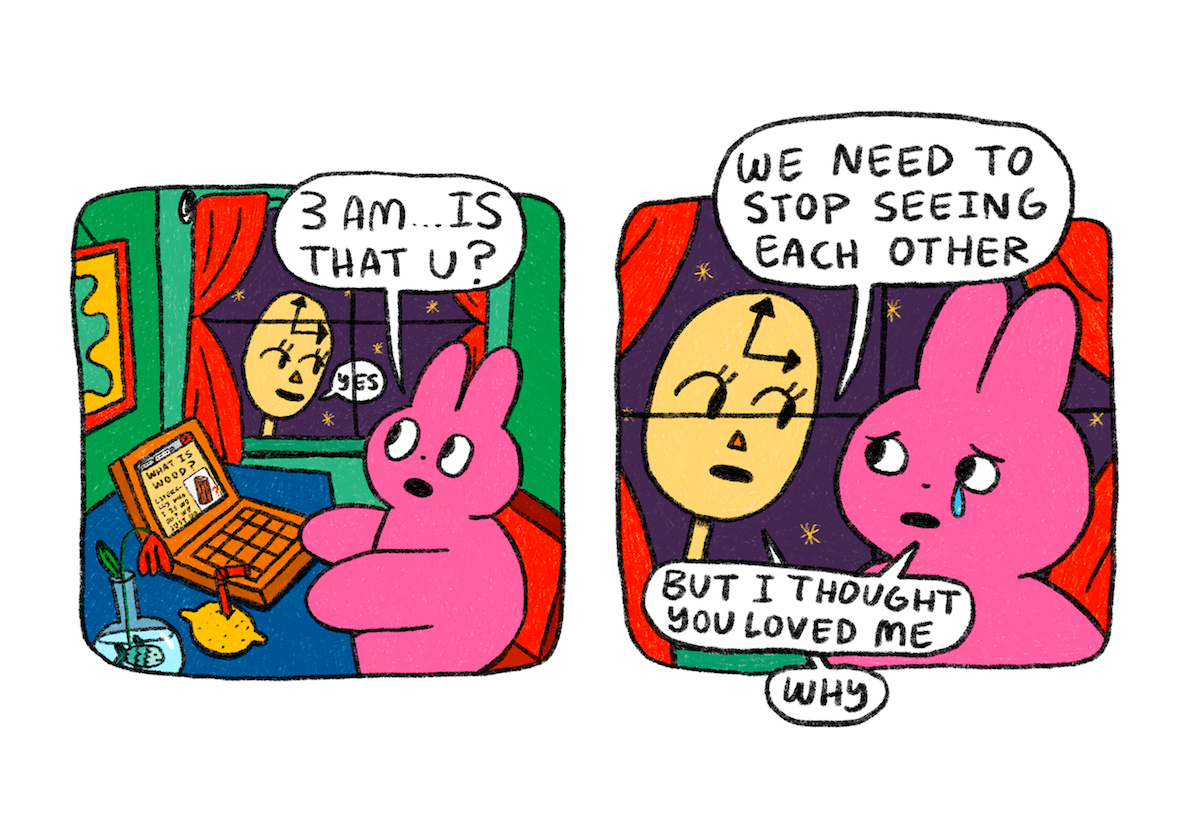
"Simple comics about complex feelings" have been the epitome of Zai's practice for years. Since she could experience, the comic artist has analyzed the often overwhelming feelings of being alive. Swathed in distinctive elements and existential ideations, Zai's art extends humanity to the muddy emotions that have us all wondering why. Why am I alive? Why do I feel? Why am I happy than sad? These sometimes isolating and uncomfortable thoughts are more common than most people would like to admit, which is a testament to Alison's prominence over the past few years.
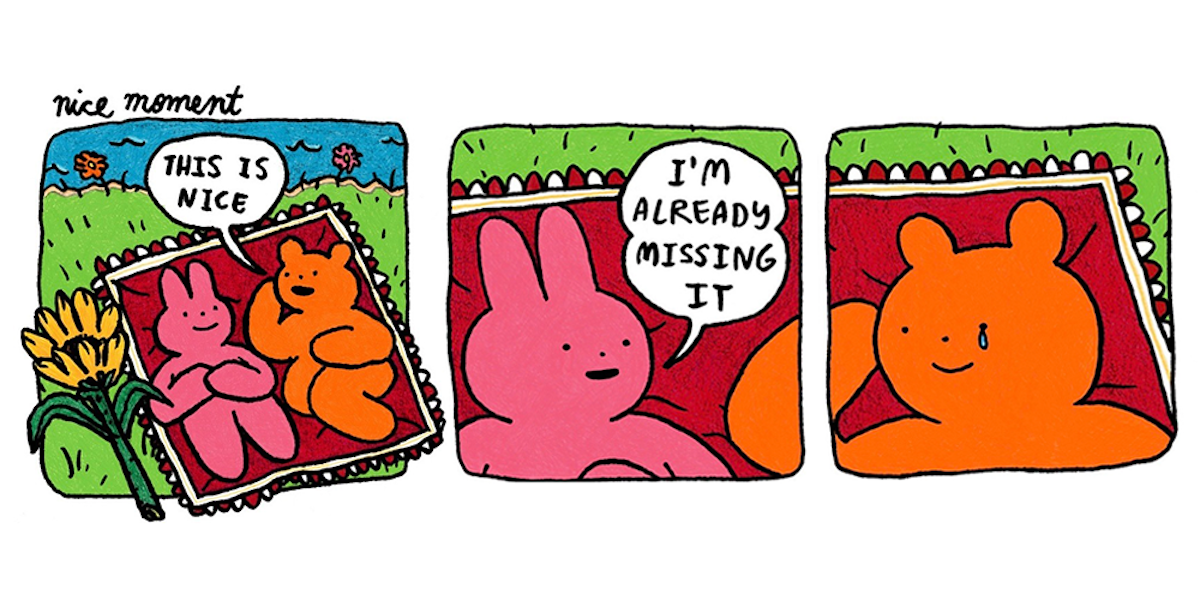
Aside from scenes of captured longing and contemplation, Zai's comics bridge moments that resonate with us all. From mutual understandings of incompatibility to recognizing fleeting moments and savoring every minute. Comics usually illustrate the more simple feelings, but the multi-dimensional artist is not afraid of coloring outside the lines. A medium attributed to innocence and child-like consumption, Zai uses the power of simplicity to have us all in deep thought.


Delivering profound realizations and great conversation starters among dull interactions, Zai has rendered her online presence in tangible form. Anticipating her first-ever book, "Weird To Exist," Zai sat down with office to speak about the duality of her craft, how she decompresses, and what inspired the wildly colorful world that is her art.
How are you feeling today?

What’s been on your mind as of late?
Contemplating how to rearrange my studio around a big desk I just got, which I neglected to get the measurements of.
I want to dive into your Tumblr days and talk about how you used the platform to explore your craft and invite an audience in. Where was your headspace when creating and using Tumblr? Can you also speak to the first realization that your work was becoming impressionable and garnishing a following?
At first, I only joined Tumblr to entertain myself. I was 15 or 16, so my world wasn’t that big, and it was cool to see into the lives of other people. Eventually, I started posting more of my art, like the doodles I drew on MS Paint. Around Halloween, I made some skeleton comics that blew up. It was pretty crazy for those to get so popular while I was so young. It definitely felt good & validating to know people enjoyed my work, and that maybe I should keep exploring this, but also scary because I didn’t want to keep making skeleton comics forever (lol).
Your art holds this duality of being playful and child-like but draped in themes of existence, yearning, and reflection. When did your artistic style tied with deep questioning begin, and how have you nurtured that curiosity up until this point?
I’ve always been curious about everything— it’s very strange out there, all the time. I’m nurtured by the endless amount of things to think about and question. I don’t know exactly when it tied into my art, but it was definitely a gradual, inevitable process. The more experience I gained in life, the more material I had to work with. My art is a means of expressing my thoughts & feelings, so it was just natural to incorporate my little musings.
When experiencing an artistic block, where do you seek inspiration, and what does the process look like from inspiration to a completed piece of work?
It’s mostly lived experiences, but I also like to read a lot. There are so many good sentences that can spark an interesting thought or begin a story in your head. Once I have an idea, I’ll figure out the general dialogue, then sketch out the scene. Sometimes it takes a lot of tweaking to get it to feel right, like picking words that fit nicely in the speech bubble or adjusting the mouth to convey a specific emotion. Once that’s all finalized, I move in with color to finish the piece, which is the fun part.

With an ever-growing following on Instagram, what is something, it may be a feeling, piece of advice, or thought that you would like your audience to leave with after viewing a comic?
You feel?
After years of creating comics that resonate with thousands, your work has been materialized into a book, “Weird to Exist,” published by Penguin Random House. How did that come to be, and what was the process of creating your first book?
I had a few publishers all reach out to me, which was wild. I decided on Ten Speed Press which is an imprint of Penguin Random House. We wanted the book to be a collection of my work, along with new & exclusive material. The process of making a book is super meticulous. Thankfully I worked with an amazing team who helped guide me through it. I started with the new comics, then basically drew everything else, from the cover down to the font. After that, it was a lot of organizing and revisions, and then we had a book!
How did you feel when you set them your final edit?
Light and empty at the same time.
I want to rewind a bit; growing up, what drove you to create, and did external influences like culture, media, or family inform your craft?
Nothing specific drove me, it was always something that I did. I’m sure I was informed by cartoons and books I found at the library, but the main thing for me was the fact that you can create your own worlds, like just the magic of that.
Releasing a book into the world is no small feat. Is this something you want to do again in the near future, or do you have your eyes set on something else?
Definitely! Not for a while though, I need time to recoup. As for the near future, I’m asking myself the same thing.
It’s been a long day, your eyes are strained from working for the past 8 hours, and your hands are tired. How do you decompress and step away from creating?
1. Climb up on a roof
2. Or go somewhere beautiful
3. Soak in a nice hot tub
4. And think about nothing at all :-)
Pre-order here.

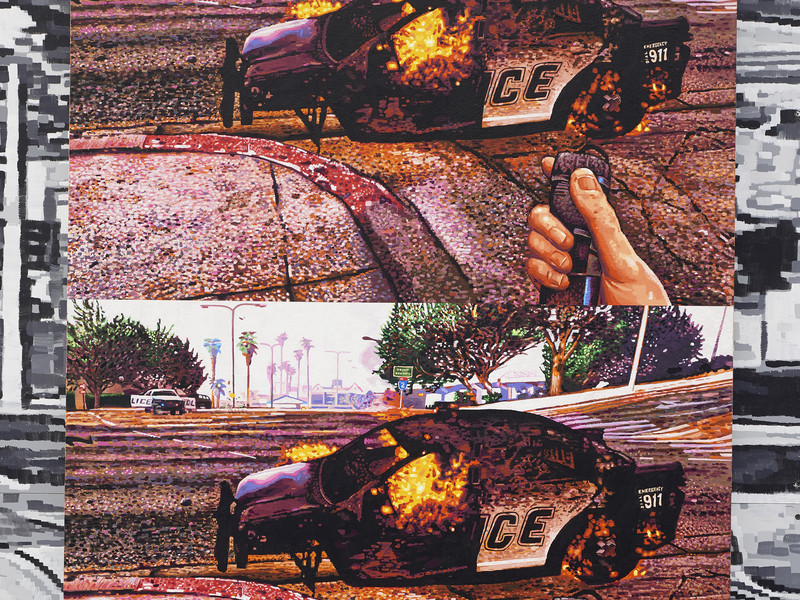
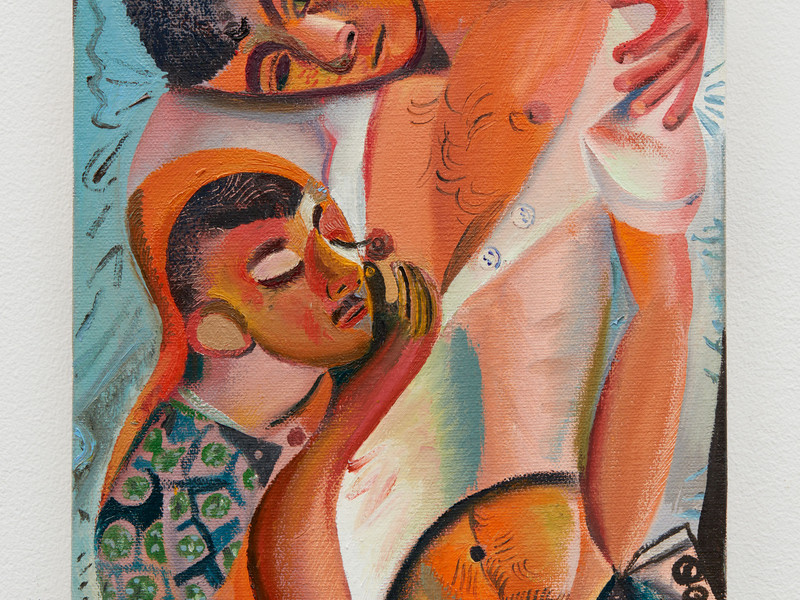
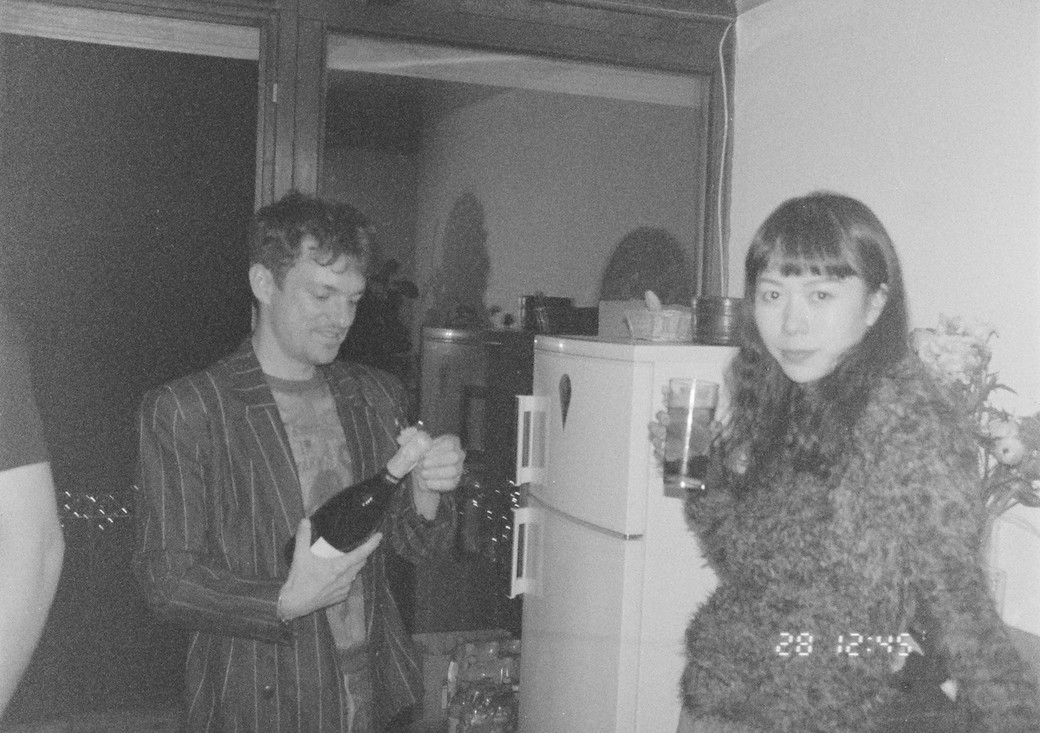
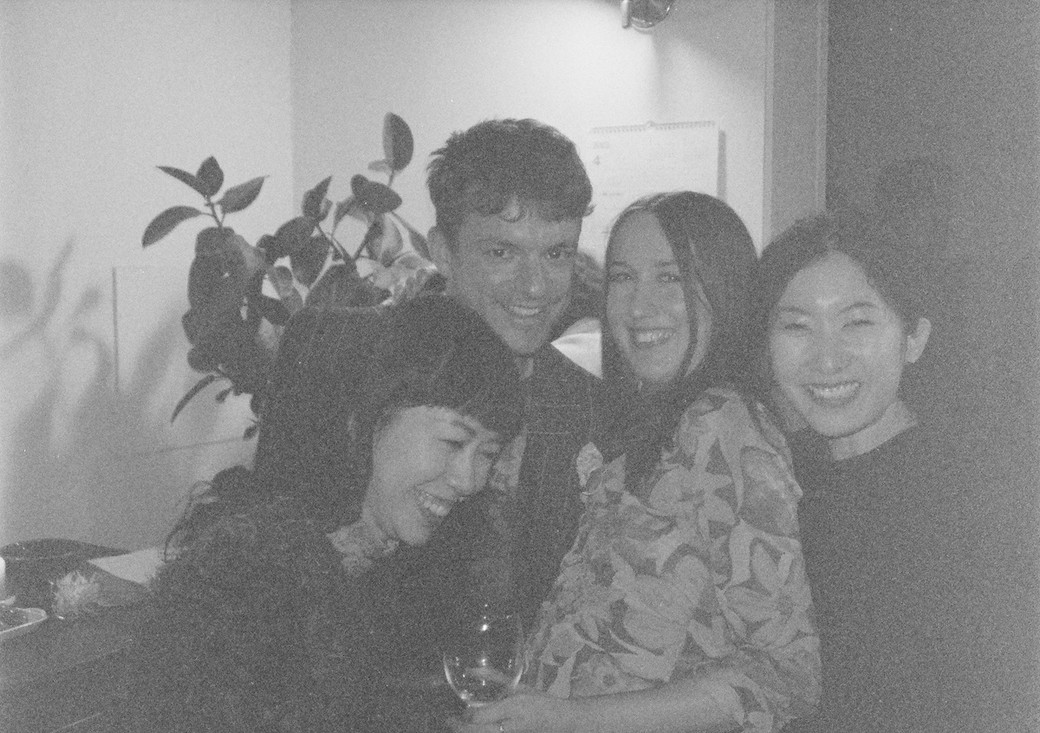
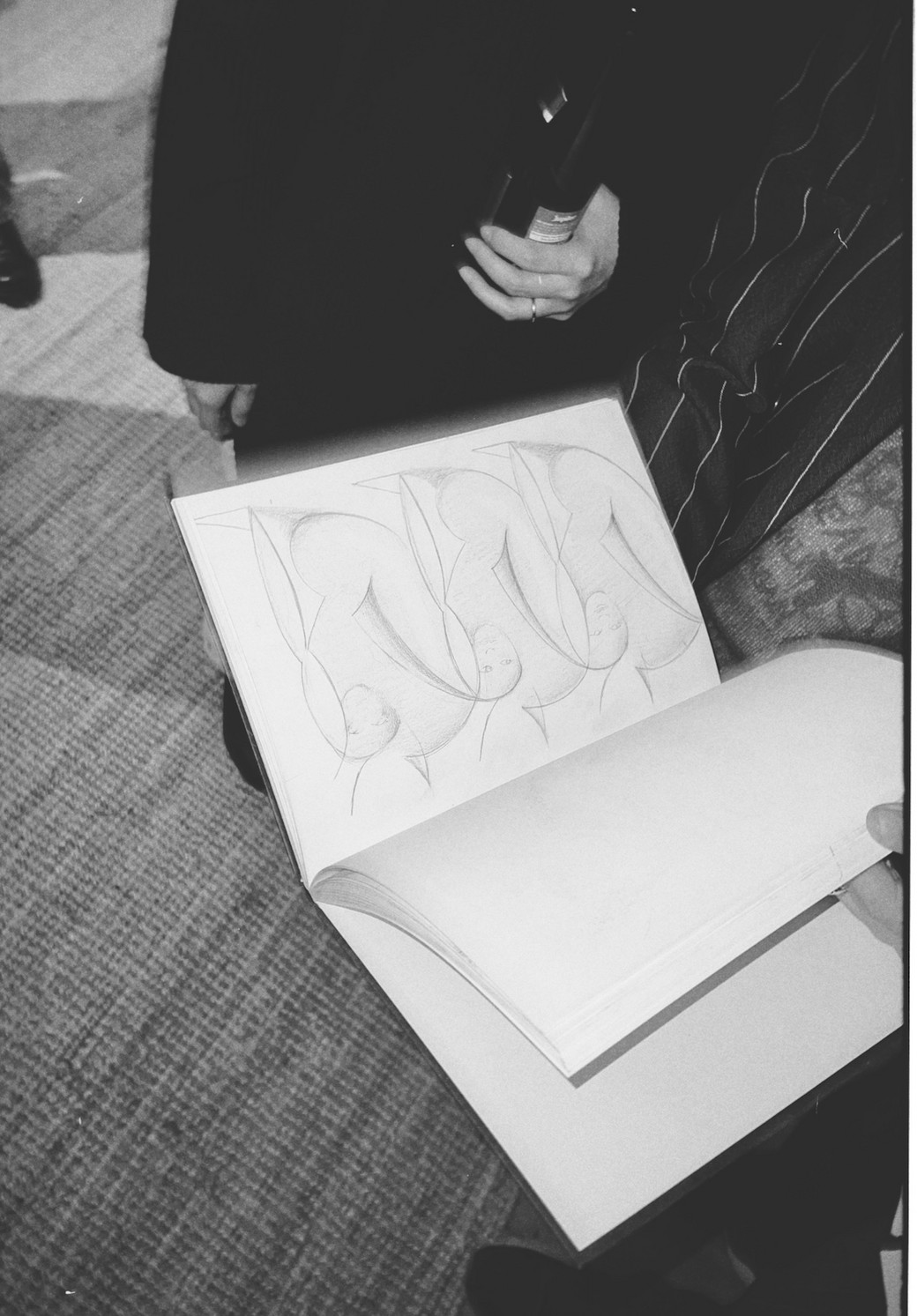
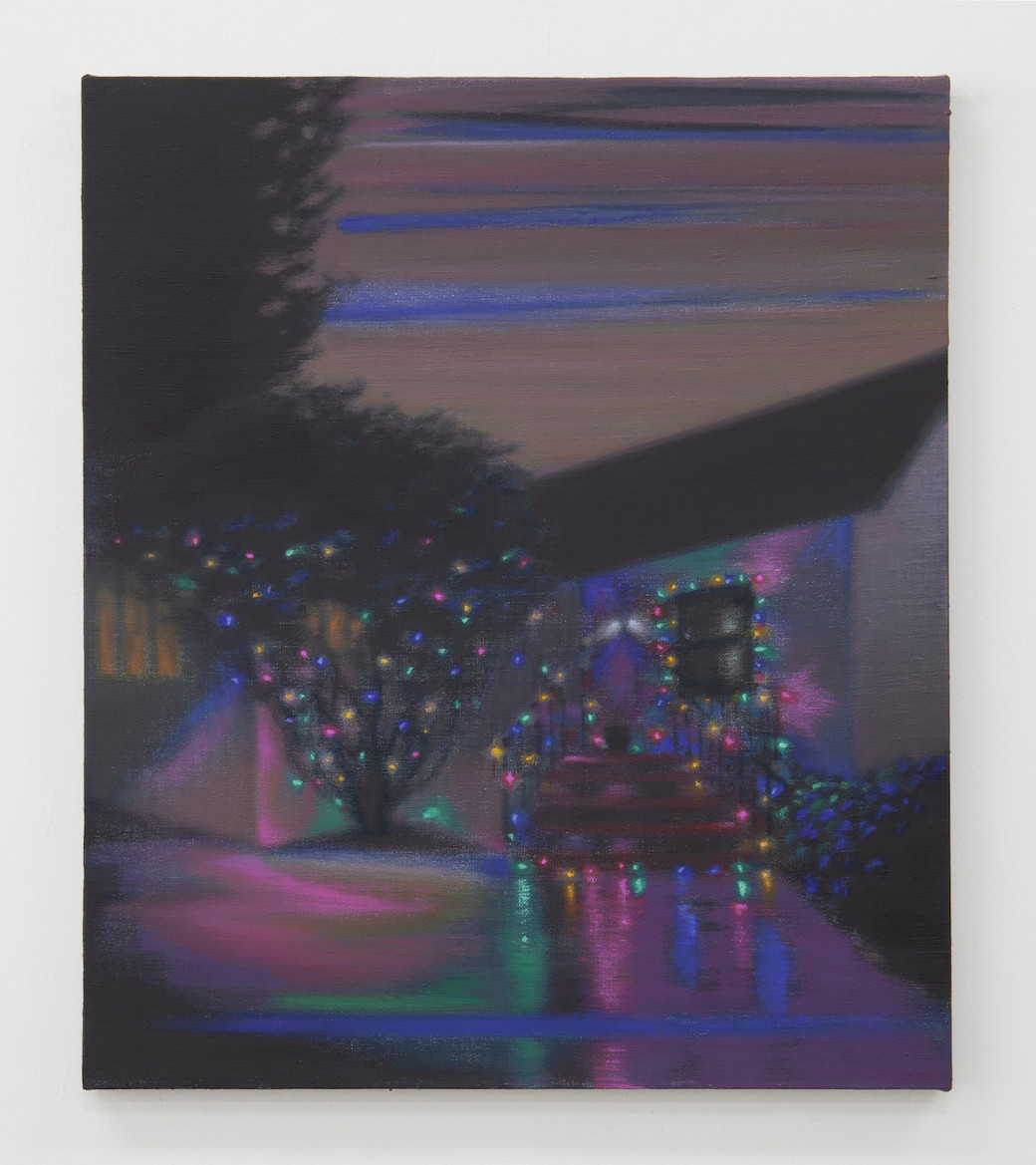
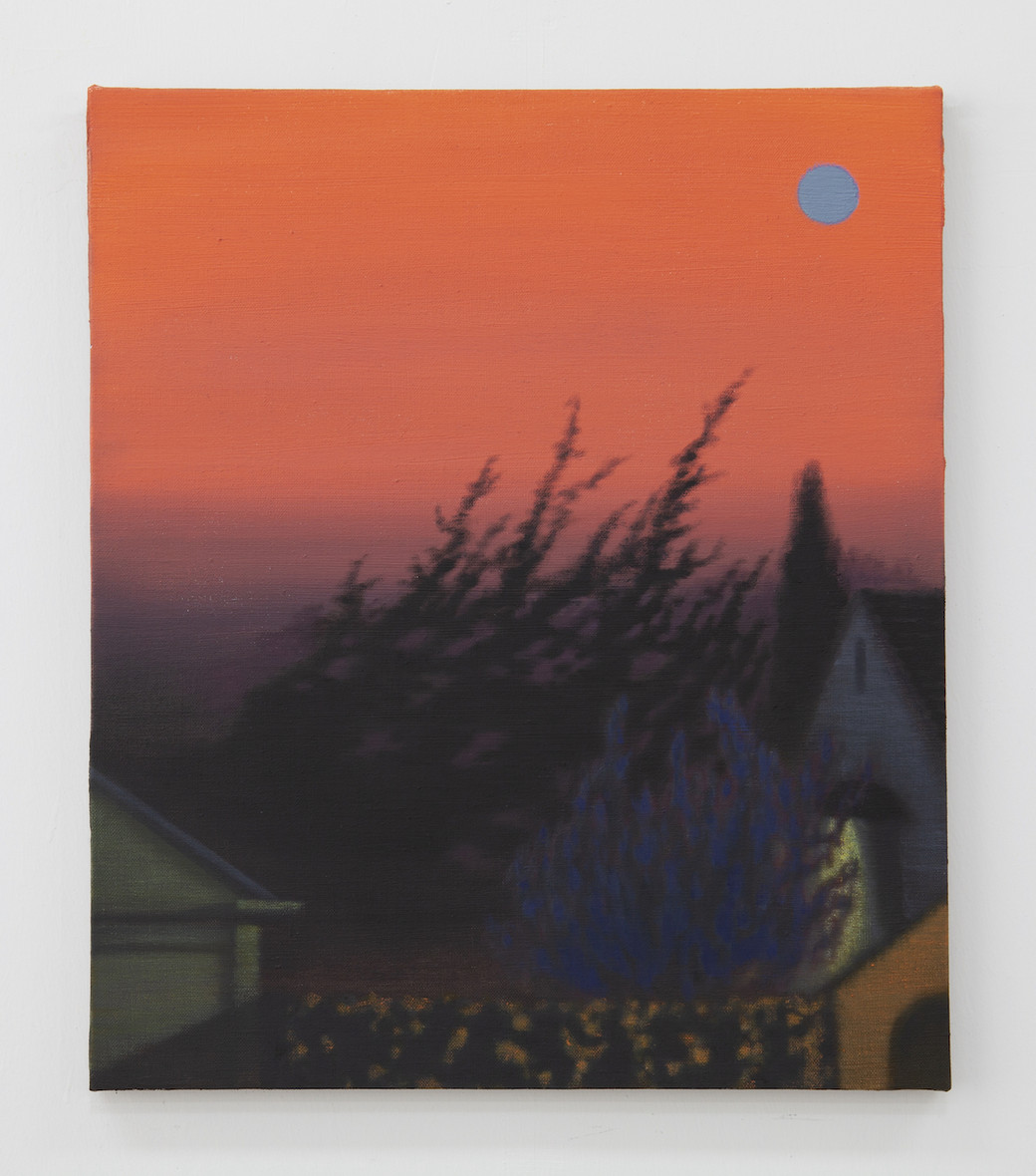
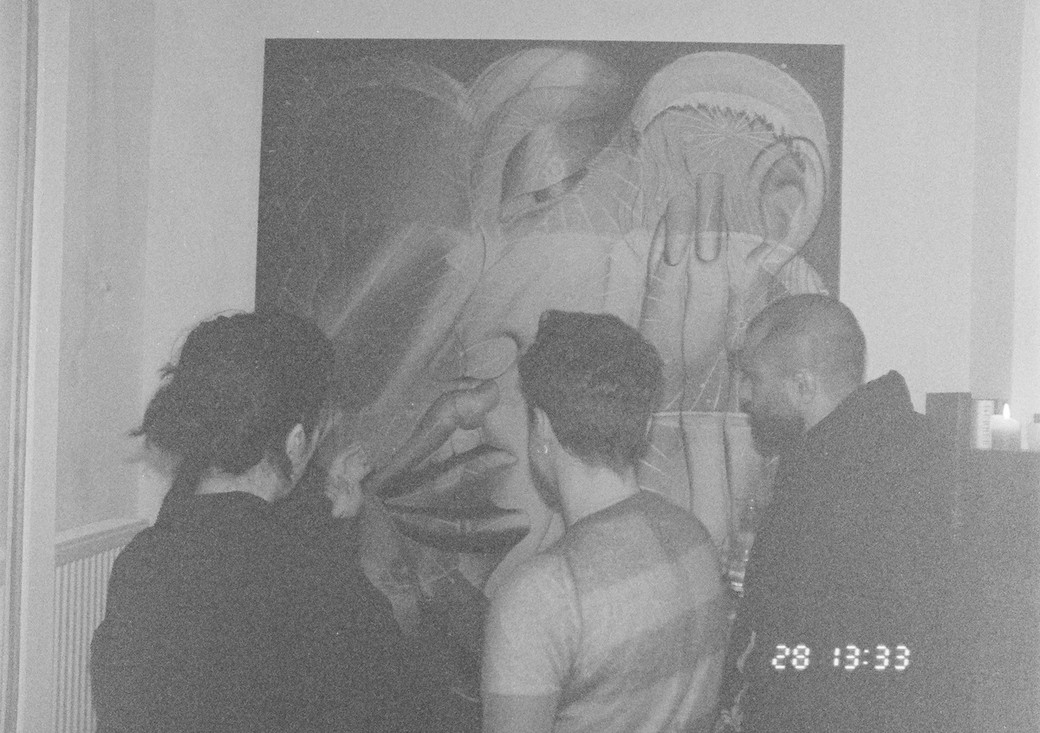
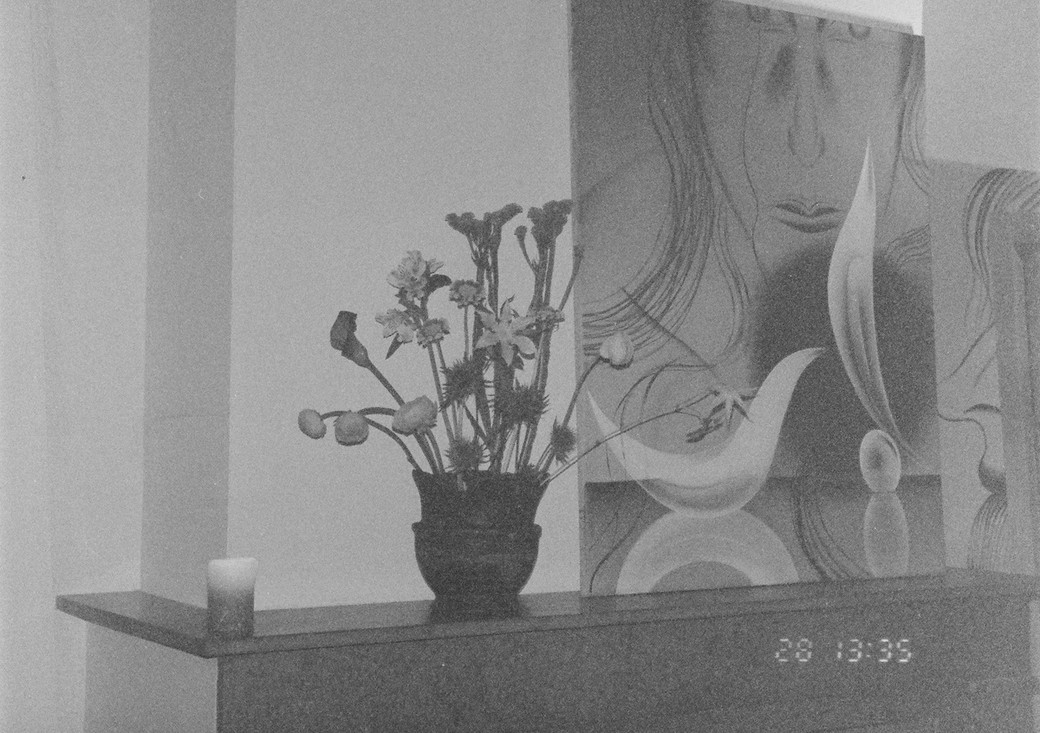
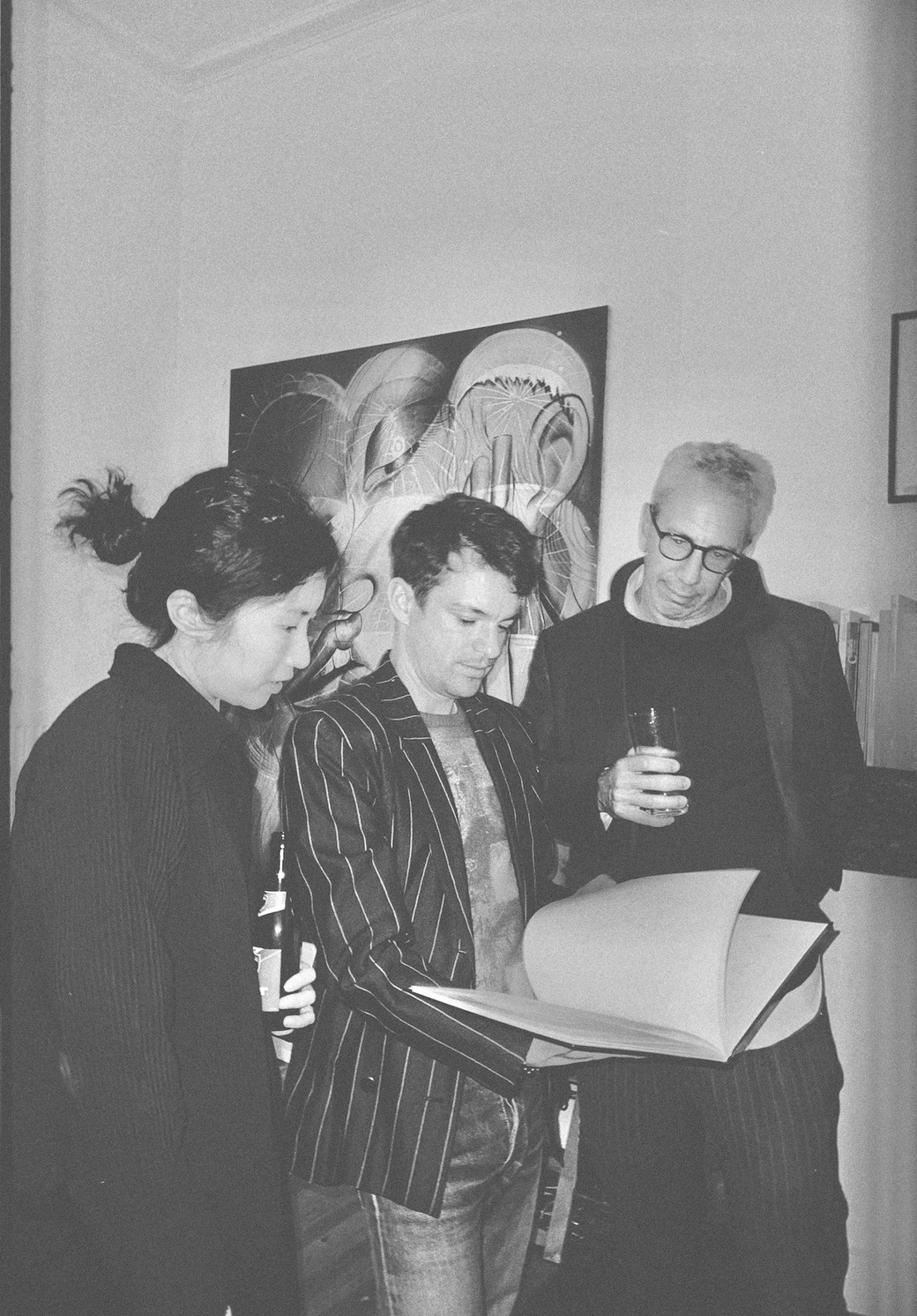
Anchored in traditional sensibilities yet delivering a contemporary edge, You and Pagin's work breaks confines, existing in a boundless world. In celebration of Make Room's European debut at this year's Art Brussels, showcasing the immense talent of Guimi You and Jacopo Pagin, close friends of the artist and curator, came together at Pagin's studio for the afters. During a night of flowing champagne and discussions that stimulate the mind, the room oozed with laughter and joy, the ending of an incredible showing.
While Art Brussels came and went, including the intimate afterparty at Jacopo's studio, office had the opportunity to ask You and Pagin a few questions surrounding their showing and relationship with Make Room Los Angeles. Check out the night below, along with the works of each artist and a small interview tugging at their state of mind.
How does it feel to host an event, coincidentally during Art Brussels, at your studio with Guimi You?
Jacopo Pagin: We had a lot of fun! Guimi You and Emilia Yin instantly connected with my friends and the city. It was nice to see this synergy for Make Room’s first European fair. The booth with Guimi's beautiful paintings looked amazing. And, since many of my friends have contributed in various ways to the success of the project, it seemed natural to me to throw a party! We danced, sang, and drank until dawn.
How does it feel showing work with Jacopo at Art Brussels?
Guimi You: Although I had known Jacopo's works before, I met him in person for the first time here at Art Brussels. His works were even more impressive than what I thought from the digital images, as the overwhelming energy from the painting is hard to be captured on screen.
Jacopo is such a friendly and affectionate person, and as a Bruxellois, he had lots of friends who helped him for the fair and visited the booth and I was kind of envious of it, haha.
He organized an afterparty in his home and studio, and it was amazing to preview his most recent works that had not been released. I'm looking forward to the group exhibition with Jacopo and other artists opening in London this summer.
What are you looking forward to at this year’s Art Brussels?
JP: Like many artists, I have always seen fairs as a necessary evil, they are the maximum expression of the art market and of the gallery owner-collector relationship. As an artist, I still have contradictory feelings towards this type of event, even if in this case it was a bit different, since the team was just me, Emilia, Guimi, and a few close friends. It was a good opportunity to see Make Room at work here in my city. With a glass of champagne in my hand, I watched Emilia networking and selling art for hours, and thought: What a Stress! - Haha - I mean, the gallery passes the test with flying colors. Emilia is professional, sweet and insanely passionate. But I prefer the role of the artist. To each their own.
GY: I loved experiencing the lively atmosphere at the art fair. I observed the buzzing of activities and all the people smiling at my work, many of whom stood before the paintings for a considerable amount of time. I used to question the meaning of my artmaking, and I think I found the answer by watching how people engage with my work. I was very much touched.
I had participated in art fairs as an artist before, but this year's Art Brussels was the first fair where I could exhibit my works in person with all the booths gathered in a single place, as others were geographically or physically limited due to the pandemic for the last few years.
Can you speak about your relationship with Make Room and how the partnership has shaped you as of late?
JP: As I said before, the roles of the artist and gallerist are quite distinct. Galleries should be very careful not to influence artists' practice. The noblest task for a gallery is to create possibilities and new spaces of freedom for artists and, at the same time, they should try to stay in the background compared to the art they want to represent. Becoming more and more familiar with Make Room, I increasingly appreciate the efficiency and simplicity it expresses, aware of all the sophistications well hidden behind the scenes. For me, it is a serenity that allows me to see a bright future on the horizon for the evolution of my practice.
GY: In the past, I associated the word "gallery" only with the space as a white cube where art pieces are displayed. But after working with Make Room, I realized that a gallery is actually defined by the people who make things happen. They are instrumental in introducing my works to committed collectors and institutions.
I want to build a sustainable career and a promising future. It’s hard to imagine how I would navigate this fast-changing art industry without the help of the Make Room team.
Make Room shares my goal and has my best interest at heart. I'm looking forward to the coming years with Make Room.