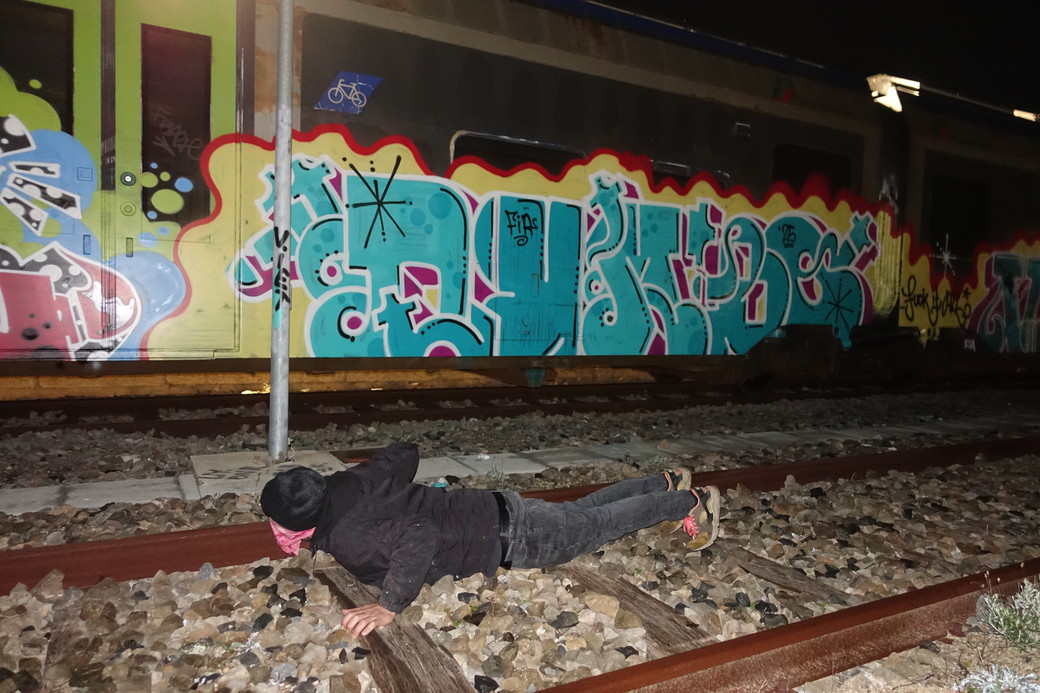
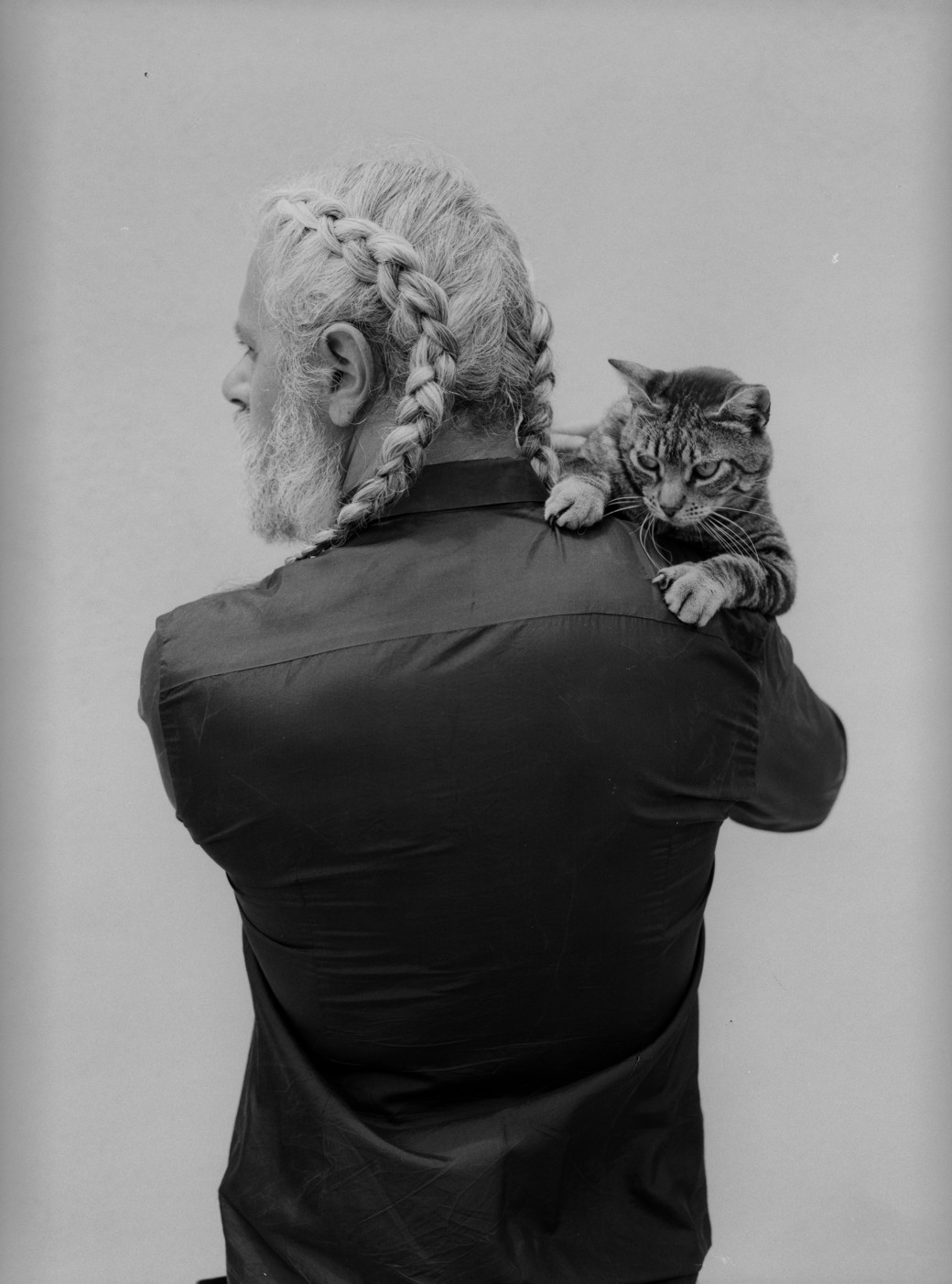
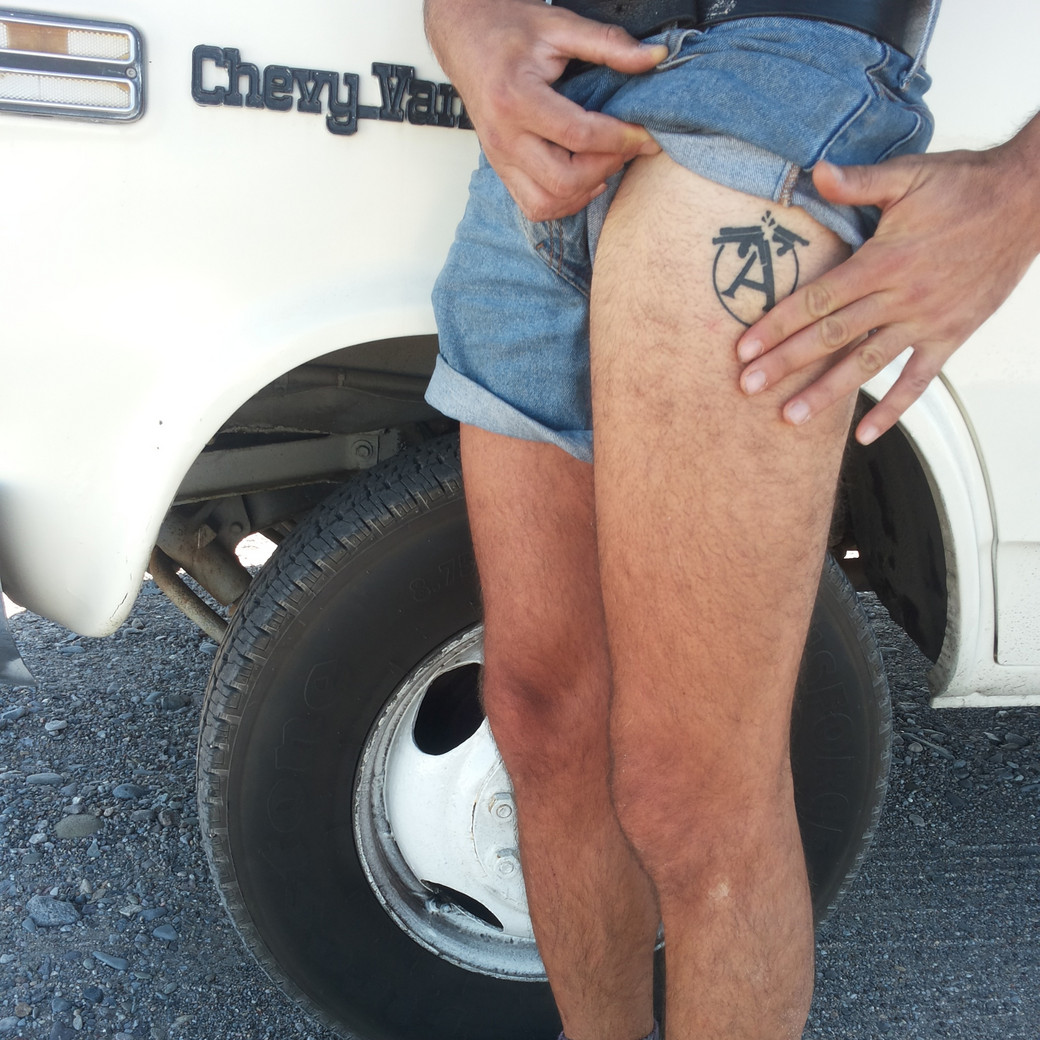
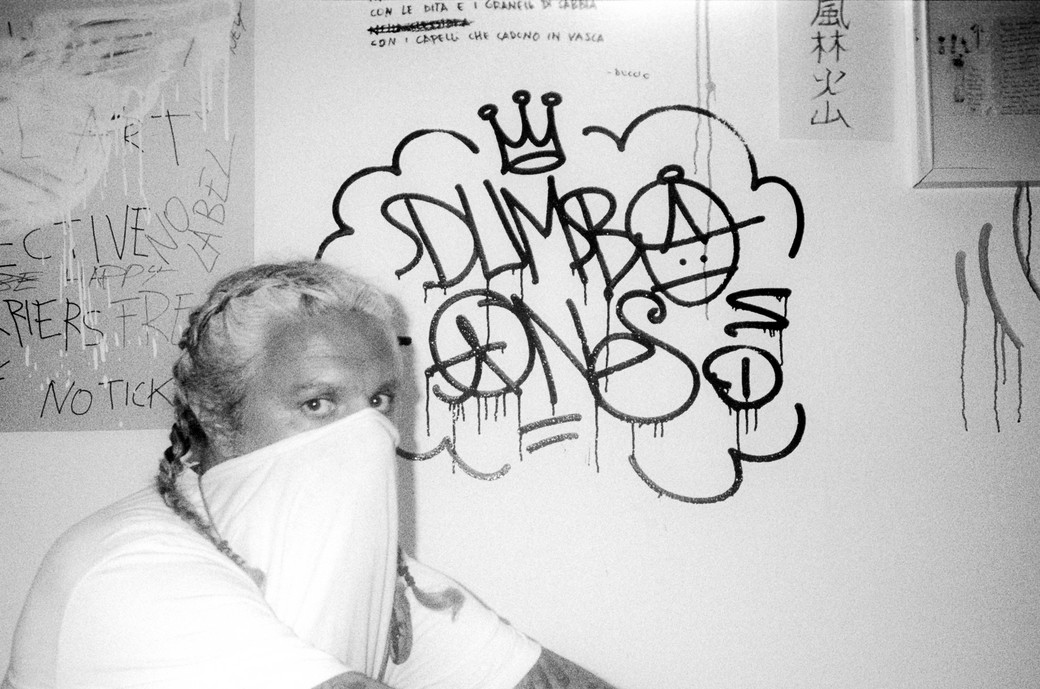
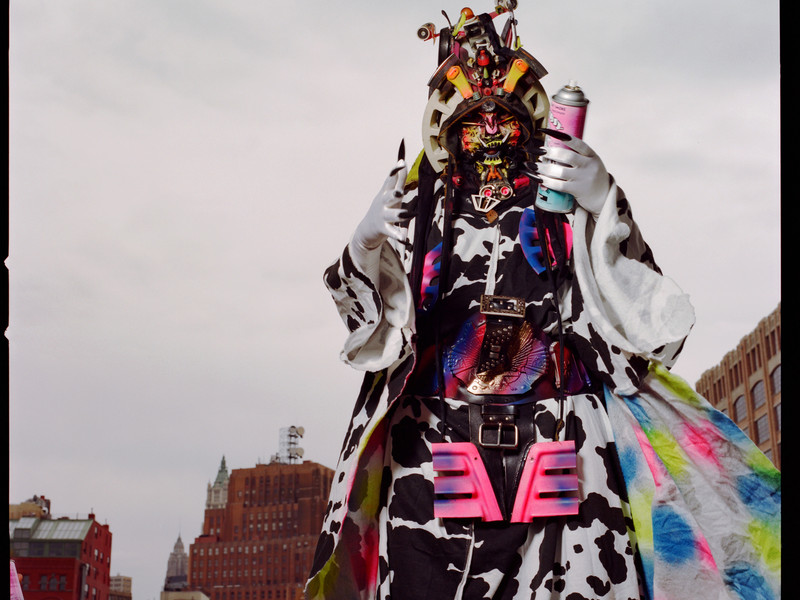
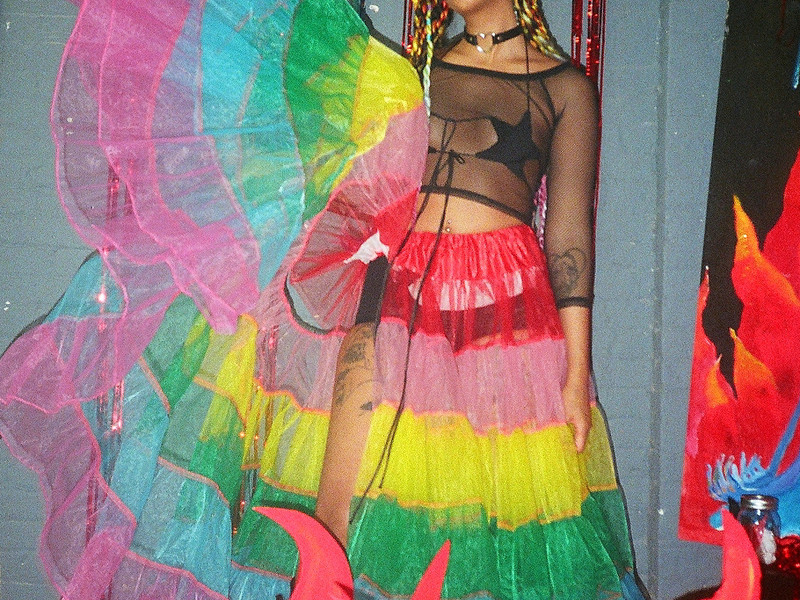
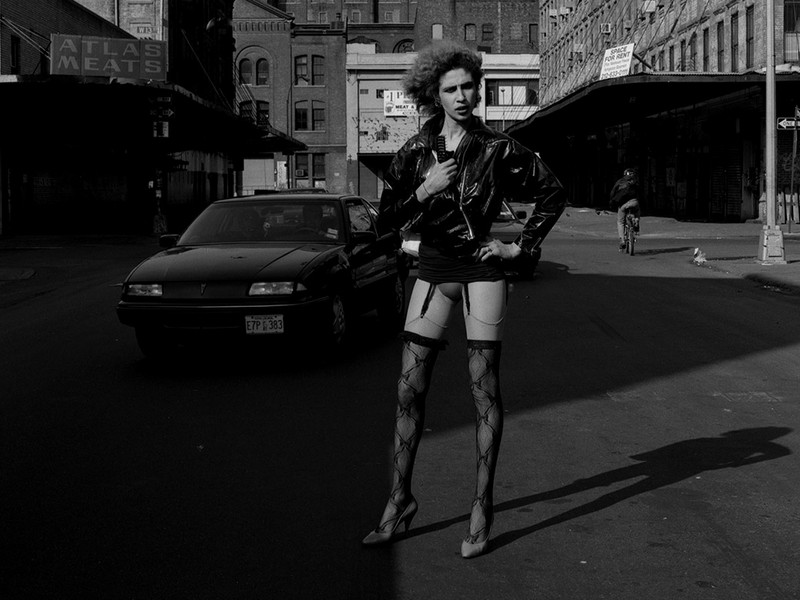
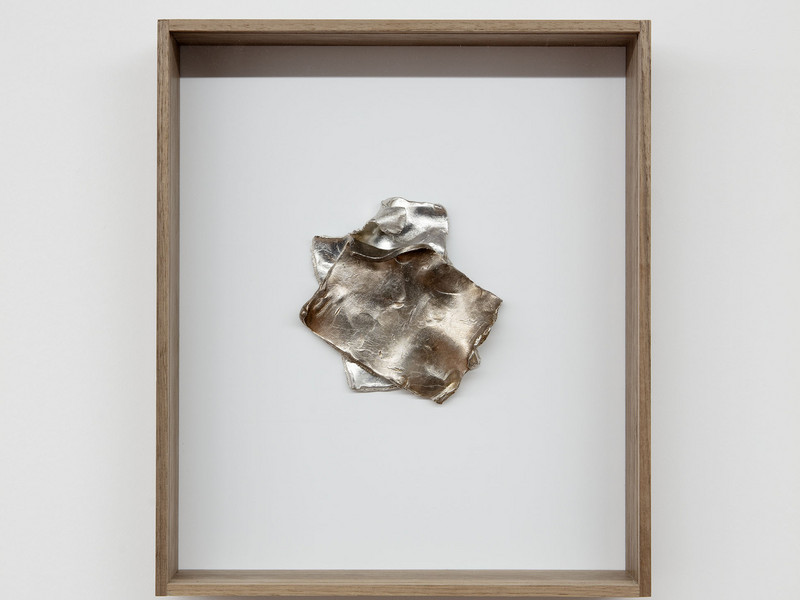
PRESENTE CONTINUO: the intimate ties between then&now

Starting May 30, PRESENTE CONTINUO will be available to purchase on presentecontinuo.com, cpcompany.com, and at the C.P. Company flagship store in Milan, Corso Matteotti 7.
Stay informed on our latest news!

Starting May 30, PRESENTE CONTINUO will be available to purchase on presentecontinuo.com, cpcompany.com, and at the C.P. Company flagship store in Milan, Corso Matteotti 7.

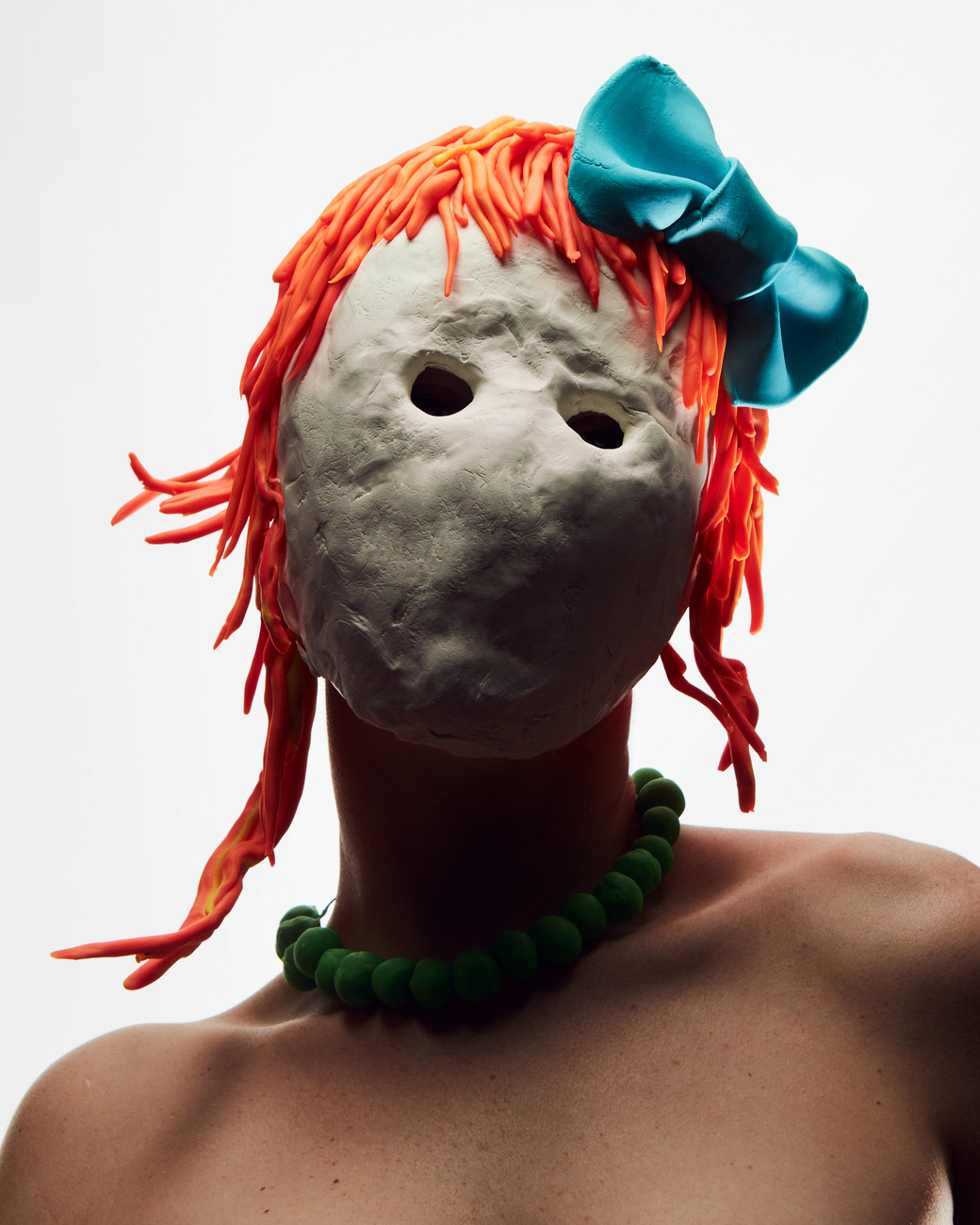
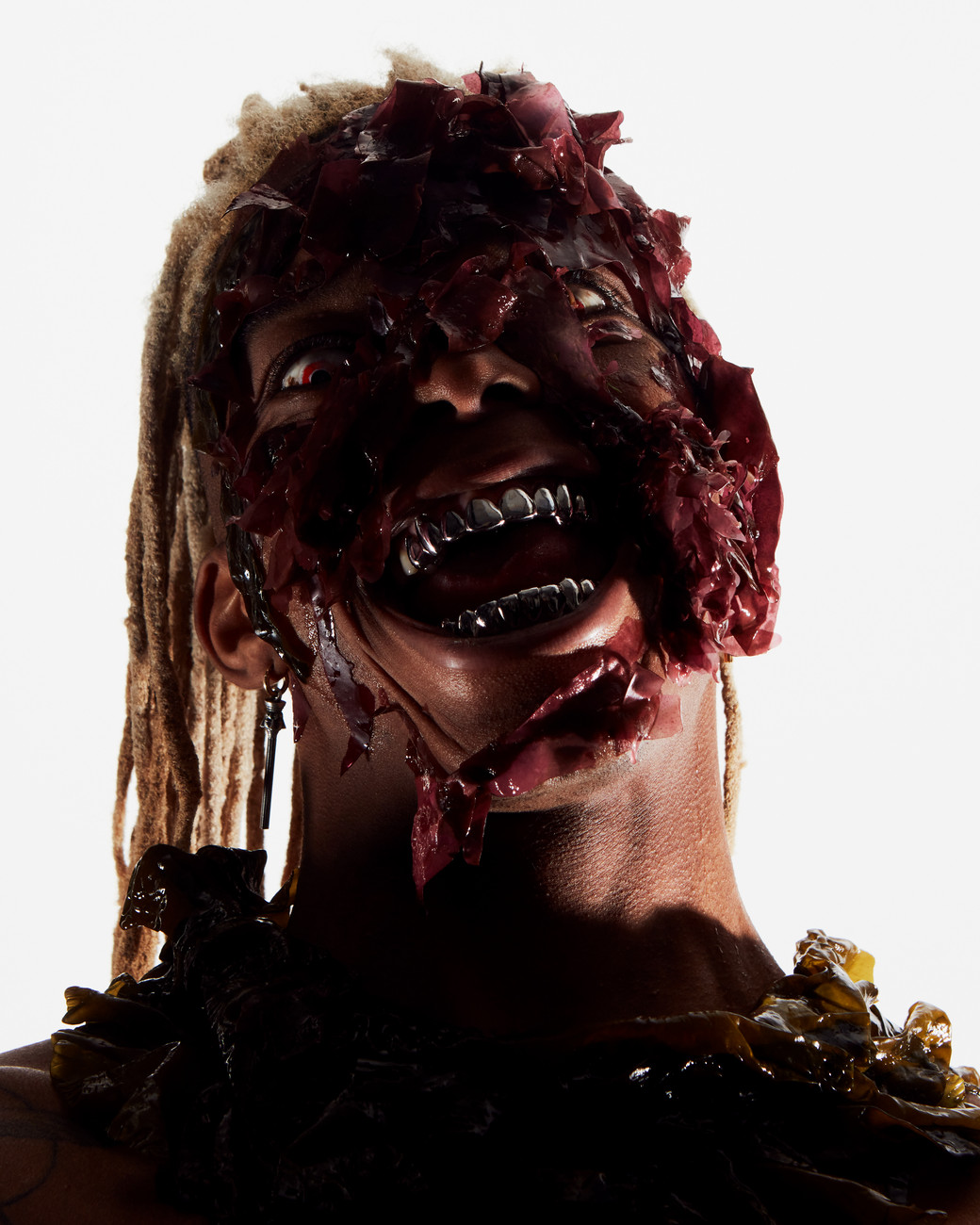
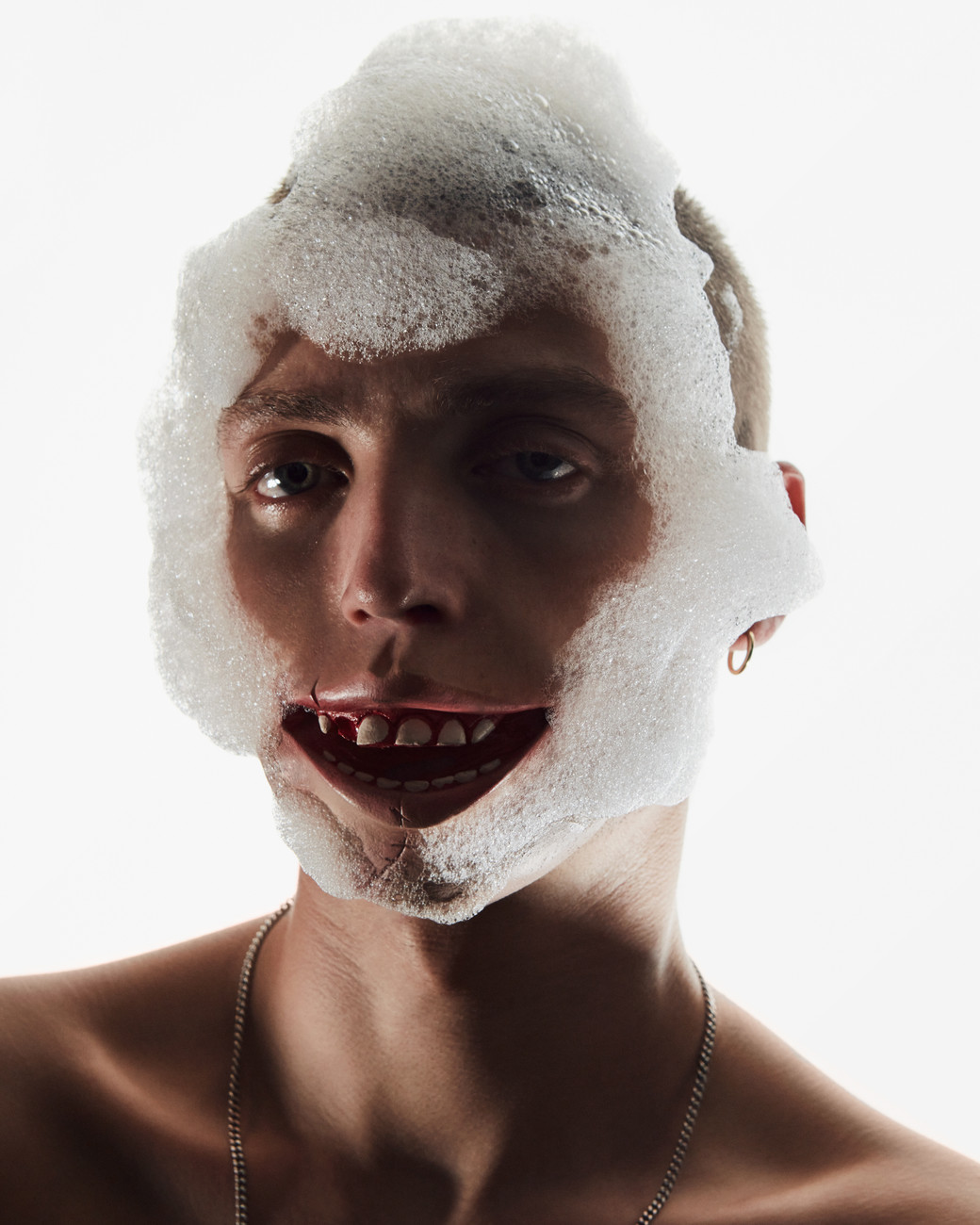
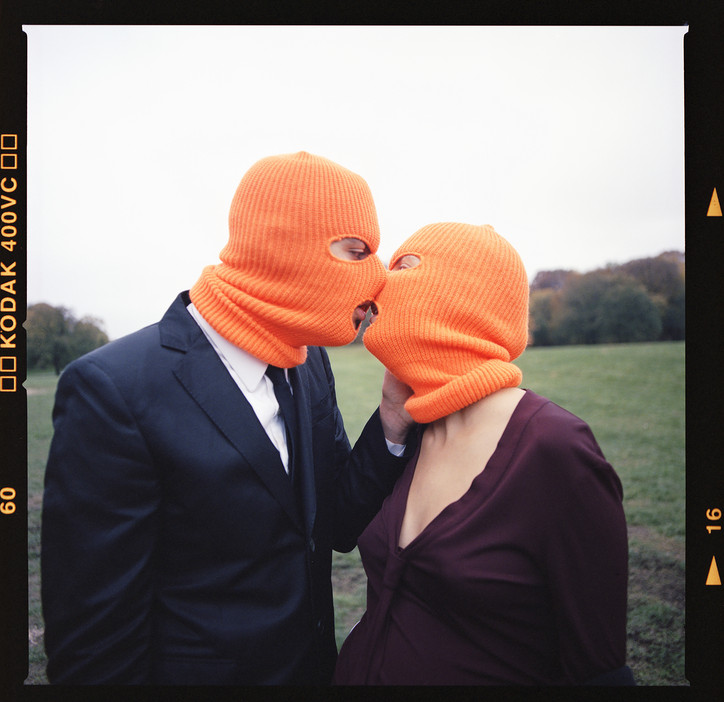
For this series, Mindu and Kremer didn't want to use any products that might be found in a traditional beauty portrait shoot. After almost two years of wearing masks out in the world, the pair wanted to carry that reality into this photo series, twisting it to become a story about how we are forced to hide the darker sides of ourselves.
Check out the portrait series below.

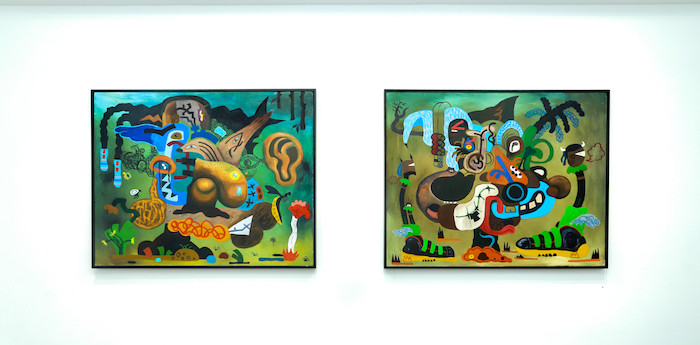
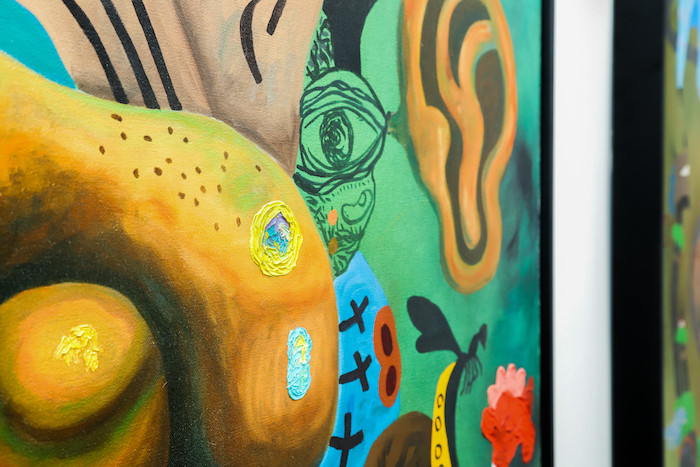
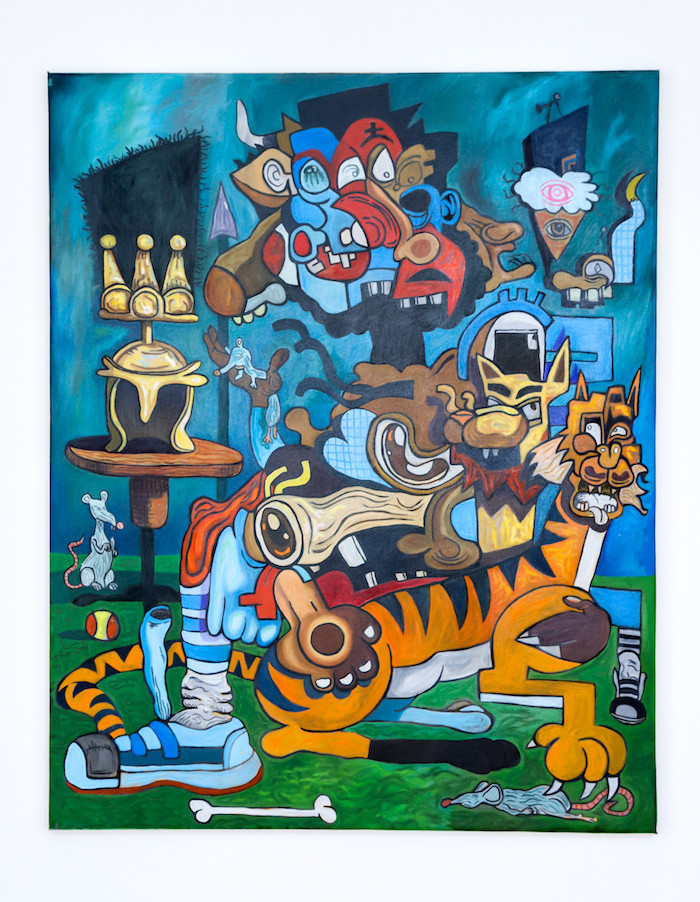
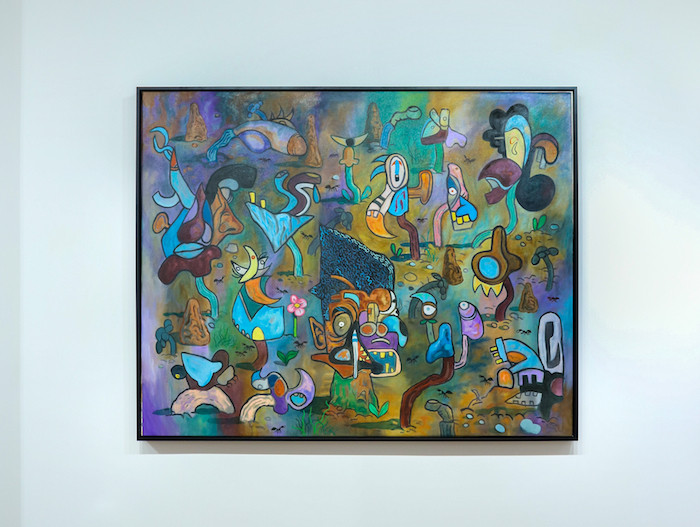
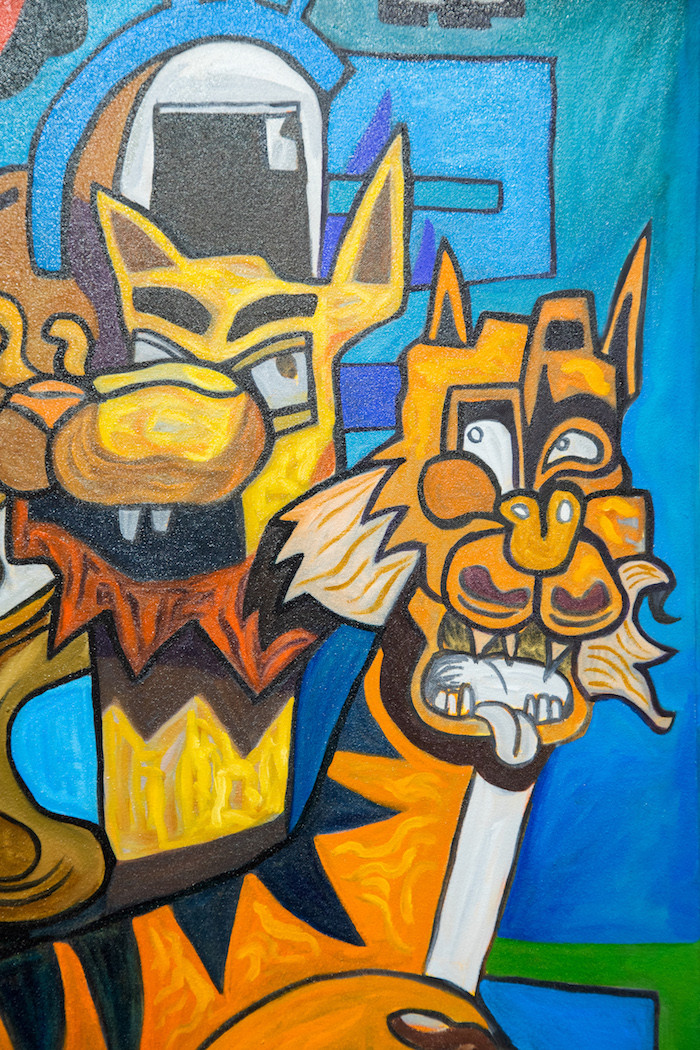
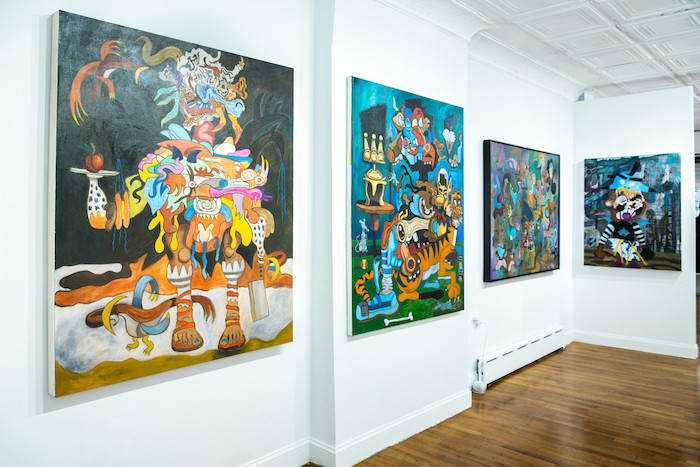
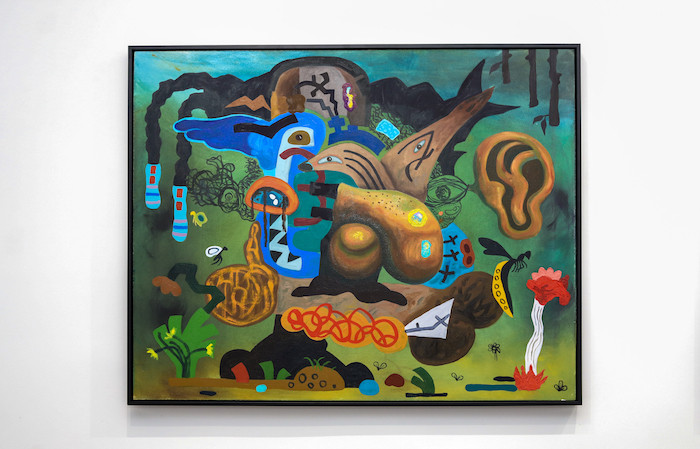
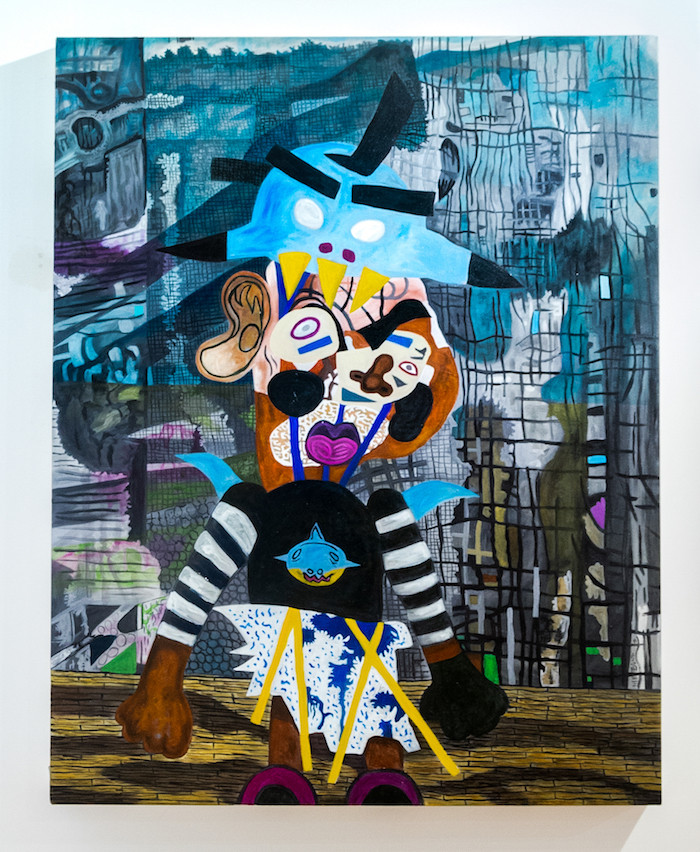
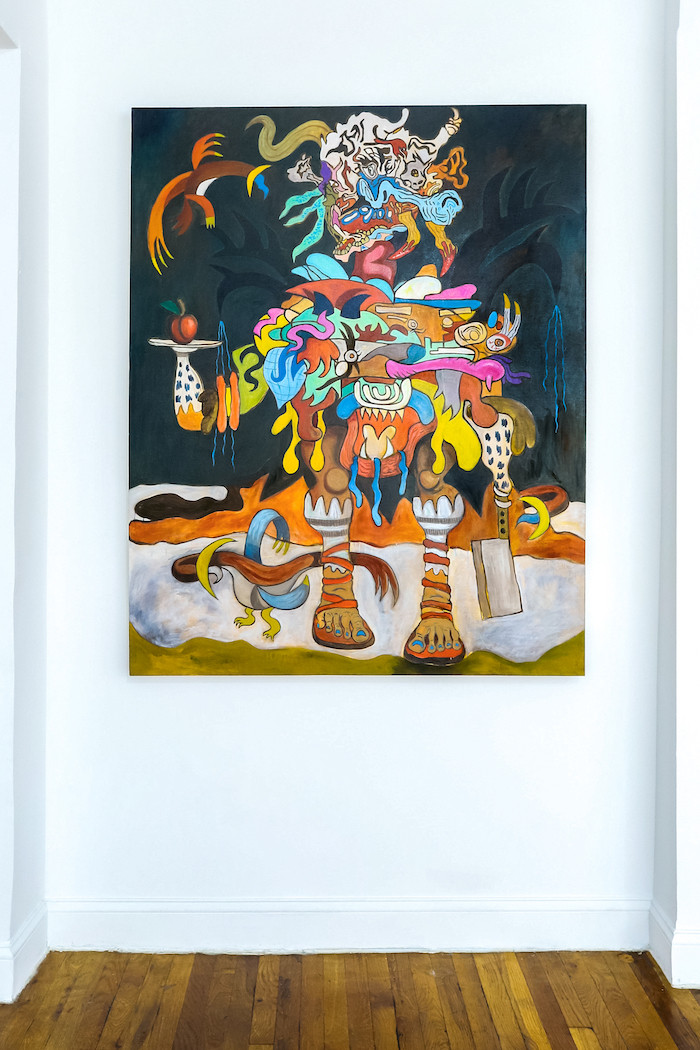
His pieces reflect the curiosity that many go through as they etch themselves out of the mundane daily tasks and wonder if there is more to this life than what we know. However, once you allow your mind to go down the rabbit hole, it’s nearly impossible to come back.
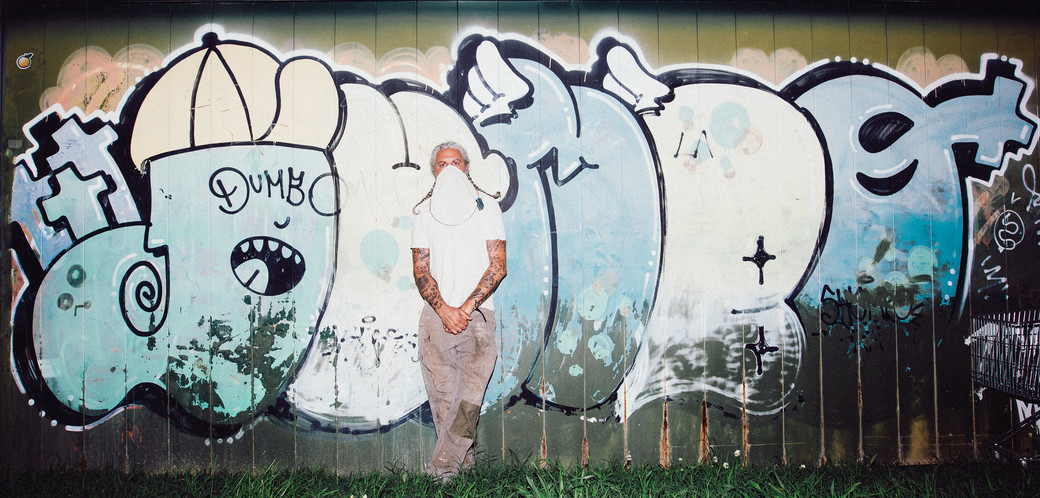
office had the opportunity to sit down with Jet and pick his brain on how he started painting and why he chose this medium as his self-expression.
Continue reading below for an exclusive interview.
How has the preparation gone for your opening?
The preparation is going in a very interesting format. We originally got the space over a course of a couple of days to try and make sure everything's done right, but some of my paintings are a lot more on the obscure size. I kind of paint side to side fully on the canvas, and when they tried to stretching them, they were wrong, so we were two days behind. But everything's really good now. It's been a learning experience.
This isn't your first one in New York, right?
So I ran a pseudo art show back in the fall. I was really into the philosophy of film and intersecting that. I had this weird period of time where I was like, "Okay, I can paint on this two-dimensional canvas." But the real contemporary artists paint the world in three and four dimensions with space and time. So I was like, "let's do an art show. Let's get everyone to come." And what they actually walked into was a reconfigured studio that was actually kind of a Berlin-style, techno sort of bunker. So we had lights and the stage. This is my first time doing it here at our show and this is the reason I moved to New York, was originally just to show my work here.
And are you nervous?
Not really. We were doing a bunch of warehouse raves and a ton of event organization over the past like six or eight months. I was trying to meet more people naturally and try to find people who have similar basic interests to then show them a bit more of who I am.
Sort of like, "this is who I am, this is what I've been working up towards, now take it for what you want."
One realization when you work in these very intense, intimate, multiple hours with yourself, you understand how alone you are in them. And you understand how when you come back to this world that we participate in, it's only a fraction of who you are and it's only a surface sort of thing. So doing something like this, I have a room full of my soul on these personal spaces. I feel more real than reality. The majority of my time and mind are in those paintings more so than I spend here in this conversation that we're having now. So I'm showing the people my world, but I'm not expecting them to be understanding. I just want to open up that conversation and basically share this experience with everyone for this brief moment of time.
How do raves play into the work you create?
I really do have a deep appreciation for house music and more so how it culminated the relationship it has with different things, like the countercultural relationship it has. Also, the type of universal ideas and the root of it. It's something that's in us, you know. When you follow the history of it, it's really shaped techno. I think of Kevin Saunderson, Derrick May, and these young, black suburban kids in Detroit coming up and trying to imagine the future. Music strikes notes that are in our past and point us towards the future to where we can come together and be something that is much more than what we are now. I think mixing that in with the different philosophies and the different rounds of thinking has been something that has really kept me in a trajectory that is believing in the world that exists outside of the worlds that I'm in. It's something that makes you want to participate and do more than pessimistically fall out of the picture.
For me, at least when I listen to house music, I get excited on the inside, my emotions bubble over, it's kind of like a chaoticness that I'm feeling. And I feel like it really translates into your work itself. You really have to look for something up close, and you see all these different things that you might have missed at first glance.
And that's the thing, there's something deeper behind it, especially when you get into the real roots of it, especially when you get into the more minimal experiment. We're trying to conceptualize space. The people who are really kind of approaching what they're doing sonically with an artistic mindset and they speak that language. And then it's just like, "okay, there's something other than me that doesn't do what I do." And now I'm tuned into this to make what I need to make.
Your academic background, your philosophy, your upbringing, how does that sort of tie into what you produce?
Coming from a space like Georgia where it's a very sort of straightforward, kind of one-dimensional.
Your typical suburban upbringing.
It's more so just like the type of frames of thinking that govern the body of people. We have a very limited amount of resources placed upon our education when compared to other states and other concentrations of people. We have a large amount of wealth disparity and things like that. So it's the type of culmination where you have this Christian, more traditional way of seeing things. And when that is approached to reality you don't bridge into these spaces of questioning and consideration that really also come into the picture. You become very aware when you understand more of these philosophical considerations, the way science and these things relate to the world, you start realizing really quickly that you as an individual, as an identity is more constructed by a multitude of these different things that come together, that resonate to be who you are. I'm more so aware of how these different sorts of things come together to influence me, the individual. And then when you really string together, chase, and follow these different timelines that come together, it brings you into this present moment. You're like, "what is happening and what is going on?" You are so much more than what you may construct and think you are. And then when you start asking yourself, "Well, why am I doing it?" That's going into all these different realms of knowledge.
So you express yourself through your art, but why painting? Why do you choose to express yourself through that?
I feel like a lot of the things that I think about and a lot of the things that we speak about are things that I feel like we're still trying to find like the words to describe. I think about before language. We go back to the allegory called Big Bang, but before mankind developed language, we were trying to figure out the words that describe them to each other. You create an abstraction that is like a symbol. There's this thing that's flowing through me so passionately that I have to communicate and I can't find the words for quite yet, but I'm feeling it taking every bit of me. And then all these different ideas like physics, science, and spiritual things all culminated and I know I had loose ideas of them before. But the things that were flowing and coming through me that felt so important and emerging, were out of my norm. I'm a kid from Georgia playing baseball so why am I so interested in quantum mechanics and physics? And I had very limited exposure to that. Then I did philosophy, cognitive neuroscience, the philosophy of physics, mathematics, and the history of anthropology. I'm making these paintings before this symbolism that I had no relationship to. I'm like, "What is going on? Why is this in my unconscious?"
You're scraping away like a madman at four AM.
That's really what my reality was. I was spending every single bit of my moment not having the words, the access to even the people in my most intimate sphere, my family, my friends, the people around me. I was essentially robbed of a voice and experiencing something that I couldn't even begin to communicate. That's when I had the initial idea that I'm going to try and take this thing that I'm experiencing and formulate it into a series of work. So I can communicate something that maybe is there that I'm trying to find to something that's similar that maybe can work with it at a later point in time. To resonate with it and turn it into something more I felt like I was gonna fall out of the picture. So if I'm on the way out, and I'm drowning, let me try and give someone an indicator, or a message. A note of where to start, where to go, or at least take something, take this information, as is.
So when was a pivotal moment for you, either through your education or your art, where you decided that this was the path that you're going to take? That you were going to continue navigating your mind but through an artistic standpoint, or an artistic visual lens?
I was always very just curious and interested in how things worked out. I had a very idolized viewpoint and I wanted to do something that allowed me to express the same feelings. So I think at some point I kept chasing that drive to be something that is more. Just be able to channel something that is in me and I just really wanted to be a good artist. I loosely went into that and then basically bounced around and experienced things. I took so many steps off of this line of thinking. This is so much more than I thought it would be.
I think especially even for me discovering all of these nuances of life and that there's so much more that we can experience because our mind only lets us experience so much. We're just surrounded by our own reality rather than going inside.
And I think it's crazy because then you have to ask yourself "What arrangement of things allowed me like socio-economic environment, parent demographic, sort of like all these different things that came together to allow me to access this information?"
That's when you have your basic needs that need to be met before you can actually start thinking like that.
I guess like that's where the political side sort of slips into the mix because then it's just a question of, "Wait, where there's so much more."
What would you say is next for you? Where do you see yourself?
Well, that's my relationship with the art world. We have a particular interest in hands because the people around me have put a lot of thought and effort that there's a reason that something like this is happening. And the way it's happening right now, there's so much more to art. Just being the artist as the individual, you're also the person who pulls the strings behind the scenes. There's a number of different infrastructures that work out to empower and disenfranchise individuals as well. So naturally, there's sort of this golden ticket space that's arriving. There's a typical way that these things can go. But I have other interests. I am not in the contemporary art world. I'm not trying to participate in this sort of like art fair, you know, social, I don't really care. You're doing this for yourself and for the message that you want to convey for sure. And it's more so to create the opportunity of communication to do these sorts of things to reach that. That phone line to answer that call or answer that line of communication to the people I am looking for and other people who are similar-minded.
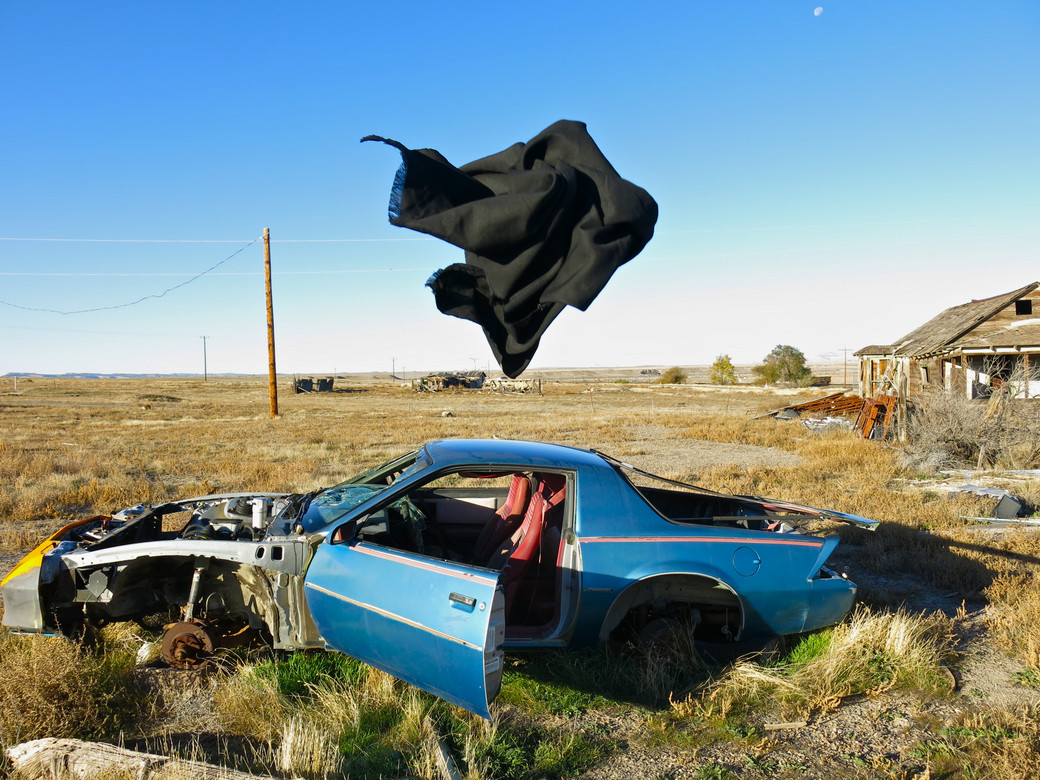
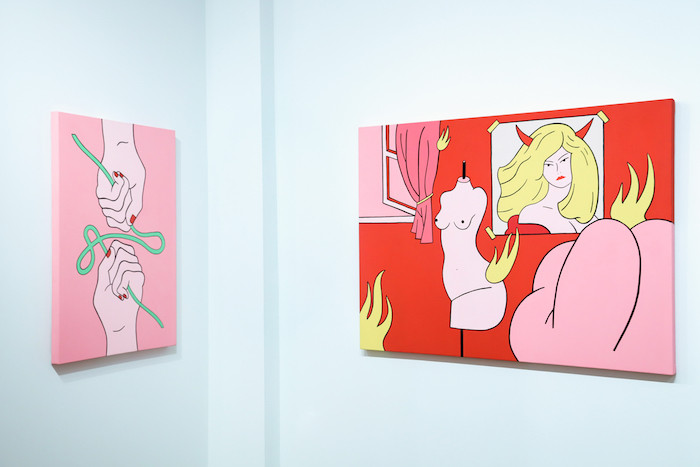
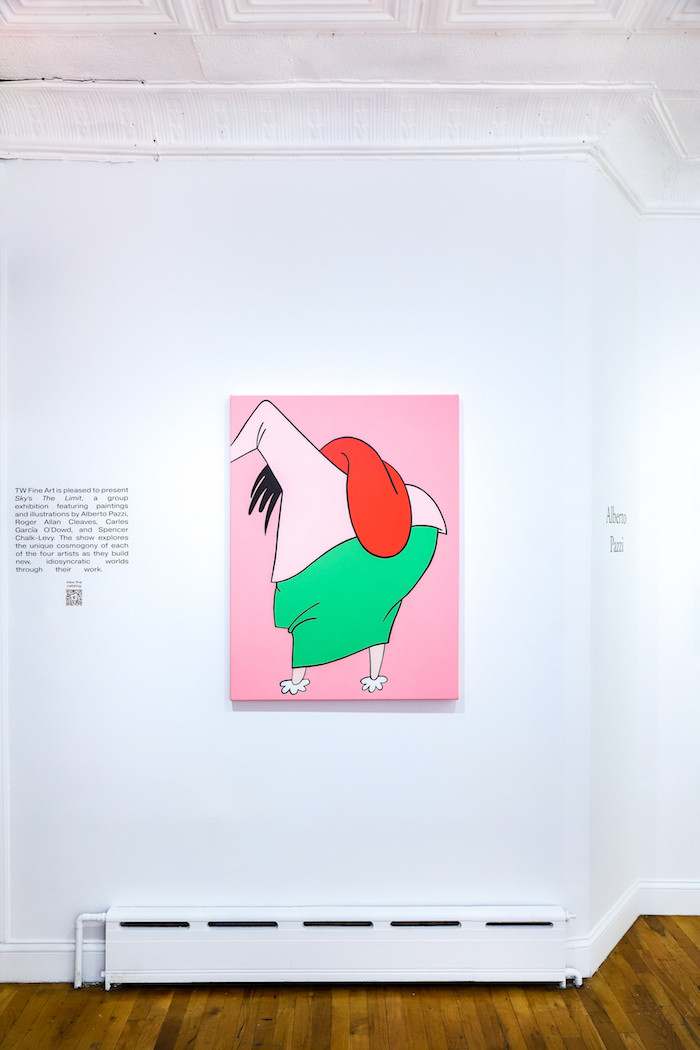
There is much to say about the pieces shown in this effervescently animated and wide-ranging exhibit, but the work truly does speak for itself. Traverse the many created worlds and perceptions through reading office’s exclusive interview with the artists below.
What influences your specific approach to world-building and the scenes you create in your work?
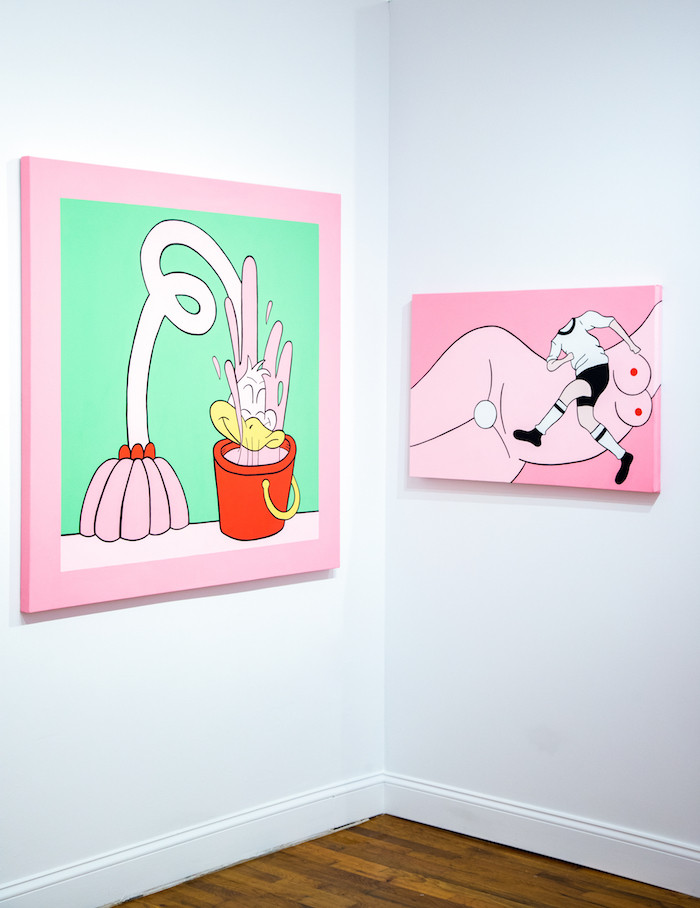
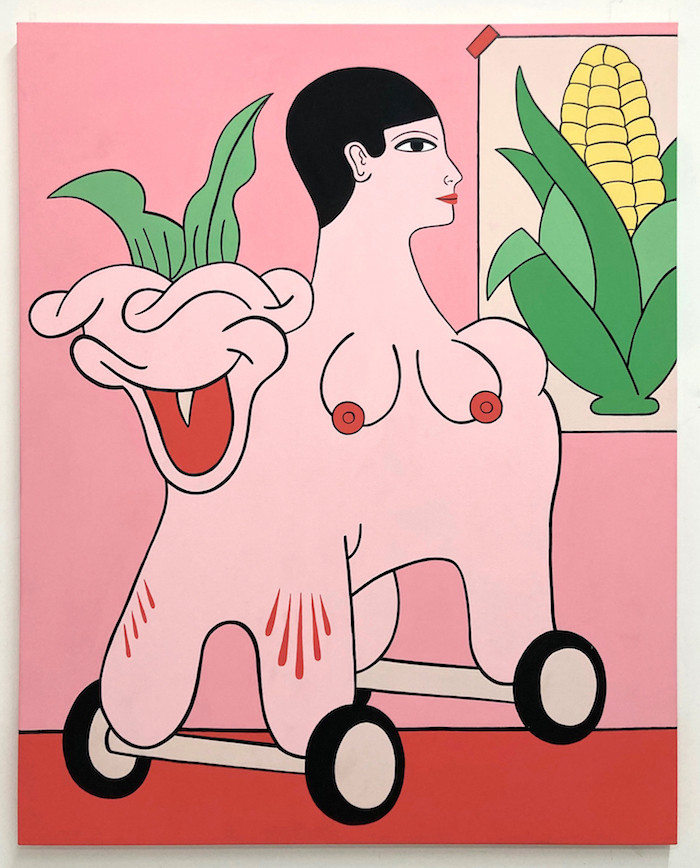
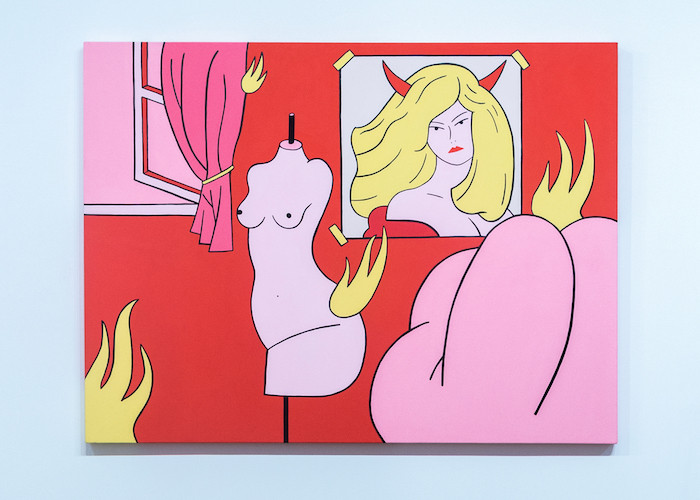
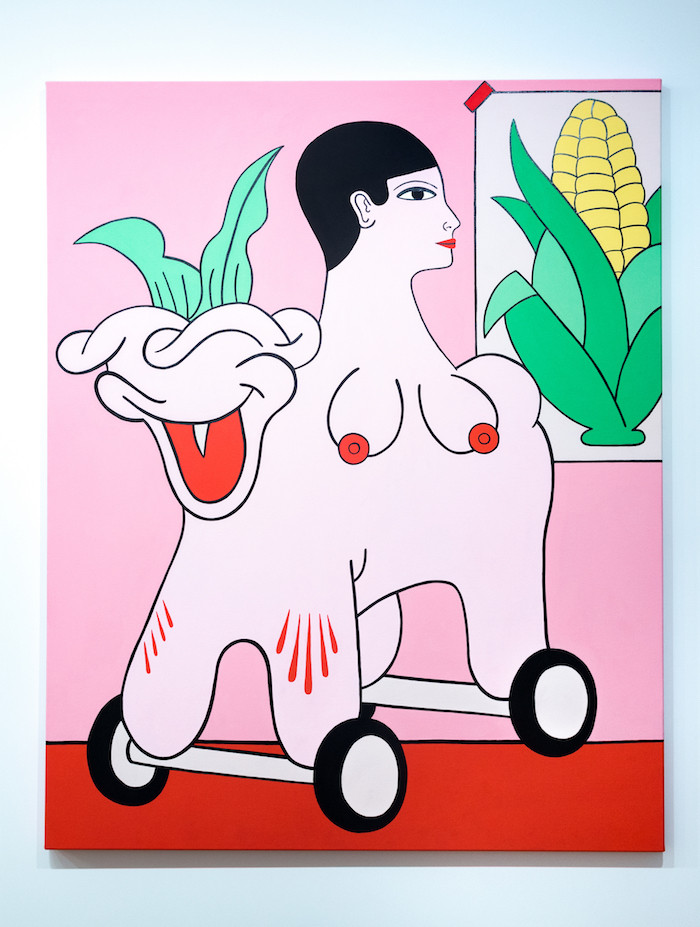
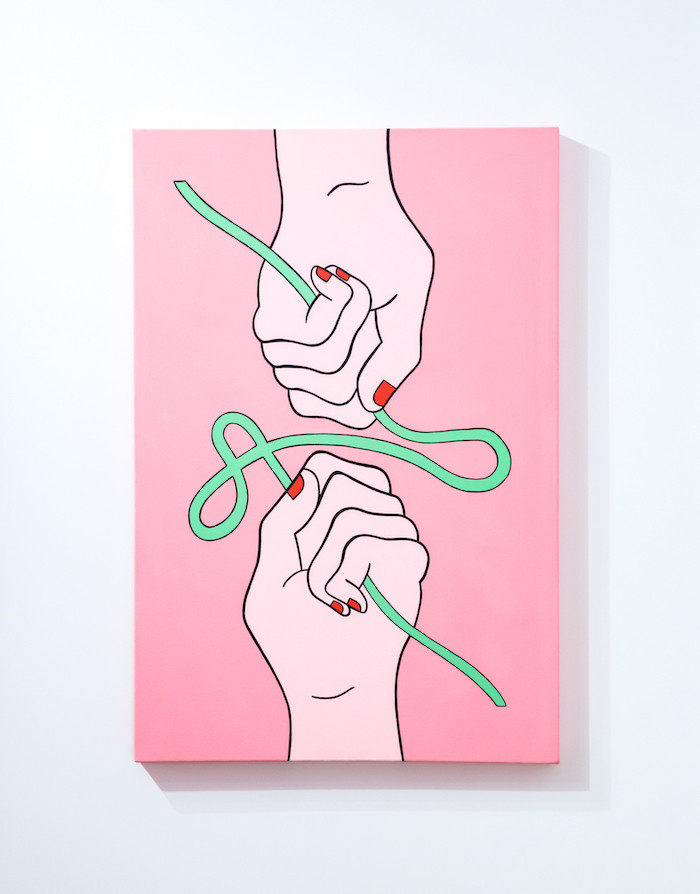
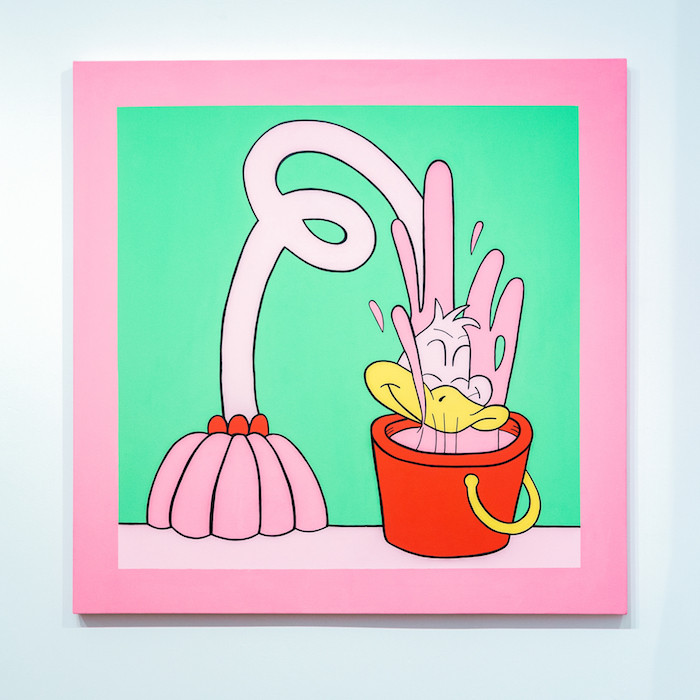
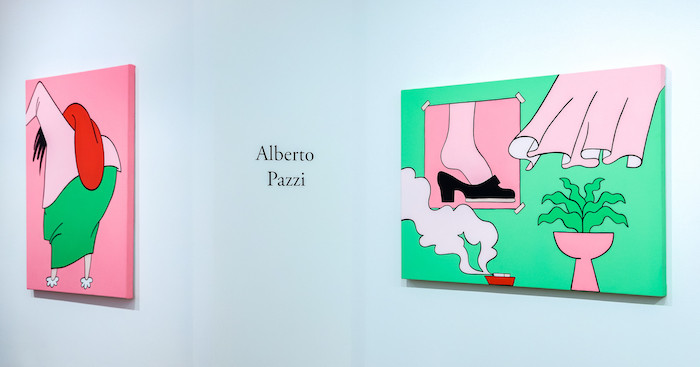
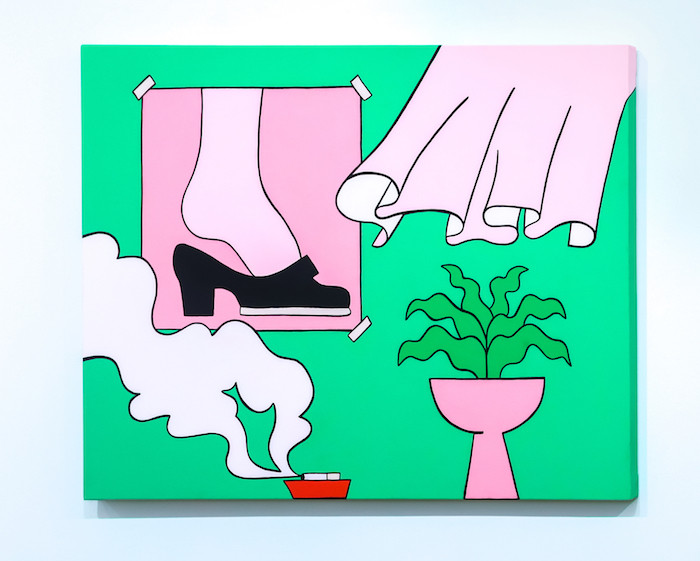
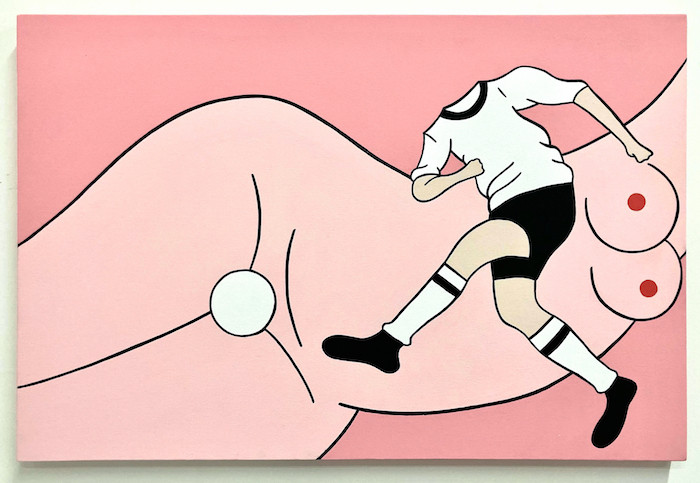
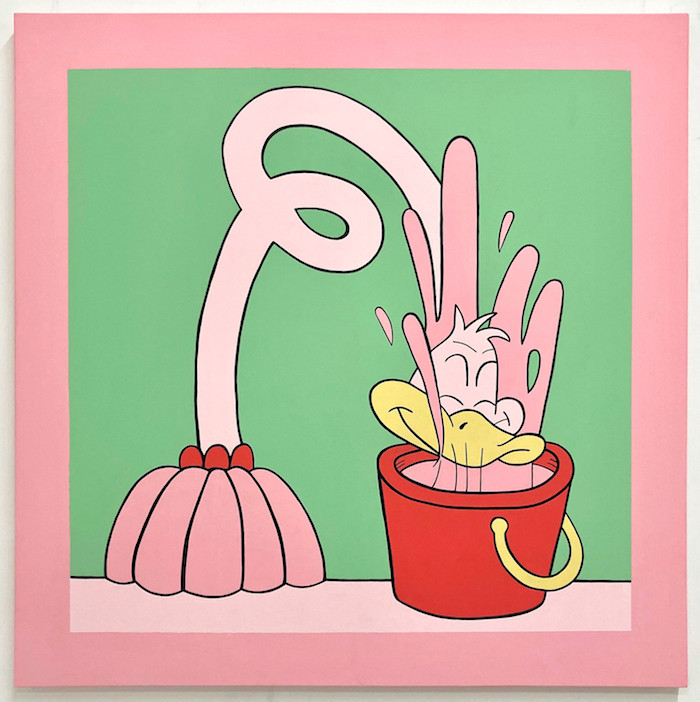
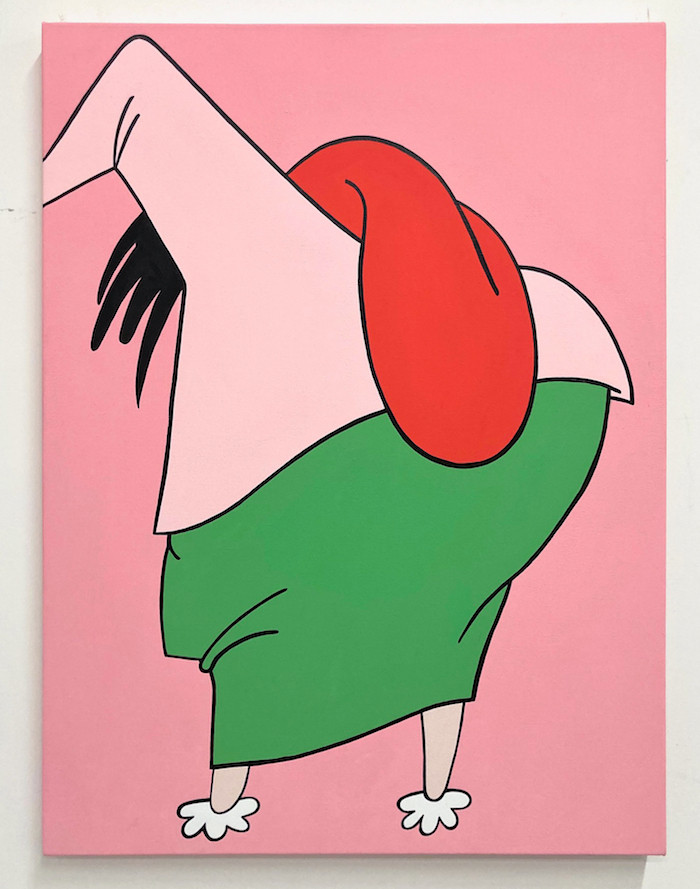
Alberto Pazzi — I’m deeply inspired by depictions of landscapes in vintage cartoons, carefully adorned in shades of pink and green. My objects, too, take on a somewhat exceptional and otherworldly nature. I aim to create worlds that are mysterious, sexy, and fun. In these alternate dimensions, there are creatures who, like us, possess their own unique inner and outer worlds. Within them — and us — are the emotions universal to the human experience.
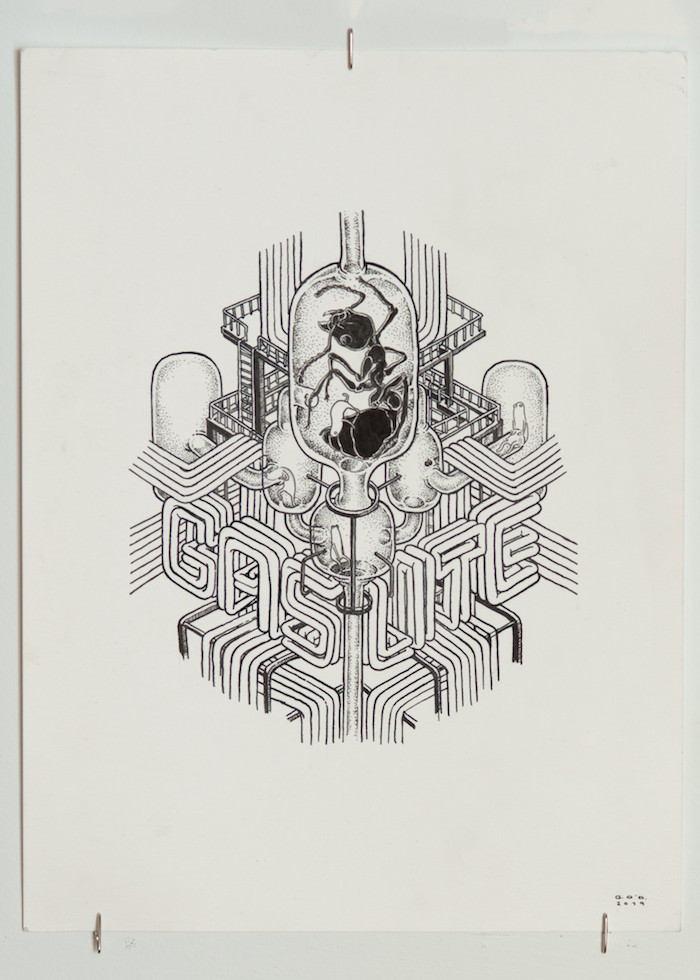
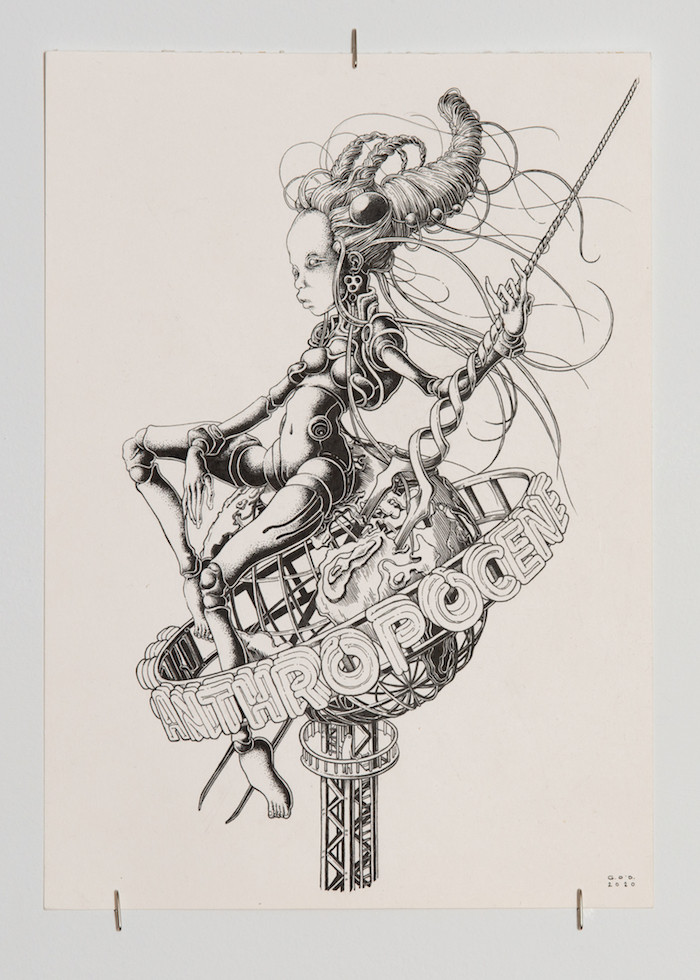
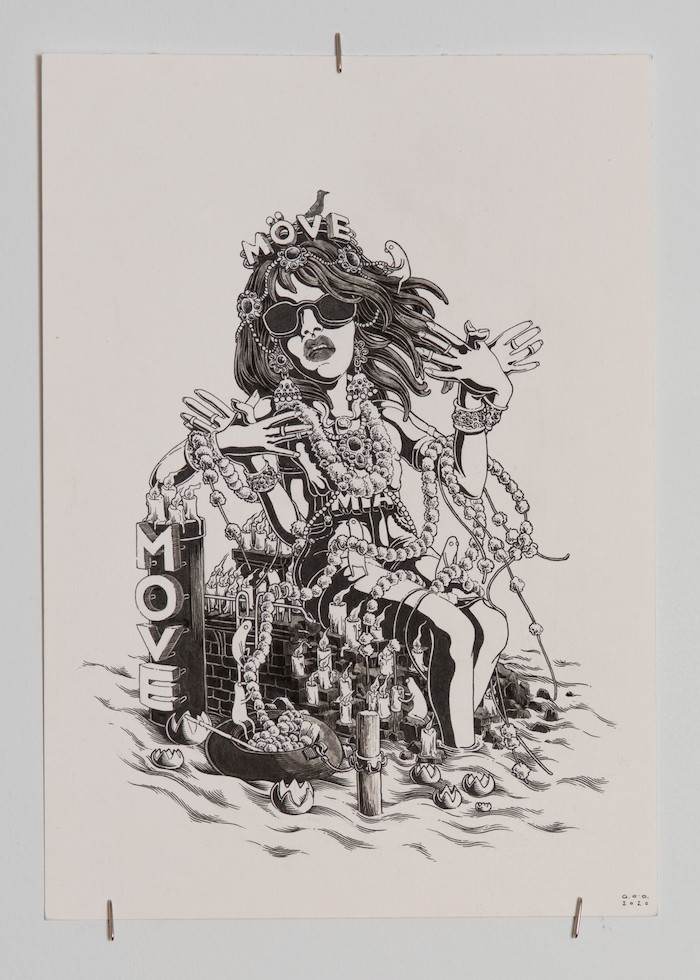
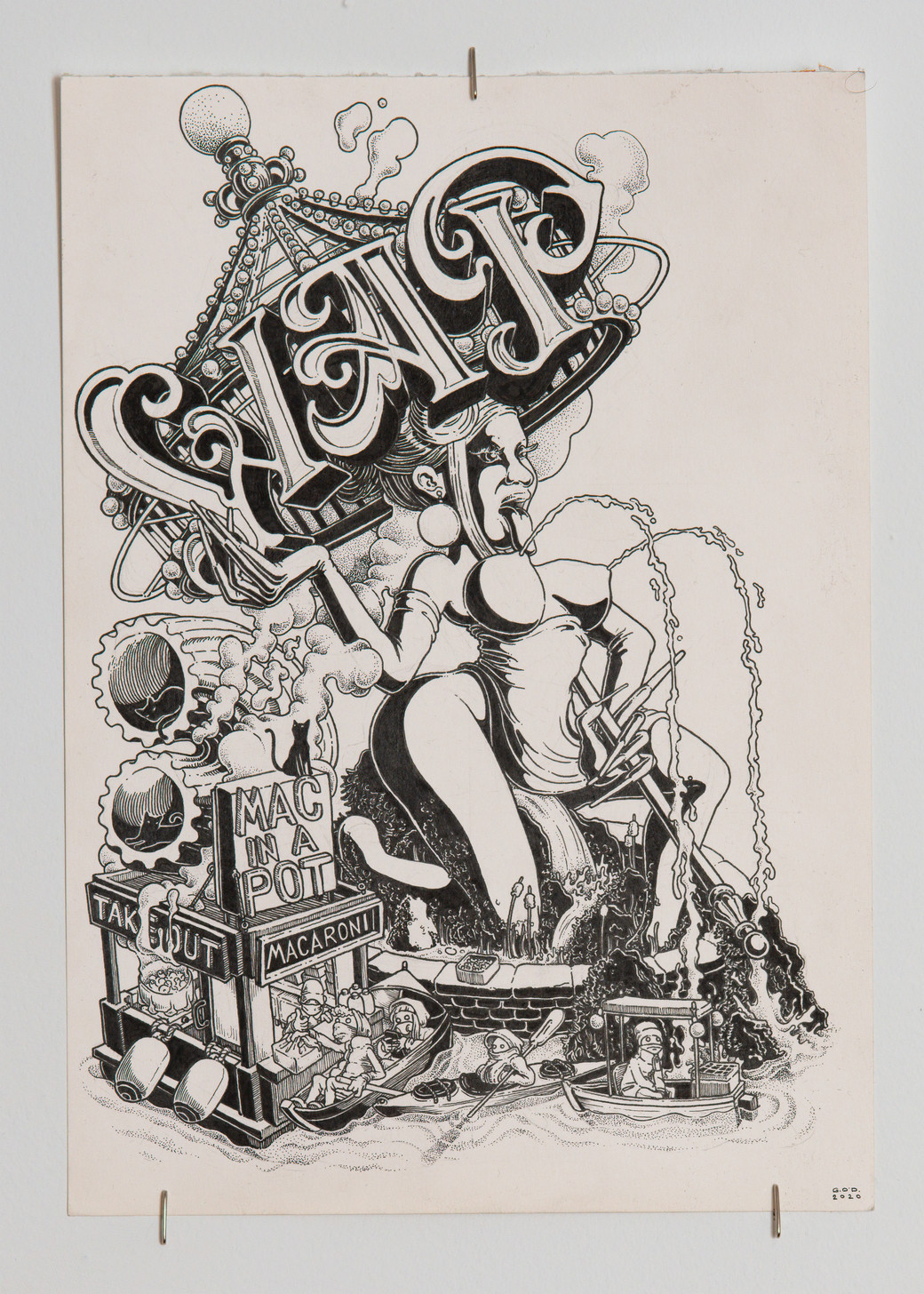
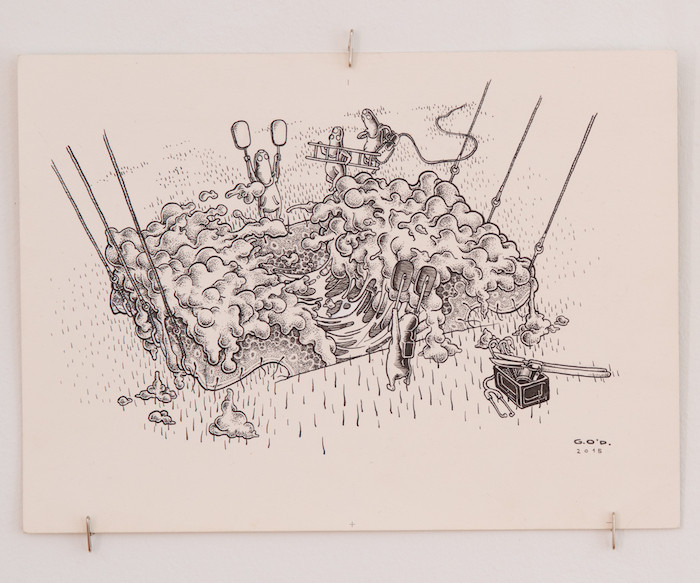
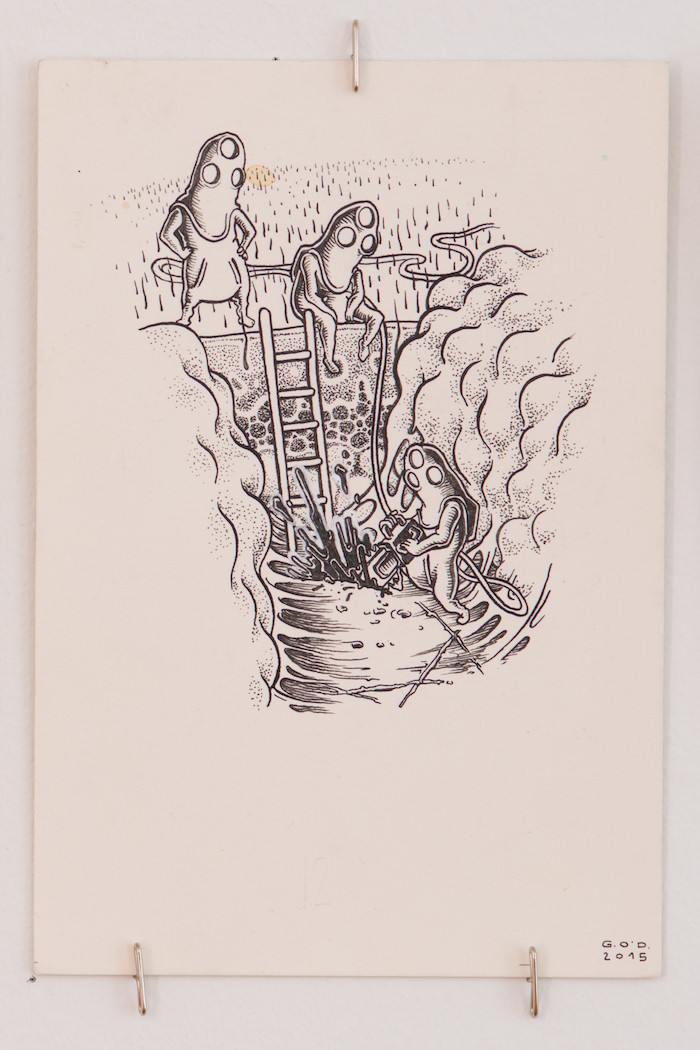
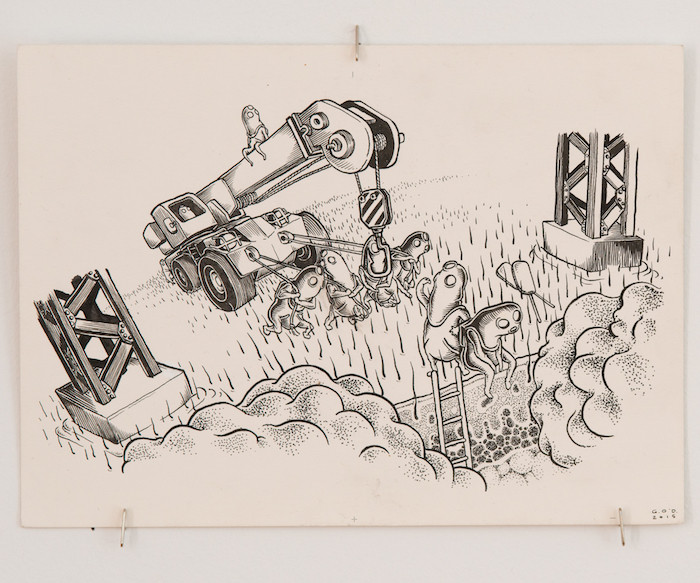
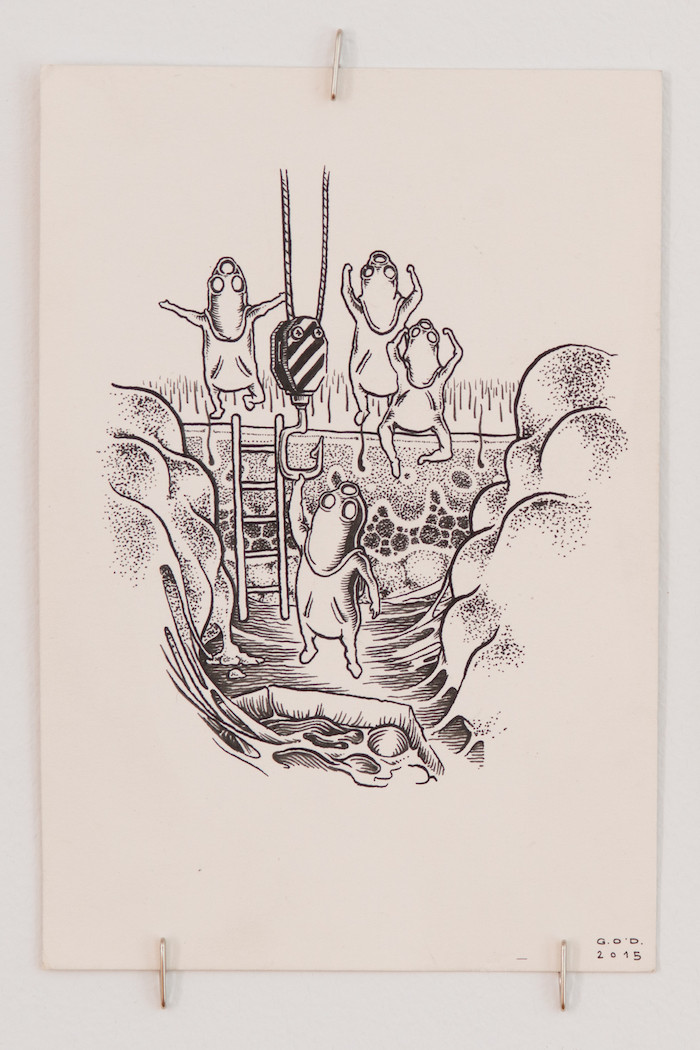
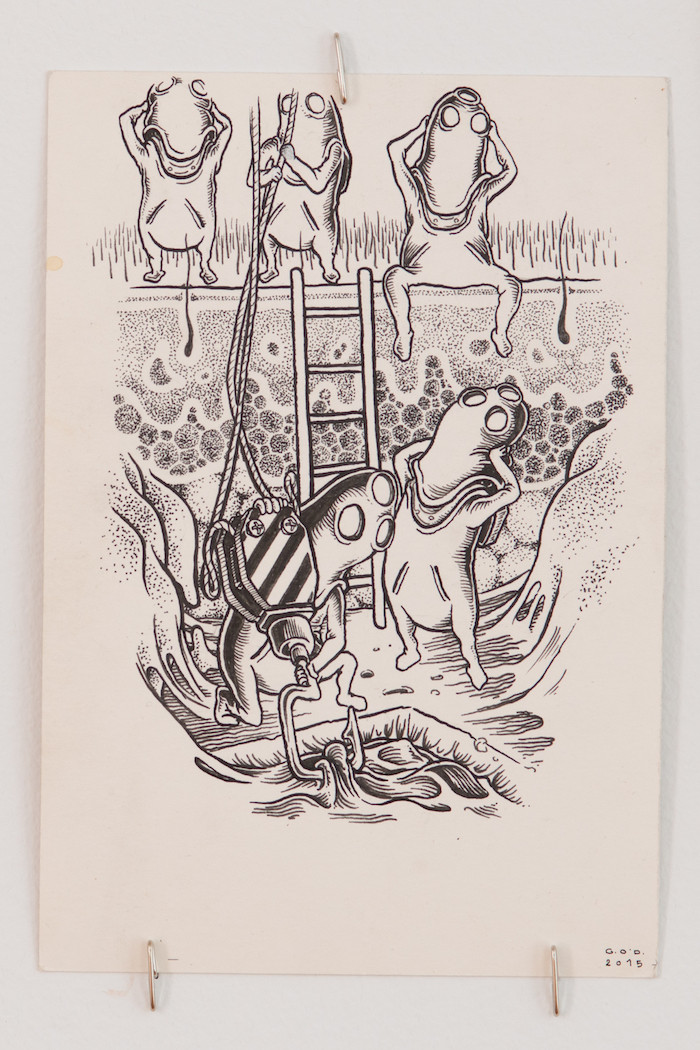
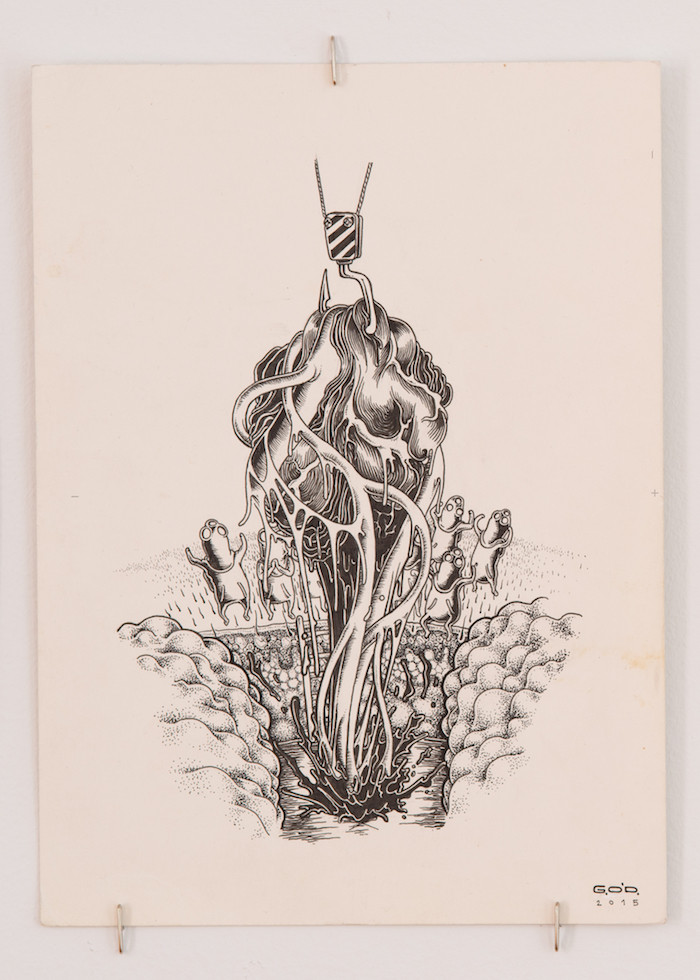
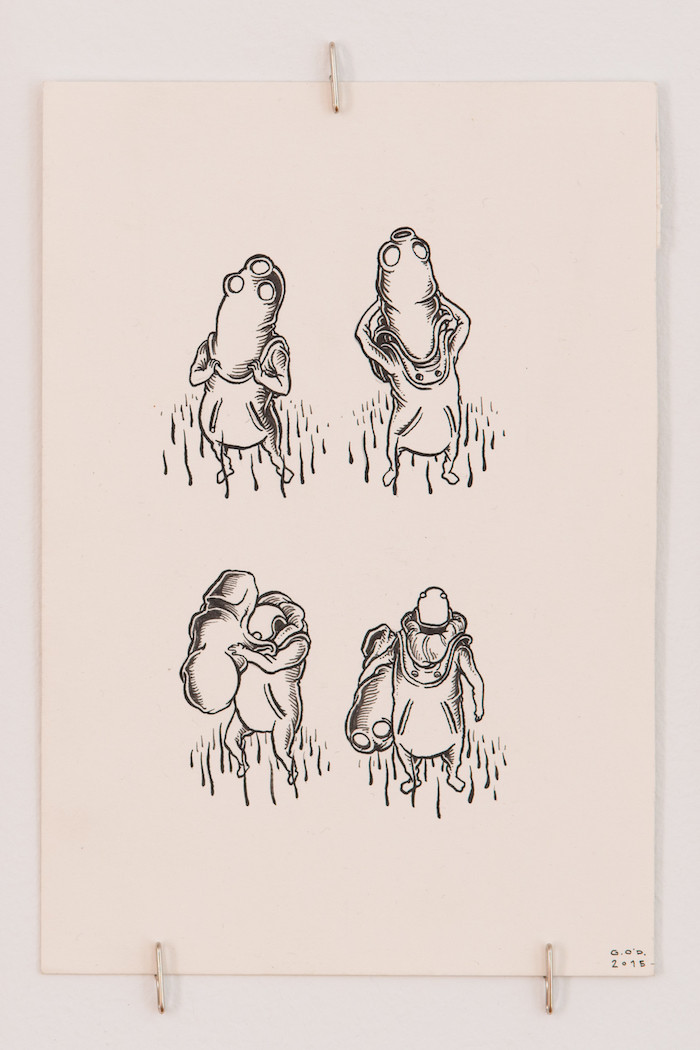
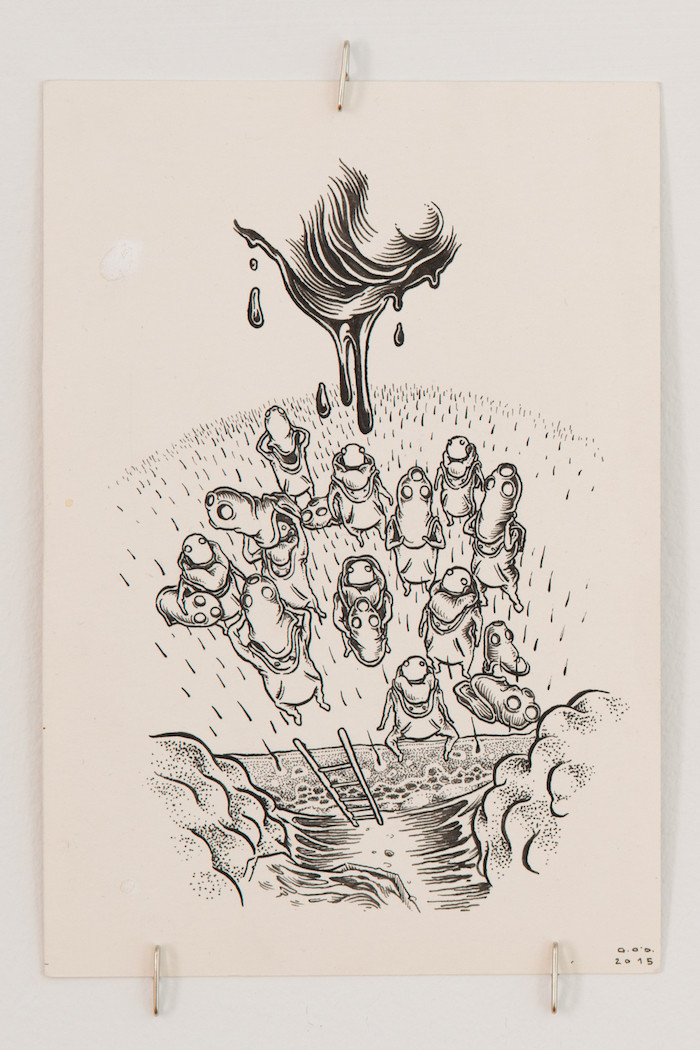
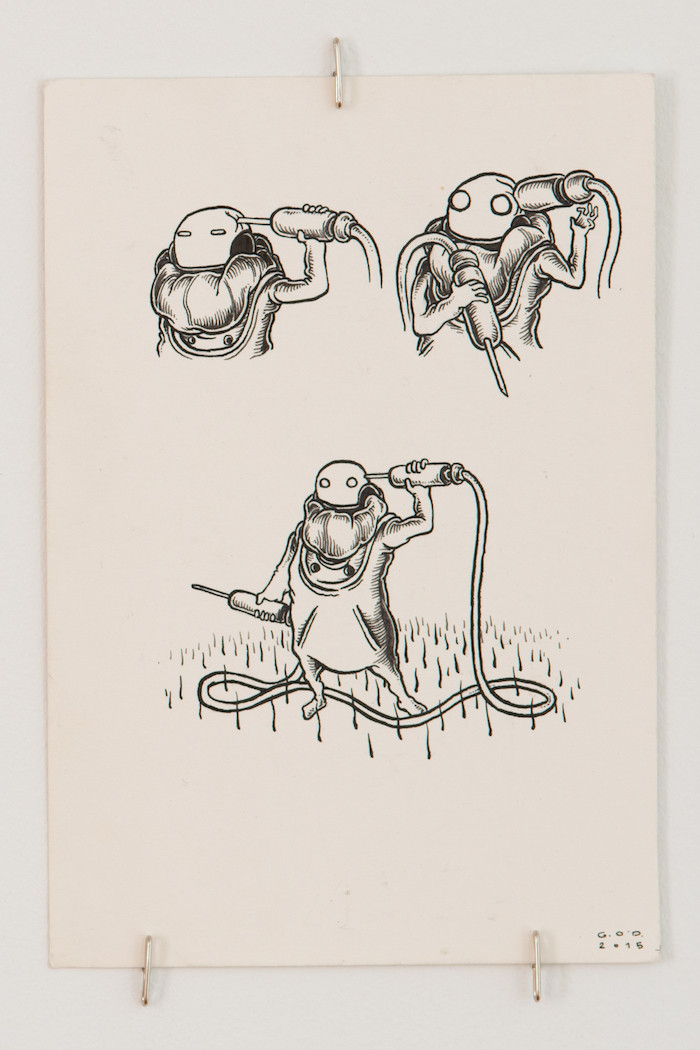
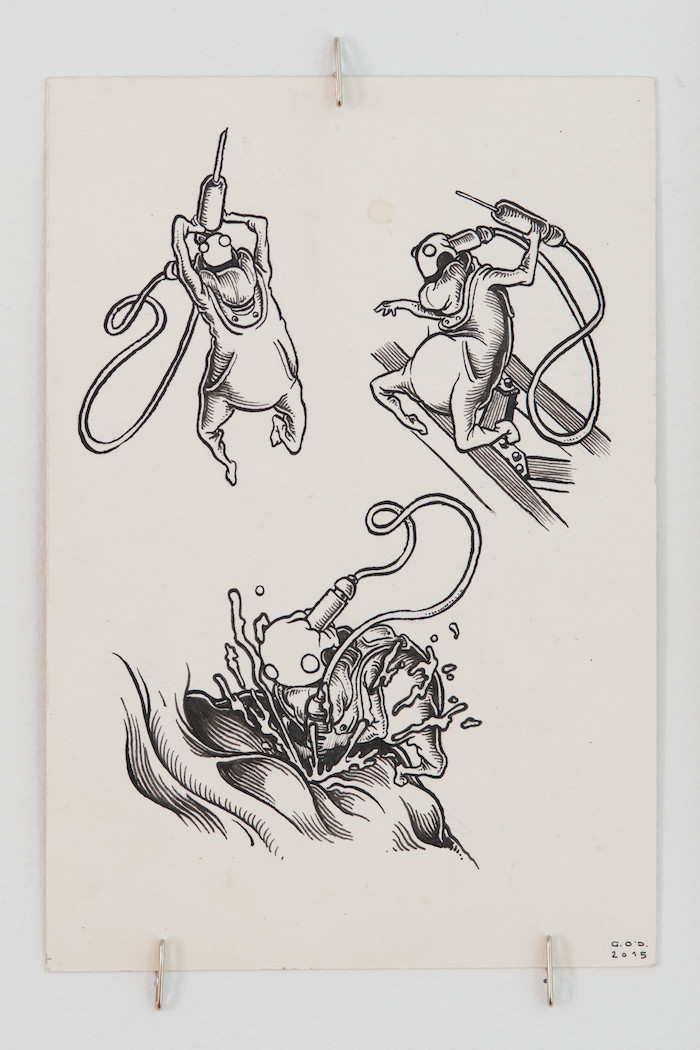
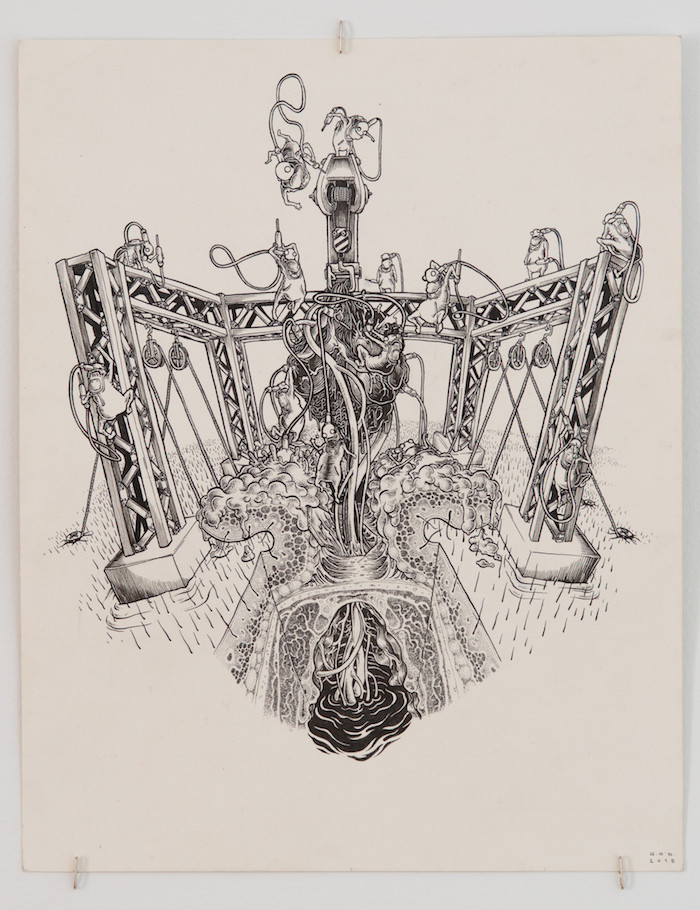
Carles Garcia O’Dowd — Growing up as a queer nerdy kid on a conservative island, comics, videogames, cartoons, and manga became the perfect escapism. I would daydream about fictional worlds and relentlessly fill in sketchbooks to materialize them as drawings. As I grew up, art history, social issues, and pop culture references would shape me as an artist, and my practice started solidifying a universe of its own: The Rise and Fall of Eden. It is a mythical cosmogony with populations, gods, corporations, creation myths, and cycles of splendor and collapse. I'm captivated by complexity and how everything is connected. Eden serves as a structure — a stage where I can cast my actors to perform a narrative. My fictional world serves as a way to make sense of reality. As I grew, art history, social issues, and pop culture nurtured this alternate world. I'm obsessed with complexity and the way everything is connected. By creating a fictional universe, I can make sense of the world around me.
Roger Cleaves — The main things I think about in my approach to world-building are narrative, methods of abstract figuration, the current social climate, and art history. Many ideas begin in my sketchbook when I am thinking about the main character. In my sketchbook, I like to take the characters through a walk in a possible storyboard. Oftentimes they start off doing very mundane things, but eventually, they run into a confrontation in the artistic form of my mind — meshing together invented problems, moments from my life, and the great history of painting that relates to current ideas I find interesting.
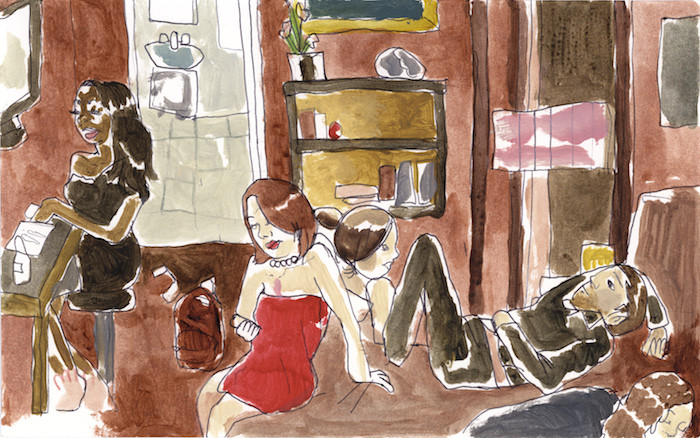
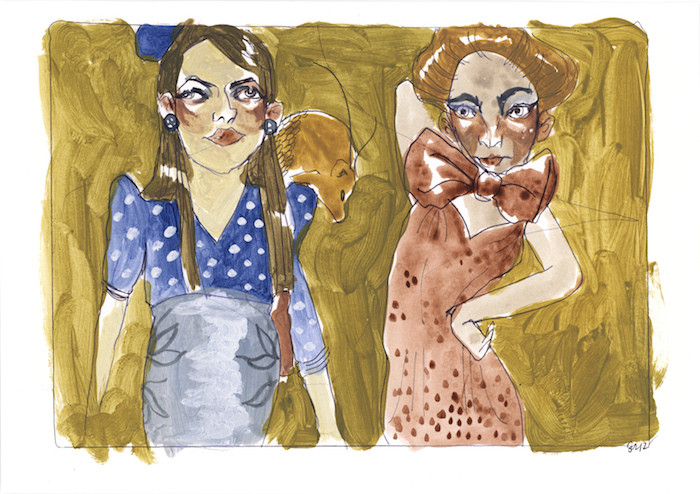
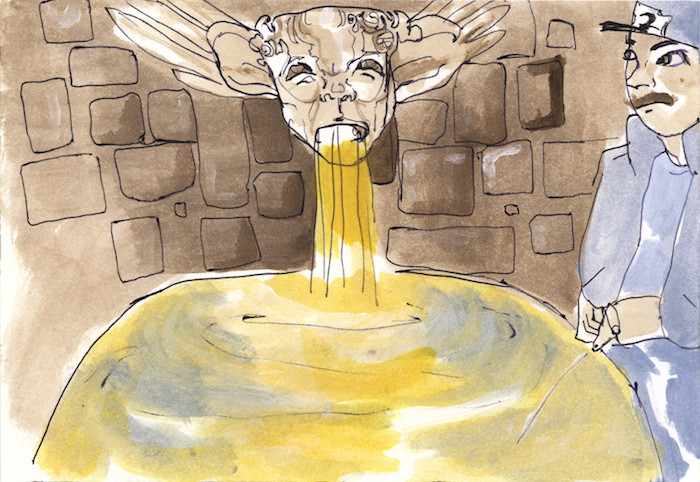
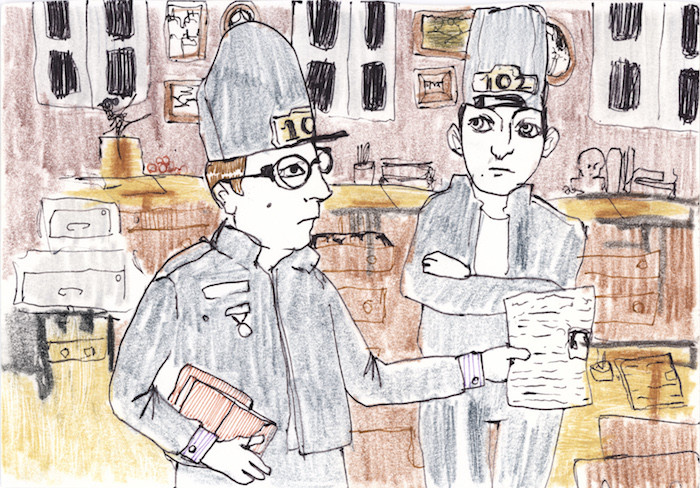
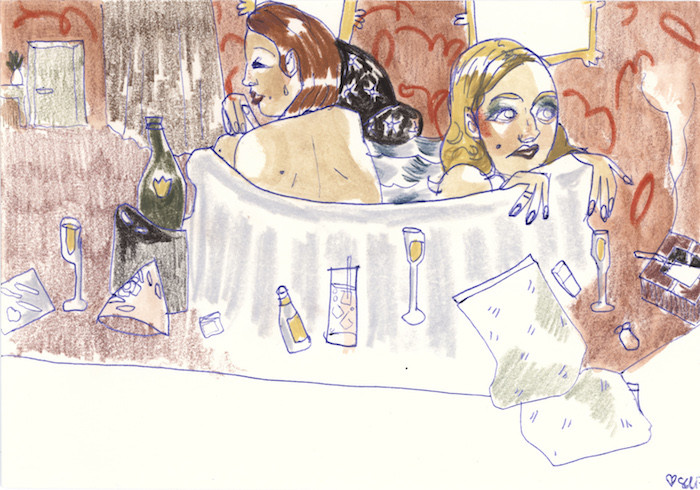
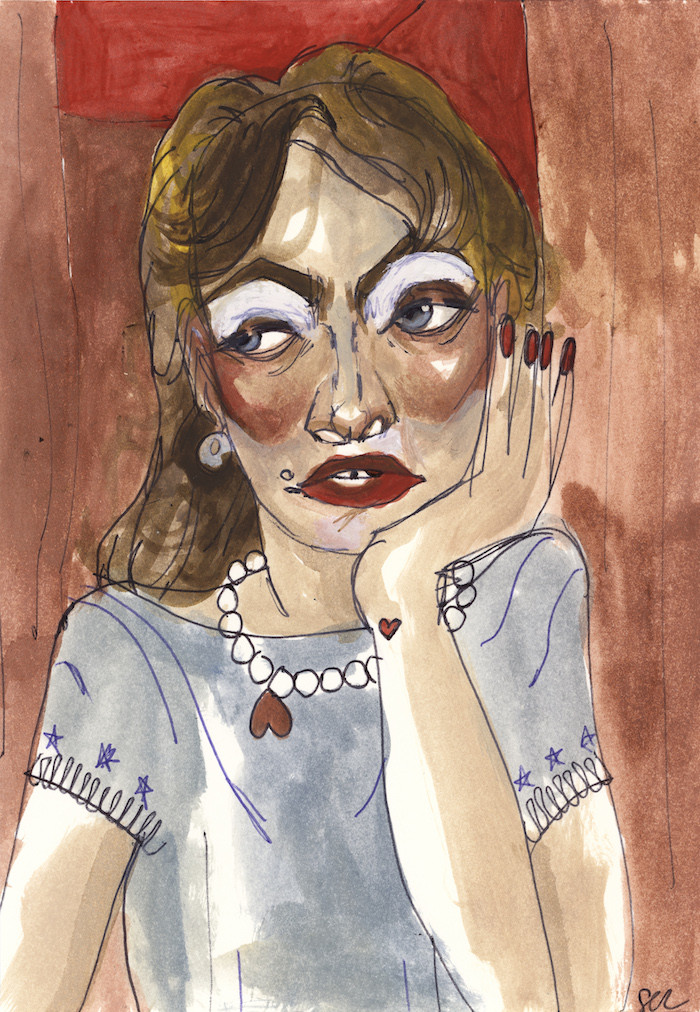
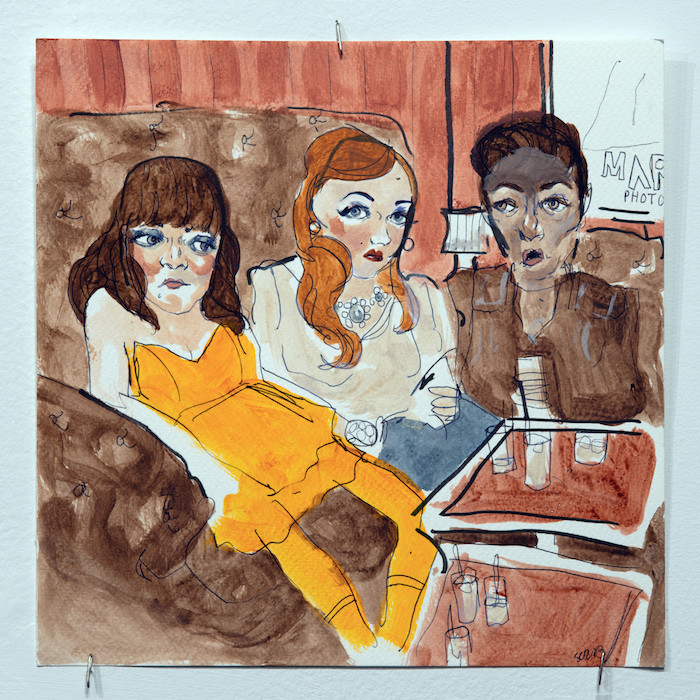
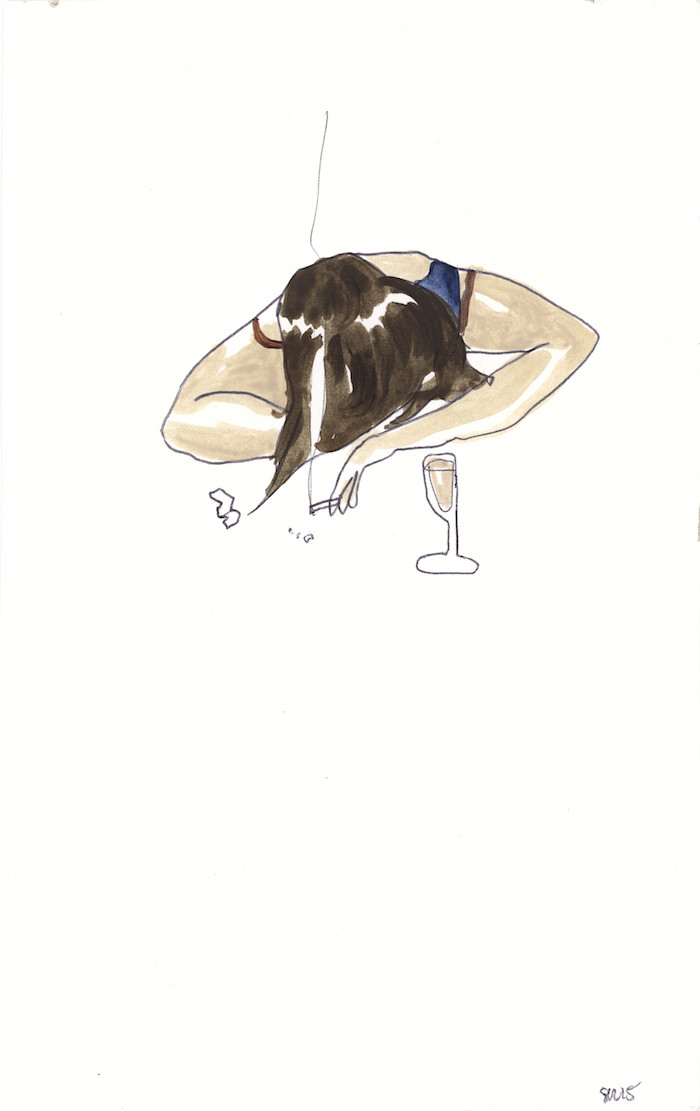
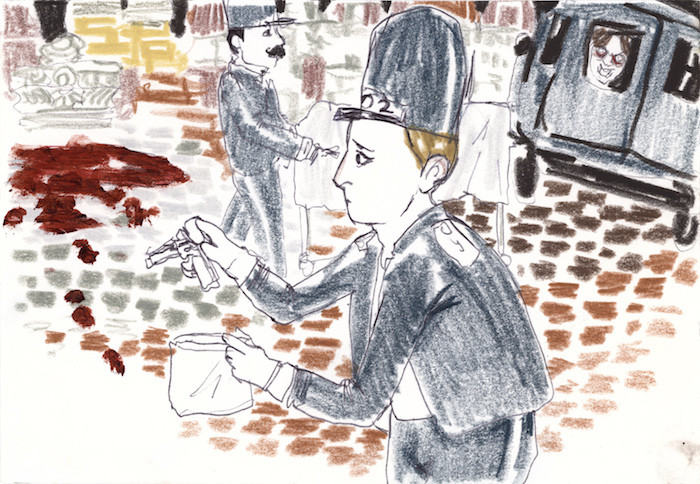
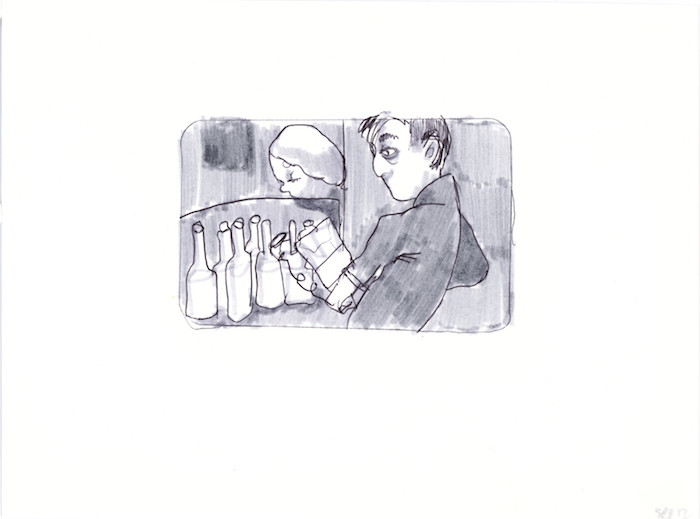
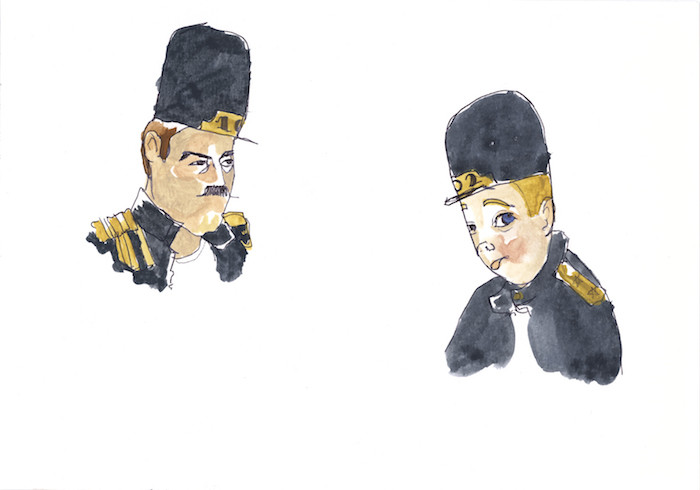
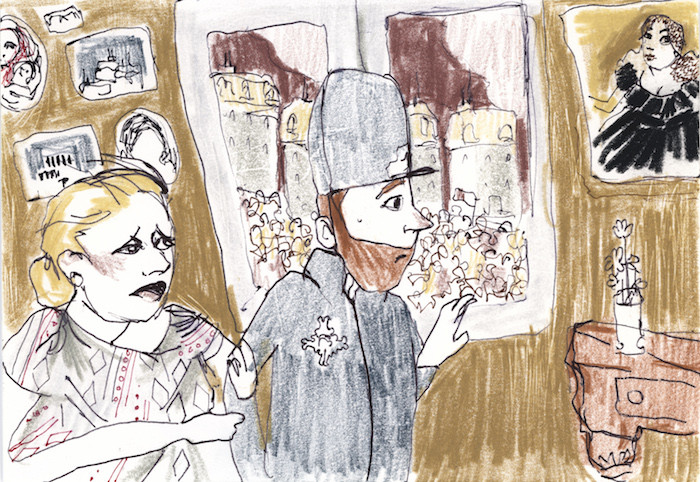
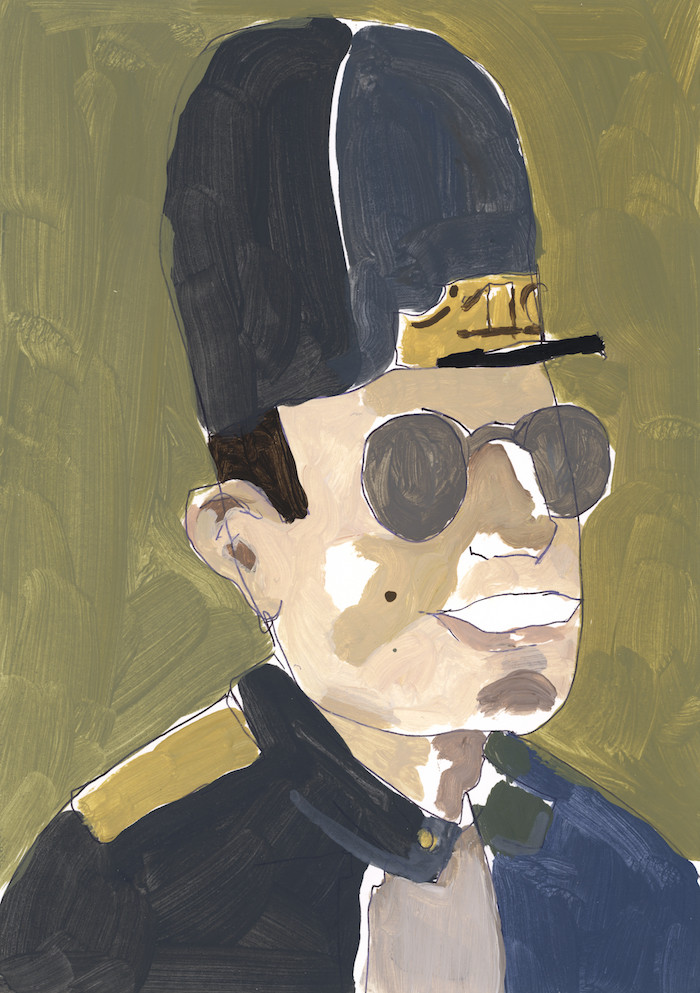
Spencer Chalk-Levy — In my work, world-building happens very organically, if not subconsciously. One series is taken from real-life experiences — specifically coworkers — somewhat from a past life, and the other series I used imagined soldiers dealing with a turbulent city representing where I was at the time.
In what ways does this exhibit showcase your artistic strengths?
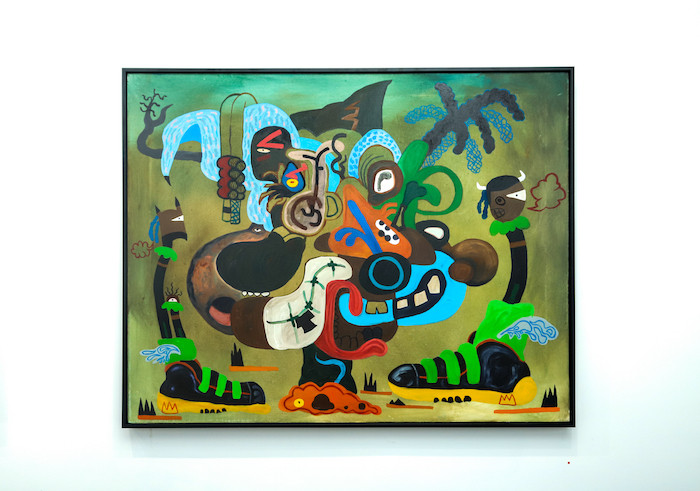
AP — The physicality of painting is something I’ve really come to respect and love. With each hour of practice, I get a little closer to painting the perfect line. I was encouraged to play with scale for this exhibition; making paintings as large as sixty inches was a challenge at first. But once the figures came to life, the entire production process became very exhilarating. It gave me a boost of confidence knowing that I’m approaching a style that is distinctly my own and something that makes me feel comfortable, both in terms of my role as the artist as well as a viewer of my own work.
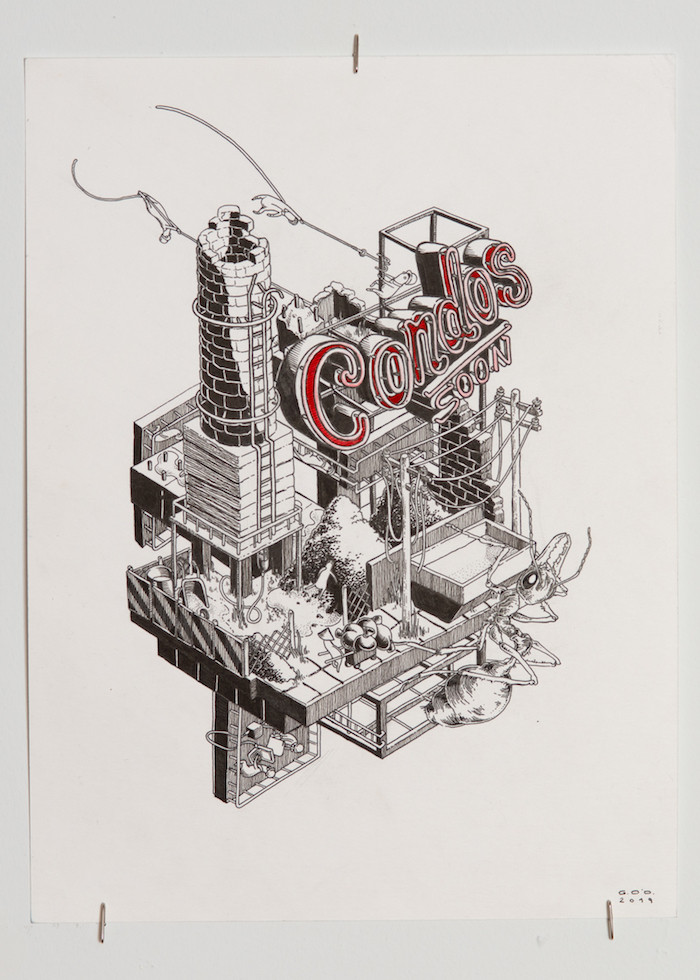
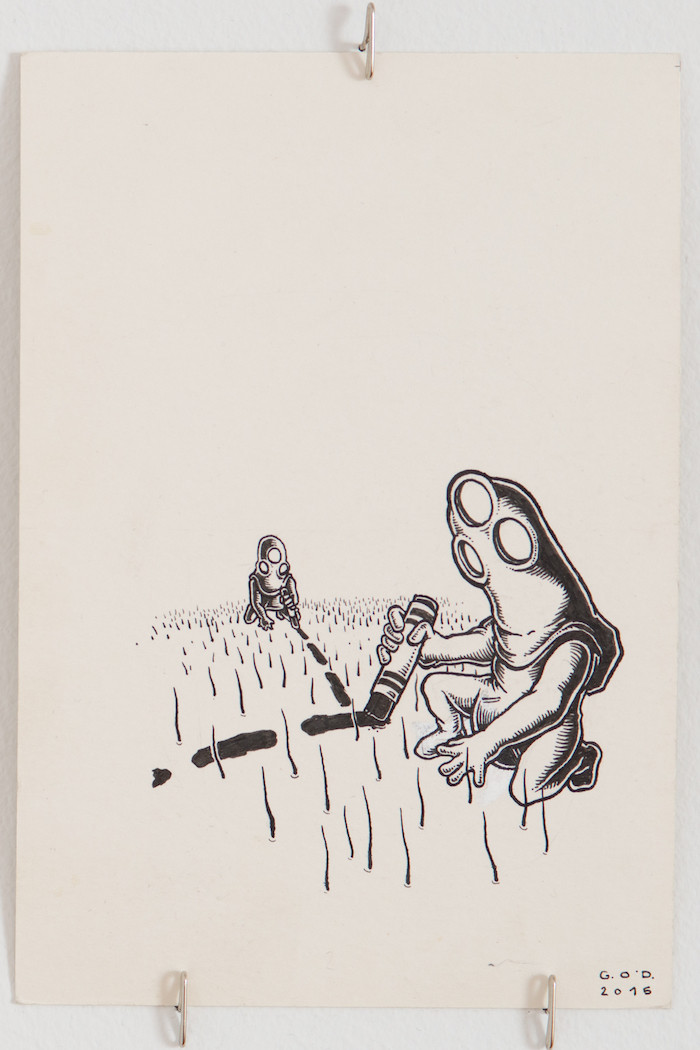
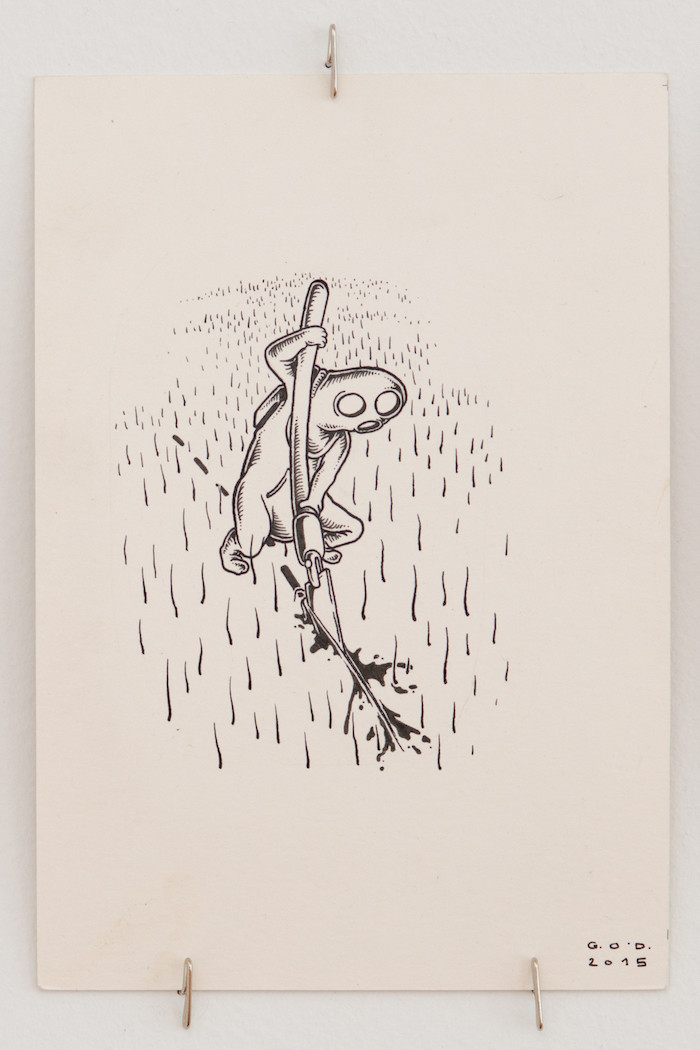
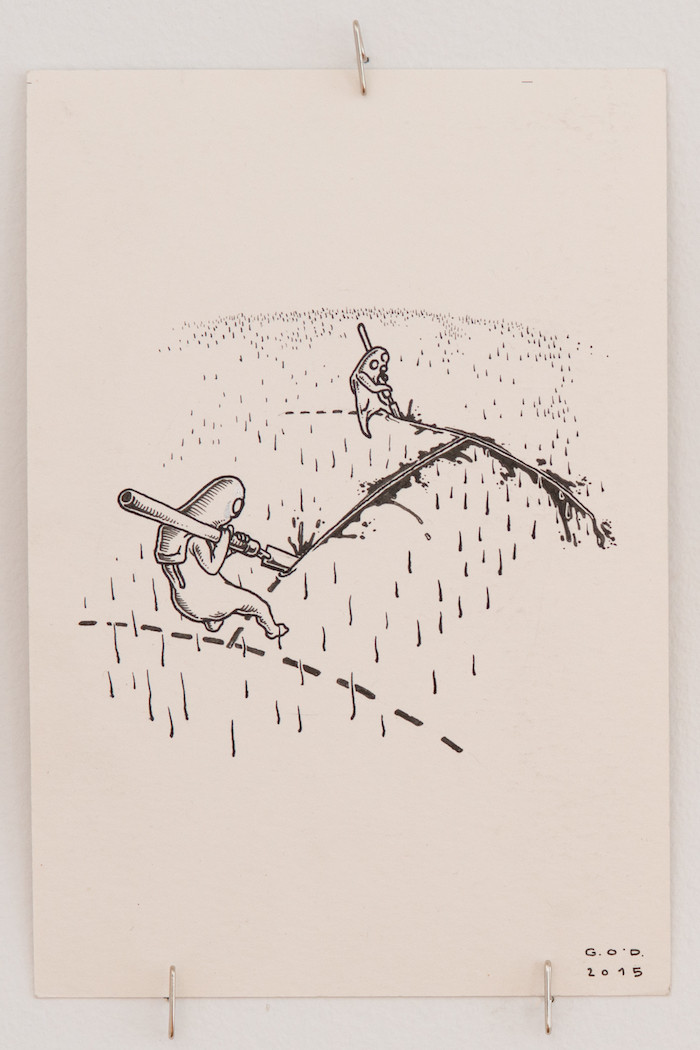
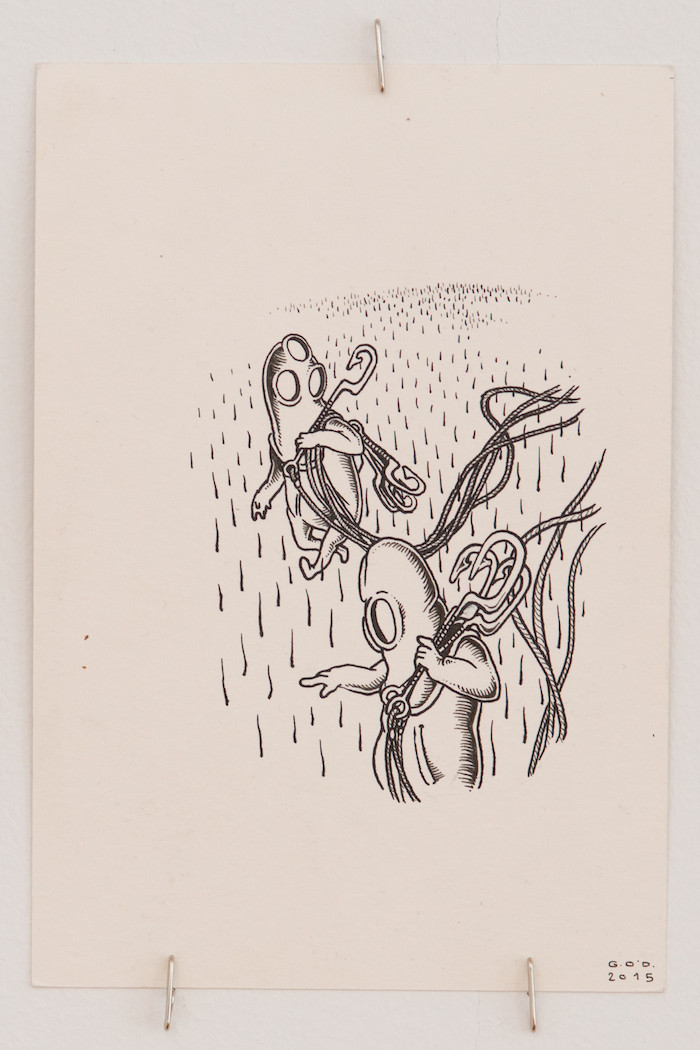
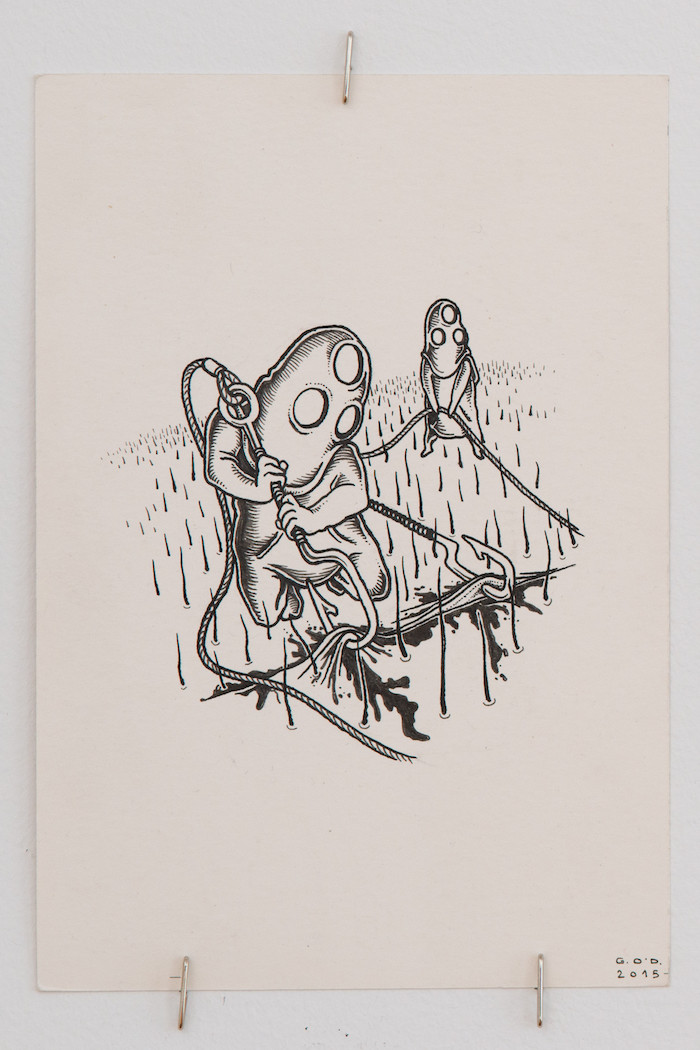
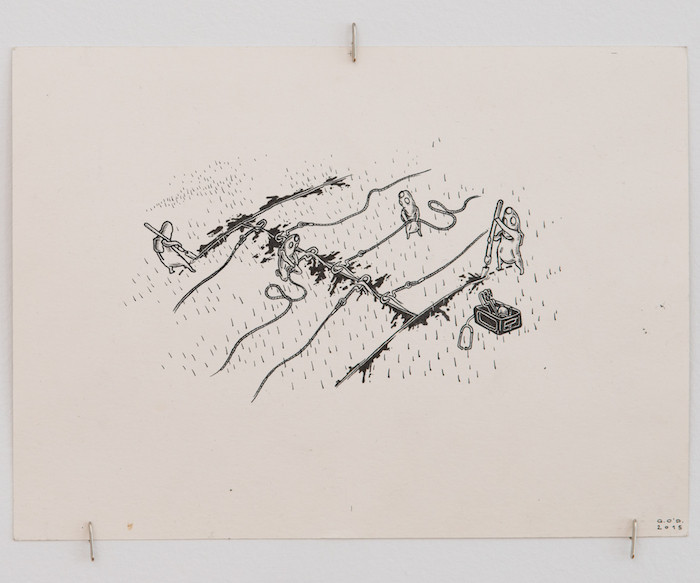
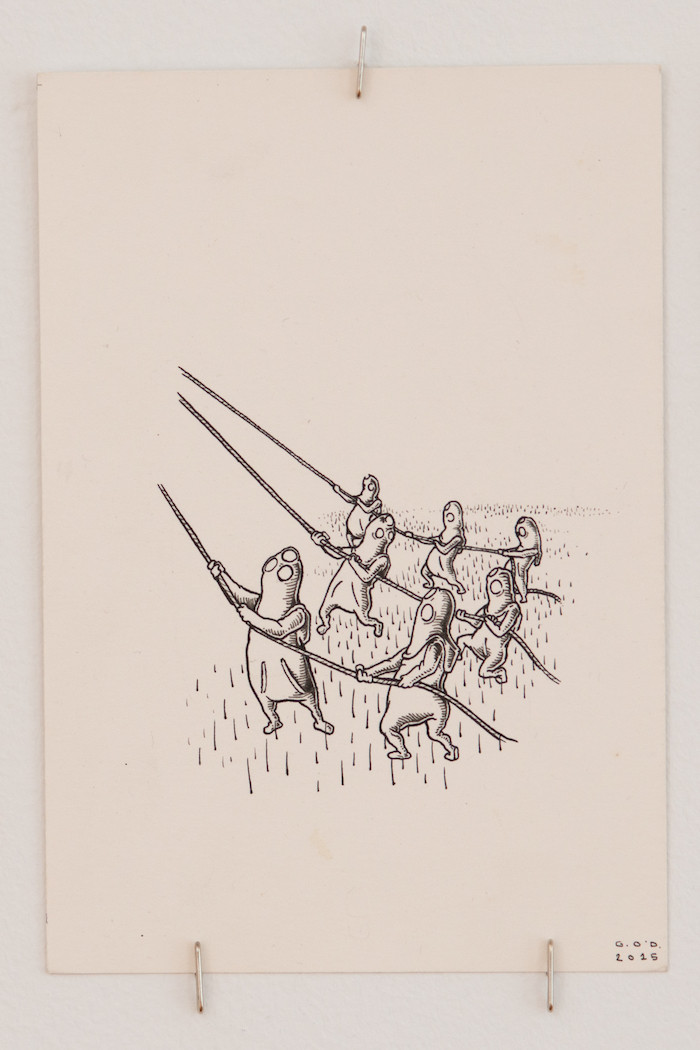
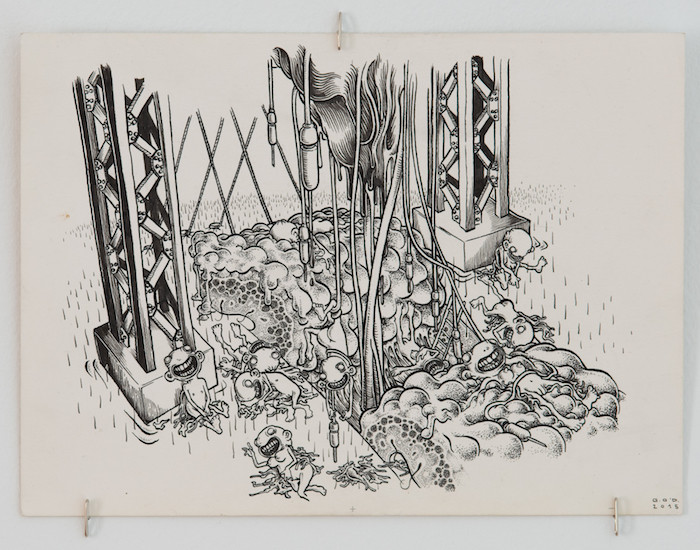
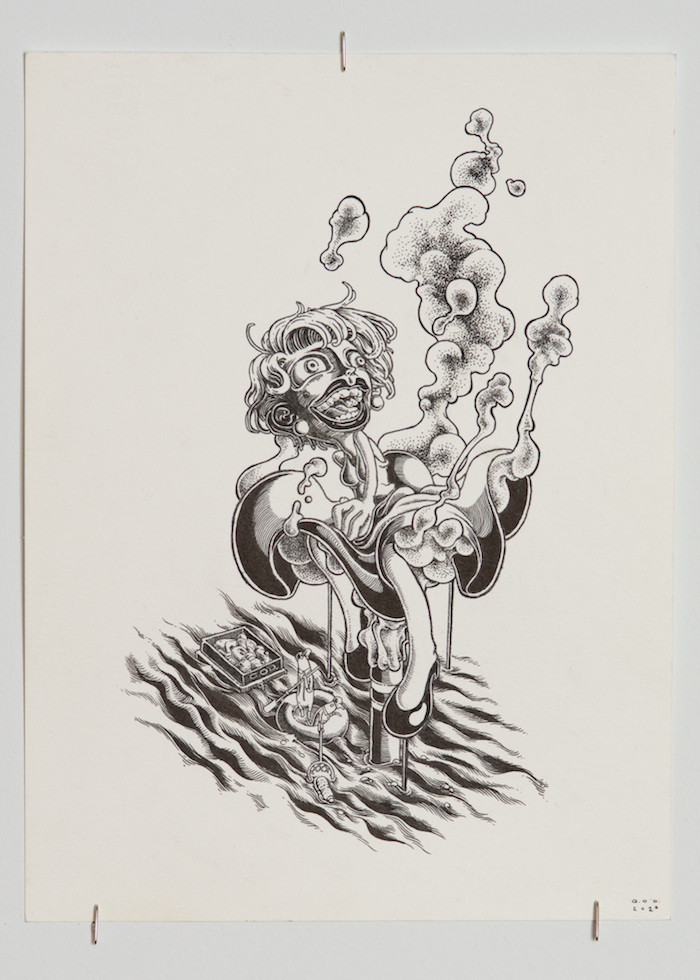
CO — In this show, we are showing pieces from three series’ done at different times. Each one connects to the world of Eden as its chapter, prequel, or spin-off. The first is "No es tu media Naranja, es tu Exprimidor,” a series about how destructive romantic love can become, triggered by a painful heartbreak. In Spanish popular culture, your soulmate is called your ‘Media Naranja’ or ‘other half orange.’ The title of this series translates to, ‘They are not your other half; they are your juicer.’ The second is “Metamorphosis,” inspired by resource mining, whale hunting, and plastic surgery, this series seeks to portray the cycles of ‘rise and fall’ that human civilizations seem to keep perpetuating. It stars two of my most beloved characters: the Topoids and the Yoyos. The third is “Neony.” My most recent pieces are scenes of a post-climate collapse in New York City, where celebrities have become goddesses, old infrastructure repurposed, and gentrification is still rampant, making its way through a drowned metropolis. This series’ inspiration stems from sci-fi dystopias, speculative fiction, and the techie-promises of a hyper commodified future. It explores the contradictions, fears, and confusion about the future in a post-factual climate-changing reality. I'm thrilled with TW's curation of each piece, following a non-chronological display. I think this exhibit shows my drawing skills in a very raw and bold way — drawings are pinned to the wall, naked — visitors can see every dot, every shakey line, and mark that my hand left on the paper.
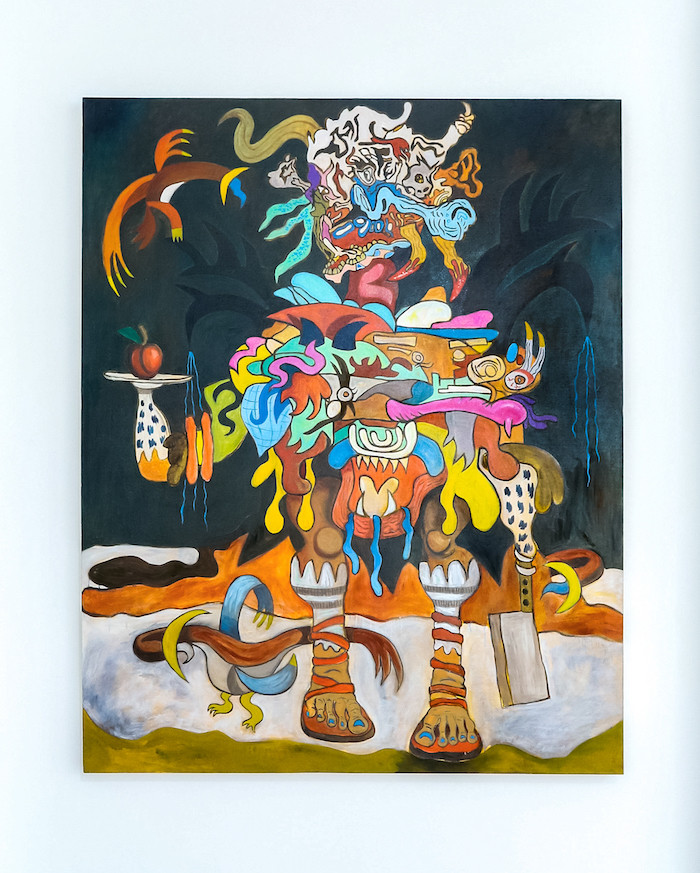
RC — This exhibition brings together paintings that display my methods of abstract figuration, my love of balancing chaos, and my appreciation for interesting character design. One of my biggest strengths is my ability to speak to a wide range of viewers. I feel the imagery has a cool presence, as defined in Dinerstein's book, The Origins of Cool in Postwar America. I think my paintings are interesting enough to grab the viewer’s attention through color and creativity. I love the balancing act between shapes and color, texture and flatness, tradition, and the absence of it. I think the seasoned art historian can identify all the games I play with Modernism and how that ties into the thoughts of one who is creating from an Afrofuturistic perspective. My strength is the ability to create work that is dynamic in presence but rewards the viewer for spending time with the piece on multiple sittings. I think every painting in the show does a great job of displaying my range.
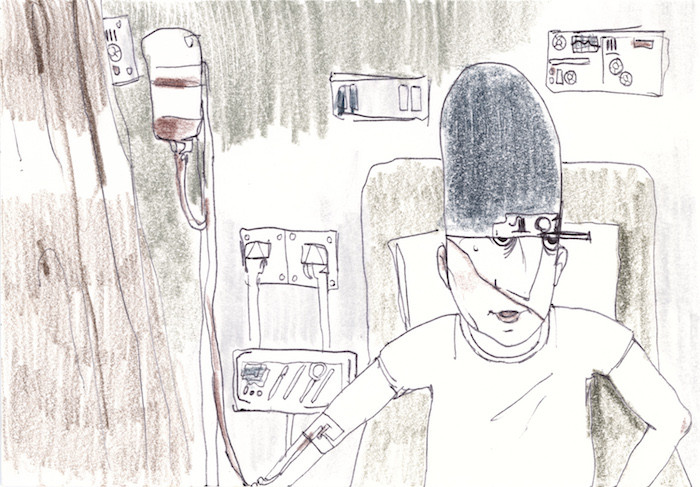
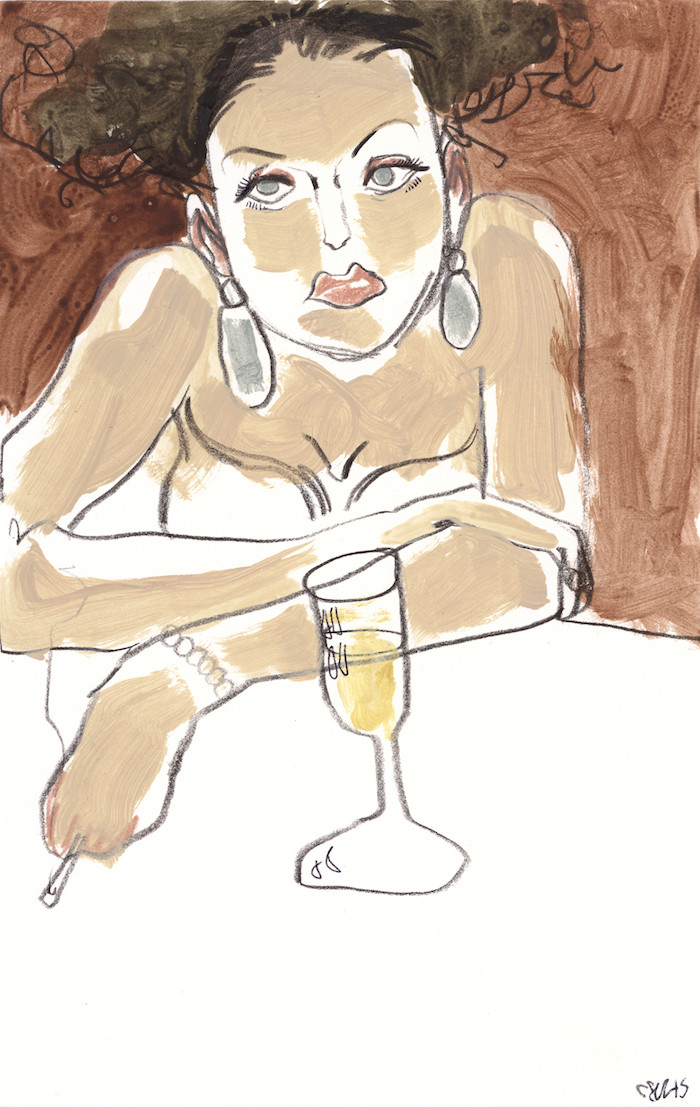
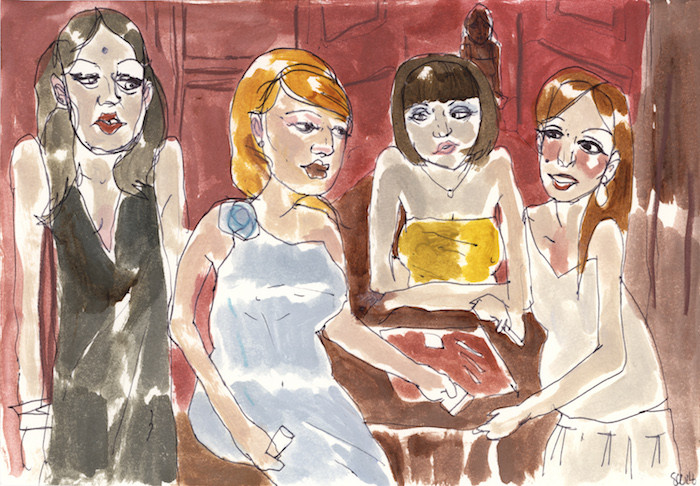
SCL — Everything for me starts in the sketchbook. I use it as a visual journal — with pages of lists and ideas for bigger works as finished drawings.
What are the main emblems or mediums that you utilized in your work that is featured in “Sky’s the Limit”?
AP — Some of my most prevalent influences are ancient illustrations of plants, cartoons, poster art, and, as of late, Japanese wooden toys. I introduced those figurative elements into the paintings to further elucidate the complex and varied nature of my own aesthetic preferences without losing the magic of a minimalist approach. My work is very flat so to speak — contours dissolve into large swashes of pink, red, green, and yellow. Although my work may not utilize the techniques of trompe-l’oeil, I seek to depict intimate spaces that invite viewers to step into a room within the larger universe that my colorful characters inhabit.
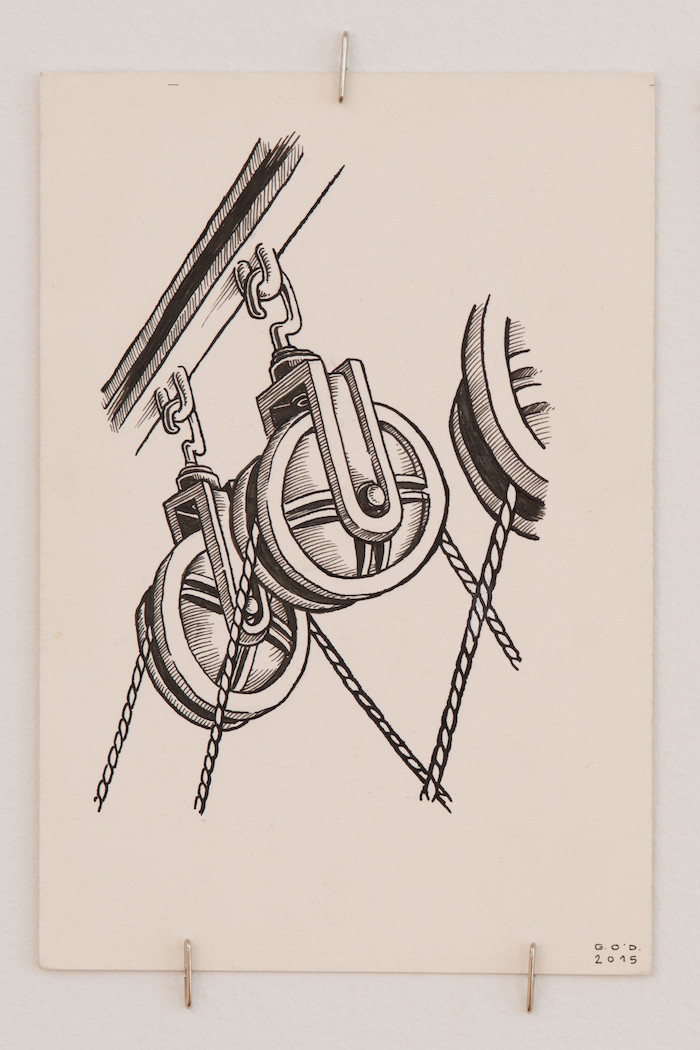
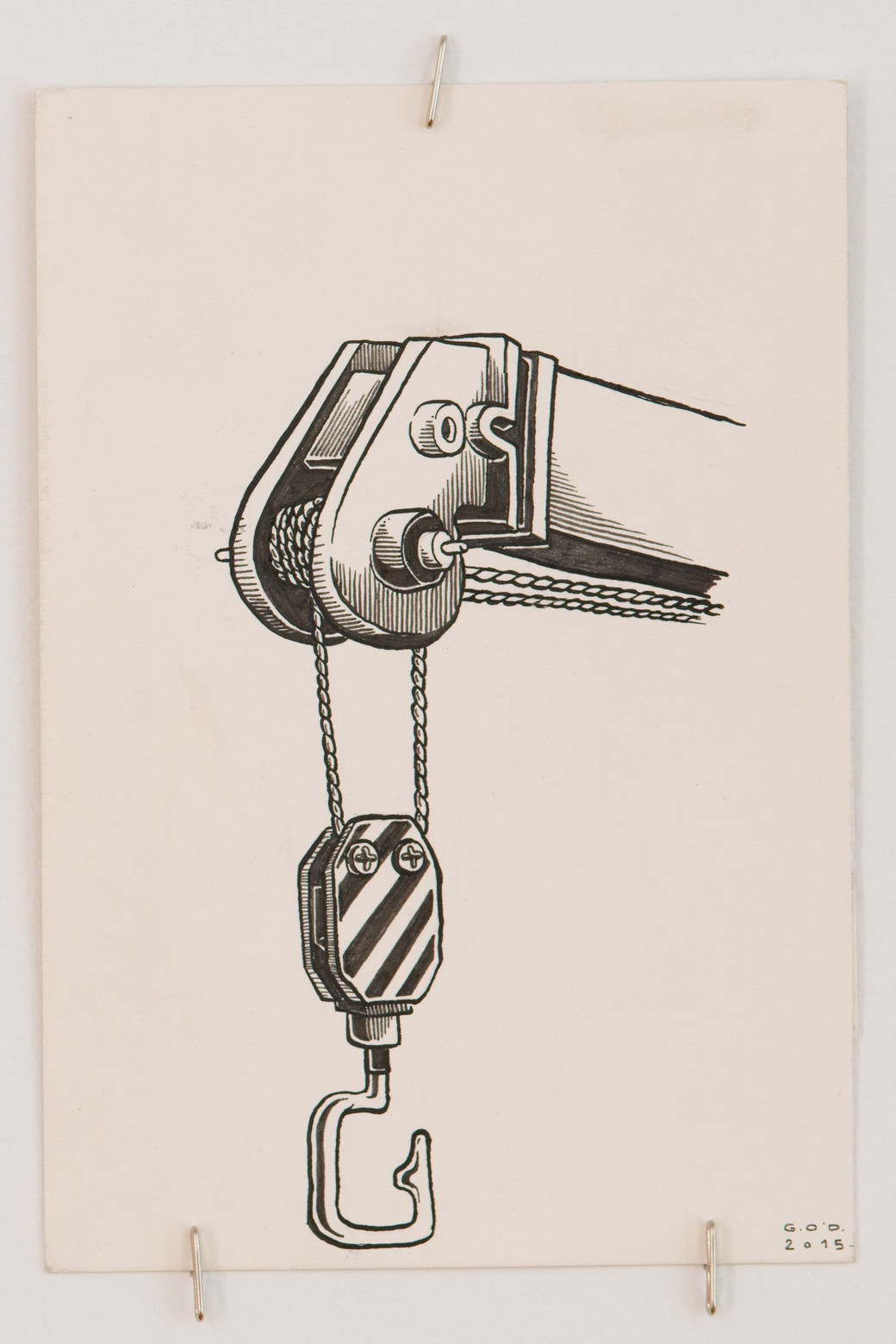
CO — The work I'm showing in this exhibition is all exclusively ink on paper, my method of choice since I was a child — a total of 36 small format ink drawings created between 2015 and 2021. After lots of preparatory drawings in my sketchbook, I make a final pencil sketch that I then ink using dip pens, technical pens, and paintbrushes in the manner of traditional underground comic art. A large number of the pieces feature two recurring characters I mentioned before. Topoids represent workers, minorities, and the apollonian side of humans. Whereas Yoyos represent consumers, the middle class, and our dionysian side. Furthermore, there are nods to contemporary pop celebrities, a tribute to Milton Glazer's ‘I Love NY’ logo, and a story of abuse that a dear friend told me right before relocating to New York.
RC — This exhibition features my oil paintings which are built using a very traditional glazing process. The initial stage of these works is a monotone underpainting layer and I stay there for weeks until I feel the table is set and ready for the entrees and meal. I slowly build up the color and end with any final garnishes that I feel complete the image. I like the idea of using the history of painting to create contemporary abstractions.
SCL — The works in “Sky’s the Limit” are all works on paper. The drawings start with a pen. I usually love those clock pens that you see in every office. Then I use either watered down acrylic colors or a selected palette of colored pencils. They both give very different moods to the drawings.
What emotion or message do you want people to leave with after seeing your work?
AP — Hopefully it can motivate someone to pursue an artistic endeavor and dive into the world inside of them. Distorted realities and different views are very important to keep the soul and originality of art fresh and inspiring.
CO — I hope that viewers of the work have fun and get lost in the details that tie the pieces together. And that in the process, my characters and situations will take them somewhere new or make them think of something they weren't expecting. I encourage people to come with a friend. It's always a delight to see folks having conversations about what is going on in each scene.
RC — "Forget Me Nots Land" is a created world and story, and I want the viewer to be filled with intrigue. I want them to walk away knowing that each work is a small unique piece of a puzzle and that the story reveals more of itself with each exhibition. Hopefully, in a brief moment, they see the power of Afrofuturism and its ability to speak about a wide range of topics that transcend the box that has historically defined the contributions of African American artists. In the next moment, I want them to think only about how invigorated they are about the future of painting.
SCL — In one series, I want the viewers to see through the eyes of fictional ‘Bataillon 102’ characters, a period in my life that was dark and mysterious and expressed itself into an almost animated city. On the other hand, I wanted to show the beauty and fullness in the ‘in-between’ moments as well as the beauty in the banal in the other series.